

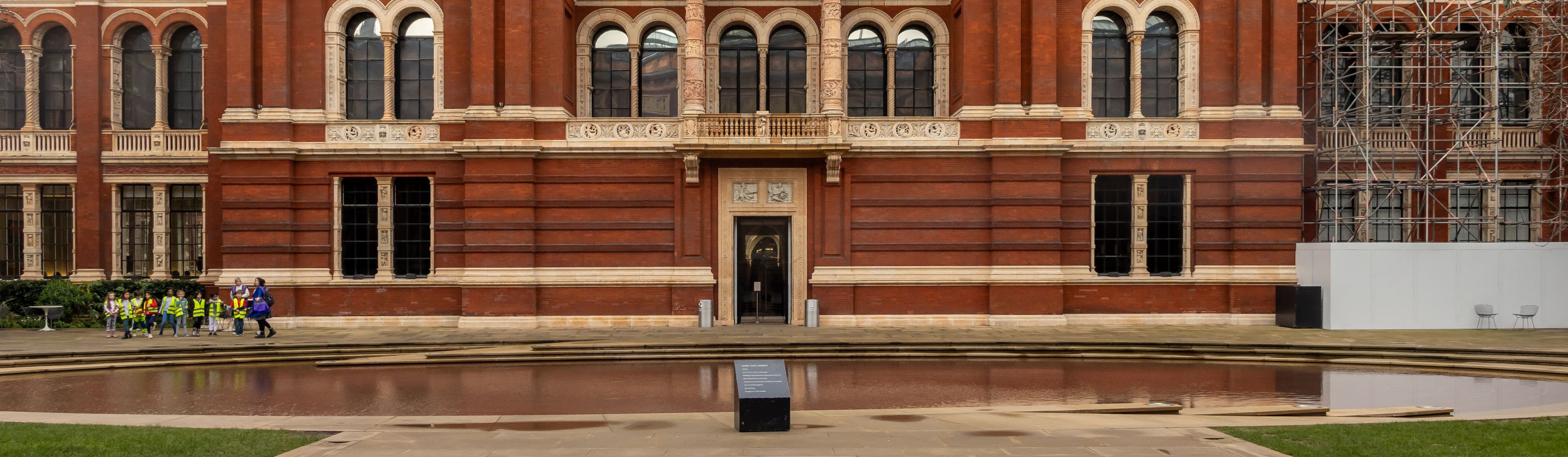
Everything Prince Albert Did That Made Him A Transformative Figure During The Victorian Era
Everything Prince Albert Did That Made Him A Transformative Figure During The Victorian Era
An Empire Builder
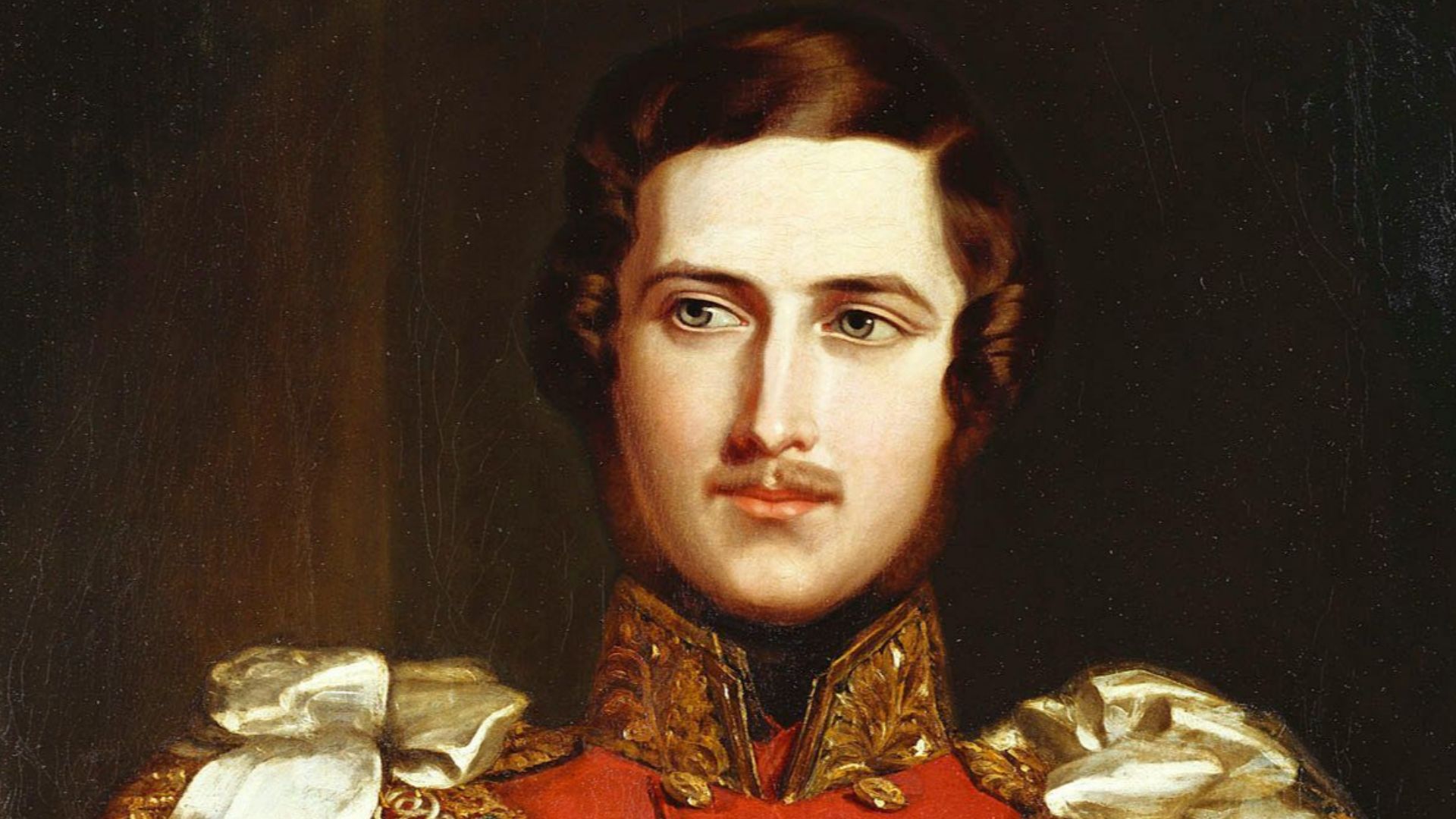
He arrived as a German prince whom few trusted, yet transformed an empire to define an era that bears his wife's name. Prince Albert of Saxe-Coburg and Gotha wasn't born to rule Britain, but his vision reshaped it entirely. Behind Queen Victoria's lengthy reign stood a consort whose influence reached far beyond palace walls. Discover the remarkable achievements that made Prince Albert the most transformative force.
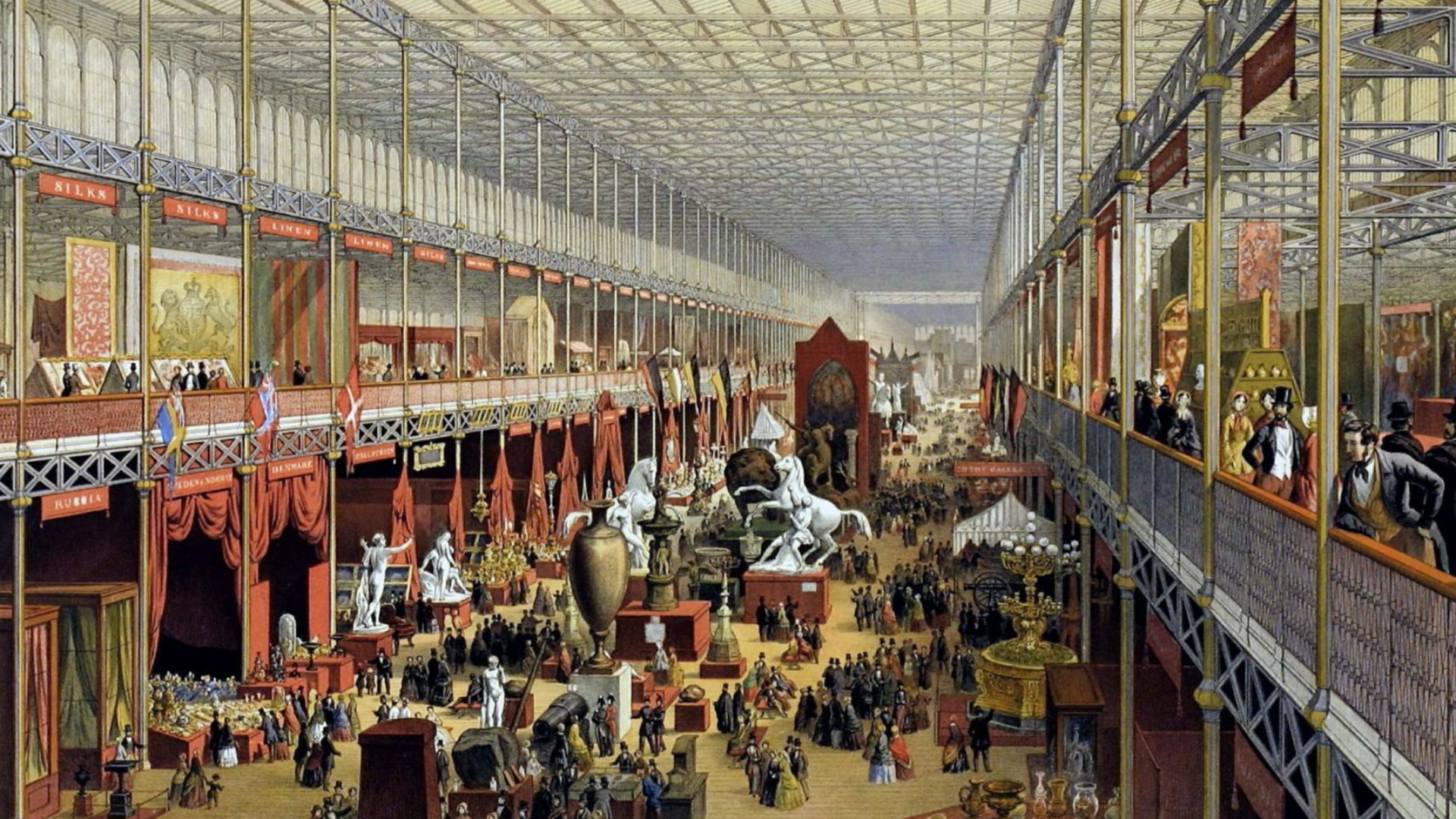
1. Architect of the Great Exhibition
Facing skepticism from Parliament and the public, Prince Albert personally chaired Royal Commission meetings to push the 1851 Great Exhibition forward. He hosted participants from over 40 nations to welcome six million visitors and produced a $23–25 million surplus.
2. Creator of Albertopolis Vision
The Exhibition’s profits became Albert’s long-term investment in public education. He also directed the purchase of 86 South Kensington, which formed a connected district for learning. It was an integrated model that continues educating millions to date.
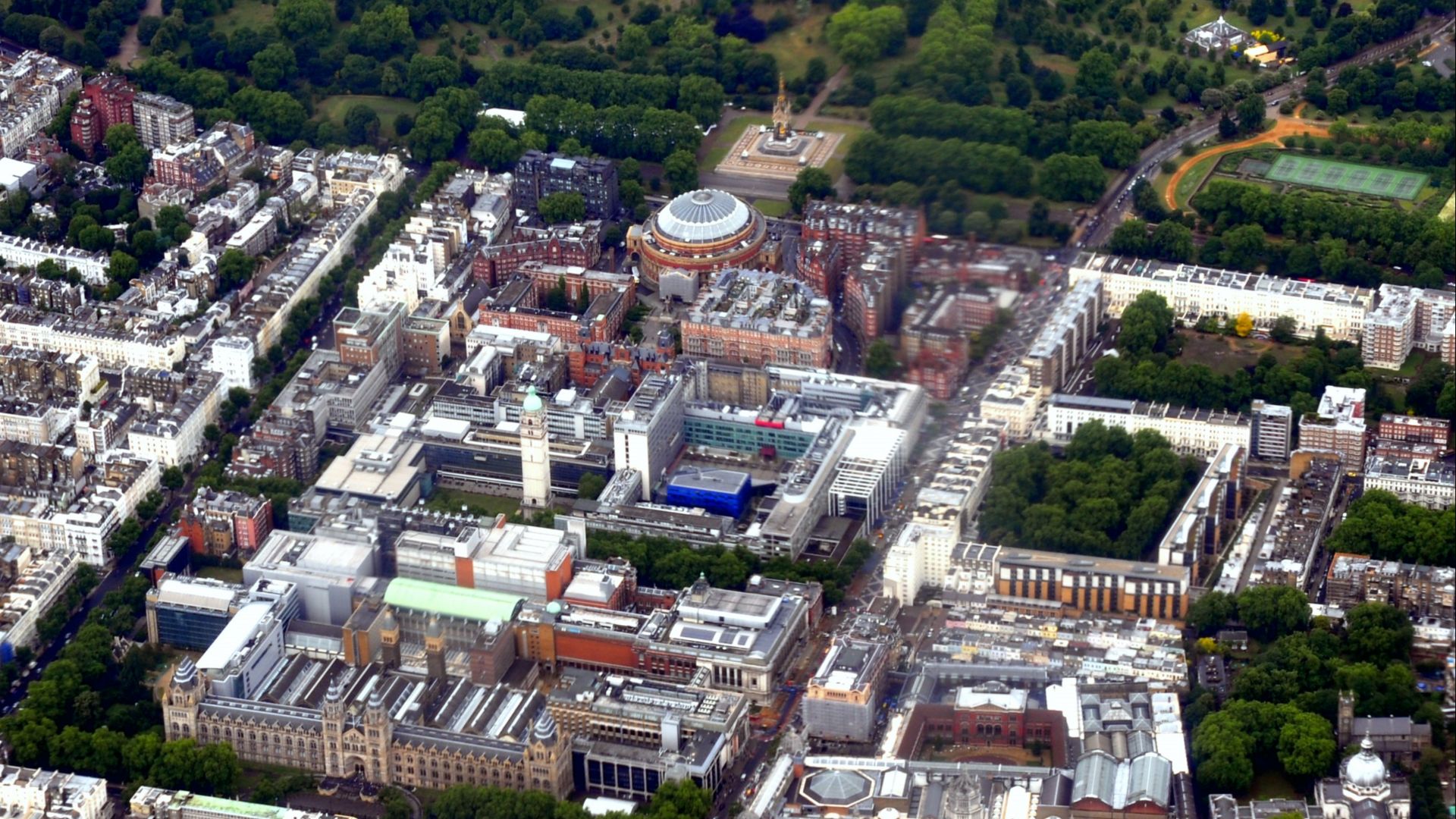 Photo: Andreas Praefcke on Wikimedia
3. Founder of Design Education Museum
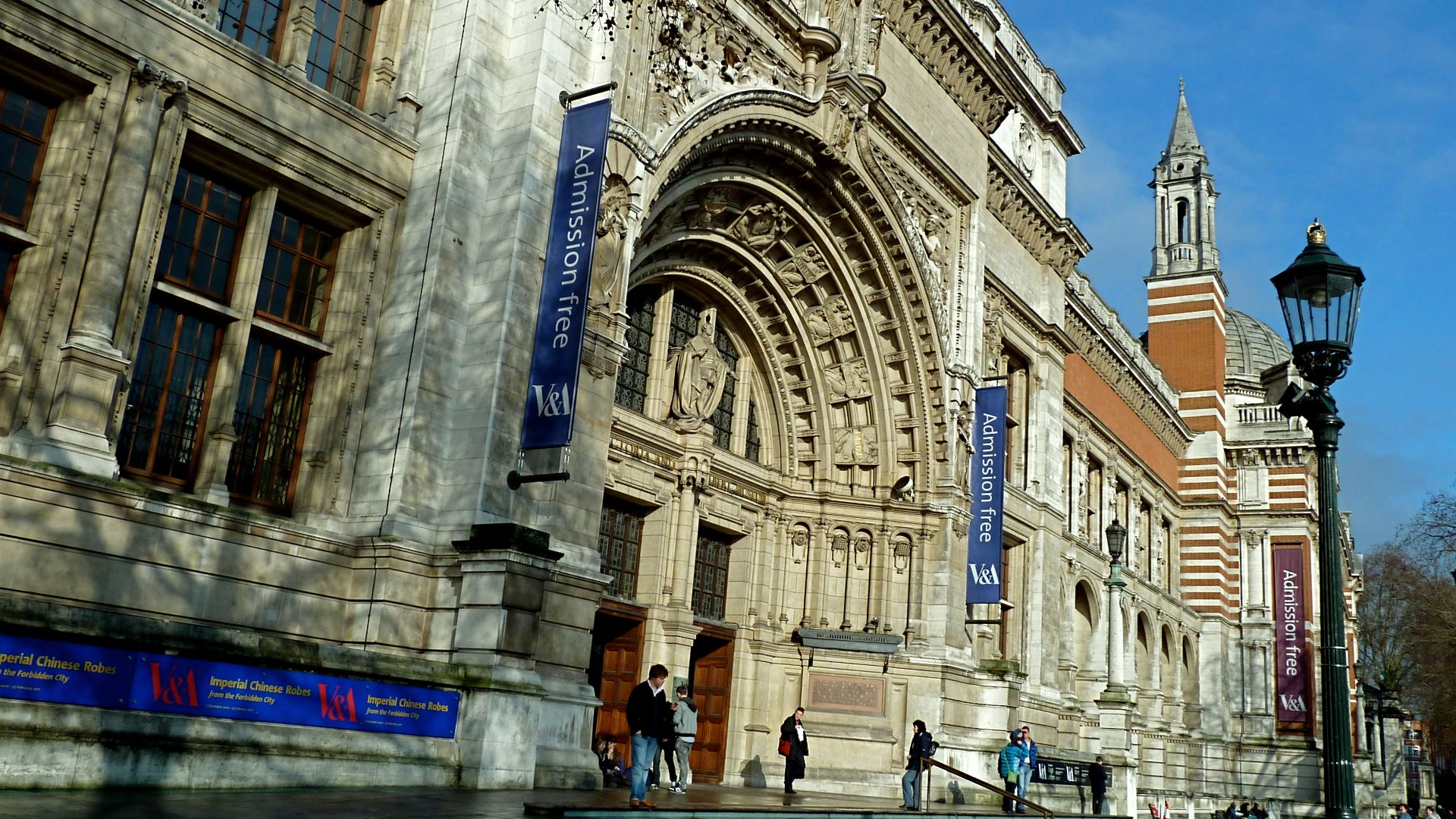
Industrial improvement drove his museum vision. The man launched the South Kensington Museum to train designers through applied arts displays, personally selecting early objects. The institution later evolved into the Victoria and Albert Museum.
4. Champion of Public Science Learning
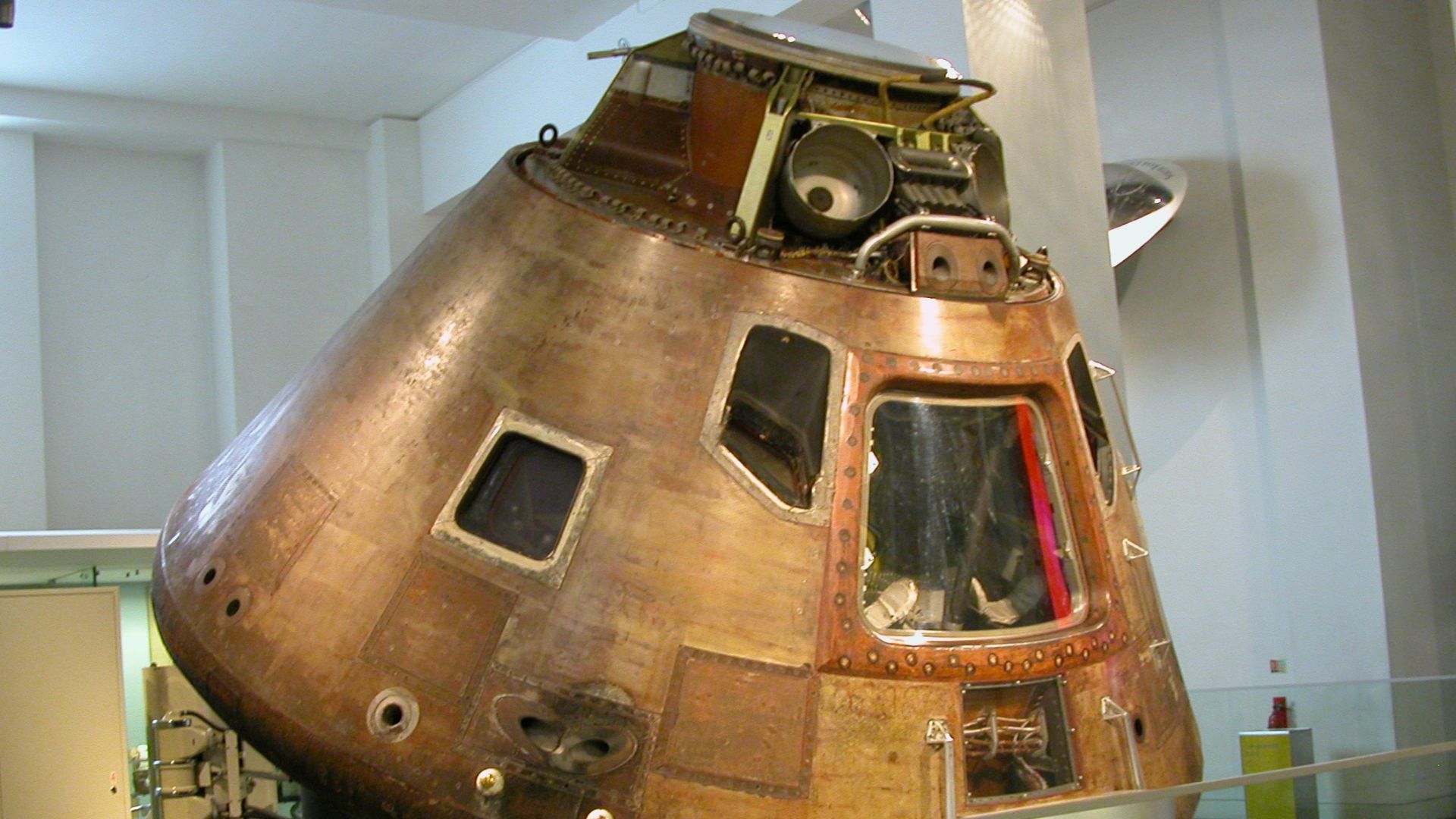
He strongly believed that machinery should educate. Albert secured funds for a science-focused museum; the space preserves working exhibits from 1851 for public access. This approach laid the foundation for the Science Museum’s enduring emphasis on hands-on understanding of technology.
 The original uploader was ByB at French Wikipedia. on Wikimedia
5. Advocate For Natural History Education
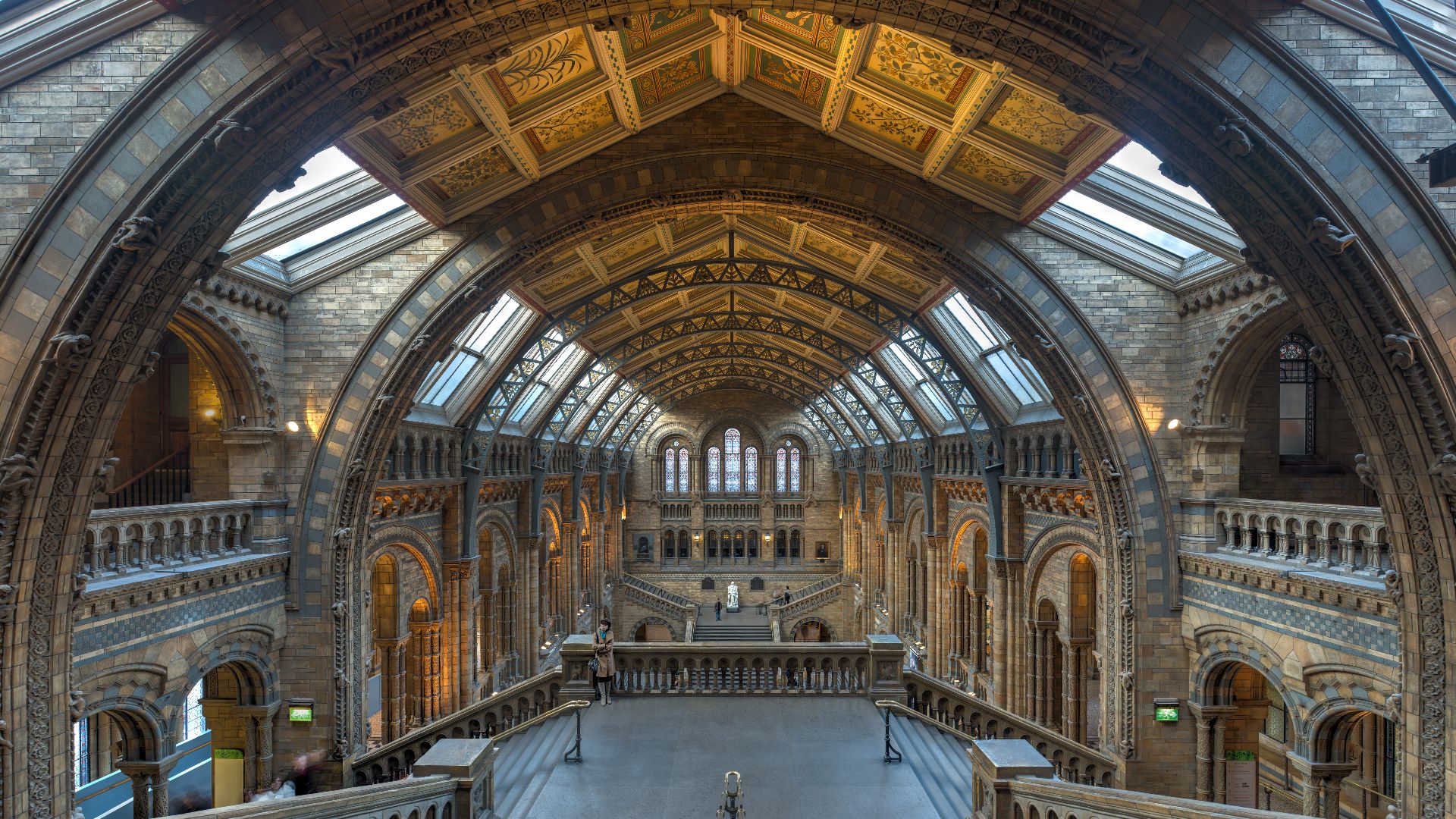
The visionary pressed for natural history collections within Albertopolis to separate biological study from art institutions. Though opened after his death, the Natural History Museum directly reflects his commitment to research and public scientific access.
6. Visionary Behind Royal Albert Hall
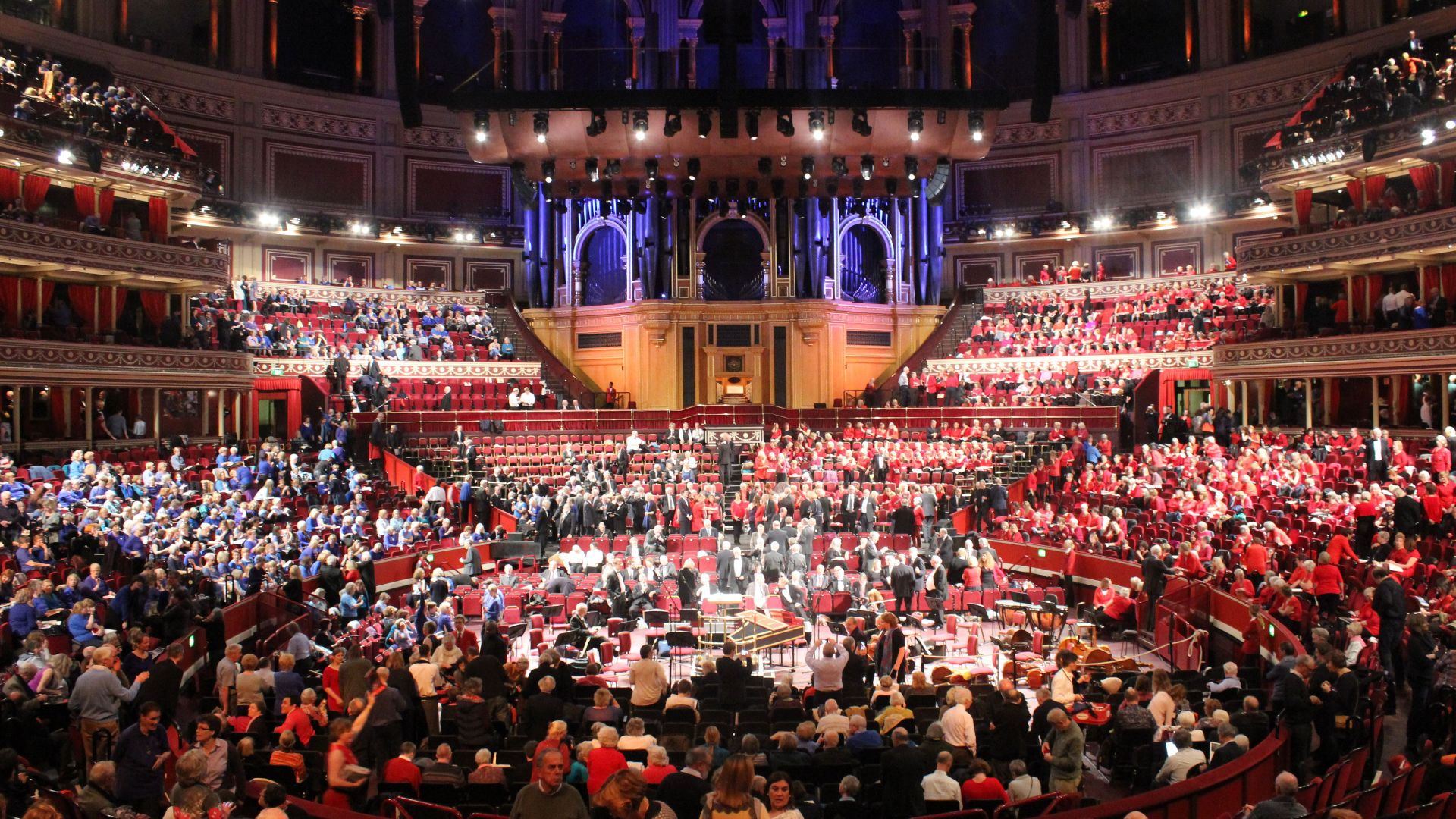
Long before construction began, Albert conceived a central “Hall of Arts and Sciences” for Albertopolis and approved its design. Built with Exhibition funds after his death, it opened in 1871. It became a landmark for concerts, lectures, and accessible cultural education.
7. Architect of Imperial College Origins
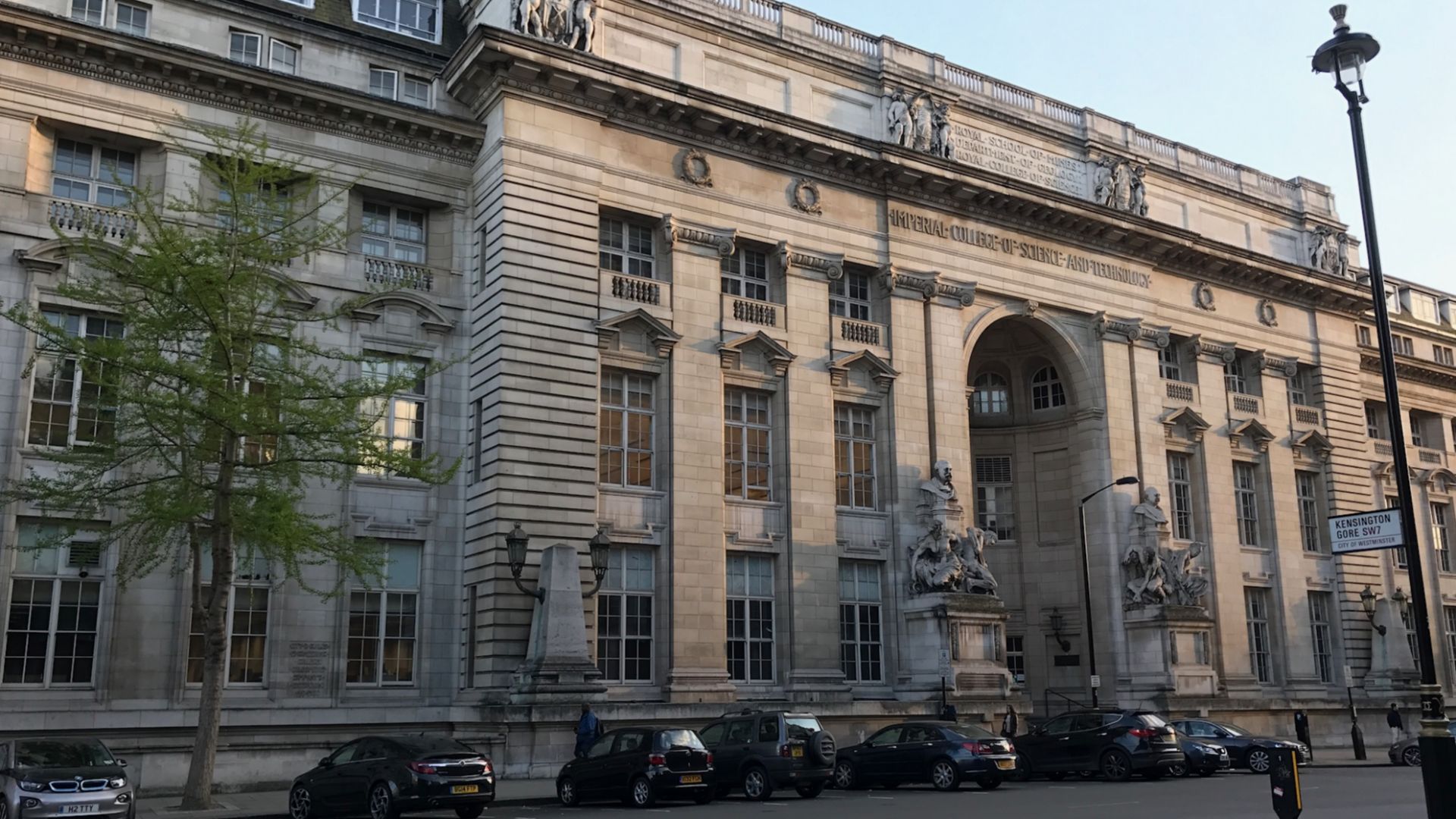
His push for applied science reshaped British higher education. Using Great Exhibition surpluses, he supported institutions like the Royal School of Mines and College of Science, which later merged into Imperial College London. It accelerated research-led training in engineering along with technology.
8. Modernizer of Cambridge University Studies
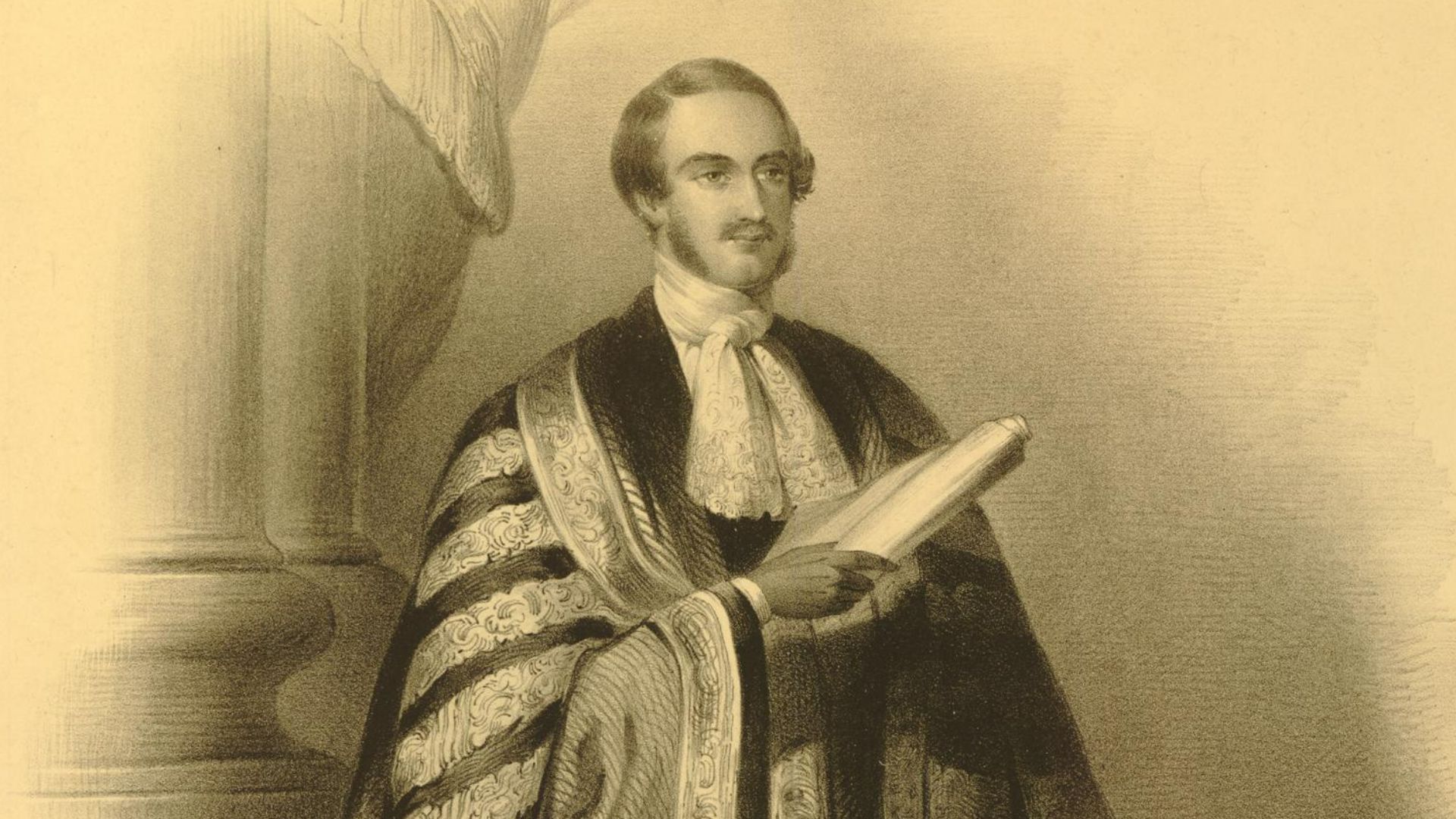
He was elected as a Chancellor in 1847 and challenged Cambridge’s classical dominance by championing the Natural Sciences and Moral Sciences Triposes. These reforms broadened academic study beyond classics, influencing curriculum modernization across British universities.
9. Leader in Britain’s Anti-Slavery Campaign
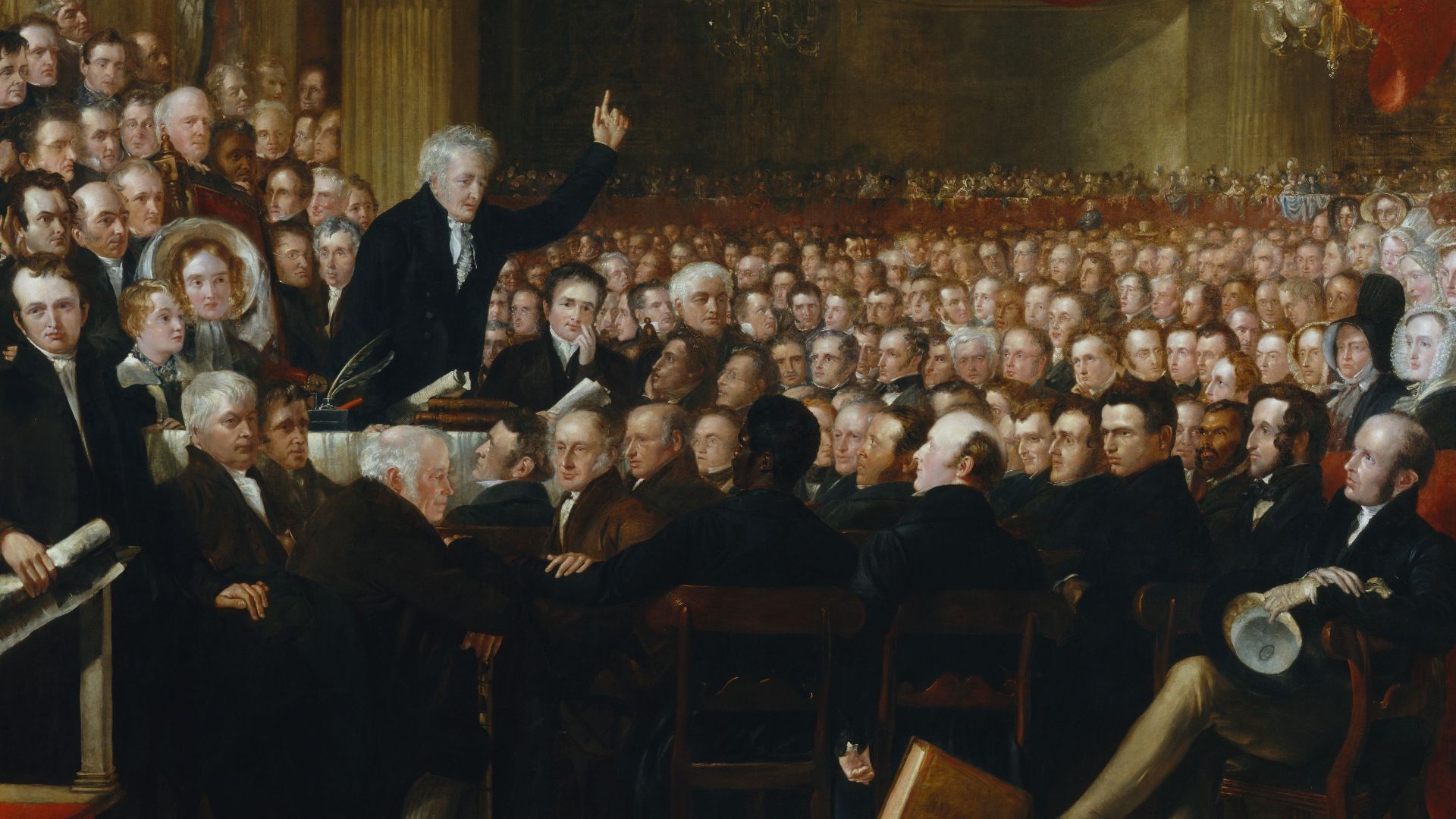
Albert understood that abolition required visibility. By publicly championing the cause and leading an anti-slavery society, he extended Britain’s post-1807 influence. In doing so, he embedded humanitarian leadership into the monarchy’s global identity.
10. Reformer Ending Military Duelling Culture
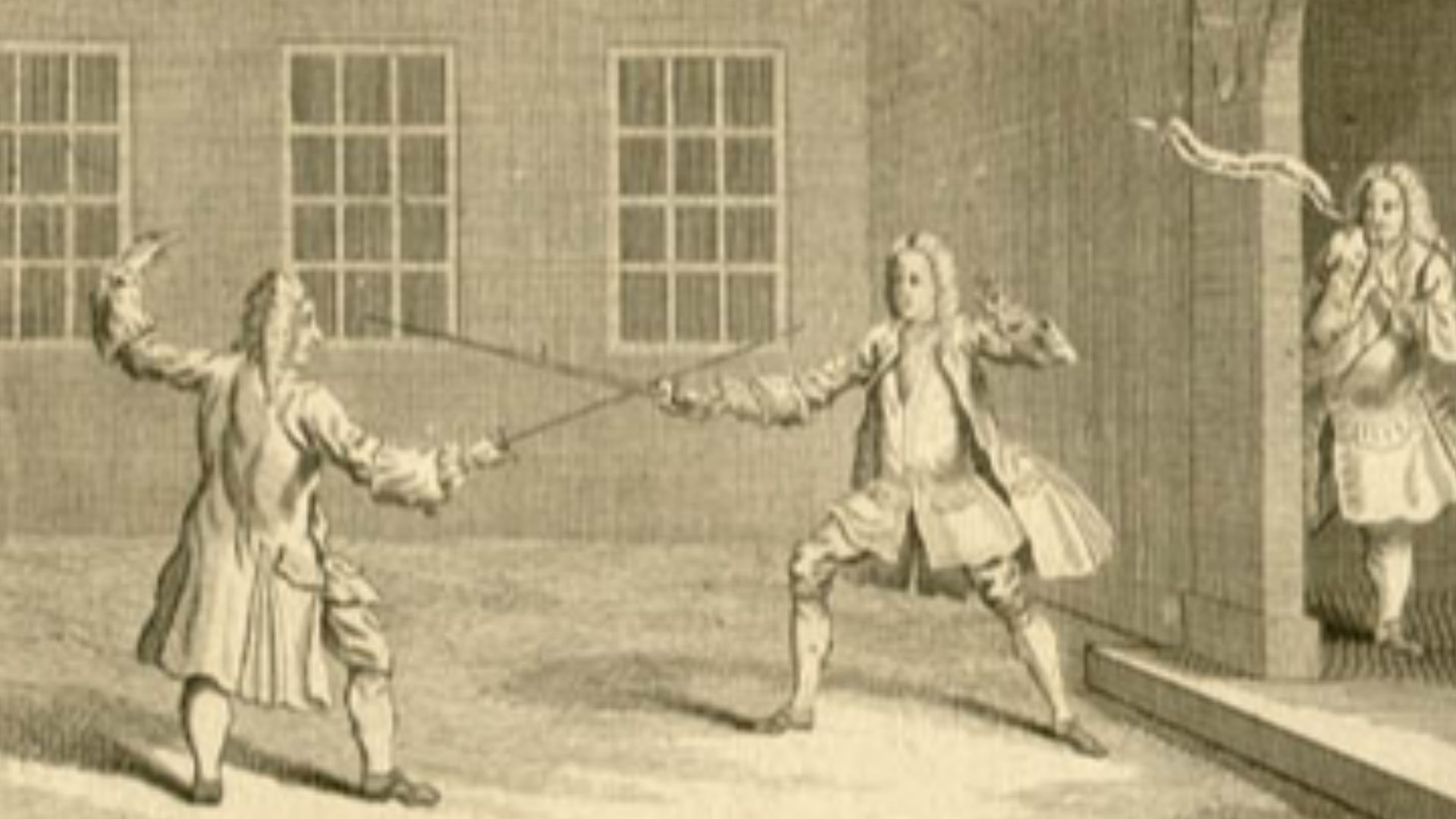
Viewing duelling as a dangerous anachronism, Albert quietly lobbied military leaders from 1843 to 1844. His efforts led to reforms in the Articles of War that replaced violent honor disputes with formal resolution systems. These changes helped professionalize the British officer corps and reduced the culture of personal combat.
 Unknown (Life time: 18th century) on Wikimedia
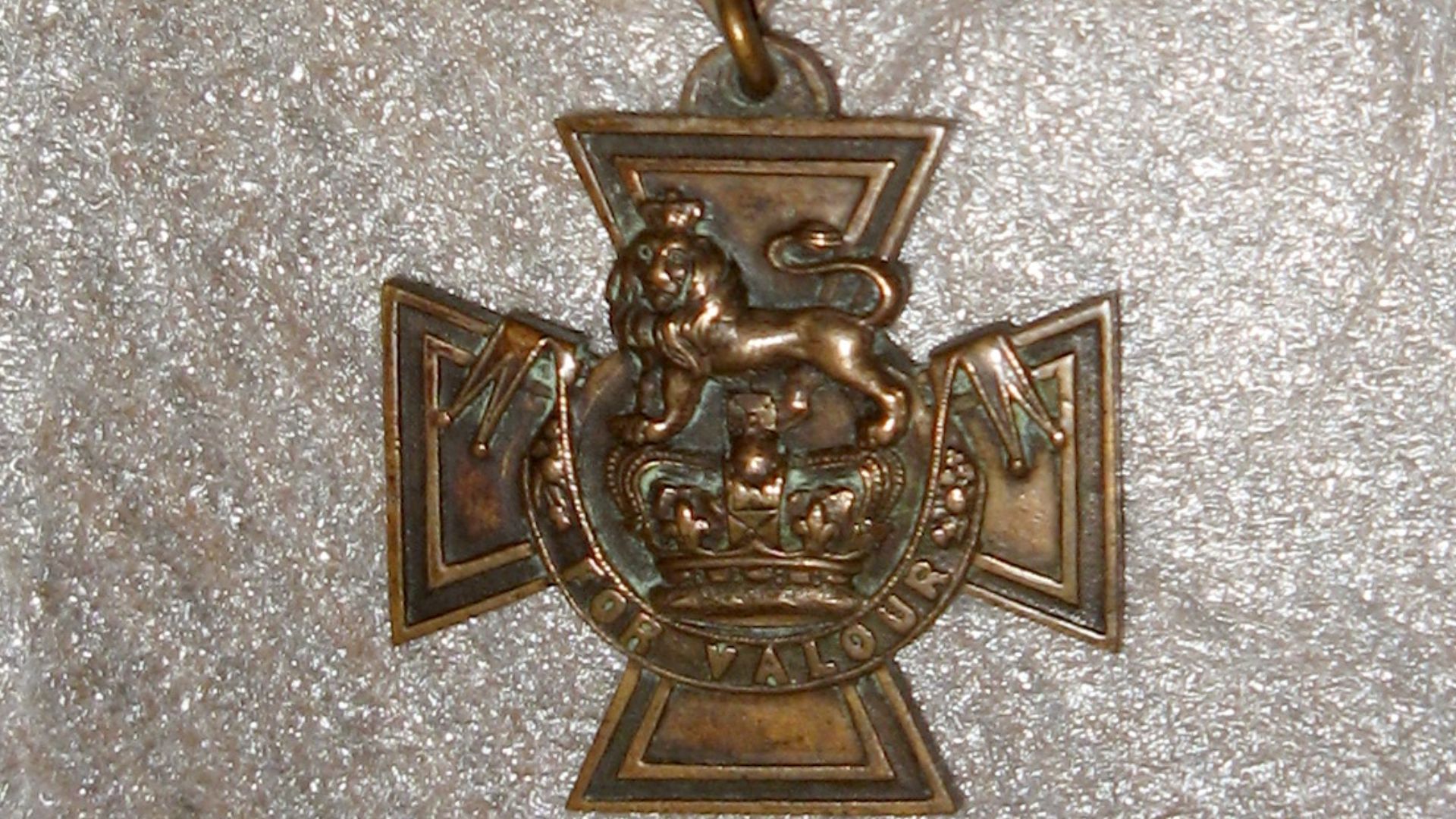
11. Made Bravery Awards Fair
Prince Albert proposed the Victoria Cross during the Crimean War so courage could be rewarded at every rank. Introduced in 1856, it replaced class-based honors with merit. It still remains Britain’s highest military decoration, awarded more than 1,300 times.
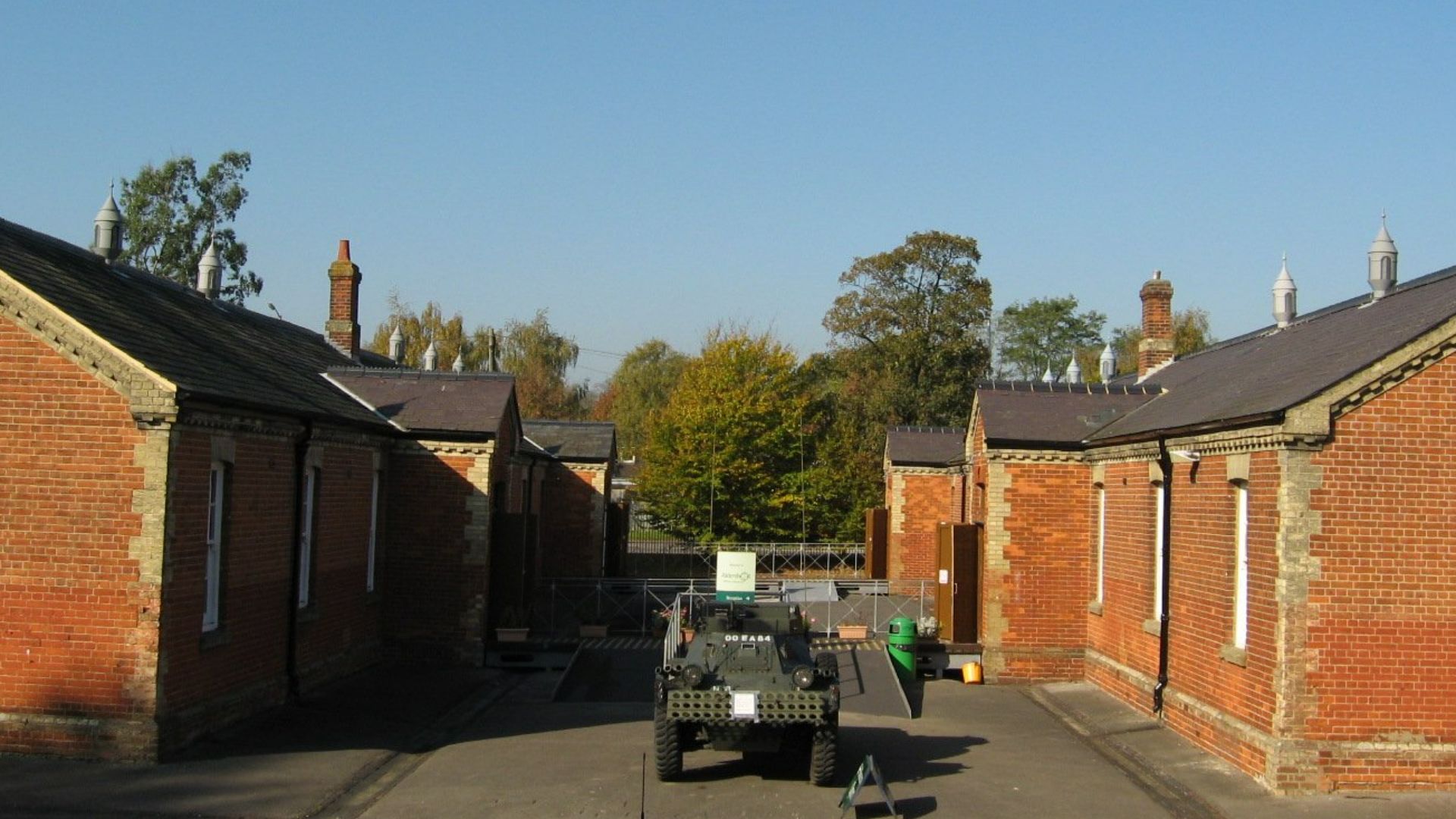
12. Built Britain’s Main Army Camp
He supported turning Aldershot into a permanent military training base in the 1850s. The camp improved drills along with education, while helping modernize the army, and it’s a central training location for British forces today.
13. Fixed Royal Household Finances
After taking control in the early 1840s, he reorganized royal spending and record-keeping. His strict budgeting reduced waste, increased estate income, and created professional management systems that still influenced how the royal household operates.
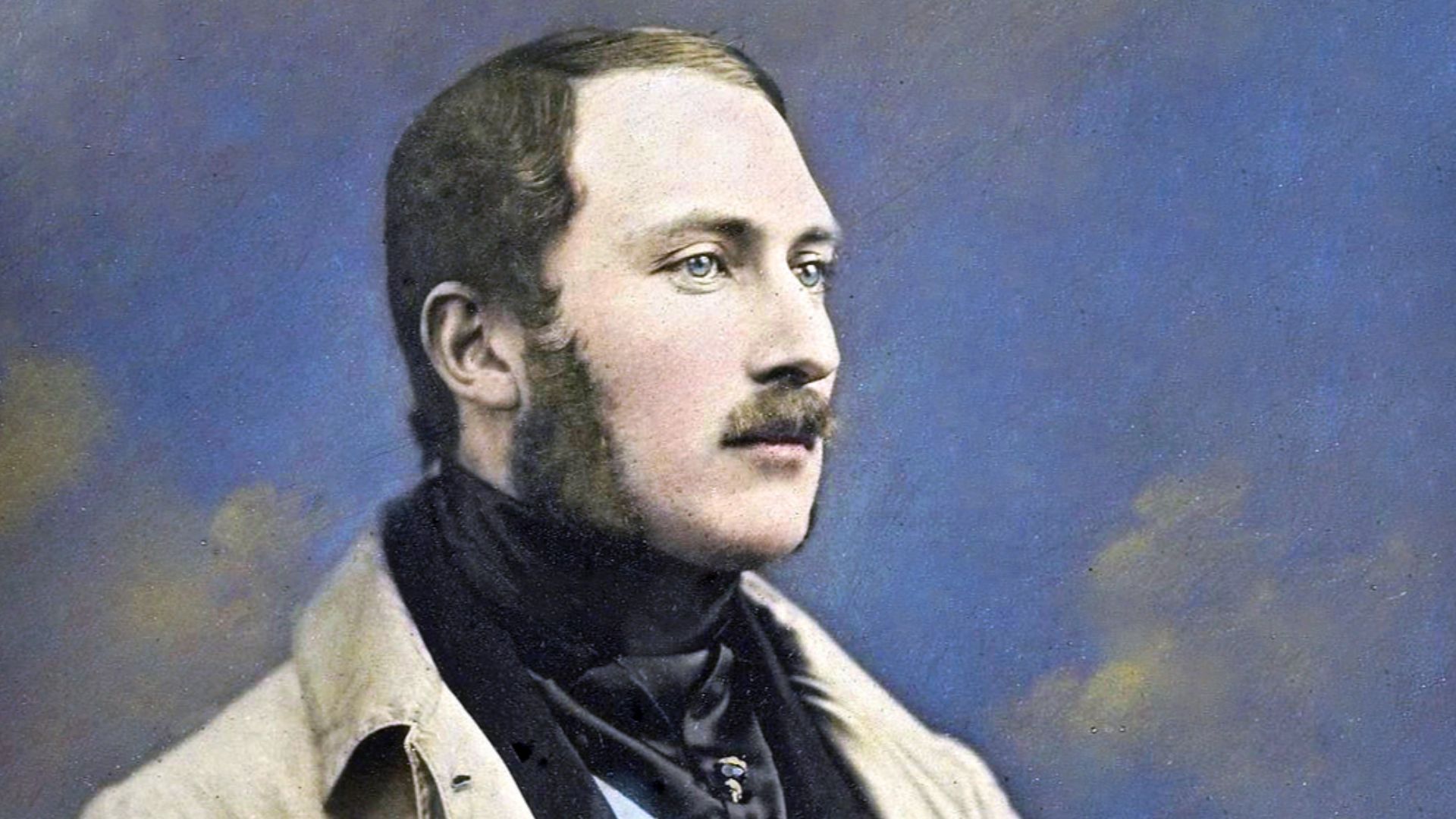 William Edward Kilburn on Wikimedia
14. Improved Farming on Royal Lands
Albert introduced modern farming methods on royal estates, which included crop rotation with mechanized tools. His model farms increased food production and also showed landowners practical ways to adopt scientific agriculture during Britain’s agricultural transformation.
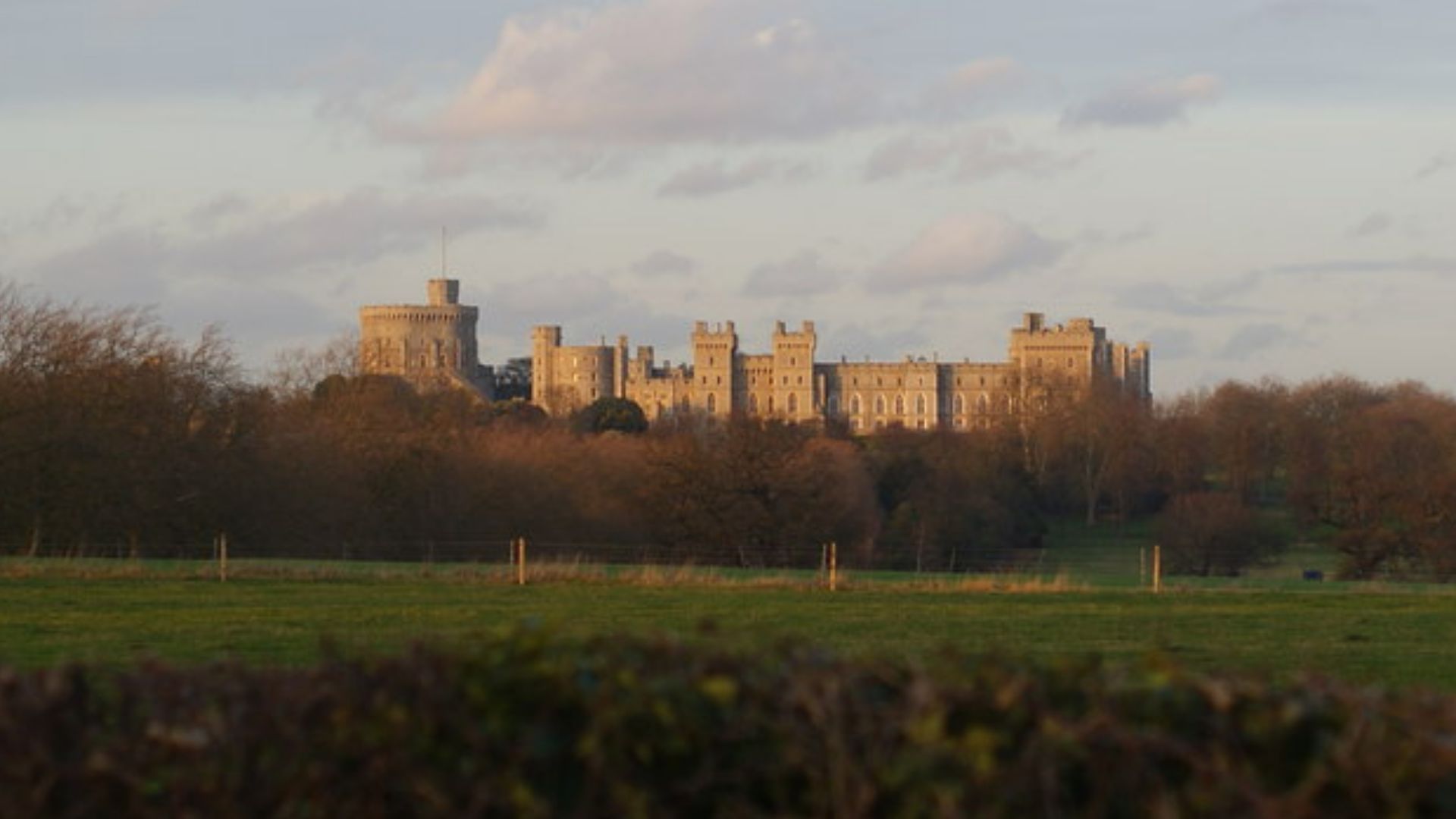
15. Designed Osborne House Retreat
A seaside escape took shape when Prince Albert personally co-designed Osborne House between 1845 and 1851. He supervised the layouts of this structure to create a private royal home that popularized coastal residences as a model of Victorian domestic design.
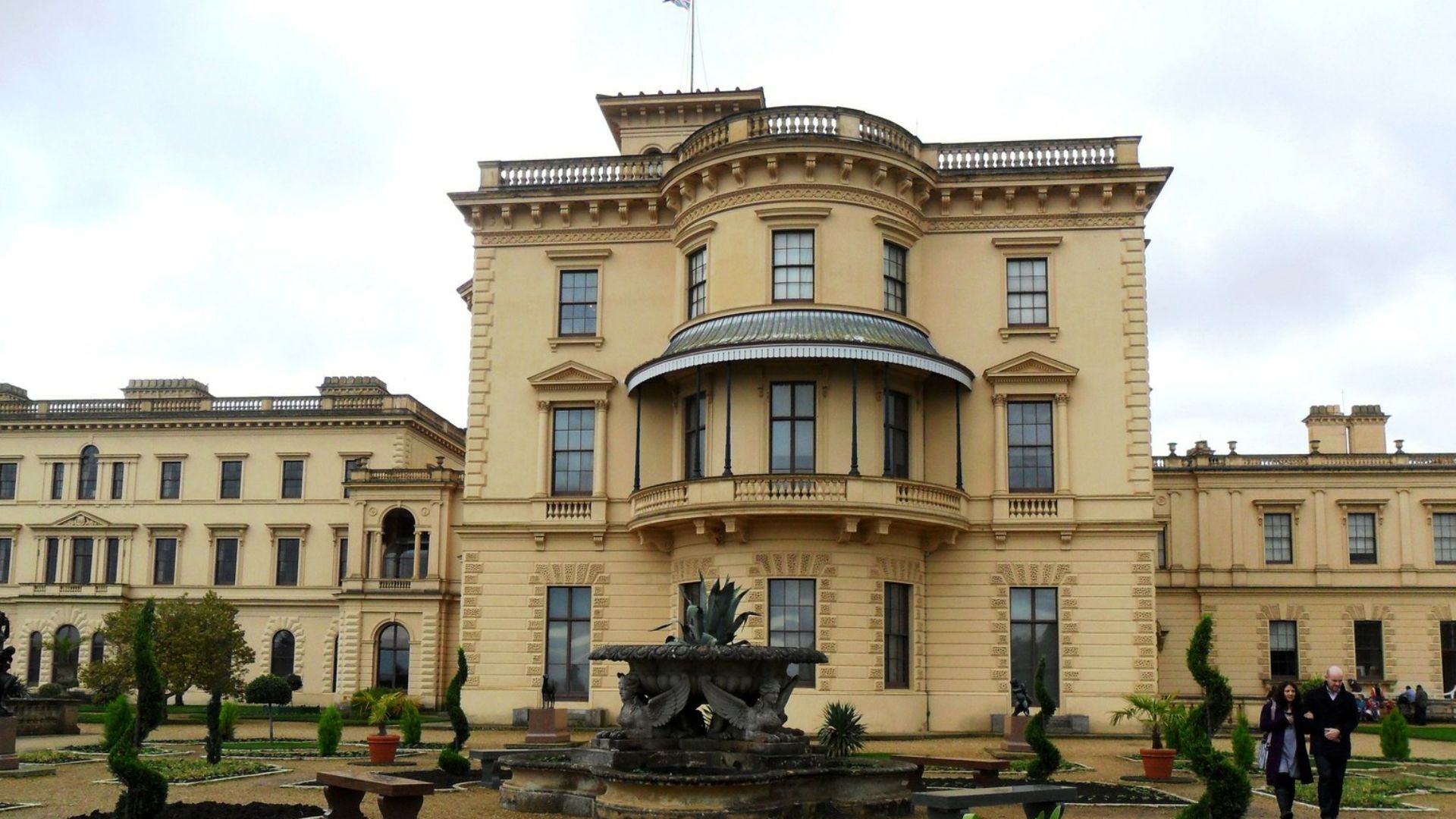 Dominique MacNeill on Wikimedia
16. Reimagined Balmoral Castle Identity
Balmoral became more than a residence under his direction. After purchasing the estate in 1852, Albert led a Scottish Baronial redesign. He embraced Highland architecture with traditions to strengthen royal ties to Scotland while shaping a lasting symbol.
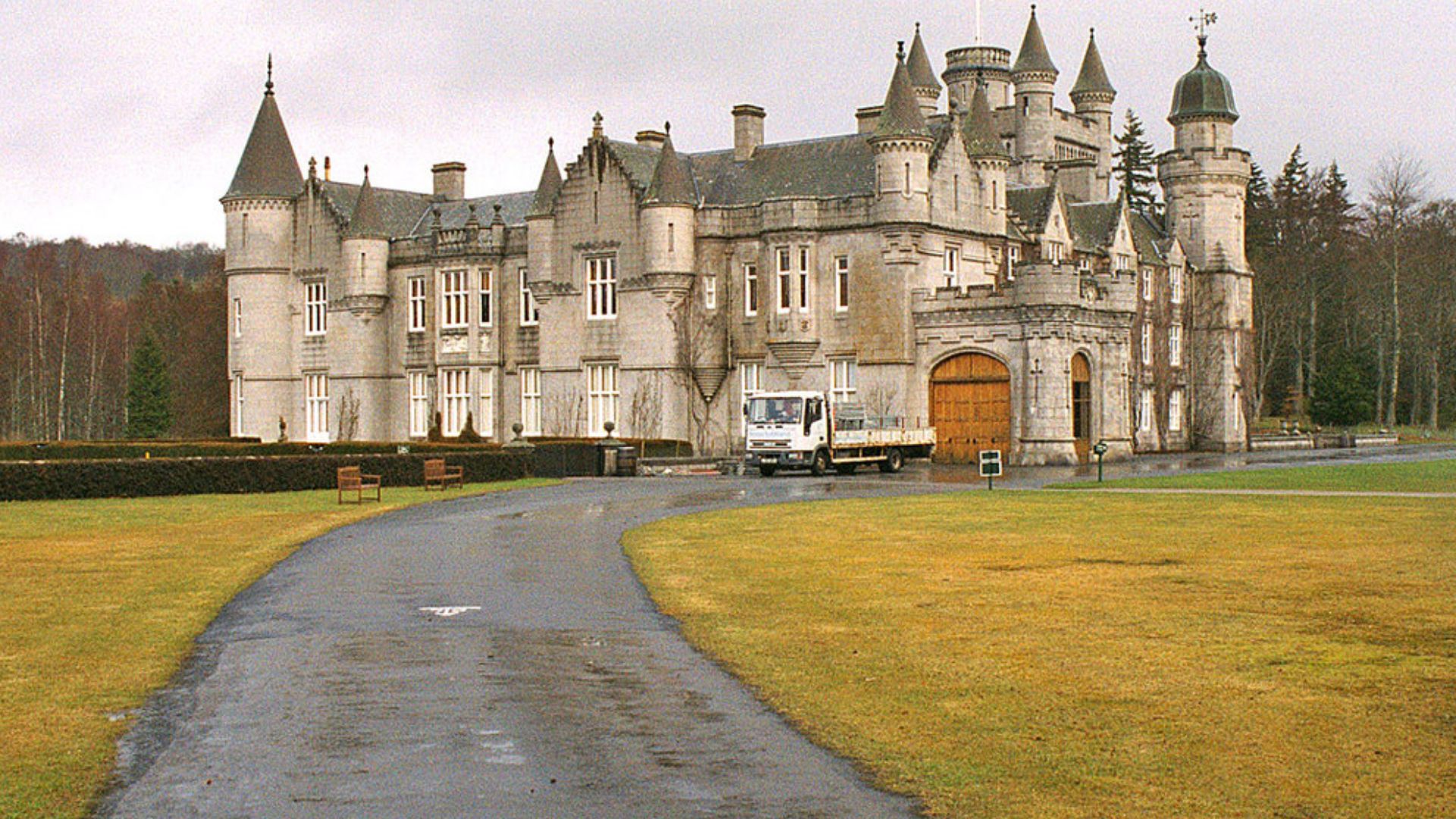
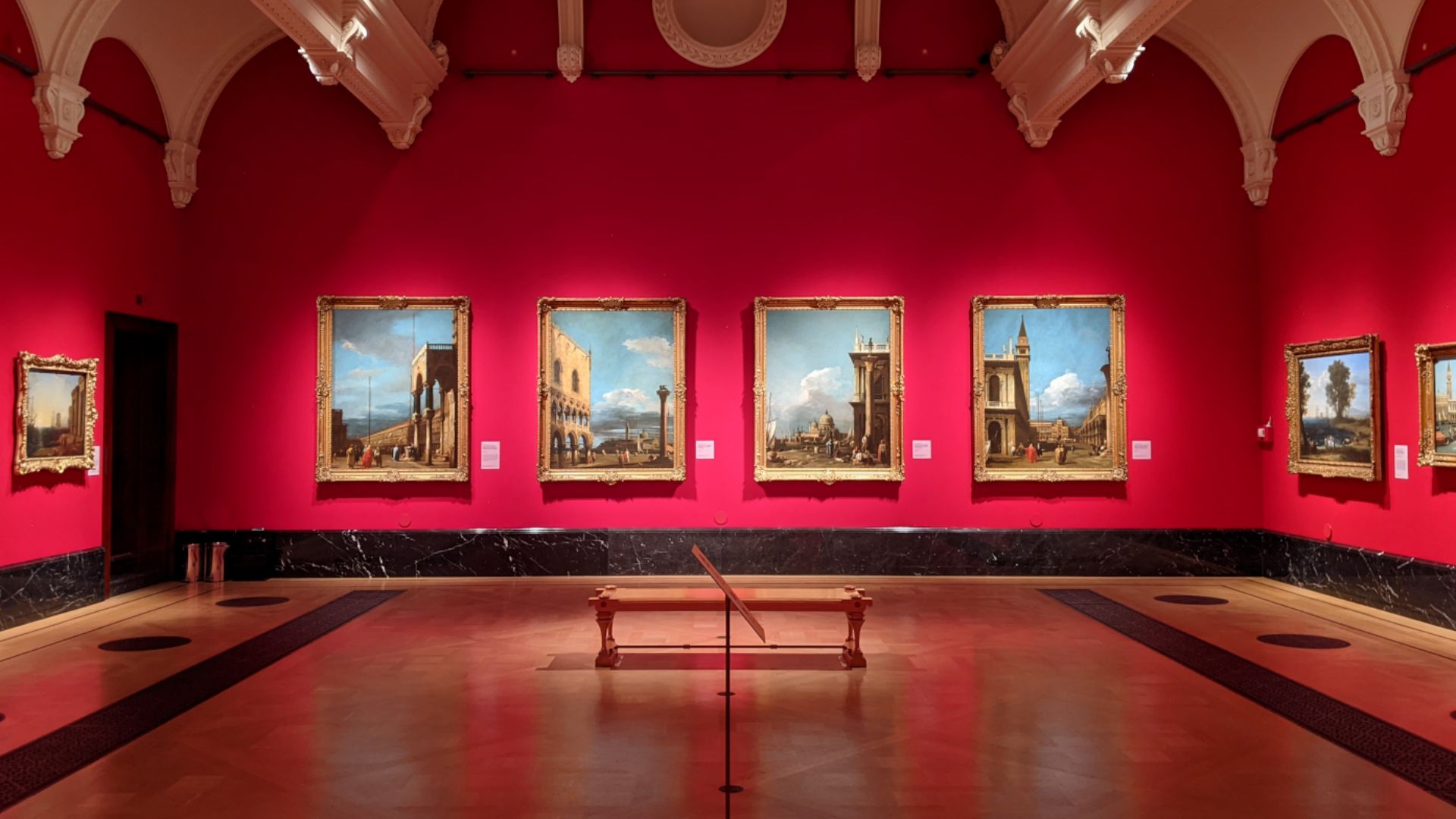
17. Systematized the Royal Collection
Art stewardship changed fundamentally when the prince imposed order on the Royal Collection. Through detailed targeted acquisitions, he professionalized preservation practices. This turned a scattered inheritance into a curated archive that still defines modern royal collection management.
18. Advanced Art Preservation Through Photography
New technology reshaped art study in the 1850s when he commissioned photographs of the Raphael Cartoons. By building a collection of over 5,000 images, the prince helped establish photography as a serious tool for documentation with cultural preservation.
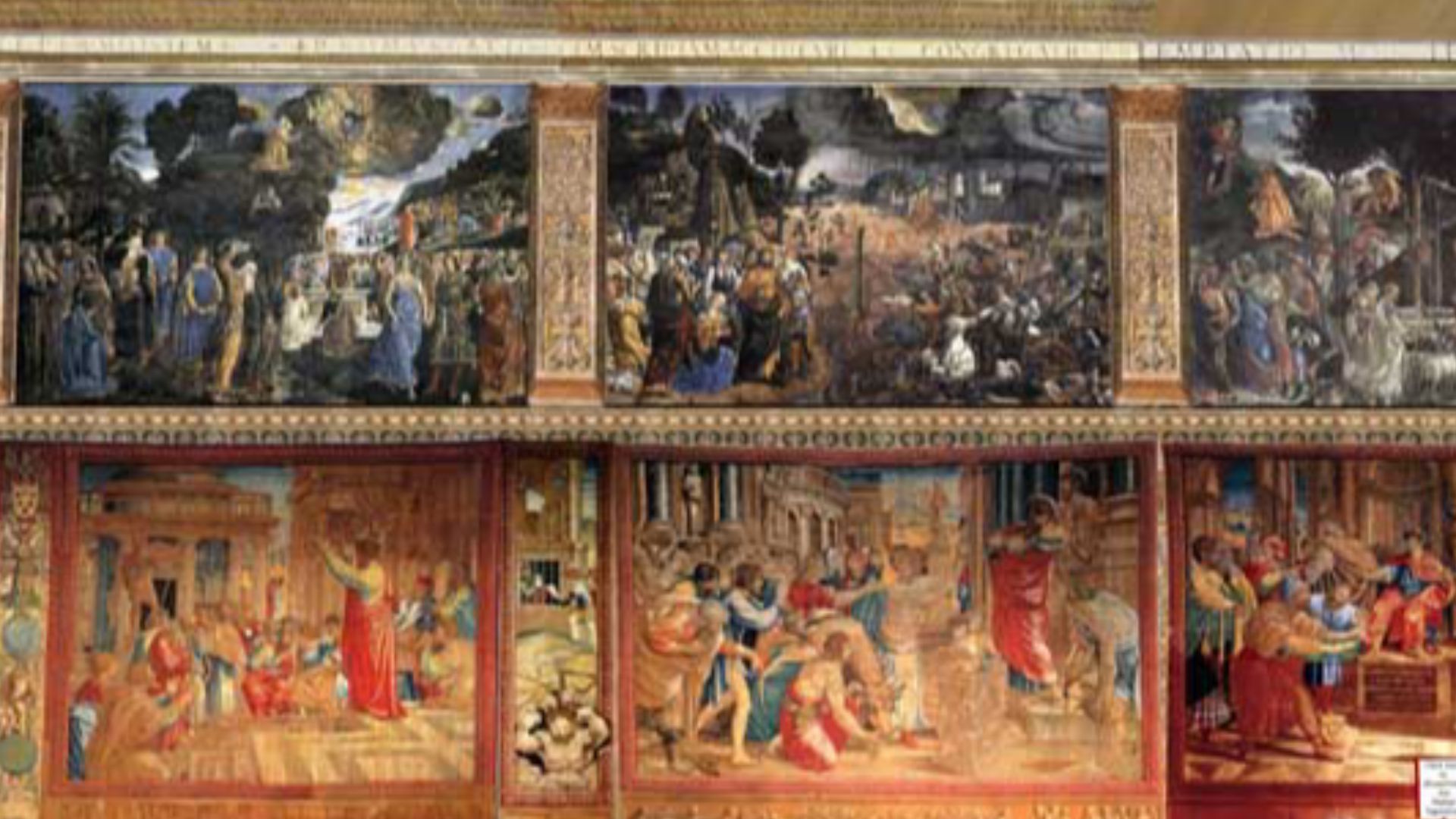 see filename or category on Wikimedia
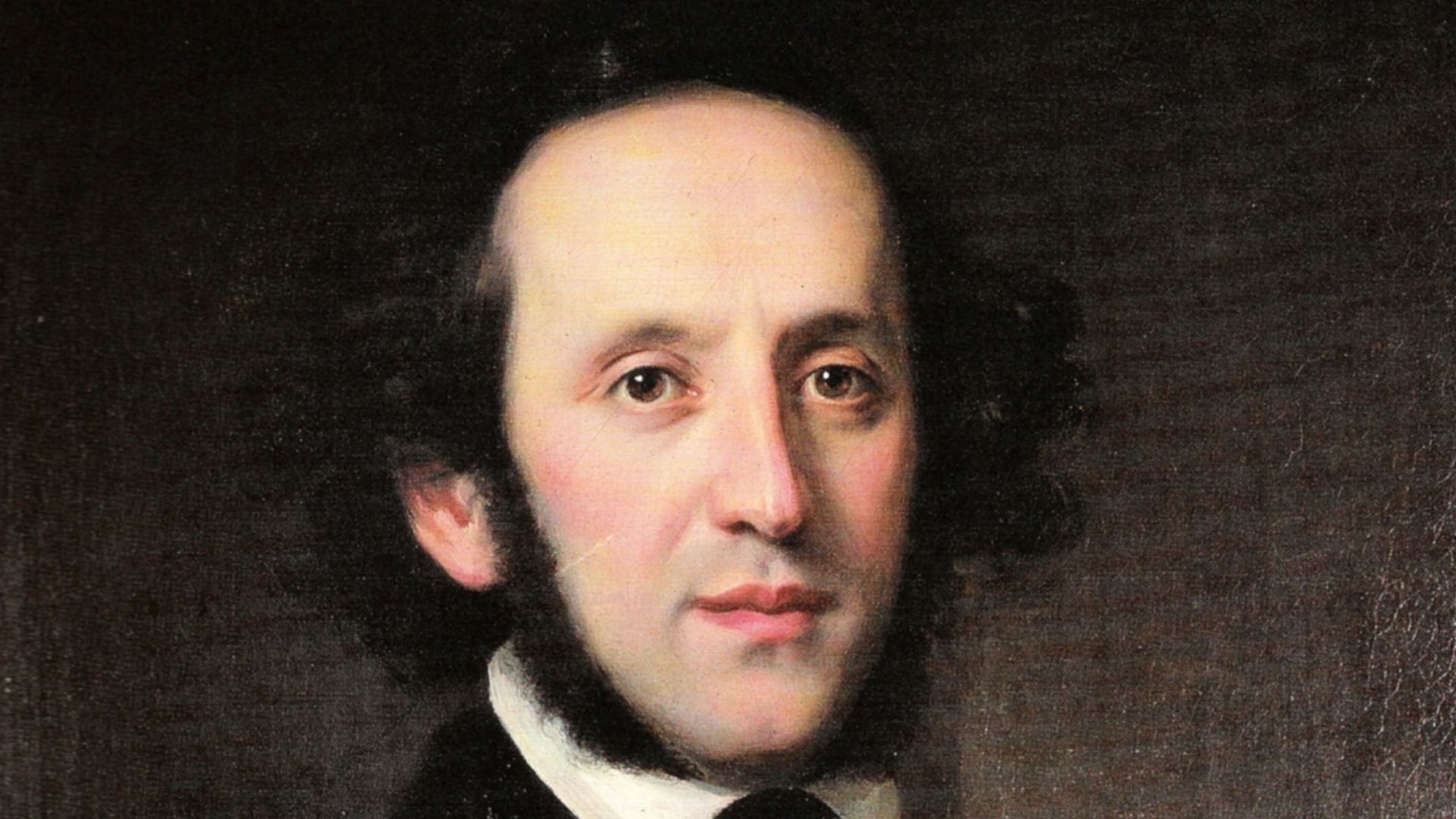
19. Elevated Britain’s Musical Standards
Even the concert halls changed tone under his musical leadership. Albert promoted modern composers like Mendelssohn and Schumann while raising performance quality through the Philharmonic Society. He even composed himself, helping shift British audiences toward Romantic-era music.
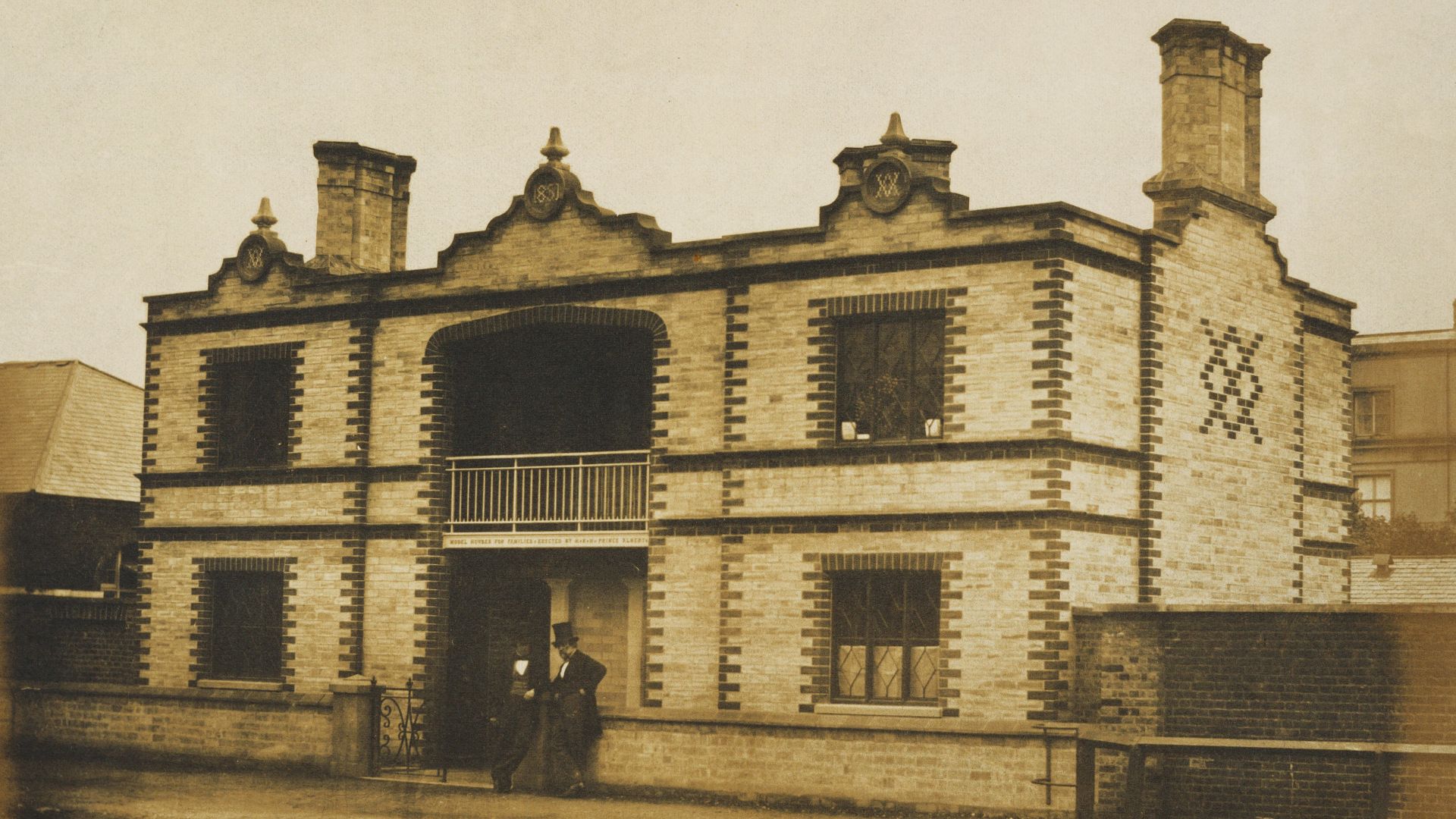
20. Improved Housing For Working Families
Urban reform gained momentum through his presidency of a housing society focused on practical solutions. By supporting model dwellings with better sanitation, he influenced early public housing ideas and shaped later Victorian approaches to working-class living conditions.
 Claude-Marie Ferrier (1811 - 1889) Details on Google Art Project on Wikimedia
KEEP ON READING
The 20 Most Recognized Historical Figures Of All Time
The Biggest Names In History. Although the Earth has been…
By Cathy Liu Oct 4, 2024
10 of the Shortest Wars in History & 10 of…
Wars: Longest and Shortest. Throughout history, wars have varied dramatically…
By Emilie Richardson-Dupuis Oct 7, 2024
10 Fascinating Facts About Ancient Greece You Can Appreciate &…
Once Upon A Time Lived Some Ancient Weirdos.... Greece is…
By Megan Wickens Oct 7, 2024
20 Lesser-Known Facts About Christopher Columbus You Don't Learn In…
In 1492, He Sailed The Ocean Blue. Christopher Columbus is…
By Emilie Richardson-Dupuis Oct 9, 2024
20 Historical Landmarks That Have The Craziest Conspiracy Theories
Unsolved Mysteries Of Ancient Places . When there's not enough evidence…
By Megan Wickens Oct 9, 2024
The 20 Craziest Inventions & Discoveries Made During Ancient Times
Crazy Ancient Inventions . While we're busy making big advancements in…
By Cathy Liu Oct 9, 2024