Catherine de' Medici's Deadly Plot and the Mass Murder of Huguenots
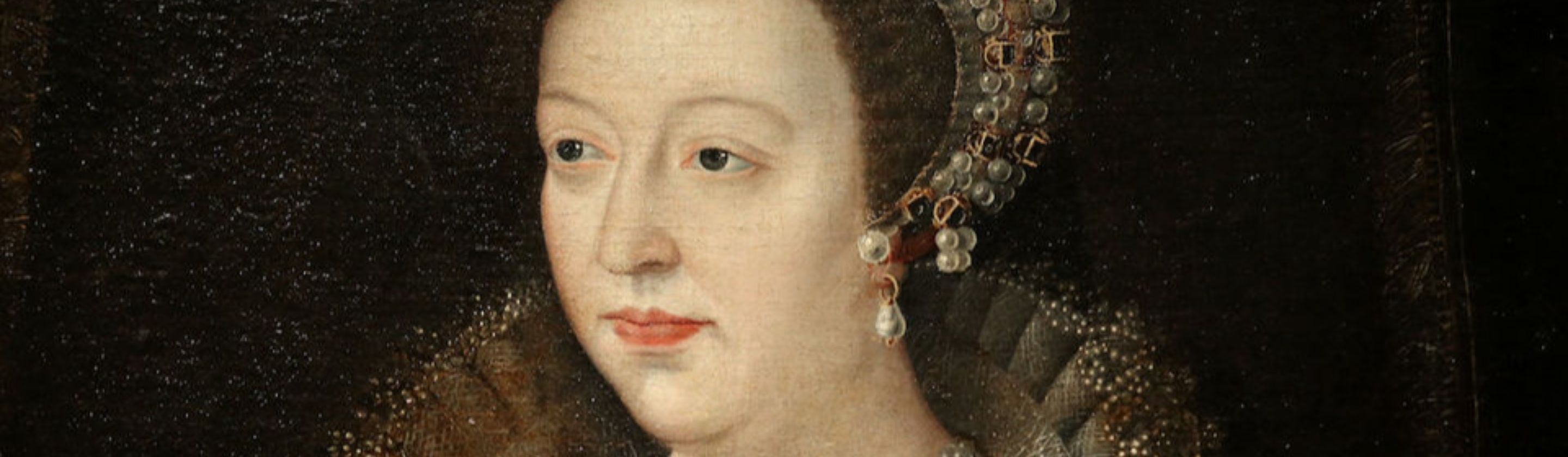
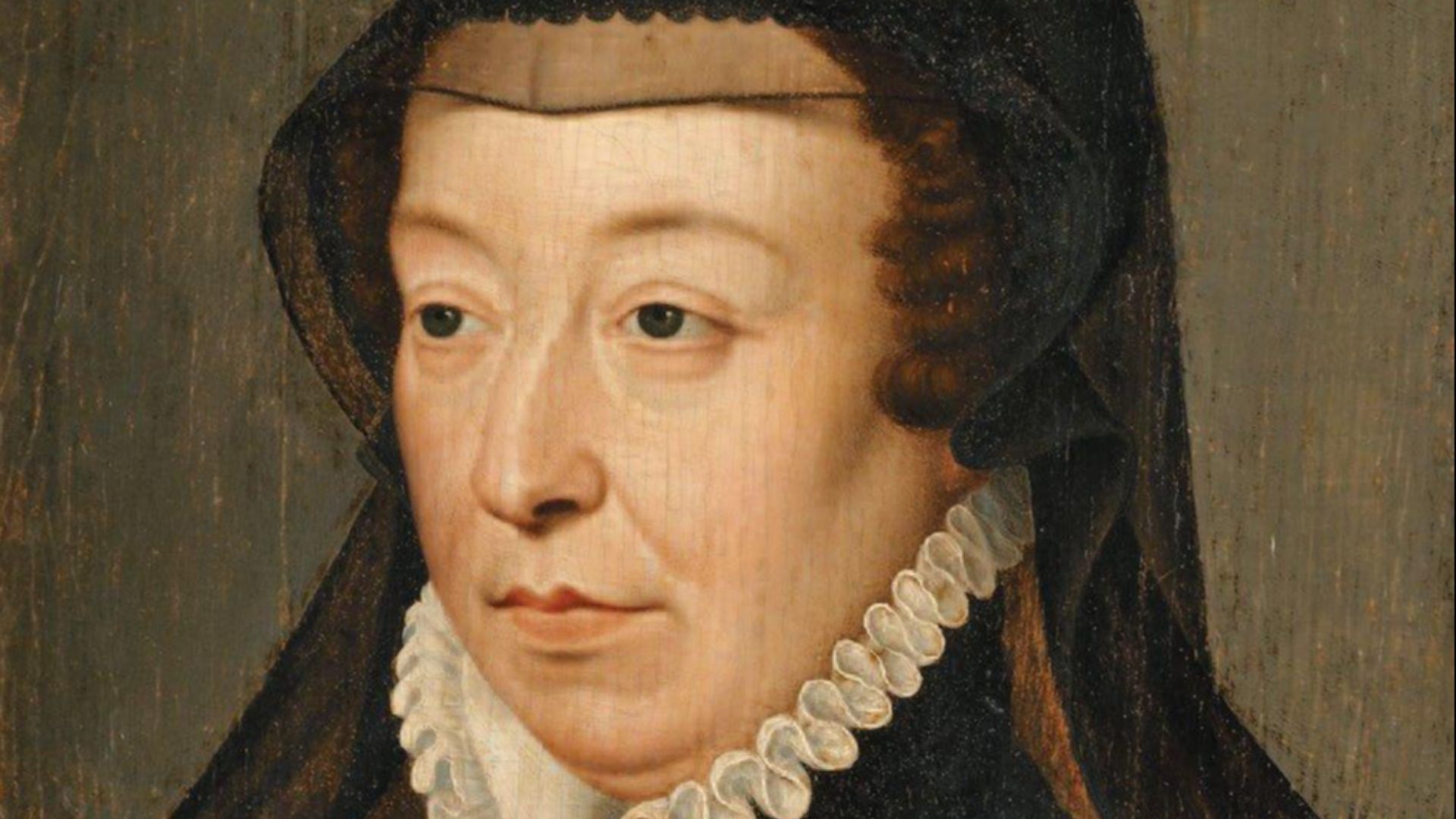 Workshop of François Clouet on Wikimedia
On August 24, 1572, just before dawn, the bell of Saint-Germain-l'Auxerrois began to toll. What happened next would become one of the worst religious massacres of the 16th century. The St. Bartholomew's Day Massacre started as a targeted assassination of Protestant leaders and exploded into weeks of citywide slaughter. Modern estimates place deaths across France between 5,000 and 30,000 people. Behind it all was Catherine de' Medici, the queen mother who saw her son's advisor as a threat to her power and decided murder was the solution.
It Started With One Failed Assassination
Admiral Gaspard II de Coligny, a Huguenot leader, supported a war in the Low Countries against Spain as a means to prevent a resumption of civil war. King Charles IX was starting to listen to him, and that terrified Catherine. She'd been the power behind the throne since her husband died in 1559, and she wasn't about to let some Protestant admiral steal her influence.
The wedding of Catherine's daughter Margaret to Protestant Henry of Navarre on August 18 had brought Huguenot nobility flooding into Paris. Hundreds of Protestant leaders, all in one place. Four days after the ceremony, on August 22, someone shot Coligny as he walked back from the Louvre, wounding him.
Afraid of her involvement being discovered, Catherine scrambled to cover her tracks. She met secretly with a group of nobles at the Tuileries Palace to hatch a new plot: this time to completely exterminate the Huguenot leaders in Paris.
The Killing Started at Dawn
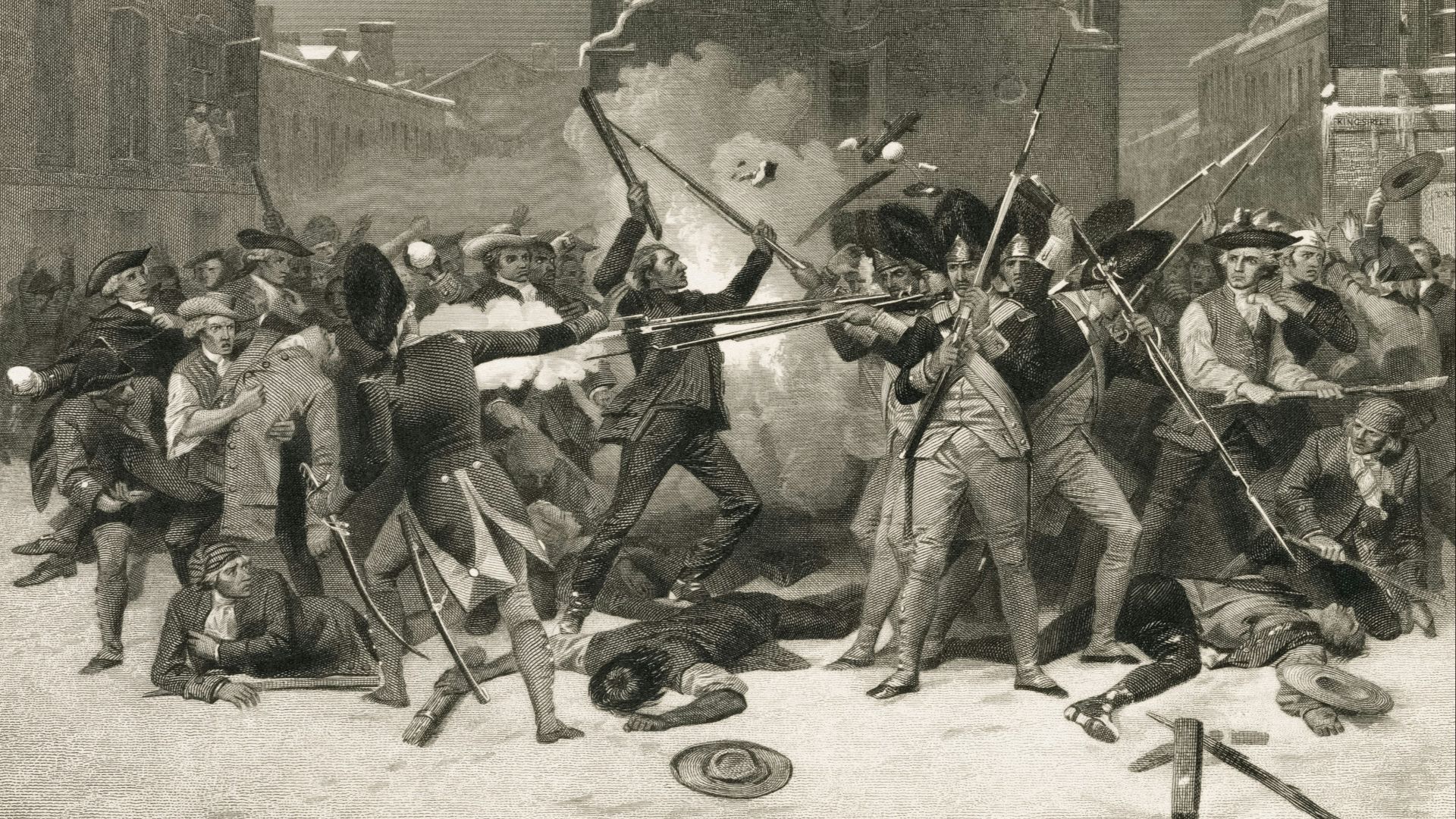 The New York Public Library on Unsplash
Shortly before dawn on August 24, the bell of Saint-Germain-l'Auxerrois began to toll, and the massacre began. One of the first victims was Coligny, who was killed in his bedroom as he recovered from the assassination attempt two days earlier.
The violence spread immediately through the Louvre. Catholic mobs moved through Paris house by house, street by street. They dragged Huguenots from their homes and shops, murdering them in the streets and looting everything. On August 25, Charles issued a royal order to stop the killing, but nobody listened.
The Massacre Spread Beyond Paris
Within days, the violence had spread to the provinces of Rouen, Lyon, Bourges, Orléans, and Bordeaux. According to historian Jérémie Foa, the massacre was neighbors killing their own neighbors. The state's administration had no means to identify who was Protestant and who was not—only the citizens could know who did not go to Mass on Sunday. Religious hatred combined with old grudges, property disputes, and pure opportunism.
The violence stretched into October. Some governors tried to protect the Huguenots in their custody, keeping them in prison for safety. Angry mobs broke in and killed them anyway. Other local officials actively encouraged the killing, believing that Charles IX wanted Protestants eliminated throughout France.
The Numbers Are Still Debated
Modern historians tend to estimate around 10,000 total deaths, with roughly 3,000 in Paris and 7,000 in the provinces. The truth is we'll never know exactly. Too many bodies ended up being tossed in the Seine. The chaos made accurate counting impossible, and both sides had reasons to inflate or deflate the numbers depending on their political needs.
In Rouen, where some hundreds were killed, the Huguenot community shrank from 16,500 to fewer than 3,000 mainly as a result of conversions and emigration. The Protestant population across France dropped dramatically, with many fleeing to England, the Netherlands, or the New World.
Catherine Didn't Get What She Wanted
Instead of crippling the Huguenot party as Catherine had hoped it would do, the massacre revived hatred between Roman Catholics and Huguenots and helped provoke a renewal of hostilities. The fourth War of Religion broke out before the year ended.
The Huguenots abandoned John Calvin's principle of obedience to the civil magistrate and adopted the view that rebellion and tyrannicide were justifiable under certain circumstances. Catherine had tried to eliminate a threat and instead created a generation of Protestants who believed killing kings might be acceptable.
Catherine died of pleurisy at 69, having watched France tear itself apart in the religious wars she'd helped perpetuate. The St. Bartholomew's Day Massacre achieved nothing she'd intended. It didn't restore peace or eliminate the Protestant threat. It just added thousands of names to the long list of people killed for believing the wrong things about God.
KEEP ON READING