20 Historical Stories We Still Don't Know Are True Or Fake
Did History Lie?
History is littered with stories of epic proportions. The conspiracies, scandals, larger-than-life characters, and amazing coincidences have been regurgitated and recycled for hundreds of years. It's a realm where fact and fiction often become intertwined. So with that in mind, here are 20 historical stories that still perplex scholars in terms of being real or not.
 Roman Empire Times on Unsplash
1. Vikings Wore Horned Helmets
Vikings are frequently depicted wearing helmets with large horns protruding from them. This imagery is partly due to opera costumes and romantic art from the 1800s, which stuck in popular culture. No horned helmets from the Viking era have been found in actual battle sites, and such horns would be impractical in combat.

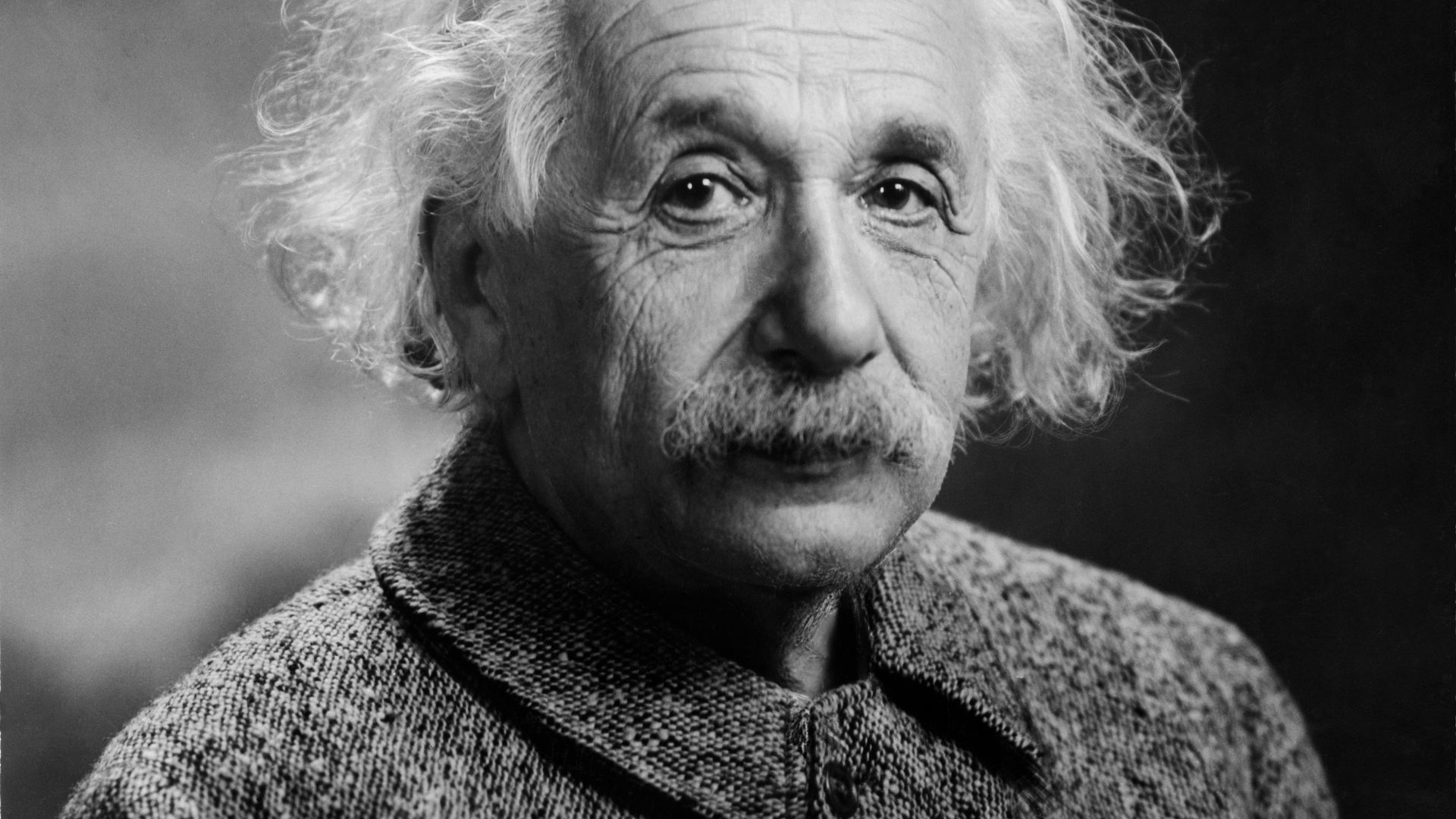
2. Einstein Failed Math
There is a persistent belief that Albert Einstein failed math as a student, which is often used to inspire people who struggle academically. This myth likely originated from a misunderstanding of the grading system used in his elementary school. Einstein was a prodigy in mathematics from a young age and excelled in the subject, mastering advanced mathematics early in his education.
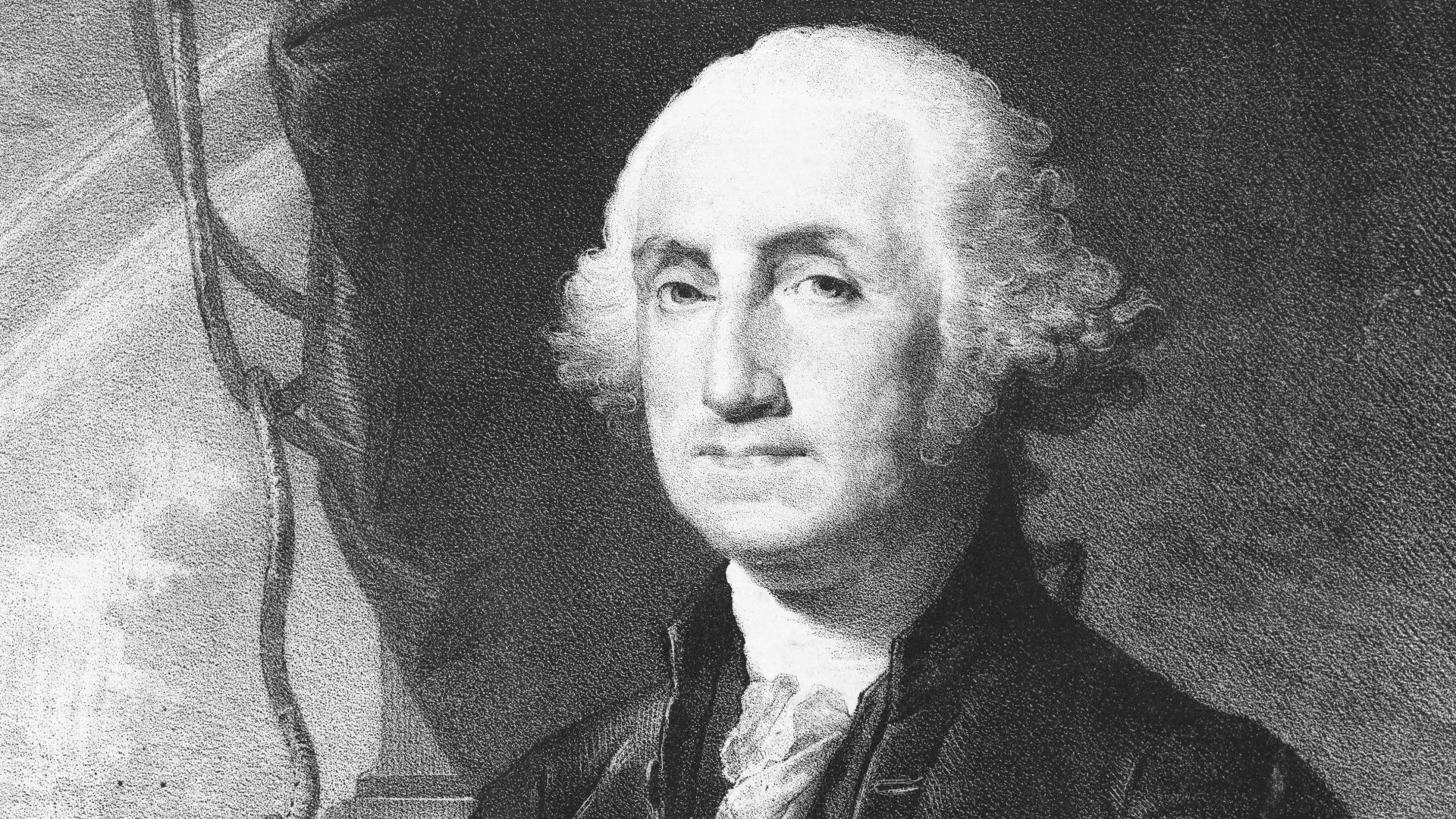
3. George Washington Had Wooden Teeth
The myth that George Washington had wooden teeth is widely circulated and even included in many textbooks. This misconception likely arose because his dentures stained and cracked over time, making them appear wooden. In reality, his dentures were made from a variety of materials, including ivory, metal, and even human teeth, but wood was never one of them.
 Library of Congress on Unsplash
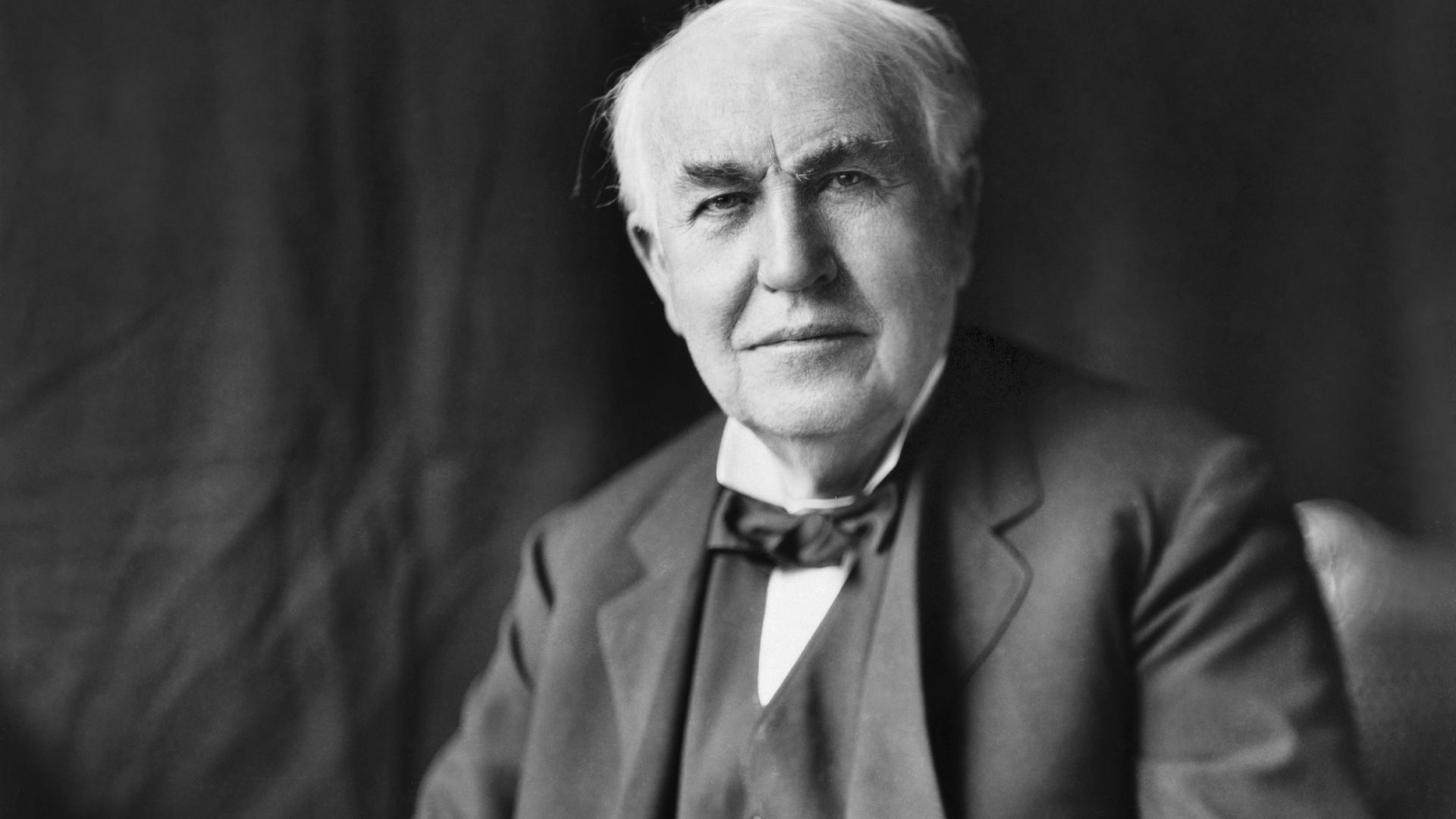
4. Thomas Edison Invented the Lightbulb
Thomas Edison is often credited as the sole inventor of the lightbulb. However, Edison’s role was in improving the lightbulb to the point where it became practical for everyday use. Edison’s contribution was in refining the design and making it commercially viable.
 Louis Bachrach, Bachrach Studios, restored by Michel Vuijlsteke on Wikimedia
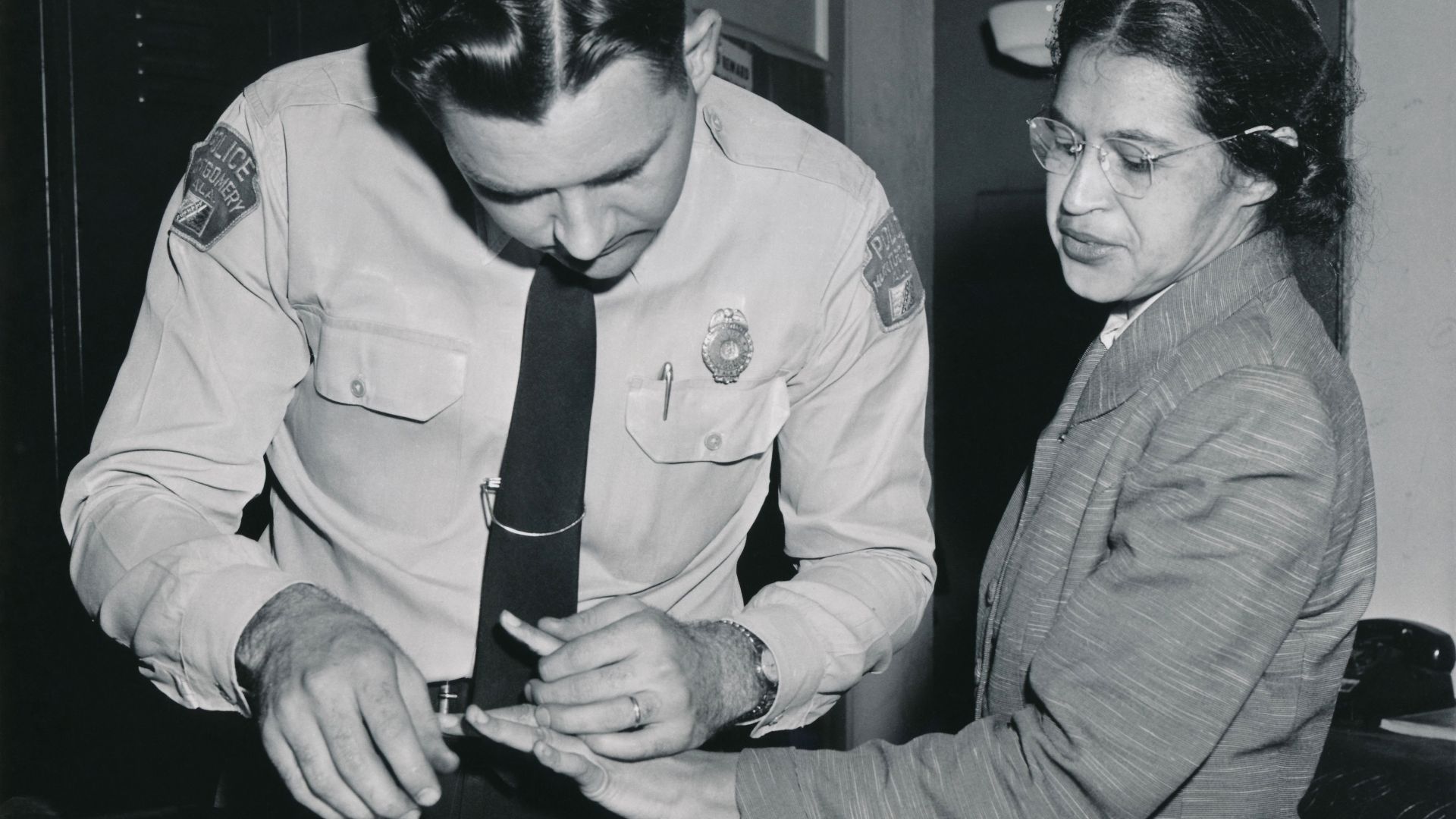
5. Rosa Parks Seat
The simplified narrative often tells that Rosa Parks took a white person's seat. This version made the story easily understandable and relatable to a broad audience. In reality, Rosa Parks was seated in the black section, not in the white part, but her refusal to give up the seat after being ordered to do so, just because the white part of the bus was full, was an important part of a stand for black people's rights.
 Gene Herrick for the Associated Press; restored by Adam Cuerden on Wikimedia
6. Napoleon Was Short
Napoleon Bonaparte is frequently described as being short and having a quick temper, leading to the concept of a so-called Napoleon Complex. This perception was fueled by British propaganda at the time and later by popular psychology. However, Napoleon was actually of average height for his era.
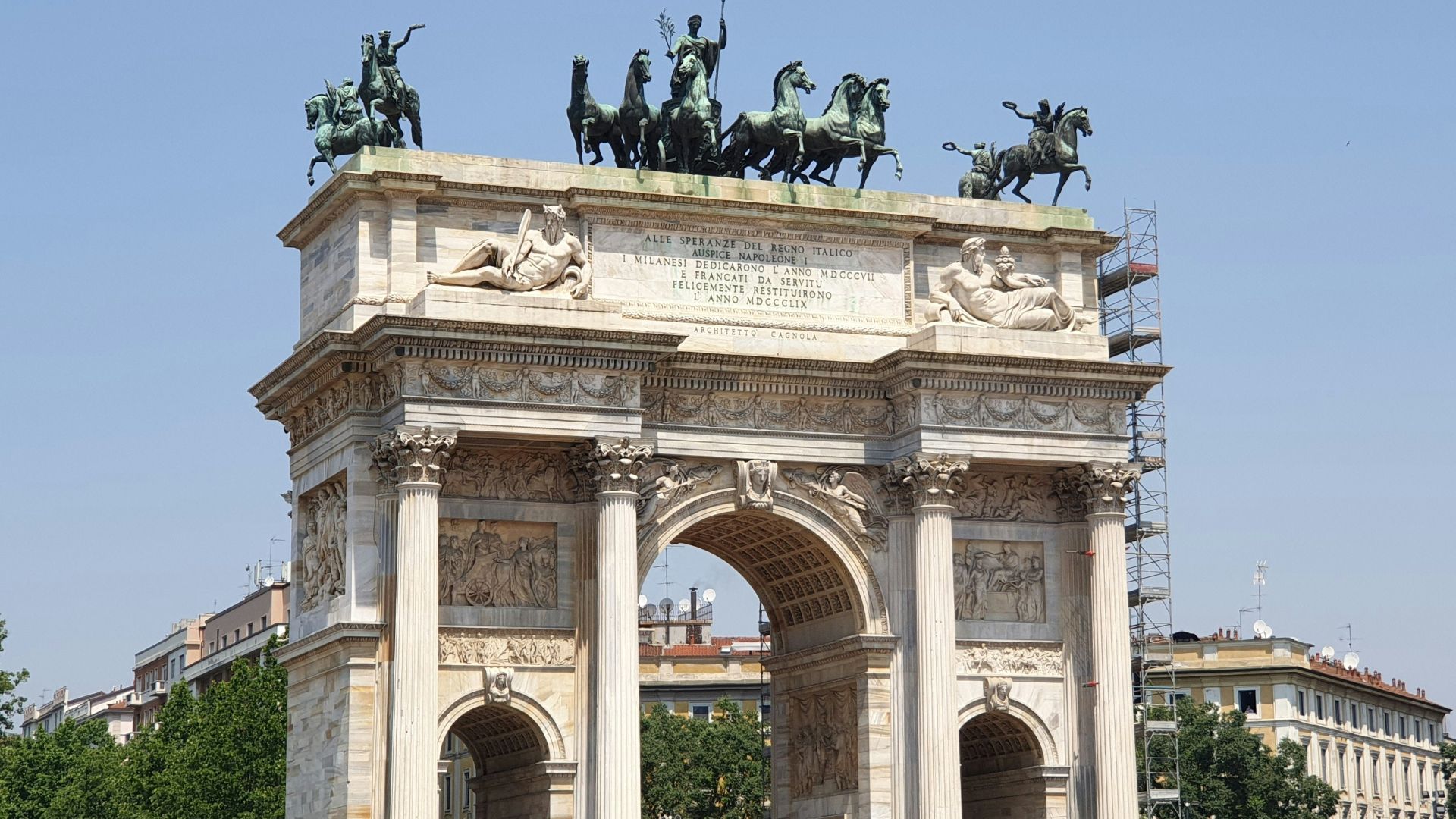
7. Abraham Lincoln Ended Slavery
Abraham Lincoln is popularly remembered as the man who single-handedly ended slavery in the United States. While it is true that Lincoln played a crucial role through his leadership and the Emancipation Proclamation during the Civil War, the institution of slavery was not ended until the passage of the 13th Amendment. The process involved many people and complex events beyond Lincoln alone.
 Library of Congress on Unsplash
8. Pirates Buried Treasure
The image of pirates burying treasure comes largely from novels and popular adventure tales. Works like Treasure Island popularized this practice as a common pirate activity. In reality, there is little historical evidence that pirates regularly buried their stolen treasure, as they usually spent or traded it quickly.

9. Let Them Eat Cake
The phrase "Let them eat cake" is often attributed to Marie Antoinette as a symbol of her disregard for the poor. This saying became particularly popular as anti-royalist propaganda during the French Revolution. However, there is no reliable historical evidence that Marie Antoinette ever uttered this phrase, and while the quote appears in earlier writings, it was likely misattributed to her.

10. Great Wall of China is Visible From Space
Many people were taught at school that the Great Wall of China can be seen from space with the naked eye. The claim is visually impressive and has been repeated in educational books and documentaries. In reality, astronauts have reported that the wall is not visible from space without aid, and the myth likely persists because it metaphorically conveys the wall’s size and impressiveness, even if it is not literally true.

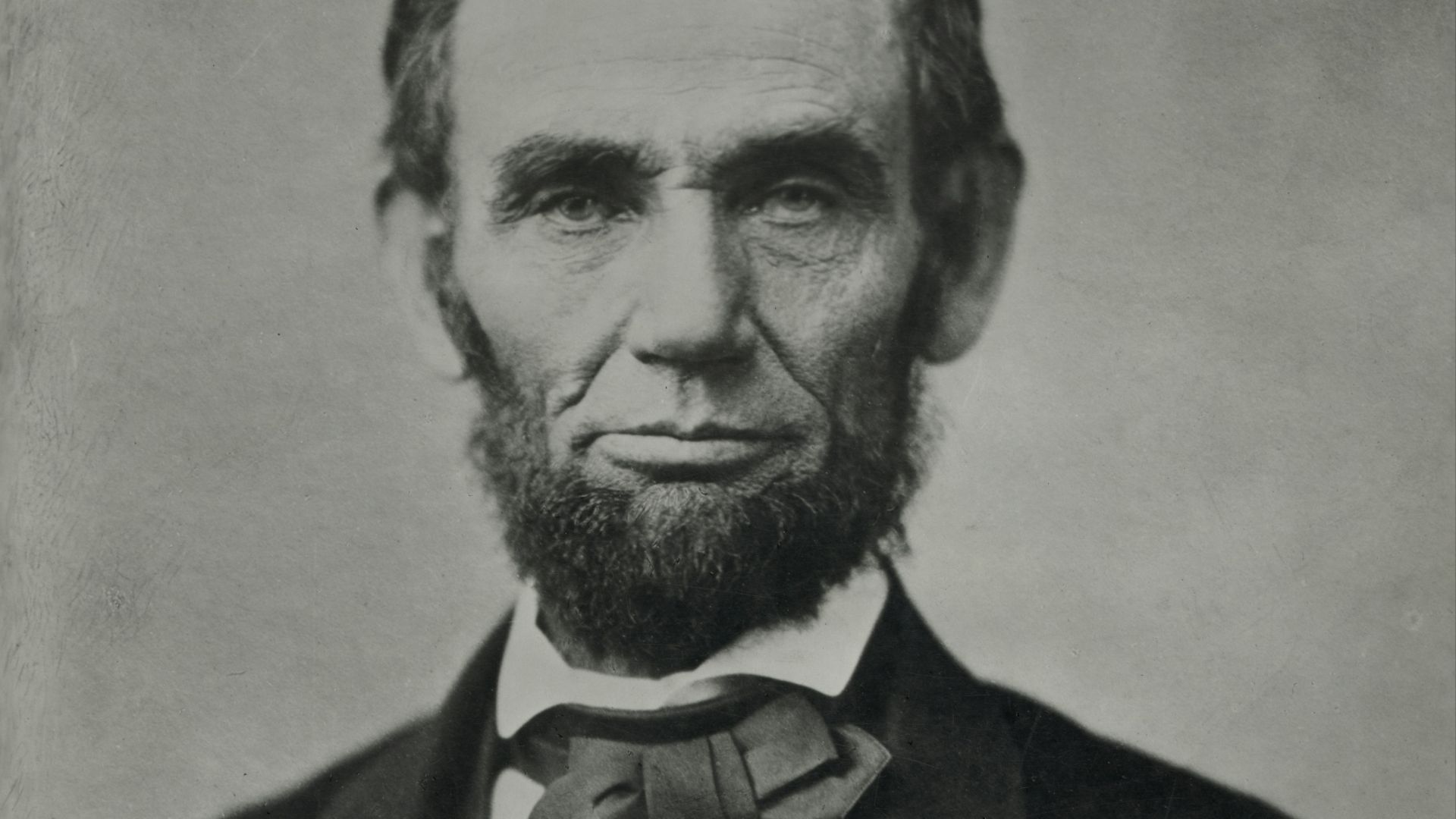
11. Pyramids Were Built by Slaves
It is often stated that the Egyptian pyramids were constructed by enslaved people who were poorly treated and overworked. This belief comes from ancient Greek accounts and later sensationalized stories. Archaeological research has shown that the pyramids were built by paid laborers and skilled workers who were well-fed and housed.
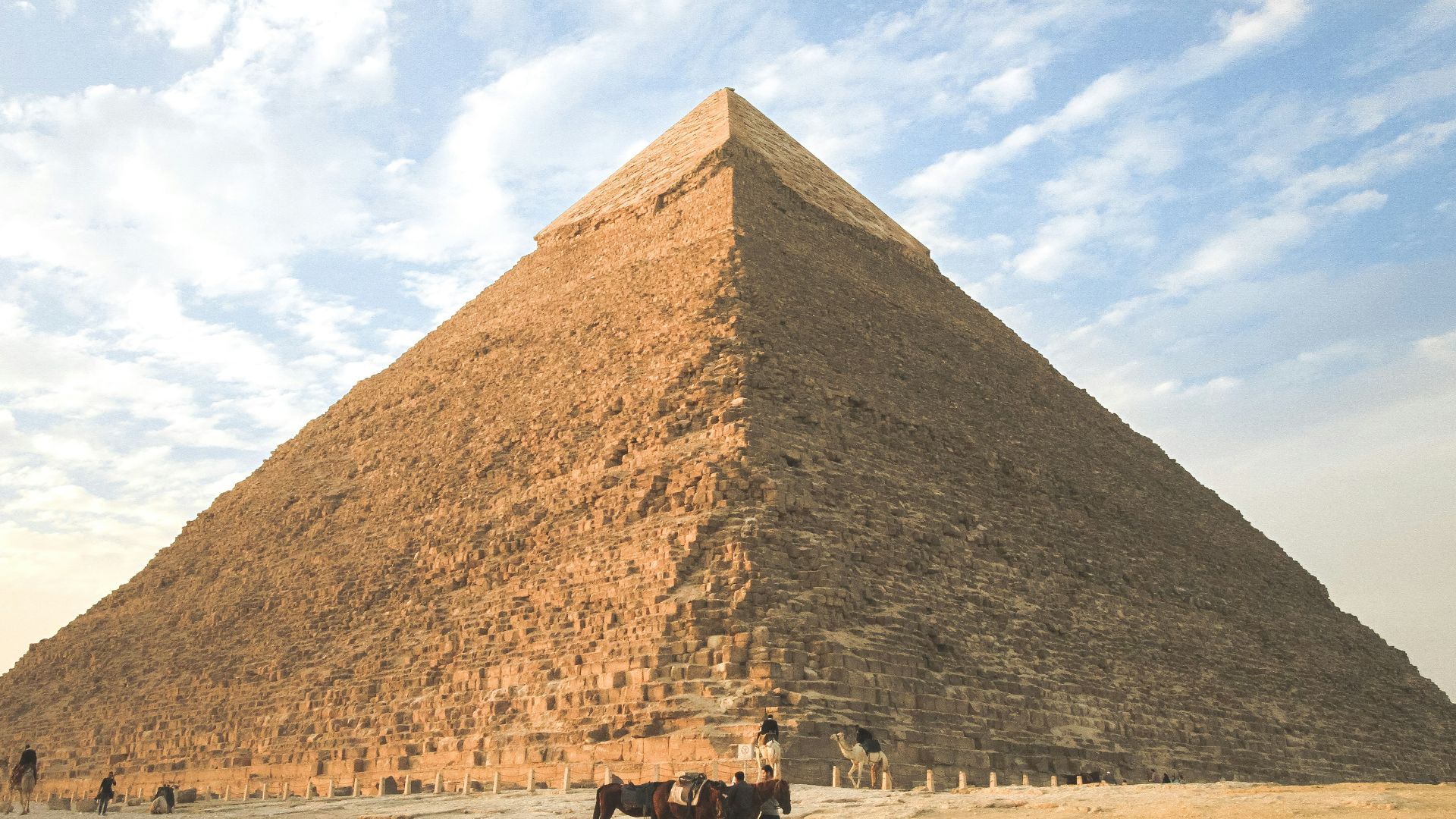
12. Betsy Ross Sewed the American Flag
Betsy Ross is famously credited with sewing the first American flag after a visit from George Washington. This story became popular through family accounts shared long after the event. There is no definitive historical evidence to support the meeting or her role in creating the first flag.
 Robin Jonathan Deutsch on Unsplash
13. Boiling Oil Castle Defense
A common portrayal is that medieval defenders would throw boiling oil on attackers during a castle siege. The image is dramatic and appears frequently in historical films and illustrations. Boiling oil was prohibitively expensive, so instead of oil, boiling water was more likely to be used, but throwing heavy rocks was even more common and effective.

14. Julius Caesar Was the First Roman Emperor
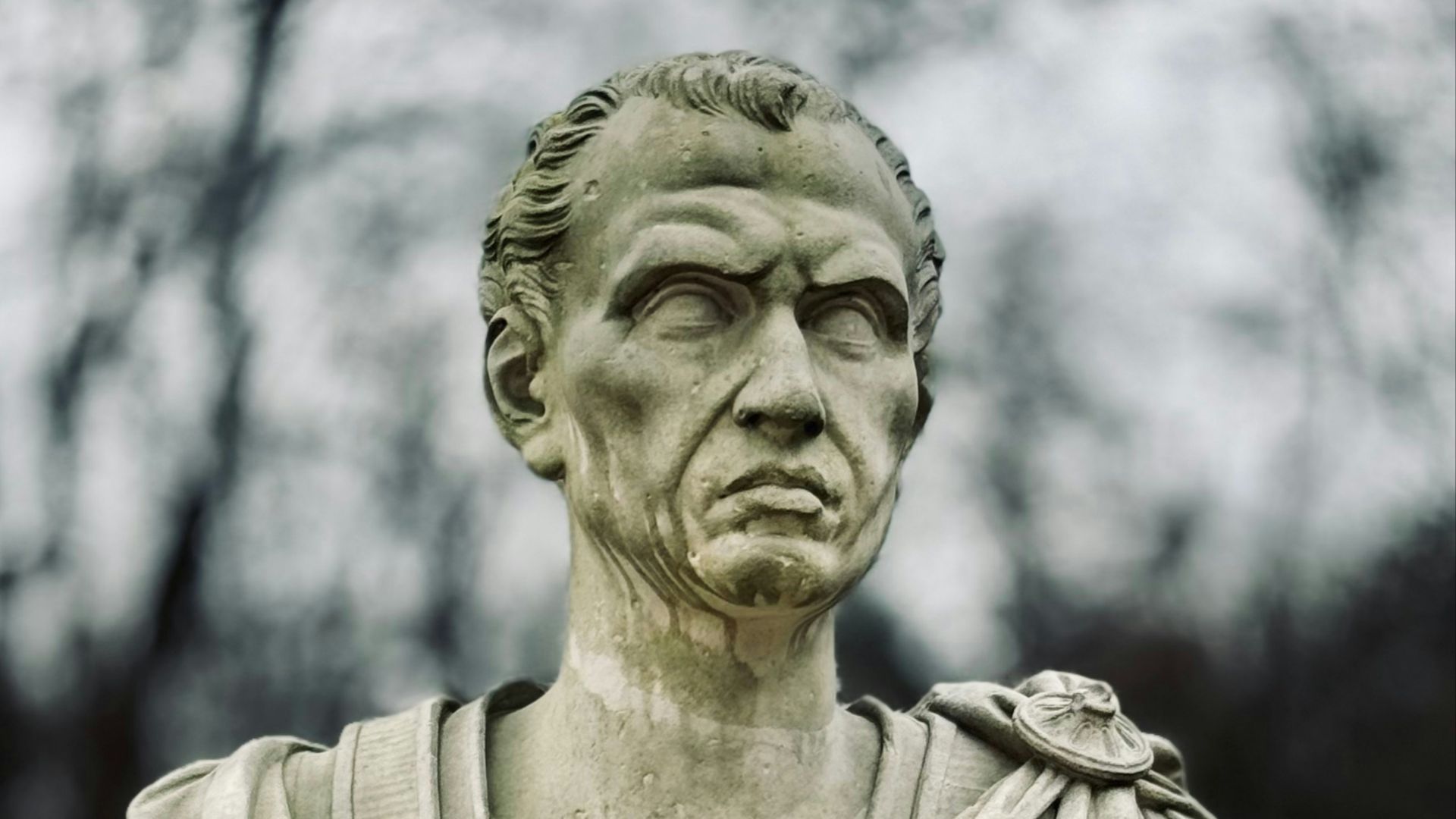
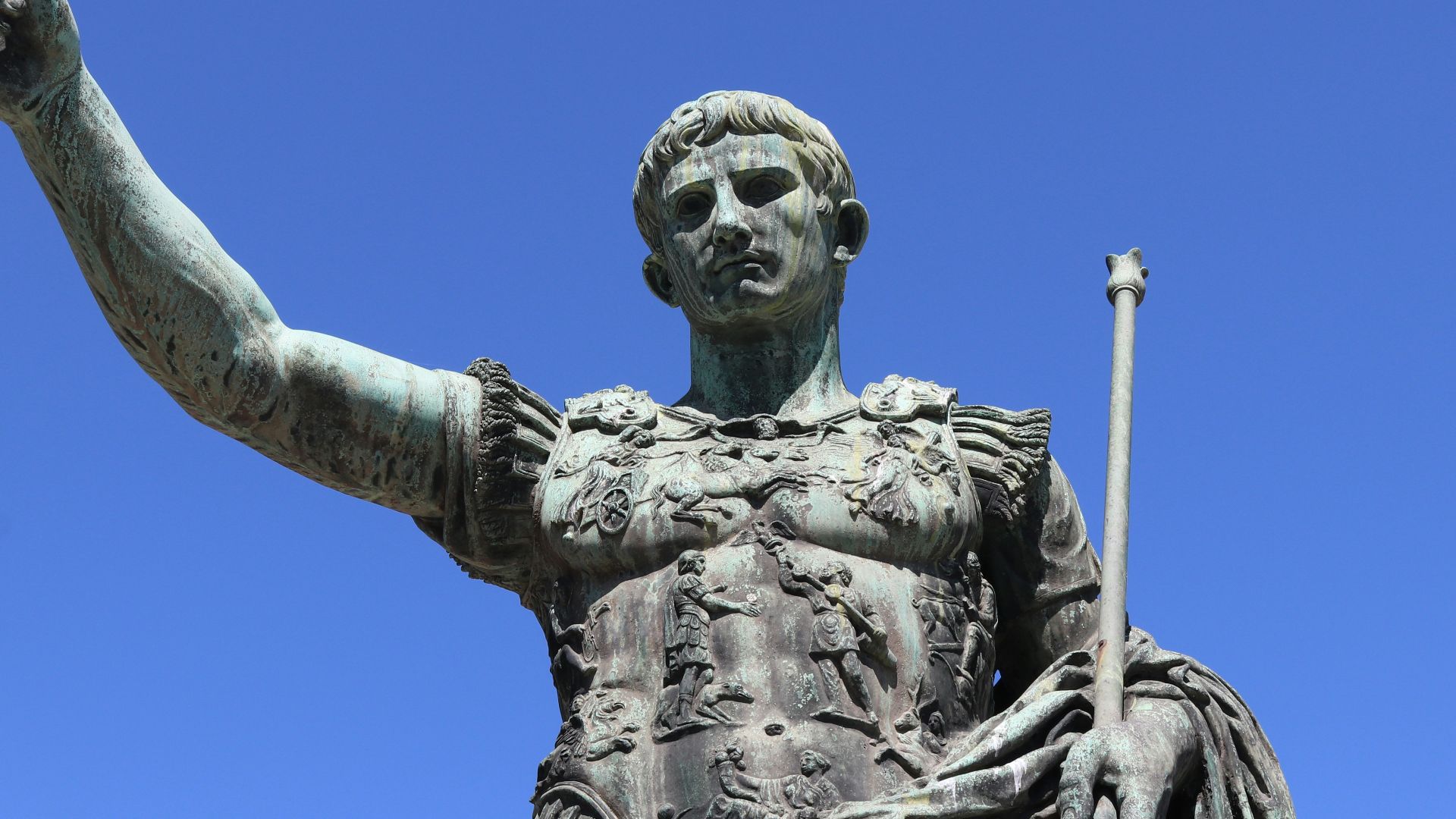
Julius Caesar is often referred to as the first Roman emperor in popular history. This perception likely comes from his enormous power and his role in transitioning Rome from a republic to imperial rule. In reality, Caesar was never given the title of emperor, and the title of the first emperor is generally reserved for his adopted heir, Augustus.
15. Cleopatra Was Egyptian
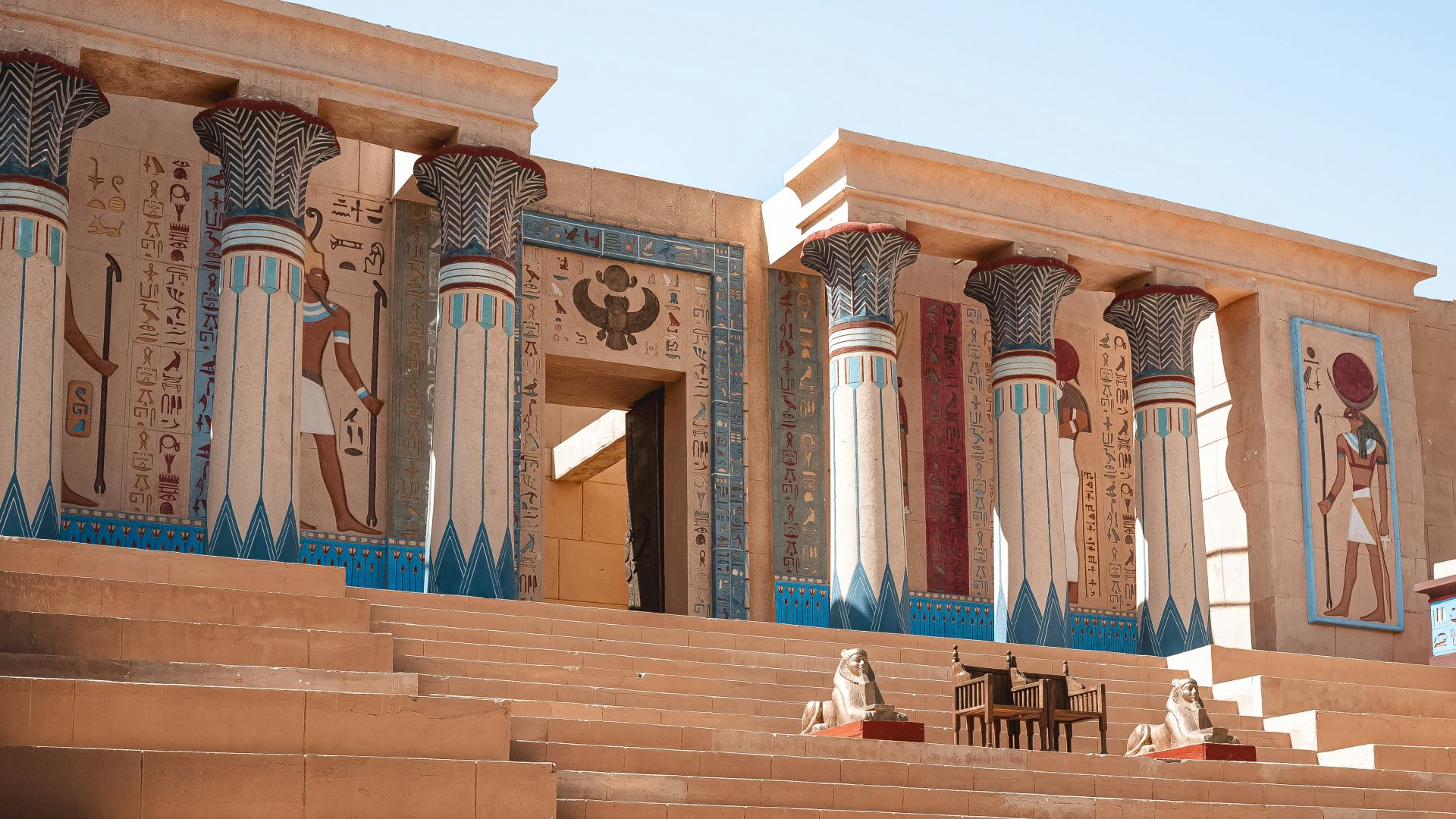
Cleopatra is widely believed to have been ethnically Egyptian, which is reinforced by art, film, and national identity. However, she was of Macedonian Greek descent, ruling during the Ptolemaic dynasty that was established by Greek settlers. She was Egyptian in culture and rule but not by ancestry.
16. Quick Draw Duels at High Noon
Gunfights at high noon with seconds to draw are a staple of Western movies, which has shaped the popular conception of the American frontier. In reality, formal quick draw duels were not as common as depicted. Most gunfights were sudden, involved more than two people, and were less ceremonial.

17. Isaac Newton’s Falling Apple
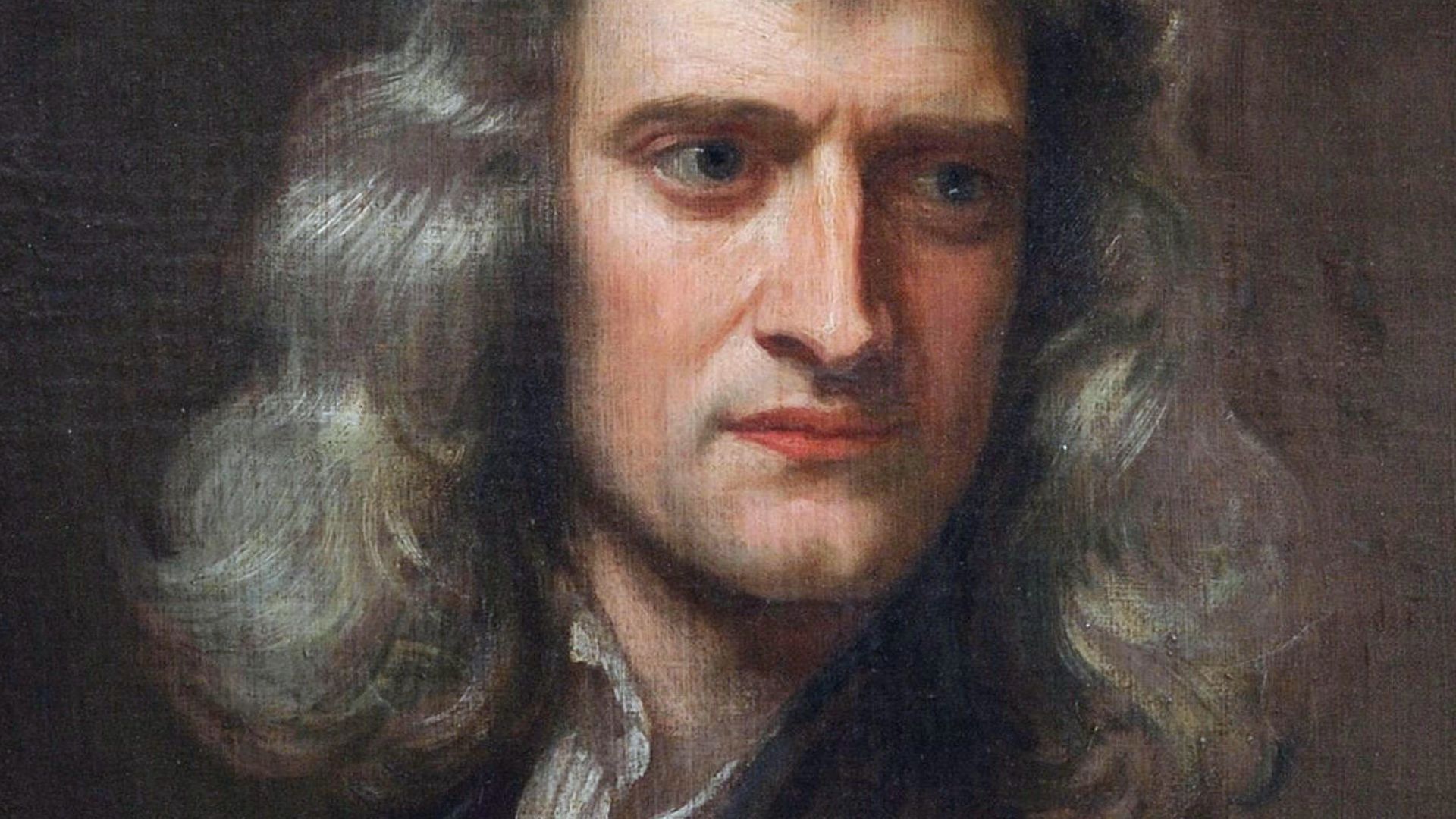
The story of a falling apple that inspired Isaac Newton to think about gravity is a classic tale often told in schools. The narrative is memorable and has been passed down through generations. While it is true that Newton observed a falling apple, there is no evidence that it struck him on the head or that the event was as immediate as the story suggests.
 James Thronill after Sir Godfrey Kneller on Wikimedia
18. Jesus's Birthday is December 25th
The popular celebration of Jesus Christ’s birthday on December 25th became tradition through early Christian practices. The actual birthdate of Jesus is not mentioned in the Bible. Many scholars believe the date was chosen to coincide with existing pagan festivals rather than based on historical records.

19. Vincent van Gogh Cut Off His Whole Ear
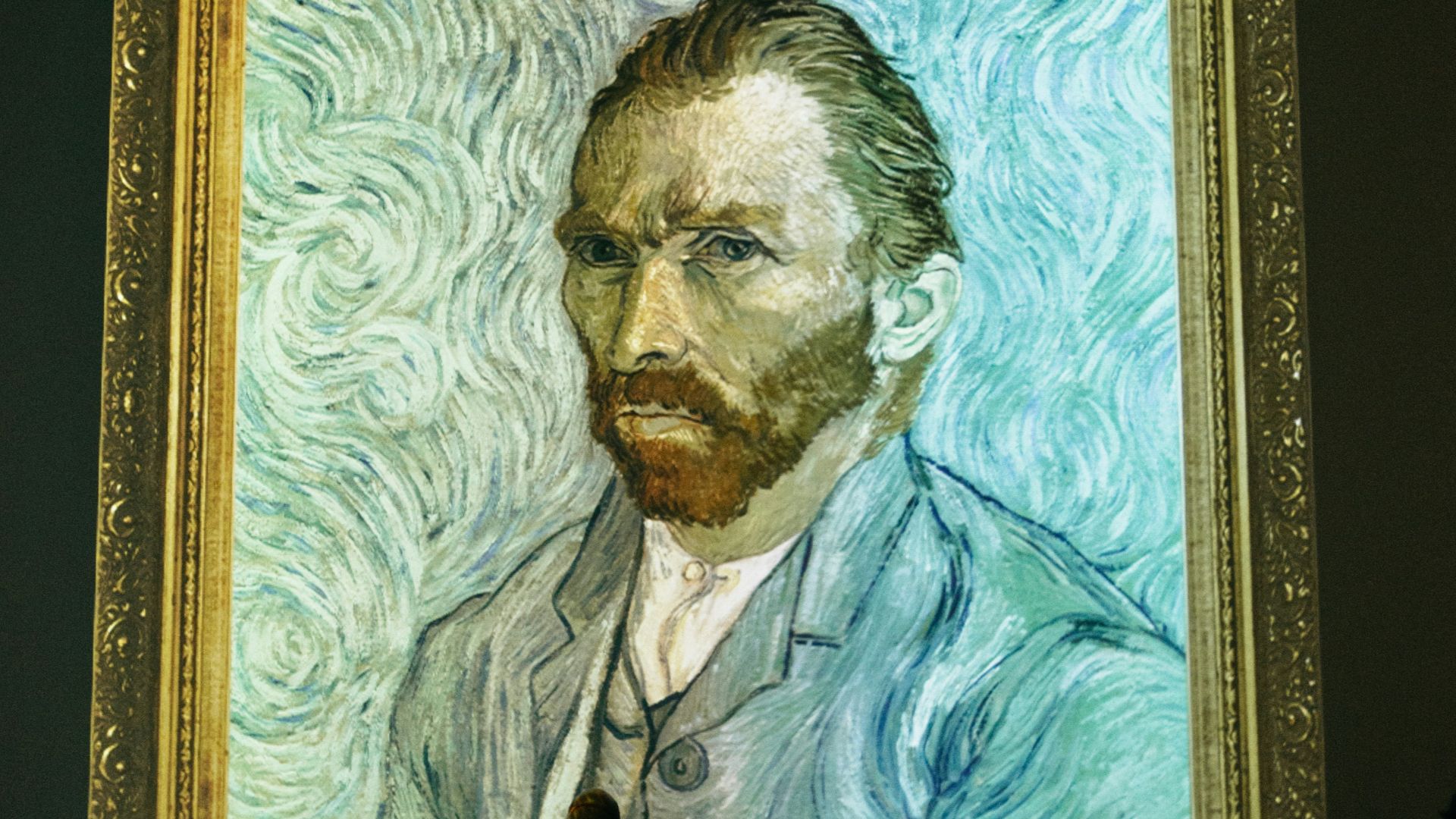
Vincent van Gogh is often said to have cut off his entire ear during a bout of mental illness. This has become a dramatic part of his personal legend. Medical records indicate that he only cut off a portion of his ear.
20. Medieval People Thought The Earth Was Flat
There is a common misconception that people in the Middle Ages thought the Earth was flat, which appears in modern books and media. In reality, educated medieval scholars knew the Earth was spherical. The flat Earth myth became popular much later as a symbol of perceived past ignorance.

KEEP ON READING