
20 Historical Figures Whose Heads Went Missing After Death
Famous in Life, Missing in Death
You'd think that once someone dies, their body would finally be left undisturbed, but history has some surprisingly unsettling examples of the opposite happening. Throughout the centuries, famous rulers, artists, musicians, and philosophers have had their heads stolen, misplaced, or deliberately separated from their bodies, sometimes decades after they were buried. While some skulls eventually turned up, others remain missing, and a few are surrounded by stories historians still haven't been able to confirm. Here are 20 historical figures whose remains took some particularly strange journeys after death.
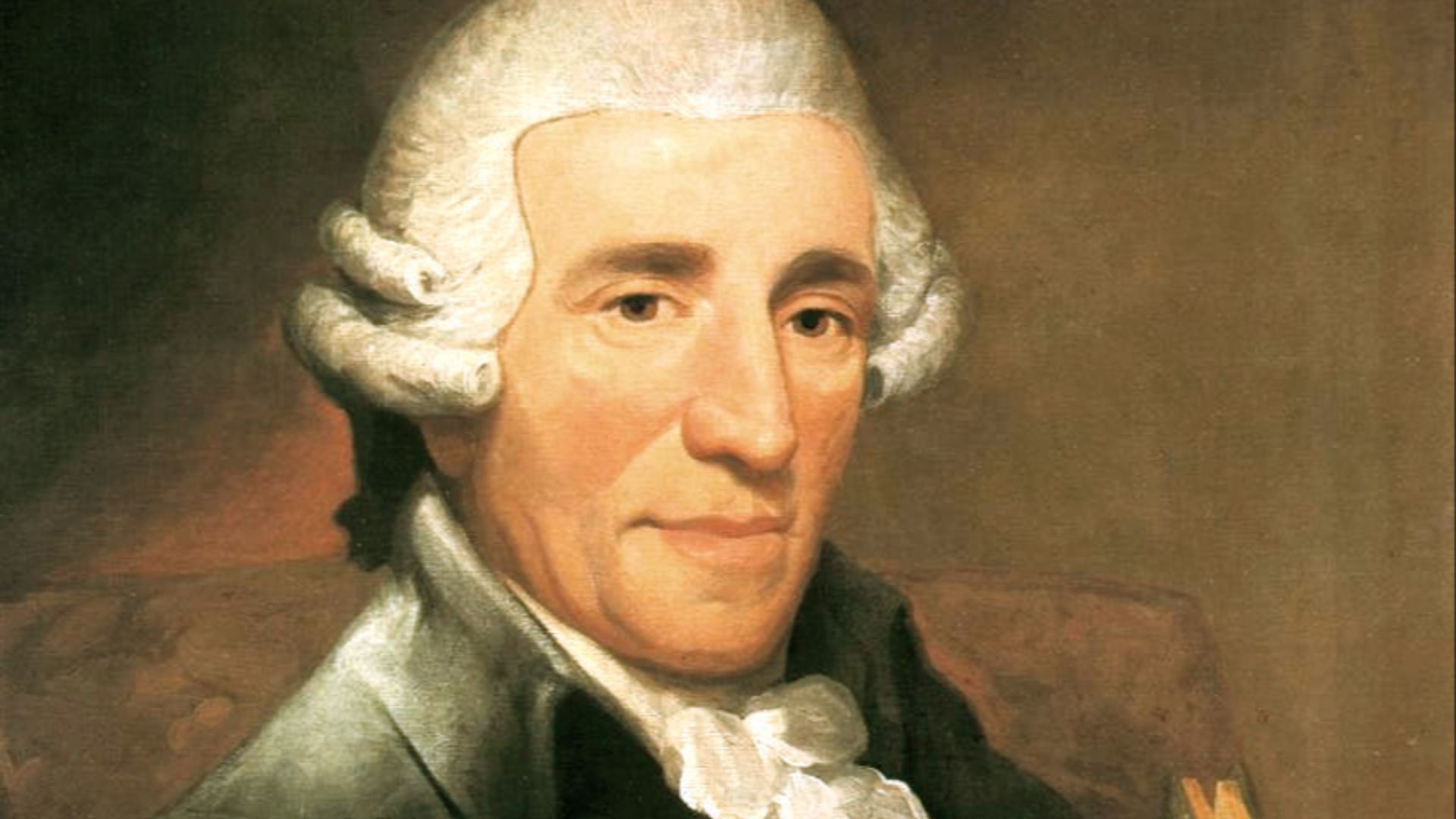
1. Joseph Haydn
The famous Austrian composer died in 1809, but his skull vanished from his grave just days after he was buried. Two men fascinated by phrenology, a now-discredited practice that claimed personality could be determined by examining skull shapes, arranged to have his head stolen. Haydn's skull changed hands several times before finally being reunited with his remains in 1954, nearly 145 years after his death.
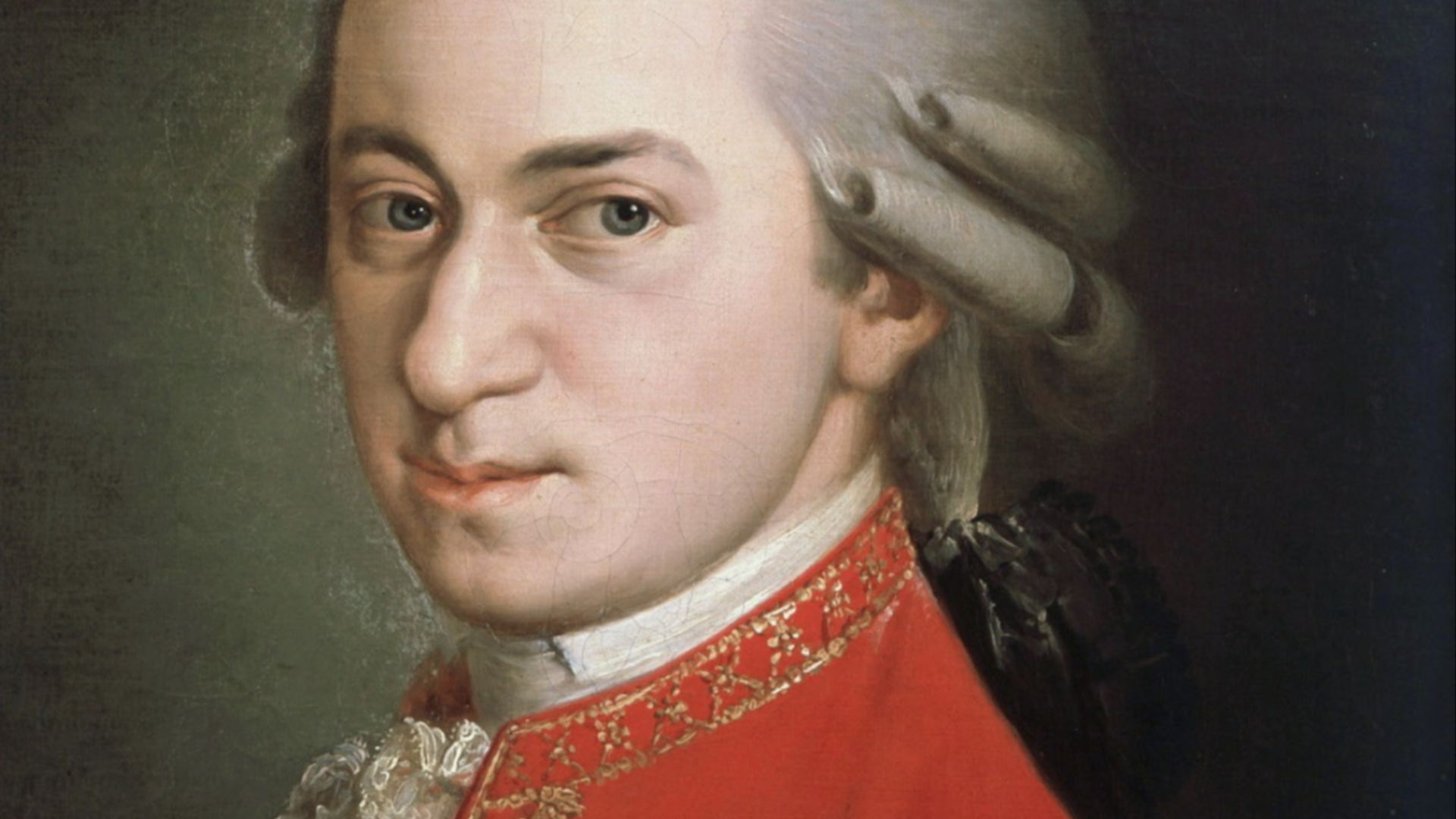
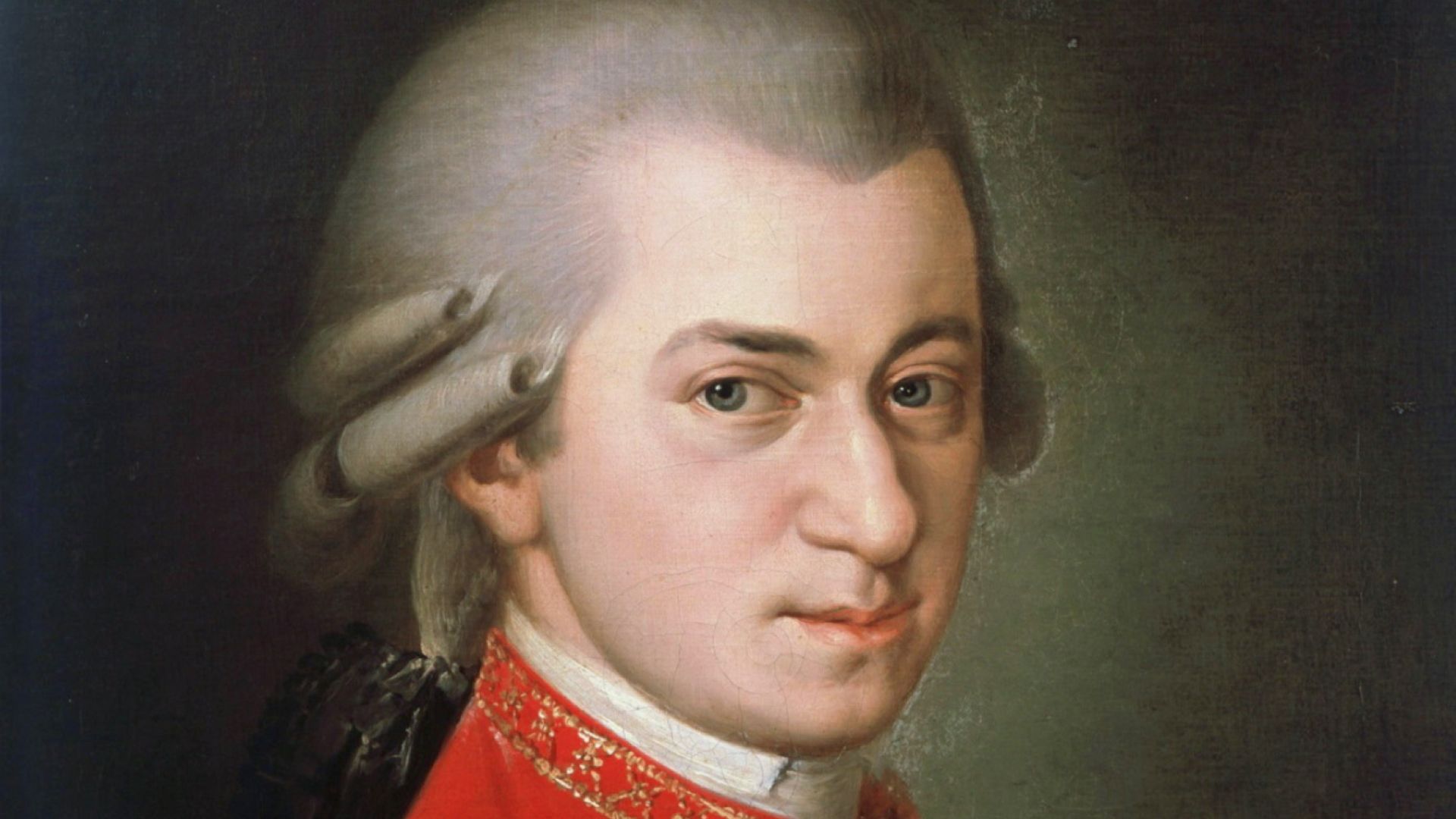
2. Wolfgang Amadeus Mozart
Mozart's burial in 1791 became the center of an unusual mystery when a skull supposedly belonging to him appeared years later. According to the story, a cemetery worker removed it when the composer's grave was cleared and eventually handed it over to collectors. Although the skull eventually made its way to the Mozarteum in Salzburg, DNA testing in 2006 couldn't confirm its identity, leaving historians unsure whether it actually belonged to Mozart.
3. Francisco Goya
When Spanish officials made plans to move Francisco Goya's remains from France to Spain in the late 19th century, they made a rather unsettling discovery. The famous painter's coffin contained remains that appeared to be missing his skull, and nobody could explain where it had gone. Officials decided to go ahead with the reburial anyway, meaning Goya returned to Spain without anyone uncovering what had happened to his head.
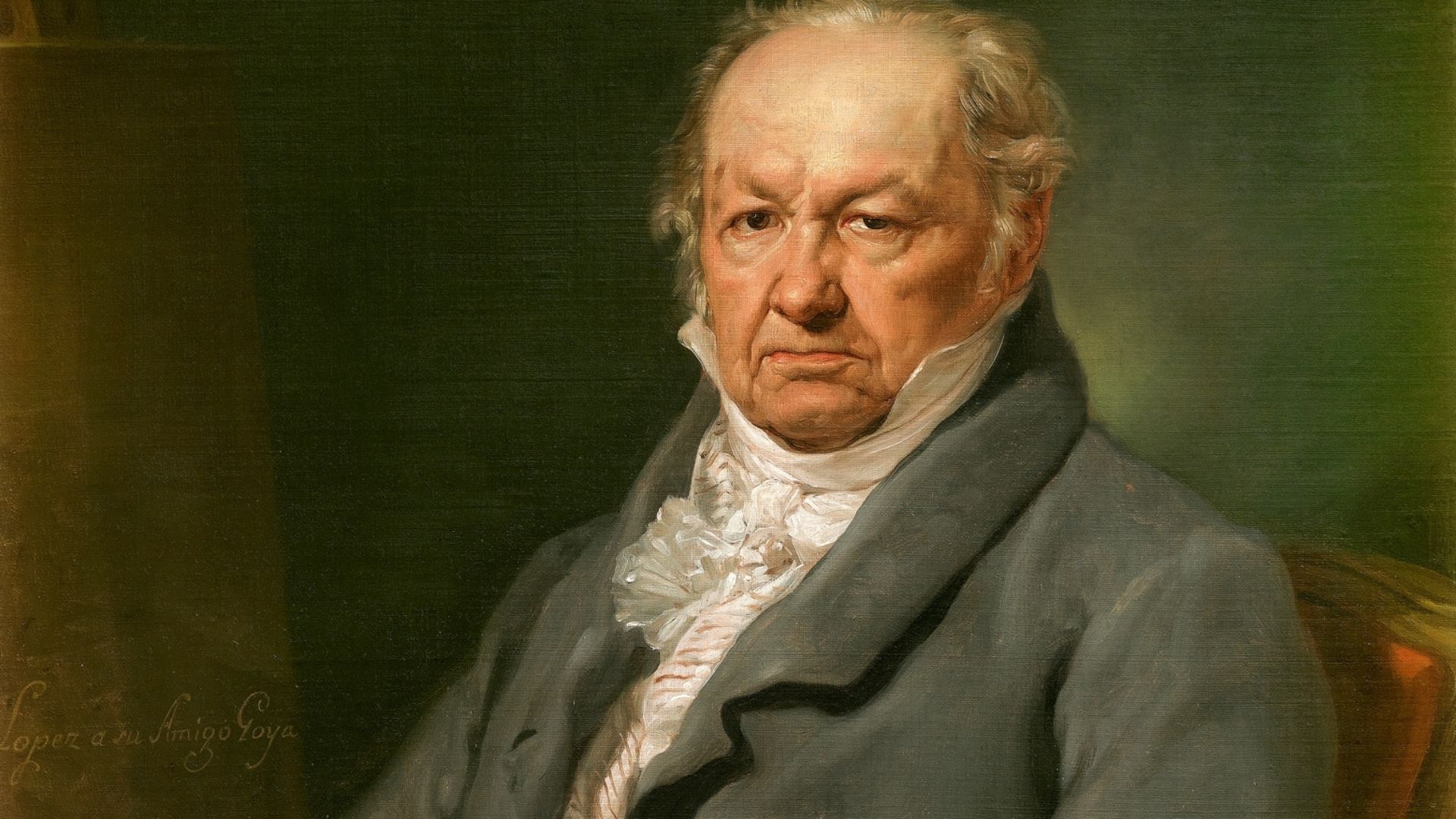 Vicente López Portaña on Wikimedia
4. F. W. Murnau
German filmmaker F. W. Murnau, best known for directing the 1922 horror classic Nosferatu, died in a car accident in 1931. More than 80 years later, cemetery workers discovered that someone had broken into his family tomb near Berlin and taken his skull. A candle discovered near the grave raised suspicions about possible occult activity, although investigators couldn't determine what motivated the disturbing theft.
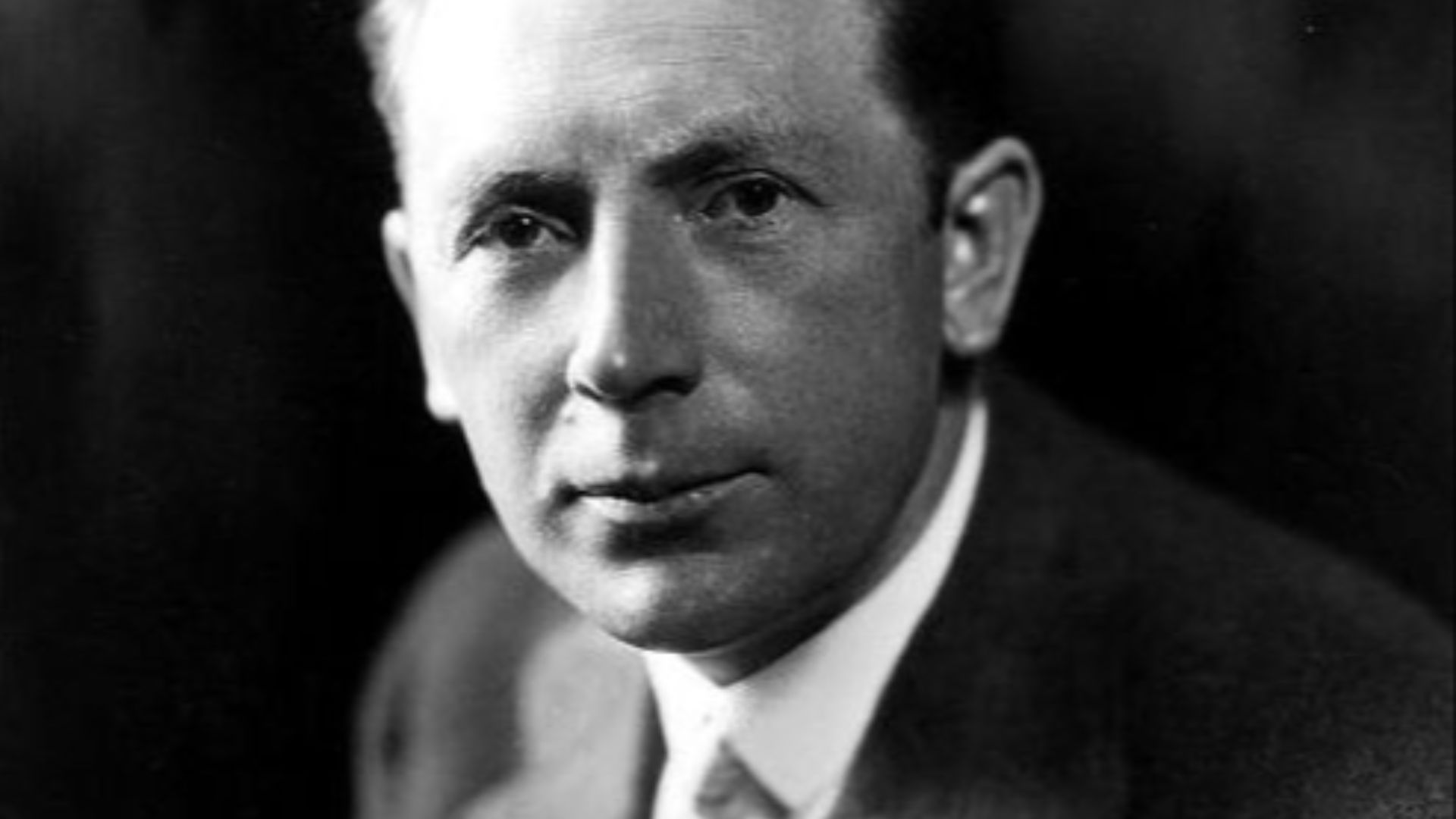 Underwood & Underwood on Wikimedia
5. Emanuel Swedenborg
Swedish scientist and religious philosopher Emanuel Swedenborg died in London in 1772, but his skull later became the subject of a rather bizarre mix-up. Someone stole it from his tomb decades after his death, and another skull apparently replaced it when his remains were eventually moved to Sweden. The skull believed to be authentic resurfaced and was purchased by the Royal Swedish Academy of Sciences in 1978, finally bringing the long-running mystery closer to an answer.
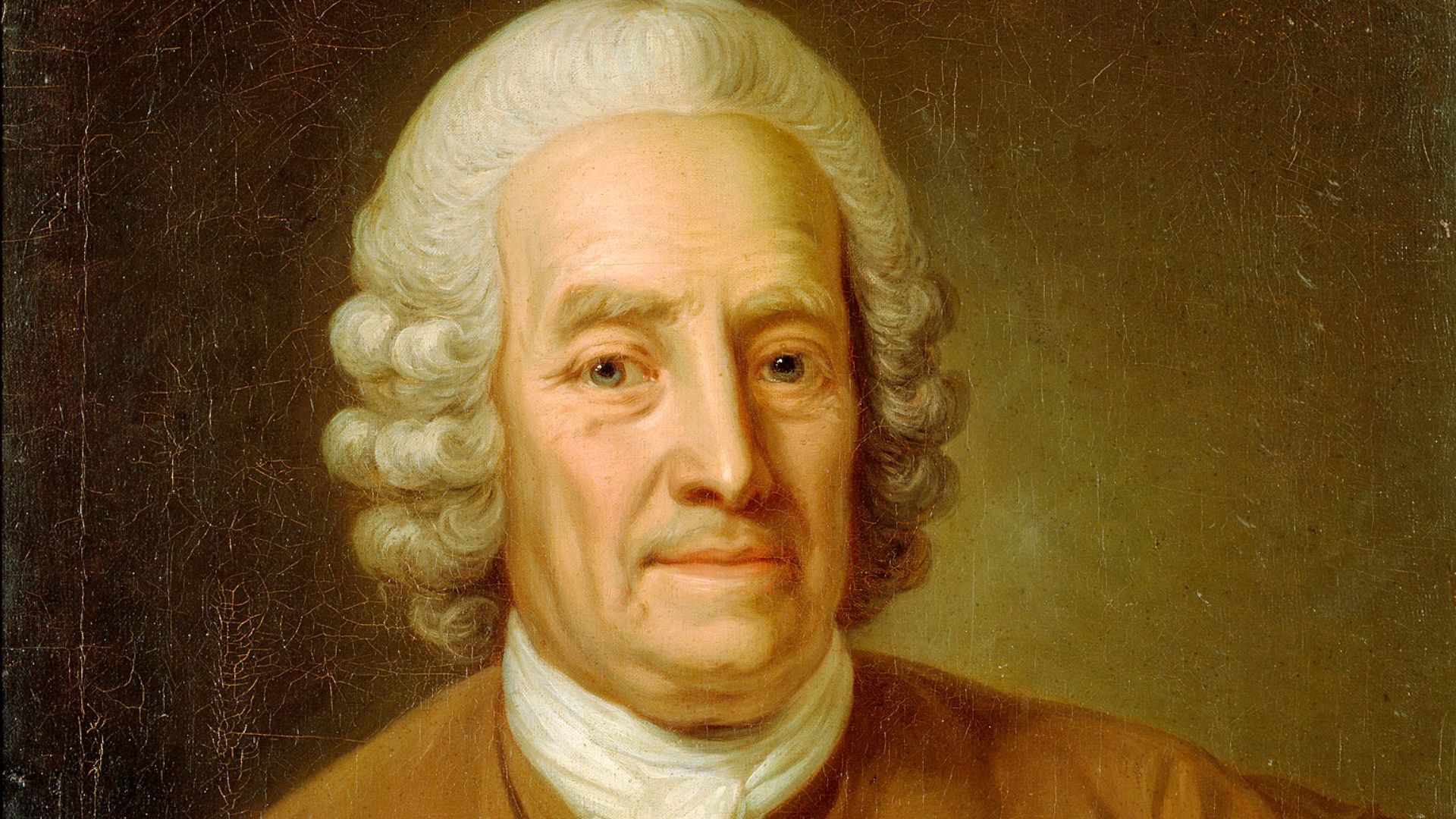 Per Krafft the Elder on Wikimedia
6. Marquis de Sade
The controversial French writer Marquis de Sade died in 1814 while confined to the Charenton asylum outside Paris. During a later exhumation, a physician named L. J. Ramon took his skull to study it using phrenology, apparently hoping to find physical evidence of the writer's personality. The skull eventually ended up with another researcher, Johann Spurzheim, before vanishing from the historical record entirely.
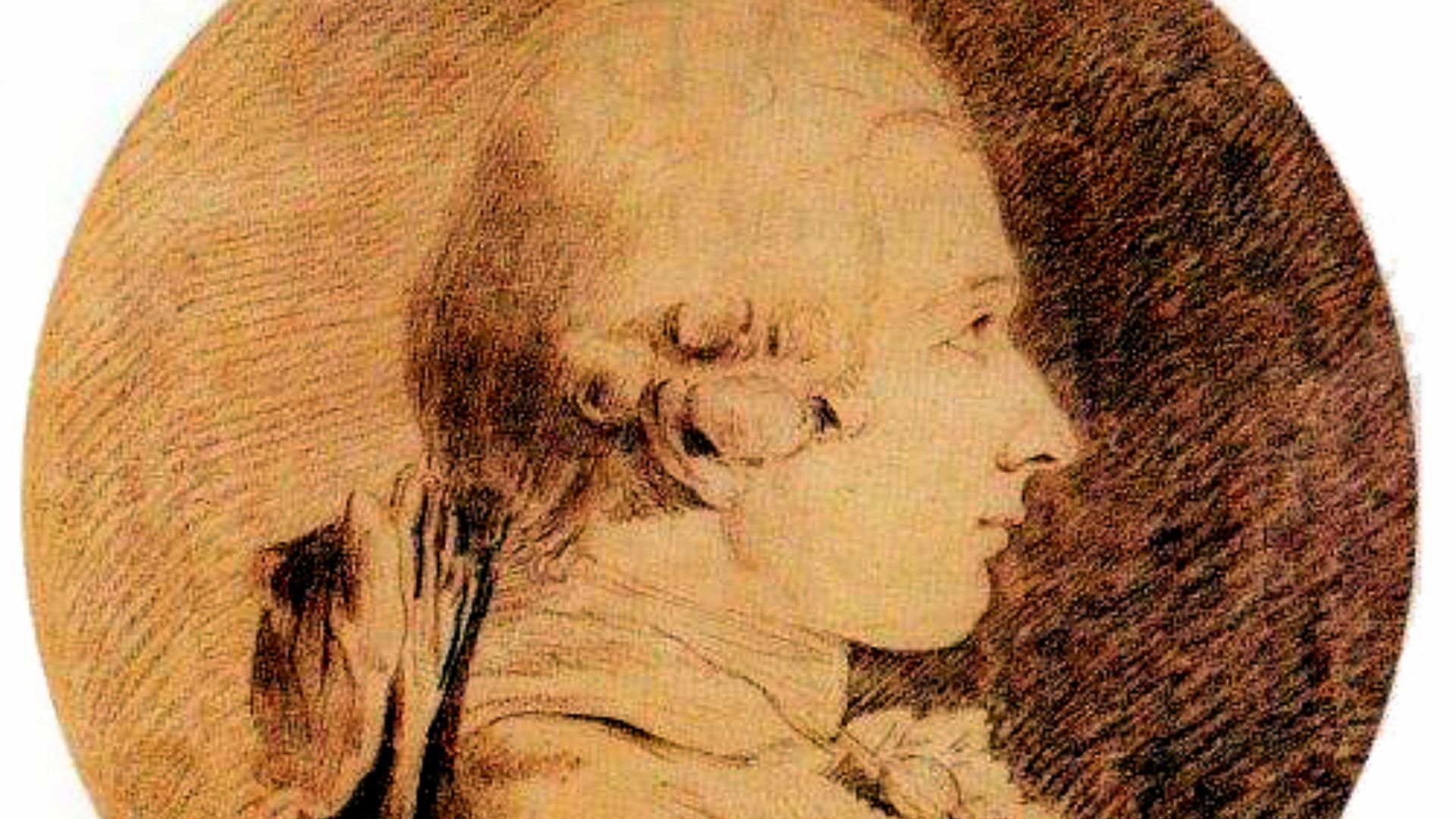 Charles-Amédée-Philippe van Loo on Wikimedia
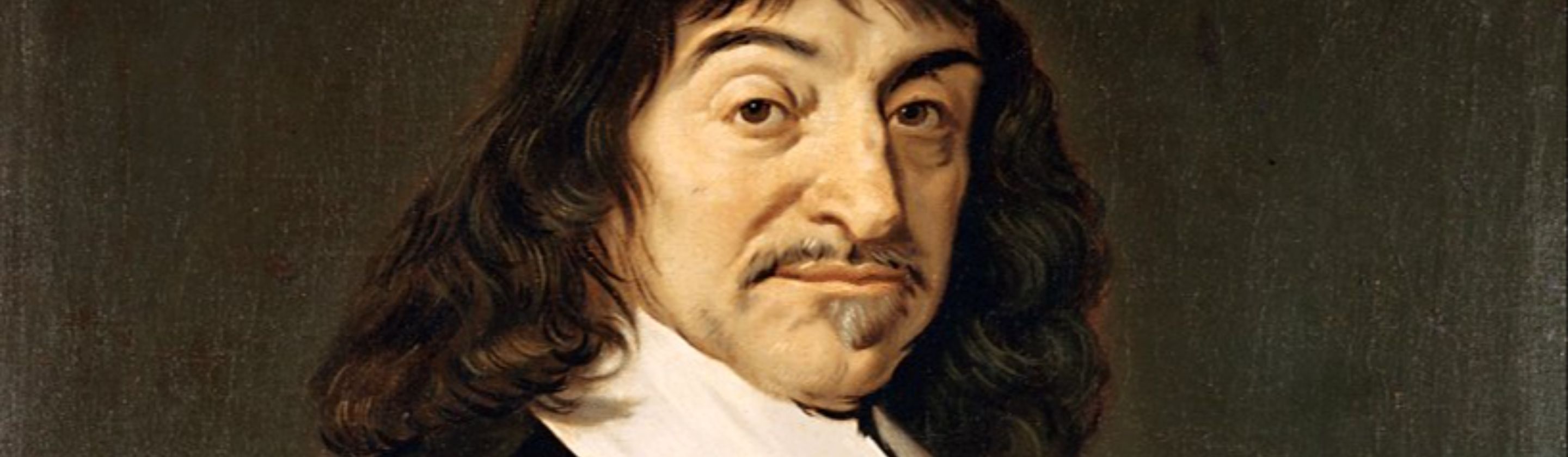
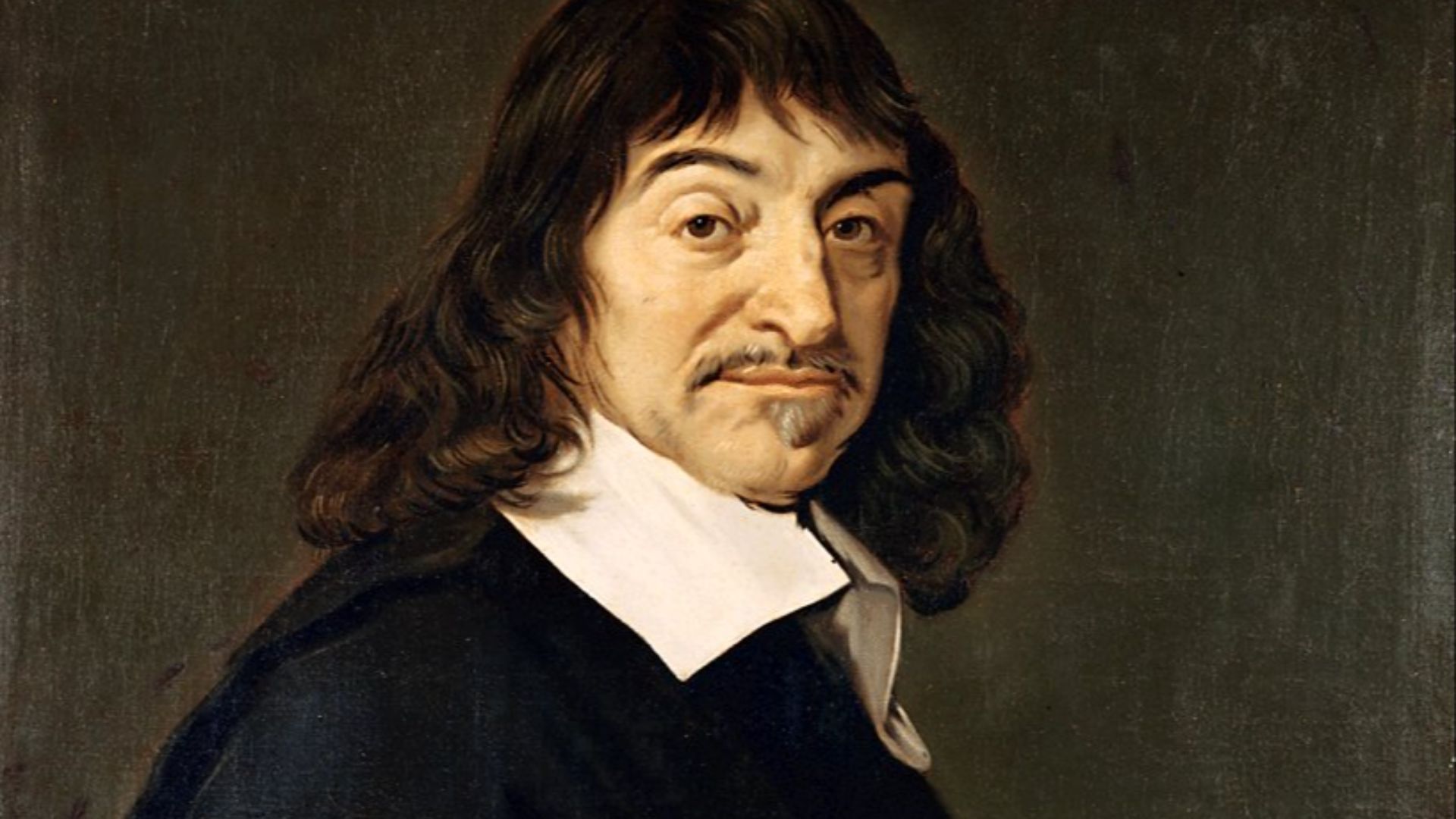
7. René Descartes
René Descartes died in Sweden in 1650, but his skull was secretly removed when his remains were transferred to France in 1666. Over the years, it passed between several private owners, some of whom even went as far as writing their names directly onto the bone. A skull believed to belong to Descartes eventually arrived in France in 1821 and became part of a museum collection, although questions surrounding its authenticity haven't entirely disappeared.
8. Sir Thomas Browne
English physician and writer Sir Thomas Browne probably never imagined his own remains would become an object of medical fascination. When workers accidentally disturbed his grave in Norwich in 1840, they removed his skull, which eventually ended up in the Norfolk and Norwich Hospital's museum collection. It stayed separated from the rest of his body for more than 80 years before finally being reburied at St. Peter Mancroft Church in 1922.
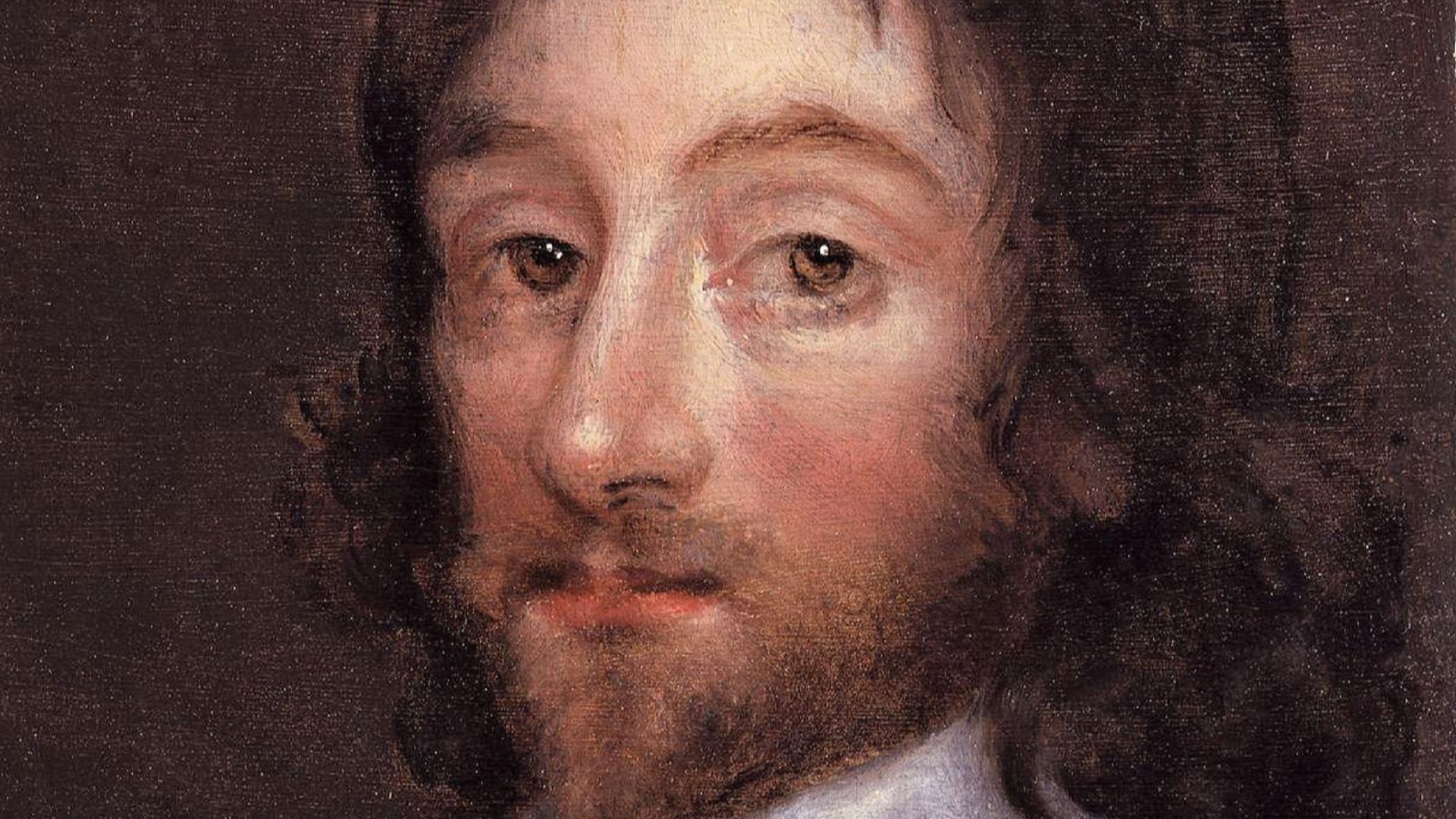 Attributed to Joan Carlile (died 1679) on Wikimedia
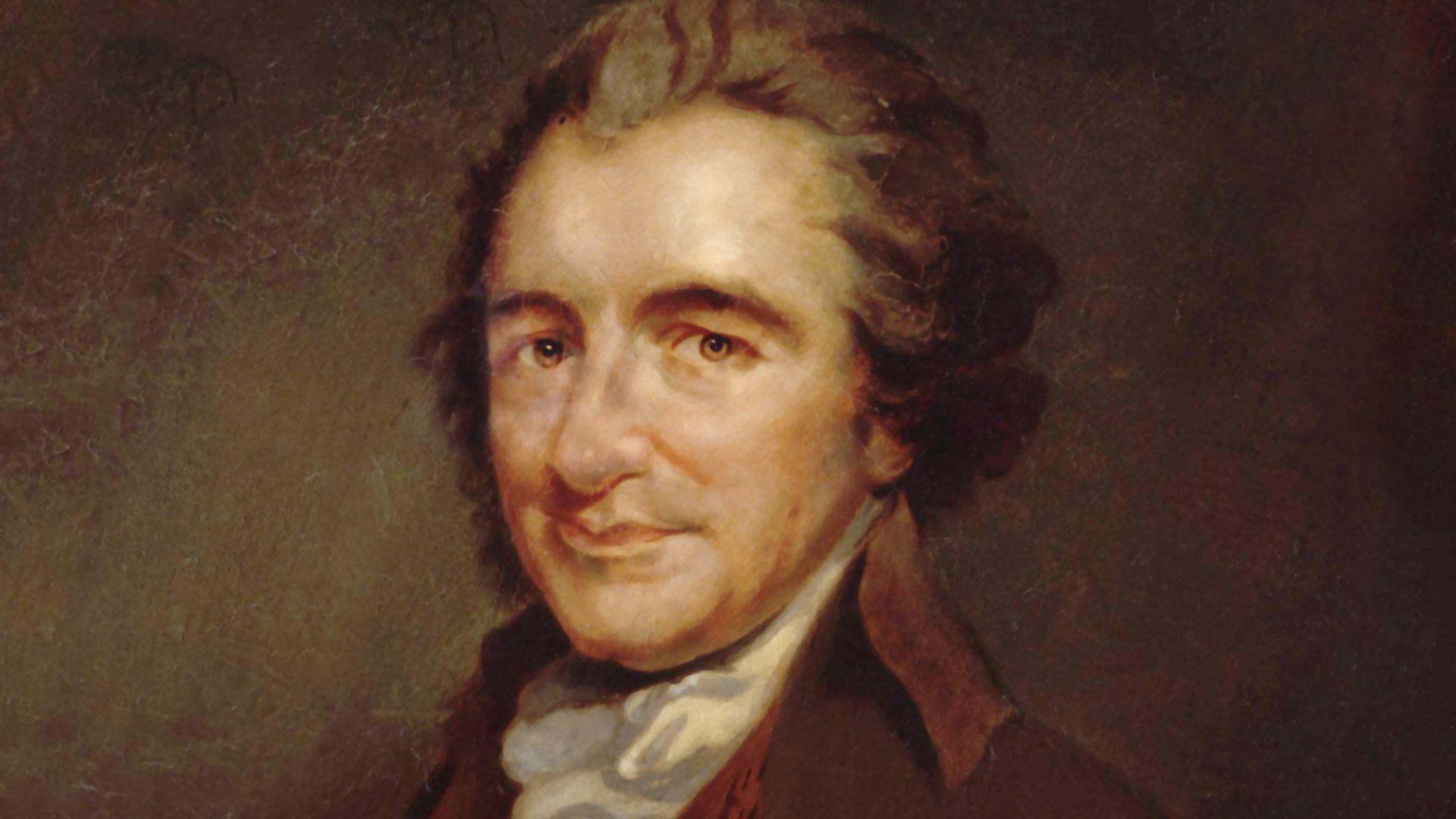
9. Thomas Paine
American Revolutionary writer Thomas Paine was buried in New York in 1809, but English journalist William Cobbett dug up his remains ten years later and transported them to England. Cobbett wanted to organize a more elaborate memorial, although his plans fell through, and the bones eventually became scattered. Over the years, several people claimed to own Paine's skull, but none of those claims has been conclusively verified, leaving its location a mystery.
 Auguste Millière / After George Romney / After William Sharp on Wikimedia
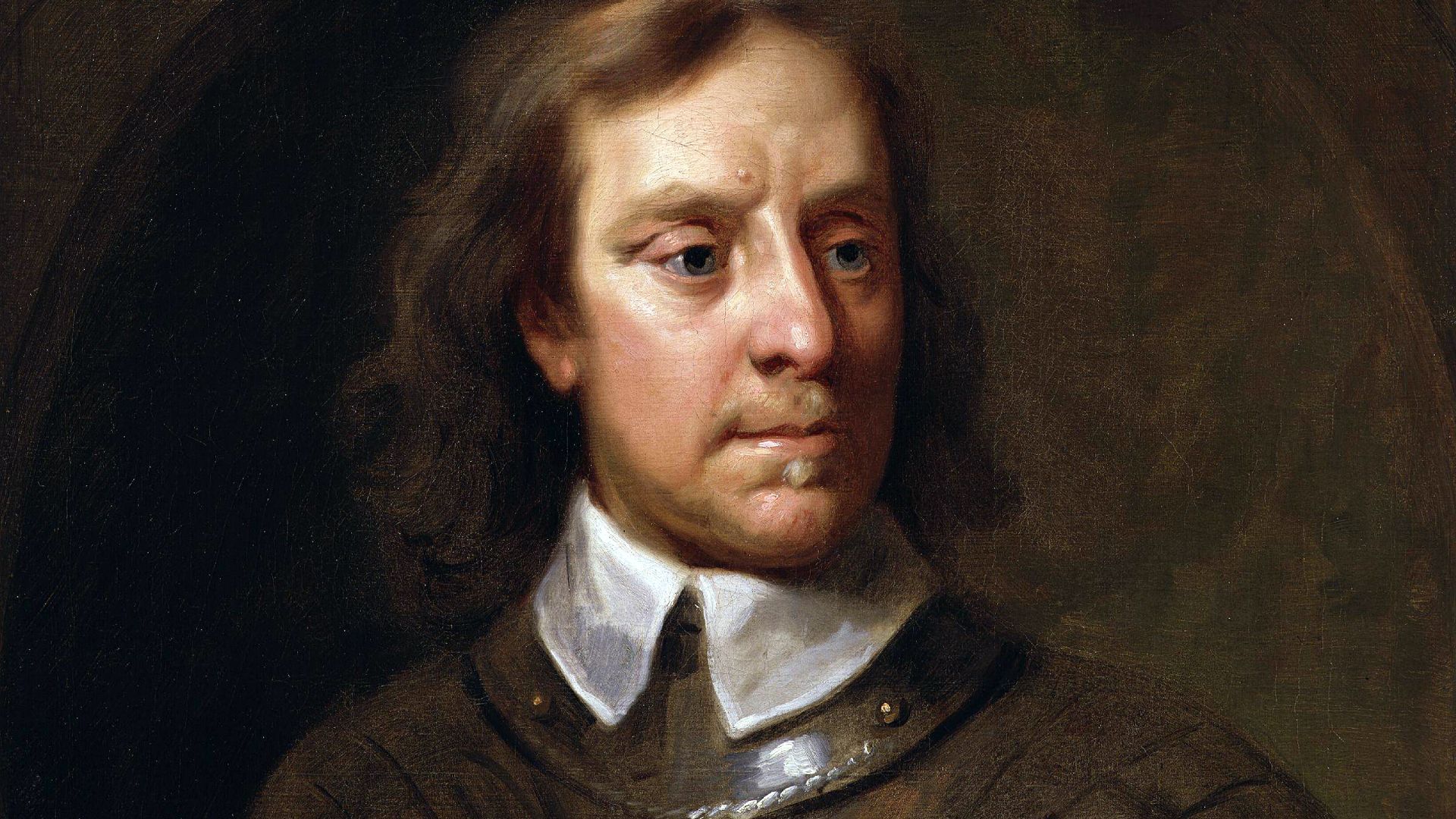
10. Oliver Cromwell
Oliver Cromwell died in 1658, but the restoration of England's monarchy meant his remains weren't going to be left in peace. His body was exhumed in 1661, symbolically executed, and decapitated, with his head put on display outside Westminster Hall before eventually disappearing. The skull believed to be his spent generations circulating through private collections before being buried at Sidney Sussex College, Cambridge, in 1960.
 After Samuel Cooper on Wikimedia
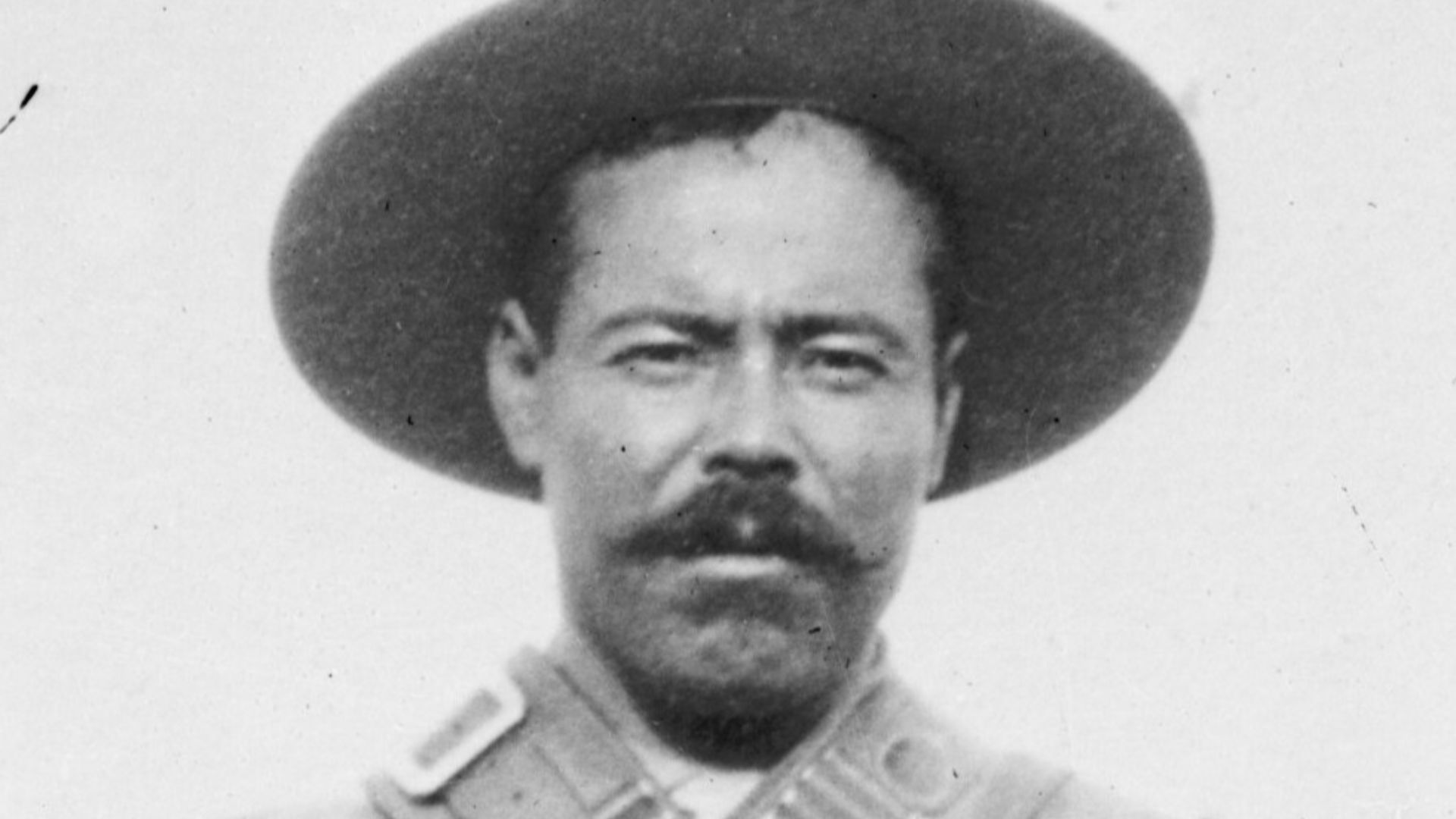
11. Pancho Villa
Mexican revolutionary leader Pancho Villa was assassinated in 1923, but the controversy surrounding him continued long after his death. In 1926, someone reportedly broke into his grave in Chihuahua and stole his head, setting off decades of speculation about who was responsible and why. One especially persistent rumor suggests his skull ended up with Yale University's Skull and Bones society, although there's no convincing evidence supporting the claim.
 Bain News Service on Wikimedia
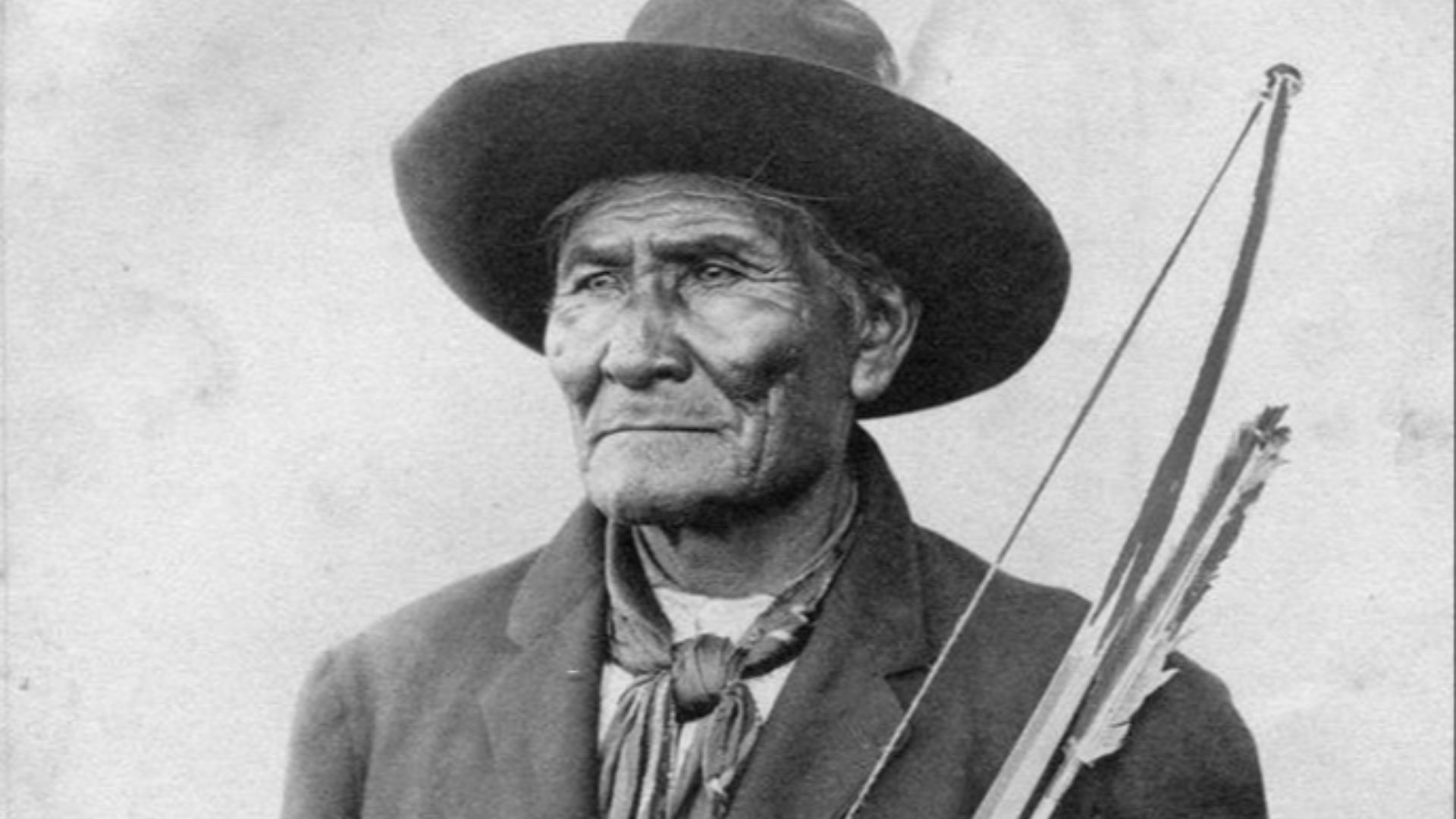
12. Geronimo
The famous Apache leader Geronimo died in 1909 and was buried at Fort Sill, Oklahoma, where his grave later became the focus of a troubling accusation. Members of Yale's Skull and Bones society were accused of stealing his skull in 1918, with Prescott Bush, the grandfather of President George W. Bush, among those mentioned in the allegations. Geronimo's descendants took legal action in 2009, but the supposed theft has never been proven, and historians have questioned the reliability of the evidence.
13. William Shakespeare
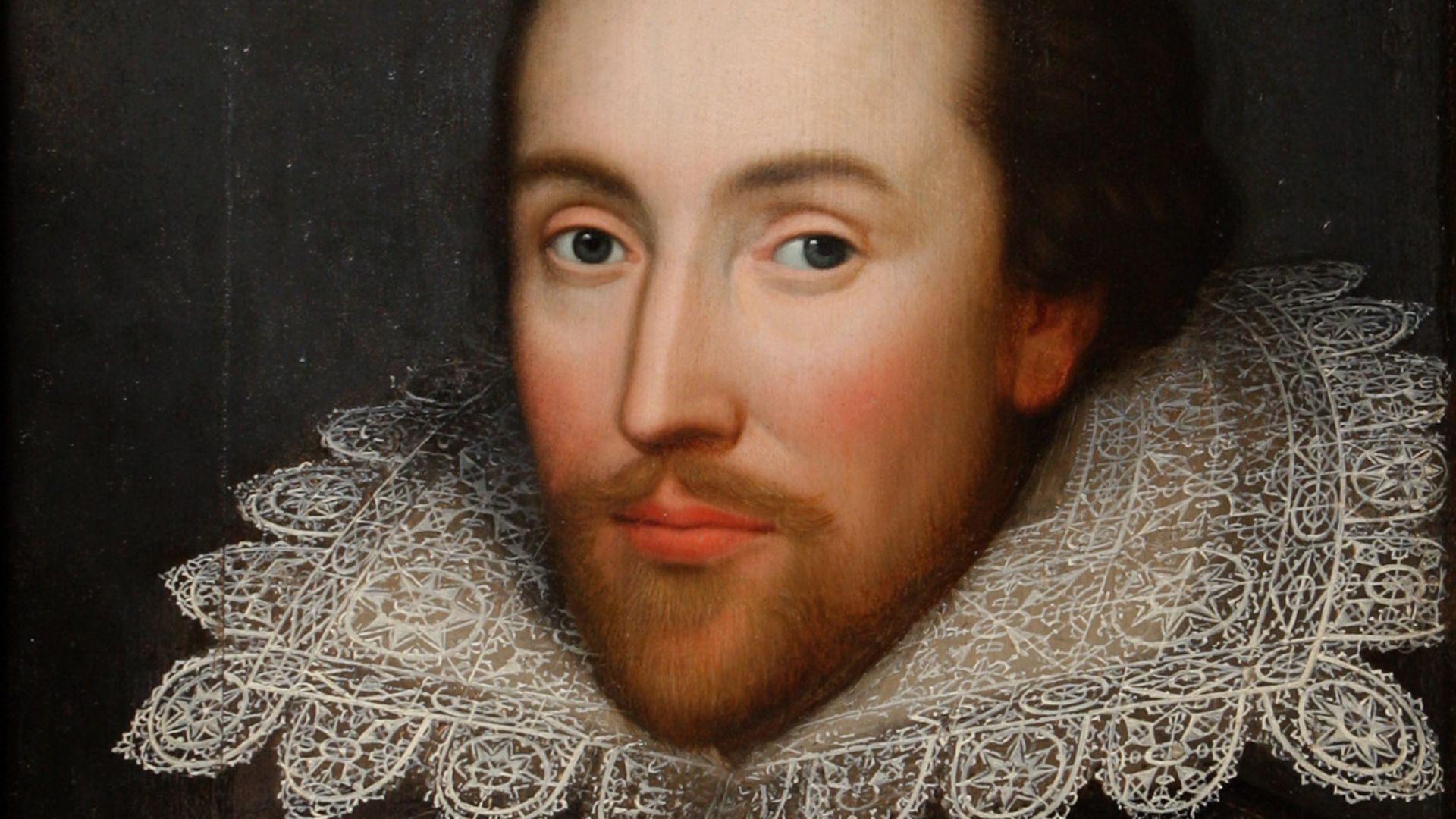
William Shakespeare's grave at Holy Trinity Church in Stratford-upon-Avon has attracted considerable attention, partly because of an old story claiming thieves stole his skull in 1794. In 2016, researchers used ground-penetrating radar to examine the burial site and discovered an unusual disturbance near where his head would have rested. Their findings raised the possibility that his skull was missing, but since the grave wasn't opened, nobody knows for sure whether the famous playwright's head was actually stolen.
14. Ned Kelly
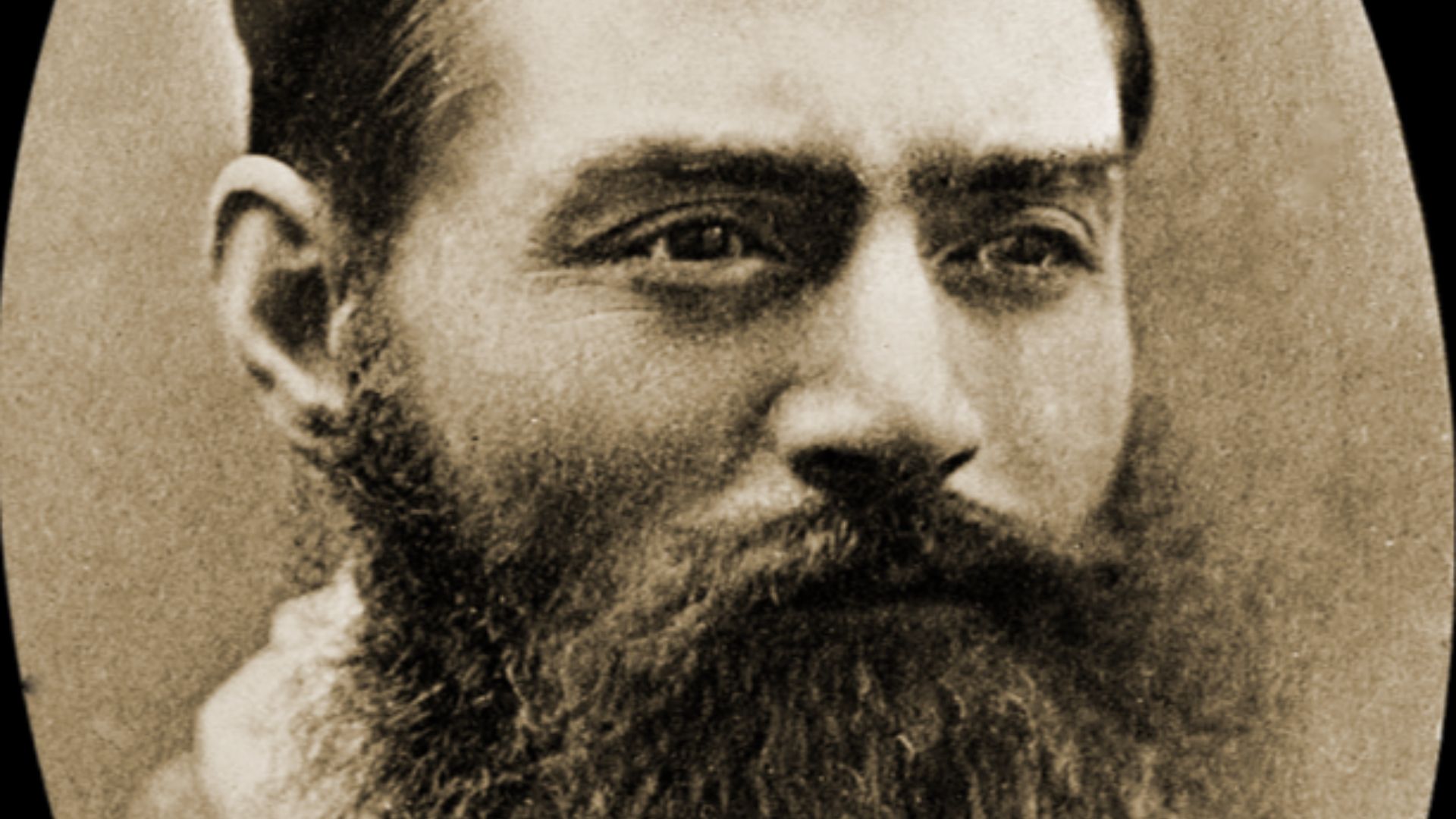
Australian outlaw Ned Kelly was executed in 1880, but his skull became the subject of a complicated mystery after his remains were relocated in 1929. A skull thought to belong to Kelly was displayed at the Old Melbourne Gaol before someone stole it in 1978, only for it to reappear decades later. Forensic testing eventually determined that the skull belonged to somebody else, while much of Kelly's actual skull is still unaccounted for.
 Australian News and Information Bureau, Canberra on Wikimedia
15. Friedrich Schiller
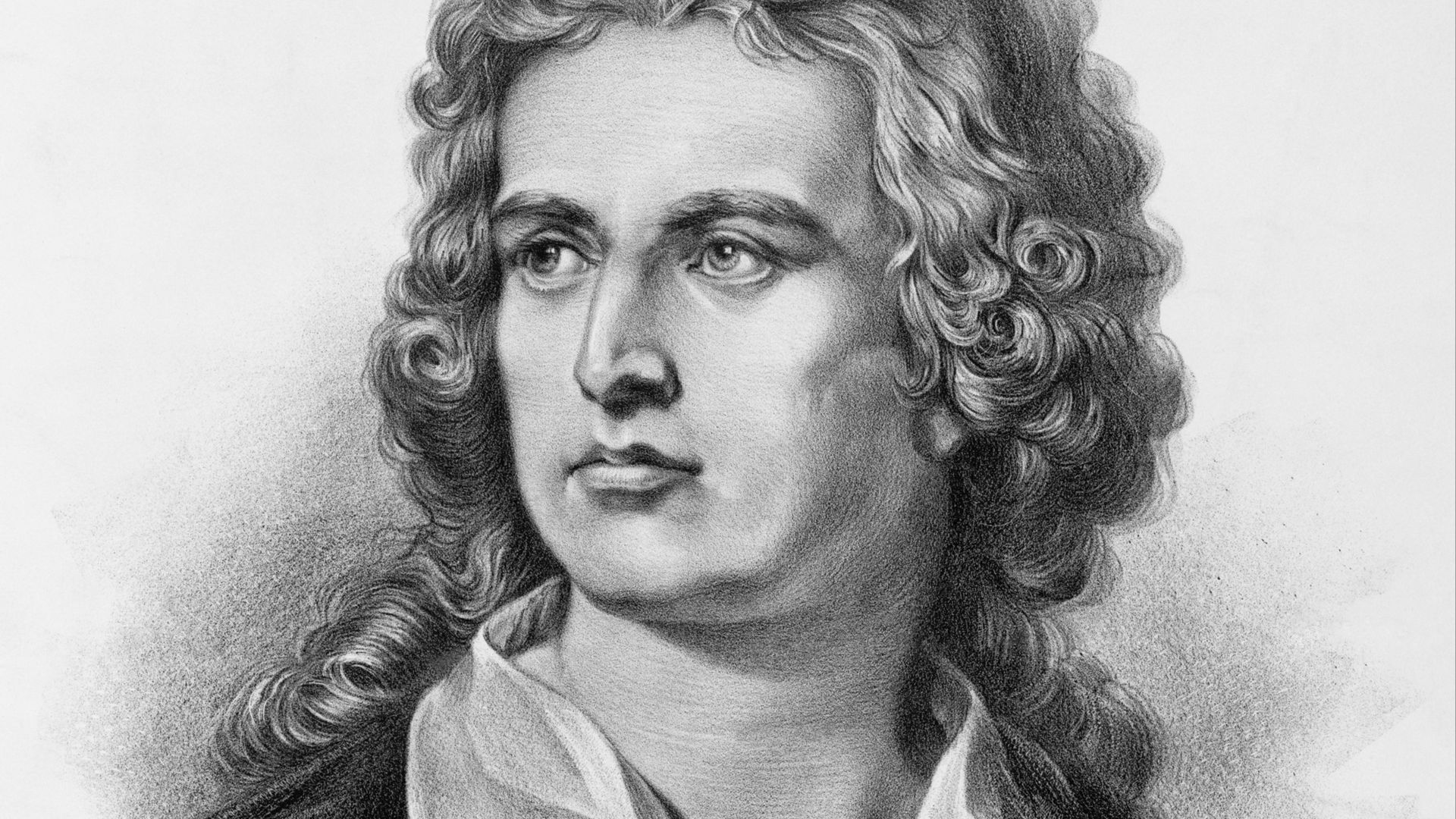
German poet and playwright Friedrich Schiller died in 1805 and was buried in a communal vault, which made identifying his remains years later particularly challenging. When officials tried to recover his body in 1826, they chose a skull believed to be his, which his friend Johann Wolfgang von Goethe reportedly kept for a while. Another potential skull surfaced in the early 20th century, but DNA testing in 2008 revealed that neither belonged to Schiller, leaving the location of his genuine skull unknown.
 Jos. Koehler, publisher on Wikimedia
16. Jeremy Bentham
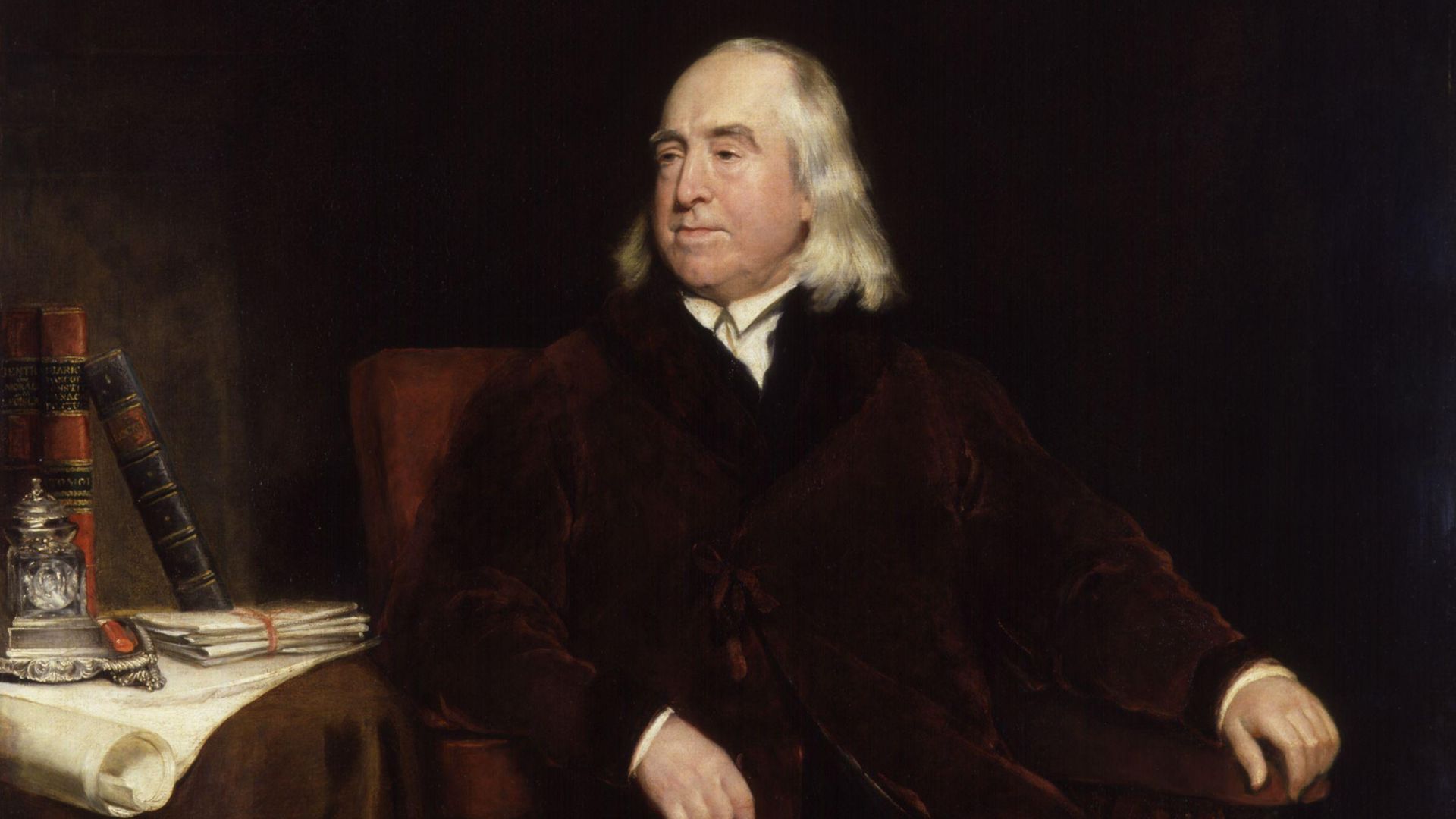
British philosopher Jeremy Bentham made some rather unusual arrangements for his remains, requesting that his preserved skeleton be displayed after his death in 1832. His actual head was supposed to accompany the dressed skeleton, but problems with preserving it led to a wax replacement being used instead. According to University College London, students reportedly stole his original head in 1975 and demanded a charitable ransom, prompting the university to eventually place it in secure storage.
 Henry William Pickersgill on Wikimedia
17. Ludwig van Beethoven
Beethoven's entire skull wasn't stolen, but several pieces of it went missing during the 19th century. When his remains were examined in 1863, someone apparently took several bone fragments that later made their way into private collections. The missing pieces eventually turned up in California, where researchers attempted to verify their authenticity, adding another unusual detail to the composer's already complicated medical history.
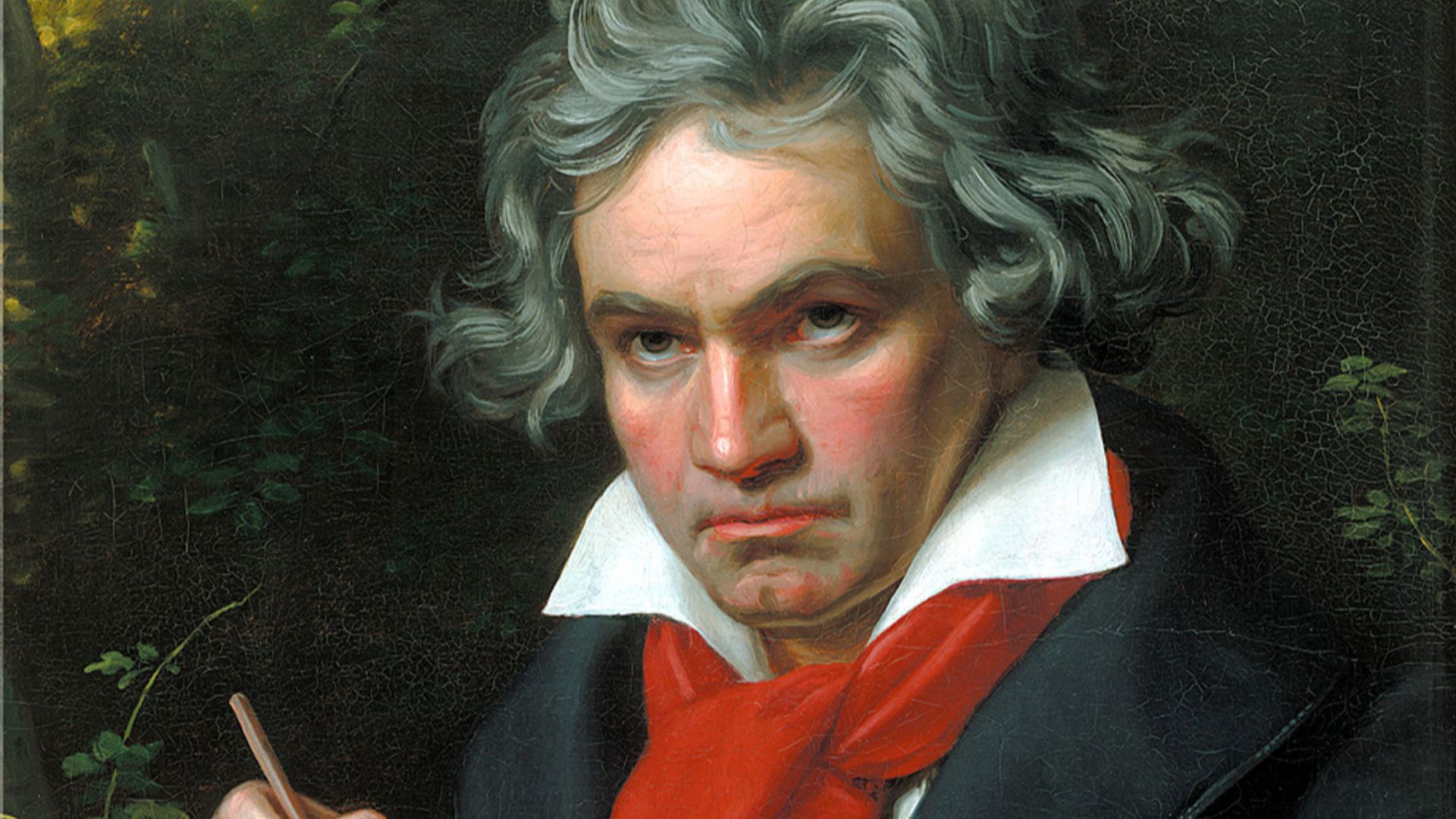 Joseph Karl Stieler on Wikimedia
18. John Bradshaw
English judge John Bradshaw played a major role in the trial that sentenced King Charles I to death, a decision that later had grim consequences for his remains. Although Bradshaw died in 1659, the restored monarchy ordered his body exhumed in 1661 and subjected it to a symbolic execution. His severed head was displayed on a spike at Westminster Hall alongside those of other leading republicans, but what ultimately happened to it is much harder to establish.
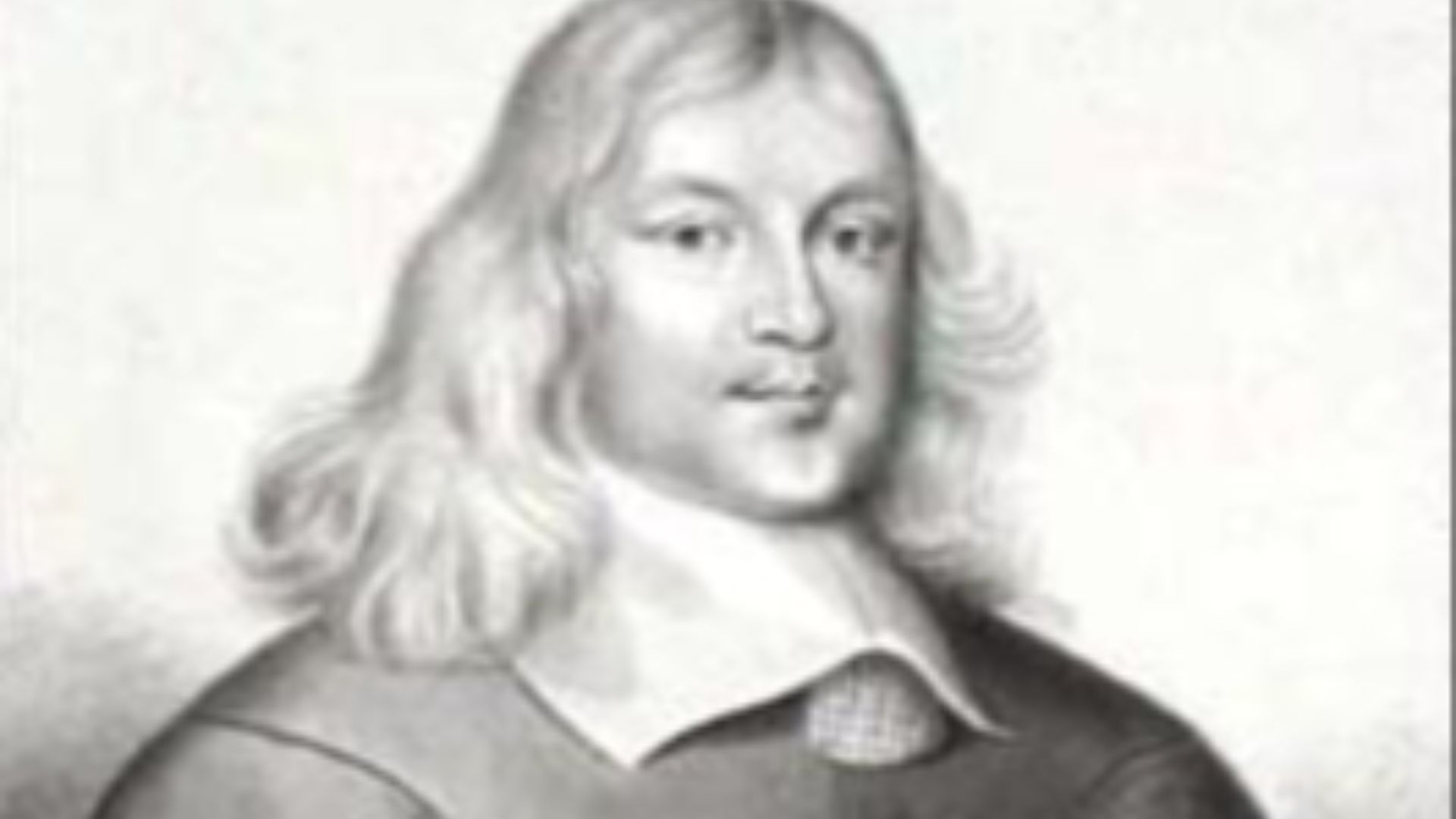 Engraving after portrait by George Perfect Harding on Wikimedia
19. Henry Ireton
Henry Ireton was a prominent Parliamentarian commander and Oliver Cromwell's son-in-law, although he died from illness in Ireland in 1651. Ten years later, royal authorities ordered his remains removed from Westminster Abbey and subjected to the same posthumous punishment carried out against Cromwell and John Bradshaw. His head was placed on public display following the execution, but surviving historical records don't reveal exactly where it eventually ended up.
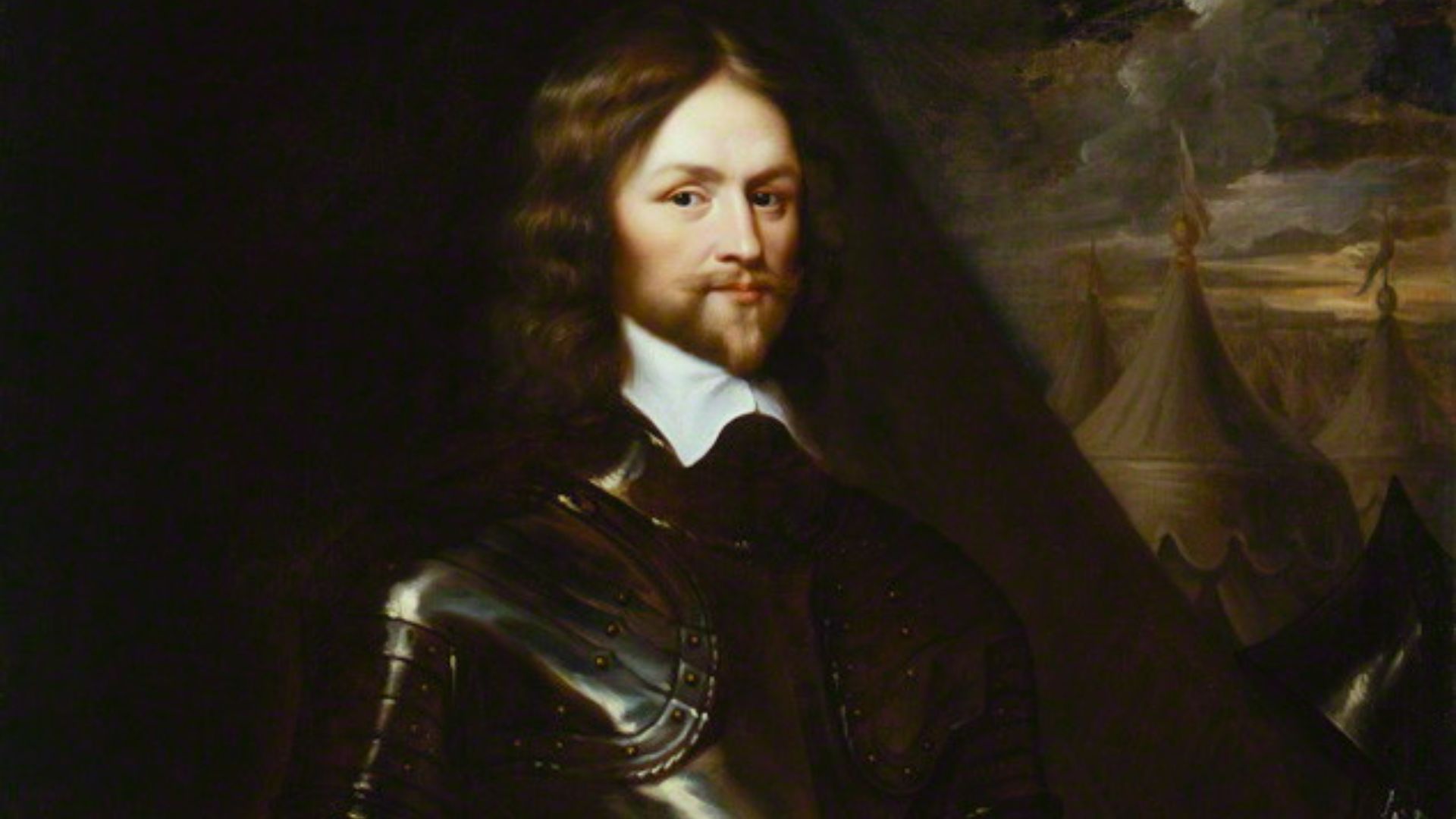 Attributed to Robert Walker / After Samuel Cooper / After Anthony van Dyck on Wikimedia
20. John the Baptist
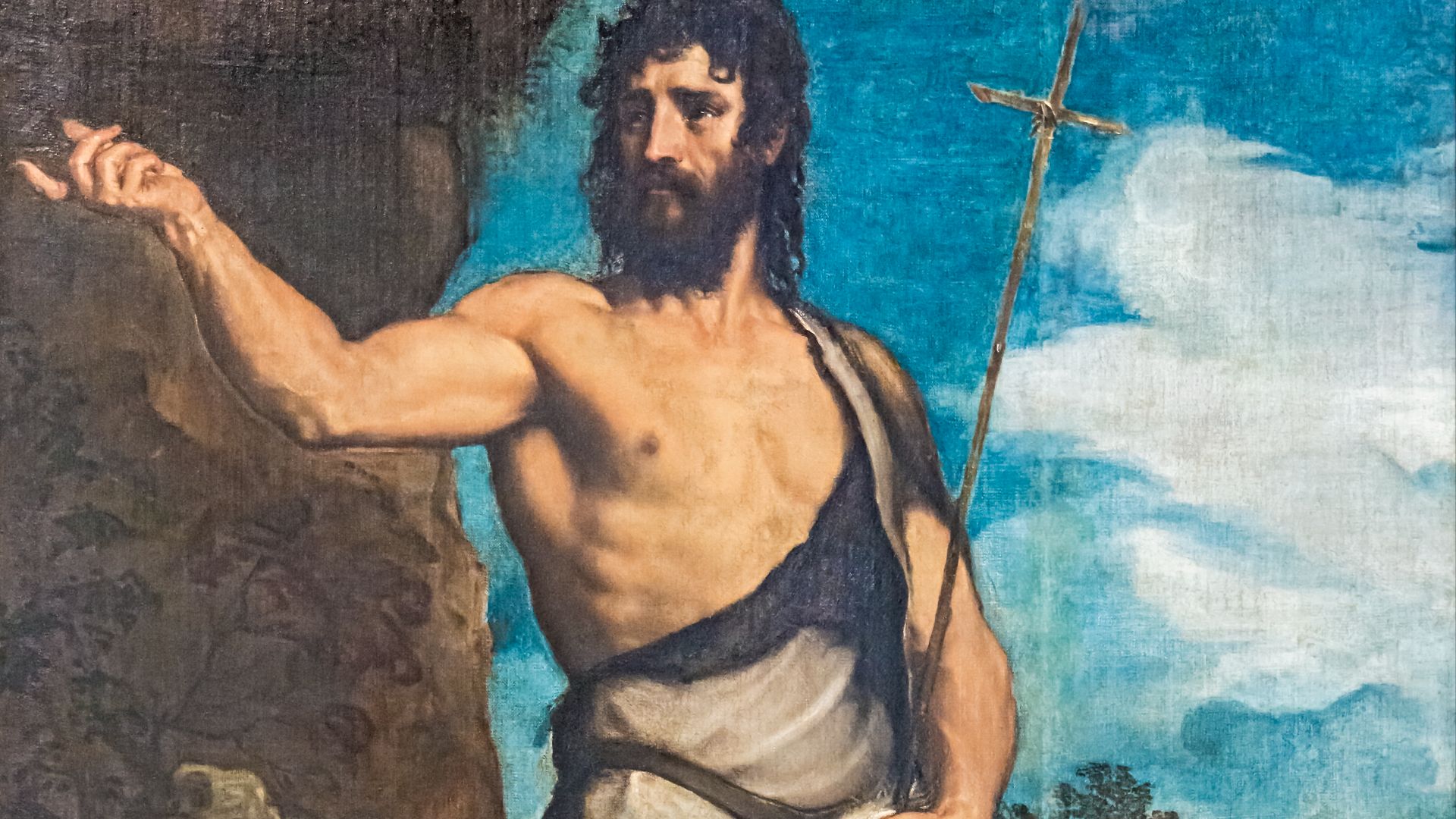
According to the New Testament, John the Baptist was executed on the orders of Herod Antipas, and his severed head was presented to the ruler's household. What happened to it afterward is far less certain, with centuries of religious tradition producing several conflicting claims about its whereabouts. At least four prominent religious sites, including locations in Damascus, Rome, Munich, and Amiens, have claimed to possess his head or pieces of it, although none of these claims has been conclusively authenticated.