When Belief Becomes a Final Stand
Martyrdom transforms death into something else entirely. A person becomes a symbol, their final moments frozen in collective memory as proof that some convictions matter more than survival itself. Throughout history, certain individuals have chosen principle over preservation, and in doing so, they’ve shaped movements that outlived them by centuries. These twenty figures discovered that sometimes dying for a cause accomplishes what living for it never could.
 John Everett Millais on Wikimedia
1. Socrates (399 BCE)
The Athenian philosopher could’ve escaped. His friends arranged it by bribing the guards, and they even had a boat waiting. Socrates refused. His death became the foundational story of intellectual integrity.
 Jacques-Louis David on Wikimedia
2. Joan of Arc (1431)
The Hundred Years' War was grinding through France, and this illiterate peasant girl from Domrémy claimed God sent her to save the kingdom. Somehow she convinced the Dauphin and led French troops to victory at Orléans. Then the English captured her and burned her at the stake in Rouen's marketplace on May 30, 1431.
 The New York Public Library on Unsplash
3. Thomas More (1535)
King Henry VIII's Lord Chancellor refused to acknowledge the king's supremacy over the Church of England. They beheaded him on Tower Hill on July 6, 1535. His last words, reportedly, were: “I die the King's good servant, and God's first.”
 Hans Holbein the Younger on Wikimedia
4. Giordano Bruno (1600)
The Dominican friar proposed that the universe was infinite and that Earth was just one insignificant planet among many. The Roman Inquisition found this intolerable and imprisoned him for eight years. On February 17, 1600, they burned him alive in Rome's Campo de' Fiori.
 Livioandronico2013 on Wikimedia
5. Charles I of England (1649)
Not all martyrs are sympathetic. Charles believed in the divine right of kings so fervently that he waged civil war against Parliament rather than compromise. He lost. On January 30, 1649, they beheaded him outside the Banqueting House in Whitehall.

6. Nathan Hale (1776)
The 21-year-old Continental Army captain volunteered to spy on British troops in New York during the American Revolution. They caught him almost immediately and hanged him. Hale's final words were: “I only regret that I have one life to lose for my country.”
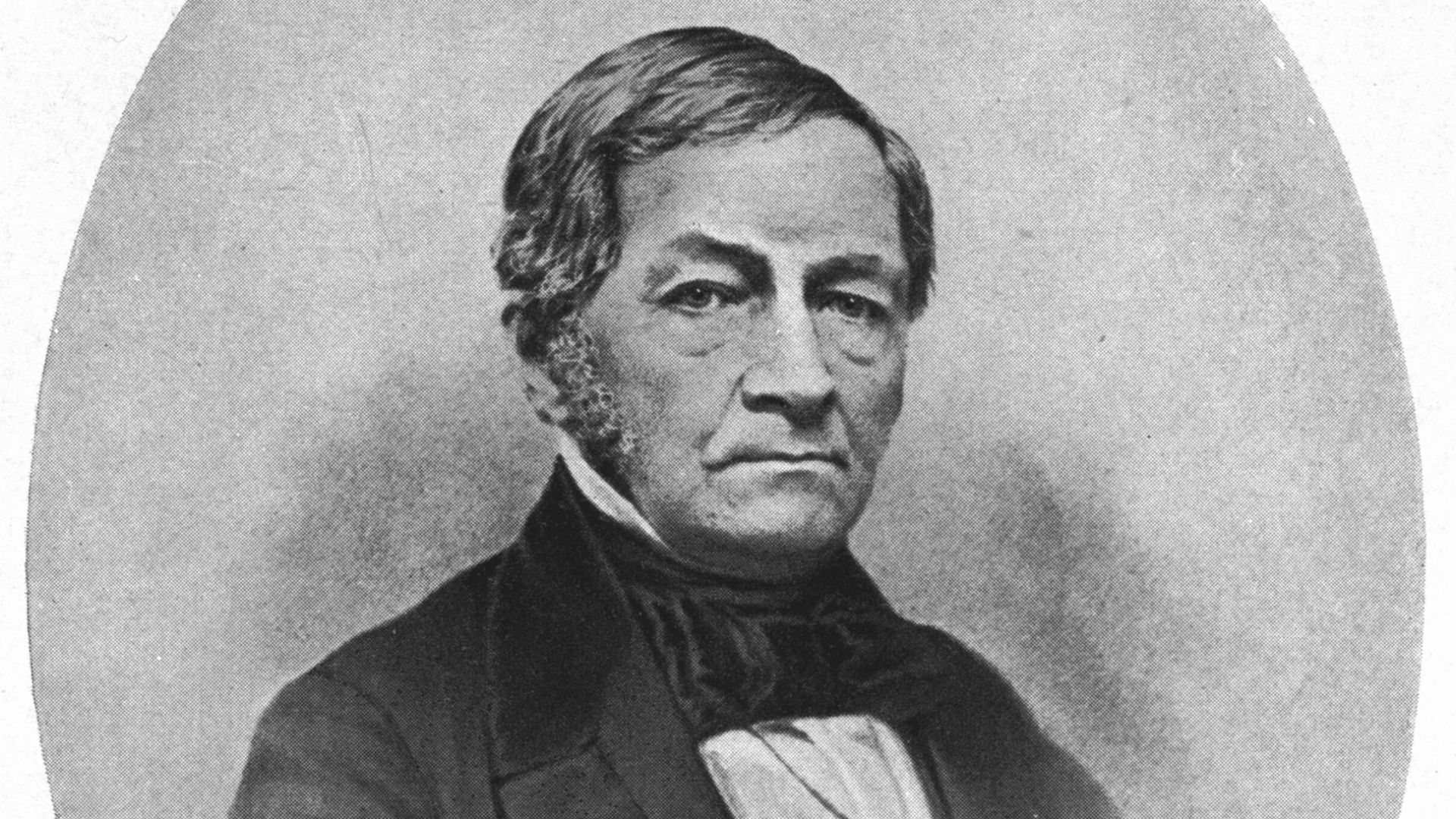
7. John Brown (1859)
The radical abolitionist believed slavery was such an evil that violence to end it was morally required. He led the raid on Harpers Ferry, Virginia, attempting to start a slave rebellion by seizing the federal armory. The raid failed spectacularly, and he was hanged on December 2, 1859.
 Augustus Washington on Wikimedia
8. Maximilian Kolbe (1941)
The Polish Franciscan friar was imprisoned at Auschwitz for harboring Jews and Polish refugees during the Nazi occupation. When a prisoner escaped from his block, the SS selected ten men to be starved to death in reprisal. Kolbe volunteered to take one of their places, and the Nazis agreed.
 Unknown authorUnknown author on Wikimedia
9. Patrice Lumumba (1961)
The first democratically elected Prime Minister of the Democratic Republic of the Congo lasted about two months in office. Independence from Belgium came on June 30, 1960, and almost immediately, the CIA, Belgian intelligence, and Congolese collaborators conspired against him. On January 17, 1961, he was executed by firing squad.
 Harry Pot (ANEFO) on Wikimedia
10. Medgar Evers (1963)
The Mississippi NAACP field secretary fought for voting rights, school desegregation, and civil rights in one of the most dangerous states in America for Black activists. White supremacist Byron De La Beckwith shot him in the back with a rifle outside his home in Jackson on June 12, 1963.

11. Malcolm X (1965)
Born Malcolm Little, he became Malcolm X, rejecting his “slave name.” His speeches about Black pride, self-defense, and the hypocrisy of white America terrified the establishment and inspired millions. His martyrdom on February 21, 1965, cemented his status as a Black liberation icon.
 Ed Ford, World Telegram staff photographer on Wikimedia
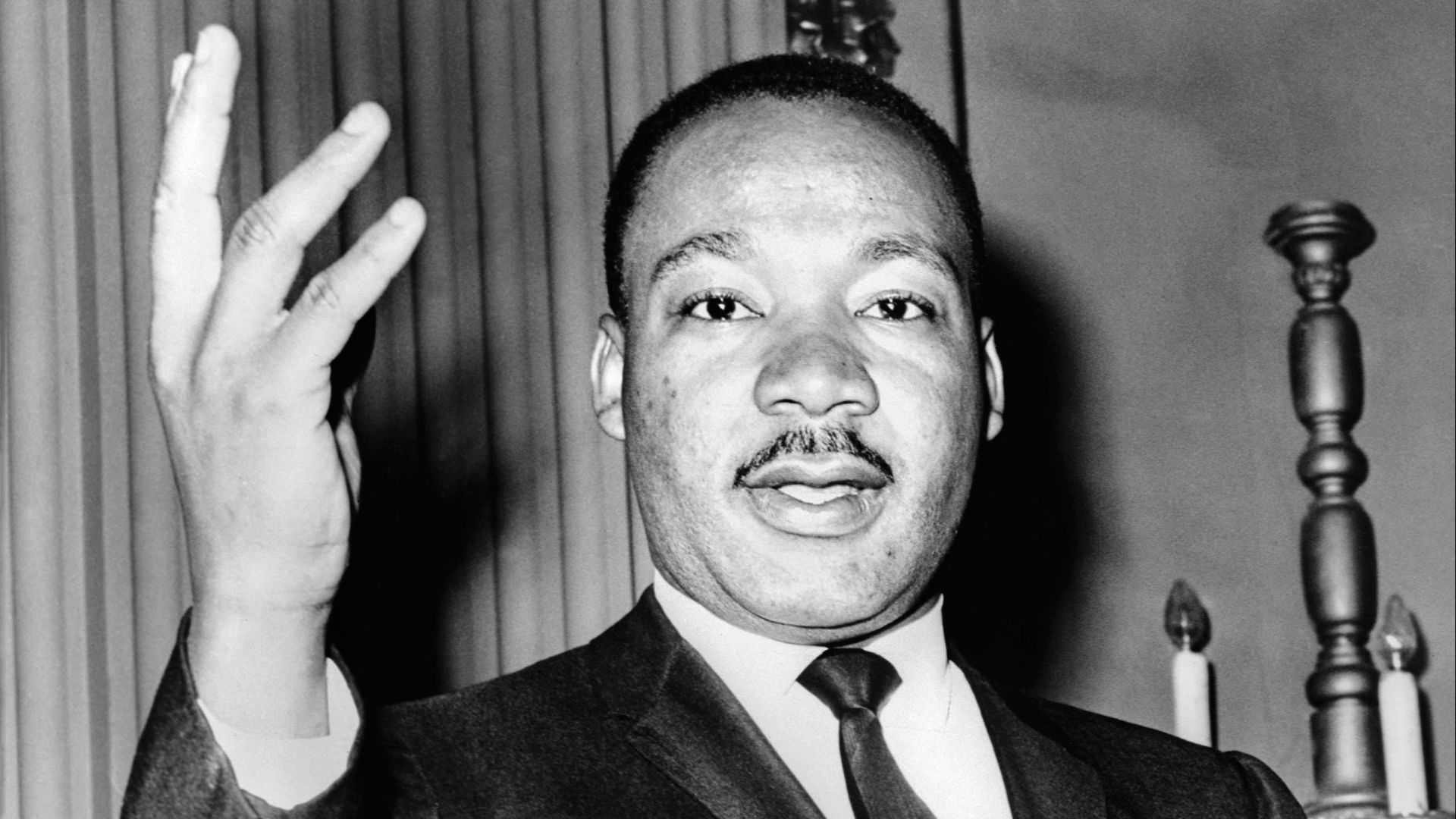
12. Martin Luther King Jr. (1968)
The Baptist minister and civil rights leader spent thirteen years leading nonviolent resistance against segregation and racial injustice. By 1968, he’d won the Nobel Peace Prize and helped pass the Civil Rights Act and Voting Rights Act. On April 4, 1968, James Earl Ray shot him on the balcony of the Lorraine Motel in Memphis.
13. Steve Biko (1977)
The South African anti-apartheid activist founded the Black Consciousness Movement, which emphasized psychological liberation and Black pride as precursors to political freedom. On August 18, 1977, police arrested him and beat him so severely he suffered brain damage and died soon after.

14. Óscar Romero (1980)
The Archbishop of San Salvador watched El Salvador descend into civil war while speaking out against poverty, injustice, and government-sponsored death squads. On March 23, 1980, he directly addressed Salvadoran soldiers: “I beseech you, I beg you, I order you in the name of God: stop the repression.” The next day, he was shot by an assassin.
 Arzobispado de San Salvador; Congregatio de Causis Sanctorum on Wikimedia
15. Chico Mendes (1988)
The Brazilian rubber tapper and union leader fought to preserve the Amazon rainforest and the livelihoods of people who depended on it. He organized rubber tappers to resist cattle ranchers who were destroying the forest. On December 22, 1988, rancher Darly Alves da Silva and his son shot Mendes outside his home in Xapuri.
 Miranda Smith, Miranda Productions, Inc. on Wikimedia
16. Ken Saro-Wiwa (1995)
The Nigerian writer and environmental activist led the Movement for the Survival of the Ogoni People, protesting Shell Oil's devastating pollution of the Niger Delta. On November 10, 1995, the Nigerian government hanged him along with eight other Ogoni activists.

17. Anna Politkovskaya (2006)
The Russian investigative journalist spent years documenting human rights abuses in Chechnya, government corruption, and Vladimir Putin's authoritarian consolidation of power. On October 7, 2006, Putin's birthday, someone shot her four times in her apartment building's elevator in Moscow.

18. Jamal Khashoggi (2018)
The Saudi Arabian journalist and Washington Post columnist criticized Crown Prince Mohammed bin Salman's policies from exile in the United States. On October 2, 2018, he entered the Saudi consulate in Istanbul to obtain documents for his upcoming marriage. He never left.
 April Brady / POMED on Wikimedia
19. Mahatma Gandhi (1948)
The architect of India’s nonviolent independence movement believed moral force was stronger than any weapon. On January 30, 1948, a Hindu nationalist assassinated Gandhi in New Delhi, believing his commitment to religious pluralism betrayed India.

20. Liu Xiaobo (2017)
The Chinese literary critic and democracy advocate called for political reform, free speech, and human rights in China. The government sentenced him to 11 years in prison, and he died of liver cancer in custody on July 13, 2017, becoming the first Nobel laureate to die imprisoned since Carl von Ossietzky.
 Wang Liming ('Rebel Pepper') on Wikimedia
KEEP ON READING