

20 Famous Deaths That Created Centuries of Rumors
Some Endings Refuse to Stay Quiet
History loves a mystery, especially when someone powerful, famous, feared, or beloved dies under unclear circumstances. A sudden illness, missing body, suspicious execution, or badly timed accident can leave just enough doubt for rumors to grow for centuries. Sometimes the official story is probably true, but that has never stopped people from adding poison, betrayal, secret escapes, hidden heirs, or supernatural curses. These famous deaths became more than endings; they became puzzles people still can’t resist reopening.
 Smithsonian Institution on Wikimedia
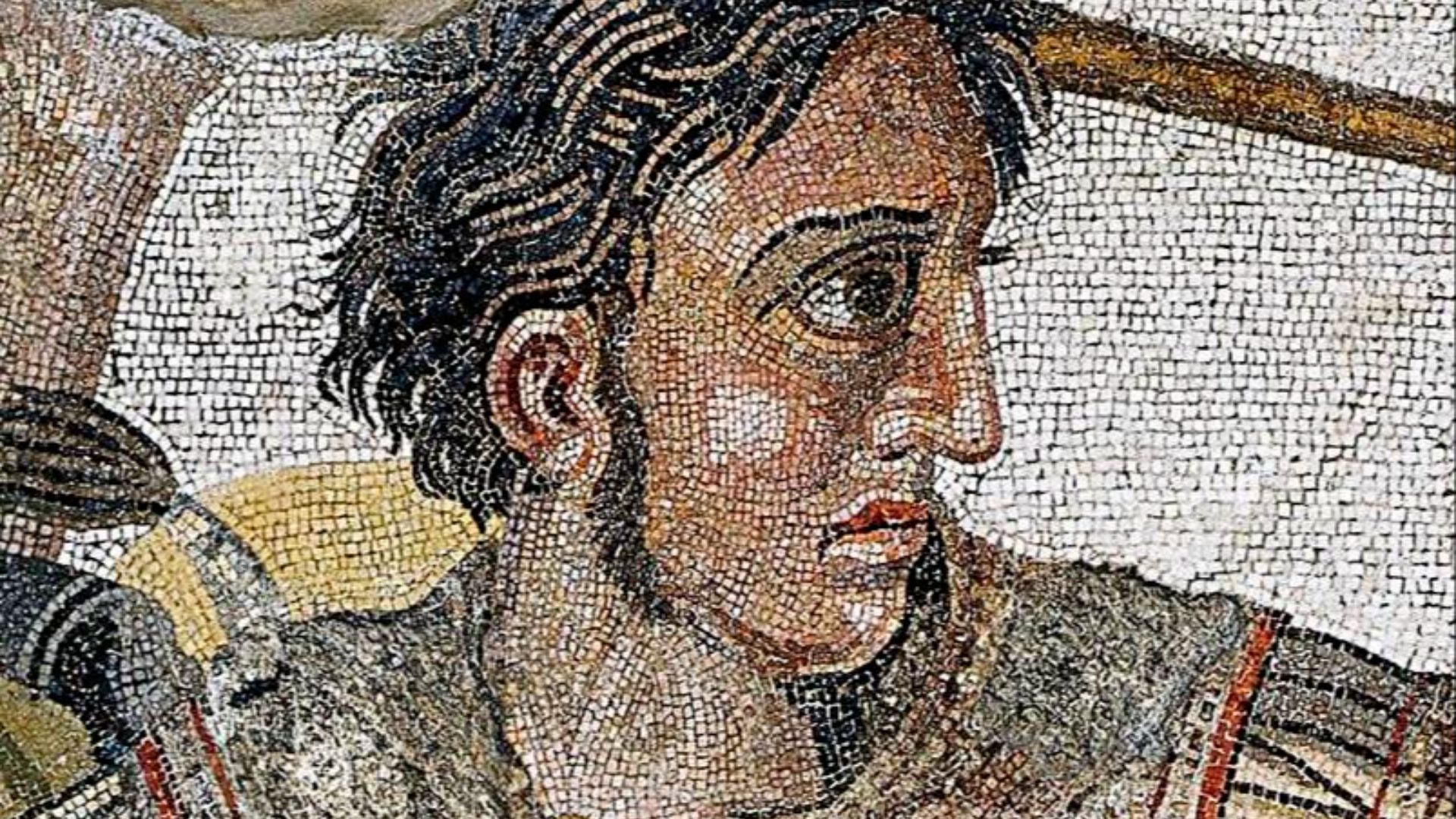
1. Alexander the Great
Alexander the Great died in 323 BCE at only 32, and people have argued about the cause ever since. Ancient sources describe a sudden illness after days of drinking and fever, but later rumors suggested poison, political betrayal, or a secret plot among his generals. His massive empire had no clear adult successor, so plenty of people had motives in the eyes of suspicious historians.
2. Cleopatra
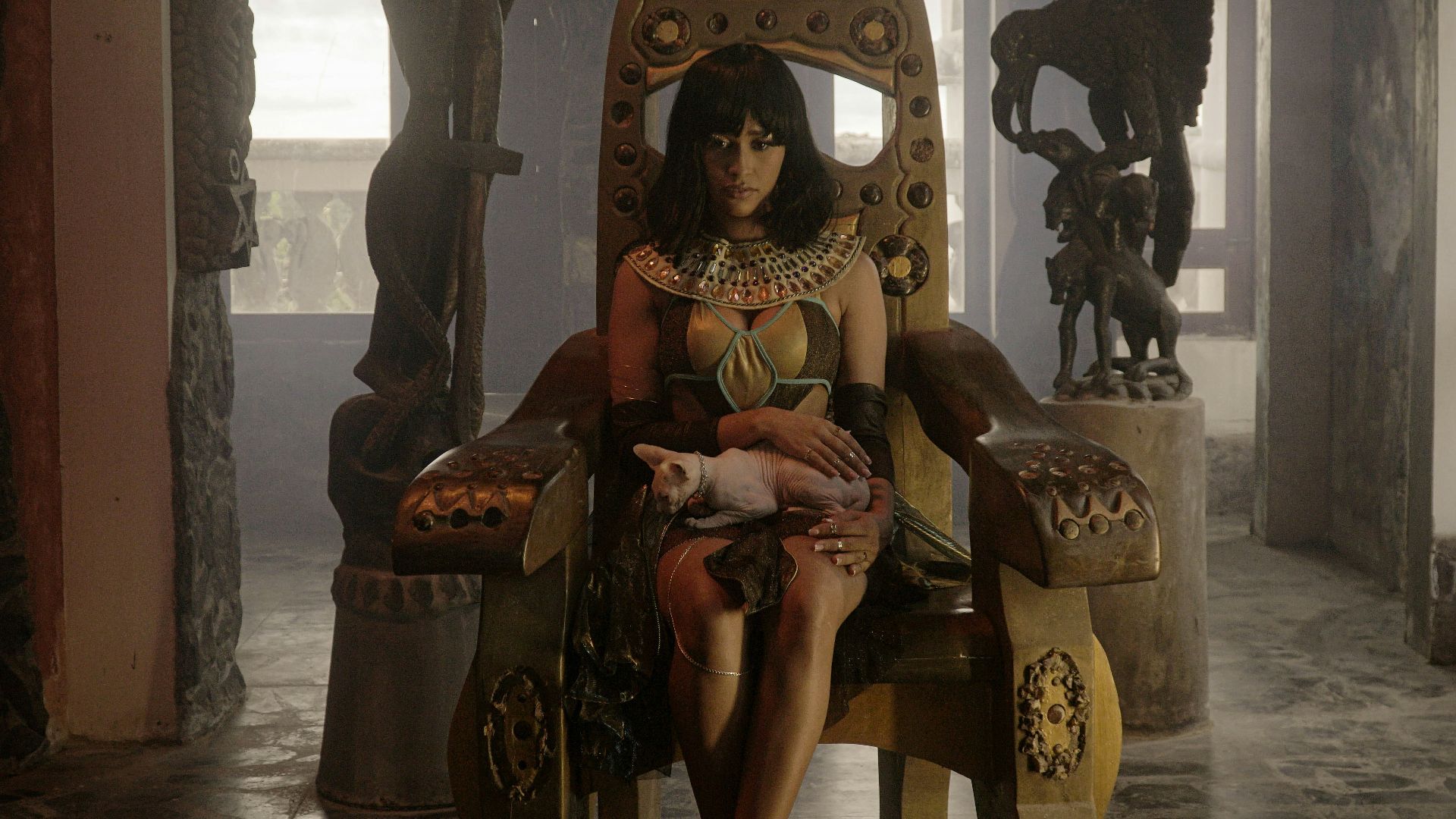
Cleopatra’s death in 30 BCE is usually remembered as a suicide by snakebite, but the details are far from simple. Ancient writers disagreed about whether it was a snake, whether poison was hidden in an object, or whether the story was shaped later for dramatic effect. Naturally, a queen that powerful was never going to leave history with a boring final paragraph.
3. Julius Caesar
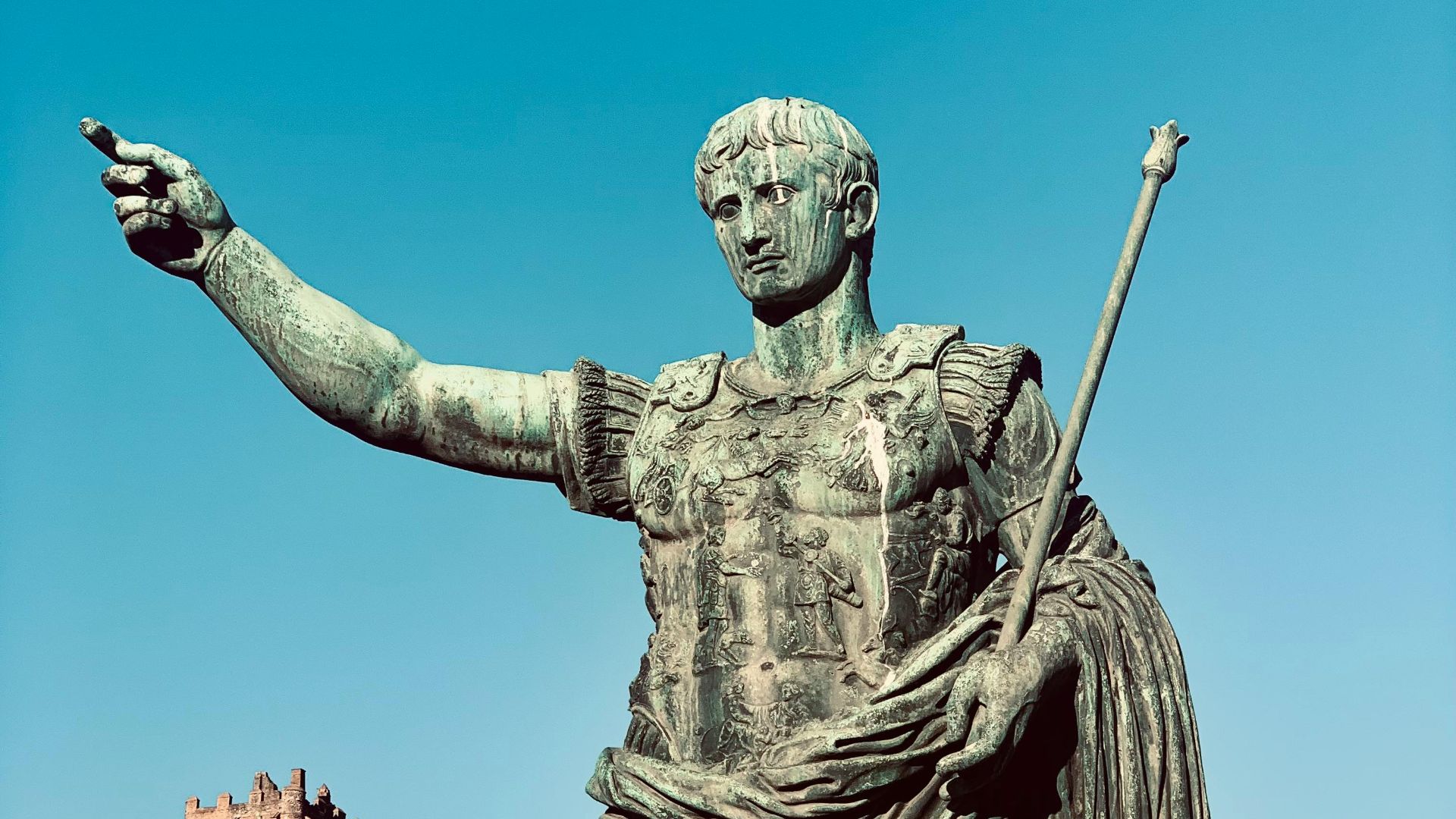
Julius Caesar’s assassination in 44 BCE was public, violent, and carried out by a group of senators, so there’s no real mystery about whether he was murdered. The rumors came afterward, especially around who knew, who planned it, and whether the killers believed they were saving Rome or saving themselves. Some later stories added omens, warnings, dreams, and betrayal so neatly that the whole event began to feel staged by fate.
4. Nero
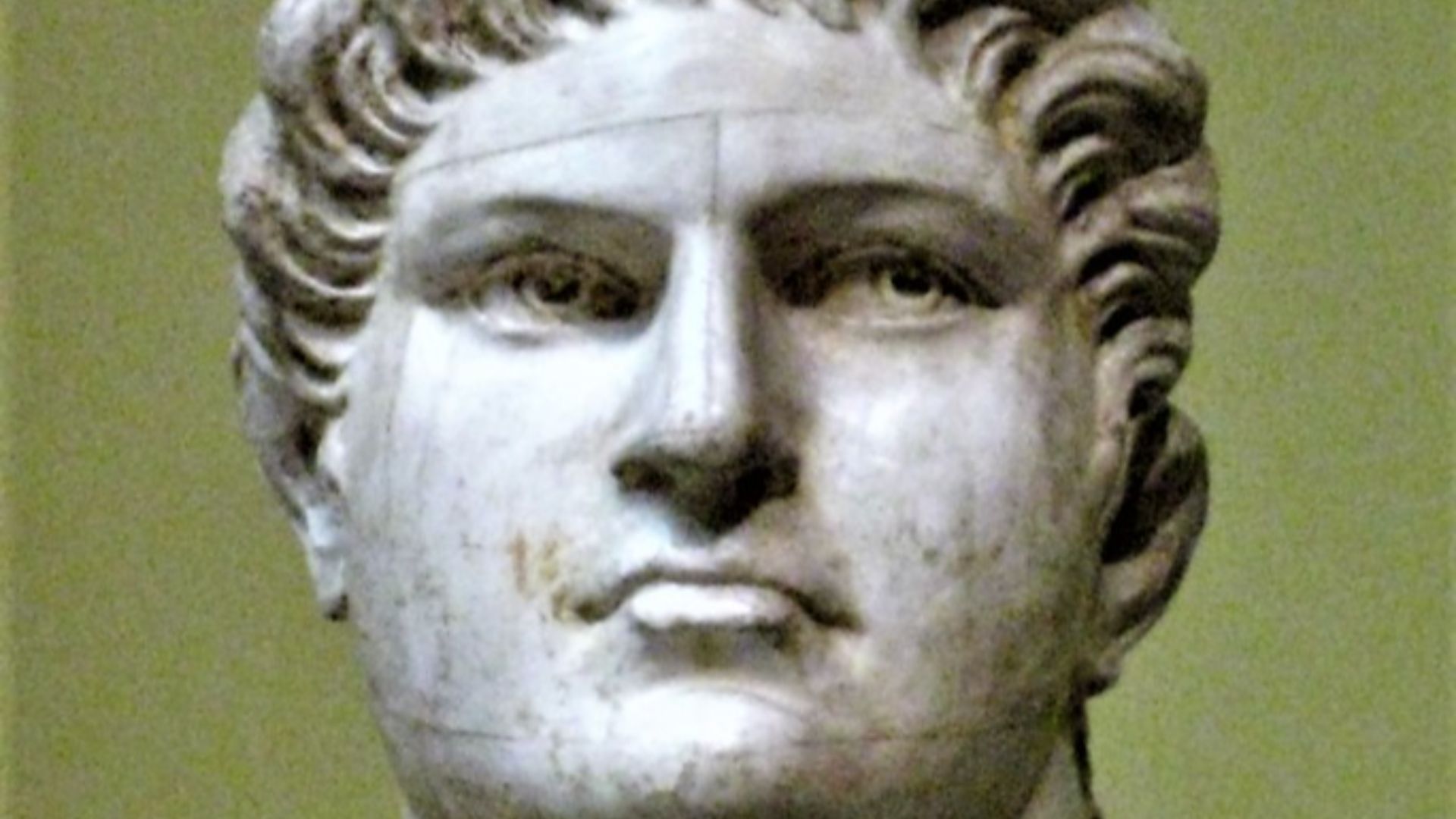
Emperor Nero died by suicide in 68 CE after being declared a public enemy by the Roman Senate. That didn't stop rumors that he had survived and would return. Several impostors later claimed to be Nero, and the idea of “Nero returned” spread through parts of the Roman world.
5. Tutankhamun
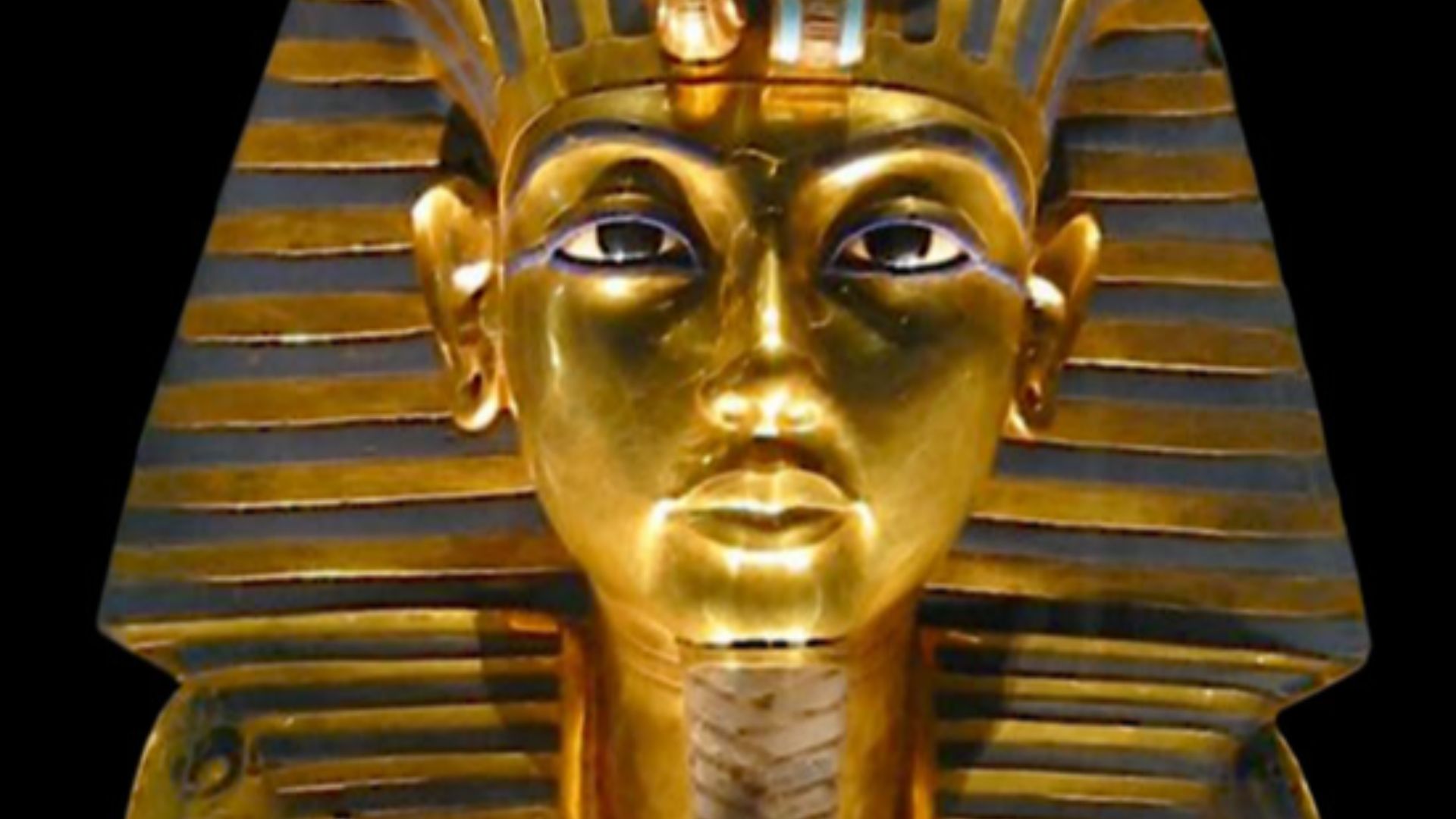
Tutankhamun died as a teenager, and his early death has inspired theories for decades. Modern research has suggested possible health problems, injury, malaria, or complications from genetic conditions, but the exact cause remains debated. The discovery of his tomb in 1922 added another layer, with newspapers pushing tales of a deadly “pharaoh’s curse.”
6. Richard III
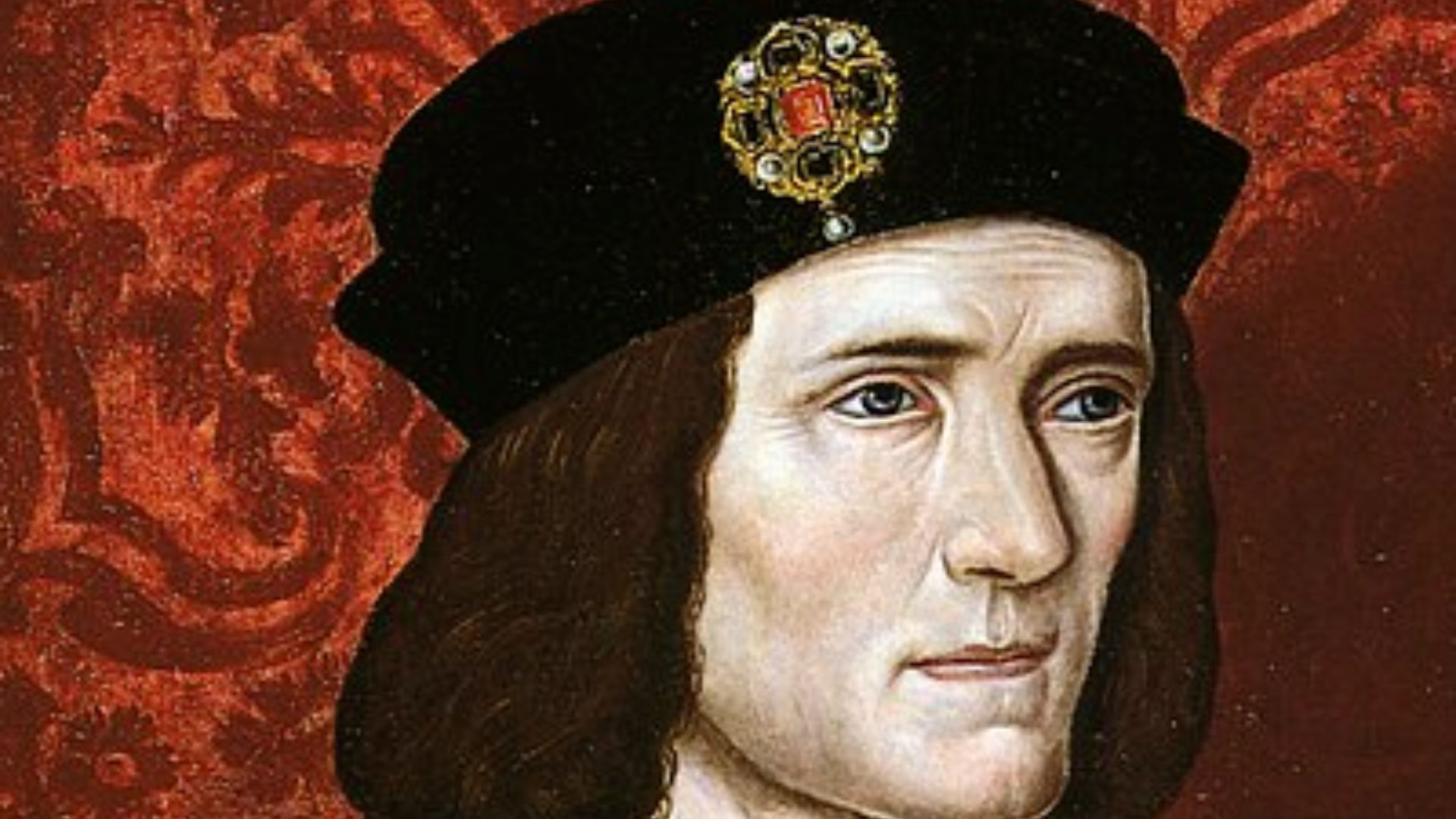
Richard III died at the Battle of Bosworth in 1485, but the arguments around him have lasted for centuries. Tudor propaganda painted him as a villain, and his connection to the disappearance of the Princes in the Tower made his reputation even darker. His remains were rediscovered under a parking lot in Leicester in 2012, which somehow made the story even stranger.
7. The Princes in the Tower
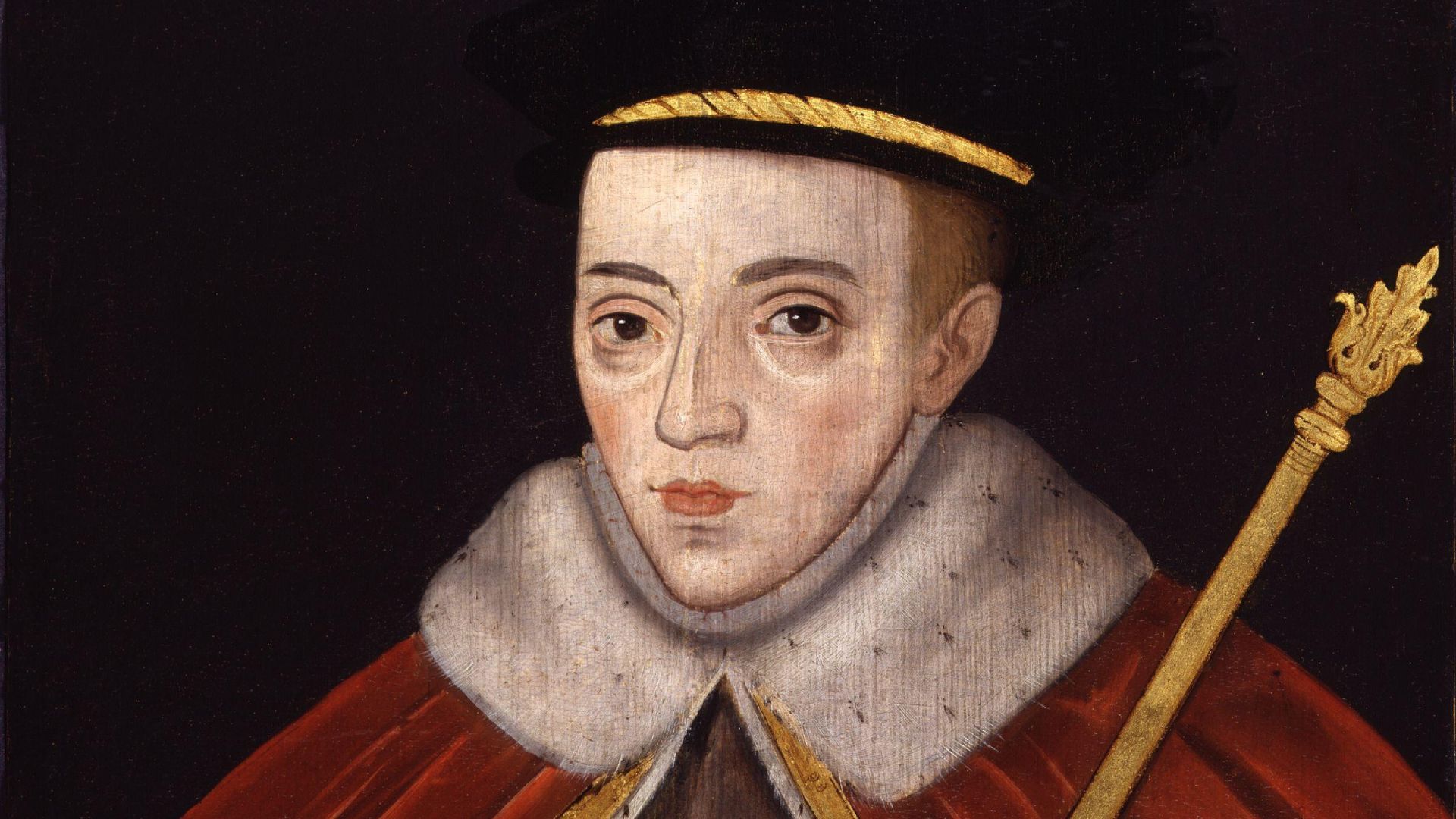
Edward V and his younger brother Richard disappeared in 1483 after being placed in the Tower of London. Many people suspected their uncle, Richard III, but other theories have blamed Henry VII, the Duke of Buckingham, or other political players. Bones found in the Tower in the 17th century were believed by some to belong to the boys, but the matter has never been fully settled.
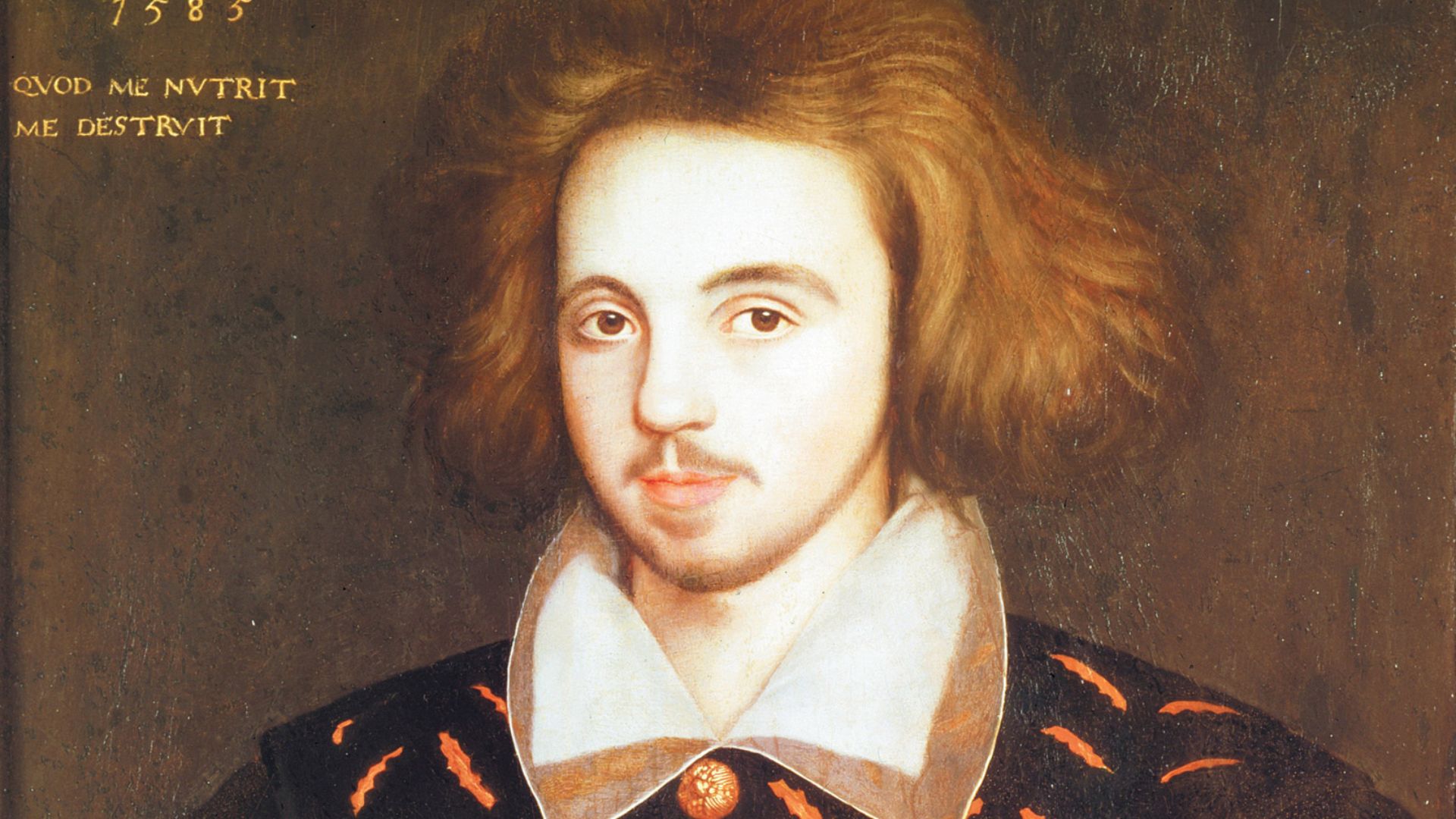
8. Christopher Marlowe
Christopher Marlowe died in 1593 after being stabbed in a tavern-related dispute. Officially, the killing followed an argument over the bill, which sounds almost insultingly ordinary for a playwright surrounded by espionage rumors. Because Marlowe had connections to government intelligence and faced accusations of atheism and sedition, many people suspected a political setup.
9. William Shakespeare
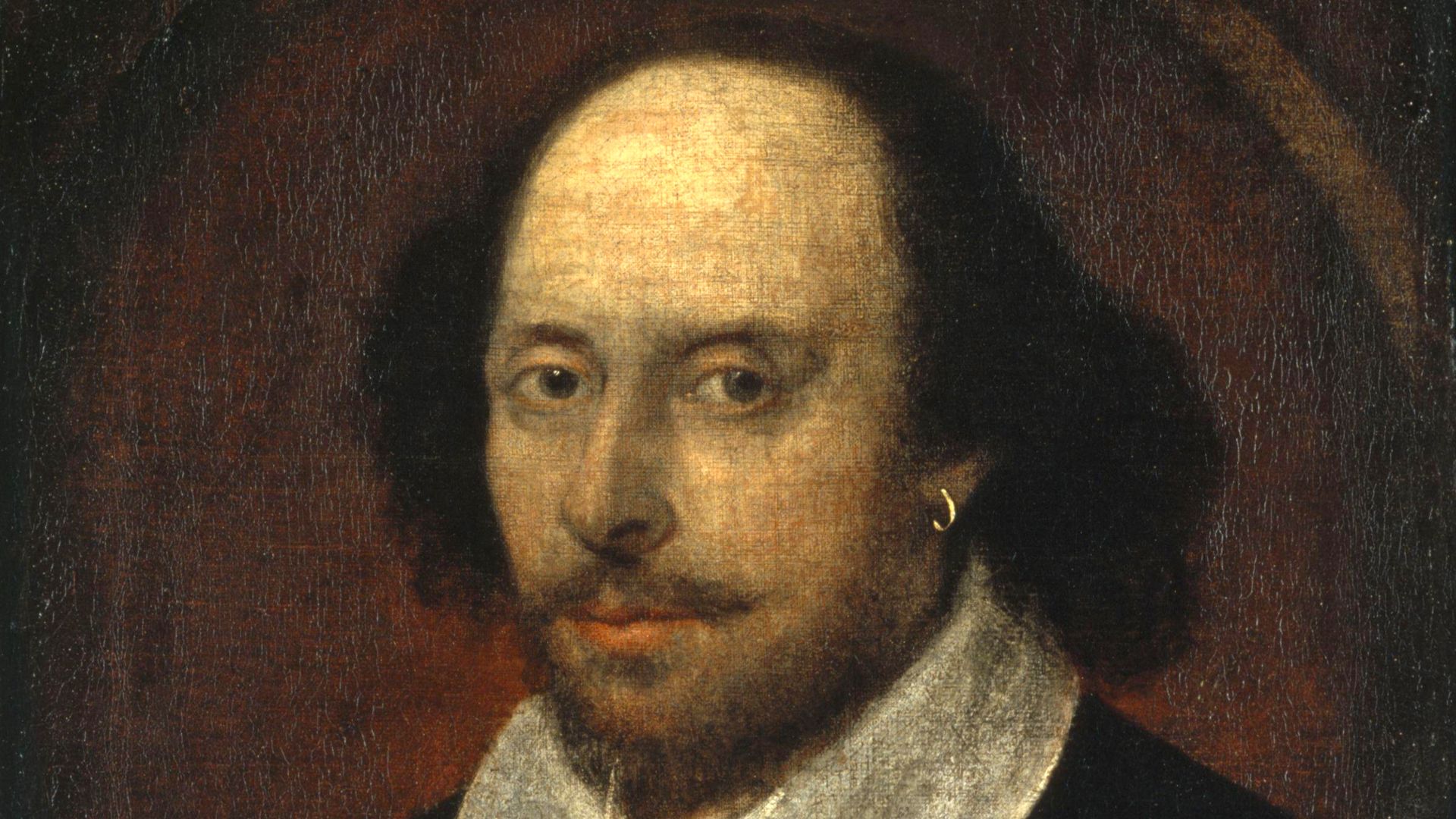
William Shakespeare died in 1616, and the lack of detailed records around his final illness left room for speculation. One old story claimed he became sick after a heavy drinking session with fellow writers, though there’s no solid proof. His grave also carries a curse warning people not to move his bones, which has kept curiosity alive for centuries.
 Attributed to John Taylor on Wikimedia
10. Mozart
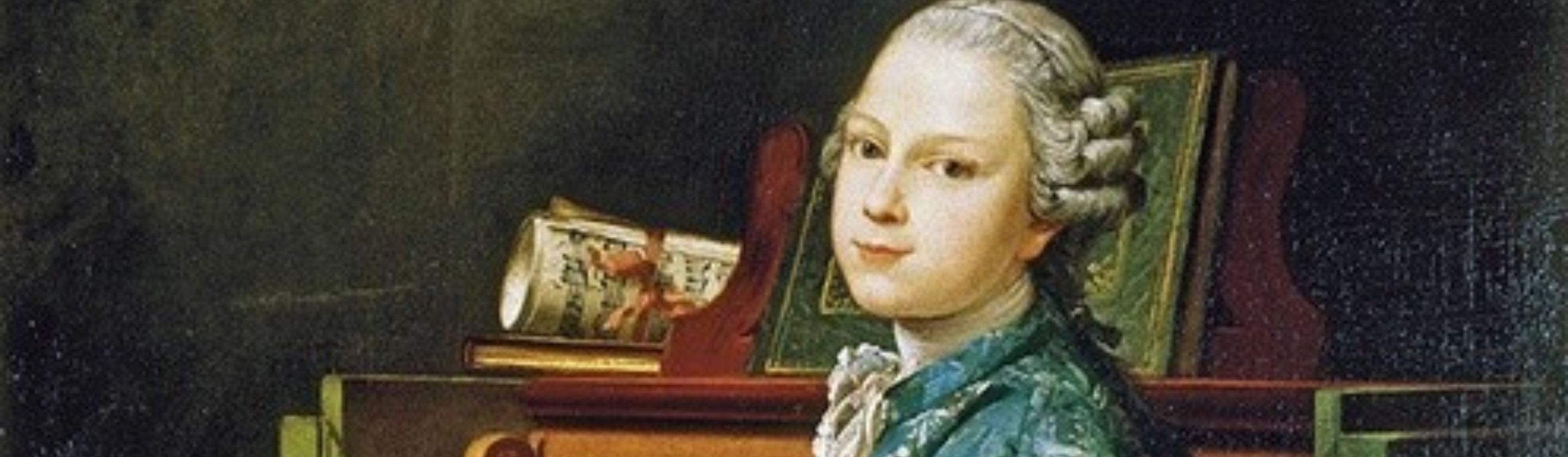
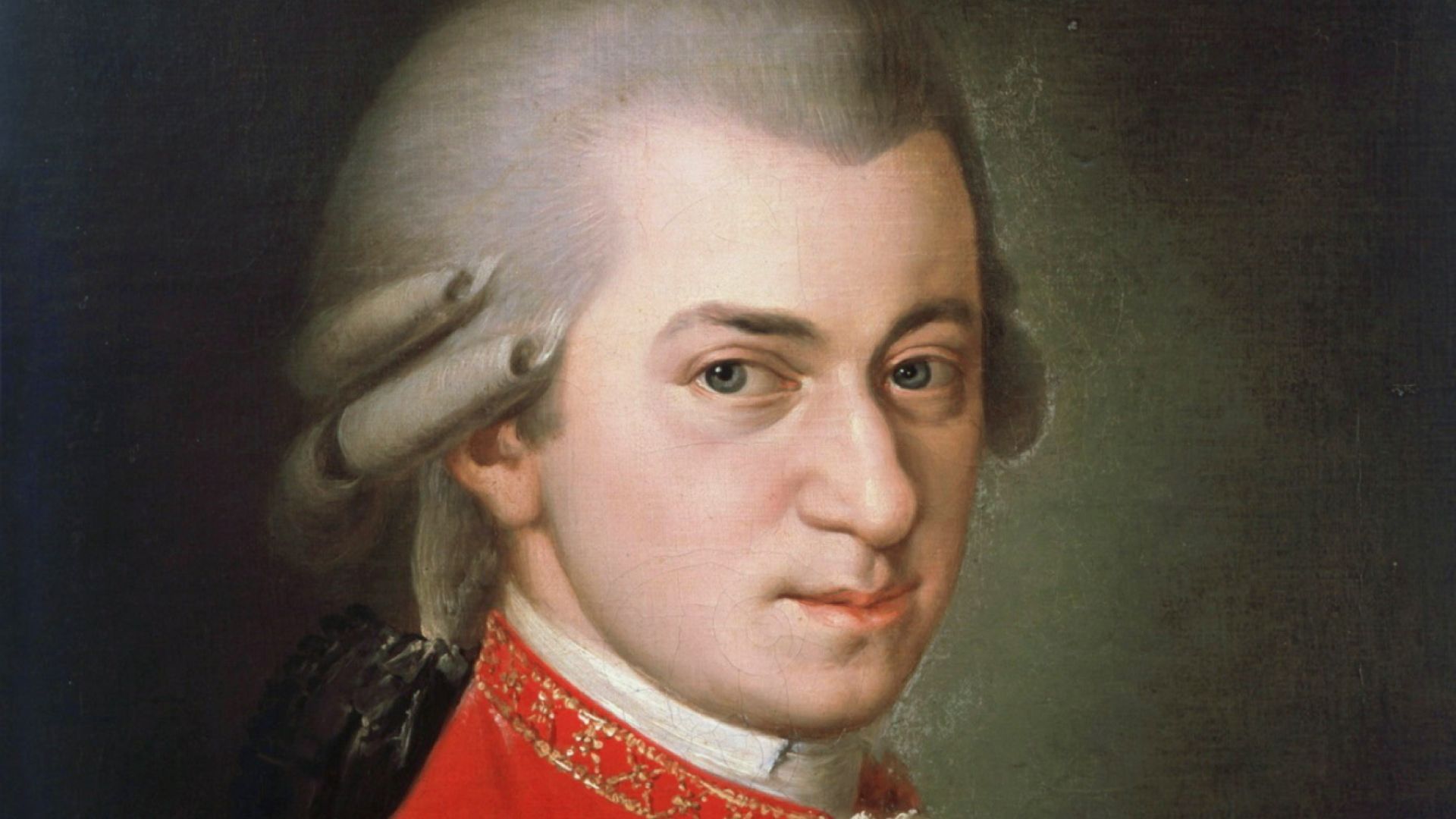
Wolfgang Amadeus Mozart died in 1791 at just 35, and rumors of poisoning appeared almost immediately. The most famous accusation targeted fellow composer Antonio Salieri, though historians generally reject that claim. Mozart’s unfinished Requiem, sudden decline, and dramatic funeral arrangements helped make the story irresistible.
11. Napoleon Bonaparte
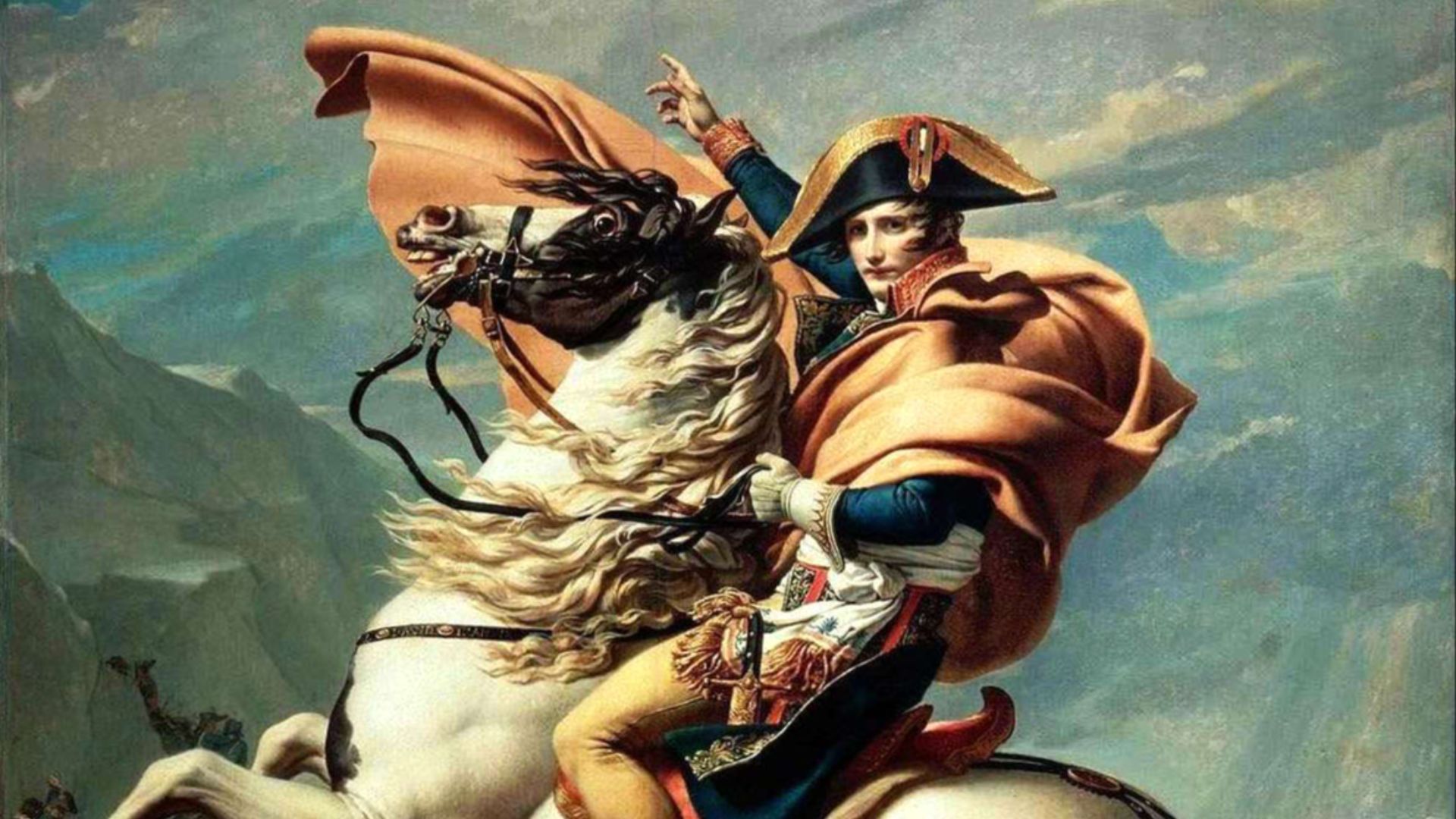
Napoleon died in exile on Saint Helena in 1821, officially from stomach cancer. Later rumors claimed he had been slowly poisoned with arsenic by British captors or political enemies. Hair samples and historical studies have kept the debate alive, though many historians still favor illness as the main cause.
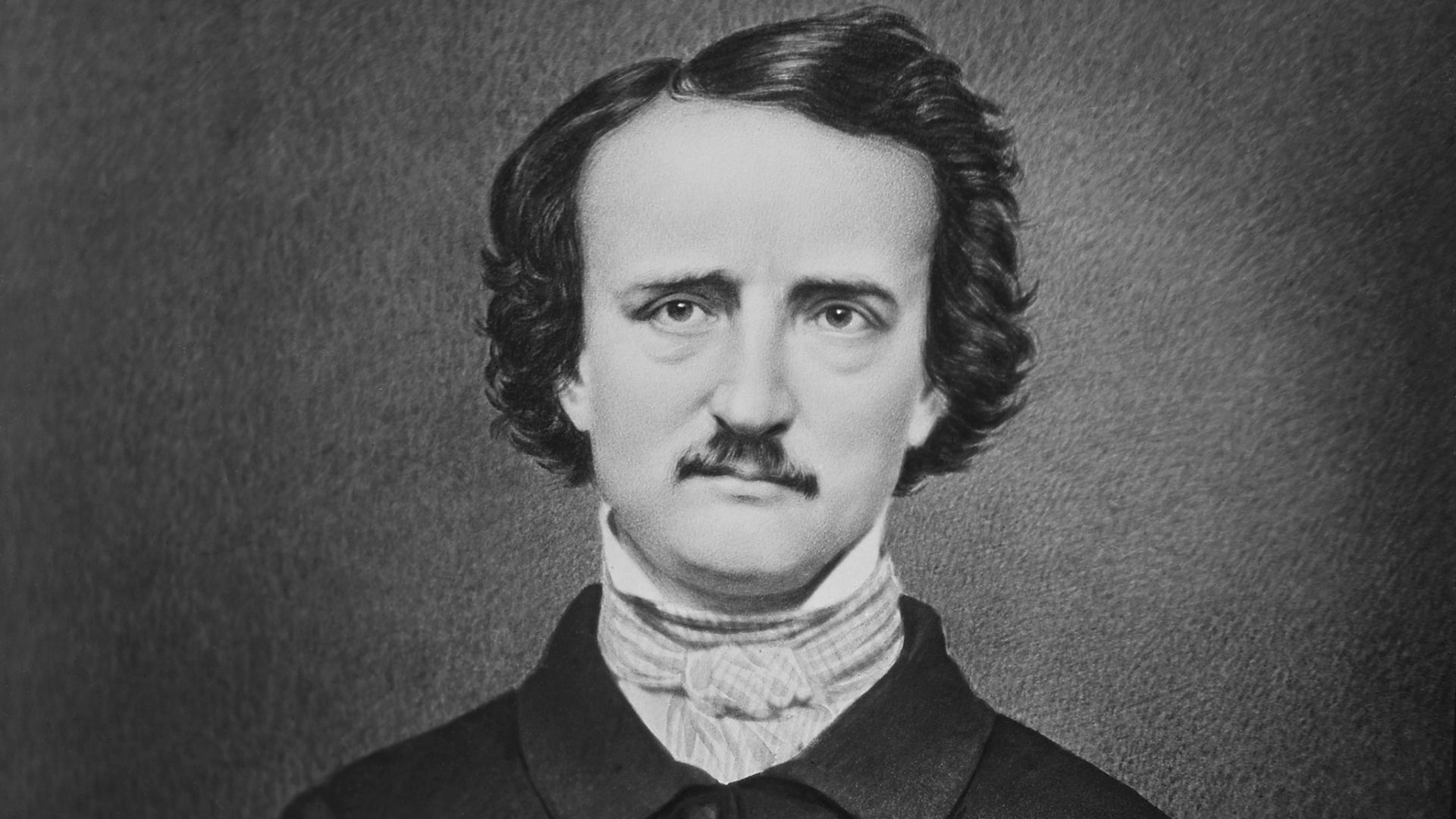
12. Edgar Allan Poe
Edgar Allan Poe died in 1849 after being found delirious in Baltimore under very strange circumstances. No one knows exactly what happened in his final days, and the explanations have included alcohol, illness, rabies, election fraud, poisoning, and murder. The mystery feels almost unfairly appropriate for the author of so many eerie stories.
 Mathew Benjamin Brady on Wikimedia
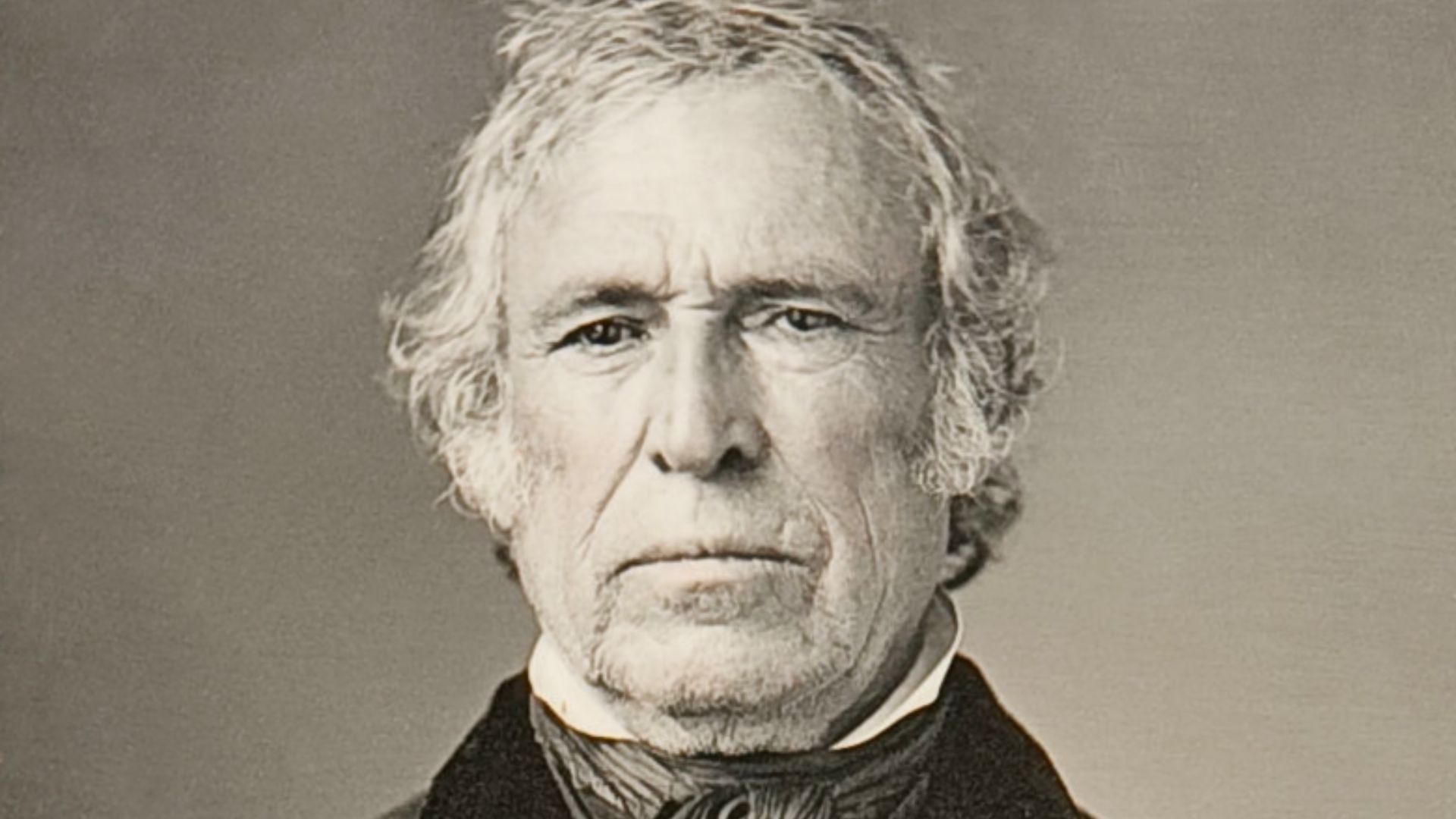
13. Zachary Taylor
President Zachary Taylor died in 1850 after suddenly falling ill with severe stomach symptoms. Because he died during a tense political moment, some people suspected poisoning. His body was exhumed in 1991 and tested for arsenic, but the results didn't support the murder theory.
14. Abraham Lincoln
Abraham Lincoln was assassinated in 1865 by John Wilkes Booth, and the basic facts of the killing are clear. The rumors focus on whether the conspiracy extended beyond Booth and his known accomplices. Some theories have pointed to Confederate leaders, foreign agents, or even members of Lincoln’s own government, though evidence remains limited.
 Alexander Gardner on Wikimedia
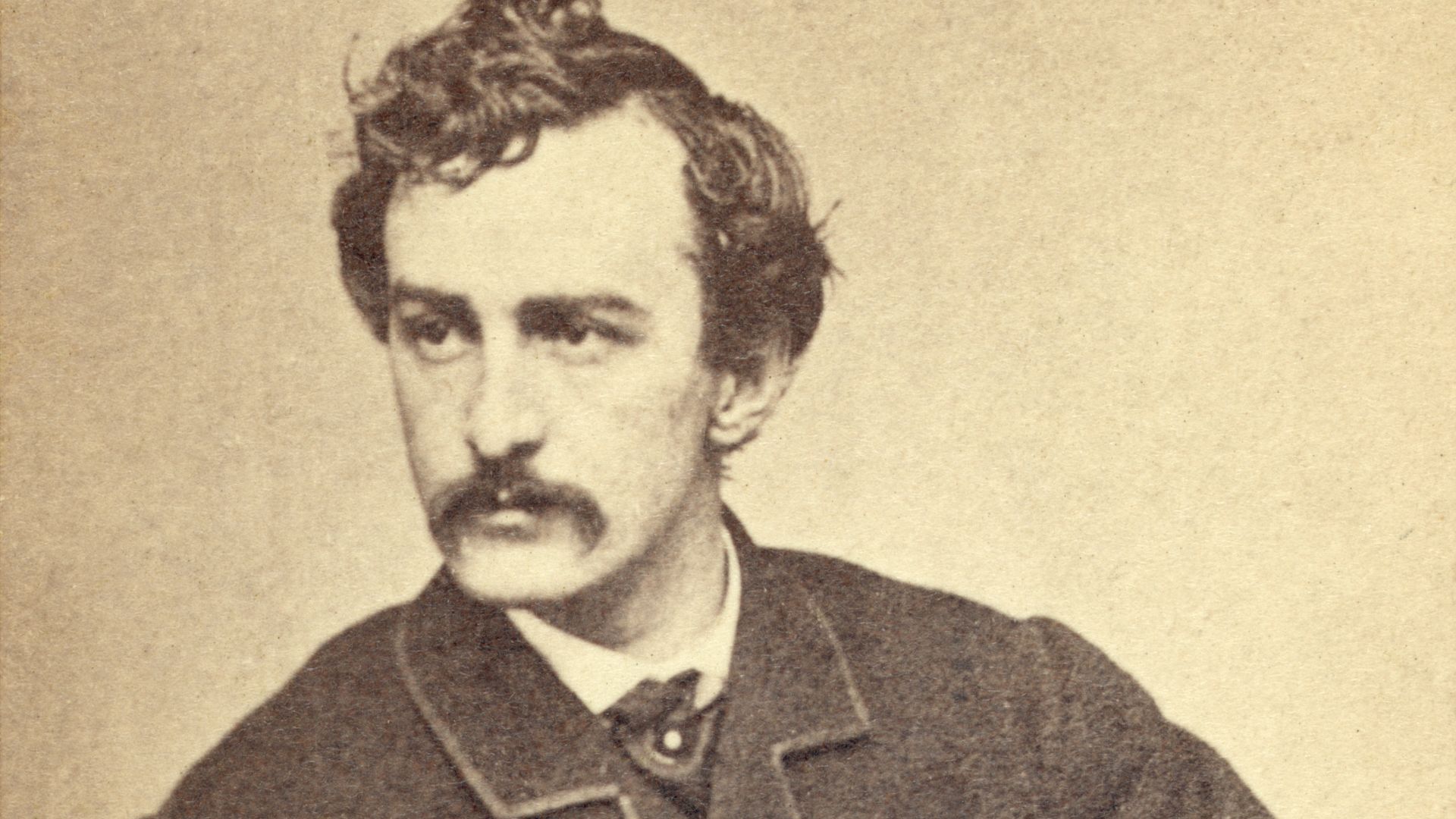
15. John Wilkes Booth
John Wilkes Booth was reportedly killed in a Virginia barn after Lincoln’s assassination, but rumors soon claimed he escaped. The fact that his grave is unmarked helped keep those stories alive. Some people insisted a look-alike died in his place, while Booth lived under another identity.
 Alexander Gardner on Wikimedia
16. Jesse James
Jesse James was shot and killed in 1882 by Robert Ford, a member of his own gang. That should have ended the story, but legends later claimed James had survived and someone else was buried in his place. However, in the 1990s, DNA testing supported that the remains were indeed Jesse James, finally debunking these claims.

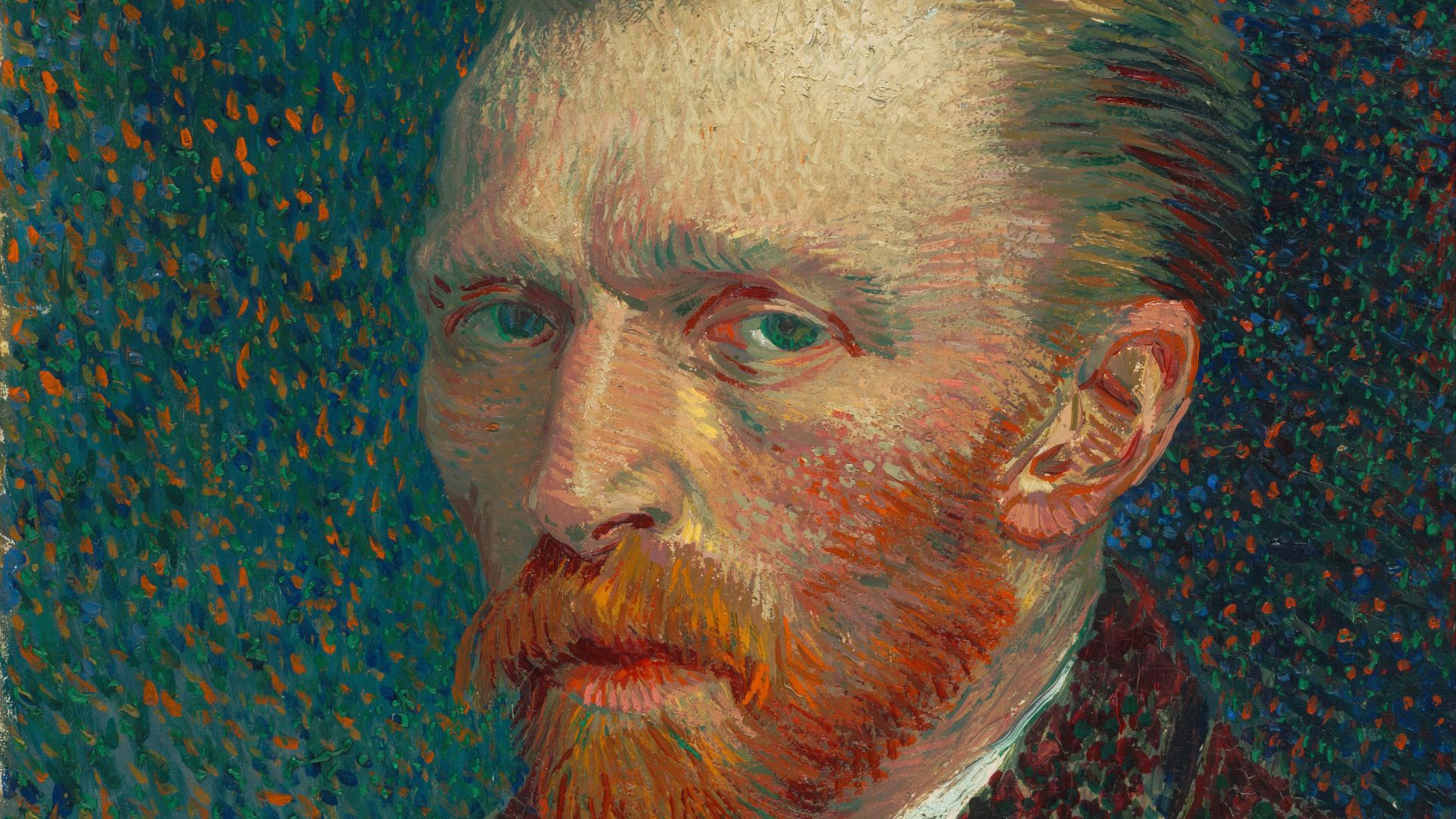
17. Vincent van Gogh
Vincent van Gogh died in 1890 after a gunshot wound, and his death has traditionally been considered suicide. Some later researchers have questioned whether he may have been accidentally shot by someone else, possibly local boys he knew. Many experts still accept suicide as the most likely explanation, but the alternative theory has kept the debate alive.
18. Rasputin
Grigori Rasputin died in 1916, and the story of his murder sounds like it was written by someone trying very hard to impress dinner guests. Legend says he was poisoned, shot, beaten, and finally drowned, though historians dispute parts of that dramatic account. His influence over the Russian royal family made him hated by powerful people, so rumors rushed in immediately.

19. Anastasia Romanov
The Romanov family was executed in 1918, but for decades rumors claimed that Grand Duchess Anastasia had survived. The secrecy around the bodies helped impostors and legends flourish, especially because Russia’s revolution had already turned the royal family into symbols. DNA testing later confirmed the family’s remains, including Anastasia’s, but the survival myth had already become one of the 20th century’s most famous royal rumors.
 Bain News Service on Wikimedia
20. Amelia Earhart
Amelia Earhart disappeared in 1937 while attempting to fly around the world, and her presumed death created endless theories. The official explanation is that she and navigator Fred Noonan likely crashed in the Pacific after running out of fuel. Other stories claim they landed on a remote island, were captured by the Japanese, survived secretly, or left behind evidence still waiting to be found. Her missing body turned an aviation tragedy into one of history’s longest-running guessing games.

KEEP ON READING
The 20 Most Recognized Historical Figures Of All Time
The Biggest Names In History. Although the Earth has been…
By Cathy Liu Oct 4, 2024
10 of the Shortest Wars in History & 10 of…
Wars: Longest and Shortest. Throughout history, wars have varied dramatically…
By Emilie Richardson-Dupuis Oct 7, 2024
10 Fascinating Facts About Ancient Greece You Can Appreciate &…
Once Upon A Time Lived Some Ancient Weirdos.... Greece is…
By Megan Wickens Oct 7, 2024
20 Lesser-Known Facts About Christopher Columbus You Don't Learn In…
In 1492, He Sailed The Ocean Blue. Christopher Columbus is…
By Emilie Richardson-Dupuis Oct 9, 2024
20 Historical Landmarks That Have The Craziest Conspiracy Theories
Unsolved Mysteries Of Ancient Places . When there's not enough evidence…
By Megan Wickens Oct 9, 2024
The 20 Craziest Inventions & Discoveries Made During Ancient Times
Crazy Ancient Inventions . While we're busy making big advancements in…
By Cathy Liu Oct 9, 2024