
20 Famous Computer Scientists Who Shaped the World of Computing
The Thinkers Who Built the Digital Age
Long before computers became everyday tools, a small group of thinkers laid the intellectual groundwork that made modern computing possible. Some worked with pure theory, others built early machines, and many did both at a time when the field barely existed. Their ideas didn’t just advance technology; they defined what computers could be in the first place. Here are 20 famous computer scientists who shaped the world of computing.
 Arthur Reginald Chaffin (1893-1954) on Wikimedia
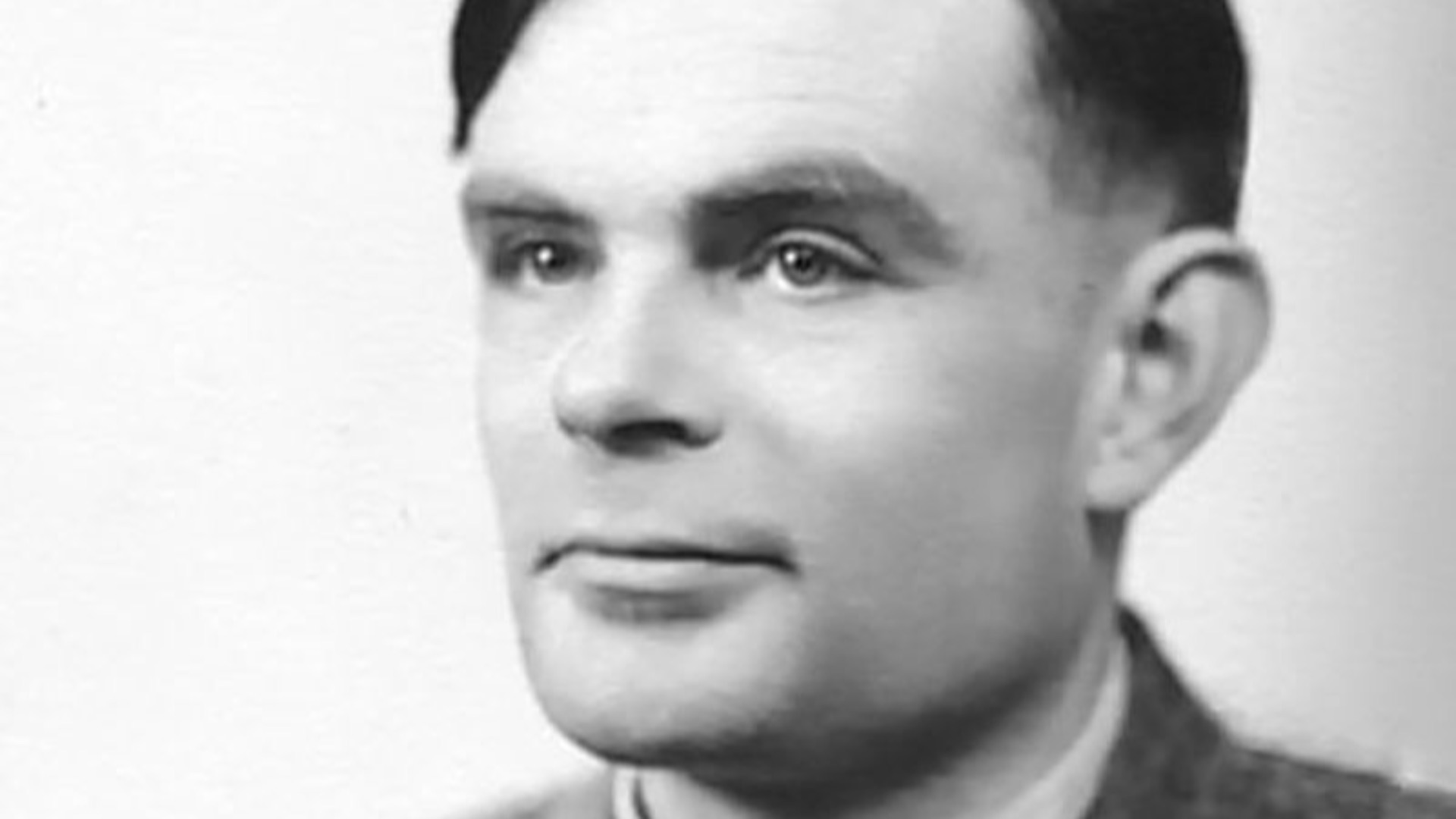
1. Alan Turing
Alan Turing helped define the concept of computation itself through the theoretical “Turing machine,” which remains central to computer science today. During World War II, his work at Bletchley Park also played a critical role in breaking German encryption, demonstrating the real-world power of computation. His ideas still shape discussions around artificial intelligence and machine intelligence.
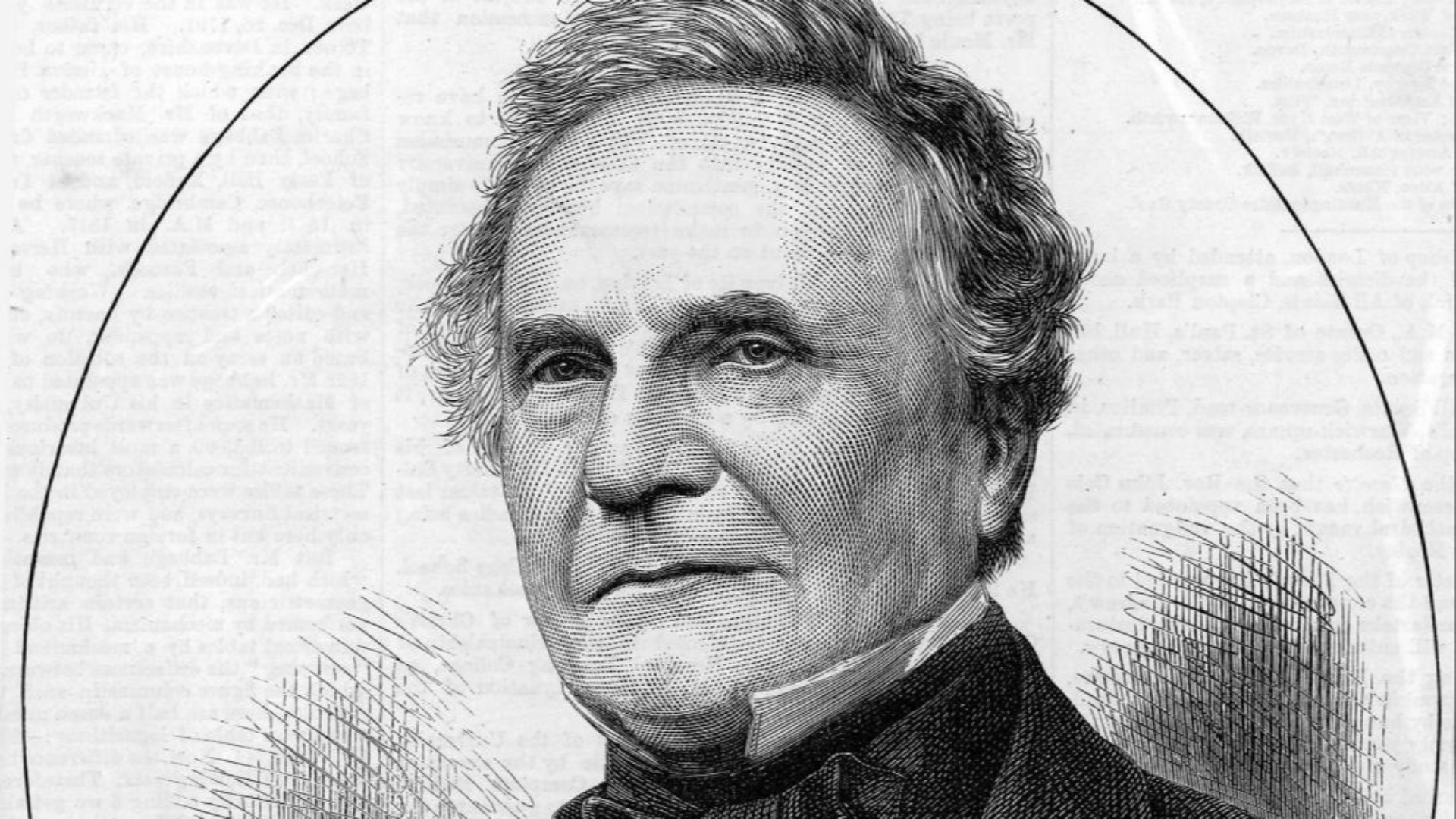
2. Charles Babbage
Charles Babbage designed the Analytical Engine, a mechanical device that introduced ideas like programmable instructions, memory, and conditional logic. Although the machine was never completed, its architecture closely resembles modern computers. His work laid the mechanical and conceptual groundwork for future computing.
3. Ada Lovelace
Ada Lovelace recognized that Charles Babbage’s Analytical Engine could do more than calculate numbers, envisioning it as a machine capable of manipulating symbols and concepts. Her notes included what is widely regarded as the first published algorithm intended for a machine. This insight earned her recognition as the world’s first computer programmer.
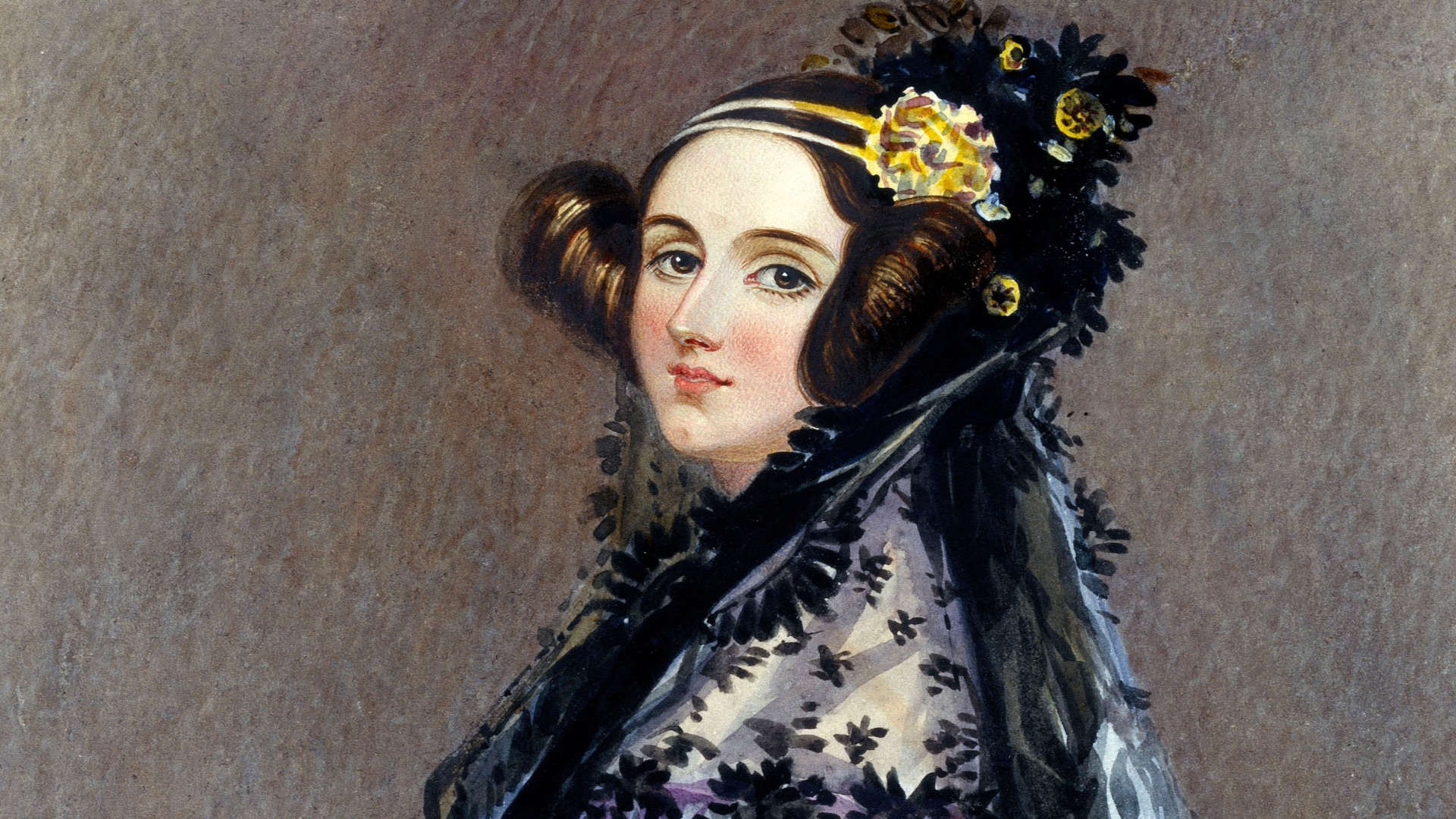 Alfred Edward Chalon on Wikimedia
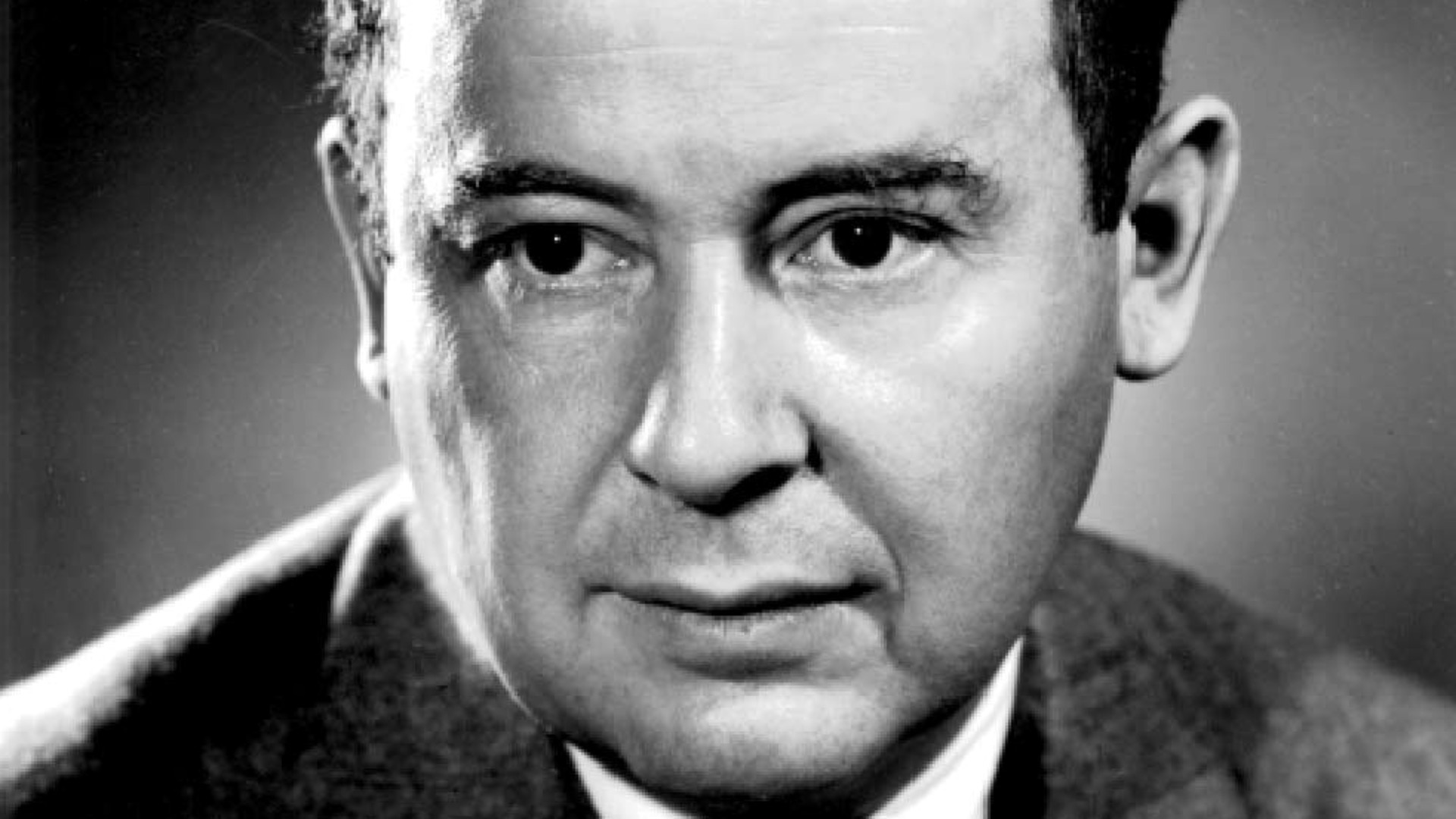
4. John von Neumann
John von Neumann proposed the stored-program architecture that allows data and instructions to reside in the same memory. This design dramatically improved flexibility and efficiency in early computers. Nearly all modern computers still follow this fundamental structure.
5. Claude Shannon
Claude Shannon founded information theory, introducing a mathematical way to measure information and communication. His work made reliable digital communication possible despite noise and errors. Modern data compression and transmission rely heavily on his theories.

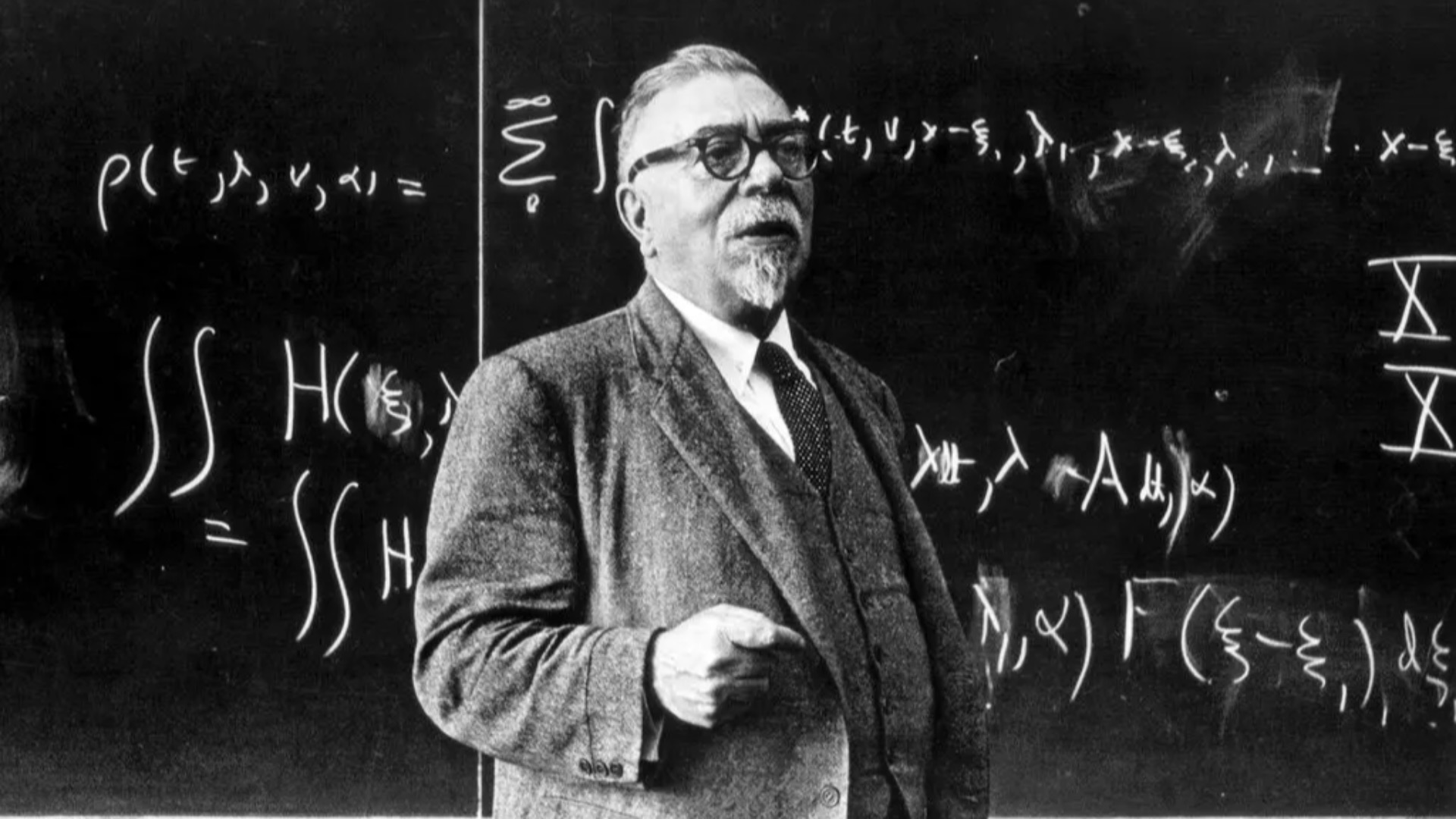
6. Norbert Wiener
Norbert Wiener developed cybernetics, the study of control and communication in machines and living systems. His work influenced early computing, automation, and systems theory. Wiener also raised early ethical concerns about the societal impact of intelligent machines.
7. Grace Hopper
Grace Hopper helped create the first compilers, allowing programmers to write code in human-readable language. She was instrumental in developing COBOL, which became widely used in business and government. Her work made programming accessible to a far broader audience.

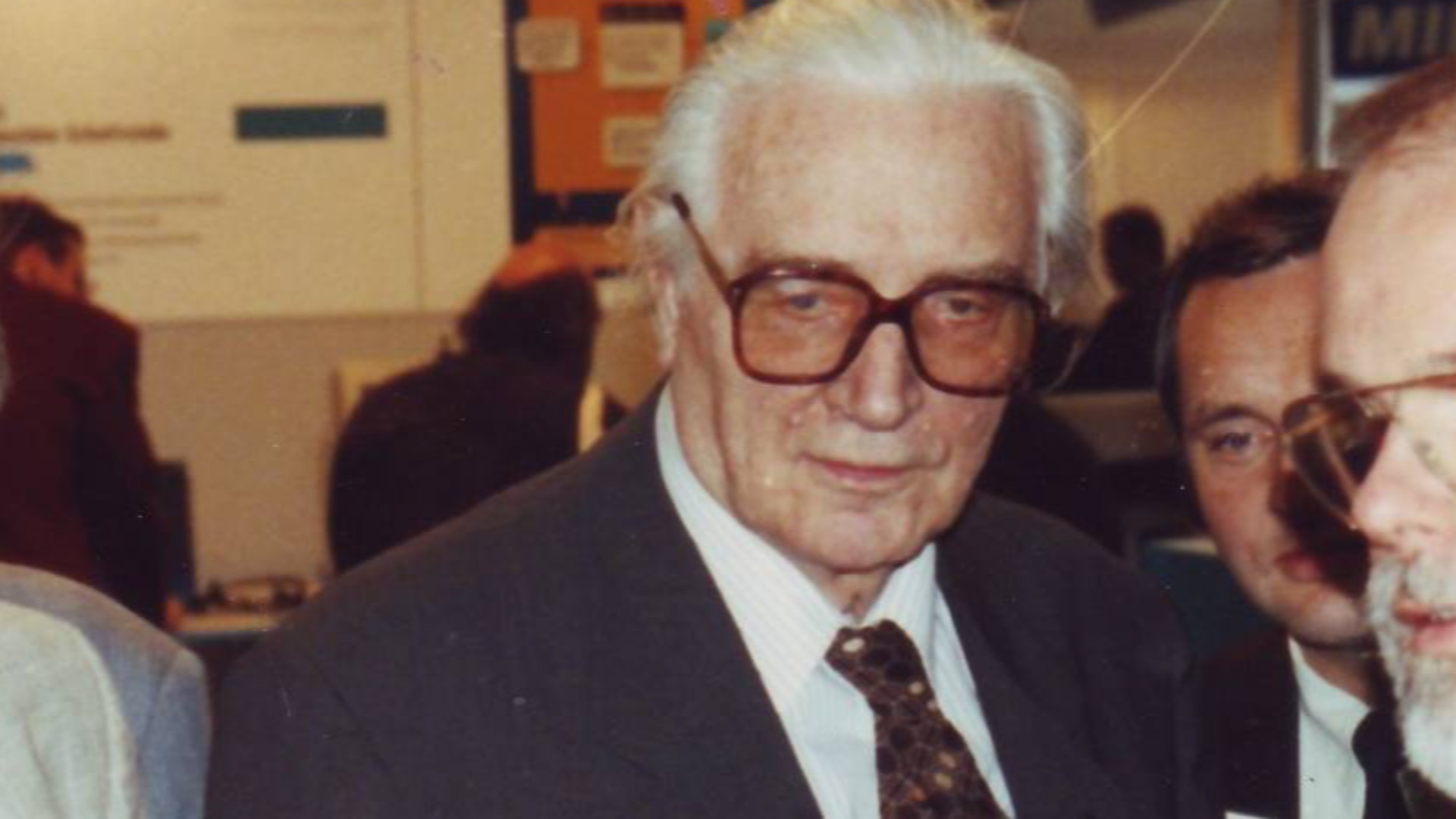
8. Konrad Zuse
Konrad Zuse built the Z3, one of the first programmable digital computers. Working largely in isolation during World War II, he independently developed key computing concepts. His machines demonstrated that practical, programmable computers were achievable.
9. Alonzo Church
Alonzo Church developed lambda calculus, a formal system that became foundational to theoretical computer science. His work helped define what problems are computable in principle. Alongside Turing, he shaped the mathematical limits of computation.

10. John Backus
John Backus led the creation of FORTRAN, one of the first high-level programming languages. By allowing programmers to focus on logic rather than hardware details, he dramatically increased productivity. This shift helped software development scale alongside growing machines.

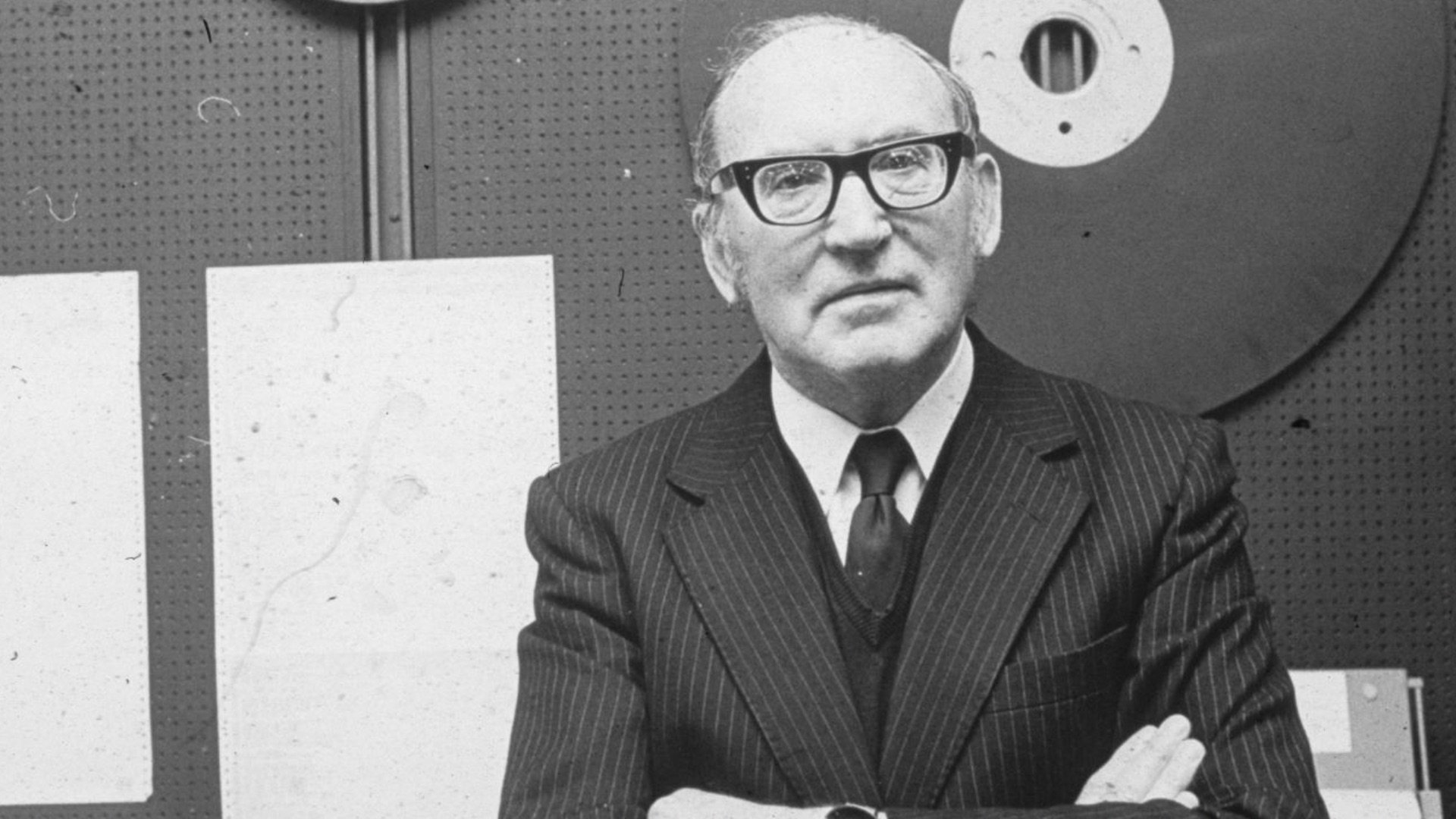
11. Maurice Wilkes
Maurice Wilkes played a crucial role in turning theory into working computers. He helped develop early stored-program machines, such as EDSAC (Electronic Delay Storage Automatic Calculator), and introduced concepts like microprogramming. His work bridged the gap between academic ideas and practical engineering.
 Unknown authorUnknown author on Wikimedia
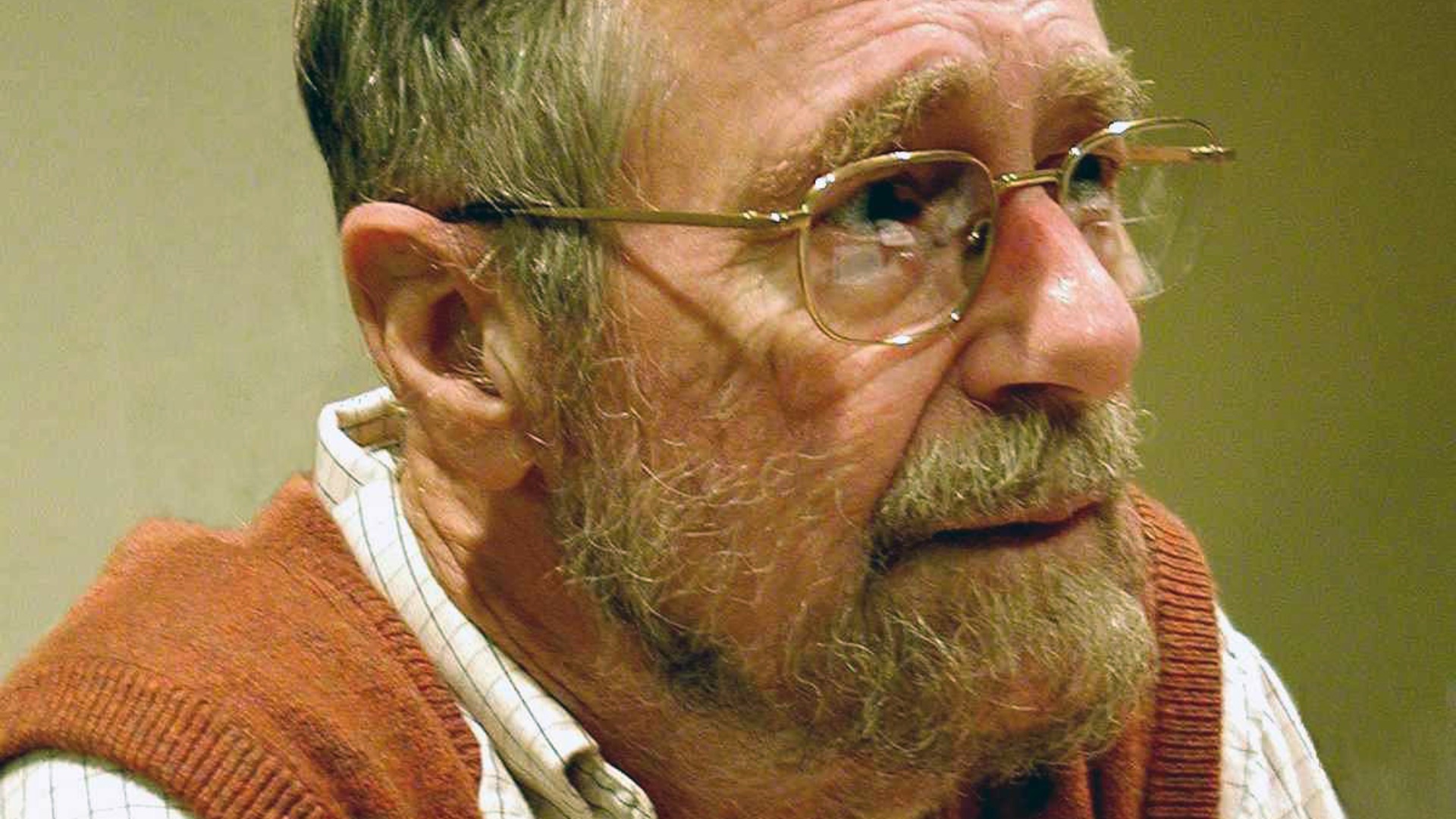
12. Edsger W. Dijkstra
Edsger Dijkstra pushed computer science toward rigor and discipline. He believed programming should be grounded in clear logic rather than trial and error, and his algorithms and philosophy helped reshape how reliable software is written.
 Hamilton Richards on Wikimedia
13. Alan Kay
Alan Kay imagined computers as personal, creative tools rather than institutional machines. His ideas helped inspire graphical interfaces, object-oriented programming, and interactive design. Much of modern personal computing traces back to his vision.
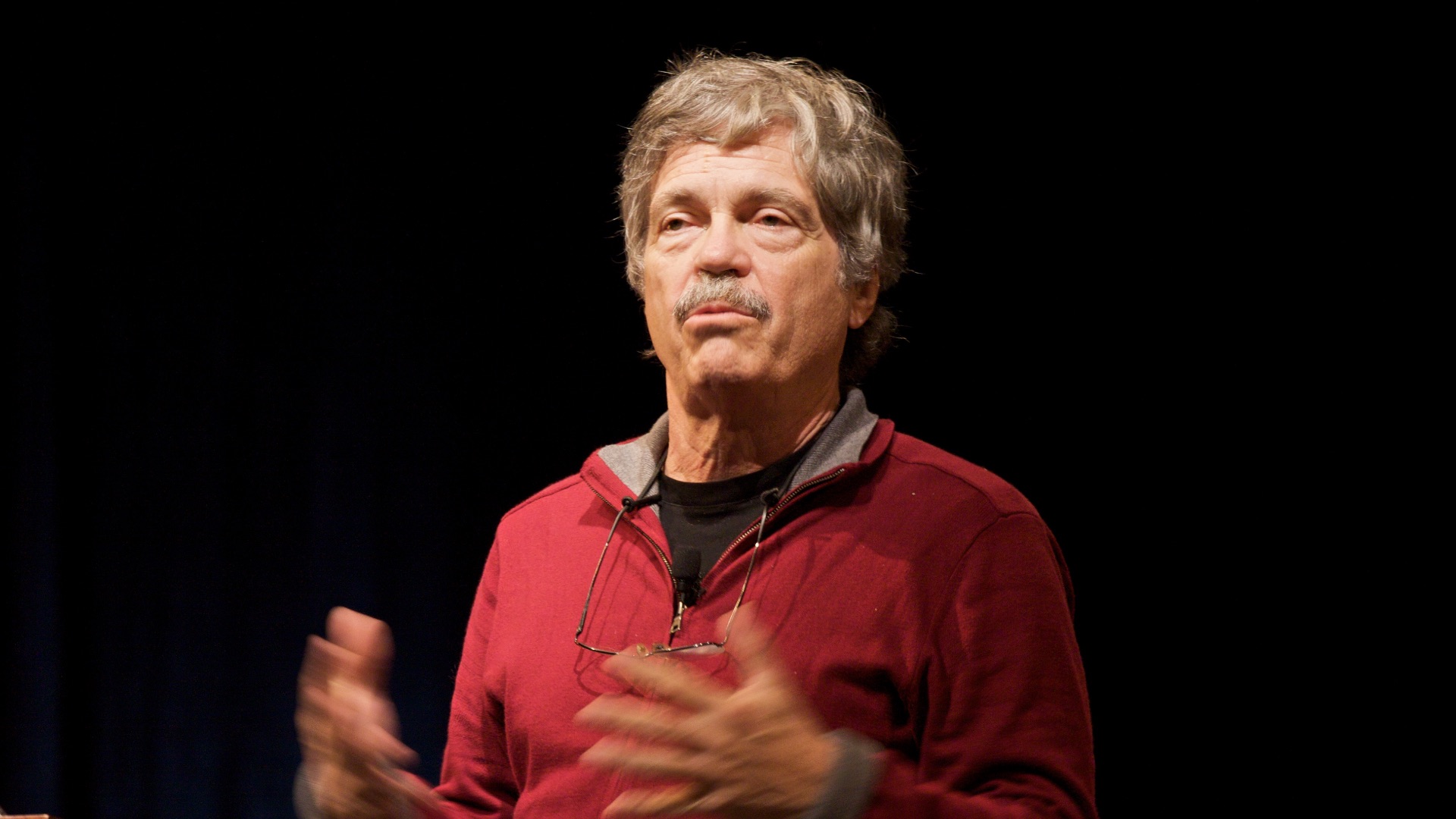 Marcin Wichary from San Francisco, U.S.A. on Wikimedia
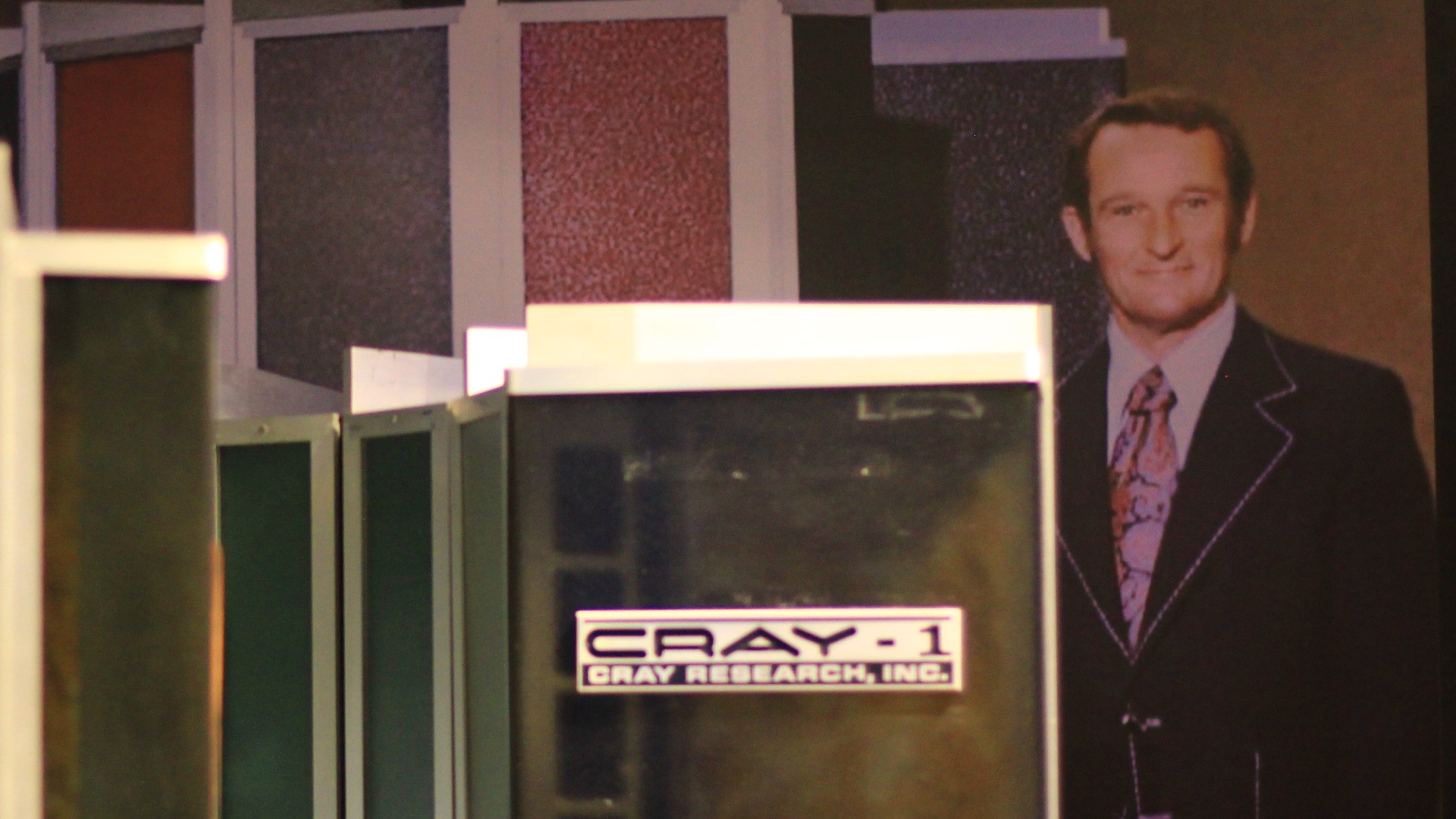
14. Seymour Cray
Seymour Cray focused on making computers as fast as possible when speed truly mattered. His supercomputers pushed the limits of engineering and performance for decades, and in doing so, he redefined what high-performance computing could achieve.
15. Donald Knuth
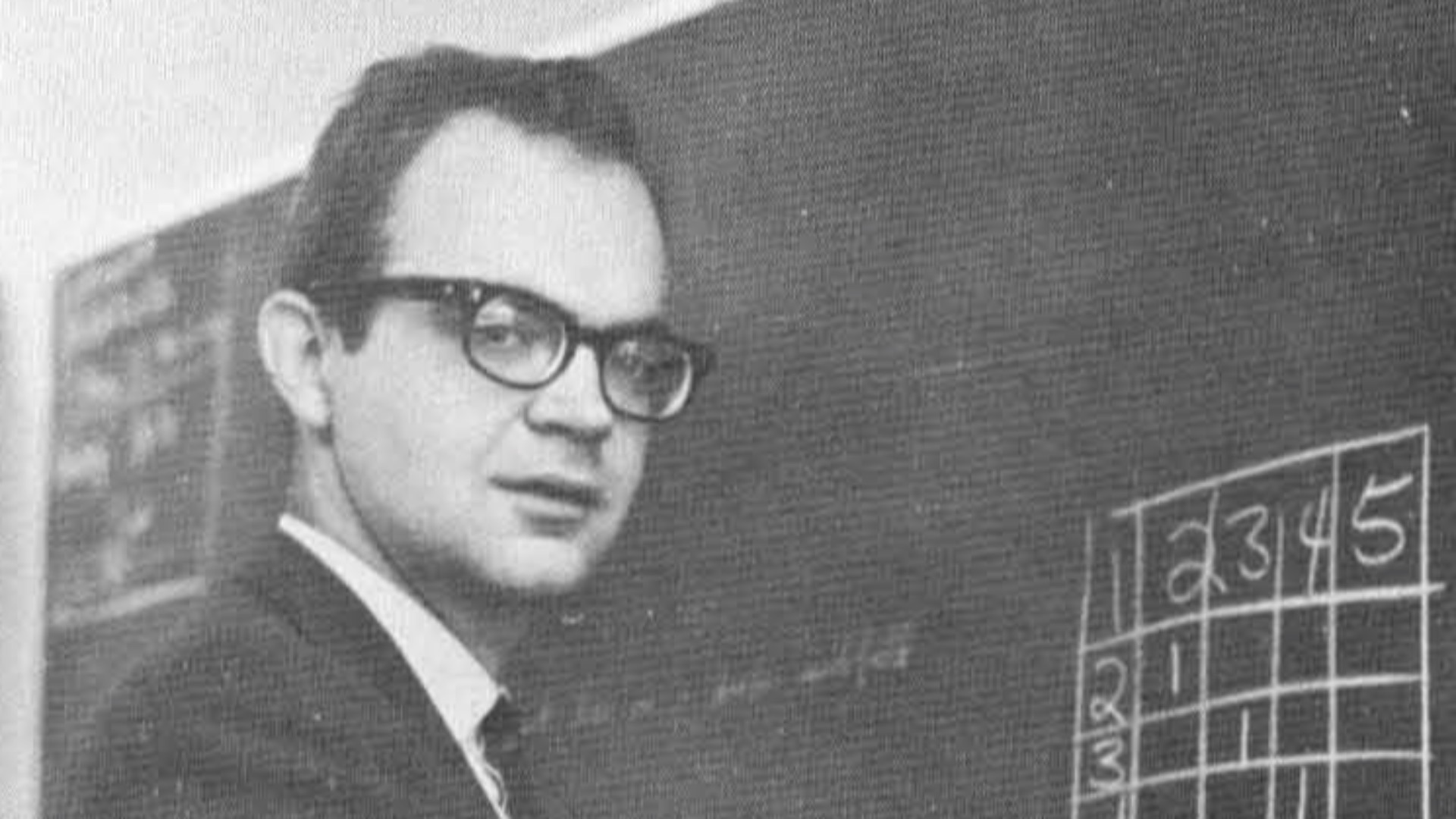
Donald Knuth, author of the multi-volume monograph The Art of Computer Programming, treated programming as both a science and an art. Through his work on algorithms and analysis, he emphasized efficiency, clarity, and correctness, and his lasting influence has shaped generations of computer scientists and programmers alike.
16. Ken Thompson
Ken Thompson helped design and co-create Unix, an operating system built on simplicity and elegance. His approach favored small, modular tools that worked well together, and his effort influenced generations of operating systems. That philosophy still underpins many of the modern systems we use today.

17. Dennis Ritchie
Dennis Ritchie created the C programming language to make systems easier to build and maintain. Combined with his work on Unix, which he'd built together with Ken Thompson, his ideas became foundational to modern software development. Much of today’s computing stack descends from his contributions.
 Denise Panyik-Dale on Wikimedia
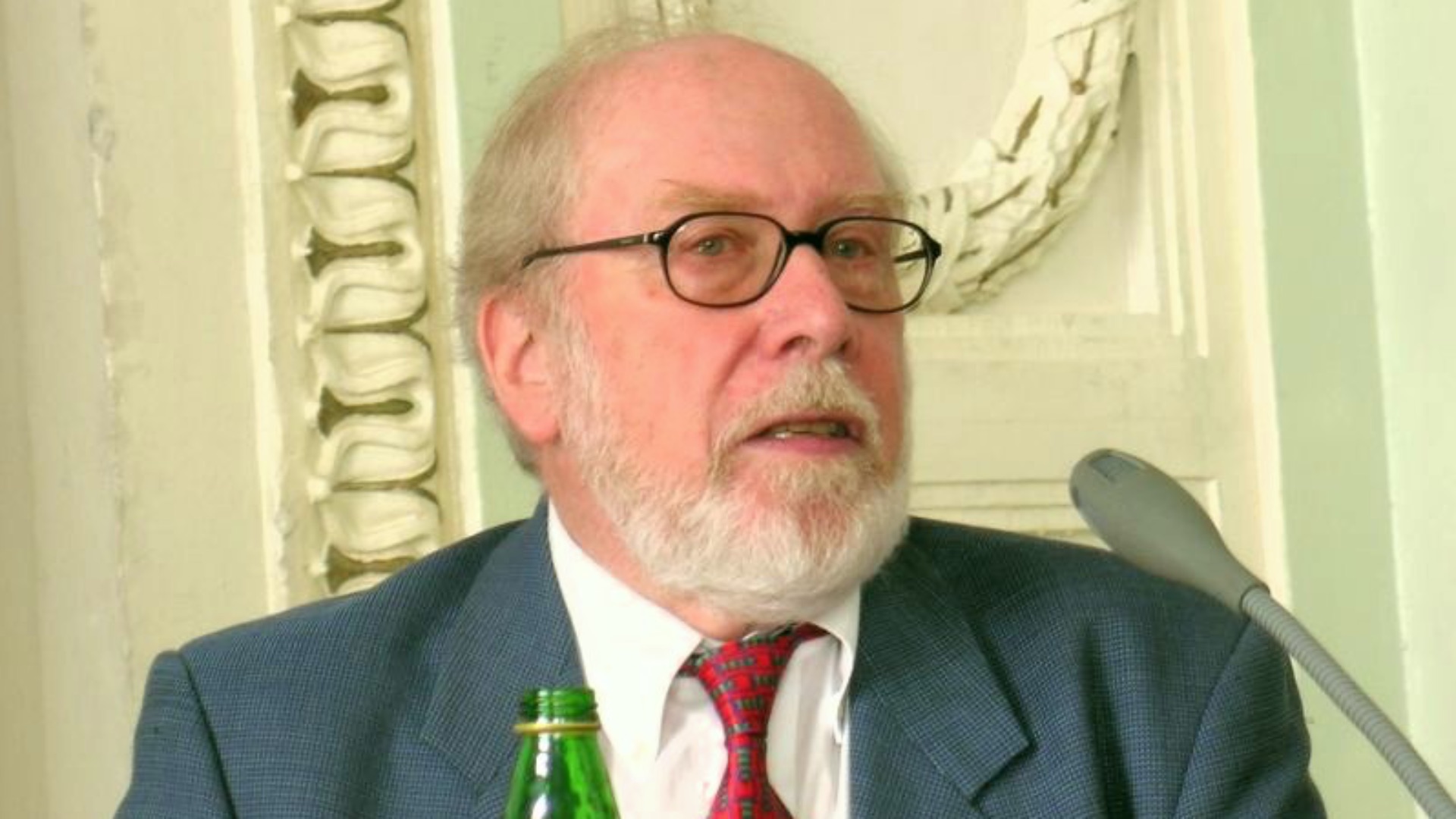
18. Niklaus Wirth
Niklaus Wirth believed programming languages should encourage disciplined thinking. He designed languages that emphasized structure, clarity, and correctness, such as Pascal. These ideas strongly influenced how computer science is taught.
19. Ivan Sutherland
Ivan Sutherland helped pioneer computer graphics when the idea was still experimental. His work showed that computers could be interactive and visual, not just numerical, and it was his efforts that opened the door to graphical interfaces and visual computing.

20. J.C.R. Licklider
J.C.R. Licklider imagined a future where humans and computers worked together seamlessly. He championed interactive computing and early networking concepts, such as ARPANET (Advanced Research Projects Agency Network), which was the predecessor to the Internet. His vision directly influenced the development of the internet and personal computing.
KEEP ON READING