


20 Deaths in History That Inspired Massive Conspiracy Theories
When Official Stories Didn’t Stop the Rumors
Some deaths are shocking enough that people struggle to accept the simplest explanation. When the person is powerful, famous, controversial, or surrounded by secrecy, grief and suspicion can quickly turn into full-blown conspiracy theories. Sometimes questions linger because records are incomplete, witnesses disagree, or governments act suspiciously. Other times, people just can’t believe history could turn on something as ordinary as illness, an accident, or one unstable person with a weapon. Here are 20 deaths that inspired conspiracy theories.
 John Mathew Smith on Wikimedia
1. John F. Kennedy
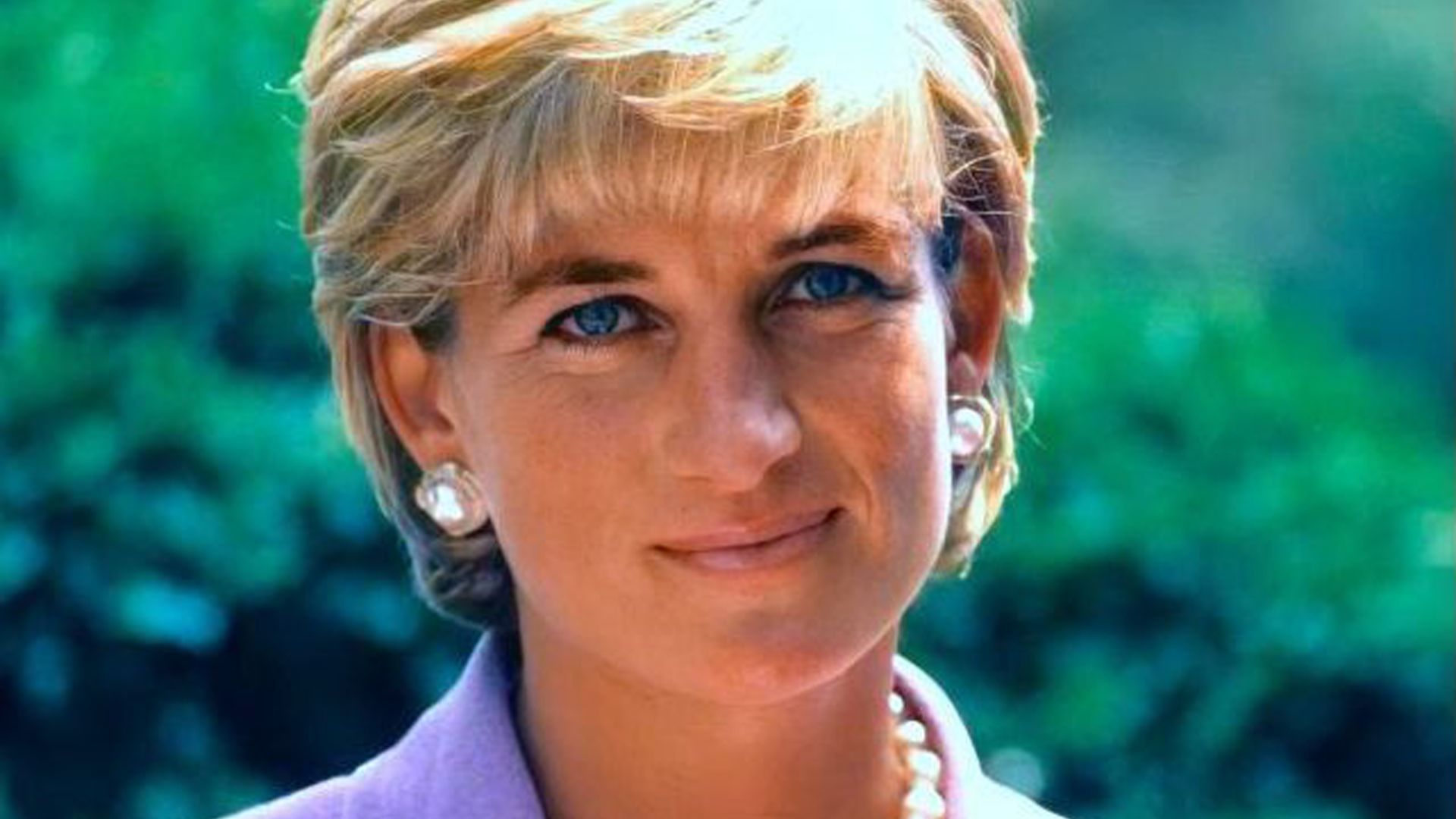
John F. Kennedy’s assassination in 1963 remains one of the most famous conspiracy magnets in modern history. The official finding that Lee Harvey Oswald acted alone has never fully satisfied many people. Theories have blamed the CIA, the Mafia, the Soviet Union, Cuba, Lyndon B. Johnson, or some combination of nearly everyone with a filing cabinet.
2. Abraham Lincoln
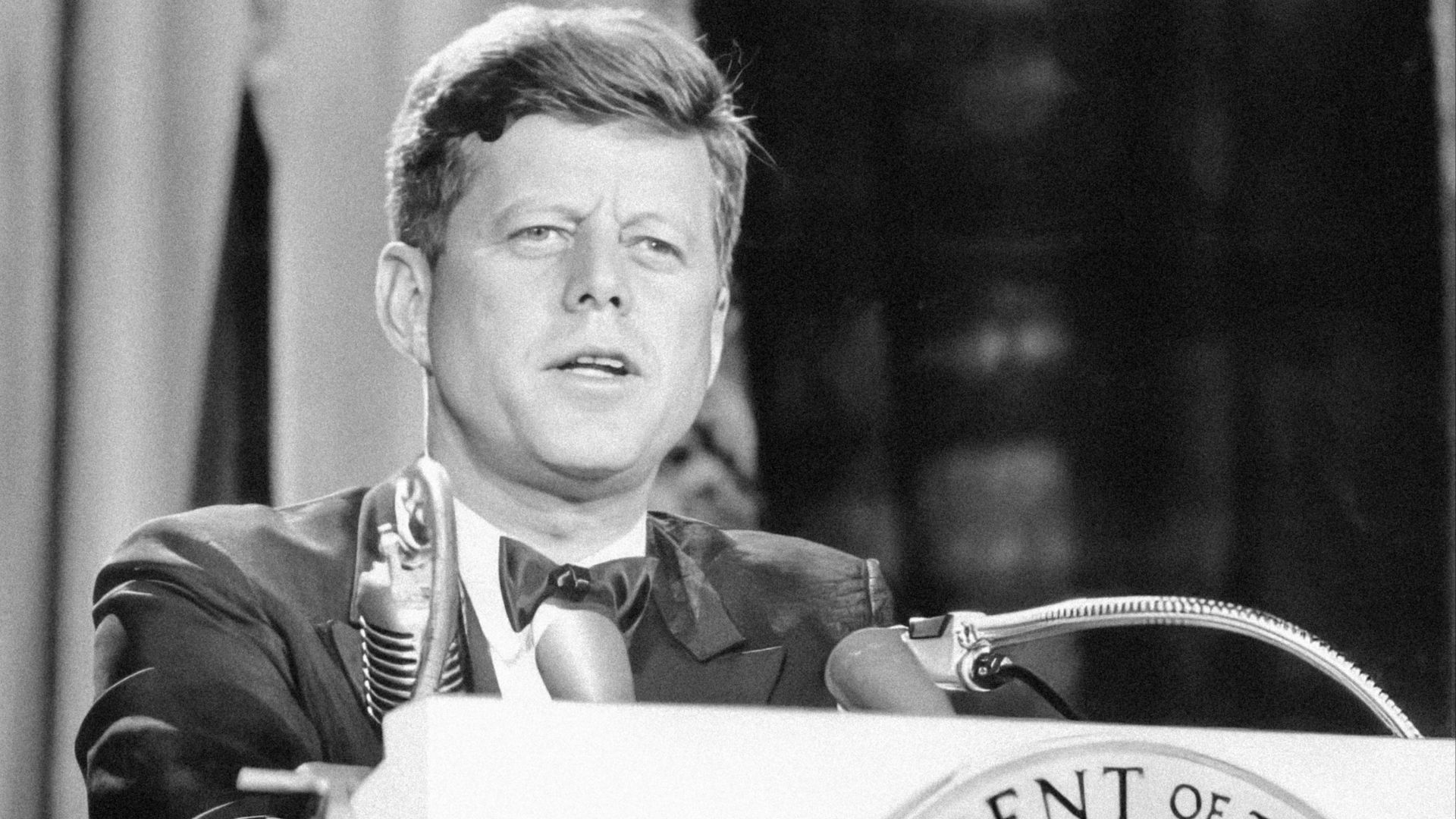
Abraham Lincoln’s assassination by John Wilkes Booth in 1865 was part of a wider plot that also targeted other government leaders. Because the conspiracy was real, later speculation had fertile ground to grow. Some theories have suggested Confederate leaders, Catholic officials, or even members of Lincoln’s own government were more deeply involved than officially proven.
 Alexander Gardner on Wikimedia
3. Princess Diana
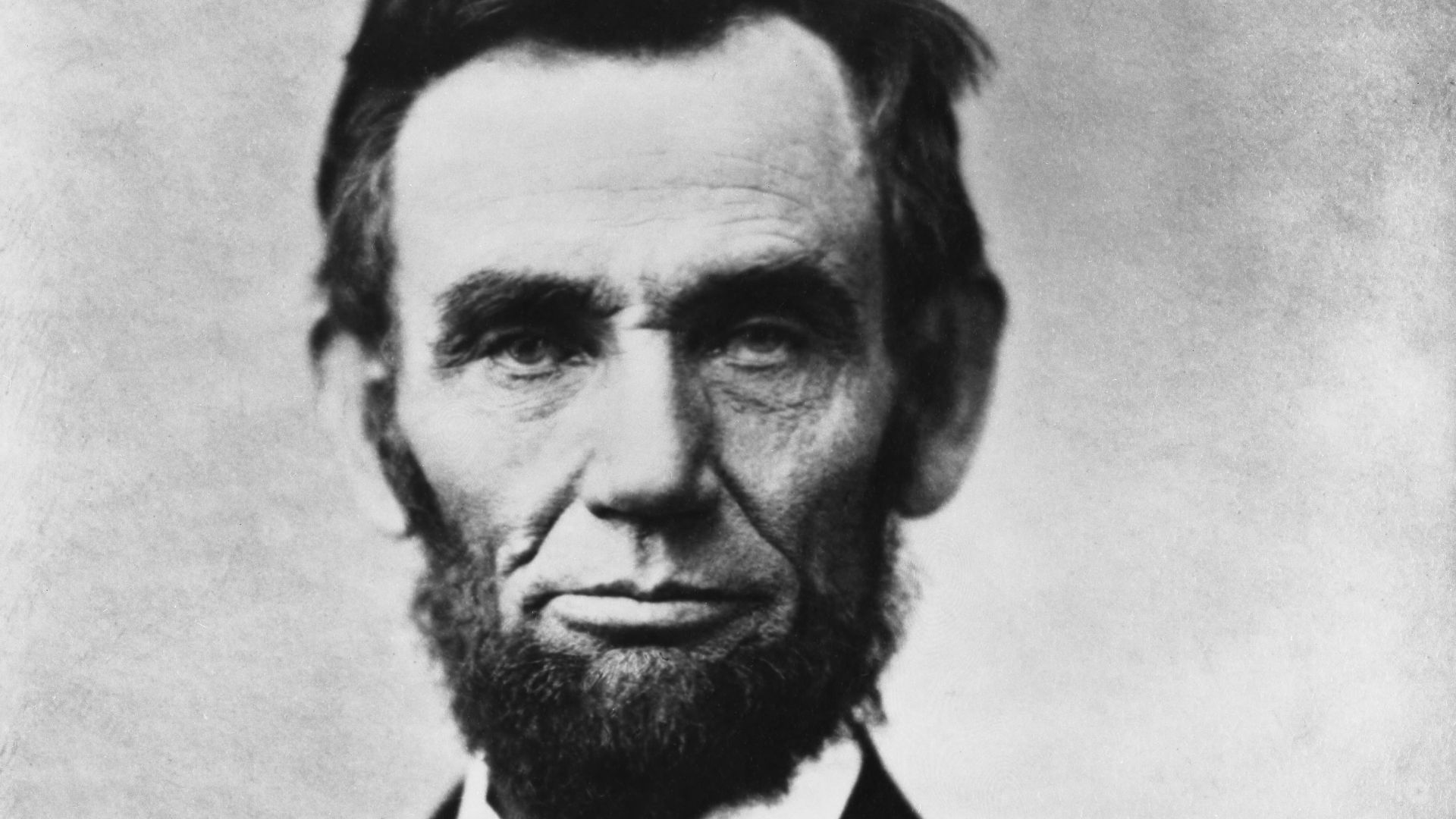
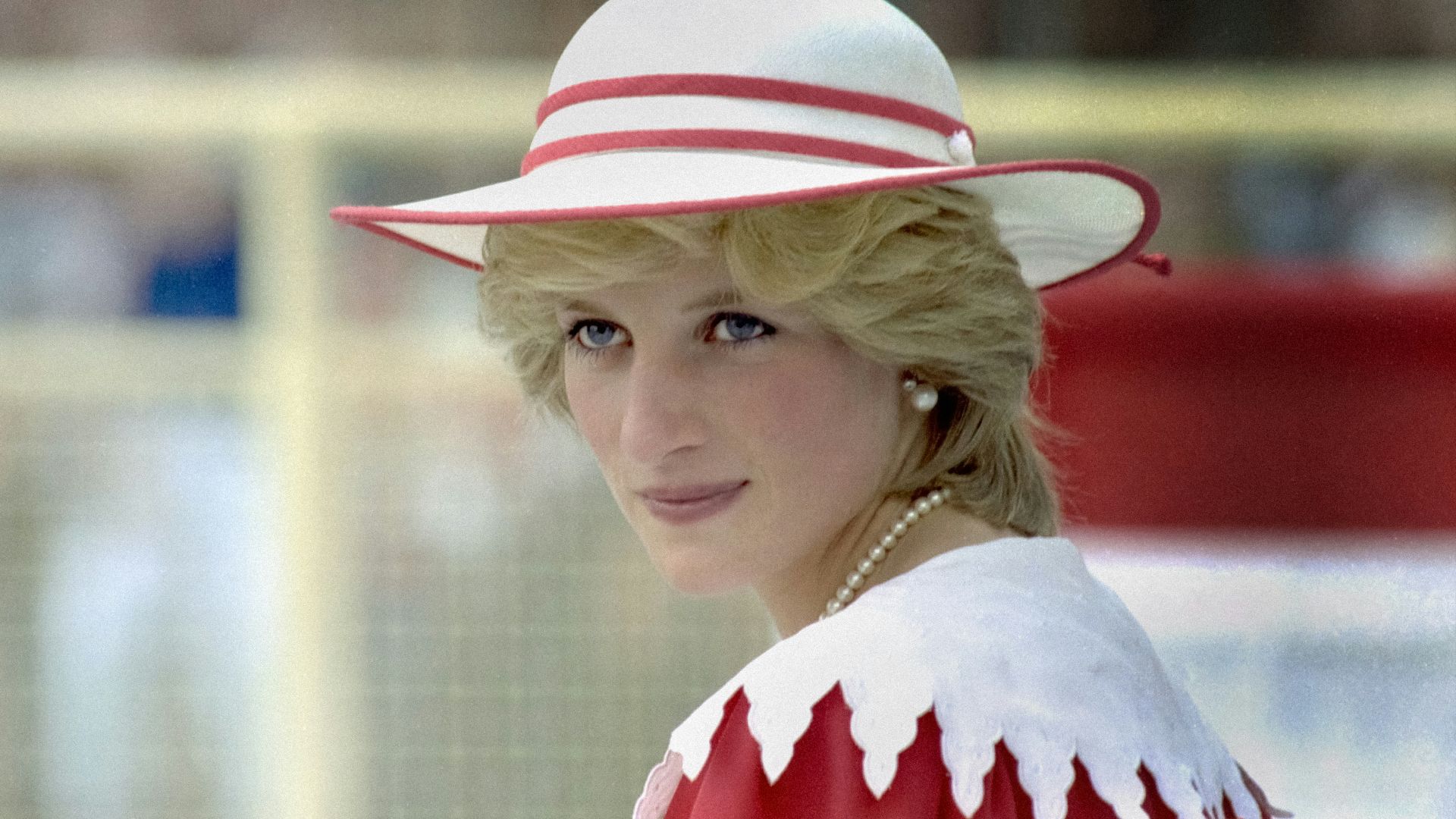
Princess Diana died in a Paris car crash in 1997, and conspiracy theories appeared almost immediately. Some people questioned the role of the paparazzi, the driver, British intelligence, the royal family, or her relationship with Dodi Fayed. Official investigations concluded that the crash was caused by reckless driving, alcohol, speed, and pursuit by photographers, but Diana’s fame, strained royal ties, and tragic final chapter made the rumors extremely hard to kill.
 Provincial Archives of Alberta on Unsplash
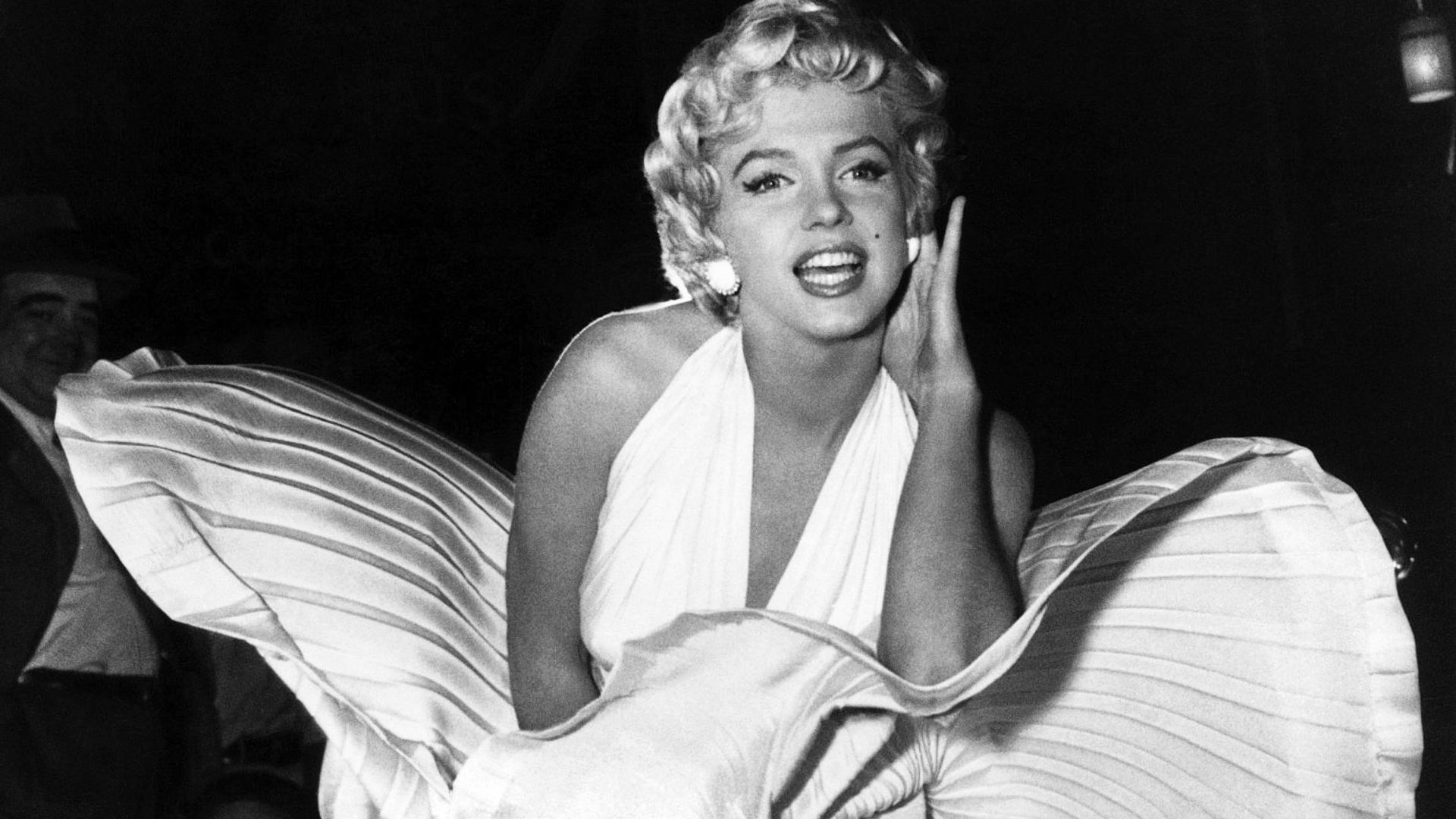
4. Marilyn Monroe
Marilyn Monroe’s 1962 death was ruled a probable suicide from a drug overdose, but speculation has followed it for decades. Her relationships with powerful men, including alleged connections to John F. Kennedy and Robert Kennedy, made the story irresistible to conspiracy-minded observers. Theories claim she was silenced because she knew too much, though solid evidence has never matched the drama of the claims.
5. Elvis Presley
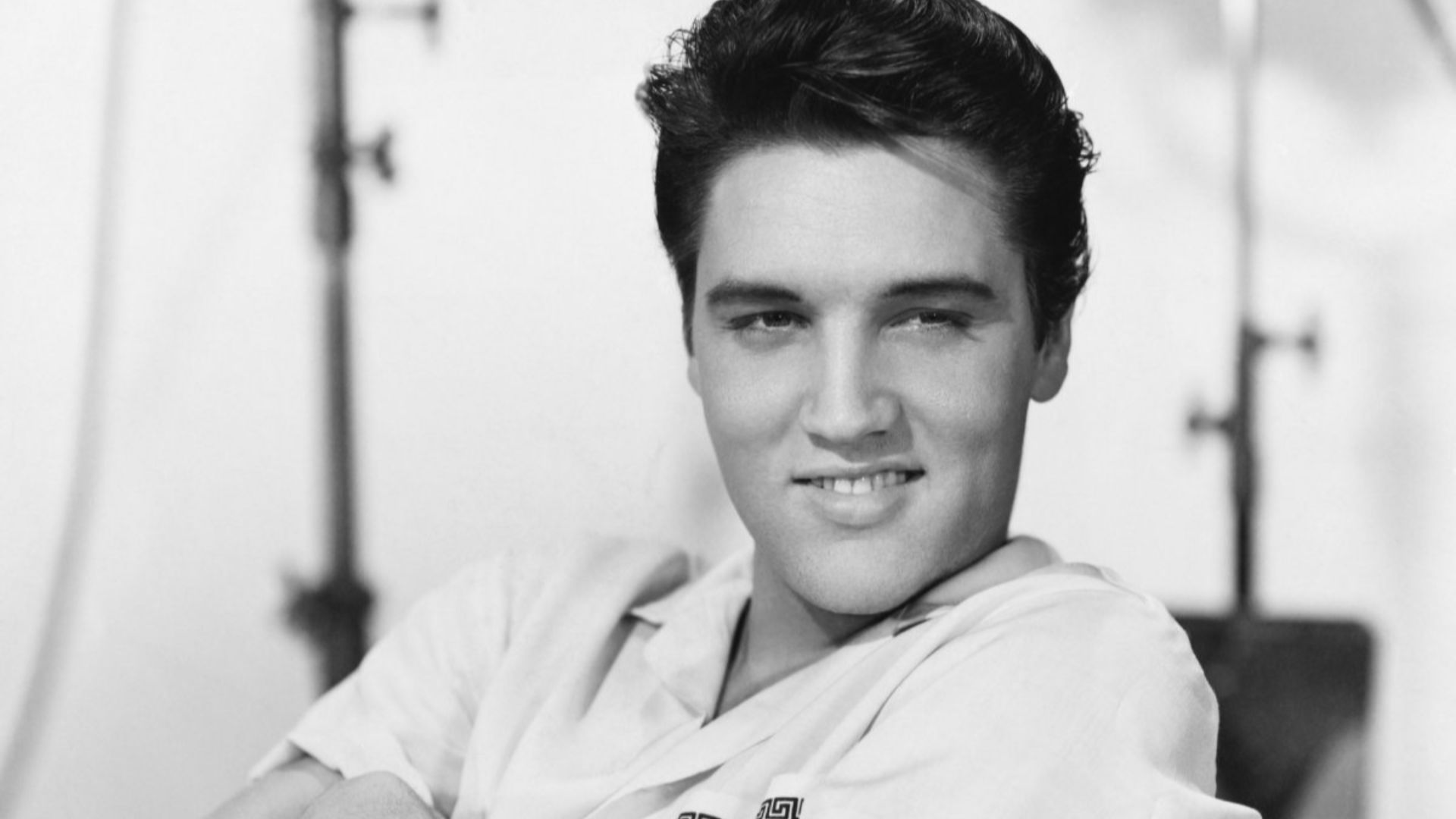
Elvis Presley died in 1977, but some fans refused to accept that the King was really gone. Theories claimed he faked his death to escape fame, hide from danger, or live quietly away from the spotlight. Alleged sightings became a strange pop culture tradition, with people spotting Elvis everywhere from diners to grocery stores.
6. Tupac Shakur
Tupac Shakur was shot in Las Vegas in 1996 and died six days later, but theories about his death have never fully faded. Some fans believe he survived and went into hiding, partly because his lyrics and public image often played with mortality and resurrection. Others have speculated about gang rivalries, record label conflicts, or wider industry involvement.
 State of California DMV on Wikimedia
7. The Notorious B.I.G.
The Notorious B.I.G., also known as Biggie Smalls, was killed in a drive-by shooting in Los Angeles in 1997. His death came only months after Tupac’s, linking the two murders permanently in the public imagination. Theories have involved rival gangs, corrupt police officers, record label figures, and revenge connected to the East Coast-West Coast feud.
8. Michael Jackson
Michael Jackson died in 2009 from acute propofol and benzodiazepine intoxication, and his doctor was later convicted of involuntary manslaughter. Even with a legal case, conspiracy theories quickly spread. Some claimed Jackson was murdered for money, control of his music catalog, or industry power.
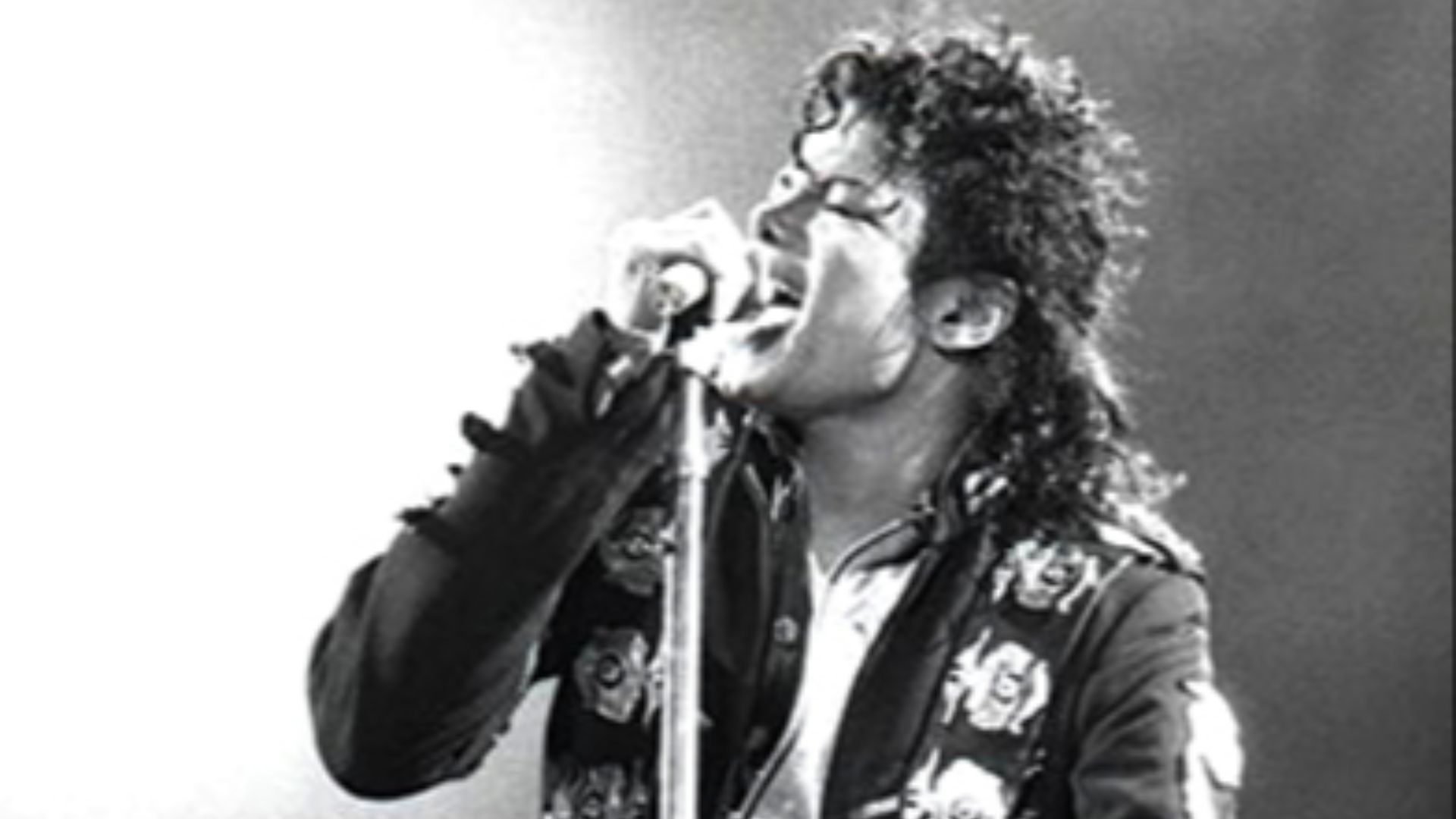 Zoran Veselinovic on Wikimedia
9. Kurt Cobain
Kurt Cobain’s 1994 death was ruled a suicide, but some fans and investigators have questioned that conclusion for years. Theories often focus on inconsistencies people claim to see in the evidence, the amount of drugs in his system, or tensions in his personal life. Others have wrongly tried to turn grief and discomfort into accusations against people close to him.
 P.B. Rage from USA on Wikimedia
10. Bruce Lee
Bruce Lee died suddenly in 1973 at only 32, officially from brain swelling linked to a reaction to medication. His shocking death inspired theories involving curses, martial arts rivals, organized crime, or secret enemies. The fact that his son Brandon Lee also died young in a tragic film-set accident only intensified talk of a family curse.
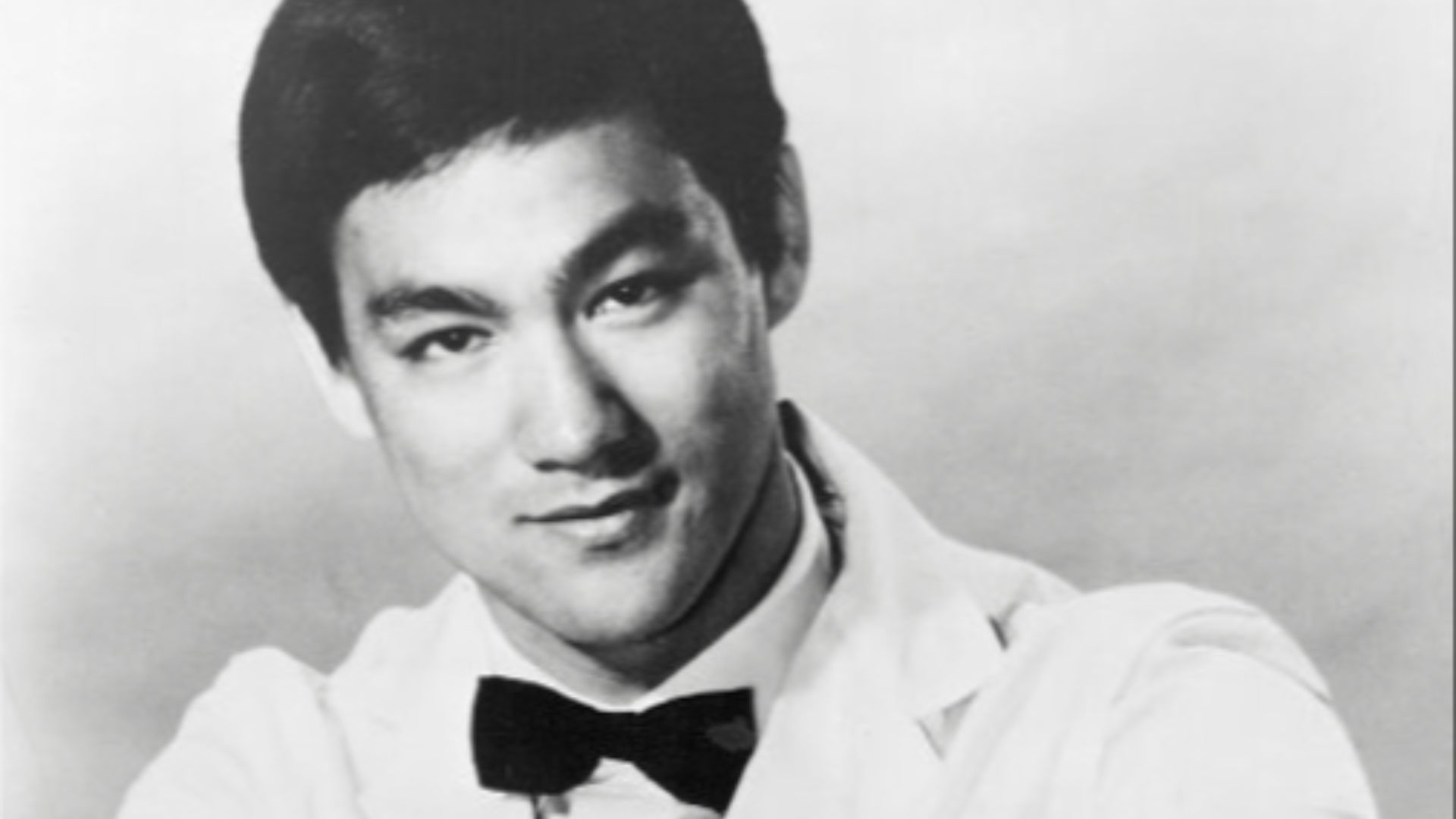 ABC Television, restore by BevinKacon on Wikimedia
11. Brandon Lee
Brandon Lee died in 1993 after being accidentally shot with a prop gun while filming The Crow. Because his father Bruce Lee had also died young, conspiracy theories quickly formed around the family. Some people claimed the accident wasn't really an accident, while others folded it into the idea of a curse.

12. Napoleon Bonaparte
Napoleon Bonaparte died in exile on Saint Helena in 1821, officially from stomach cancer. Later theories suggested he may have been poisoned with arsenic, possibly by British captors or political enemies. Hair samples and historical evidence have fueled debates, though many historians still support illness as the most likely cause.
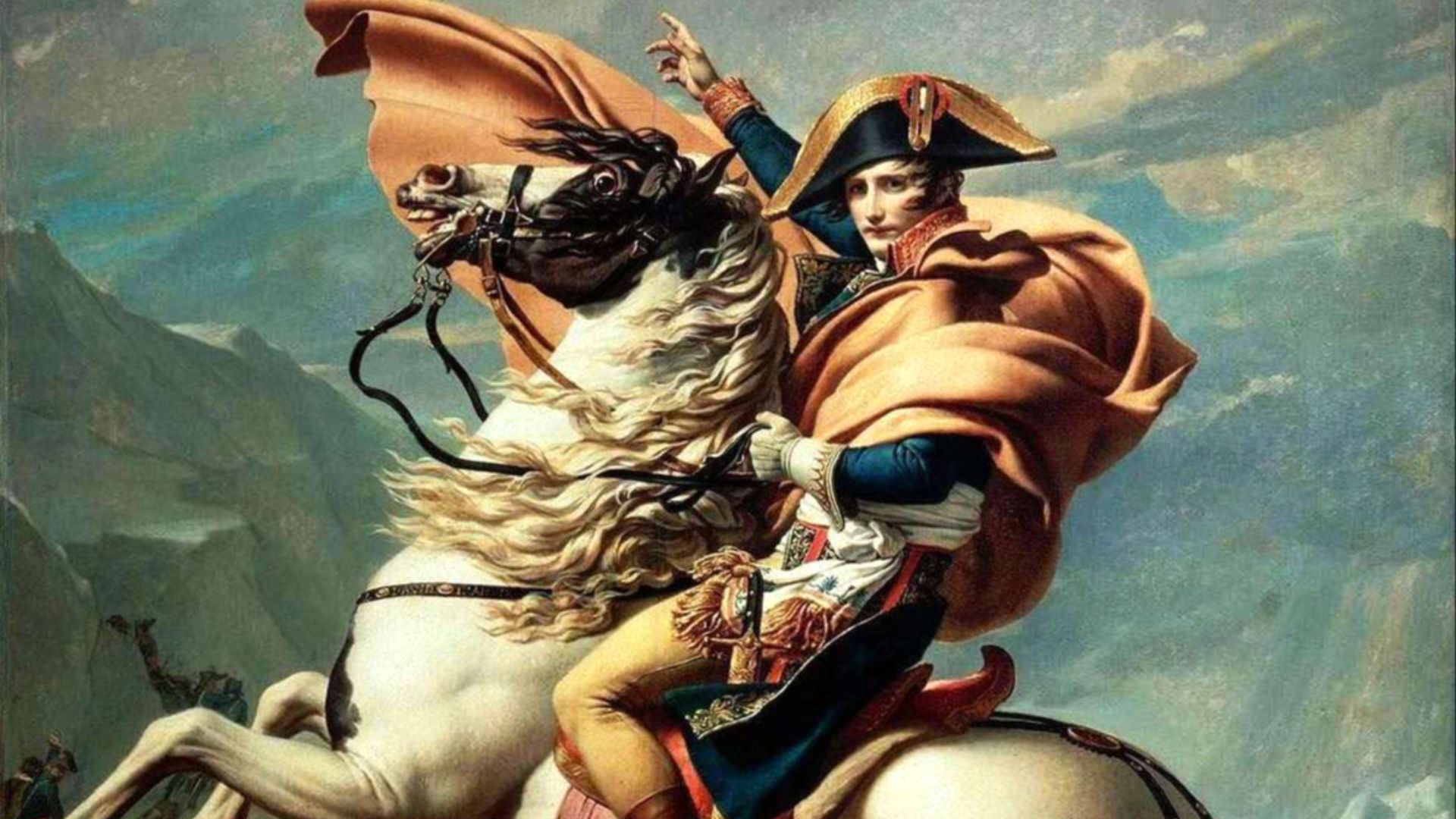
13. Alexander the Great
Alexander the Great died at the age of 32 after a sudden illness, and people have argued about the cause ever since. Theories include poisoning, malaria, typhoid fever, pancreatitis, and other medical explanations. Ancient sources themselves offered competing accounts, which makes the mystery even harder to settle.
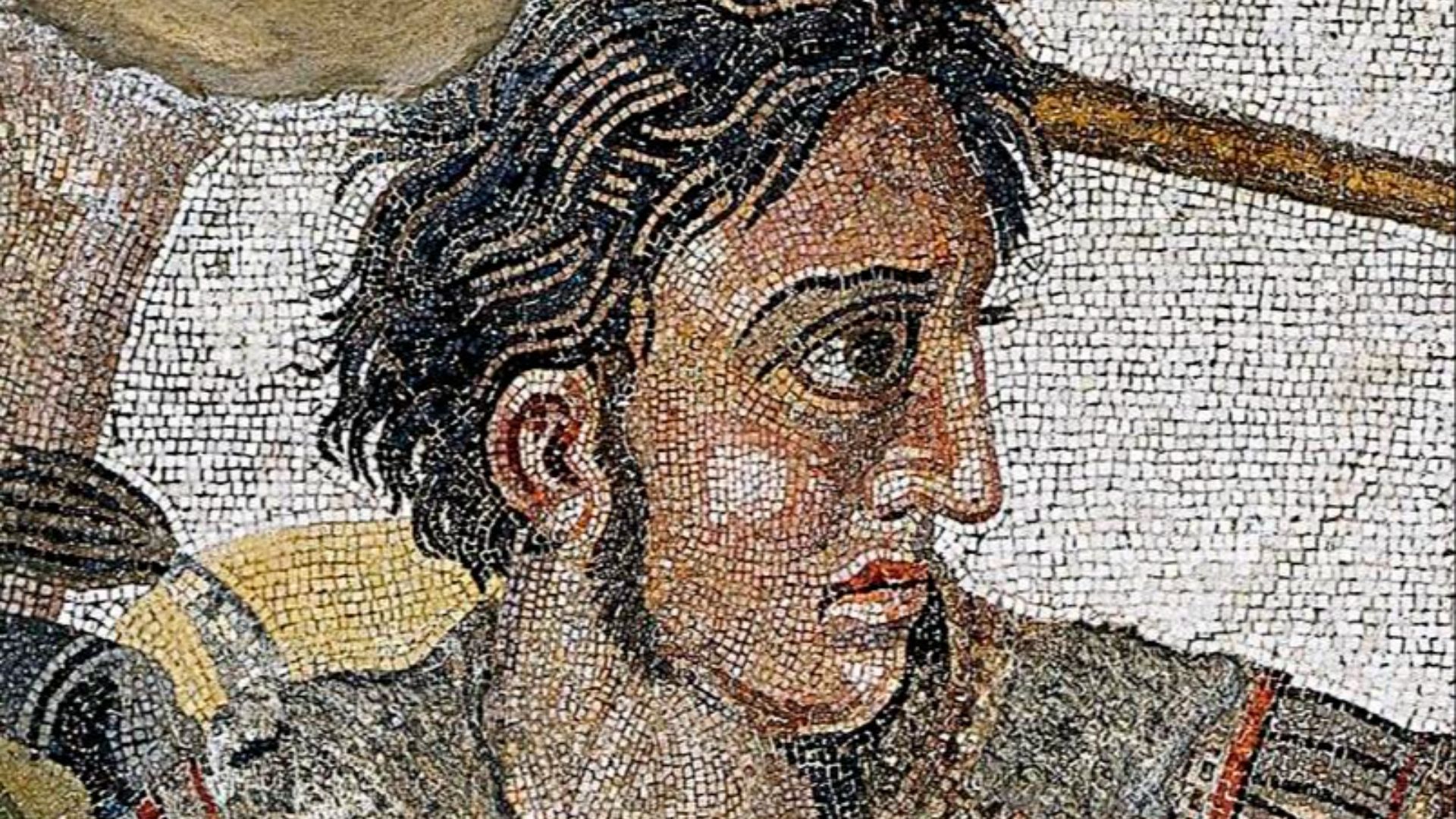
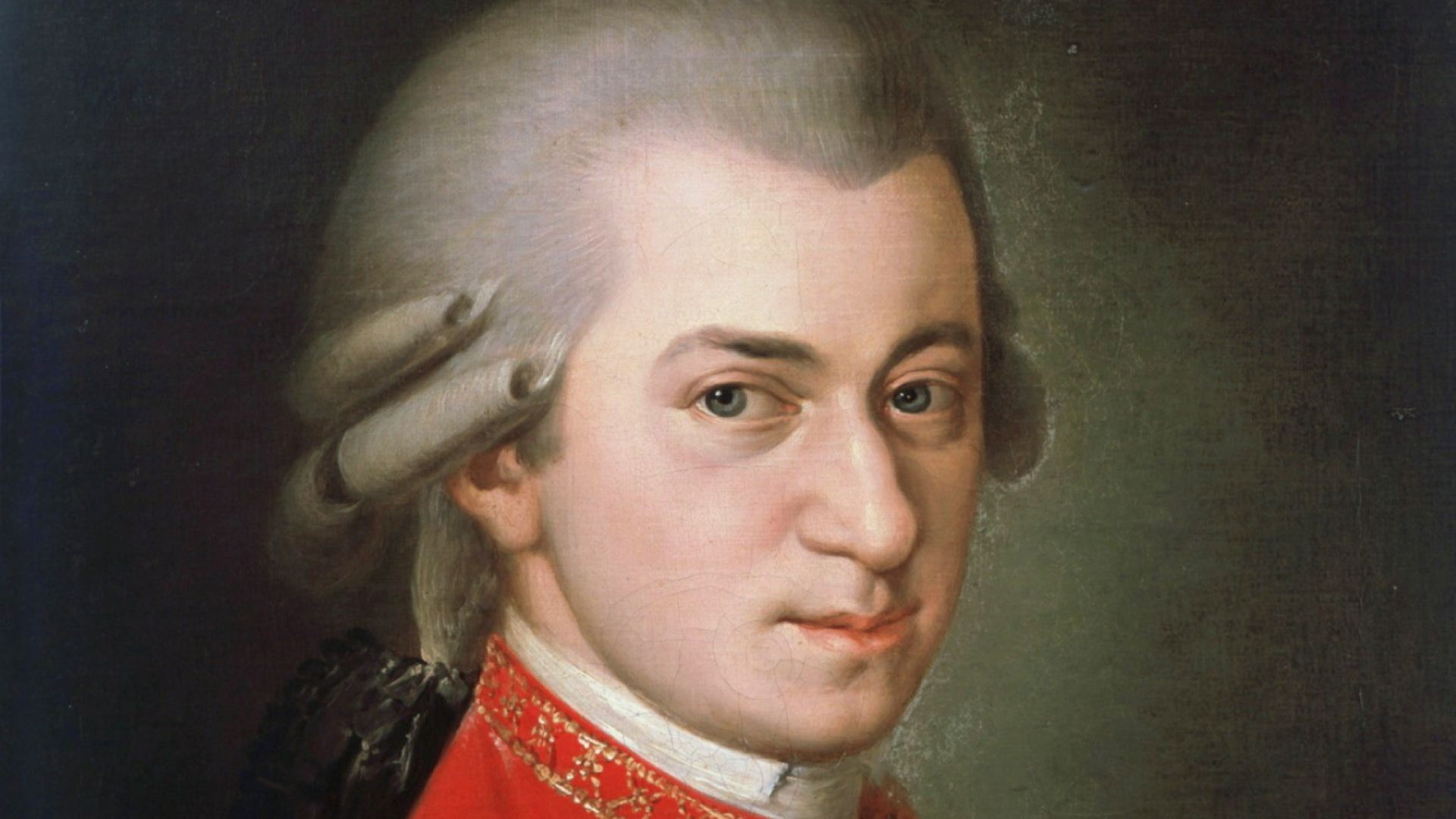
14. Wolfgang Amadeus Mozart
Mozart died in 1791 at age 35, and rumors of poisoning appeared not long afterward. The most famous theory accused fellow composer Antonio Salieri, though historians generally treat that accusation with great skepticism. Mozart’s sudden decline, unfinished Requiem, and dramatic legacy made the story perfect for later plays, films, and gossip.
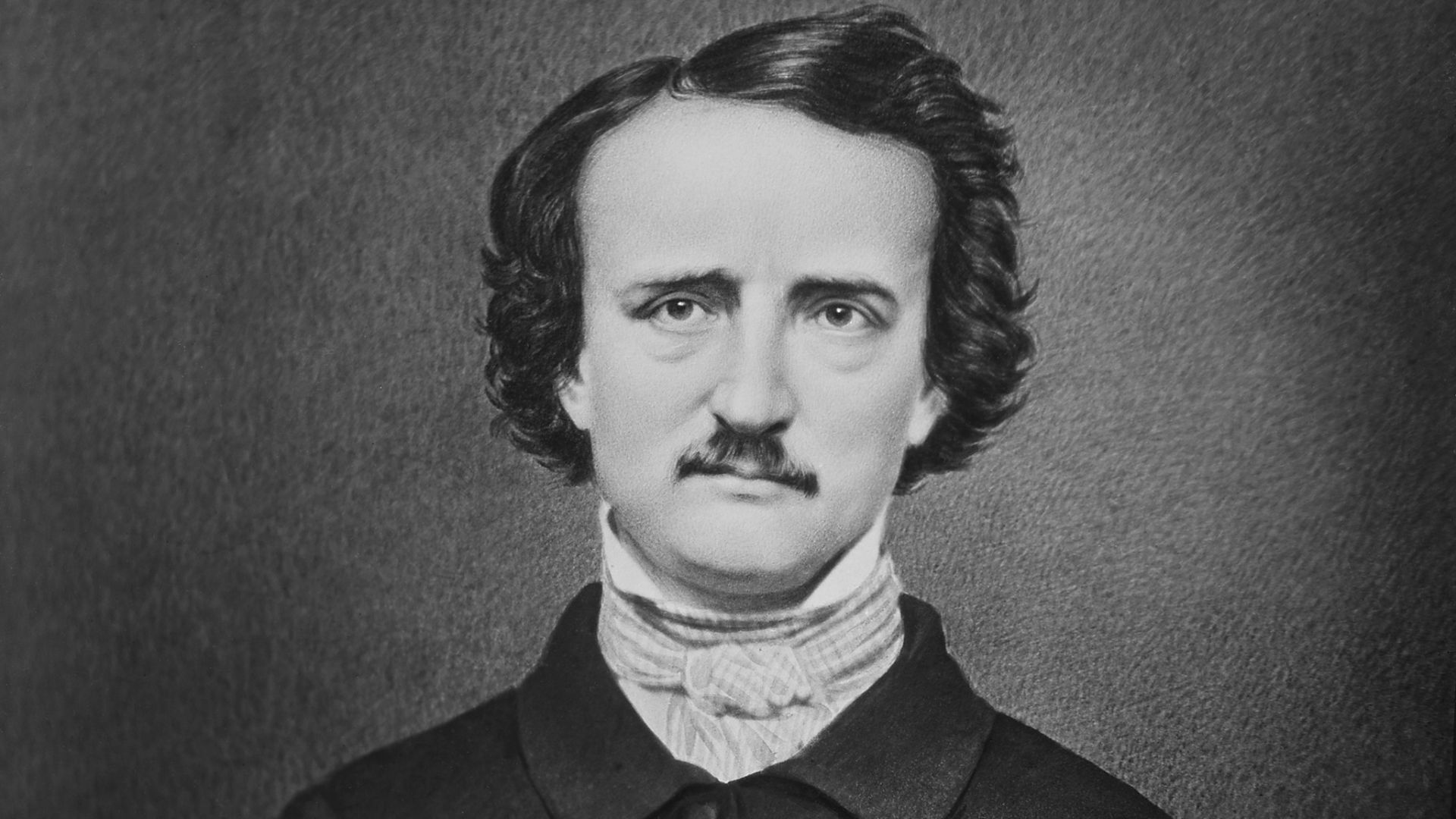
15. Edgar Allan Poe
Edgar Allan Poe died in 1849 after being found delirious in Baltimore under strange circumstances. His final days remain murky, and no death certificate survives, which has encouraged endless theories. Explanations have included alcohol, rabies, carbon monoxide poisoning, election fraud, murder, and medical illness.
 Mathew Benjamin Brady on Wikimedia
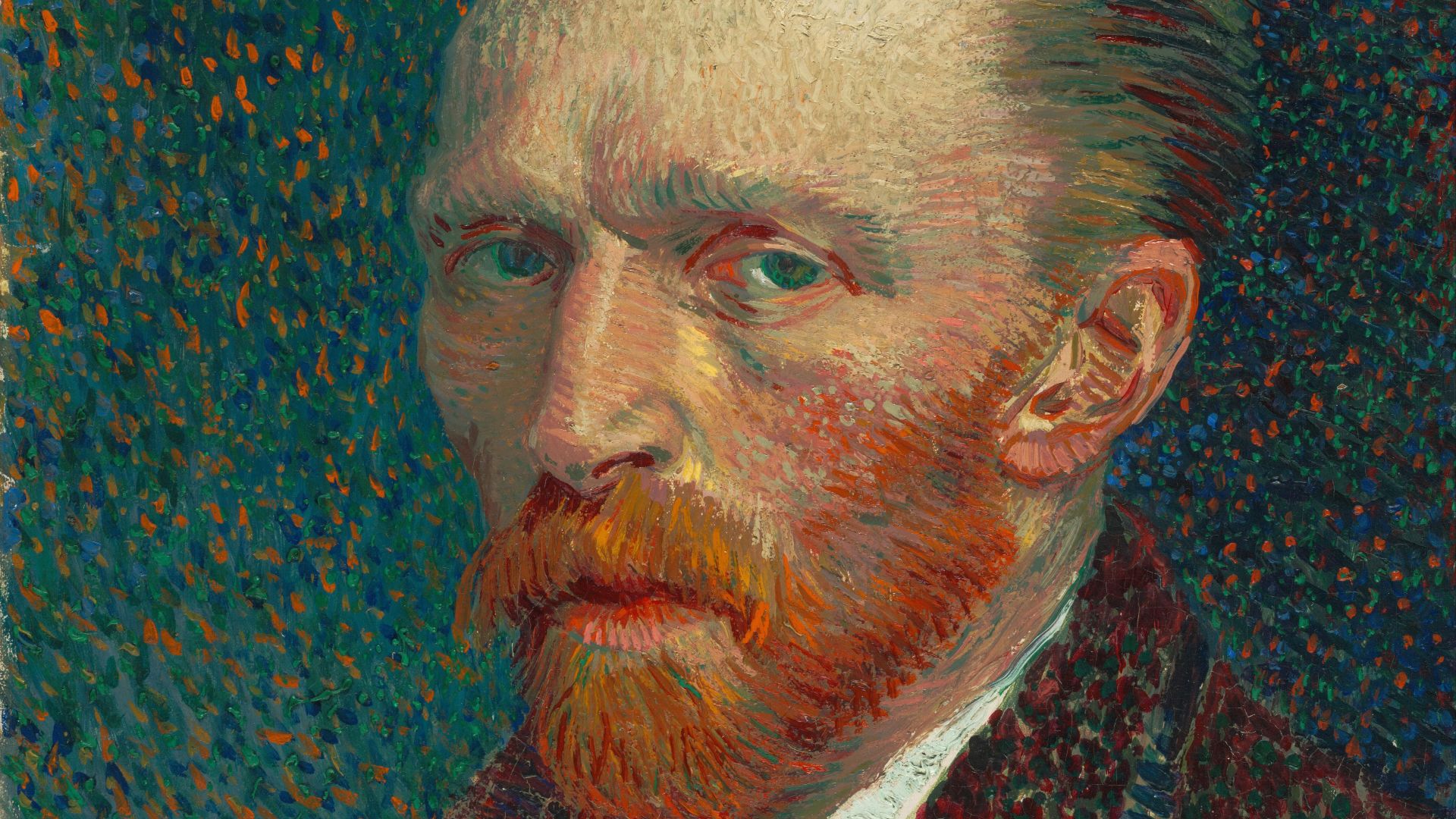
16. Vincent van Gogh
Vincent van Gogh’s death in 1890 has traditionally been described as suicide, but some researchers have questioned whether he may have been accidentally shot by someone else. The theory gained attention because of unusual details about the wound, the weapon, and accounts from the time. Many experts still accept suicide as the most likely explanation, but the debate has lingered.
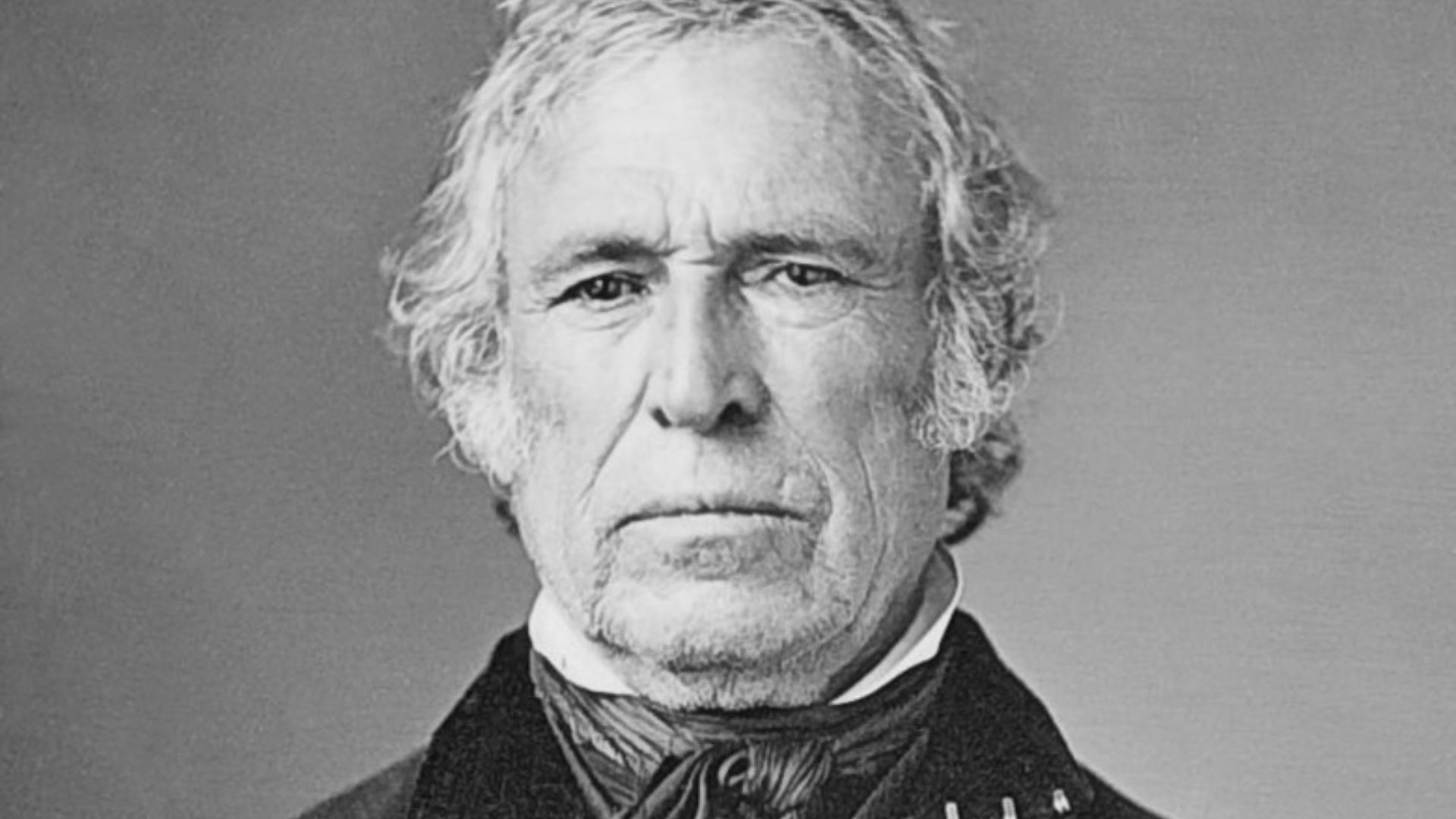
17. Zachary Taylor
U.S. President Zachary Taylor died in 1850 after a sudden stomach illness, and some suspected poisoning because of the tense politics of the era. More than a century later, his remains were exhumed and tested for arsenic. The results didn't support poisoning, but the theory had already earned its place in presidential mystery lore.
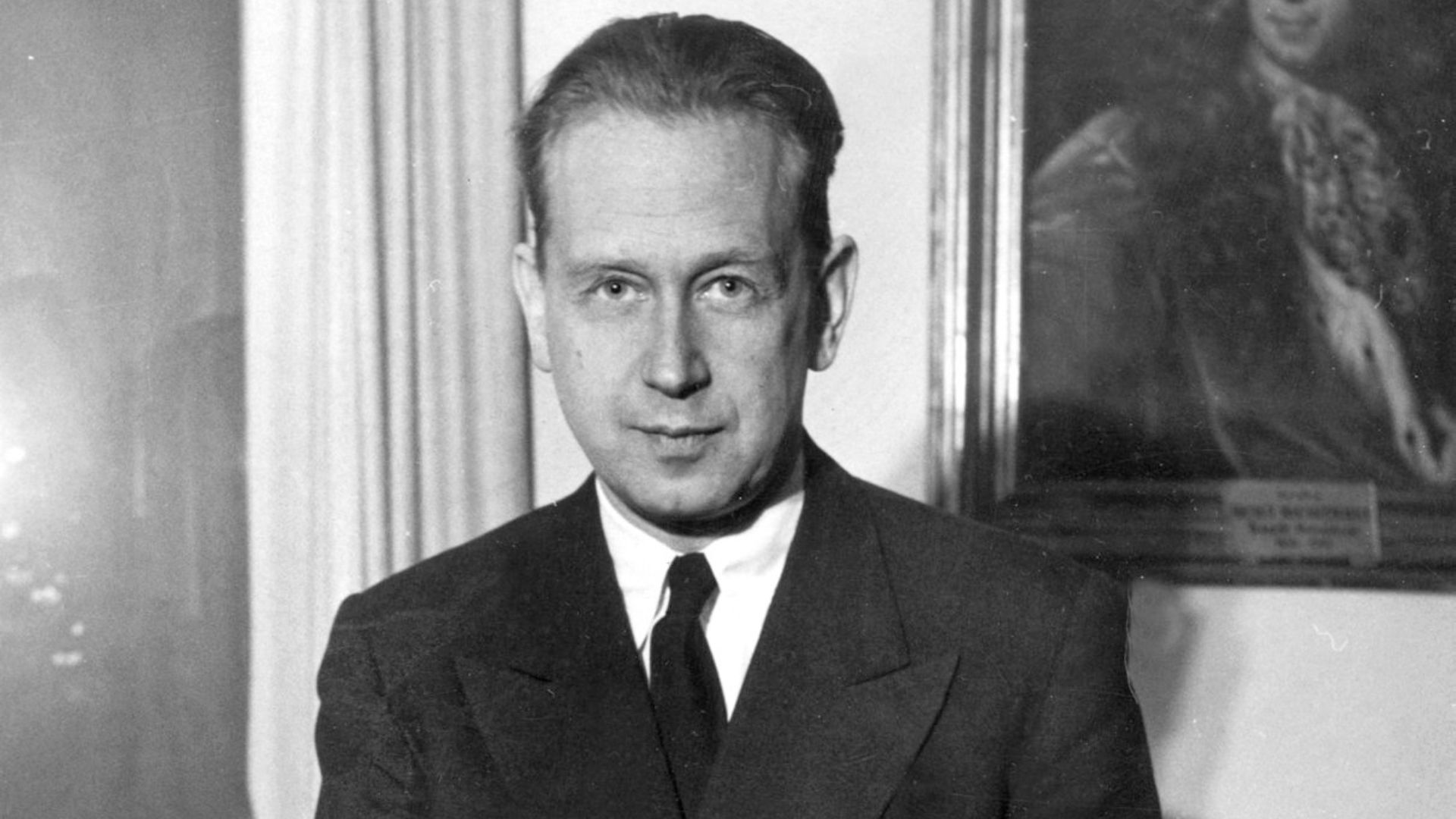
18. Dag Hammarskjöld
United Nations Secretary-General Dag Hammarskjöld died in a plane crash in 1961 while on a peace mission during the Congo Crisis. The official explanation pointed to pilot error, but doubts persisted almost from the beginning. Later investigations examined claims that the plane may have been shot down or interfered with by foreign interests.
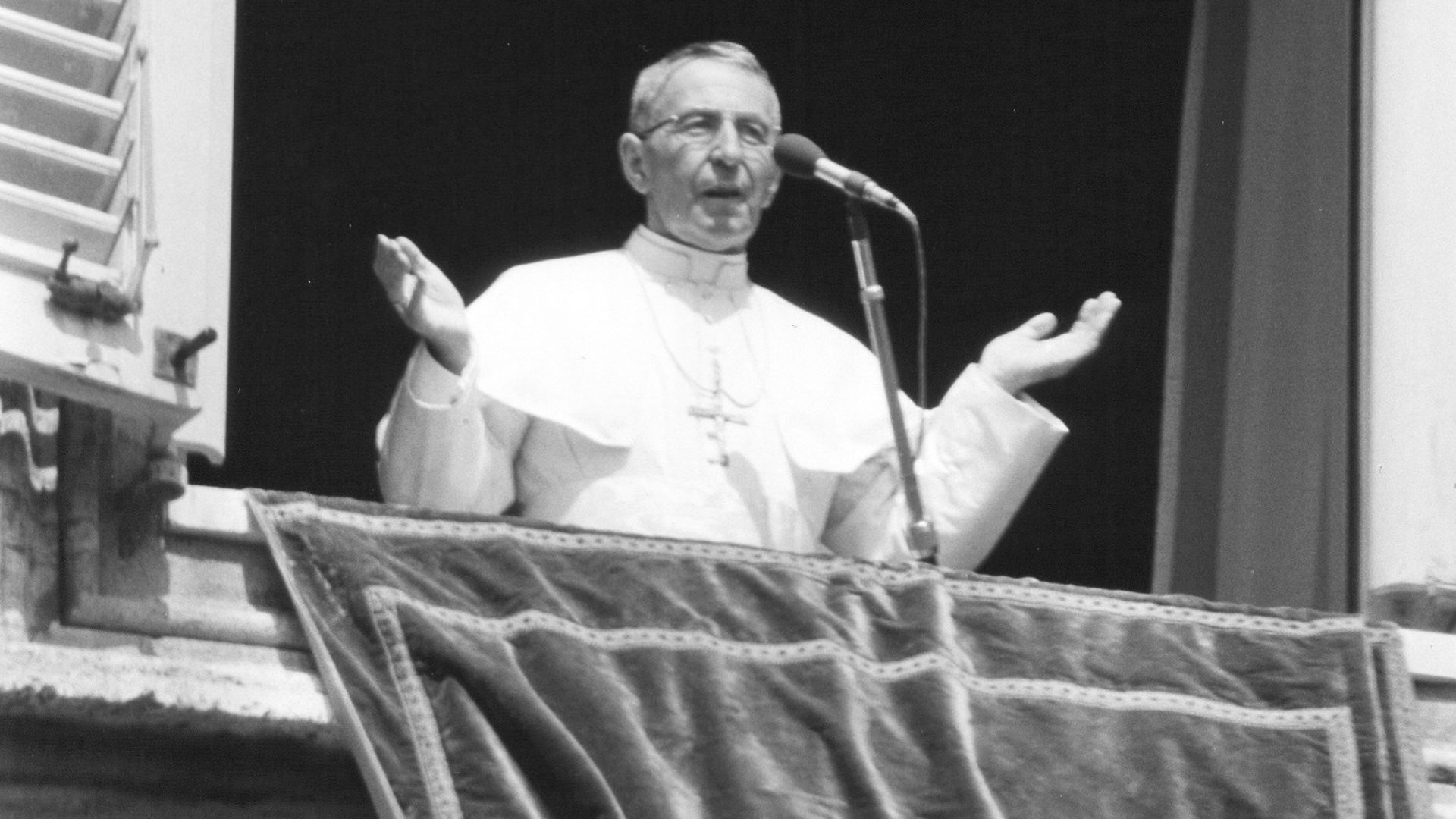
19. Pope John Paul I
Pope John Paul I died in 1978 after only 33 days as pope, which was enough to launch decades of speculation. The official cause was a heart attack, but theories claimed he was murdered because of Vatican banking scandals, church politics, or planned reforms. The short reign made his death feel unusually abrupt and suspicious to many observers.
 Sentinelle del mattino International on Wikimedia
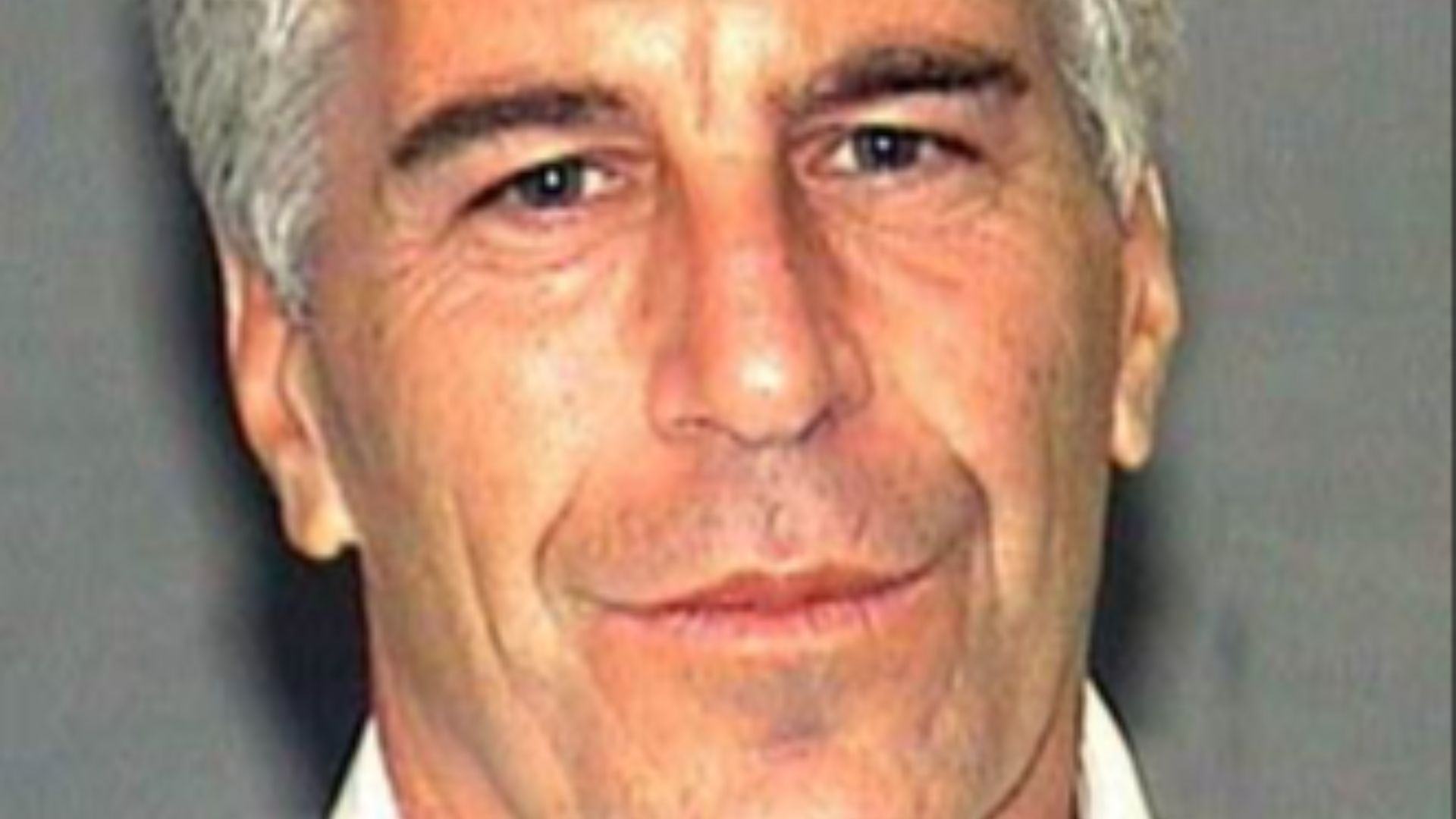
20. Jeffrey Epstein
Jeffrey Epstein died in jail in 2019 while awaiting trial on federal sex trafficking charges, and his death was officially ruled a suicide. Because he was connected to wealthy, powerful, and politically influential people, conspiracy theories spread instantly. Many focused on jail security failures, missing or malfunctioning cameras, and the question of who might have benefited from his silence.
KEEP ON READING

From Heroes To Zeroes 20 Historical Figures Whose Heroism Was…
History is full of legends, but not every hero lived…
By Noone Feb 25, 2026
The Clueless Crush: How I Accidentally Invited a Hacker Into…
Fluorescent Lights and First Impressions. My name is Tessa, I'm…
By Ali Hassan Nov 4, 2025
This Infamous Ancient Greek Burned Down An Ancient Wonder Just…
History remembers kings and conquerors, but sometimes, it also remembers…
By David Davidovic Nov 12, 2025
Einstein's Violin Just Sold At An Auction—And It Earned More…
A Visionary's Violin. Wanda von Debschitz-Kunowski on WikimediaWhen you hear…
By Ashley Bast Nov 3, 2025
The Mysterious "Sea People" Who Collapsed Civilization
3,200 years ago, Bronze Age civilization in the Mediterranean suddenly…
By Robbie Woods Mar 18, 2025
The 20 Oldest Garments Ever Found
From Desert Caves To Alpine Ice, Ancient Clothing Survived Against…
By Elizabeth Graham May 29, 2026