

10 Great Historians Who Got It Right & 10 Who Got It Entirely Wrong
Some Historians Stand the Test of Time
History is constantly being revised as new evidence comes to light, which means even respected historians occasionally make mistakes. Still, some historians earned lasting reputations because their methods, evidence, and conclusions proved remarkably reliable. In contrast, others became known for theories or claims that were later shown to be deeply flawed. Looking at both groups offers a useful reminder that good history depends not just on storytelling, but on careful research and a willingness to follow the evidence wherever it leads. Here are 10 great historians who got it right and 10 who got it entirely wrong.
 After Julius Schrader / Adolf Jebens on Wikimedia
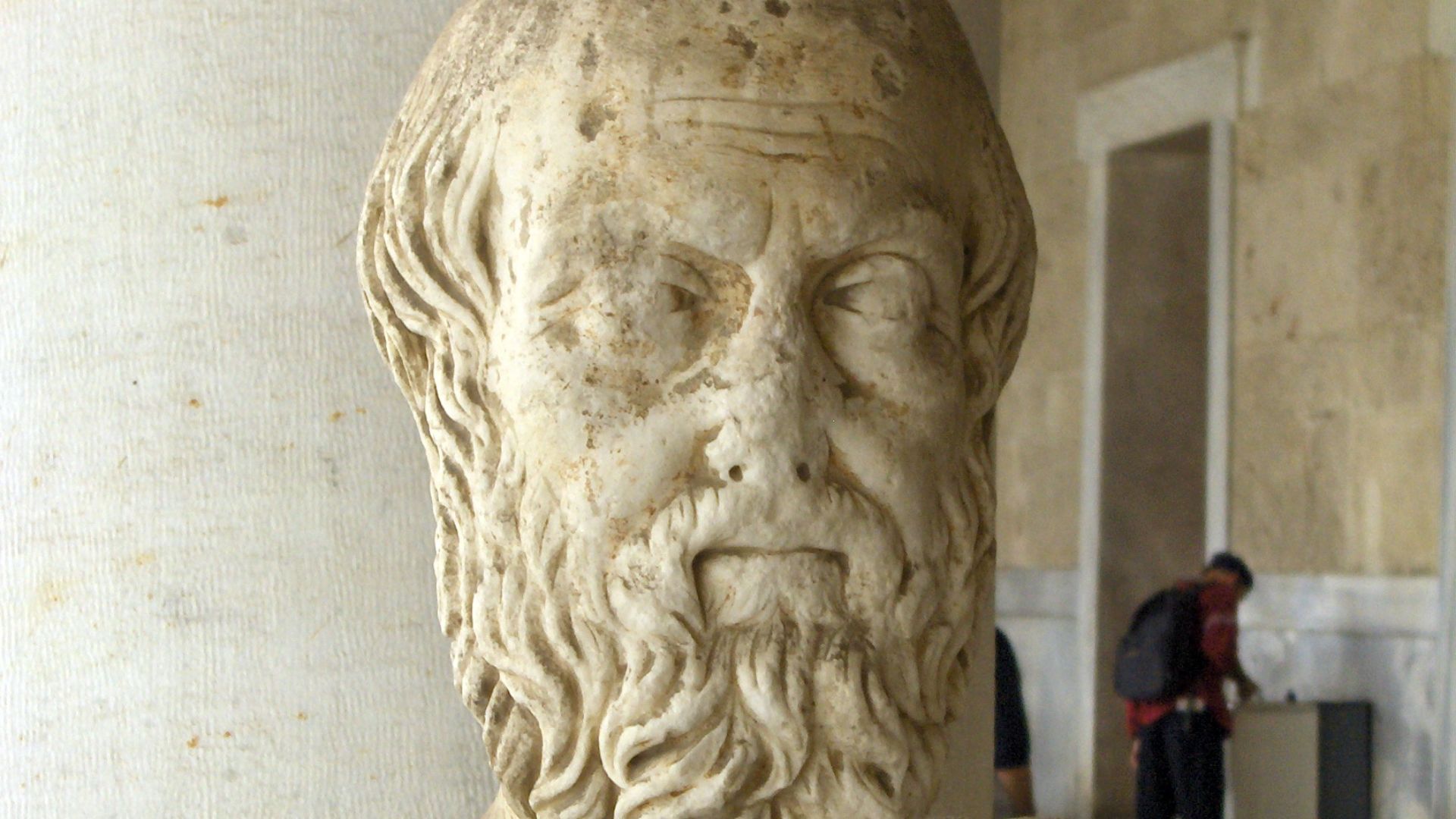
1. Herodotus
Often called the "Father of History," Herodotus gathered information from multiple sources rather than relying entirely on myths. While some of his stories were exaggerated or based on secondhand accounts, many of his descriptions of the Persian Wars have been supported by later evidence. His effort to investigate causes and compare accounts helped establish history as a serious field of study.
 Konstantinos Stampoulis (el:User:Geraki) on Wikimedia
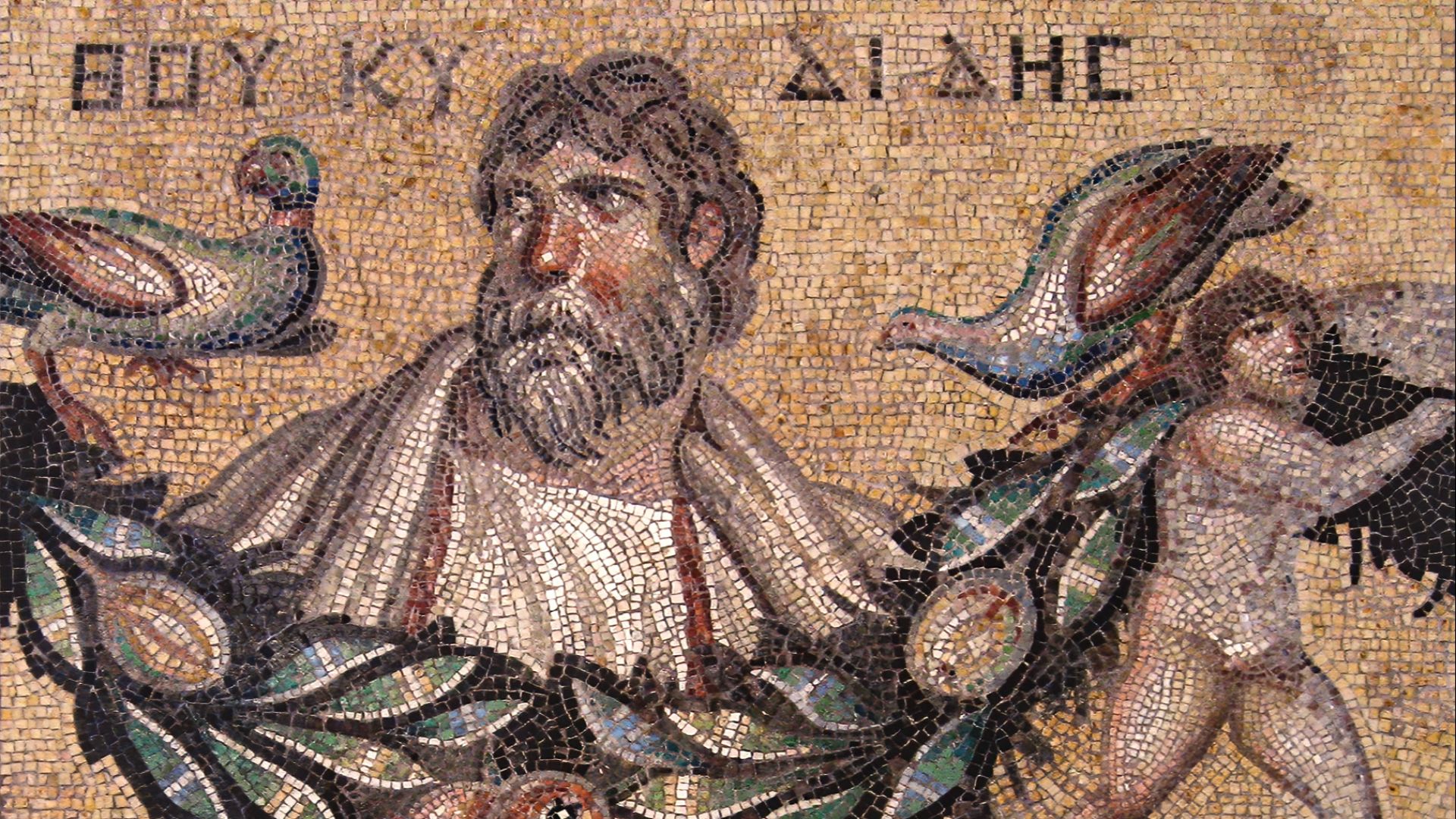
2. Thucydides
Thucydides set a new standard for historical accuracy in his account of the Peloponnesian War. He focused on eyewitness testimony, political motives, and military realities instead of divine intervention. Modern historians still admire his commitment to evidence and critical analysis.
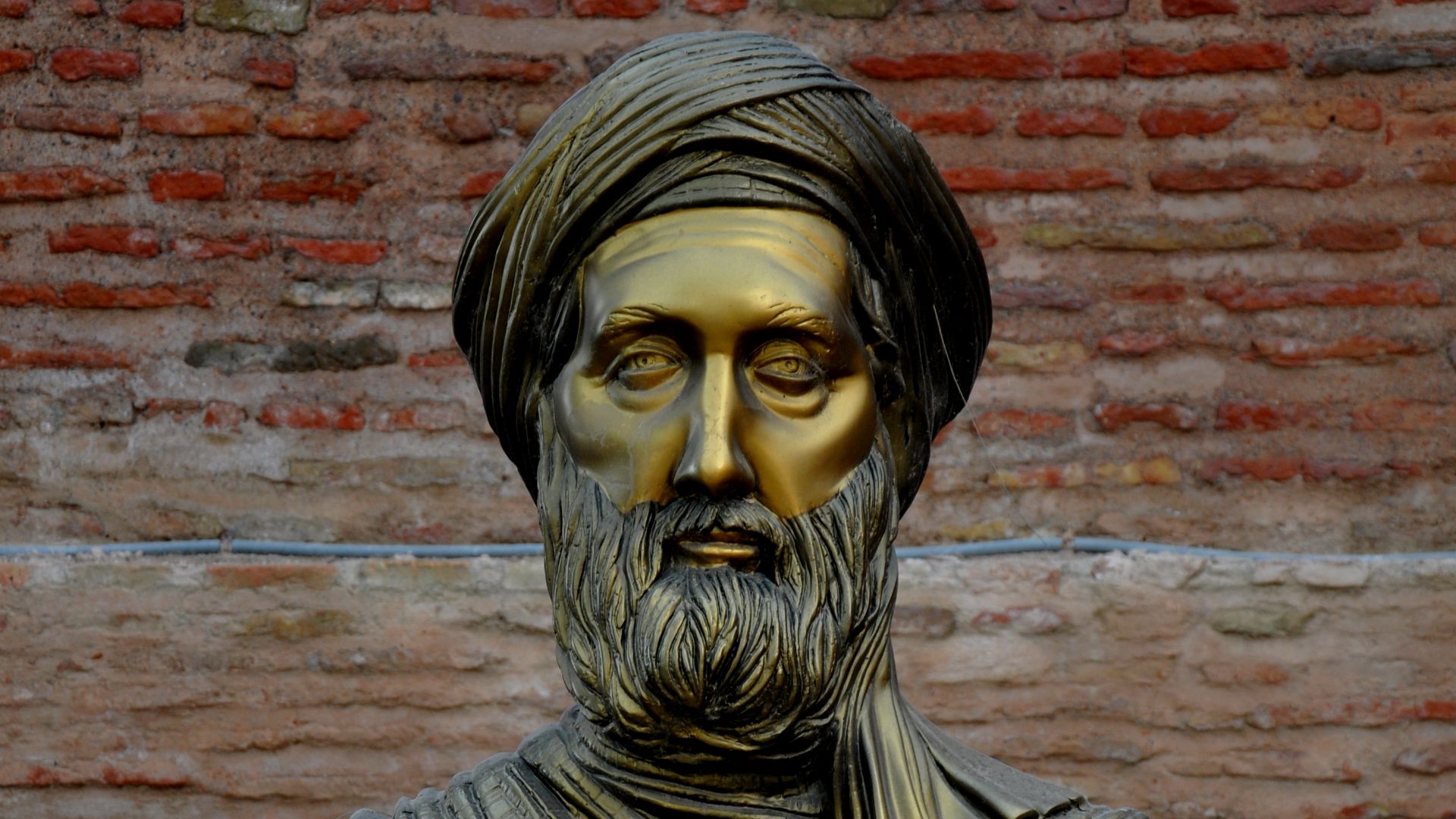
3. Ibn Khaldun
Writing in the 14th century, Ibn Khaldun examined how societies rise and fall through economic, political, and social forces.
He questioned unreliable sources and emphasized the need to evaluate claims critically. Many scholars view him as a pioneer of historical and social analysis.
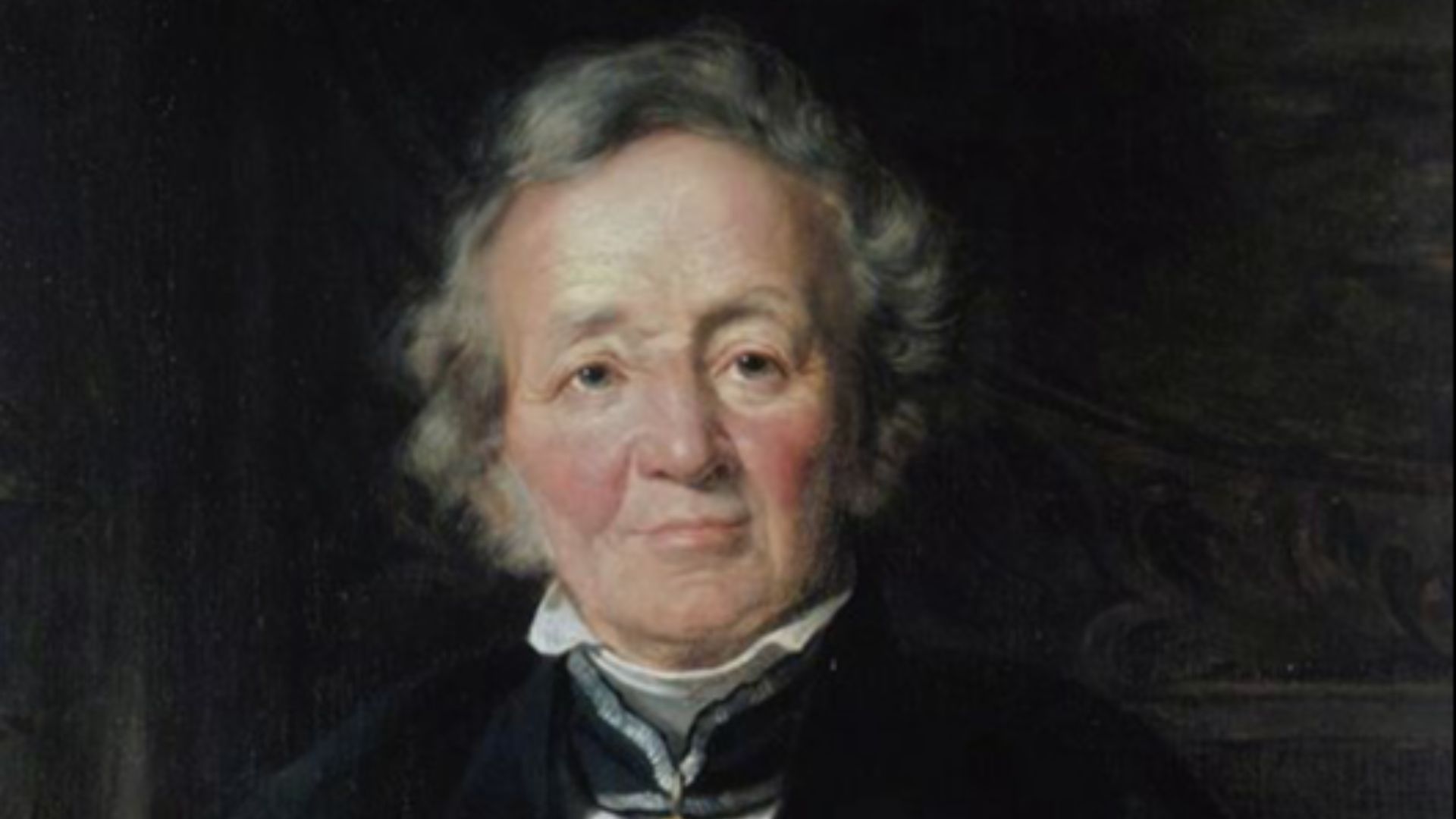
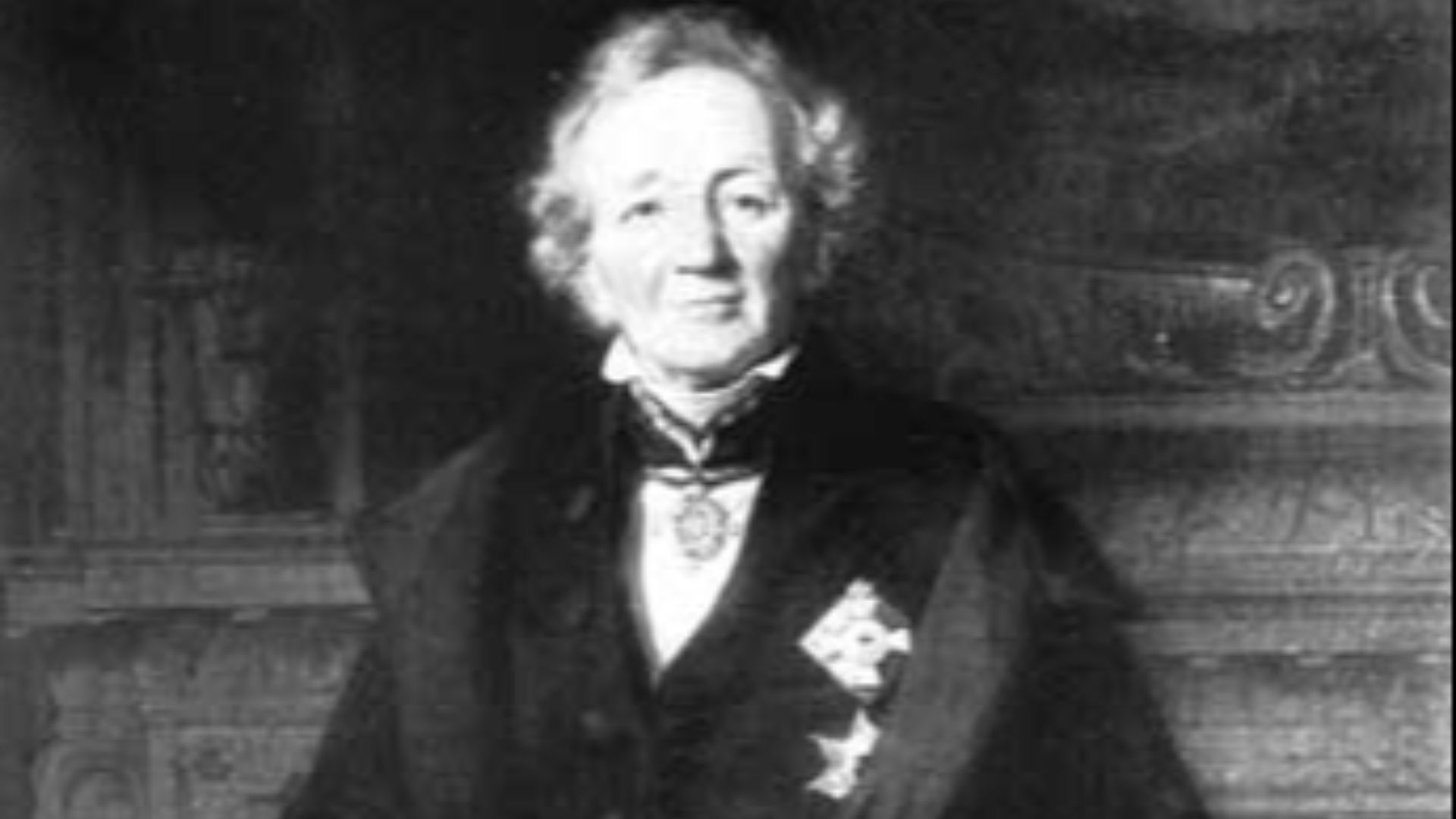
4. Leopold von Ranke
Ranke transformed historical scholarship by insisting on the use of primary sources whenever possible. His famous goal was to show the past "as it actually happened" through careful examination of documents. Although historians today recognize that complete objectivity is impossible, his methods greatly improved the discipline.
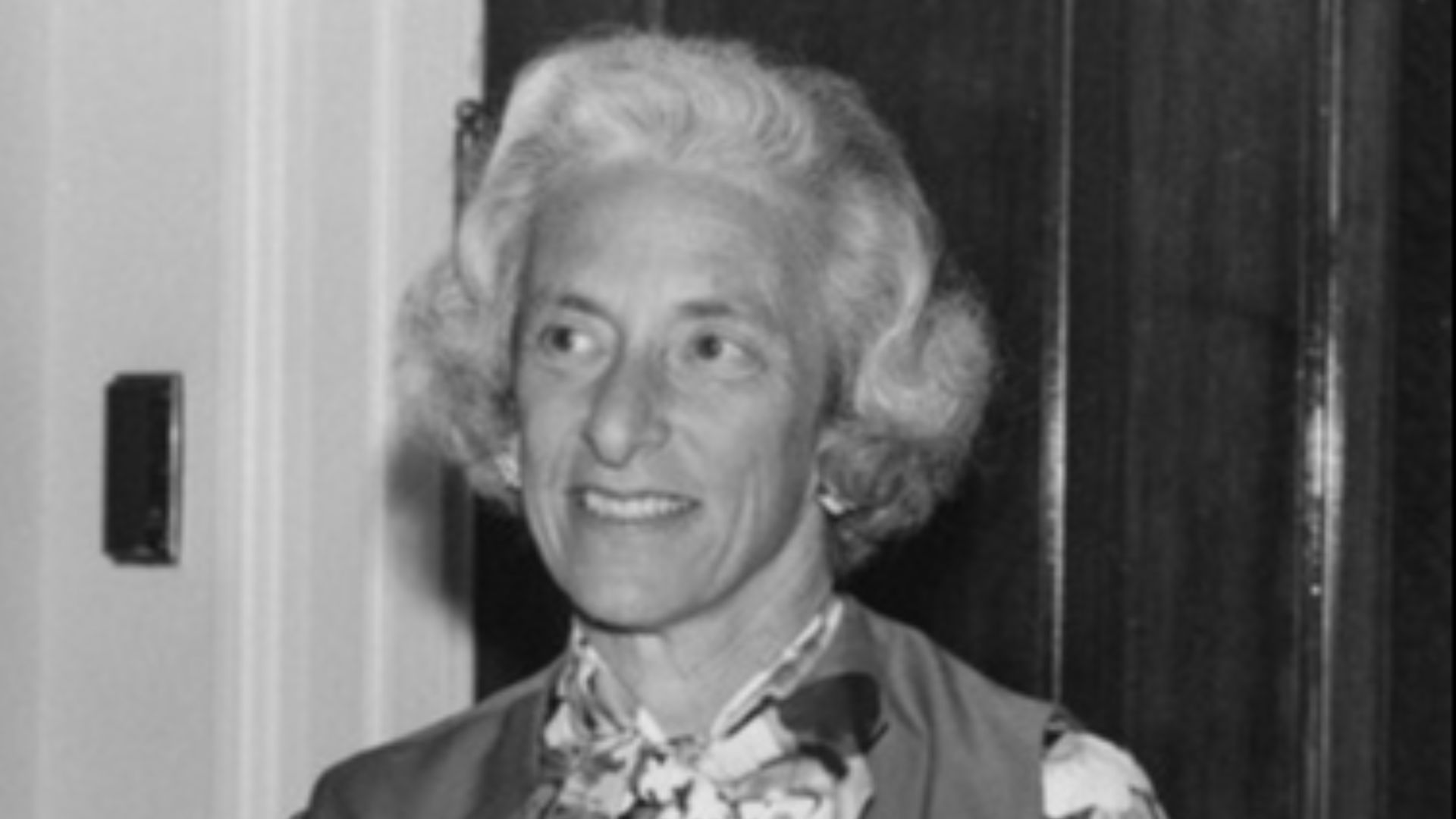
5. Barbara Tuchman
Barbara Tuchman became known for combining rigorous research with engaging writing. Her studies of World War I and medieval Europe have generally held up well over time. She demonstrated that accurate history could also appeal to a broad audience.
 The U.S. National Archives on Wikimedia
6. Sir Steven Runciman
Runciman's work on the Crusades helped move the subject beyond simplistic narratives of heroes and villains. He examined perspectives from multiple sides and relied heavily on available evidence. Although some interpretations have been debated, his scholarship remains highly respected.
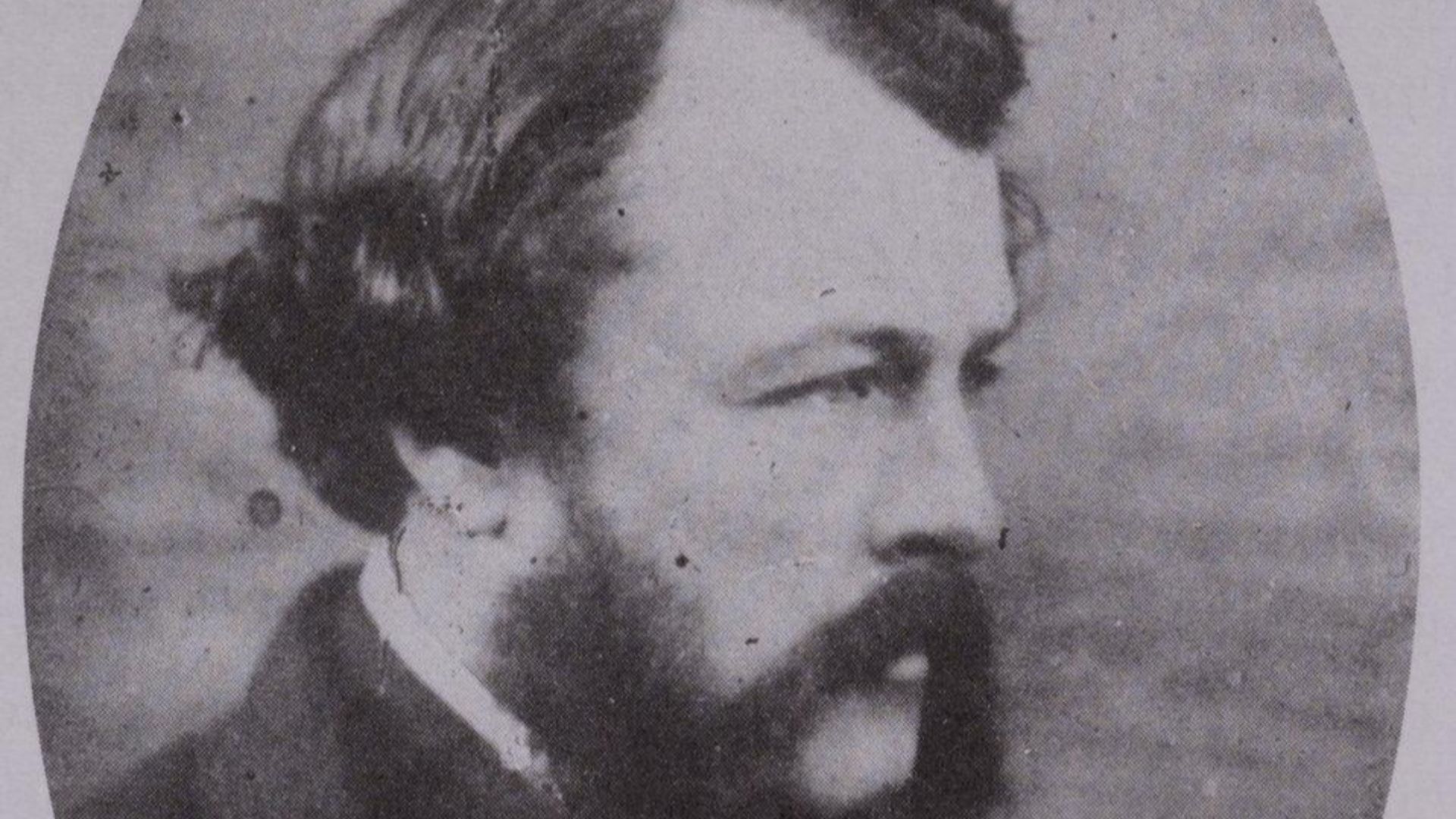
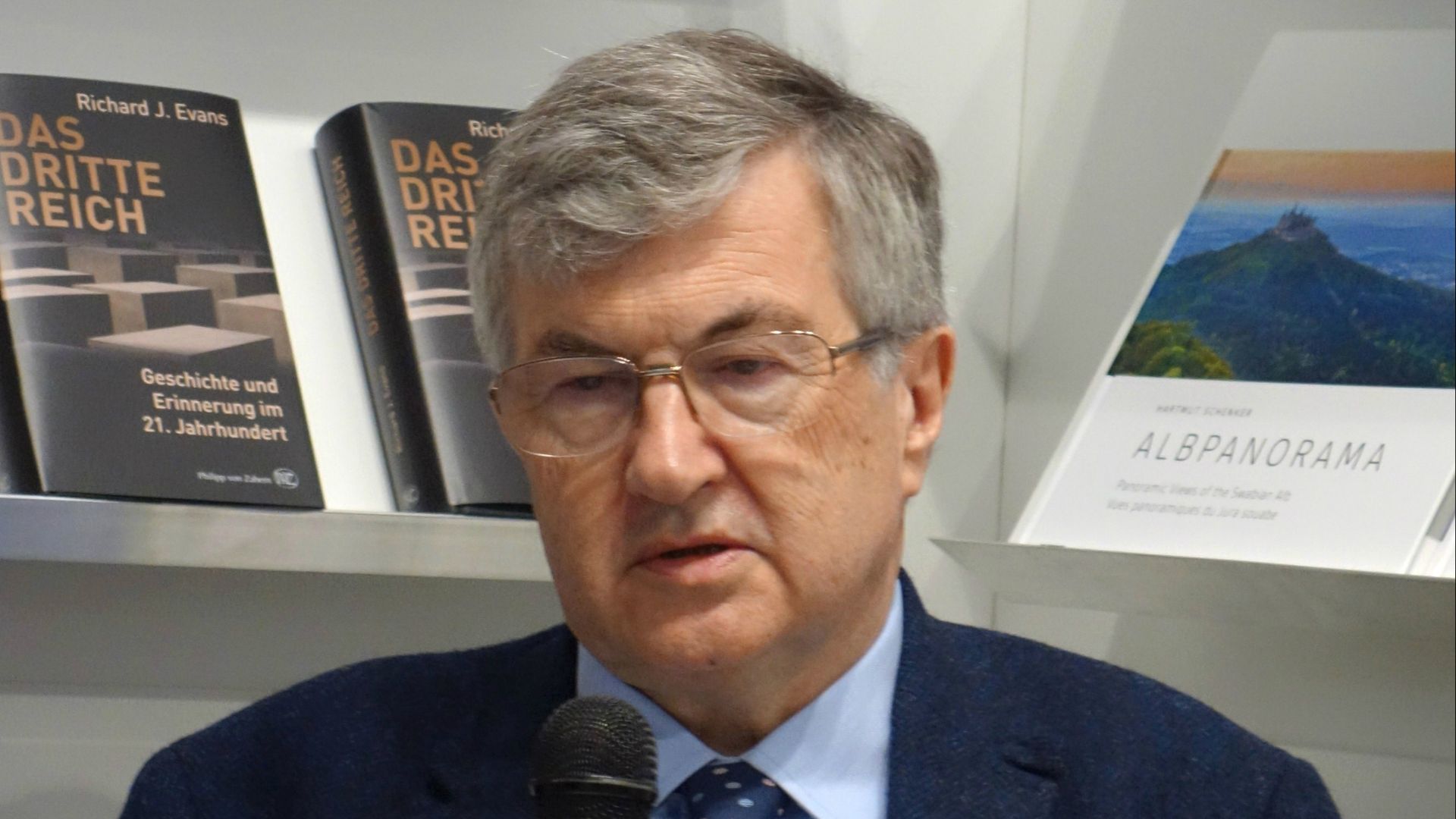
7. Richard J. Evans
Richard Evans is widely recognized for his detailed studies of modern Germany and Nazi rule. His careful use of documentation helped counter numerous historical distortions and misconceptions. He has also written extensively about how historians evaluate evidence and establish reliable conclusions.
8. David McCullough
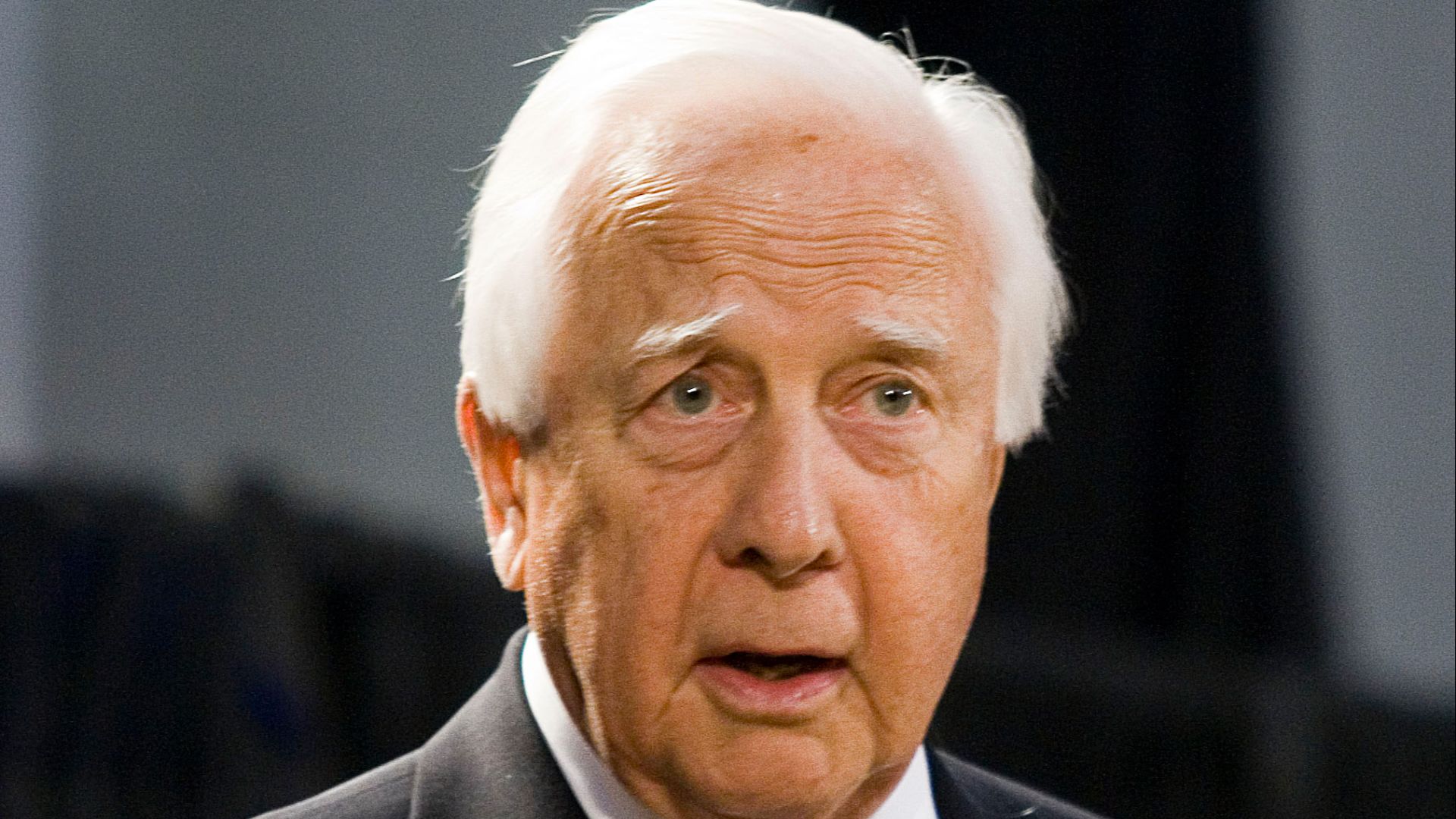
McCullough earned praise for making American history accessible without sacrificing factual accuracy. His biographies and studies of major events relied on extensive archival research.
Many readers developed a deeper appreciation for history through his work.
 Nrbelex at English Wikipedia on Wikimedia
9. Doris Kearns Goodwin
Goodwin's studies of American presidents are known for their thorough research and balanced treatment of complex figures. She places individuals within the broader context of their times rather than judging them solely by modern standards. Her work has helped popularize serious historical scholarship.

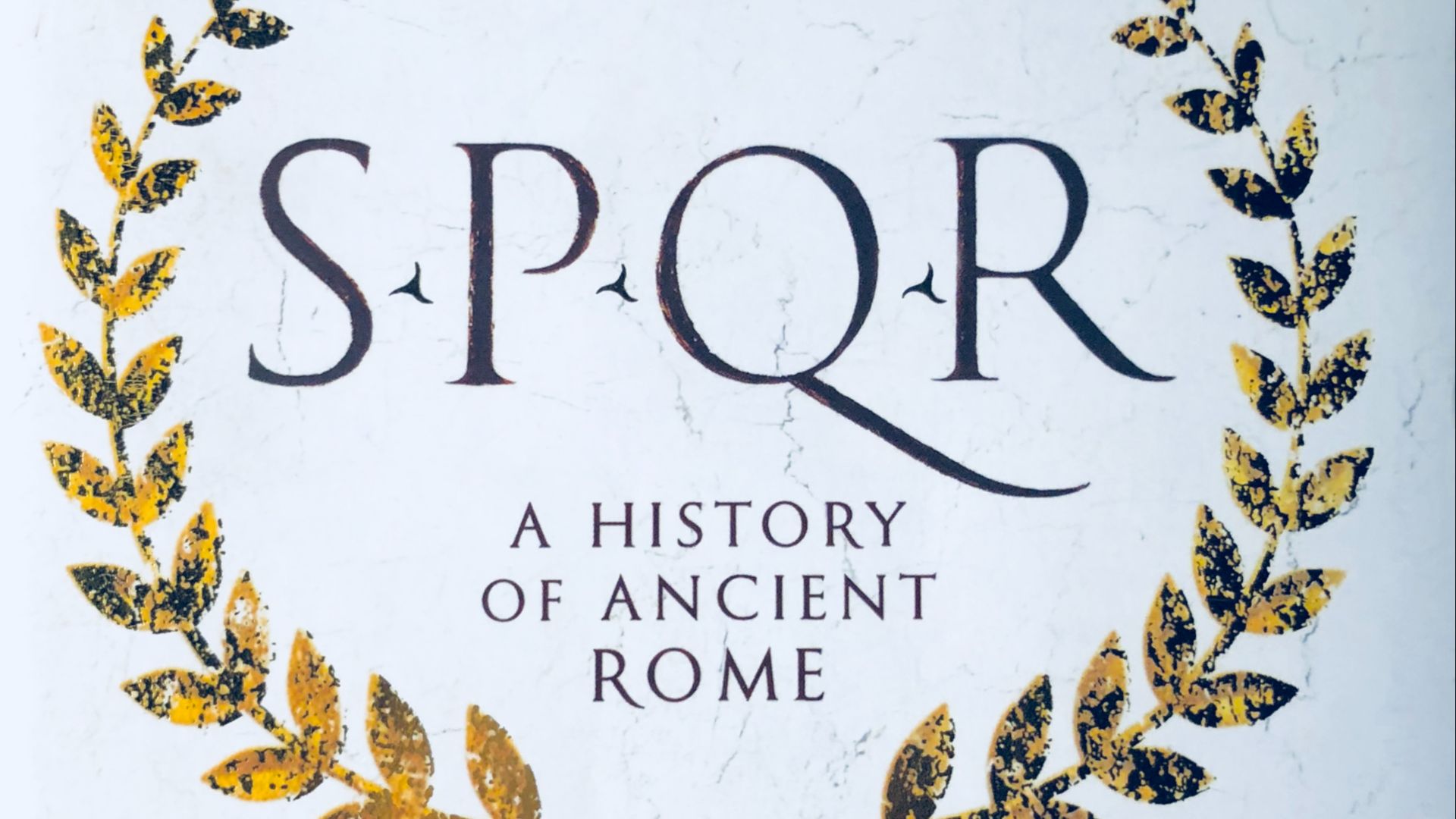
10. Mary Beard
Mary Beard has become one of the most respected historians of ancient Rome. She combines scholarly expertise with a willingness to challenge long-standing assumptions when evidence suggests otherwise. Her work has helped modern audiences better understand the realities of the Roman world.
1. Geoffrey of Monmouth
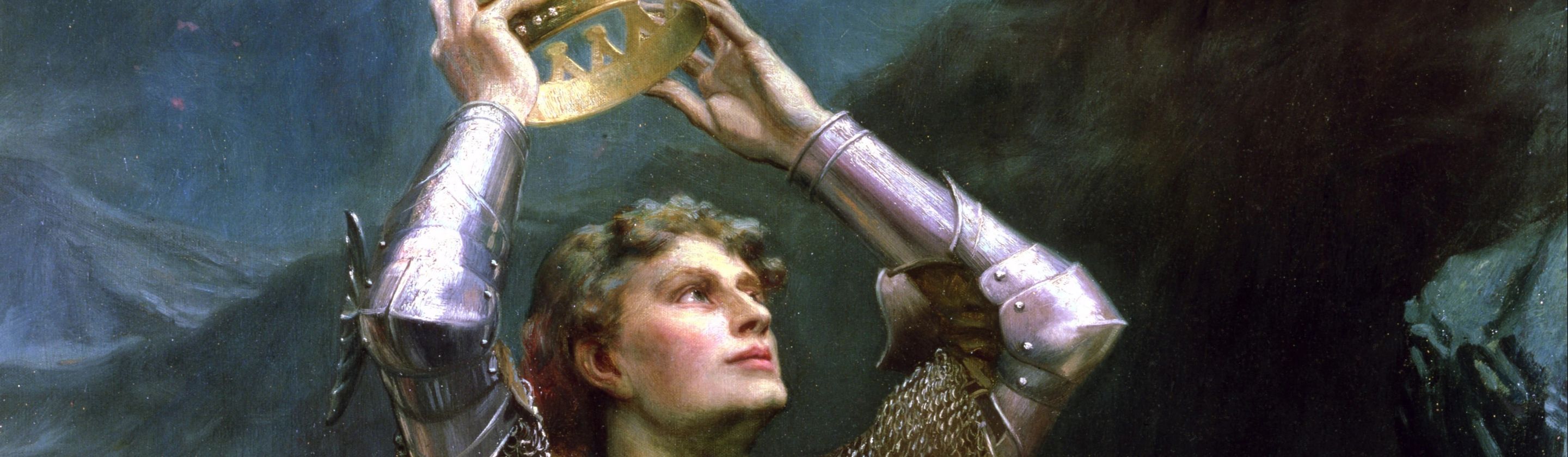
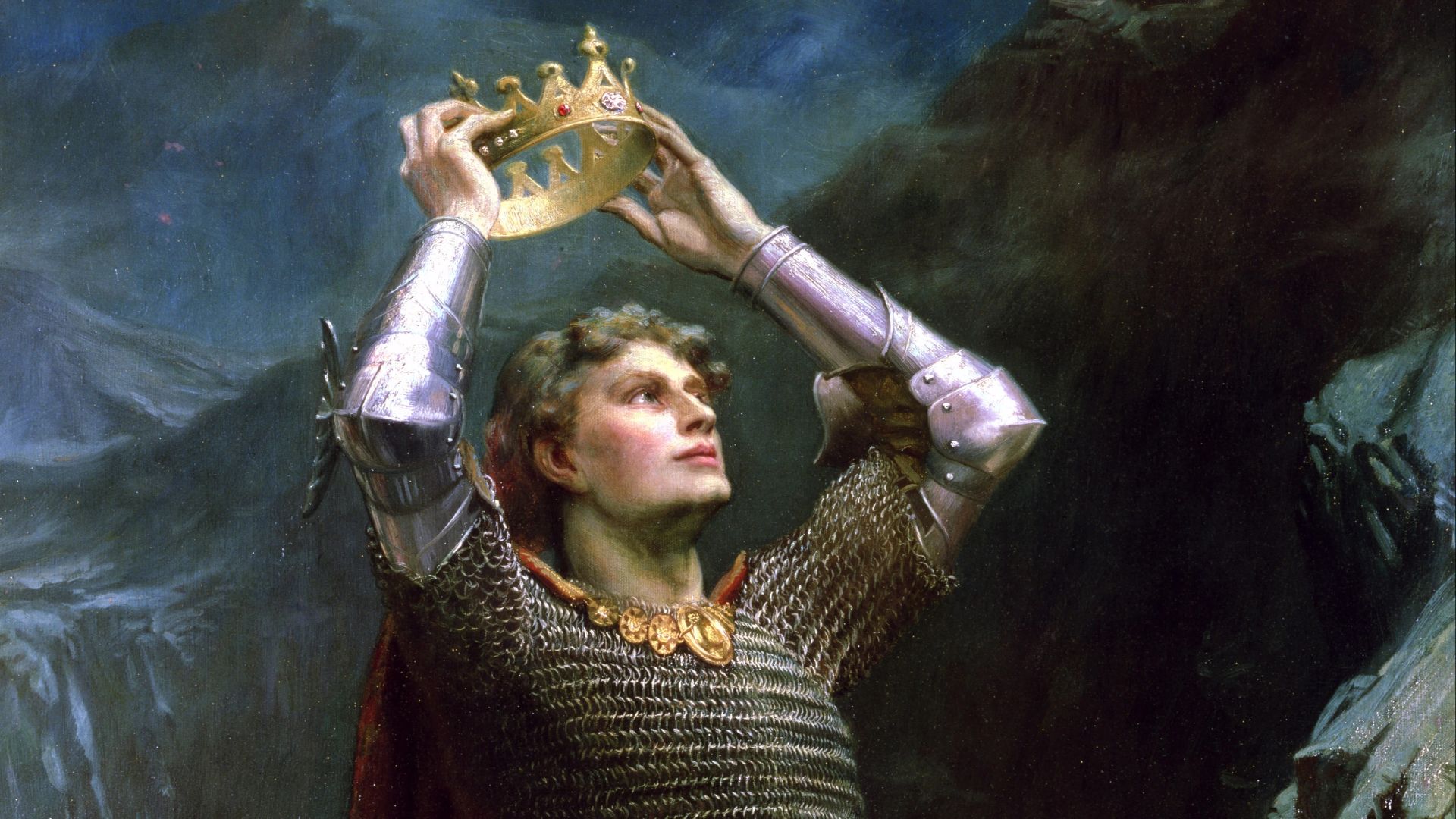
Geoffrey's 12th-century history of Britain introduced many famous stories, including popular versions of King Arthur. Unfortunately, much of his work was based on legend rather than verifiable evidence. While influential, it is not considered reliable history today.
 Charles Ernest Butler on Wikimedia
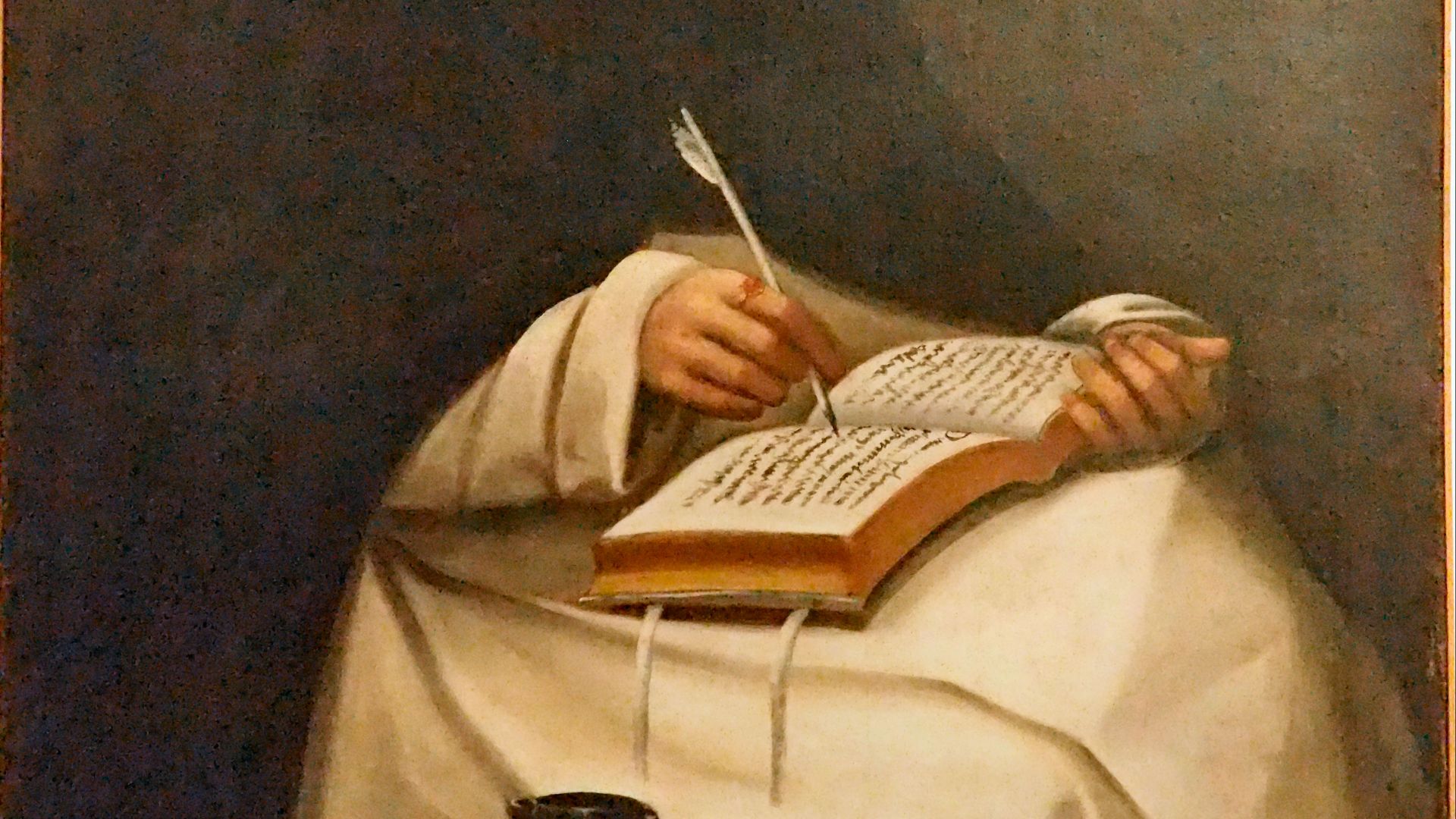
2. Annius of Viterbo
Annius claimed to have discovered ancient documents that supposedly revealed forgotten details about early civilizations. Scholars eventually determined that the documents were fabricated. His work serves as a cautionary example of accepting sensational evidence without verification.
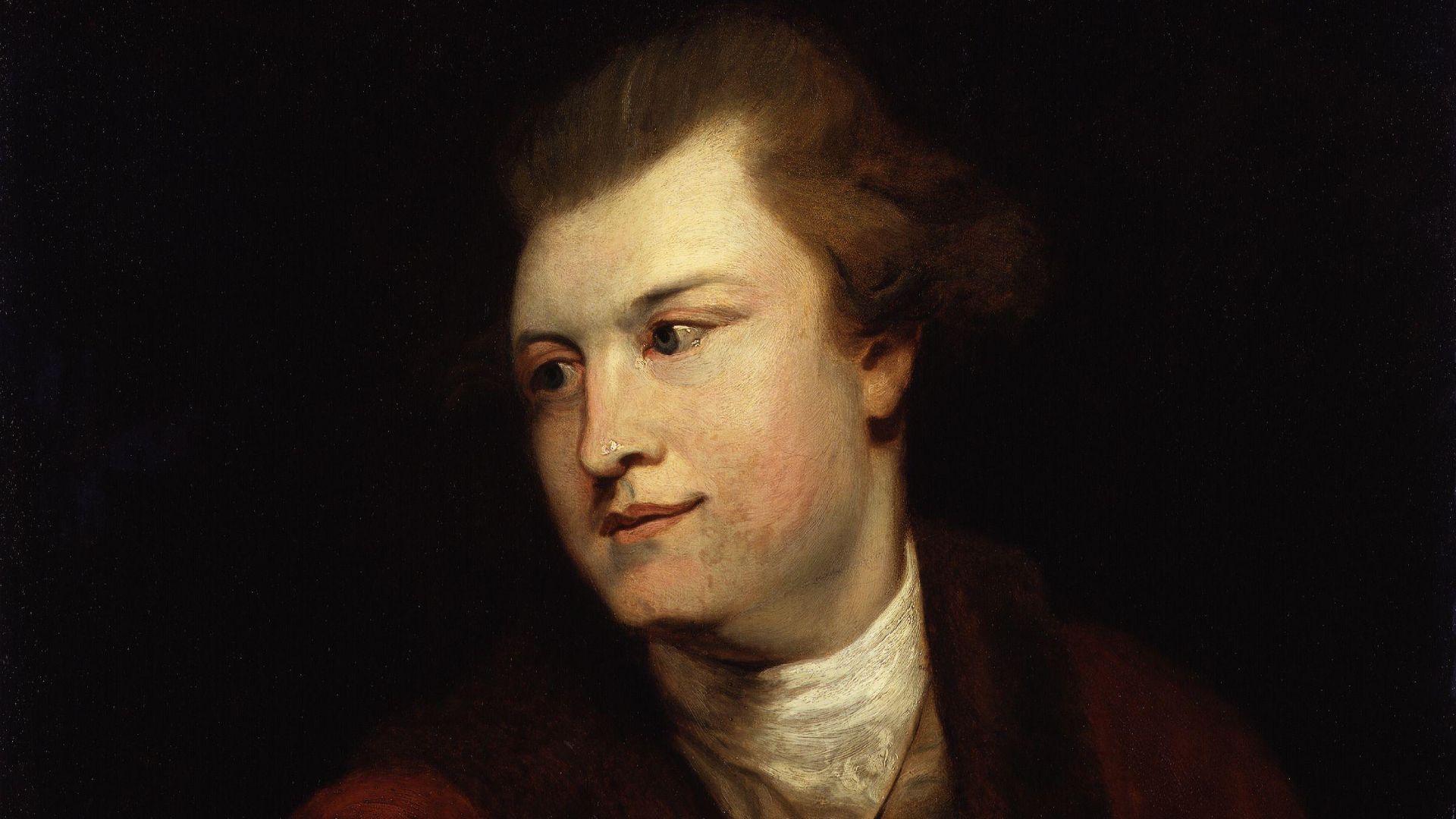
3. James Macpherson
Macpherson published what he claimed were translations of ancient Scottish epics written by a bard named Ossian. Later investigations showed that he had largely composed the material himself. The controversy became one of the most famous literary and historical hoaxes of the 18th century.
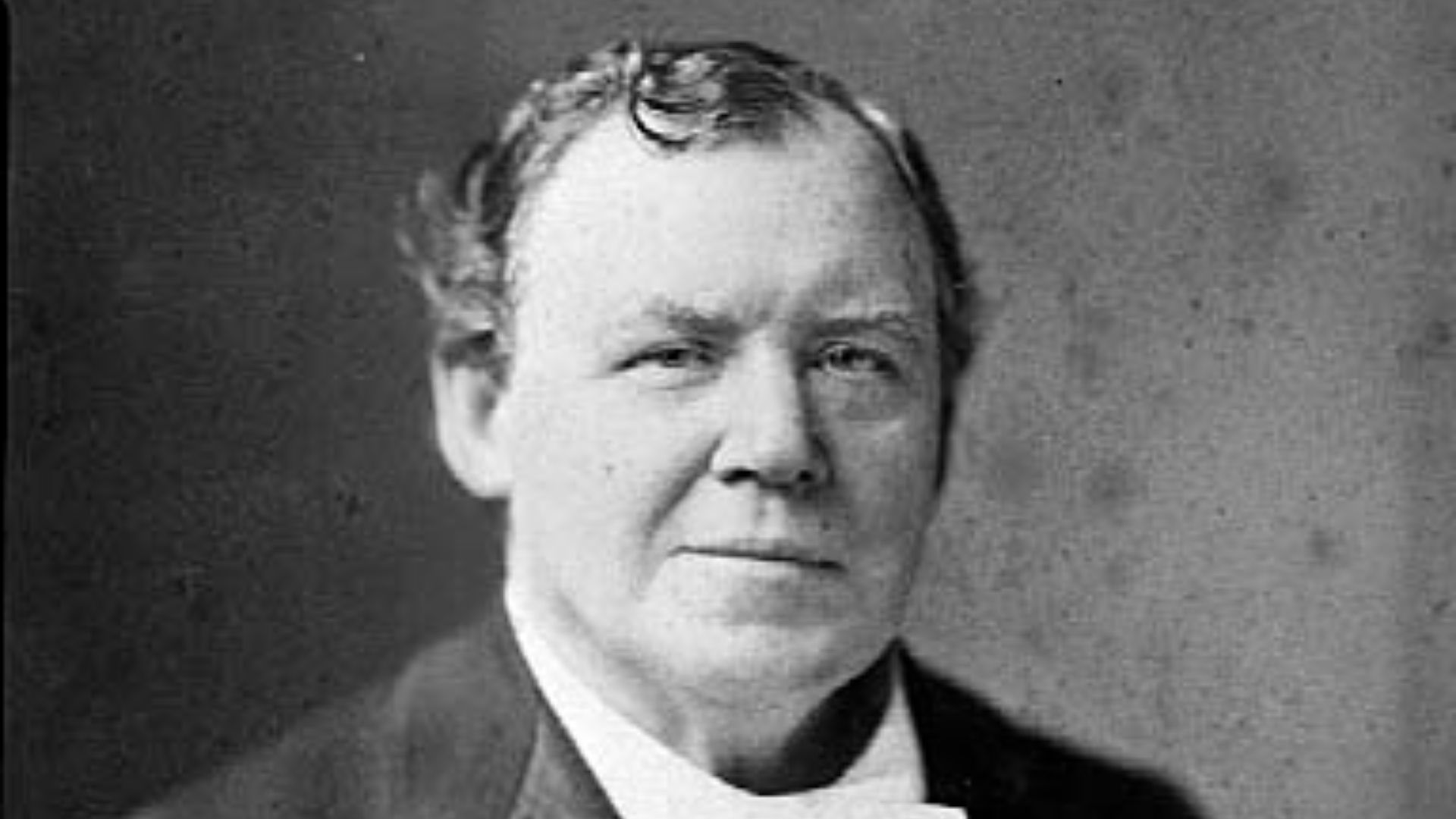
4. Ignatius Donnelly
Donnelly argued that the lost continent of Atlantis was the source of many ancient civilizations. His theories attracted widespread public interest but lacked credible archaeological support. Modern scholarship rejects his conclusions.
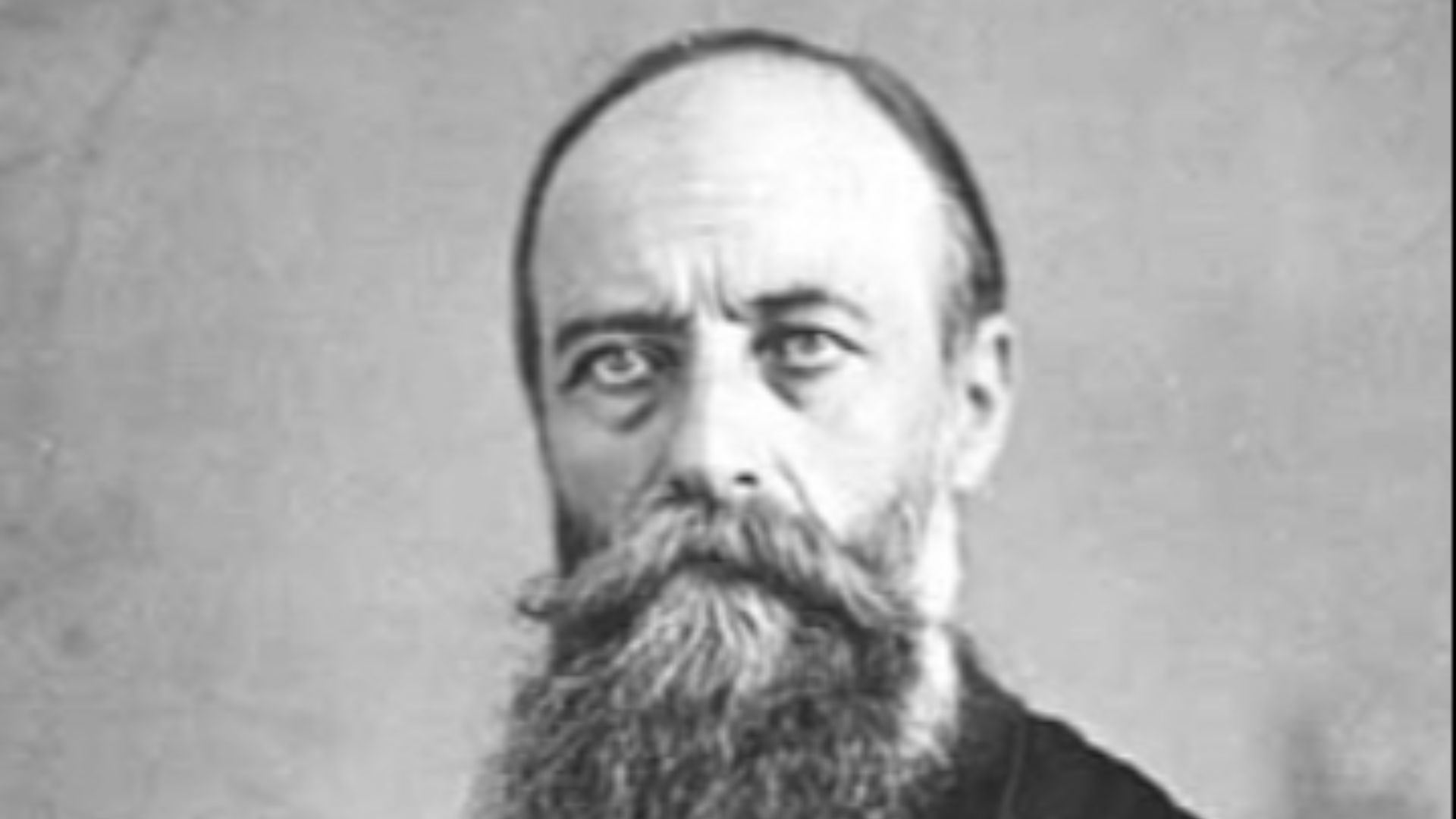
5. Augustus Le Plongeon
Le Plongeon believed the Maya civilization was directly connected to Atlantis and ancient Egypt. He based many claims on imaginative interpretations rather than solid evidence. Archaeological discoveries have thoroughly disproven his theories.
 Alice Dixon Le Plongeon (1851-1910) on Wikimedia
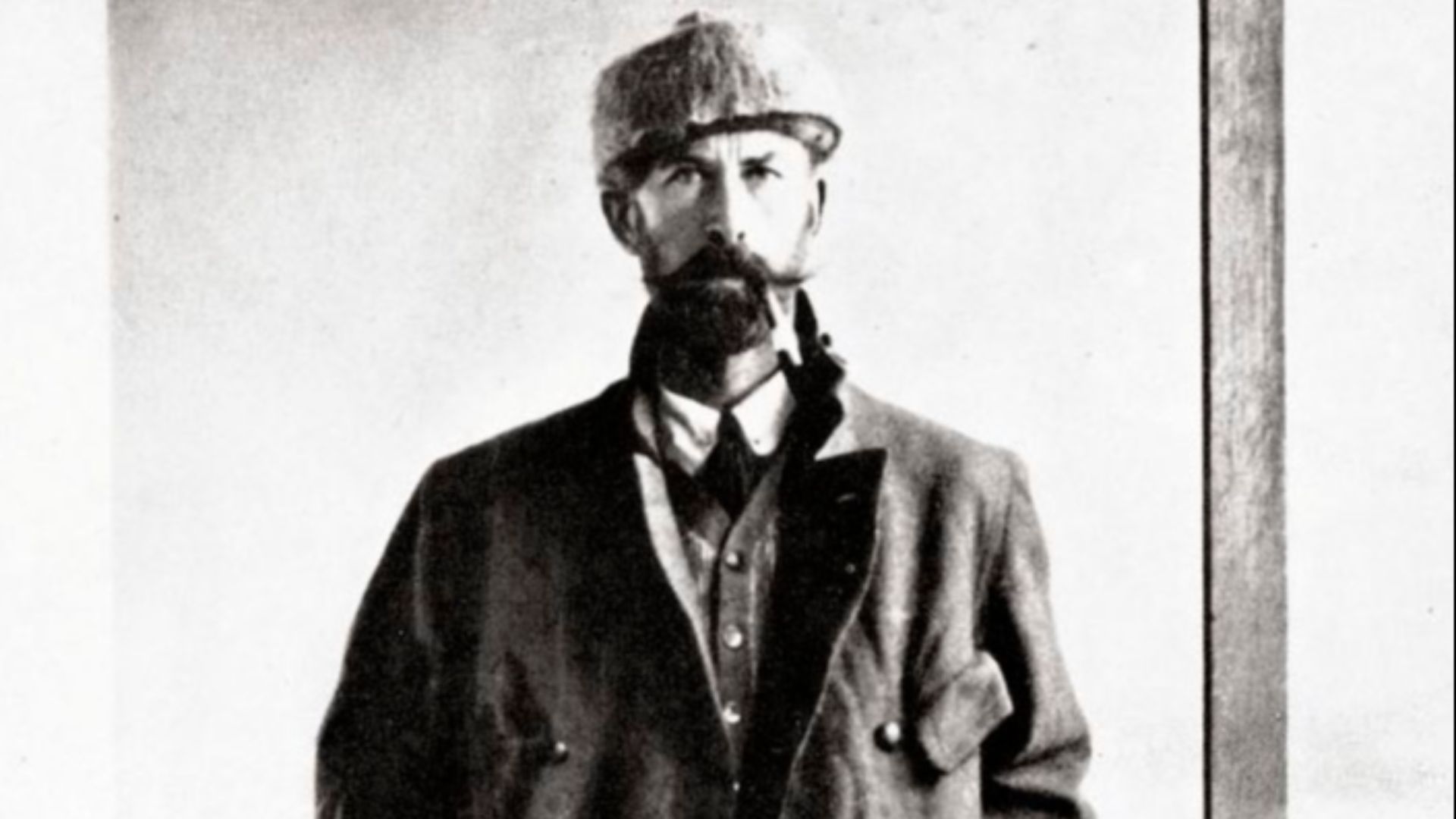
6. Percy Fawcett's Historical Ideas
Although famous as an explorer, Fawcett promoted unsupported beliefs about advanced lost civilizations hidden in the Amazon. His theories captured public attention but were not supported by the evidence available at the time. Subsequent research failed to validate his conclusions.
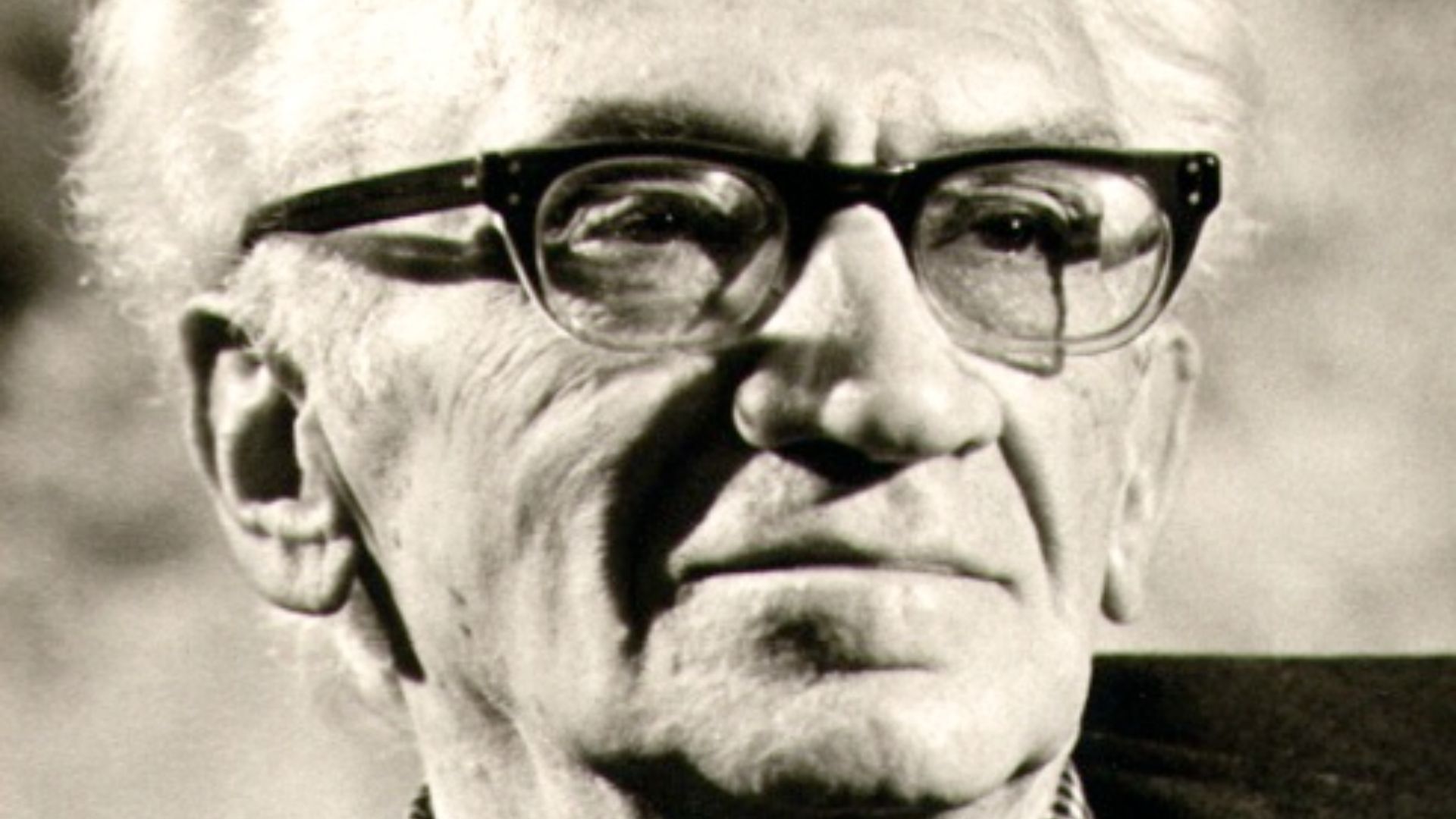
7. Immanuel Velikovsky
Velikovsky argued that dramatic planetary movements explained major events in human history. His ideas conflicted with well-established evidence from astronomy, geology, and history.
 Photographer: Donna Foster Roizen. Copyright holder: Frederic Jueneman on Wikimedia
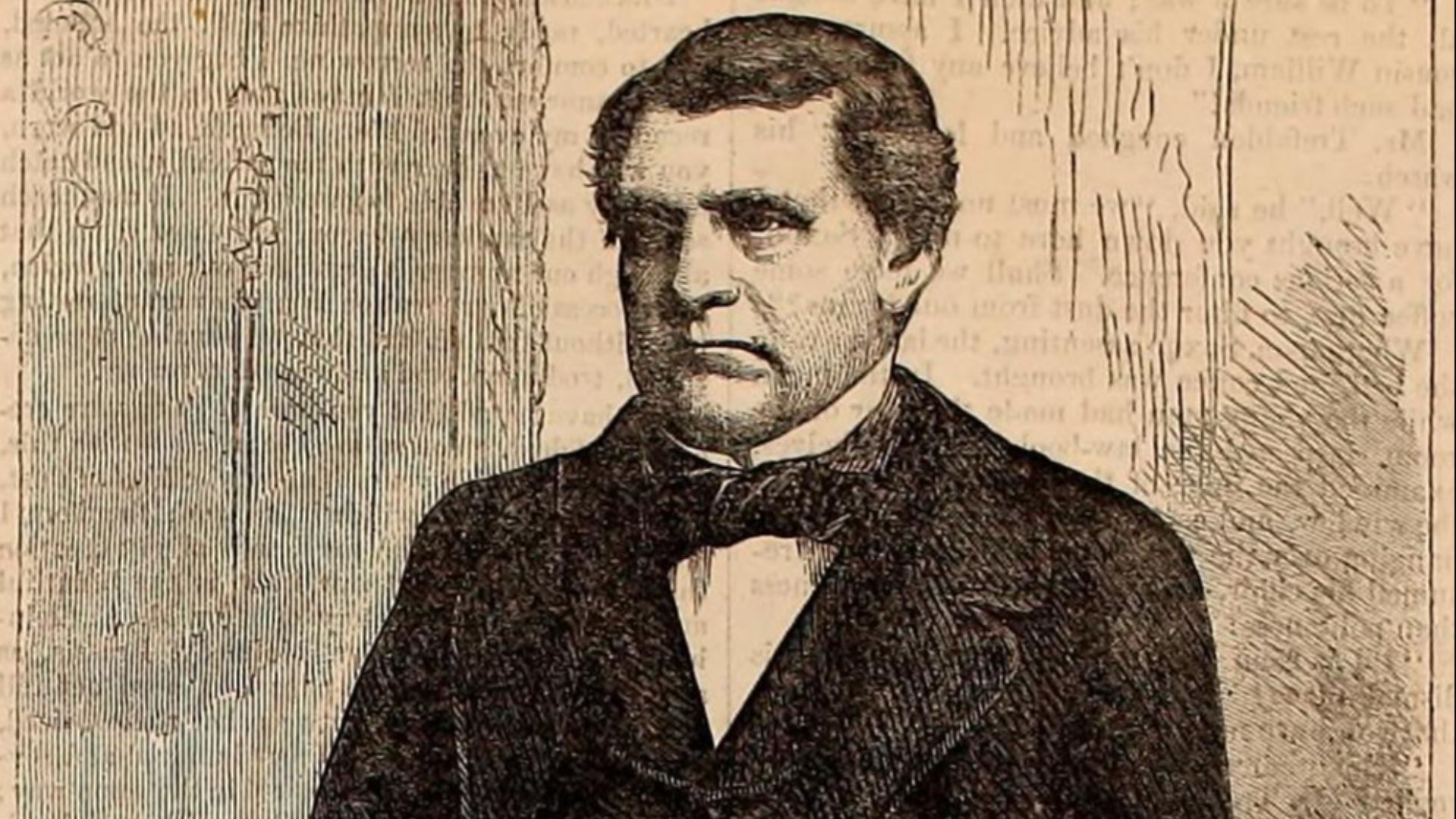
8. Charles Hapgood
Hapgood proposed that Earth's crust had shifted dramatically in relatively recent times, reshaping civilization. While creative, the theory lacked geological support and has not been accepted by mainstream science.
 Internet Archive Book Images on Wikimedia
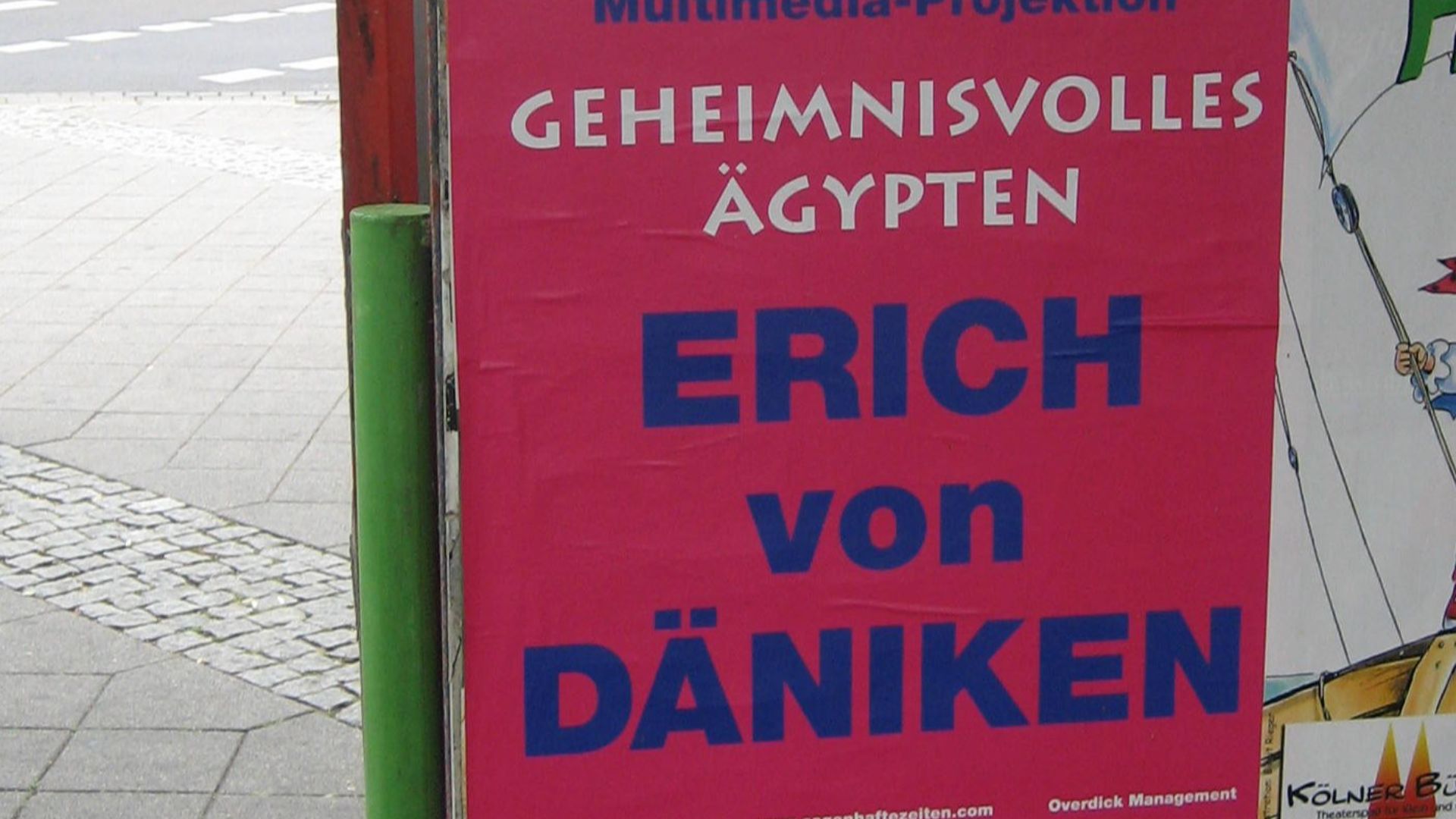
9. Erich von Däniken
Von Däniken suggested that many ancient achievements were the result of extraterrestrial intervention. Historians and archaeologists have repeatedly shown that the civilizations he discussed were fully capable of accomplishing these feats themselves.
 Original uploaded by Ctulhu (Transfered by Frysch) on Wikimedia
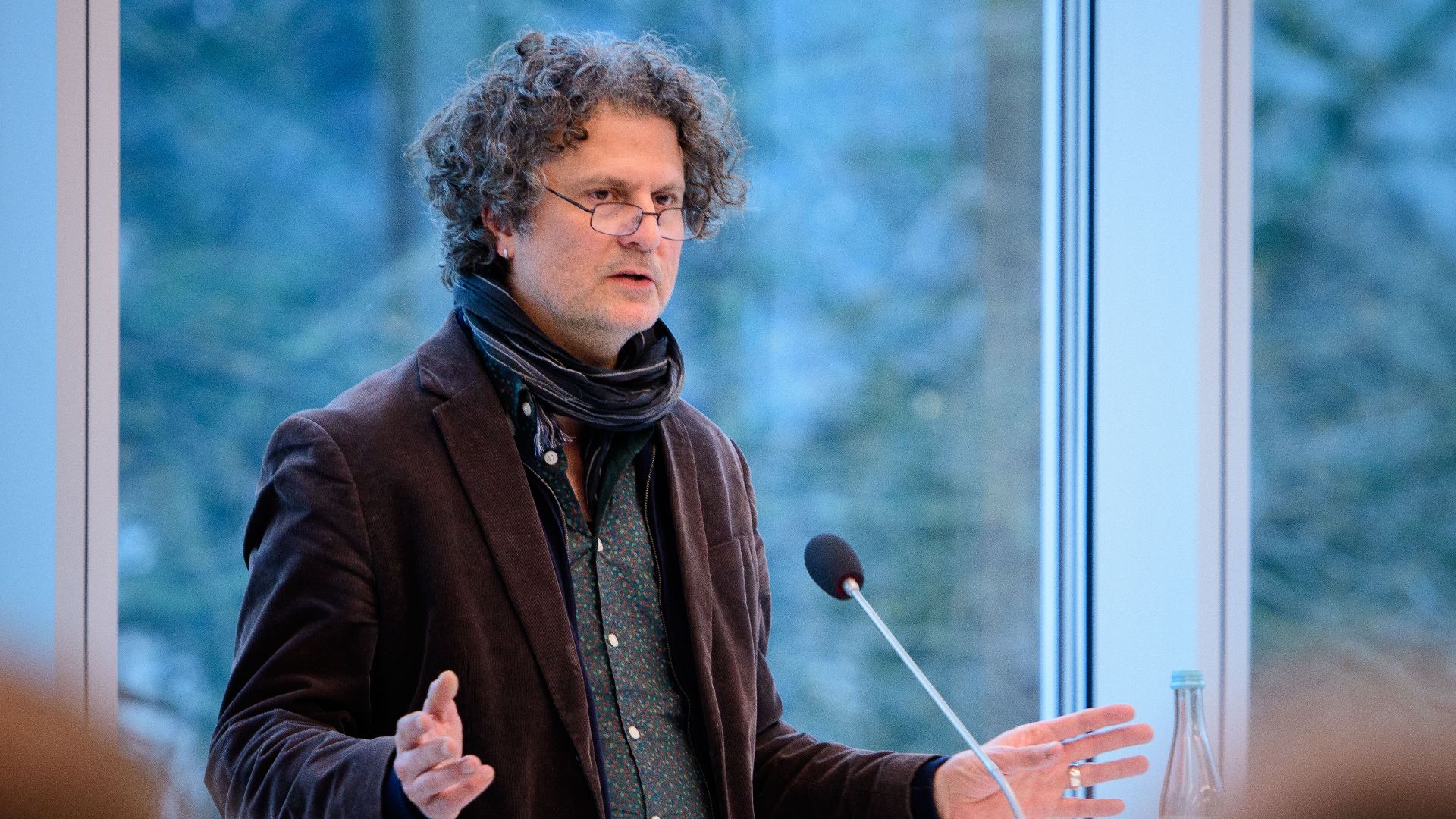
10. David Rohl
Rohl became known for proposing a radically revised chronology of ancient Egypt and the Near East.
Most specialists reject his reconstruction because it conflicts with extensive archaeological and documentary evidence.
 Stefan Roehl / Heinrich-Böll-Stiftung from Berlin, Deutschland on Wikimedia
KEEP ON READING
20 Powerful Ancient Egyptian Gods That Were Worshipped
Unique Religious Figures in Ancient Egypt. While most people are…
By Cathy Liu Nov 27, 2024
The 10 Scariest Dinosaurs From The Mesozoic Era & The…
The Largest Creatures To Roam The Earth. It can be…
By Cathy Liu Nov 28, 2024
The 20 Most Stunning Ancient Greek Landmarks
Ancient Greek Sites To Witness With Your Own Eyes. For…
By Cathy Liu Dec 2, 2024
10 Historical Villains Who Weren't THAT Bad
Sometimes people end up getting a worse reputation than they…
By Robbie Woods Dec 3, 2024
One Tiny Mistake Exposed A $3 Billion Heist
While still in college, Jimmy Zhong discovered a loophole that…
By Robbie Woods Dec 3, 2024
30 Lost Treasures That Vanished From History
Buried treasure, missing artefacts, legends of ancient gold in them…
By Robbie Woods Dec 3, 2024