


10 Explorers Who Found What They Were Looking For & 10 Who Met Tragic Ends
10 Explorers Who Found What They Were Looking For & 10 Who Met Tragic Ends
Triumph And Ruin At The Edge Of The Map
Exploration has always attracted people willing to trade certainty for the promise of discovery. Some set out chasing trade routes, fame, or scientific answers and returned with exactly what they hoped for. Others disappeared into ice, jungle, or ocean, leaving behind fragments of journals and unanswered questions. History tends to remember both kinds, often with equal fascination. These are twenty explorers whose journeys either delivered on their ambitions or ended in ways no one planned.
 AnonymousUnknown author on Wikimedia
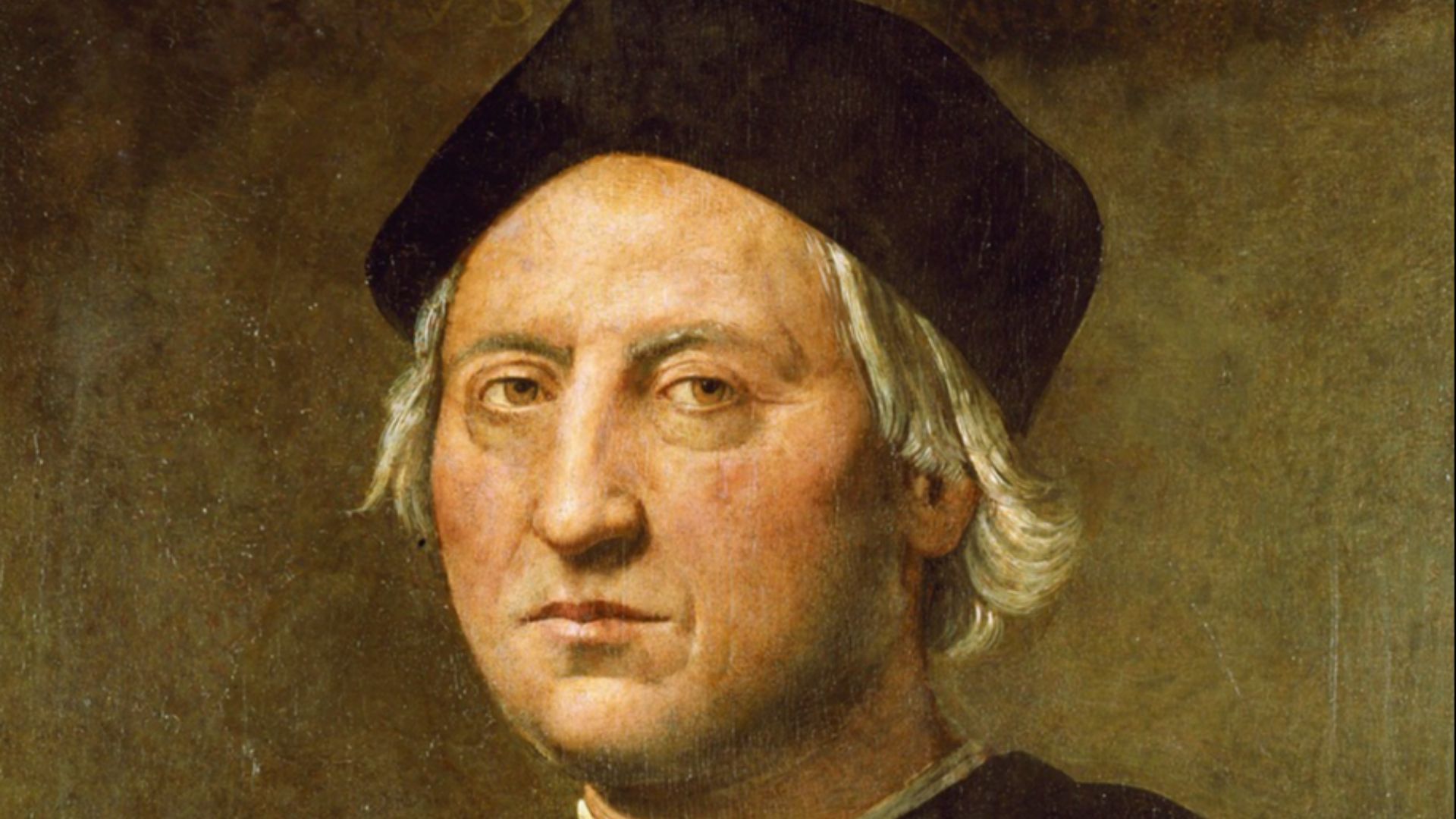
1. Christopher Columbus Found New Trade Routes
Columbus did not reach Asia, but his voyages permanently connected Europe and the Americas. His 1492 landing initiated sustained transatlantic contact documented in ship logs and royal correspondence. The consequences reshaped global trade, for better and worse.
 Ridolfo del Ghirlandaio on Wikimedia
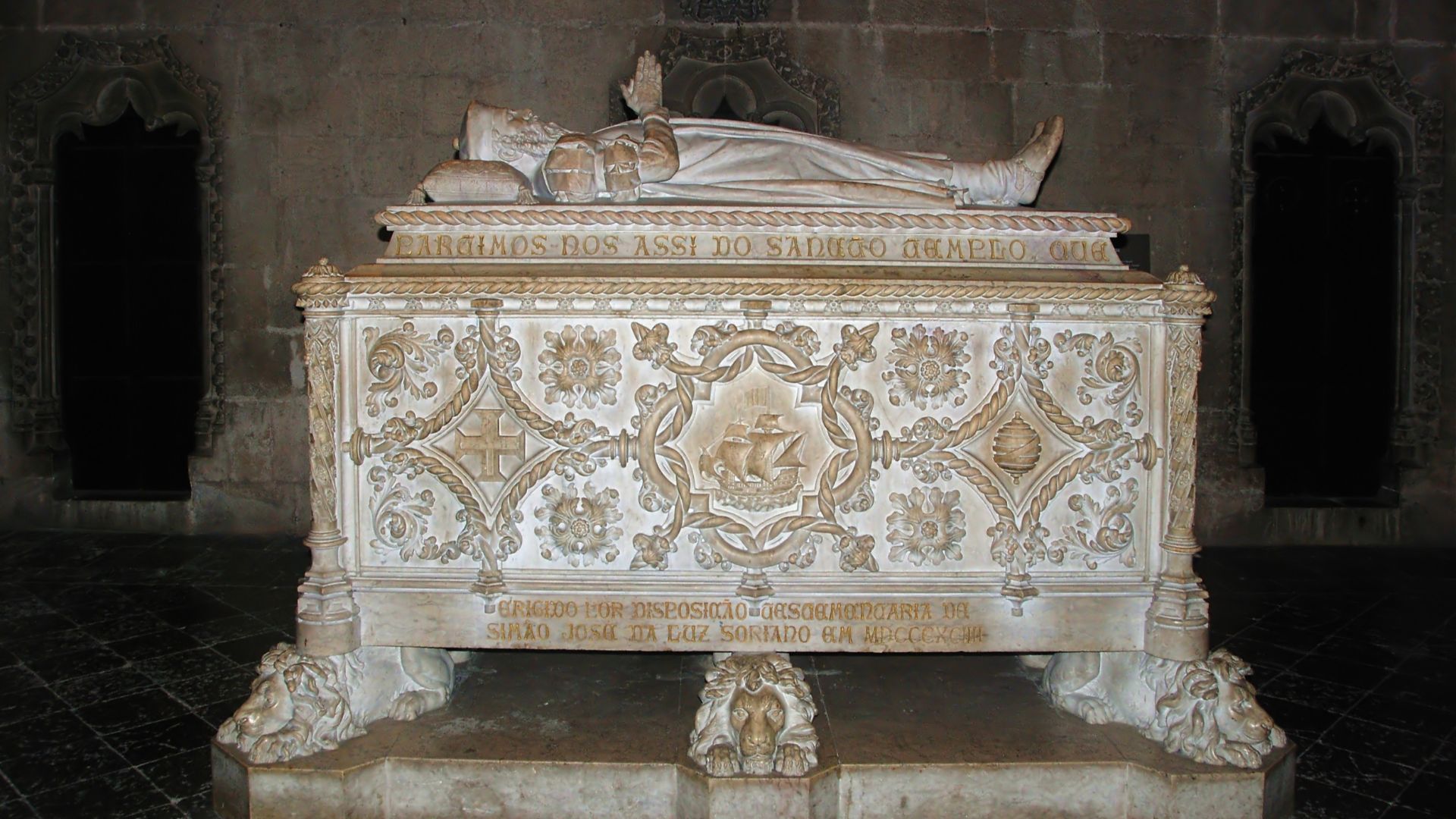
2. Vasco da Gama Found A Sea Route To India
In 1498, da Gama reached Calicut by sailing around the Cape of Good Hope. Portuguese records confirm this route bypassed overland trade networks controlled by rivals. The journey cemented Portugal’s dominance in Indian Ocean commerce.
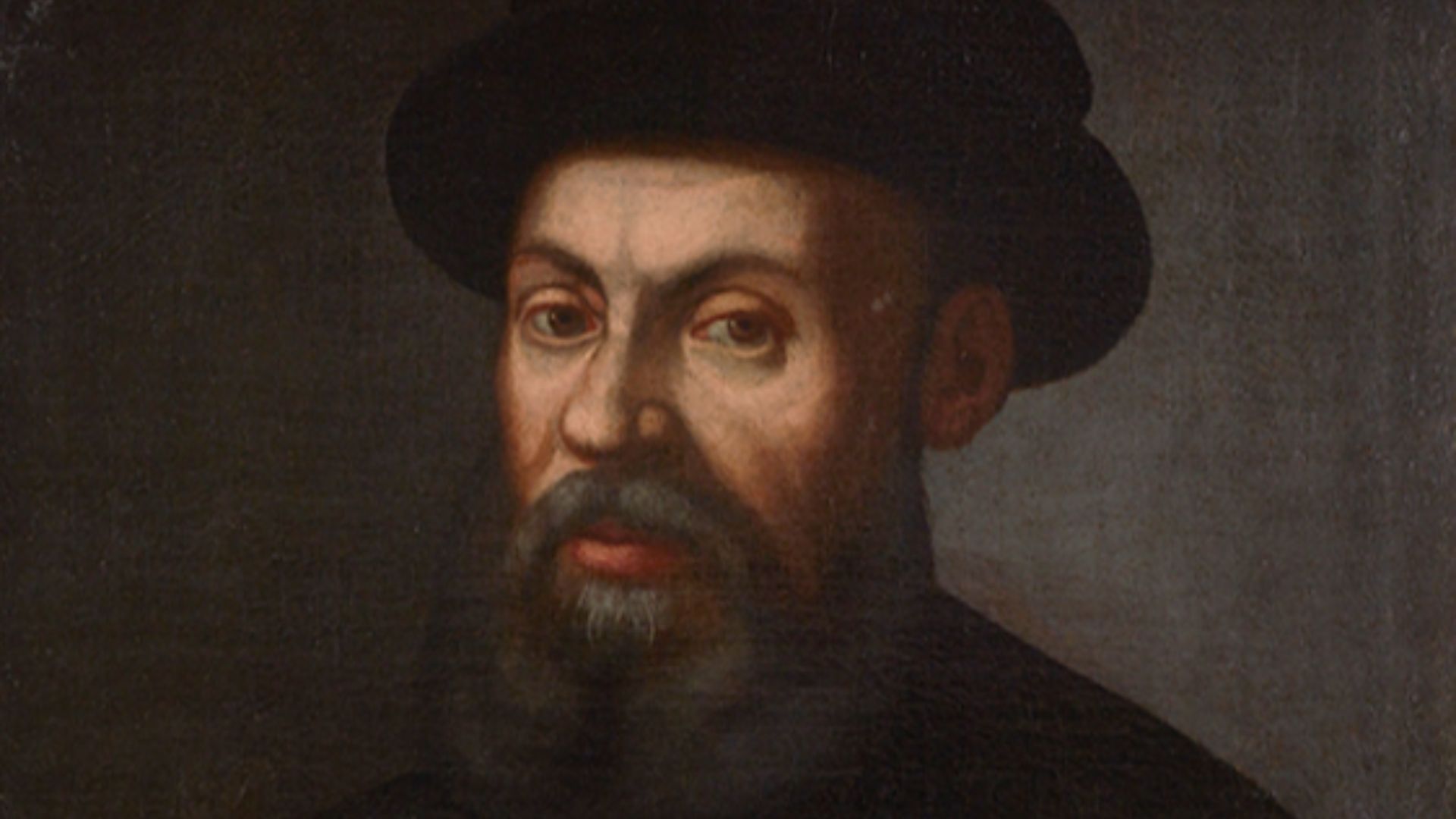
3. Ferdinand Magellan Found A Route Around The World
Although Magellan did not survive the voyage, his expedition completed the first circumnavigation of Earth in 1522. Logs from Antonio Pigafetta detail the journey’s hardships and success. The expedition proved the planet’s scale in practical terms.
 Unknown authorUnknown author on Wikimedia
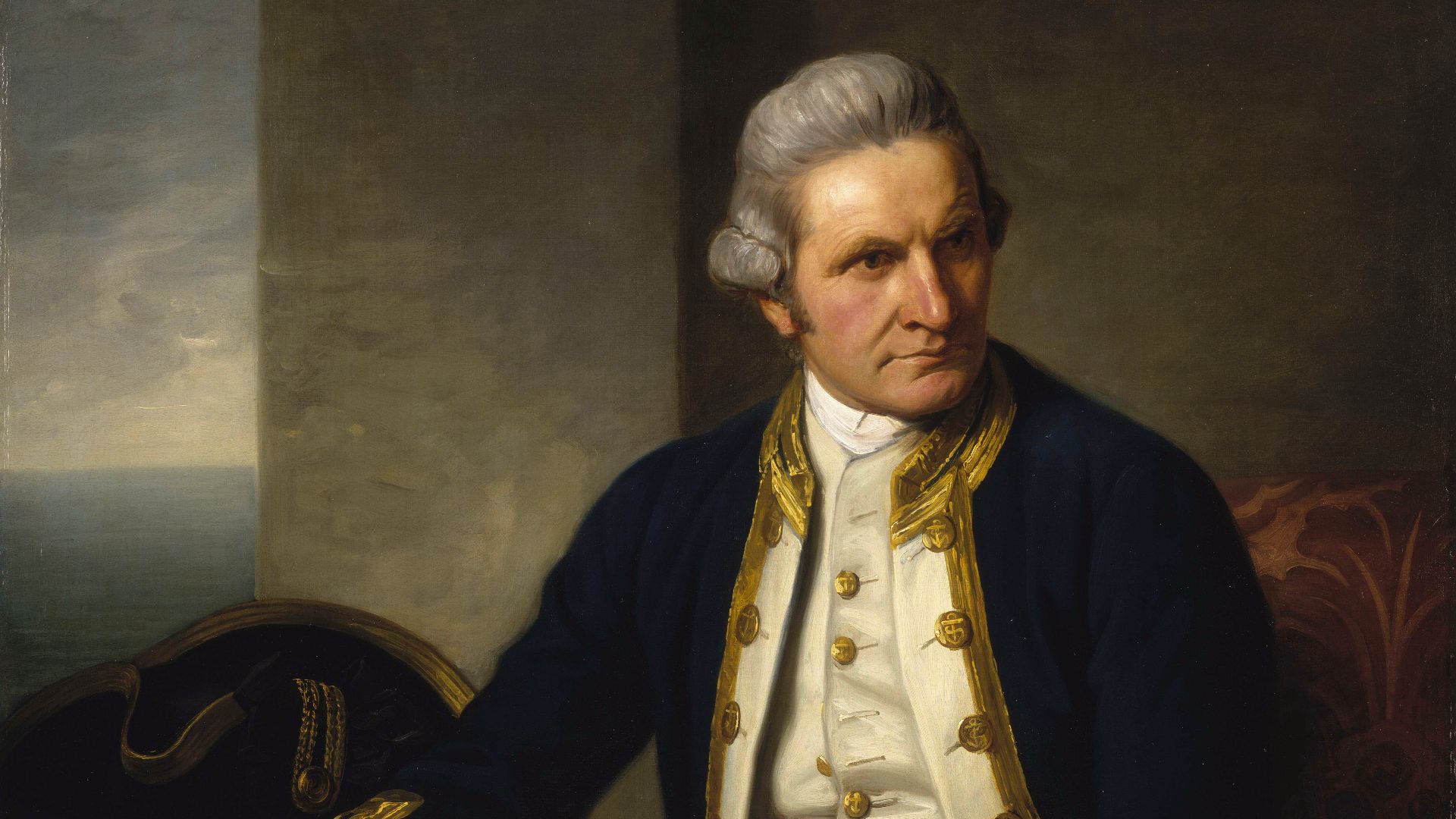
4. James Cook Found The Hawaiian Islands For Europe
Captain Cook’s third voyage documented the Hawaiian Islands in 1778. His charts of the Pacific were remarkably accurate and remained in use for decades. British Admiralty records confirm their strategic importance.
 Nathaniel Dance-Holland on Wikimedia
5. Lewis And Clark Found A Path To The Pacific
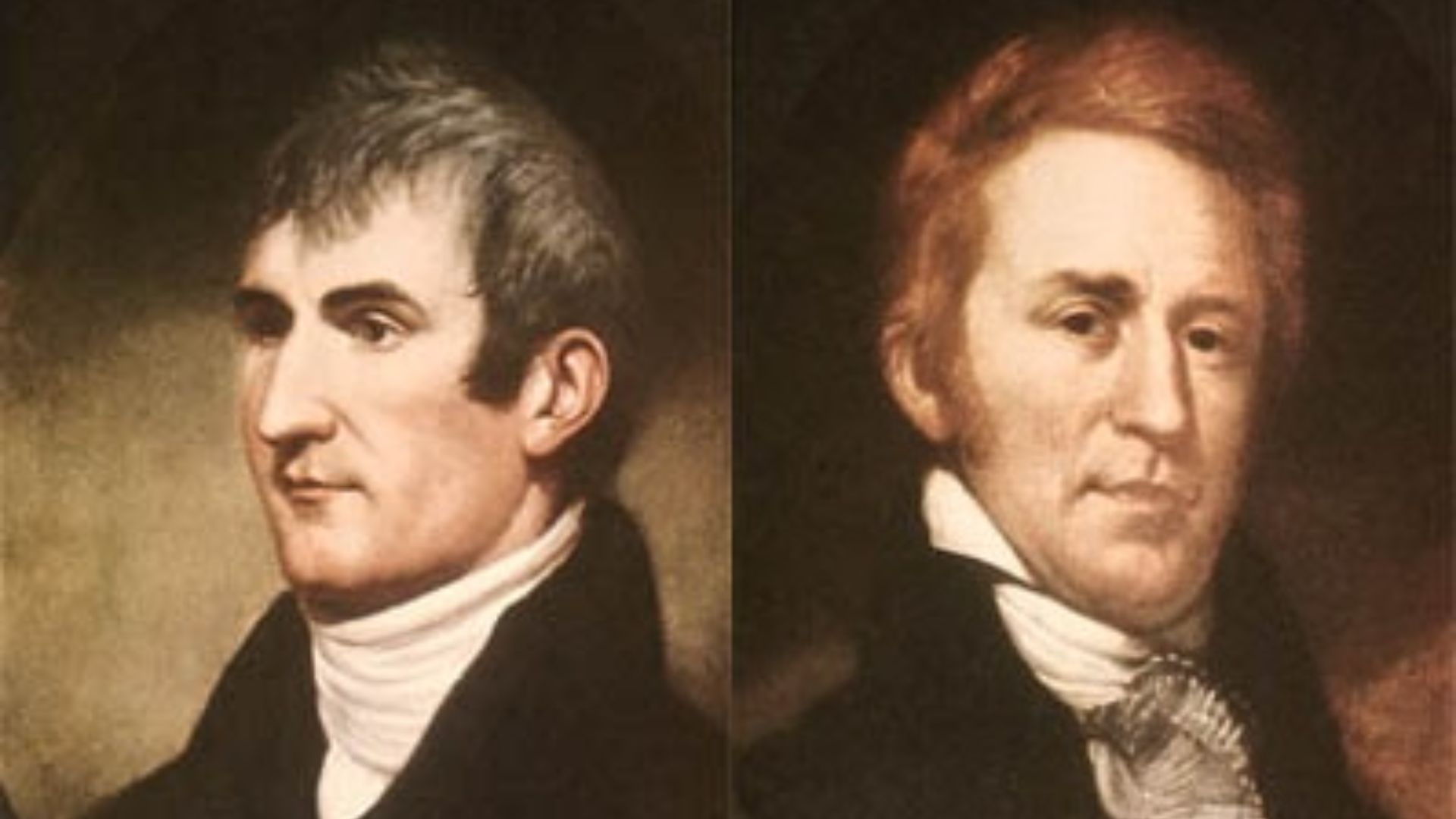
Commissioned by Thomas Jefferson, the expedition mapped large portions of the Louisiana Purchase. Journals describe rivers, wildlife, and Indigenous nations encountered along the way. Their route established groundwork for westward expansion.
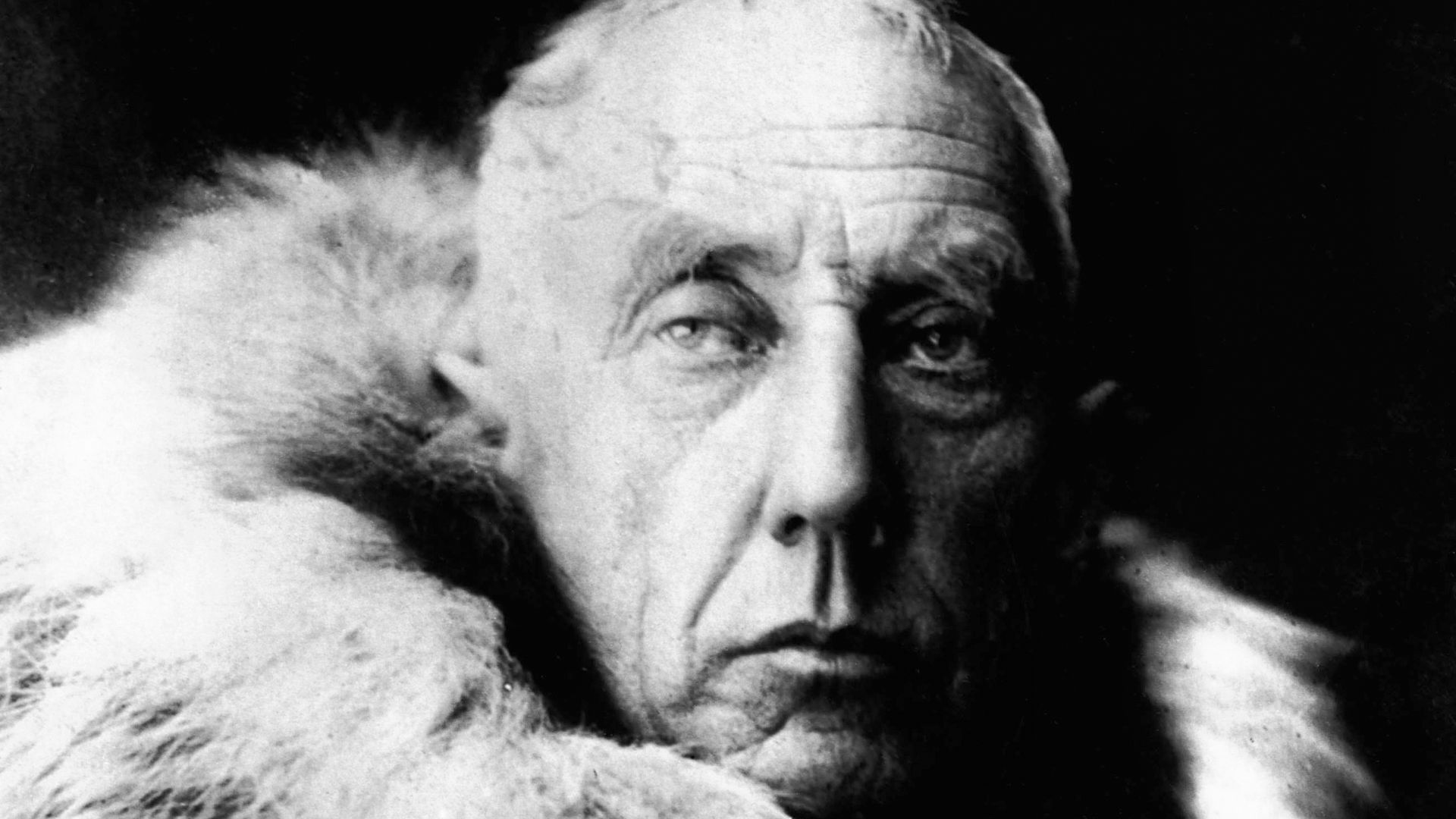
6. Roald Amundsen Found The South Pole
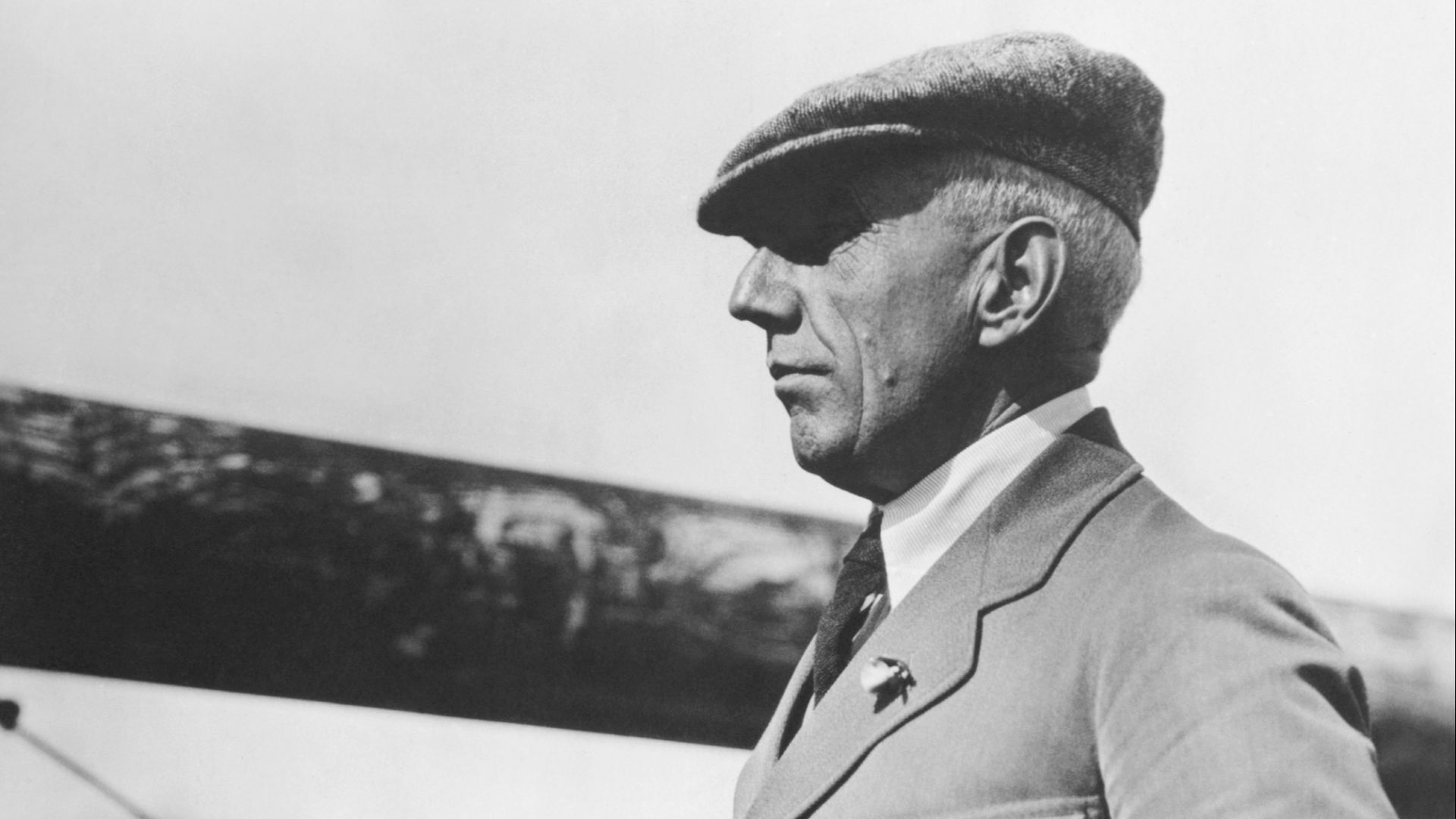
Amundsen reached the South Pole in December 1911 using sled dogs and careful planning. His expedition journals contrast sharply with competitors’ accounts. The success is often attributed to his understanding of polar survival techniques.
7. David Livingstone Found Major African Waterways
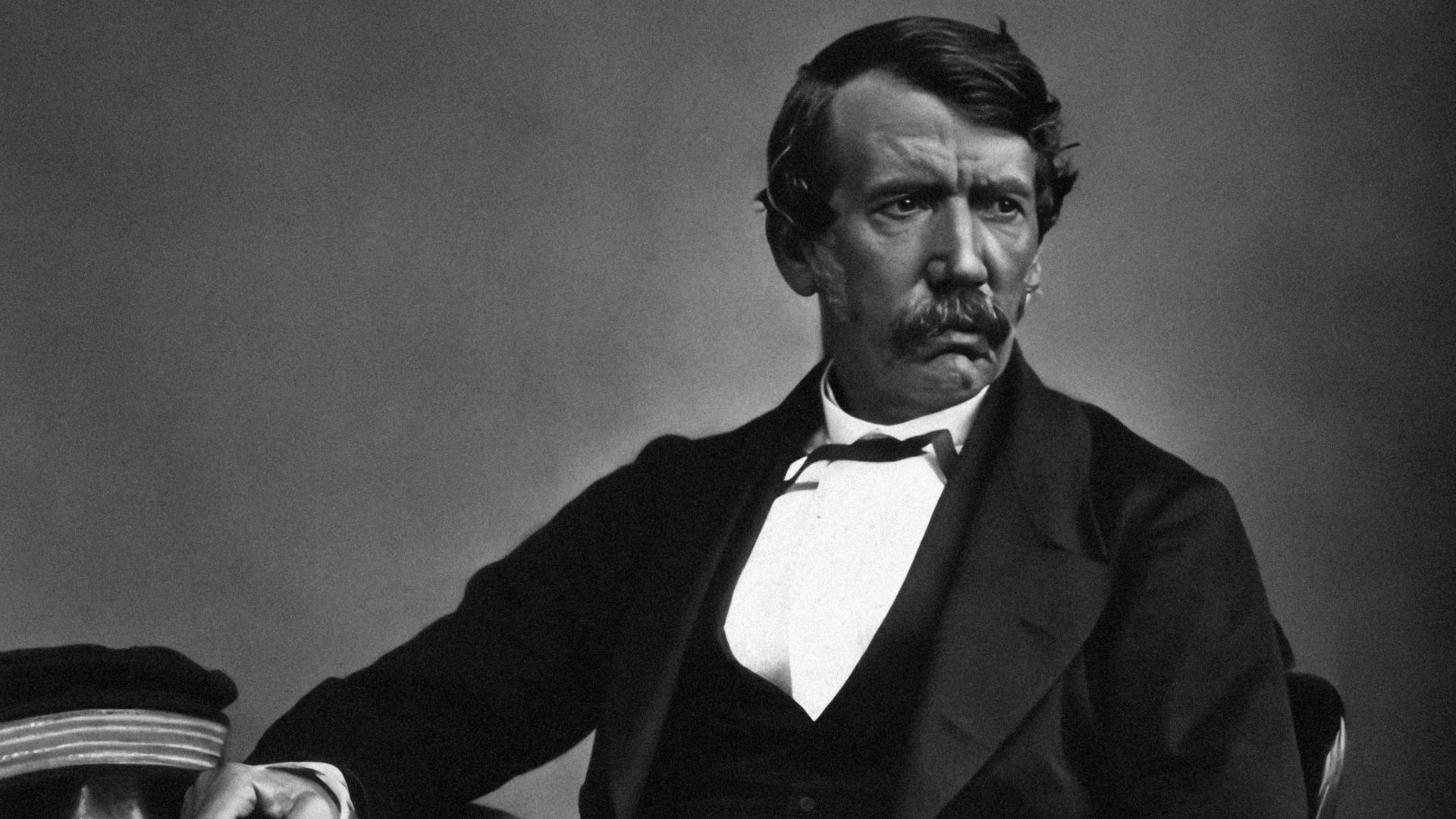
Livingstone’s travels documented rivers including the Zambezi and Victoria Falls. His journals provided geographic knowledge later used by European powers. The discoveries aligned closely with his stated missionary and exploratory goals.
 National Galleries of Scotland on Unsplash
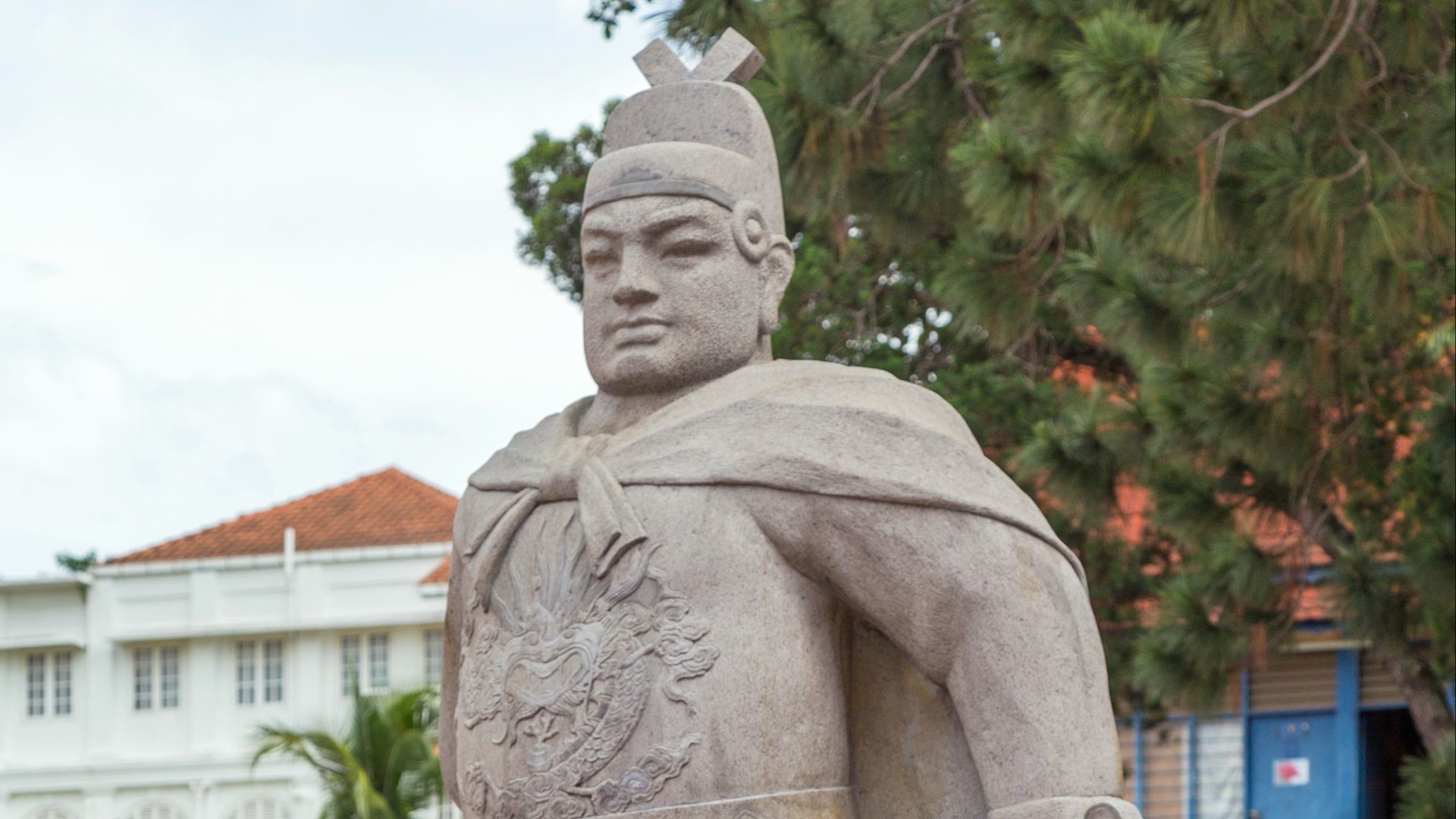
8. Zheng He Found Trade Networks Across The Indian Ocean
The Ming dynasty admiral led massive fleets during the early 15th century. Chinese records document visits to East Africa, Arabia, and South Asia. The voyages expanded diplomatic and commercial ties rather than territorial claims.
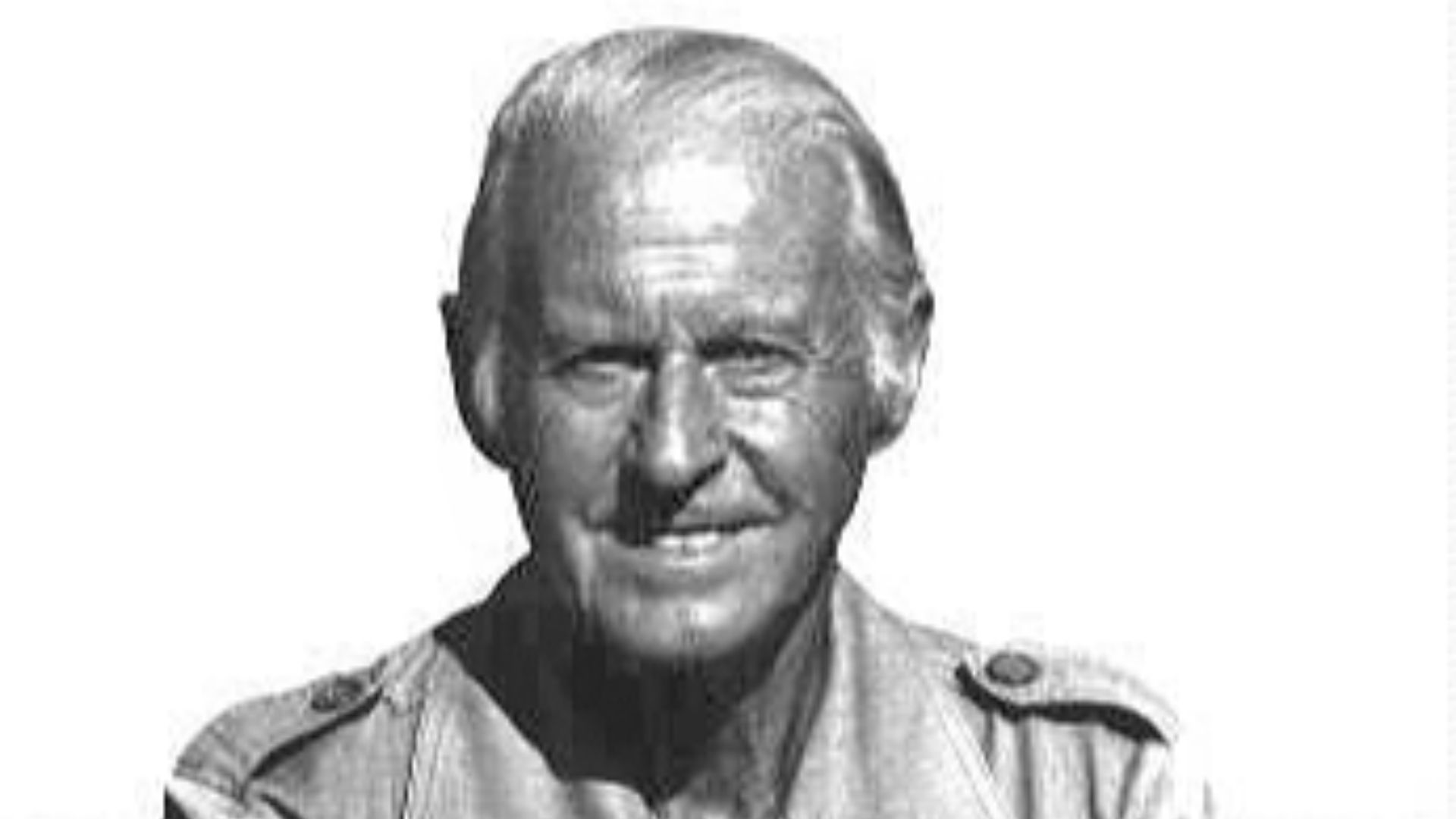
9. Thor Heyerdahl Found Proof Of Ancient Seafaring Possibility
Heyerdahl’s Kon-Tiki expedition crossed the Pacific on a balsa raft in 1947. While controversial, it demonstrated that ancient peoples could have made similar journeys. The voyage was extensively documented with photographs and logs.
10. Jane Goodall Found What She Was Studying
Goodall’s work in Gombe Stream National Park fundamentally changed understanding of primate behavior. Her long-term observations revealed tool use among chimpanzees. The findings were published and peer-reviewed, reshaping primatology.
Not every expedition ended with charts, accolades, or safe returns. Some explorers vanished, miscalculated, or encountered forces they could not survive.
 U.S. Department of State from United States on Wikimedia
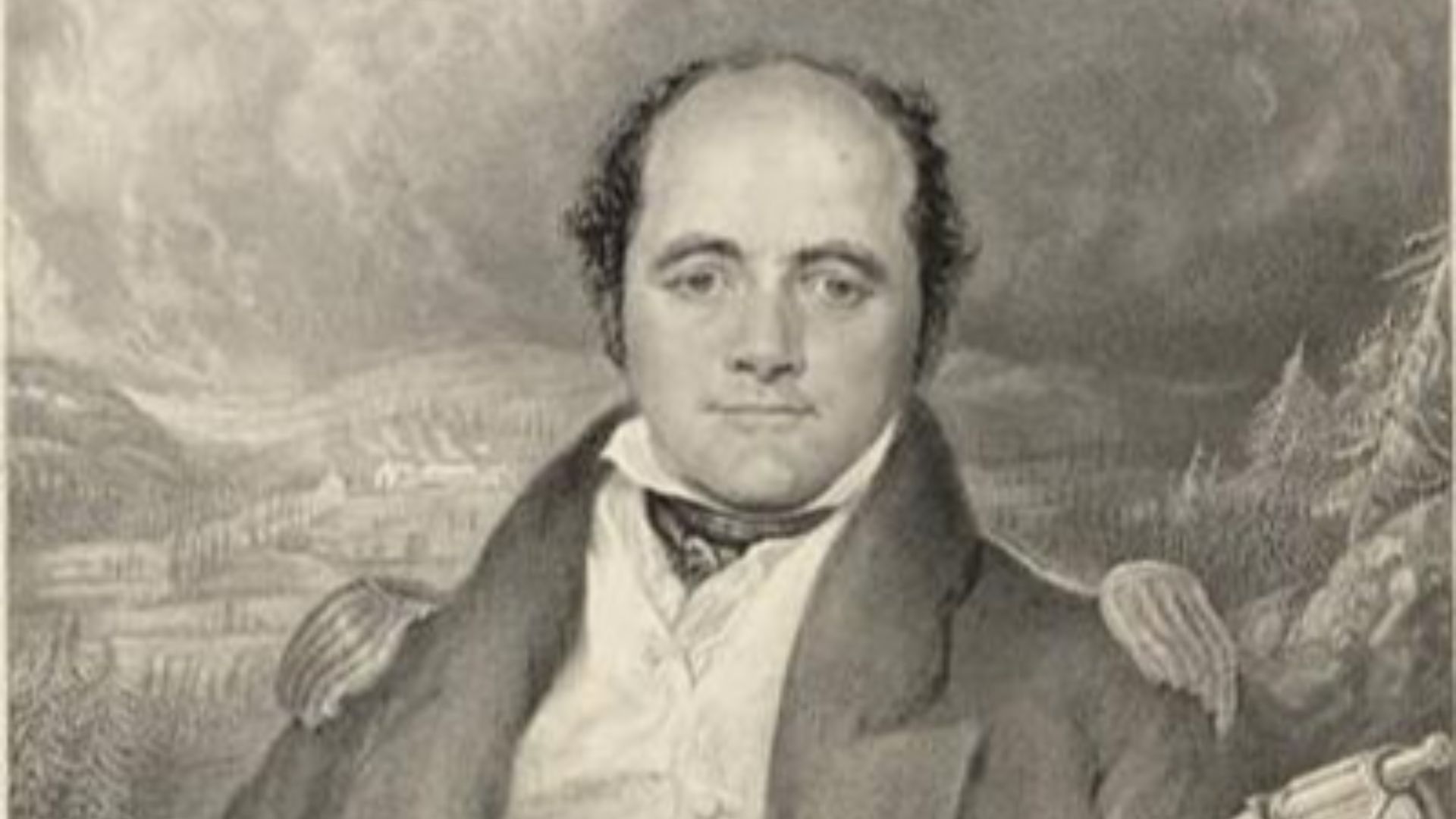
1. Sir John Franklin Disappeared In The Arctic
Franklin’s 1845 expedition sought the Northwest Passage and never returned. Archaeological evidence suggests ships became icebound and crews suffered starvation and exposure. Remains and artifacts recovered decades later confirmed the tragedy.
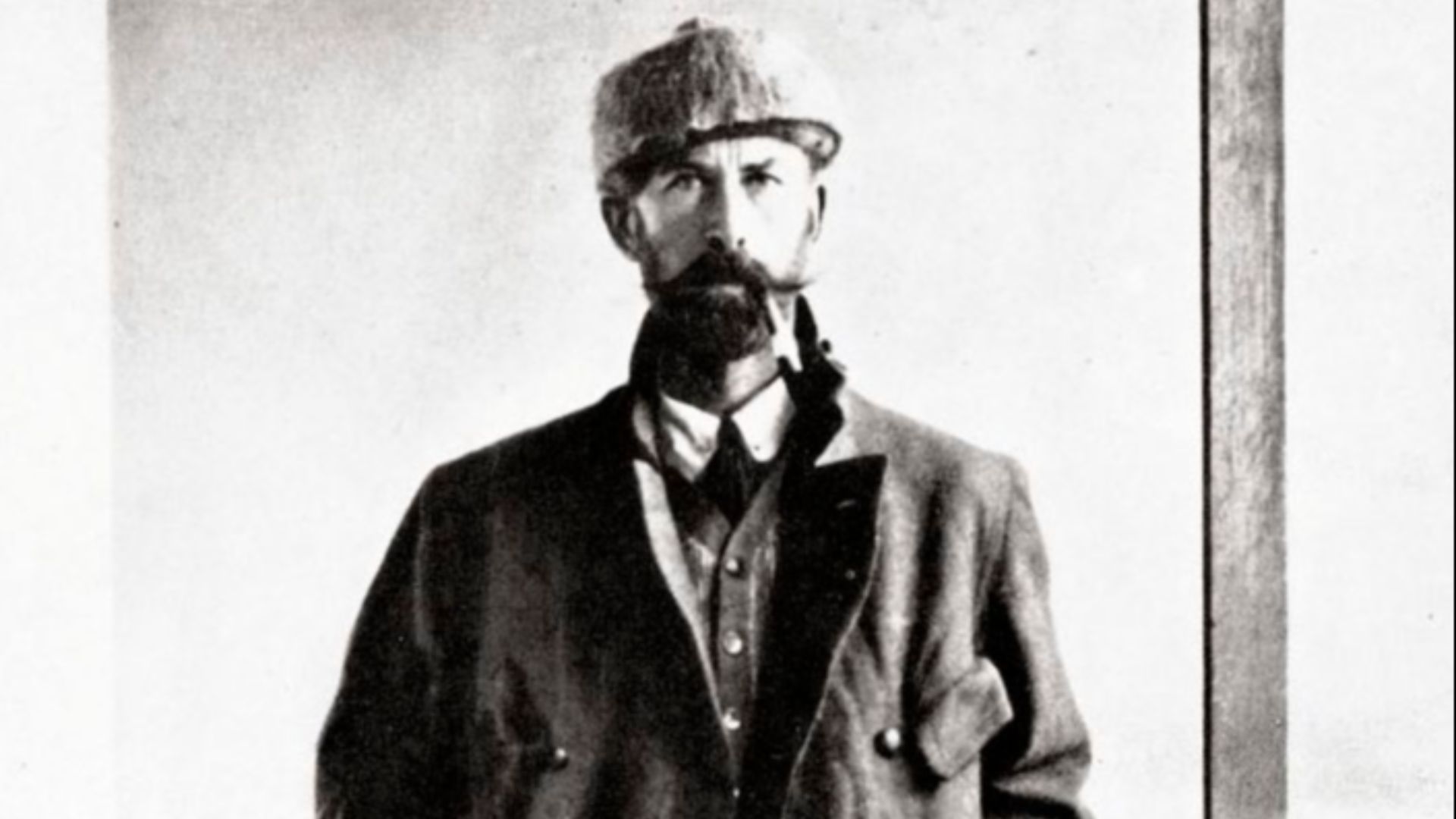
2. Percy Fawcett Vanished In The Amazon
Fawcett entered the Amazon in 1925 searching for a lost city he called Z. Letters sent before his disappearance describe mounting danger. No verified trace of him or his companions has ever been found.
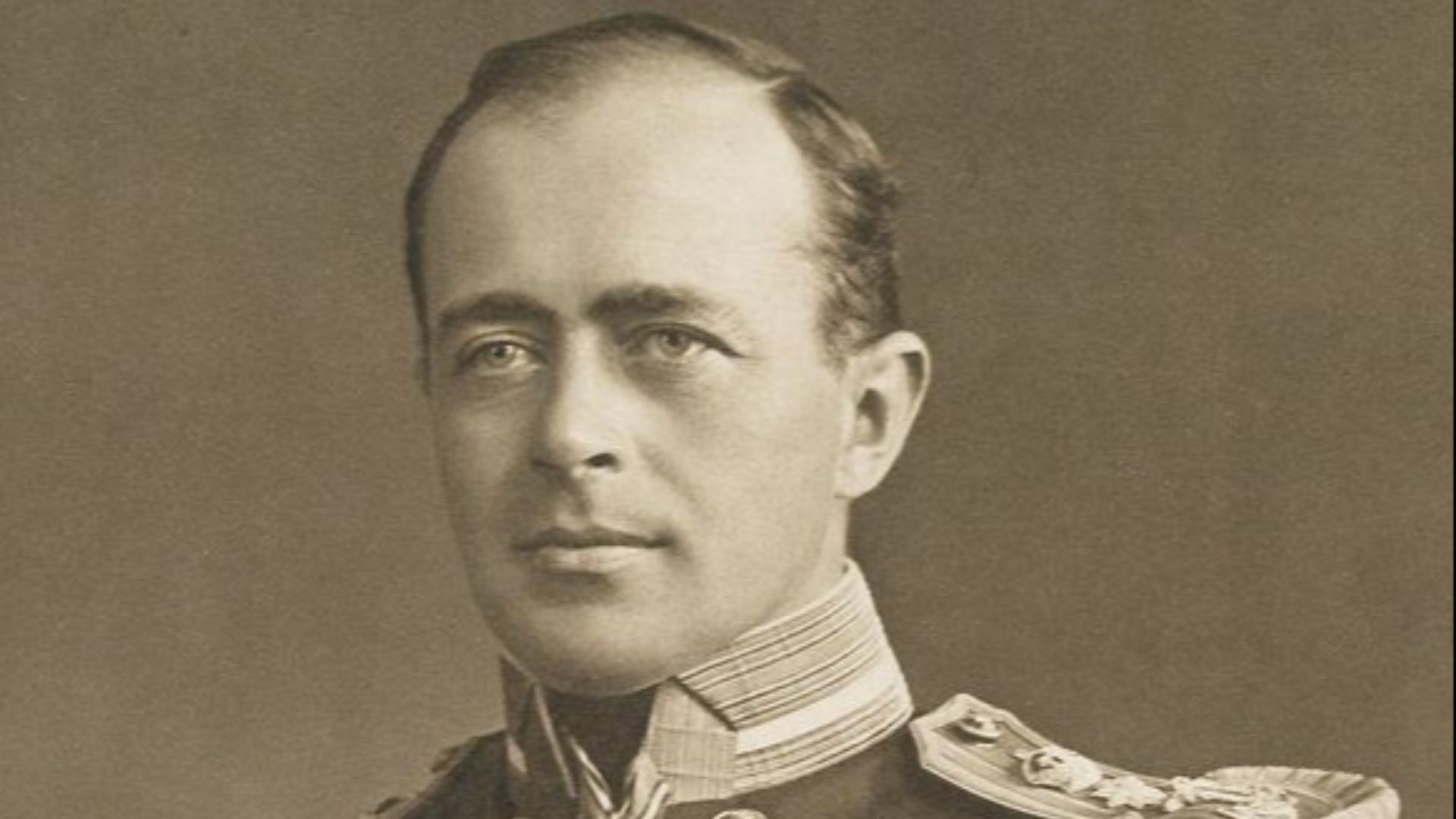
3. Robert Falcon Scott Reached The Pole Too Late
Scott arrived at the South Pole in 1912 only to find Amundsen had beaten him there. His expedition diaries detail dwindling supplies and worsening conditions. Scott and his team died on the return journey.
 Henry Maull (1829–1914) and John Fox (1832–1907) on Wikimedia
4. George Mallory Died On Everest
Mallory disappeared during a 1924 attempt to summit Mount Everest. His body was found in 1999, preserved by ice. Whether he reached the summit remains unknown.
 Original uploader was Zp at cs.wikipedia on Wikimedia
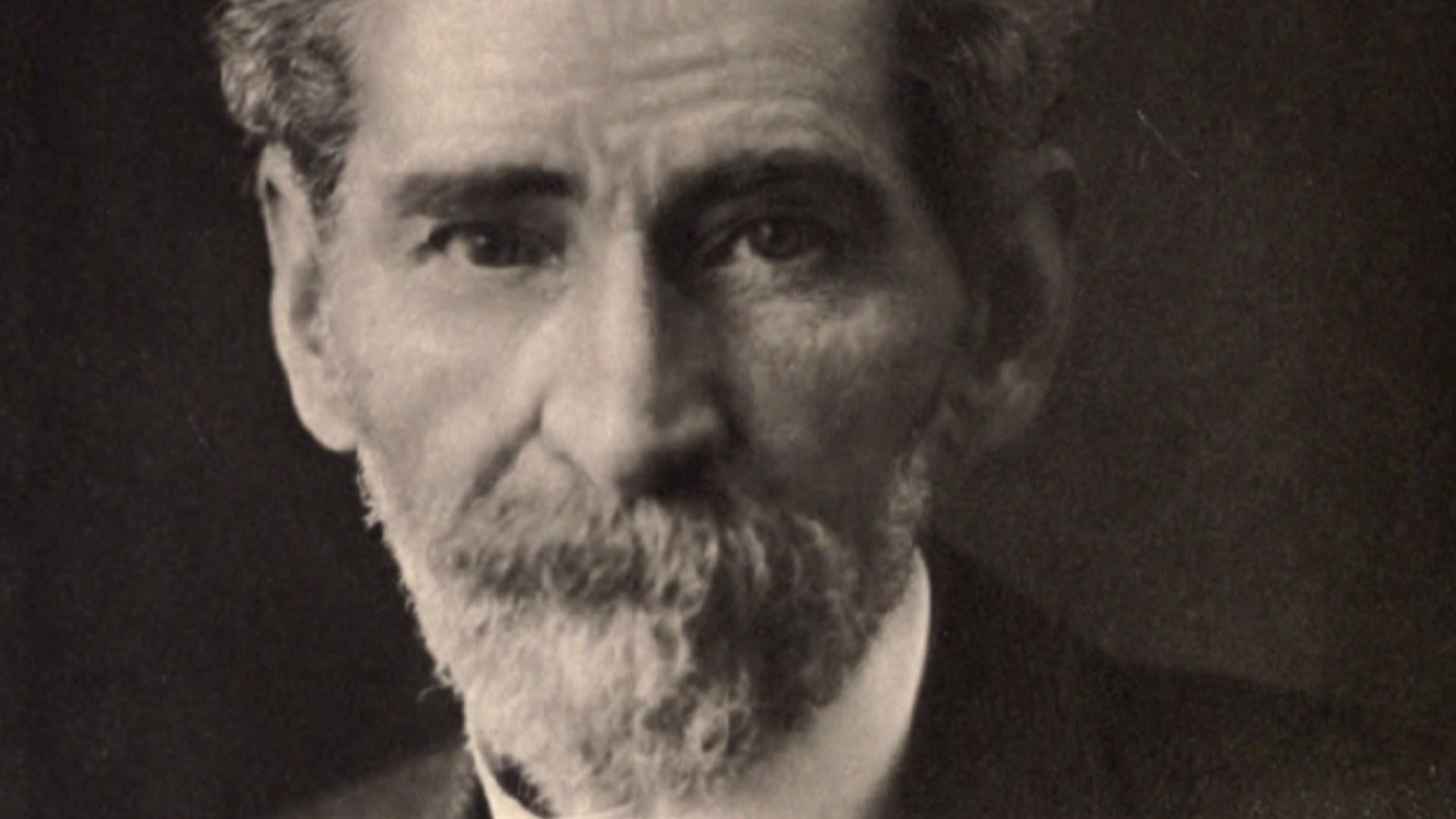
5. Henry Hudson Was Set Adrift
Hudson’s crew mutinied in 1611 after harsh conditions in Hudson Bay. Ship logs indicate he, his son, and loyal crew members were abandoned in a small boat. None were ever seen again.
 Unknown authorUnknown author on Wikimedia
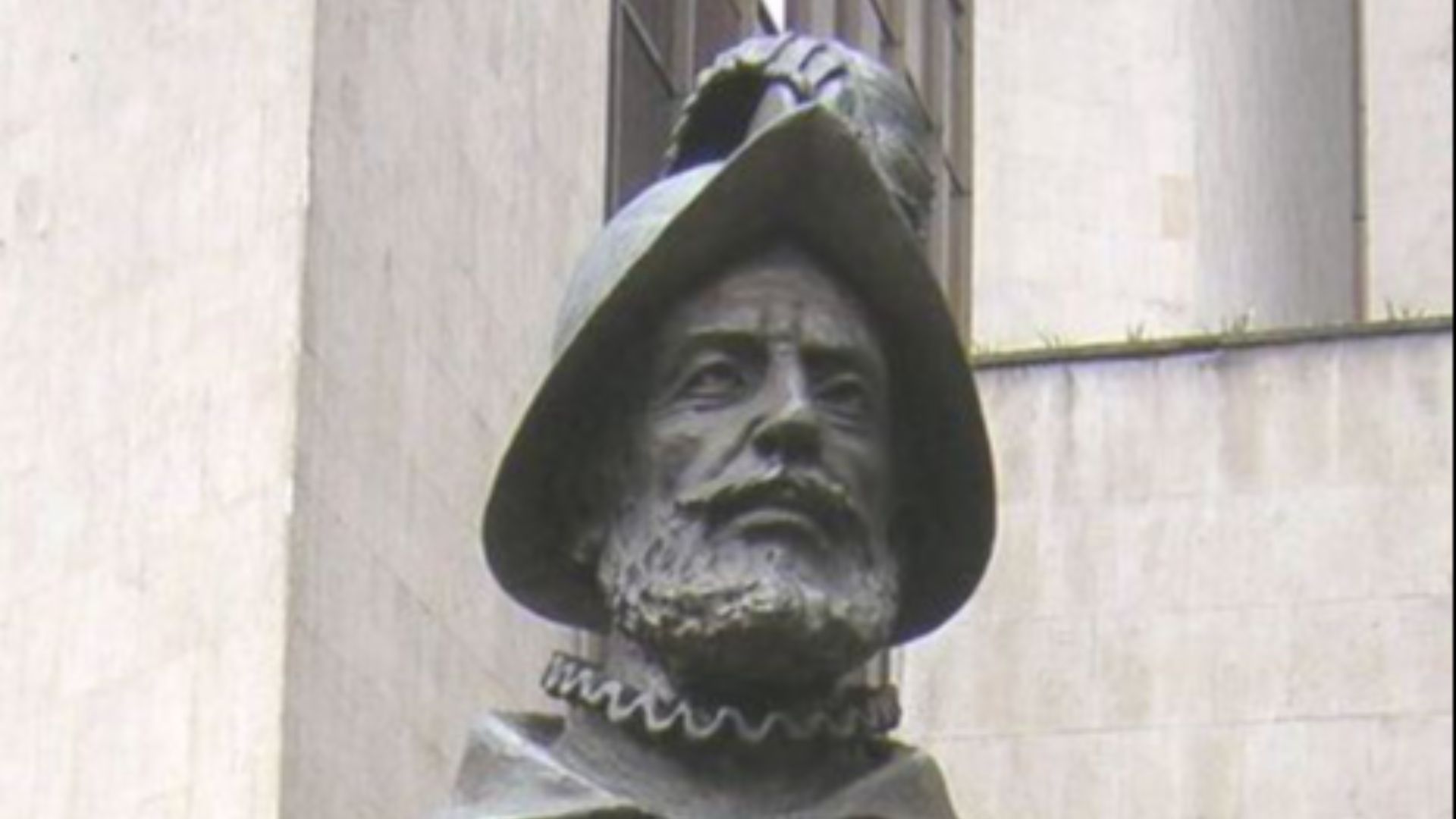
6. Gaspar De Carvajal Survived, His Expedition Did Not
Carvajal chronicled Francisco de Orellana’s descent of the Amazon River. Many expedition members died from disease and conflict. The journey revealed the river but destroyed the original mission.
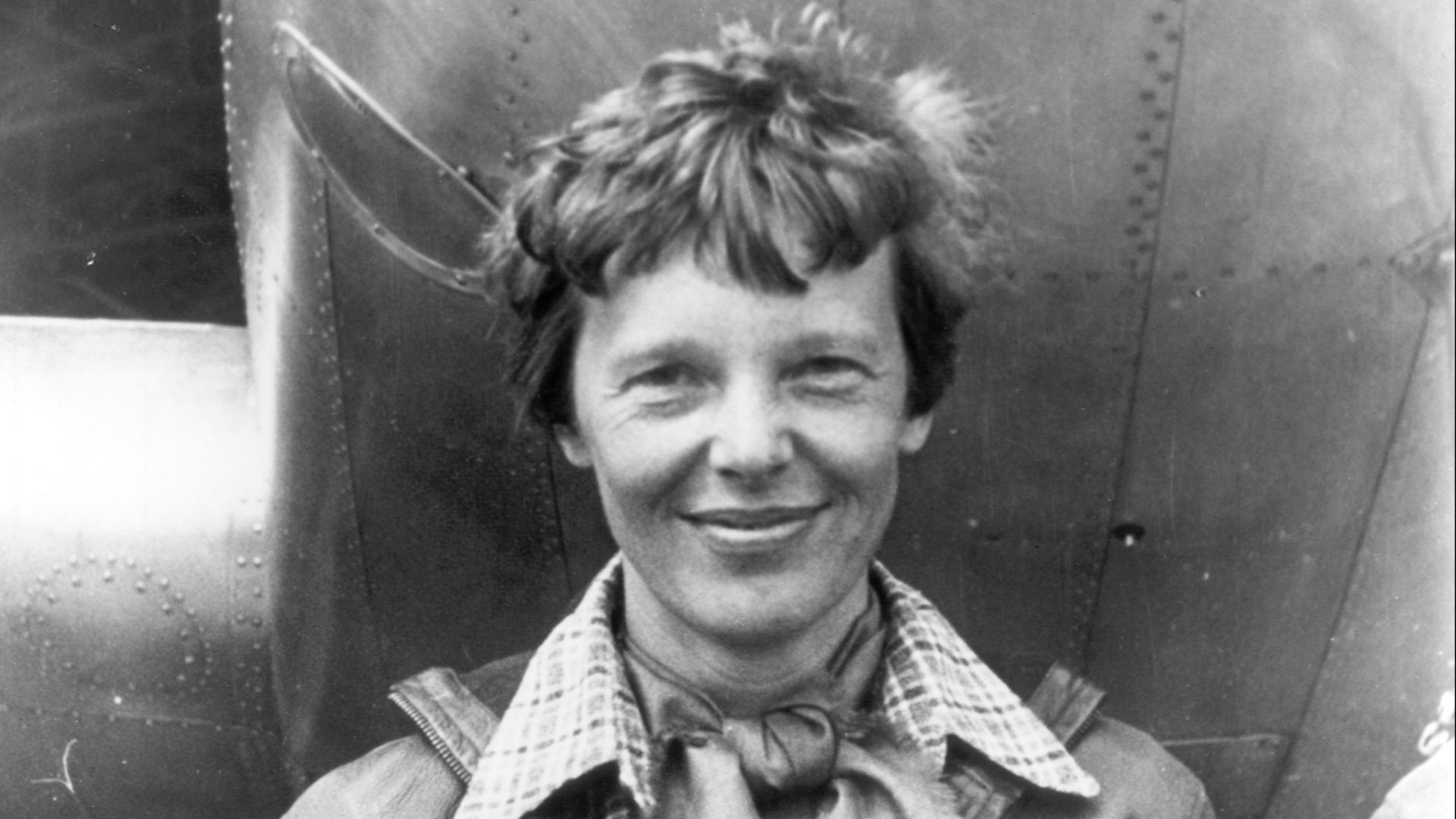
7. Amelia Earhart Vanished Over The Pacific
Earhart disappeared in 1937 during an attempt to fly around the world. Extensive searches by the U.S. Navy found no definitive evidence. Her fate remains one of aviation’s enduring mysteries.
 Underwood & Underwood (active 1880 – c. 1950)[1] on Wikimedia
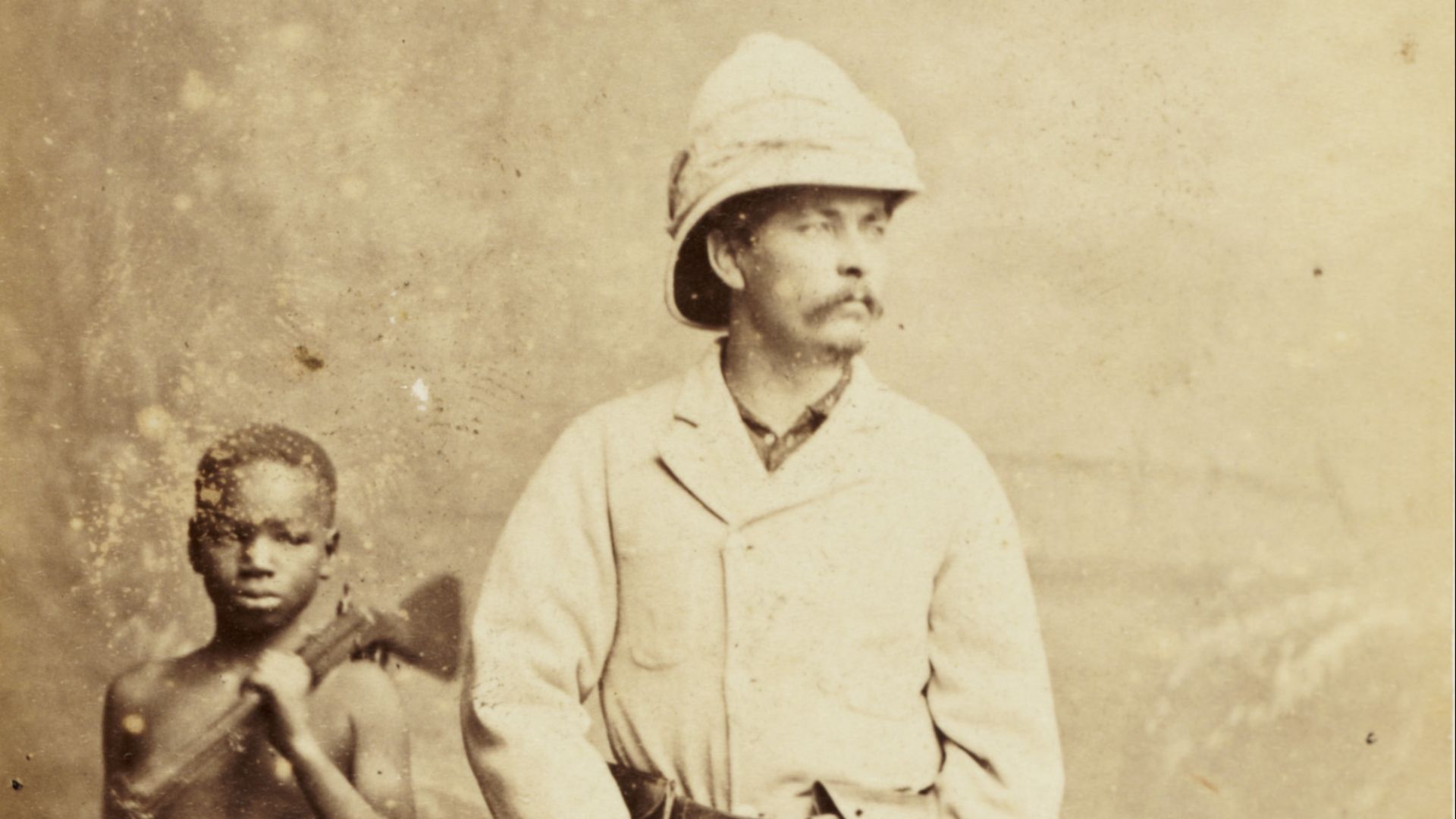
8. Henry Morton Stanley Left A Trail Of Death
Stanley’s expeditions across Central Africa succeeded geographically but at enormous human cost. Historical records document widespread violence and forced labor. His achievements remain inseparable from their consequences.
 London Stereoscopic & Photographic Company on Wikimedia
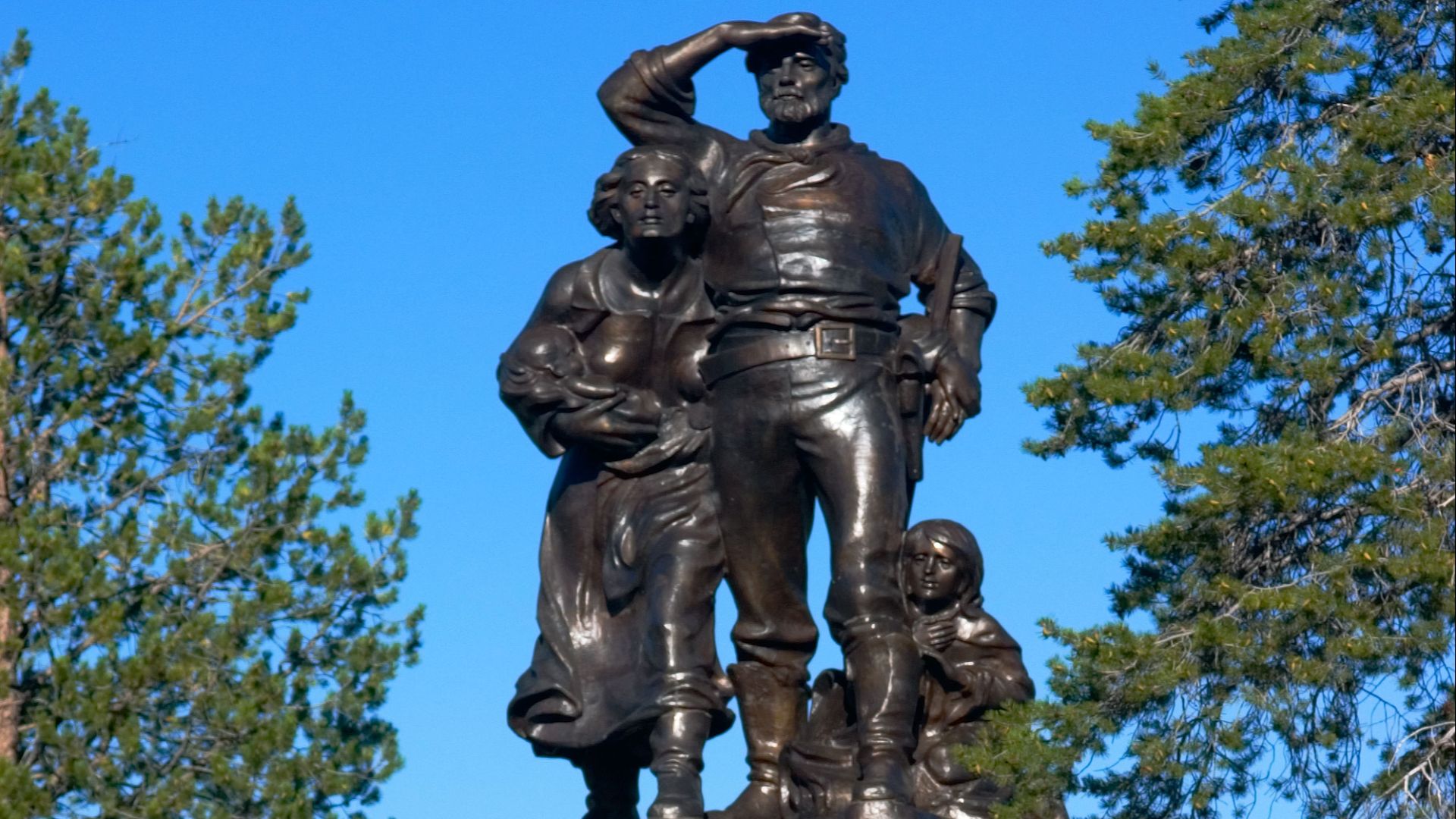
9. The Donner Party Took A Fatal Shortcut
While not explorers in the classic sense, the Donner Party sought a faster route west in 1846. The shortcut led them into severe winter conditions. Diaries and survivor accounts describe starvation and loss of life.
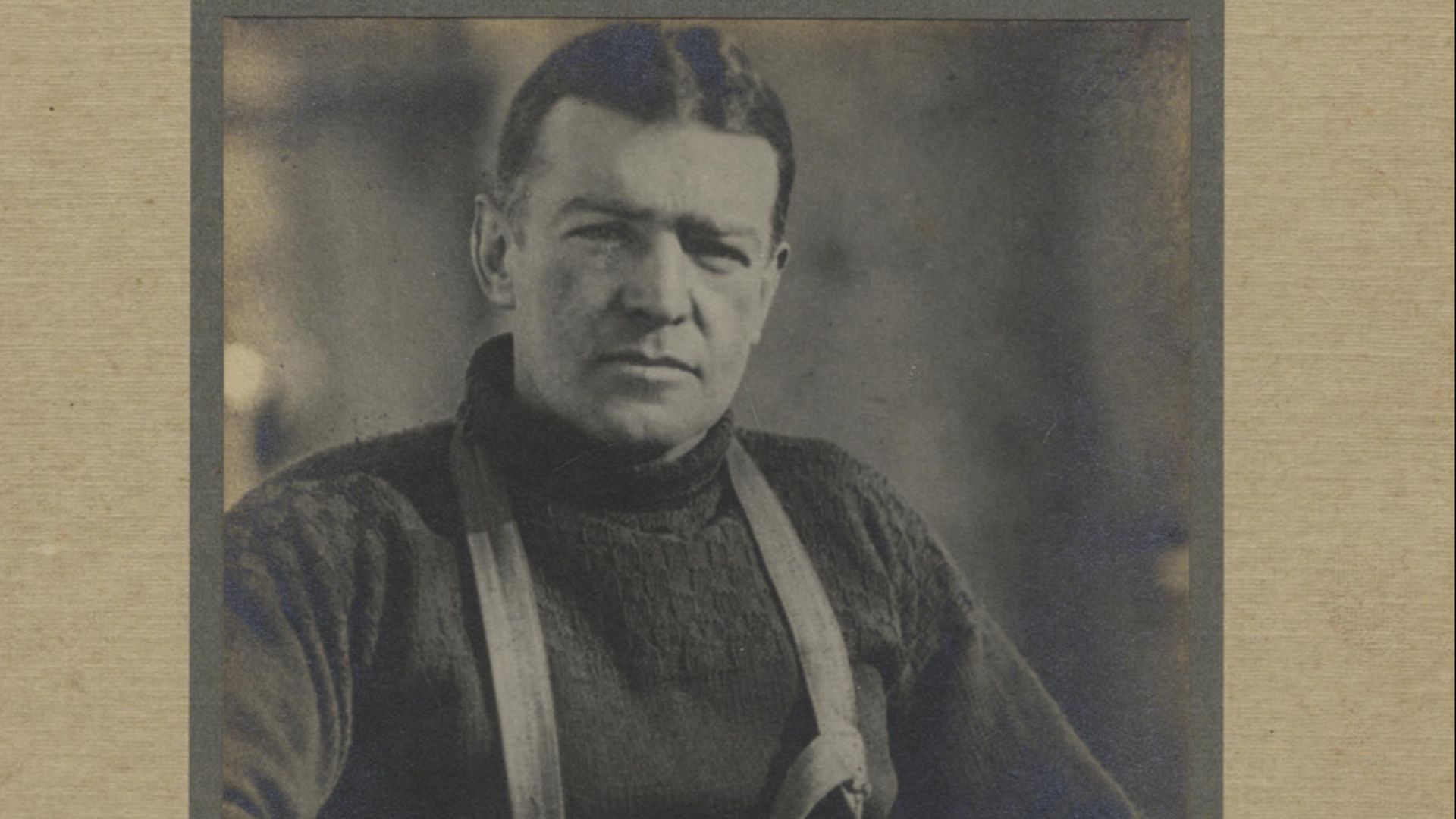
10. Frank Wild Survived, Shackleton’s Goal Did Not
Ernest Shackleton’s Endurance expedition aimed to cross Antarctica but never achieved its objective. The ship was crushed by ice, and survival replaced exploration. The failure is documented alongside one of history’s most remarkable rescues.
KEEP ON READING

The 10 Youngest Monarchs In History & The 10 Oldest
Age Is Just A Number. Imagine being crowned king or…
By Chase Wexler Mar 11, 2025
You Think You Have Problems? These Royal Families Were Cursed
Boasson and Eggler St. Petersburg Nevsky 24. on WikimediaHeavy is…
By Ashley Bast Dec 5, 2025
You Can Thank This Greek-Canadian For Creating Pineapple On Pizza…
Love it or hate it, pineapple on pizza sparks debate…
By David Davidovic Dec 1, 2025
Yes, Female Gladiators Existed, And Here's Everything You Need To…
History of Women in Combat. Most people picture gladiators as…
By David Davidovic Jan 17, 2026
Yes, Australians Once Lost A Battle Against Flightless Birds
David Clode on UnsplashIn 1932, the Australian military went to…
By David Davidovic Nov 24, 2025
The Y2K Bug: Why Did Everyone Think Year 2000 Was…
Alan W on UnsplashOn December 31, 1999, people all over…
By Christy Chan Dec 22, 2025