


Rituals of Revenge
Your friend just insulted you at dinner. What do you do? Call him out at dawn, obviously. It might sound crazy, but that's how disputes were settled for centuries among the upper classes. Dueling had bizarre rules that make zero sense today, but were life-and-death important back then. Forget everything movies taught you about pistols at sunrise—the real history is stranger than Hollywood imagined.
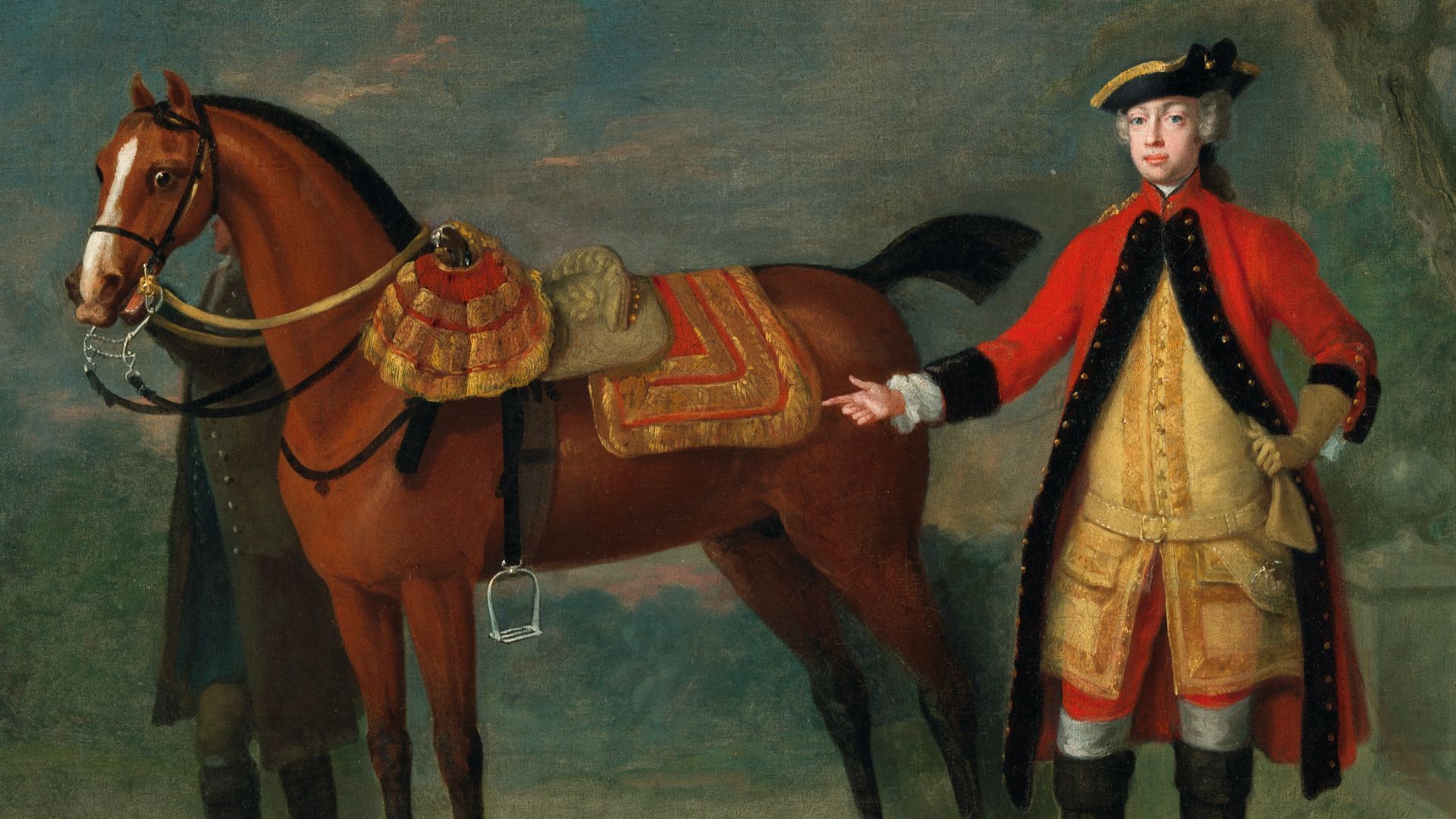 Charles Phillips, English, 1708-1747 on Wikimedia
1. 1777 Irish Code
Summer 1777 in Clonmel, Ireland, where gentlemen from five counties allegedly gathered to write the rulebook that would govern how men shot at each other for the next century. The Code Duello emerged from this meeting, containing 25–27 meticulously detailed rules.

2. Challenged Chose Weapons
Here's where being the offended party actually paid off: if someone insulted you and you challenged them, they got to pick the weapons. Wait, that sounds backward, right? Actually, the person receiving the challenge selected whether you'd face off with pistols or swords.
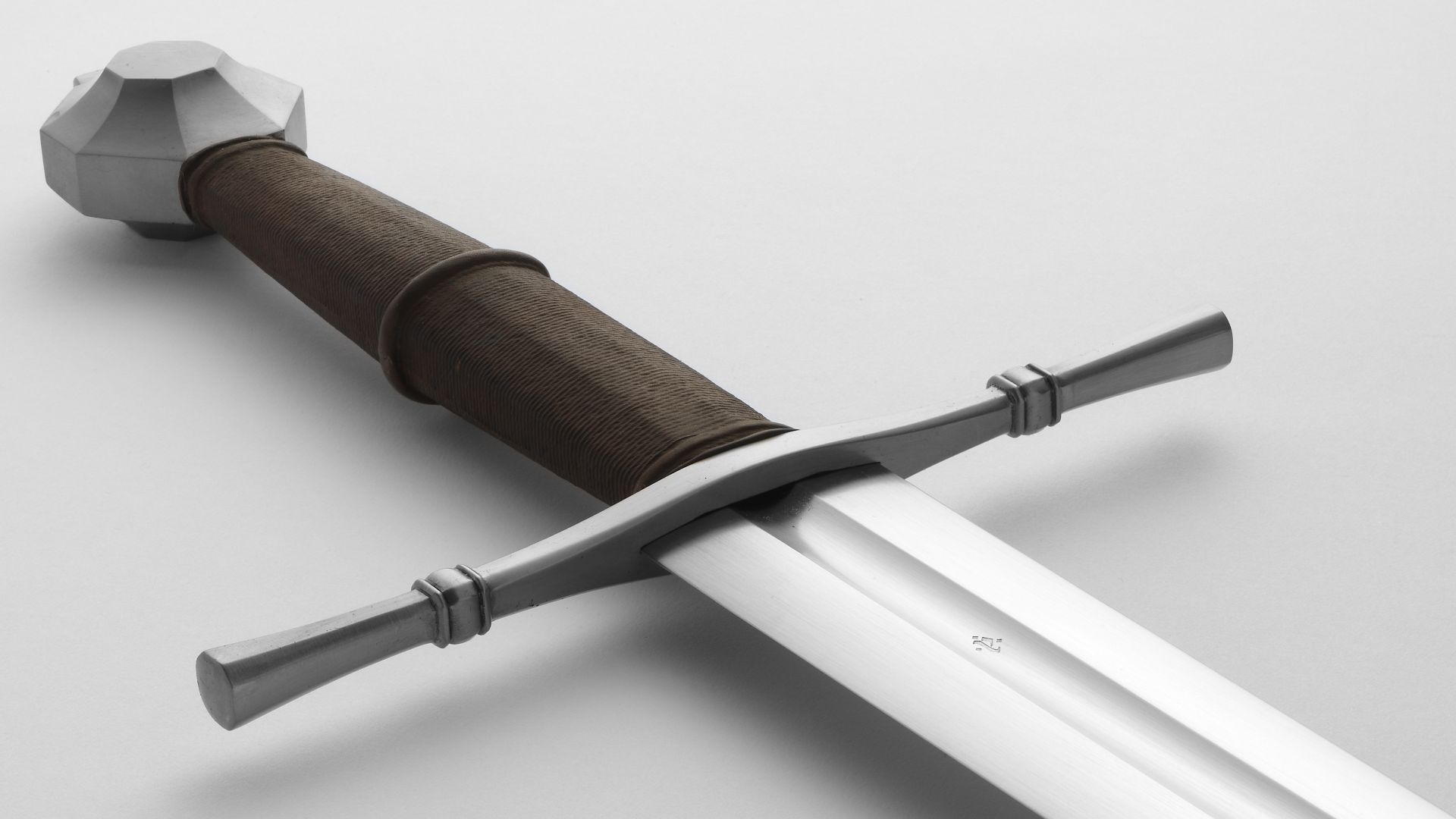 Søren Niedziella from Denmark on Wikimedia
3. Smoothbore Pistols Mandated
Rifled barrels, those spiral grooves inside gun barrels that make bullets spin and fly accurately, were considered downright unsporting in English dueling circles. The Code Duello specifically required smooth-bore pistols, weapons so inaccurate that ending your opponent took skill and divine intervention.
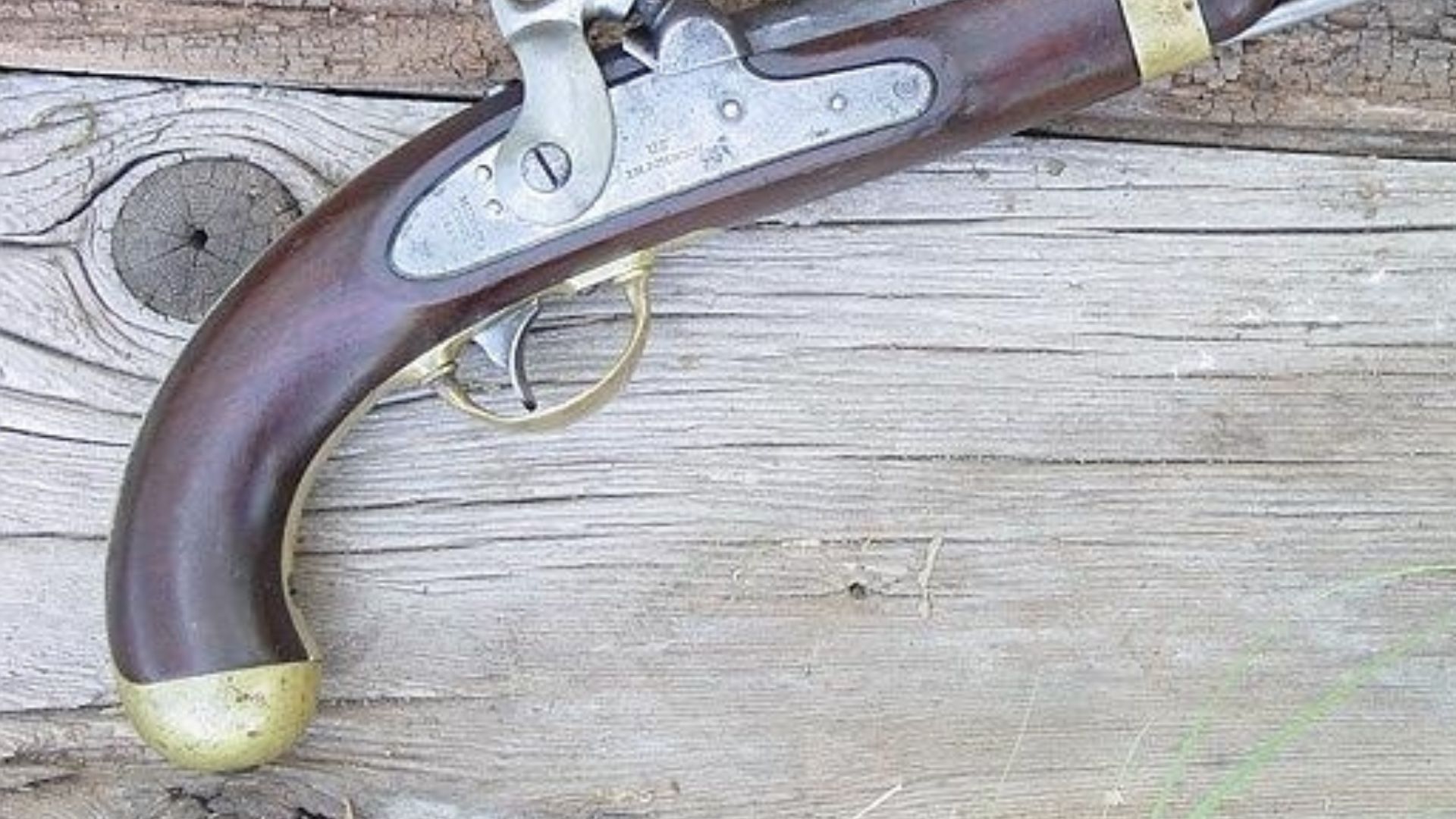 Michael E. Cumpston on Wikimedia
4. Seconds Loaded Weapons
Trust was in short supply when your life hung in the balance, which is why Rule 18 of the Code Duello required seconds to load pistols in each other's presence. These trusted friends would carefully measure powder and insert bullets.
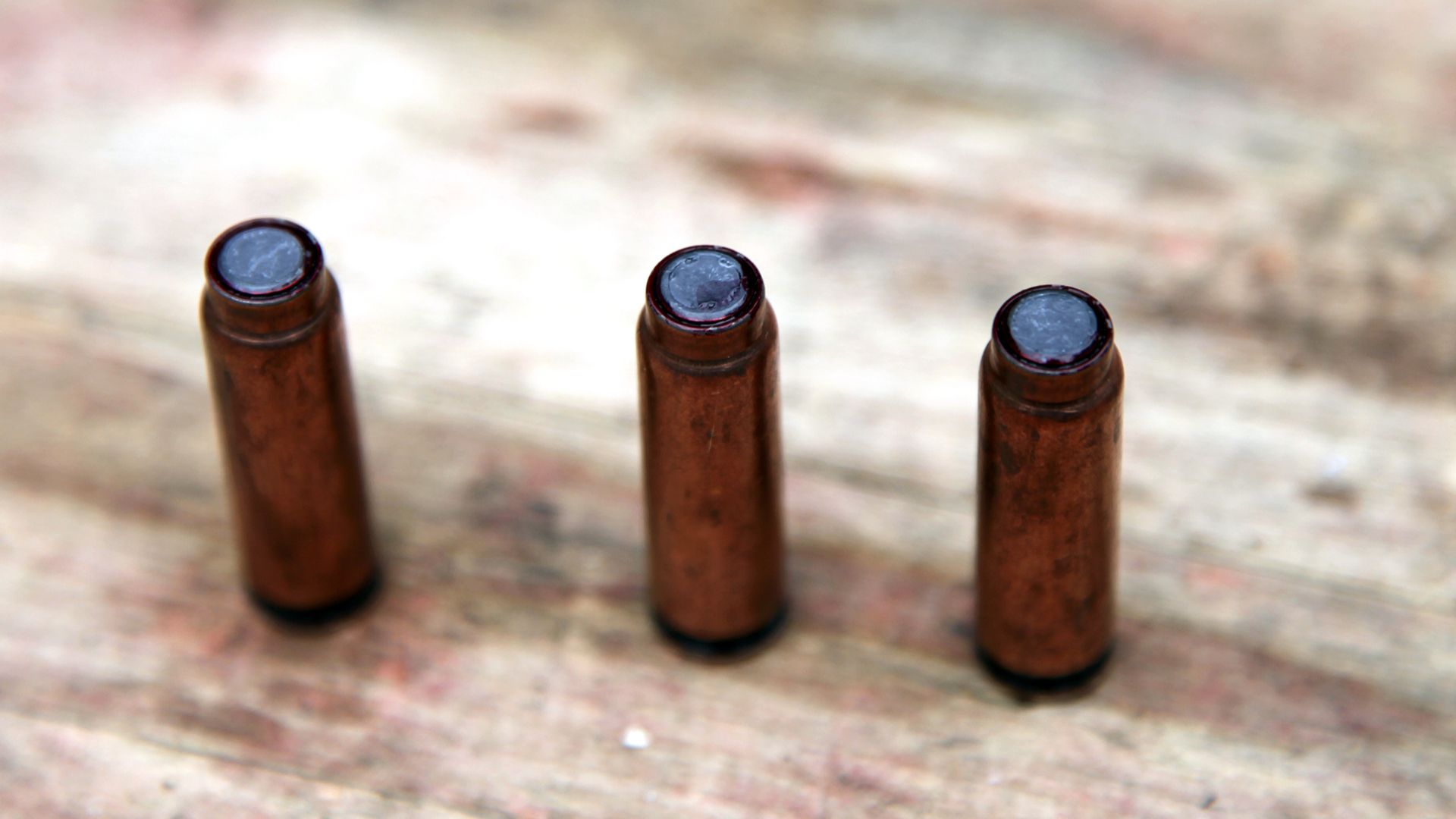
5. Dawn Meeting Standard
Dueling was illegal pretty much everywhere it was practiced, which made timing important for avoiding awkward interruptions by constables. Dawn became the traditional dueling hour because poor light made participants harder to spot, and the overnight interval forced hot-headed gentlemen to sleep on their anger.
 Victoria Lee Croasdell on Wikimedia
6. Deloping Strictly Prohibited
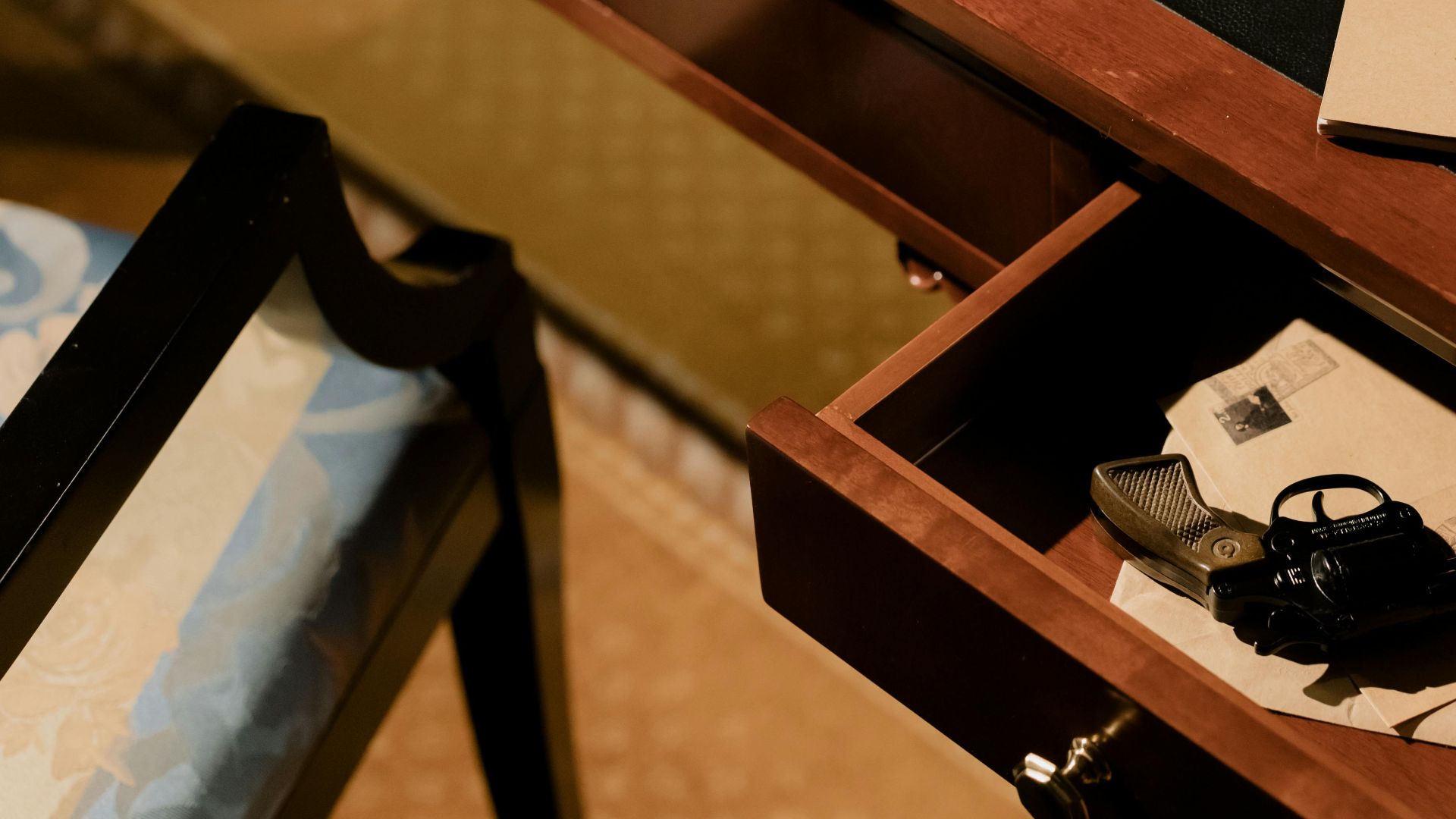
Some duelists tried to game the system by deliberately firing into the air or ground—a practice called "deloping" from the French word meaning "to throw away." Rule 13 of the Irish Code shut this down hard: "No dumb shooting or firing in the air is admissible in any case…”
7. First Offense Apologizes
The Code Duello's very first rule established a counterintuitive hierarchy. Whoever gave the original insult had to apologize first, even if the response was more offensive than the initial slight. This rule prevented endless cycles of escalating insults.

8. Blows Demanded Satisfaction
Rule 5 drew the hardest line in the entire Code Duello: "As a blow is strictly prohibited under any circumstances among gentlemen, no verbal apology can be received for such an insult." Striking another gentleman was the ultimate transgression.
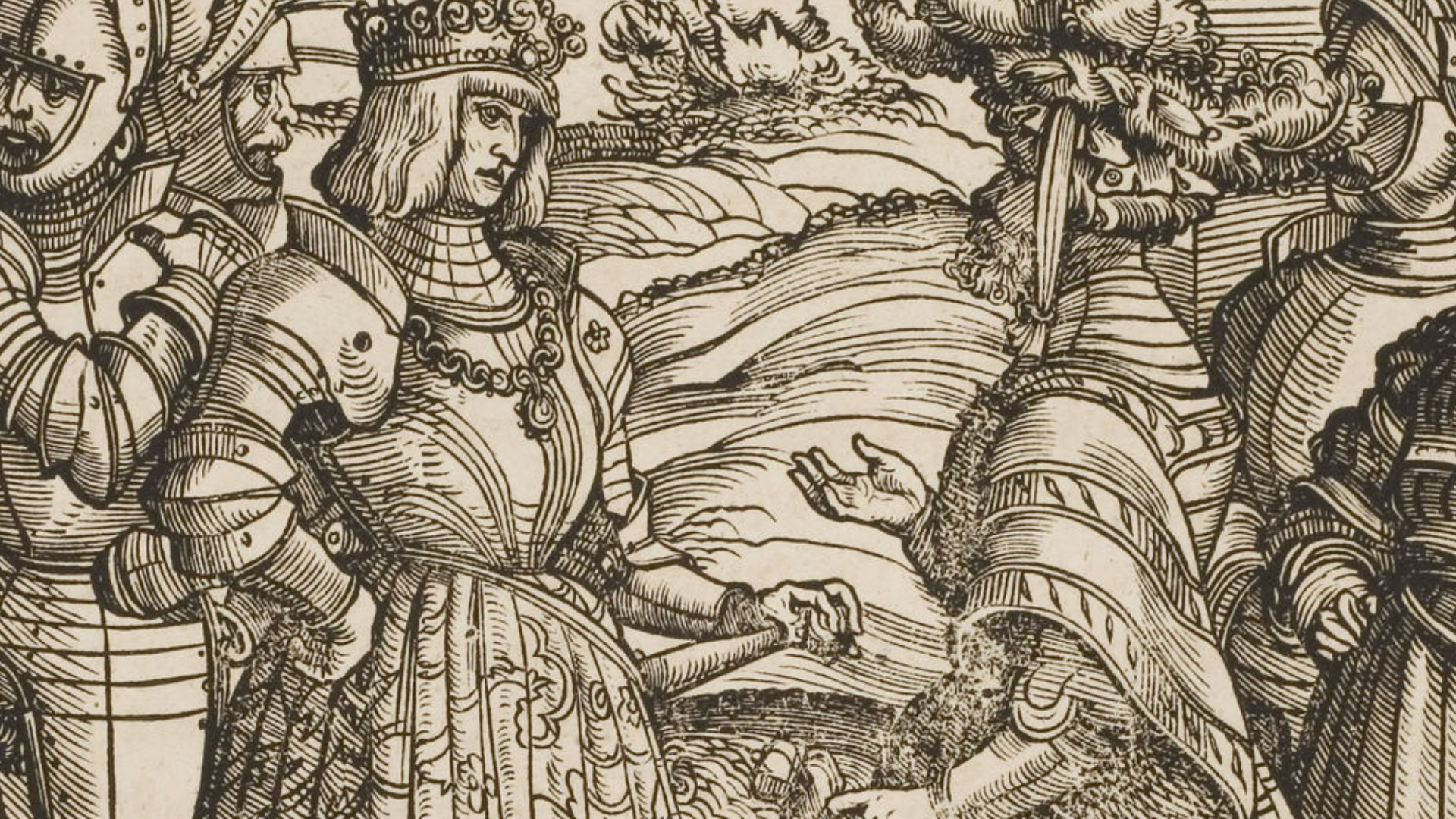 Maximilian I, Hans Burgkmair on Wikimedia
9. Seconds Attempted Reconciliation
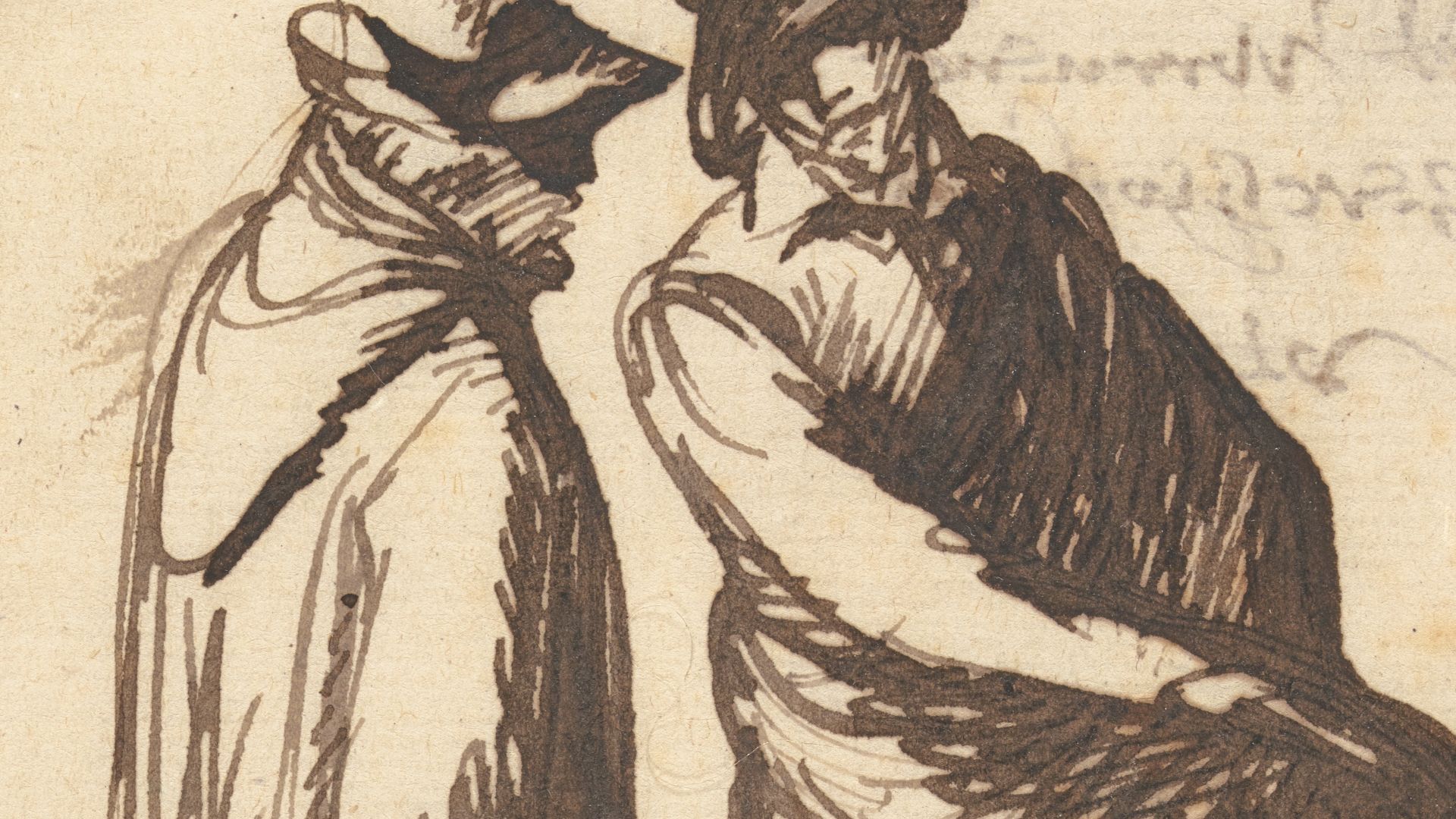
Before anyone fired a shot, seconds had a crucial diplomatic mission: prevent the whole affair if possible. Rule 21 explicitly stated, "Seconds are bound to attempt a reconciliation before the meeting takes place, or after sufficient firing or hits, as specified.”
10. Ten Paces Standard
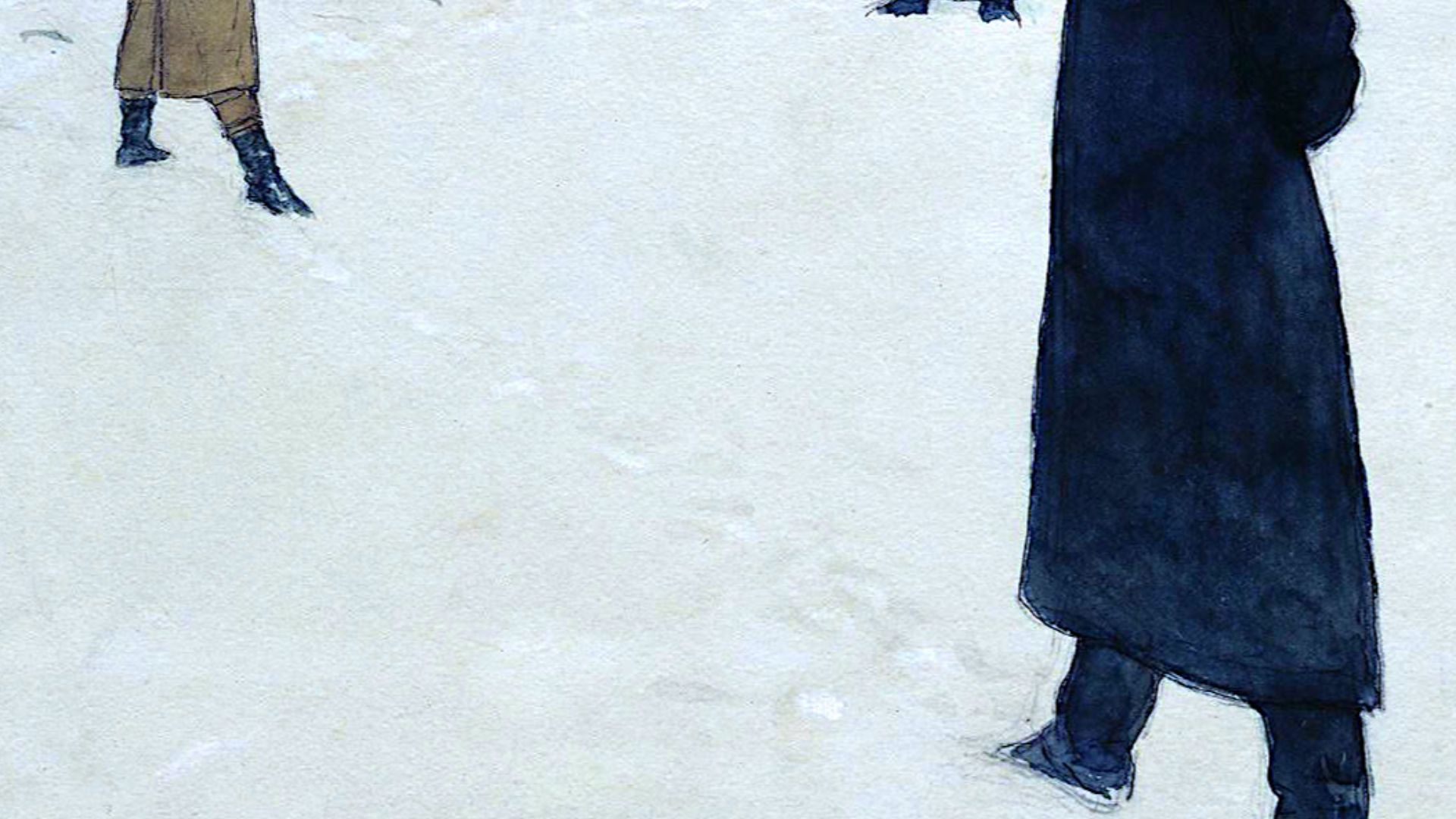
Distance in dueling was serious business, typically ranging from 8 to 15 paces—roughly 24 to 45 feet—with 10 to 12 paces being most common for pistol duels. The graver the insult, the fewer paces allowed.
11. Misfires Counted Shots
Rule 20 closed a potential loophole that could have led to endless disputes: "In all cases a miss-fire is equivalent to a shot, and a snap is to be considered as a miss-fire.” This prevented endless stalling, arguments, or attempts to gain an advantage.
12. Wound-Ended Duel
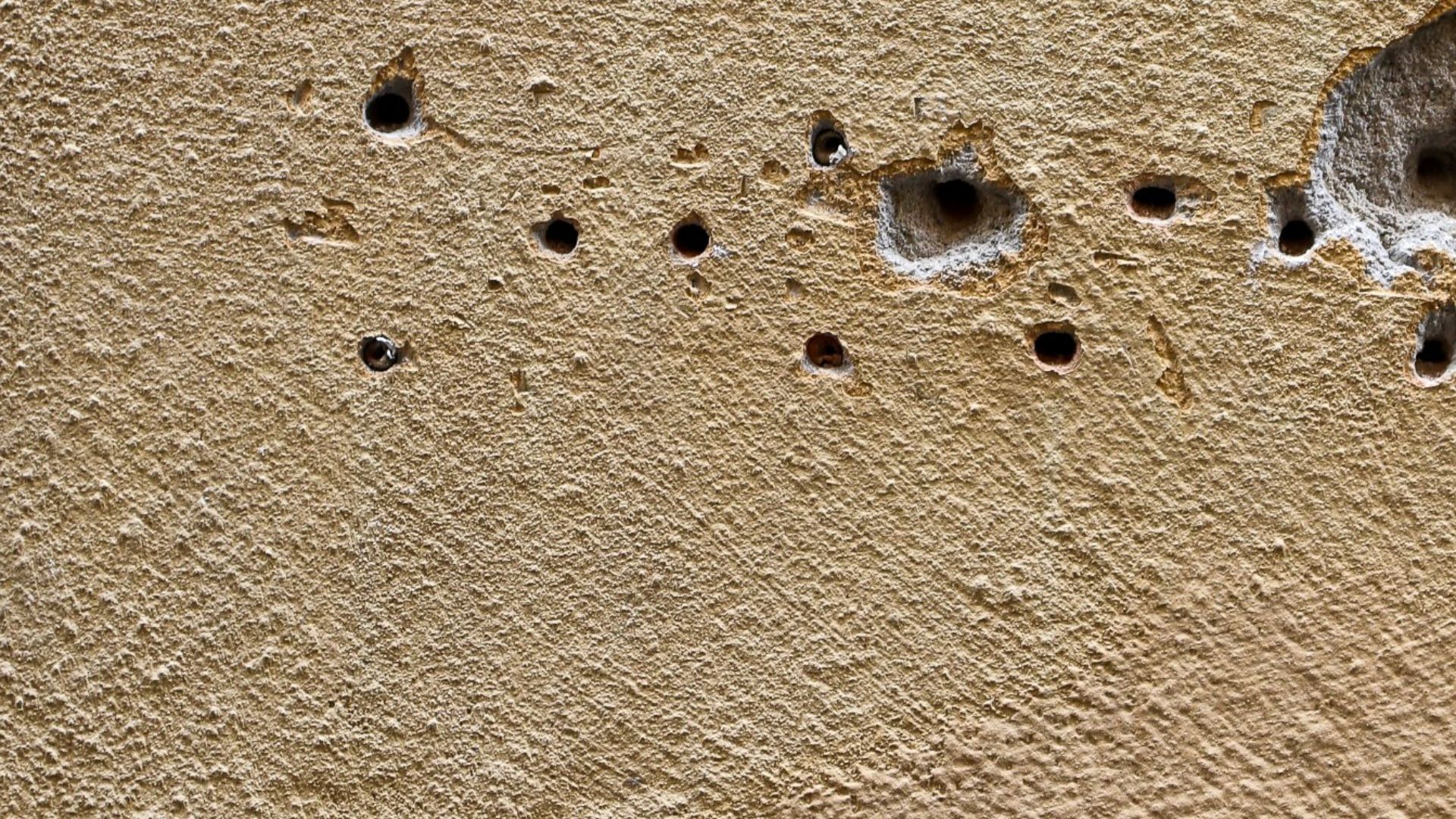
The goal wasn't murder. It was satisfaction of honor, which Rule 22 made explicit: "Any wound sufficient to agitate the nerves and necessarily make the hand shake, must end the business for that day." Most duels ended after one exchange of shots.

13. Equals Only Dueled
Dueling was an exclusive privilege of the upper classes, with strict social requirements enforced through the honor code itself. A gentleman could honorably refuse a challenge if the challenger was of significantly inferior social standing, though such inferiority had to be immediately obvious.
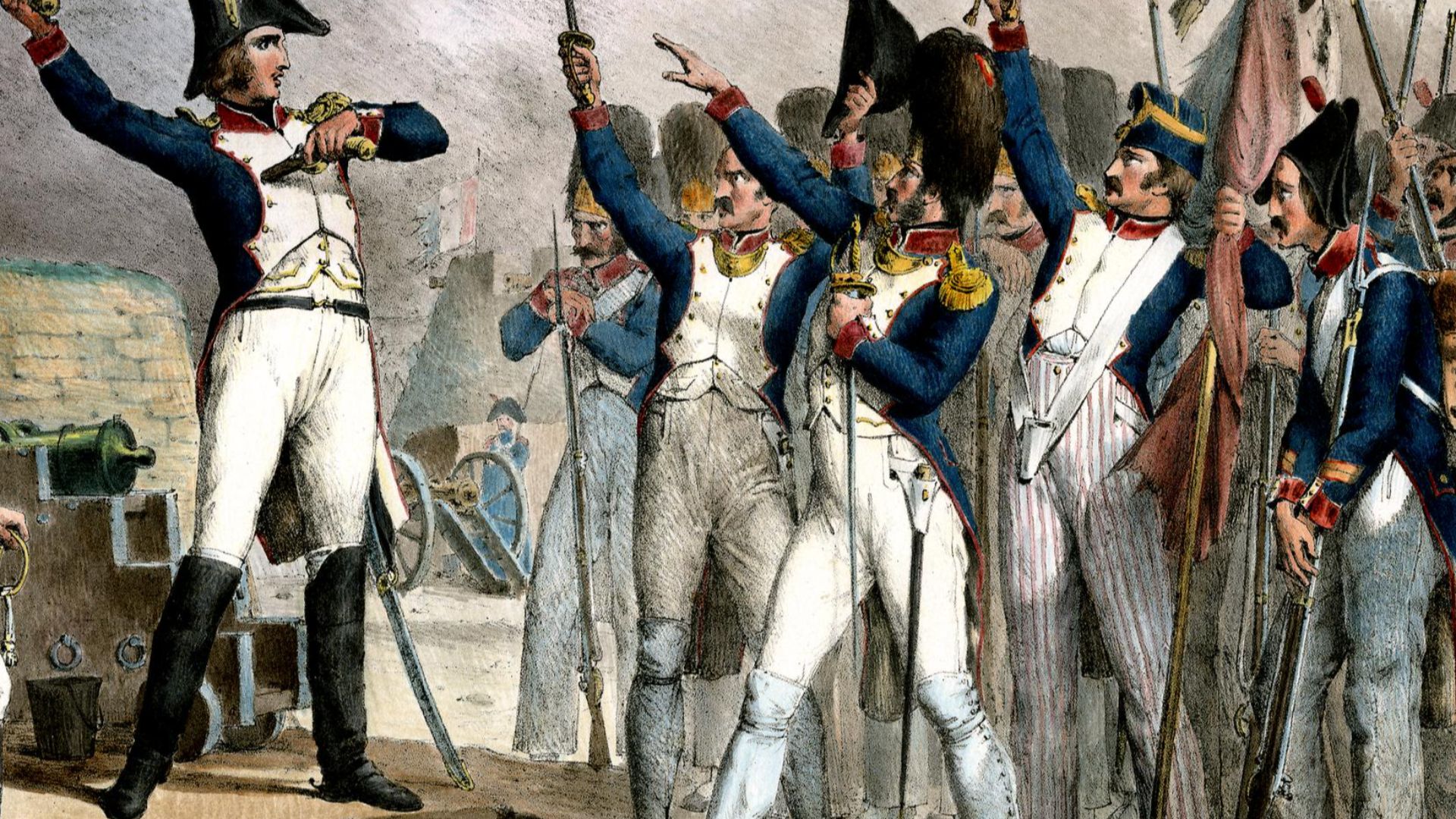 Print made by: François Grenier Printed by: Charles Motte on Wikimedia
14. Remote Locations Required
Duelists needed isolation for two critical reasons: avoiding discovery by authorities who'd stop the illegal activity, and finding jurisdictional ambiguity that might prevent prosecution afterward. Islands in rivers dividing two jurisdictions became particularly popular dueling sites.

15. Rifled Barrels Unsporting
The technical debate over rifled versus smooth-bore barrels revealed deep philosophical divisions about dueling's purpose. Rifling, spiral grooves cut inside gun barrels, causes bullets to spin in flight, dramatically improving accuracy and range, making them far deadlier than smooth-bore weapons.
16. Sandbars Popular Venues
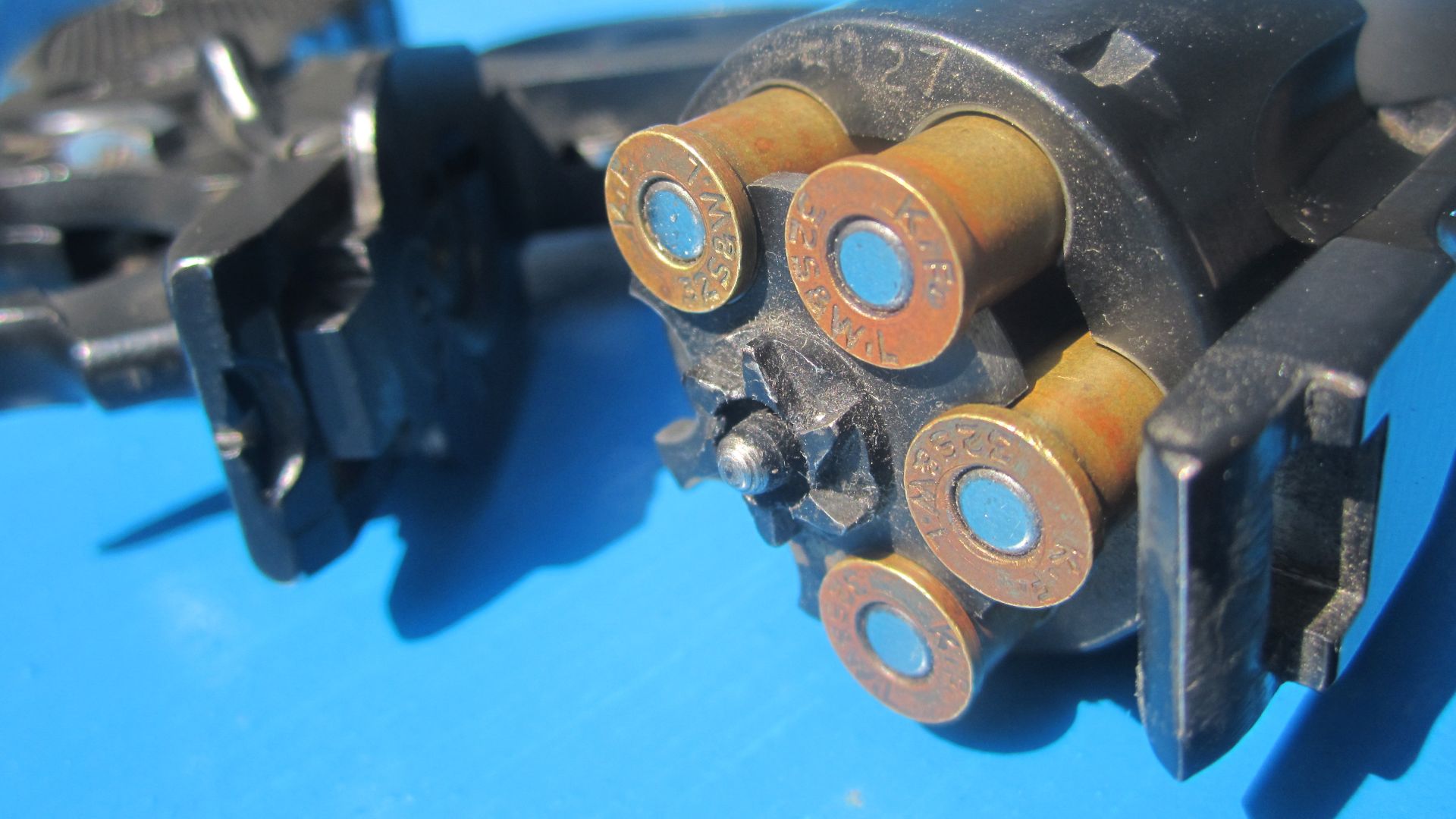
American duelists displayed remarkable creativity in finding locations where the law couldn't touch them, with river sandbars becoming especially popular in the South. These temporary islands formed by shifting sediment existed in the middle of rivers.

17. Surgeon on Standby
Duels weren’t just about bravado. Seconds were often arranged for a qualified surgeon to be nearby, ready to treat shot or sword wounds the moment honor was satisfied. These doctors played a strange dual role: sworn to save lives, yet quietly assisting an illegal ritual.
18. Handkerchief Drop Signal
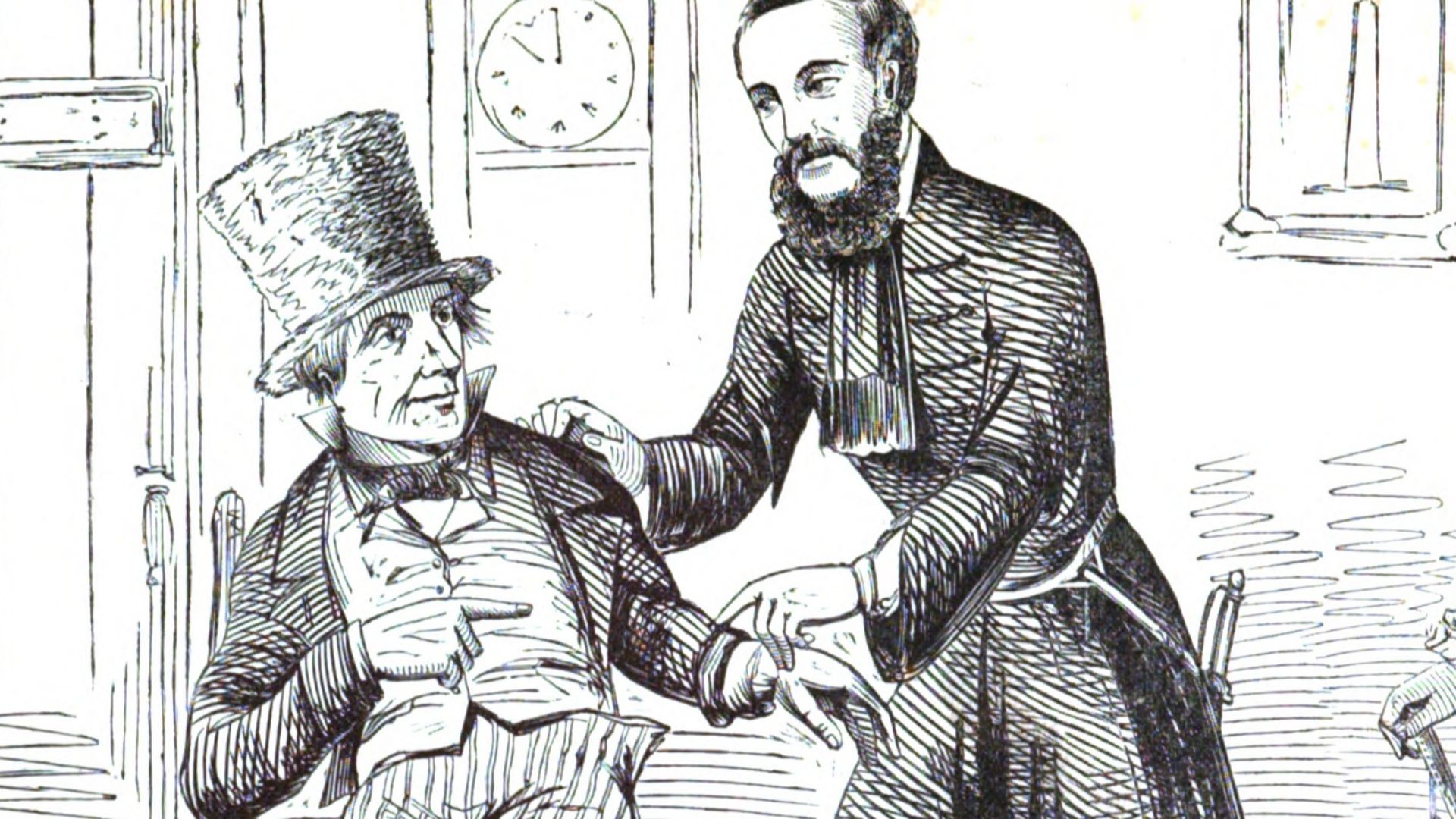
The actual mechanics of firing varied, but one of the most dramatic methods involved a second standing in the duelists' peripheral vision, holding a handkerchief aloft. Rule 19 specified three methods of firing: by signal, by word of command, or at pleasure.

19. Honor Over Anything Else
These were fought to gain "satisfaction"—proving you valued your reputation enough to literally stake your life on it, which restored what insults had damaged. This explains why many dueling rules seem designed to reduce lethality: firing at dawn in poor light.
20. Seconds Could Fight
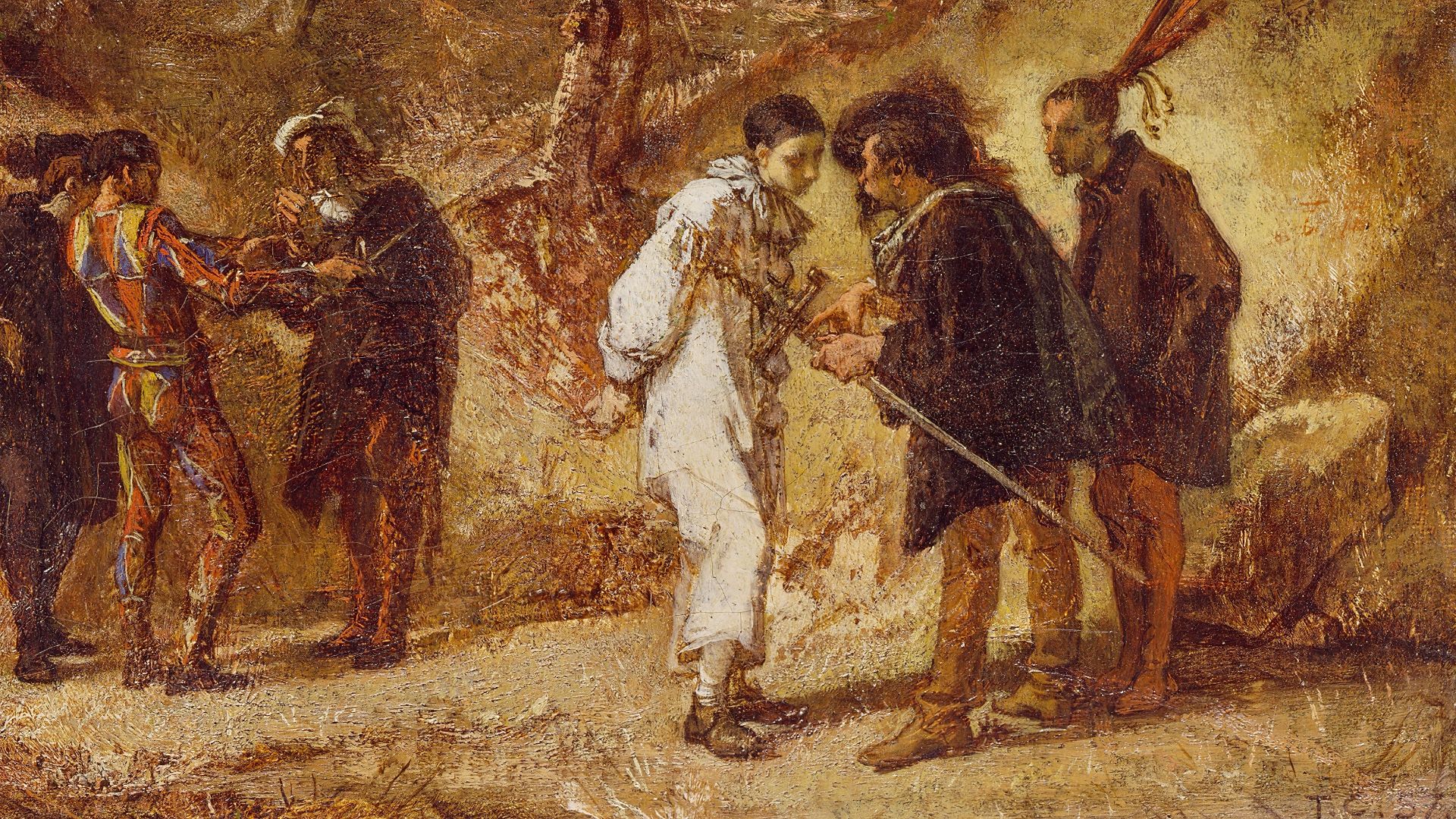
Rule 25 acknowledged an awkward reality: sometimes the seconds themselves ended up dueling alongside their principals. When seconds disagreed about the conduct or fairness of a duel, they had the option to "exchange shots themselves at the same time."
KEEP ON READING
10 Greatest Quarterbacks Of All Time & 10 That Are…
Do You Disagree?. Few topics in sports generate as much…
By Farva Ivkovic Dec 2, 2025
The story of Ching Shih, the Woman Who Became the…
Unknown author on WikimediaFew figures in history are as feared…
By Emilie Richardson-Dupuis Dec 29, 2025
20 Shakespearean Words, Translated For A Modern Audience
What’s In A Word?. Shakespeare was a wordsmith of the…
By Breanna Schnurr Dec 17, 2025
20 Inspiring Stories From Native American History
Incredible Stories Of Resilience And Endurance. Many of us didn't…
By Ashley Bast Dec 17, 2025
You Think You Have Problems? These Royal Families Were Cursed
Boasson and Eggler St. Petersburg Nevsky 24. on WikimediaHeavy is…
By Ashley Bast Dec 5, 2025
MH370: The Plane That Can't Be Found
Anna Zvereva from Tallinn, Estonia on WikimediaEleven years after Malaysia…
By Christy Chan Dec 10, 2025