When Silence Let the Madness Speak
Silent cinema didn’t just “walk so talkies could run;” it sprinted straight into fever-dream territory, where directors treated reality like a polite suggestion and imagery did all the heavy lifting. If you’ve ever wondered how filmmakers got away with such bold, bizarre choices before dialogue could explain them, settle in, because these films took things to a whole new level.
 Svensk Filmindustri on Wikimedia
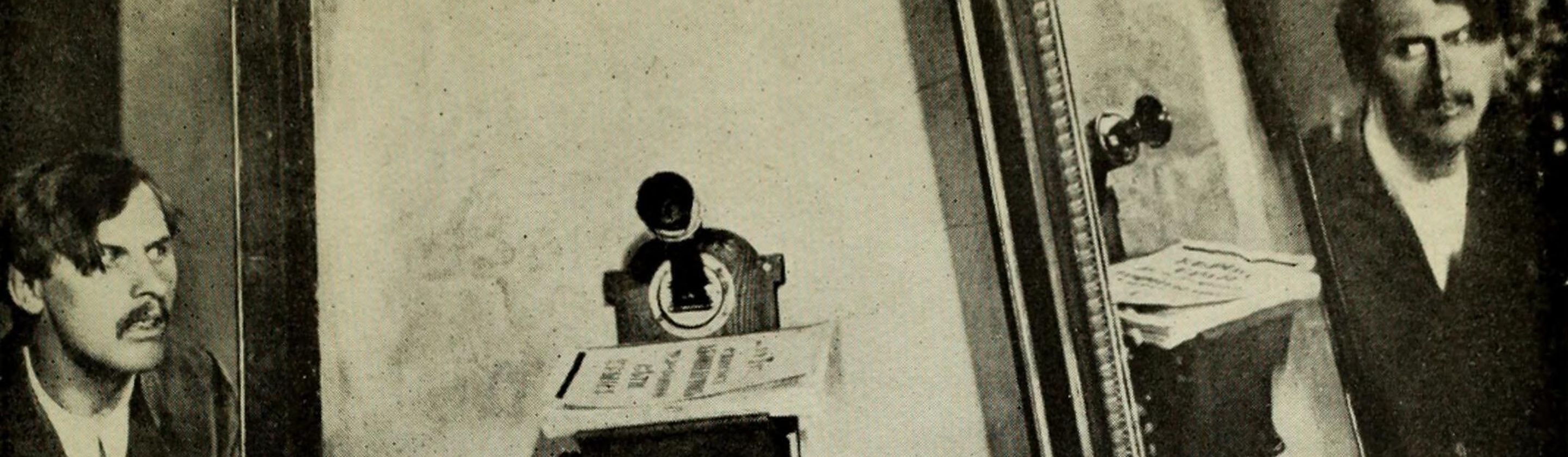
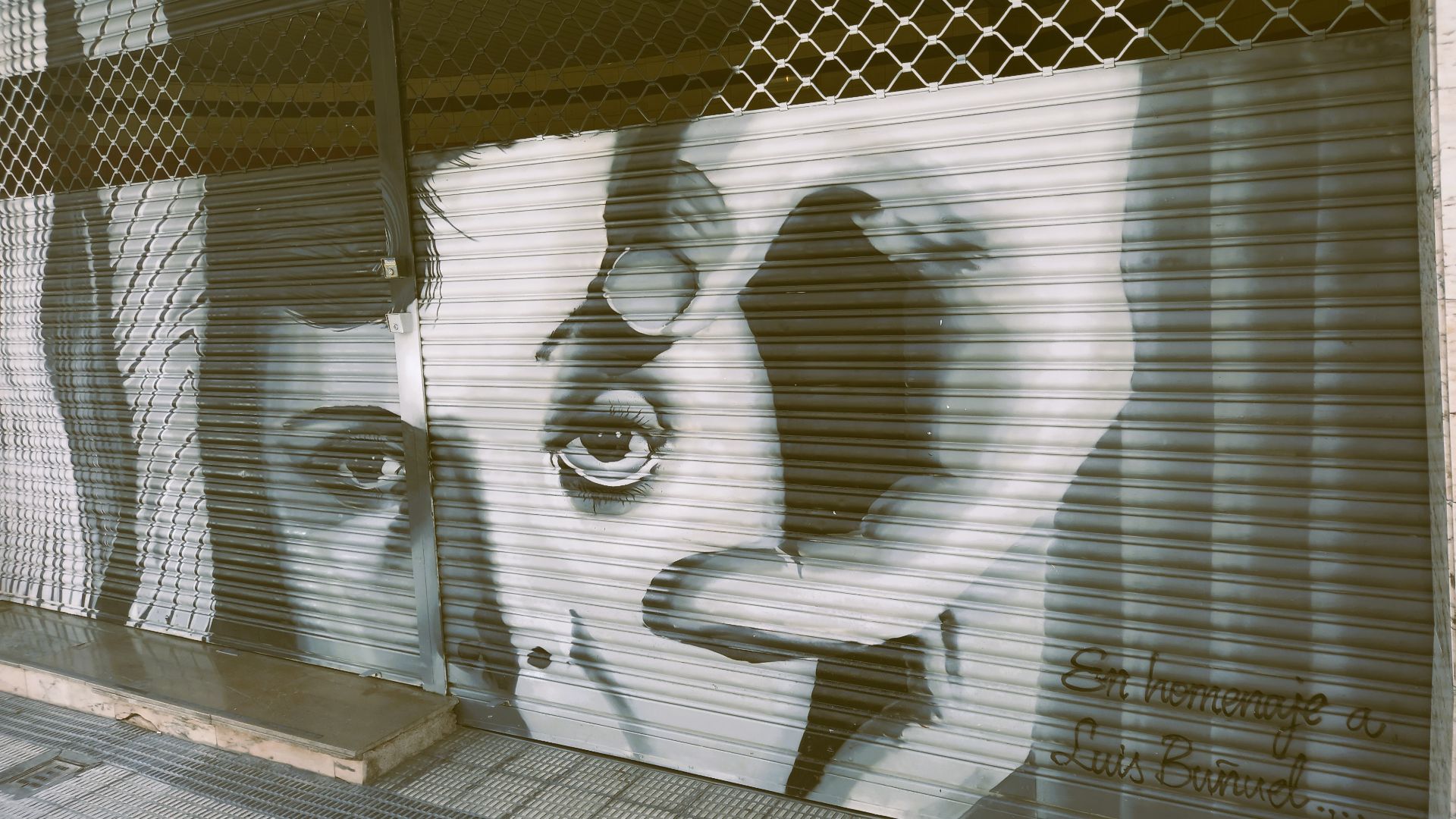
1. Un Chien Andalou (1929)
If you want the purest form of cinematic mischief, this is the one that breaks your brain. It moves like a nightmare that refuses to follow your logic, swapping cause-and-effect for sharp, irrational shocks. You may not “understand it,” but you’ll certainly remember it.
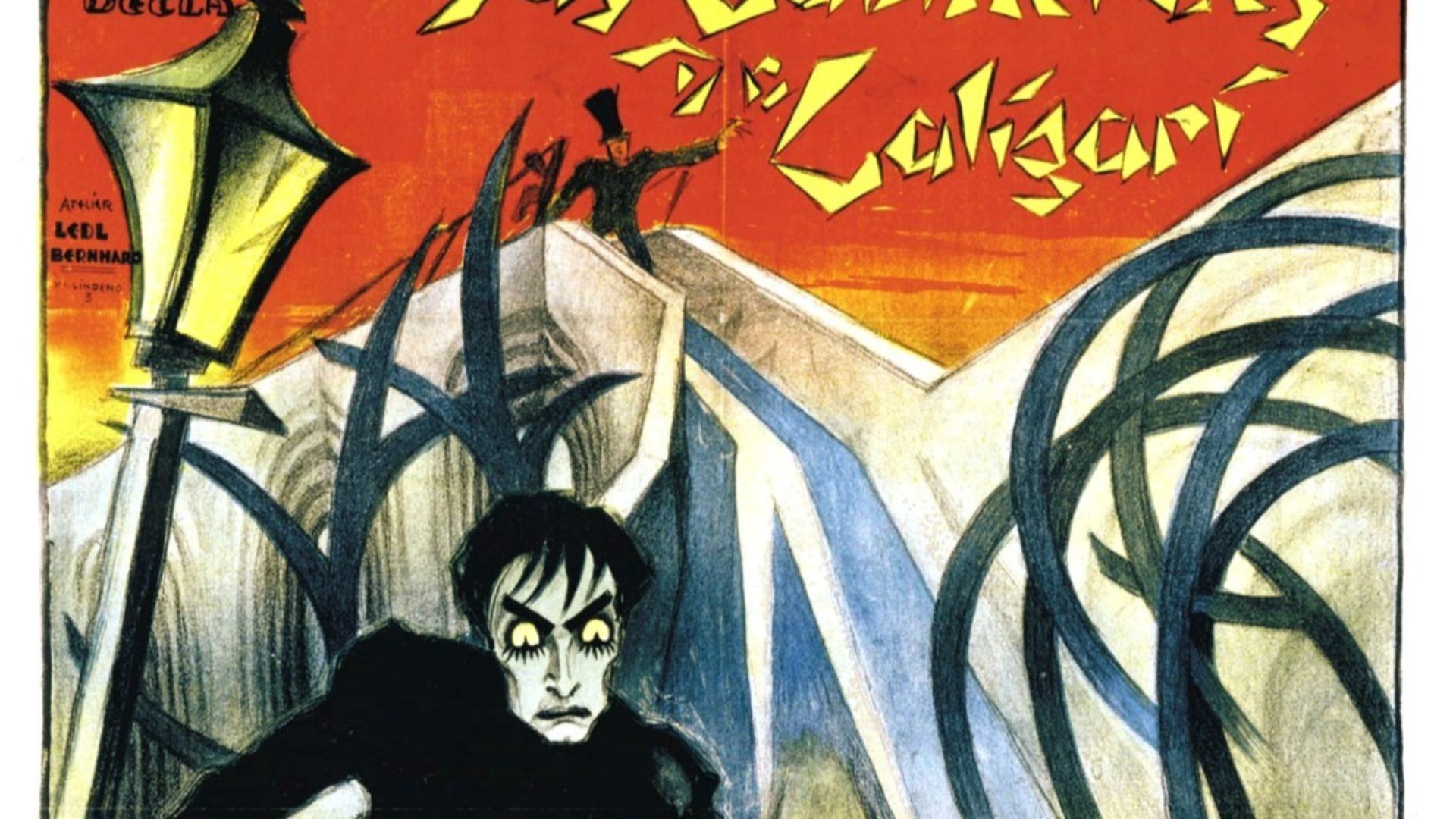
2. The Cabinet of Dr. Caligari (1920)
Expressionist sets warp the world until streets look crooked and doorways seem hostile. The story leans into paranoia with such commitment that you start distrusting everything, and by the time it reveals its hand, you realize the film has been steering your expectations all along.
 Rudolf Ledl / Fritz Bernhard on Wikimedia
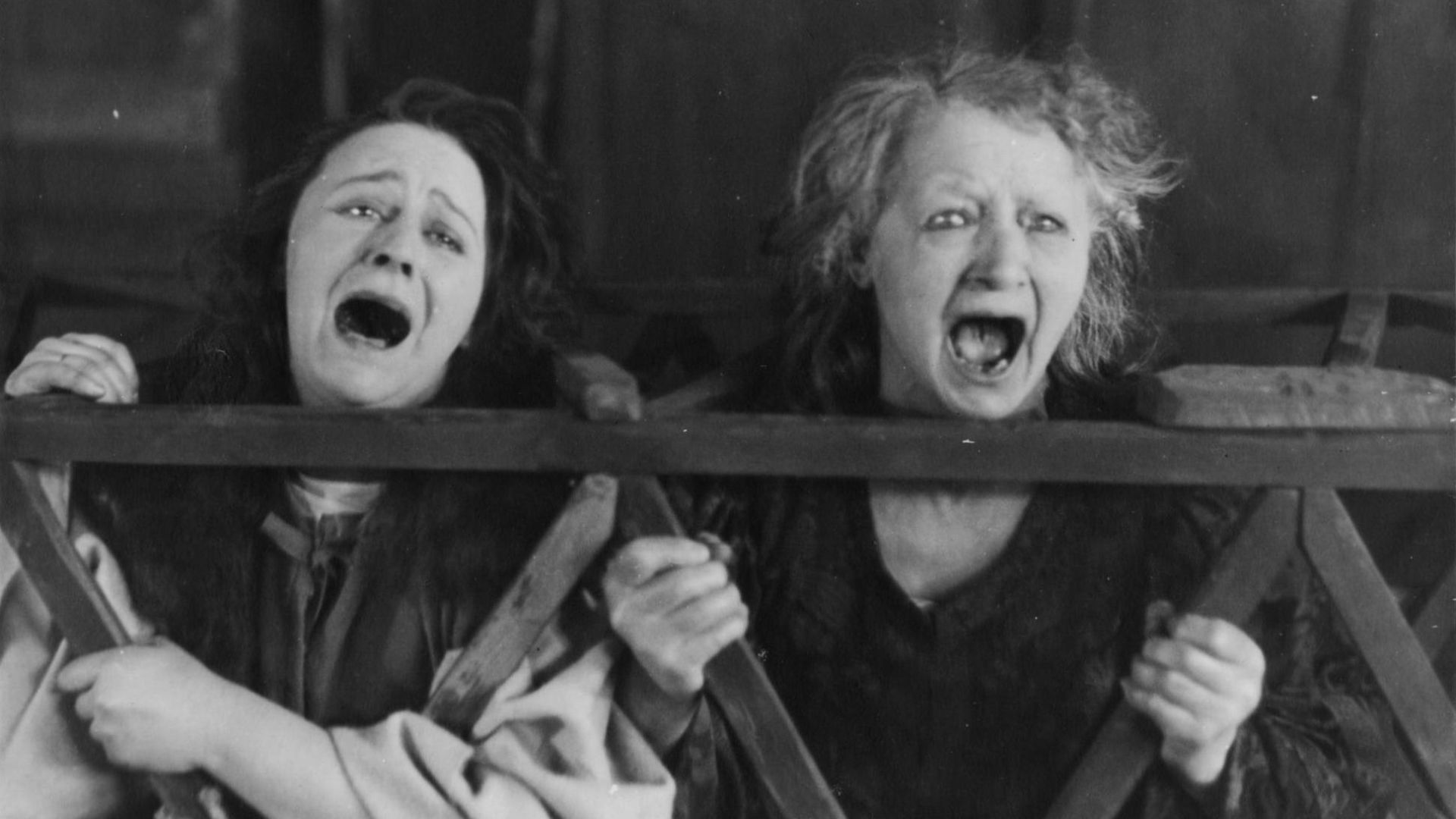
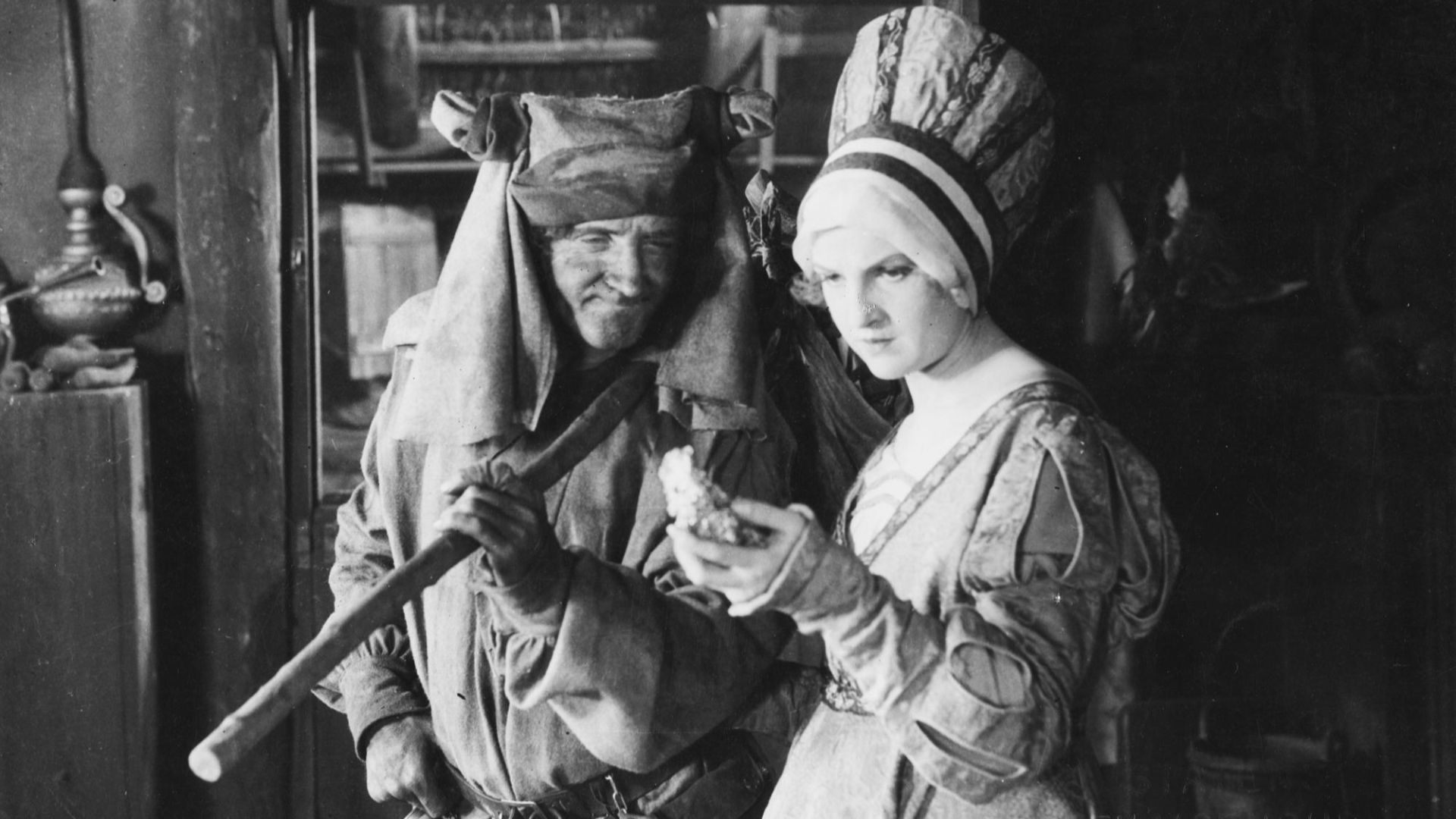
3. Häxan (1922)
Half documentary, half occult pageant, it treats superstition like a serious subject staged with theatrical flair. The imagery is bold enough to feel modern, especially when it puts moral panic and human cruelty under a harsh light. Watching it, you’ll sense the filmmakers were aiming to provoke, not merely entertain.
 Svensk Filmindustri on Wikimedia
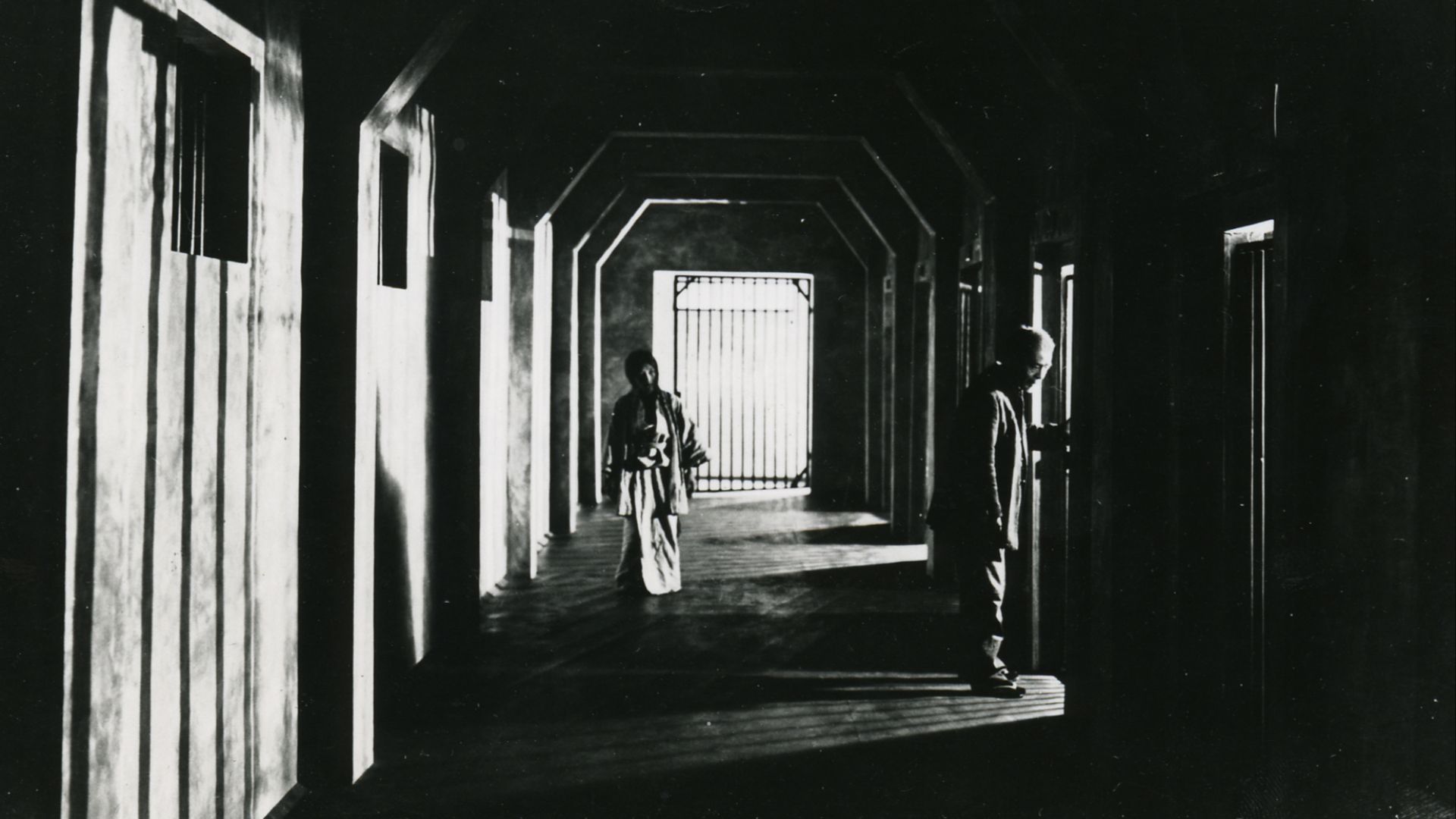
4. A Page of Madness (1926)
This film doesn’t guide you into its asylum setting so much as it locks the door and throws away the key. Editing and movement tumble together until emotions become the only reliable compass. You’ll definitely feel it in your nerves.
 Kinugasa Productions on Wikimedia
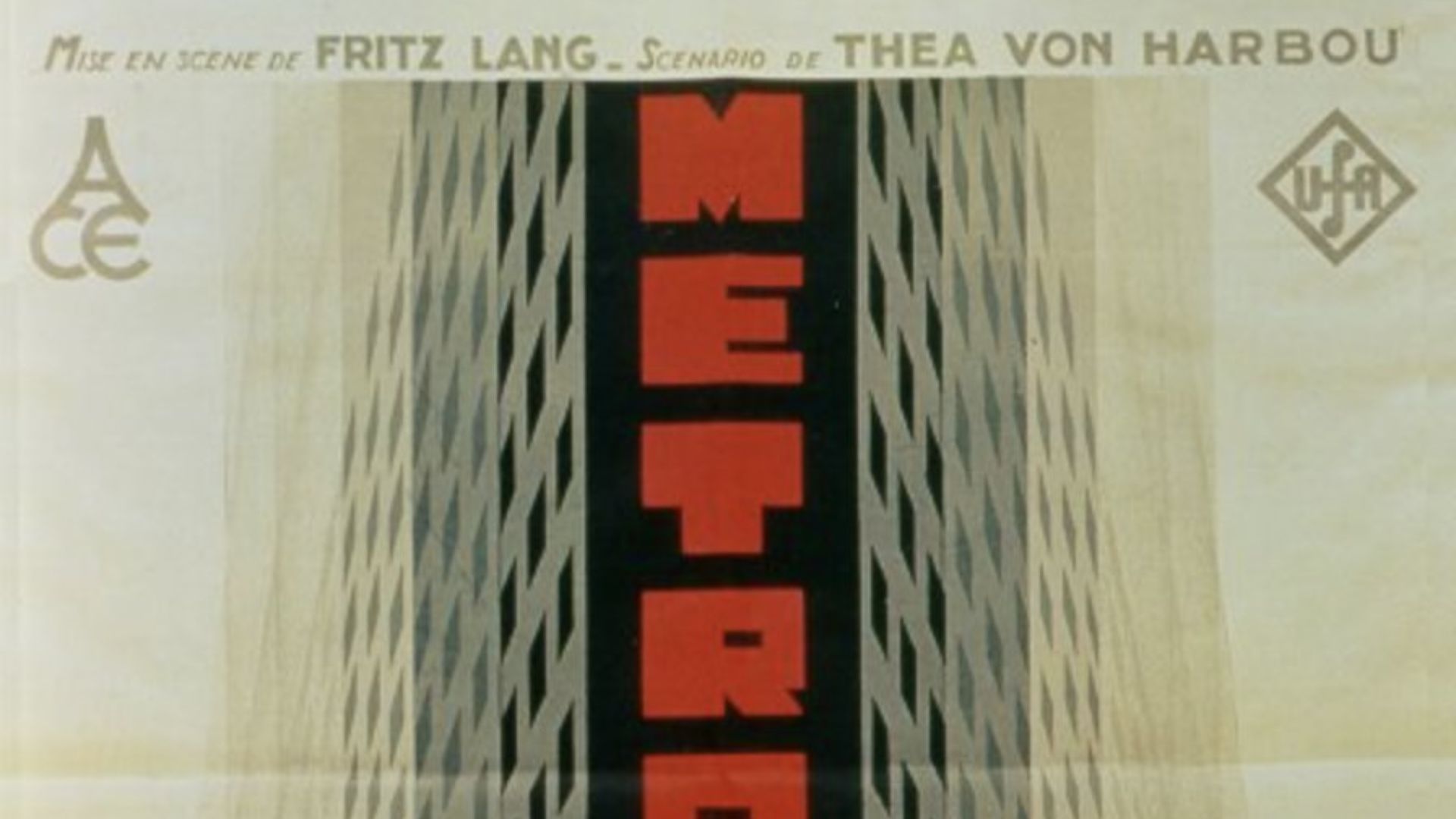
5. Metropolis (1927)
It’s a gigantic machine-fantasy where society is literally built like a hierarchy you can climb, or fall from. The visuals go for grandeur with an almost reckless confidence, and the symbolism arrives with no intention of being subtle. Even now, you can tell it wanted to overwhelm you, and it largely succeeds.
 Boris Konstantinovitch Bilinsky (1900–1948) on Wikimedia
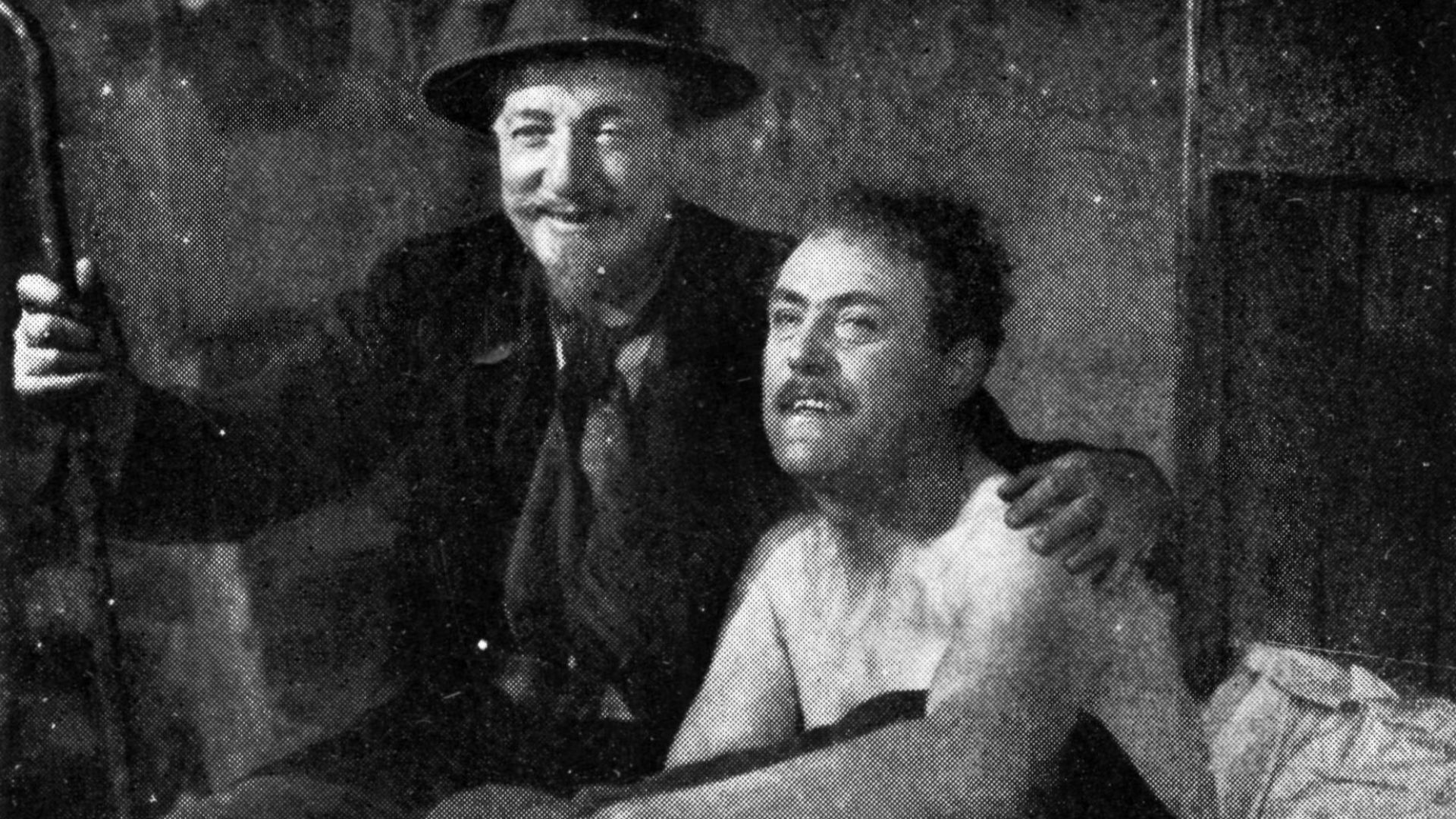
6. The Phantom Carriage (1921)
A grim folklore premise becomes strangely intimate, using the supernatural to interrogate guilt and redemption. The film’s eerie effects still have bite, not because they’re flashy, but because they’re used with deliberate restraint. It’s the kind of “crazy” that sneaks up on you and then stays for days.
 Unknown authorUnknown author on Wikimedia
7. Nosferatu (1922)
Instead of romantic allure, this vampire is presented as something plainly unnatural and deeply unsettling. The film’s eerie stillness and stark imagery create tension without needing modern effects. You may find its sense of menace more persistent than you expect.
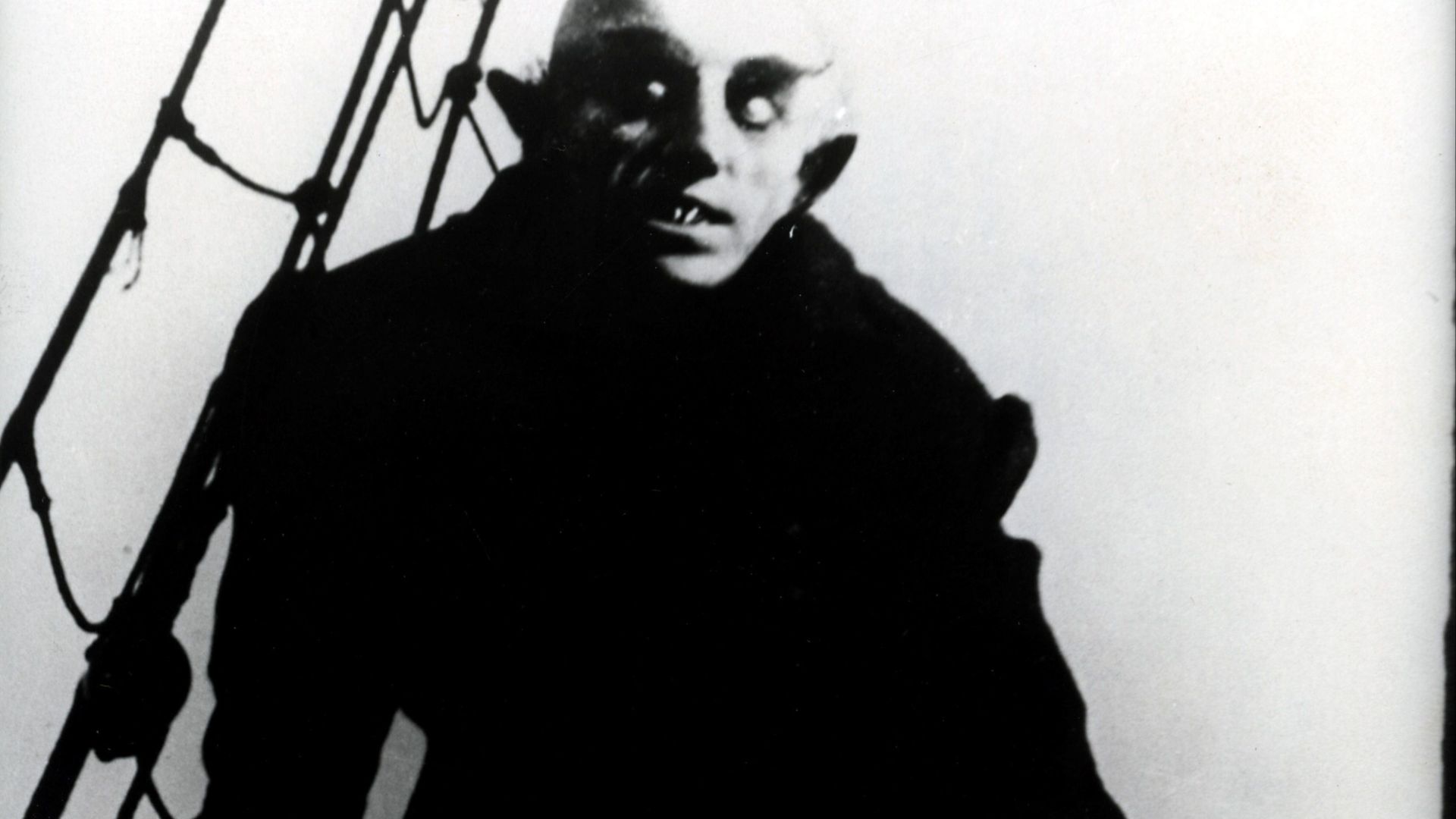 Unknown authorUnknown author on Wikimedia
8. The Golem: How He Came into the World (1920)
Ancient legend gets molded into a tale that’s part fairy story, part nightmare, part moral warning. The creature’s presence is both monumental and oddly sympathetic, which makes the threat more unsettling. It’s a strange, heavy fable that treats myth as a living thing.
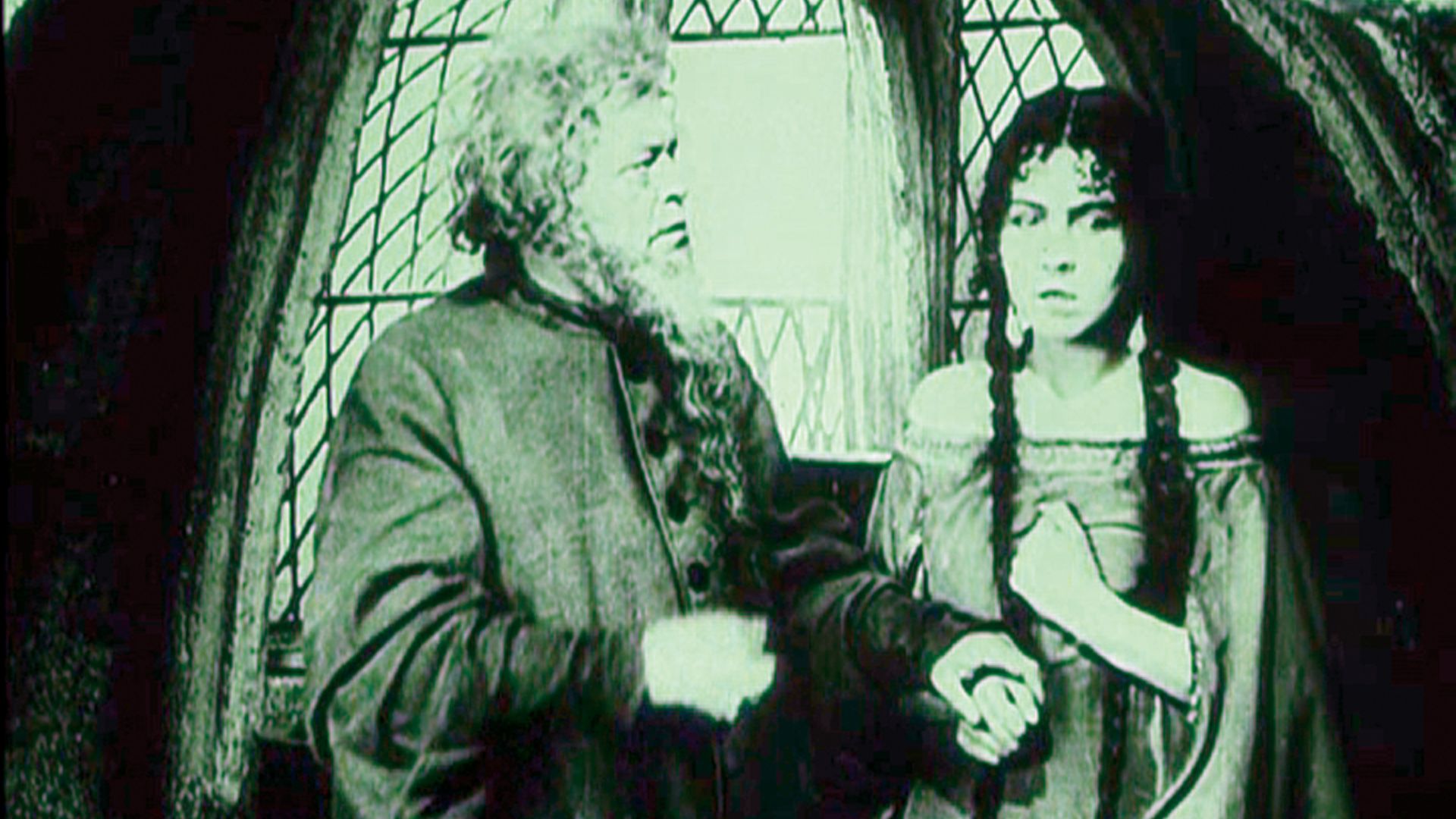 Hanns Lippmann (??? - 1929) on Wikimedia
9. The Unknown (1927)
This melodrama escalates through startling choices that push its premise into extreme territory. The film’s emotional stakes are intense, and its twists can feel genuinely audacious. If you think silent cinema is always restrained, this one will challenge that assumption.
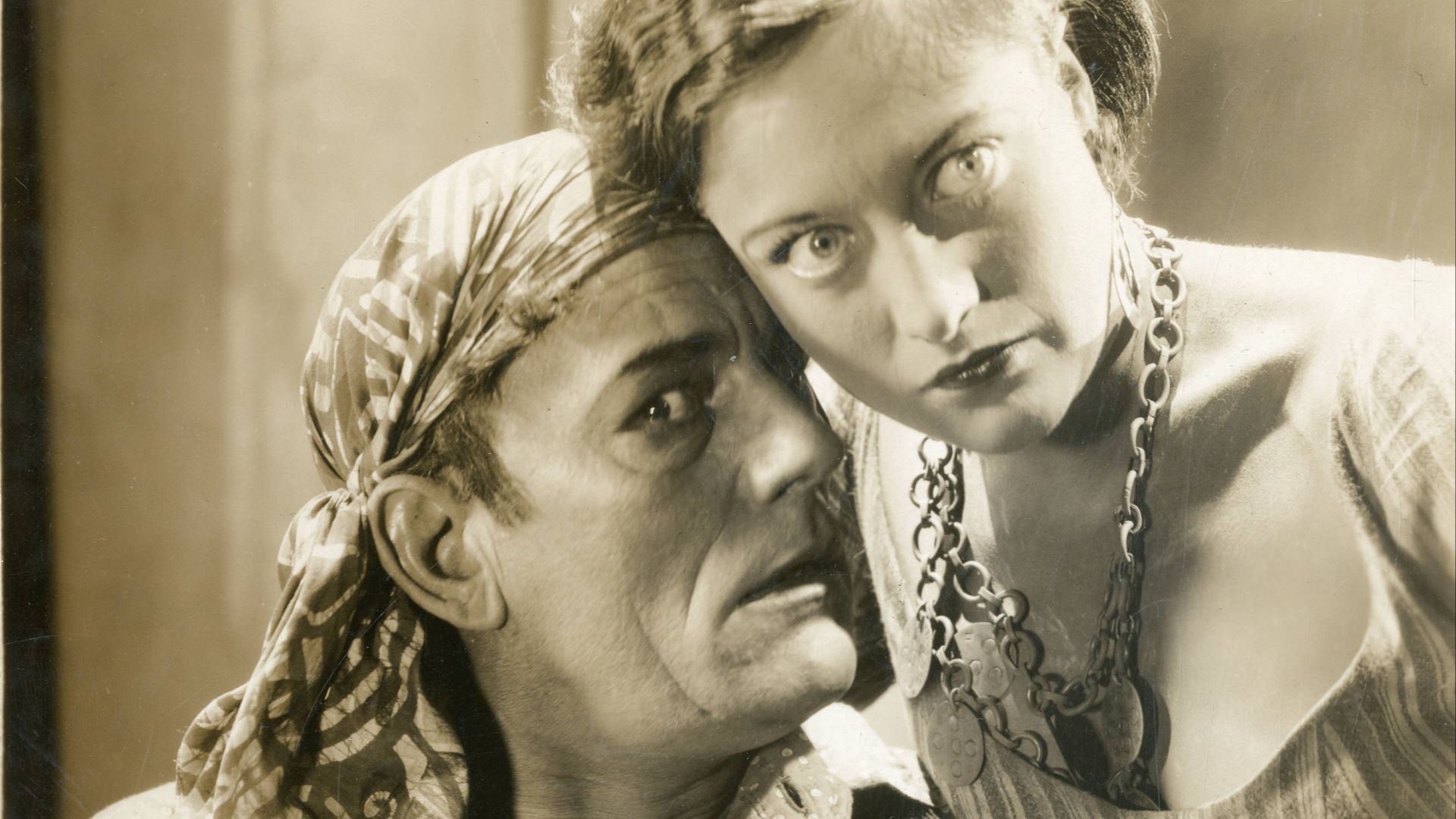 Unknown authorUnknown author on Wikimedia
10. The Man Who Laughs (1928)
Though this movie technically has a score, the eerie lack of dialogue still forces you to confront how easily spectacle replaces empathy. The film balances tenderness and grotesquerie in a way that keeps you emotionally off-balance. It’s not loud about its cruelty, which somehow makes it sharper.
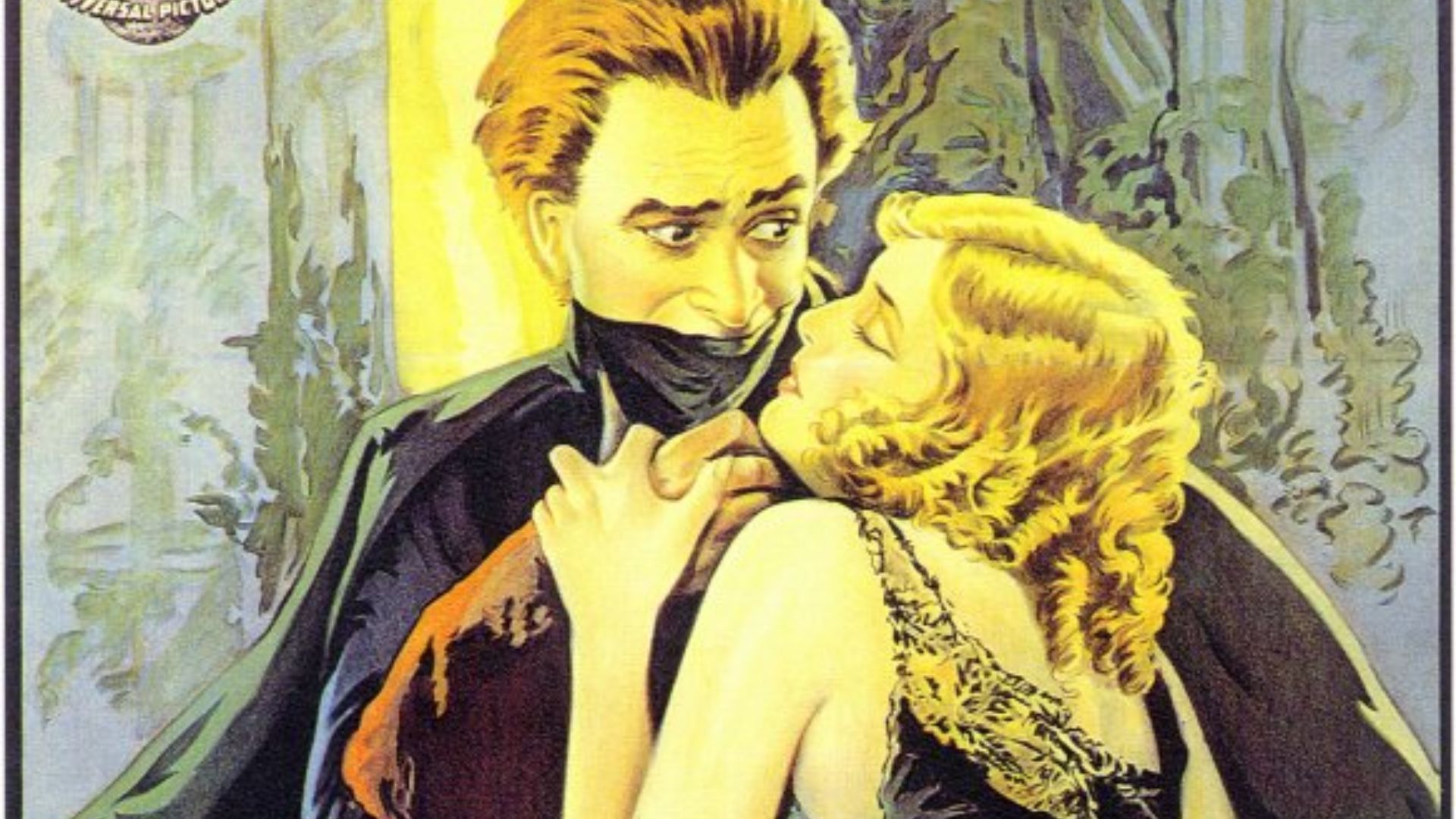 Universal Pictures on Wikimedia
11. The Last Laugh (1924)
Here, humiliation becomes a visual language, and the camera moves with a freedom that feels shockingly modern. The premise is simple, yet it escalates into a portrait of pride collapsing under social pressure. You’ll come away thinking, uncomfortably, about how fragile dignity can be.
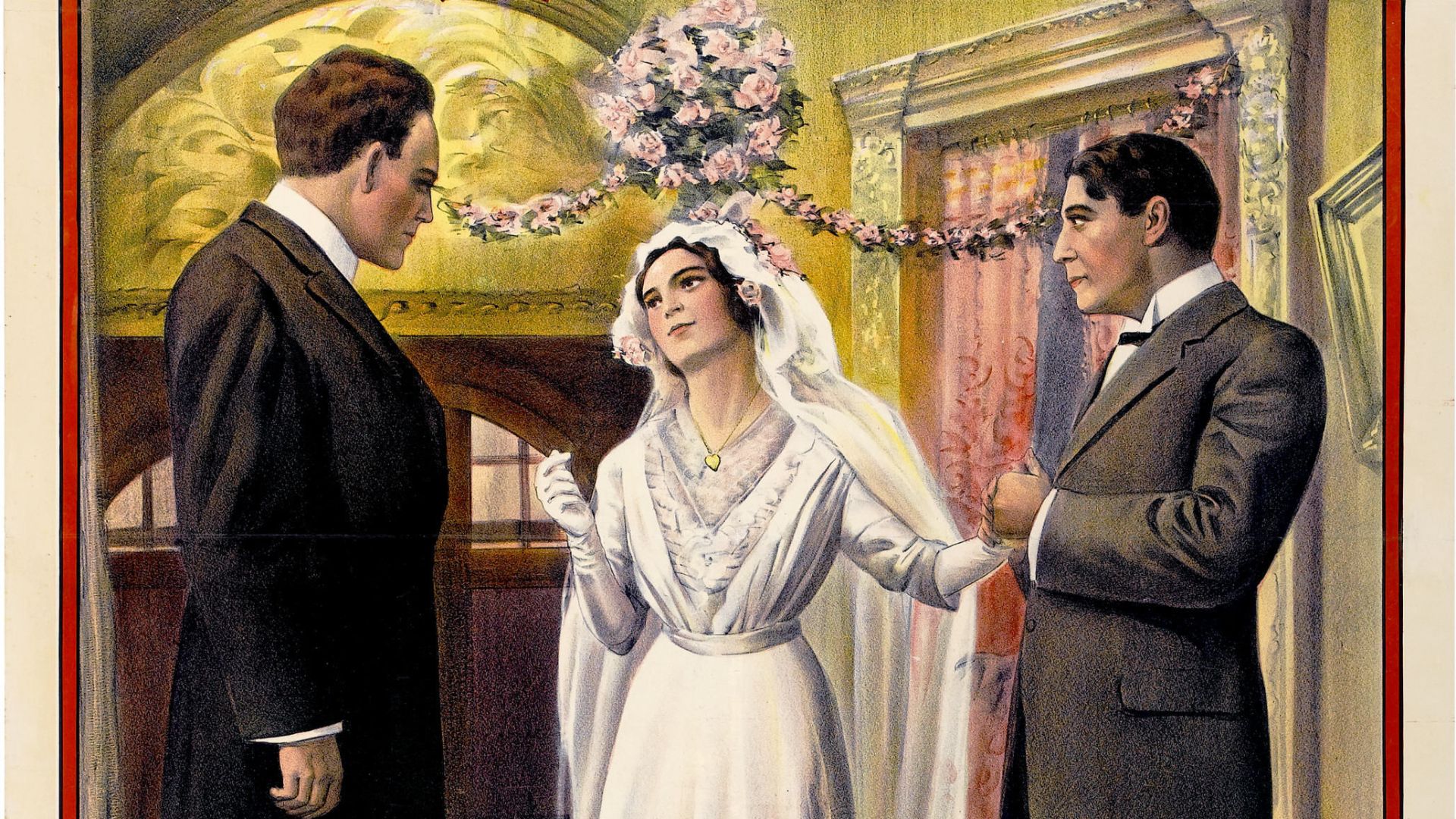
12. The Oyster Princess (1919)
This comedy presents wealth and social ambition as a kind of organized chaos. Its pacing is brisk, its behavior exaggerated, and its satire pointed beneath the farce. The chaos is so controlled that it starts to look like a form of precision.
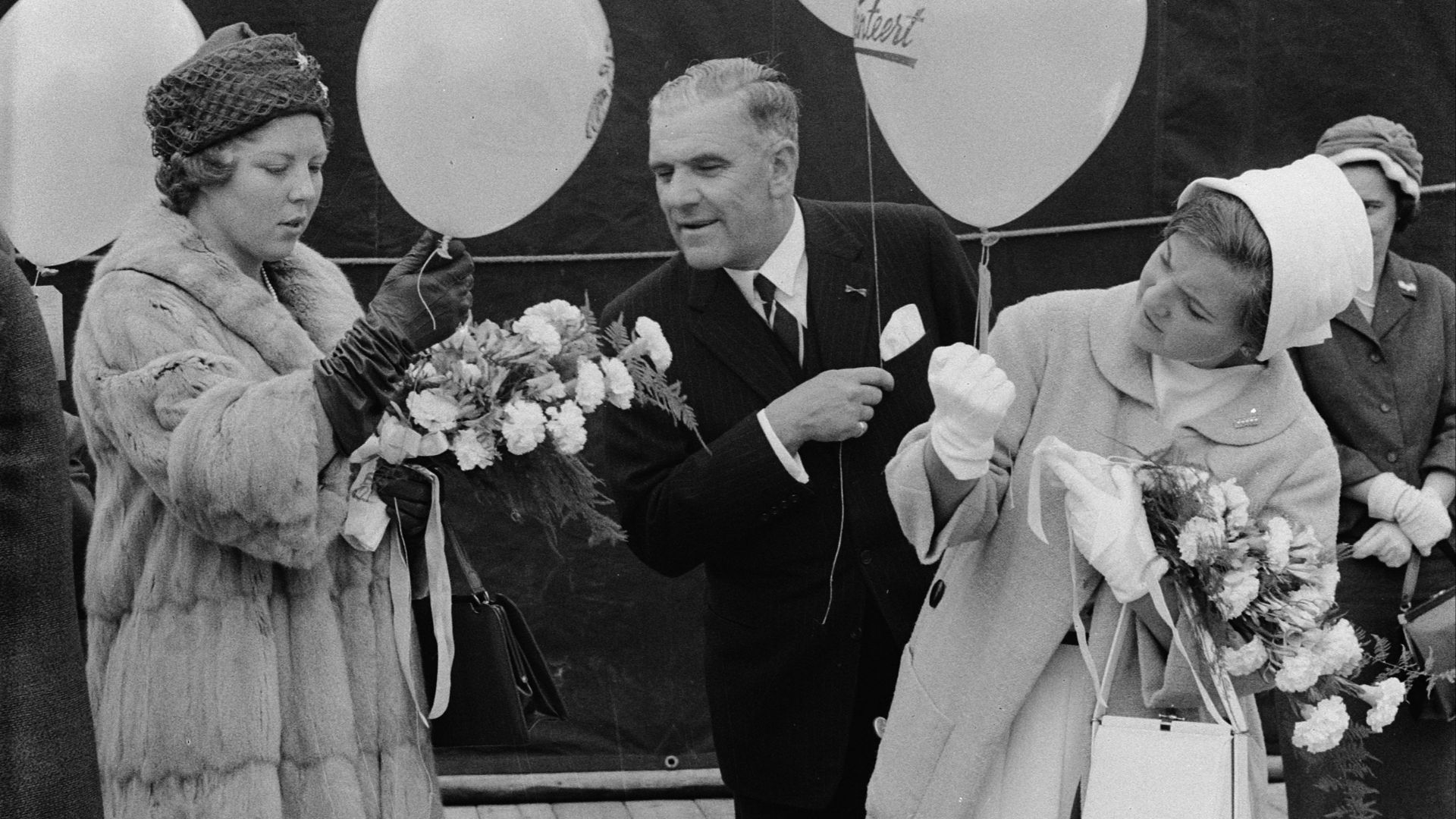 Harry Pot / Anefo on Wikimedia
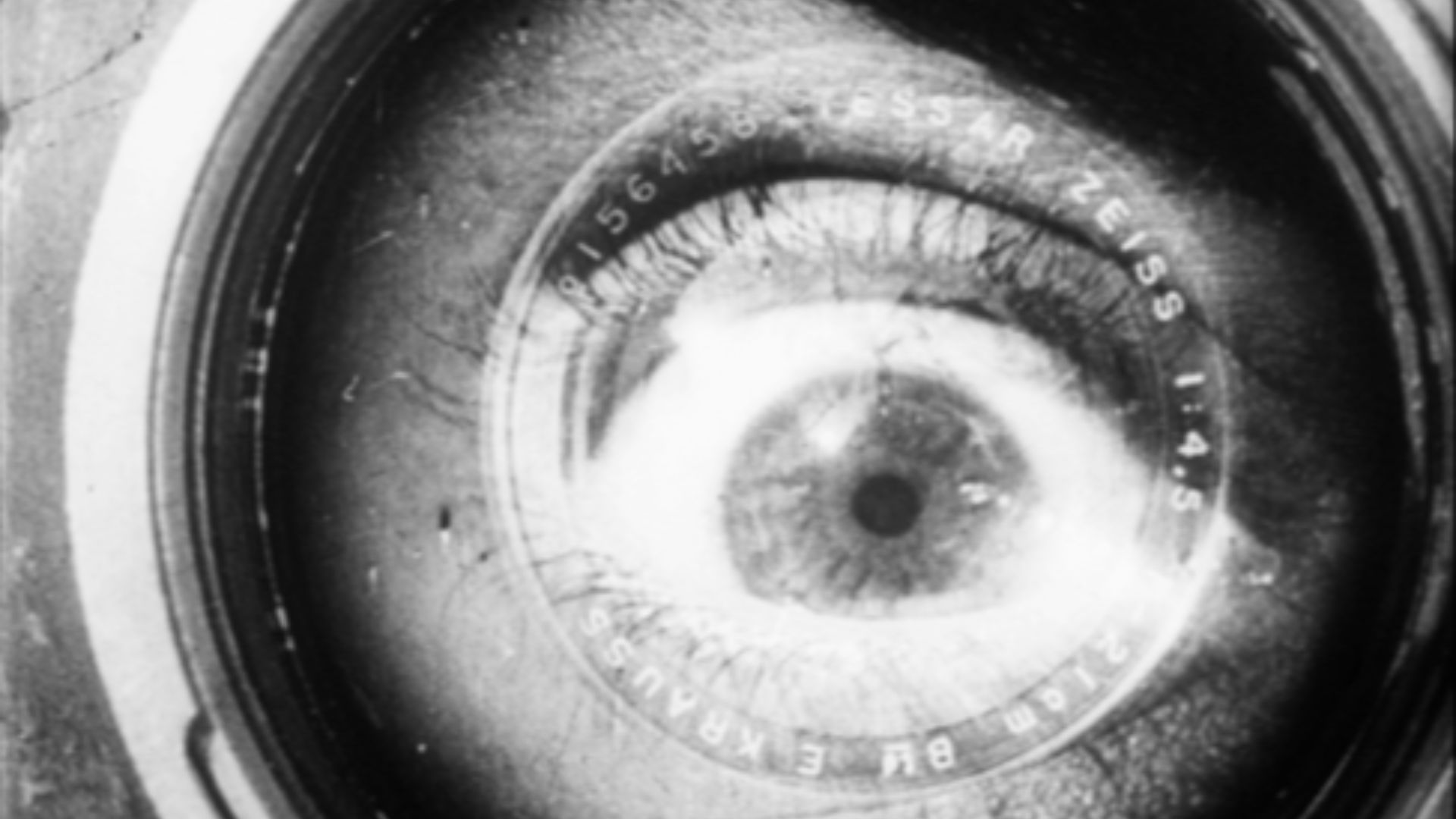
13. Man with a Movie Camera (1929)
Instead of telling a traditional story, this one turns the camera itself into the main character. The film plays with speed, perspective, and visual tricks, repeatedly reminding you that you’re watching a constructed reality. Somehow it’s chaotic and hypnotic at the same time, which is a pretty wild combo.
14. The Adventures of Prince Achmed (1926)
Silhouettes and color-tinted shapes create a world that feels like stained glass coming to life. The storytelling moves like a myth told by firelight, shifting from wonder to menace without warning. It’s proof that “silent” never meant “limited,” especially when imagination is the engine.
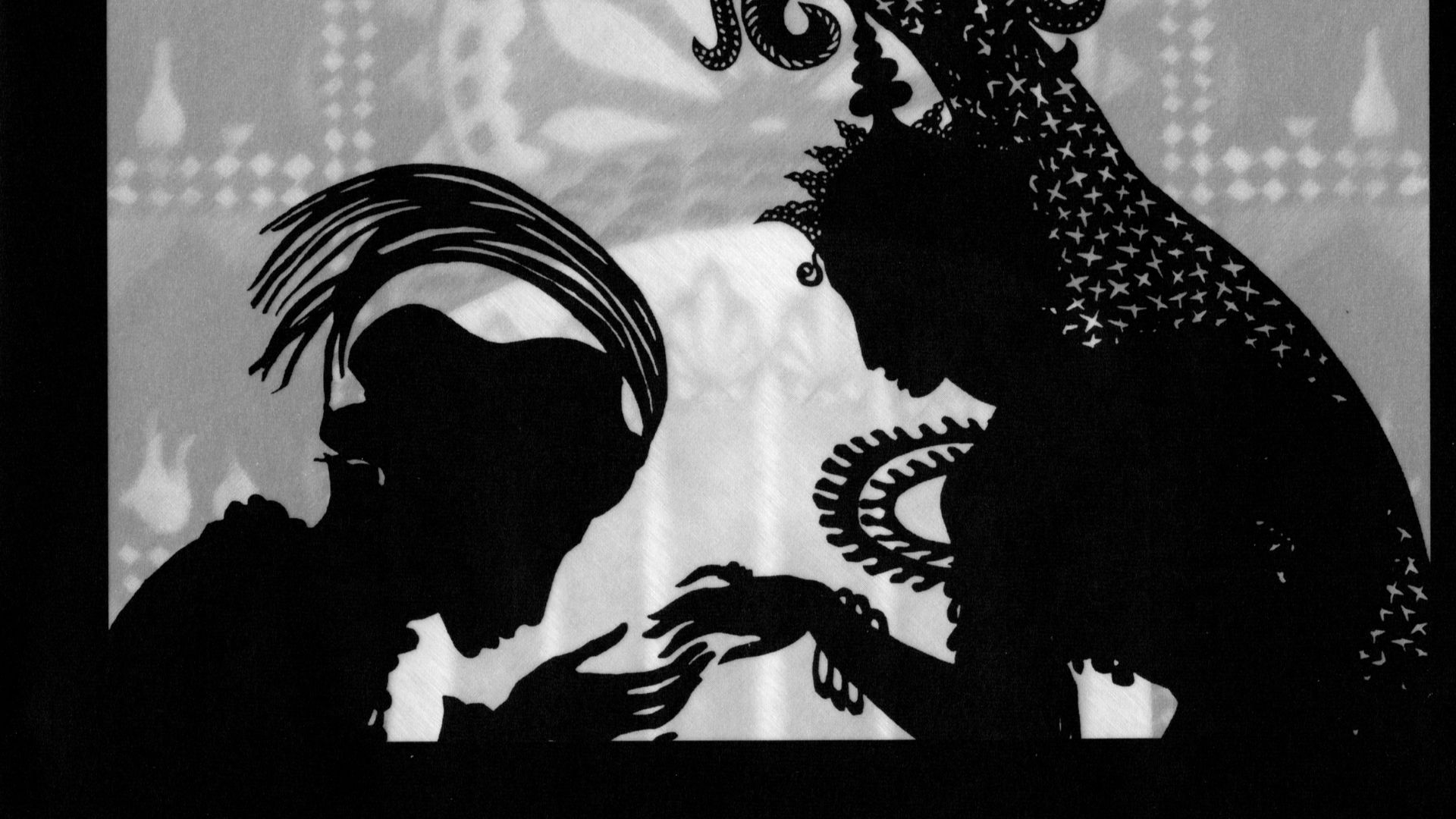 Lotte Reiniger/Primrose Productions on Wikimedia
15. The Fall of the House of Usher (1928)
The film treats Poe’s mood as its true plot, letting images drift and pulse like a sickly heartbeat. Faces, curtains, and shadows blur together until the mansion feels sentient. Just watch out—you’ll find yourself leaning in for a closer view.
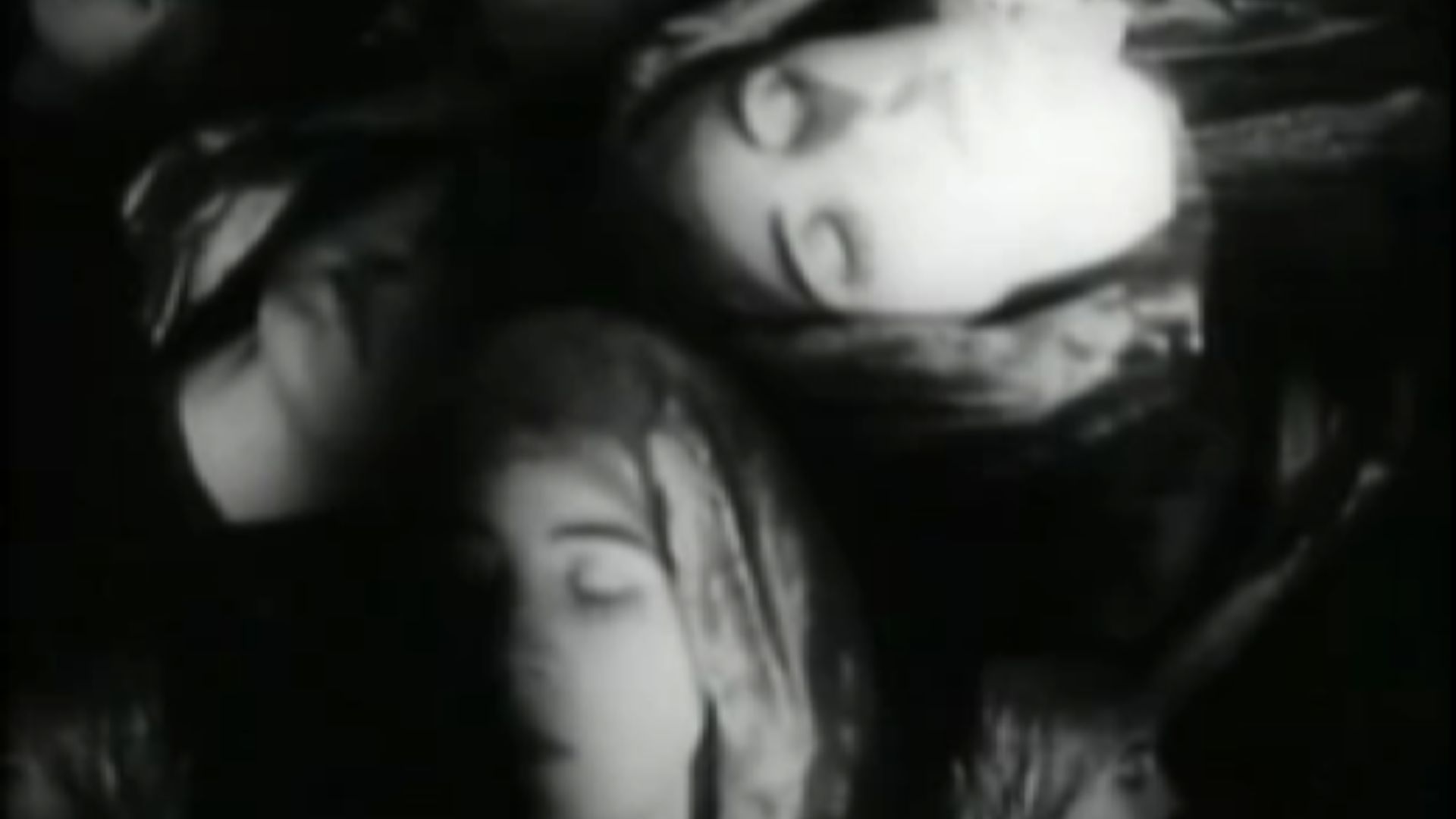
16. Dr. Mabuse, the Gambler (1922)
A criminal mastermind becomes less a character and more a social disease, spreading fear through influence and manipulation. The scope is sprawling, yet the tension stays personal, like you’re watching a city get hypnotized in real time. It’s unsettling how contemporary its anxieties still feel.
17. L’Inferno (1911)
This early epic goes all-in on hellish spectacle. It doesn’t take long to notice that the visuals are in a league all their own; you don’t watch it for subtlety; you watch it to witness the audacity of its ambition.
 Padovan-Bertolini on Wikimedia
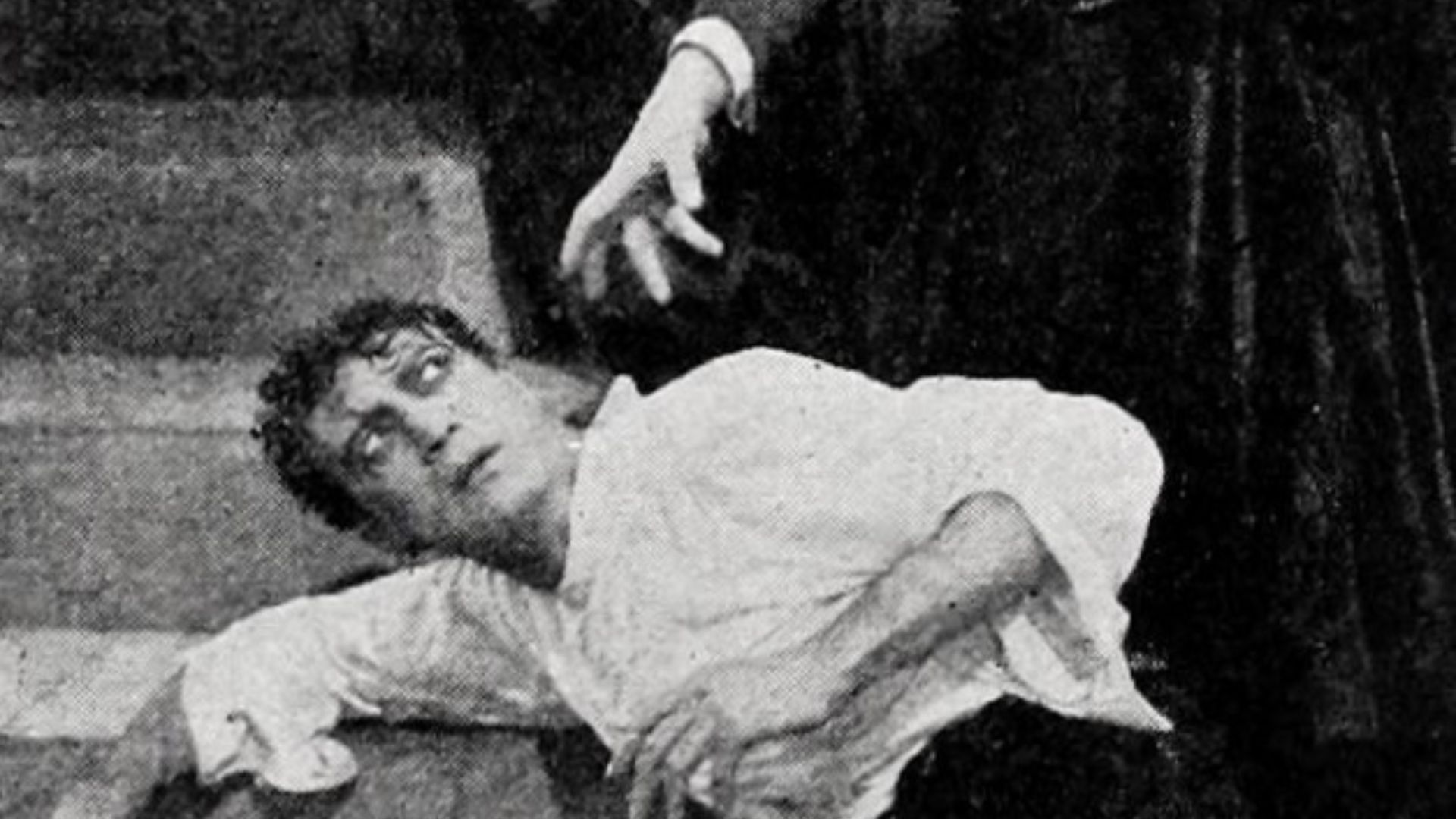
18. The Phantom of the Opera (1925)
You may know it as the grand musical number, but the 1925 flick was anything but. The opera house becomes a social theater where beauty and monstrosity keep switching seats, and in this rendition, the famous unmasking moment isn’t just a scare; it’s a statement about obsession and entitlement.
 Universal Pictures on Wikimedia
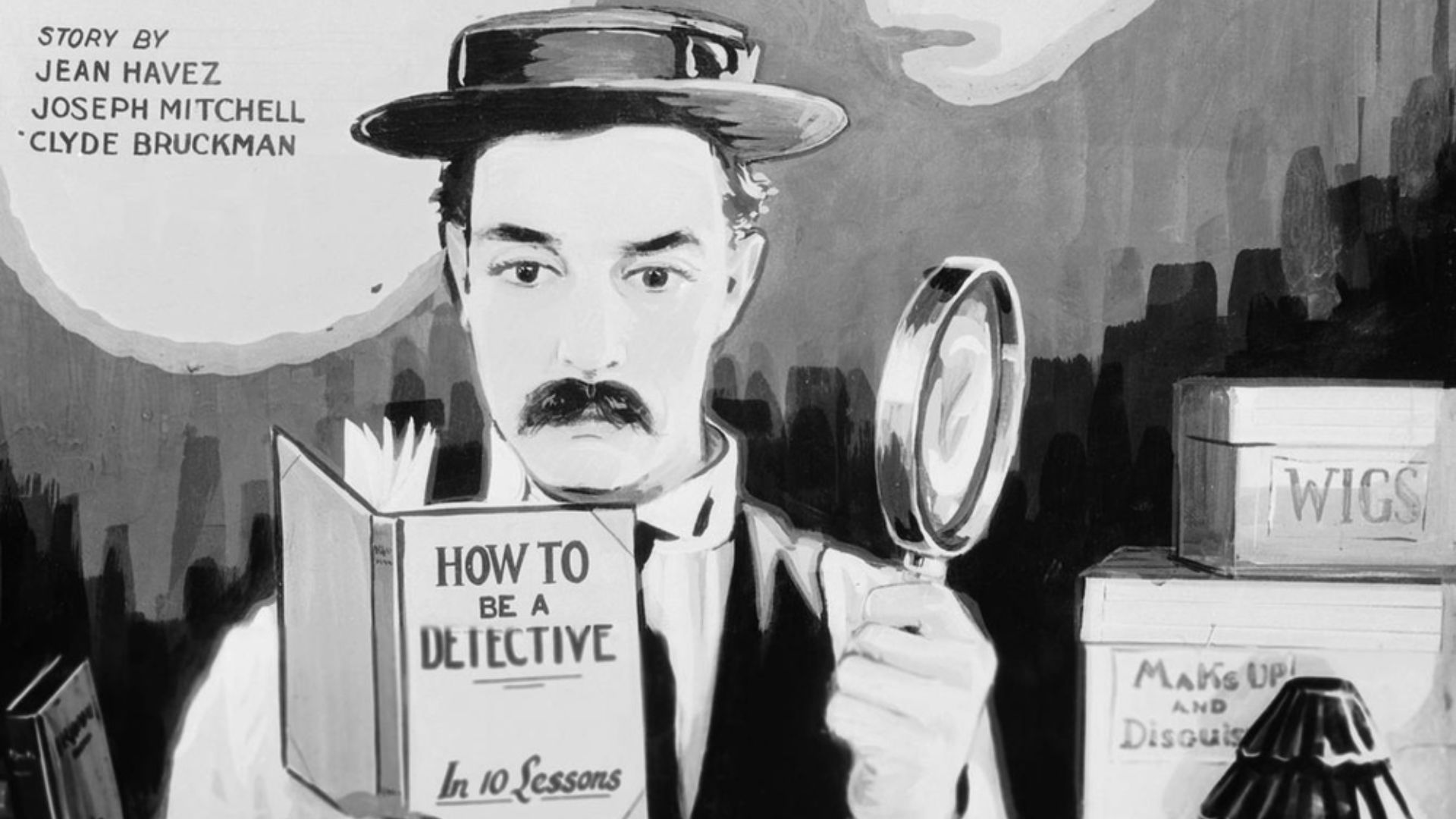
19. Sherlock Jr. (1924)
Move over, Robert Downey Jr.—there’s a new, or rather, old, version in town. The stunts and visual gags in this flick are so inventive that you’ll catch yourself forgetting the era entirely. It’s crazy in the purest sense: precise, playful, and fearless.
 Unknown authorUnknown author on Wikimedia
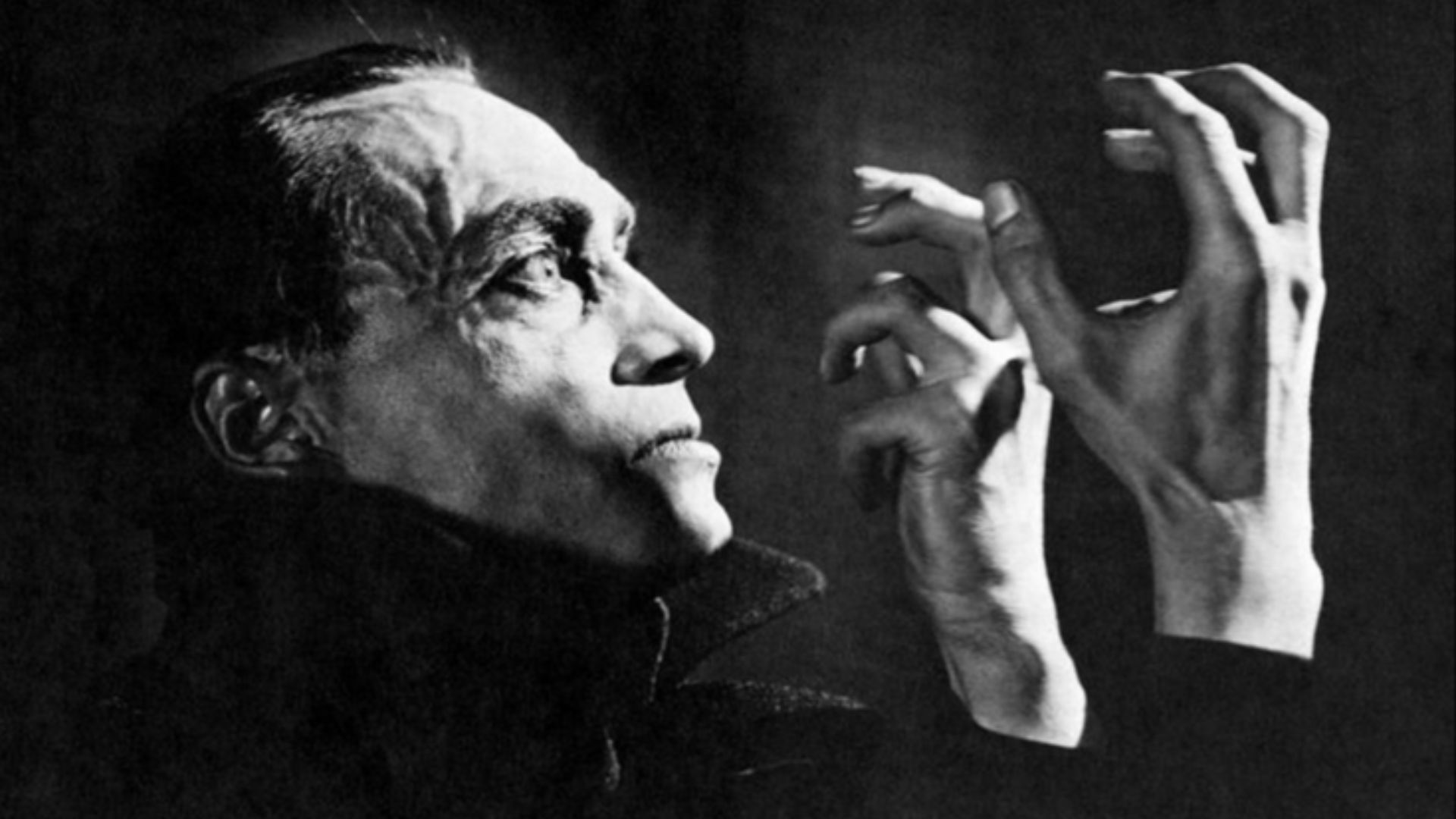
20. The Hands of Orlac (1924)
A transplanted pair of hands becomes a psychological trap, turning bodily survival into moral terror. It’s a film that exploits our deepest fears, which is an especially intimate kind of horror. When it’s at its best, it makes you question where identity actually lives.
 Robert Wiene († 1938) on Wikimedia
KEEP ON READING