 William Dobson Valentine on Wikimedia
Sugar's history is far from sweet. What we now see as a basic pantry staple used to be a rare luxury. For centuries, it was known as "white gold" because of how valuable it was. By the 17th century, it was transformed into a global commodity fueled by the newfound popularity of coffee, tea, and chocolate. More than changing the European diet, this immense demand became the primary engine for the most brutal chapter of the Atlantic slave trade.
History of sugar
Sugar first arrived in Europe in the 12th century during the Crusades, with returning soldiers who encountered it in the Middle East. Previously, honey was the only available sweetener in Europe. Sugar was initially expensive and scarce, prized as a spice and a medicine, enjoyed by Europe's elite. However, technological advancements and new sources began turning it into a much more affordable commodity by the 16th century.
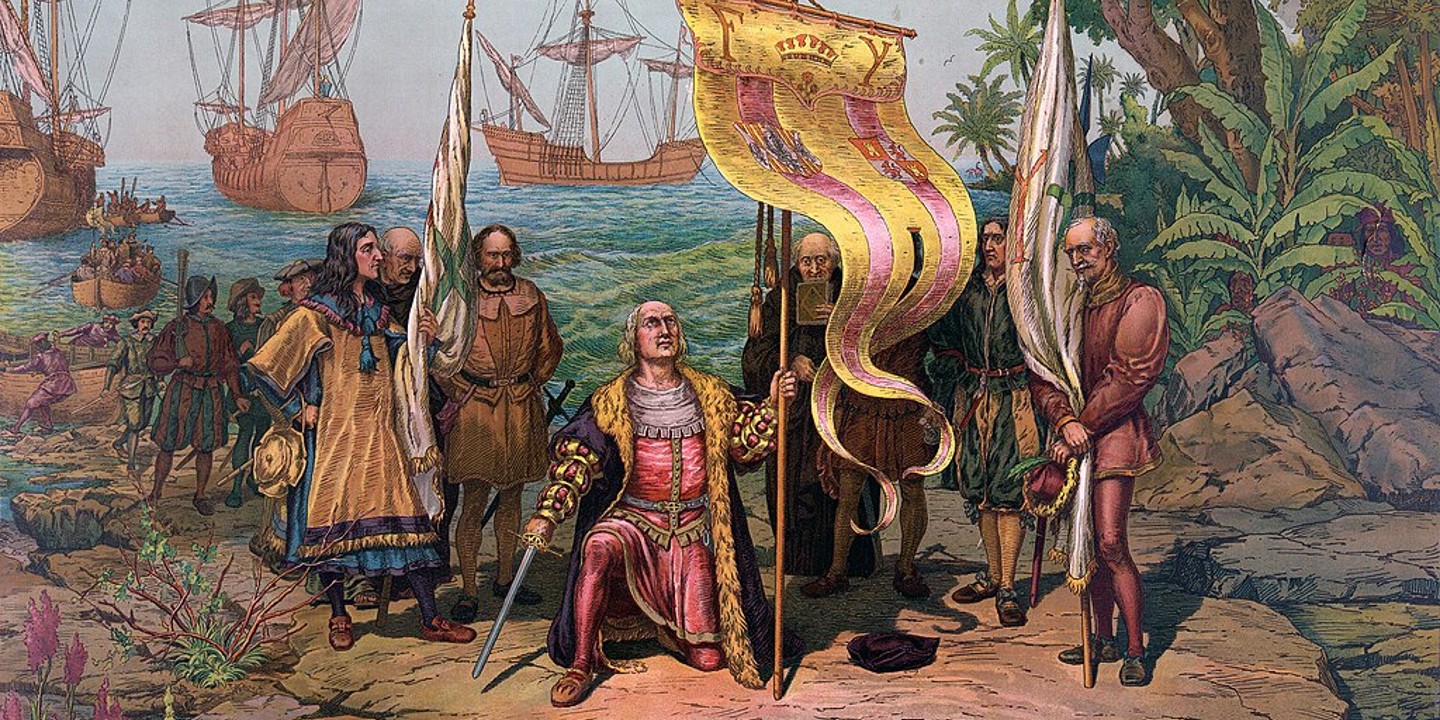
Christopher Columbus carried sugarcane seeds to the New World on his second voyage, and by the mid-1500s, hundreds of sugar mills had been constructed across the Caribbean and South America. By the 8th century, sugar had surpassed grain as European trade's most valuable commodity.
Sugar islands
The Caribbean and South America proved to be the perfect environment for "Nature's gold;" however, sugar cane is a uniquely demanding crop. Unlike tobacco or cotton, sugar production is both an agricultural and an industrial process. The cane must be harvested and crushed within hours to prevent spoilage, requiring a massive and constant labor force.
Indigenous populations were largely being wiped out by European diseases and warfare, so planters turned to Africa. This created the infamous Triangular Trade, a sophisticated economic system designed to maximize profit at every turn. How it worked was Europeans would arrive in Africa with manufactured goods to trade for kidnapped Africans. Then the "middle passage" would transport millions of enslaved people across the Atlantic in inhumane conditions. Finally, the sugar, molasses, and rum produced in the New World would be sent back to Europe, producing immense wealth.
Life on a sugar plantation
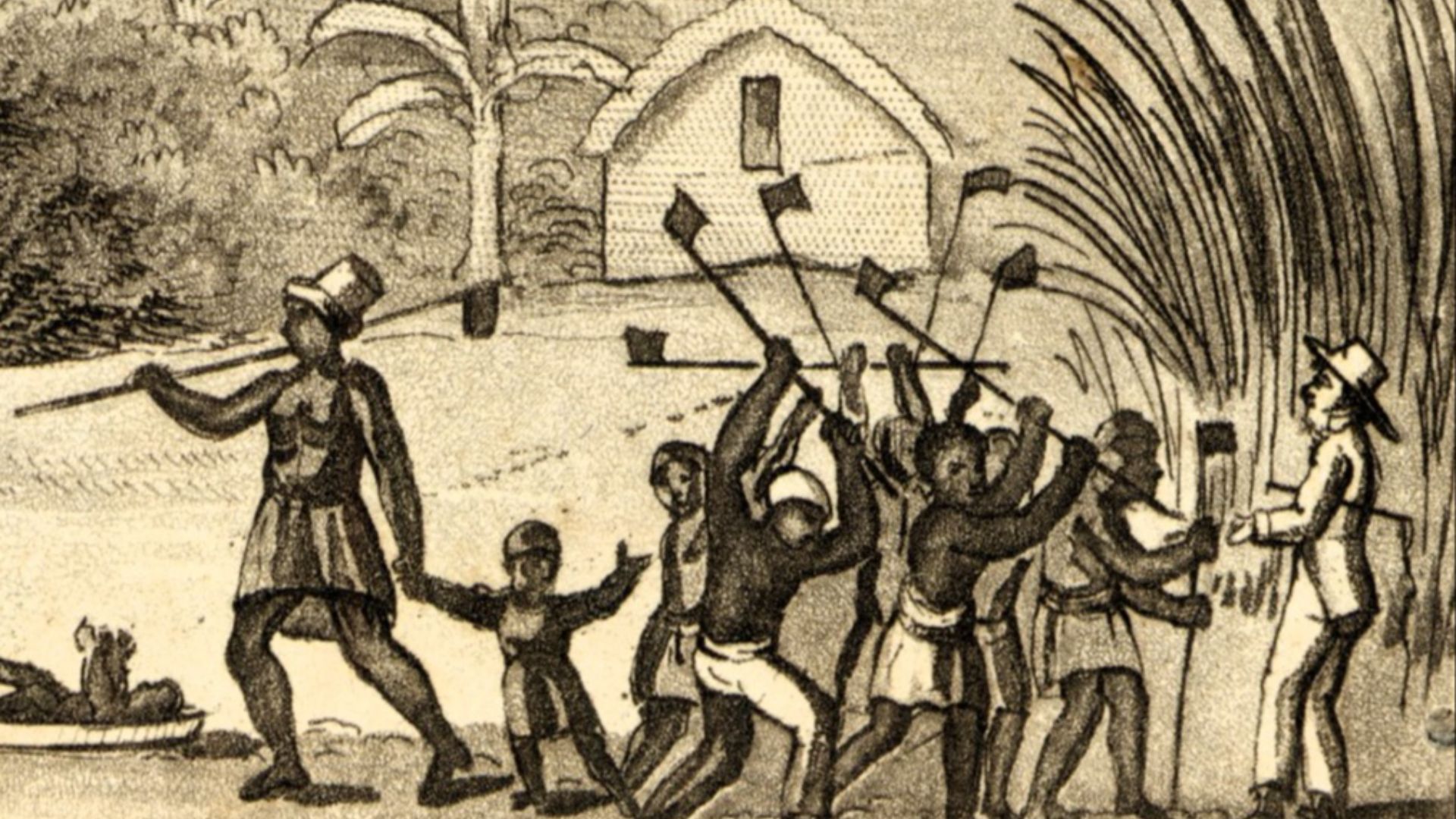 John Augustine Waller on Wikimedia
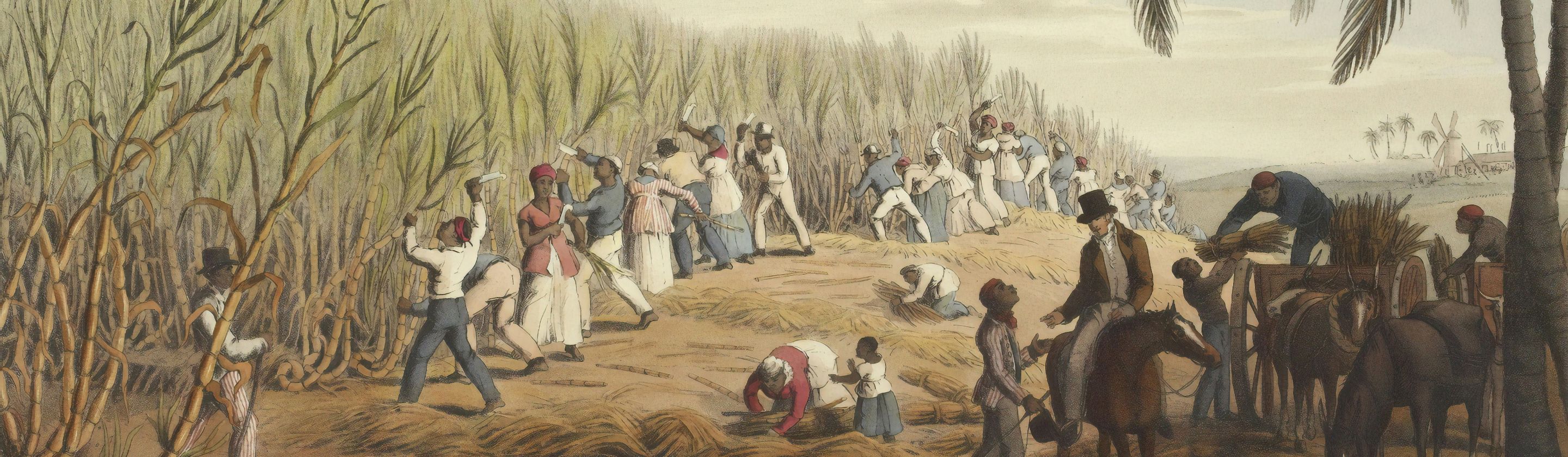
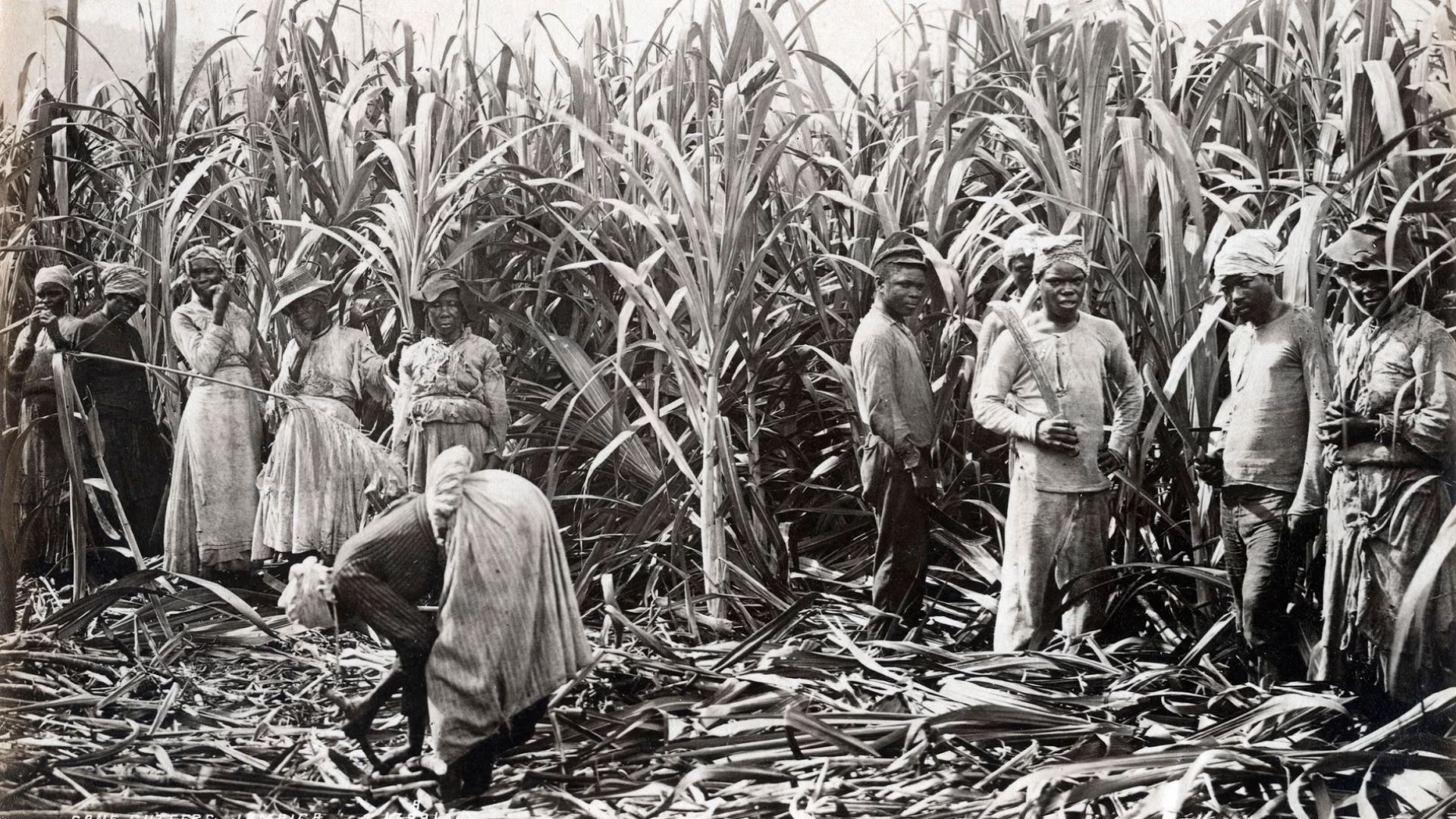
Work on sugar plantations was relentlessly grueling. Enslaved people spent 18 hours a day hacking through thick stalks with machetes under the tropical sun. The leaves of sugar cane could cut through skin, and the heavy stalks could cause permanent physical deformity.
However, nowhere was the danger so grave as in the boiling houses, where the juice from sugar cane was heated in massive lead vats. Steam filled the rooms, and accidents like severe burns and limbs being crushed in grinding mills were common. Because sugar was so tremendously profitable, planters had little incentive to maintain a healthy population of enslaved people because it was cheaper for them to replace them with new arrivals.
A legacy of "blood sugar."
By the 18th century, sugar and slavery were essentially married to one another. The profits from this trade helped finance the Industrial Revolution, building banks, insurance companies, and grand estates that still stand today. However, people began to finally take notice and take a stand. The abolitionist movement began to gain traction in the late 1700s, partially through sugar boycotts.
The slave trade was eventually abolished, but the centuries of damage were already done. The legacy of sugar as a crop intertwined with slavery remains carved into the demographics, economies, and cultures of the West Indies, Central, and South America.
Sugar may have sweetened Europe’s past, but it did so through extraordinary human suffering. Each spoonful, even in the modern day, serves as a reminder of that.