


Odd Justice From The Past
Across ancient civilizations, weird rules shaped the intimate details of daily life, like what people could eat and wear, or even how they were punished for such indiscretions. Some laws aimed to preserve order, others to project fear or rigid social divisions, but what seems unusual to us now was once considered perfectly normal. Let’s go over 20 of the strangest ancient laws throughout history.
1. Spartan Military Meals
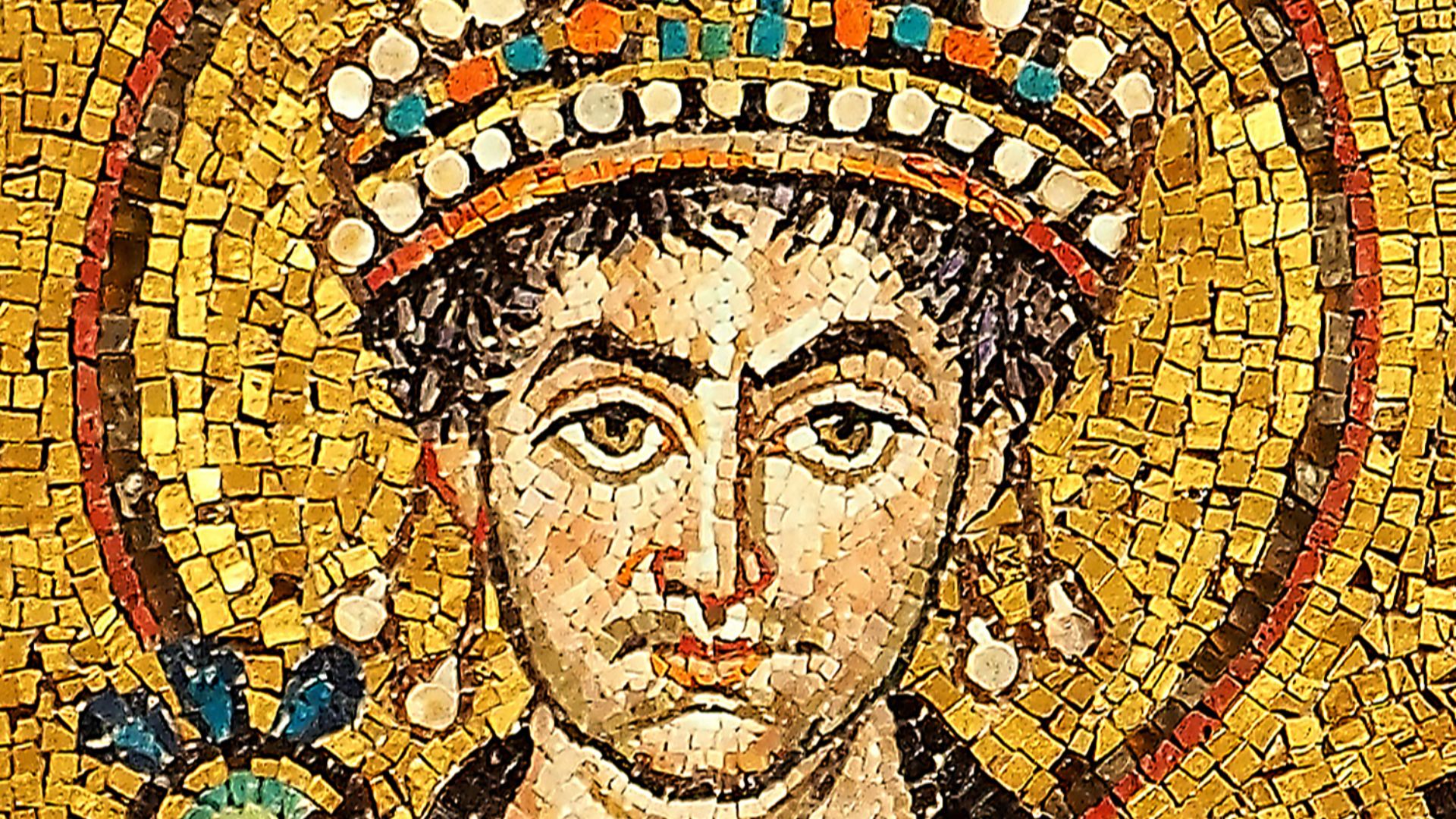
In Sparta, men weren’t free to dine at home. Instead, the law demanded meals in communal mess halls, reinforcing equality and military discipline. Male citizens had to supply their portion or lose their status, and foreigners often found Spartan meals disgusting.
2. Roman Ban On Excessive Mourning
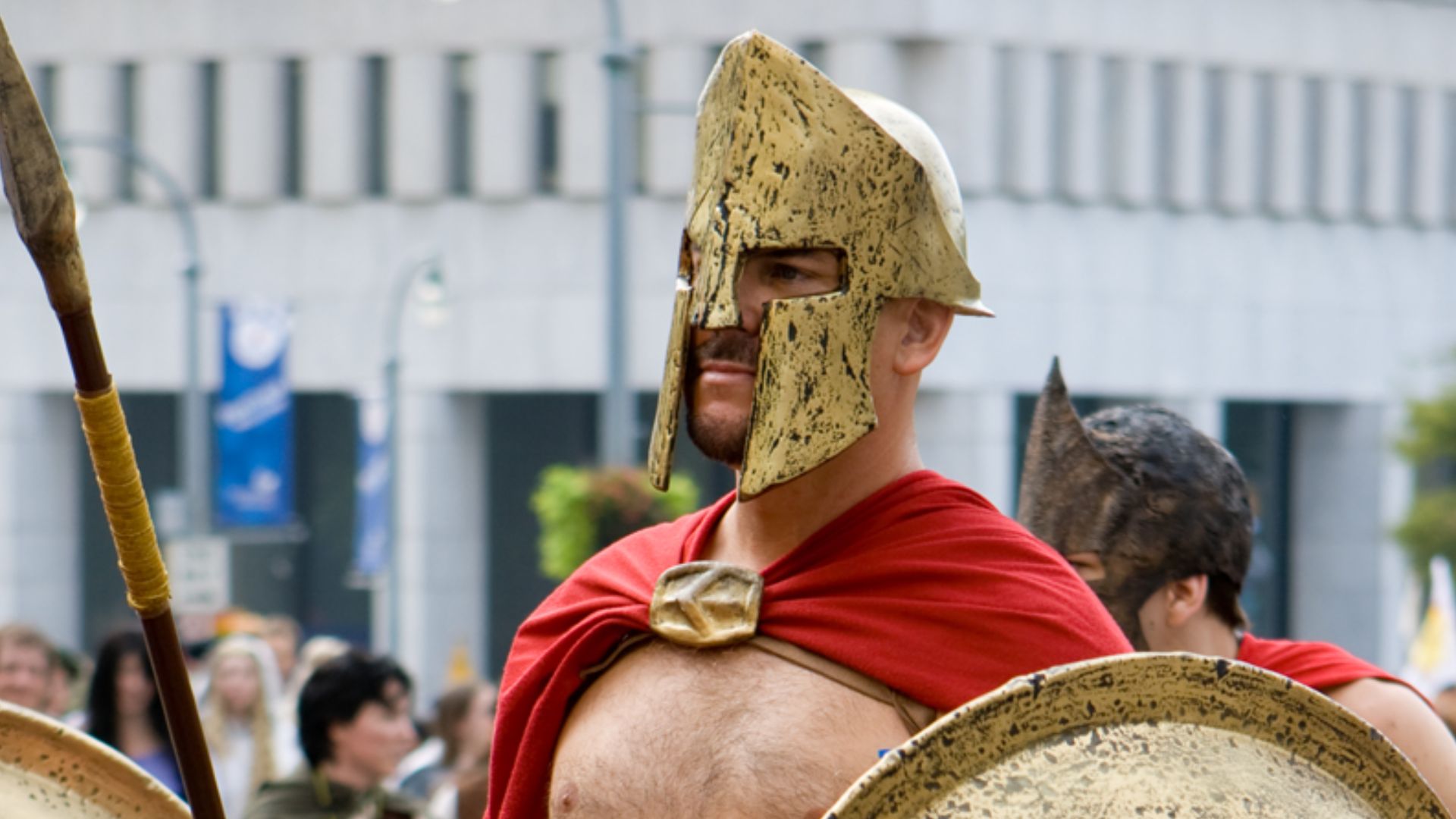
Rome once passed laws limiting how loudly or dramatically people could mourn at funerals. Authorities feared over-the-top grief disrupted order and stirred unrest. Professional mourners were even restricted. Despite the ban, families often found ways to show sorrow.
 Photo: Mikhail Evstafiev on Wikimedia
3. Babylonian Beer Law
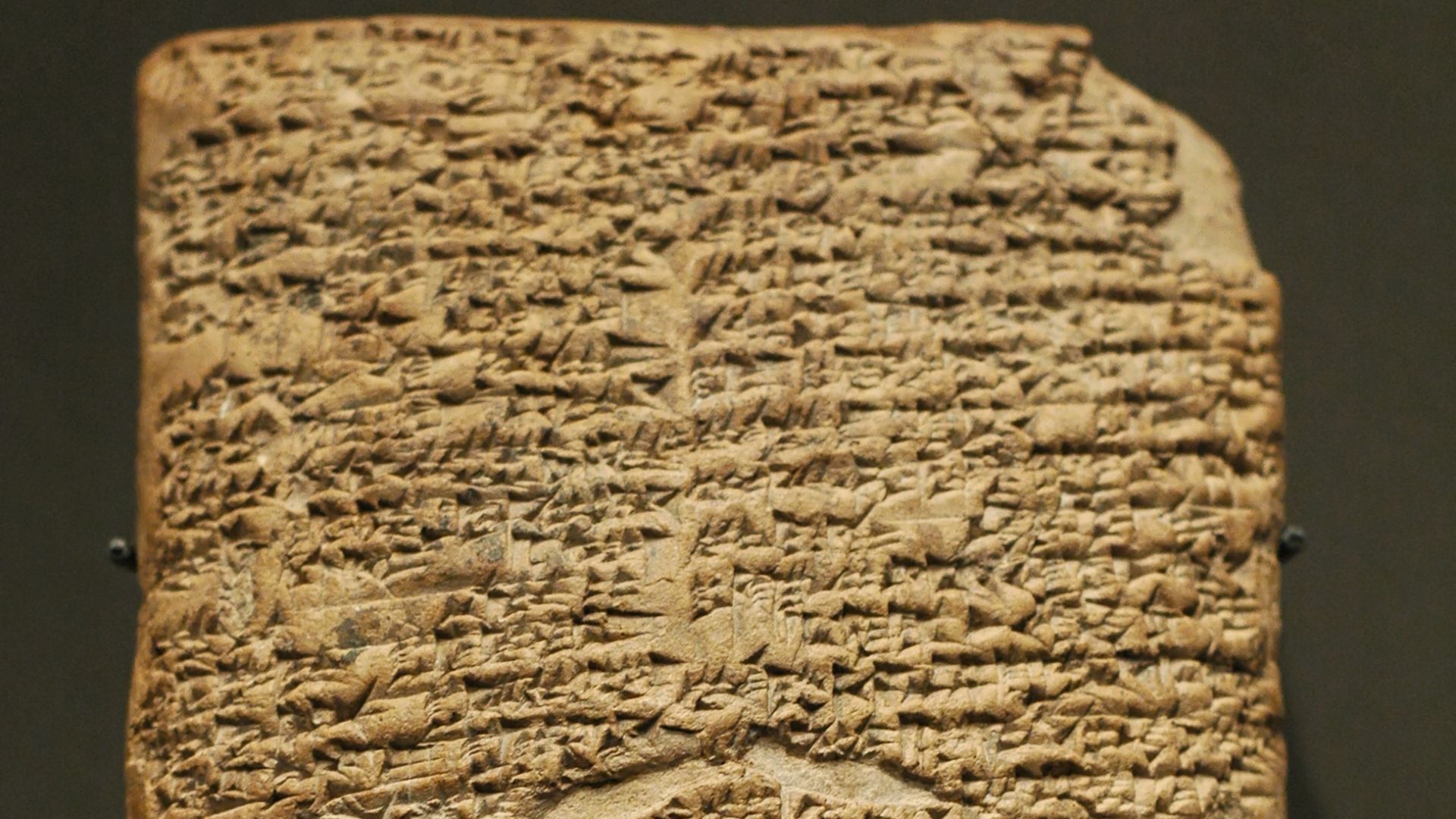
Beer in Babylon was regulated by law. Hammurabi’s Code punished tavern keepers for shortchanging customers on beer portions. Women often ran these taverns, making them central to daily life. Flavored with dates or honey, beer was safer than water.
4. Indian Priests’ Bathing Law
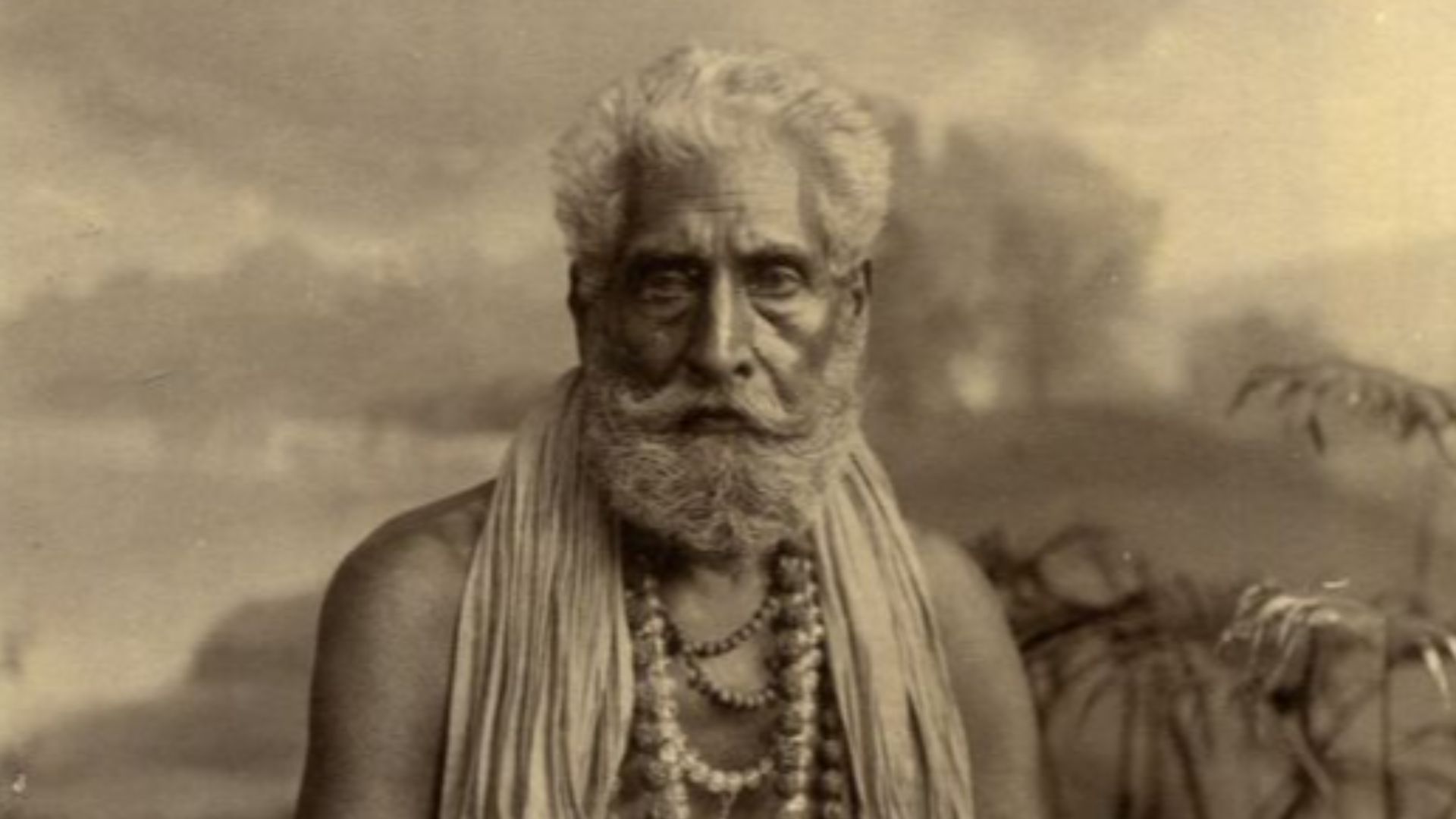
Purity shaped the duties of ancient Indian priests, who were required by law to bathe multiple times each day. Skipping rituals attracted religious penalties, and occasionally legal penalties followed. Cleanliness was spiritual, and priests sometimes bathed in rivers considered sacred.
 Unknown authorUnknown author on Wikimedia
5. Roman Senators And Ships
In Rome, senators couldn’t legally own large trade ships. The rule aimed to keep elites devoted to politics, not business. Yet many sidestepped it through relatives or partners. Commerce was deemed beneath their dignity, though emperors later relied on massive fleets to haul grain.

6. Egyptian Hair Removal Laws
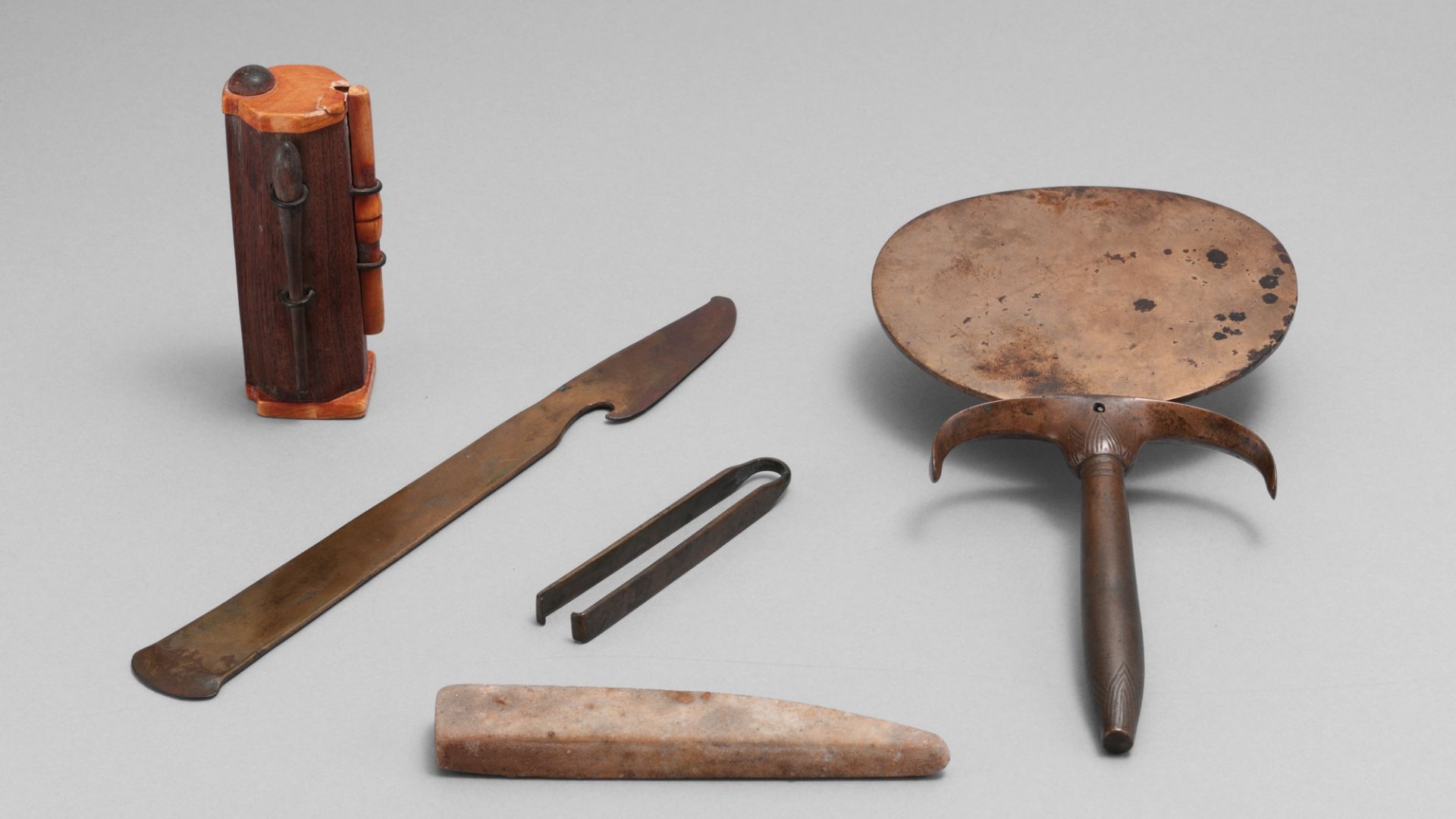
Purity in ancient Egypt demanded unusual grooming. Priests were legally required to shave their entire bodies every few days, using bronze razors to remove all hair. Baldness was considered holy and set them apart, and artwork often shows smooth-skinned priests.
 Metropolitan Museum of Art on Wikimedia
7. Chinese Farmers Tied To Land
Farmers in ancient China were legally bound to their plots, unable to abandon them. This rule secured stable food supplies. Escape attempts risked beatings or forced labor, and this pushed some farmers to hide in forests or disguise themselves to flee.

8. Egypt’s Income Oath
Tax honesty was a law in ancient Egypt. Citizens swore oaths declaring yearly income, with false reports punished by fines or confiscation. Priests and scribes supervised the process. Greek historian Diodorus Siculus admired this system, which was an early example of legal taxation.

9. Egyptian Cat Protection
Harming or killing a cat in ancient Egypt—even by accident—was against the law. Cats were sacred to Bastet, a goddess, and families welcomed them into their homes. Foreign visitors were astonished at how cats enjoyed near-divine status.

10. Purple For Roman Elites
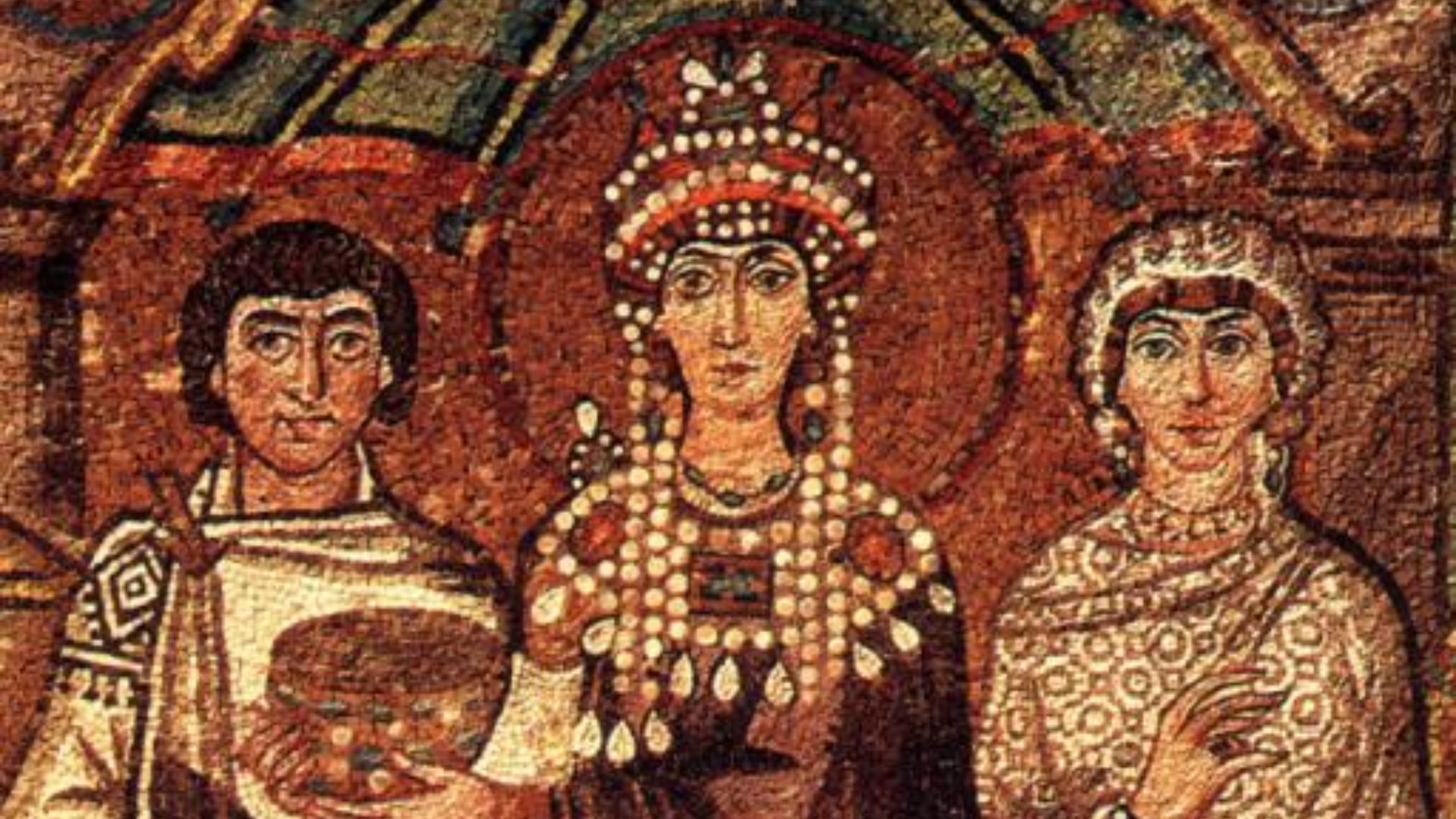
Tyrian purple was power. Only emperors and top officials could legally wear it, protected as a mark of supreme authority. Made from sea snails, the dye was costly enough to equal a soldier’s annual pay. Wearing it unlawfully could lead to severe punishment.
11. Spartan Iron Money
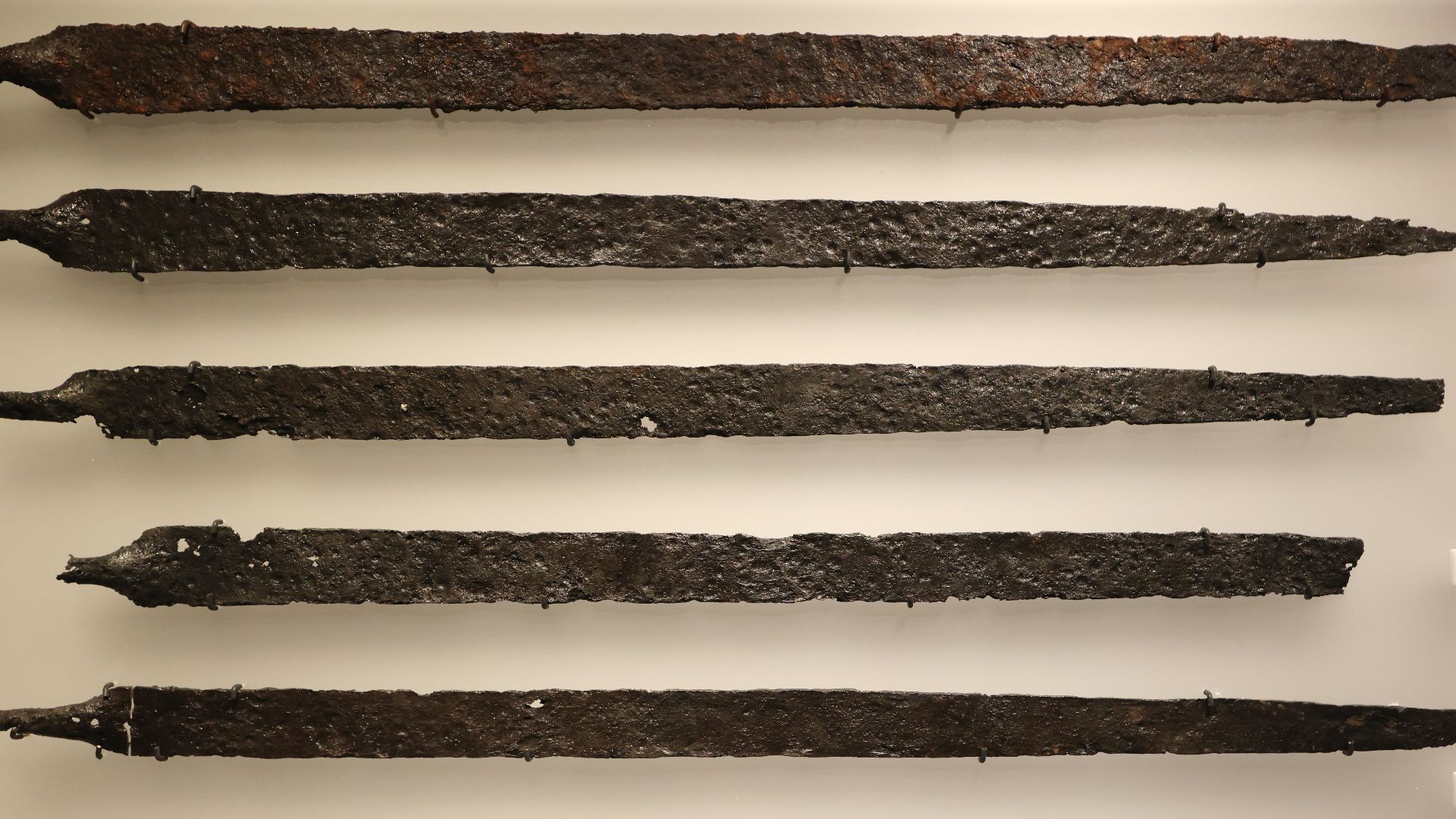
Sparta rejected glittering coins. Laws banned gold and silver, forcing citizens to use heavy iron bars instead. Designed to be bulky, they were difficult to steal or hide. Foreign traders mocked them, yet the system reflected Sparta's commitment to discipline over wealth.
12. Persia’s Ban On Lies
Truth was sacred in ancient Persia and tied to Zoroastrianism. Lying was treated as the worst possible crime. Persians believed that falsehood angered the gods and cursed the nation. Children were taught that lies were worse than theft, a standard that Greek historians admired.
 Unknown artistUnknown artist on Wikimedia
13. Roman Fathers Selling Sons
Roman fathers once held startling authority. By law, they could sell their sons into slavery three times, though after the third, the son was freed forever. Fathers also arranged marriages without consent. Ancient writers noted both the severity and flexibility of this law.
14. Women Banned From Olympics
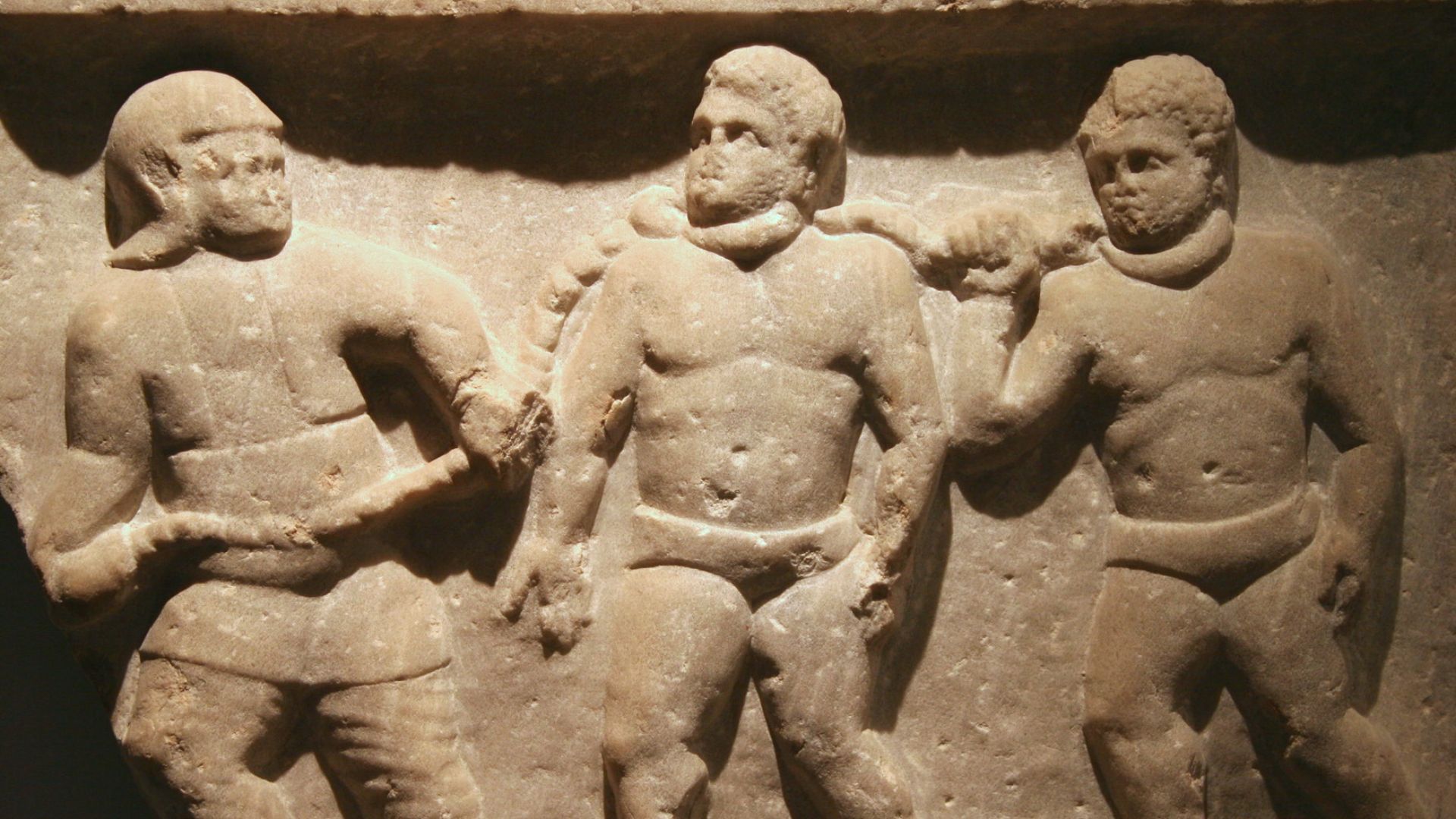
Ancient Greek law forbade women from watching the Olympic Games, with death as a penalty for breaking the rule. Married women were tightly restricted, though unmarried girls had some freedom. Only the priestess of Demeter was allowed inside, while others risked disguise to attend.
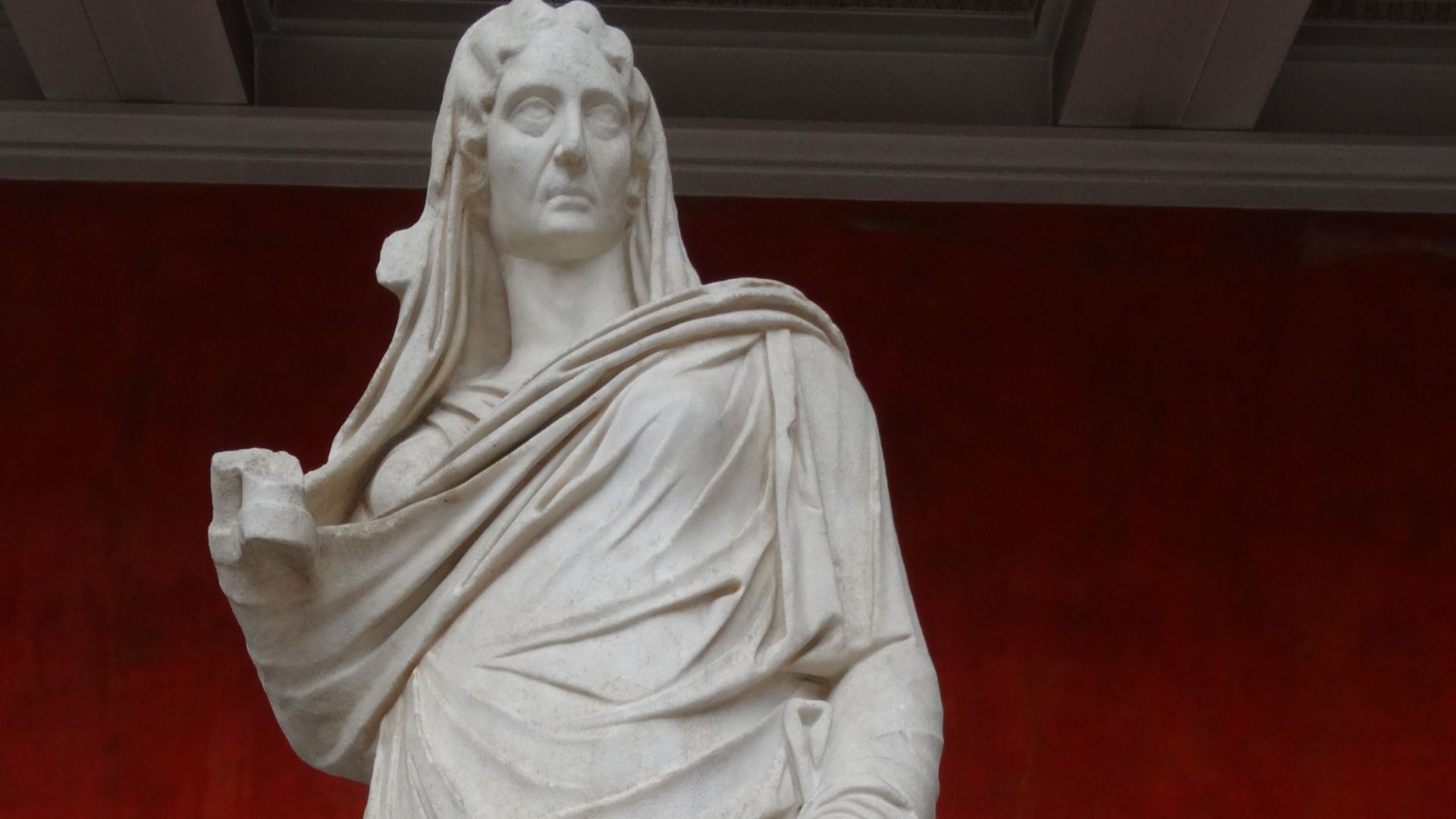
15. Egyptian Grain Quotas
Farmers had grain quotas to meet, and they were punished if they didn’t meet them, since harvests supplied the people and the pharaoh’s taxes. Officials checked fields with measuring rods to know if they were properly cultivated, and tax collectors likely accepted bribes.
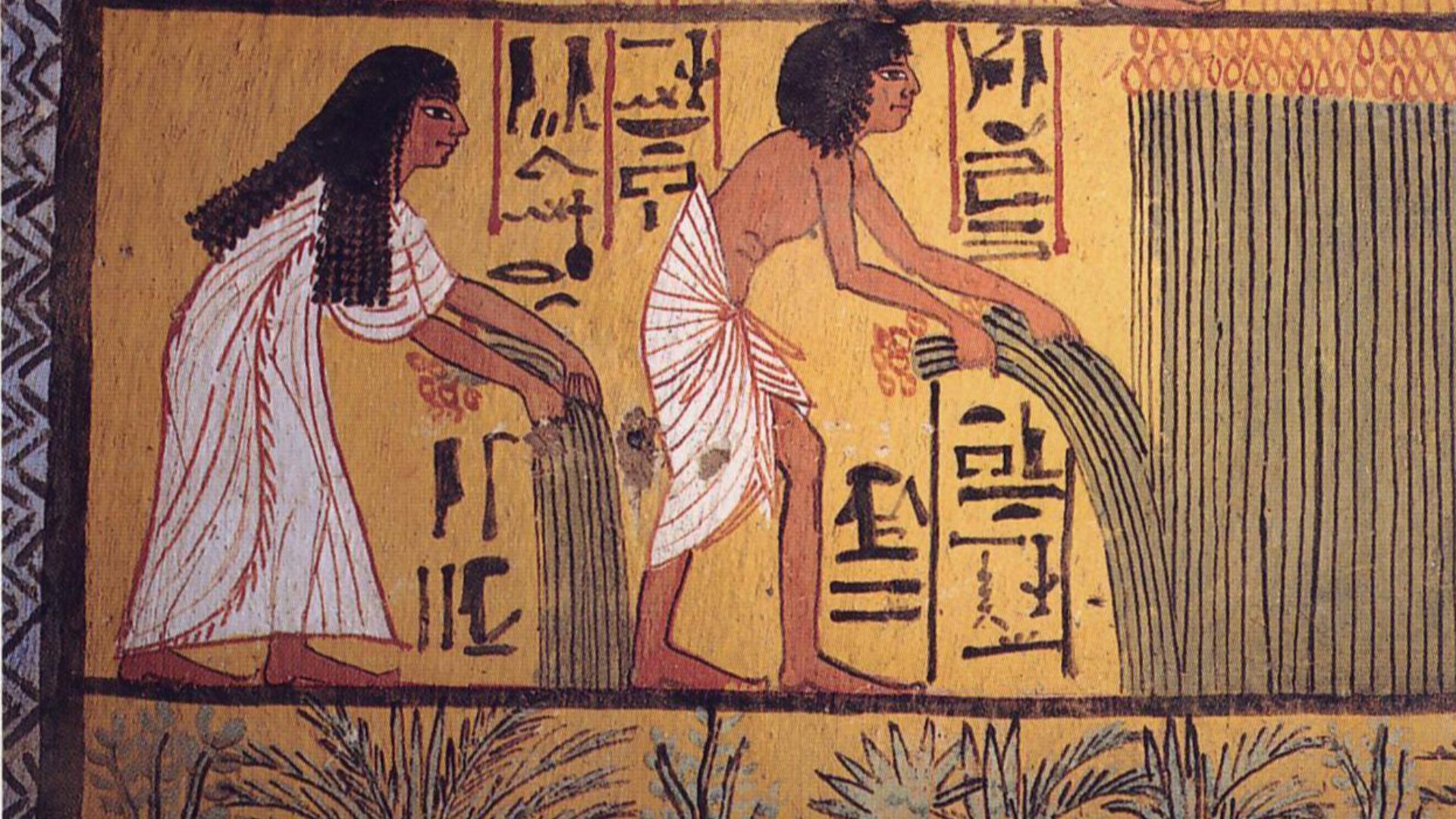 Anonymous Egyptian tomb artist(s) on Wikimedia
16. Egyptian Pig Ban In Temples
For ancient Egyptians, pigs were unwelcome in sacred spaces. Laws forbade them from entering temples, reflecting their image as ritually unclean animals. Greek historian Herodotus noted pig farmers were socially shunned, though pigs were still raised in rural areas.

17. Greek Olive Tree Protection
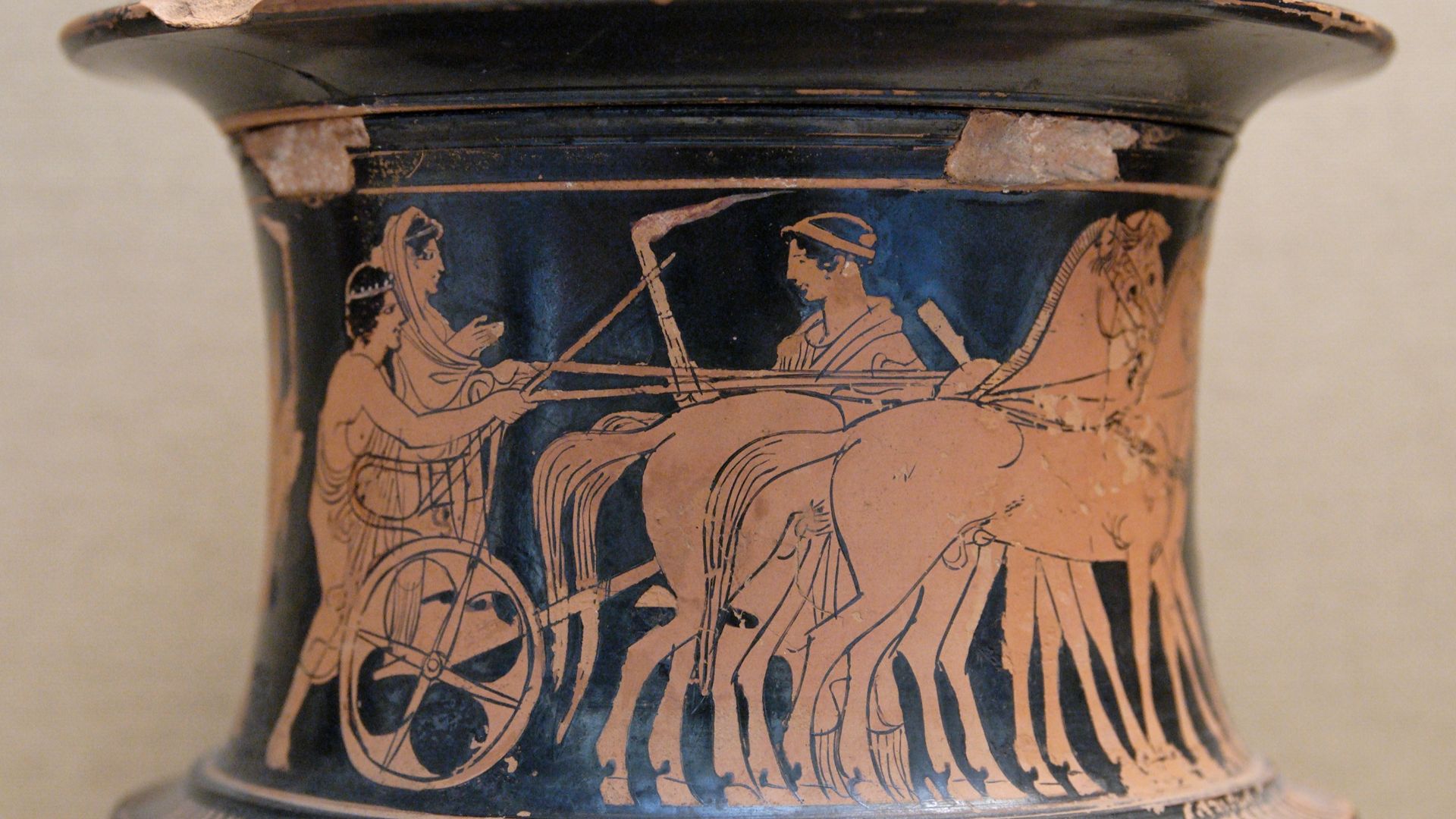
In Athens, even trees enjoyed legal protection. Cutting down a sacred olive tree was forbidden because they were believed to be Athena’s divine gift. Olive oil was so valued that it was used as a prize at the Panathenaic Games. Even private landowners couldn’t touch these trees.
 Channel R at English Wikipedia. Photographer: Rien Post. on Wikimedia
18. Spartan Marriage Fines
Marriage in Sparta wasn’t a choice for men. Laws fined men who refused to wed by a certain age, aiming to boost the warrior population. Unmarried men endured public shaming. Unlike other Greek cities, Sparta treated bachelorhood differently.
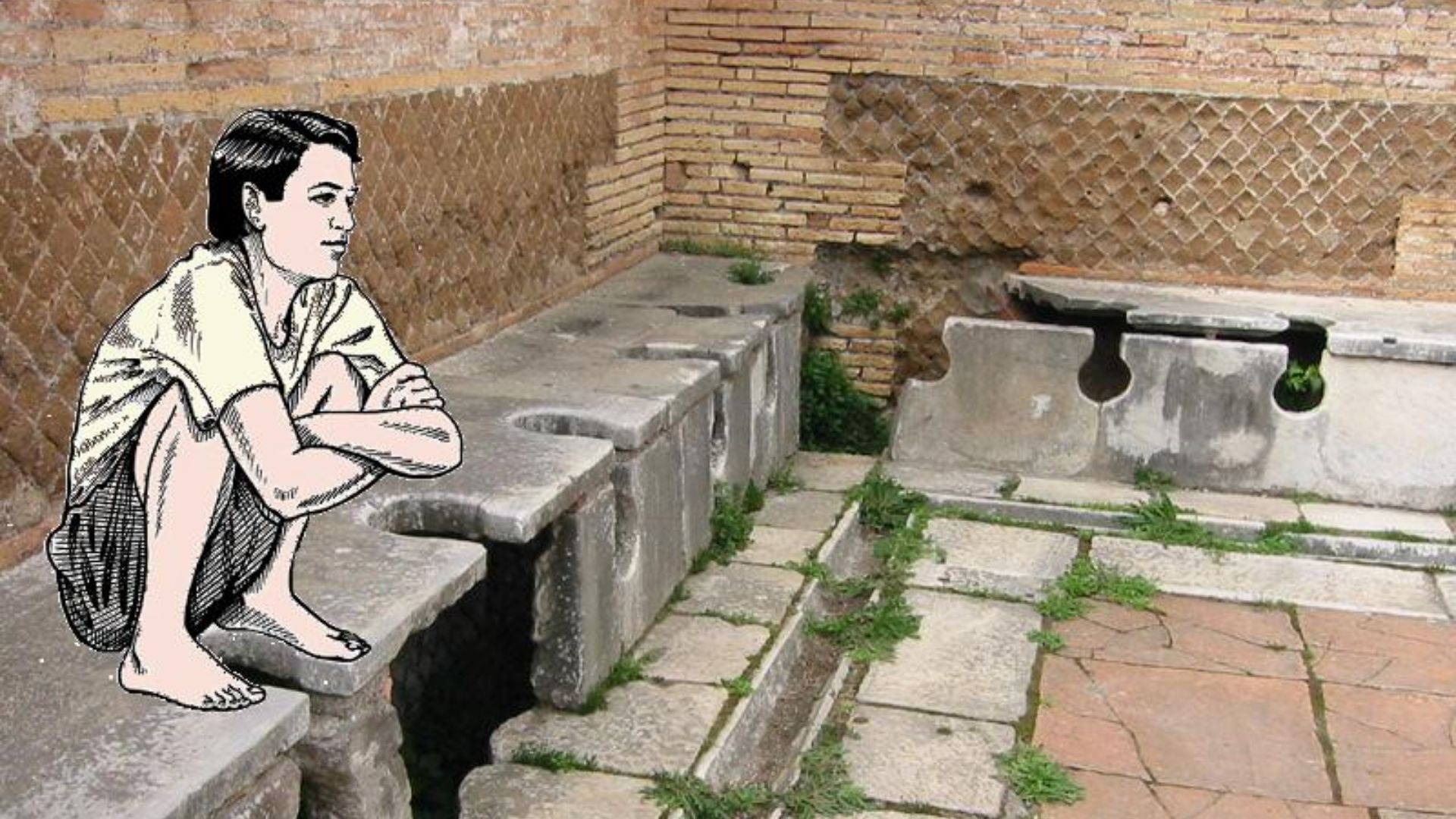
19. Roman Urine Tax
A strange tax once filled Rome’s coffers. Emperor Vespasian charged citizens for the urine they collected, reused in tanning leather and laundering clothes. Public urinals supplied this resource, and from it came the saying, “Money does not stink.”
20. Nighttime Funerals In Rome
In ancient Rome, funerals belonged to the night. Laws kept ceremonies after dark to reduce daytime noise and disruption. This also reflected the belief that death was impure. Still, families turned processions into displays of wealth and paraded through streets with music and torches.

KEEP ON READING

20 Weirdest Historical Objects in Museums
Check Out the Pickled Heart of a Saint. Museums carry…
By Rob Shapiro Oct 1, 2025
20 Scariest Missing Persons Cases in History
Eerie Disappearances. There's something uniquely unsettling about a person who…
By Christy Chan May 1, 2026
20 Greatest Ancient Athletes In History
Ancient Olympics. Long before modern stadiums and multimillion-dollar endorsements, athletes…
By Sara Springsteen May 1, 2026
10 Phenomenal Mythical Creatures & 10 That Are Just Plain…
Legends Both Majestic And Peculiar. Do you ever wonder why…
By Chase Wexler Oct 1, 2025
10 Presidents Who Never Served In The Military & 10…
Commanders And Civilians In Office. Power can rise from very…
By David Davidovic Sep 1, 2025
20 Wars That Could Have Ended Much Sooner Than They…
Wars That Lasted Far Too Long. Wars are often remembered…
By David Davidovic Sep 1, 2025