


Move Over, Ninja Turtles!
When most people think of the Renaissance, they probably picture works by great men like Michelangelo and Leonardo. However, there were also a ton a women making art and history at the same time! Let's dive into some of their stories.
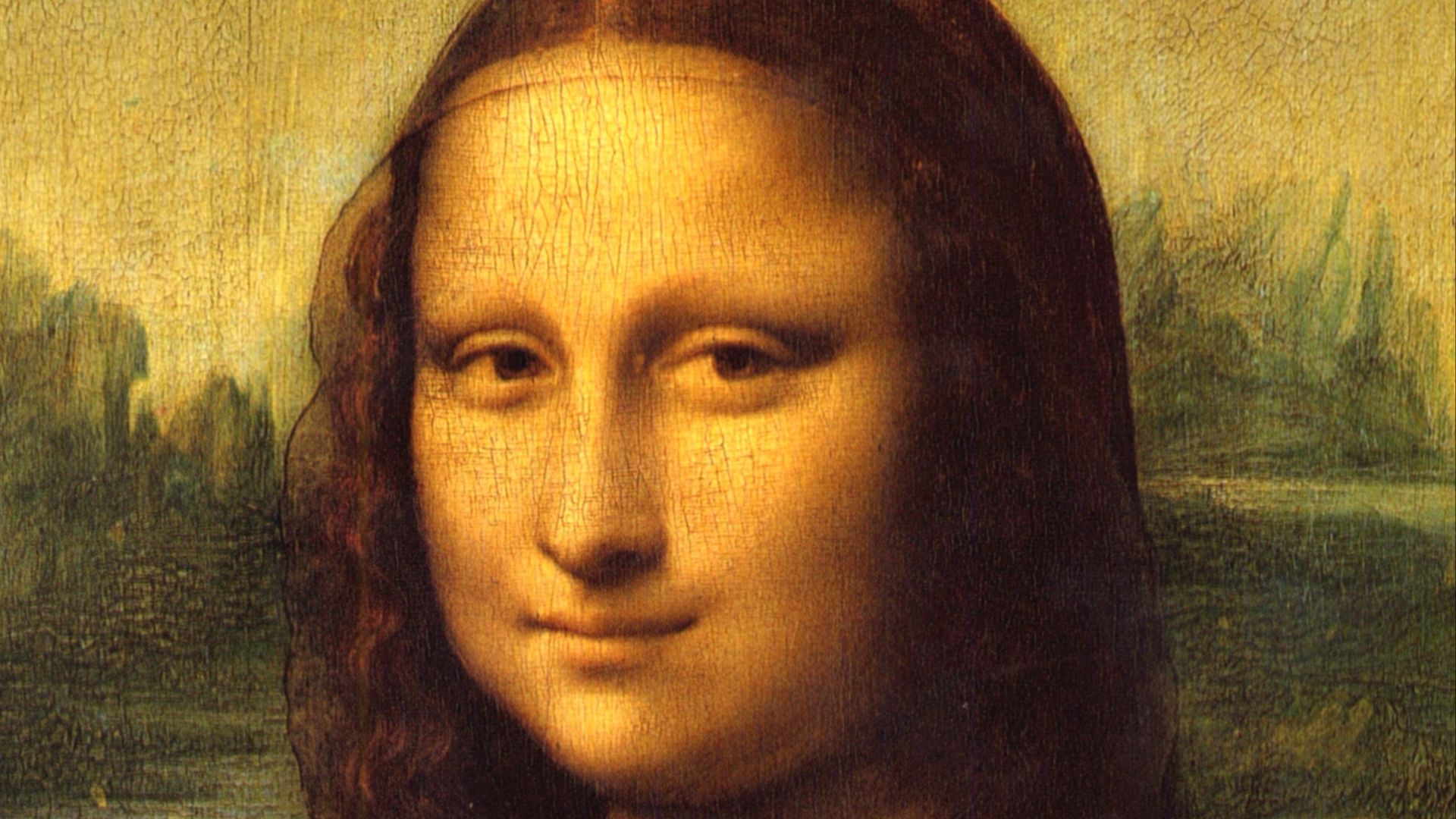 Leonardo da Vinci on Wikimedia
1. Catherine De Medici
A member of one of Florence's most powerful families, Catherine de Medici was as controversial as she was influential. As Queen of France, Catherine used her influence to fund the arts & shape court. Unfortunately, Catherine was also blamed for the St. Bartholomew's Day massacre, which cost thousands of lives.
 Workshop of François Clouet on Wikimedia
2. Isabella D'Este
The great artists of the Renaissance would never have flourished if not for wealthy patrons of the arts such as Isabella d'Este. An educated woman with an "insatiable desire" for antiquities, Isabella commissioned the great artists, writers, and composers of her age. She also served as regent of Mantua while her husband was away.
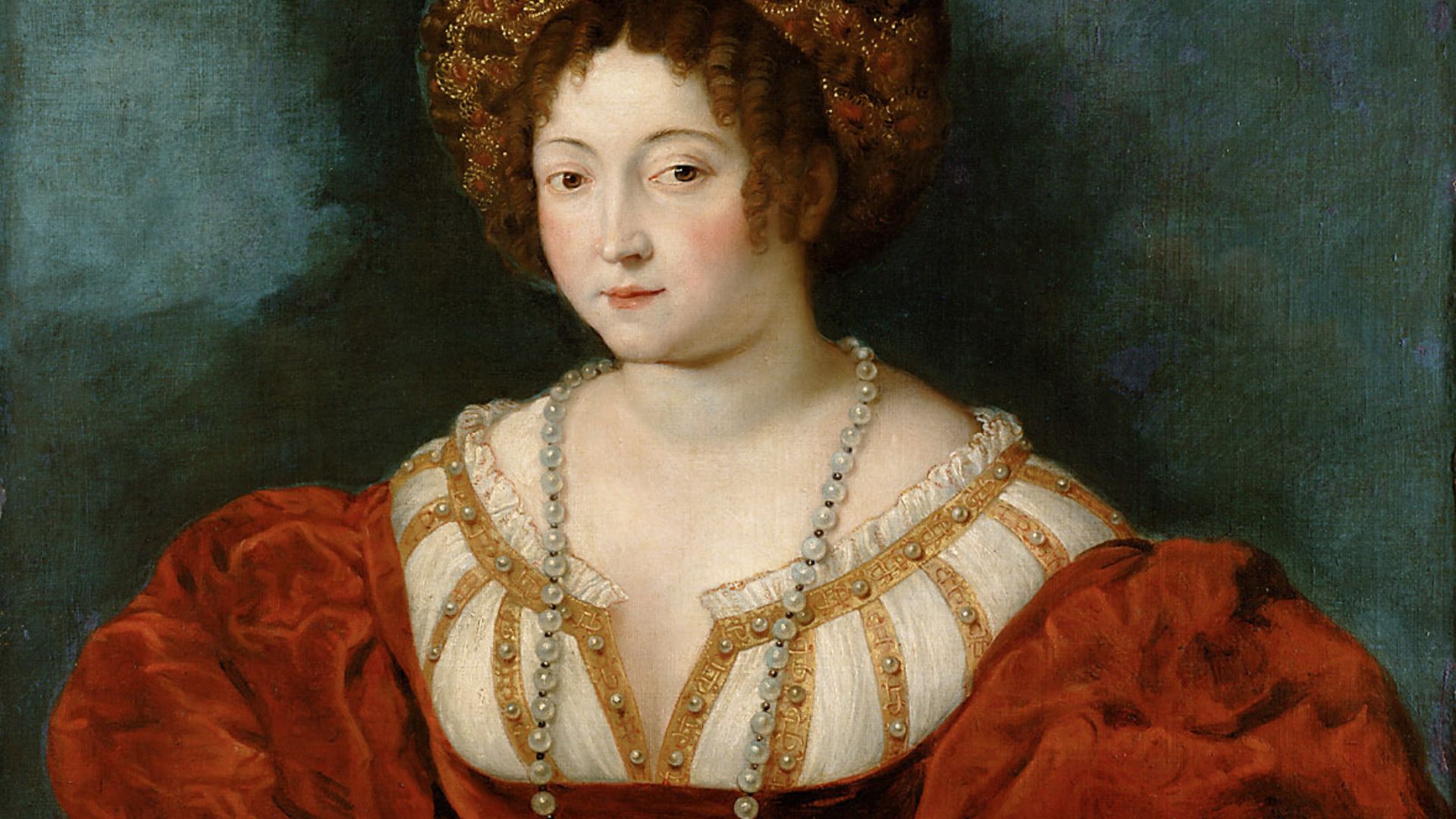 Peter Paul Rubens on Wikimedia
3. Beatrice D'Este
Like her sister, Beatrice d'Este poured her considerable wealth into the humanities. As Duchess of Milan, Beatrice not only helped to cement her city's artistic reputation, but she led the Milanese resistance during the First Italian War. Unfortunately, Beatrice lost her life in childbirth, aged only 21.
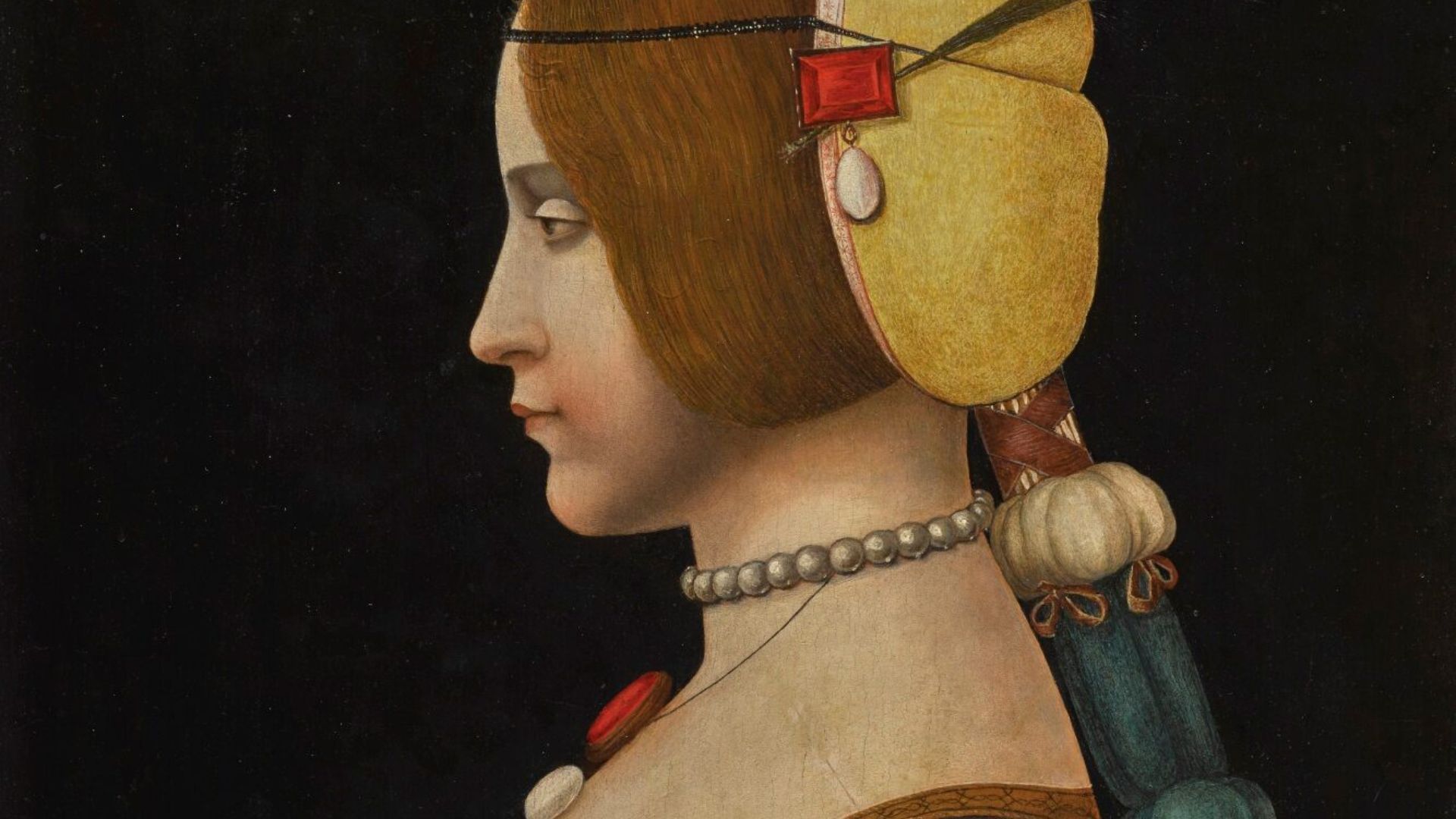
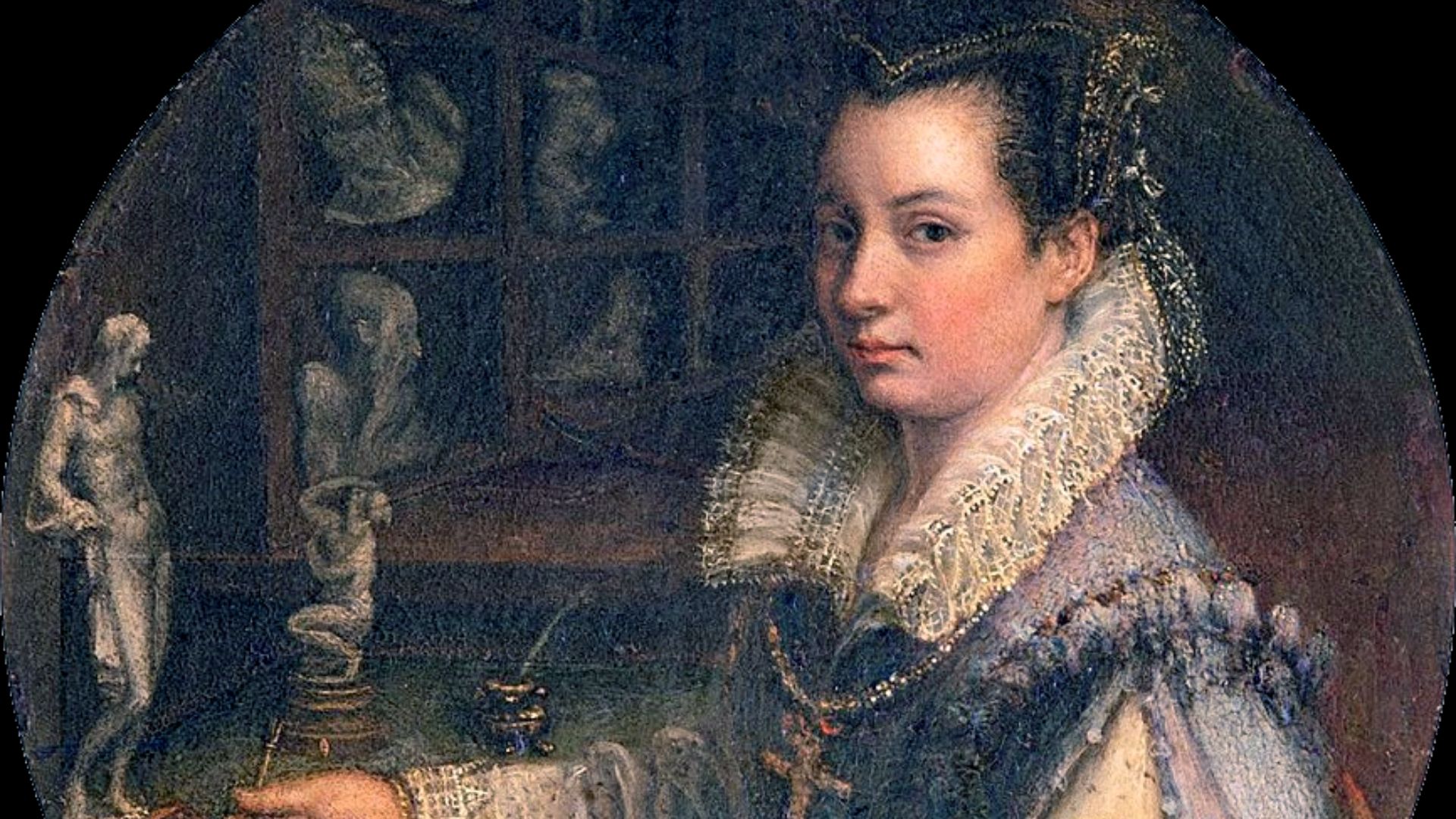
4. Sofonisba Anguissola
While plenty of noblewomen painted as a hobby, Sofonisba Anguissola was one of the first female painters to make a name for herself. Anguissola's talent was recognized by Michelangelo, and soon she was one of the most sought-after court painters of the 16th century. She inspired generations of women to take up the brush.
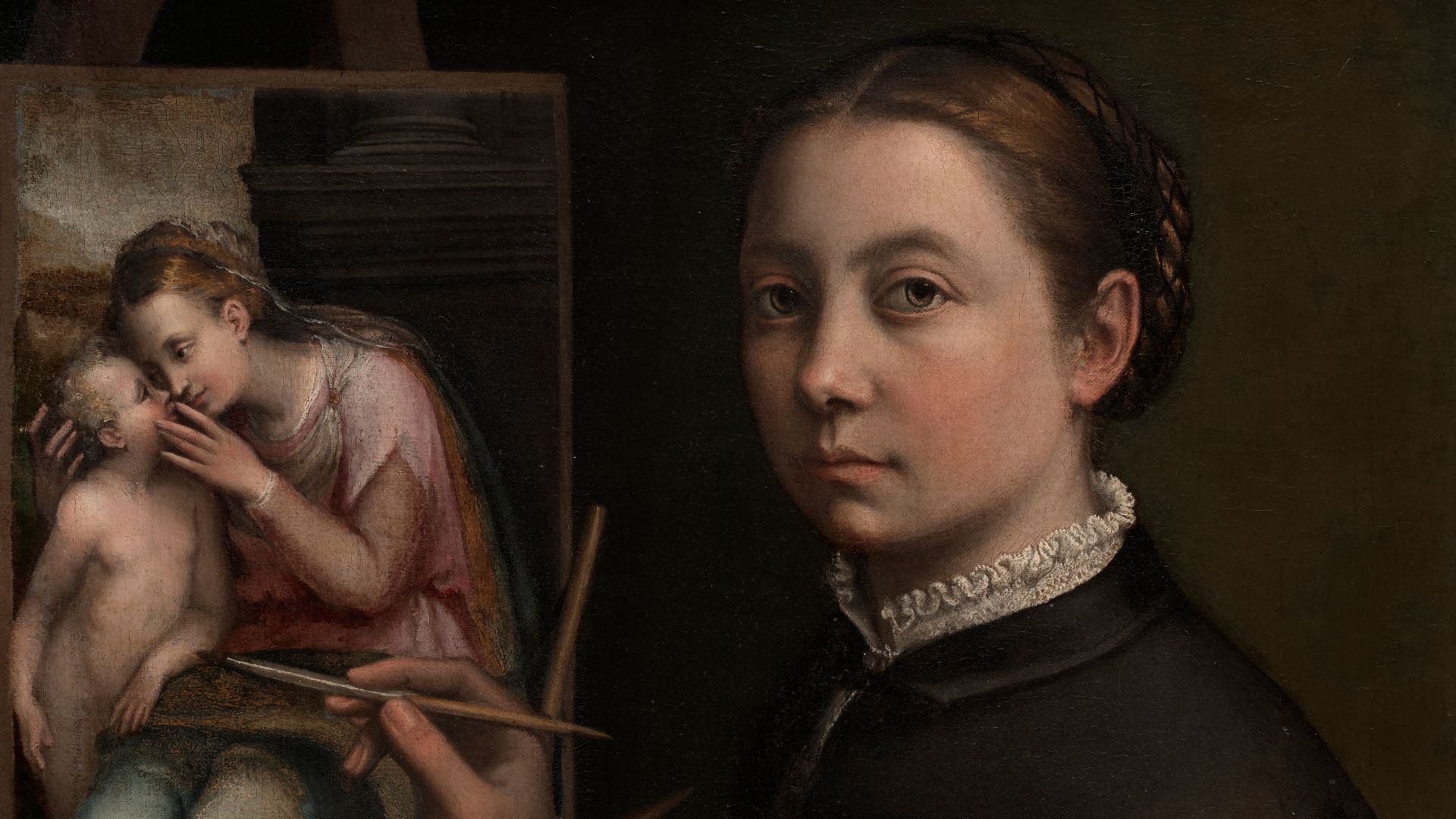 Sofonisba Anguissola on Wikimedia
5. Felice Della Rovere
The illegitimate daughter of Pope Julius II, Felice della Rovere wielded enormous political power. Della Rovere had a sharp mind and keen political acumen which made her helpful in nurturing diplomatic connections. Della Rovere spent two years in negotiations with Anne of Brittany during the Italian Wars.
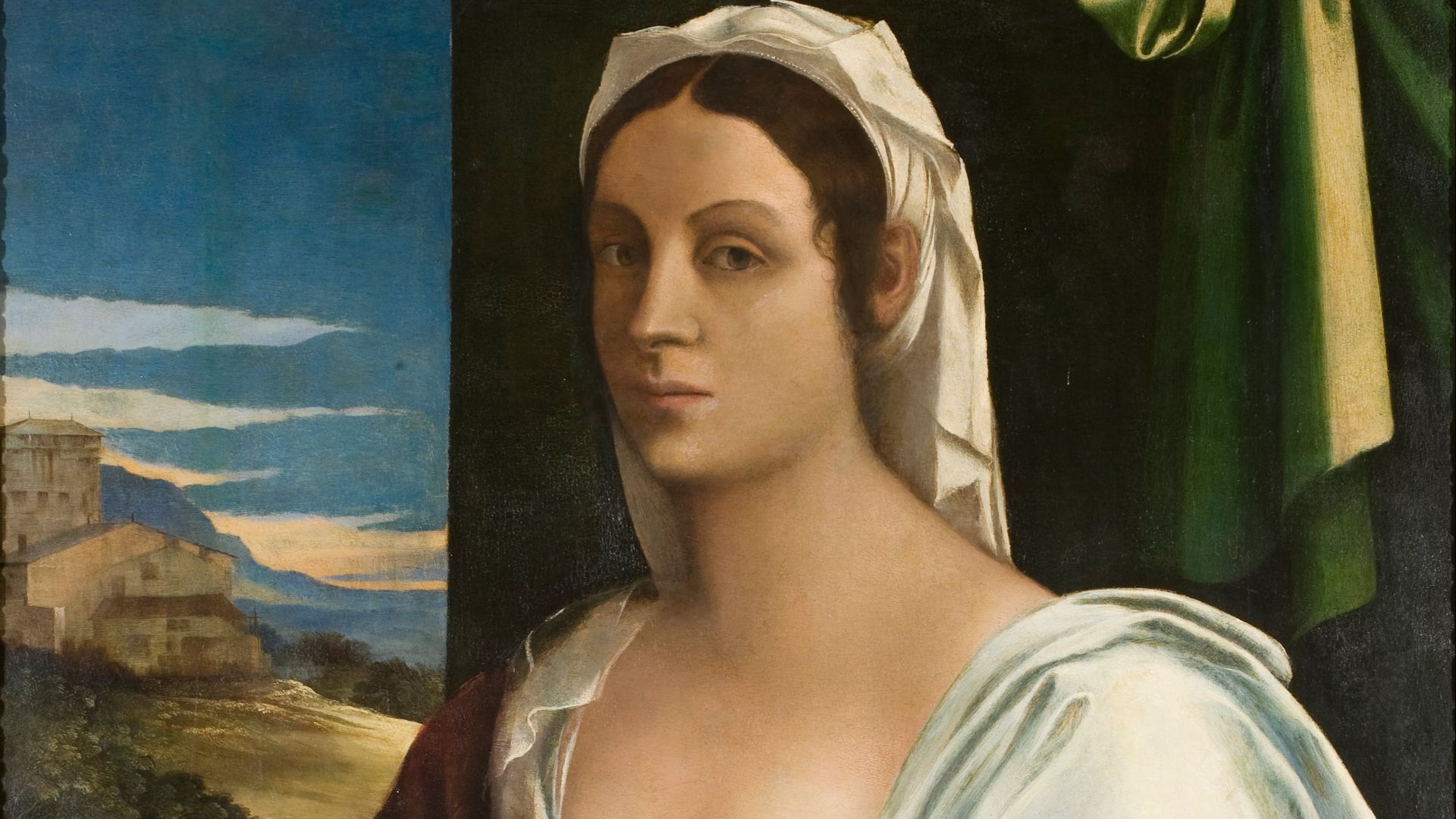 Sebastiano del Piombo on Wikimedia
6. Giulia Farnese
Giulia Farnese was sister to one pope and mistress to another. Farnese enjoyed a life of luxury and used her papal connections to better her family when they were struggling financially. Towards the end of her life, Farnese took up the mantle of governor of Carbognano.

7. Louise Of Savoy
Meanwhile in France, Louise of Savoy rewrote the rules for what a noblewoman could and couldn't do. While women could not inherit the throne, they could oversee it if a male heir was underage. Not only was Louise the power behind her son's throne, she negotiated her son's release when he was captured by the Spanish.
 Francisco Jover y Casanova on Wikimedia
8. Veronica Franco
The honest courtesan, Veronica Franco embodied beauty and brains. Unusually for a woman, Franco was given a humanist education alongside her brother. She used this education to publish two well-received poetry collections and advise other women who sought to publish their work.
 Jacopo Tintoretto on Wikimedia
9. Ginevra De' Benci
Before Leonardo painted the Mona Lisa, he painted Ginevra de' Benci. Not much is known about de' Benci apart from representations in art and letters. Though she was a poet, only a single line of hers survives: "I ask your forgiveness and I am a mountain tiger."
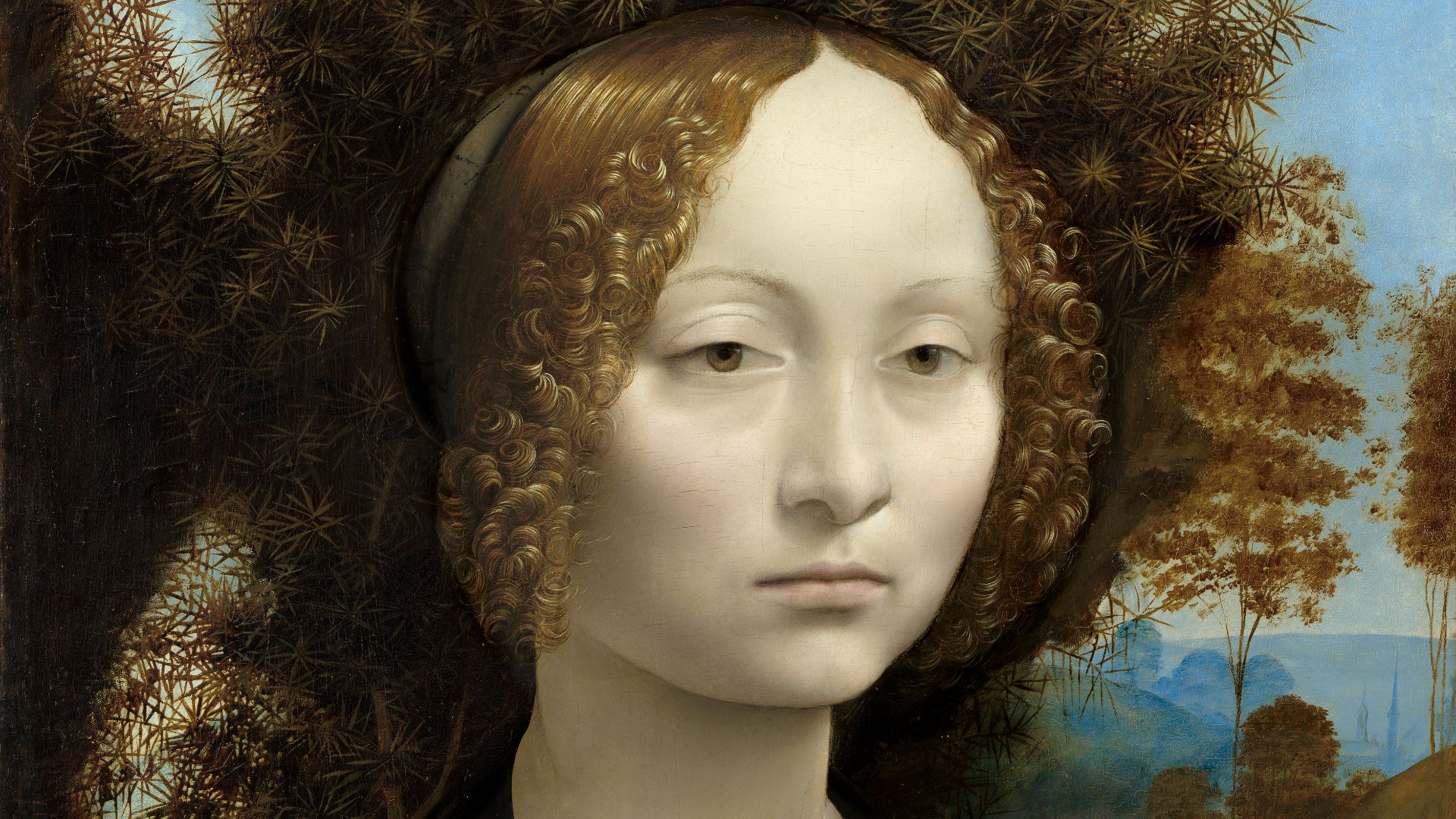 Tulip Hysteria / Go to albums on Wikimedia
10. Caterina Sforza
The Tigress of Forli, Caterina Sforza was a fearsome woman to behold. Sforza was an expert hunter, a fashion icon, and an amateur alchemist admired by Machiavelli. According to legend, she once lifted her skirts when her enemies threatened to kill her children, reassuring them that she could make more.
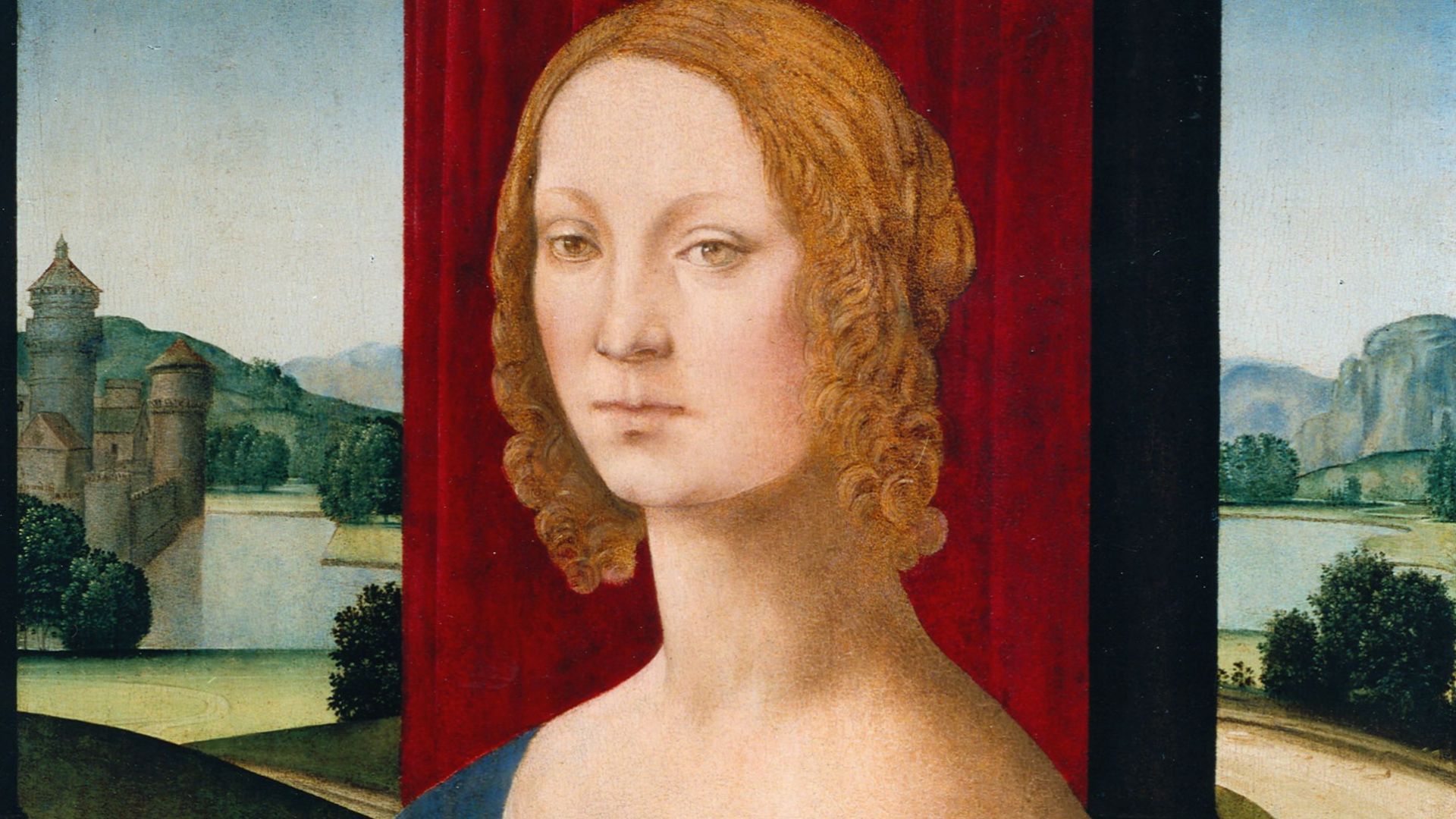
11. Laura Cereta
An early feminist writer, Laura Cereta centered women's issues and relationships in her literary works. Cereta wrote not poems or novels, but a series of letters which interrogated misogynistic tropes and declared women's right to education. Women, Cereta, argued, had the same god-given right to education as men.
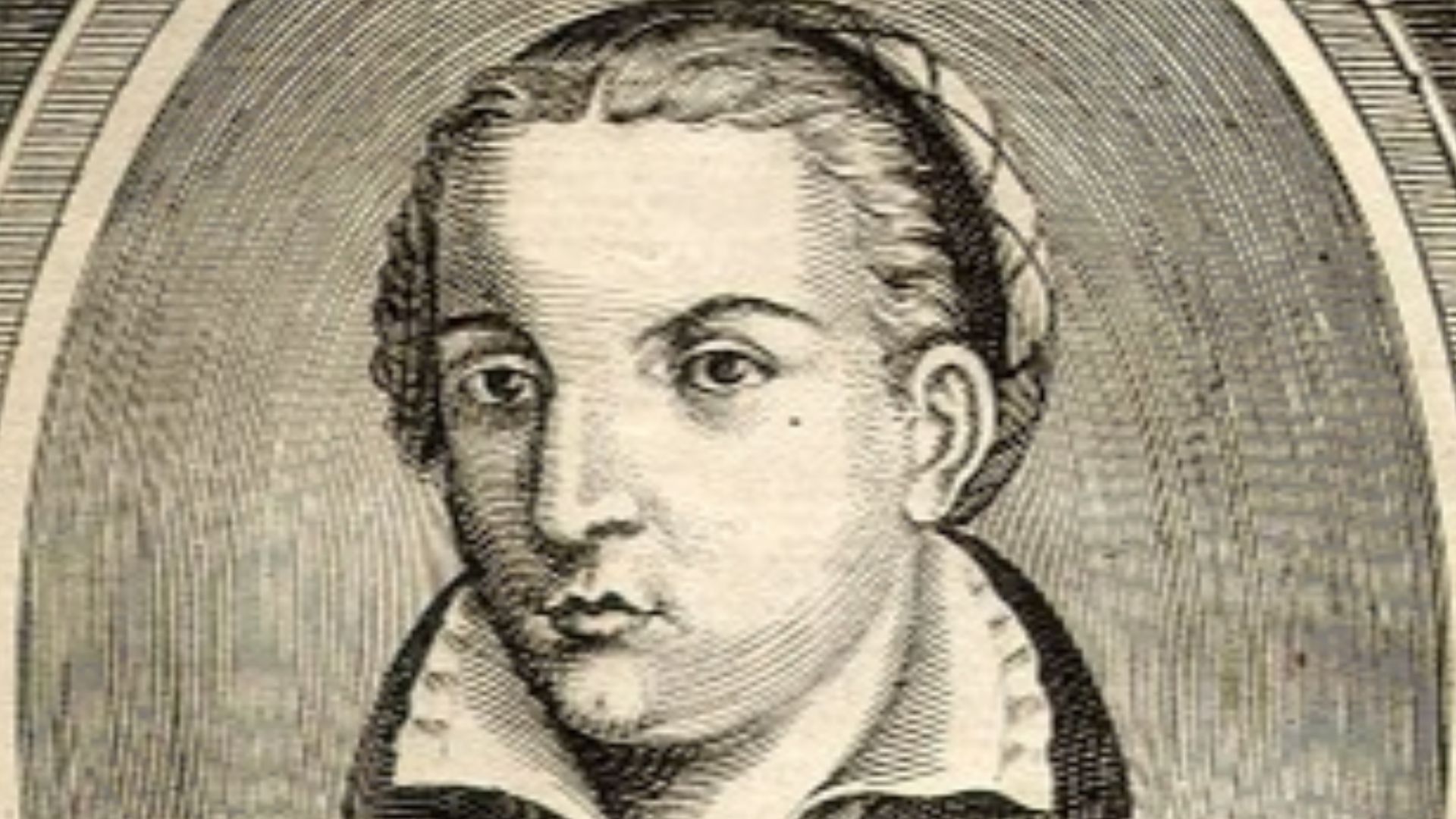
12. Marietta Robusti
While many people know Marietta Robusti's father, the painter Tintoretto, they do not know she existed. Robusti was gifted with the same passion and talent for painting as her father, painting detailed portraits with swift strokes and fluid movement. She likely contributed the backgrounds to some of her father's paintings.

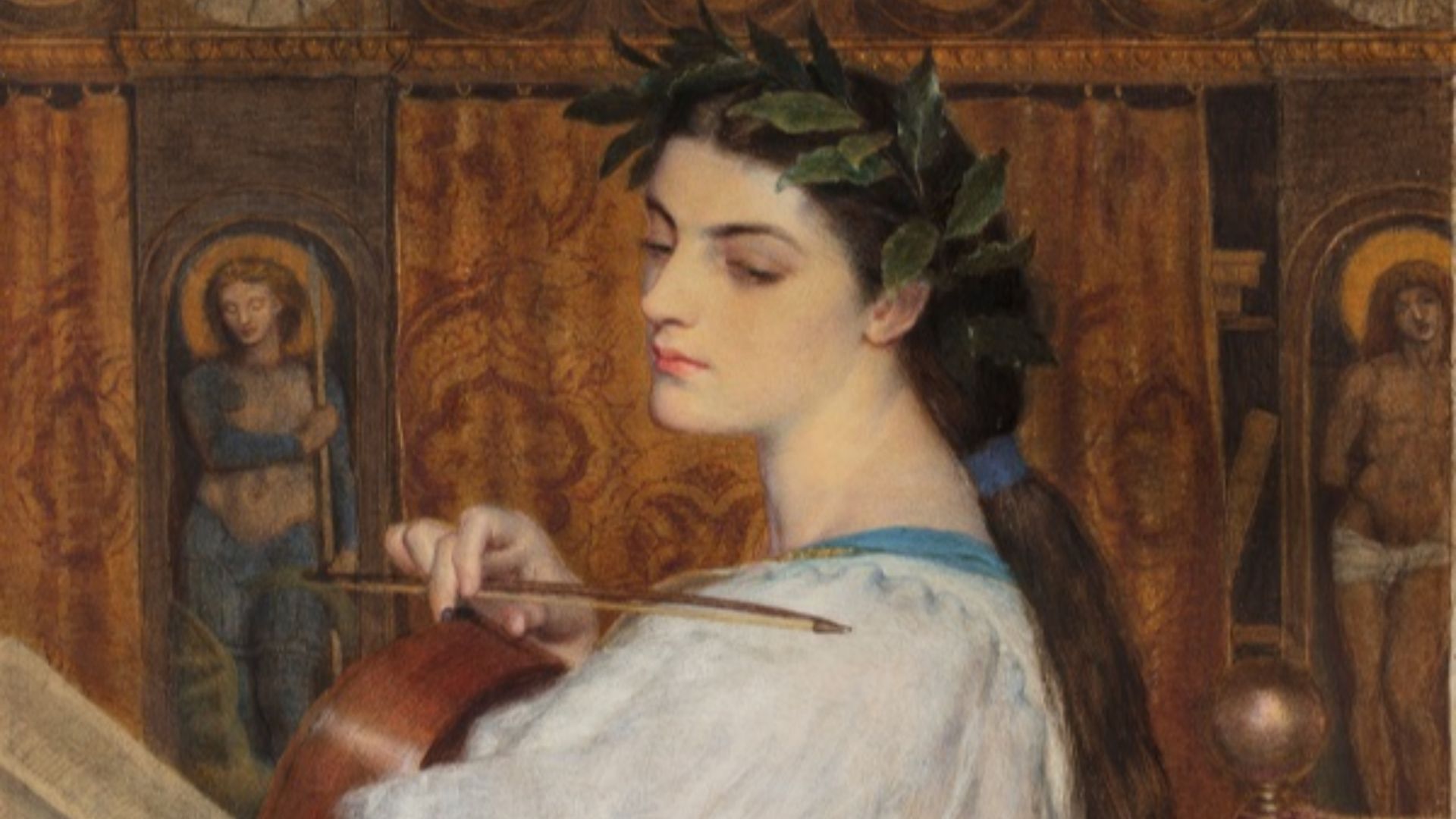
13. Cassandra Fedele
Cassandra was the most famous female scholar in Europe at the end of the 15th century Fedele predominantly wrote letters and speeches in which she argued for higher education for women. She made her voice heard to both the Venetian Senate and the Doge of Venice.
 Frederic William Burton on Wikimedia
14. Luisa De Medrano
Luisa de Medrano is believed to be the first female university professor! De Medrano taught Latin at the University of Salamanca where she was celebrated not only among her peers but among royalty. De Medrano benefited from the tolerant, protofeminist climate Isabella of Castille cultivated at court.

15. Anne De Graville
While the Italian Renaissance may have been the most famous, the French Renaissance was shaped by women like Anne de Graville. One of the queen's ladies-in-waiting, de Graville was not content to sit idly by. She was a prodigious literary collector, publishing two major works of her own.
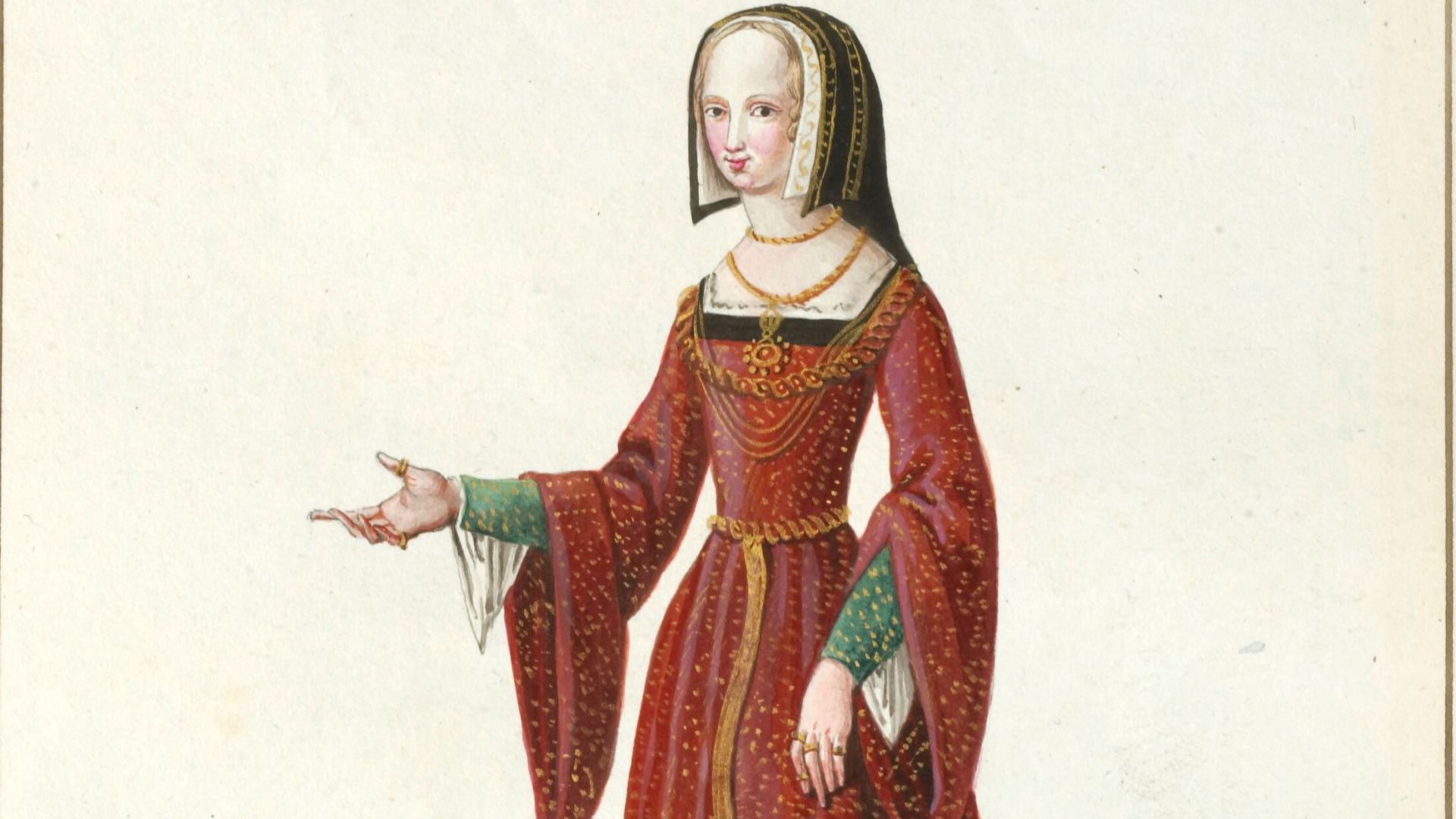
16. Isabella Andreini
Though Isabella Andreini was born to a poor family, she received a thorough education with a focus on language and literature. As a teenager, Andreini began working as an actor, known for her improvisation and comedic timing. The stock character of Isabella in commedia dell'arte is named after her.
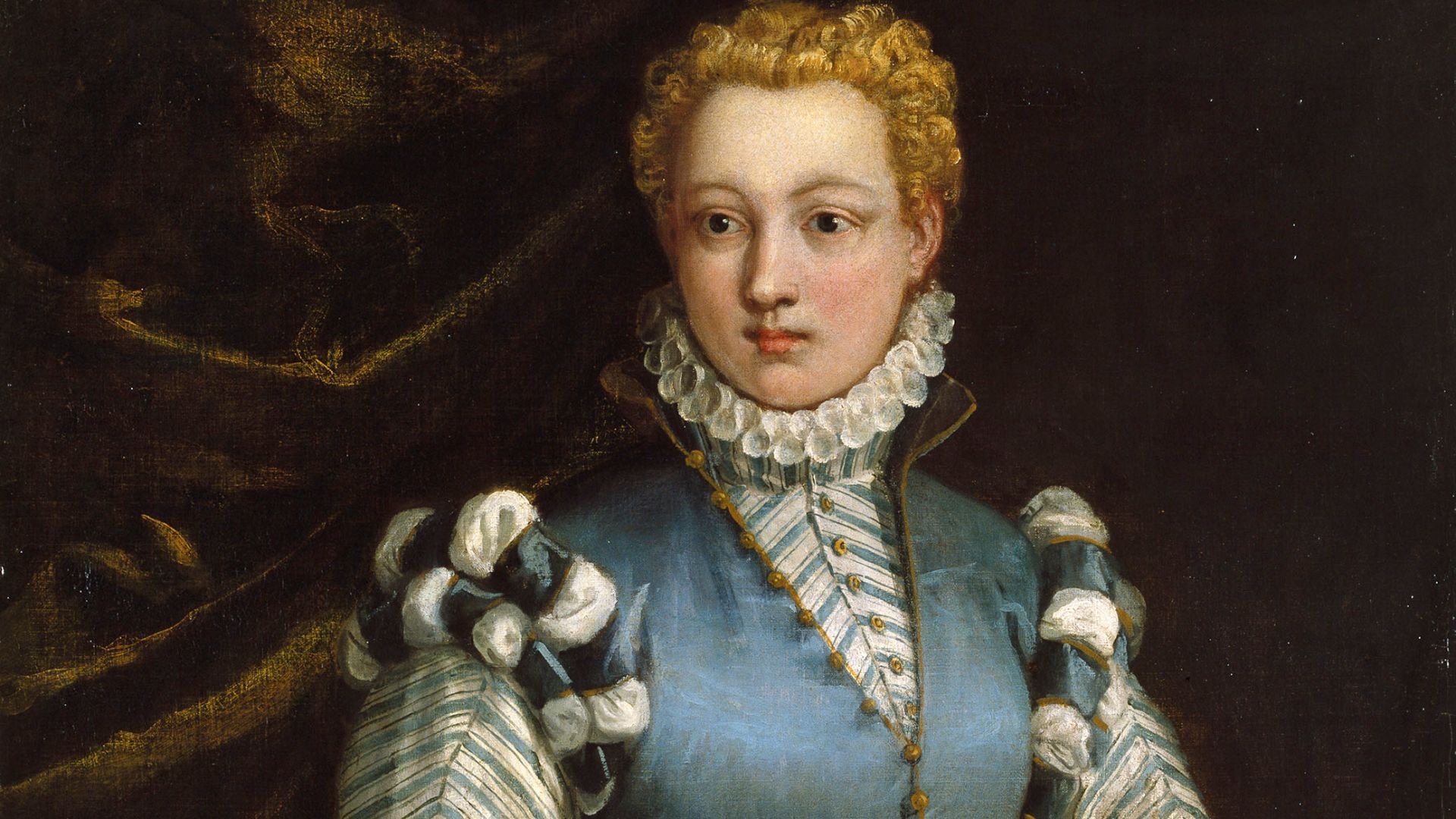
17. Maria Salviati
While other women on this list cemented their legacy through art and letters, Maria Salviati chose a different path: medicine. Salviati started as a household healer and became a pediatrician for some of Italy's wealthiest families. After her death, her remains helped doctors better understand syphilis.
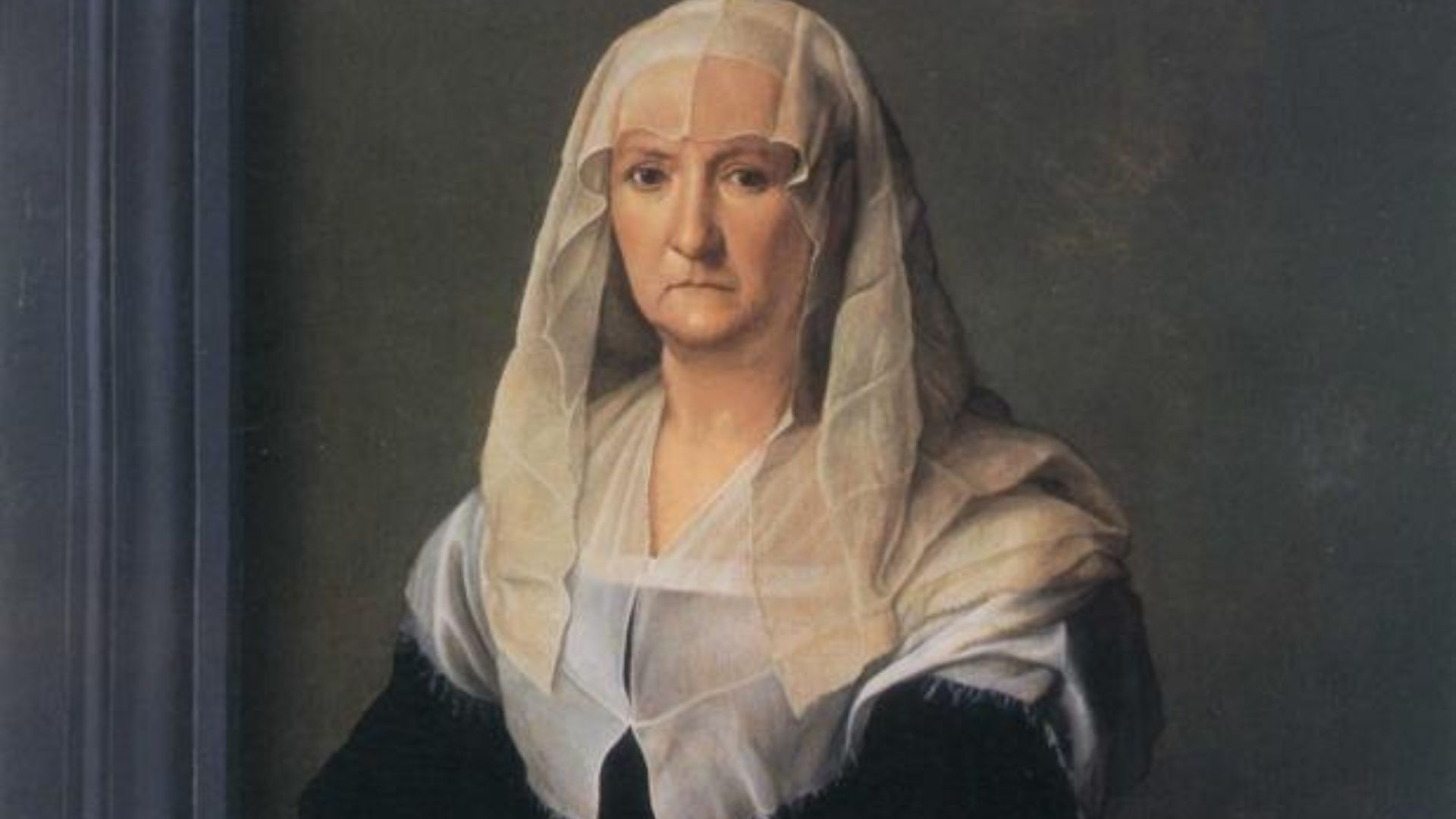
18. Lavinia Fontana
A follower of Sofonisba Anguissola, Lavinia Fontana was the first woman elected to the prestigious Accademia di San Lucia. Fontana's paintings allowed her to support not only her husband, but their eleven children. In addition to portraits and mythological depictions, she painted altarpieces for two popes.
19. Lisa Del Giocondo
You may not know Lisa del Giocondo's name, but you definitely know her face. Del Giocondo lived a comfortable life as the wife of a silk merchant and mother to six children. Though she did not command armies or create art, her image, more than any other woman on this list, is the most recognized in the world.
 Leonardo da Vinci on Wikimedia
20. Lucrezia Borgia
The woman you've all been waiting for, Lucrezia Borgia was one of the most infamous figures of the Renaissance. Rumors swirled around her, each more salacious than the last: she took her father's place on the papal throne; she had an affair with her own brother; she kept poison in a hollow ring. While she certainly lived in a turbulent time, many of these rumors were invented by her family's enemies.
KEEP ON READING

From Heroes To Zeroes 20 Historical Figures Whose Heroism Was…
History is full of legends, but not every hero lived…
By Noone Feb 25, 2026
The Clueless Crush: How I Accidentally Invited a Hacker Into…
Fluorescent Lights and First Impressions. My name is Tessa, I'm…
By Ali Hassan Nov 4, 2025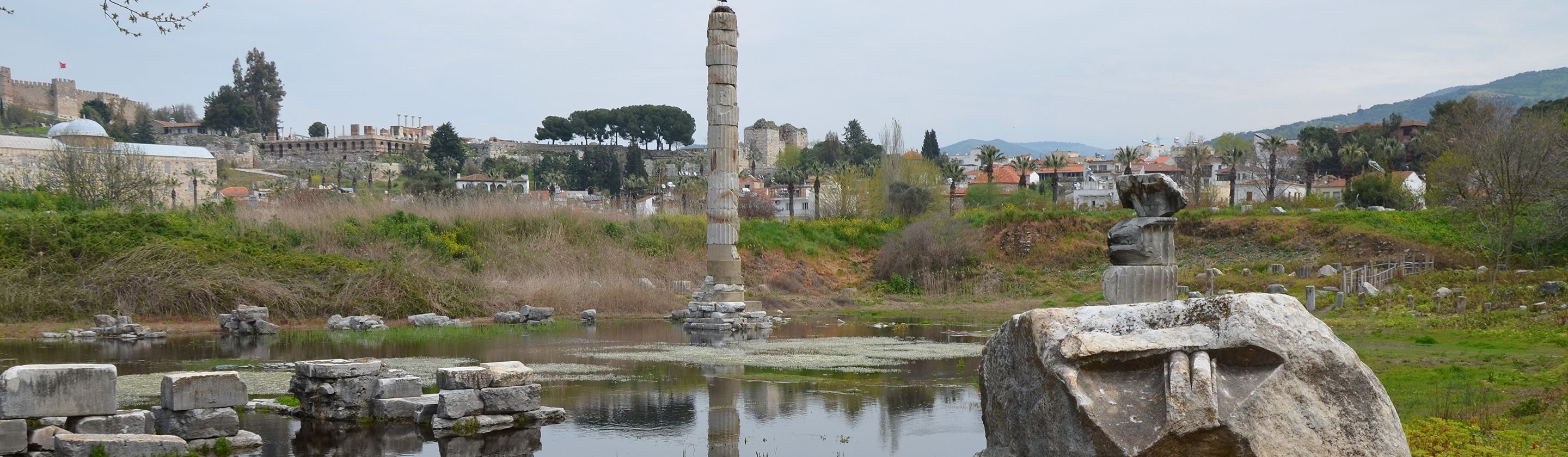
This Infamous Ancient Greek Burned Down An Ancient Wonder Just…
History remembers kings and conquerors, but sometimes, it also remembers…
By David Davidovic Nov 12, 2025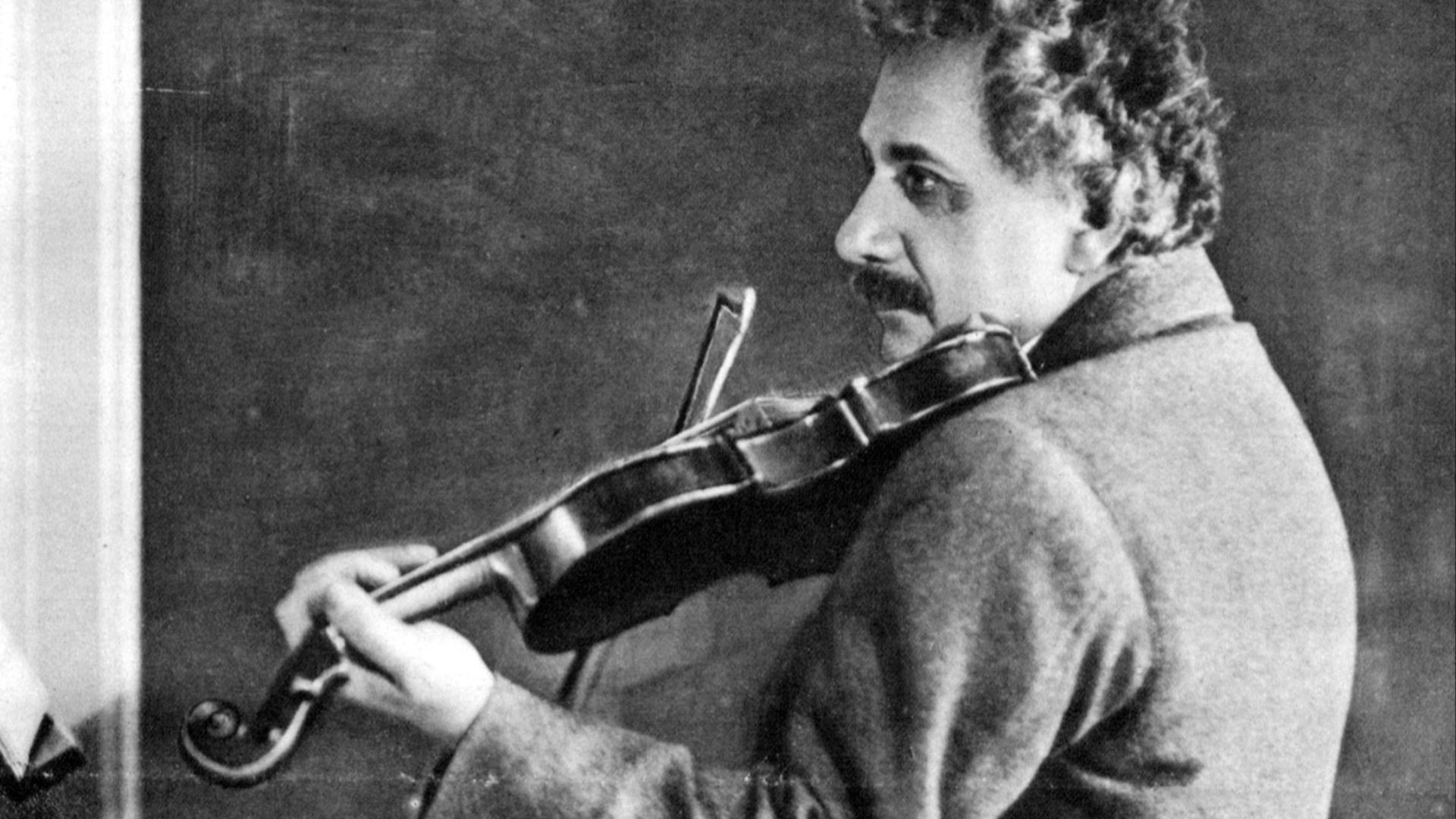
Einstein's Violin Just Sold At An Auction—And It Earned More…
A Visionary's Violin. Wanda von Debschitz-Kunowski on WikimediaWhen you hear…
By Ashley Bast Nov 3, 2025
The Mysterious "Sea People" Who Collapsed Civilization
3,200 years ago, Bronze Age civilization in the Mediterranean suddenly…
By Robbie Woods Mar 18, 2025
20 Burning Rivalries From The Golden Age Of Hollywood
Tinseltown's Most Famous Feuds. The Golden Age of Hollywood gave…
By Sara Springsteen Jun 10, 2026