

Before The World Felt Familiar
Prehistory gets flattened in our minds into stone tools, grasslands, and a few famous bones behind museum glass, but there’s so much more that we don’t know about. Human relatives and early human populations shared the Pleistocene world with a long list of large, strange, and often imposing animals. Some were hunted. Some were avoided. Some simply moved through the same landscapes while our ancestors were trying to stay alive. These 20 animals all lived at the same time as early humans.
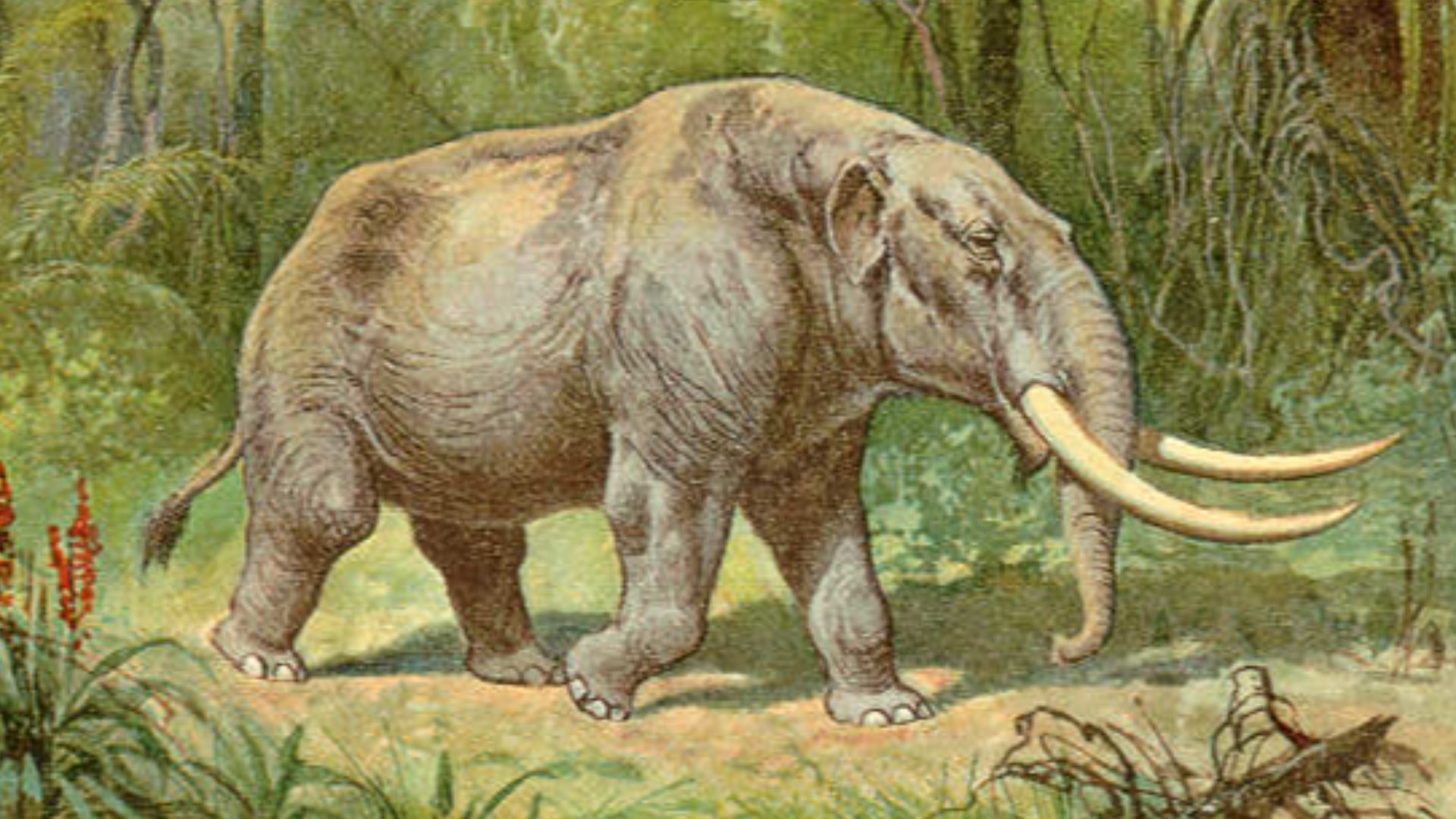 Heinrich Harder (1858-1935) on Wikimedia
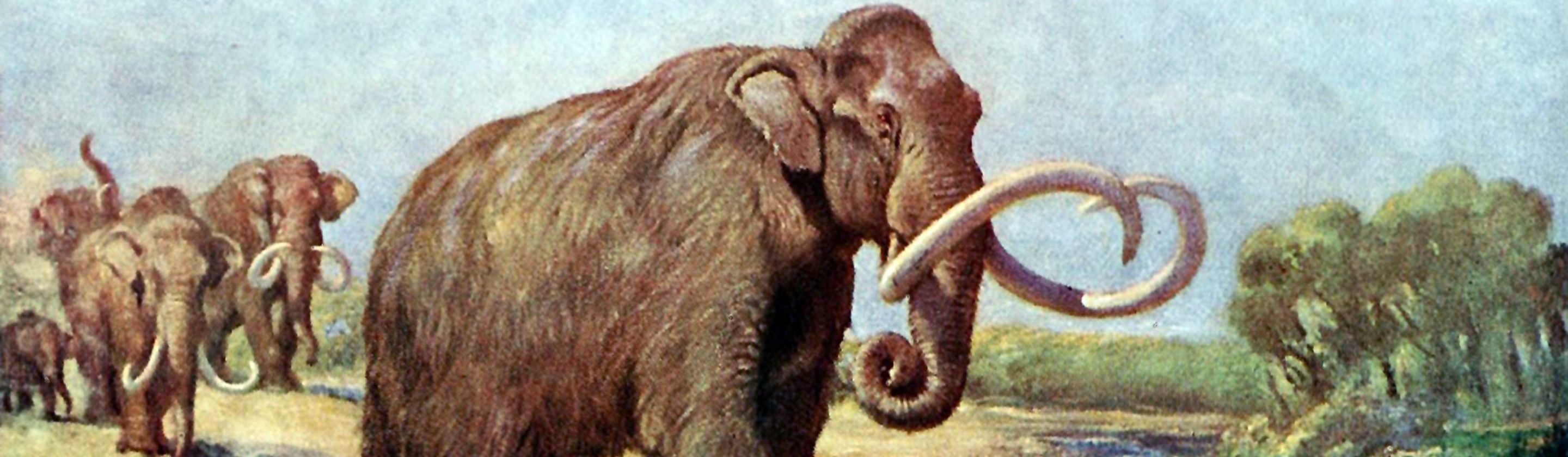
1. Woolly Mammoth
The woolly mammoth survived into the Holocene in some places, overlapping with our Paleolithic ancestors for a very long stretch of time. Climate change turned their grasslands into forests, human hunters closed in, and the last isolated population on Wrangel Island likely met a sudden end around 4,000 years ago, possibly from disease or wildfire.
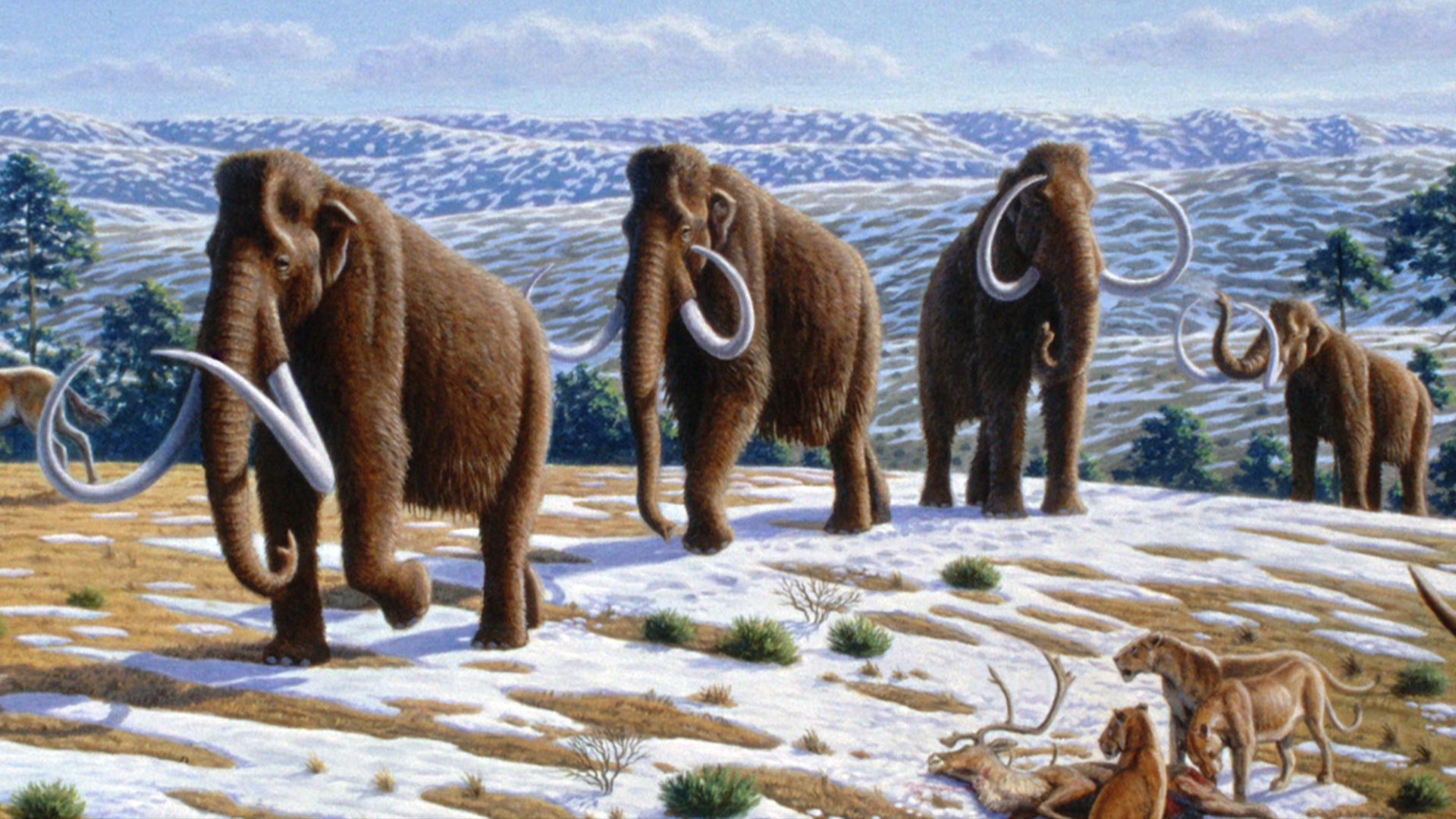
2. Columbian Mammoth
Larger and less shaggy than the woolly mammoth, the Columbian mammoth was still on the North American landscape late enough to overlap with the continent's earliest known human populations. A warming climate and Paleoindian hunters working the same territory proved to be a combination it couldn't survive.
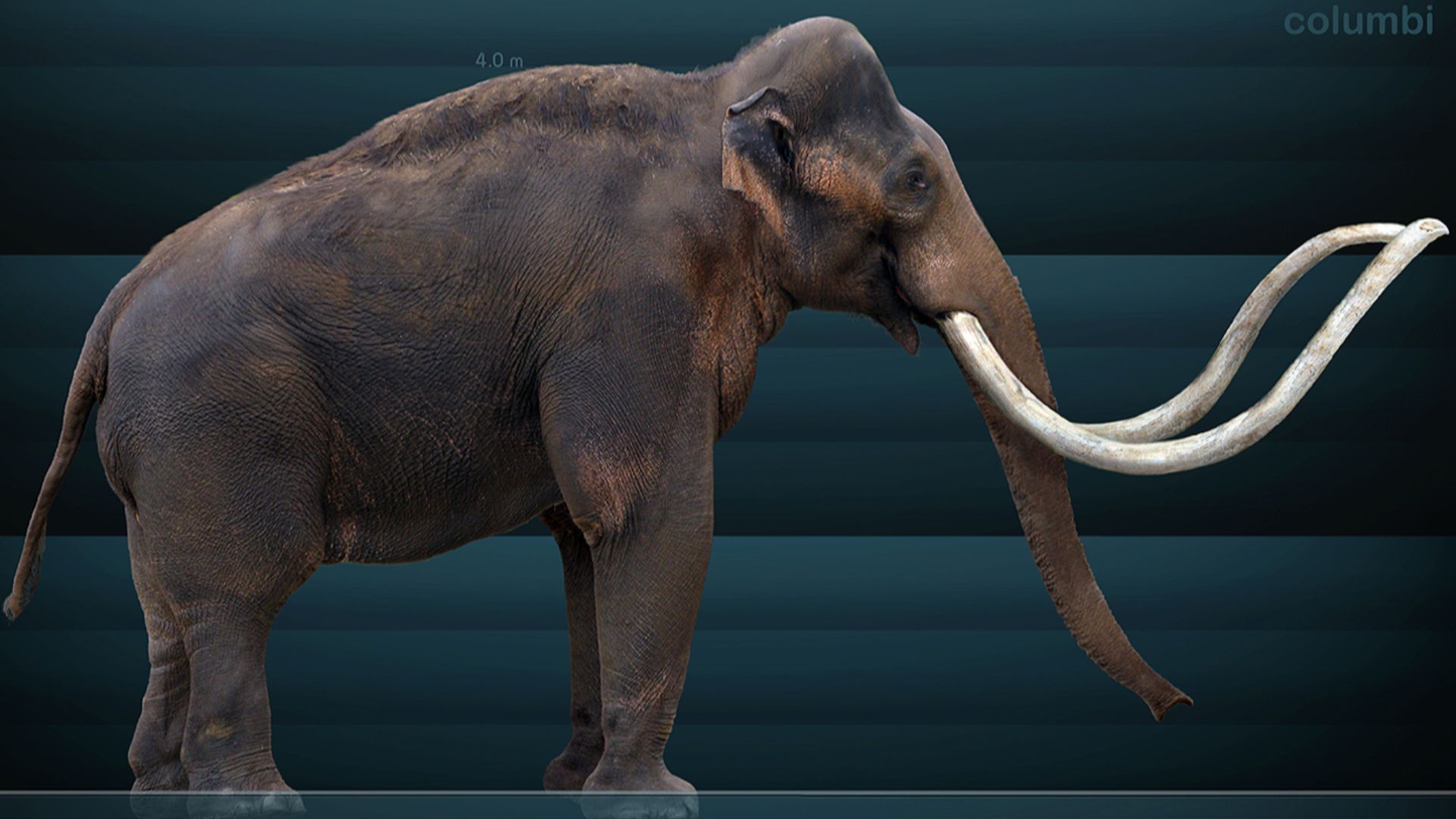
3. American Mastodon
At the Manis site in Washington State, researchers found a human-made projectile point embedded in a mastodon rib.
Warming temperatures shrank their browse habitat around the same time Paleoindian hunters were leaving spear points behind, and around 10,500 years ago, they disappeared.
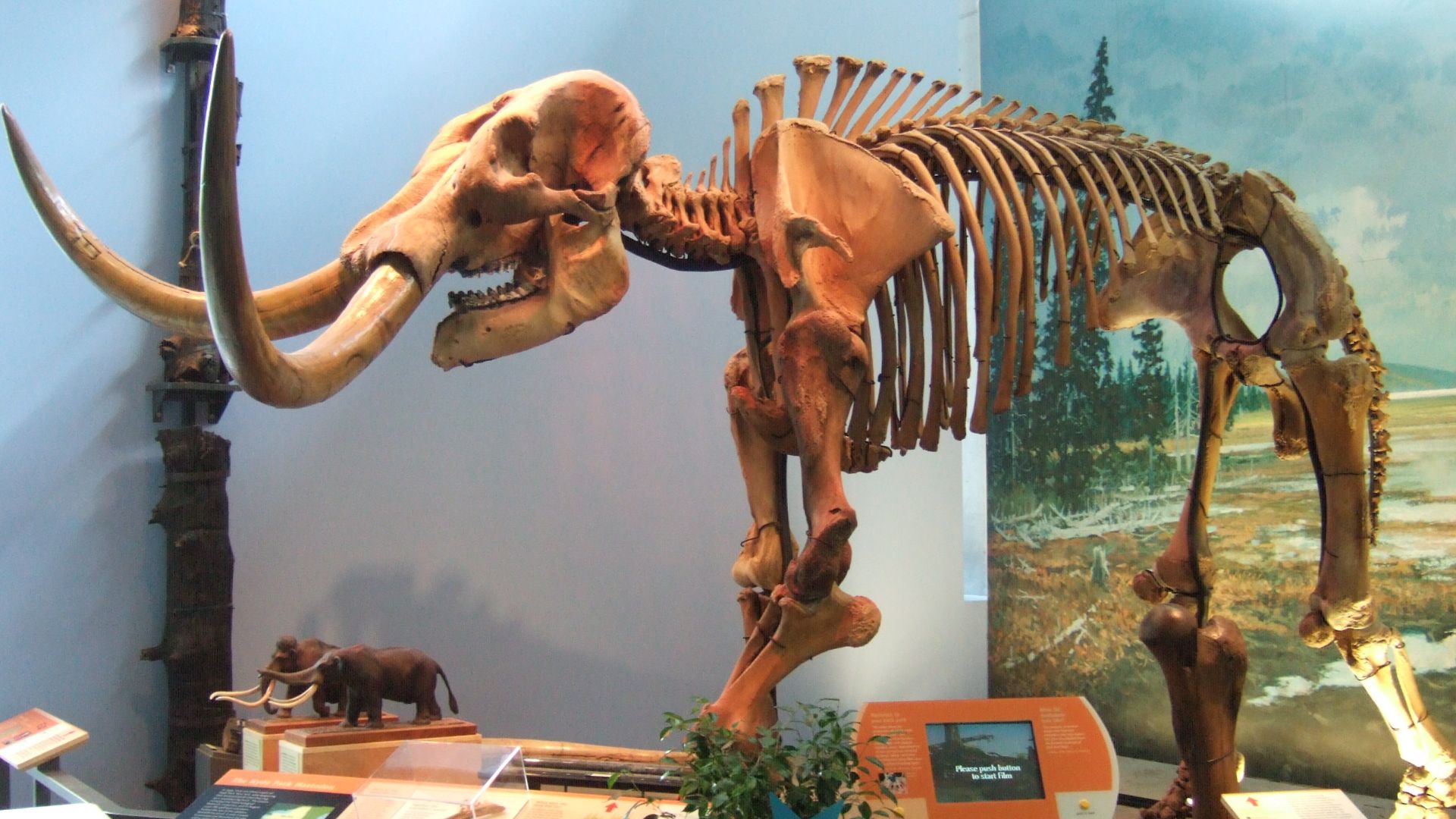 Jayu from Harrisburg, PA, U.S.A. on Wikimedia
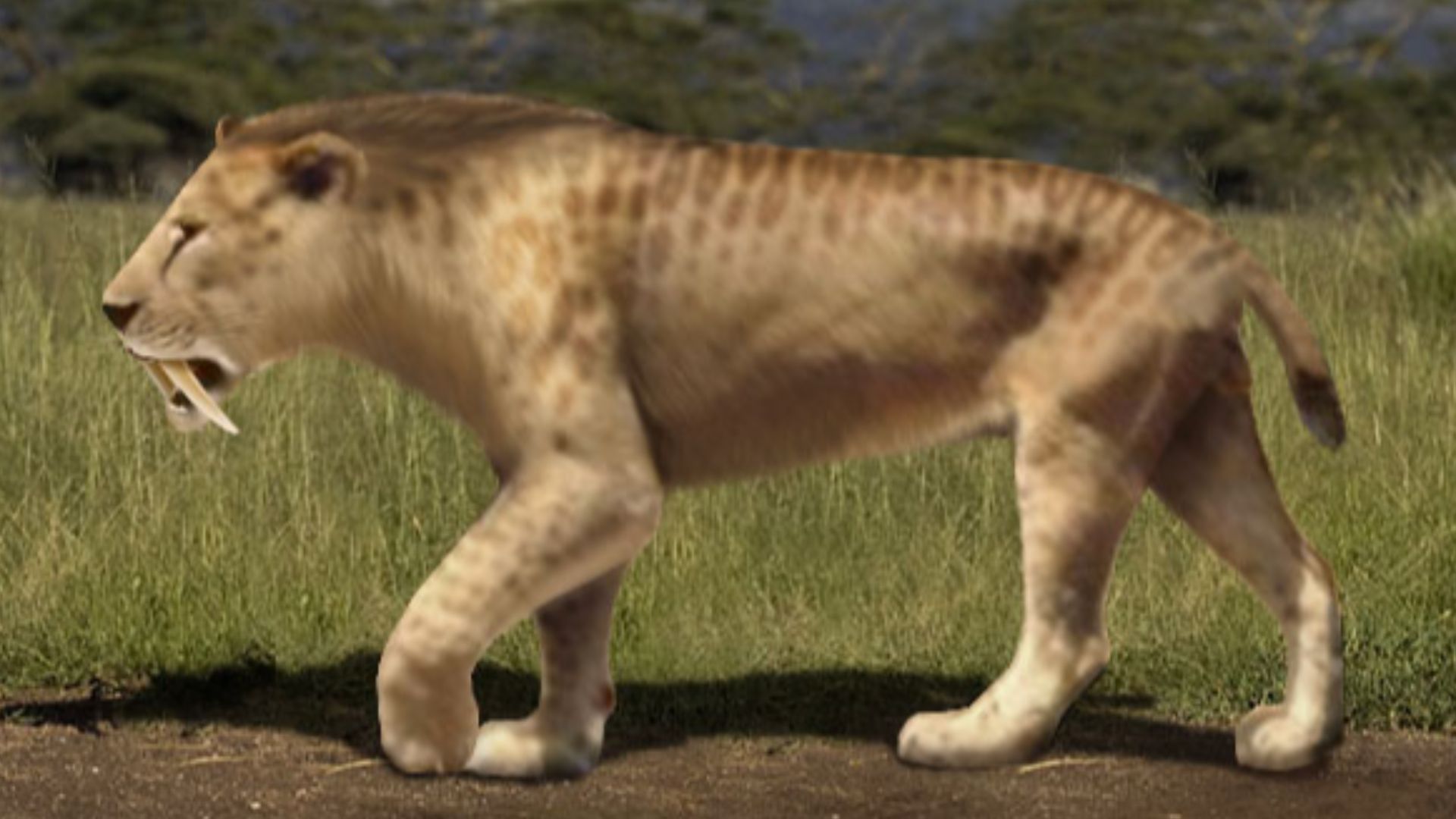
4. Smilodon
Smilodon lived in the Americas during the Pleistocene, putting it in the same time and place as people who arrived before the end of the Ice Age. When climate change and human competition stripped away the megafauna it depended on for food, the cascade of prey loss pulled Smilodon down with it around 10,000 years ago.
5. Dire Wolf
No, it’s not just a fantasy creature. A dire wolf was a real canid, larger and more robust than the gray wolf alive today, moving through the same Ice Age landscapes as early people in North America. The collapse of the large prey base after the Pleistocene, combined with competition from humans and gray wolves, finished them off around 9,500 years ago.
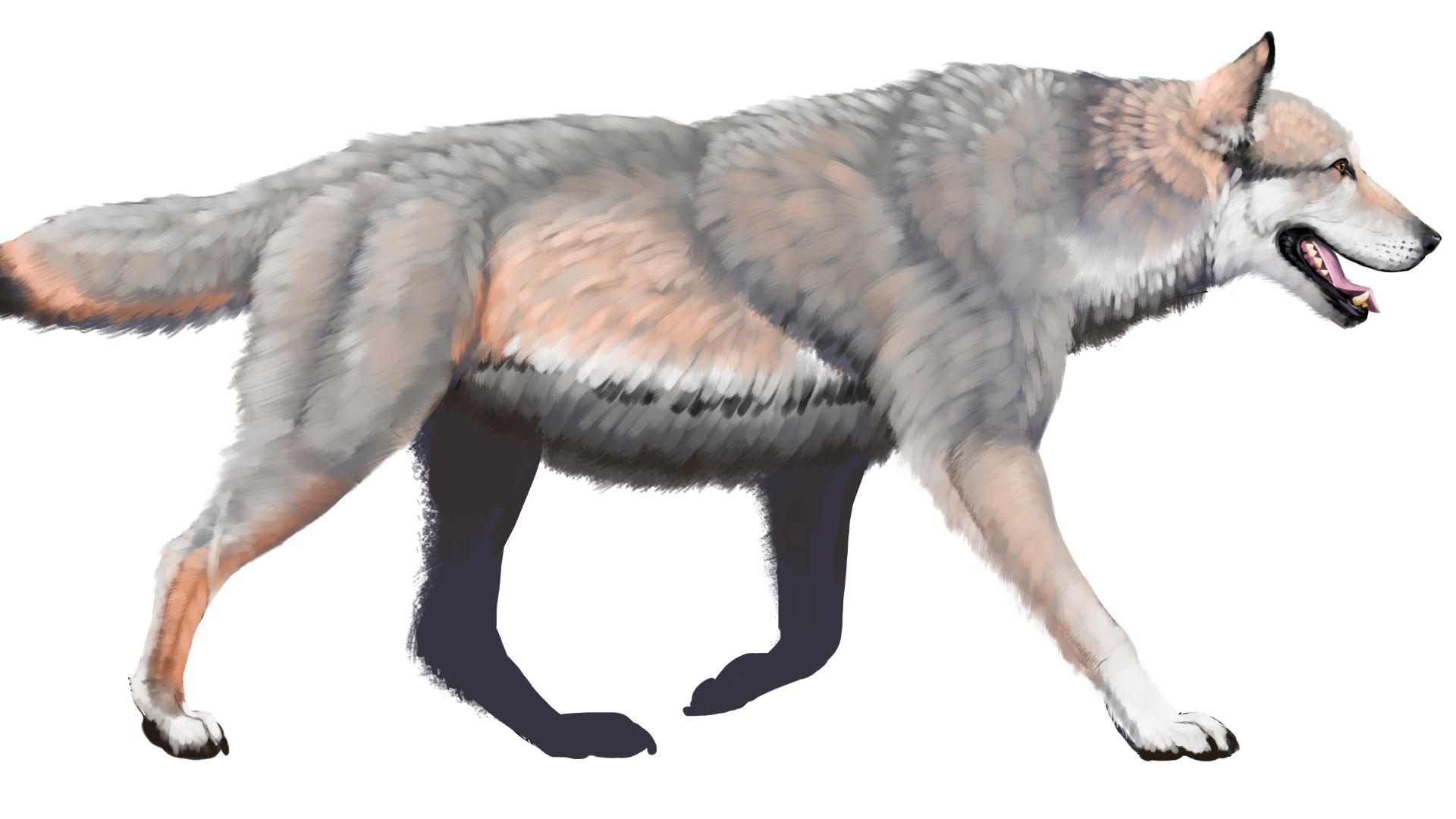 NPS illustration by Benji Paysnoe on Wikimedia
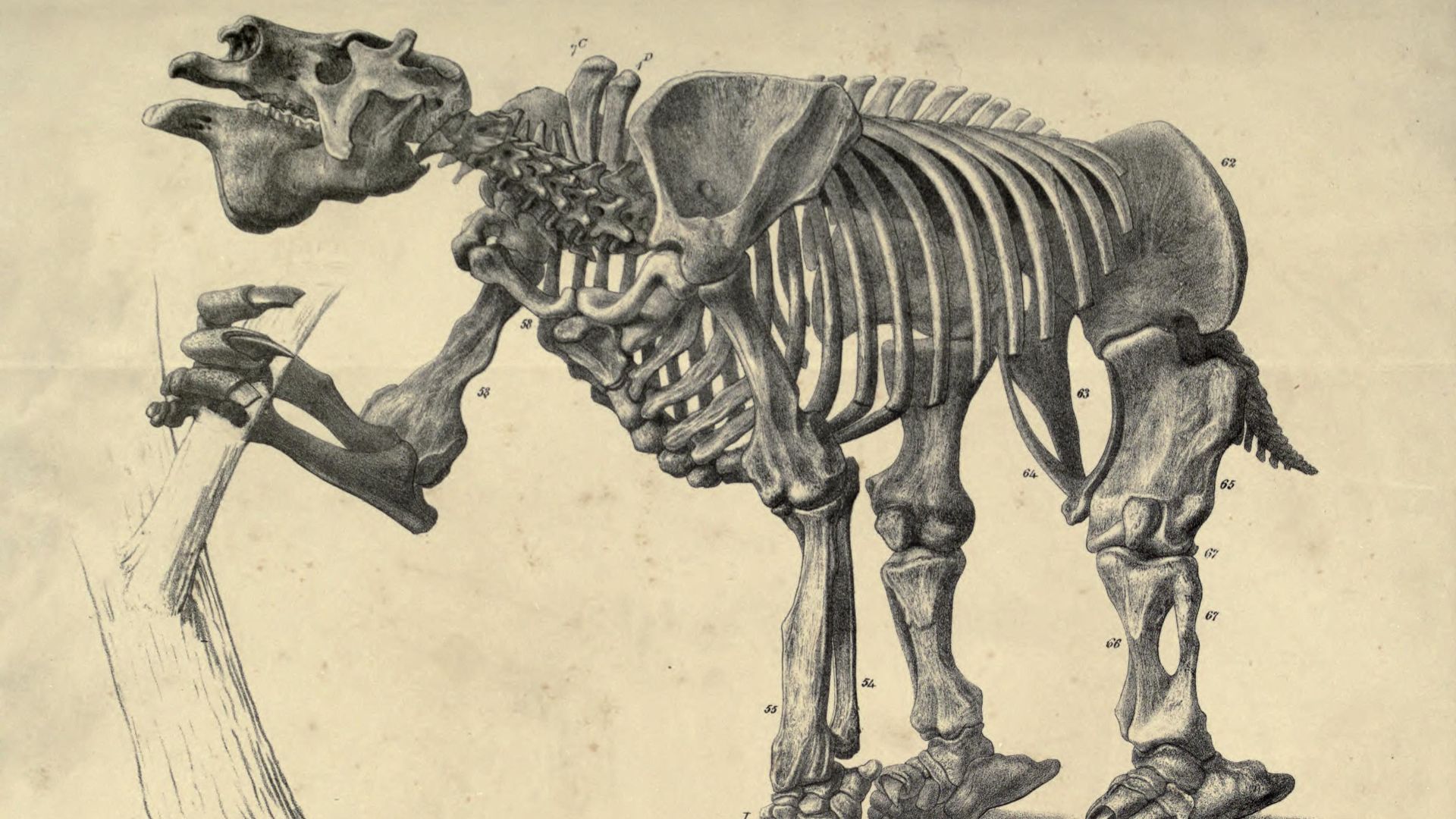
6. Giant Ground Sloth
At Campo Laborde in Argentina, evidence points to a late Pleistocene giant ground sloth kill and butchering site. People were there. The sloth was there. Human hunting and spreading aridification across South America around 10,000 years ago caused this species to go extinct.
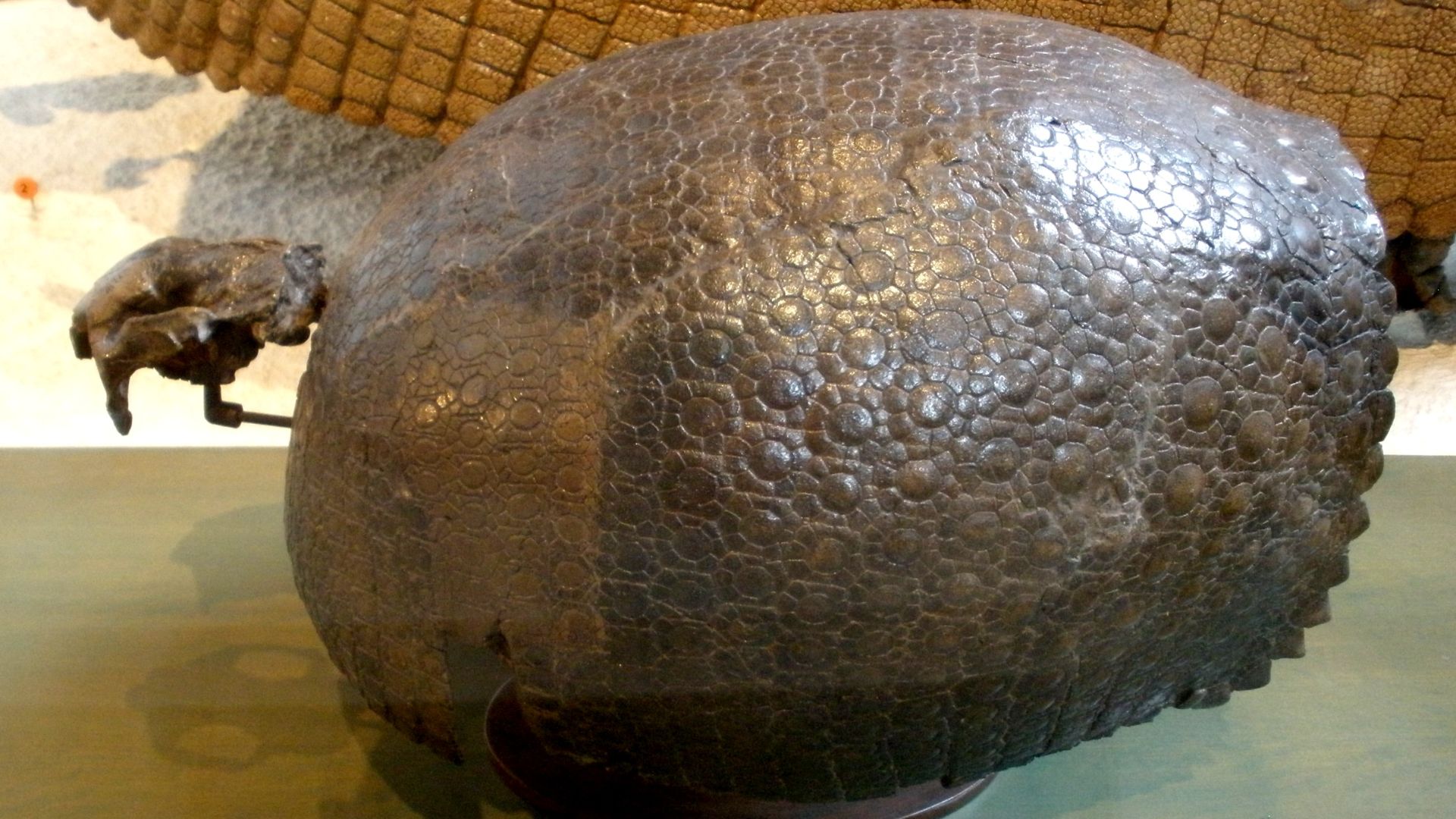
7. Glyptodont
Glyptodonts looked like oversized armored relatives of modern armadillos, surviving through the Pleistocene in the Americas. Paleoindian hunters valued them for meat and possibly shelter, and their disappearance around 10,000 years ago tracks closely with the broader megafaunal extinction wave.
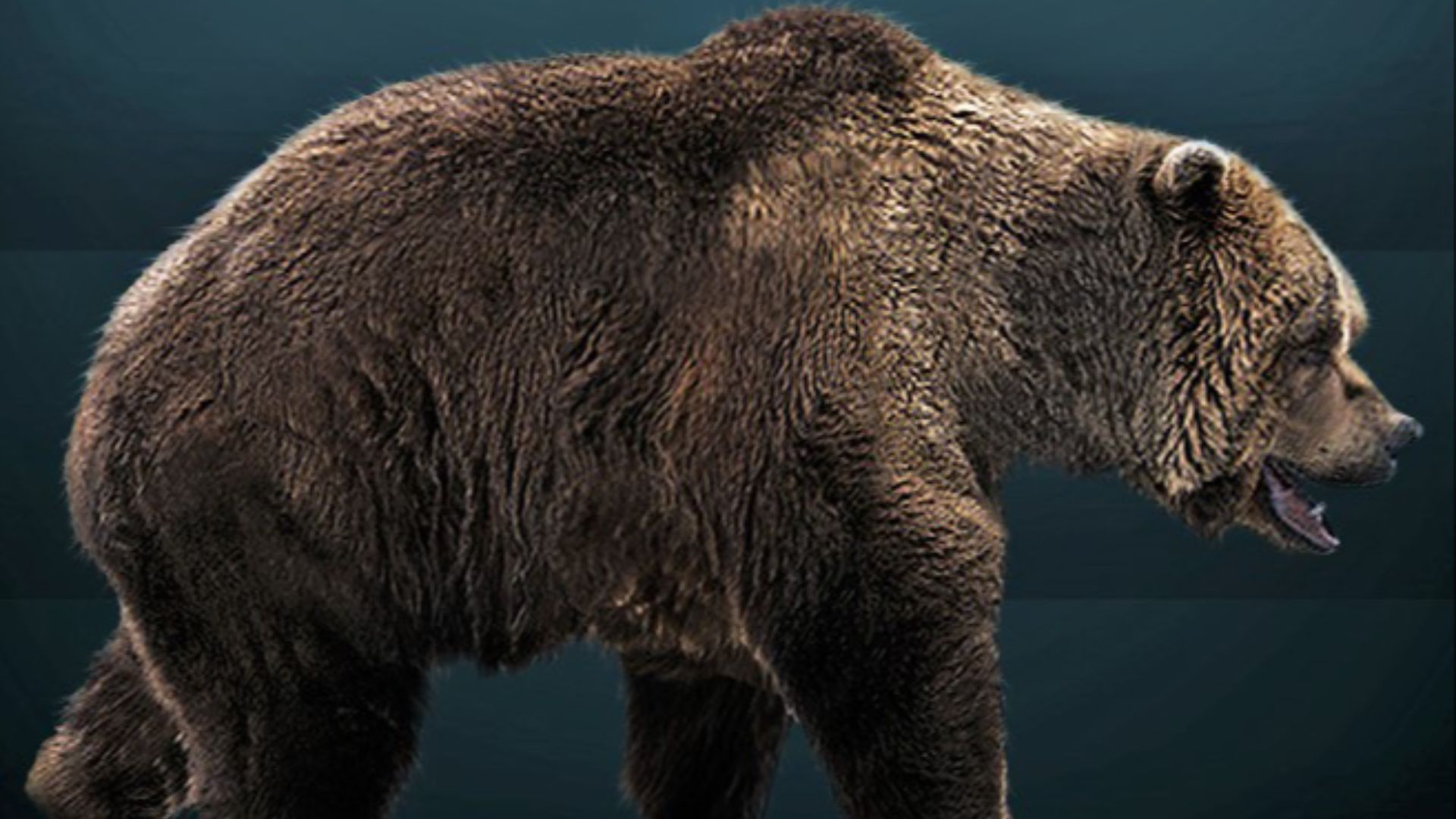
8. Cave Bear
Cave bears lived in Pleistocene Europe alongside Neanderthals and later modern humans, part of the same Ice Age world as our ancestors. As the climate warmed and Ice Age cave habitats disappeared, competition with humans and Neanderthals for dens pushed them to extinction around 24,000 years ago.
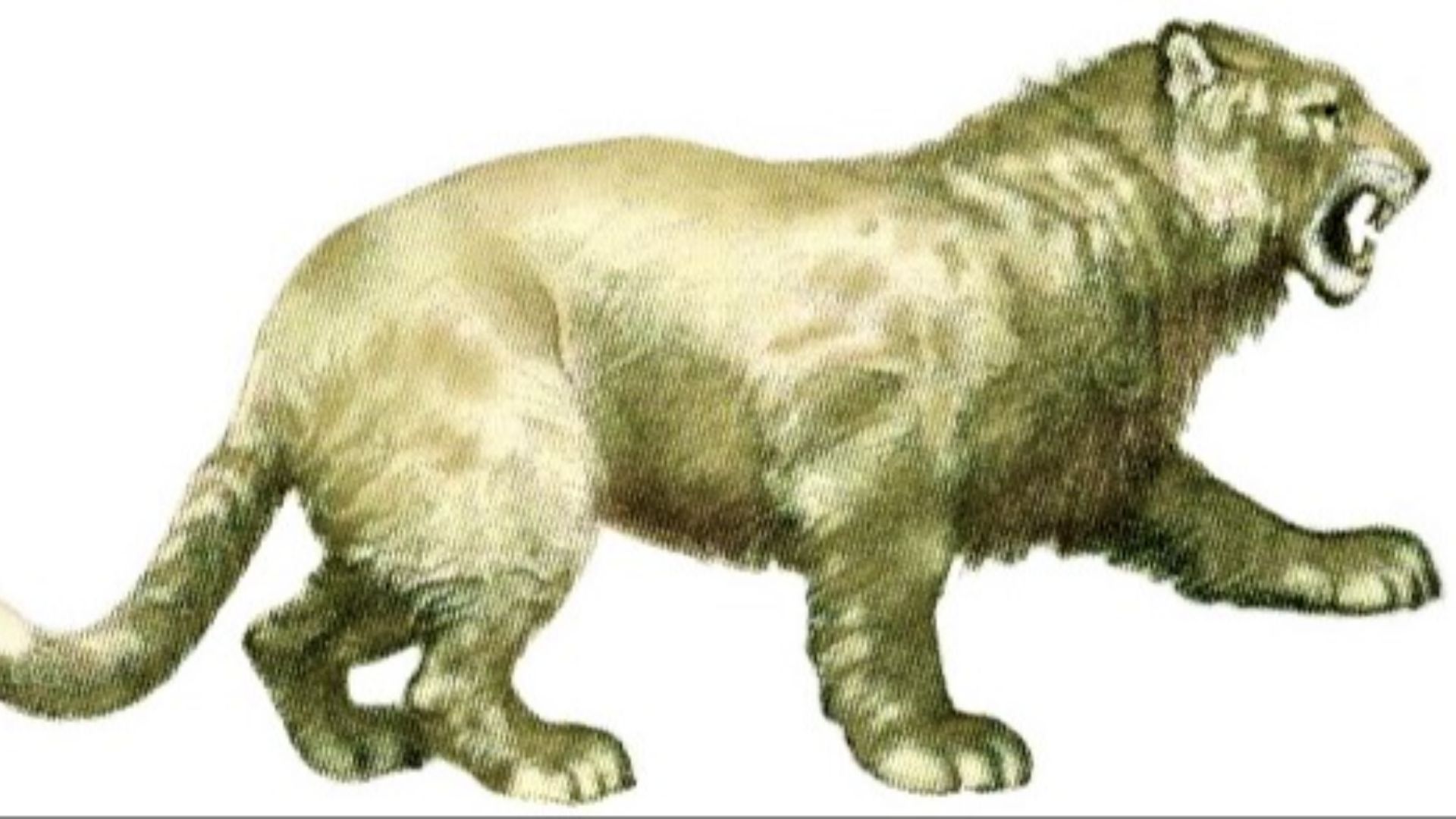
9. Cave Lion
Upper Paleolithic people knew cave lions well enough to paint them at Chauvet. That imagery didn't come from folklore or distant memory. As their primary prey, including mammoths and reindeer, disappeared and human pressure mounted, cave lions vanished around 14,000 years ago.
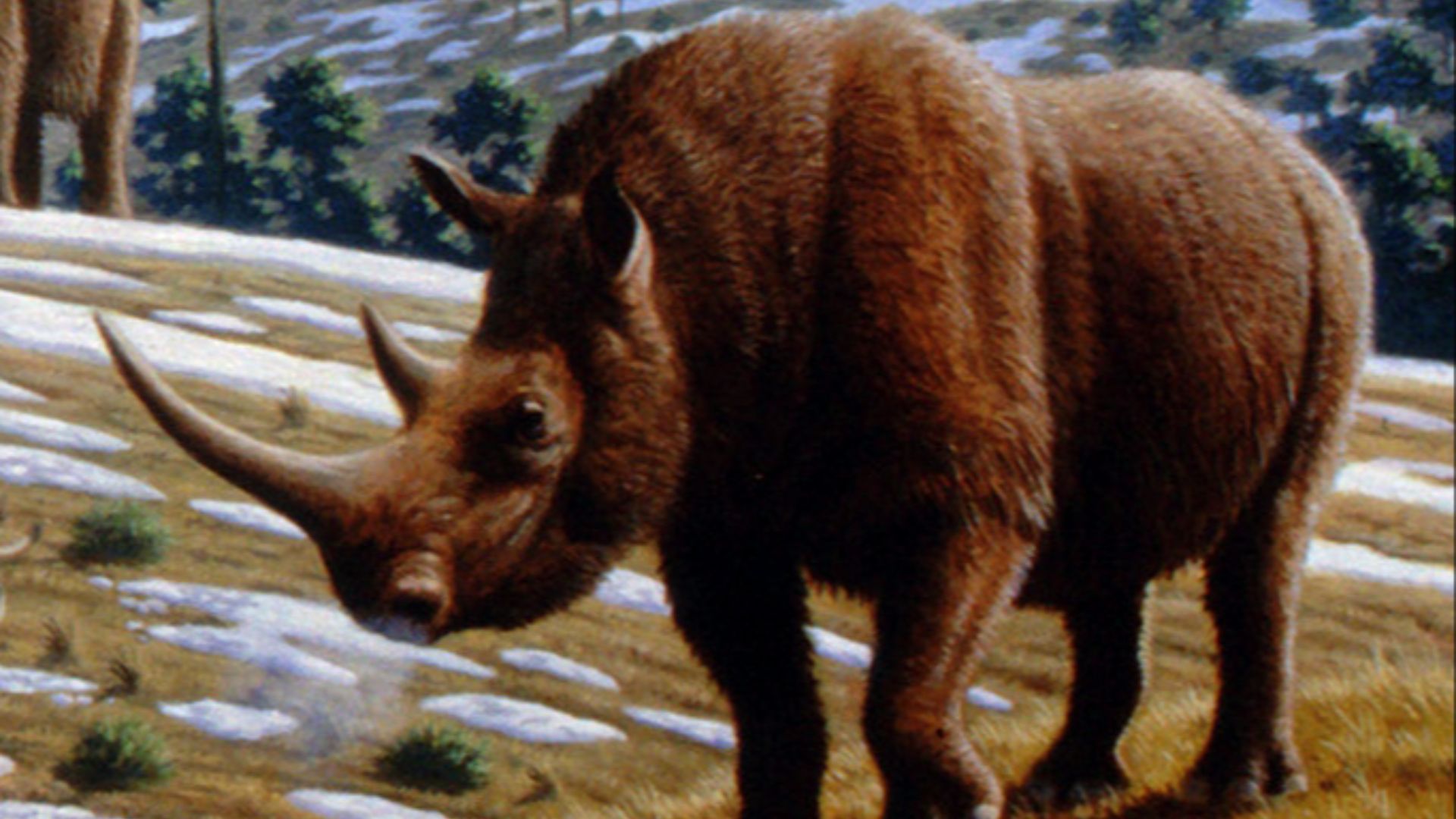
10. Woolly Rhinoceros
The woolly rhinoceros survived through the Pleistocene and shows up in prehistoric cave art, showcasing its overlap with Ice Age humans. Rapid warming after the Last Glacial Maximum, combined with human hunting, as evidenced by spear wounds found on frozen mummies, caused them to go extinct around 14,000 years ago.
11. Irish Elk
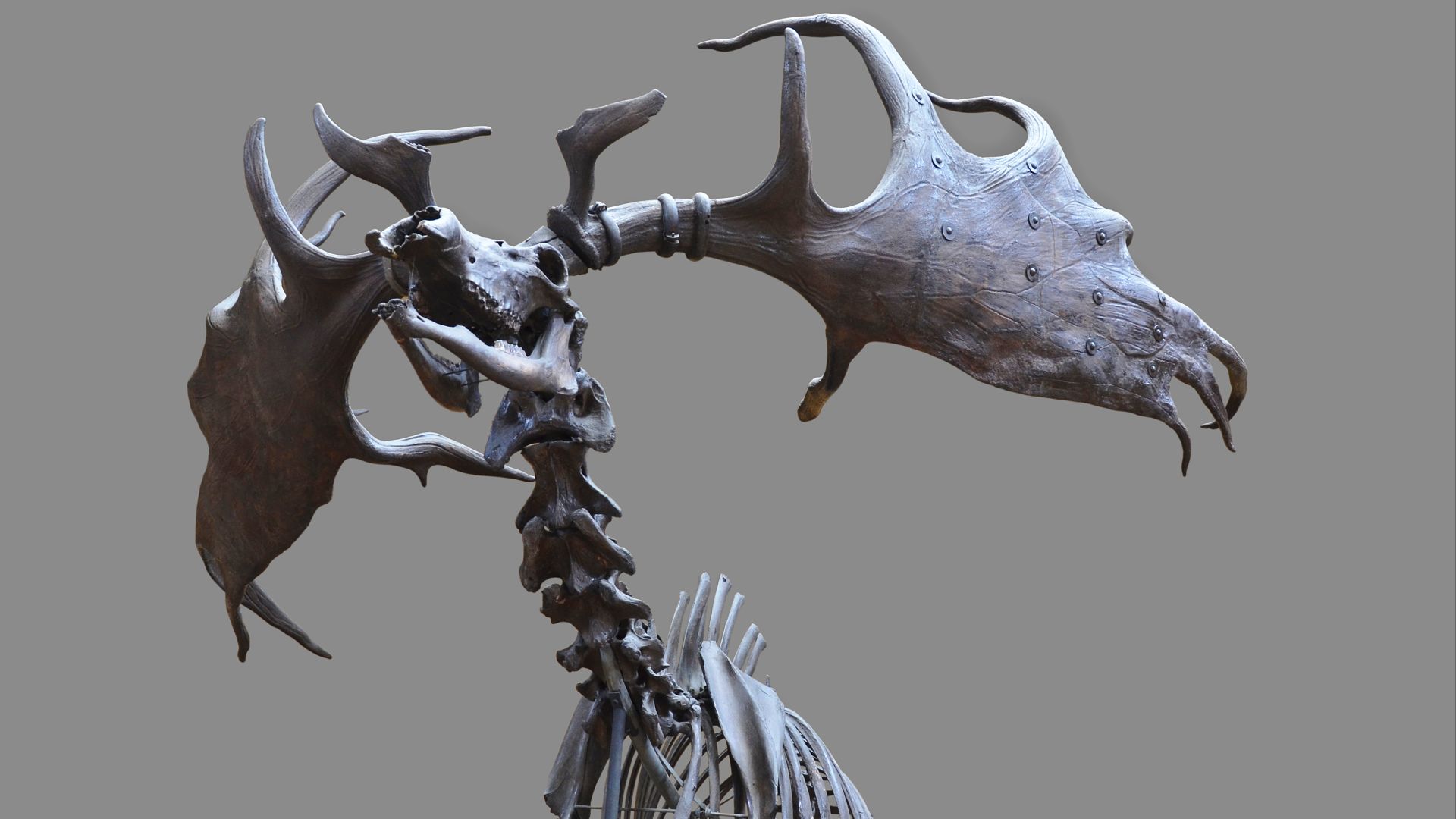
The Irish Elk stood 2.1m (6 ft 9 in) tall at the shoulder with 3.65m (12 ft) antlers weighing 40kg (88 lbs). This animal, with long tundra legs and a thickened skull, roamed human landscapes across Eurasia. When the tundra turned to forest around 7,700 years ago, those large antlers proved to be fatal.
12. Steppe Bison
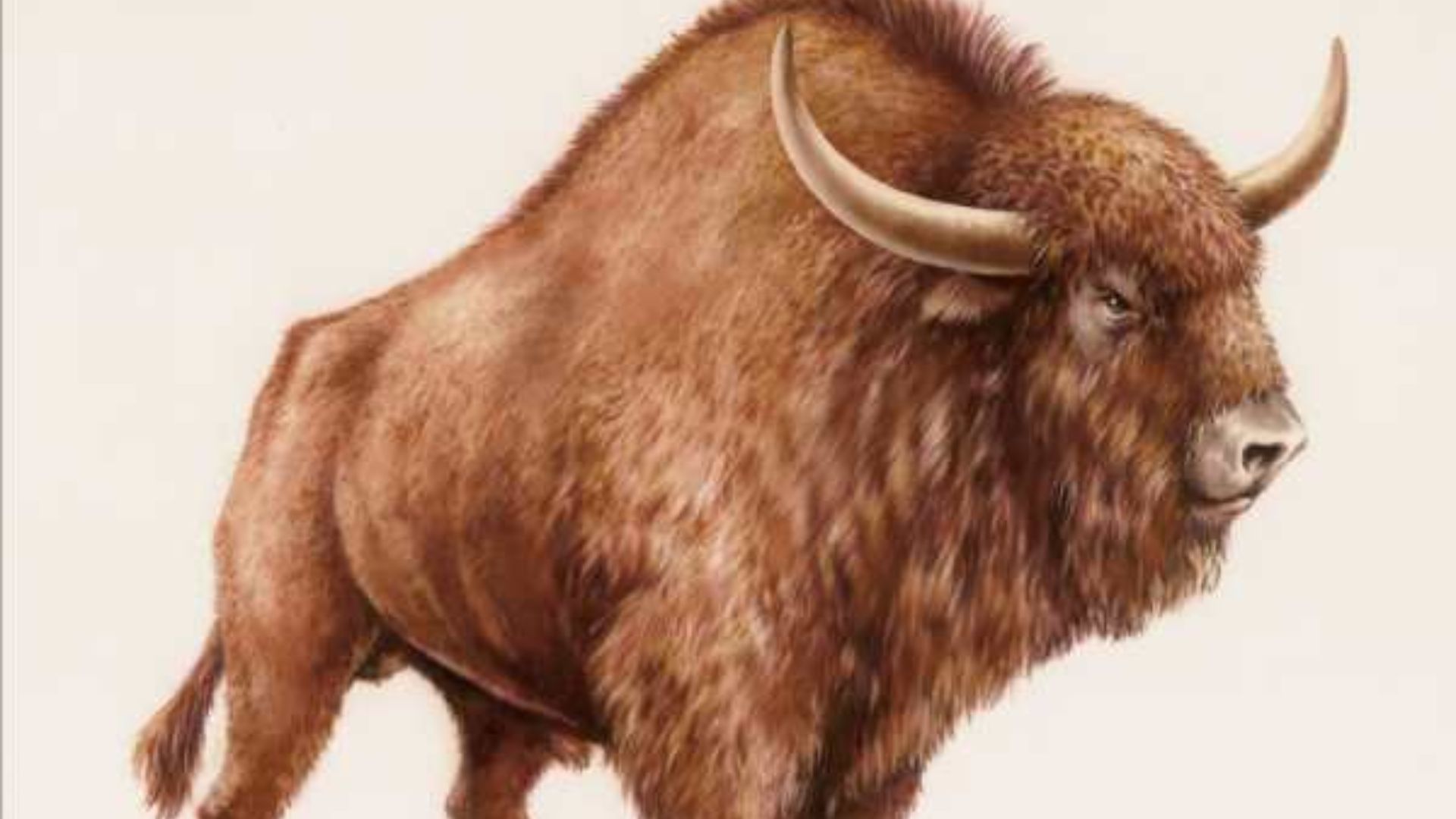
The Steppe Bison had thick woolly coats, massive curved horns, and robust builds adapted for Ice Age steppes.
Steppe bison ranged across the cold grasslands that people crossed in Eurasia and Beringia. A climate shift that reduced steppe grasslands around 7,000 years ago, alongside heavy human hunting pressure, brought them down.
13. Aurochs
The aurochs story stretches from the Pleistocene deep into historical time, overlapping with prehistoric hunters and farming societies alike. Habitat loss from spreading agriculture, overhunting, and shrinking range pushed the last wild aurochs to extinction in Poland in 1627.
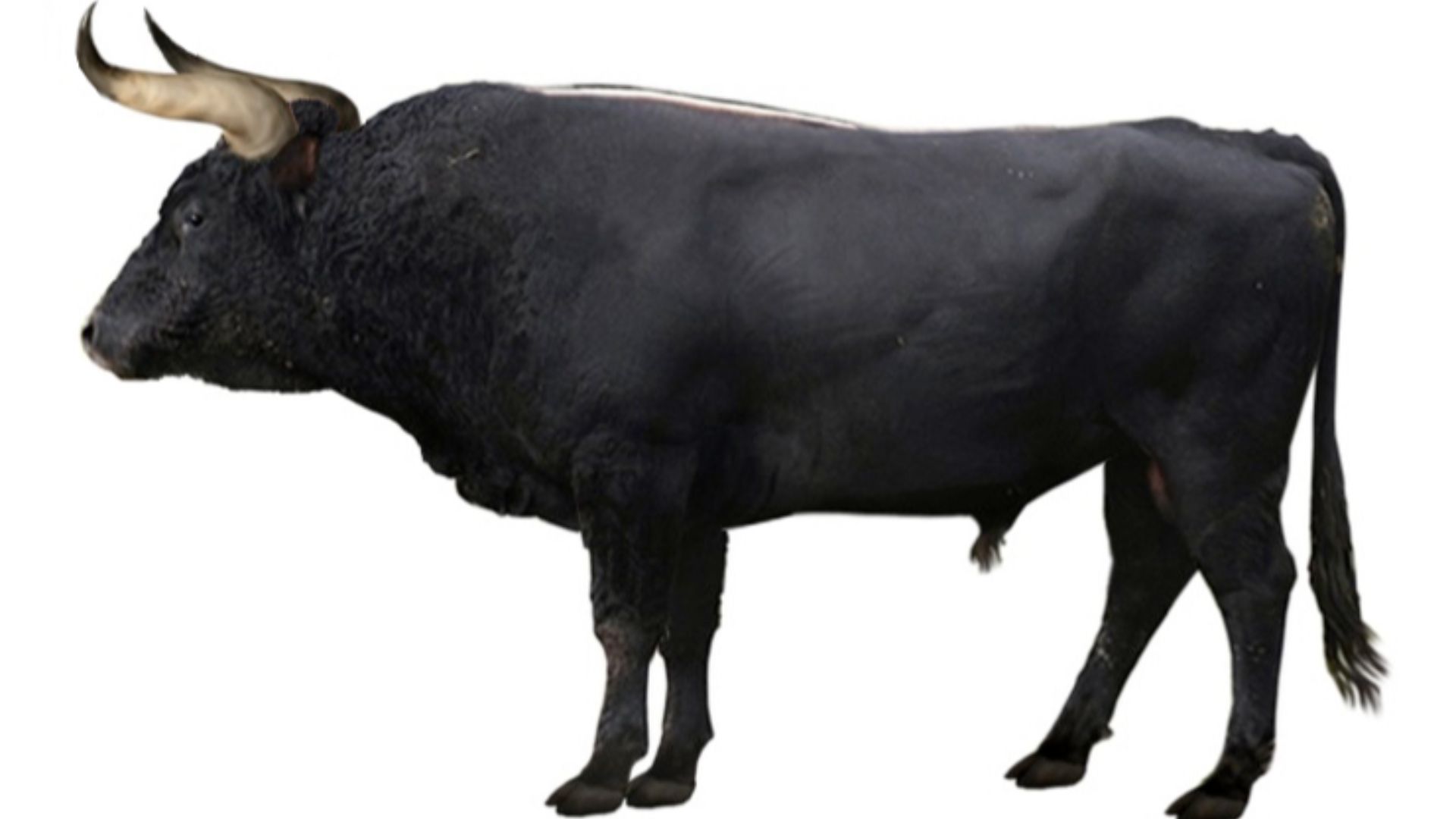 Jaap Rouwenhorst (photograph) DFoidl (GIMP modifications) on Wikimedia
14. Straight-Tusked Elephant
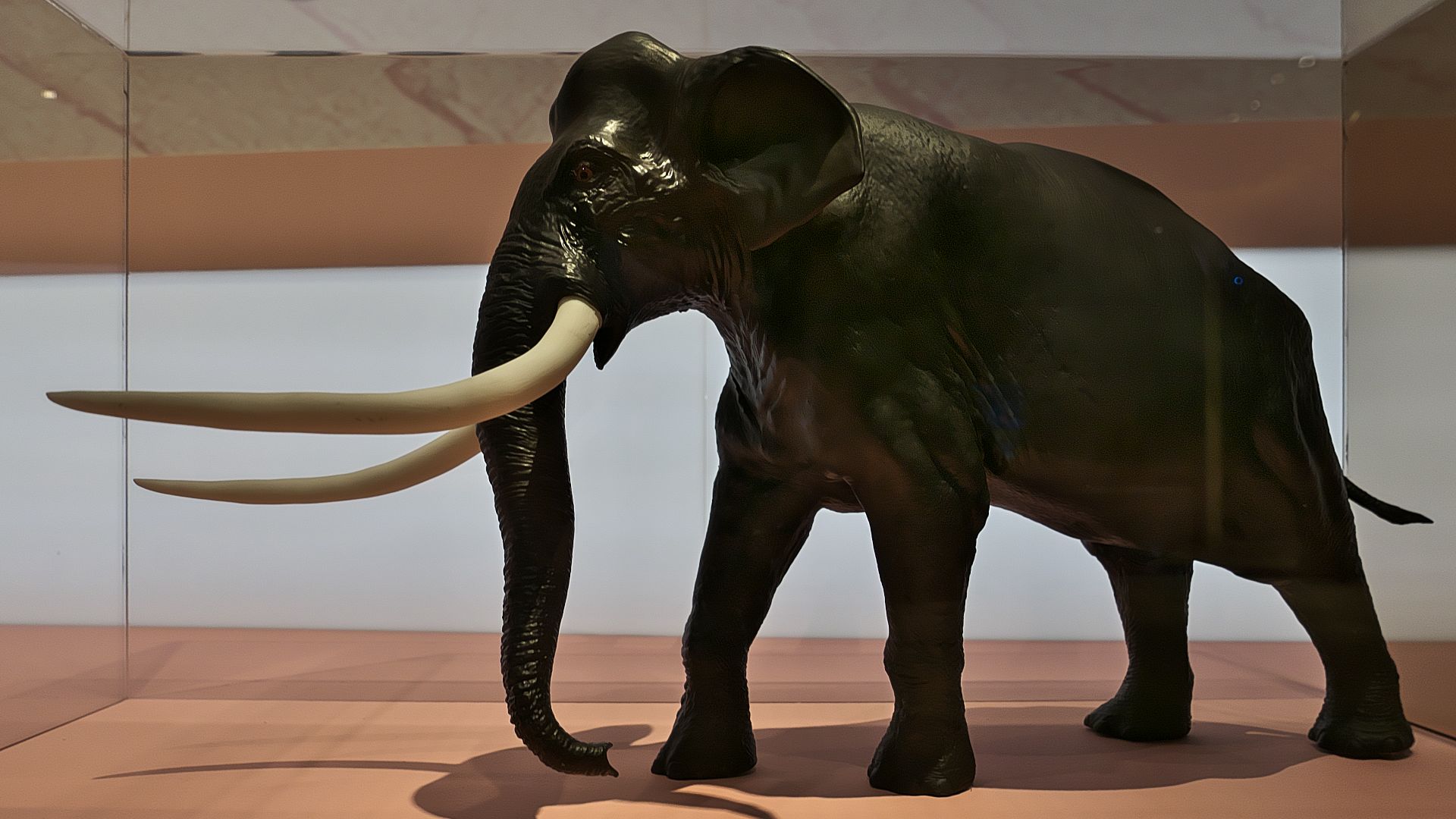
In Kashmir, researchers found evidence of ancient humans exploiting a straight-tusked elephant more than 300,000 years ago, making this overlap impressively old. The species faded out as earlier human populations expanded and Ice Age climate cycles repeatedly reshaped its habitats.
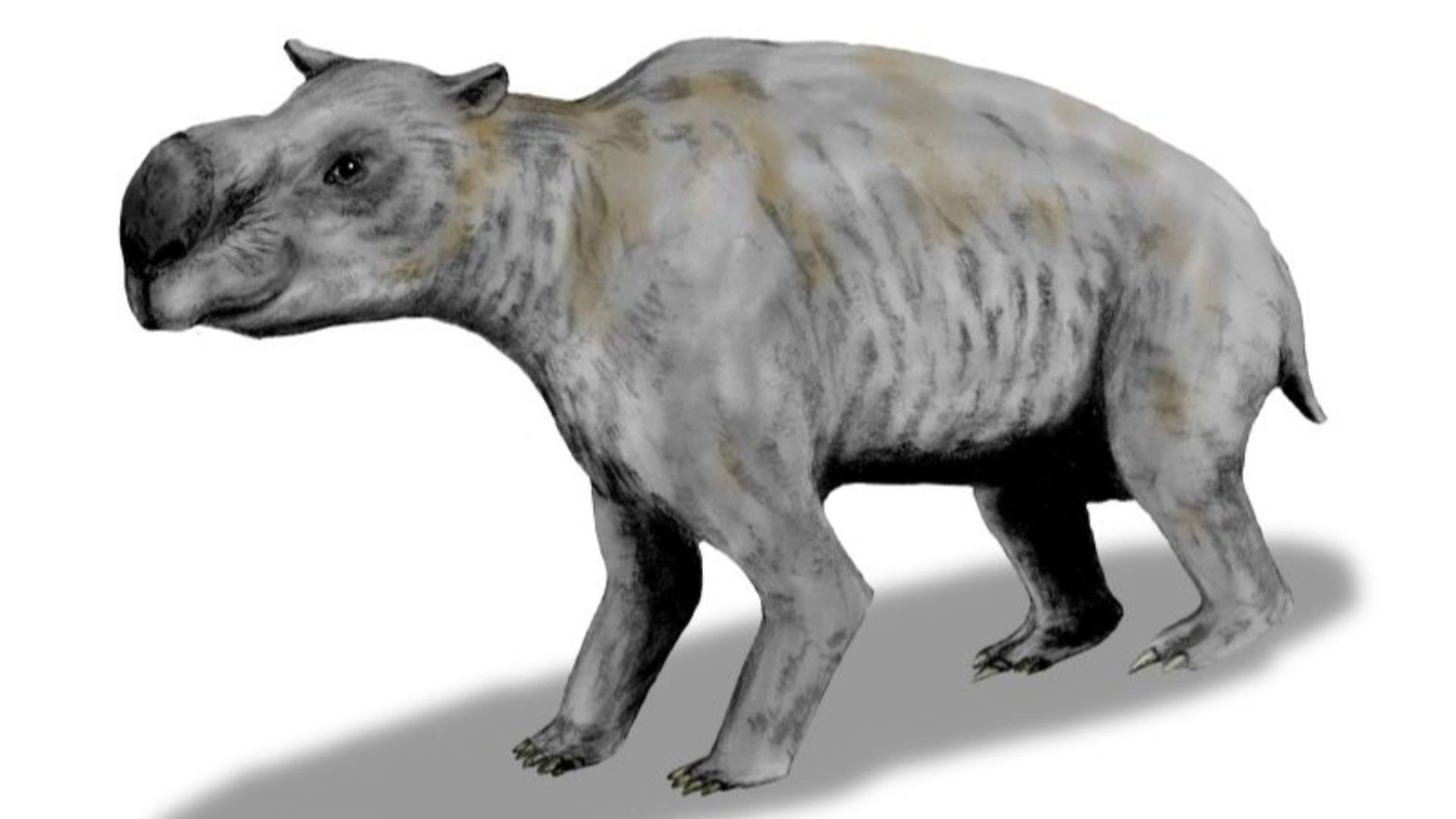
15. Diprotodon
The largest marsupial ever known was still widespread in Australia when the first Indigenous people arrived. The combination of human hunters and the slower-burning pressures of a changing Australian landscape ended them during the Pleistocene era.
16. Genyornis
A giant flightless bird in Pleistocene Australia, with fossils found in association with human artifacts. Big. Flightless. Apparently not easy to avoid. The evidence points to human hunting as the primary pressure that pushed this bird to extinction.
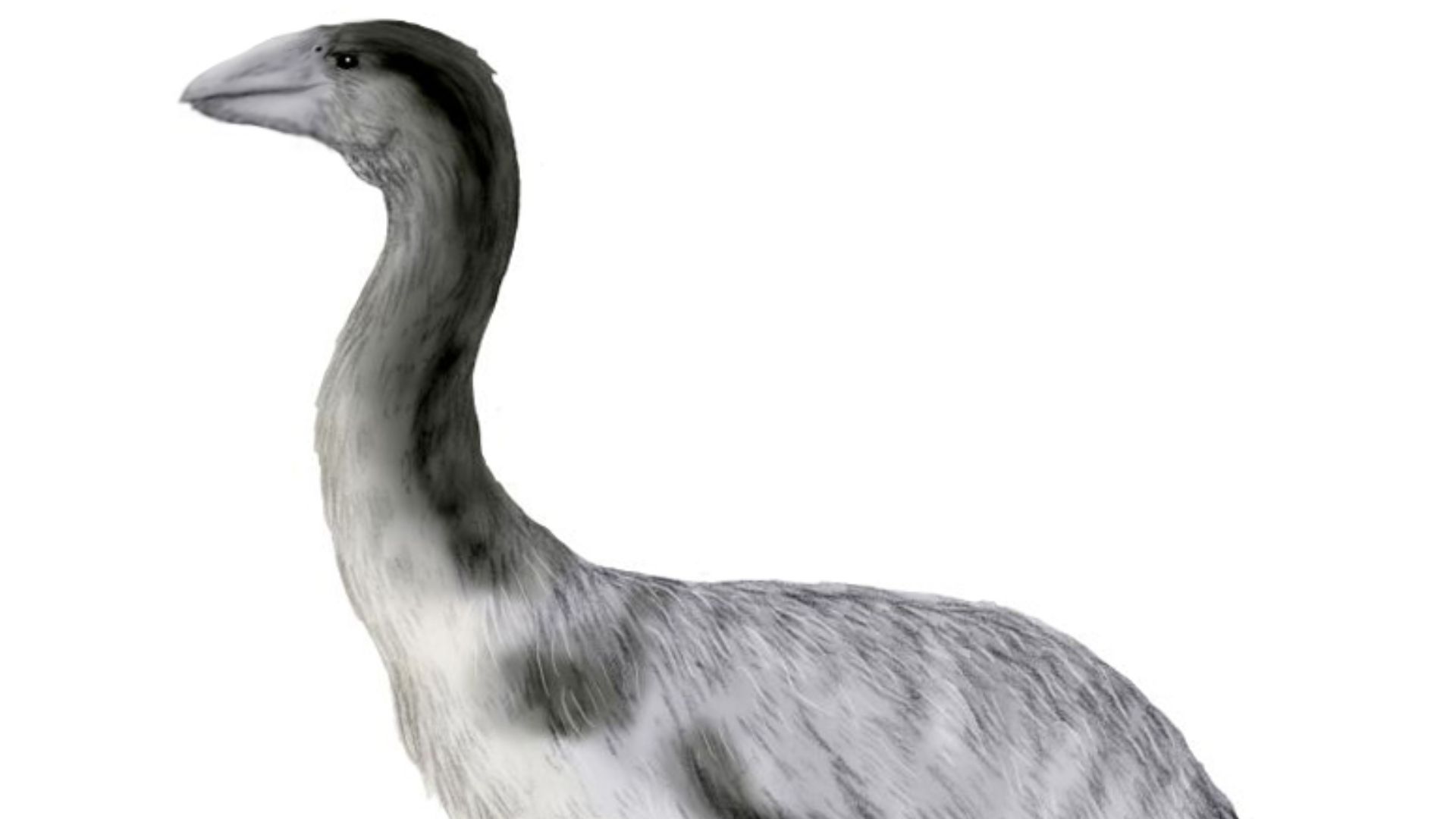 Nobu Tamura (http://spinops.blogspot.com) on Wikimedia
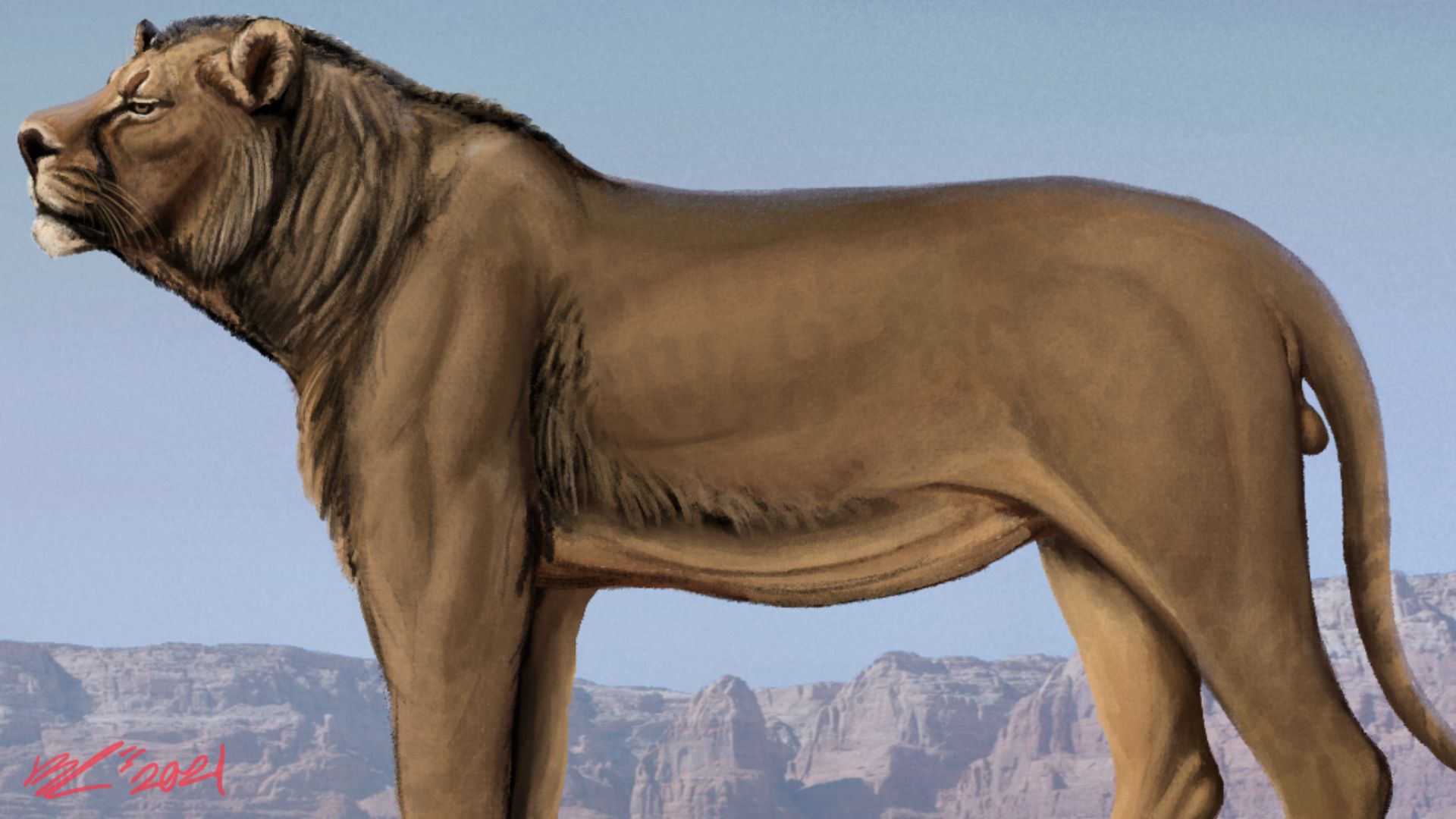
17. American Lion
One of the largest cats ever to live in North America, still present when people were already on the continent.
As Pleistocene extinctions picked off the prey species it depended on, the American lion left the land, permanently, around 11,000 years ago.
18. Giant Beaver
Giant beavers lived in North America through the Pleistocene era and disappeared near its close. They don't get the attention of mammoths or saber-toothed cats, but a beaver the size of a black bear would have been memorable. Their fate was tied to the broader megafaunal collapse at the end of the Pleistocene.
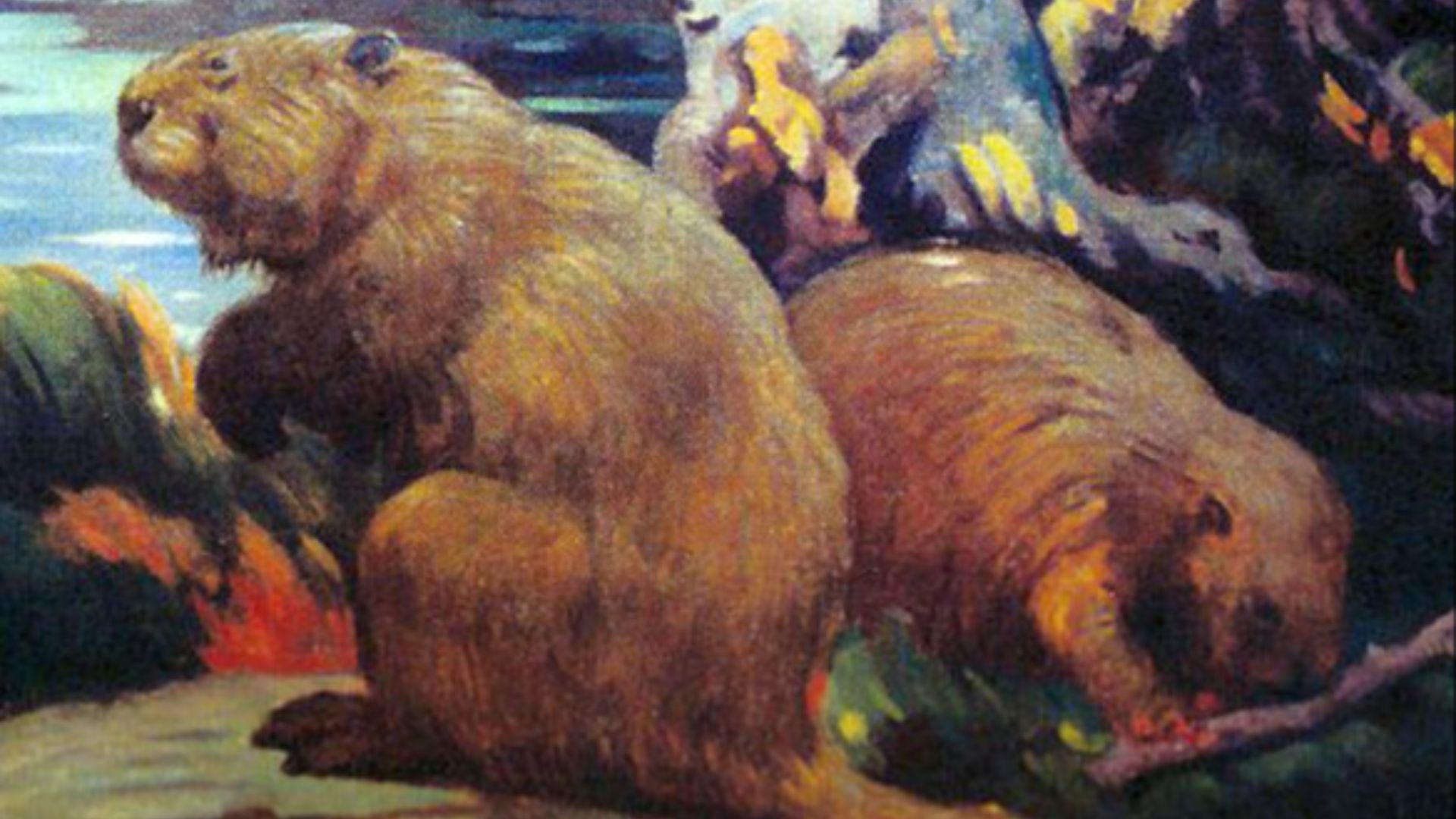 Charles Robert Knight on Wikimedia
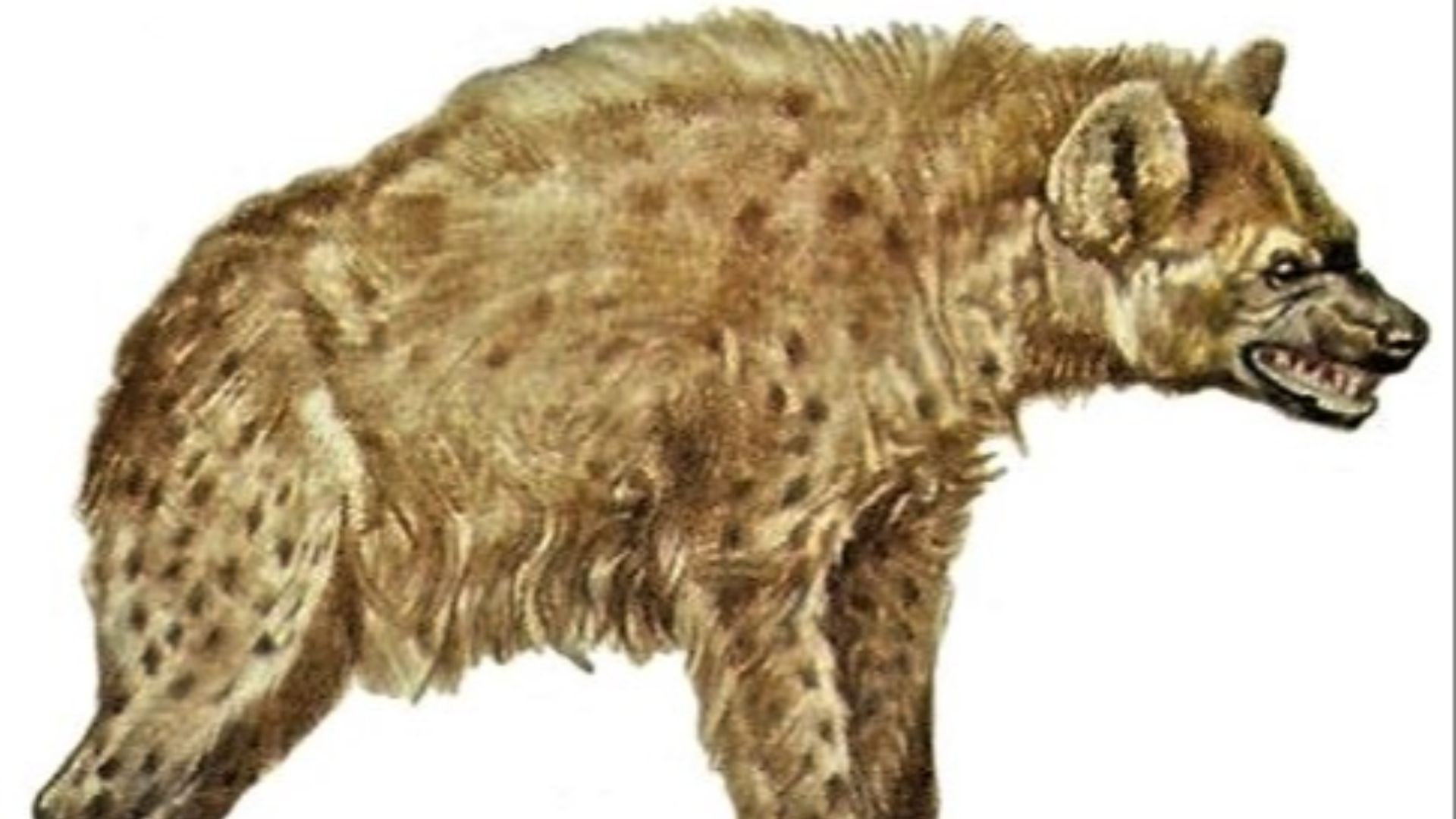
19. Cave Hyena
At Grotta Guattari in Italy, a late Pleistocene hyena den is tied to one of Europe's best-known Neanderthal discoveries. Ice Age caves were shared spaces. As warming set in around 13,000 years ago and competition with humans and wolves for scavenged remains intensified, cave hyenas lost that contest.
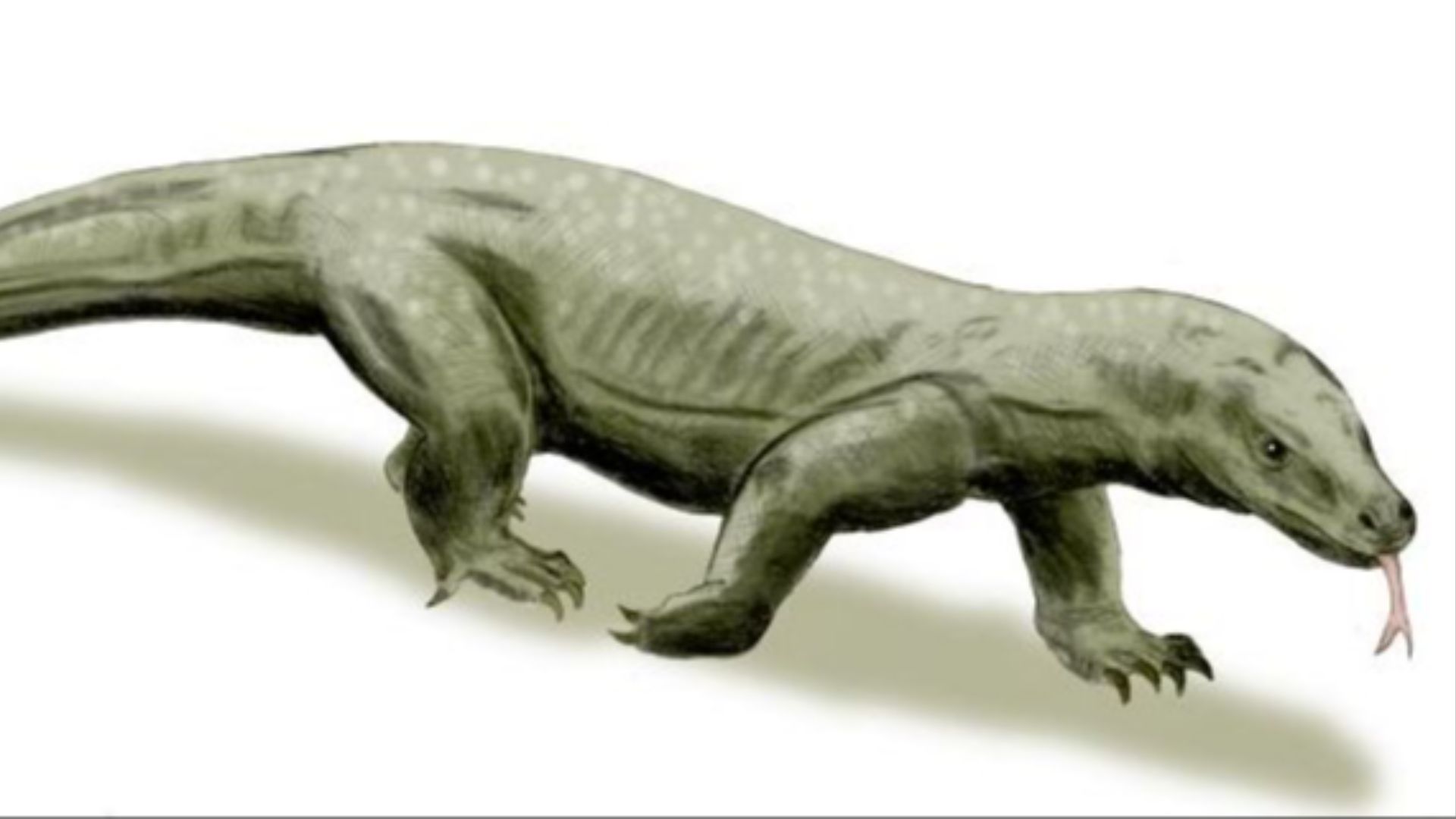
20. Megalania
Megalania, the giant monitor lizard now classified as Varanus priscus, was part of the world Australia's First Nations people arrived in at least 65,000 years ago. Like so much of Australia's Pleistocene megafauna, it disappeared as human presence spread across the continent.
KEEP ON READING

The story of Ching Shih, the Woman Who Became the…
Unknown author on WikimediaFew figures in history are as feared…
By Emilie Richardson-Dupuis Dec 29, 2025
Einstein's Violin Just Sold At An Auction—And It Earned More…
A Visionary's Violin. Wanda von Debschitz-Kunowski on WikimediaWhen you hear…
By Ashley Bast Nov 3, 2025
This Infamous Ancient Greek Burned Down An Ancient Wonder Just…
History remembers kings and conquerors, but sometimes, it also remembers…
By David Davidovic Nov 12, 2025
The Mysterious "Sea People" Who Collapsed Civilization
3,200 years ago, Bronze Age civilization in the Mediterranean suddenly…
By Robbie Woods Mar 18, 2025
The Love Story Behind the Taj Mahal Was Also a…
Koushik Chowdavarapu on UnsplashThe Taj Mahal is often introduced as…
By Emilie Richardson-Dupuis Apr 2, 2026
20 Soldiers Who Defied Expectations
Changing the Rules of the Battlefield. You’ve probably heard plenty…
By Annie Byrd Feb 10, 2026