

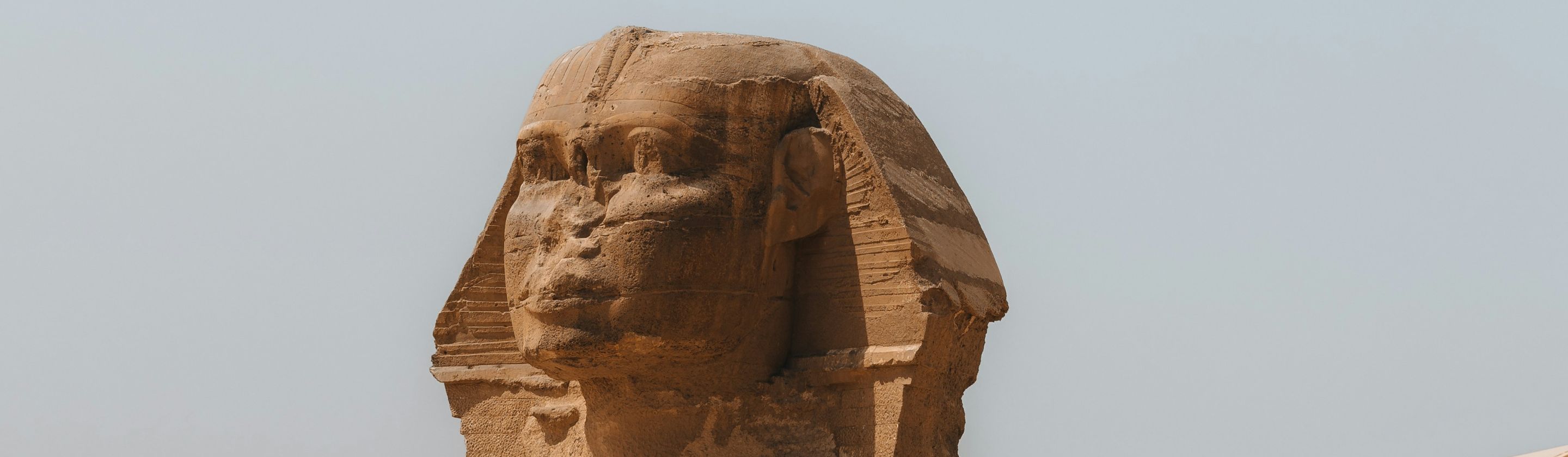
Mummies And More Mummies
Even as we move forward, we are always trying to look back on our past. We are constantly wanting to understand those who came before us, even if that means putting together an obscenely large puzzle. This means that even the smallest jar can still have the biggest meaning. Here are some of the most important finds from Egypt we’ve ever had the pleasure of discovering.
 Dmitrii Zhodzishskii on Unsplash
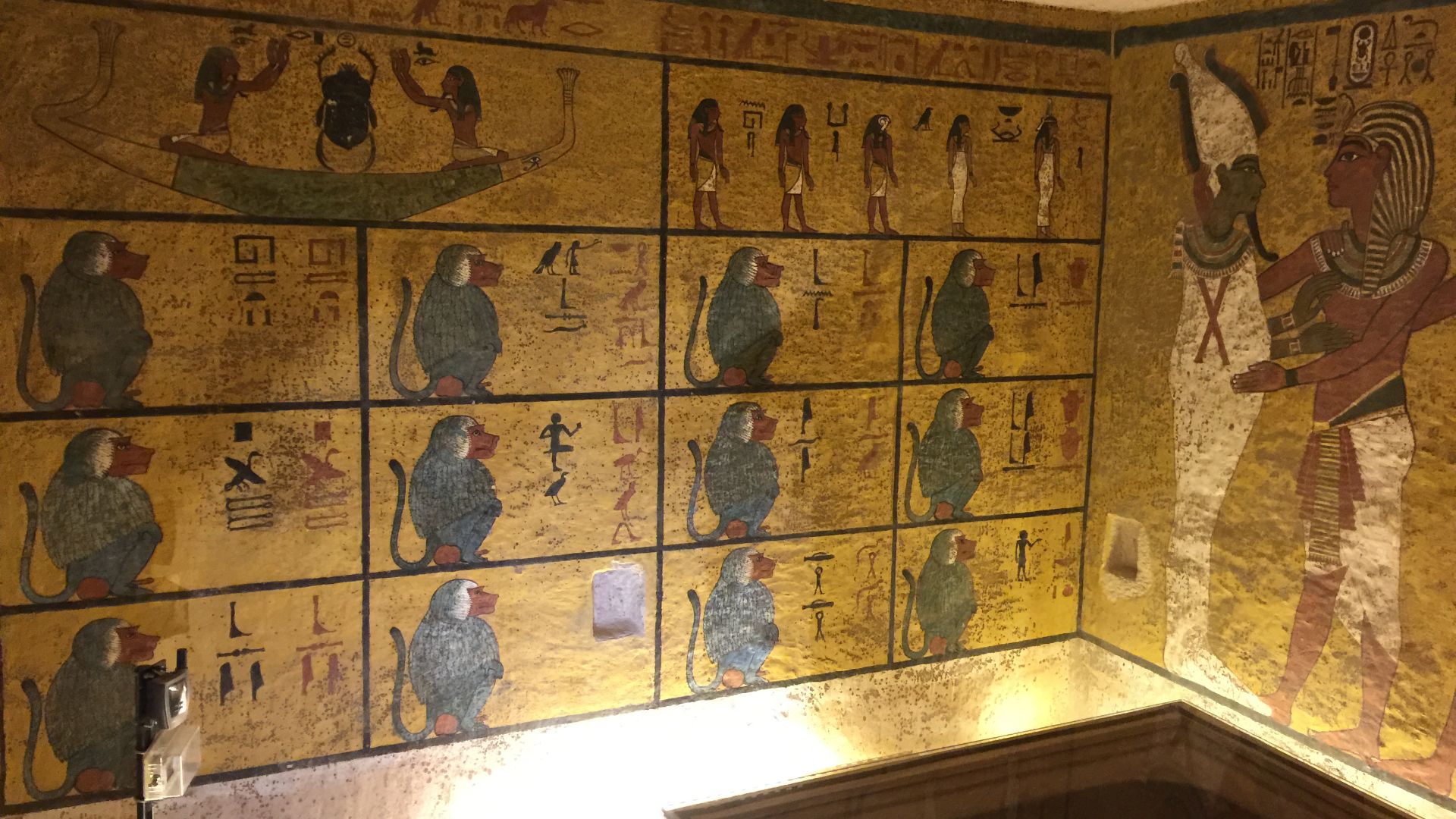
1. The Tomb of Tutankhamun
This tomb was discovered back in 1922, and revealed plenty about what we know about Egyptian Royalty due to it remaining largely intact from when it was initially sealed. We also learned that the 18th-dynasty pharaoh died quite young, so historians were also able to better place him in Egypt’s long line of leaders.
2. Embalming Workshops
While we were aware that Egyptians who have passed on went through an extensive post-mortem, a recent analysis of a 2016 discovery found what exactly was used. We now know that the Egyptians used juniper, cypress, and cedar oil to anoint and best preserve their dead.
3. The Lost City of Aten
Often considered the largest ancient Egyptian city ever found, Aten’s 2020 discovery is also one of the most well-preserved. Within this city, archaeologists have been able to learn about the daily life of Egyptian common folk, as well as the urban planning that existed in ancient times.
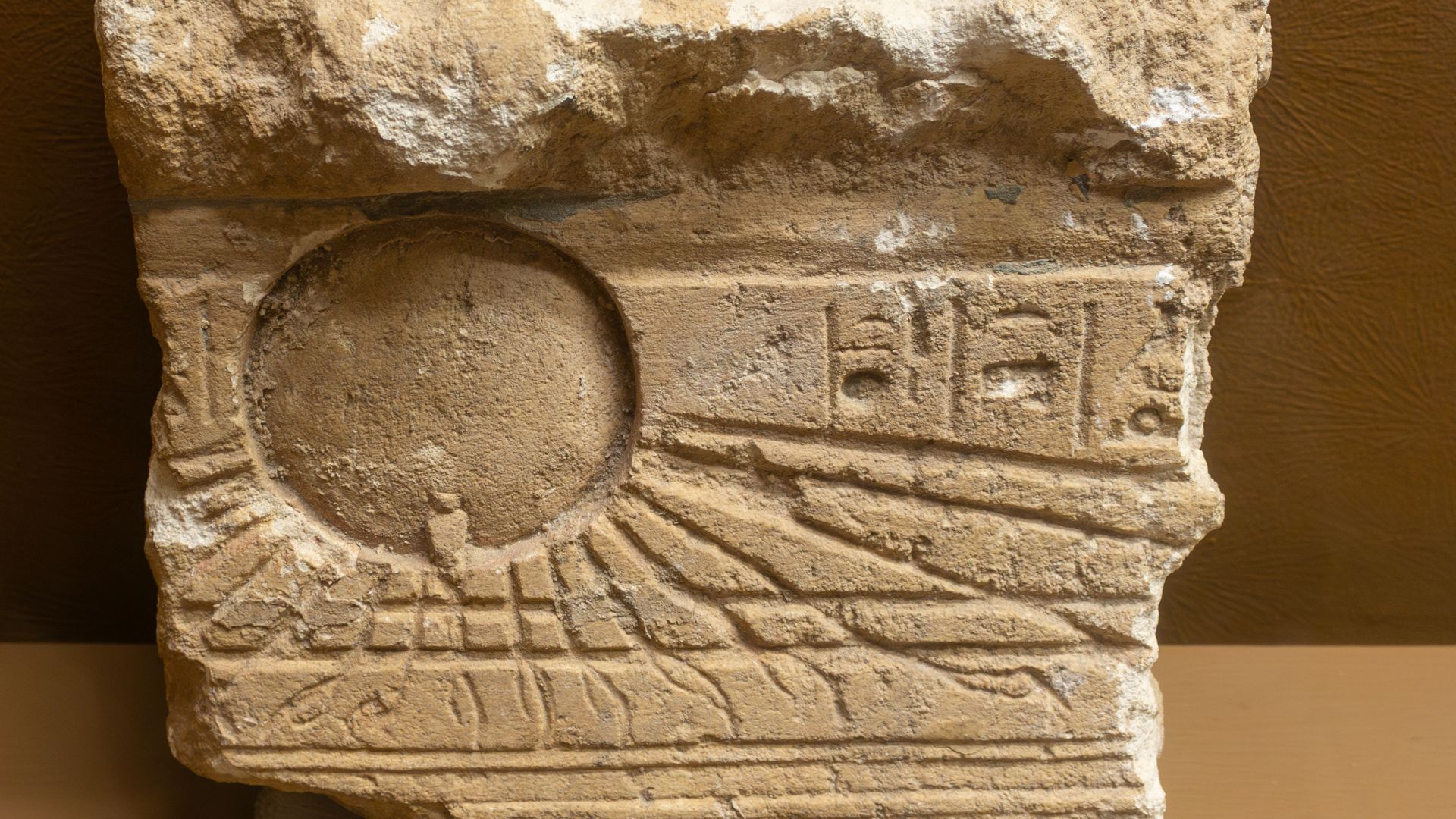
4. Valley of the Golden Mummies
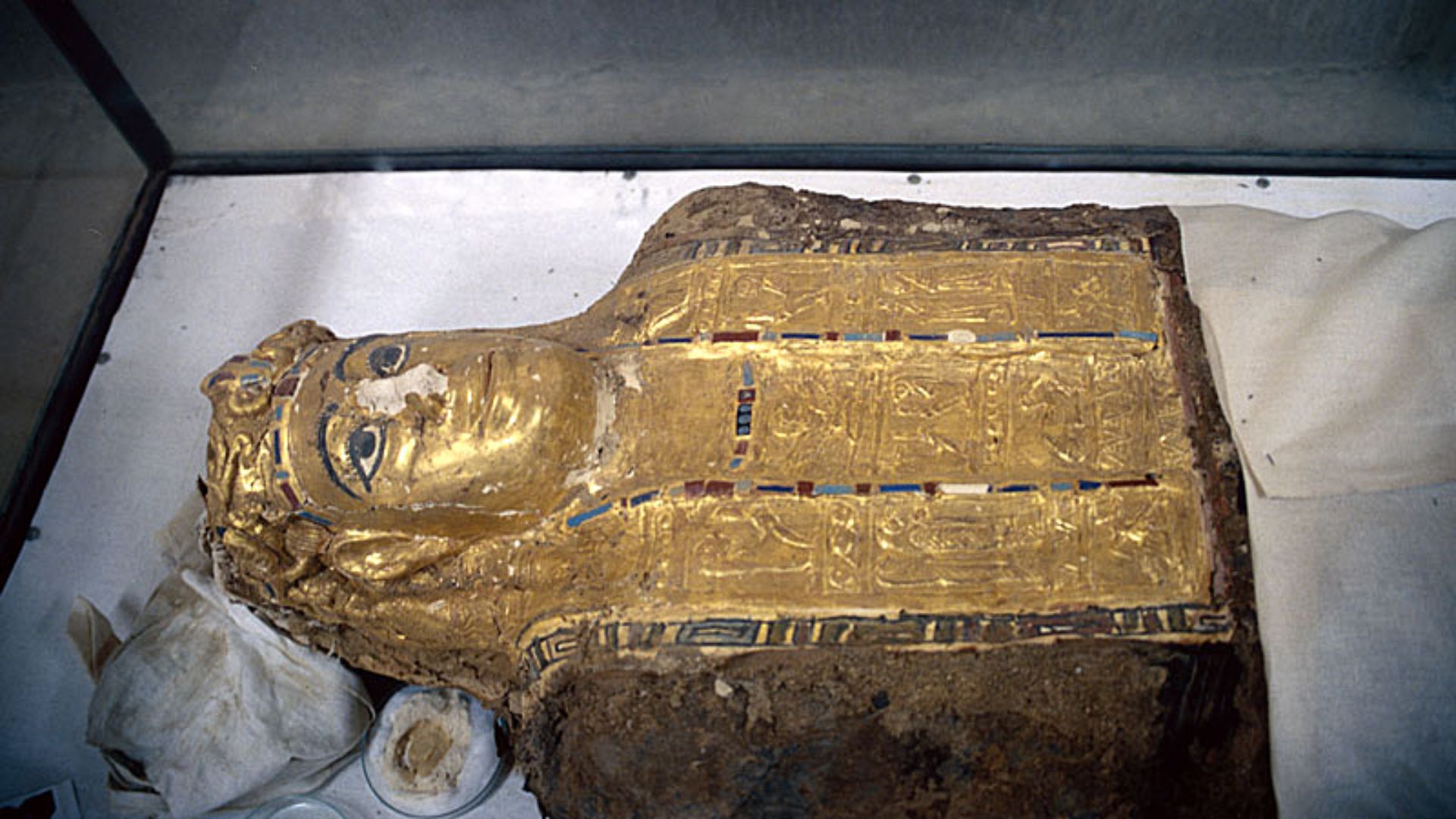
This 1996 find was discovered in Egypt’s western desert, where over two hundred mummies were discovered. The mummies, as we’ve found out, date back over two thousand years, with many of them still in excellent condition.
5. Thutmose II’s Tomb
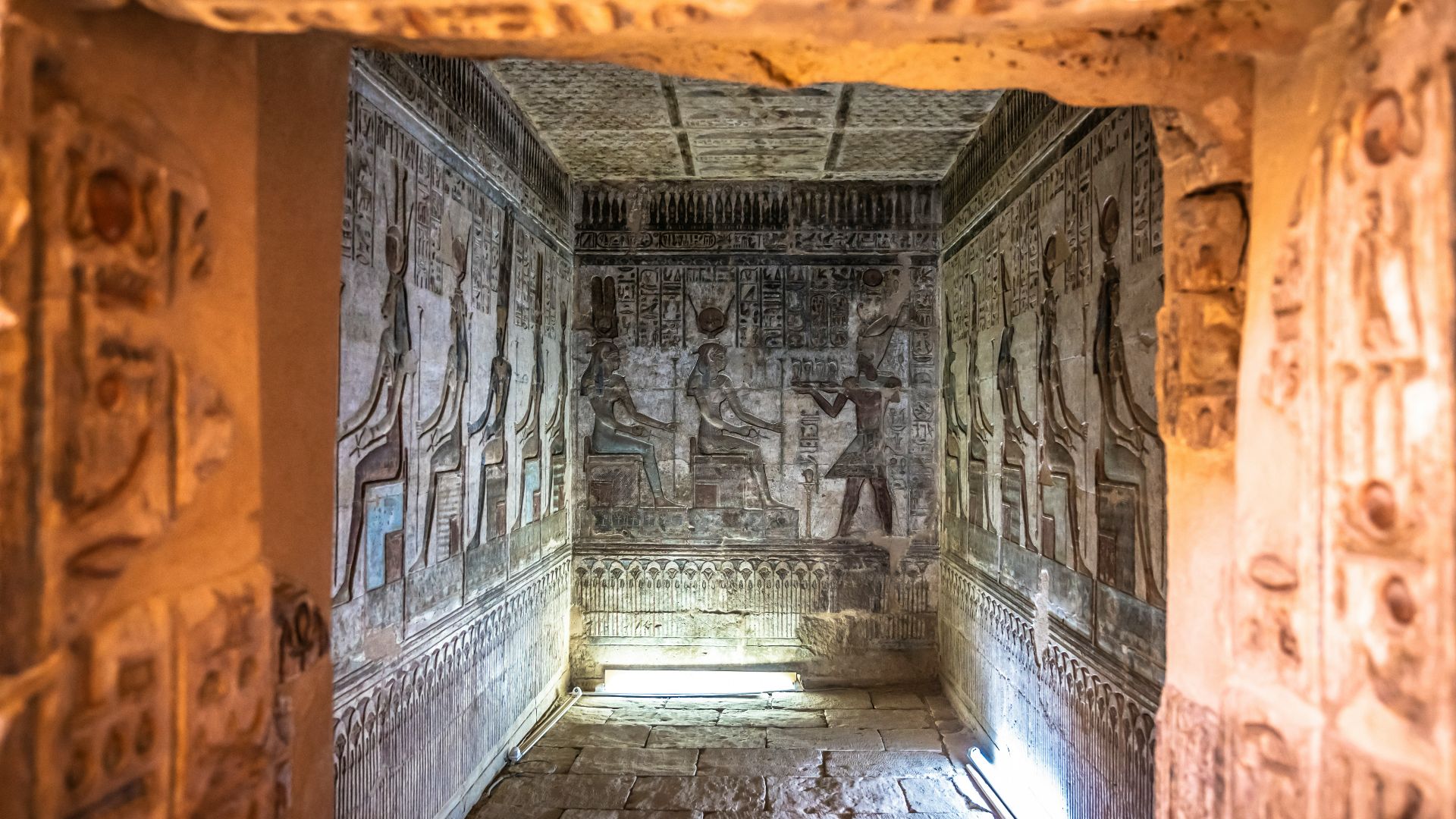
Archaeologists discovered this pharaoh’s tomb in 2022 near the city of Luxor, surprisingly in an area that was traditionally reserved for royal women and children. Sadly, the tomb was in poor condition, but it marks the second tomb discovered from the New Kingdom period ever found.
6. The First Astronomical Observatory
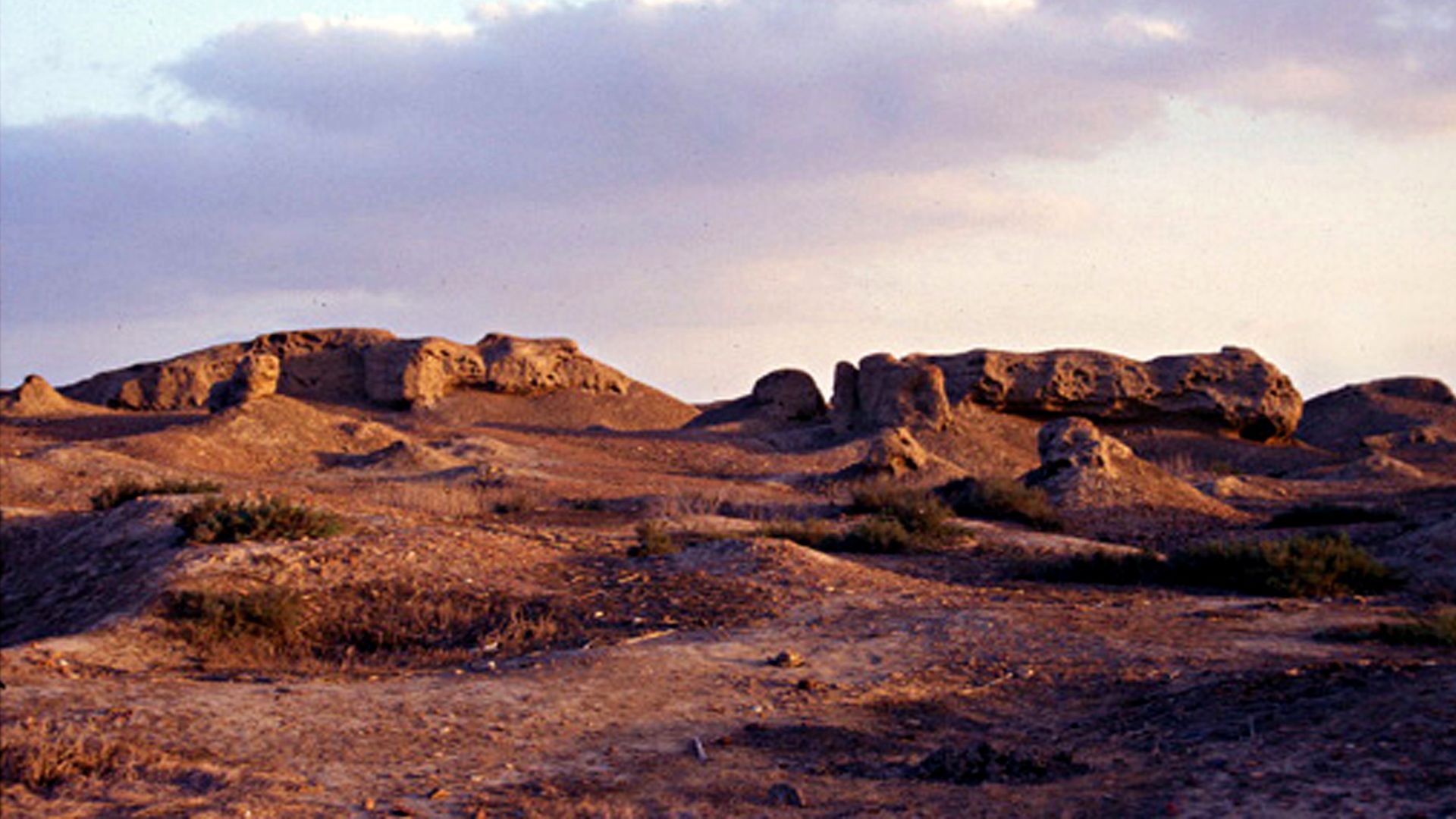
As recently as 2024, archaeologists discovered that it is likely the largest and first official astronomical observatory in the Tell El-Fara’in site. The observatory likely dates back to the 6th century BCE, and spans a total of around 850 square meters.
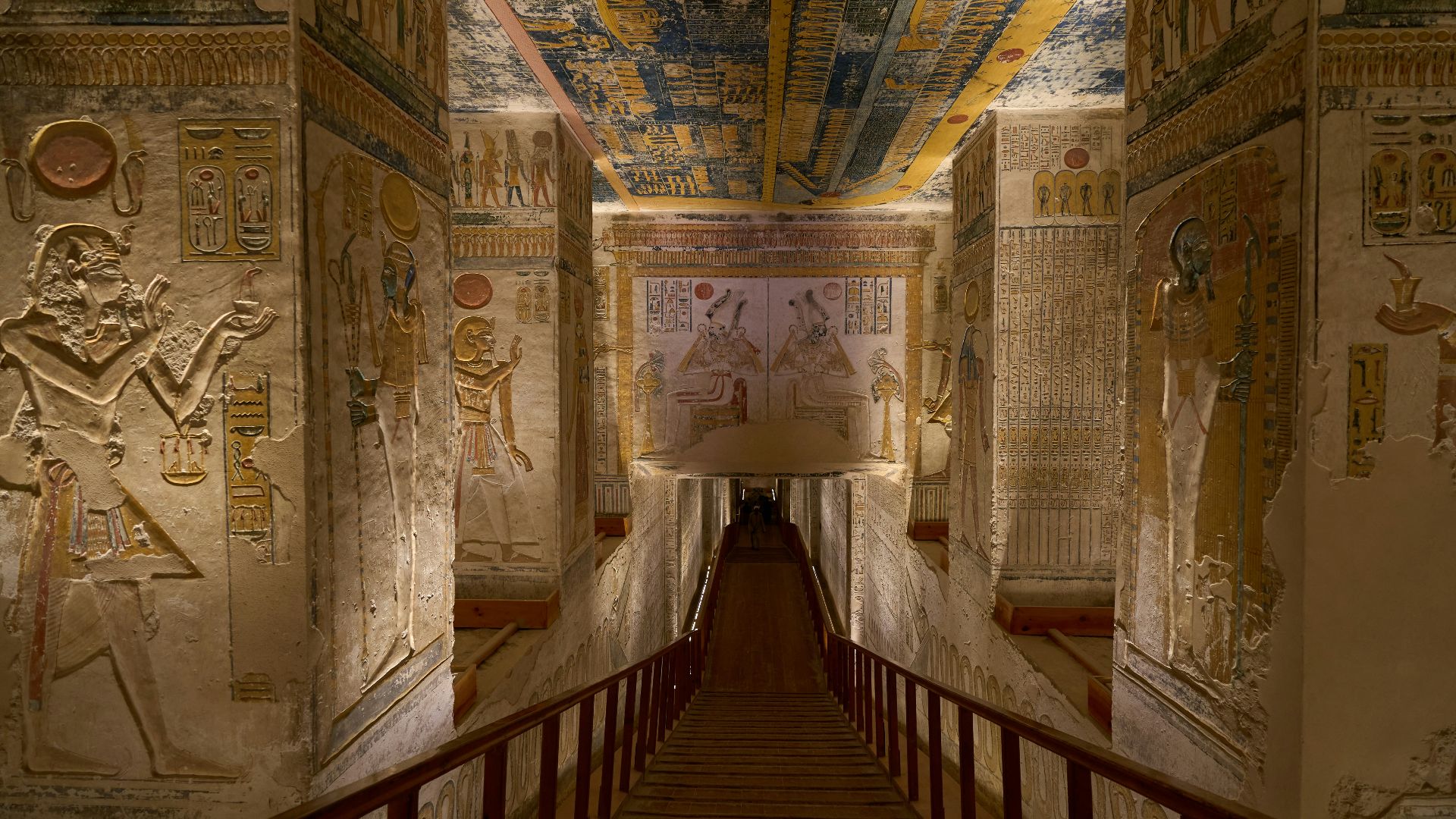
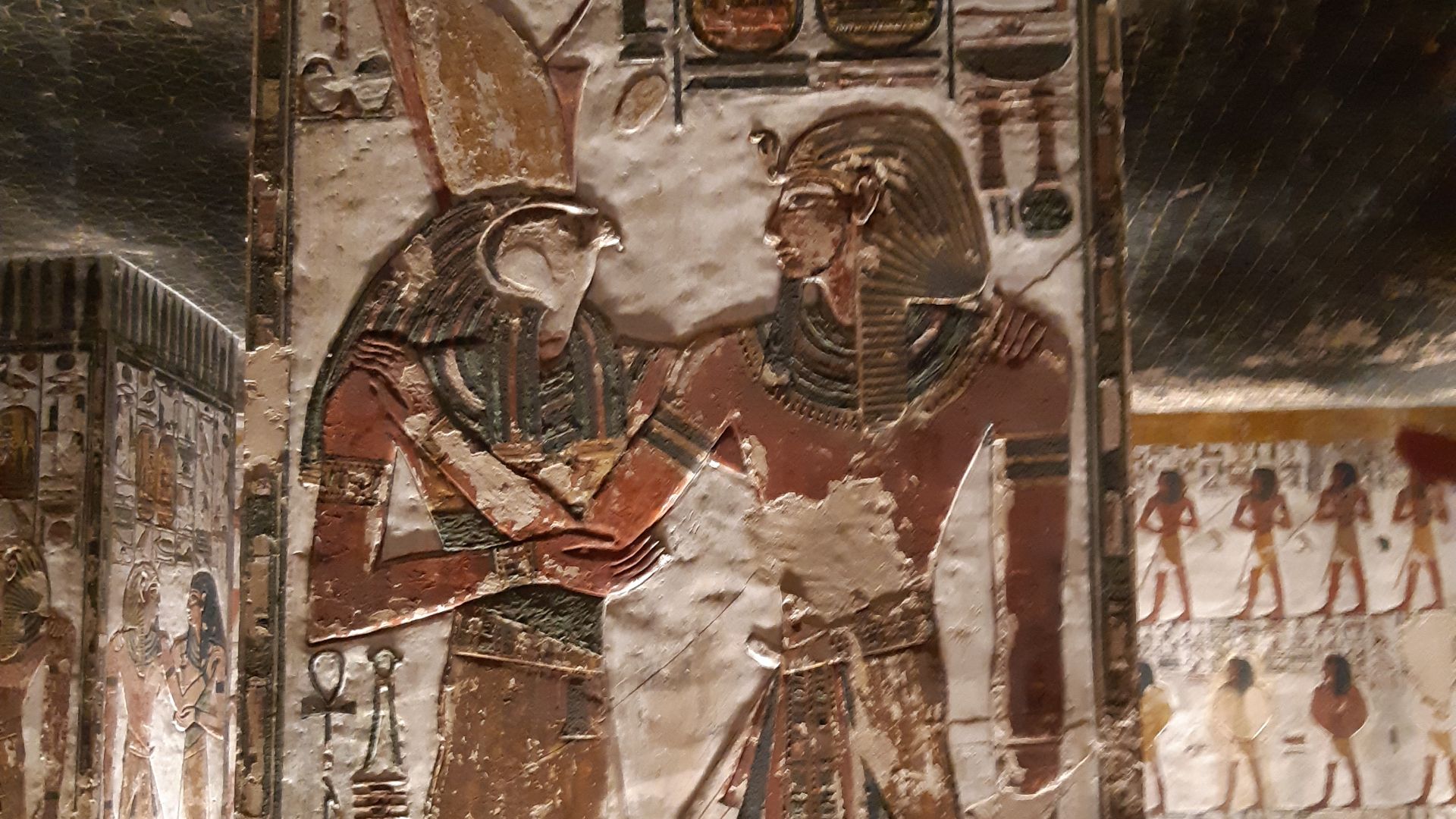
7. Tomb of Seti I
Considered one of the largest and deepest tombs in the Valley of the Kings, Seti I’s final resting place was discovered all the way back in 1817. The tomb contains 17 rooms total and has incredibly well-preserved decoration from the 13th century BCE.
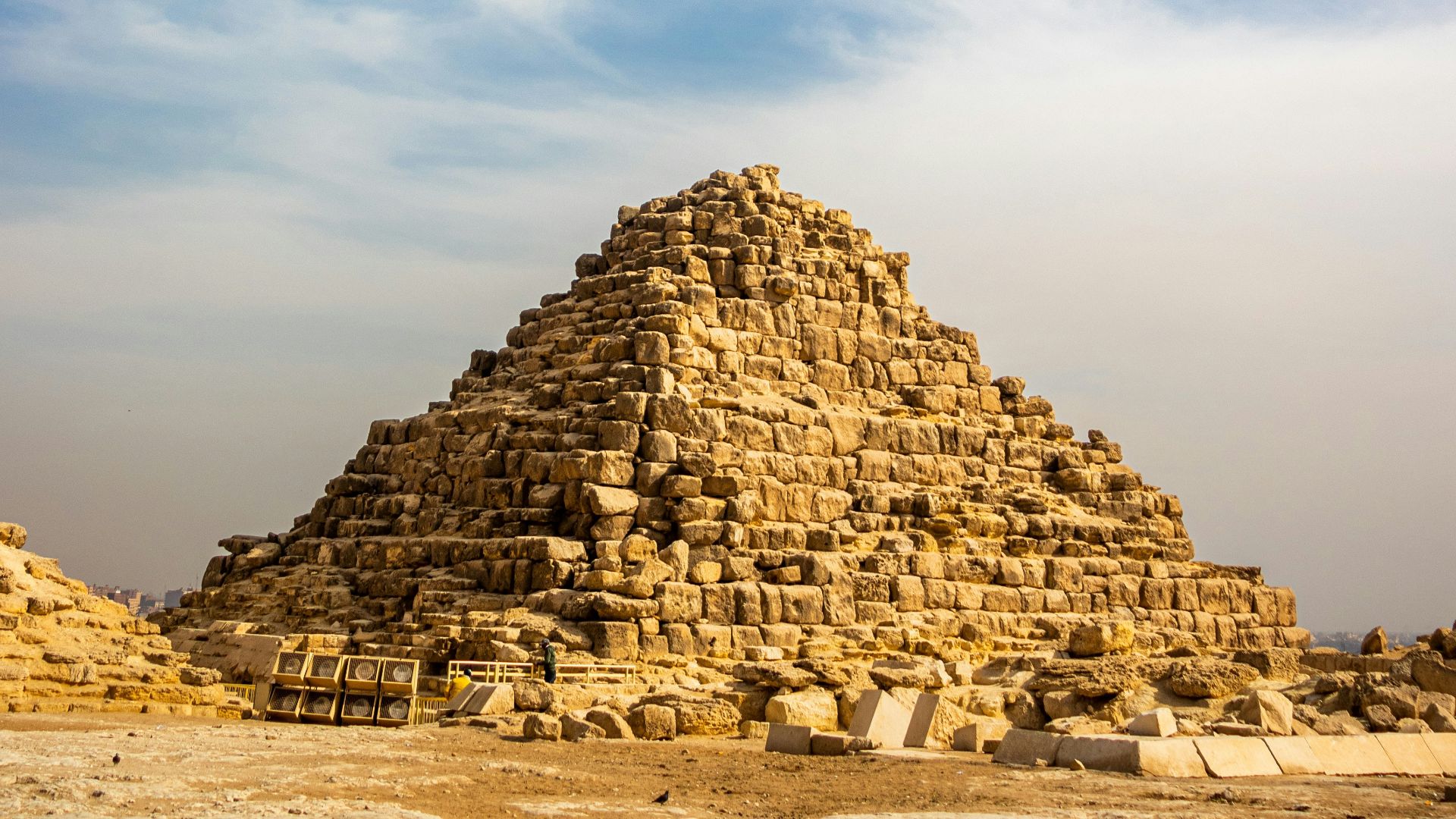
8. Pyramid of Neith
This discovery completely rewrote our understanding of Egyptian history, as archaeologists discovered 300 coffins containing over 100 mummies south of the city of Cairo. Queen Neith lived during the Old Kingdom period, and this discovery filled a major gap in the royal lineage.
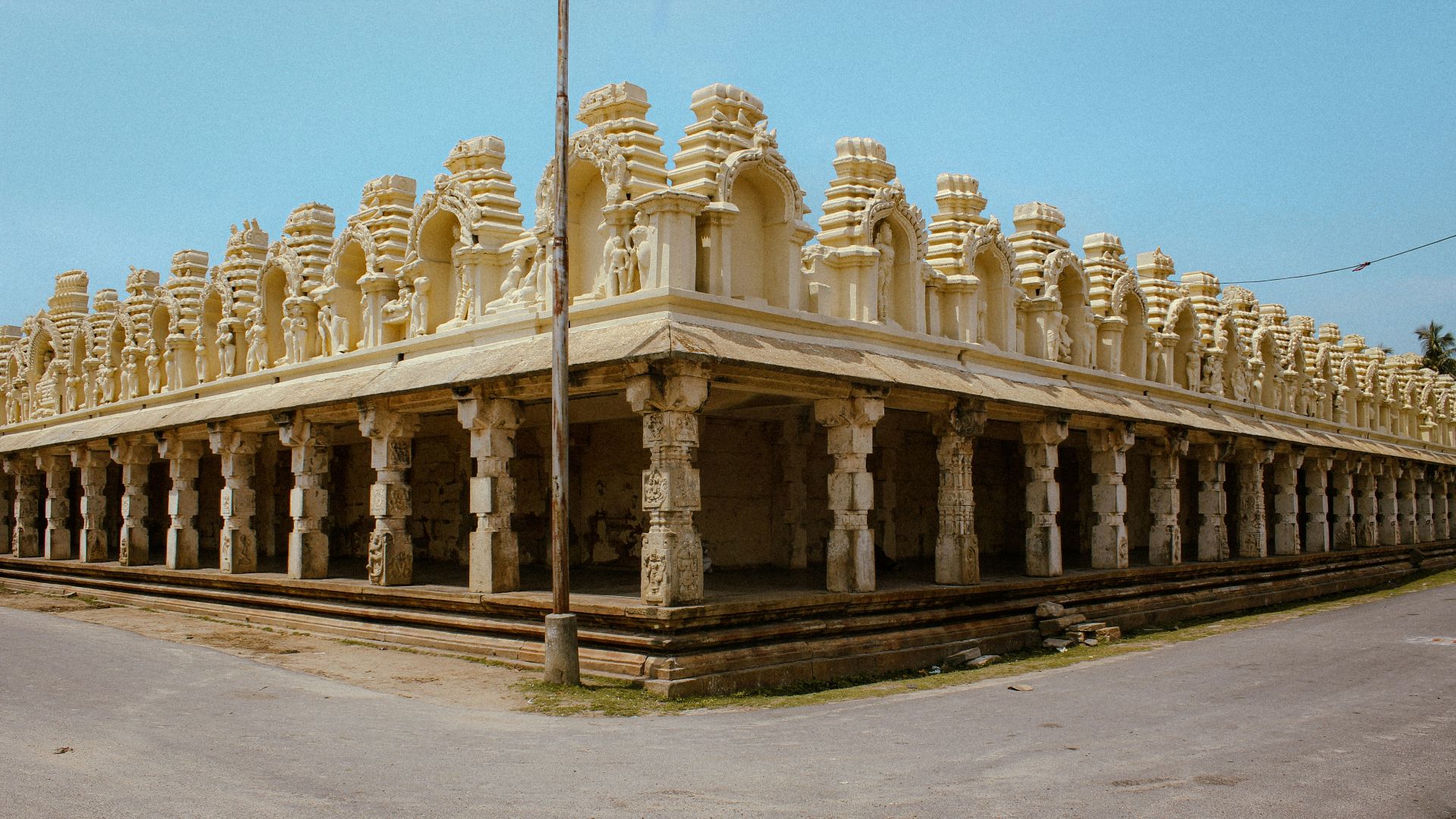
9. Matriya Sun Temple
This fin was located in the city of Heliopolis, which is located in modern-day Cairo. It’s believed that this temple played a significant role in the religious sectors of Egypt’s predynastic period, and gives us more insight into the role of sun worship during this time.
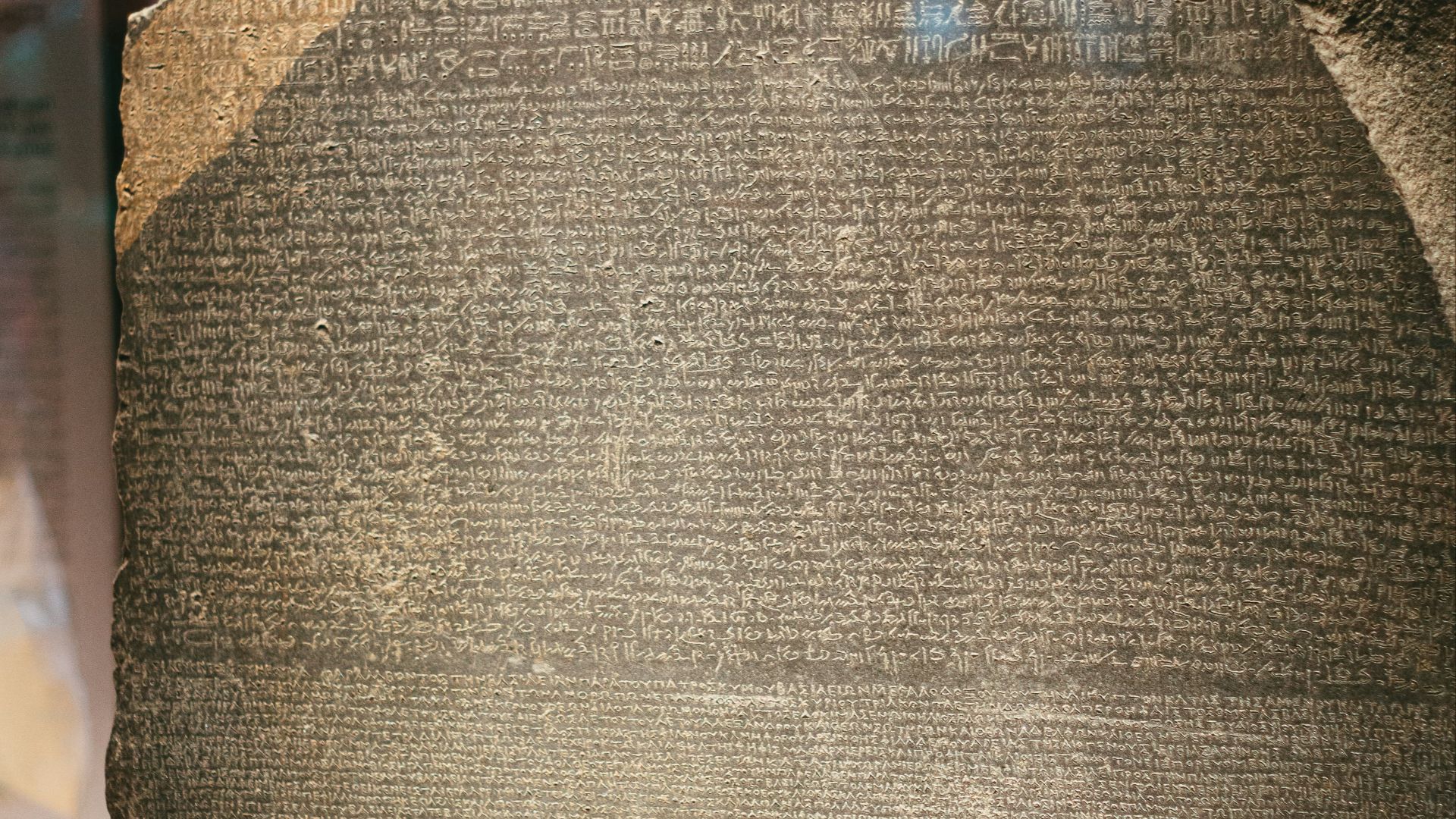
10. Rosetta Stone
We can’t talk about important archaeological finds without mentioning the Rosetta Stone. This artifact dates back to 196 BCE and features hieroglyphs, demotic, and the ancient Greek language. It played a huge role in deciphering Egyptian hieroglyphs, which only furthered our understanding of a civilization that was originally lost to time.
11. Berenike Buddha
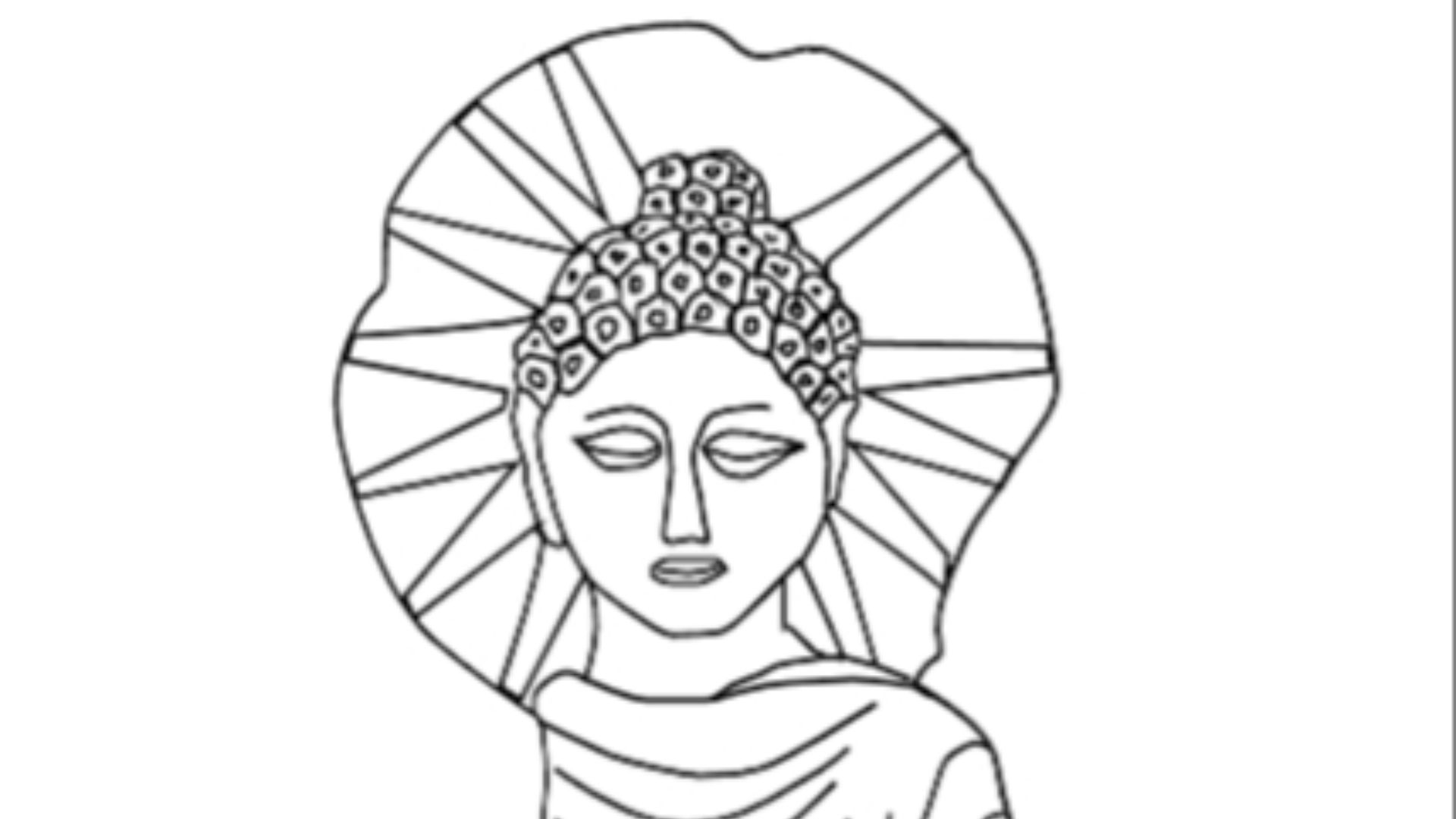
Discovered in 2018, this 100 CE Buddha statue is said to be the earliest found west of Afghanistan. While we know that Egypt and its neighbors had vast transportation roads, it was unclear how close Indo-Roman relations were at the beginning of the Common Era.
12. The Lost Temple of Akhmim
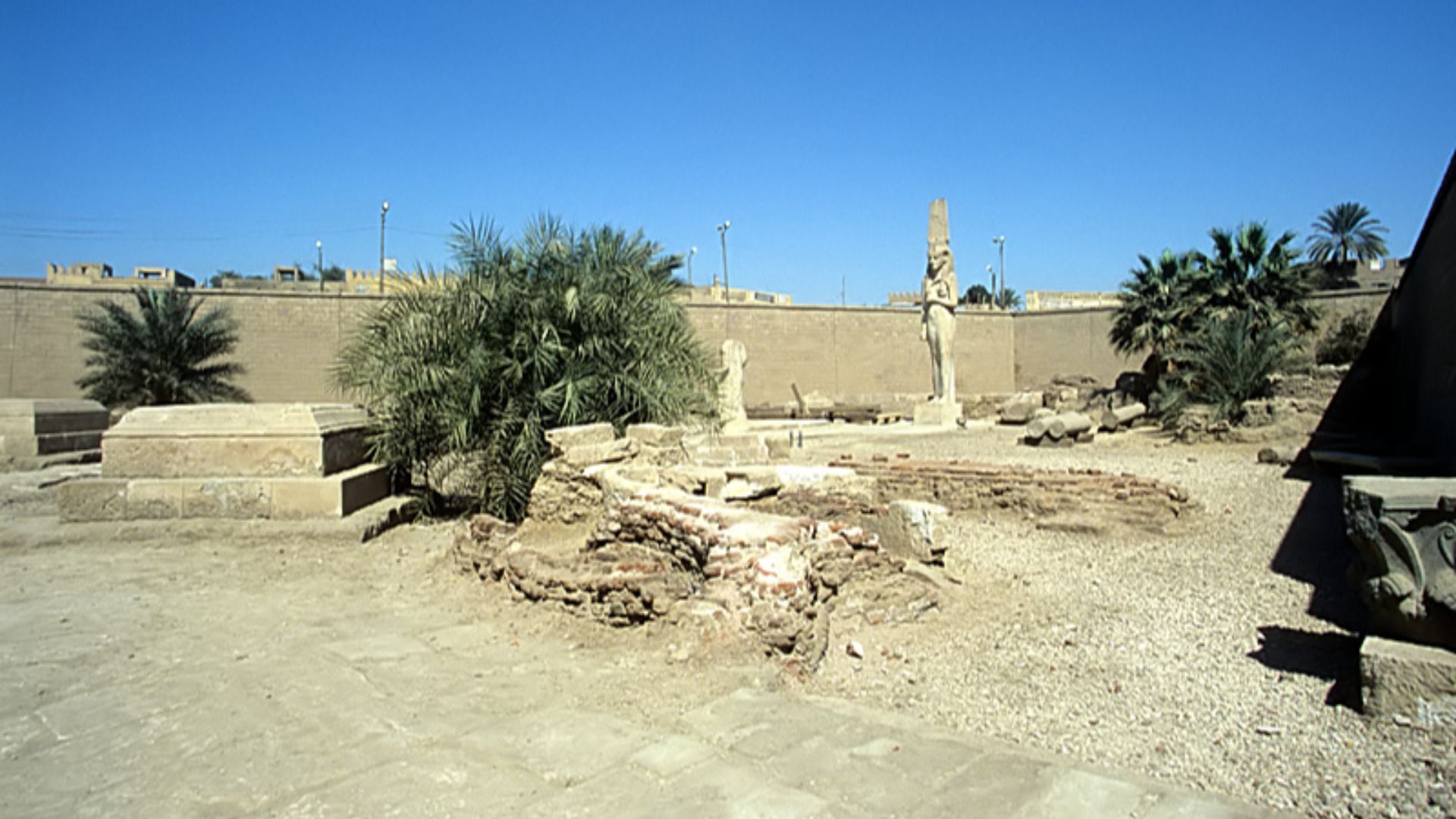
An incredibly important religious centre during the predynastic to the 300s CE, this temple was the primary site for the worship of the fertility god Min. It also housed textile work, statues of Ramses II and Meritamen, early Christian works, and many other important archaeological finds throughout history.
13. Gold Tongues
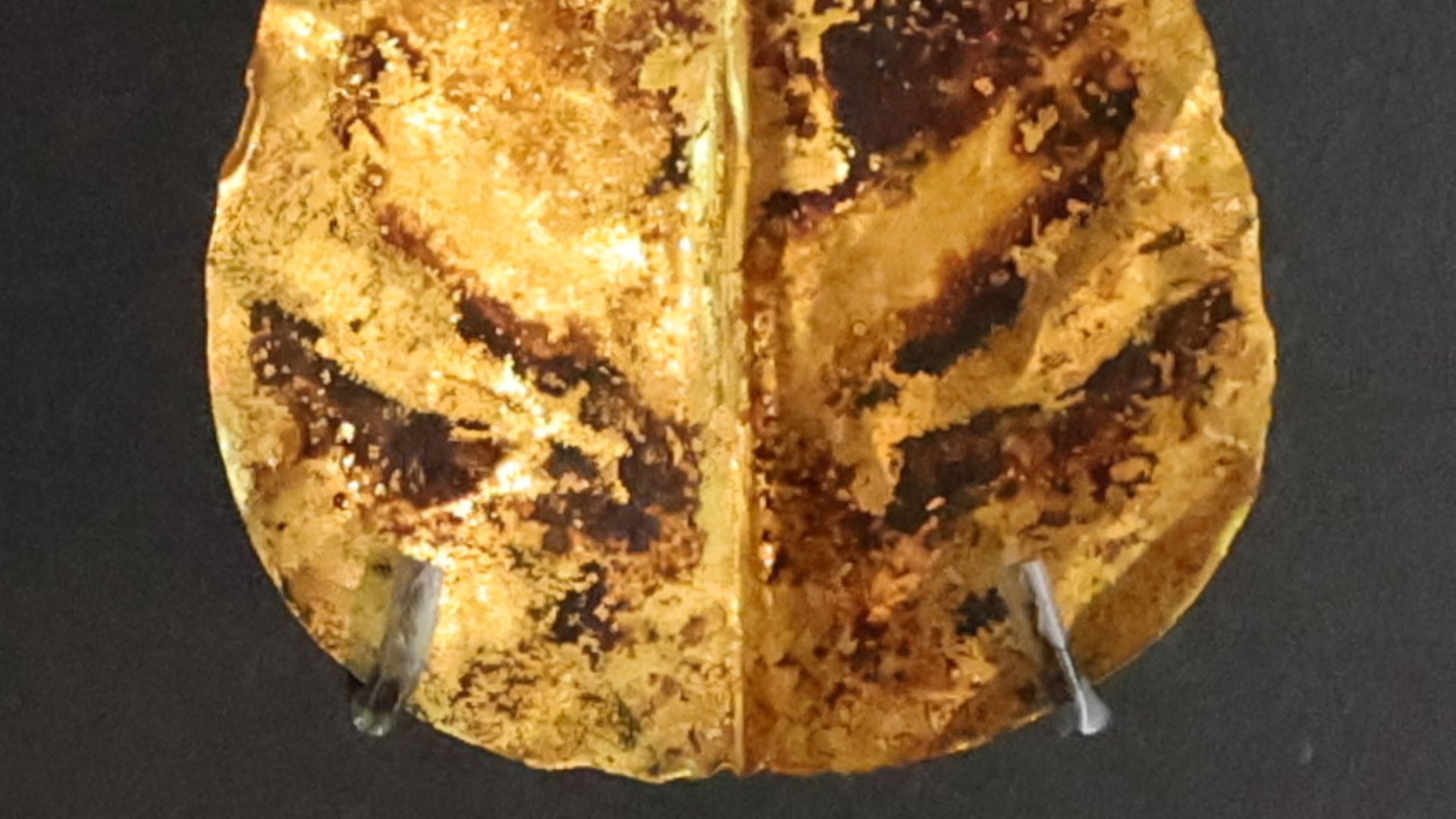
As recently as 2021, archaeologists found 2,000-year-old mummies that had their tongues replaced with gold. While the mummies themselves were in poor condition, it was believed that the gold would help the dead speak to the god Osiris.
14. The Mummy of Hekashepes
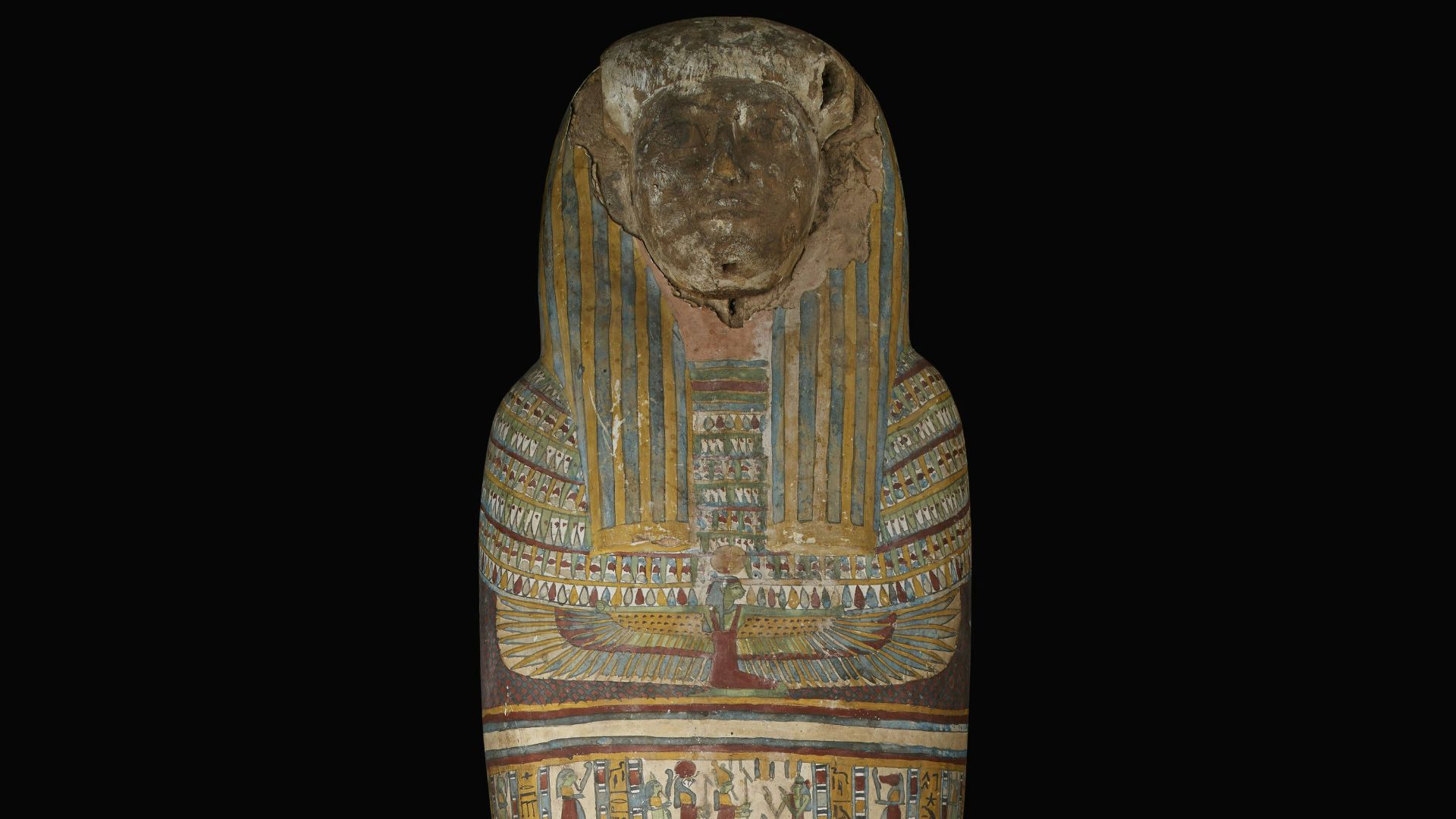
Located near Cairo, this 2023 discovery has been cited as one of the most important finds in the past few decades. It contained a mummy of a noble who lived around 2300 BCE, and has helped historians further unravel the mystery of burial customs during the late Old Kingdom.
 Birmingham Museums Trust on Unsplash
15. The Town of the Tomb Builders
Also known as Deir el-Medina, this town housed ancient Egyptian workmen during Egypt’s New Kingdom period. Workmen included craftsmen, painters, scribes, and general laborers. The discovery of this site shed light on the lives of the middle classes during this period.
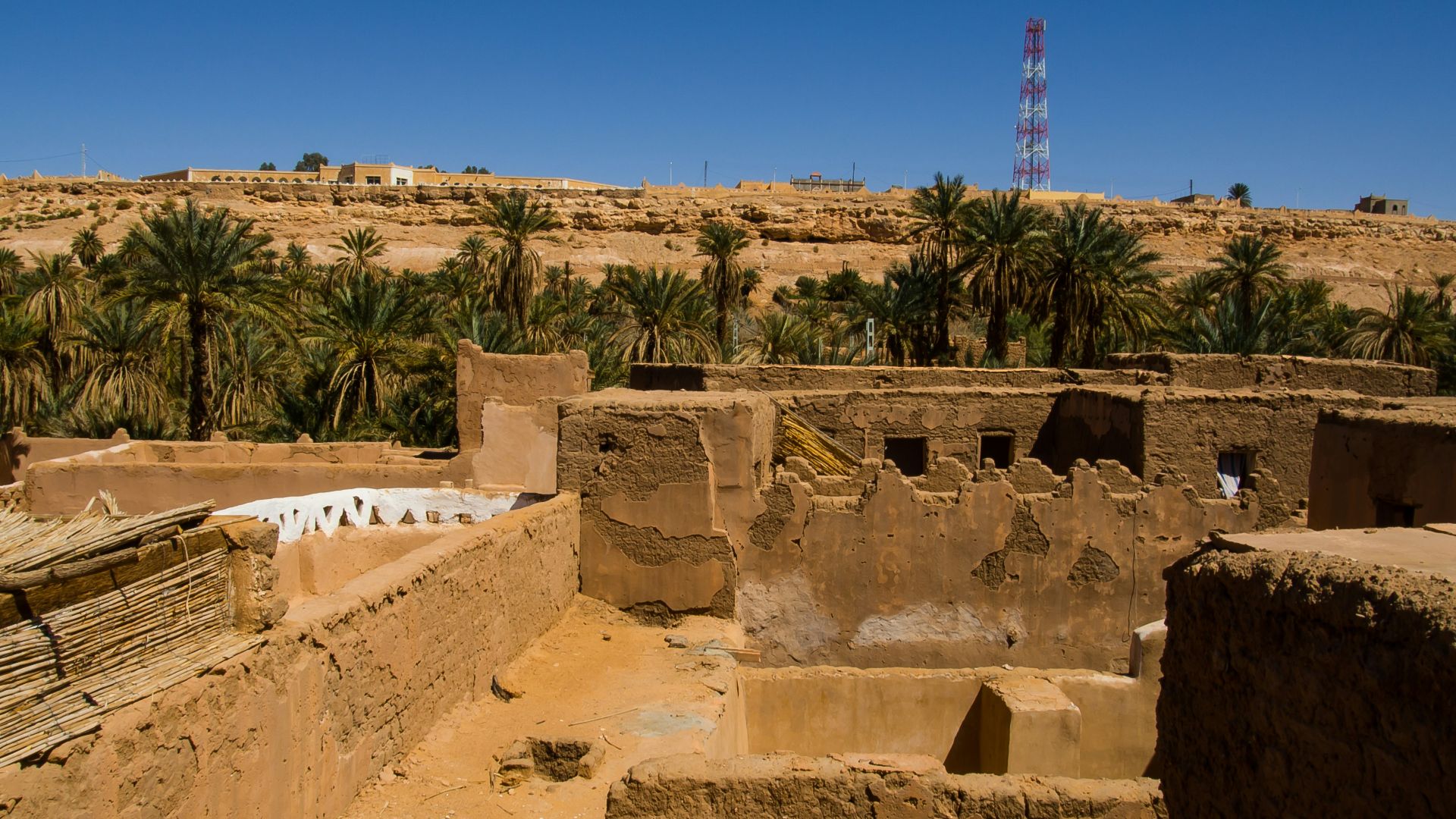 Halima Bouchouicha on Unsplash
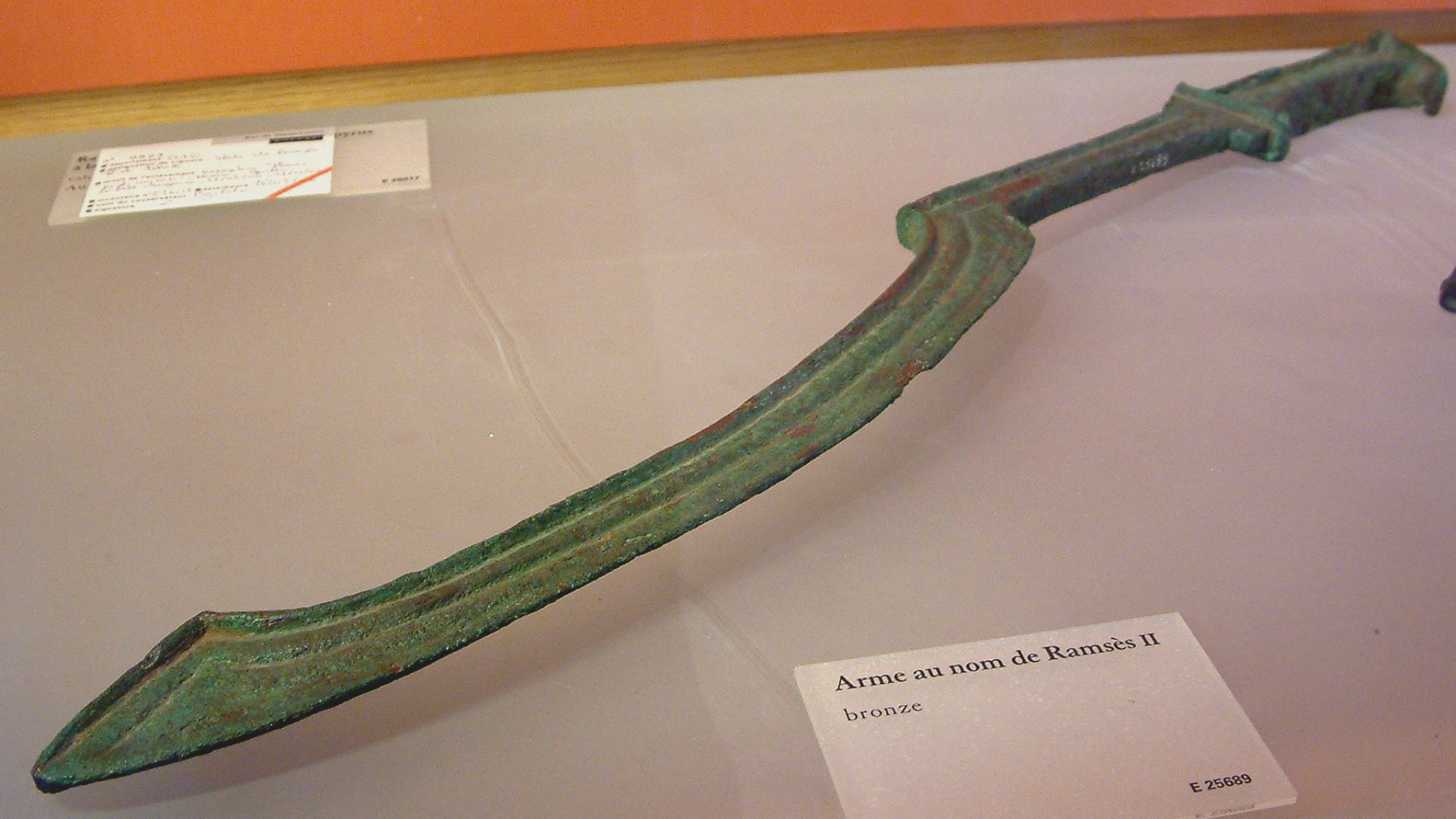
16. Ramses II’s Sword
A 2017 discovery of a 3,000-year-old sword was found to be owned by Ramses II, or Ramses the Great. The sword was discovered in a temple that honored the very late pharaoh, alongside cookware, beads, and other pottery.
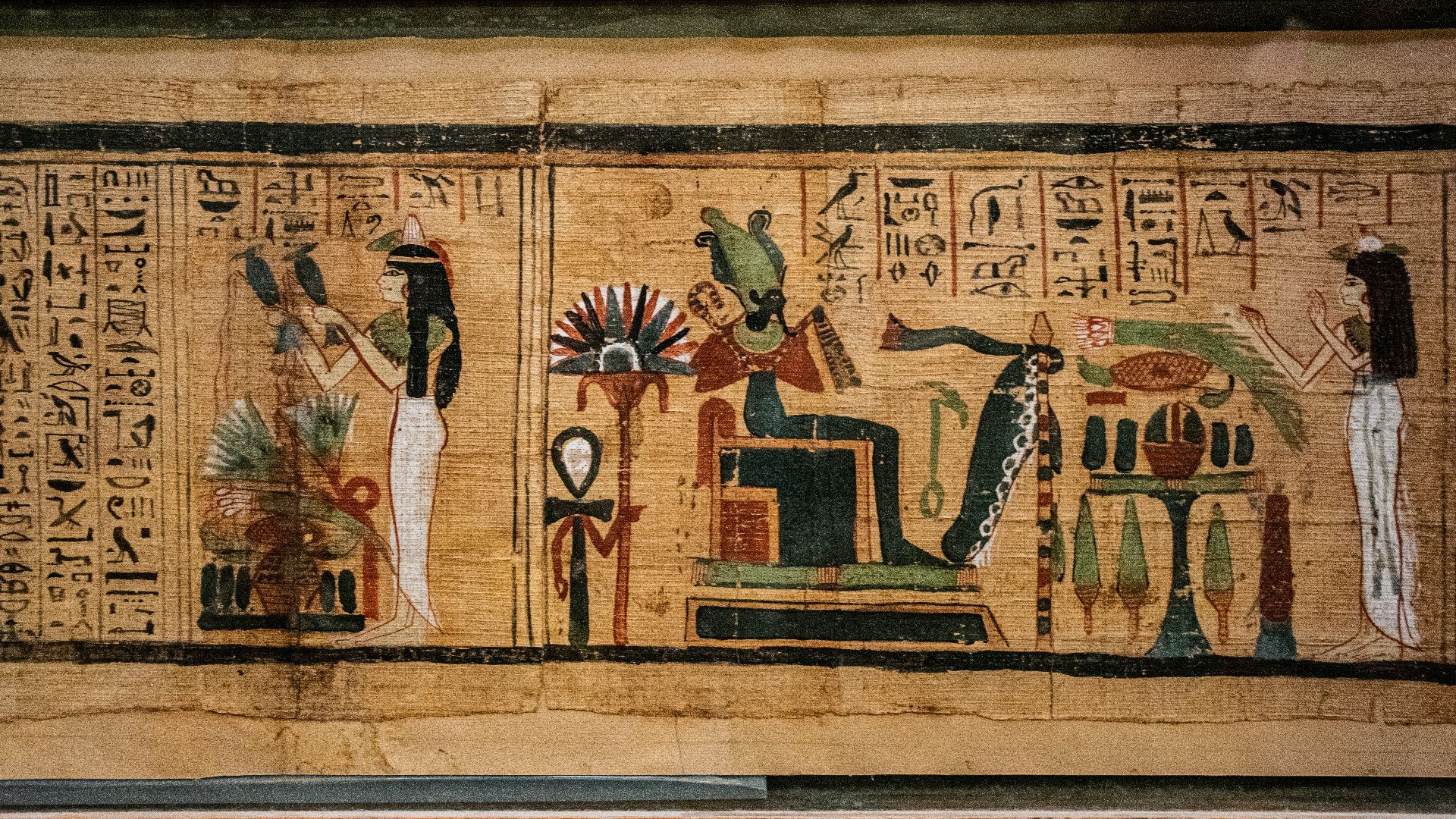
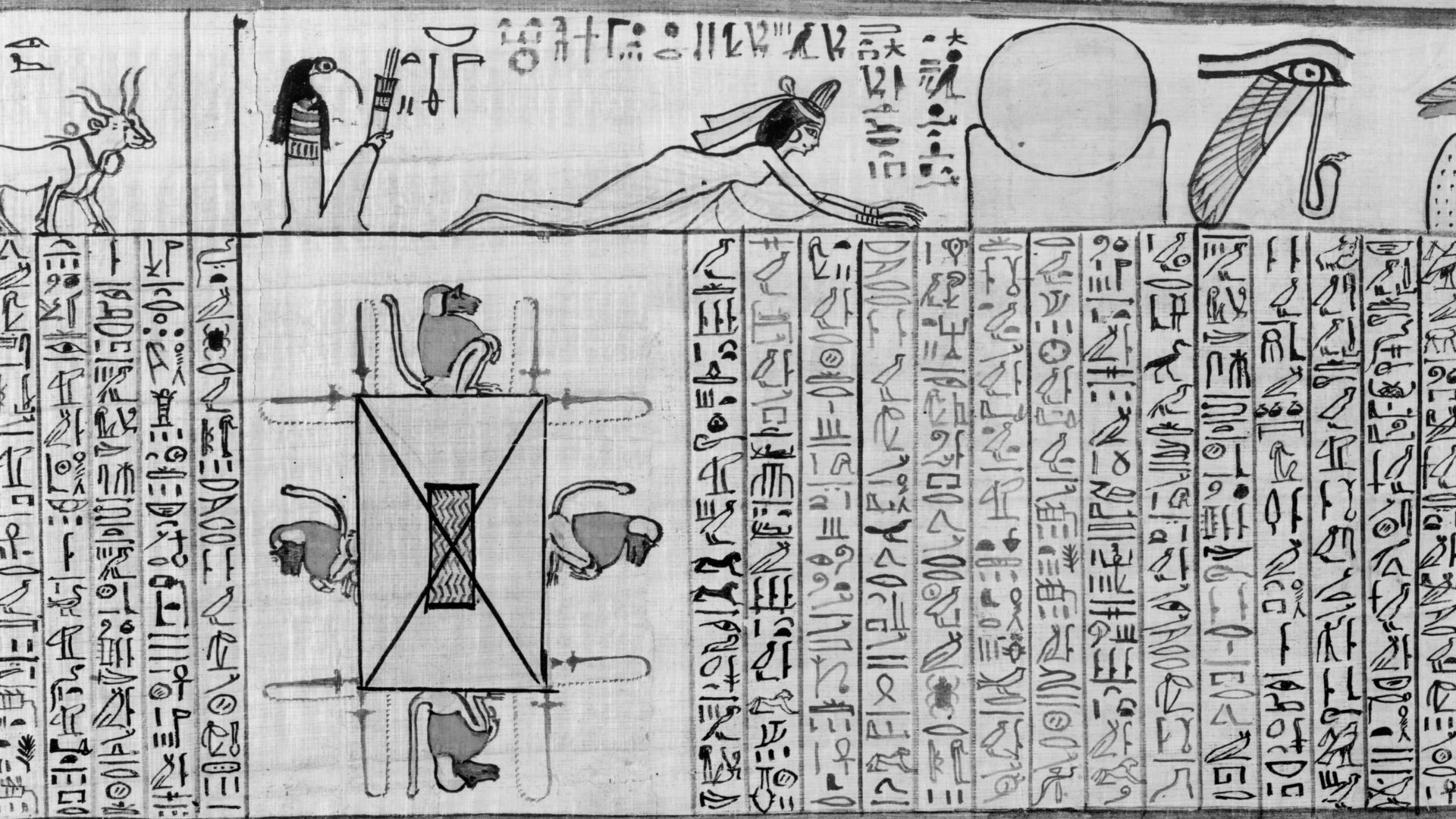
17. The Book of the Dead Scroll
The Book of the Dead was a collection of written words (or hieroglyphs) that were often used as a guidebook to help the deceased make their way through the underworld. In 2025, a 3,500-year-old cemetery was discovered to contain a 43-foot-long copy of this item.
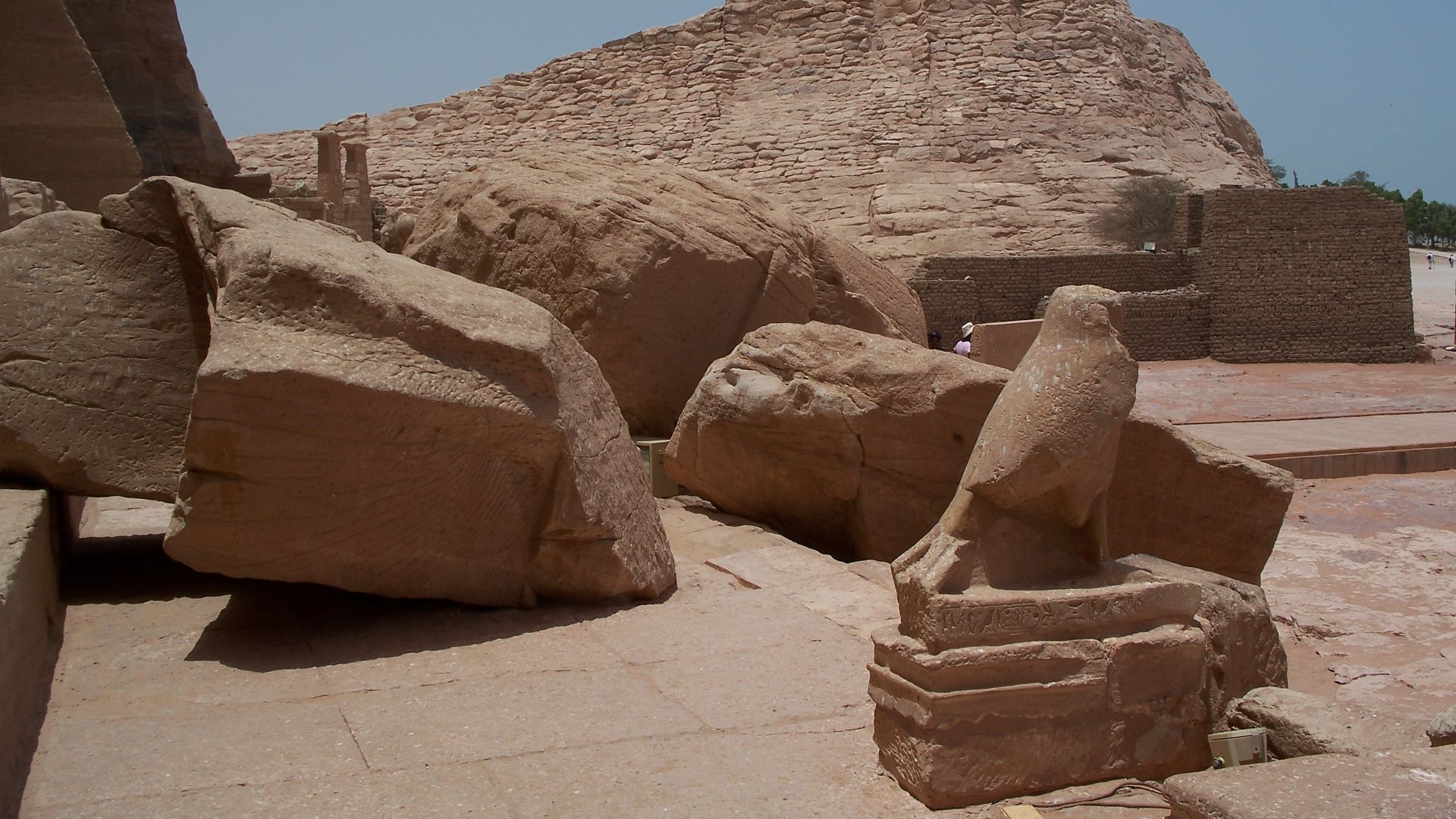
18. The Greater Temple of Abu Simbel
This temple was one of two rock-cut structures located in Upper Egypt. They were likely carved out during the 13th century BCE, and featured many homages to Rameses II, Nefertari, and their children.
19. Hidden Chamber
Obviously, there is more than one hidden chamber in the whole of ancient Egypt, but this 2024 discovery shared the story of a priestess who lived during the 19th century BCE. Her name was Idy, who held the title of “Lady of the House.”
20. The Giza Pyramid Complex
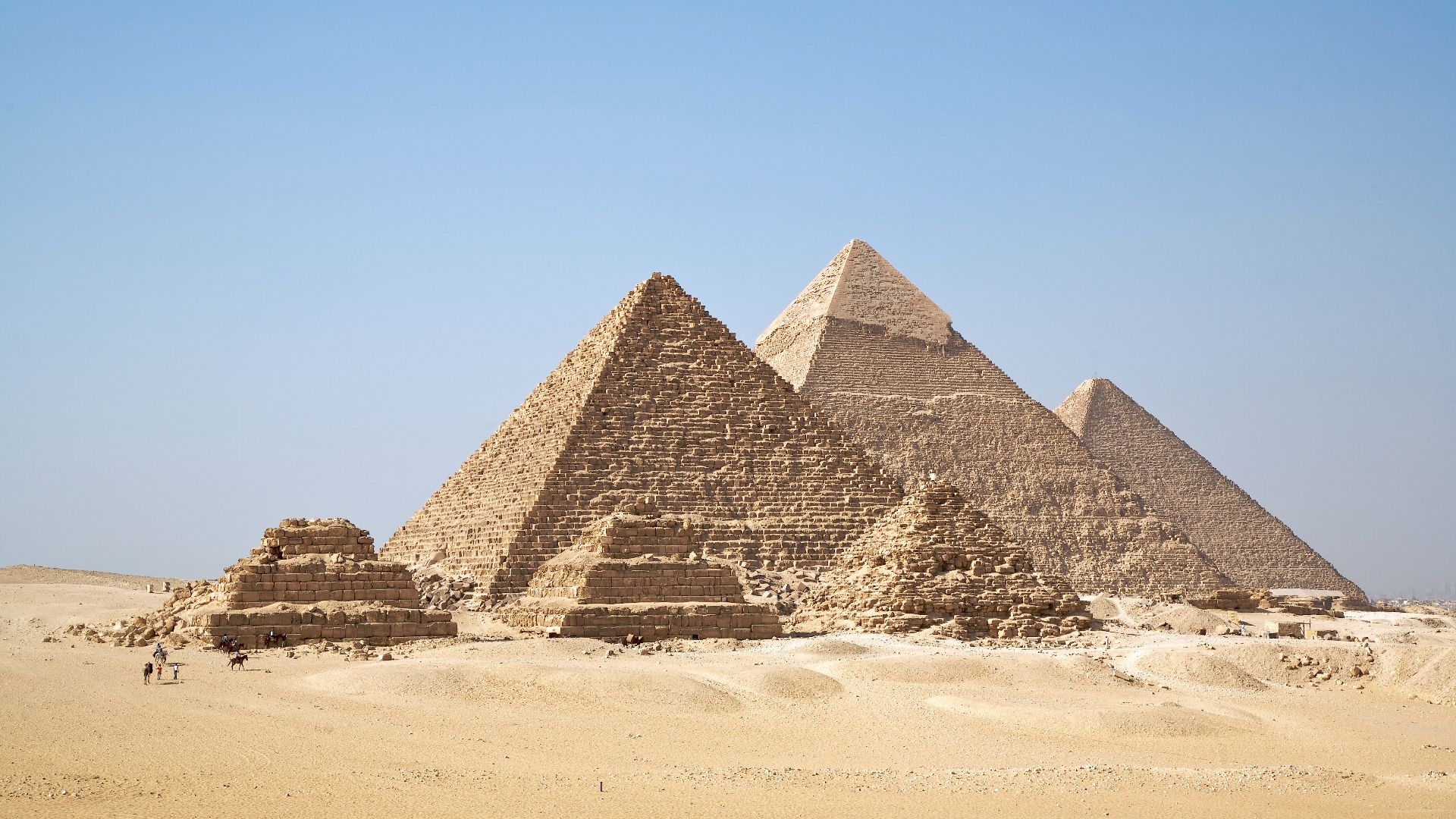
While it's hard to miss the pyramids themselves, many important discoveries have been made within this complex. Most recently, the Ahramat Branch, a long-dried river, was discovered close to the complex, which was likely the cause of transportation during the pyramid’s building process.
KEEP ON READING
The story of Ching Shih, the Woman Who Became the…
Unknown author on WikimediaFew figures in history are as feared…
By Emilie Richardson-Dupuis Dec 29, 2025
Einstein's Violin Just Sold At An Auction—And It Earned More…
A Visionary's Violin. Wanda von Debschitz-Kunowski on WikimediaWhen you hear…
By Ashley Bast Nov 3, 2025
This Infamous Ancient Greek Burned Down An Ancient Wonder Just…
History remembers kings and conquerors, but sometimes, it also remembers…
By David Davidovic Nov 12, 2025
The Mysterious "Sea People" Who Collapsed Civilization
3,200 years ago, Bronze Age civilization in the Mediterranean suddenly…
By Robbie Woods Mar 18, 2025
20 Bizarre Archaeological Finds That Mainstream History Refuses to Explain
Digging Up the UnexplainedStandard history textbooks like to present our…
By Sara Springsteen Jun 24, 2026
20 Soldiers Who Defied Expectations
Changing the Rules of the Battlefield. You’ve probably heard plenty…
By Annie Byrd Feb 10, 2026