

A Few Bones Change Our Evolutionary Story
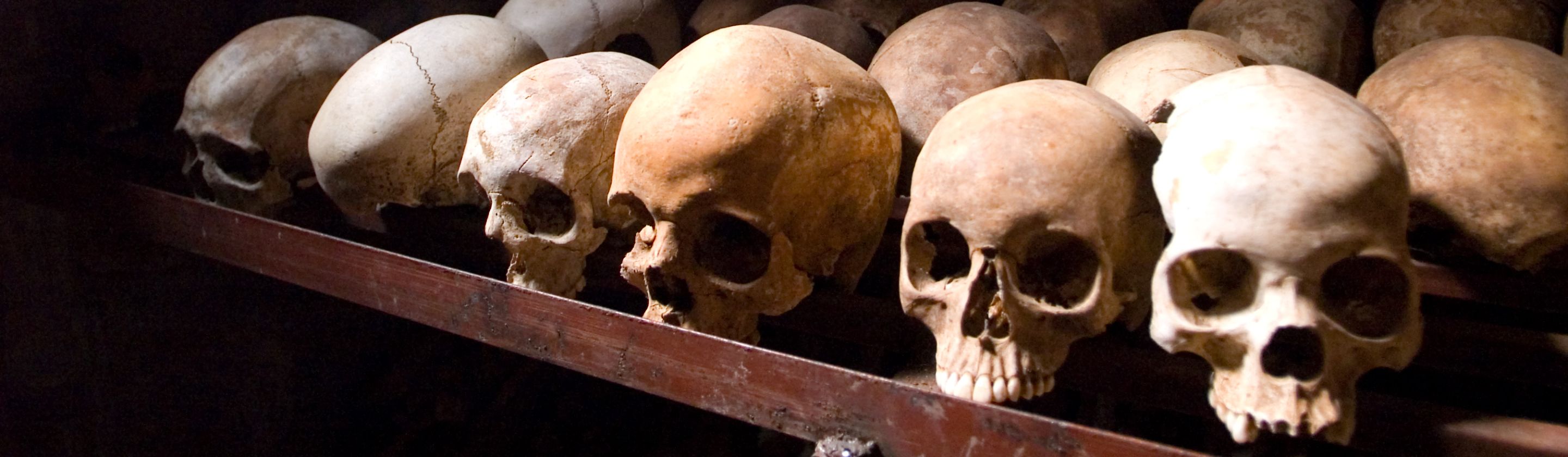
For a long time, human evolution was often presented as a tidy progression, with one species stepping aside so the next one could arrive and look a little more like us. Unfortunately, the fossils never really supported that, and the deeper researchers dug, the more complicated everything got. Upright walking showed up earlier than many expected, brain growth didn’t happen on the schedule people assumed, and multiple human relatives were clearly around at the same time. These 20 archaeological finds forced us to reimagine everything we knew about our species.
1. Gibraltar 1
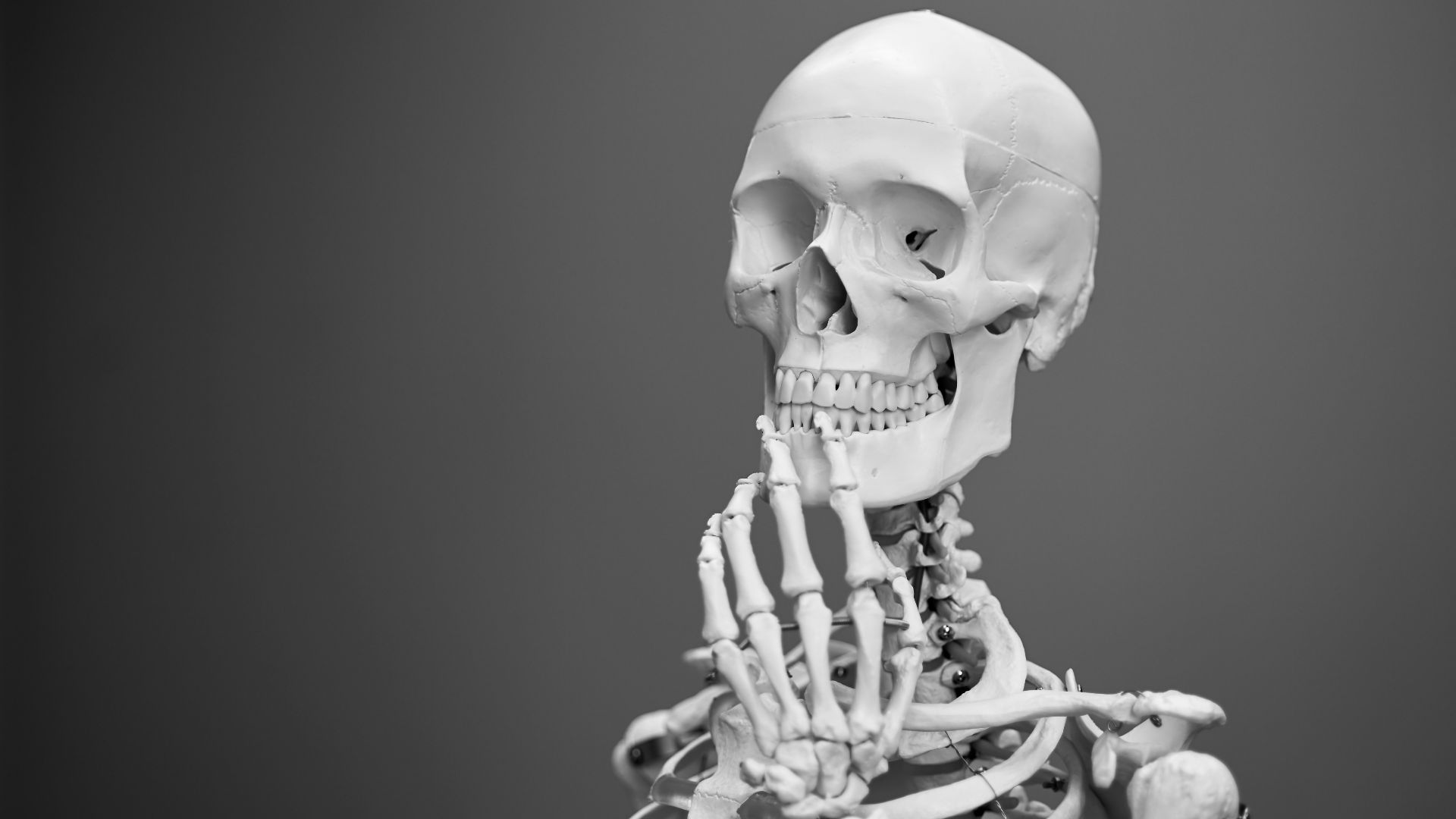
Found in Forbes’ Quarry in 1848, Gibraltar 1 showed up before Darwin’s On the Origin of Species, which helps explain why it sat there, badly underappreciated, for a while. Once scientists recognized it as Neanderthal, it became one of the earliest signs that ancient humans had a much deeper history than 19th-century Europe liked to believe.
2. Neanderthal 1
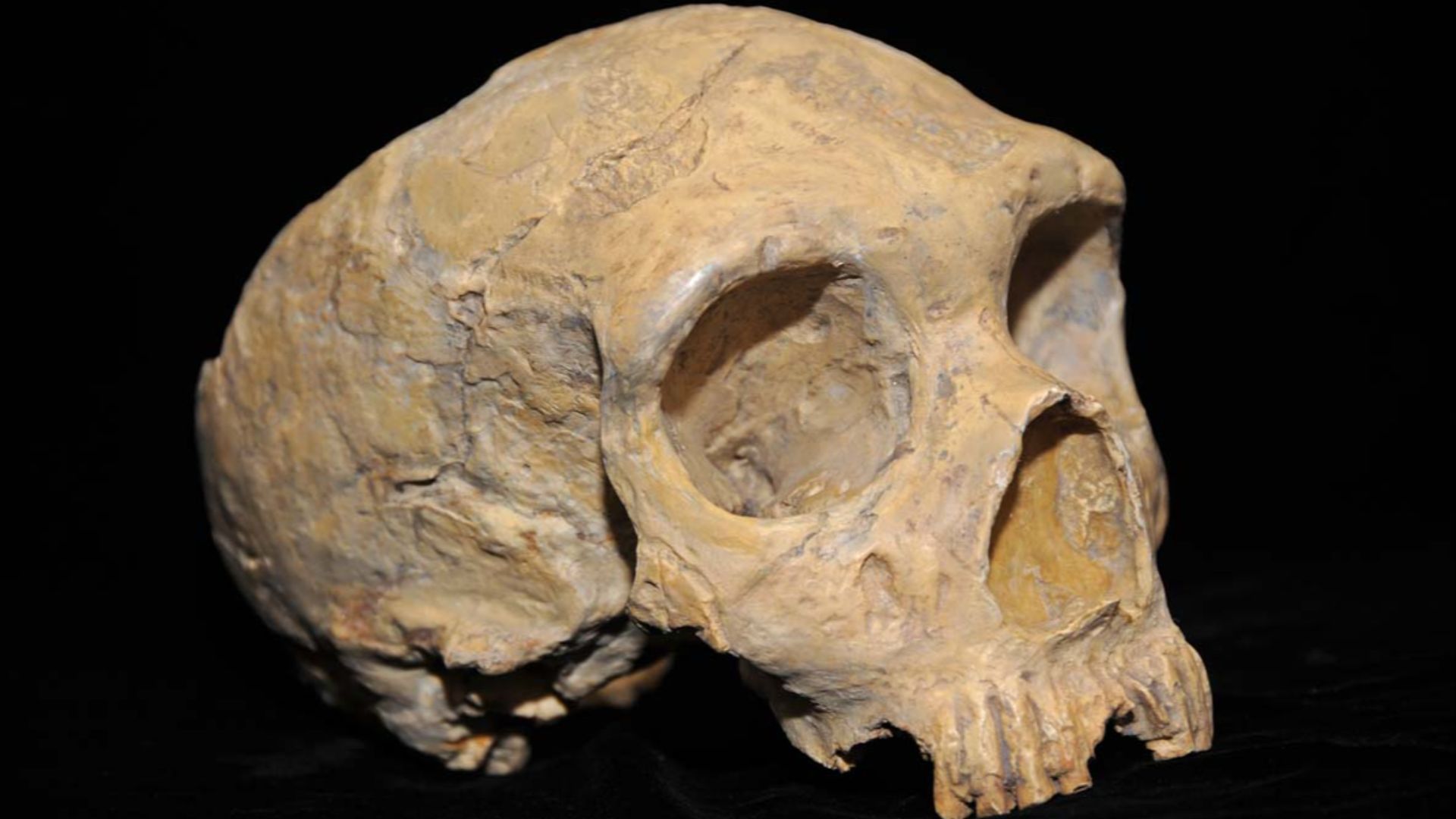
The bones from Germany’s Neander Valley, uncovered in 1856, became the type specimen for Homo neanderthalensis. The find pushed scholars away from the comforting idea that the strange fossil humans they previously discovered looked the same as we do today.
3. The Spy Fossils
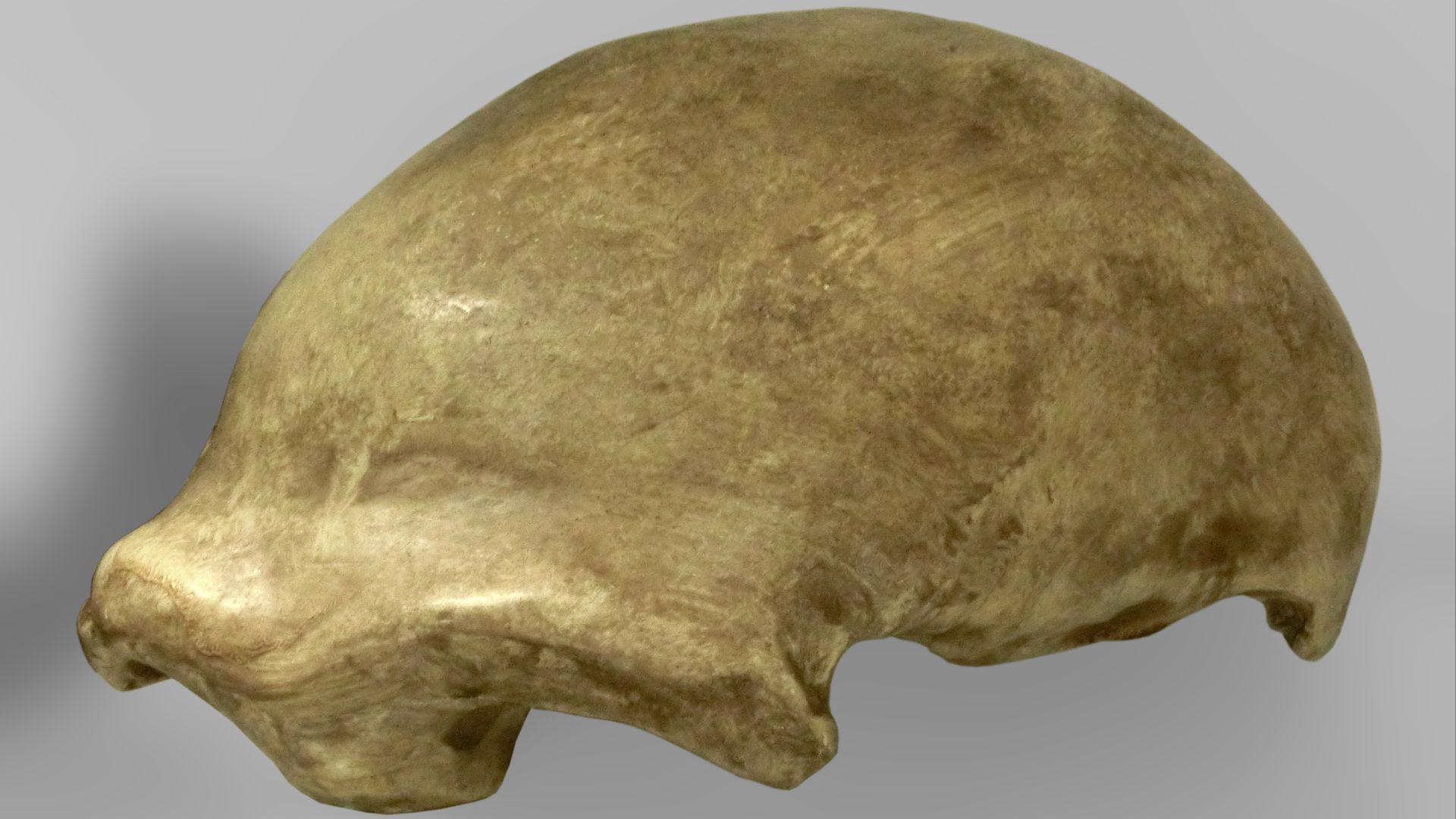
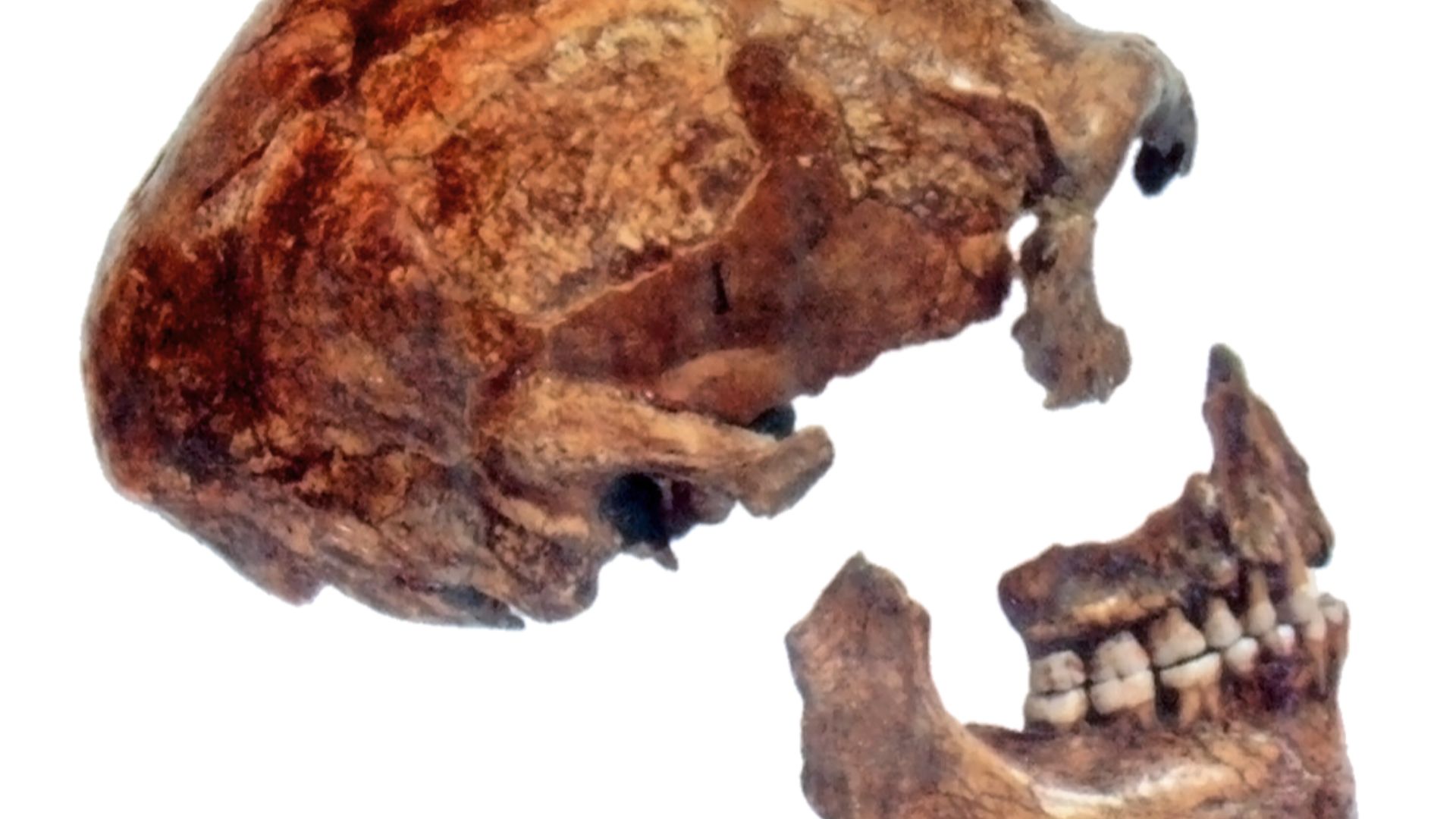
When two Neanderthal skeletons turned up at Belgium’s Spy Cave in 1886, they didn’t just add one more odd skull to the pile. They gave paleoanthropology a properly excavated Neanderthal discovery in an archaeological context, which made the case for extinct human relatives a lot harder to brush off.
4. Cro-Magnon 1
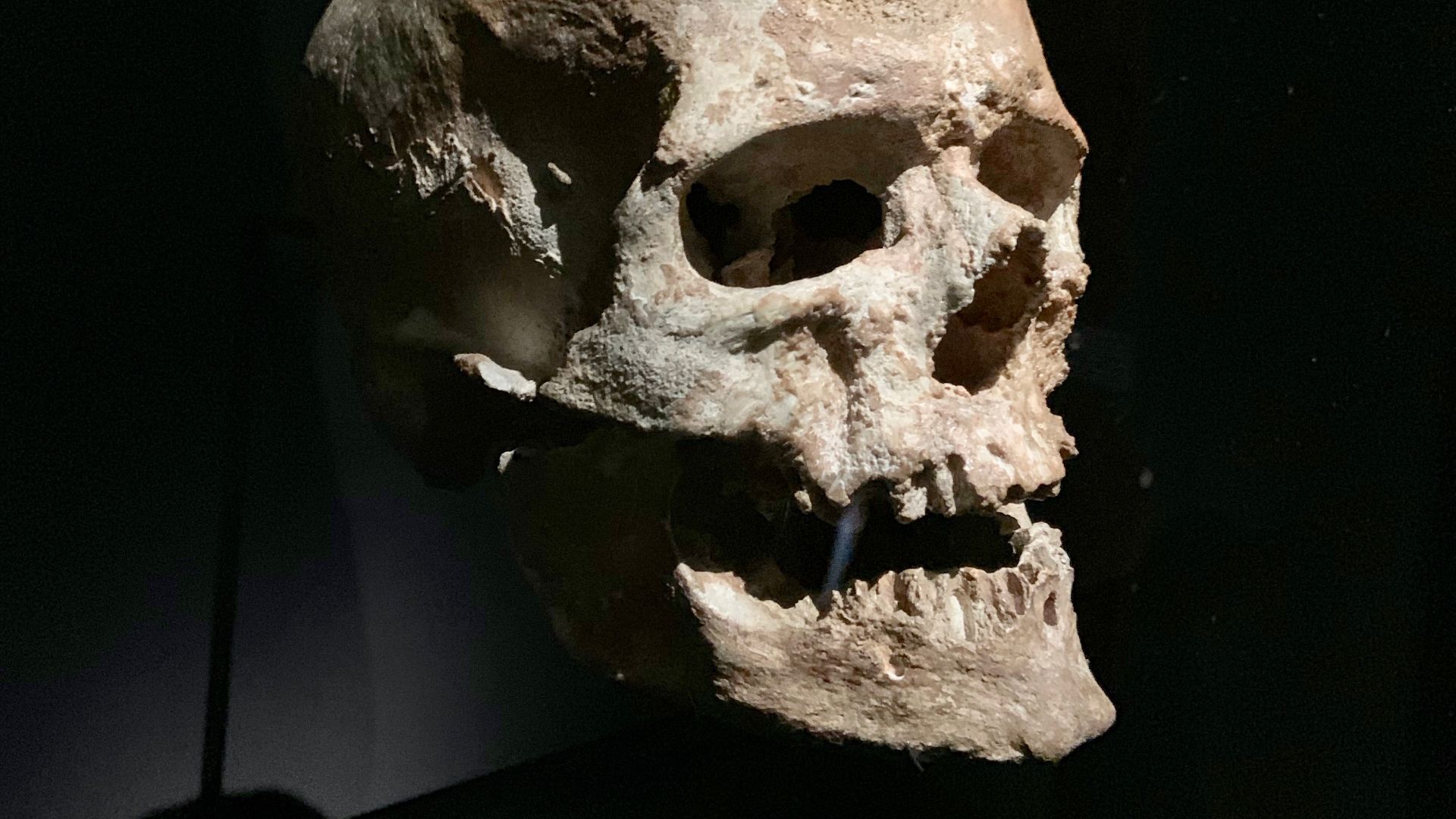
The 1868 Cro-Magnon remains found near France’s Les Eyzies helped establish that Homo sapiens had a substantial prehistoric past in Europe. That sounds obvious now, but at the time, it pushed modern humans much deeper into the Ice Age record.
5. Piltdown Man
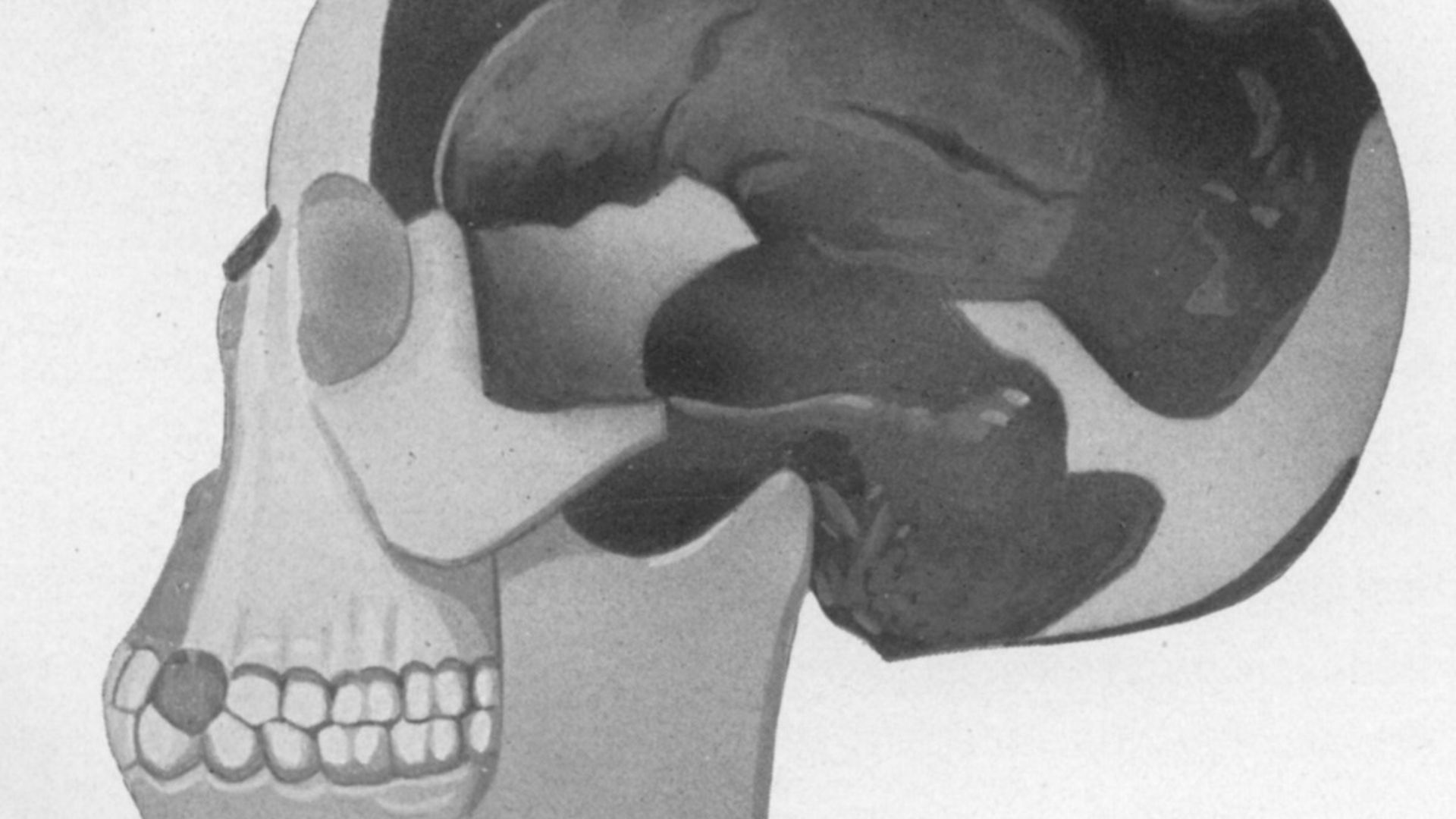
Piltdown deserves a place on this list for the worst reason possible. The 1912 Sussex forgery, which was exposed in 1953, backed the false idea that our big brains evolved much earlier in history. This sham dragged the field down the wrong path for decades.
 J. Arthur Thomson, The Outline of Science, 1922 on Wikimedia
6. The Taung Child
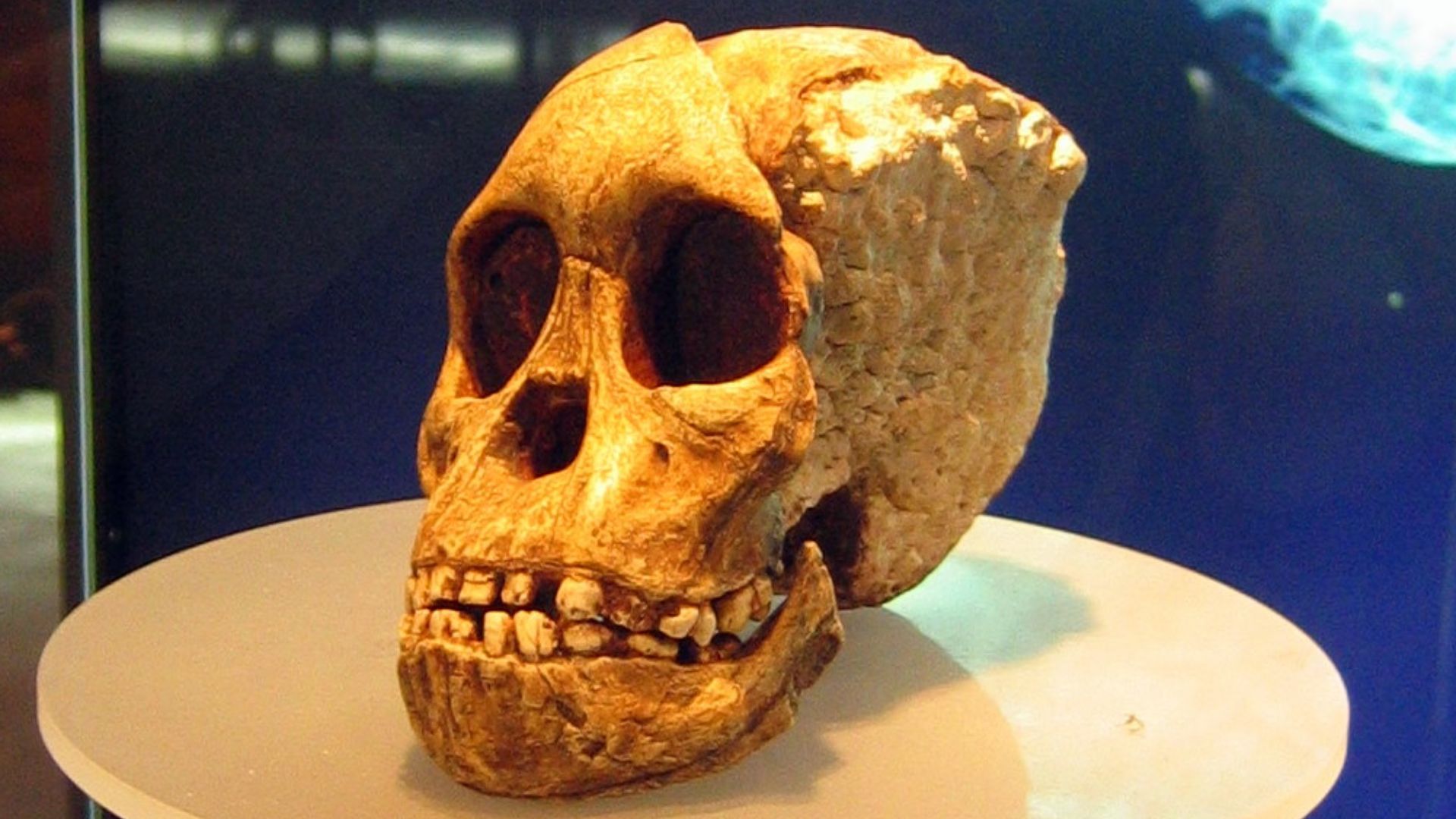
When the Taung Child was described in 1924, Raymond Dart was looking at a fossil from South Africa with a small brain and humanlike teeth. The skull pointed toward Africa as the center of human origins and suggested that our ancient ancestors prioritized walking upright before modern brain development.
7. KNM-ER 406 And KNM-ER 3733
These East African fossils, found in the same stratigraphic layer near Lake Turkana, did serious damage to the one-species-at-a-time model. Paranthropus boisei and Homo erectus clearly existed in the same region, at the same time.
8. OH 7
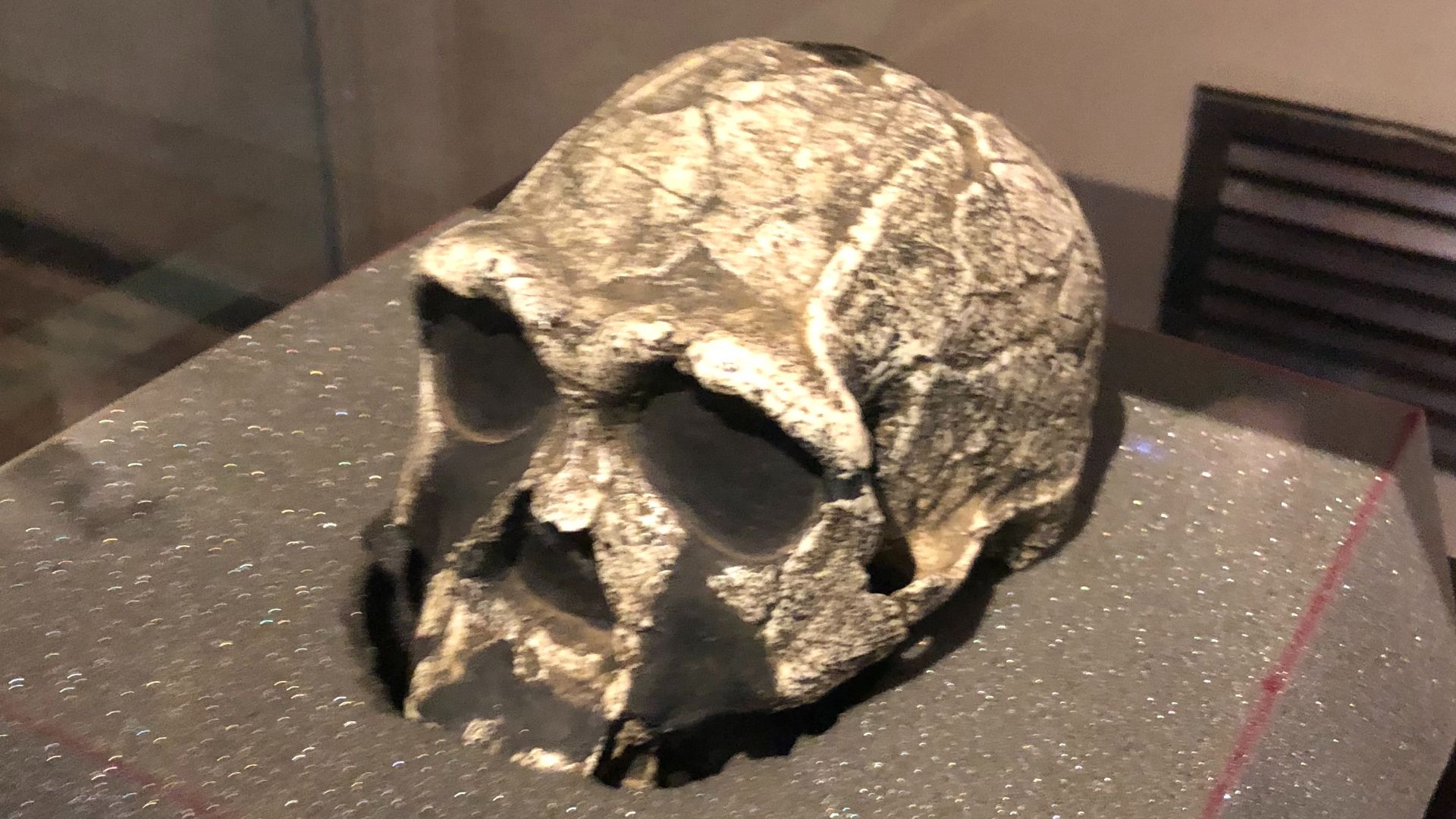
Discovered at Tanzania’s Olduvai Gorge, OH 7 became the type specimen for Homo habilis. That one fossil, along with stone tools, helped define one of the earliest named members of our genus.
9. Lucy
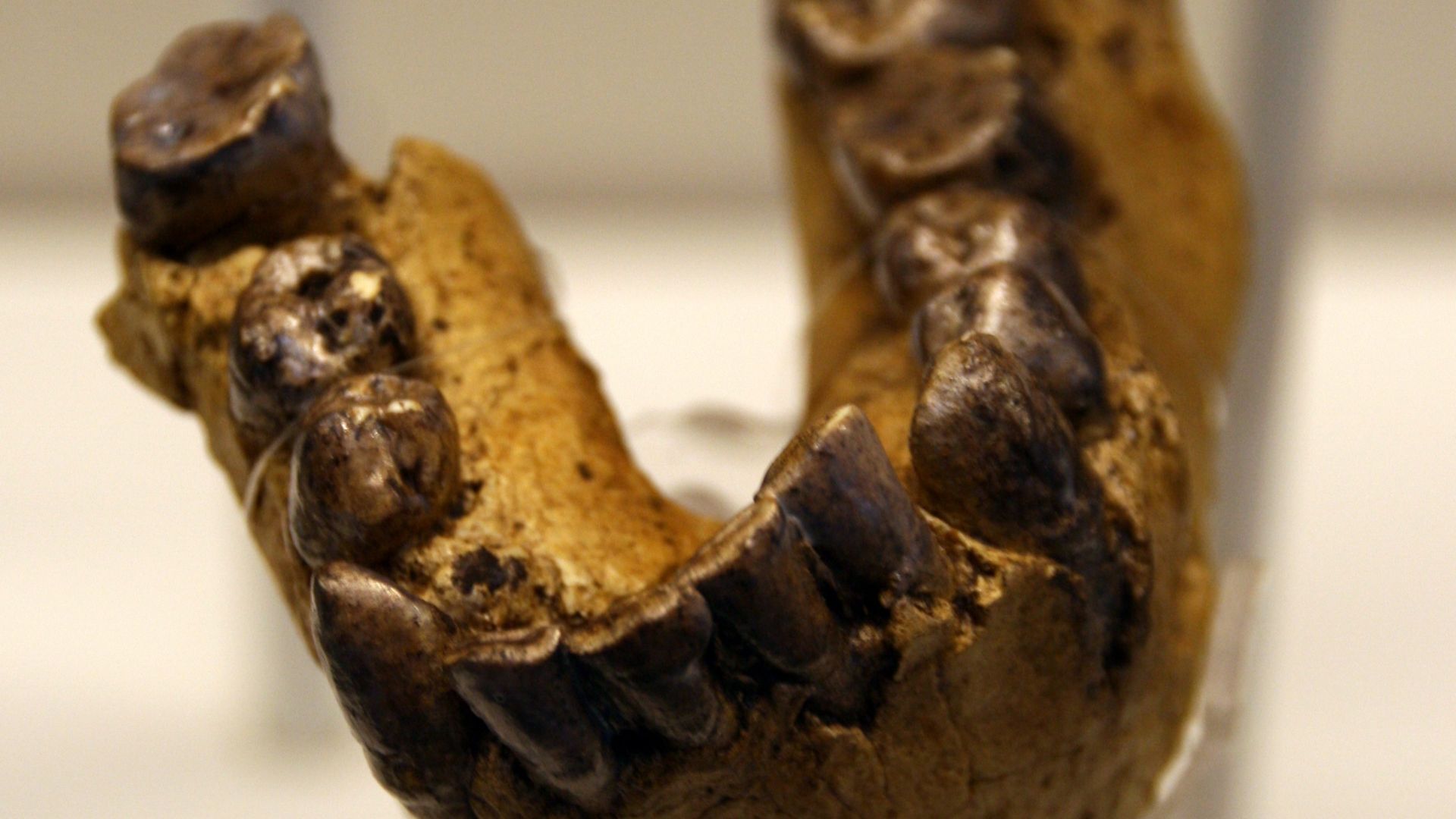
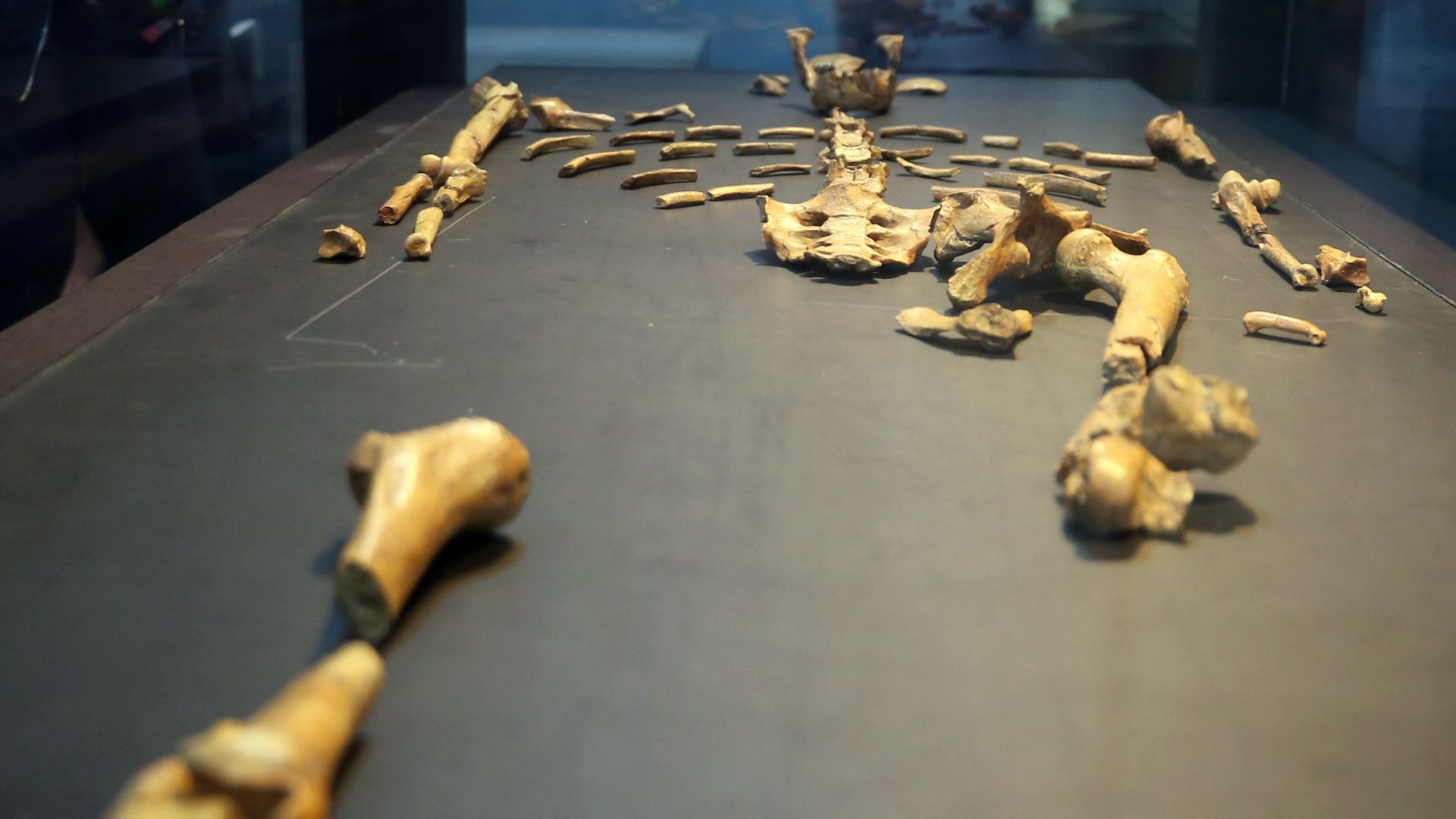
Lucy, found at Hadar in Ethiopia in 1974, is still one of the fossils people remember by name, and for good reason.
Her partial skeleton made it much harder to argue that big brains came first, because her body showed a clear commitment to bipedal walking, while her brain was still much smaller than ours.
10. The Laetoli Footprints
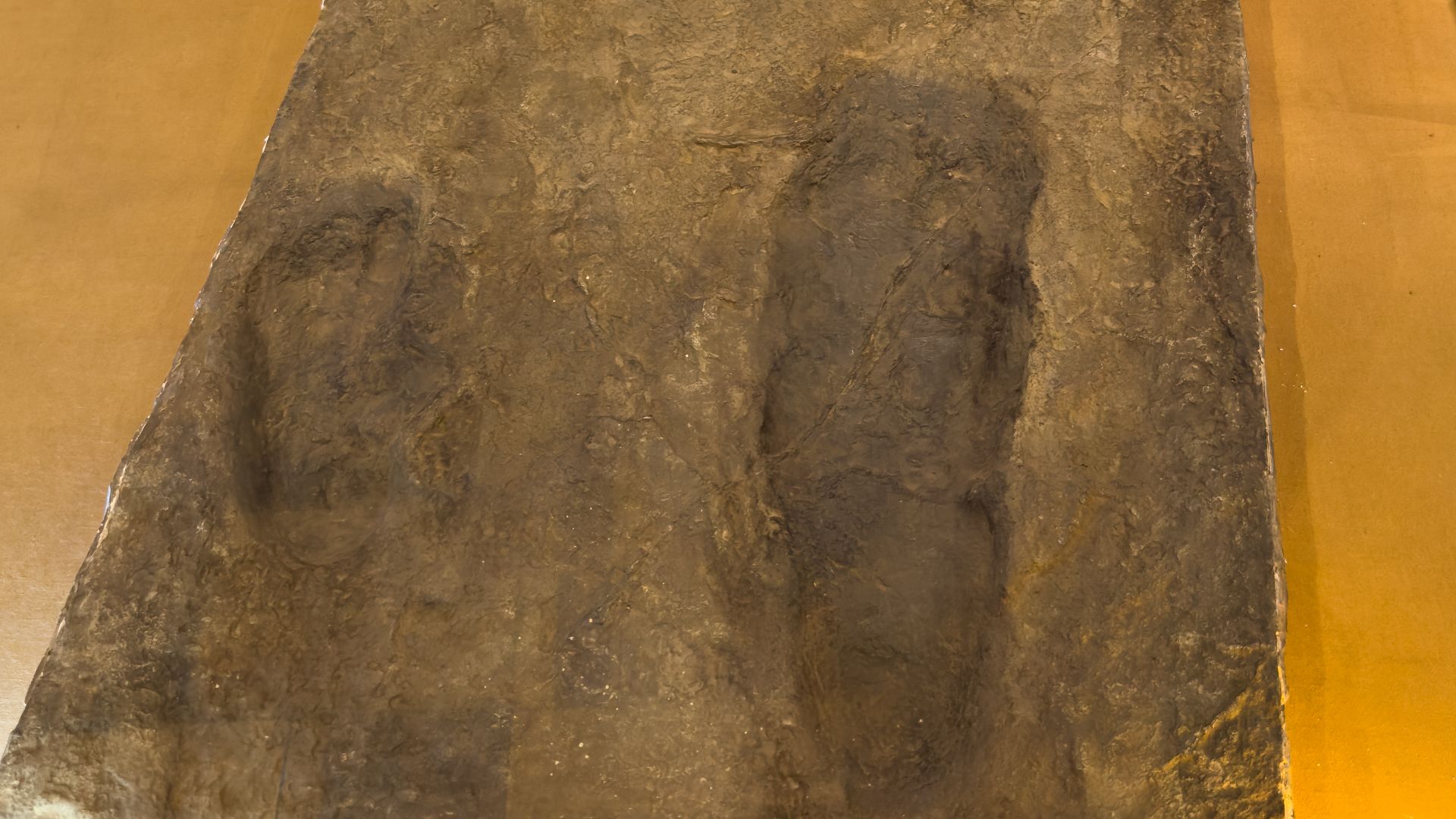
At Laetoli in Tanzania, three early hominins walked across wet volcanic ash about 3.6 million years ago. Those tracks showed upright walking in motion, not just in bone structure, pushing bipedalism even further down our evolutionary history.
 Photograph by Mike Peel (www.mikepeel.net). on Wikimedia
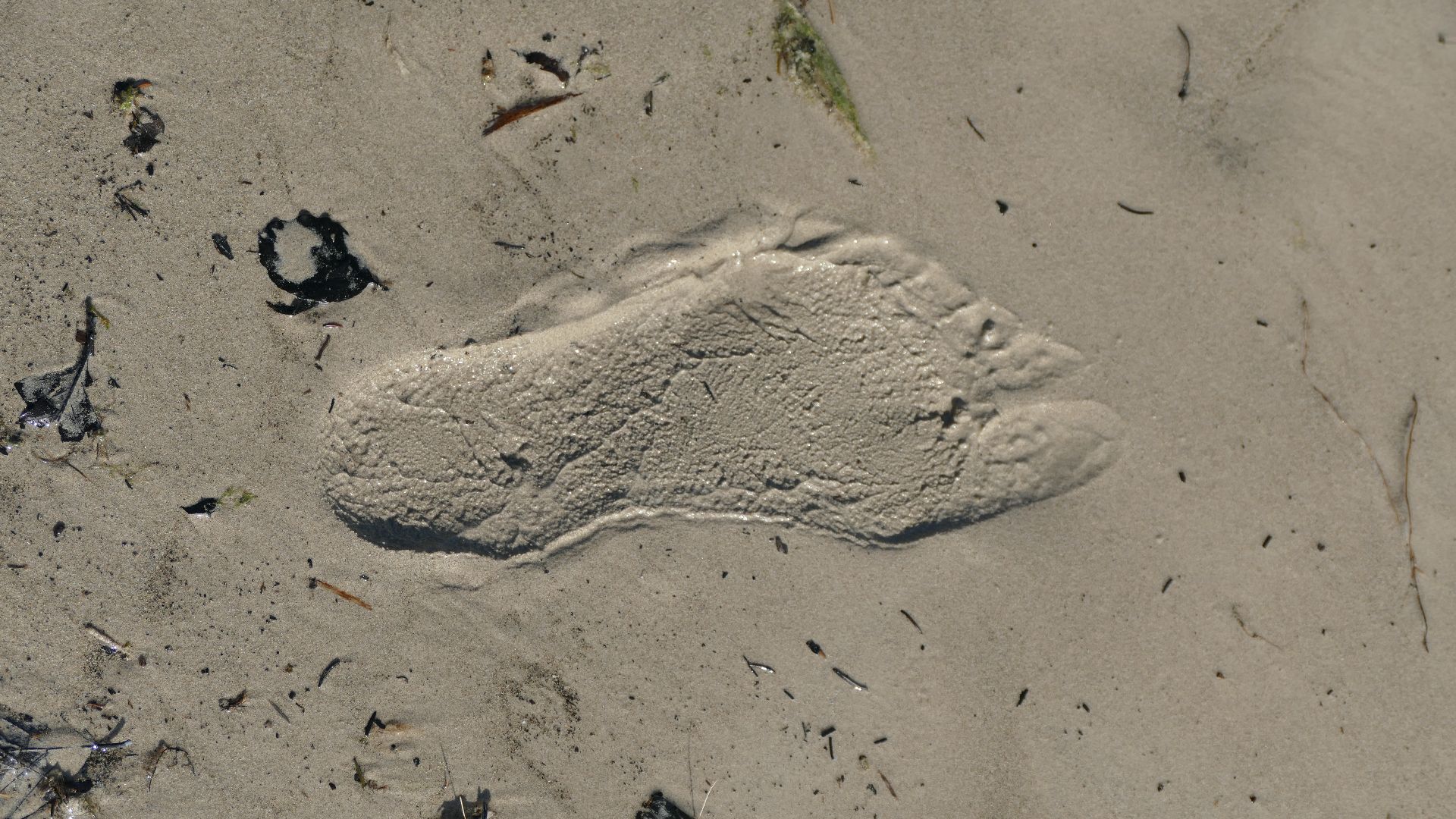
11. The Kenya Coexistence Footprints
A footprint site in northern Kenya gave researchers something unusually direct: evidence that Homo erectus and Paranthropus boisei occupied the same immediate landscape about 1.5 million years ago. Fossils had already suggested overlap, but footprints make it feel all the more realistic.
12. The Dmanisi Skulls
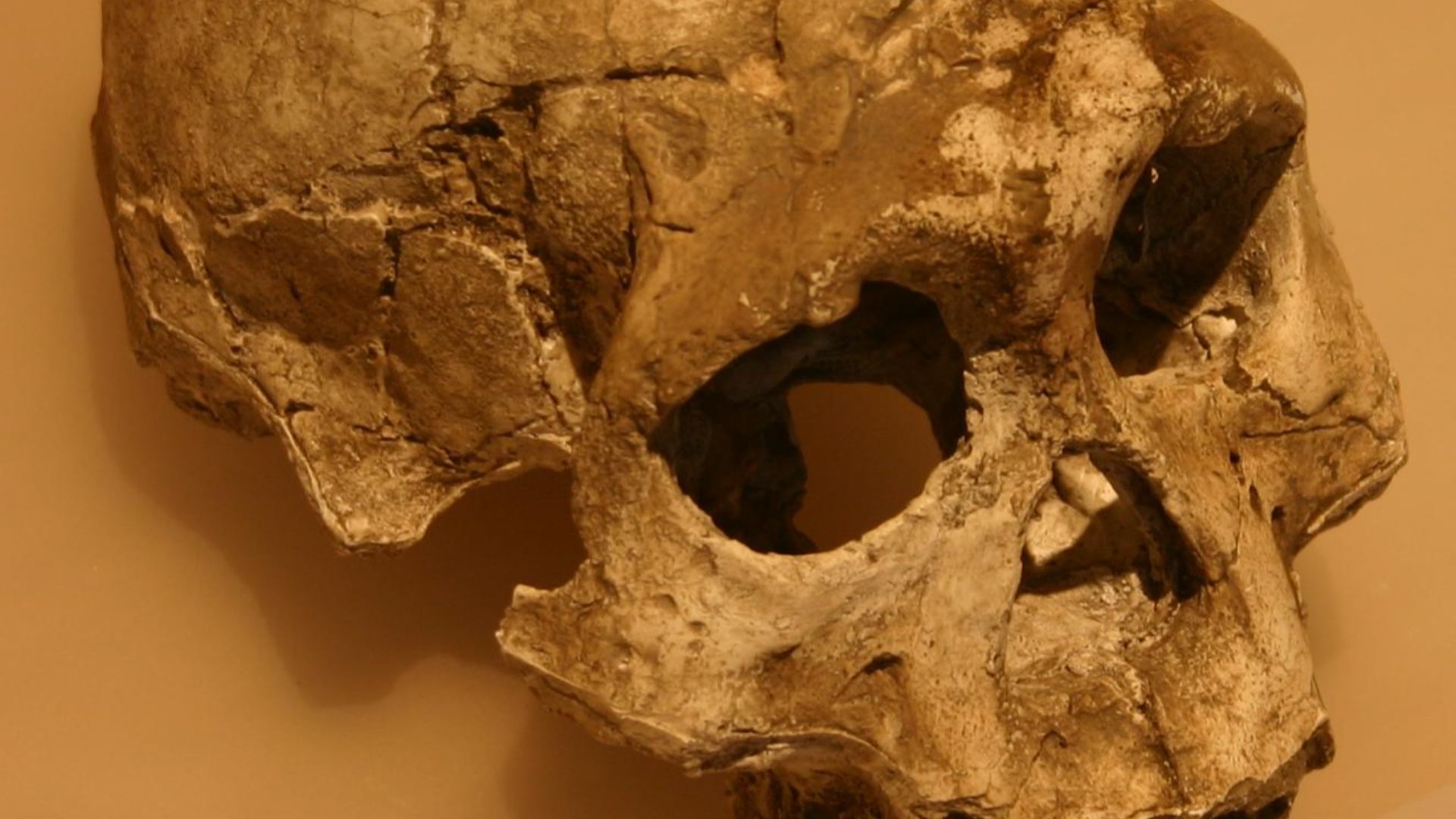
The Georgian Dmanisi fossils proved that early humans had left Africa around 1.8 million years ago, earlier than many older models believed. They also showed a surprising amount of variation within one site, also suggesting that early Homos didn’t have the human blueprint perfected at that point in time.
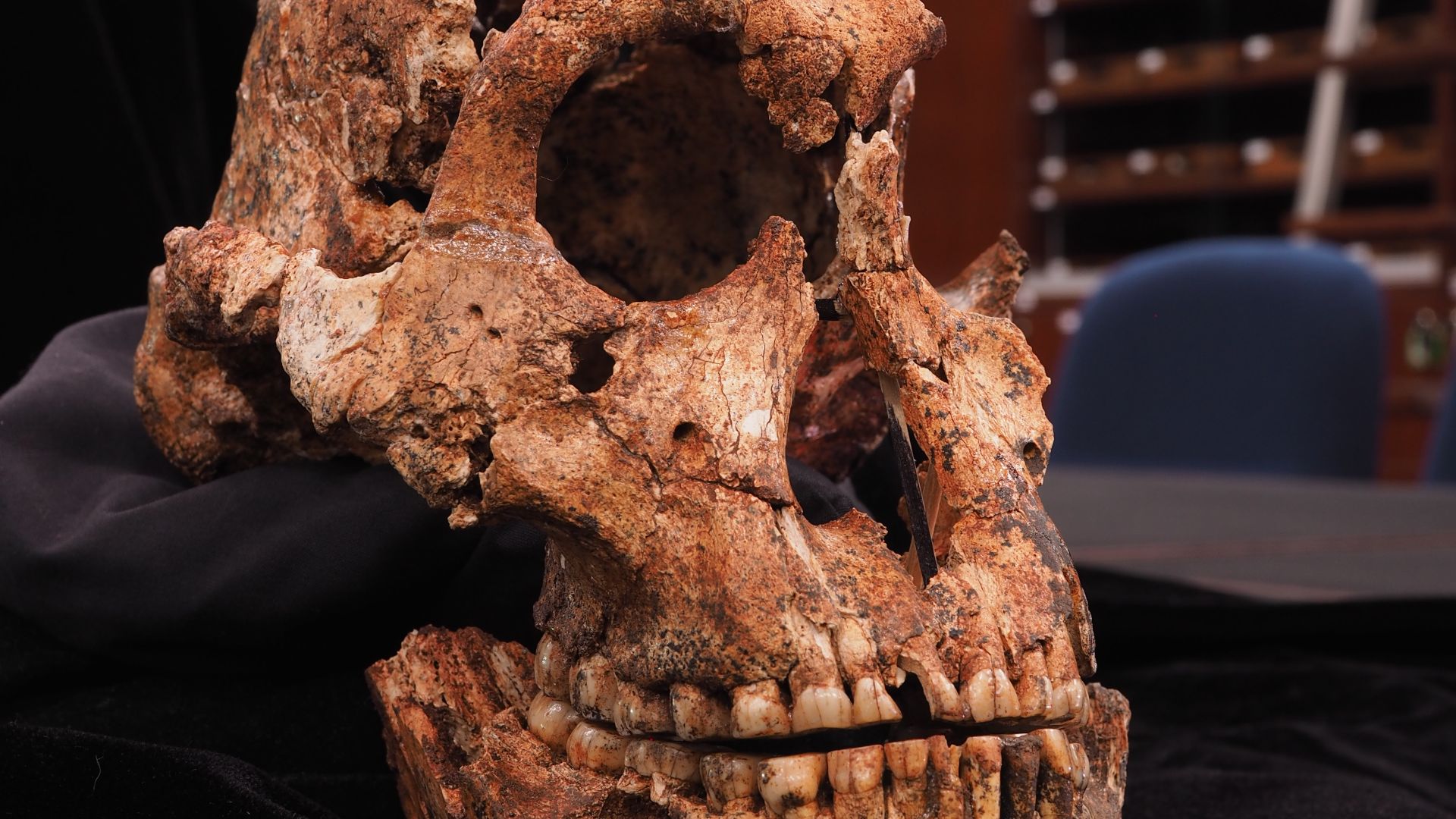
13. DNH 134 At Drimolen
The juvenile skull catalogued as DNH 134 came from the Drimolen Palaeocave System north of Johannesburg. It pushed evidence of Homo erectus living in southern Africa back to around two million years ago. That adjusted the timeline in a meaningful way and made South Africa look more central to the early H.
erectus story than plenty of older summaries had allowed.
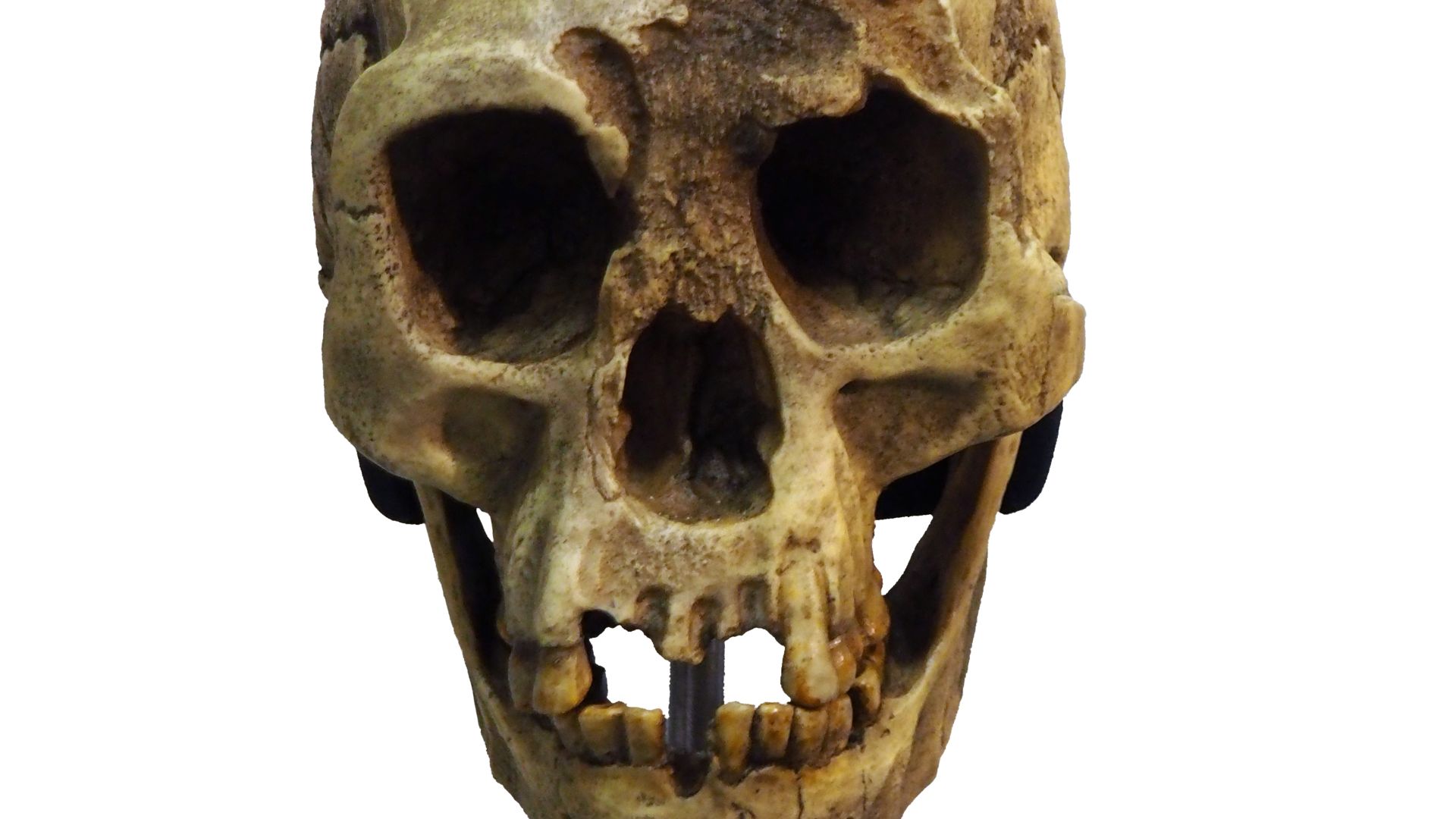
14. LB-1 And Homo Floresiensis
When LB-1 was described from Liang Bua cave on Flores, Indonesia, it looked almost unreal at first: a tiny-bodied human relative with a very small brain living surprisingly late in prehistory. Regardless, it proved that the late Pleistocene world had more human-like species we didn’t know about.
15. The Denisova Finger Bone
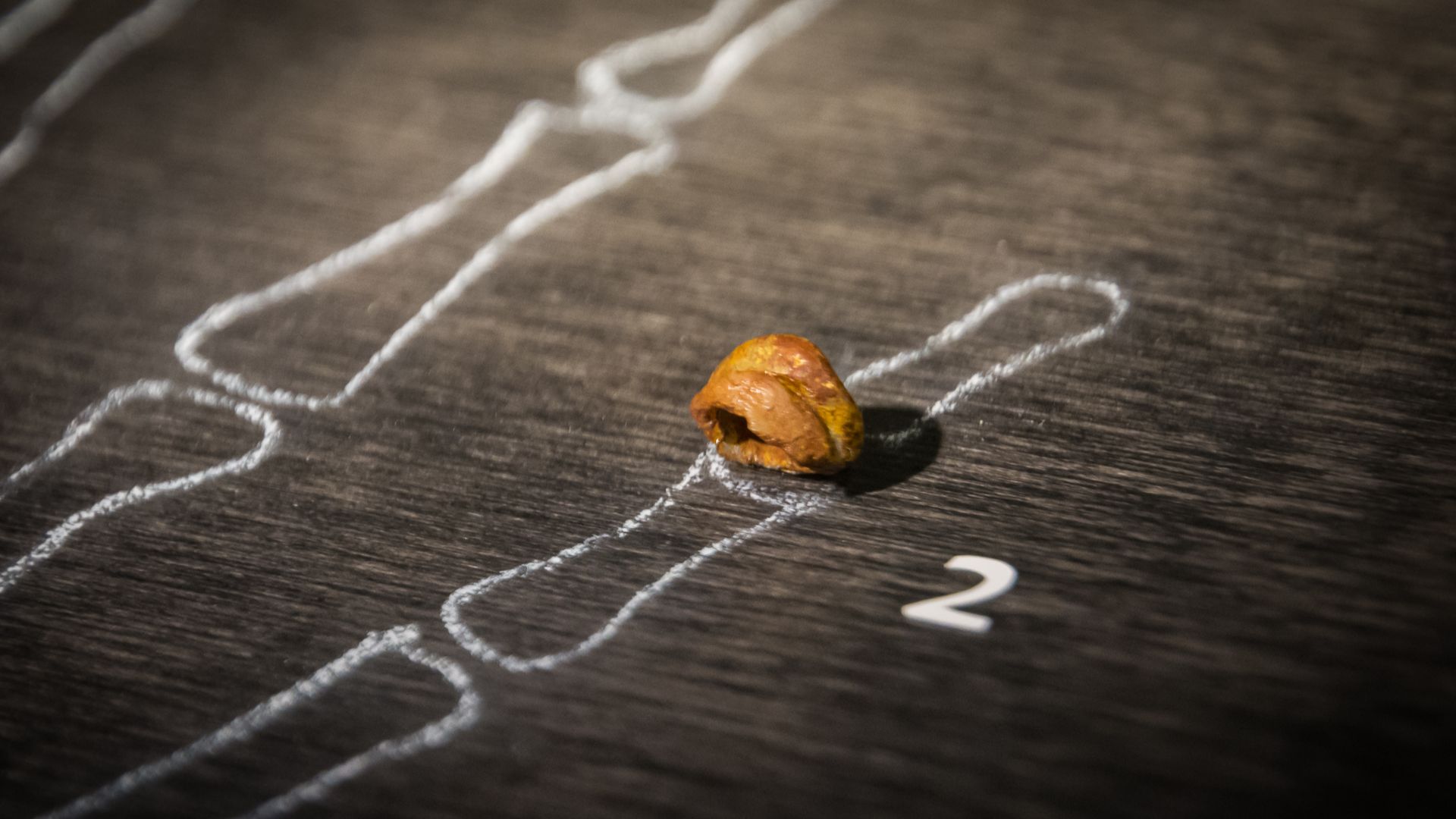
A small finger-bone fragment from Siberia’s Denisova Cave turned out to belong to a previously unknown human population identified through DNA. This was a huge discovery, because it showed that some branches of the human family tree left behind almost no obvious skeletal record.
16. Homo Naledi
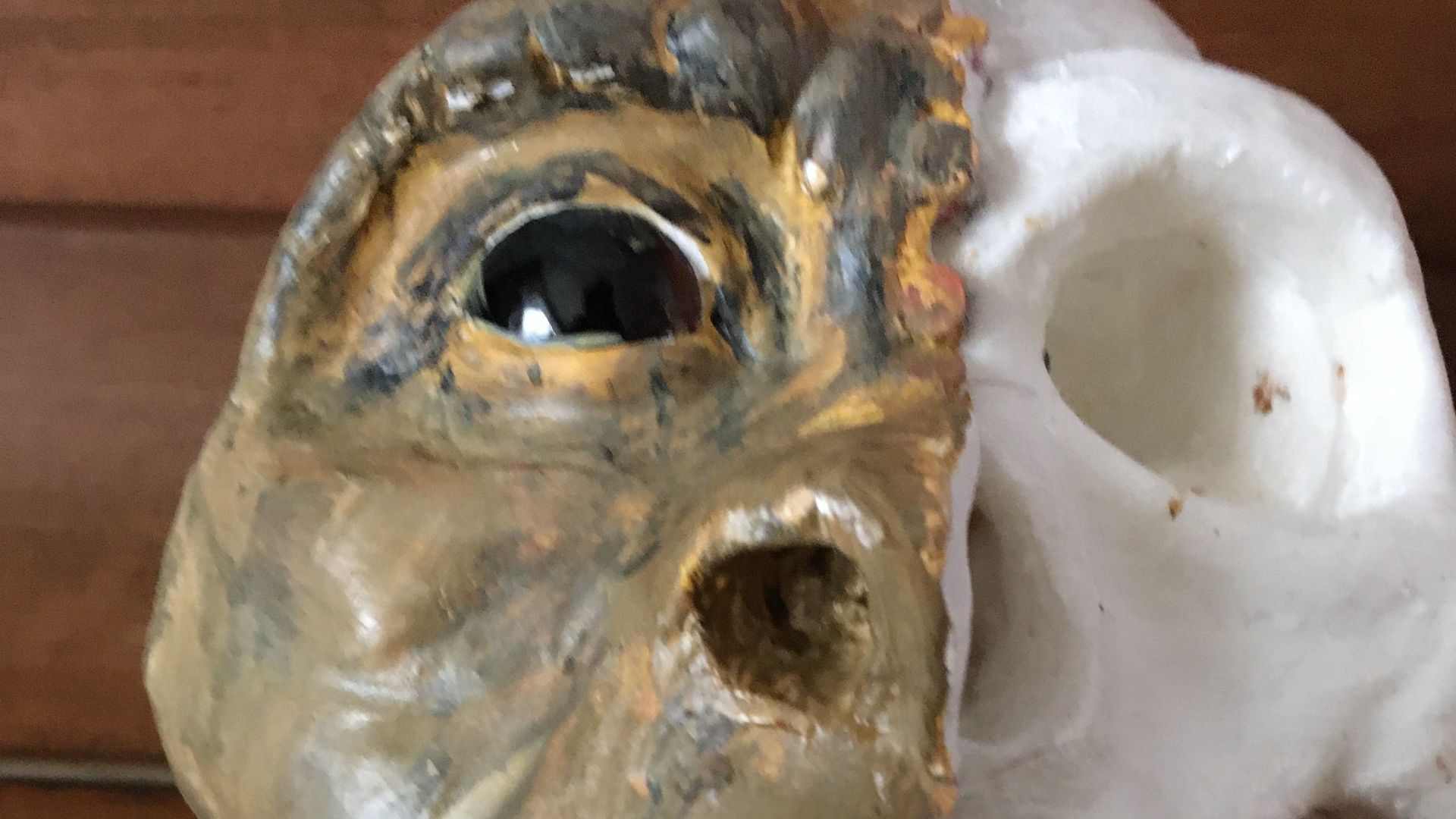
The Rising Star cave system in South Africa produced more than 1,500 Homo Naledi fossils from at least 15 individuals. The dating made the find even harder to file away, because it also showed us that small-brained hominins lived between about 335,000 and 236,000 years ago, overlapping with early members of our own species.
17. Jebel Irhoud
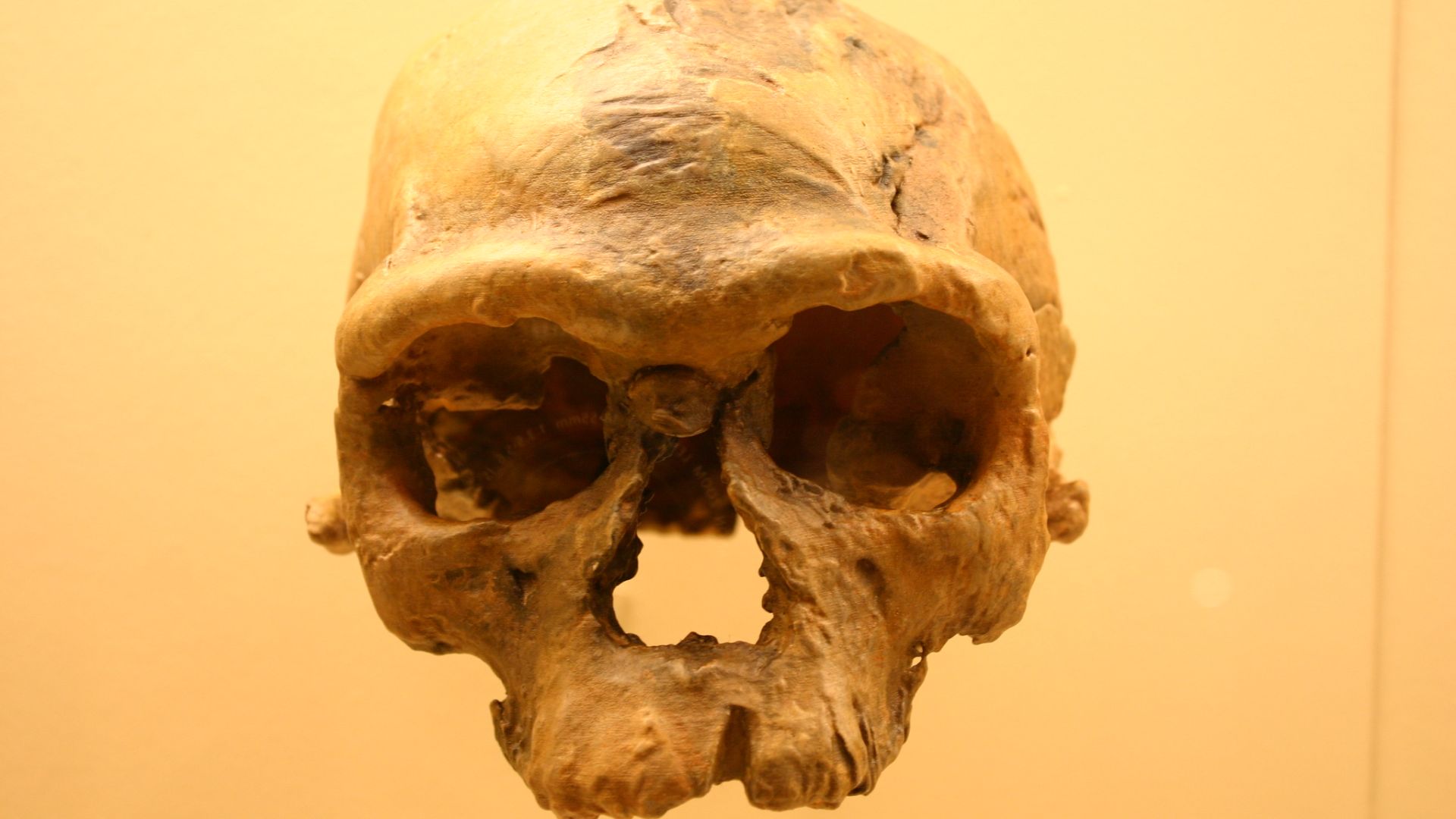
The Jebel Irhoud fossils from Morocco pushed Homo sapiens back to about 300,000 years ago. They also nudged researchers away from the old habit of treating our species as if it appeared in one small corner of Africa, fully assembled and ready to go.
 Ryan Somma from Occoquan, USA on Wikimedia
18. Omo I
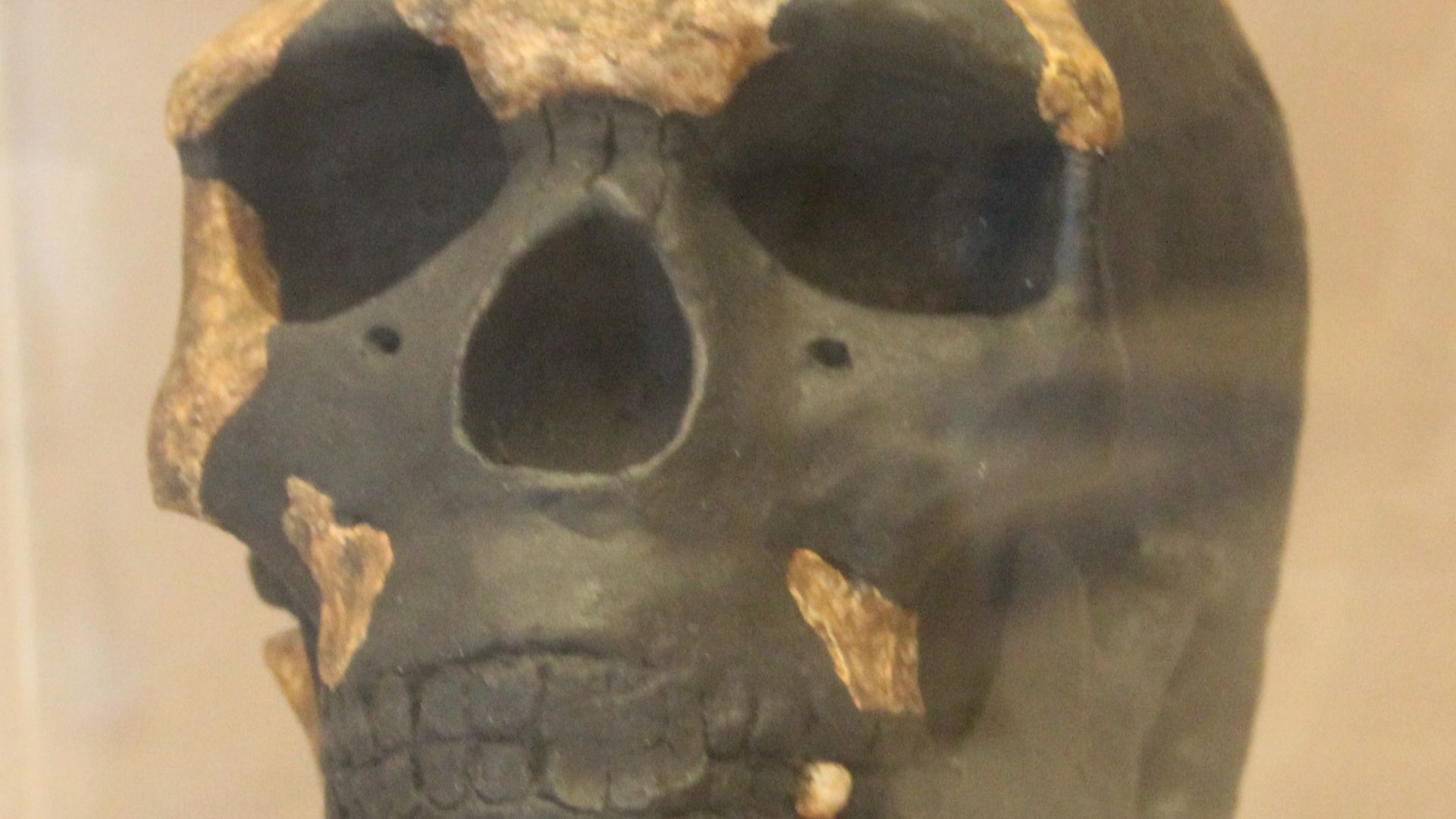
The Ethiopian Omo I skull remains one of the earliest known Homo sapiens fossils.
Finds like this are incredibly important to understanding the history of our species, as they prove that modern humans existed much earlier than popular history suggests.
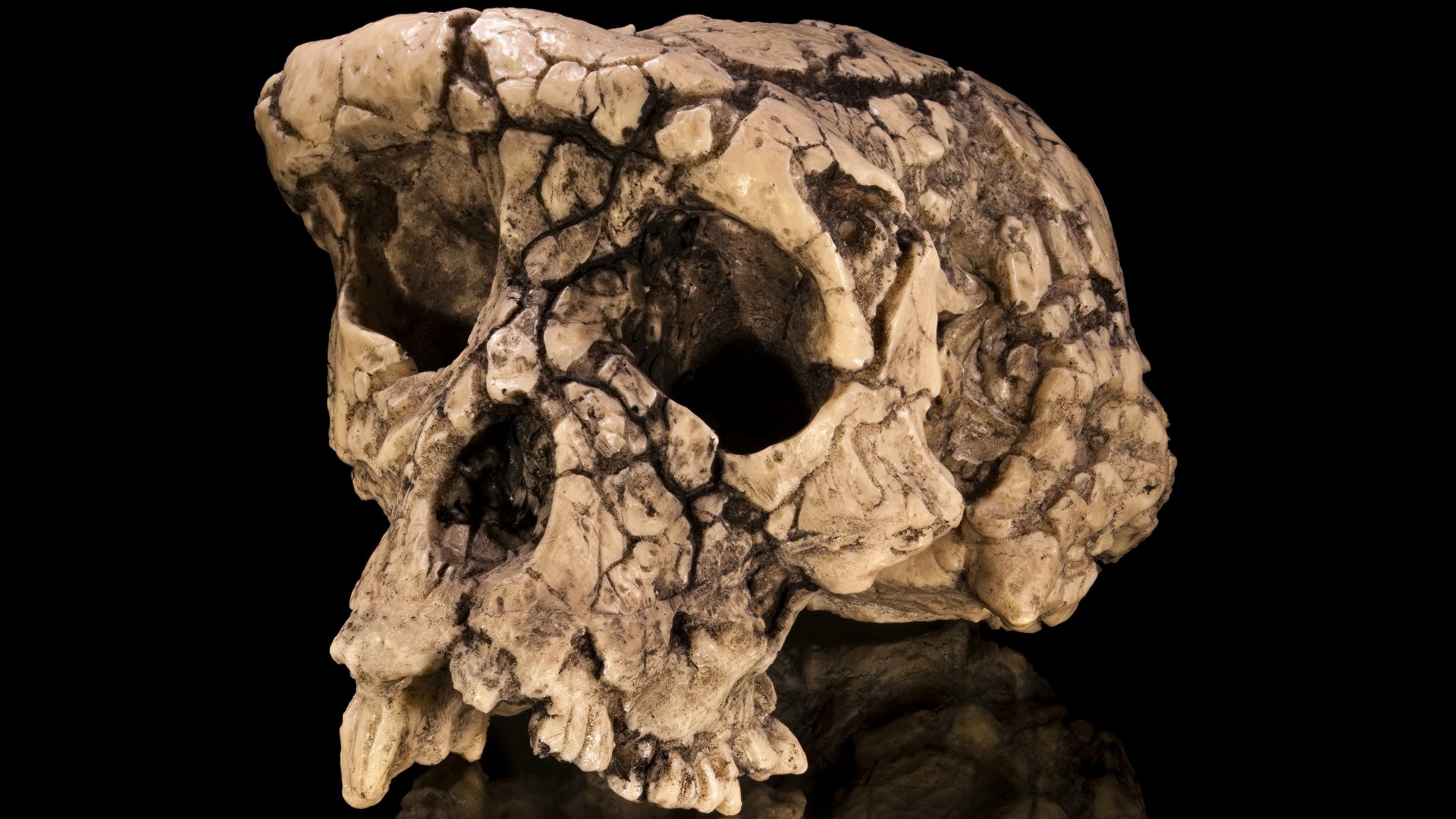
19. Sahelanthropus Tchadensis
Found in Chad, Sahelanthropus tchadensis sits very close to the murky edge of the human lineage. A 2022 Nature paper strengthened the case that this roughly seven-million-year-old species may have practiced habitual bipedalism, though researchers still treat the broader implications with care. Fossils this old don’t often hand over clean answers.
20. The Gona Fossil Face
The reconstructed face of the DAN5/P1 cranium from Gona, Ethiopia, dated to about 1.5 to 1.6 million years ago, suggests that early Homo erectus could retain more primitive-looking features than older textbook sketches implied. It supports a more complicated emergence of H. erectus, with overlap and uneven change instead of one clear-cut evolutionary handoff.
KEEP ON READING
The 20 Most Recognized Historical Figures Of All Time
The Biggest Names In History. Although the Earth has been…
By Cathy Liu Oct 4, 2024
10 of the Shortest Wars in History & 10 of…
Wars: Longest and Shortest. Throughout history, wars have varied dramatically…
By Emilie Richardson-Dupuis Oct 7, 2024
10 Fascinating Facts About Ancient Greece You Can Appreciate &…
Once Upon A Time Lived Some Ancient Weirdos.... Greece is…
By Megan Wickens Oct 7, 2024
20 Lesser-Known Facts About Christopher Columbus You Don't Learn In…
In 1492, He Sailed The Ocean Blue. Christopher Columbus is…
By Emilie Richardson-Dupuis Oct 9, 2024
20 Historical Landmarks That Have The Craziest Conspiracy Theories
Unsolved Mysteries Of Ancient Places . When there's not enough evidence…
By Megan Wickens Oct 9, 2024
The 20 Craziest Inventions & Discoveries Made During Ancient Times
Crazy Ancient Inventions . While we're busy making big advancements in…
By Cathy Liu Oct 9, 2024