


What Greed Leaves Behind
Treasure hunting probably makes people imagine pop culture characters like Indiana Jones or the cast of The Mummy. What we often miss is the real-life consequences of treasure hunting. A looter doesn't just remove a statue, a gold object, or a handful of saleable fragments. It rips through the layers that tell us who lived there, what they buried, how they built, and how a place changed over centuries. Once that context is torn out and scattered into private collections or smuggling routes, it doesn’t come back. These 20 sites show what gets lost when looters arrive before protection does.

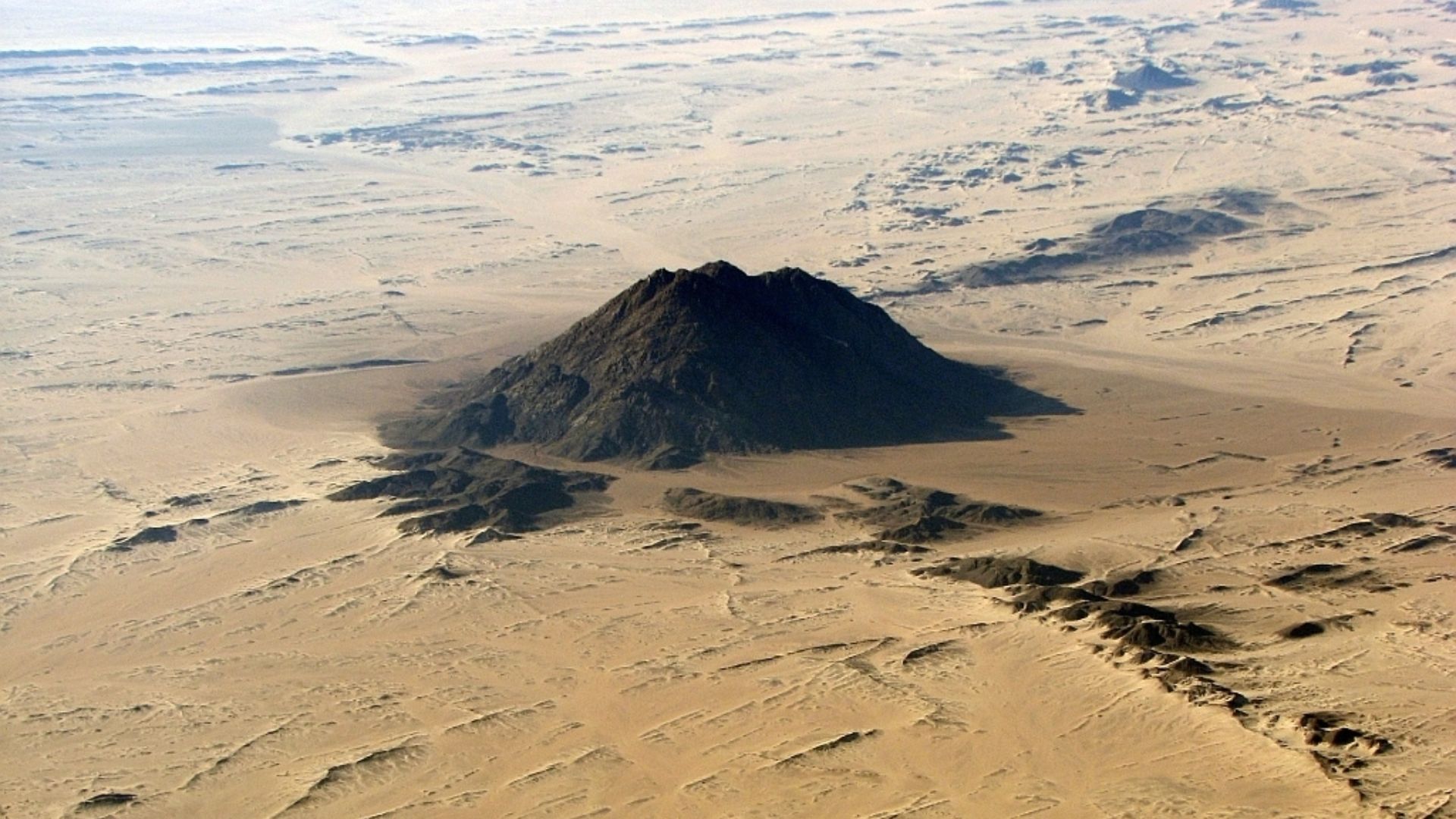
1. Jabal Maragha, Sudan
At Jabal Maragha in eastern Sudan, illegal gold diggers used heavy machinery to carve a trench through a 2,000-year-old Kushite site. They were chasing mineral traces that looked promising, but they left behind a massive hole in the centre of a huge archaeological find.
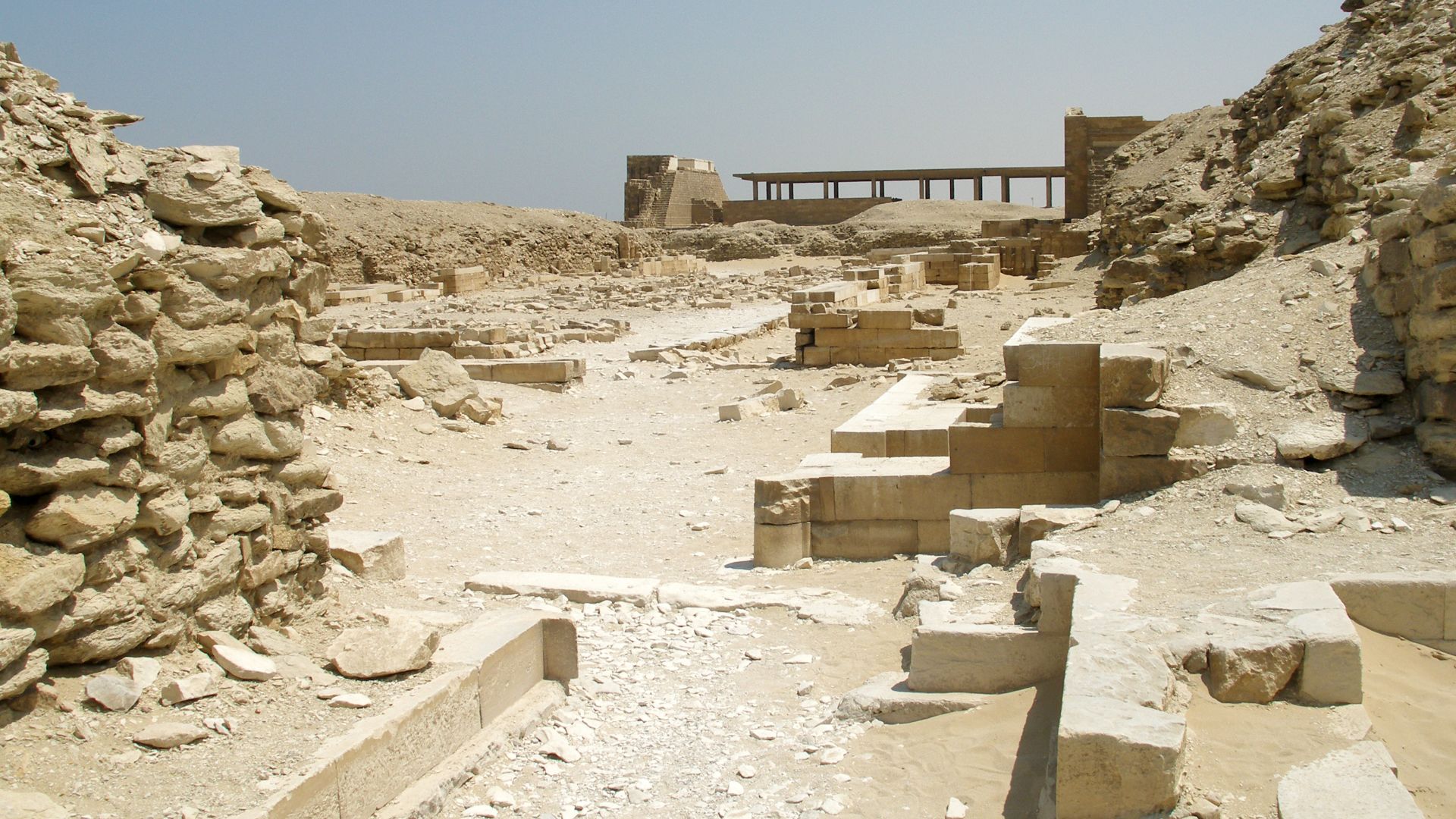
2. Saqqara, Egypt
Saqqara was hit hard in the early 2010s, during the Egyptian revolution. Looting surged across major archaeological zones. Satellite data showed pit after pit opening across one of Egypt’s most important necropolis landscapes.
 Vyacheslav Argenberg on Wikimedia
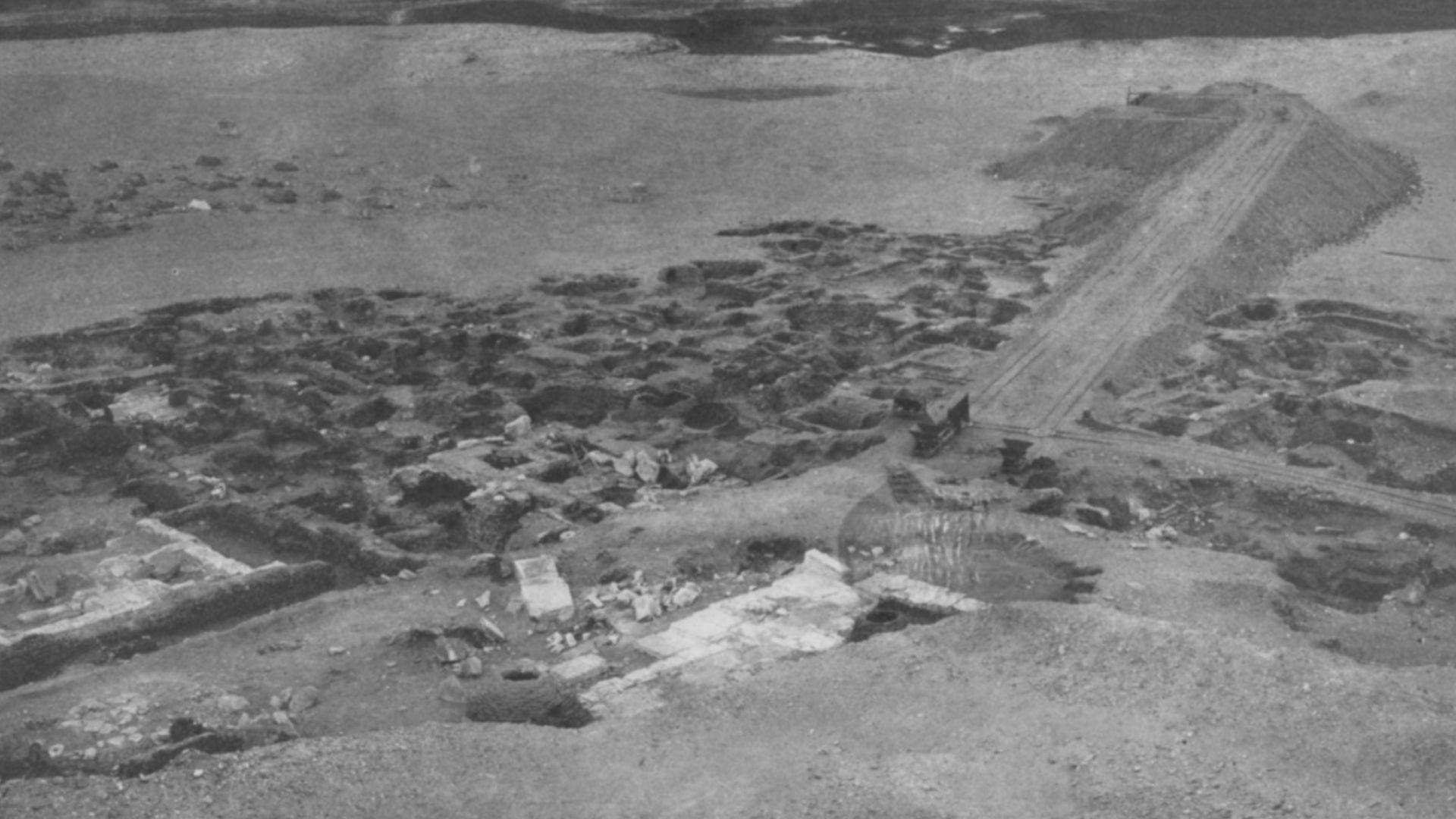
3. Lisht, Egypt
Lisht, south of Cairo, went through the same kind of post-revolution looting wave. The pits spread so widely that the destruction could be tracked from above.
When a site is being damaged on a scale visible from space, the loss is already enormous.
 Arthur C. Mace (1874-1928) on Wikimedia
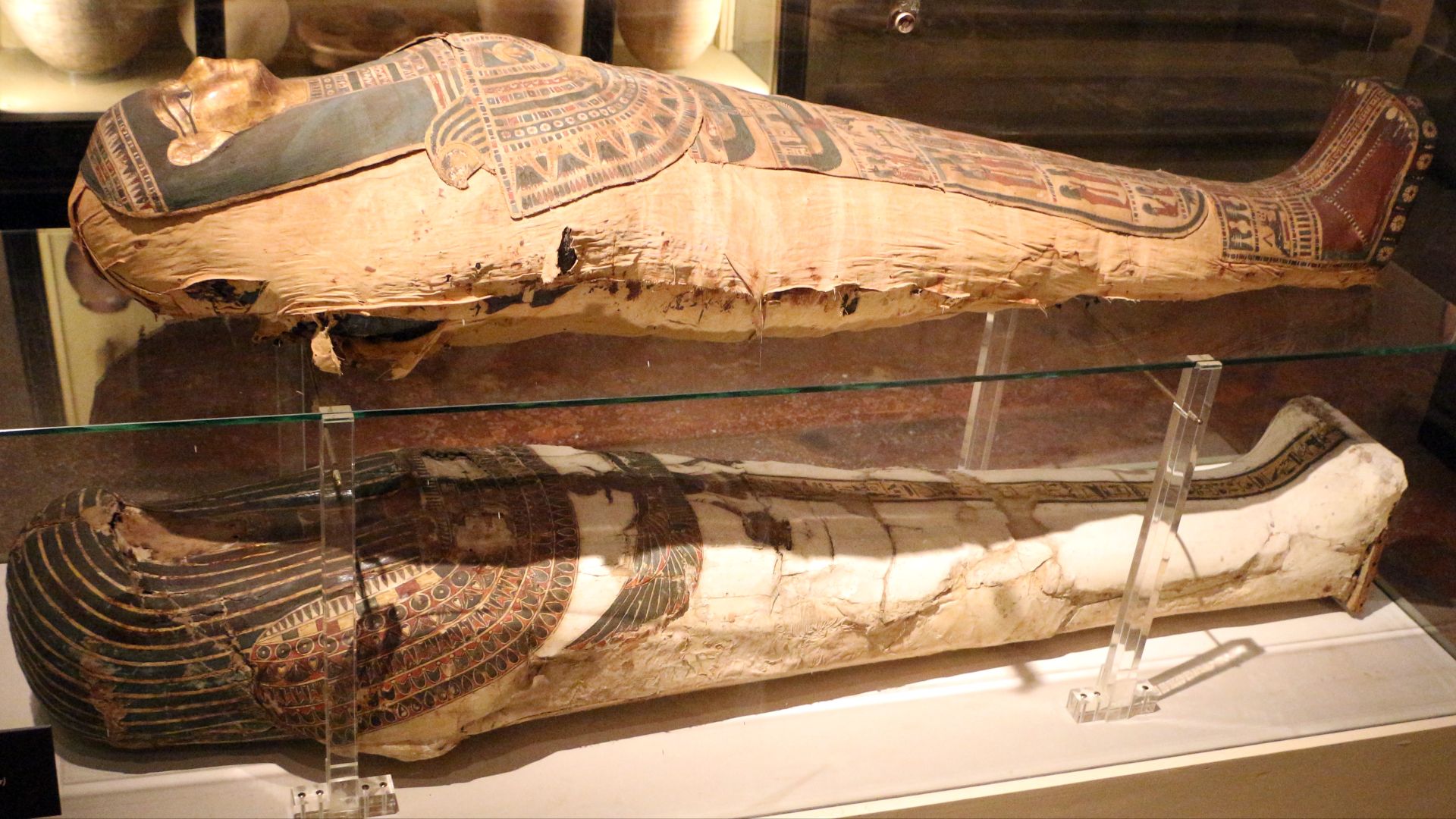
4. El Hibeh, Egypt
At El Hibeh in Middle Egypt, looting accelerated between 2009 and 2013 as archaeological protection thinned out. This was a settlement and cemetery zone, so looters were cutting into the final resting place of some pretty ancient people.
5. Abusir El-Meleq, Egypt
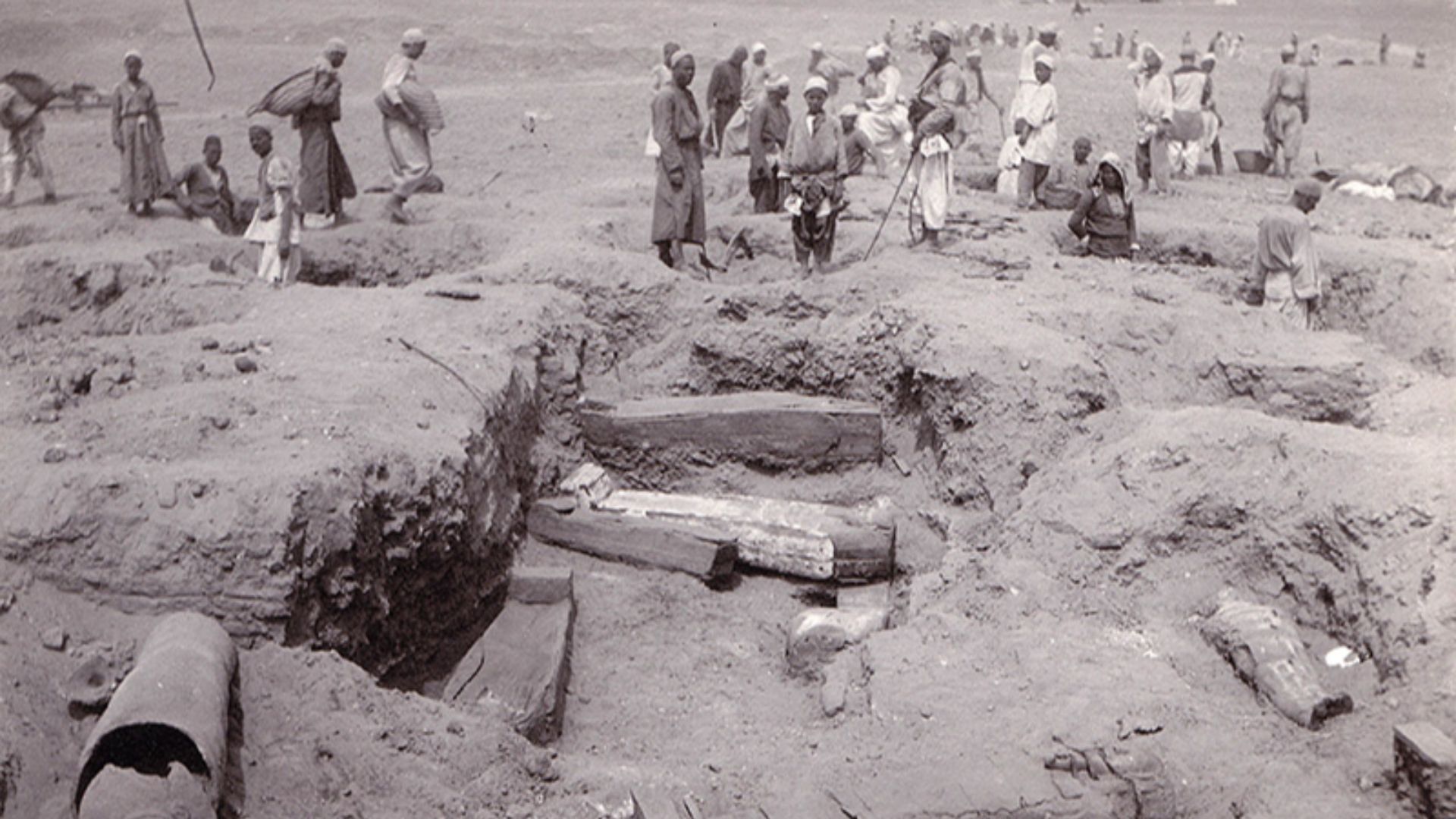
At Abusir el-Meleq, thousands of looting pits scarred a cemetery dating from the Late Period into the Ptolemaic era. A burial landscape built over generations ended up looking like it had been attacked in layers, with each illegal shaft stripping away another piece of the record.
6. Apamea, Syria
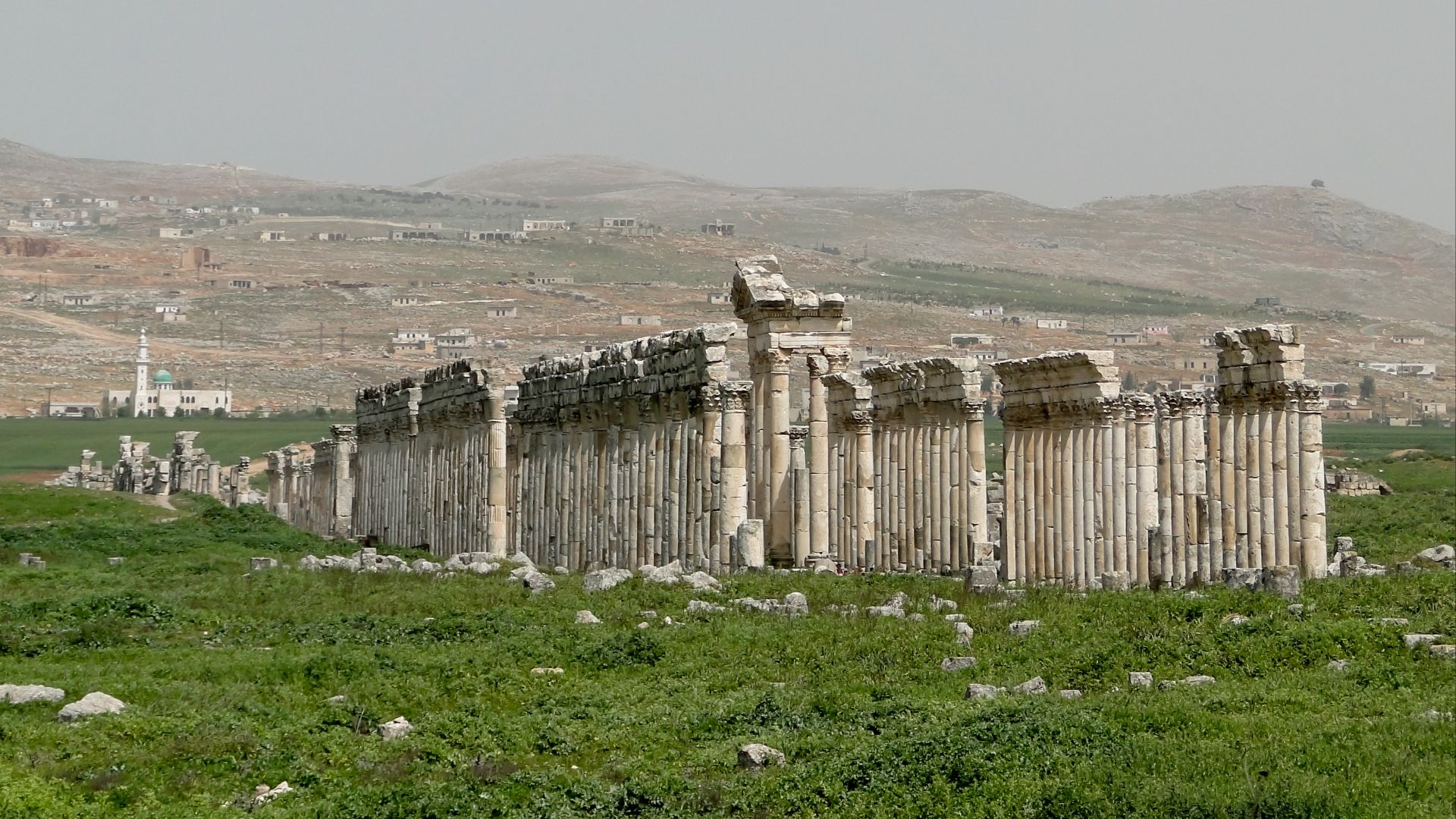
Apamea became one of the clearest visual examples of what systematic looting looks like during war. Satellite images from 2011 and 2012 showed the Roman city covered in pits, row after row, as if the ground itself had been turned into a search grid.
7. Dura-Europos, Syria
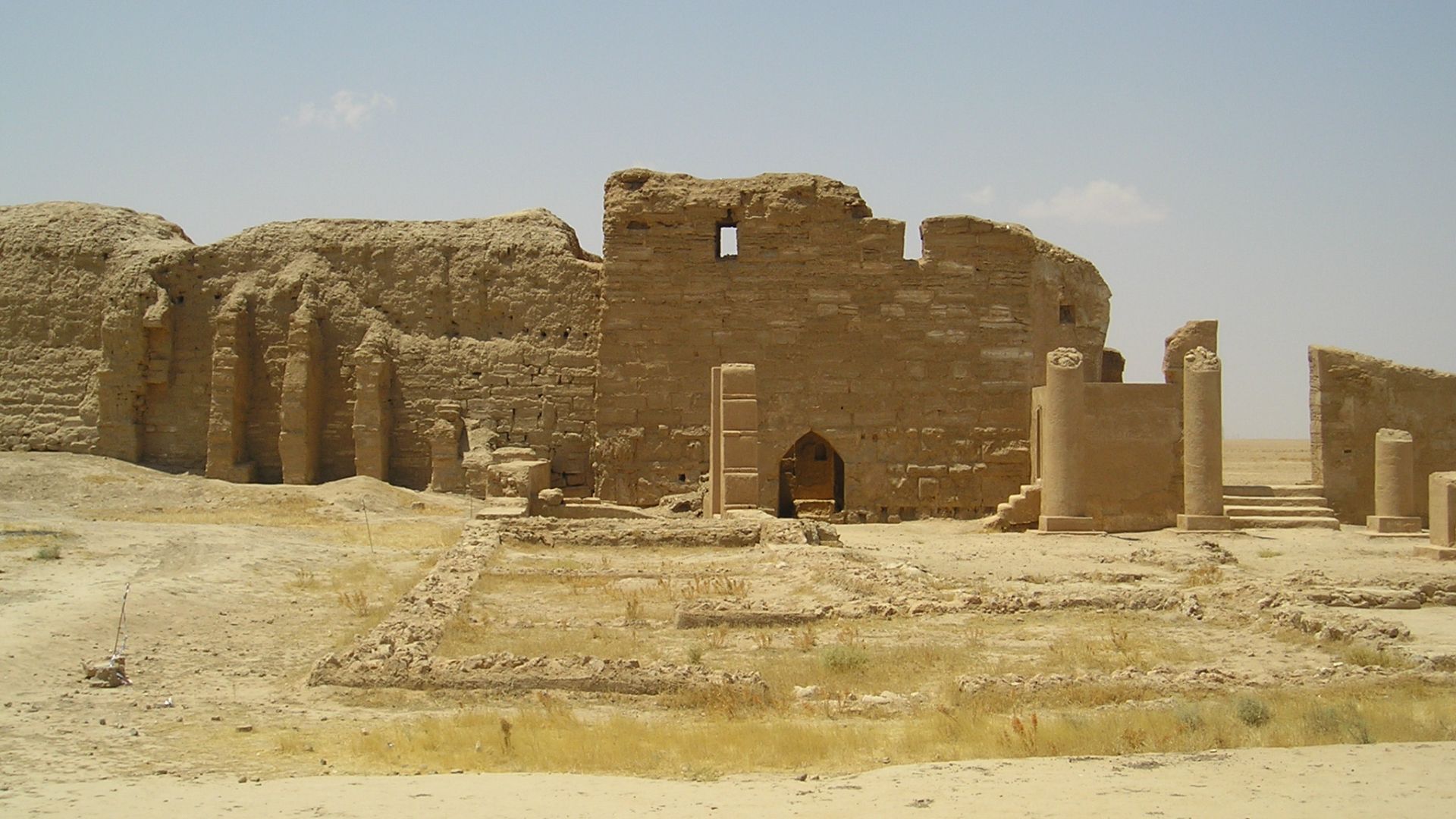
At Dura-Europos, organized looting during the Syrian conflict left the site covered in excavation scars. This was one of the ancient world’s most important frontier cities, a place where Roman, Greek, and Near Eastern histories intersected, and looters tore into it like they were working a quarry.
8. Ebla, Syria
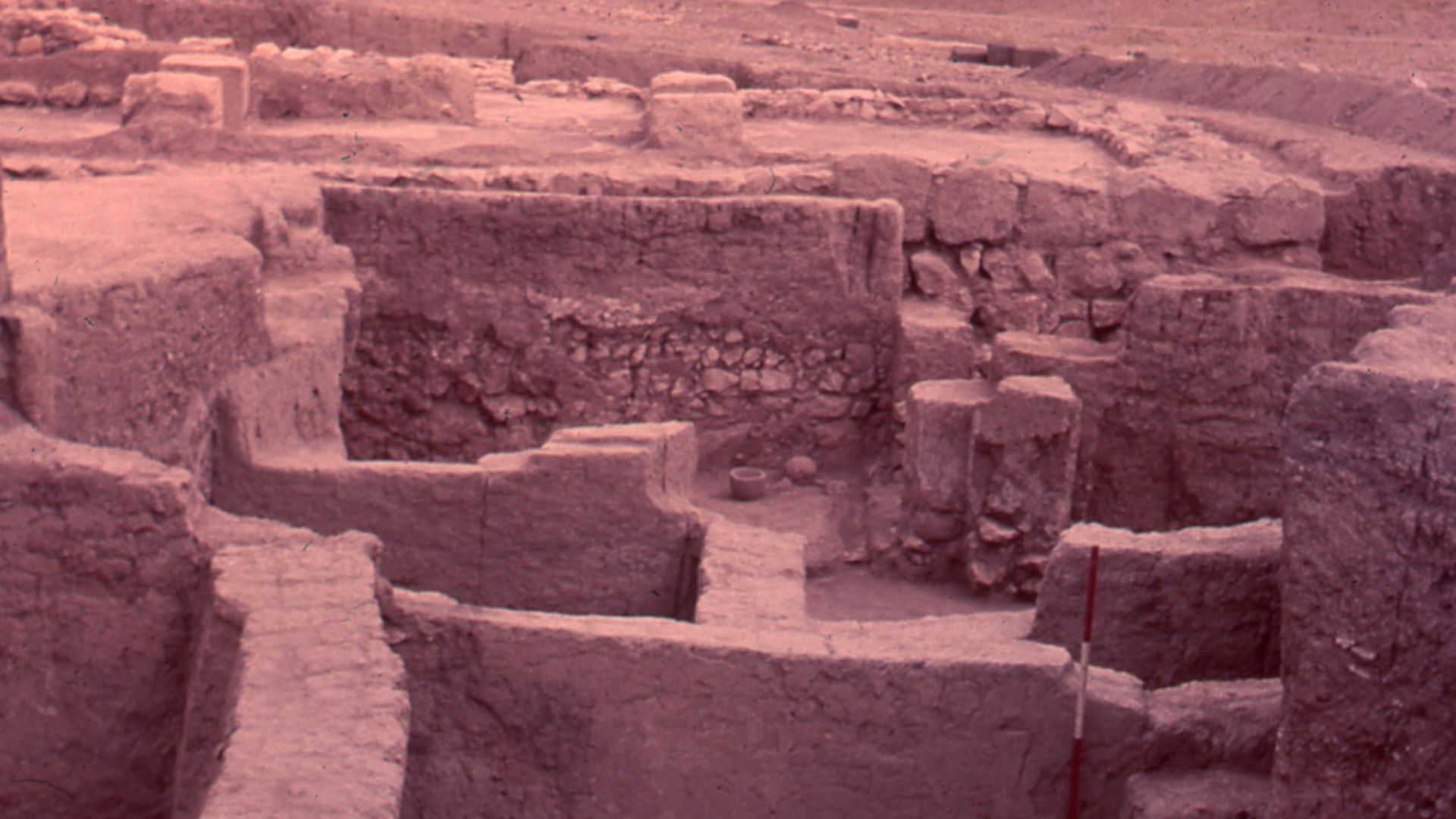
Ebla's archaeology opened our minds to the expanse of the Bronze Age. Looting there in the early years of the Syrian war damaged exactly the areas where context matters most, which makes the loss feel especially cruel.
 Moshe Marlin Levin on Wikimedia
9. Mari, Syria
Mari, on the Euphrates, was one of the great cities of Bronze Age Mesopotamia, and was also one of the Syrian sites repeatedly identified in wartime damage assessments. Looting there didn’t mean a simple loss of objects. It tore into one of the places that helped scholars reconstruct diplomacy, administration, and daily life in the ancient Near East.
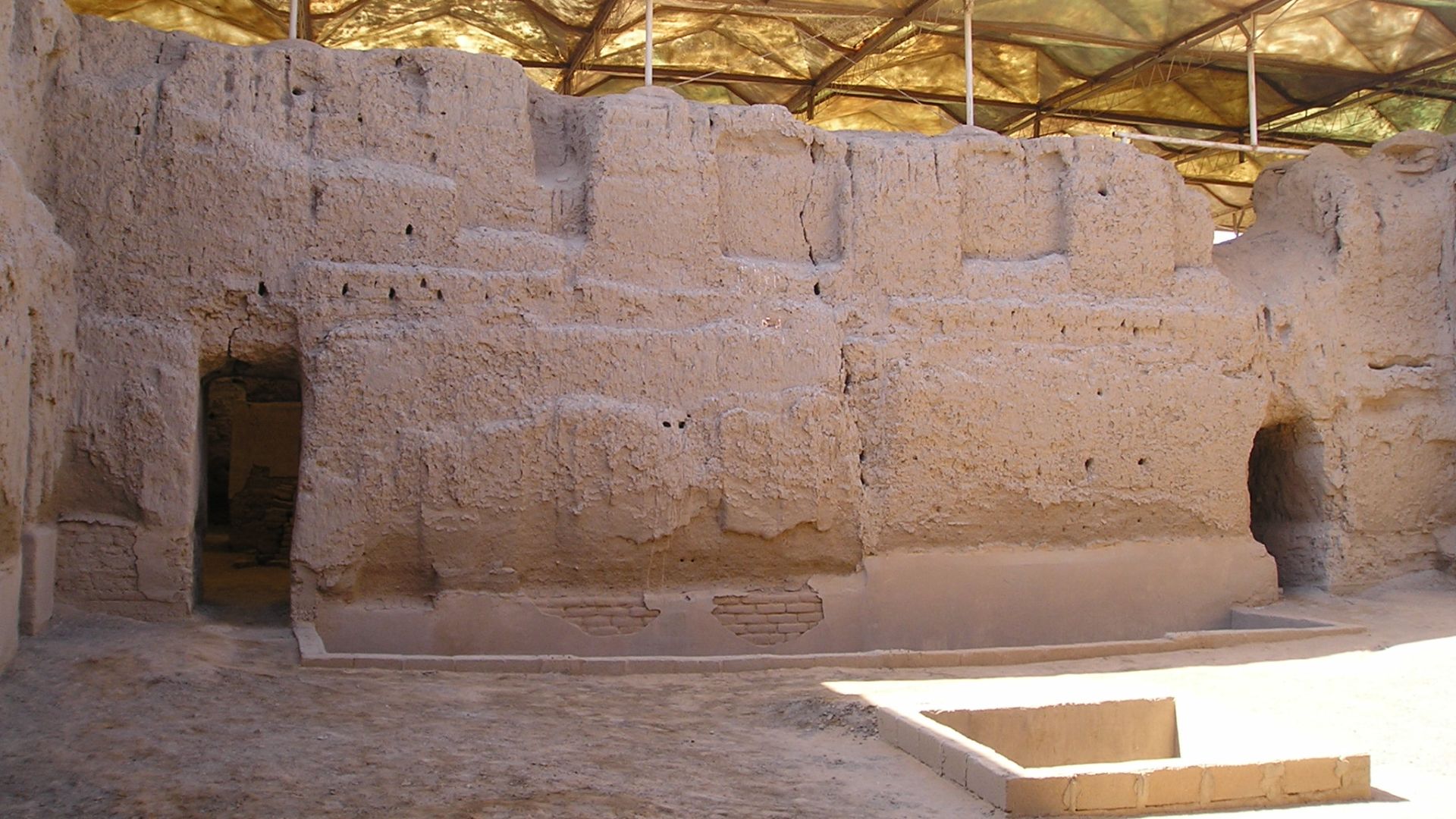
10. Resafa, Syria
Resafa’s damage built over time, which is part of what makes it so bleak. Some looting predated the Syrian war, but it's no surprise that more pits appeared during the conflict. By that point, the site had been under pressure for years. Sometimes a place is wrecked in one burst, sometimes it gets worn down piece by piece.
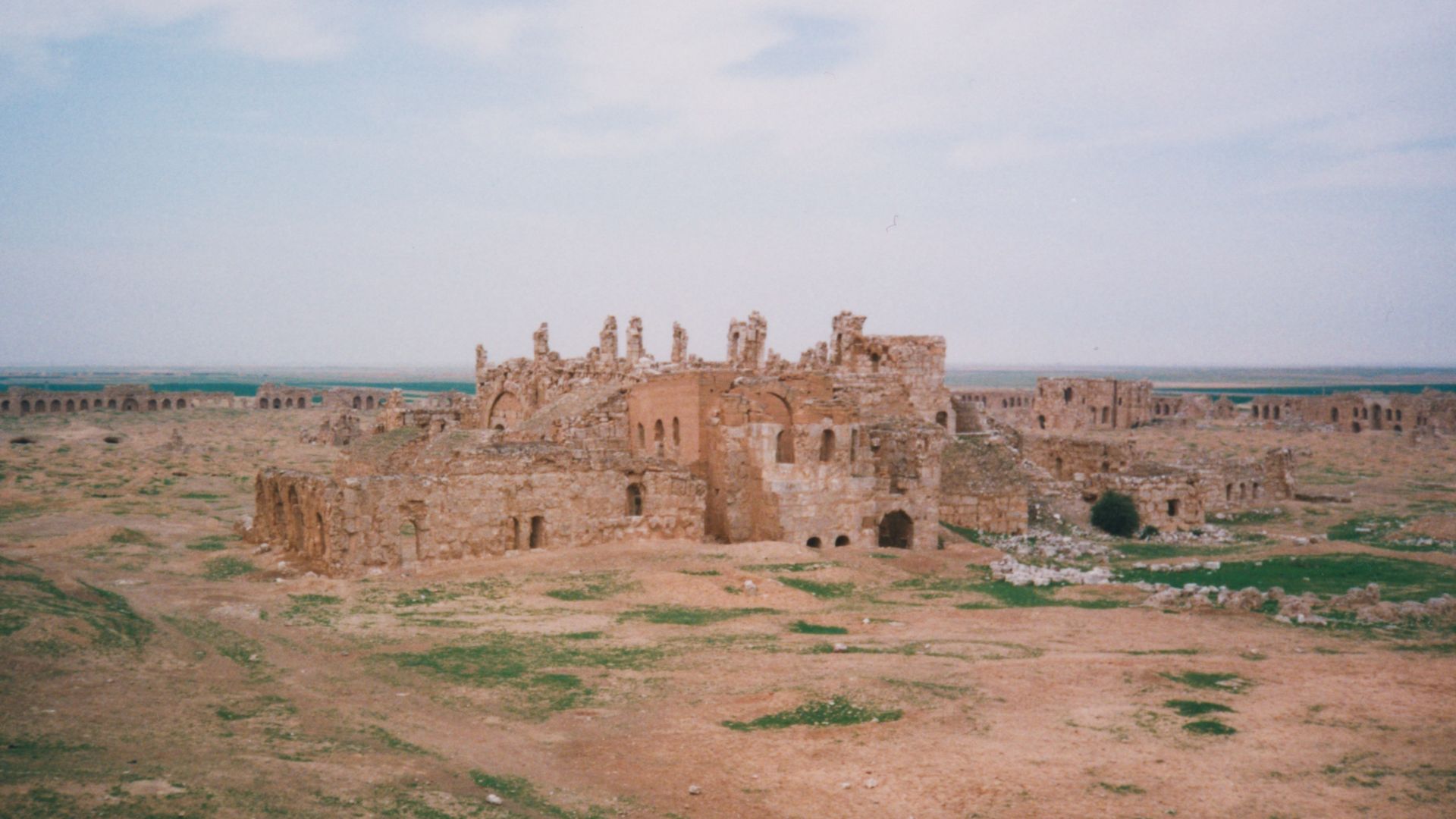
11. Palmyra, Syria
We remember Palmyra for its monumental destruction, and fairly so, though looting was part of its suffering too. As the city came under occupation, artifacts linked to Palmyrene funerary culture and sculpture moved into trafficking networks.
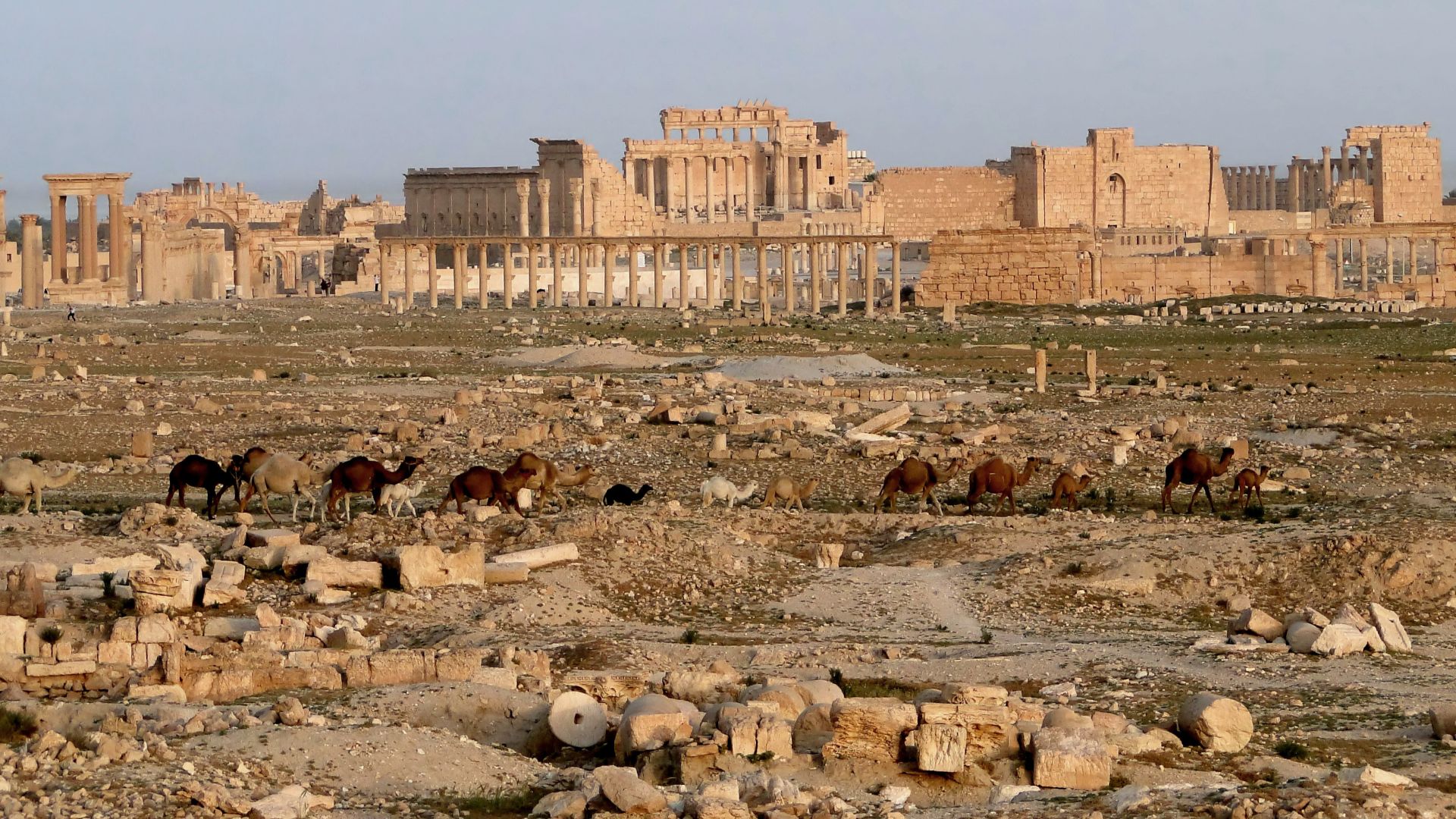
12. Sipán, Peru
Huaca Rajada, better known as Sipán, might've been stripped much more thoroughly if looters had gotten there a little earlier. In 1987, treasure hunters broke into the Moche site and started removing gold objects, moments before Walter Alva’s team stepped in. In fact, this site was f which means one of Peru’s most important finds began in a race against looting.
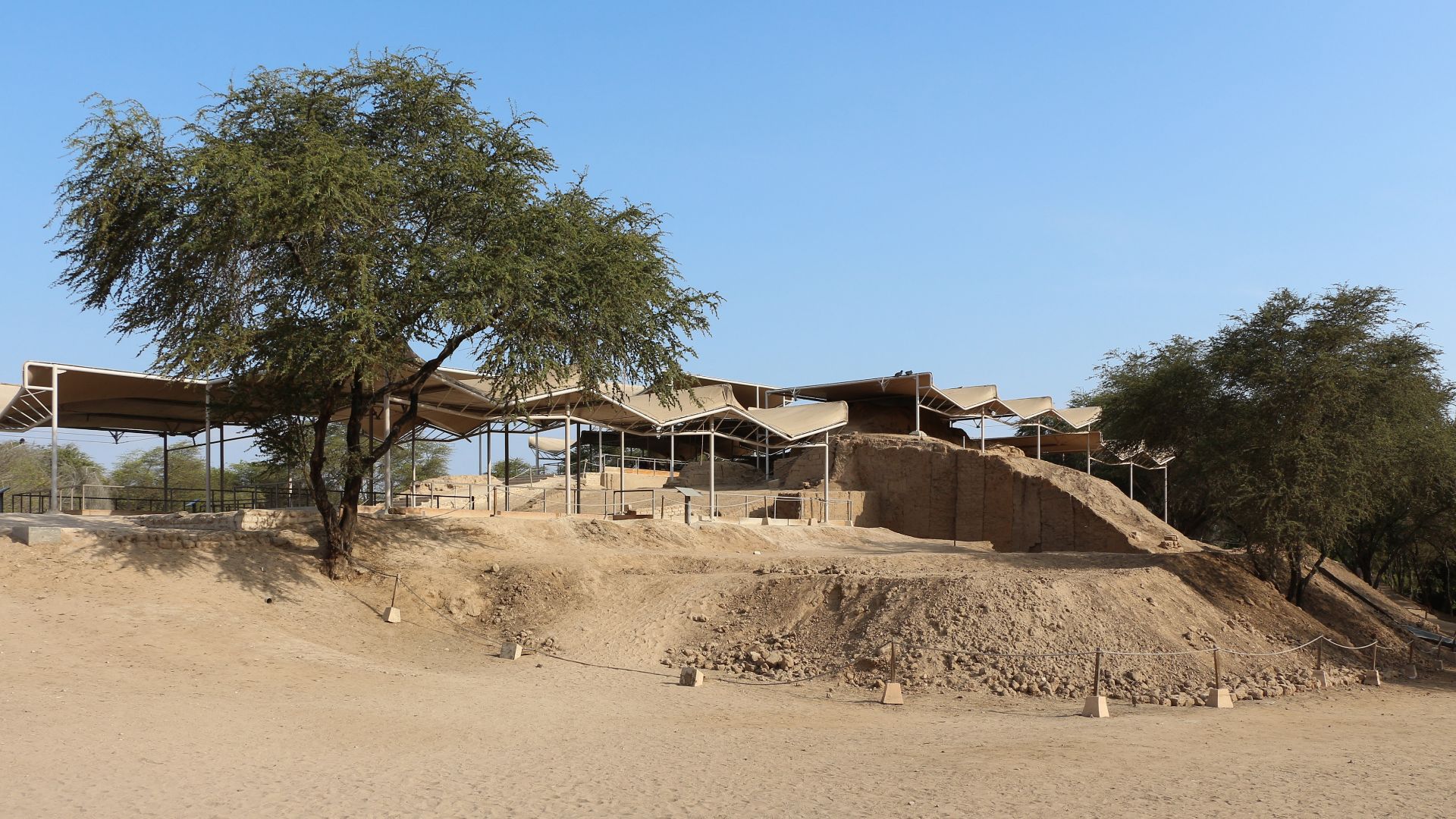
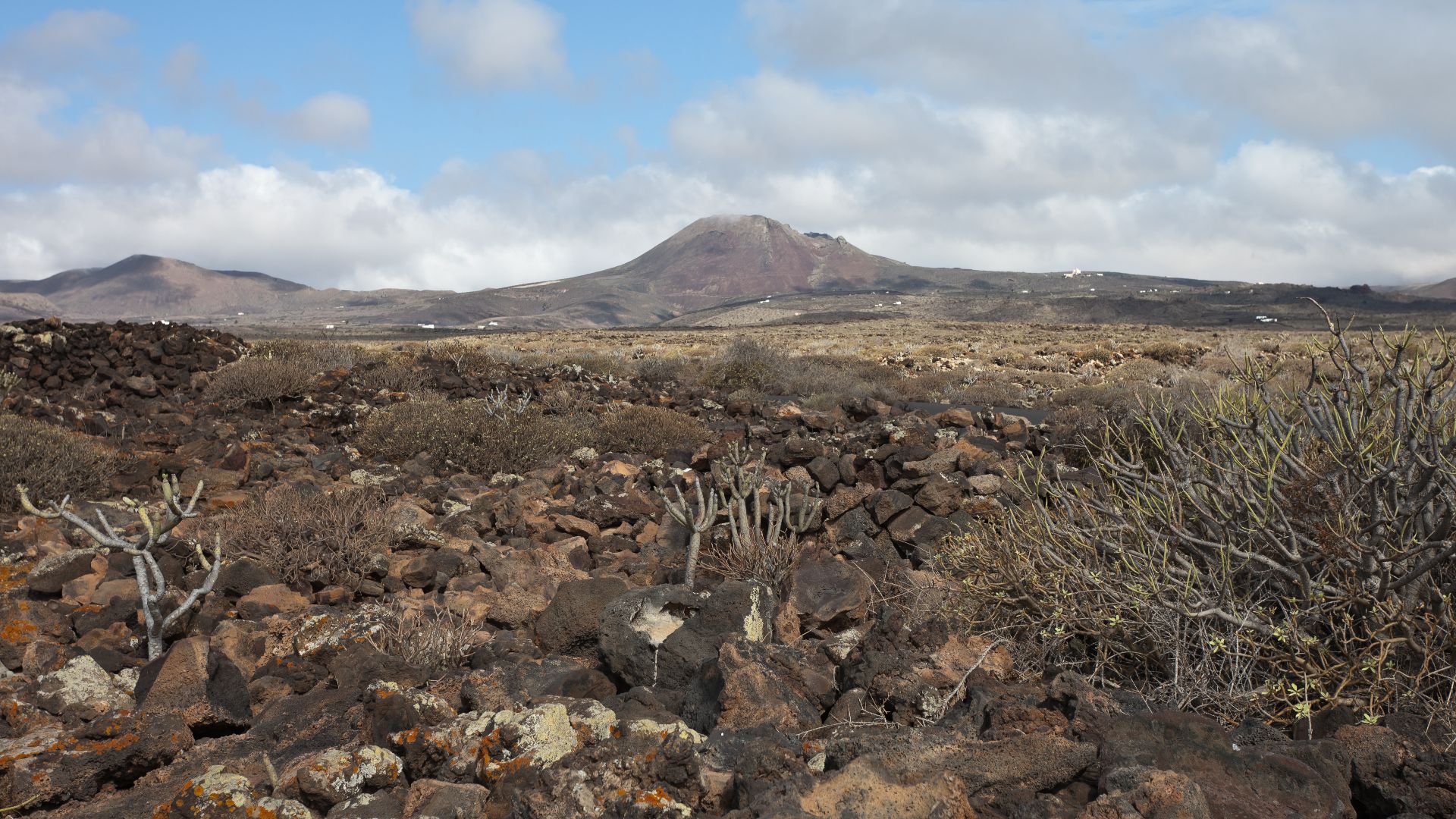
13. Site Q, Guatemala
Before La Corona was securely identified, scholars referred to the place as Site Q because so many carved Maya panels had already been looted and dispersed.
 Luis Miguel Bugallo Sánchez (Lmbuga) on Wikimedia
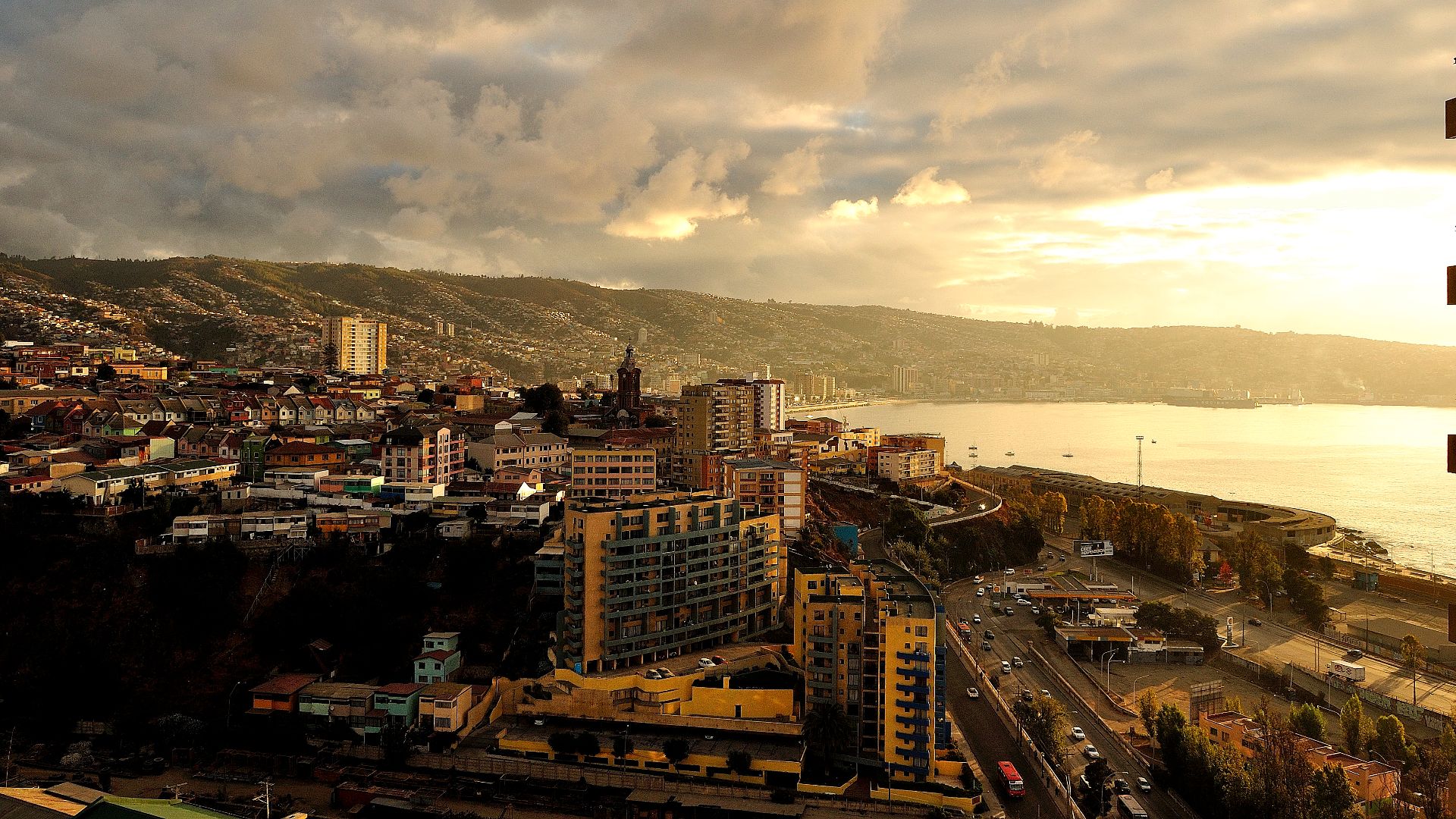
14. Los Placeres, México
At Los Placeres in Campeche, looters found a major Maya stucco temple facade around 1968, stabilized it, cut it away from the building, and removed it. That wasn’t hurried vandalism. It was planned for extraction, and the architecture itself paid the price.
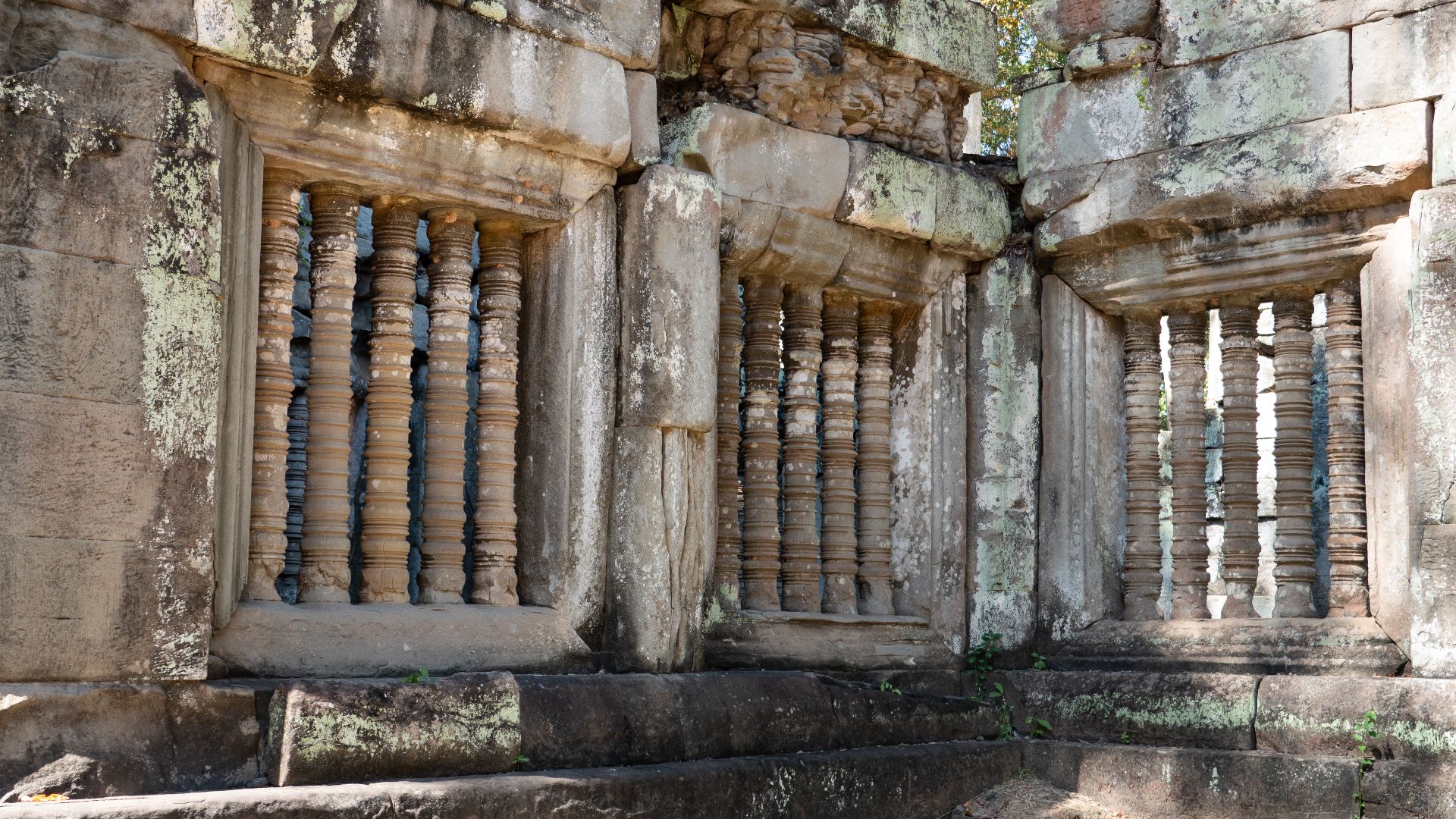
15. Koh Ker, Cambodia
Koh Ker, the tenth-century Khmer capital, was heavily plundered during years when enforcement was weak, and the illicit antiquities market was eager. At some temples, sculptures were cut off so cleanly that only feet and lower legs were left on the pedestals.
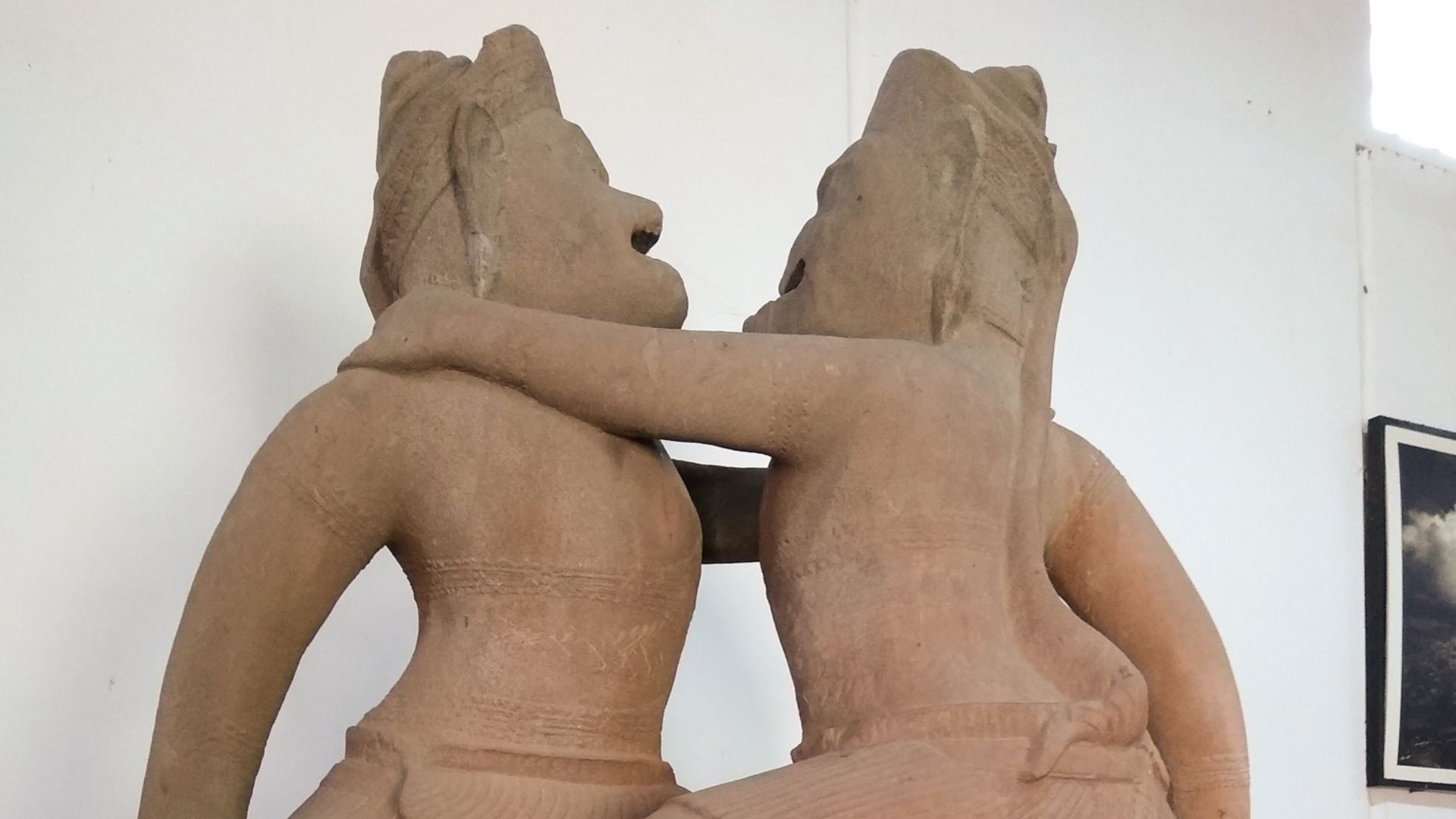
16. Prasat Chen, Cambodia
Prasat Chen became central to some of the best-known repatriation cases involving Khmer statuary. Major figures taken from the temple were tied back to the site through surviving pedestals and old photographs, which meant the evidence of theft was sitting there in plain view all along.
17. Hatra, Iraq
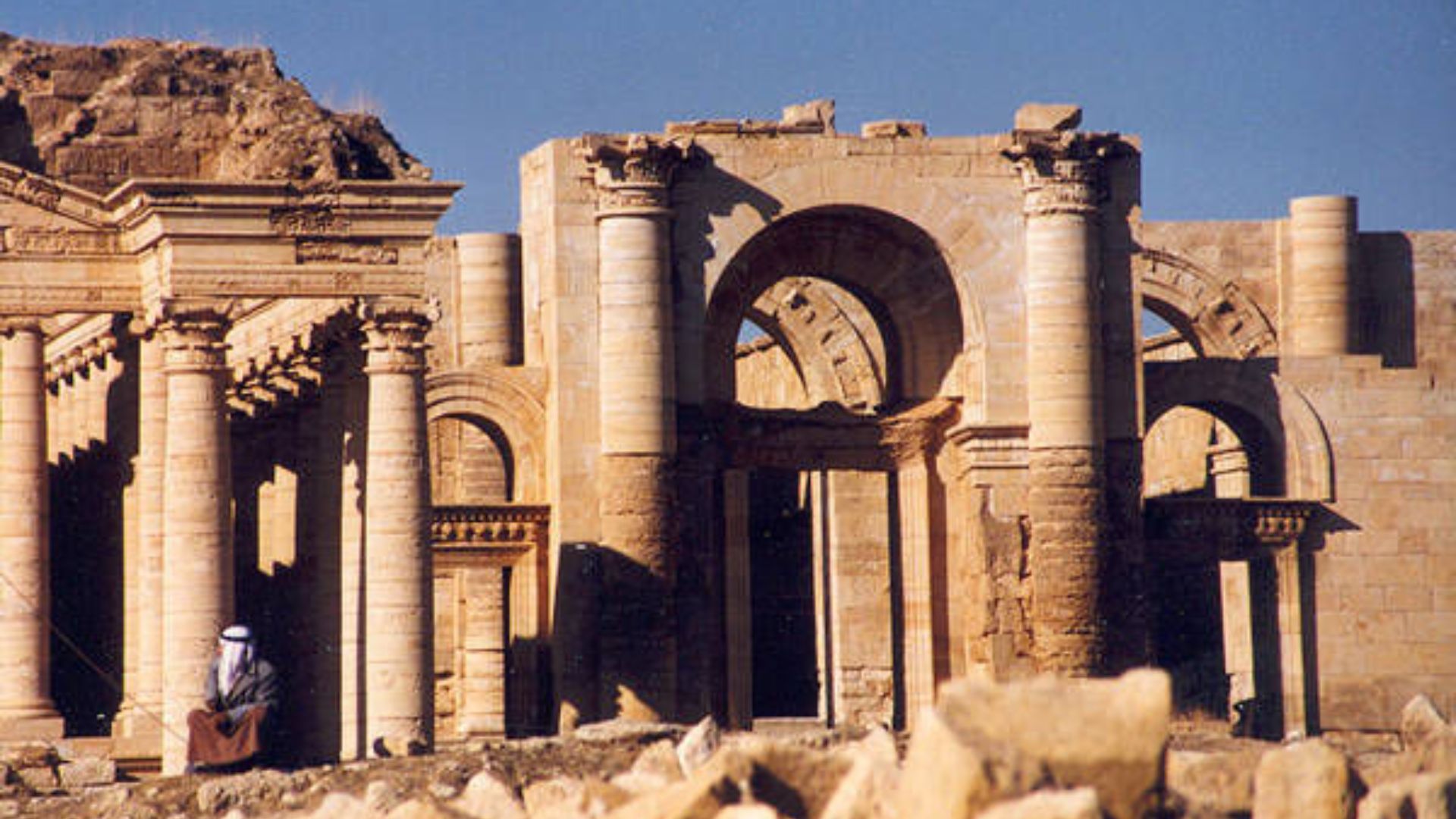
At Hatra, looters and stone-cutters removed carved architectural pieces directly from the ancient site, including parts of a frieze. Once people start cutting material out of standing ruins for sale, the building itself becomes the target, and the line between looting and demolition gets very thin, very quickly.
18. Isin, Iraq
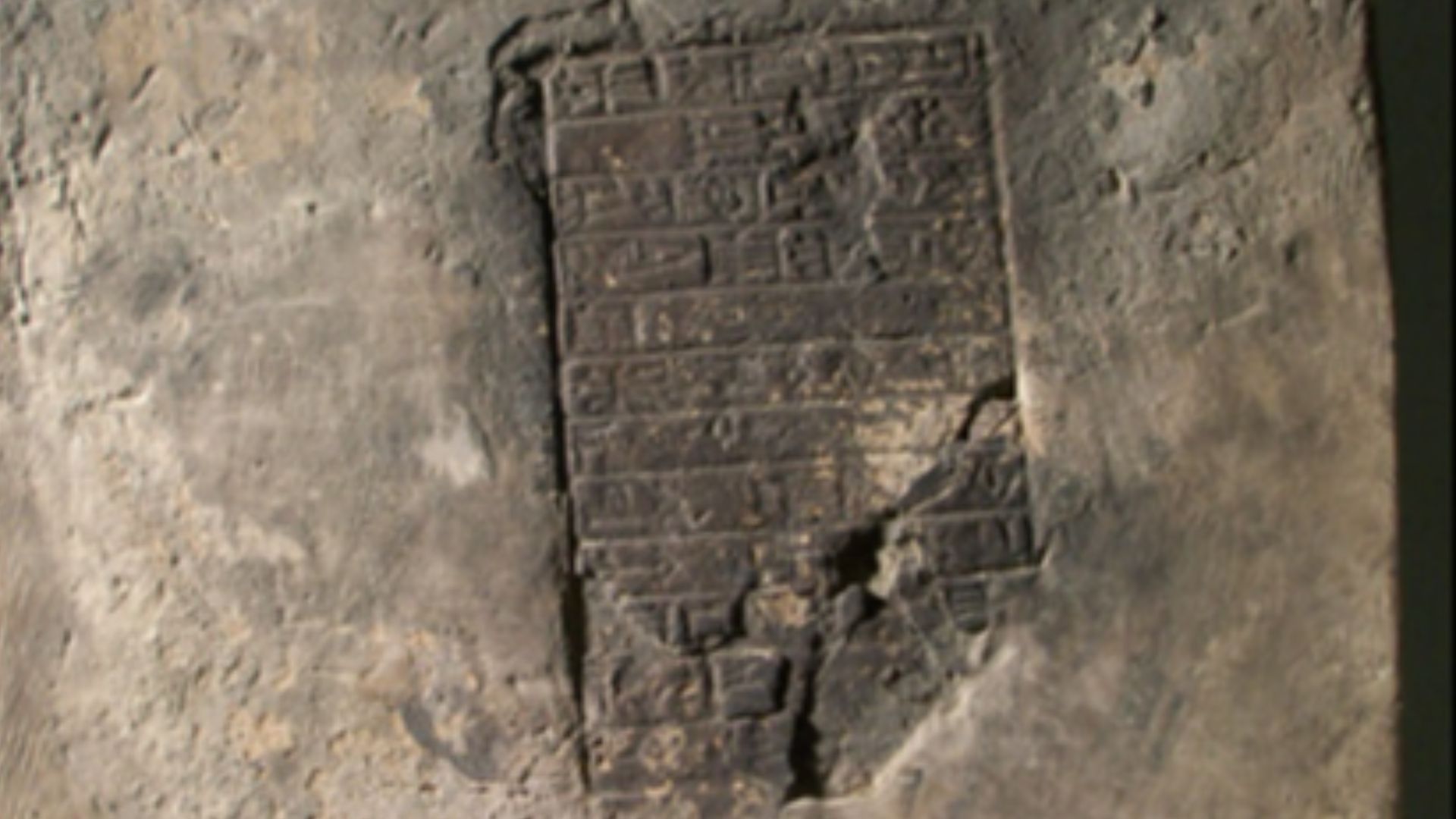
Isin endured some of the worst looting documented in the region after 2003. Reports described extensive illegal digging with machinery and large groups of looters, which tells you this wasn’t a few people with shovels sneaking in after hours.
19. Tell Jokha, Iraq
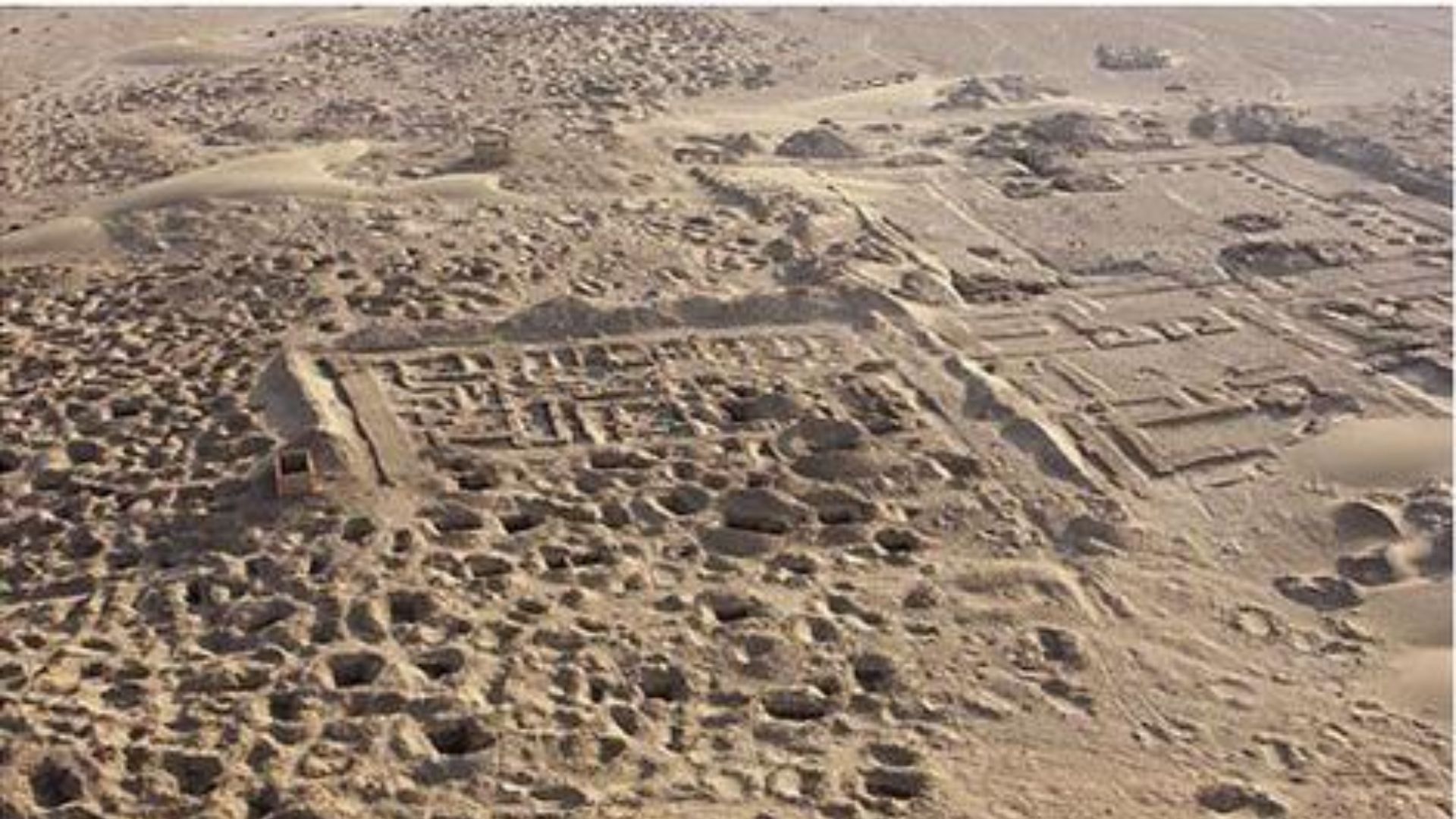
Tell Jokha, identified with ancient Umma, was under such constant pressure from looters that archaeologists repeatedly stressed the urgency of documenting and excavating before more was lost.
One field report described looting across about 65 hectares of the site.
 United States Agency for International Development on Wikimedia
20. Umm Al-Aqarib, Iraq
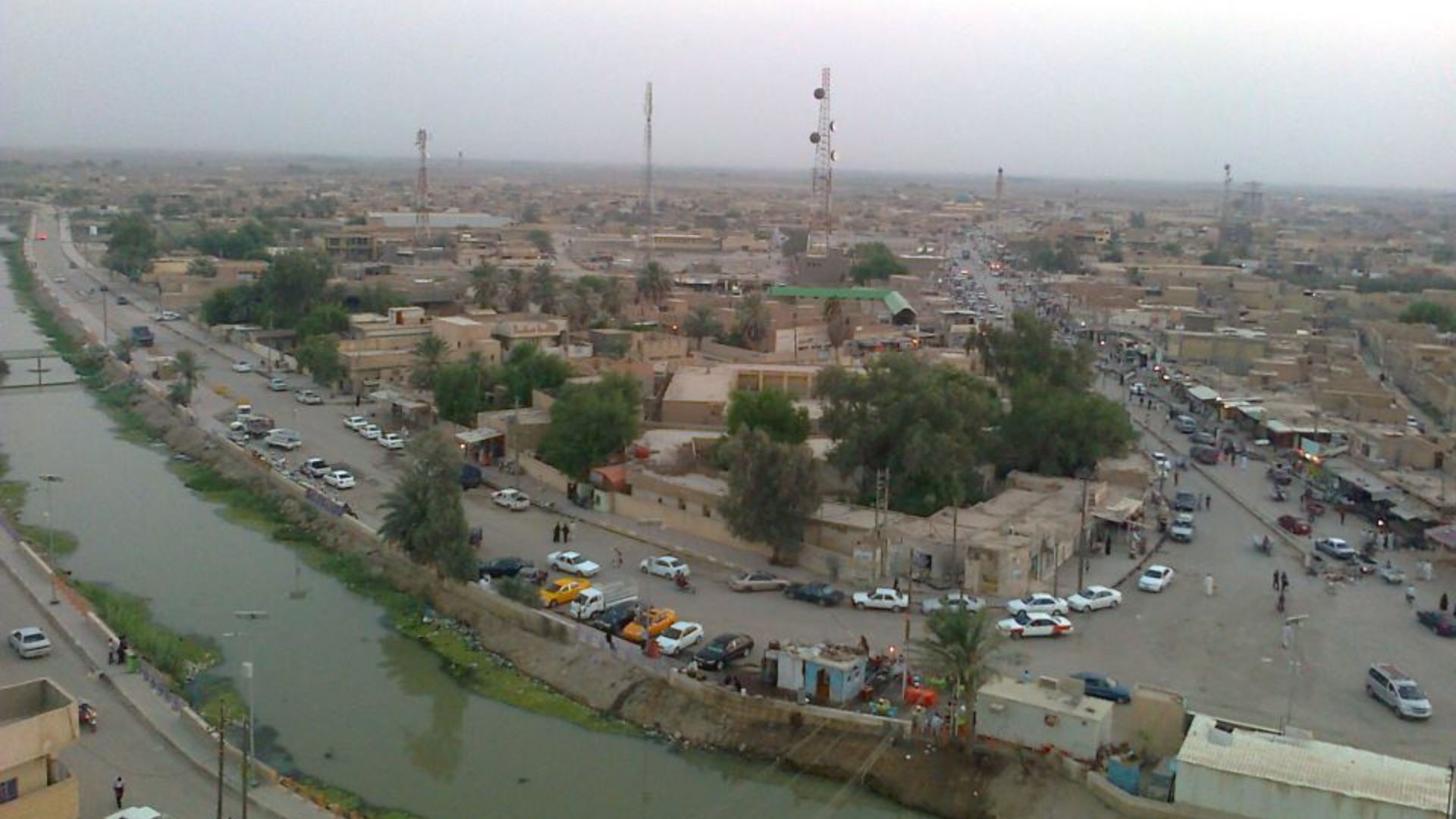
Excavations of Umm Al-Aqarib revealed major Early Dynastic remains, including monumental buildings, though the work had to happen alongside the reality that looters had already torn through other parts of the site. That kind of archaeology feels almost heartbreaking. You’re learning, yes, though you’re also arriving after the damage.
KEEP ON READING
The 20 Most Recognized Historical Figures Of All Time
The Biggest Names In History. Although the Earth has been…
By Cathy Liu Oct 4, 2024
10 of the Shortest Wars in History & 10 of…
Wars: Longest and Shortest. Throughout history, wars have varied dramatically…
By Emilie Richardson-Dupuis Oct 7, 2024
10 Fascinating Facts About Ancient Greece You Can Appreciate &…
Once Upon A Time Lived Some Ancient Weirdos.... Greece is…
By Megan Wickens Oct 7, 2024
20 Lesser-Known Facts About Christopher Columbus You Don't Learn In…
In 1492, He Sailed The Ocean Blue. Christopher Columbus is…
By Emilie Richardson-Dupuis Oct 9, 2024
20 Historical Landmarks That Have The Craziest Conspiracy Theories
Unsolved Mysteries Of Ancient Places . When there's not enough evidence…
By Megan Wickens Oct 9, 2024
The 20 Craziest Inventions & Discoveries Made During Ancient Times
Crazy Ancient Inventions . While we're busy making big advancements in…
By Cathy Liu Oct 9, 2024