

20 Animal Species From History That Disappeared Because of Humans
The Creatures We Didn’t Leave Enough Room For
Extinction can sound ancient, but many vanished animals were seen, hunted, painted, traded, or even photographed by people not that long ago. Some were wiped out for meat, feathers, oil, sport, or land, while others disappeared after humans brought invasive predators into places where native animals had no defenses. These stories are sad, strange, and sometimes frustrating, because a lot of these species didn’t vanish mysteriously; they disappeared after humans made survival nearly impossible. Here are 20 animals whose extinctions can be traced to humans.
 Internet Archive Book Images on Wikimedia
1. Dodo
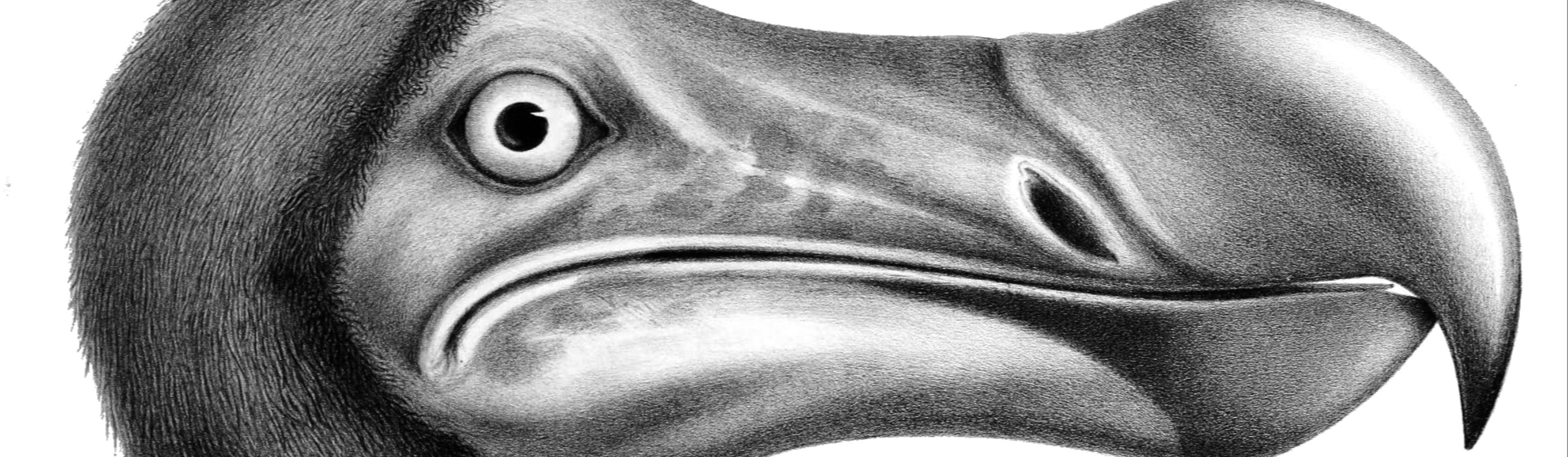
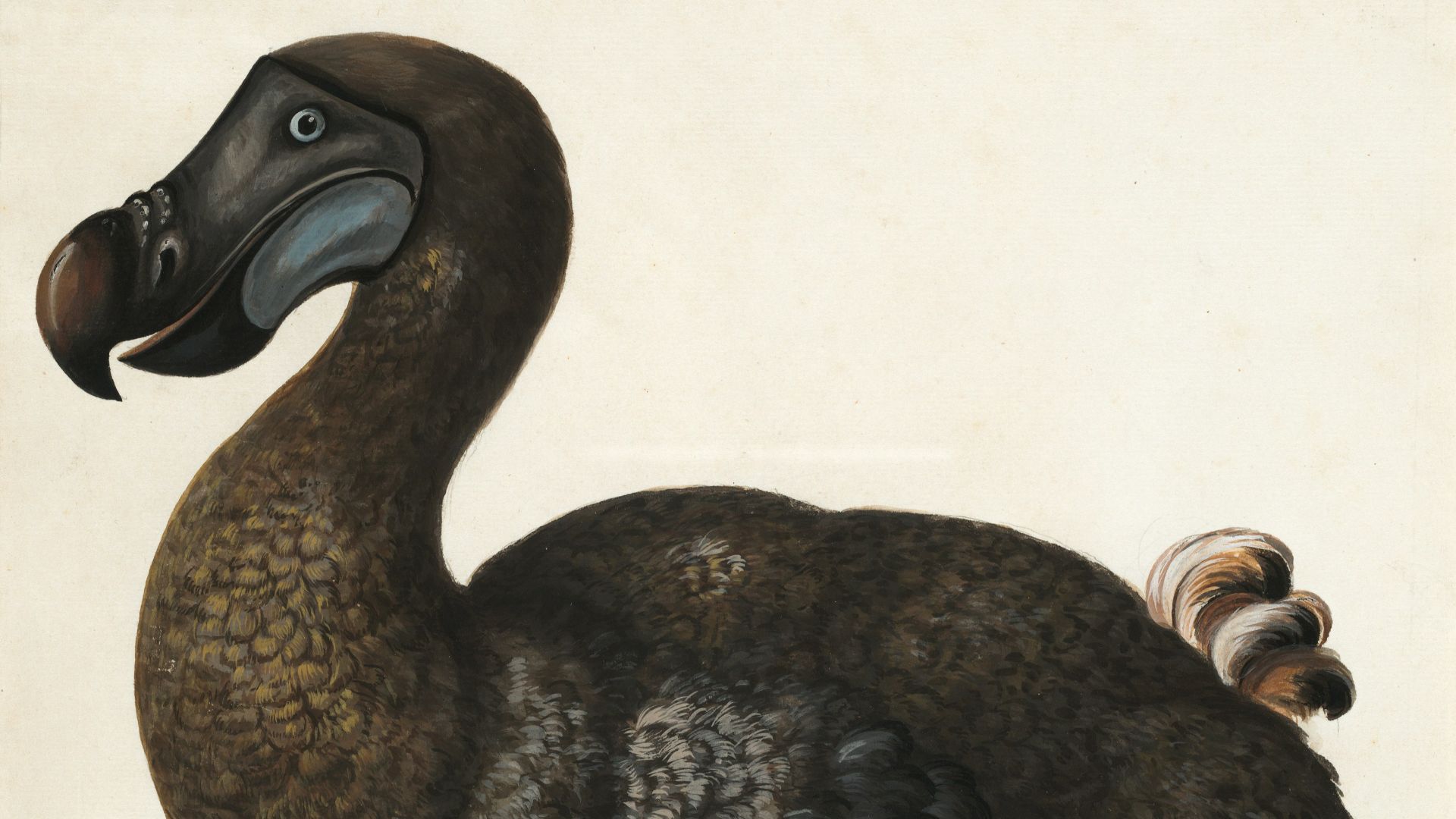
The dodo lived on Mauritius for thousands of years, blissfully unaware of any threat to their existence before sailors arrived. Once people reached the island, hunting, habitat destruction, and introduced animals like pigs, cats, and rats put enormous, immediate pressure on the bird. Its ground nests were especially vulnerable, which made recovery almost impossible.
2. Passenger Pigeon
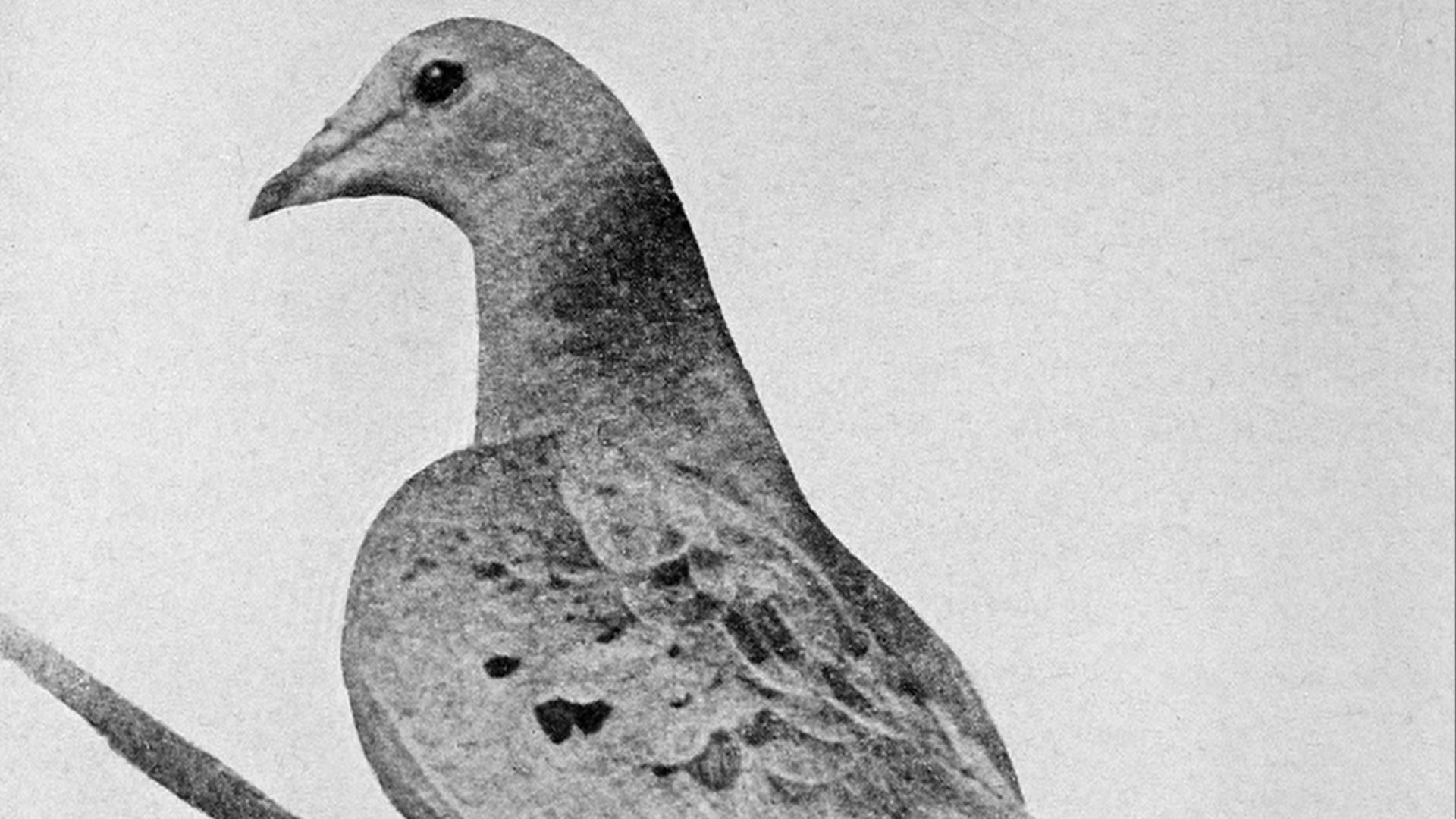
Passenger pigeons once filled North American skies in staggering numbers, with flocks so huge they could darken the air. That abundance made people think the species could never run out, which turned out to be a very expensive mistake. Commercial hunting and habitat destruction drove the bird down from billions to zero, and the last known passenger pigeon died in 1914.
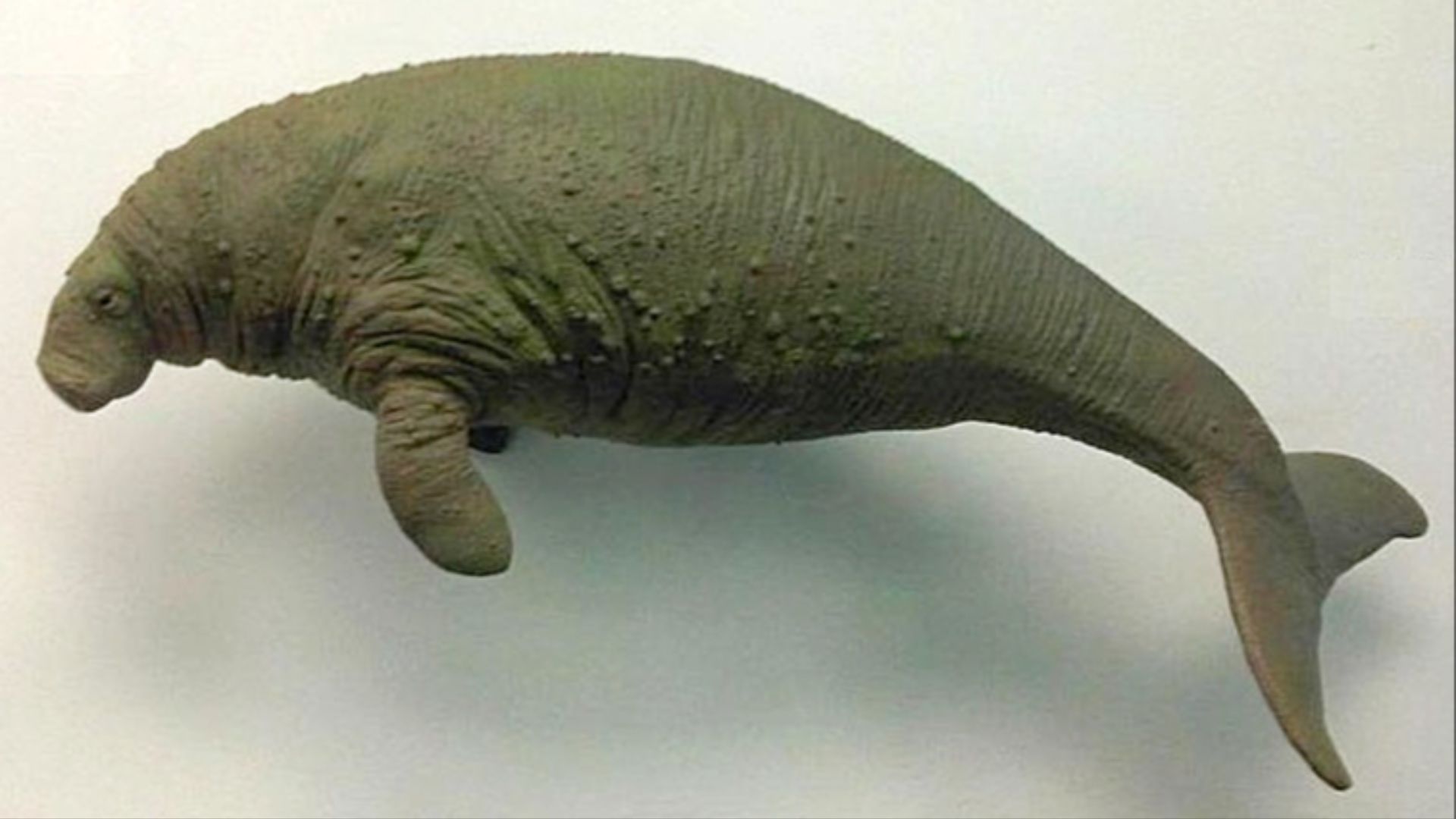
3. Steller’s Sea Cow
Steller’s sea cow was a huge, slow-moving marine mammal that lived in the cold waters near the Commander Islands. Europeans first described it in the 1740s, and within only a few decades, hunters had wiped it out for meat, fat, and hide.
Its gentle nature and limited range made it tragically easy to exploit.
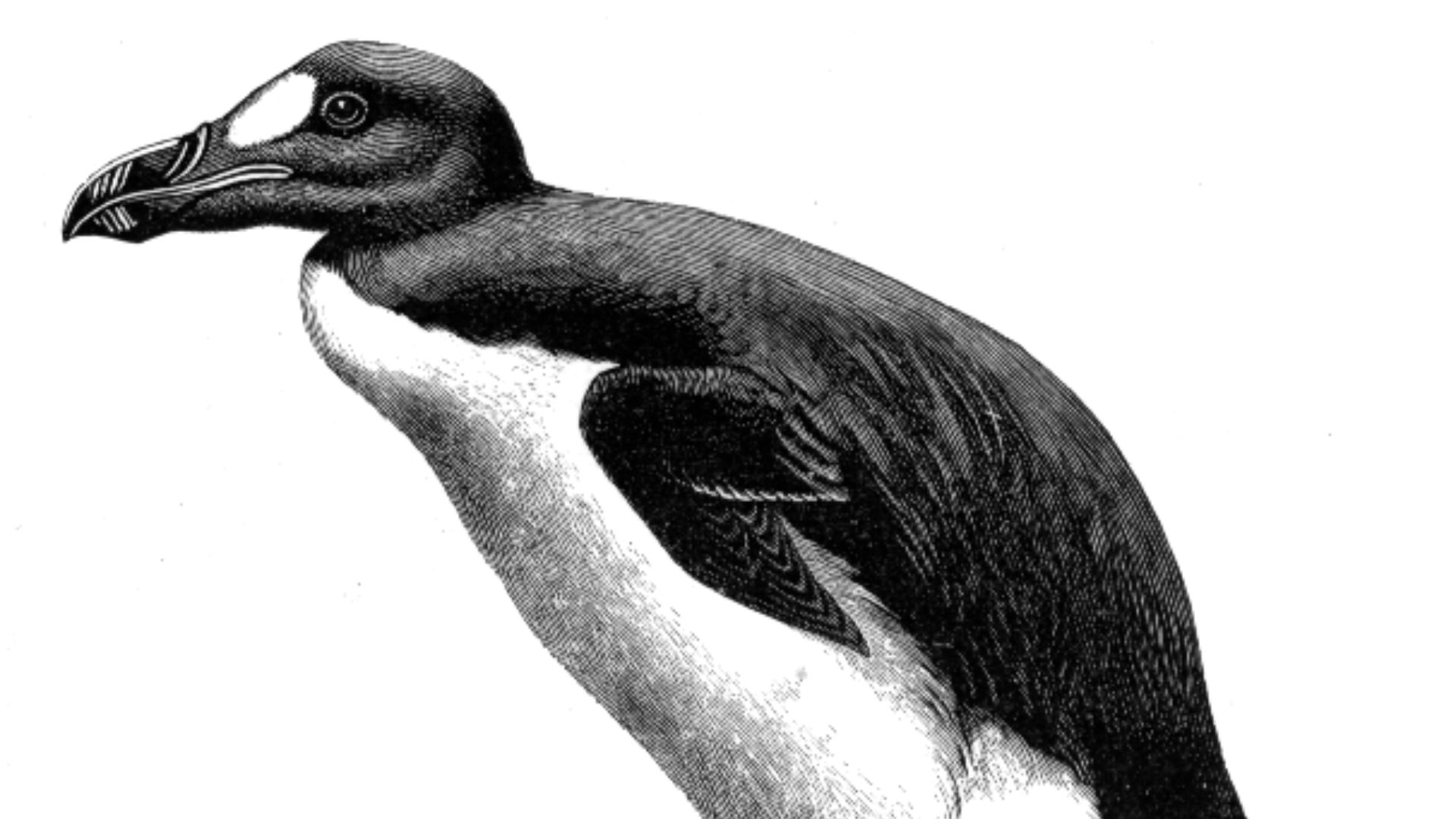
4. Great Auk
The great auk was a flightless seabird of the North Atlantic, and that lack of flight made it terribly vulnerable. Sailors and hunters killed it for food, oil, feathers, and museum specimens. As the bird became rarer, collectors wanted it even more. The last known pair was killed in Iceland in the 1840s.
 George Edward Lodge on Wikimedia
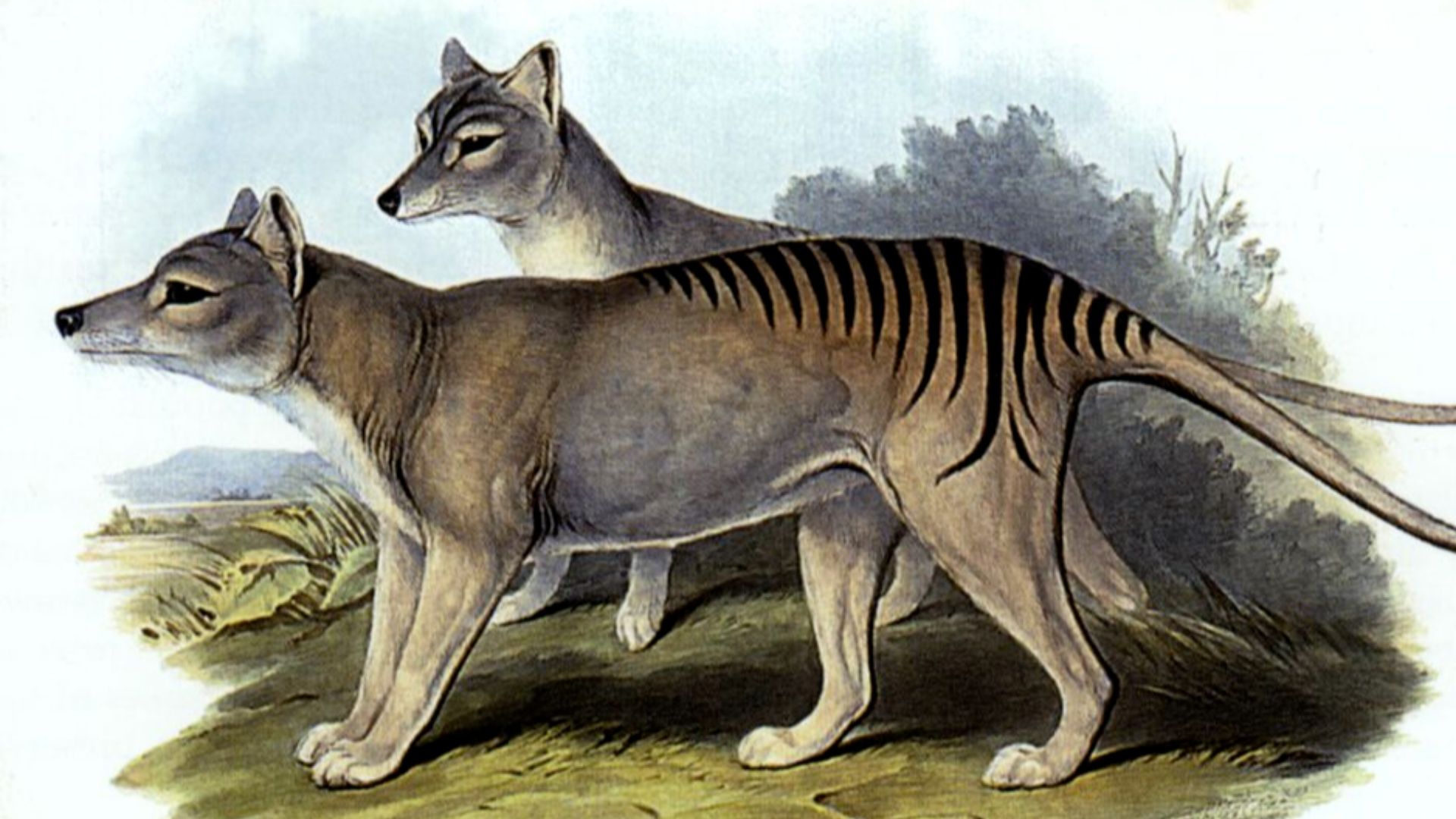
5. Thylacine
The thylacine, often called the Tasmanian tiger, looked like a striped dog but was actually a marsupial predator. European settlers blamed it for killing livestock, and bounty programs encouraged people to shoot it. Habitat loss and disease may have added pressure, but human persecution was central to its decline. The last known thylacine died in captivity in 1936.
 Henry Constantine Richter / After John Gould on Wikimedia
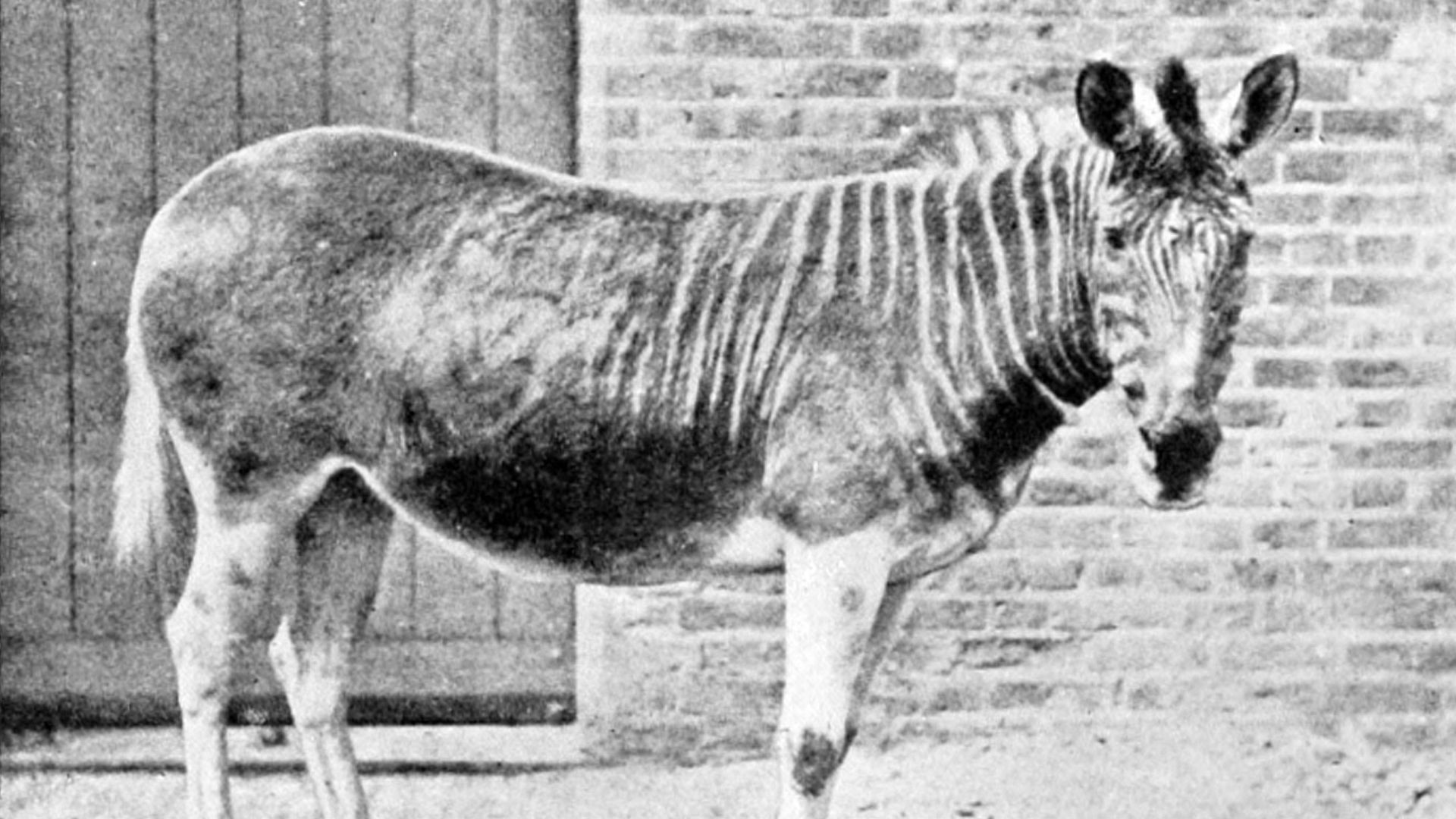
6. Quagga
The quagga was a zebra relative from southern Africa, with stripes mostly on the front half of its body. European settlers hunted it heavily for meat, hides, and to reduce competition with livestock. By the time people realized it was disappearing, the wild population was already gone. The last known quagga died in an Amsterdam zoo in 1883.
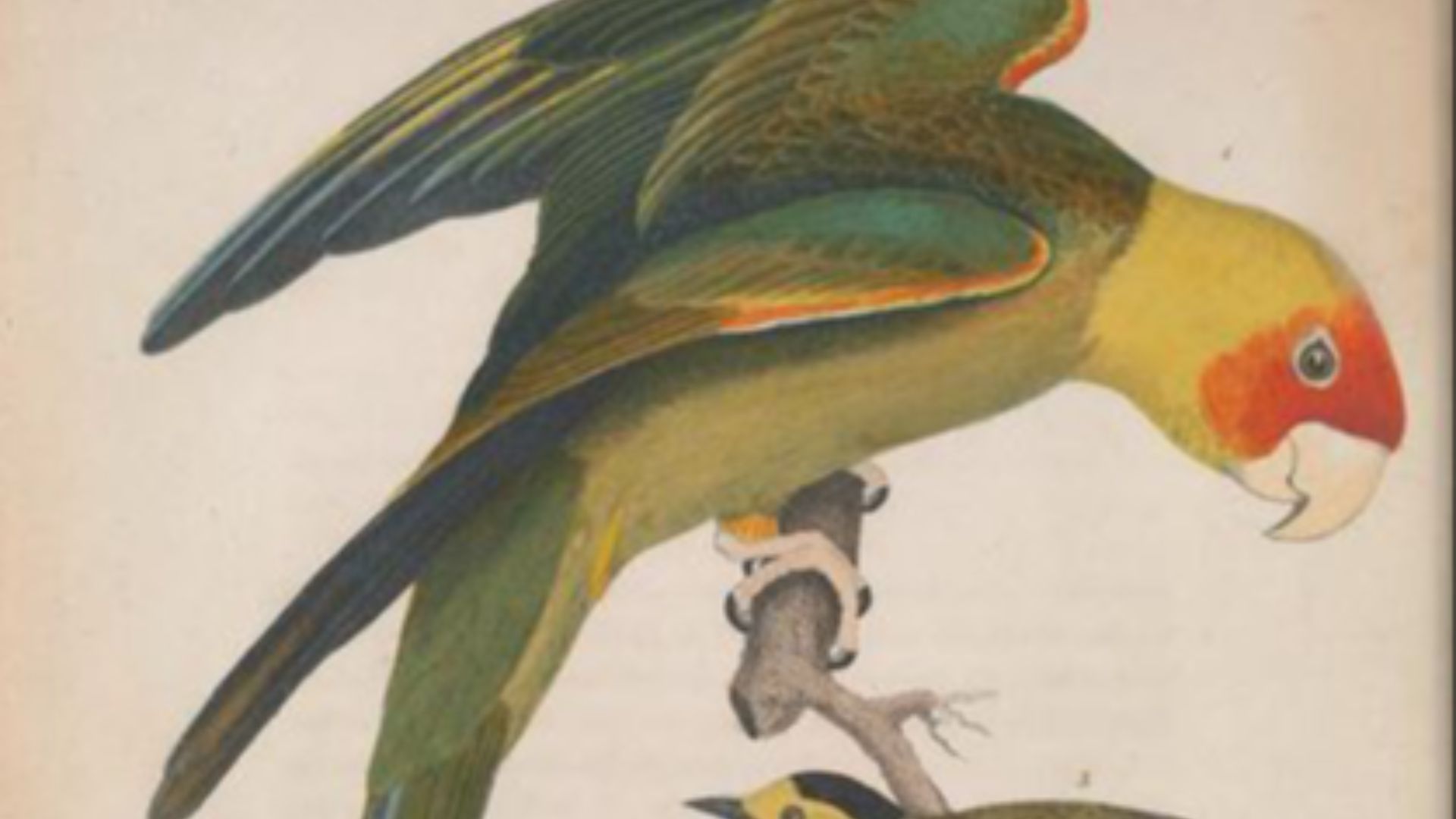
7. Carolina Parakeet
The Carolina parakeet was once the only parrot native to the eastern U.S. While farmers saw it as a crop pest, hunters prized its colorful feathers.
Its social behavior may have made things worse, since birds often returned to fallen flock members and became easy targets. The last known individual died in captivity in 1918.
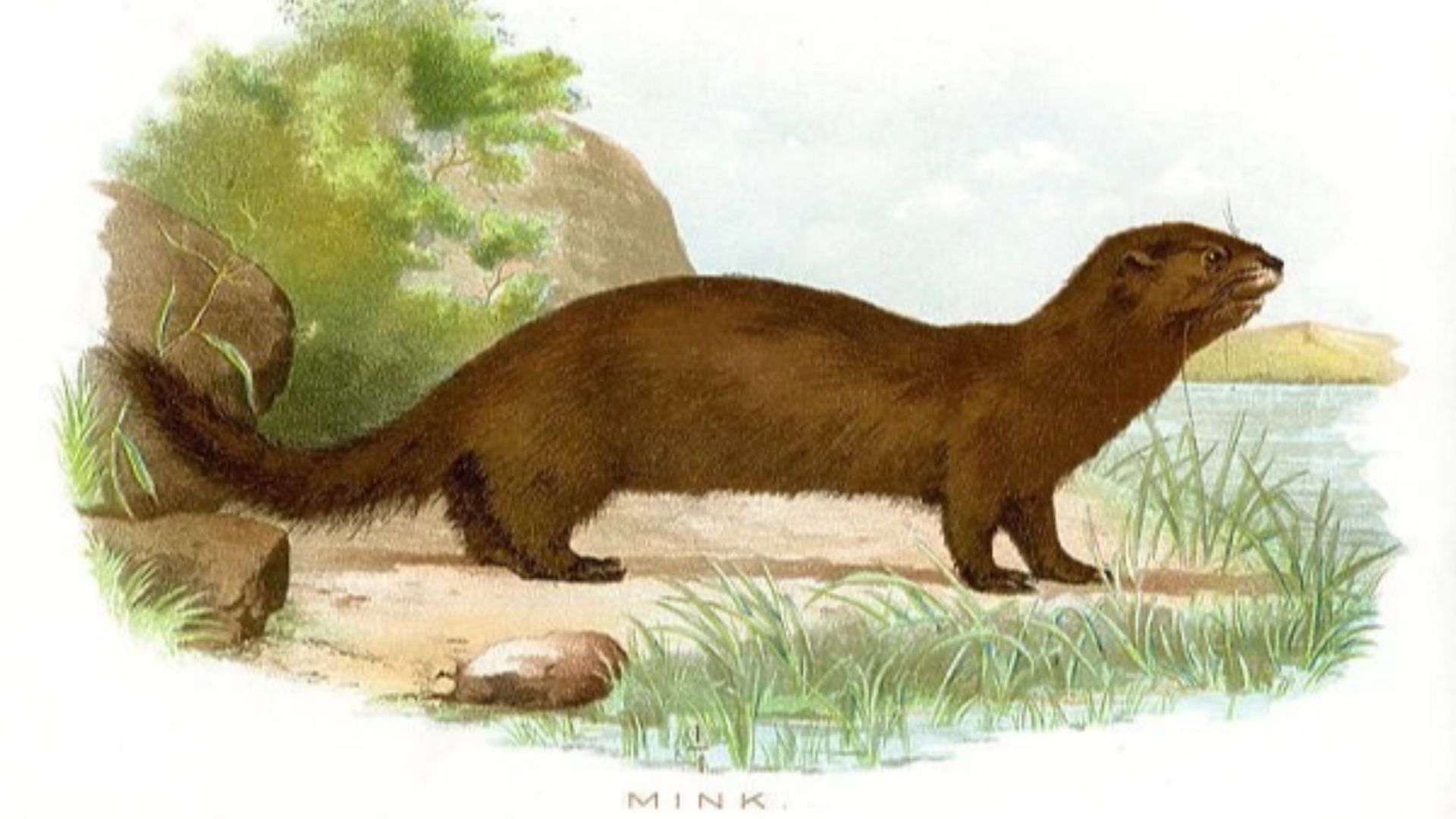
8. Sea Mink
The sea mink lived along the rocky coasts of northeastern North America. Fur traders hunted it relentlessly because its pelt was valuable, and the species vanished before scientists could study it properly. That makes its history especially frustrating because humans destroyed it while barely documenting it. By the late 1800s, it was already gone.
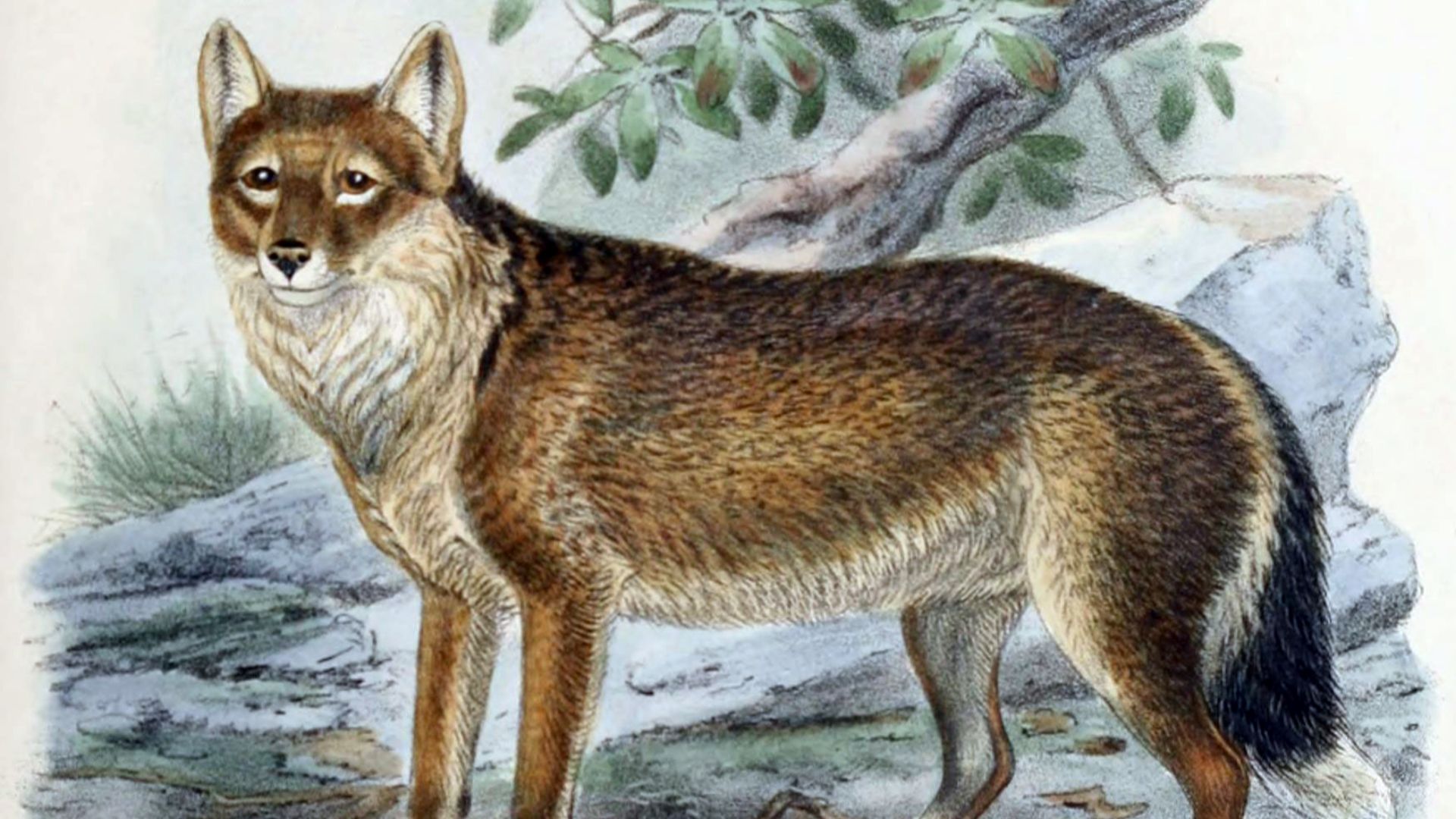
9. Falkland Islands Wolf
The Falkland Islands wolf was the only native land mammal of the Falkland Islands. It had no natural fear of humans, which made it easy for settlers to kill. People viewed it as a threat to sheep and also hunted it for fur. By 1876, this curious island predator had been wiped out.
 John Gerrard Keulemans on Wikimedia
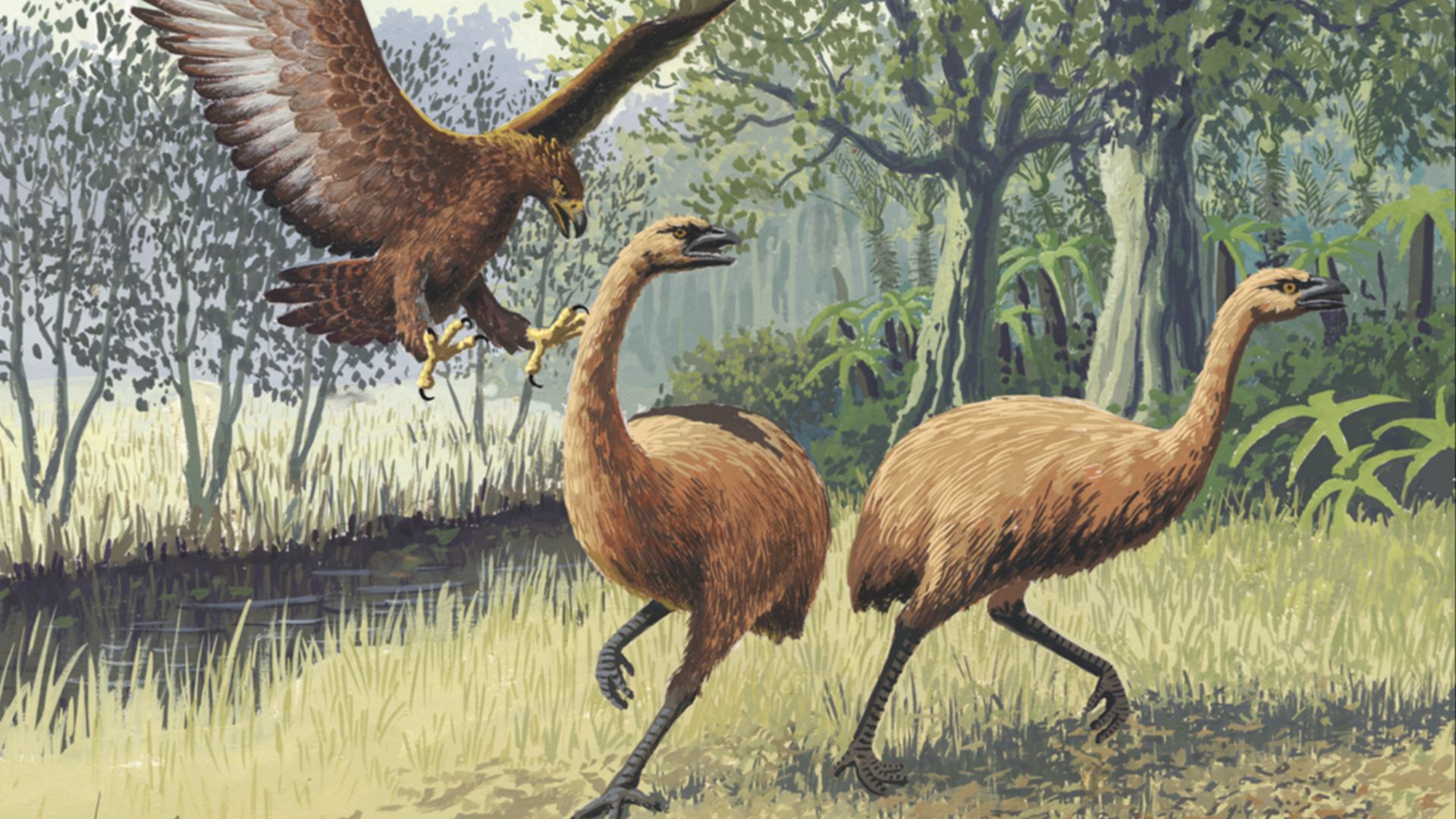
10. Moa
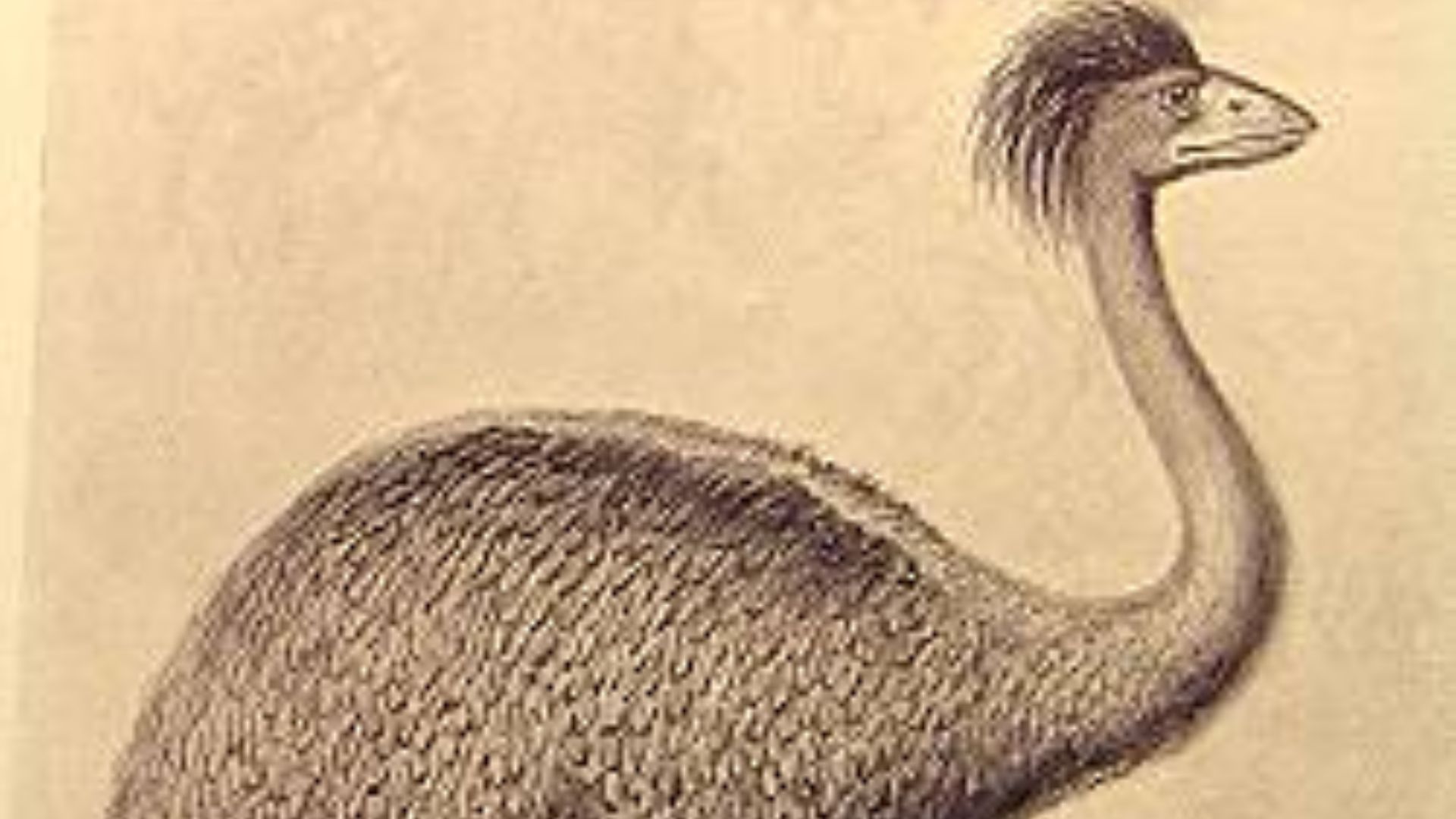
Moa were giant flightless birds that lived in New Zealand, with some species towering over humans. After Polynesian settlers arrived, hunting and habitat burning drove them into rapid decline. These birds had evolved without land mammals hunting them, so they weren’t prepared for human pressure, and within a few centuries, the moa were gone.
11. Elephant Bird
Elephant birds were massive birds that dominated the Madagascar ecosystem for millions of years before people came around.
They laid enormous eggs, which humans collected, and they likely faced hunting and habitat loss as people reshaped the island. Their disappearance wasn’t instant, but human activity clearly helped wipe them out.
12. Huia
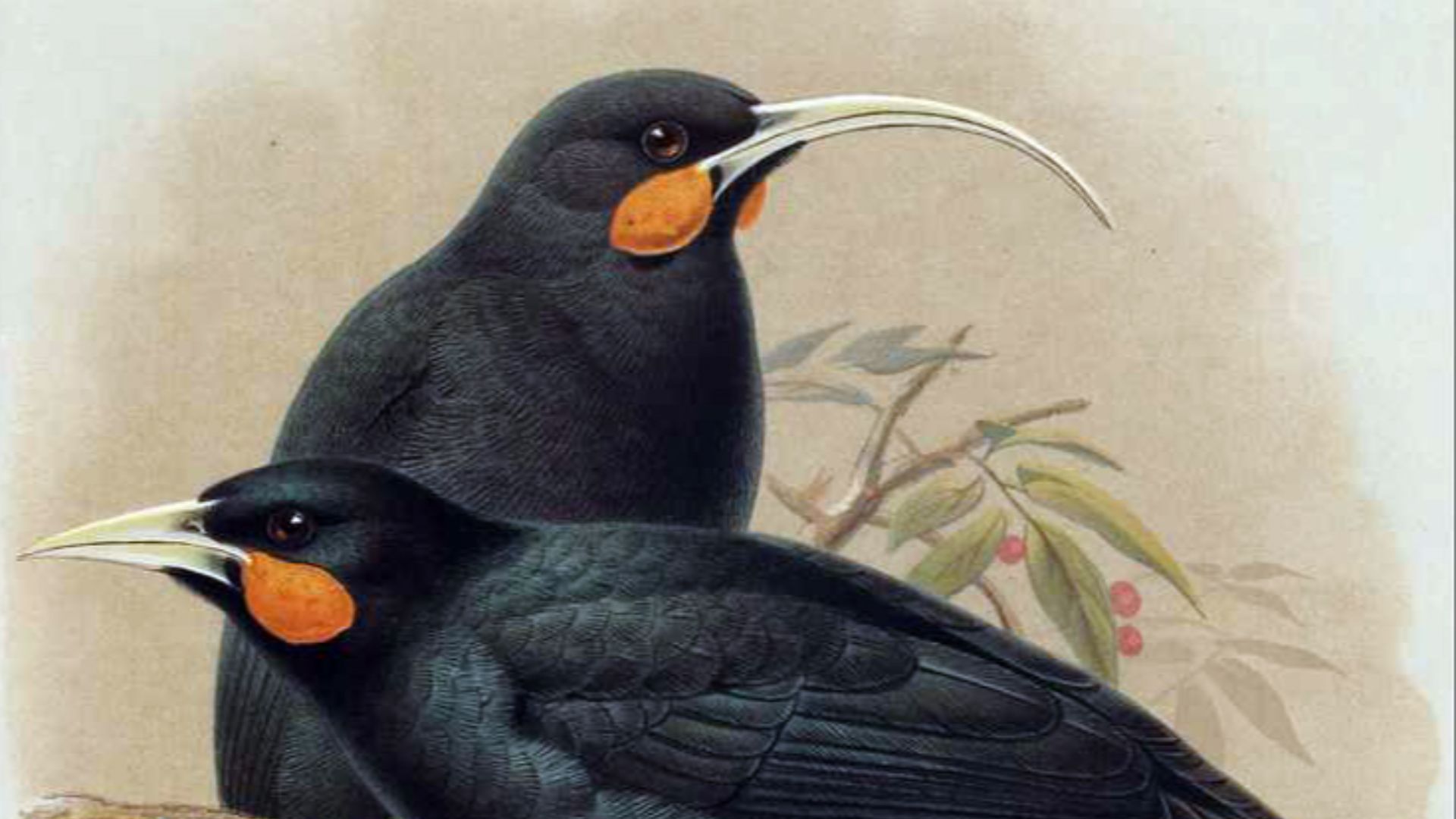
The huia was a striking New Zealand bird known for its beautiful tail feathers and unusual bill differences between males and females. Its feathers became status symbols, and collecting pressure grew after European demand increased. In the end, the bird’s elegance was its own downfall.
13. Laughing Owl
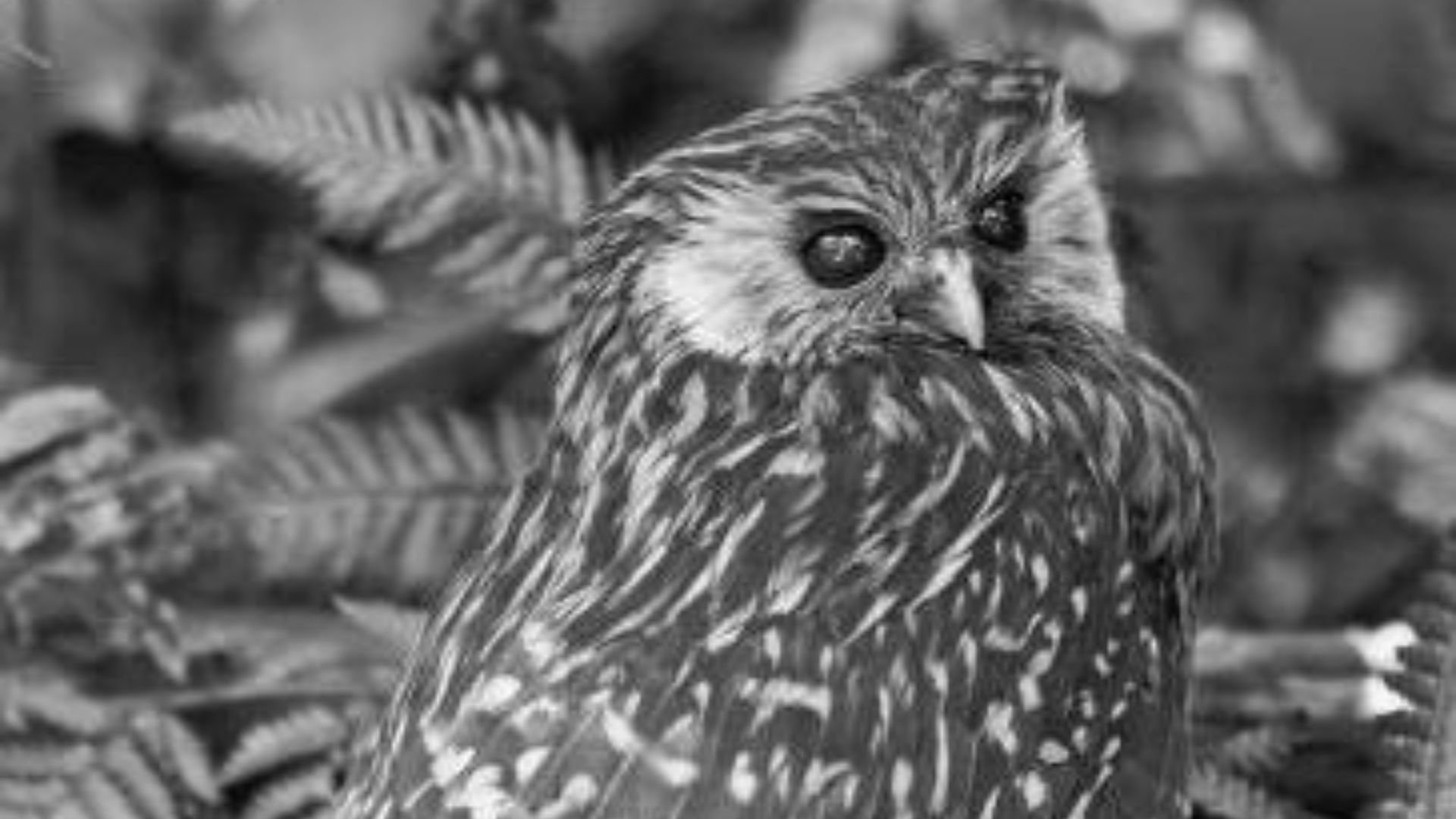
The laughing owl of New Zealand got its name from its eerie call, which people described as sounding unsettlingly human. Its decline came after habitat changes and the arrival of introduced predators such as cats, rats, and stoats. It also suffered as its natural prey became less available. By the early 20th century, the strange nighttime laughter had gone quiet.
 Henry Charles Clarke Wright on Wikimedia
14. Toolache Wallaby
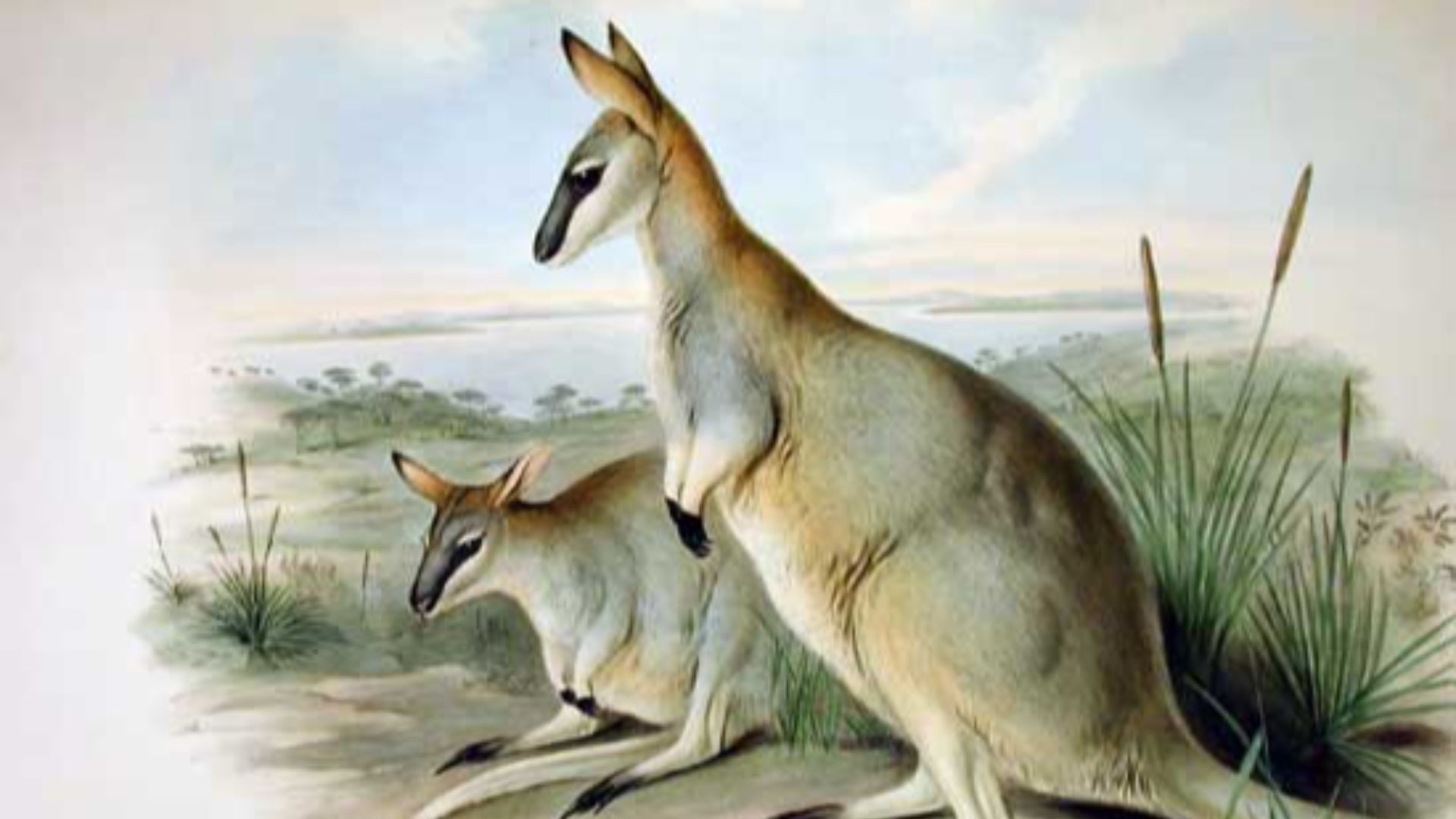
The toolache wallaby was once considered one of Australia’s most graceful kangaroo relatives. Settlers hunted it for sport and fur, while farming destroyed much of its habitat. Foxes and other introduced pressures made survival even harder. It disappeared in the 20th century.
15. Bluebuck
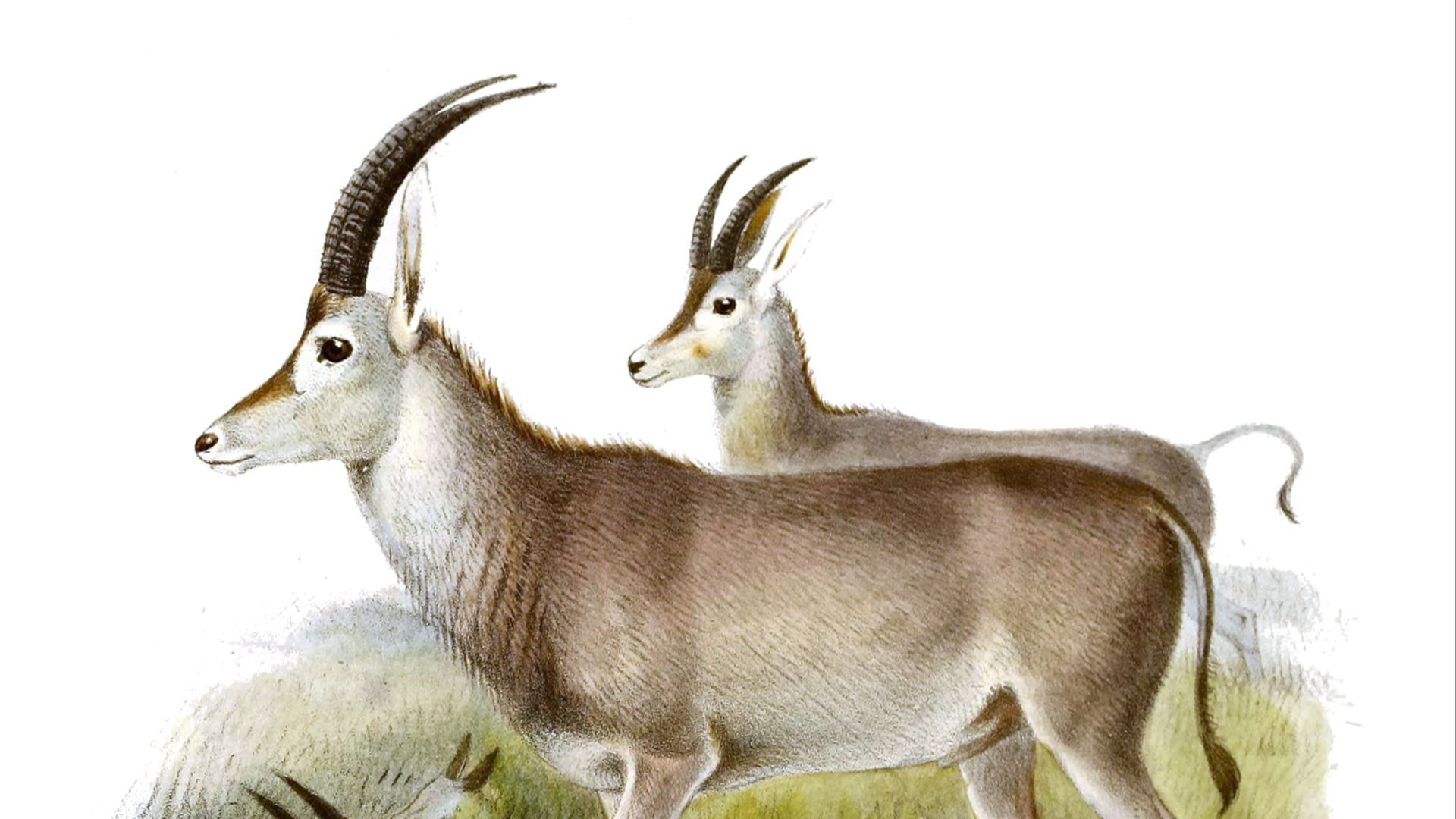
The bluebuck was an antelope from South Africa, named for the bluish-gray tint people saw in its coat. European settlers hunted it heavily, and livestock expansion damaged the grasslands it needed.
It was already rare when colonists began recording it, which made the species especially vulnerable, and by around 1800, the bluebuck had vanished.
 Joseph Smit / Joseph Wolf on Wikimedia
16. Aurochs
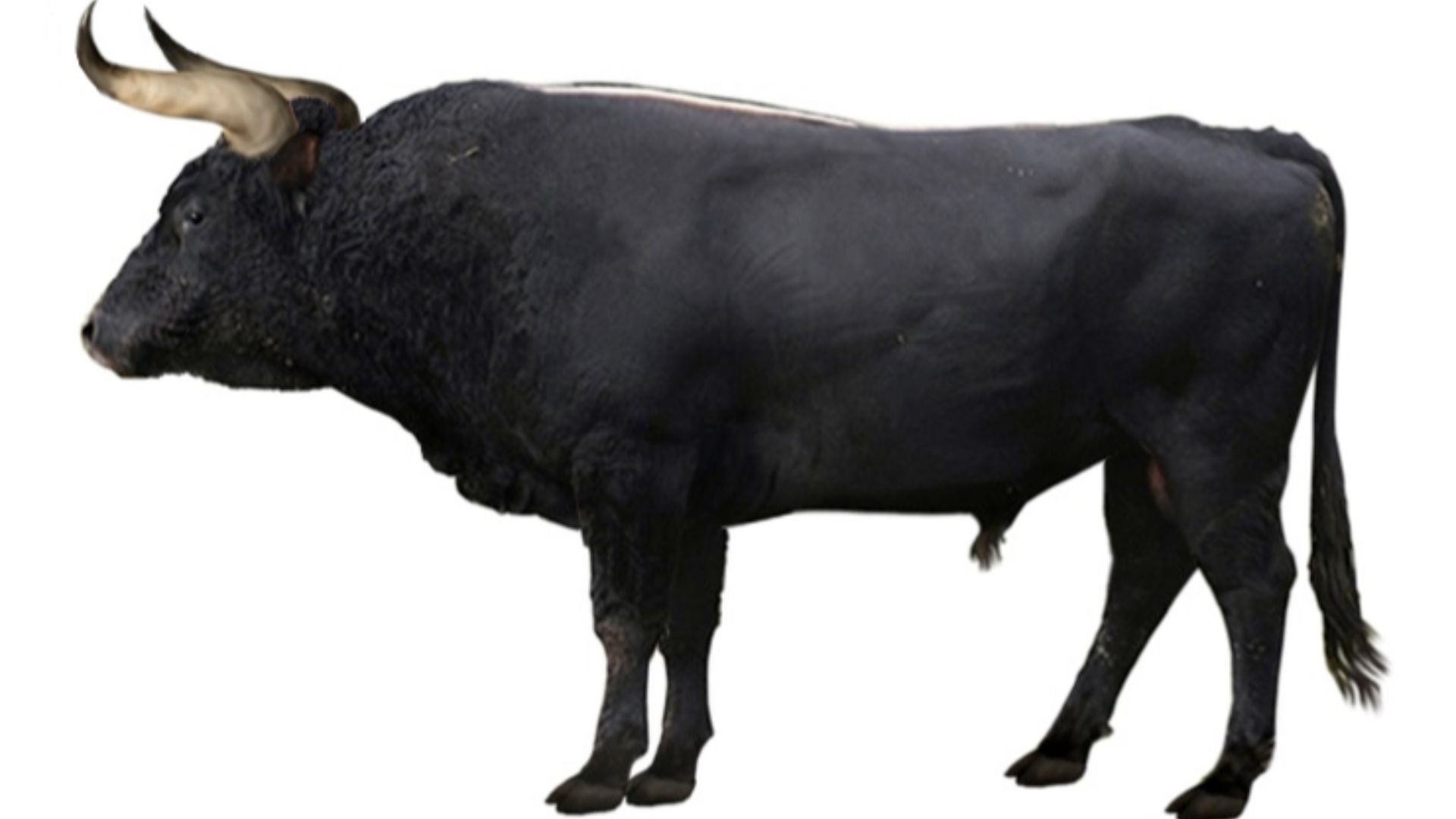
The aurochs was the wild ancestor of domestic cattle, and it once roamed across Europe, Asia, and North Africa. Hunting, shrinking habitat, and competition with domestic livestock reduced its numbers over centuries. By the end, the last known aurochs survived in a protected forest in Poland. The final individual died in 1627, closing the book on a giant animal humans had known since prehistoric times.
 Jaap Rouwenhorst (photograph) DFoidl (GIMP modifications) on Wikimedia
17. Schomburgk’s Deer
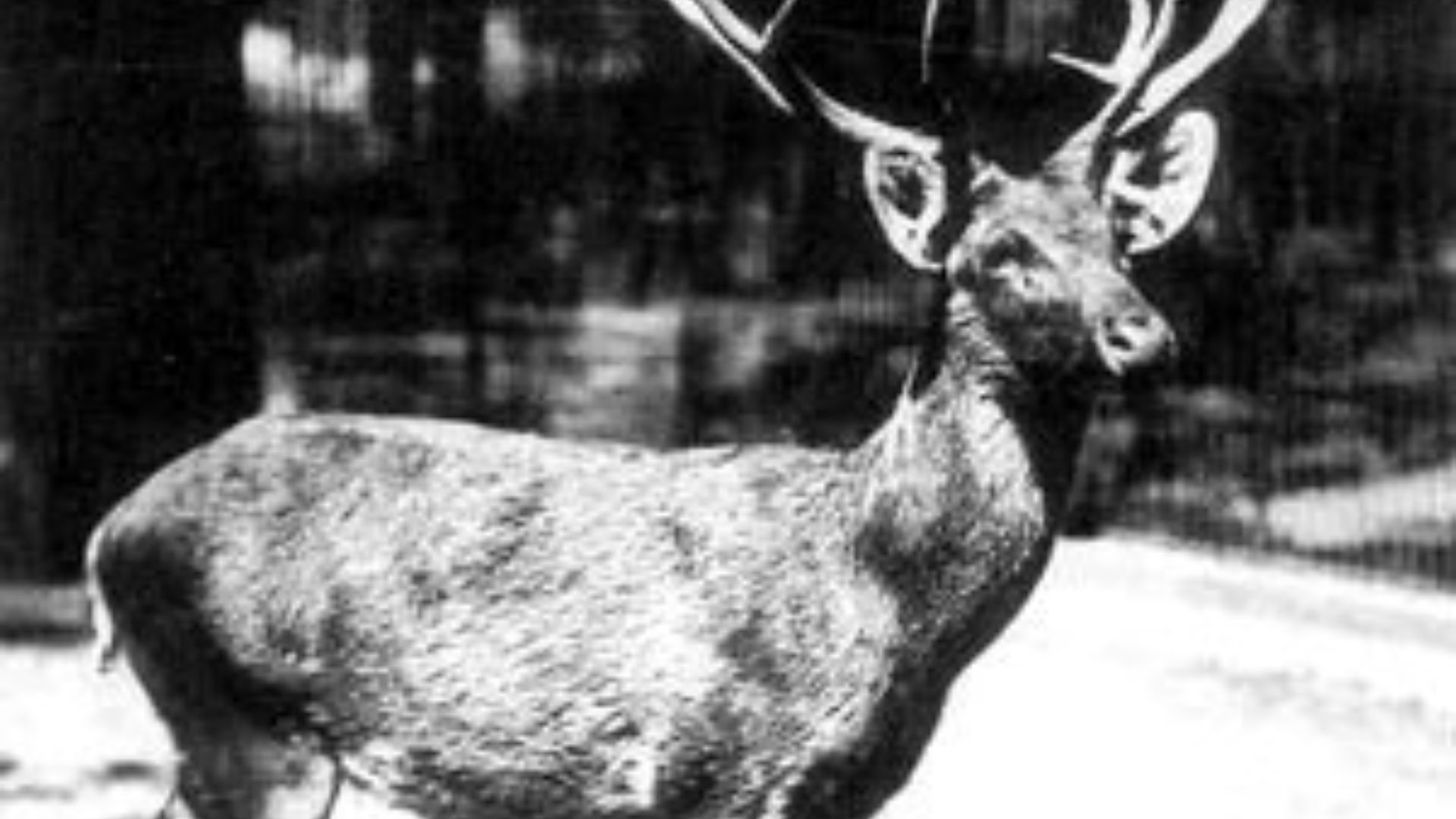
Schomburgk’s deer lived in the swampy plains of Thailand. As rice farming expanded, its habitat was drained and converted, leaving the deer with fewer safe places to live. Hunting finished off what habitat loss had already weakened, and the species disappeared in the 20th century.
18. Caribbean Monk Seal
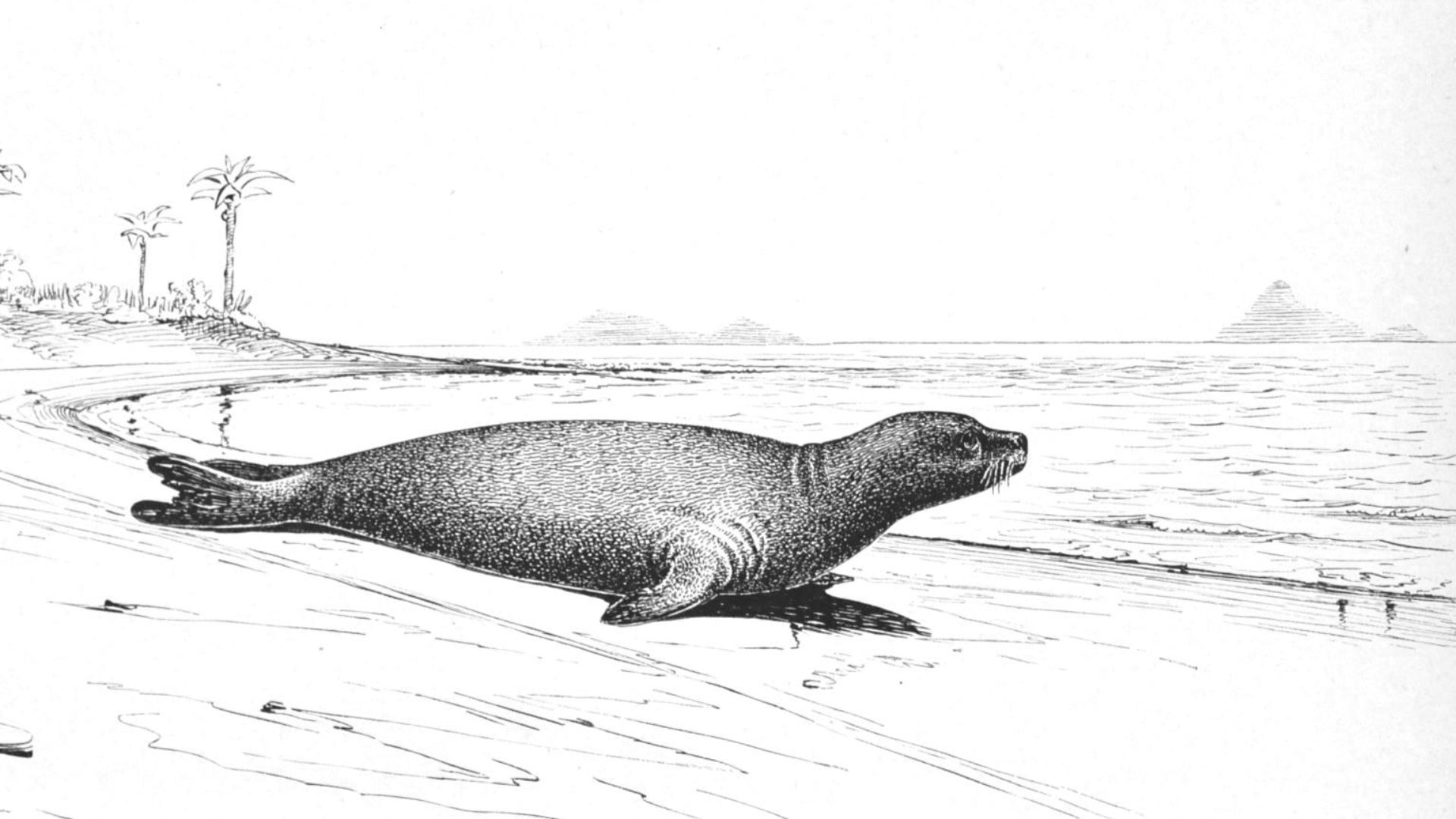
The Caribbean monk seal was once found across the Caribbean Sea and the Gulf of Mexico. Humans hunted it for oil, meat, and skins, and later, fishing pressures reduced its food supply. Because it was trusting and easy to approach, hunters had little trouble killing large numbers. It was officially declared extinct in the 21st century, though it had likely been gone for decades already.
 Eugene van der Pijll on Wikimedia
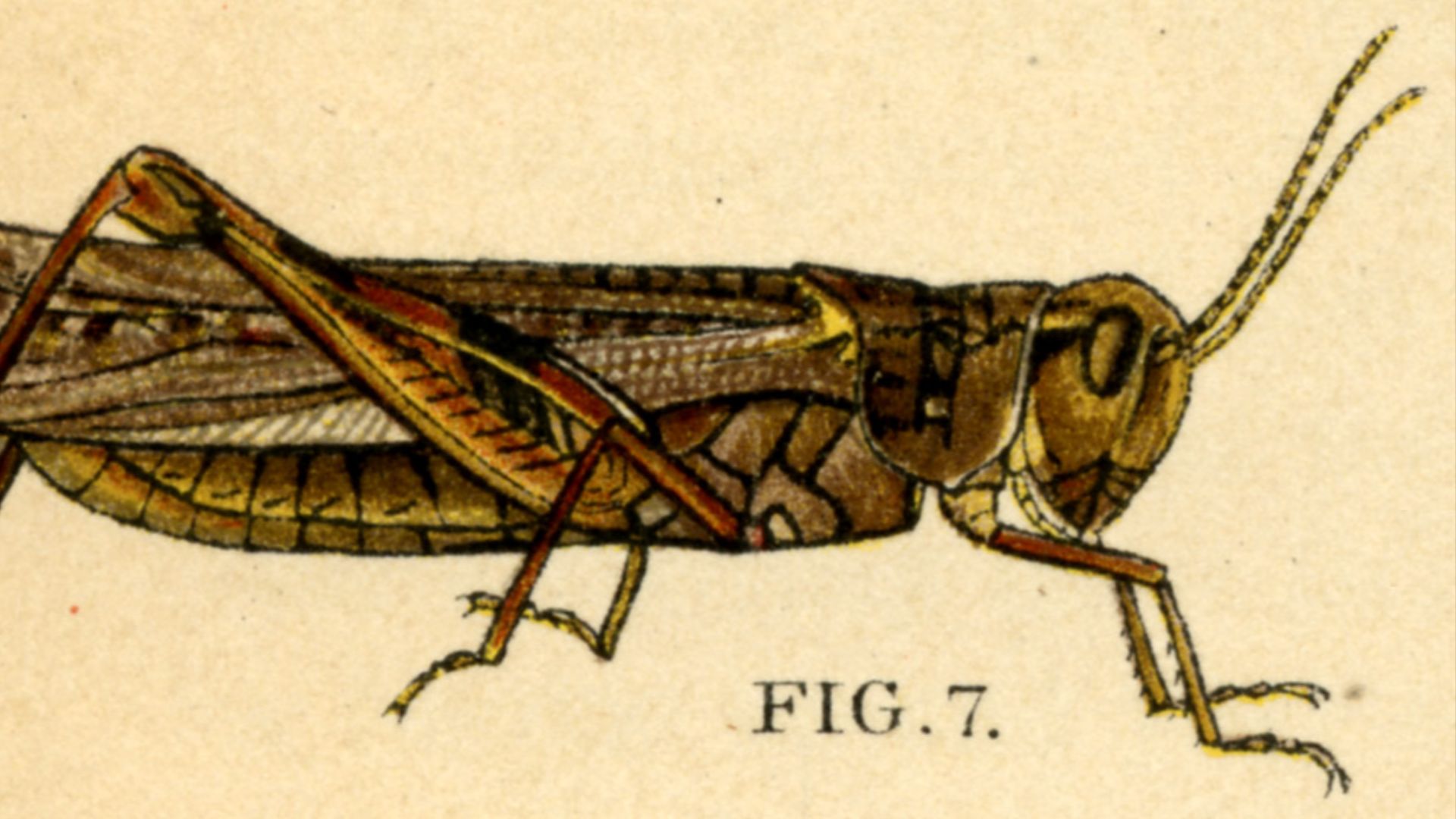
19. Rocky Mountain Locust
The Rocky Mountain locust once formed swarms so massive they were hard for people to comprehend.
Unlike many extinct animals, it wasn’t hunted to death; instead, farming and settlement destroyed its breeding grounds in river valleys. By the early 1900s, an insect once famous for overwhelming the sky had disappeared completely.
 Julius Bien (1826-1909) biography on Wikimedia
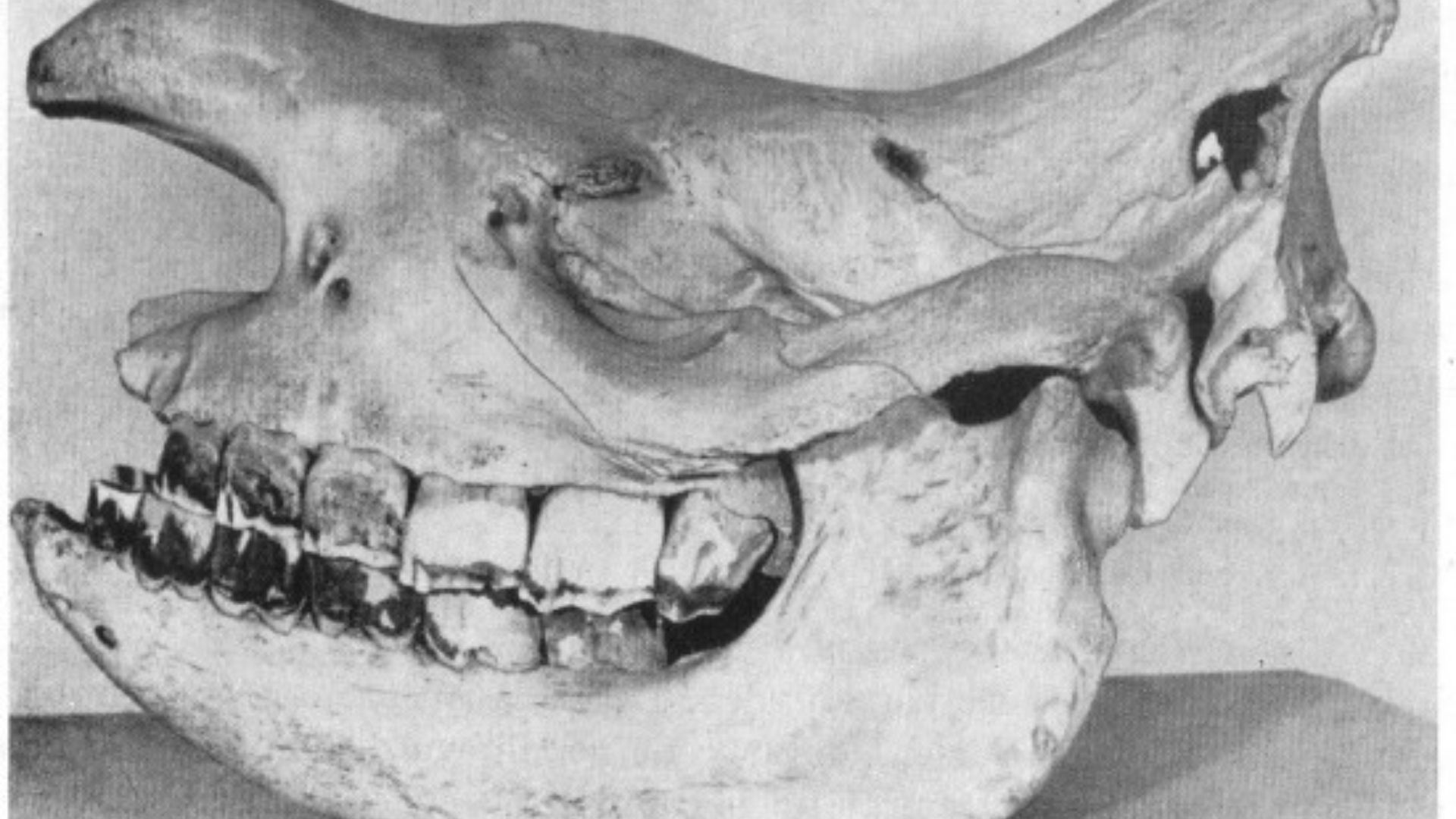
20. Western Black Rhino
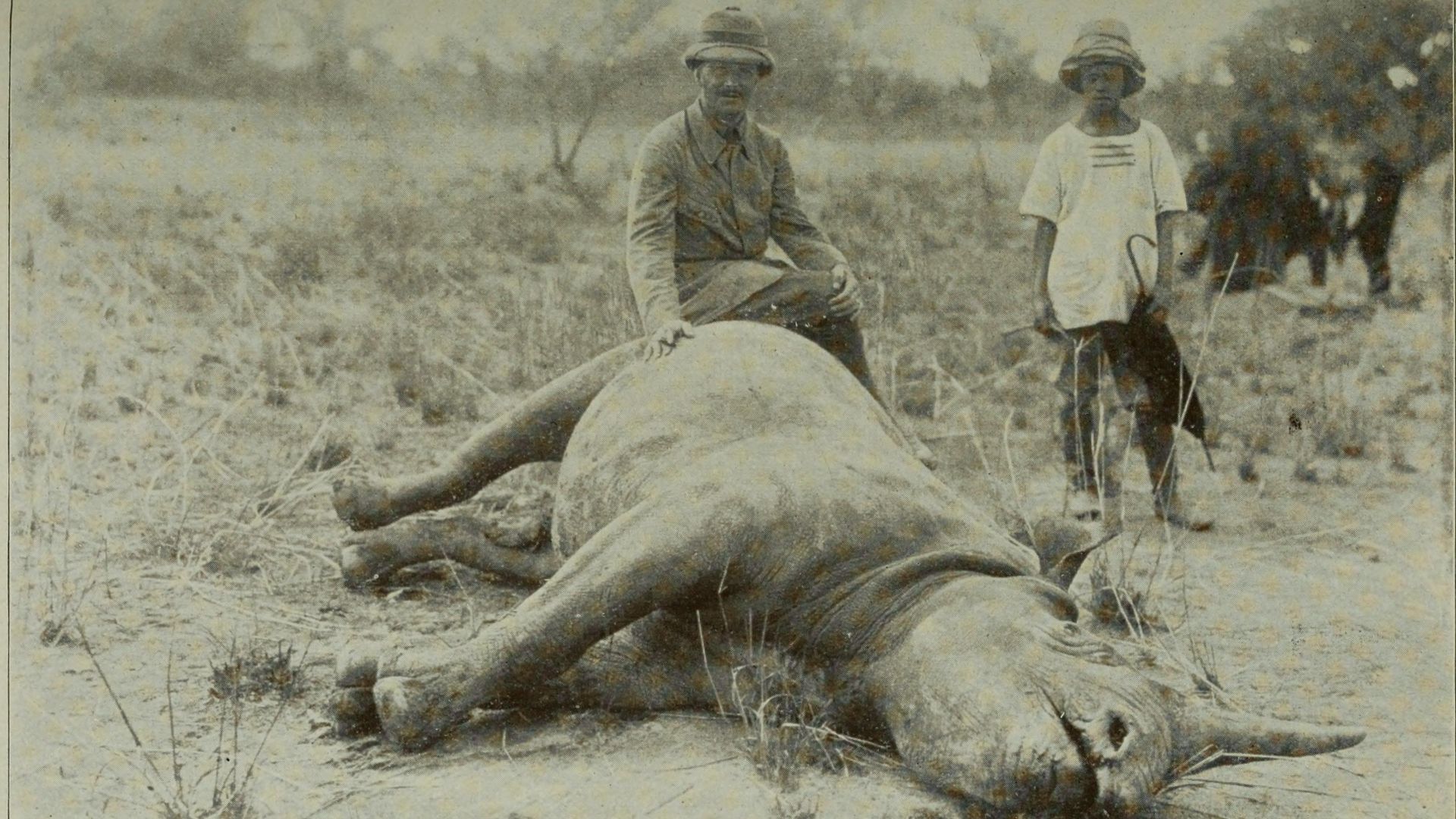
The western black rhino was driven to extinction by relentless poaching and pressure on its habitat. Its horn was highly valued, which made the animal a target even as numbers collapsed. Conservation efforts came too late to save this subspecies, and it was declared extinct in 2011.
KEEP ON READING
The story of Ching Shih, the Woman Who Became the…
Unknown author on WikimediaFew figures in history are as feared…
By Emilie Richardson-Dupuis Dec 29, 2025
Einstein's Violin Just Sold At An Auction—And It Earned More…
A Visionary's Violin. Wanda von Debschitz-Kunowski on WikimediaWhen you hear…
By Ashley Bast Nov 3, 2025
This Infamous Ancient Greek Burned Down An Ancient Wonder Just…
History remembers kings and conquerors, but sometimes, it also remembers…
By David Davidovic Nov 12, 2025
The Mysterious "Sea People" Who Collapsed Civilization
3,200 years ago, Bronze Age civilization in the Mediterranean suddenly…
By Robbie Woods Mar 18, 2025
20 Greatest Ancient Athletes In History
Ancient Olympics. Long before modern stadiums and multimillion-dollar endorsements, athletes…
By Sara Springsteen May 1, 2026
20 Soldiers Who Defied Expectations
Changing the Rules of the Battlefield. You’ve probably heard plenty…
By Annie Byrd Feb 10, 2026