

20 Bizarre Funeral Customs From History That People Actually Practiced
Death Has Always Brought Out Humanity’s Most Elaborate Ideas
Every culture has had to answer the same impossible question: what do we do when someone dies? Some societies buried the dead with treasures, some raised them high above the ground, and others kept them close for far longer than modern readers might expect. A few of these customs may sound strange at first, but most were rooted in love, fear, faith, status, or the hope that death wasn’t really the end. Here are 20 funeral customs people from history actually practiced.
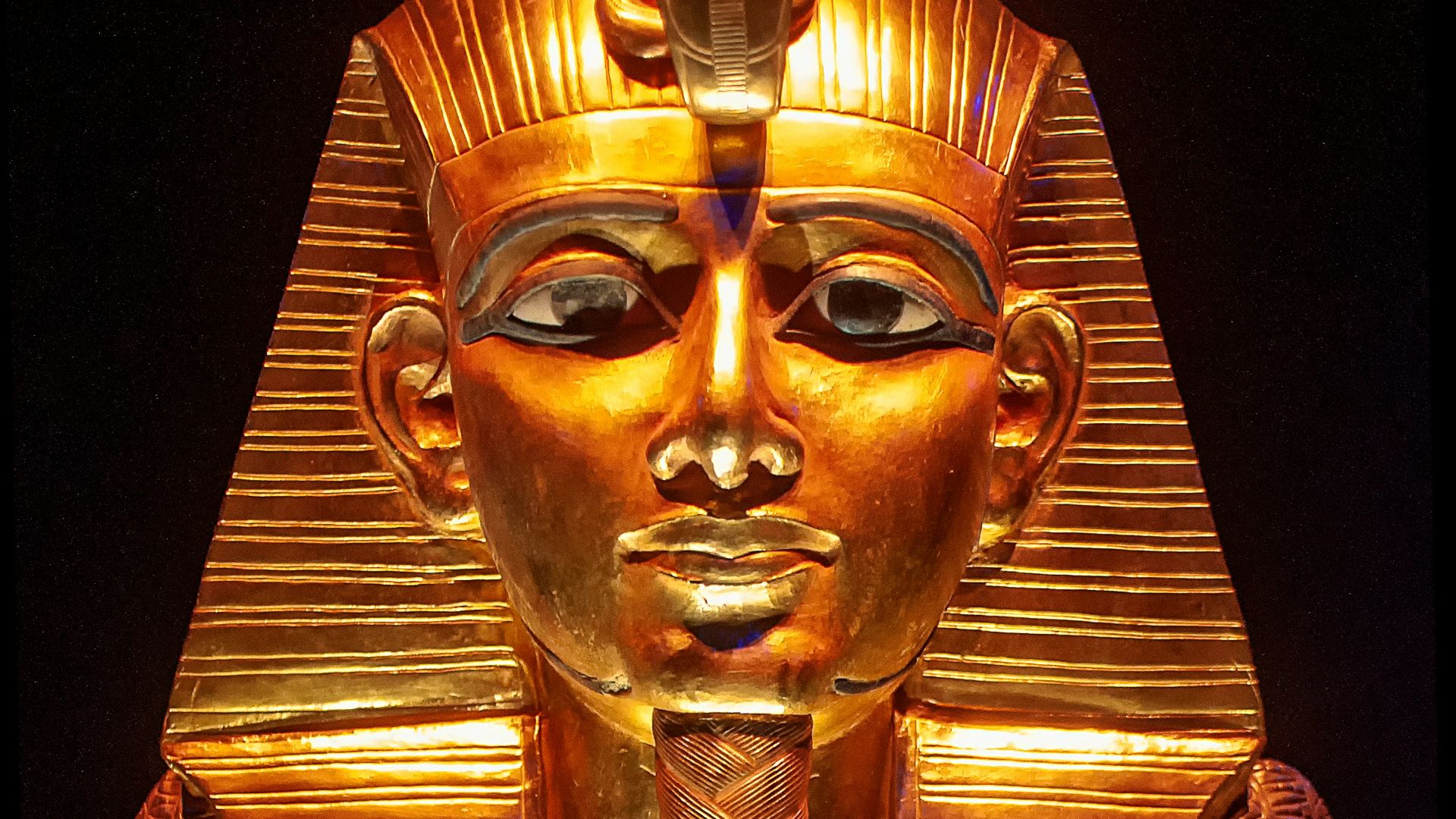
1. Egyptian Mummification
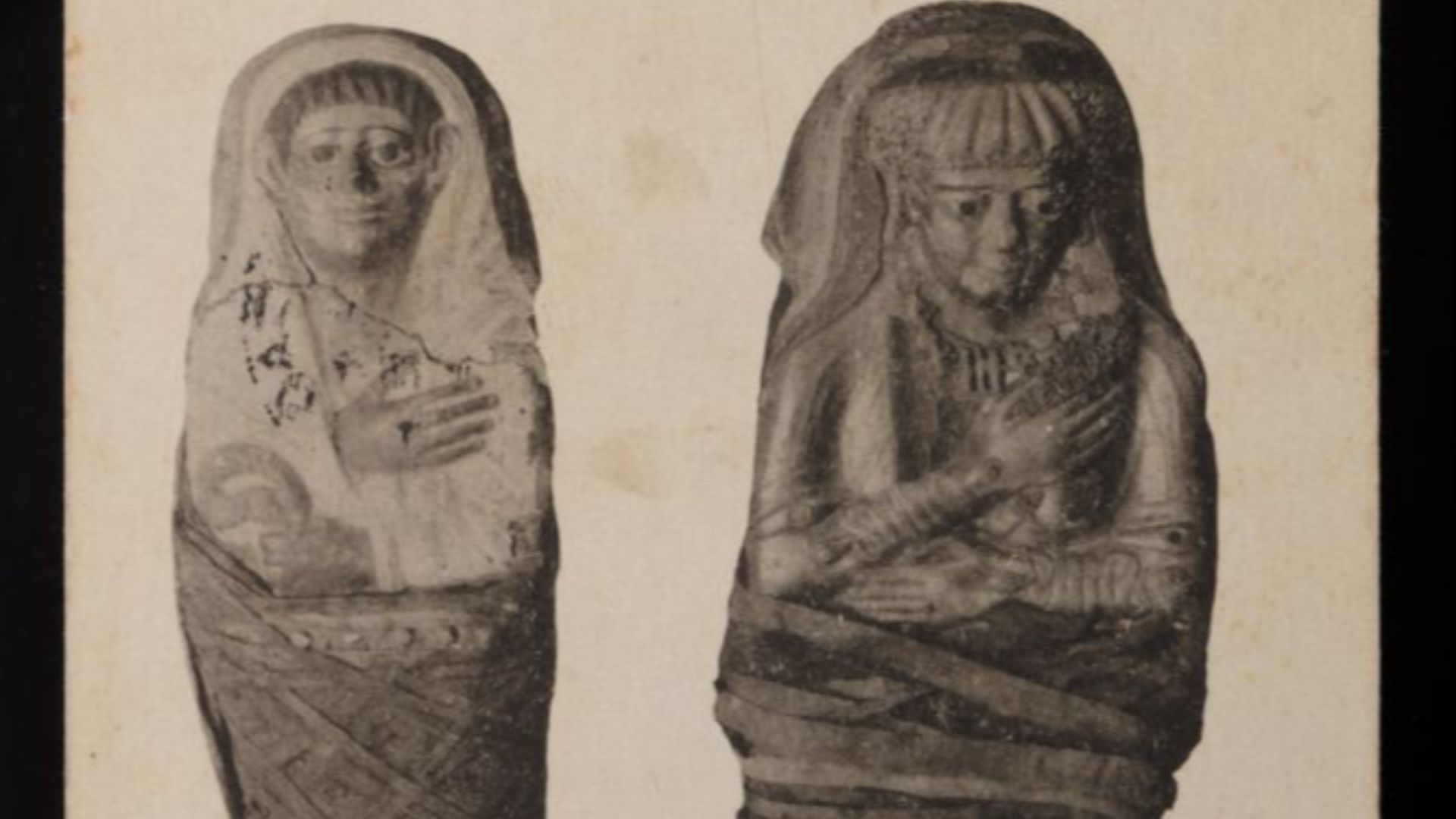
Ancient Egyptian mummification was much more involved than simply wrapping a body in linen. Embalmers removed internal organs, dried the body with natron, treated it with resins, and prepared it for the afterlife. The goal was to preserve the body so the person’s spirit could recognize it and use it again.
 Field Museum of Natural History on Wikimedia
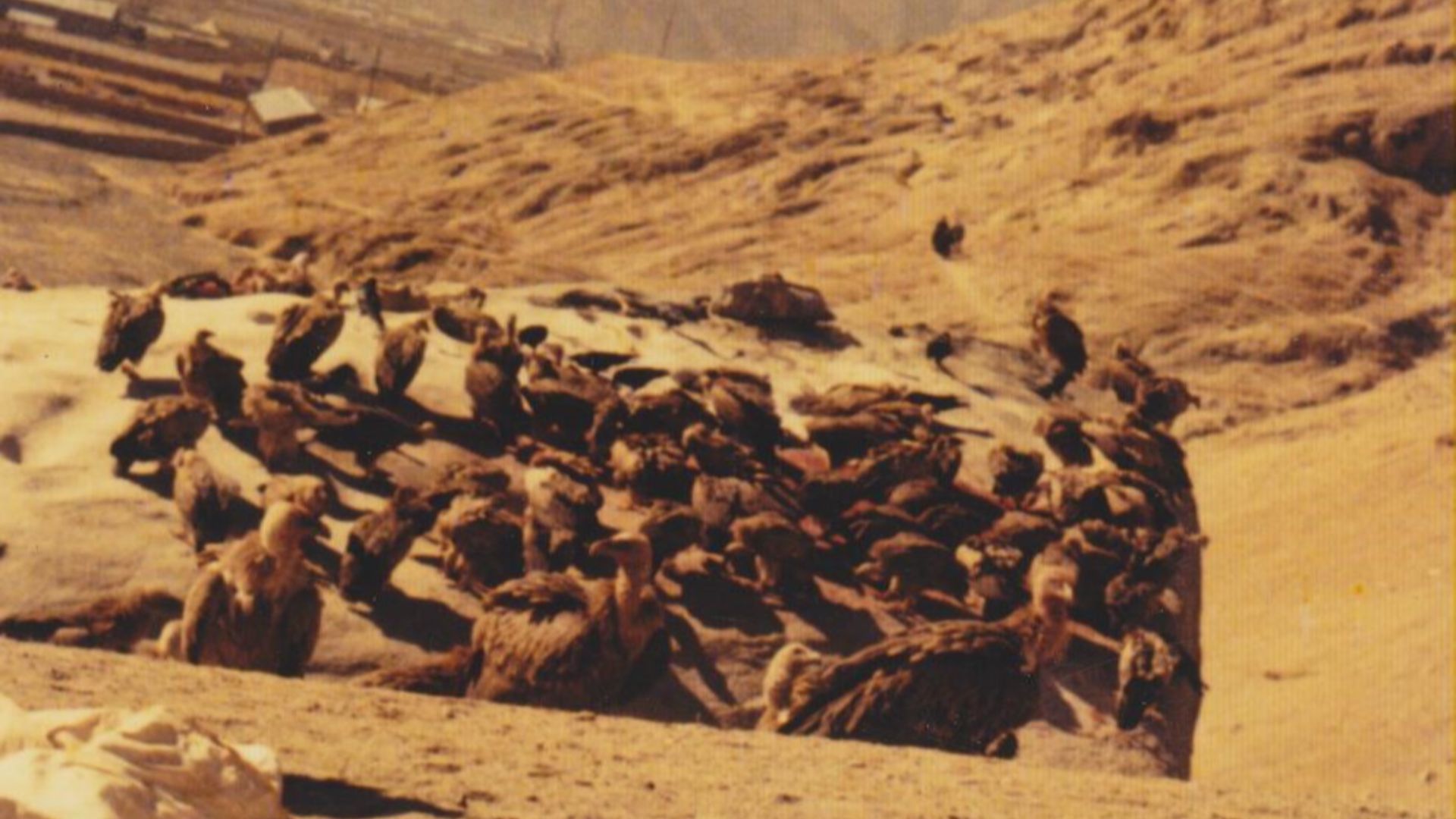
2. Tibetan Sky Burial
In Tibetan sky burial, the body was placed on a mountaintop or special burial site where vultures consumed the remains. To outsiders, that can sound shocking, but within Tibetan Buddhist belief, the body is an empty vessel after death. Offering it to birds could be seen as a final act of generosity. The practice also made practical sense in regions where rocky ground and limited timber made burial or cremation difficult.
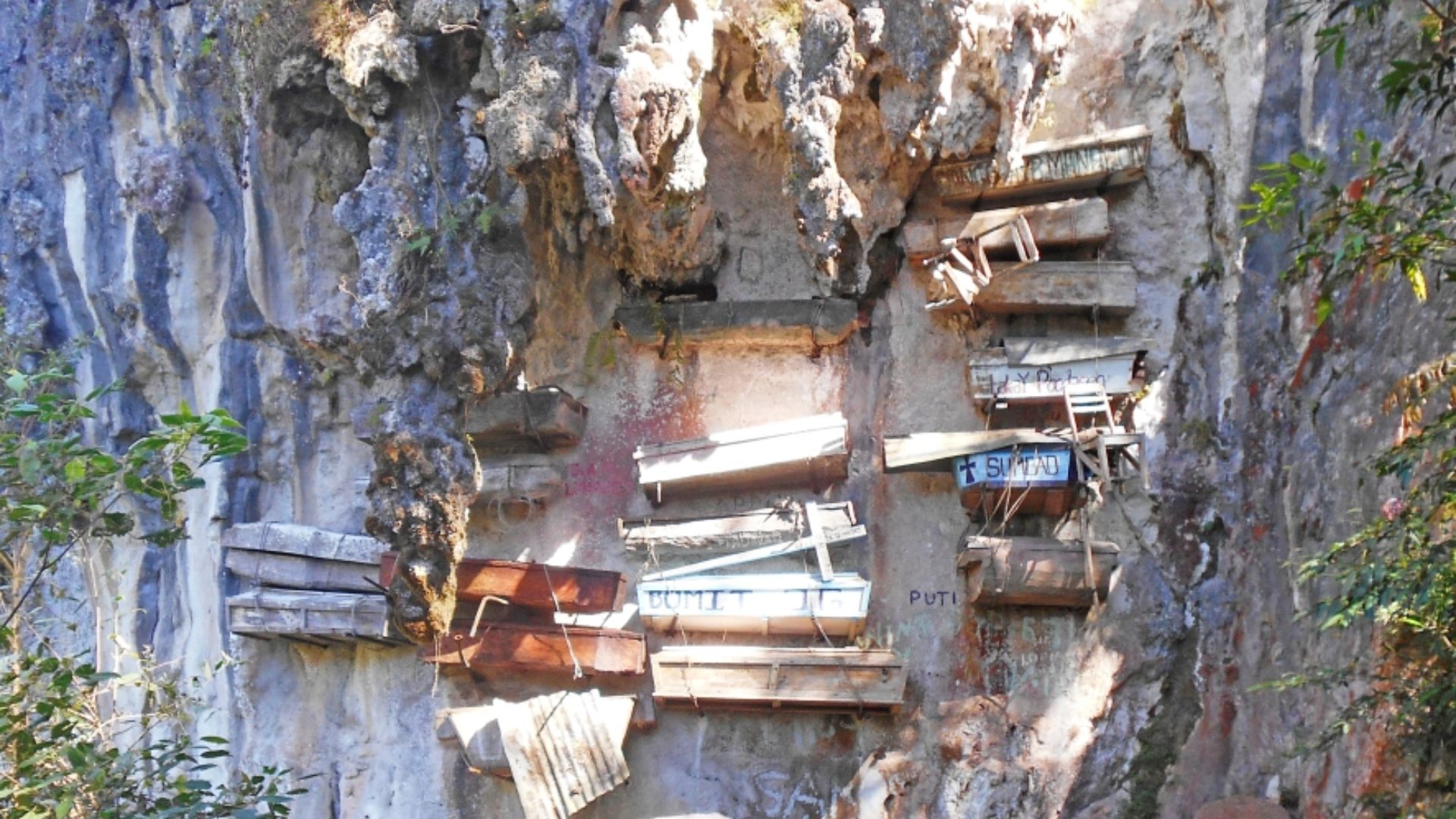
3. Hanging Coffins
In parts of China, Indonesia, and the Philippines, some communities placed coffins high on cliffs or inside rock faces. The custom kept the dead physically elevated, sometimes in locations that were difficult to reach even for the living. They believed the higher the coffin was placed, the more honor it brought to the deceased, but it was also a practical way to keep the remains safely away from predators.
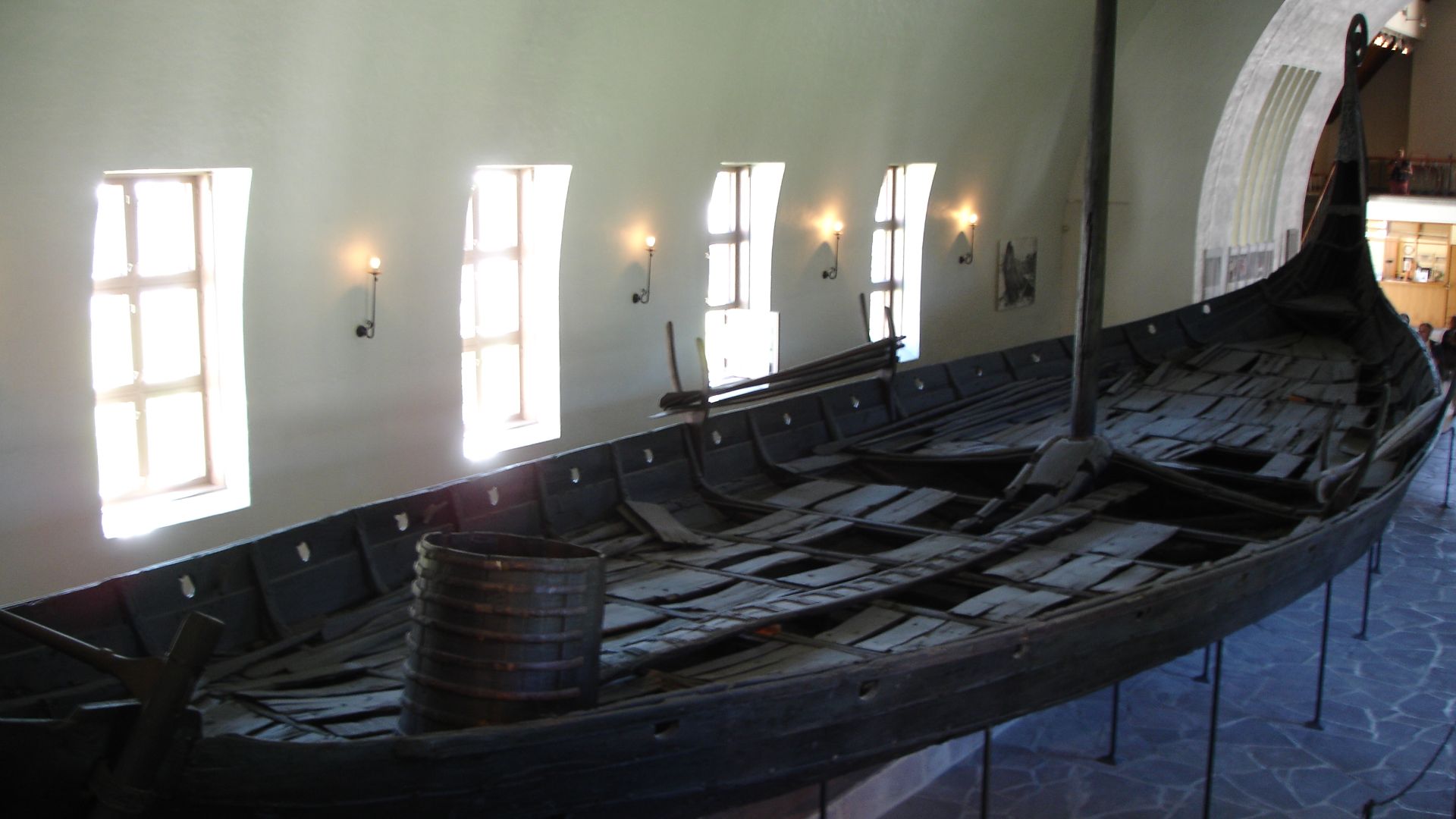
4. Viking Ship Burials
Some Viking elites were buried in ships or boat-shaped graves, surrounded by weapons, tools, animals, and personal possessions. The ship symbolized travel, status, and possibly a journey into the afterlife. These burials could be dramatic displays of power, especially when the dead person was laid to rest with valuable goods.
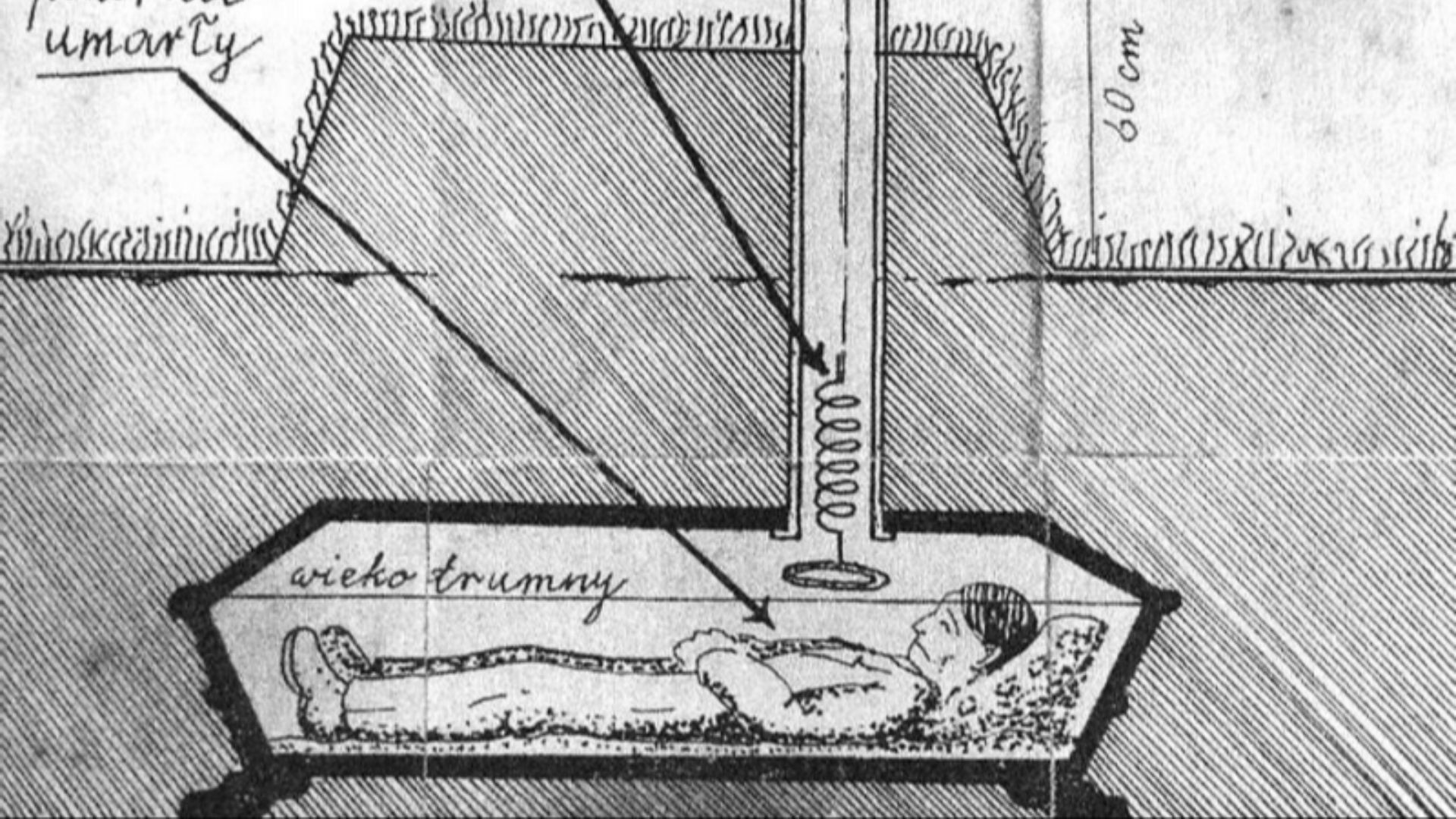
5. The Wake Bell or Safety Coffin
Fear of premature burial was so intense in the 18th and 19th centuries that some people arranged for safety coffins or grave bells. These devices were meant to let someone signal from inside the coffin if they had been buried alive. The fact that people paid for them says a lot about how real that fear felt.
 Wojciech Kwiatkowski. on Wikimedia
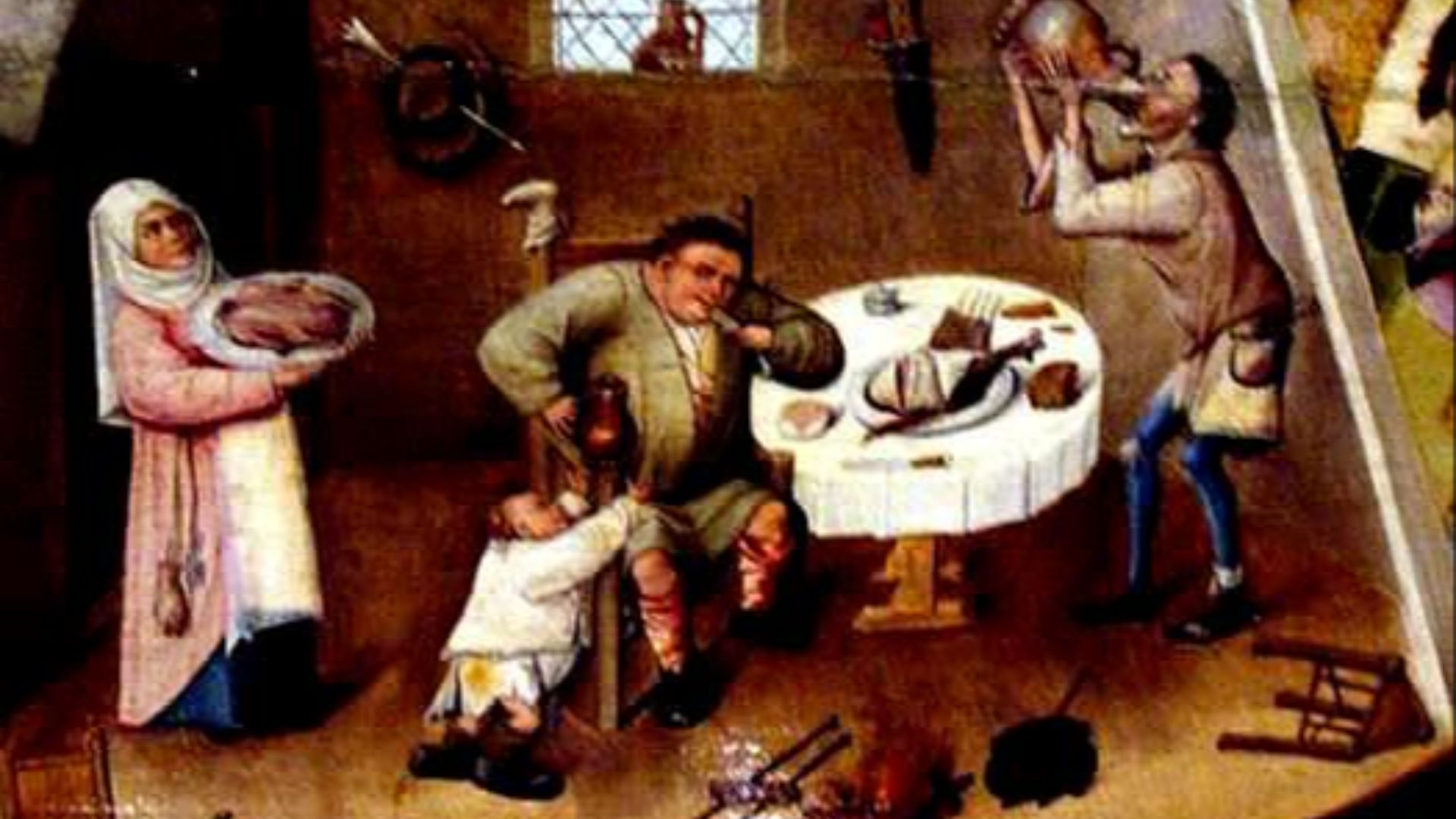
6. Sin-Eating
In parts of Britain and Ireland, some communities once believed a person called a sin-eater, often poor or marginalized, could take on the sins of the dead. Food and drink were placed near or on the deceased, and the sin-eater consumed them as part of the ritual. The idea was that the dead person’s soul could be cleansed before moving on.
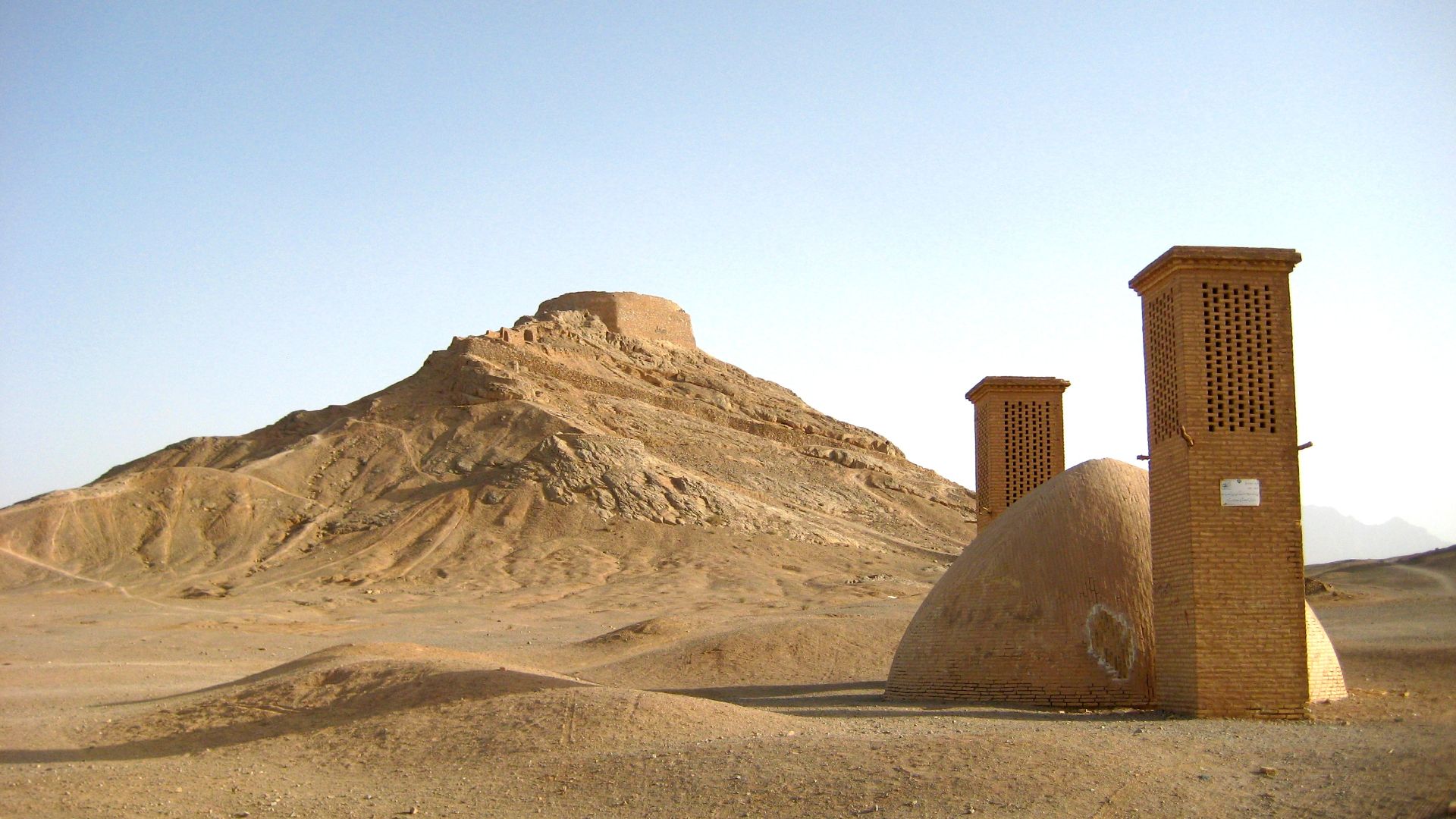
7. Zoroastrian Towers of Silence
Some Zoroastrian communities traditionally used raised structures called dakhmas, often known as Towers of Silence. Bodies were placed there so scavenger birds and the elements could dispose of the remains without polluting the sacred elements of earth, fire, or water with a dead body, which was seen as unclean or contaminated by evil.
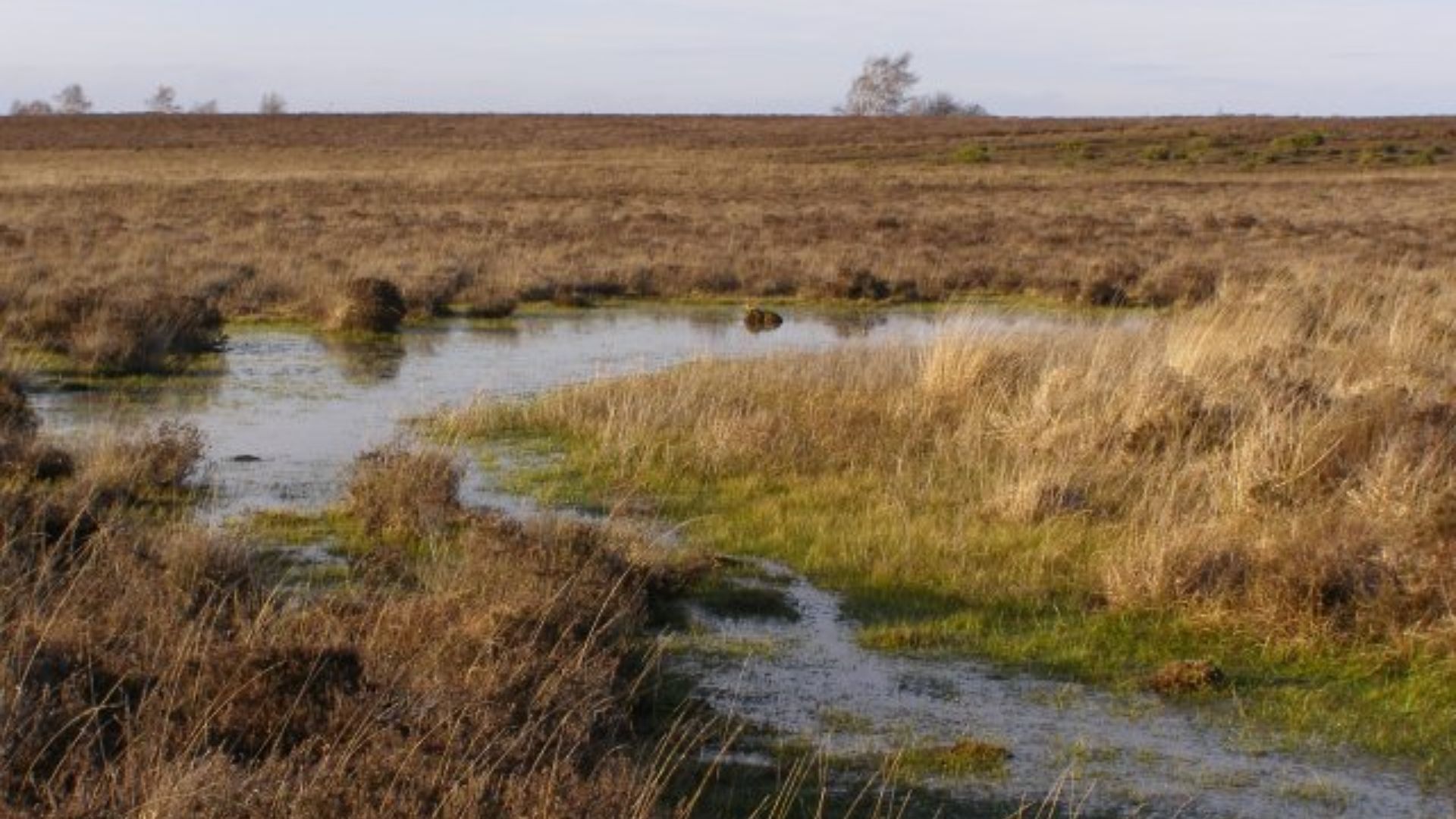
8. Bog Burials
Across northern Europe, some ancient people ended up preserved in peat bogs, where low oxygen and acidic conditions kept skin, hair, and clothing intact for centuries. Many experts believe a significant number of bog bodies were victims of human sacrifice to appease gods or goddesses for fertility and survival, and the careful placement of certain bodies suggests that watery landscapes could have ritual meaning.
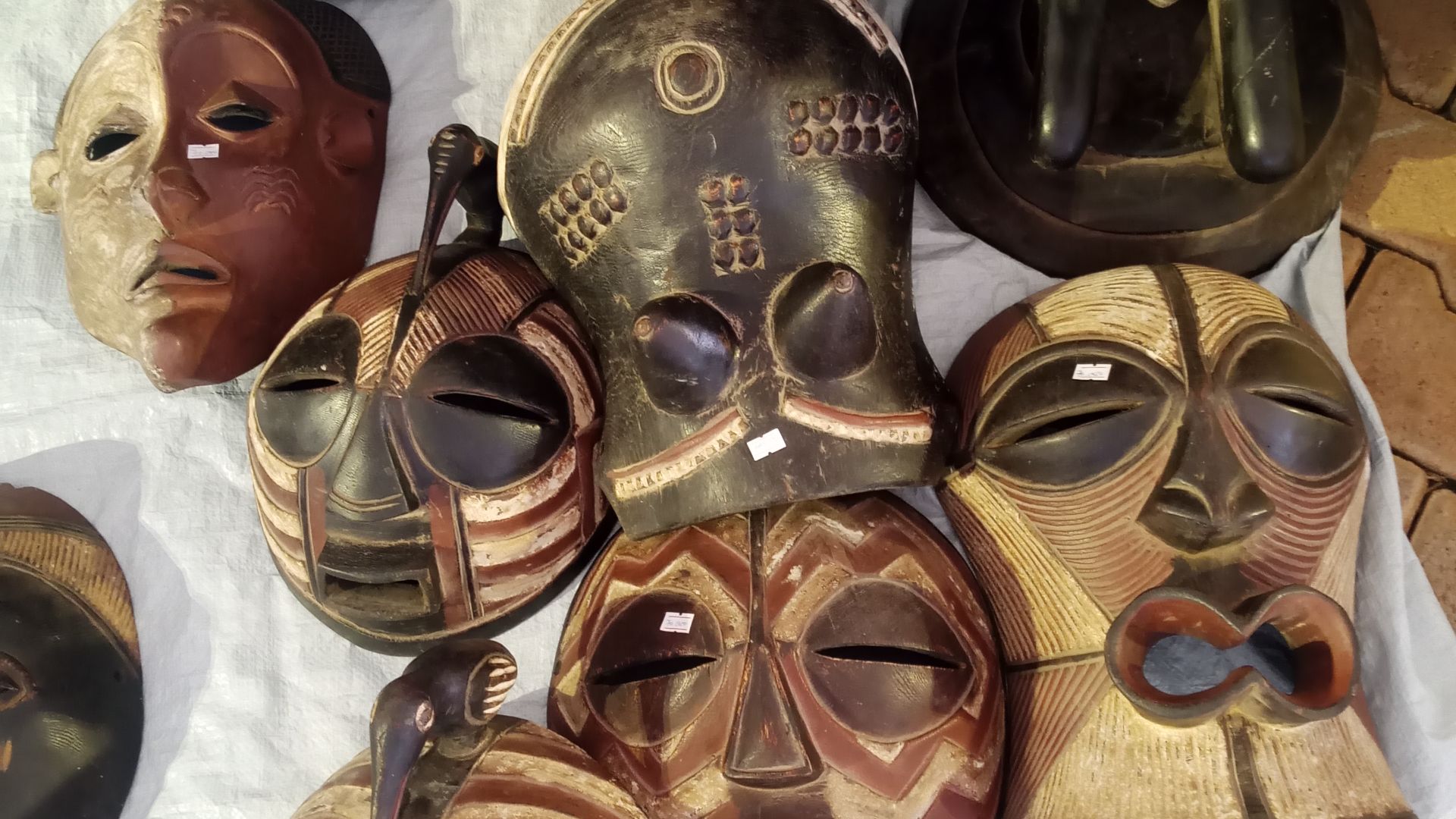
9. Roman Funeral Processions With Ancestor Masks
Ancient Roman elite funerals could include actors or relatives wearing wax masks of the family’s dead ancestors. These masks, called imagines, helped turn the funeral into a public display of family prestige. The dead weren’t just being mourned; they were being presented as part of a long and powerful lineage. It was grief, memory, and social status all walking down the street together.
 Ainomugisha Brendah on Wikimedia
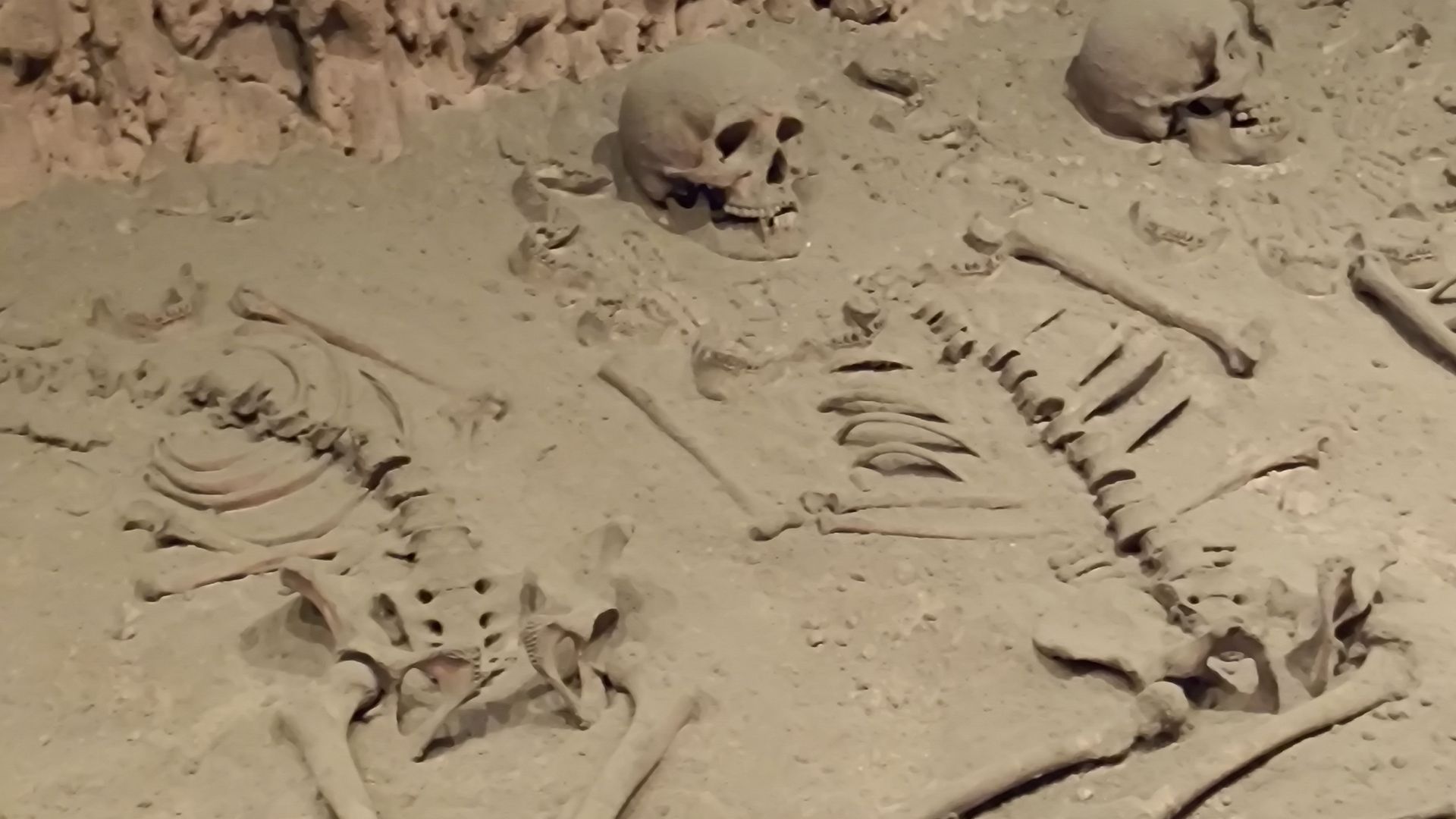
10. Human Sacrifice at Elite Funerals
In some ancient cultures, powerful people were buried with attendants, servants, guards, or captives who were killed to accompany them. Royal tombs in places such as ancient Mesopotamia and early dynastic China have revealed evidence of retainers buried with elites. The idea was often tied to status and service continuing after death.
 UnifiedFunctionality on Wikimedia
11. Sati
Sati was a historical practice in parts of South Asia, with roots in medieval elite Hindu culture, in which a widow died on her husband’s funeral pyre. The practice could involve social pressure, coercion, or limited options rather than simple voluntary devotion. It was officially banned in British-ruled India in 1829.
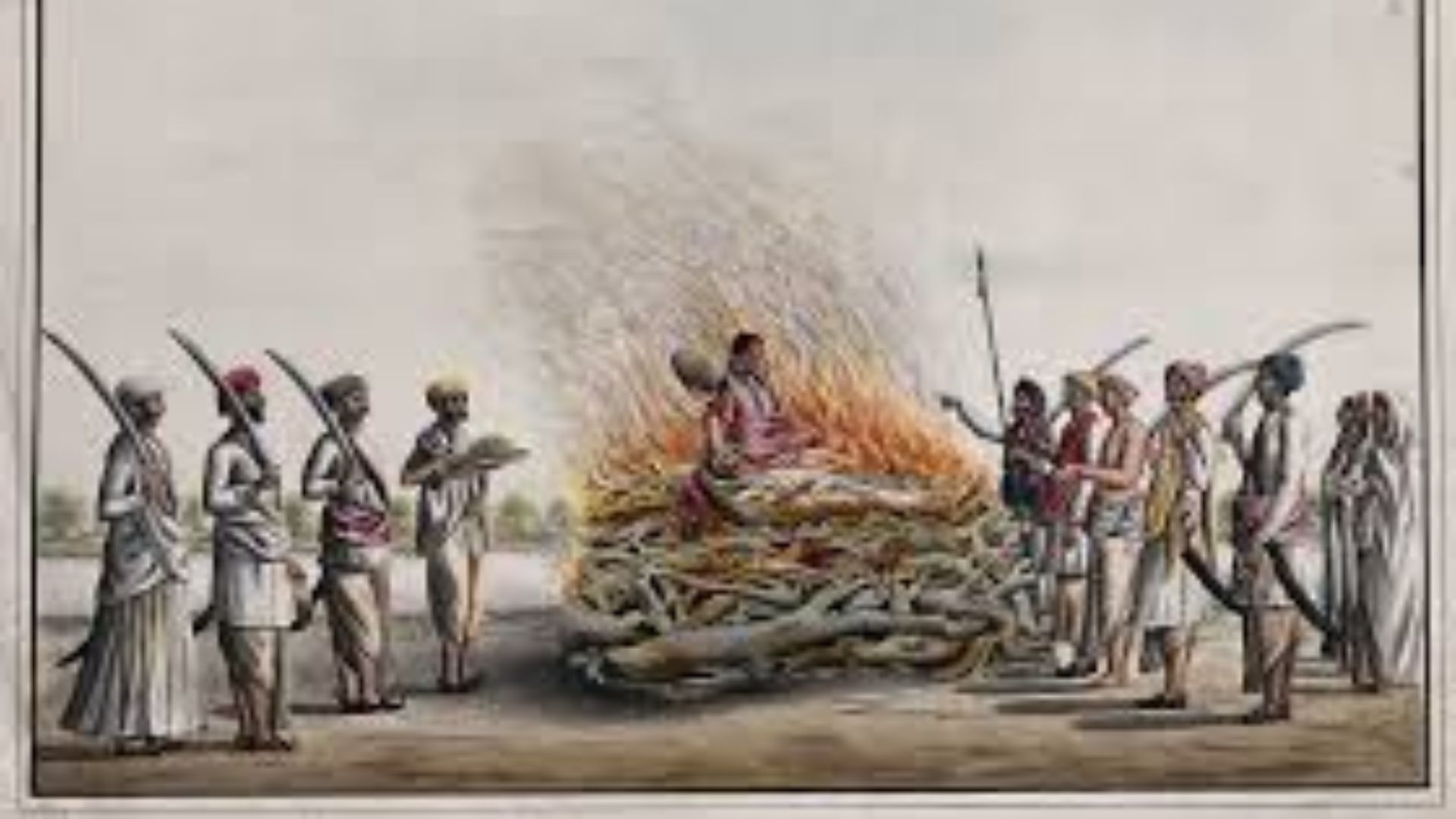 This file comes from Wellcome Images on Wikimedia
12. Professional Mourners
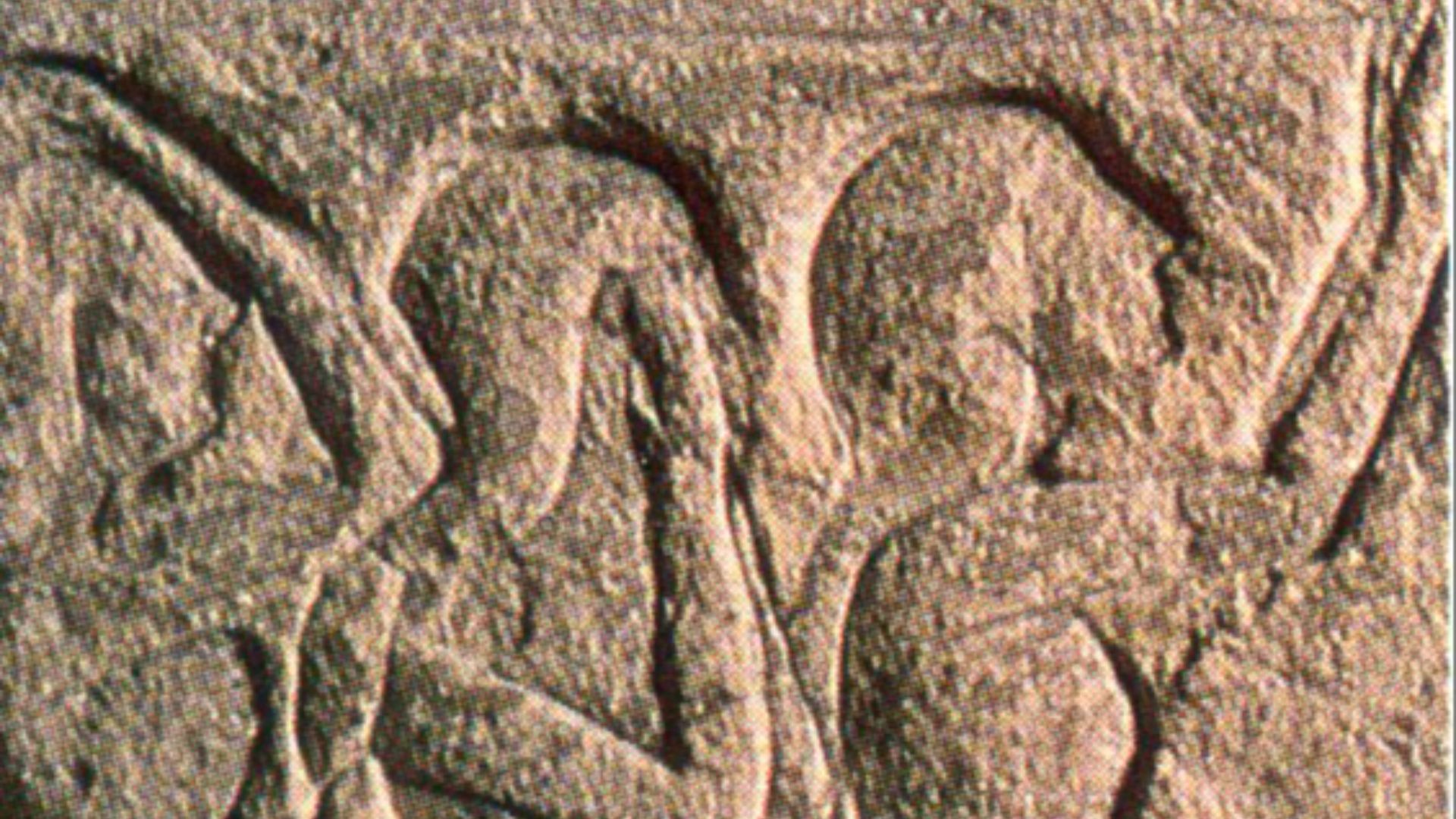
In many ancient societies, families hired professional mourners to cry, sing, chant, or publicly express grief at funerals. The louder and more dramatic the mourning, the more important the deceased could appear. These mourners helped create the proper emotional atmosphere, especially for high-status families.
13. Victorian Postmortem Photography
In the 19th century, families sometimes photographed deceased loved ones, especially children, before burial. Photography was expensive, and for some families, this might be the only image they ever had of the person. The portraits could show the dead posed peacefully, sometimes alongside living relatives.
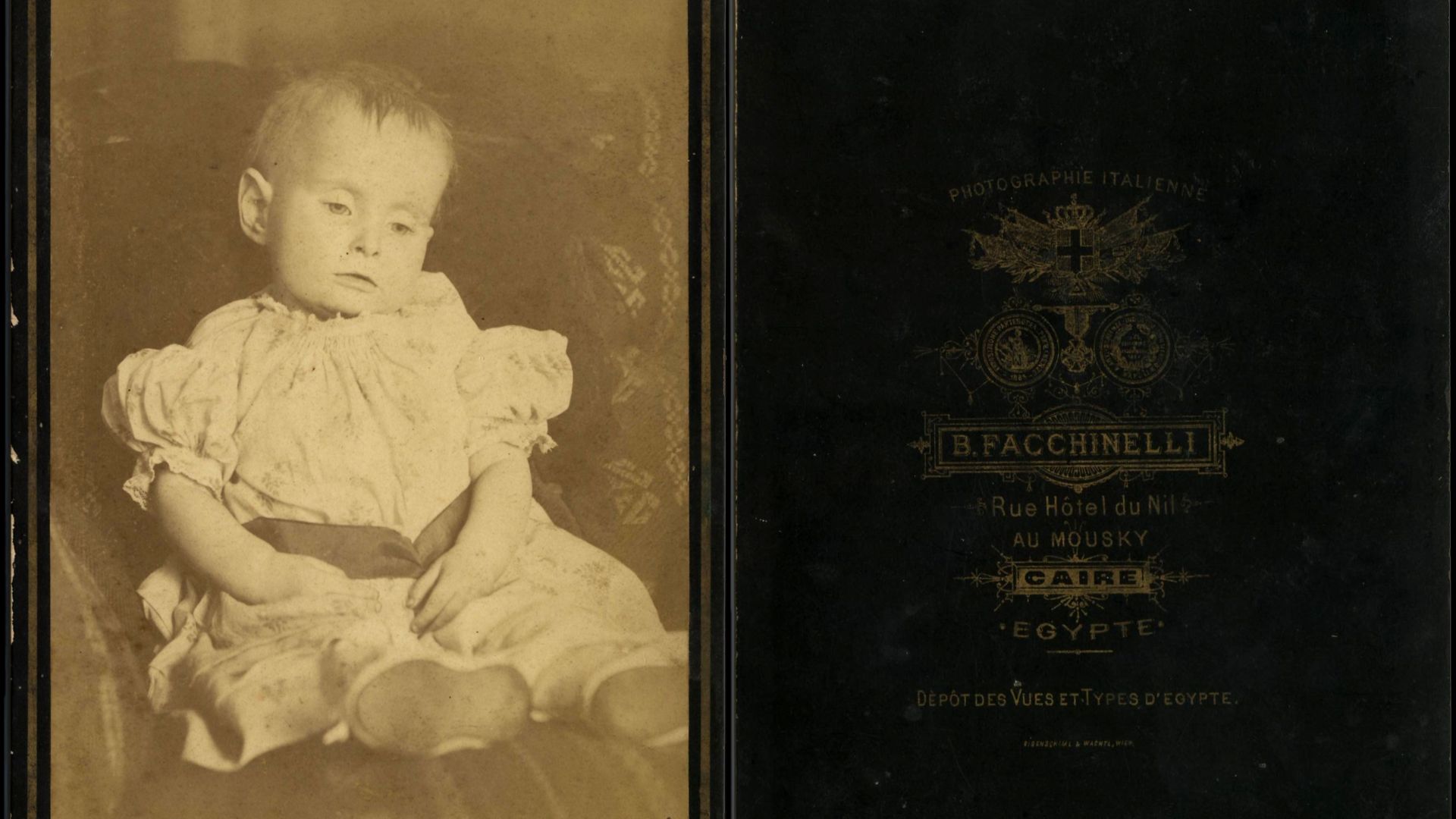 Beniamino Facchinelli (c. 1829 – c. 1897) on Wikimedia
14. Hair Jewelry for Mourning
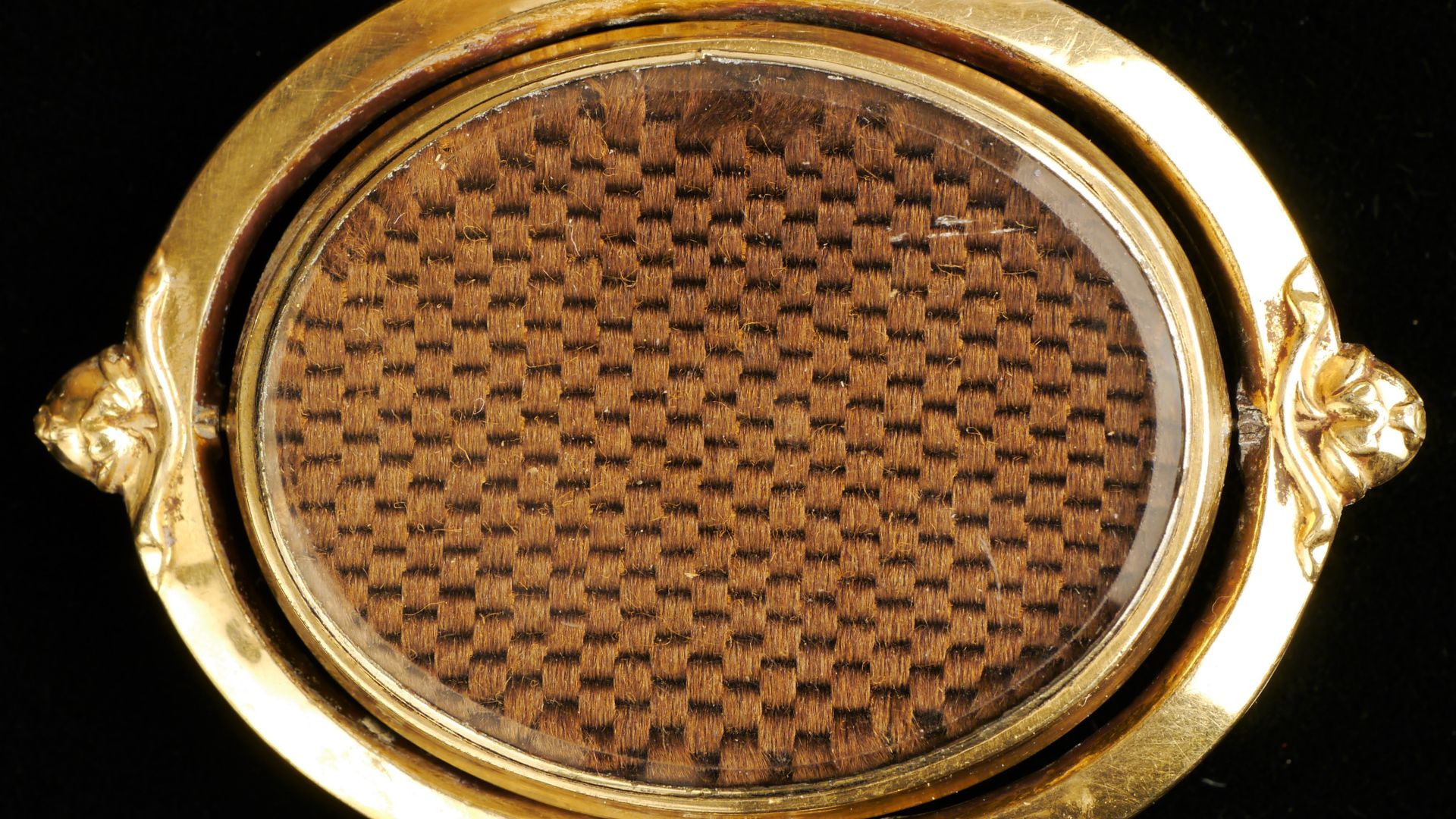
In the Victorian era, people often made or wore jewelry containing hair from a deceased loved one. Rings, brooches, lockets, and woven hair pieces allowed grief to become something visible and wearable. It may sound unsettling now, but hair was personal, durable, and easy to preserve. For mourners, it offered a physical connection to someone they had lost.
15. Finger Amputation as Mourning
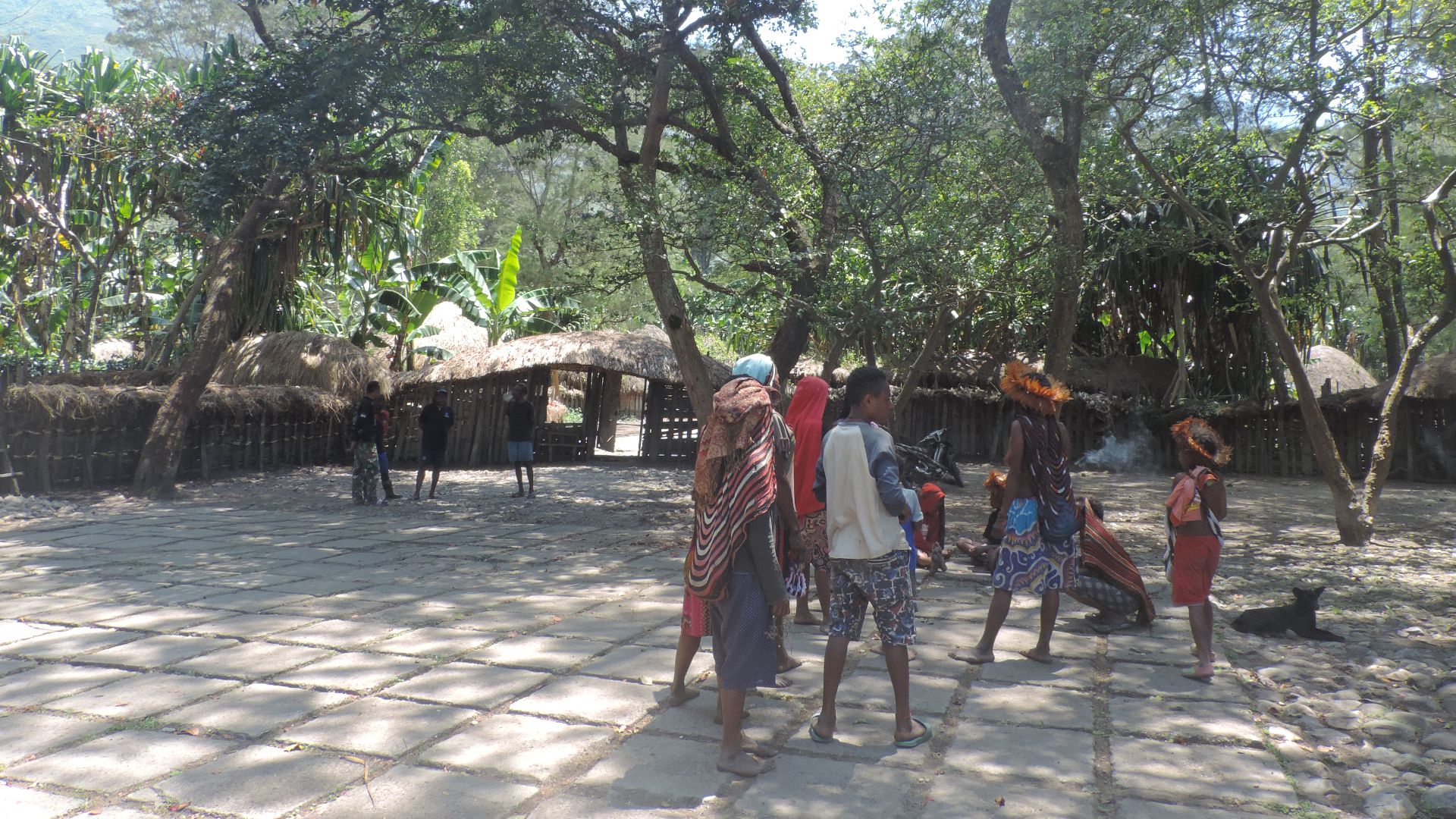
Among the Dani people of New Guinea, some women historically amputated parts of fingers as an expression of grief after a family member died. The painful act served as a visible sign of loss and mourning. This custom has been discouraged and is no longer widely practiced. Still, it shows how grief in some cultures was marked directly on the body.
16. Endocannibalism
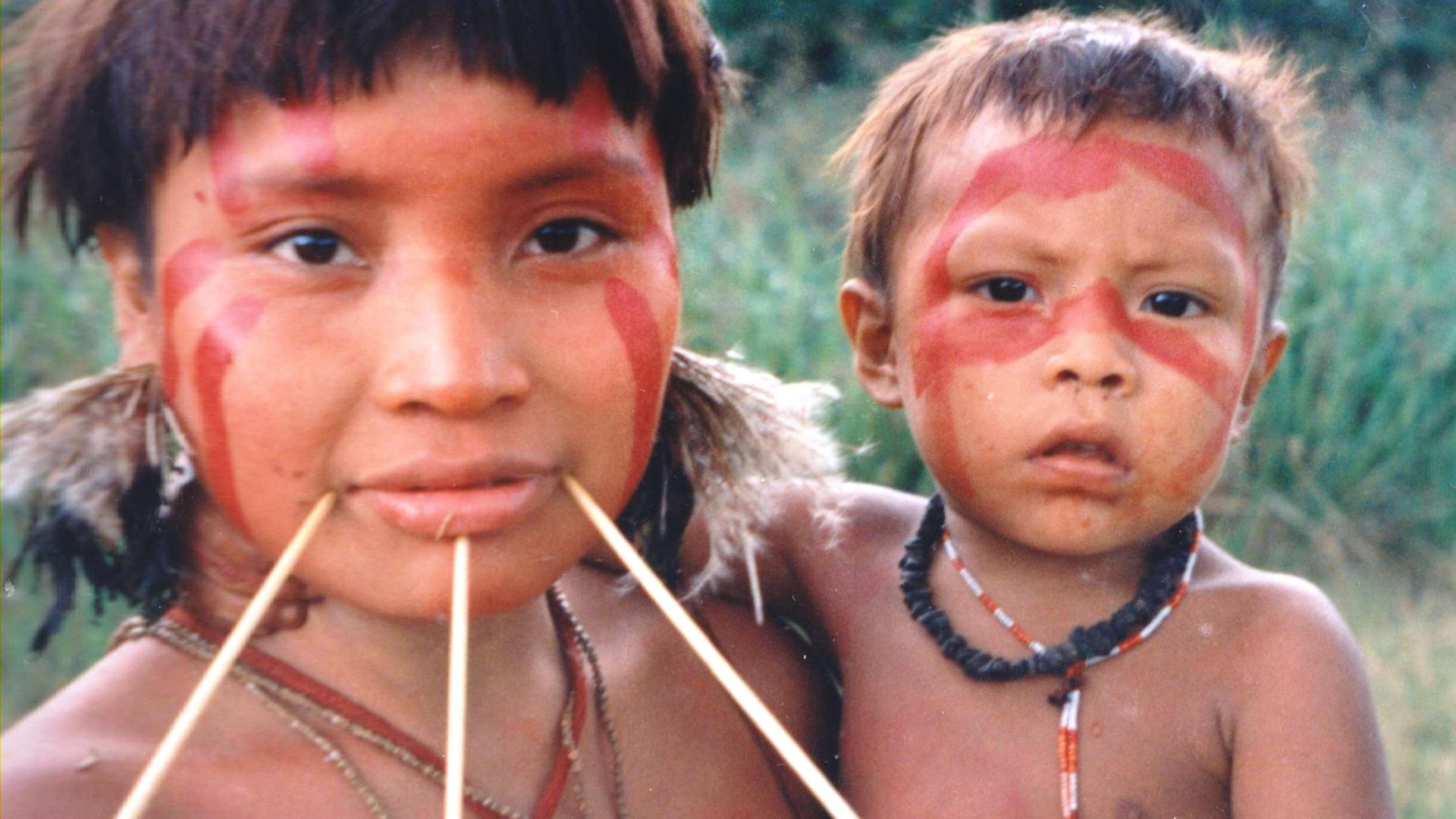
Some societies practiced endocannibalism, meaning they consumed parts of the dead within their own community or family group. This was not usually about violence or hunger, but about honoring, absorbing, or keeping close the deceased. Among some groups, eating ashes or remains could express love and continuity.
17. Secondary Burial
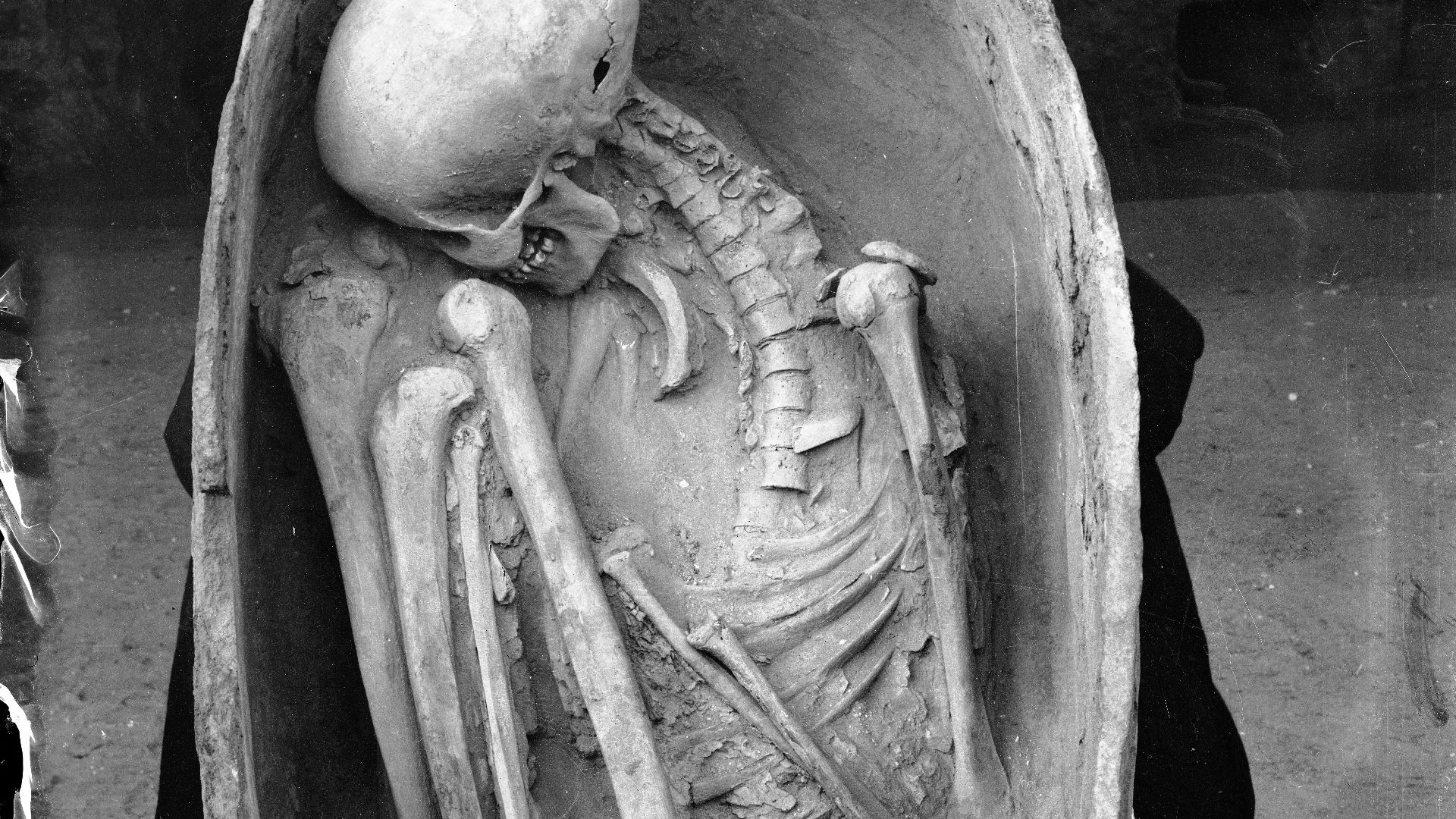
In secondary burial customs, the dead were buried or placed somewhere temporarily, then later moved after decomposition. Families or communities might clean bones, arrange them in ossuaries, or rebury them in a collective tomb. This made death a process rather than a single event.
 Marco Chemello (WMIT) on Wikimedia
18. The Roman Charun’s Obol
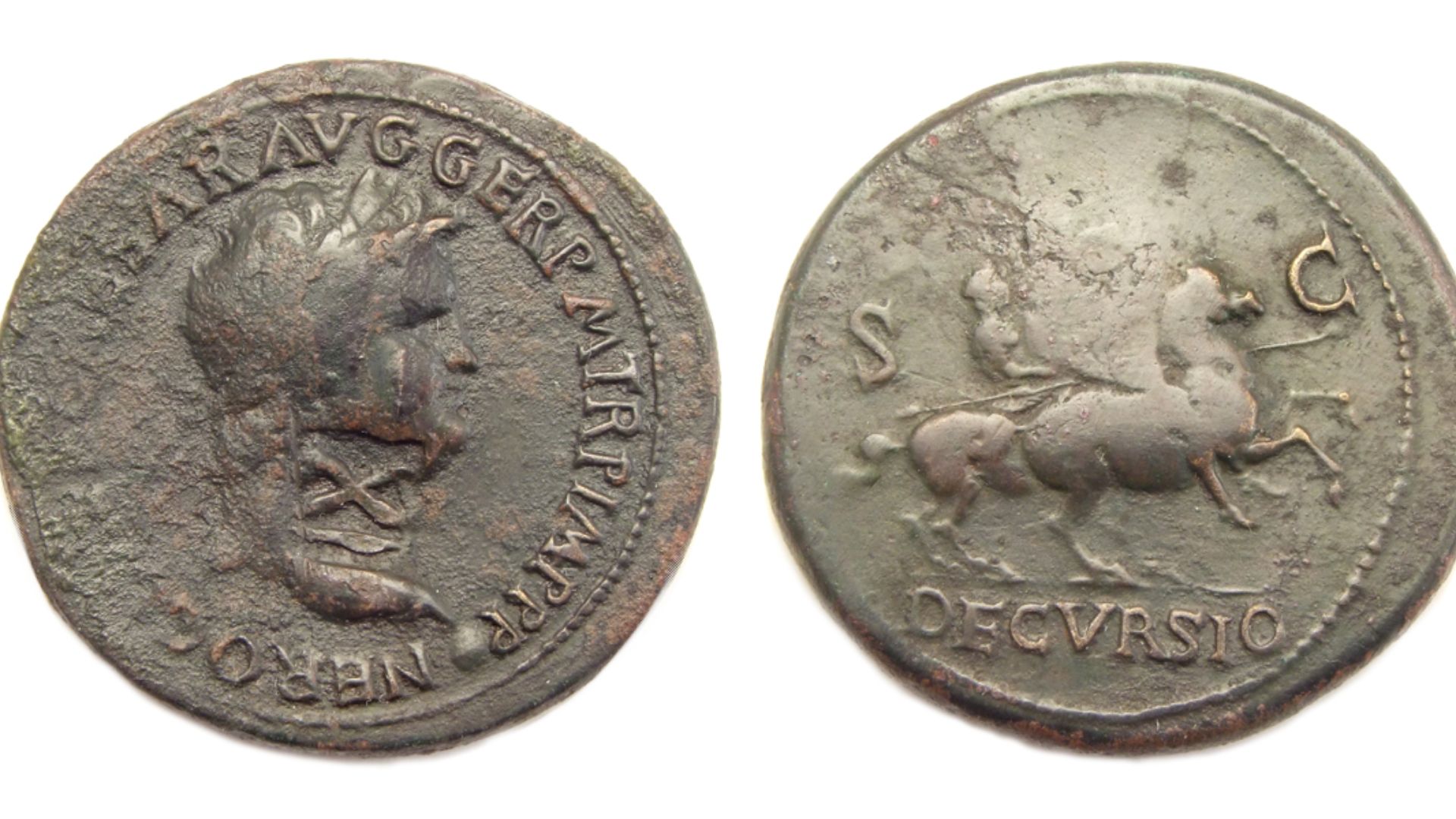
Ancient Greeks and Romans sometimes placed a coin in the mouth or near the body of the dead. The coin was meant as payment for Charon, the ferryman who carried souls across the river to the underworld. Even the afterlife, apparently, came with travel costs.
19. Medieval Charnel Houses
In medieval Europe, graves were often temporary because churchyard space was limited. After bodies decomposed, bones could be dug up and moved into a charnel house or ossuary. This meant the dead were still part of the community, just stored in a more space-efficient way.
20. Heart Burial
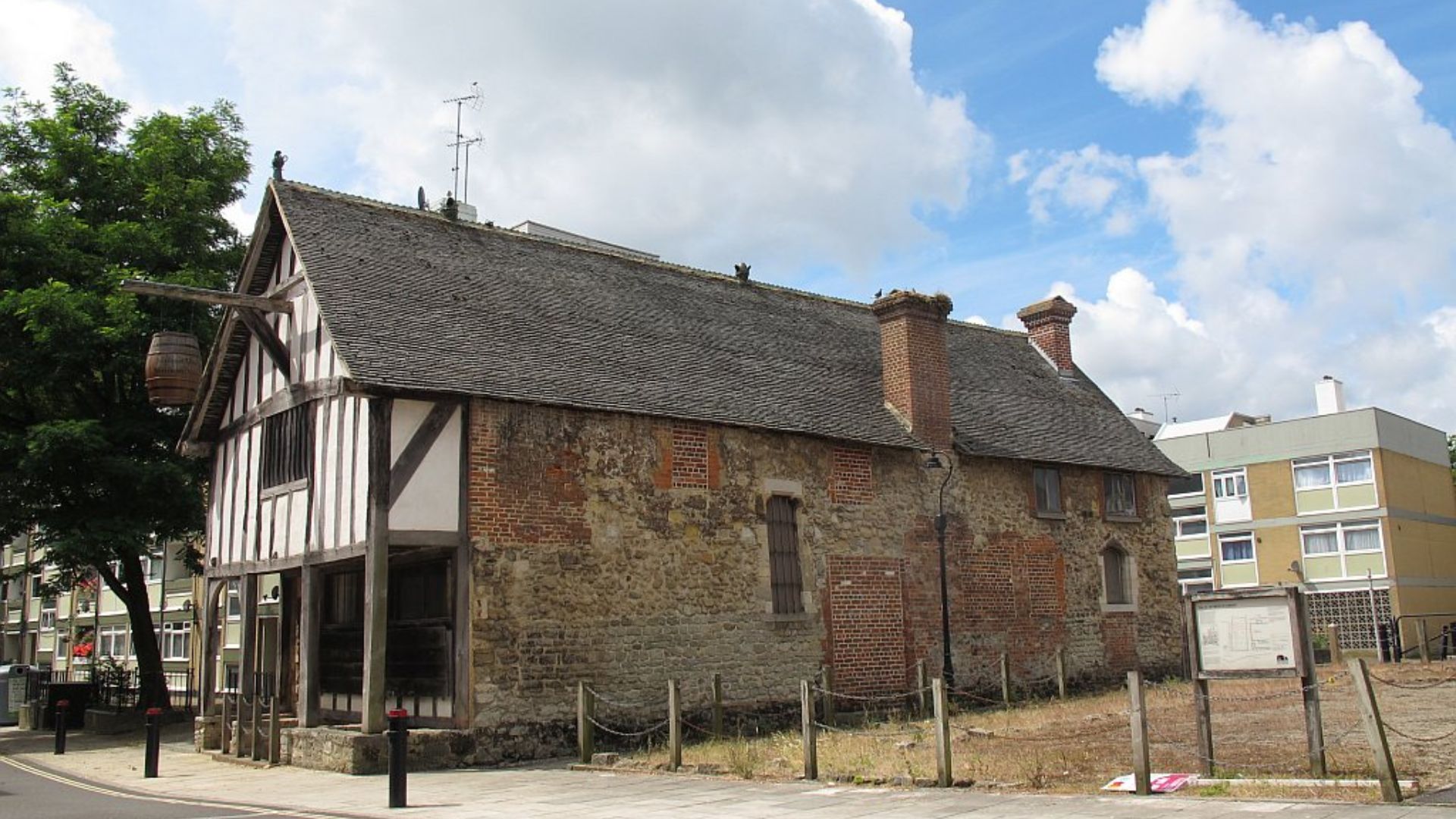
Some European royals and nobles had their hearts buried separately from the rest of their bodies. The heart might be placed in a beloved church, homeland, or politically meaningful location. This allowed one person to be memorialized in more than one place, which was convenient if you had both deep feelings and dynastic branding to consider.
KEEP ON READING
The 20 Most Recognized Historical Figures Of All Time
The Biggest Names In History. Although the Earth has been…
By Cathy Liu Oct 4, 2024
10 of the Shortest Wars in History & 10 of…
Wars: Longest and Shortest. Throughout history, wars have varied dramatically…
By Emilie Richardson-Dupuis Oct 7, 2024
10 Fascinating Facts About Ancient Greece You Can Appreciate &…
Once Upon A Time Lived Some Ancient Weirdos.... Greece is…
By Megan Wickens Oct 7, 2024
20 Lesser-Known Facts About Christopher Columbus You Don't Learn In…
In 1492, He Sailed The Ocean Blue. Christopher Columbus is…
By Emilie Richardson-Dupuis Oct 9, 2024
20 Historical Landmarks That Have The Craziest Conspiracy Theories
Unsolved Mysteries Of Ancient Places . When there's not enough evidence…
By Megan Wickens Oct 9, 2024
The 20 Craziest Inventions & Discoveries Made During Ancient Times
Crazy Ancient Inventions . While we're busy making big advancements in…
By Cathy Liu Oct 9, 2024