

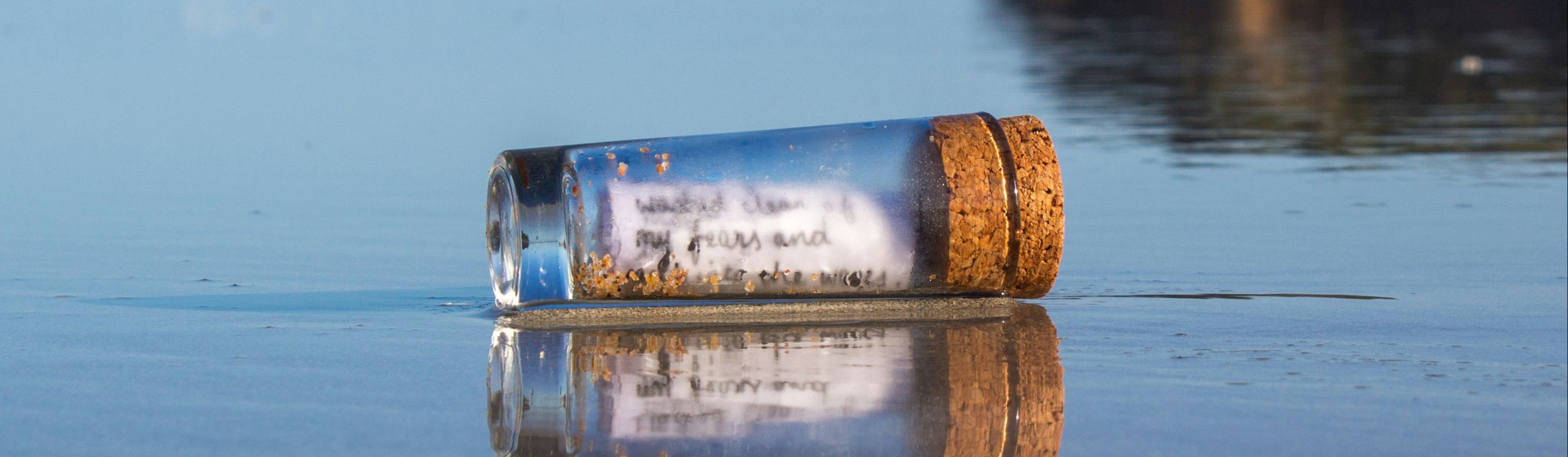
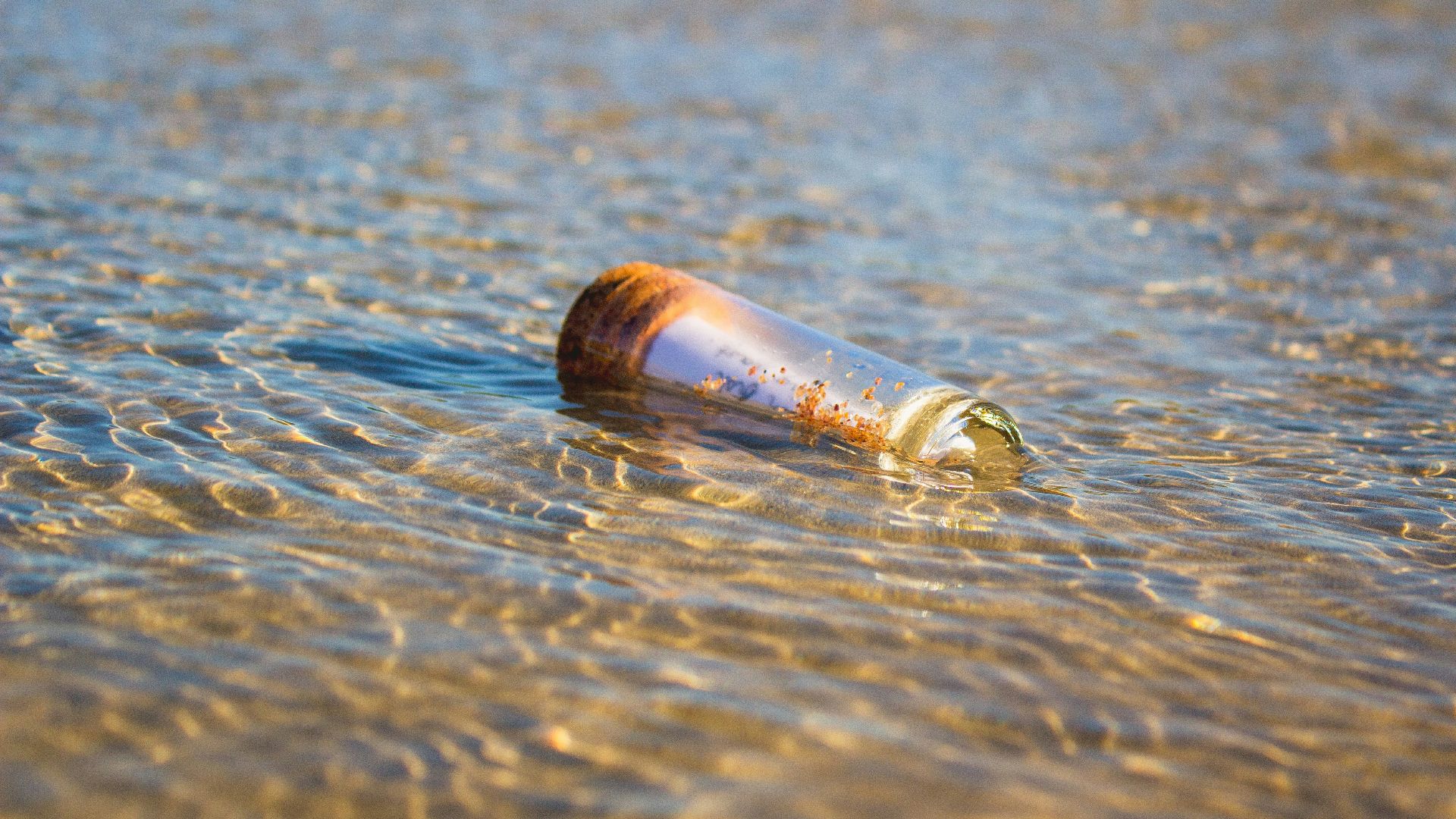
A century-old message in a bottle was recently discovered washed up on the sands of Wharton Beach in Western Australia, carrying stories from soldiers who left home in 1916 to fight in World War I. The Brown family stumbled across the bottle during one of their regular quad bike trips cleaning the beach, more accustomed to picking up trash than historical treasures.
Inside were two letters, written in pencil by Privates Malcolm Neville and William Harley, sent just days into their voyage from Adelaide to the battlefields of France. The ship, HMAT A70 Ballarat, was progressing across the Southern Ocean as these men tried to capture a moment of calm and ordinary life before the chaos of war would upend their lives forever.
A Chance Discovery
The Browns were clearing debris along the waterline when the thick glass Schweppes-brand bottle caught their attention. Peter and Felicity Brown spotted it first, lying almost flush with the sand. Deb Brown, reflecting on the find, said, “We do a lot of cleaning up on our beaches and so would never go past a piece of rubbish”.
Little did they know, this was more than a discarded bottle; it was a time capsule from 1916, perfectly preserved in sand dunes that had only recently been eroded by massive swells. Though the paper was wet, the delicate cursive scrawl remained as visible as the day they’d been written, despite being written in pencil.
Messages from the Voyage
 National Library of Scotland on Unsplash
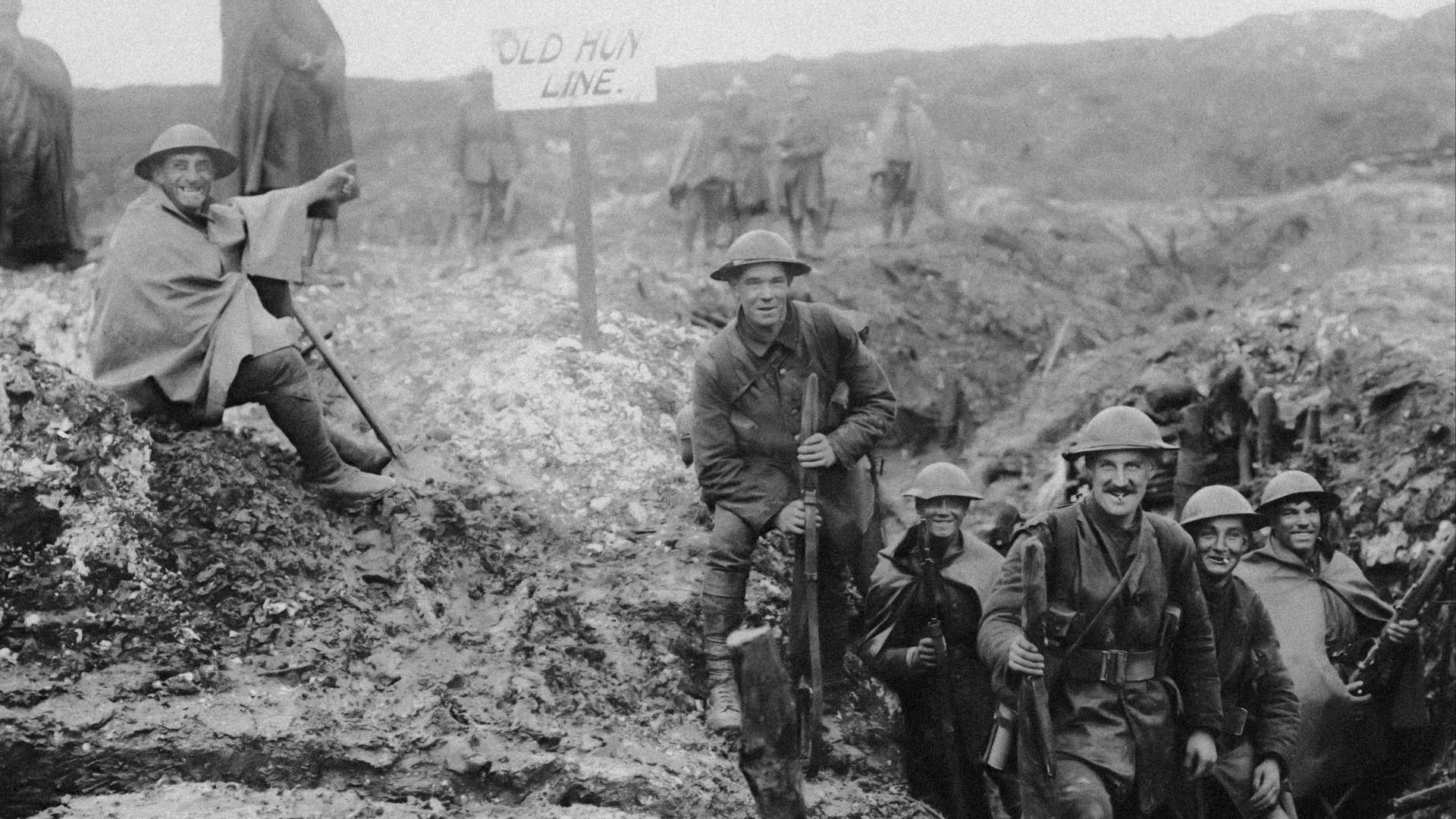
Their vessel left Adelaide on August 12, 1916. Neville and Harley’s letters are cheerful, light-hearted, even humorous at times despite the fact that they had six weeks of sailing ahead of them on their way to reinforce troops on Europe’s deadly Western Front. Neville wrote that he and his comrades were “heaving and rolling, but we are as happy as Larry,” a dated colloquialism meaning very happy.
He mentioned the meals, praising the food while admitting that one unfortunate dish was “buried at sea”. Harley, meanwhile, wrote for the bottle to be kept by whoever found it, wishing, “may the finder be as well as we are at present”. They described their location vaguely, saying, “Somewhere at Sea” and “Somewhere in the Bight”—a nod to the vast Australian Bight, stretching from Adelaide to Esperance.
A Sobering Reality
The letters may be cheerful, yet the history behind them is sobering.
Neville would go on to be killed in action in France on April 11, 1917, at the age of 28. While Harley survived the war and returned home, where he worked as a pattern-maker for the family-owned foundry. During the war, he had been injured twice, including suffering gassing in the trenches, which led to health complications later in life.
Reading their words 109 years later, we’re given a unique glimpse into the hope and camaraderie that carried soldiers through the uncertainty of war. The letters, though short and ordinary, are echoes of lives forever changed by a conflict that would go on to reshape the world.
Connecting Generations
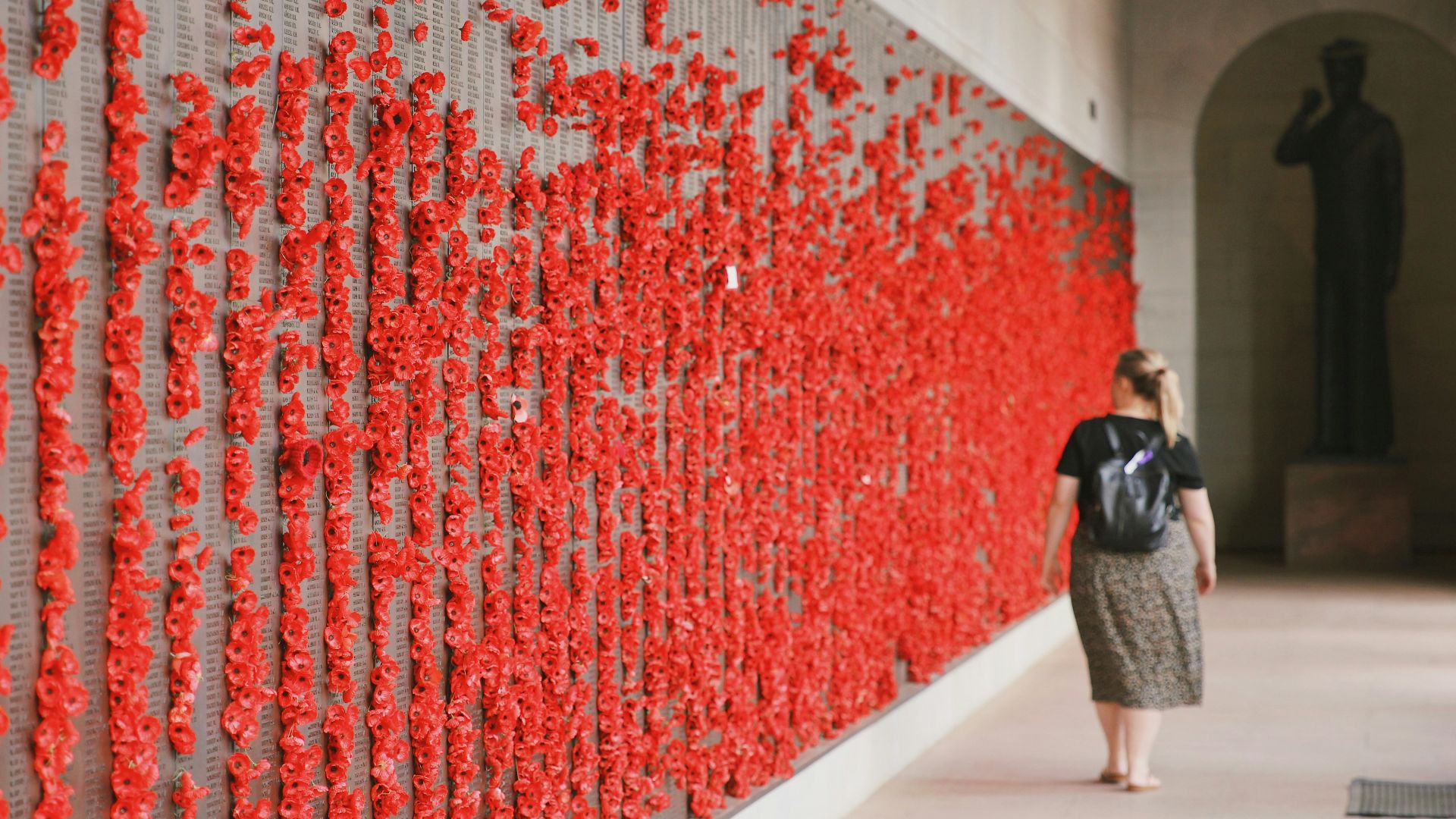
Ms. Brown tracked down Pte. Neville’s great-nephew, Herbie Neville, by using details contained in the note to search online for the soldier’s name and hometown. Mr. Neville told ABC News the discovery had been "unbelievable" for his family. The second letter, written by Pte. William Harley, was addressed simply to whoever found the bottle; his mother had died years before he went to war.
Pte. Harley’s granddaughter, Ann Turner, said she and the soldier’s four other surviving grandchildren were “absolutely stunned” by the message. “It really does feel like a miracle,” she told ABC. “We feel like our grandfather has reached out to us from the grave”.
How the Bottle Survived
Australian War Memorial curator Bryce Abraham noted that by 1916, the devastating toll of Gallipoli was already well known, with over 8,141 Australian casualties recorded.
Despite the disastrous campaign, the war effort was still widely idealized, especially for the young men aboard the Ballarat, most of whom were heading overseas for the first time.
Many passed the weeks-long voyage to Europe by writing letters and diaries, though only three messages in a bottle from that era have survived in the museum’s collection. Most bottles likely shattered, their corks dissolved, and their contents sank to the ocean floor. This lucky bottle instead found its way to shore, where it waited patiently buried in the dunes, preserving two soldiers’ words across a century until the day someone finally bent down to pick it up.
KEEP ON READING
20 Weirdest Historical Objects in Museums
Check Out the Pickled Heart of a Saint. Museums carry…
By Rob Shapiro Oct 1, 2025
20 Ocean Mysteries We Still Haven’t Solved
Unanswered Questions Of The Ocean. The ocean covers most of…
By David Davidovic Sep 1, 2025
10 Phenomenal Mythical Creatures & 10 That Are Just Plain…
Legends Both Majestic And Peculiar. Do you ever wonder why…
By Chase Wexler Oct 1, 2025
20 Historical Predictions That Turned Out To Be True
Crystal Ball Moments In History. Do you wonder what it's…
By Chase Wexler Sep 1, 2025
10 Presidents Who Never Served In The Military & 10…
Commanders And Civilians In Office. Power can rise from very…
By David Davidovic Sep 1, 2025
20 Wars That Could Have Ended Much Sooner Than They…
Wars That Lasted Far Too Long. Wars are often remembered…
By David Davidovic Sep 1, 2025