

Innovation Has Always Had Two Sides
Technology has improved human life in countless ways, from medicine and transportation to communication and agriculture, but history also shows that many inventions have carried serious consequences alongside their benefits. Some breakthroughs dramatically reduced death rates and improved safety, while others increased destruction on a scale earlier generations could barely imagine. Here are 10 technological advances that saved lives and 10 that took them.

1. Vaccines Saved Millions of Lives
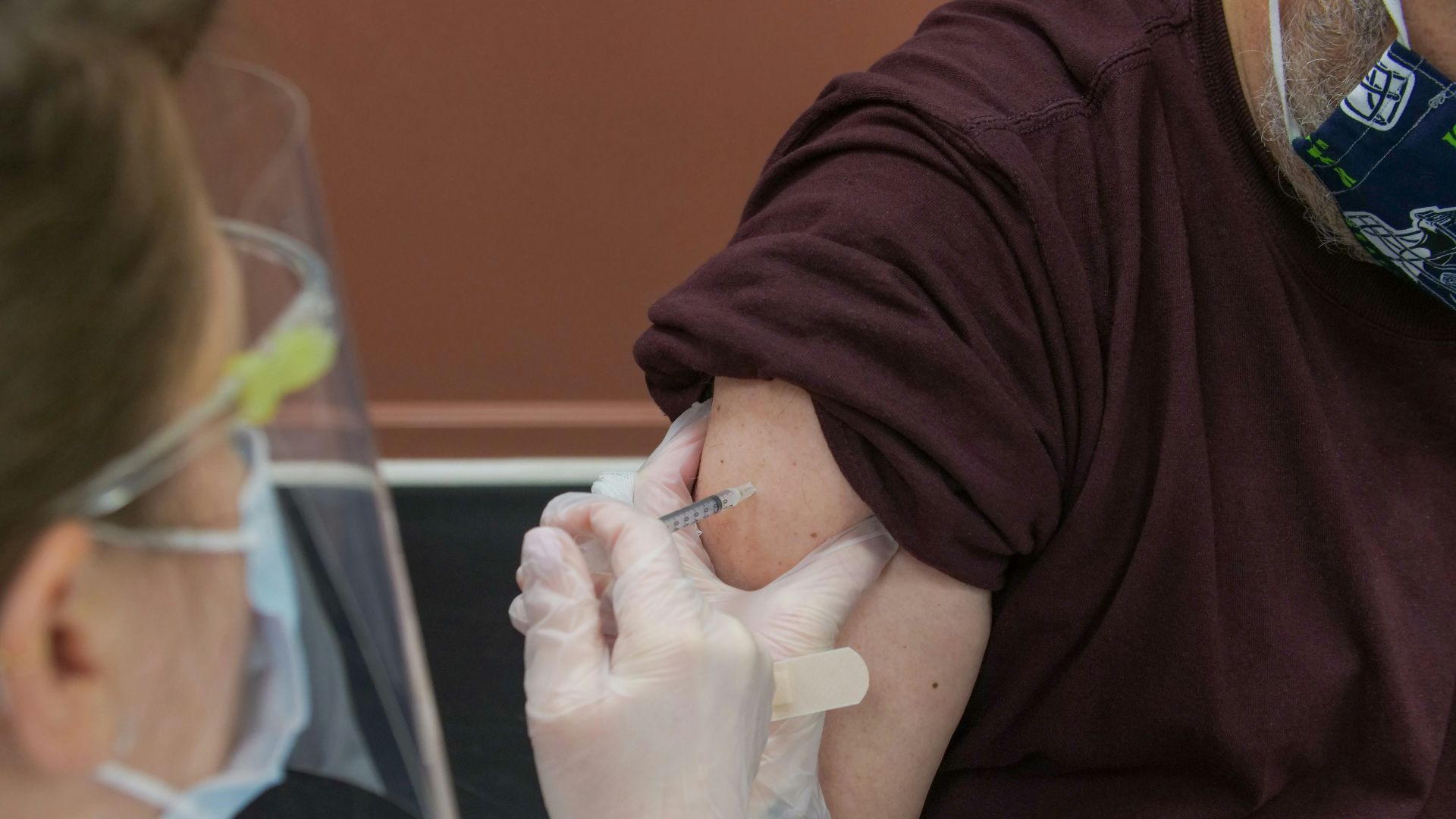
Vaccination is one of the most effective public health advances in recorded history. Diseases like smallpox once killed hundreds of millions of people globally before widespread immunization campaigns nearly eliminated them.
2. Modern Sewage Systems Prevented Disease Outbreaks
Before organized sewage treatment became common, contaminated water regularly spread deadly illnesses through crowded cities. Cholera outbreaks in the nineteenth century killed tens of thousands of people in Europe and North America before sanitation infrastructure improved.

3. Antibiotics Revolutionized Medicine
The discovery of penicillin by Alexander Fleming in 1928 changed medicine permanently. Before antibiotics, relatively minor infections from cuts, surgeries, or pneumonia could easily become fatal.

4. Refrigeration Improved Food Safety
Reliable refrigeration reduced food spoilage and lowered rates of foodborne illness in homes, restaurants, and medical settings. Before refrigerated transport and storage, bacteria spread quickly through meat, dairy products, and other perishable goods.

5. Seat Belts Reduce Traffic Fatalities
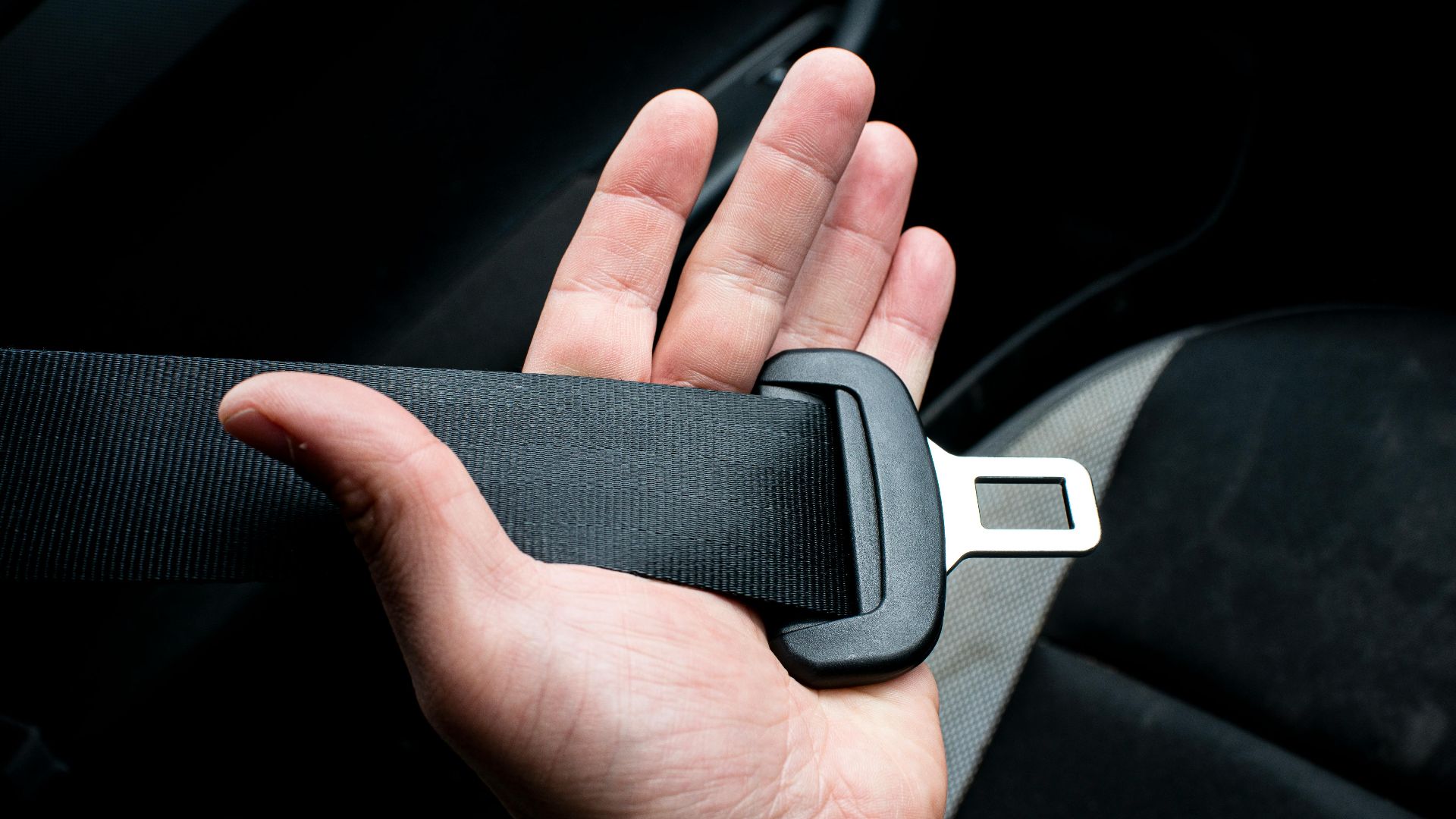
Seat belts became one of the simplest and most effective automotive safety technologies ever developed.
Studies consistently show that wearing one significantly lowers the risk of death or serious injury during car accidents.
6. Water Purification Saved Entire Communities
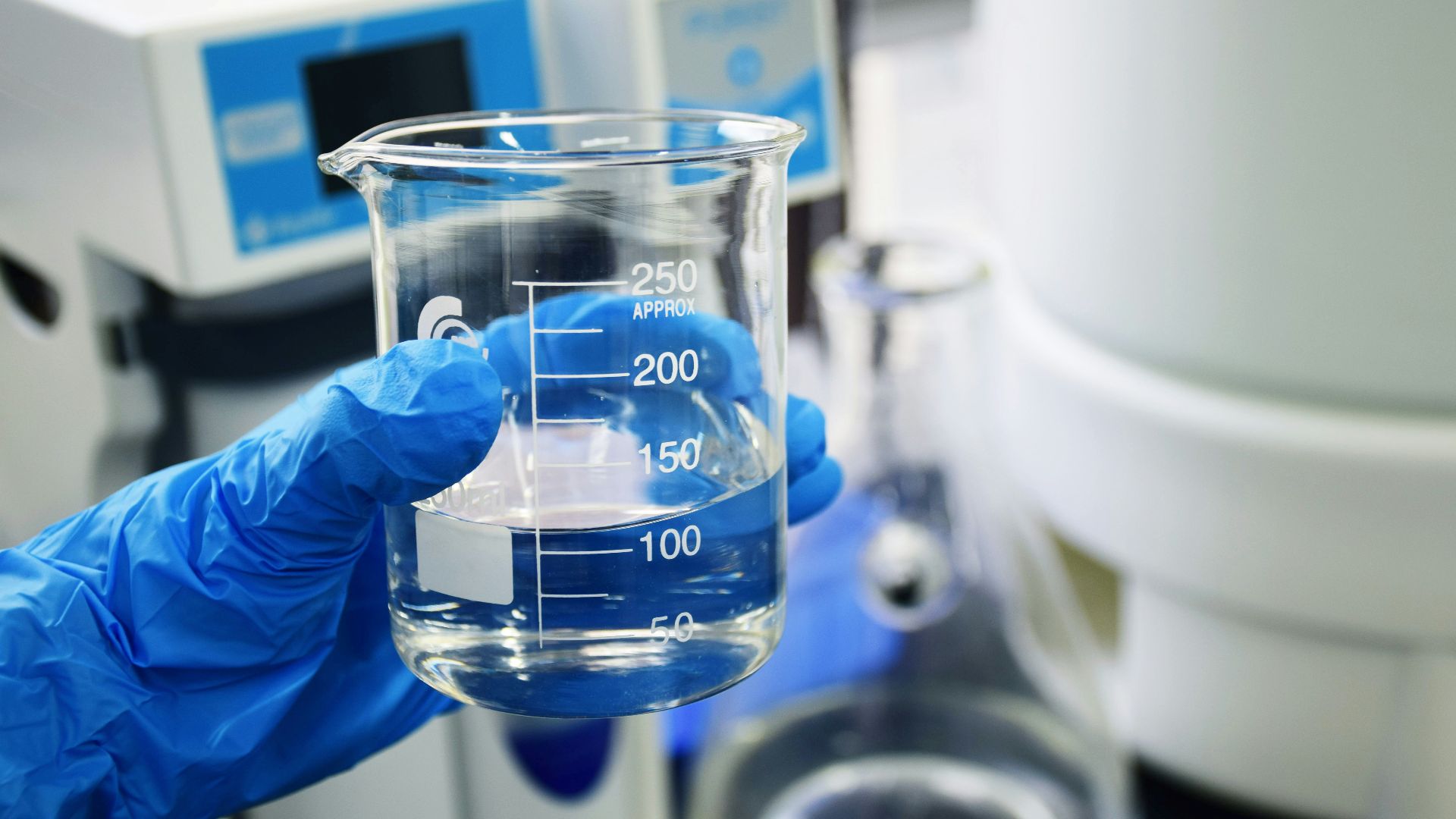
Access to clean drinking water dramatically improved survival rates in both urban and rural communities. Filtration and chlorination systems helped reduce deadly diseases such as typhoid fever and dysentery, especially during the twentieth century.
7. Anesthesia Made Modern Surgery Possible
Before anesthesia, surgeries were often rushed, traumatic, and incredibly painful for patients. The introduction of ether and later anesthetic techniques during the nineteenth century allowed doctors to perform longer and more complex operations safely. Modern medicine depends heavily on anesthesia for everything from emergency surgery to childbirth procedures.
 yaser mobarakabadi on Unsplash
8. Airbags Increased Survival Rates in Crashes
Airbags became standard safety features after research showed they could reduce deadly head and chest injuries during collisions. Combined with seat belts, airbags significantly improved survival odds in serious automobile accidents.

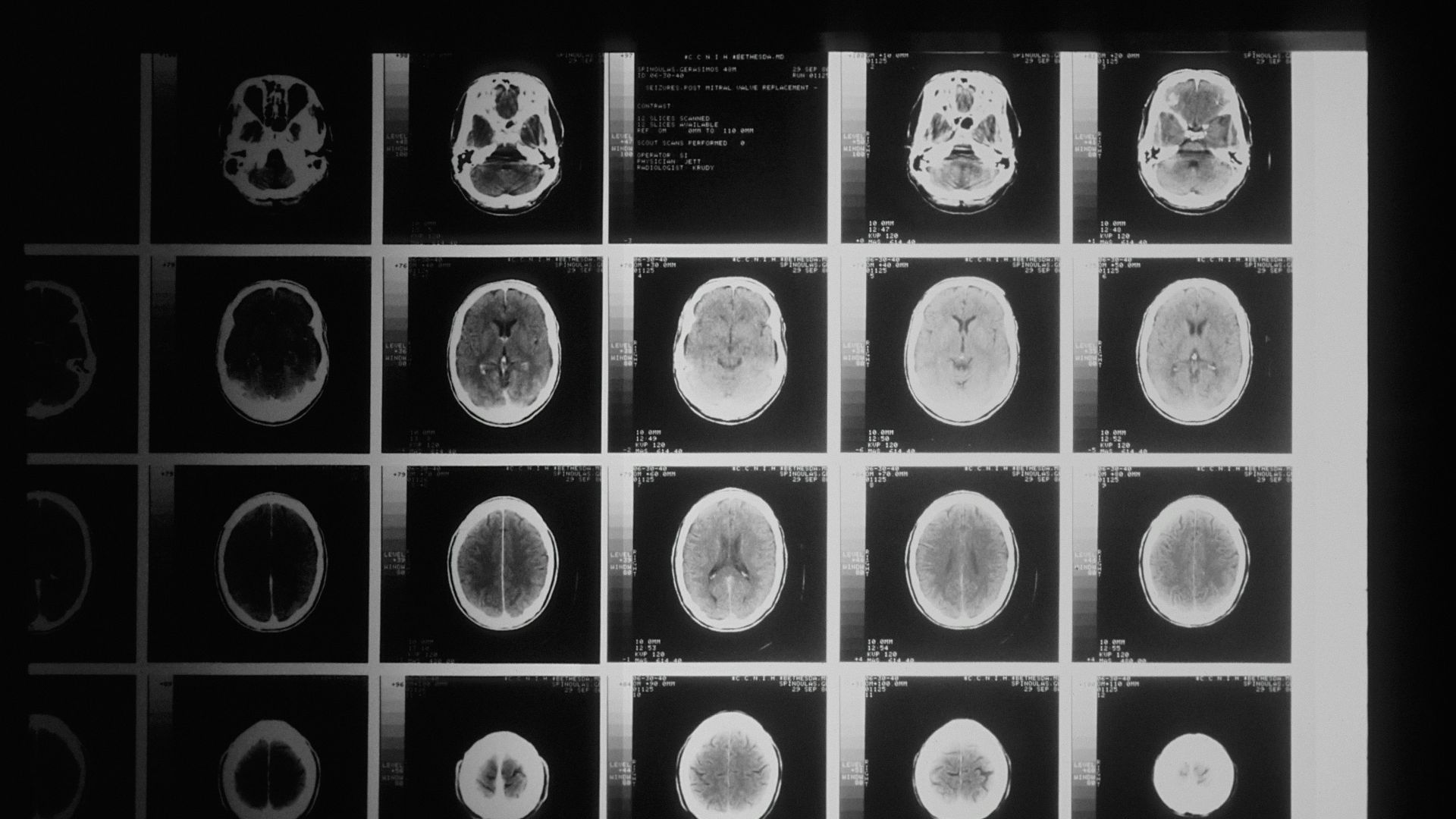
9. Medical Imaging Improved Diagnosis and Treatment
Technologies like X-rays, CT scans, and MRIs transformed doctors’ ability to identify injuries and illnesses. Physicians could suddenly examine bones, organs, and internal damage without immediately resorting to invasive surgery. Faster and more accurate diagnoses have saved countless lives through earlier treatment and improved emergency care.
 National Cancer Institute on Unsplash
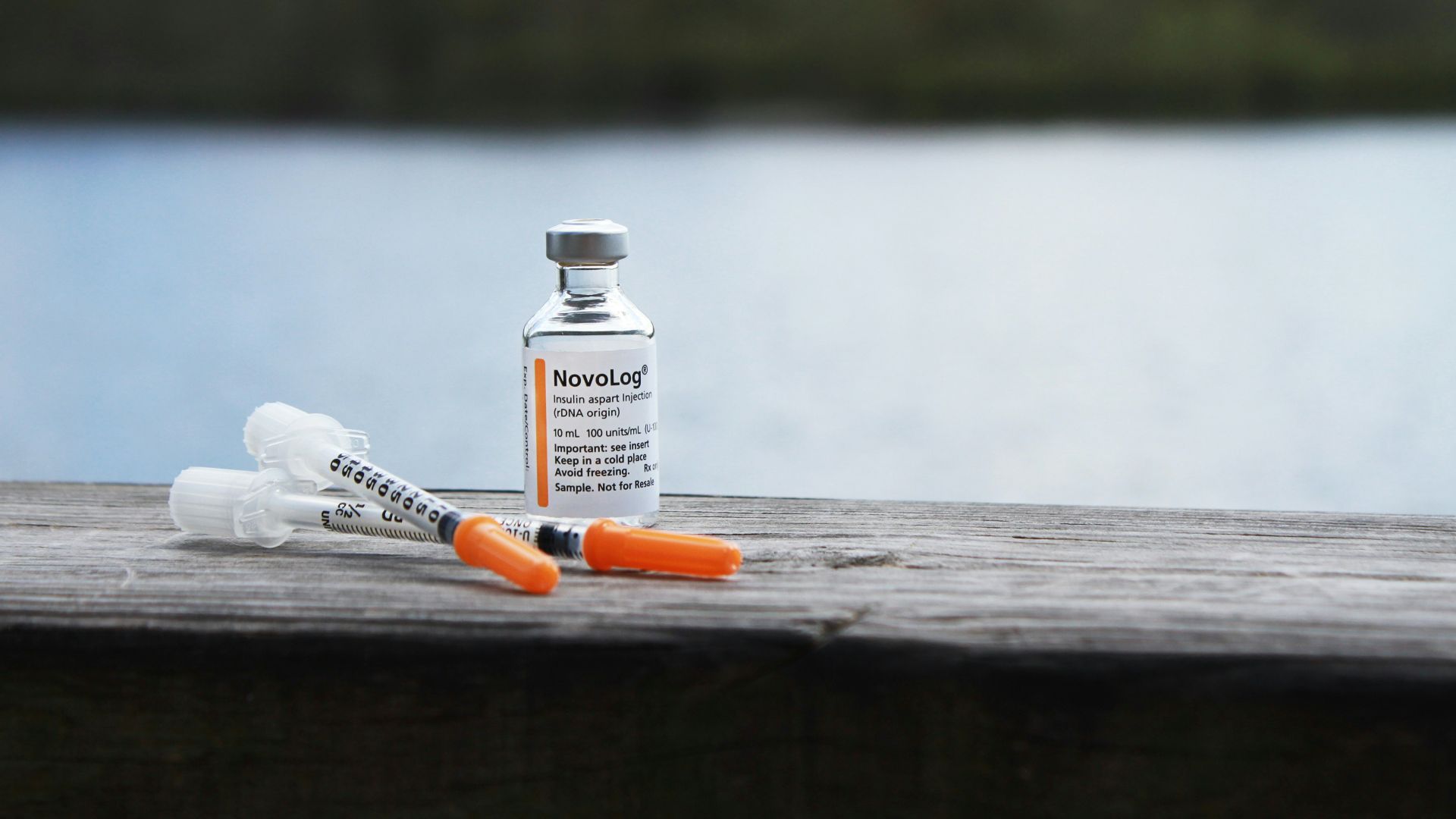
10. Insulin Changed Diabetes Treatment Forever
Before insulin therapy became available in the 1920s, type 1 diabetes was usually fatal within a short period of diagnosis. The discovery and medical use of insulin allowed patients to manage blood sugar levels and live significantly longer lives.
Today, insulin remains one of the most important medications in modern medicine.
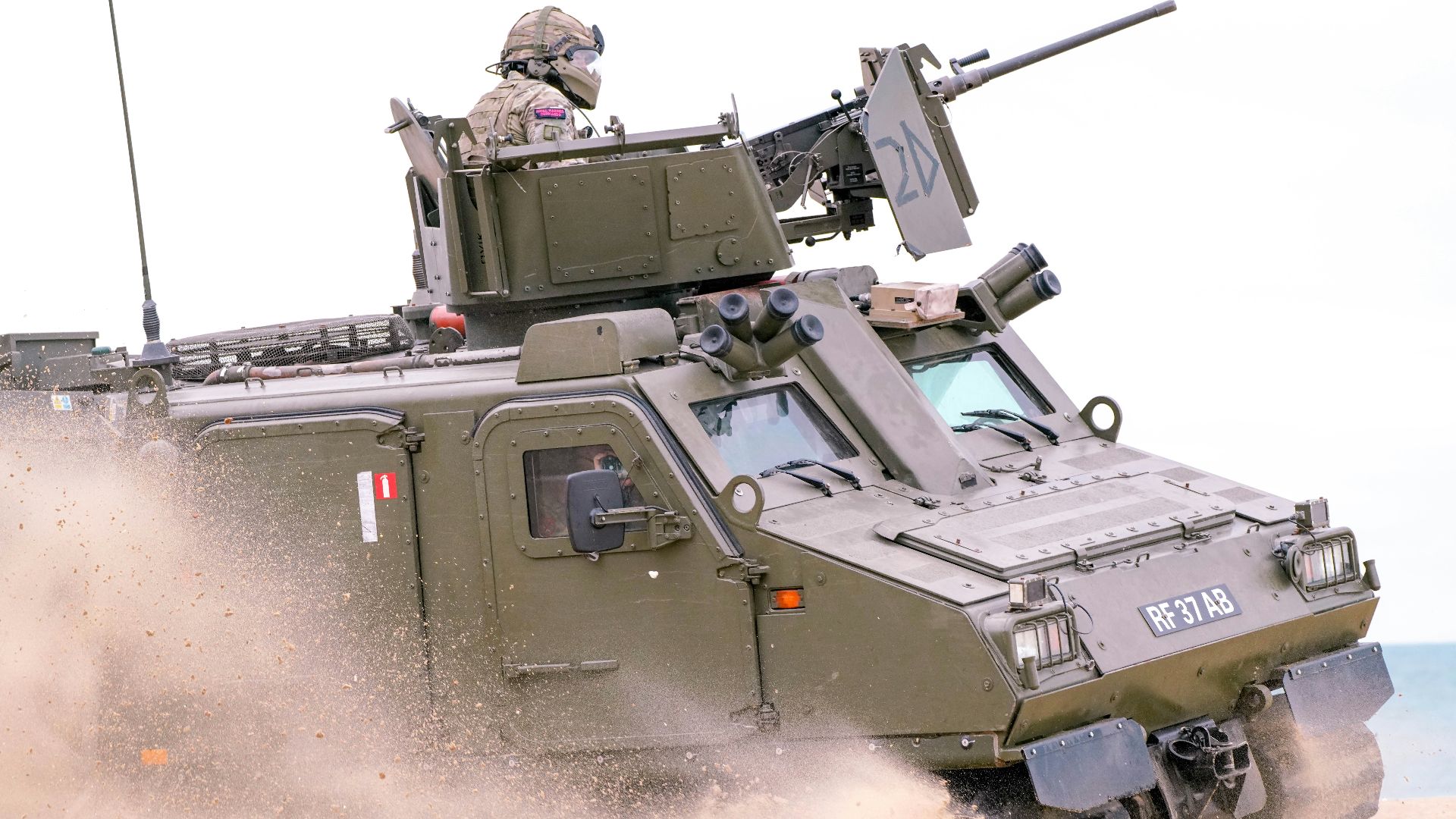
1. Machine Guns Increased Battlefield Deaths
Rapid-fire machine guns transformed warfare during the late nineteenth and early twentieth centuries. Weapons like the Maxim gun allowed armies to fire hundreds of rounds per minute, making traditional infantry charges devastatingly ineffective. During World War I, machine guns contributed heavily to massive casualty rates on both sides of the conflict.
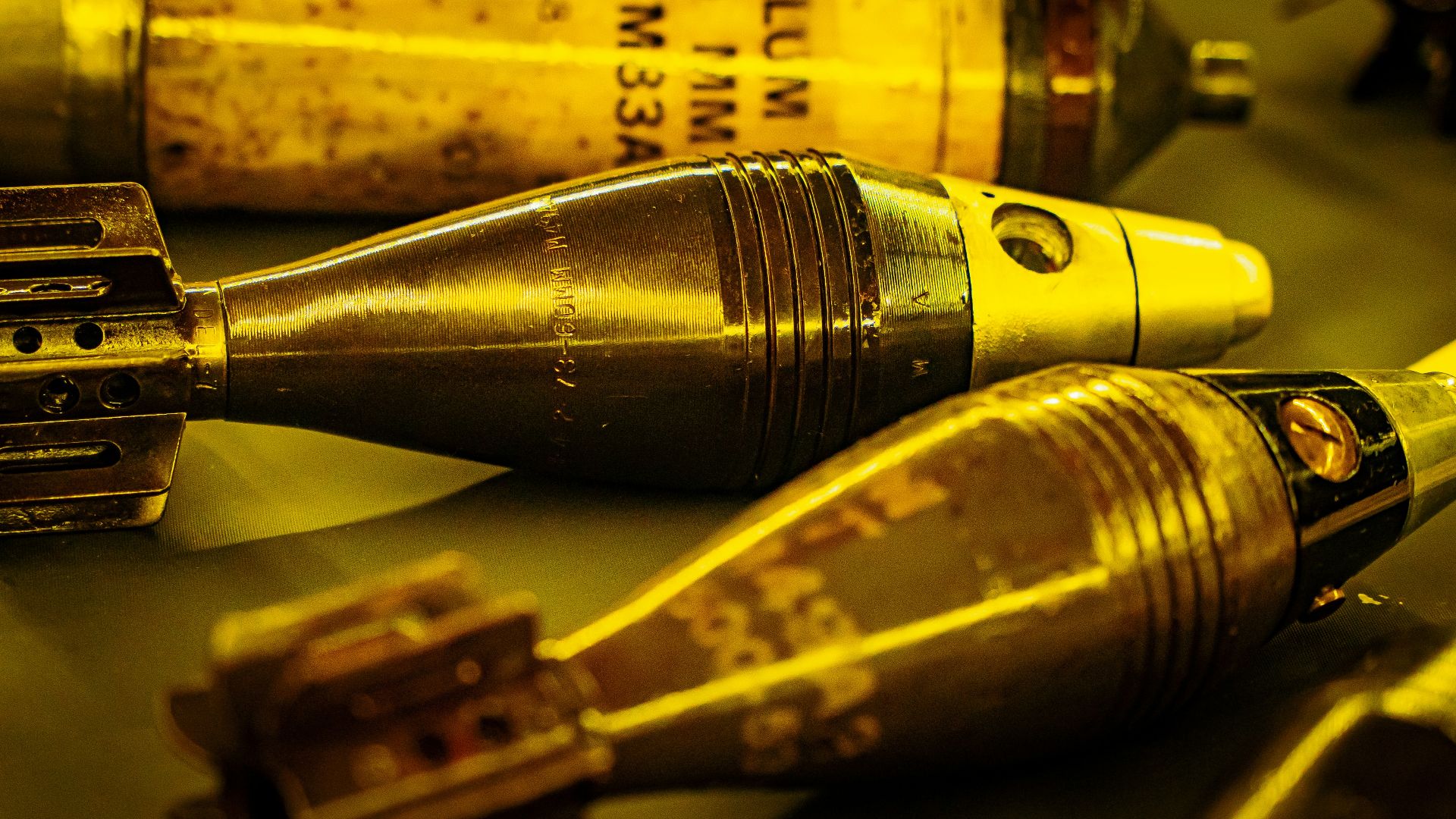
2. Chemical Weapons Caused Widespread Suffering
Chemical warfare became infamous during World War I after chlorine and mustard gas were introduced on the battlefield. These substances caused blindness, lung damage, severe burns, and agonizing deaths among soldiers trapped in trenches.
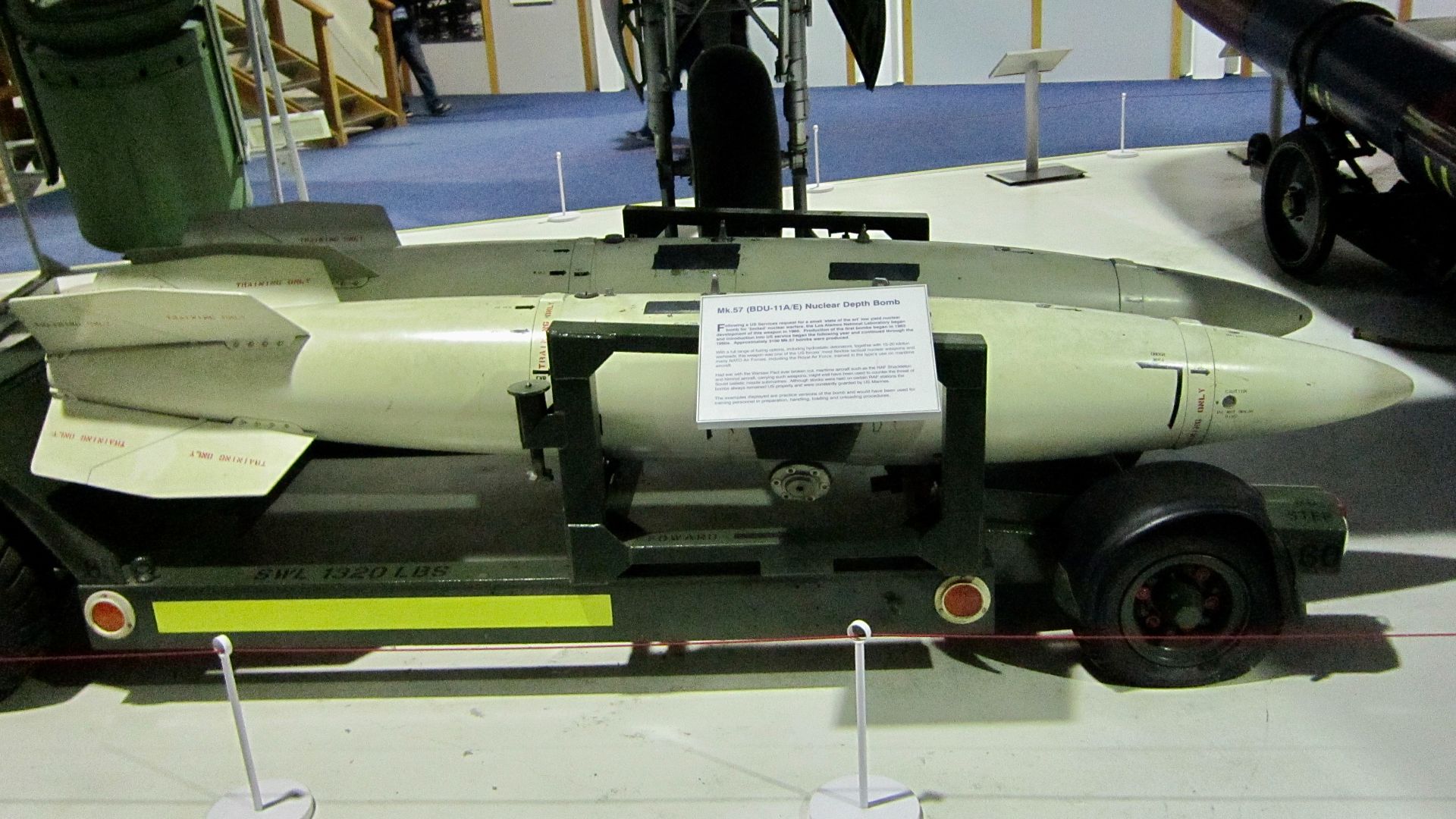
3. Nuclear Bombs Created Unprecedented Destruction
Atomic weapons introduced a level of destructive power humanity had never previously witnessed. The bombings of Hiroshima and Nagasaki in 1945 killed well over one hundred thousand people through blast damage, burns, and radiation exposure.
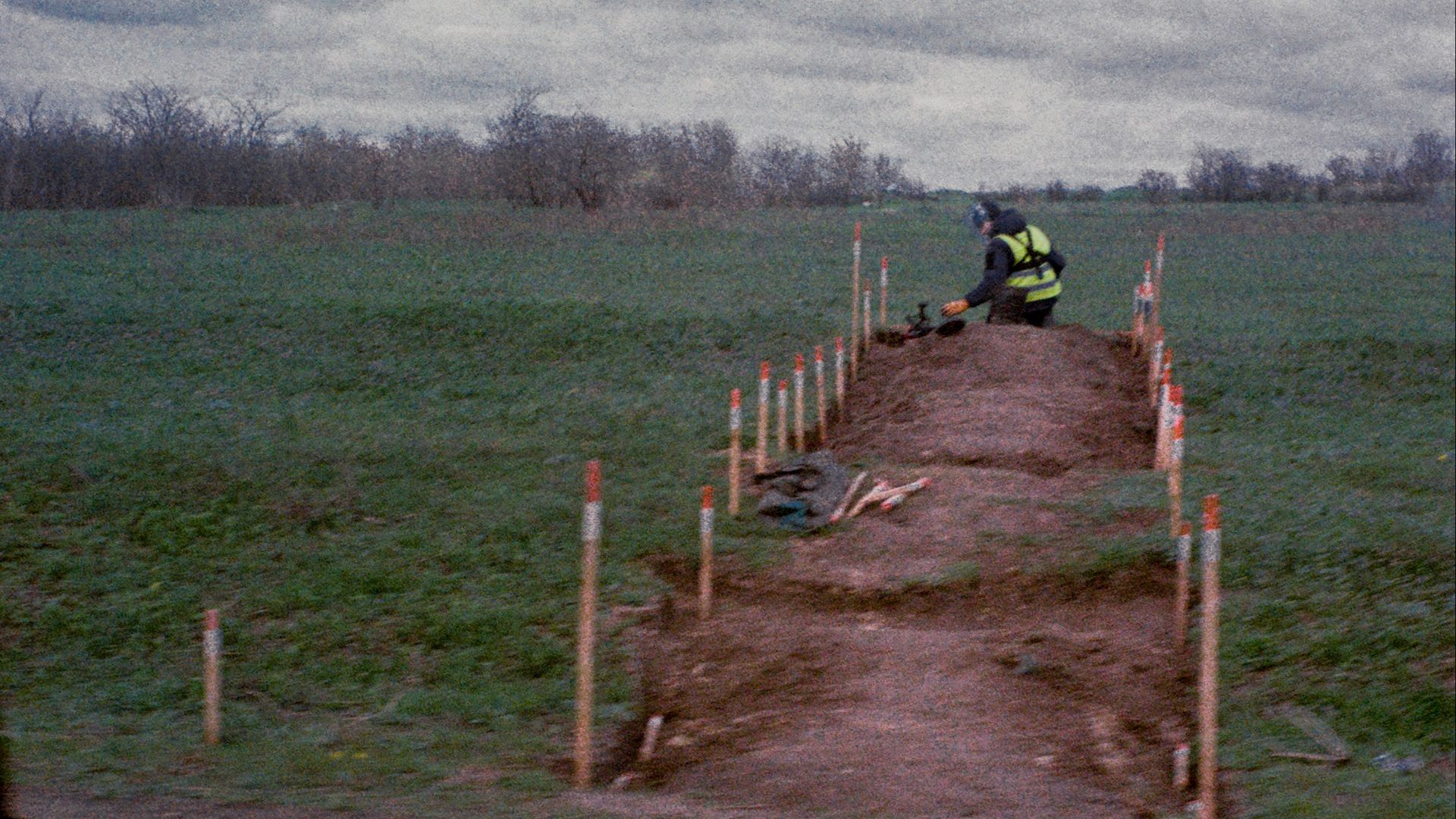
4. Land Mines Continued Killing Long After Wars Ended
Land mines were designed to disable enemy soldiers, but they often remained buried long after conflicts ended. Civilians, including children, have continued suffering severe injuries and deaths from unexploded mines in former war zones across Asia, Africa, and Europe. Clearing old minefields remains an expensive and dangerous international effort.
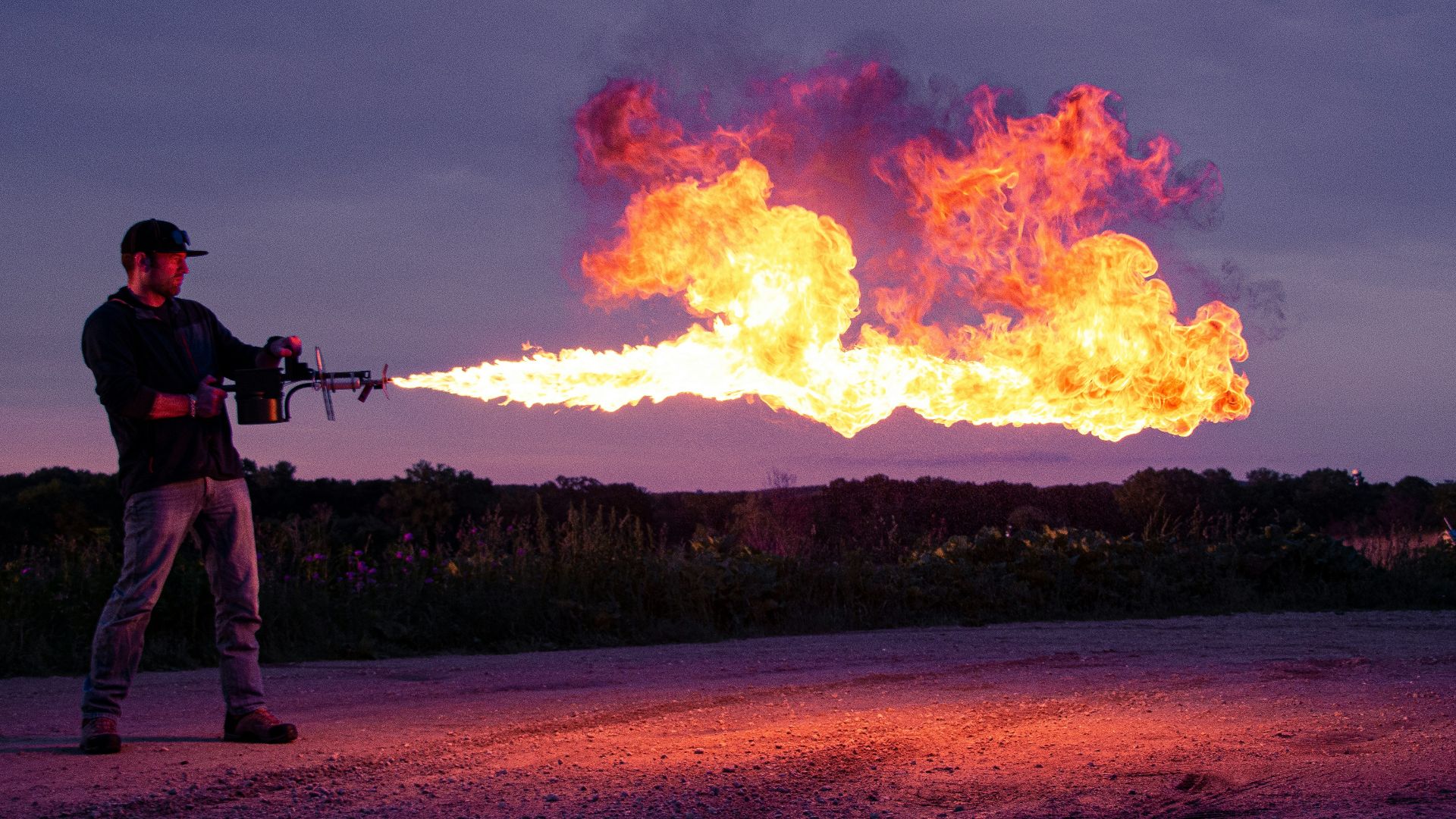
5. Flamethrowers Made Combat More Brutal
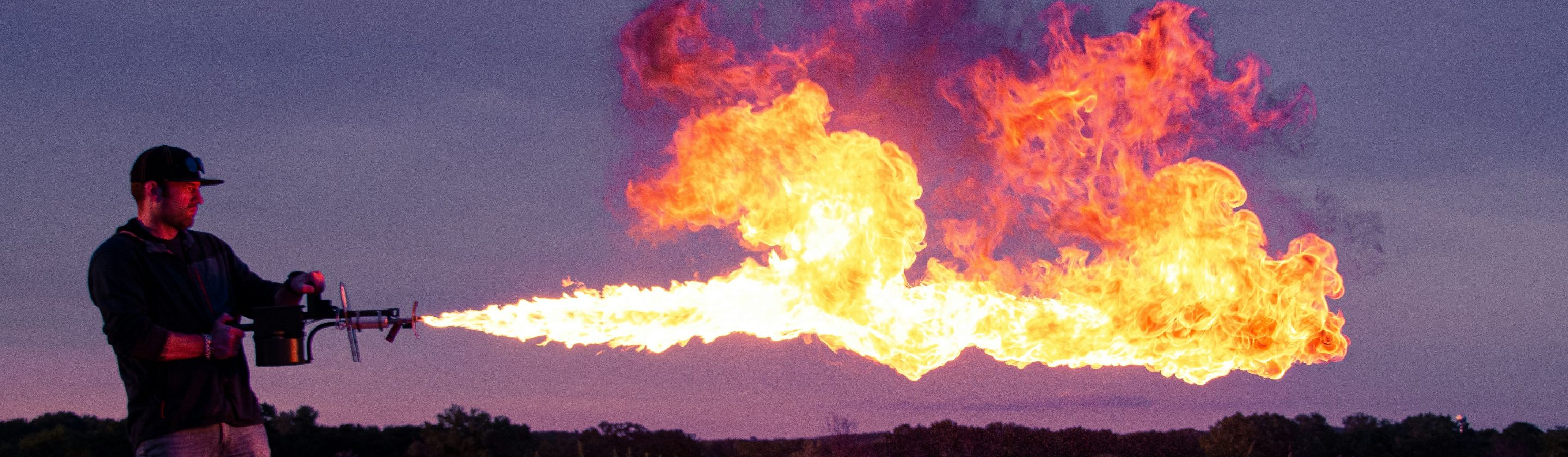
Flamethrowers were widely used during both World Wars and several later conflicts. These weapons projected burning fuel over large areas, causing devastating injuries and psychological terror among enemy troops.
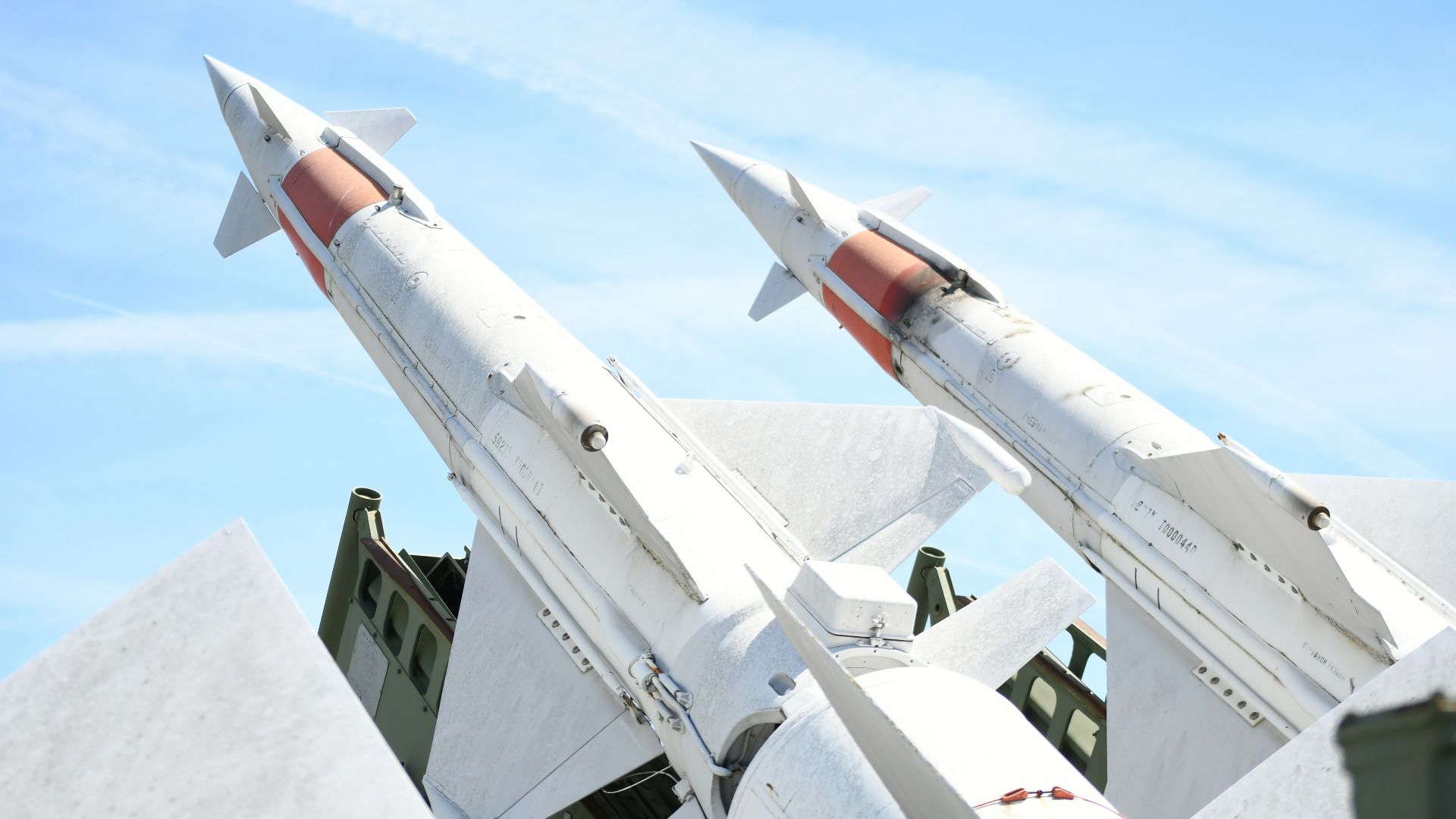
6. Ballistic Missiles Expanded the Reach of War
Missile technology allowed nations to strike targets from enormous distances with increasing speed and accuracy. During World War II, Germany’s V-2 rockets demonstrated that cities could be attacked without warning from far beyond traditional front lines.
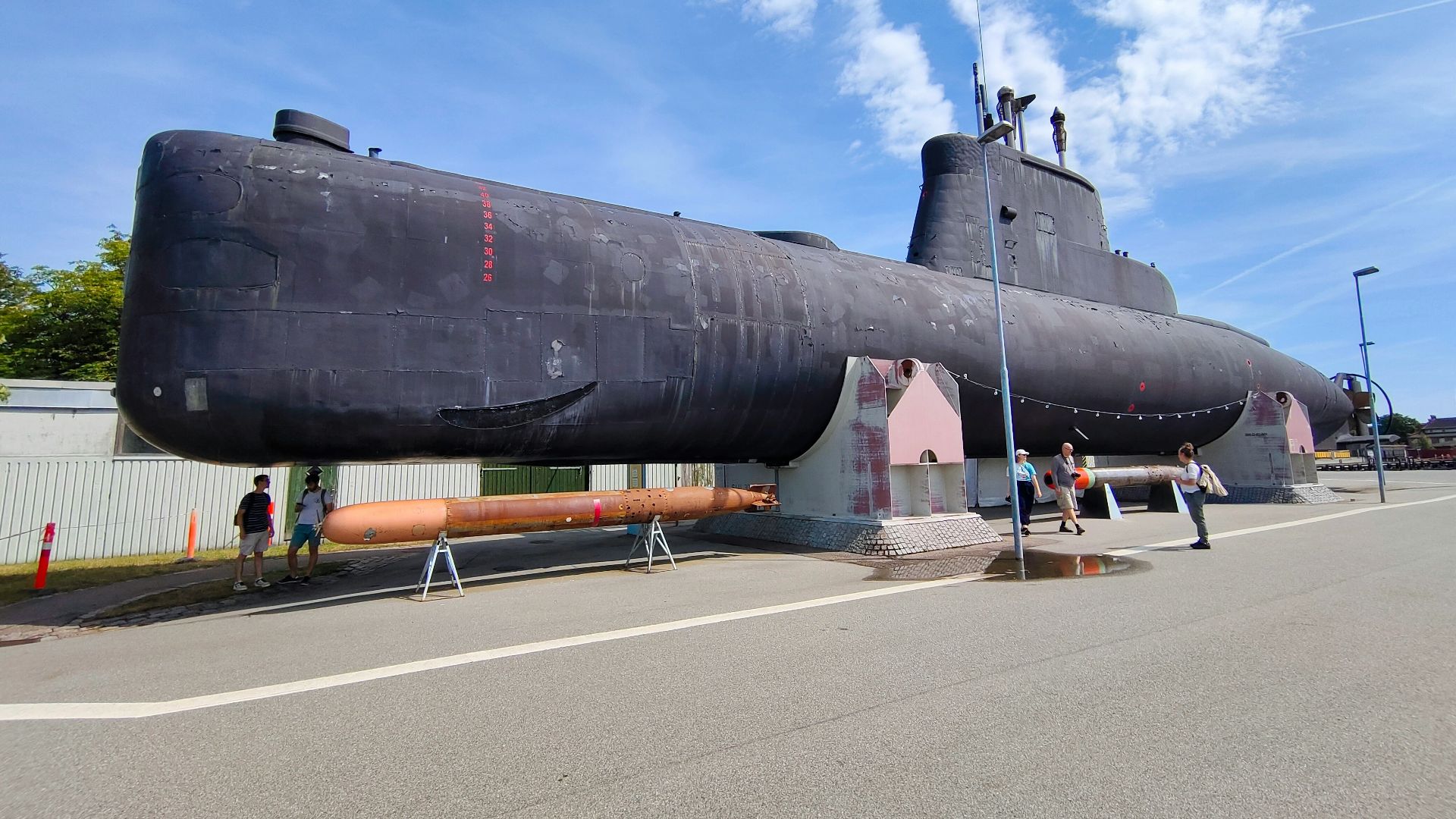
7. Submarines Changed Naval Warfare
Submarines introduced stealth attacks that fundamentally altered naval combat. During both World Wars, German U-boats targeted military and civilian ships alike, contributing to major loss of life in the Atlantic Ocean. Their ability to strike unexpectedly made maritime trade and passenger travel far more dangerous during wartime.
8. Dynamite Made Explosives More Destructive
Alfred Nobel developed dynamite in the nineteenth century to improve mining and construction work. While it helped build tunnels, railways, and canals, explosives also became more efficient tools for warfare and terrorism.

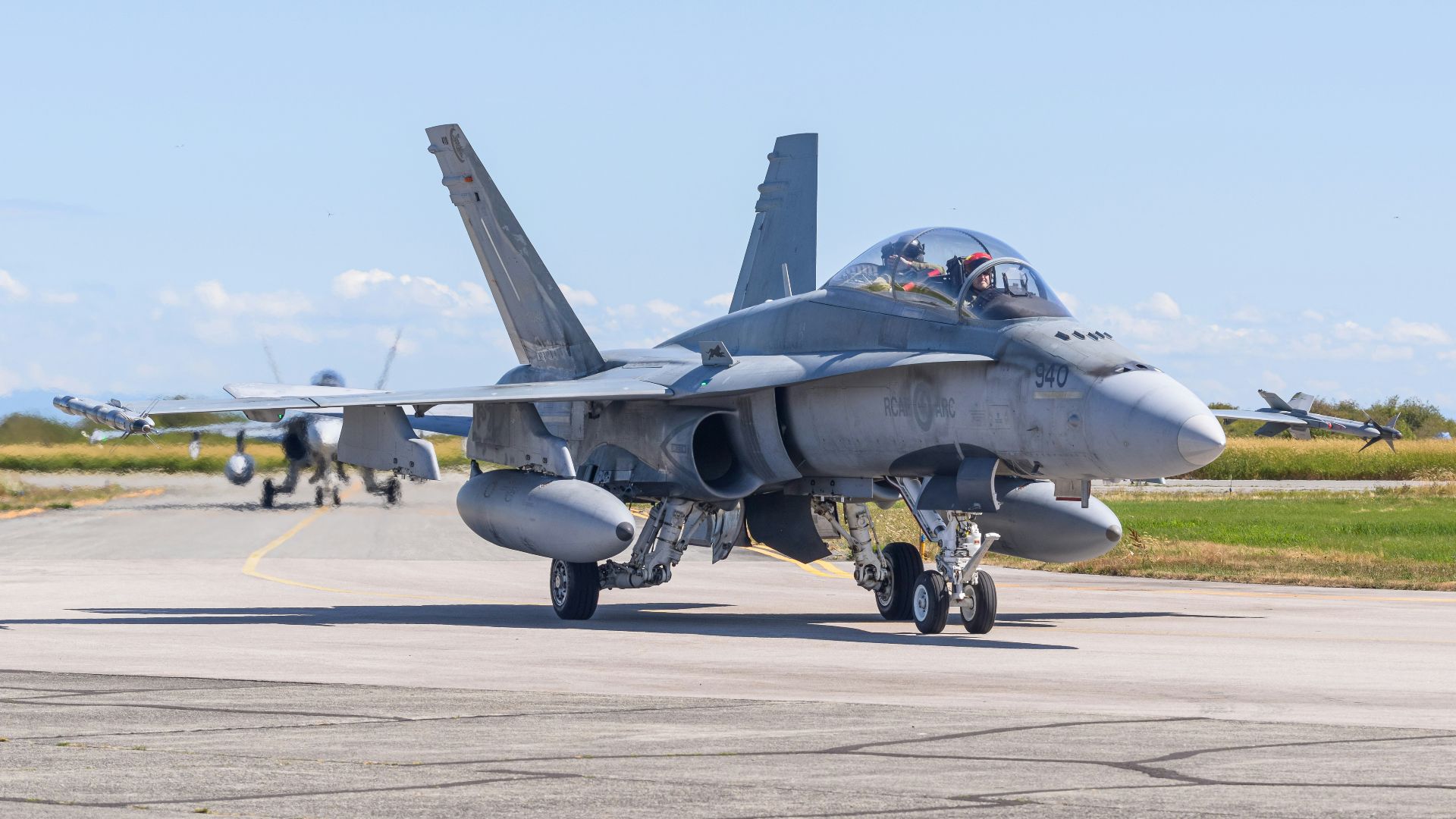
9. Fighter Aircraft Intensified Modern Warfare
Military aircraft changed warfare by allowing attacks from the air on soldiers, factories, and civilian infrastructure. Strategic bombing campaigns during World War II caused enormous destruction in cities across Europe and Asia.
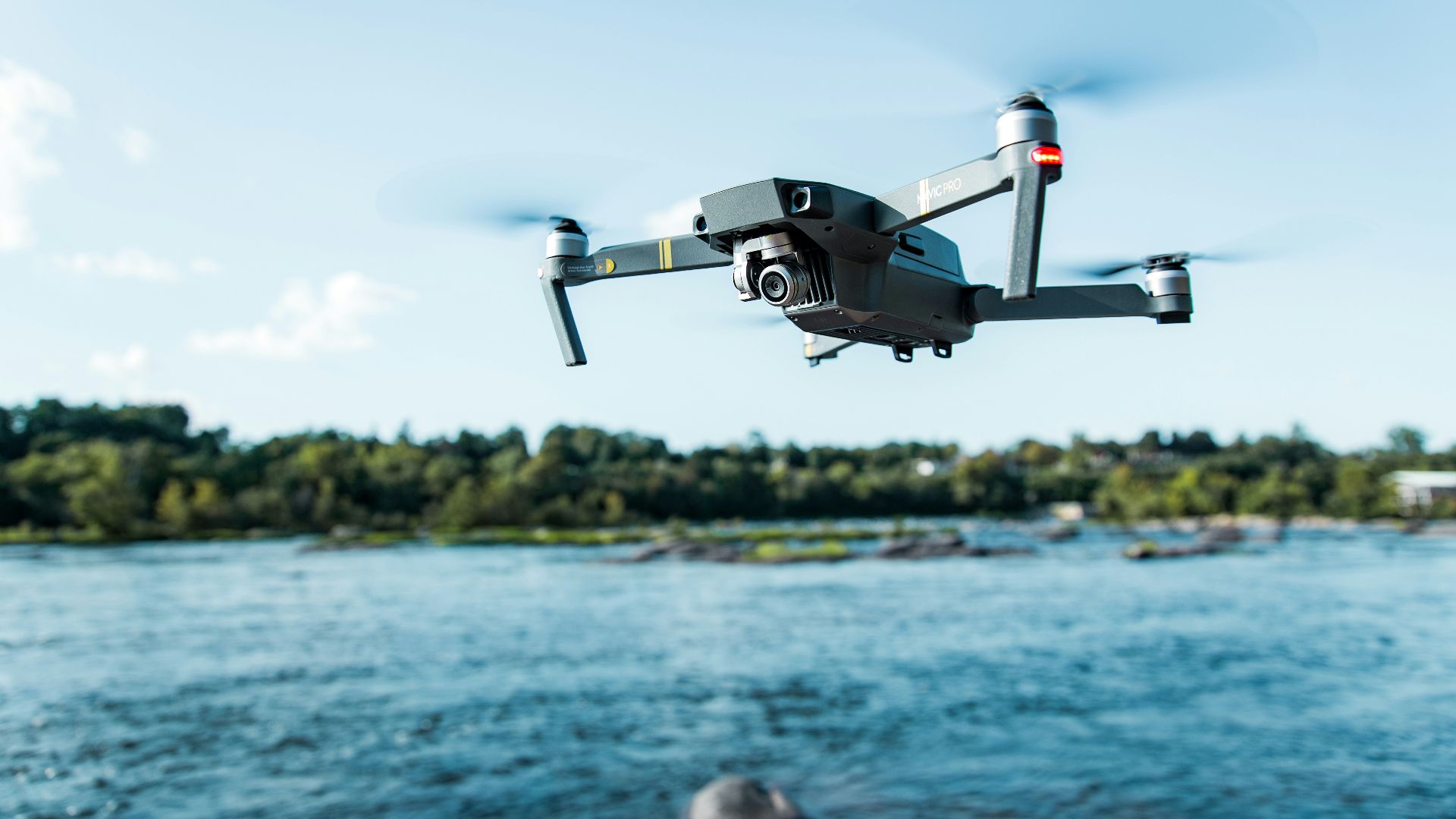
10. Autonomous Drones Increased Remote Killing Capabilities
Modern drones changed military operations by allowing surveillance and attacks from great distances without placing pilots directly in danger. While some argue that drones reduce military casualties for operators, critics point to civilian deaths and ethical concerns surrounding remote warfare.
KEEP ON READING
20 Historical Figures Who Lived Extremely Tragic Lives
Loss, Pain, and Unfair Circumstances. History often remembers famous people…
By Christy Chan May 11, 2026
The 20 Ugliest Architectural Design Styles In History
Some Buildings Make History, For Better Or For Worse. Architecture…
By Elizabeth Graham May 11, 2026
20 Historical Figures Who Were Obsessed With Their Pets
History’s Most Famous Pet People. Famous people are usually remembered…
By Elizabeth Graham May 11, 2026
20 Times People Disobeyed Direct Orders And Changed History
Looking Power In The Face And Saying “No”. History isn't…
By Sara Springsteen May 11, 2026
10 People Who Survived The Unsurvivable & 10 Who Walked…
The Edge Has Stories. Survival stories can feel almost rude…
By Cameron Dick May 11, 2026
10 Artists Ahead of Their Time & 10 Who Perfectly…
Some Artists Predicted the Future While Others Defined the Present.…
By Rob Shapiro May 11, 2026