

My Husband Started Taking Evening Walks Alone. When I Followed Him, I Uncovered A Betrayal I Never Expected.
My Husband Started Taking Evening Walks Alone. When I Followed Him, I Uncovered A Betrayal I Never Expected.
The Cabinet Doors
After thirty-one years of marriage, you think you know every irritating thing about a person. Martin left cabinet doors open in the kitchen. He'd pour himself coffee, grab the sugar, and just walk away, leaving everything hanging like an invitation for me to smack my forehead into them. I did, twice. He also cleared his throat before speaking in the morning, always three times, like he was warming up for a performance. He folded newspapers the wrong way and left his reading glasses on top of the refrigerator and insisted on buying the expensive mustard even though he could never tell the difference in a blind taste test I conducted, just to prove a point. These were his crimes. Small, predictable, the kind of things that become almost comforting after three decades. I used to joke with my sister that if Martin ever surprised me, I'd check him for a fever. Our life had a rhythm. Dinner at six-thirty. News at seven. He'd fall asleep in his chair by nine, and I'd wake him up so he wouldn't complain about his neck in the morning. It was boring in the way a good marriage is supposed to be boring. Then he started taking long evening walks alone, and I told myself it was nothing.
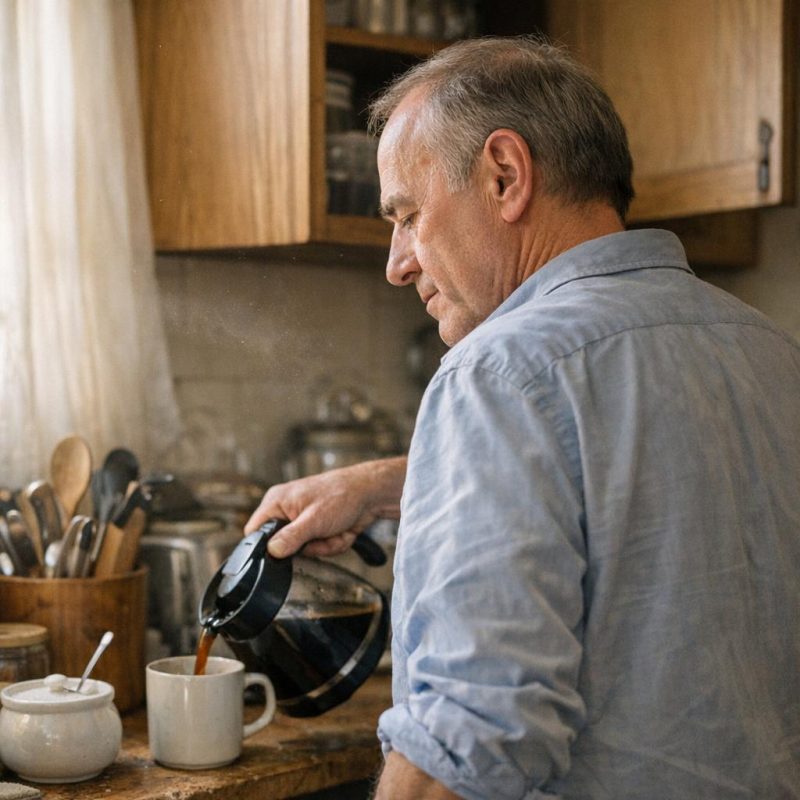 Image by RM AI
Doctor's Orders
He brought it up over breakfast one Saturday, casual as anything. 'Doctor says I need to walk more,' Martin told me, spreading jam on his toast with the precision of someone defusing a bomb. 'Cholesterol's creeping up. Forty-five minutes a day, he said, preferably before bed to help with sleep.' It sounded perfectly reasonable. I felt a little guilty, actually, because I definitely wasn't walking forty-five minutes a day, and my cholesterol probably wasn't any better than his. I offered to join him, but he waved me off. 'You do your thing,' he said. 'I'll do mine. We don't have to be attached at the hip.' Which was fair. We'd never been one of those couples who did everything together. I had my book club. He had his woodworking in the garage. Independence was healthy, or so all the articles said. So I didn't think much of it when he started lacing up his sneakers every evening around seven-fifteen, like clockwork. He'd give me a little wave and head out the door, and I'd settle in with whatever I was watching. It became part of the routine, just another predictable thing. Except for one detail that started nagging at me. He changed into the same windbreaker every night, no matter the weather.
 Image by RM AI
The Windbreaker
It was a navy blue windbreaker with reflective strips on the sleeves, nothing special. But Martin had other jackets. He had a nice fleece. He had a rain shell. He had a whole section of the coat closet dedicated to outerwear sorted by season, because that's the kind of person he was. Yet every single evening, he'd pull on that specific windbreaker like it was a uniform. When it was seventy degrees out, he wore it. When it rained, he wore it. When I finally washed it and hung it to dry, he actually waited, pacing near the laundry room, until it was ready. I asked him once why he didn't just grab a different jacket, and he said something about it being 'broken in.' I let it go. But then I started noticing other things. The way he'd check his watch during dinner, just a quick glance, like he was timing something. How he'd become irritable if I asked him to help with dishes right at seven, suddenly in a rush to get out the door. And the walks themselves were getting longer. Forty-five minutes became an hour. An hour became ninety minutes. When he came back, his face was flushed, but not like he'd been exercising. Like he'd been concentrating on something. The walks were getting longer, and Martin was getting stranger.
 Image by RM AI
Ellen at the Curb
Ellen caught me at the curb while I was pulling weeds from the front garden. She's our neighbor three houses down, the kind of person who knows everyone's business but manages to make it sound helpful rather than nosy. 'Saw your Martin the other night,' she said, leaning against my mailbox in her walking gear. 'He was really booking it past the old shopping plaza on Hendricks Avenue. I was driving back from my daughter's, and I thought, my goodness, that man's on a mission!' She laughed. I laughed too, automatically, but my hands had gone still in the dirt. 'When was this?' I asked, trying to sound casual. 'Thursday, maybe? Around eight o'clock. I almost didn't recognize him, but that blue jacket with the reflective strips, you know, it's distinctive.' Ellen kept talking about her daughter's remodeling project or something, but I wasn't really listening anymore. Hendricks Avenue. That was across town, at least four miles from our house. There was nothing over there except closed-down stores, a couple of fast-food places, a Laundromat. Martin always left the house heading east, toward the park with the walking trail. Hendricks was west and south. Across town. There was no reason for Martin to be across town on foot.
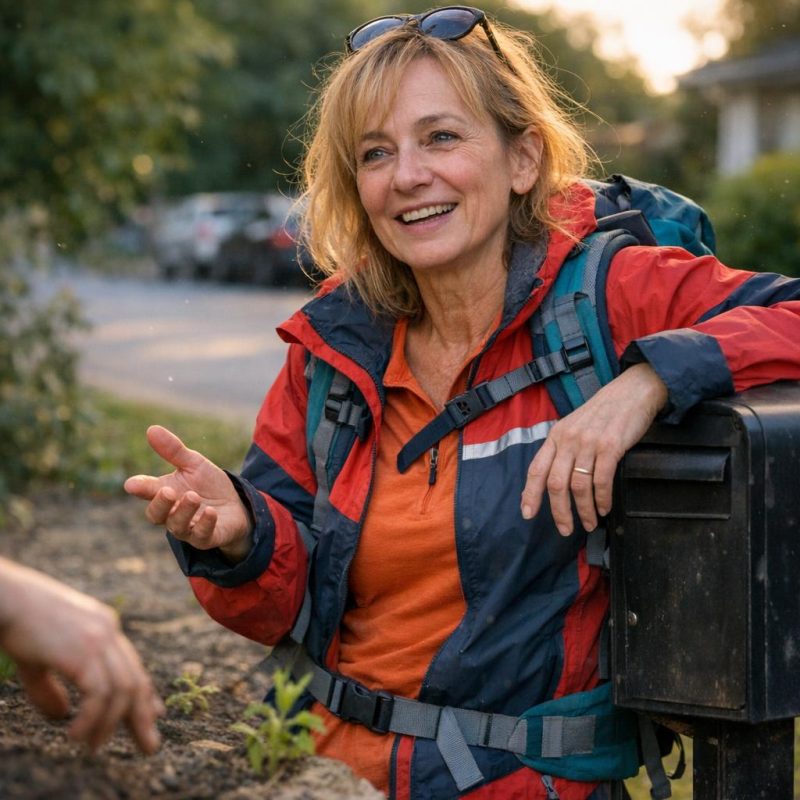 Image by RM AI
Six Men with Gray Jackets
I waited until he was back from his walk that night, shoes off, settling into his chair. I kept my voice light. 'Ellen said she saw you over by Hendricks Avenue the other night. That's pretty far, isn't it?' Martin looked up from his phone, and for just a second, something crossed his face. Not guilt, exactly. More like calculation. Then he laughed. 'Ellen's eyesight isn't what it used to be,' he said. 'Probably someone else. You know how many middle-aged guys wear blue jackets?' It was a perfectly logical explanation. Except Ellen had specifically mentioned the reflective strips. And except Martin's laugh had come too quickly, like he'd been ready for the question. I pressed a little. 'She seemed pretty sure it was you.' He shrugged. 'Well, it wasn't. I stick to the park loop. Same route every time. Doctor's orders, remember?' Then he went back to his phone like the conversation was over. And maybe it should have been. Maybe I should have believed him. But something about the way he'd dismissed it so smoothly, without even a hint of curiosity about why Ellen would think she'd seen him somewhere else, bothered me. He wasn't offended, which would have felt natural. He was amused in a way that felt slippery.
 Image by RM AI
Three Minutes
The next evening, I told Martin I had a headache and was going to lie down early. He nodded, checked his watch, and went through his usual routine. Windbreaker. Shoes. Little wave. Door closing behind him. I counted to sixty. Then I grabbed my car keys and my phone and headed to the garage. My heart was pounding like I was doing something dangerous, which was ridiculous. I was just checking on my husband. Making sure he was okay. That's what I told myself as I backed out of the driveway, keeping my headlights off until I reached the corner. I gave him a three-minute head start, then drove slowly down our street in the direction he always walked. I spotted him two blocks ahead, moving at a brisk pace under the streetlights, hands in his pockets. I hung back, keeping a car or two between us when I could. This felt insane. I felt insane. Fifty-seven years old, trailing my husband in a Honda Accord like some kind of private investigator. But I also felt something underneath the absurdity, something that kept my foot steady on the gas pedal. I felt ridiculous, like one of those suspicious women in daytime movies, but I also felt something colder: certainty.
 Image by RM AI
The Service Road
Martin didn't go toward the park. He turned left onto Morrissey, then right onto a service road I'd only ever used as a shortcut to the highway. I stayed far enough back that he wouldn't notice my car, but close enough to keep him in sight under the intermittent streetlights. The neighborhood changed as we went. Nicer houses gave way to apartment complexes, then to the kind of commercial strips that had seen better days. Empty storefronts with soap-streaked windows. A pawn shop. A place that sold discount tile. Martin kept walking, purposeful, like he'd made this trip a hundred times. Finally, he slowed down. I pulled into a gas station parking lot and watched as he crossed the street toward a row of narrow buildings, the kind that shared walls and had different businesses crammed side by side. There was a check-cashing place with bars on the windows. A vacuum repair shop that looked like it hadn't been open since 1987. And between them, a doorway. No awning. No sign. Just a plain metal door with a small window of frosted glass. Martin looked left, then right. Then he pulled the door open and went inside. He went into a narrow building between a check-cashing place and a vacuum repair shop, no sign above the door.
 Image by RM AI
Frosted Glass
I sat in my car for a full minute, gripping the steering wheel. What was I expecting to find? Honestly, I thought it would be a woman. Some midlife-crisis cliché. A younger woman, maybe, or an old girlfriend who'd moved back to town. I'd already started composing the confrontation in my head, the hurt and anger and thirty-one years of marriage collapsing into a single, terrible moment. That, at least, would have made sense. Instead, I forced myself to get out of the car. My legs felt shaky as I crossed the empty street. The building had a narrow alley on one side, and I edged along it until I found a window. It was small, high up, but I could see through the gap in the blinds if I stood on my toes. Inside was a room with fluorescent lights and folding tables. And people. Six or seven of them, sitting in chairs arranged in a semicircle. Martin was there, in his blue windbreaker, sitting down and nodding at something someone was saying. On the table in the center were papers. Binders. And photographs. I squinted, trying to make sense of what I was seeing. Then my heart dropped. The photographs were of houses. One of them looked like ours. Instead, what I saw made no sense at all.
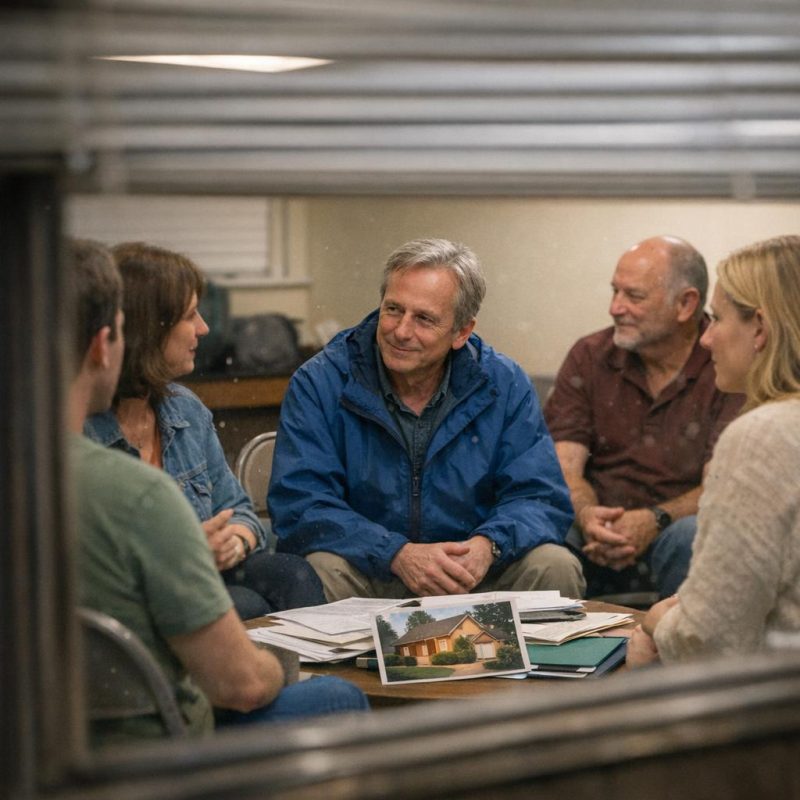 Image by RM AI
The Folding Table
I pressed myself against the cold brick and steadied my breathing. The fluorescent lights inside gave everything a harsh, institutional quality. There were three other people besides Martin. A woman with short gray hair and a severe expression sat closest to him, her arms crossed. Across from her was a younger man in a plaid shirt, maybe mid-thirties, leaning forward like he was studying for an exam. The third person had their back to me, but I could see their hand gesturing toward something on the table. The table itself was covered with documents. Binders with labeled tabs. A map with red pins stuck in it. And those photographs. I counted at least a dozen of them, spread out in rows. Houses. All of them older homes, the kind you see in established neighborhoods. Some I didn't recognize. Others looked vaguely familiar, like maybe I'd driven past them on the way to the grocery store or the library. Martin was nodding along to whatever the gray-haired woman was saying, his expression serious and focused in a way I rarely saw anymore. He looked engaged. Purposeful. And then I saw the photo near the edge of the table, slightly overlapping another one. The white siding. The dark green shutters. The porch with the railing I'd painted two summers ago. Including mine. I knew our front porch when I saw it.
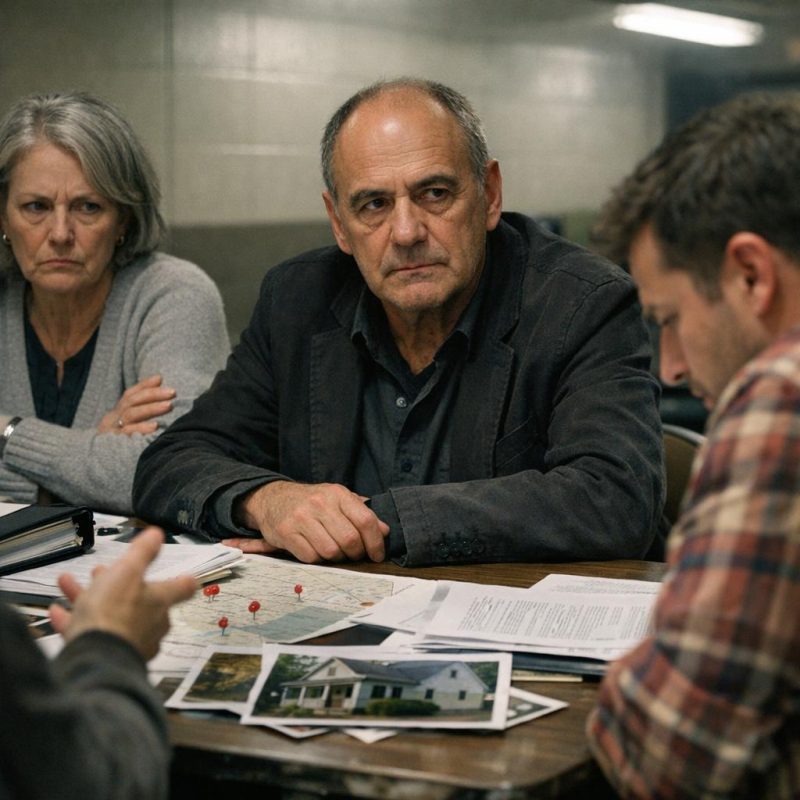 Image by RM AI
The Hydrangea Bush
I stepped back so fast I nearly twisted my ankle on the uneven pavement. My hand shot out to catch myself against the wall, scraping my palm on the rough brick. For a second, I just stood there, heart pounding, trying to make my brain accept what my eyes had just seen. Our house. On that table. With all those other houses and those strangers and my husband sitting there like this was normal. Like he belonged there. I felt dizzy, like the ground had tilted beneath me. This wasn't an affair. I almost wished it was. At least that would have been something I understood, something with a shape and a script. But this? What was this? Why would Martin have photographs of our home laid out with strangers in some rented room on Maple Street? The questions came too fast, piling on top of each other until I couldn't sort one from the next. My breathing was too loud in my ears. I pressed my back against the wall and tried to think clearly, but all I could see was that photograph. Our porch. Our house. Part of whatever this was. I should have marched inside right then, but shock has a funny way of making you quieter instead of louder.
 Image by RM AI
Forty Minutes
I made it back to my car and sat there, hands shaking, watching the door of that building. Twenty minutes passed. Then thirty. I kept imagining Martin inside, talking about our house, our life, with those people. The gray-haired woman with her severe expression. The young man in plaid. What were they discussing? What decisions were being made while I sat outside in the dark like an idiot? Finally, at forty-three minutes past the hour, the door opened. Martin came out first, his hands in his pockets, looking relaxed. Almost pleased with himself. The others followed one by one, dispersing to their cars without much ceremony. No handshakes or lingering conversation. Just a quick nod and then everyone went their separate ways, like people leaving any ordinary meeting. Martin walked to his car with that faint smile still on his face, the one he used to wear when he closed a good deal at work. Satisfied. I waited until his taillights disappeared around the corner, then I started my own car and drove home faster than I should have. I got home before he did and sat in the dark living room until he walked in.
 Image by RM AI
Just Walking
I heard his key in the lock. The door opened, and he stepped inside, still wearing that windbreaker. He hung his keys on the hook by the door, slipped off his shoes, completely unhurried. Then he saw me sitting there in the armchair by the window, the streetlight casting just enough glow that he could make out my silhouette. He startled. 'Cynthia. You scared me. Why are you sitting in the dark?' I didn't answer right away. I let the silence stretch out between us, heavy and uncomfortable. When I finally spoke, my voice came out steadier than I expected. 'How was your walk?' He hesitated. Just for a second, but I caught it. 'Fine. Just walking. You know. Needed some air.' I leaned forward slightly. 'Try again.' He froze. Actually froze, his hand still on the doorframe, his whole body going rigid like I'd caught him in a searchlight. I watched his face in the dim light, watched him calculate how much I might know, how much he could still get away with lying about. The color drained from his face so suddenly I thought he might confess to something dramatic and foolish.
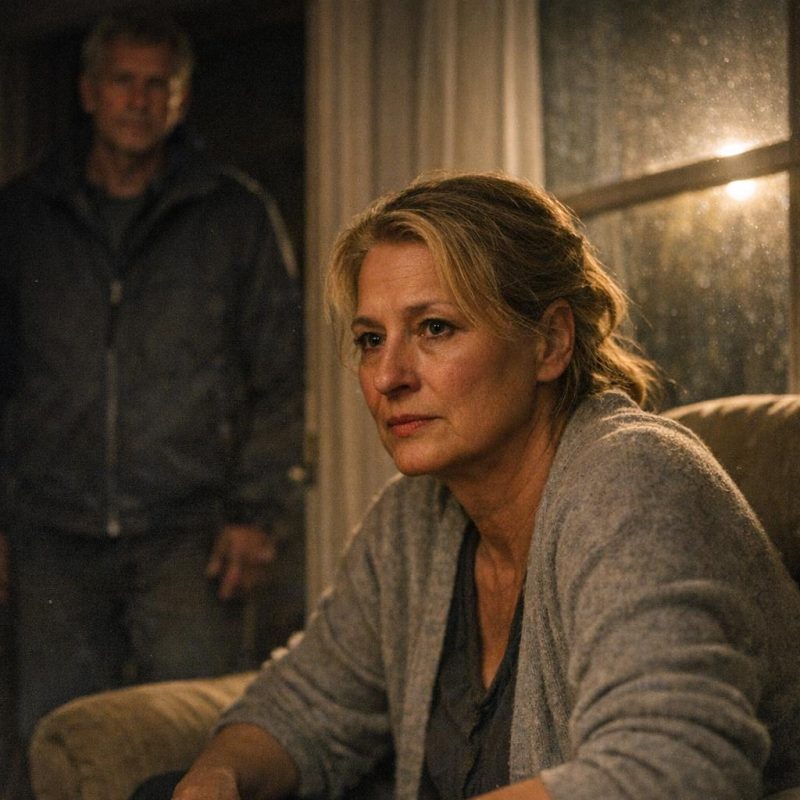 Image by RM AI
How Much Do You Know
But instead of confessing, Martin did something worse. He looked at me with this careful, guarded expression and said, 'How much do you know?' Not 'I can explain.' Not 'I'm sorry.' How much do you know. Like we were negotiating. Like this was a transaction and he needed to figure out his exposure before deciding how much truth to sell me. I felt something cold settle in my chest. 'Enough,' I said. He nodded slowly, then moved to turn on the lamp. The sudden light made both of us squint. He sat down on the couch across from me, elbows on his knees, hands clasped together. He looked tired suddenly. Older. 'It's not what you think,' he said. I almost laughed. 'You have no idea what I think, Martin.' He opened his mouth, then closed it again. We sat there for a long moment, the house silent except for the hum of the refrigerator in the kitchen. I could see him working through his options, trying to decide how much he had to give me to make this go away. That question lodged in me like a hook: it meant there was something big enough to measure.
 Image by RM AI
A Full Day
I didn't sleep that night. Neither did he, I don't think. We went to bed in silence, lying on opposite sides of the mattress like strangers. The next morning I made coffee and waited for him at the kitchen table. When he came downstairs, I was ready. 'Start talking,' I said. He poured himself a cup, added sugar, stirred it slowly. Stalling. 'Can we at least—' 'No,' I cut him off. 'We can't at least anything. Talk. Now.' So we sat there at the kitchen table while the morning light crept across the floor, and I asked him question after question. Where had he been going? Who were those people? Why were there photographs of houses? Why was our house in those photographs? He kept trying to deflect, to minimize, to turn it into something smaller than it was. But I wouldn't let him. Every time he tried to dodge or change the subject, I pulled him back. It took hours. I canceled my plans for the day, unplugged my phone, and refused to let him off the hook. When he finally started talking, the words came slowly, like something rotten being dragged into light.
 Image by RM AI
The Investment Group
Martin told me about the group. Five people total, including him. They'd been meeting for three months. He'd met one of them through a former colleague, someone who worked in commercial real estate. The pitch was simple: get in early on an opportunity most people didn't know about yet. 'It's just a small investment group,' he said, like that made it innocent. 'Ordinary people trying to get ahead. Trying to build something for retirement.' I stared at him. 'Ordinary people don't have photographs of other people's houses, Martin.' He looked down at his coffee. 'We're investors. We identify properties that might be... undervalued. Before the market shifts.' Before the market shifts. Such clean language for what he was describing. I asked him what kind of shift. He hesitated again, and I could see him deciding how much to tell me. Finally, he admitted it. There was a redevelopment project coming. A big one. The city was planning to expand the commercial corridor along the west side, which would push property values up significantly in certain neighborhoods. Their plan was to quietly buy up older homes before a redevelopment project became public.
 Image by RM AI
Just Business
Martin kept using that phrase: 'just business.' He said it at least four times in the span of ten minutes, like repetition could turn it into truth. 'It's not personal, Cynthia. It's just business. People do this all the time. It's smart investing. It's just business.' I watched him across the table, this man I'd been married to for three decades, and I barely recognized him. He looked the same. Same thinning hair, same reading glasses pushed up on his head, same coffee mug he'd used for years. But the person sitting across from me was a stranger. 'So you're buying up houses,' I said slowly. 'Houses where people live. Elderly people, probably. People on fixed incomes who don't know their property values are about to spike.' He shifted in his chair. 'It's legal. They're getting fair market value.' 'Current market value,' I corrected. 'Not what it'll be worth in six months.' He didn't answer that. He just looked at his hands. And I realized then that the betrayal wasn't about money. It wasn't even about the secrets, though those hurt. But the betrayal wasn't that he wanted to make money. It was how he planned to do it.
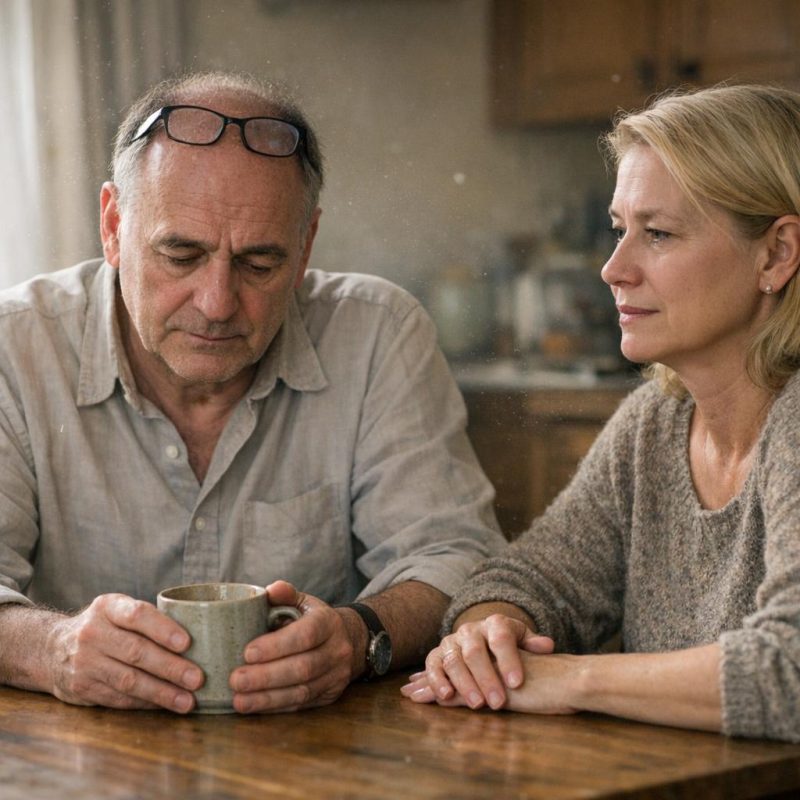 Image by RM AI
Vulnerable People
He explained it to me like it was a marketing strategy. 'We look for people who might be open to selling quickly,' Martin said, his voice flat, matter-of-fact. 'People who might not realize what their property's worth or what it's about to be worth.' I stared at him. 'What kind of people?' He shifted his weight. 'Vulnerable ones. Not vulnerable in a bad way, just... receptive. People who might need the money or who might be overwhelmed by upkeep.' The disgust started in my stomach and worked its way up. 'Give me specifics, Martin.' He wouldn't meet my eyes. 'Widows, usually. Retirees on fixed incomes. People who've let repairs pile up because they can't afford them. Anyone who might be persuaded to sell fast if the offer seems generous enough.' I felt something cold settle over me. 'Persuaded,' I repeated. 'You mean pressured.' He didn't correct me. He just sat there, hands folded on the table, like we were discussing lawn care or vacation plans. And I realized with growing horror that he'd been categorizing our neighbors this whole time. Sorting them into columns. Widows. Retirees. People struggling with repairs. Anyone who might sell fast if pressured correctly.
 Image by RM AI
Neighborhood Intelligence
I asked him what his specific role was in all this. What exactly had he been contributing to these meetings, to these people I'd never met. Martin looked uncomfortable for the first time since we'd started talking. 'Neighborhood intelligence,' he said quietly. 'I know the area. I know the people. They trust me.' My throat felt tight. 'What does that mean?' He picked at a spot on the table. 'It means I could tell them who might be open to an offer. Who's been complaining about property taxes. Who mentioned their kids moved away and they're lonely in a big house. Who's been putting off roof repairs.' I felt the air leave my lungs. 'You've been gathering information.' 'I've been paying attention,' he corrected, like there was a meaningful difference. 'To conversations. To what people say during walks. At block parties. When we have people over for dinner.' And there it was. The scope of it crashed over me like a wave. He had been using our dinners, our walks, our ordinary conversations with neighbors as research.
 Image by RM AI
The Porch Conversations
I thought about all those evenings Martin had sat on our porch, waving to people passing by. How he'd strike up conversations with anyone who stopped. How friendly he'd seemed, how interested in their lives. Mrs. Chen talking about her arthritis making it hard to garden. Bob from three doors down mentioning he couldn't keep up with the yard work since his hip surgery. The Hendersons saying their daughter wanted them to downsize. I'd thought my husband was just being neighborly. I'd been proud of him for it, actually, for staying connected to our community. But he hadn't been connecting. He'd been cataloging. Every complaint, every admission of struggle, every moment of vulnerability had been filed away somewhere in his mind. He'd been sitting there with his coffee, nodding sympathetically, asking follow-up questions, all while secretly viewing these people as opportunities. As targets. I felt sick, but not because strangers were involved.
 Image by RM AI
Our House in the Photos
'Why was our house in those photos?' I asked. My voice came out steadier than I felt. 'On that table at the community center. When I followed you. There were photos of multiple properties spread out, and ours was one of them.' Martin went very still. 'Cynthia—' 'Don't,' I said. 'Just tell me why our house was photographed and laid out on a table full of investment strategies.' He opened his mouth, then closed it. Started to speak, stopped. I watched him struggle with something, saw him weighing options in real time. 'Were you planning to sell our house without telling me? Is that what this is?' 'No,' he said quickly. 'No, that's not—' 'Then why?' He looked down at his hands, at his wedding ring, at the table between us. His silence stretched out, heavy and full of dread. I could feel my heartbeat in my throat. Whatever he was about to tell me, whatever reason our home had been included in his secret meetings, I knew it was going to change everything. His silence was longer than anything he'd said yet.
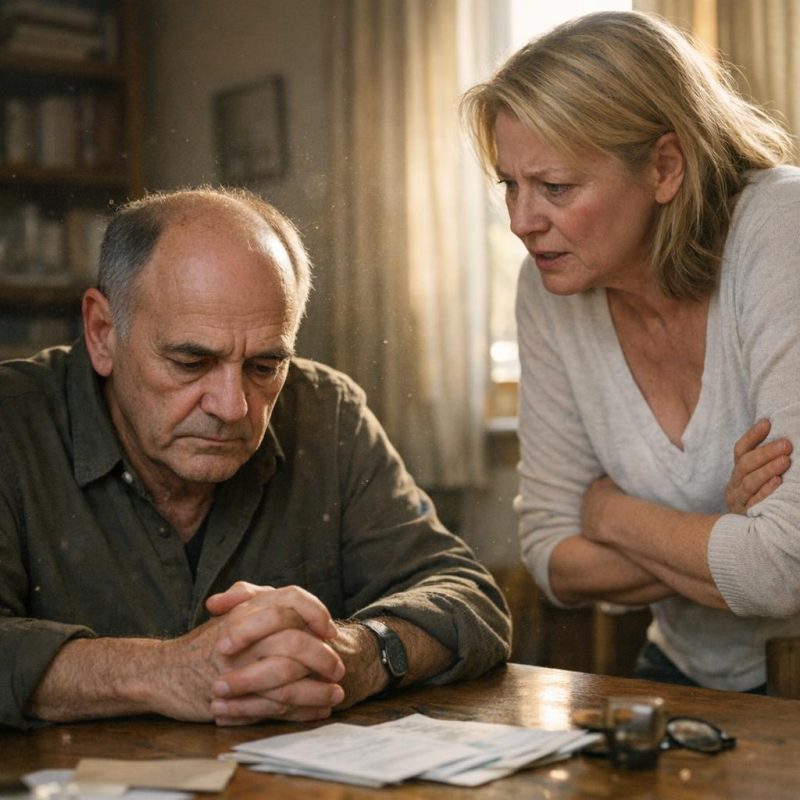 Image by RM AI
Line of Credit
'I was going to take out a line of credit,' Martin said finally. His voice was so quiet I almost didn't hear him. 'Against the house. To buy into the investment pool faster.' The words didn't make sense at first. Then they did, and I felt rage unlike anything I'd ever experienced. 'You were going to mortgage our home?' 'Not a mortgage,' he said, like the terminology mattered. 'A line of credit. It's different.' 'Without asking me.' It wasn't a question. 'I was still considering it. I hadn't decided for sure.' 'Martin, did you contact a lender?' His face told me everything before he spoke. 'I had some preliminary conversations. Just to see what our options were. To see if it was even feasible.' My hands were shaking. 'What else?' 'I gathered some paperwork. Documents they'd need. Income verification, property value estimates, that kind of thing.' He'd already spoken to a lender. He'd already gathered paperwork.
 Image by RM AI
Still Thinking
'But you didn't go through with it,' Martin said, rushing now, trying to soften the blow. 'I was still thinking about it. I hadn't made a final decision.' I almost laughed. 'You were still thinking. As if that makes it better. As if betrayal counts less when it hasn't cleared the bank yet.' 'It's not betrayal if I didn't actually do it—' 'You contacted a lender,' I said. 'You gathered our financial documents. You had our house photographed and brought those photos to secret meetings with strangers. You did everything except forge my signature, and you're telling me it's not betrayal?' He had no answer for that. He just sat there, looking smaller somehow, diminished. And I realized that in some twisted way, he genuinely believed his own logic. That intentions mattered less than actions. That planning a betrayal didn't count if you hadn't quite executed it yet. But there was something else in his face. Something he wasn't saying. Something about that woman I'd seen at the folding table. But there was something else. Something he hadn't told me about the woman at that table.
 Image by RM AI
The Woman at the Table
'The woman I saw at the meeting,' I said. 'Sitting at the table with all the photos. Who was she?' Martin's expression changed. Not much, but enough. 'Why does that matter?' 'Because I'm asking,' I said. 'Because I saw her looking at documents, looking at our house, and I want to know who she is.' He rubbed his face with both hands. Stalling. 'Just someone in the group. One of the investors.' 'Name, Martin.' 'Cynthia, I don't see why—' 'Name.' My voice was sharp enough that he flinched. He sat there for a long moment, and I could see him calculating. Weighing what would hurt more, what would cause less damage in the long run. I watched him try to find an angle, a way to tell me that wouldn't make everything worse. He looked at me like he was calculating what would hurt less: the truth or another lie.
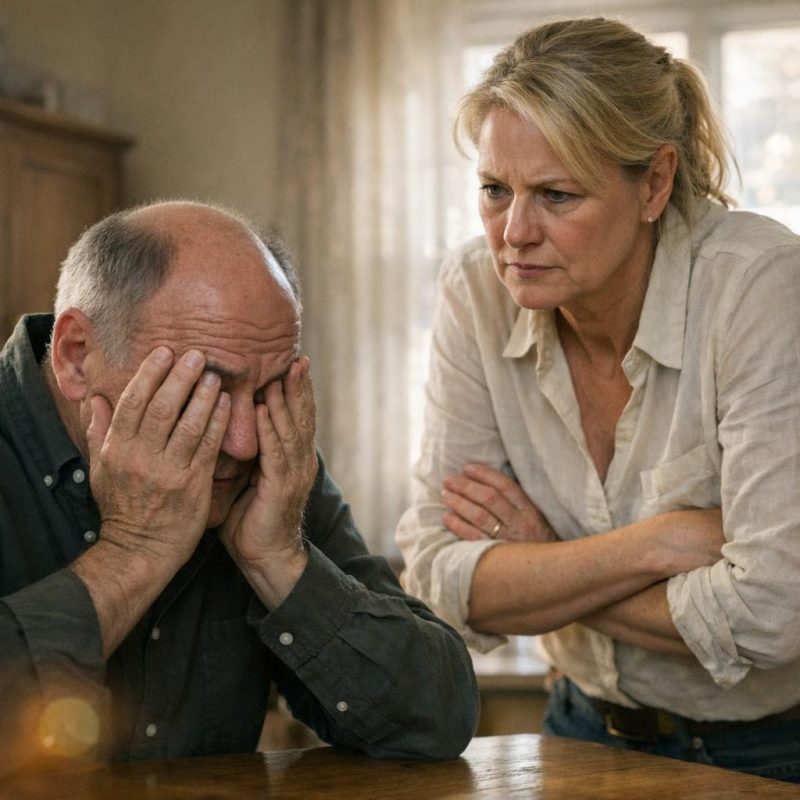 Image by RM AI
Janice's Name
'Her name is Rebecca,' Martin said finally. The name meant nothing to me at first. I waited. 'Rebecca Morrison,' he added. And there it was. Morrison. Janice's maiden name. The name she'd gone back to using for her sister in conversations, differentiating her from Janice's married name. 'Janice's sister,' I said slowly. 'That's who was sitting at that table.' Martin nodded. 'She joined the group a few months ago. She has some capital to invest after her divorce.' My mind was racing, trying to fit pieces together. Rebecca lived two towns over. I'd met her maybe four times in all the years I'd known Janice. But if Rebecca was involved in this investment scheme, if she was at those meetings looking at neighborhood intelligence and property values... 'Does Janice know?' I asked. Martin's face told me everything. I felt the floor tilt under me, because if Rebecca was there, then Janice was involved somehow.
 Image by RM AI
Overwhelmed
The thing is, Janice had told me she was overwhelmed. She'd said it directly, multiple times over the past few months. Her husband had died the previous summer, and she was alone in that big house they'd bought when the kids were young. The maintenance was getting to her. The property taxes had gone up again. She'd mentioned, almost casually, that she was thinking about selling. Moving somewhere smaller, more manageable. Starting fresh. I'd listened the way you listen to a friend going through a hard time. I'd made sympathetic noises. I'd asked if she needed help sorting through anything. And then I'd gone home and told Martin about it over dinner. That's what you do when you're married, right? You share your day. You talk about your friends' struggles. You process things together. I could remember the exact conversation now, sitting at the table with pasta between us, telling him how worried I was about Janice managing everything alone. He'd nodded. He'd made concerned sounds. He'd asked thoughtful questions about her timeline, about whether she had family helping her make decisions. Martin knew all of that because I had told him, over dinner, the way married people share their day.
 Image by RM AI
The Kitchen Conversation
Three weeks earlier, Janice had cried in my kitchen. I remembered it clearly now because I'd been wrapping up leftovers for her to take home, insisting she shouldn't have to cook that night. She'd broken down while I was spooning chicken casserole into containers. The house felt too big, she'd said. Too quiet. She couldn't keep up with the yard work. Every room reminded her of him. She didn't know what she was supposed to do with all of it, the stuff they'd accumulated over thirty years of marriage. I'd hugged her. I'd told her there was no rush, that she should take her time figuring things out. I'd sent her home with enough food for three days. And that night, I'd told Martin about it. I'd described how heartbroken she seemed, how lost. He'd listened with what I'd thought was compassion. He'd said maybe selling would give her a fresh start. He'd suggested it might actually be healthy for her to make a change. That was the week Martin started attending meetings twice a week instead of once.
 Image by RM AI
Likely
I needed to know exactly what had happened at those meetings. 'Did you talk about Janice?' I asked Martin directly. 'Did you discuss her situation with that group?' He looked at his hands. The silence stretched out between us, and I felt something cold settling in my chest. 'Martin,' I said. 'Did you tell them about Janice?' He nodded. Just a small movement of his head, but it was enough. I wanted him to explain, to tell me it wasn't what I was thinking, but I also knew better now. I knew what those meetings were about. Property values. Vulnerable homeowners. Investment opportunities. My friend, who'd cried in my kitchen while I wrapped leftovers, had been discussed at a table full of strangers examining photographs of houses. 'What did you tell them?' I asked. My voice sounded strange to my own ears, too calm, like I was asking about the weather. He hesitated, choosing his words carefully. He said she was a 'likely prospect.' That was the phrase he used before catching himself.
 Image by RM AI
Soft Target
He tried to correct it immediately. I watched him backtrack, searching for softer language, but the damage was done. 'I mean,' he said, 'I told them she was a soft target.' The words hung in the air between us. A soft target. My friend. The woman who'd sobbed in my kitchen about missing her husband. The woman I'd known for nearly twenty years. Martin had reduced her to a tactical designation, a category in their investment strategy. I felt something break inside me right then, something that had nothing to do with trust or marriage vows. This was deeper. He'd taken my compassion, my worry about a grieving friend, and he'd weaponized it. He'd translated her vulnerability into opportunity. Her pain into profit potential. I realized in that moment that if he'd been having an affair, I might have eventually forgiven him. Infidelity is human. It's messy and selfish and stupid, but it's understandable in some awful way. That was the moment cheating would have felt easier to forgive.
 Image by RM AI
Not Excitement
An affair would have been about desire or loneliness or some midlife crisis I could have tried to understand. It would have been emotional, impulsive, human. But this was something else entirely. This was calculated. Methodical. He'd sat across from me at dinner, listening to me worry about my friend, and he'd been taking notes. Mental notes about timeline and motivation and vulnerability. He'd asked those thoughtful questions not because he cared about Janice, but because he was gathering intelligence. There was no passion in what he'd done. No weakness or moment of poor judgment. Just cold assessment. He'd looked at a grieving widow and seen an investment opportunity. He'd looked at our neighborhood and seen potential profit. He'd looked at my friendship and seen access. I kept coming back to that phrase. Soft target. The language of predators. He wasn't betraying our marriage for excitement. Something else was driving him.
 Image by RM AI
The Leftovers
I couldn't stop thinking about Janice standing in my kitchen with tears running down her face, talking about how overwhelming everything felt. And the whole time, Martin had already been evaluating her. Categorizing her. Discussing her situation with a group of investors like she was a business opportunity instead of a person. A real person who was grieving. Had he been calculating even then, that night when I told him about her breakdown? Had he been thinking about property values while I was describing her pain? I felt sick. The leftovers I'd packed for her, the friendship I'd offered—all of it had become reconnaissance. Every detail I'd shared in good faith had been currency in whatever scheme he'd joined. I needed to warn her. I needed to call her right now and tell her to be careful, to watch out for anyone approaching her about her house. But I also needed to understand what Martin had already set in motion.
 Image by RM AI
What Else
I turned back to Martin, who was still sitting at the table looking miserable. 'What else?' I asked. 'What else have you done? What else has this group done?' I needed the full picture before I could figure out how to protect Janice, how to protect our neighbors. He rubbed his face with both hands. 'Martin,' I said, my voice harder now. 'Tell me everything. Not just about Janice. What has this group actually done?' He took a breath like he was about to confess something terrible. And maybe he was. 'We've made contact with three homeowners so far,' he said quietly. 'Through different approaches. Two of them agreed to meet with members of the group to discuss their properties.' My mind raced. Three homeowners. People living in our neighborhood, people I might know. People who'd been identified and approached based on—what? Their age? Their circumstances? Information gathered through evening walks and Google Street View? He told me the group had already made contact with three homeowners, and two had agreed to meet.
 Image by RM AI
The Appraisal
I needed specifics. I needed to know exactly how they were doing this. 'How?' I asked. 'How did you contact them?' Martin explained that the group had set up a service, legitimate on paper, offering free property appraisals. They'd been calling homeowners directly, presenting it as a community resource to help people understand their home's current value. No pressure, just information. A friendly gesture. Except it wasn't friendly at all. It was reconnaissance disguised as help. They were identifying people who might be considering selling, people who were uncertain about their options, people who were vulnerable to the kind of pressure these investors could apply. Once they had someone interested in an appraisal, they had access. They could assess the property, build a relationship, position themselves as helpful experts. And then, I assumed, they could make lowball offers to people who didn't know better. People who were overwhelmed or grieving or just tired. I looked at Martin, and I asked the question I already knew the answer to. 'Did Janice receive one of those calls?' I asked if Janice had received one of those calls. He wouldn't look at me.
 Image by RM AI
The Phone Call
I called Janice the next morning. I told myself I was just checking in, being a good friend, making sure she was holding up okay in that big empty house. Which was true, but it wasn't the whole truth. My hands were shaking when I dialed. She answered on the third ring, sounding tired but pleased to hear from me. We talked about nothing for a few minutes, the weather, a book she was reading, how quiet the neighborhood had been. Then I asked, as casually as I could manage, whether anyone had been calling her lately. You know, telemarketers, scammers, that kind of thing. She laughed a little and said oh, the usual nonsense, nothing too bad. I pressed gently. Anyone offering services? Home repairs, assessments, that sort of thing? There was a pause. Then she said, 'Actually, yes. Someone from a realty group left a very nice voicemail just yesterday.'
 Image by RM AI
Very Nice
Janice described the message as thoughtful, professional, the kind of call that didn't feel pushy at all. The woman had introduced herself, expressed condolences for Janice's loss, mentioned that the company provided free property valuations as a community service. No obligation, just helpful information for homeowners who might be curious about their options. It sounded, Janice said, like exactly the kind of thing she might actually need eventually. She'd been wondering about the house's value, whether she could afford to stay there long-term, whether downsizing might make sense. The voicemail had felt like an answer to questions she hadn't spoken aloud. I gripped the phone harder. I could hear in her voice how appealing it must have seemed, how legitimate, how kind. That's what made it so effective. That's what made me so angry. I told her not to call back, not yet. There was confusion in her voice when she asked why.
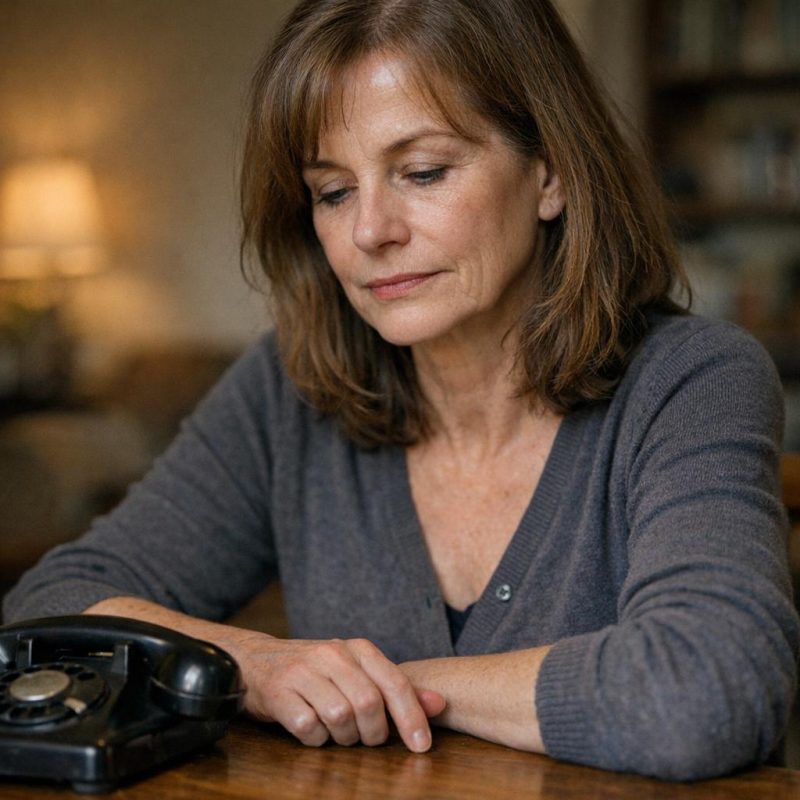 Image by RM AI
Blake
I went back to Martin. I needed a name. I needed to know who was running this, who had organized it, who had convinced my husband that exploiting grieving widows was somehow acceptable. He was sitting at the kitchen table, looking smaller than usual, his shoulders hunched like he was trying to disappear into himself. I asked him directly: who organized the group? Who's in charge? He hesitated, then said the name quietly. Blake. A man he'd met through work. He didn't offer more than that, and I had to pull each detail out like a splinter. Blake worked in commercial real estate, had connections, had experience with investment groups. Martin described him as smart, successful, someone who knew how these things worked. The way he said the name, with a kind of embarrassed reverence, made me understand Martin had been recruited.
 Image by RM AI
Met Through Work
I asked when. When did Blake approach him, when did this start, when did Martin decide to keep this massive secret from me? He looked down at his hands and said it was at a work conference, about six months ago. Blake had struck up a conversation at the hotel bar, casual at first, then gradually steering toward real estate, investment opportunities, ways to build wealth outside of traditional retirement accounts. He'd made it sound smart, low-risk, almost inevitable. A group of like-minded professionals pooling resources and knowledge. Martin had been interested immediately. He'd exchanged contact information, attended a meeting a few weeks later, started participating not long after that. Six months. That meant Martin had been lying to me since before the walks even started.
 Image by RM AI
The Smart Pitch
I asked what Blake's pitch had been, exactly. What words had he used to make this sound acceptable? Martin repeated it almost verbatim, like he'd memorized it. Blake had called it ethical investing, a way to revitalize neighborhoods by providing capital and expertise where it was needed most. They weren't taking advantage of anyone, they were offering opportunities that people wouldn't have otherwise. They were helping homeowners unlock equity, helping communities transition to more sustainable development. They were part of a solution, not a problem. The language was polished, rehearsed, designed to make predatory behavior sound like public service. Martin delivered it with the same earnest tone Blake must have used, like he was sharing good news. It sounded almost noble the way he repeated it, which made it worse.
 Image by RM AI
Revitalization
I challenged him on it. I asked how pushing vulnerable people out of their homes counted as revitalization. How lowball offers to widows and struggling families qualified as opportunity. How any of this was ethical when it relied on information asymmetry and emotional manipulation. He shook his head. He said they weren't pushing anyone, they were offering opportunity, and people could say no if they wanted. They were providing options. They were being fair, transparent, professional. The properties they targeted were undervalued anyway, and they were paying market rates, sometimes more. They were helping people who needed liquidity. They were improving neighborhoods. He said all of this without a trace of irony, without seeming to hear how hollow it sounded. I realized he might actually believe that.
 Image by RM AI
Who Else Knows
I needed to know how isolated I was with this knowledge. I asked if anyone else in our social circle was involved, if any of our friends knew what he'd been doing, if I was the only person who'd been kept in the dark. Martin said no, it was just the investment group, people I didn't know. Blake had been clear about discretion, about not mixing personal and business relationships, about keeping the operation professional. None of our friends were involved. None of them knew. I was the only one who knew now, he said, and there was something in his voice that I couldn't quite read. Was that supposed to make me feel special? Trusted? Martin said I was the only one who knew, and I wasn't sure if that was meant to be reassuring or isolating.
 Image by RM AI
The Documents
I demanded to see everything. All the paperwork, all the documents, every piece of information Martin had gathered about our neighborhood, our home, Janice's property, anything related to this group and their plans. I wanted to know exactly what I was dealing with. I wanted evidence I could understand, not just his sanitized explanations. Martin shifted uncomfortably. He said most of it was at the office, in his files at work, not here at home. He could bring some things back, show me what he had access to, but the detailed records were kept centrally by Blake. I stared at him. Even now, even after everything he'd admitted, he was still controlling the flow of information. He was still deciding what I got to see, what I got to know. He said most of it was at the office, which I knew meant he was still deciding how much to show me.
 Image by RM AI
The Office
I told him I wanted every single document at home by tomorrow. Not summaries. Not his verbal explanations. Everything. Every file, every spreadsheet, every scrap of paper with a name or an address or a dollar amount on it. He started to say something about how some of it was confidential, how Blake kept certain things locked up, and I cut him off. I didn't care about Blake's filing system. I didn't care about their organizational structure. If he couldn't bring it all home, I'd go to his office myself and collect it. I'd walk right into that building, find his desk, and take whatever I needed to understand what my husband had been doing with our life. The threat hung there between us. He knew I meant it. I could see him recalculating, trying to figure out if I was bluffing, weighing how much damage I could actually do if I showed up at his workplace demanding answers. I wasn't bluffing. I was done accepting his carefully measured disclosures, his controlled releases of information designed to tell me just enough to calm me down without giving me the full picture. The look on his face told me he hadn't expected me to push back, which meant he didn't know me as well as I'd thought.
 Image by RM AI
Tomorrow Morning
I told him I was sleeping in the guest room. That seemed to surprise him more than the ultimatum about the documents, which should have told me something right there. I said I expected answers by tomorrow morning. Real answers. No more evasions, no more carefully worded explanations that technically told me something while revealing nothing. I didn't wait for him to respond. I just turned and walked down the hall, closed the guest room door, and sat on the edge of the bed that still smelled faintly of the lavender spray I'd used after my sister visited last spring. The room felt unfamiliar even though I'd decorated it myself. I'd chosen the curtains, the duvet, the little lamp on the nightstand. But sitting there in the dark, I felt like I was in a stranger's house. That night I lay awake wondering if the man I married had always been capable of this, or if I'd just stopped paying attention.
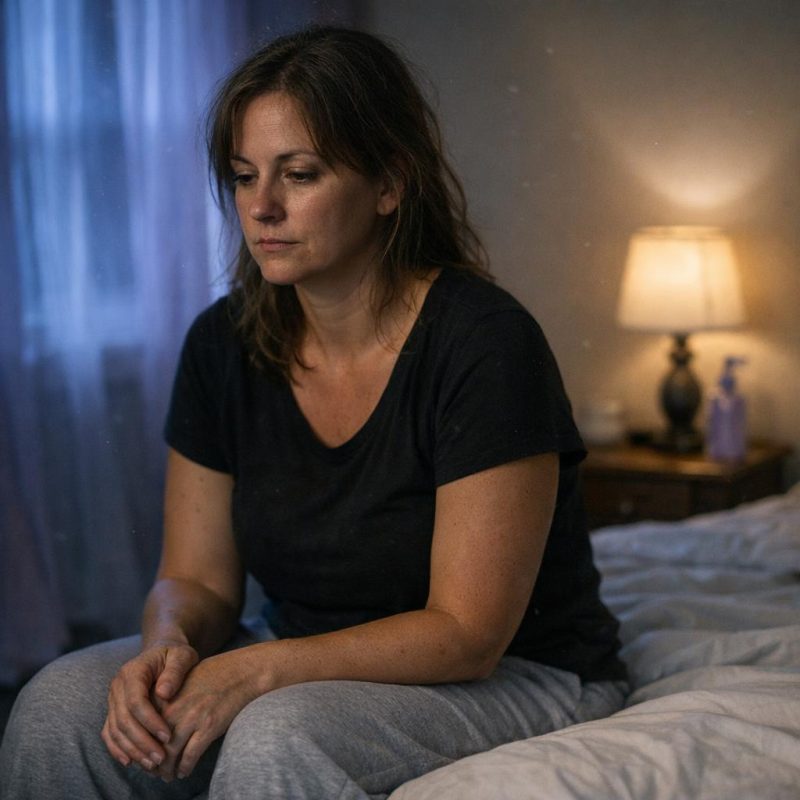 Image by RM AI
The Stack
I woke to silence and winter light coming through unfamiliar curtains before I remembered where I was. The guest room. My own guest room. I checked my phone—6:47 AM. When I walked into the kitchen, Martin was already gone. His coffee mug was in the sink, still warm when I touched it. But on the kitchen table sat a stack of manila folders, neat and aligned, like he'd used a ruler. No note. No explanation. Just the documents I'd demanded, left there like an offering or maybe a confession. I pulled out a chair and sat down, staring at the stack for a full minute before I touched it. This was what I'd asked for, what I'd threatened to get. But now that it was here, I wasn't sure I wanted to know what was inside. I opened the first folder anyway. Inside were property records, financial projections, and a list of names I recognized from the neighborhood.
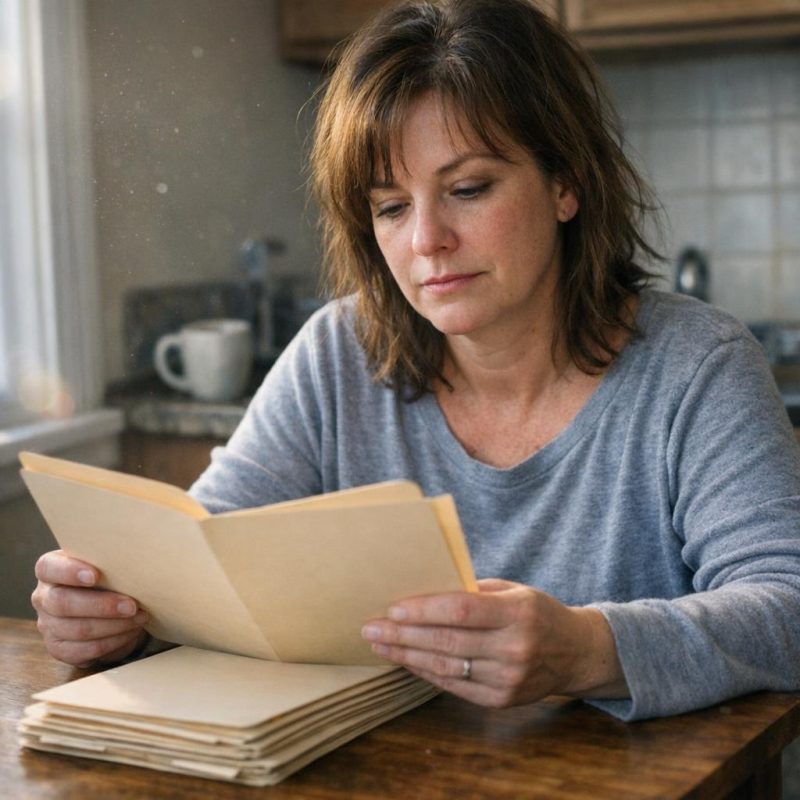 Image by RM AI
The Names
The list was typed, professional-looking, organized by street address. I recognized almost every name. The Hendersons two doors down. The Patel family across the street. Old Mr. Kowalski on the corner. People I'd waved to, chatted with at block parties, borrowed cups of sugar from back when people still did that. Next to each name were notes. Shorthand, mostly, in what I recognized as Martin's tight handwriting. 'Two kids college age—tuition pressure.' 'Recent medical bills.' 'Refinanced 2019—payment stress likely.' He'd been cataloging their vulnerabilities. Assessing who might be desperate enough, tired enough, financially strained enough to accept whatever lowball offer his group planned to make. It was clinical. Methodical. I kept reading, my hands starting to shake slightly as I turned pages. Three-quarters of the way down the second page, I found Janice's name. Her address. And next to it, in Martin's handwriting, underlined twice: Ready.
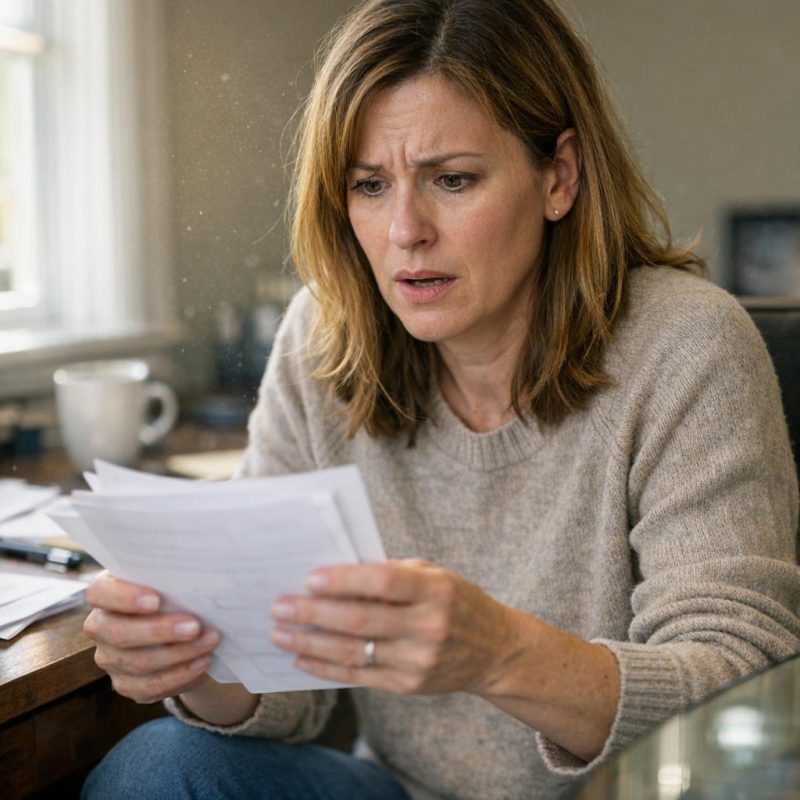 Image by RM AI
Ready
I stared at that single word until it started to blur. Ready. Ready for what, exactly? Ready to sell her home? Ready to be approached with an offer? Ready to give up the house where she'd raised her children, where she'd lived with her husband before he died? The clinical precision of it made my stomach turn. This wasn't just research. This was targeting. Martin had assessed my best friend's emotional state, her financial situation, her grief, and concluded she was vulnerable enough to exploit. He'd marked her as prepared, as primed, as ready to be harvested. I started to wonder if Martin had helped create that readiness, if his kindness to her had been strategy all along.
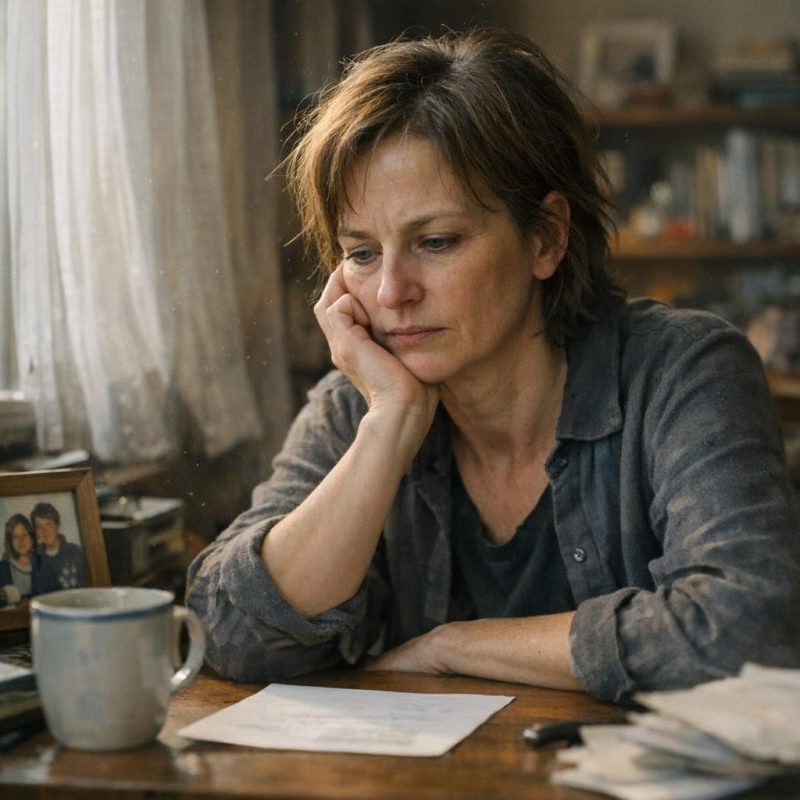 Image by RM AI
The Timeline
I pulled out my phone and started scrolling back through my calendar, cross-referencing dates. The first neighborhood association meeting Martin had attended in years—two months after Janice's husband died. The barbecue where he'd spent an hour talking to her about her garden—six weeks after the funeral. The evening he'd helped her fix her porch light, came home and mentioned how she seemed lonely—that was August, barely three months into her widowhood. I'd thought he was being neighborly. Compassionate, even. But looking at these documents, at the timeline laid out in financial projections and target assessments, a different pattern emerged. He'd started showing up right when she was most vulnerable, right when grief had made her most isolated and uncertain. He'd positioned himself as helpful, trustworthy, present. It began to look like he'd been positioning himself, staying close to her grief.
 Image by RM AI
The Lender Documents
At the bottom of the stack, beneath the neighborhood assessments and the financial projections and the spreadsheets I didn't fully understand, I found something that made my blood go cold. Pre-approval paperwork from a commercial lender. I recognized the form—I'd seen similar documents when we'd refinanced years ago. But this wasn't a refinance. This was a loan application, a request for a substantial line of credit, with our home listed as collateral. Our home. The house we'd owned outright for six years. And the date at the top of the form—two weeks ago. Not months. Not years. Two weeks. Martin hadn't just thought about it. He'd gone far enough to make it real, then stopped—or maybe paused.
 Image by RM AI
The Full Picture
When Martin came home that evening, I had the documents spread across the dining room table like evidence at a trial. I told him I wanted the complete truth, all of it, everything he'd been holding back. I pointed to the loan application. I pointed to Janice's name with that word underlined twice. I told him I wanted to hear him say it out loud, exactly what he'd planned to do with our home, exactly how he'd identified my best friend as someone to exploit. He stood there for a long moment, and I watched something shift in his face. The careful explanations fell away. He said yes, he'd prepared to leverage the house without telling me. Yes, he'd gotten pre-approval to fund his share of the investment. Yes, he'd identified Janice as what Blake called a 'soft target'—someone emotionally vulnerable, financially strained, likely to accept a below-market offer. He said it all like he was reading from a script he'd finally decided to perform honestly. And I stood there listening, realizing something I should have understood weeks ago. He finally said it all out loud, including the part about Janice being a 'soft target,' and I realized the man who leaves each evening isn't running toward someone else—he's walking away from who he was.
 Image by RM AI
The Phone Call to Janice
The next morning, I called Janice before Martin even woke up. My hands shook while I dialed, and I had to remind myself this was about protecting her, not about salvaging what was left of our friendship after everything. She answered on the third ring, sounding groggy, and I told her immediately: don't sign anything, don't meet with anyone, don't make any decisions about the house until we could talk in person. She asked why, her voice suddenly alert, and I said I'd explain everything when I saw her but that it was urgent. She said okay, she hadn't signed anything yet anyway, they'd just been calling to schedule another meeting. I felt something unclench in my chest. I told her I'd come by that afternoon, and she said she'd be there. We hung up, and I stood in the kitchen holding the phone, realizing I'd just bought us time but not much of it. Martin came downstairs a few minutes later, poured his coffee, asked if I'd slept well. I said fine and watched him drink. Then I made another call, this one to an attorney, before Martin finished his coffee.
 Image by RM AI
Attorney Sarah Chen
Attorney Sarah Chen's office was in one of those converted brownstones downtown, the kind with creaky stairs and bookshelves that smell like old paper and authority. She was younger than I expected, maybe early forties, with reading glasses on a chain and an expression that gave nothing away. I spread Martin's documents across her desk—the loan pre-approval, the investor group materials, the list with Janice's name underlined twice. I explained the whole thing: the evening walks, the meeting I'd witnessed, the scheme to buy properties below market from vulnerable owners. Sarah listened without interrupting, taking notes in neat handwriting that somehow made me feel like this was real, like I wasn't overreacting or imagining things. When I finished, she read through everything carefully, occasionally making small sounds that I couldn't interpret. She asked a few clarifying questions about timeline, about what Martin had admitted, about whether he'd tried to get me to sign anything recently. I answered as clearly as I could, my voice steadier than I expected. Then Sarah looked at me over her reading glasses and asked one question: 'Do you want to stop him, or do you want to leave him?'
 Image by RM AI
Both
I didn't even hesitate. I told Sarah I wanted to do both. I wanted to protect Janice and anyone else they'd targeted, and I wanted out of this marriage, out of whatever this thing had become. Sarah's expression didn't change, but she nodded like I'd just passed some kind of test she'd been administering. She asked if I was certain, because once we started this process, it would be difficult to walk it back. I said I was certain. I'd never been more certain of anything in my life, actually, which was strange considering I'd spent the last several weeks feeling like I didn't know anything at all. Sarah made more notes, then started explaining what 'both' would look like—protective orders, asset freezes, divorce proceedings, possible criminal referrals if the scheme crossed certain legal lines. It sounded overwhelming and expensive and exhausting. It also sounded exactly right. She asked about our assets, about what was jointly owned, about whether Martin had access to accounts I didn't know about. I answered what I could and admitted what I didn't know. Sarah nodded and said we'd start with securing the house, which meant Martin couldn't leverage it without my signature—something he'd apparently forgotten.
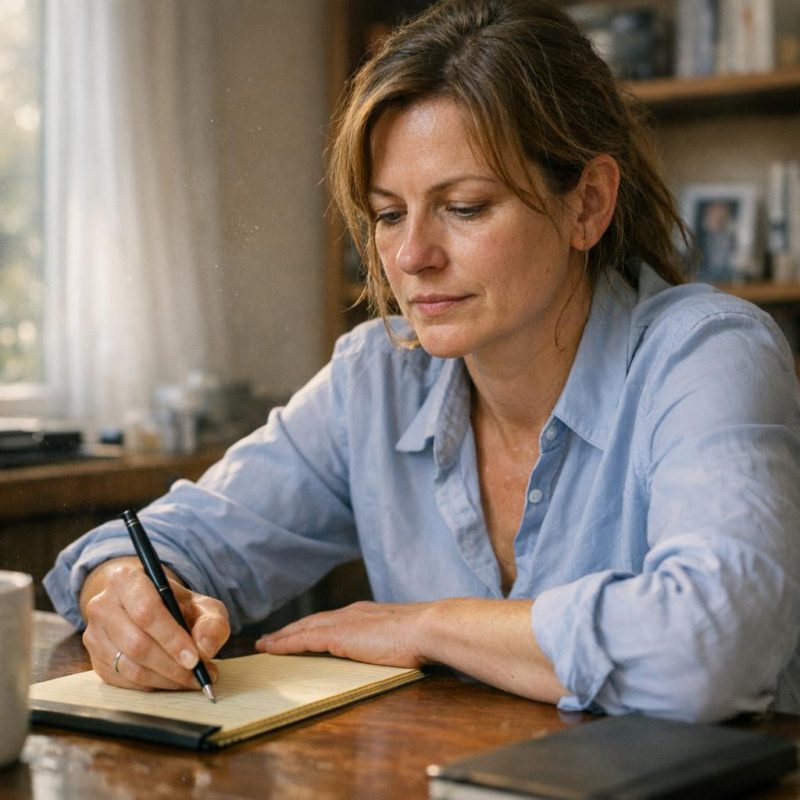 Image by RM AI
The Signature
Sarah explained it carefully, using words like 'co-ownership' and 'joint title' and 'spousal consent requirements.' The basic truth was simple: Martin couldn't take out a loan against the house without my signature. We'd bought it together thirty years ago, both our names on the deed, and Texas law protected that. His pre-approval was incomplete, just a first step that assumed he'd either get my consent or work around it somehow. Sarah said this happened more often than I'd think—one spouse plans something financial, gets preliminary approval, then realizes too late they can't actually execute without cooperation. I asked what would have happened if he'd tried to close the loan, and Sarah said the title company would have caught it, would have required my signature and presence at closing. But, she added, that assumed he was planning to go through legitimate channels. Some people in his position got creative. Some people forged signatures or used power of attorney documents that didn't quite say what they claimed. I felt cold hearing that. Which meant he'd been planning to forge my signature or convince me somehow, and I'd never know which.
 Image by RM AI
Copy Everything
Sarah's advice was straightforward: copy everything before Martin realized I'd taken legal action. Documentation was protection, she said. Paper trail, digital trail, anything that showed intent or planning or coordination with the investor group. She said to do it quickly, while I still had access, because sometimes people in Martin's position got defensive and locked things down once they knew they'd been caught. I nodded, taking notes, feeling like I'd stepped into someone else's life. She asked if Martin kept files at home, if he used a shared computer, if he was careful about his email. I said he used his laptop for everything and usually left it on the kitchen counter when he charged it overnight. Sarah wrote something down and said that was good, that was an opportunity. She warned me about legality—I could access shared devices and shared spaces, but I needed to be careful about what constituted marital property versus personal. I said I understood. I copied everything that afternoon while Martin was at work, including emails I found on his laptop.
 Image by RM AI
The Emails
The emails were worse than the documents, honestly. Documents can be cold, administrative, just numbers and addresses and legal terms. But emails have voice, have personality, have these little moments where people forget to hide who they really are. Martin's exchanges with Blake went back months—long before the evening walks started, long before I'd noticed anything wrong. They discussed timeline and target properties and specific tactics for approaching vulnerable owners. Blake used phrases like 'pain point leverage' and 'motivated sellers' and 'emotional positioning.' Martin mostly agreed and asked logistical questions, though occasionally he'd add observations about specific people, specific situations that could be exploited. There was one exchange about Janice that made my hands shake while I photographed the screen. Blake had written: 'Recent widow, inheritance pending, emotionally compromised. Textbook.' Martin had responded: 'She trusts C completely. Access secured.' I had to stop reading for a minute after that one. But I kept going, copying everything to a flash drive Sarah had given me. One email mentioned a 'closing timeline' for Janice that made my stomach drop: two weeks.
 Image by RM AI
Two Weeks
Two weeks. They'd planned to close a deal with Janice in two weeks, right before her late husband's estate fully settled, right when she'd be most vulnerable and least protected. The email spelled it out: once the estate closed, she'd have access to professional advisors, accountants, attorneys who'd tell her the offer was predatory. But if they moved fast, if they positioned it as a 'relief opportunity' that would spare her the burden of managing property during grief, they could get her signature before anyone with her actual interests got involved. It was calculated and cold and so much worse than I'd imagined. I read through the timeline they'd mapped out—initial contact, building rapport, creating urgency, presenting the offer, closing before advice. Each step had Martin's fingerprints on it, Martin's specific knowledge of Janice's situation, Martin's betrayal of three decades of friendship. I felt sick. I felt furious. I felt like I'd been married to someone I'd never actually known. I called Janice immediately and told her everything, including the part about Martin.
 Image by RM AI
Janice's Silence
After I finished explaining—all of it, the investor group and the targeting and the timeline and Martin's specific role in identifying her as vulnerable—Janice didn't say anything for a long time. I could hear her breathing on the other end of the line, could hear what might have been traffic or television or just the ambient sound of someone's world quietly coming apart. Finally, she asked if Martin really used those words about her. Soft target. Emotionally compromised. Textbook. I wanted to lie, wanted to soften it somehow, but I'd already decided the truth was the only thing worth protecting anymore. So I said yes. Yes, he'd used those words. Yes, he'd told Blake she trusted me completely, like that was just another asset to exploit. Yes, he'd helped map out a timeline designed to catch her at her most vulnerable. Janice made a small sound that might have been a laugh or might have been something else entirely. When I said yes, she thanked me quietly and hung up, and I knew I'd just lost a friendship even while saving it.
 Image by RM AI
The Confrontation
I spent the afternoon arranging everything on the dining room table like evidence at a trial. The investor group emails in one stack. The property assessments in another. Blake's timeline with Janice's name circled in red. Sarah Kemp's business card positioned right in the center, like the queen on a chessboard. When I heard Martin's key in the door around seven, I was sitting there in the half-darkness, just the kitchen light spilling across all those carefully organized documents. He called out his usual greeting, asked if I'd eaten yet. I didn't answer. He came into the dining room still holding his jacket, and I watched his face go through about five different expressions in the span of three seconds—confusion, recognition, calculation, something that might have been fear. 'We need to talk,' I said, which was possibly the most unnecessary statement I'd ever made given the circumstances. He started to say something about how it wasn't what it looked like, which was almost funny because it was exactly what it looked like. Then he tried a different approach, asked where I'd gotten those documents, like the real problem was my invasion of his privacy rather than his systematic betrayal of everyone around us. I told him I knew exactly what he'd planned with our house, and by the time he realized I meant it, I already had the upper hand.
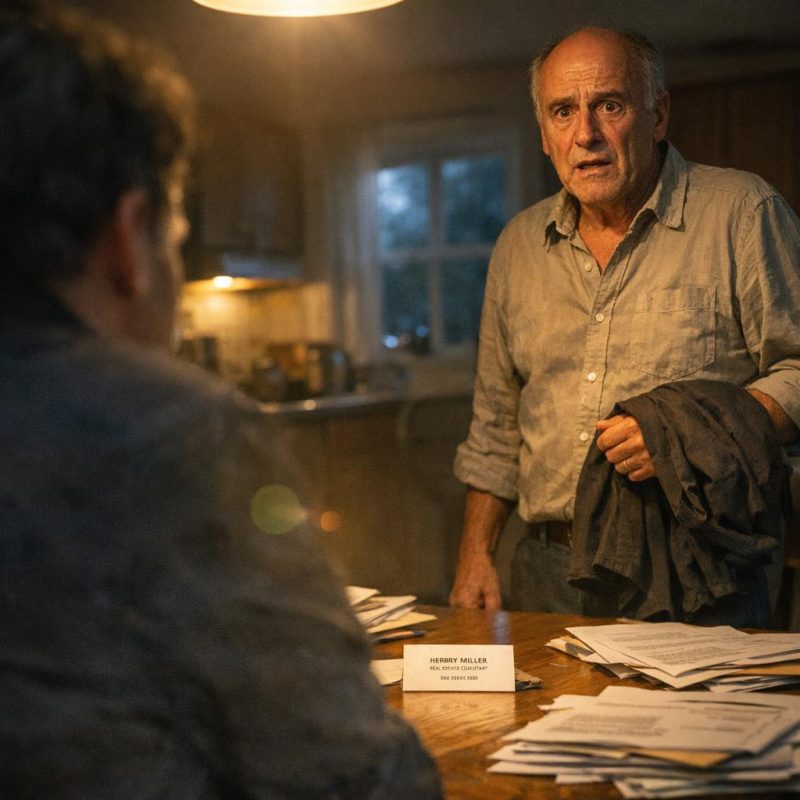 Image by RM AI
Who You Were
What I kept coming back to, sitting there across from him while he tried to explain or justify or minimize, was that I didn't recognize him anymore. This wasn't about the money or even about the house, really. It was about watching someone I'd loved for thirty-three years talk about vulnerable neighbors like they were just market opportunities waiting to be harvested. He kept using words like 'financial planning' and 'investment strategy,' like the right vocabulary could transform exploitation into something respectable. I asked him point-blank if he understood what he'd done to Janice, how he'd specifically identified her grief as a weakness to exploit. He looked genuinely confused by the question, said something about how business was business and personal relationships were separate, as if you could just compartmentalize basic human decency that way. 'She trusted us,' I said. 'She trusted ME, and you were going to use that.' He actually waved his hand dismissively, told me I was being emotional, that I didn't understand how real estate investment worked. That's when I realized the full scope of it—not just what he'd done, but how completely he'd rationalized it away. He asked if we could fix this, and I realized he still thought the problem was us, not him.
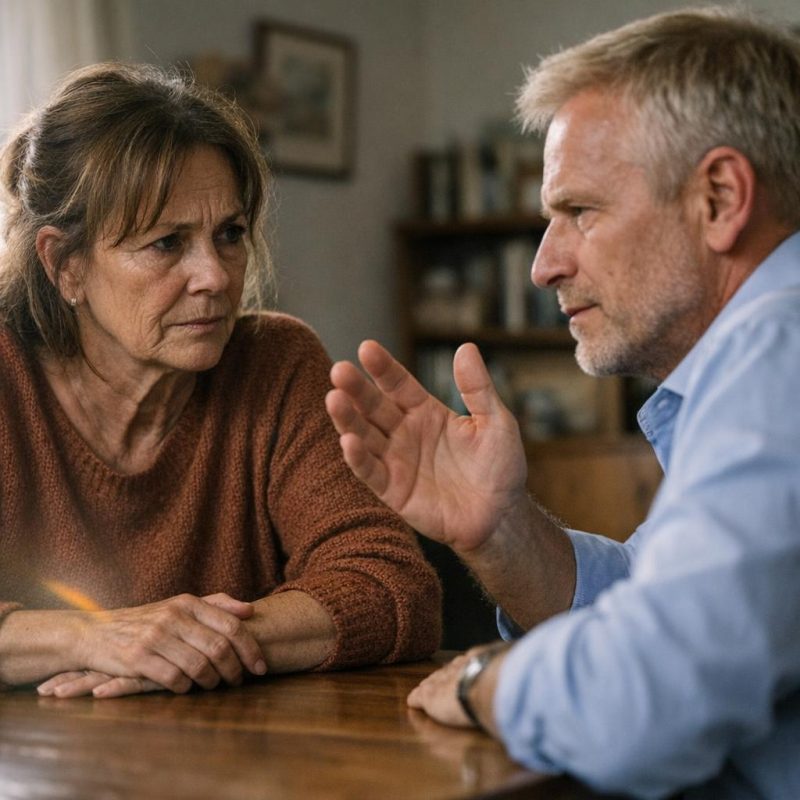 Image by RM AI
The Person You Thought He Was
You know what nobody tells you about betrayal? The hardest part isn't actually what the person did. It's realizing they were never who you thought they were in the first place. All those years, all those memories—they don't disappear, but they get recontextualized, reinterpreted through this new understanding of who you were really living with. Martin moved into a hotel that night, and over the following weeks, while lawyers drafted paperwork and accountants divided assets, I kept replaying moments from our marriage and seeing them differently. His impatience with 'inefficiency.' His dismissiveness toward people he considered 'unsuccessful.' The way he'd always framed empathy as weakness. I'd thought these were just personality quirks, minor flaws in an otherwise good man. But they weren't quirks. They were who he actually was, and I'd just chosen not to see the full picture because it was easier to live with the edited version. I filed for divorce the following week, and Martin moved out quietly, still believing he'd done nothing truly wrong.
 Image by RM AI
Walking Away
Six months later, I was living in a smaller house on the other side of town—a place I could actually afford on my own, with a garden I was slowly learning to tend myself. The divorce had been surprisingly civil, probably because Martin genuinely didn't understand what he'd done wrong enough to fight about it. I'd warned the neighbors about Blake's tactics, though I never mentioned Martin's involvement. Some of them sold anyway. Some didn't. That was their choice to make. Janice called me one afternoon in early spring. We talked for maybe ten minutes, surface-level stuff mostly, but before she hung up she said thank you. She didn't specify for what, and I didn't ask. We'd probably never be close again—that particular trust, once broken, doesn't really heal—but we could be something. Neighborly. Honest in a way we maybe hadn't been before. I still take walks some evenings, just around my new neighborhood, watching people tend their yards or walk their dogs. Sometimes I think about those months of surveillance and suspicion, how I'd assumed Martin was leaving me for another woman because that would have at least made sense. Infidelity has a narrative we all understand. But this? I learned that the man who leaves each evening claiming he needs exercise may not be running toward someone else—sometimes he's walking away from the person you thought he was, one step at a time.
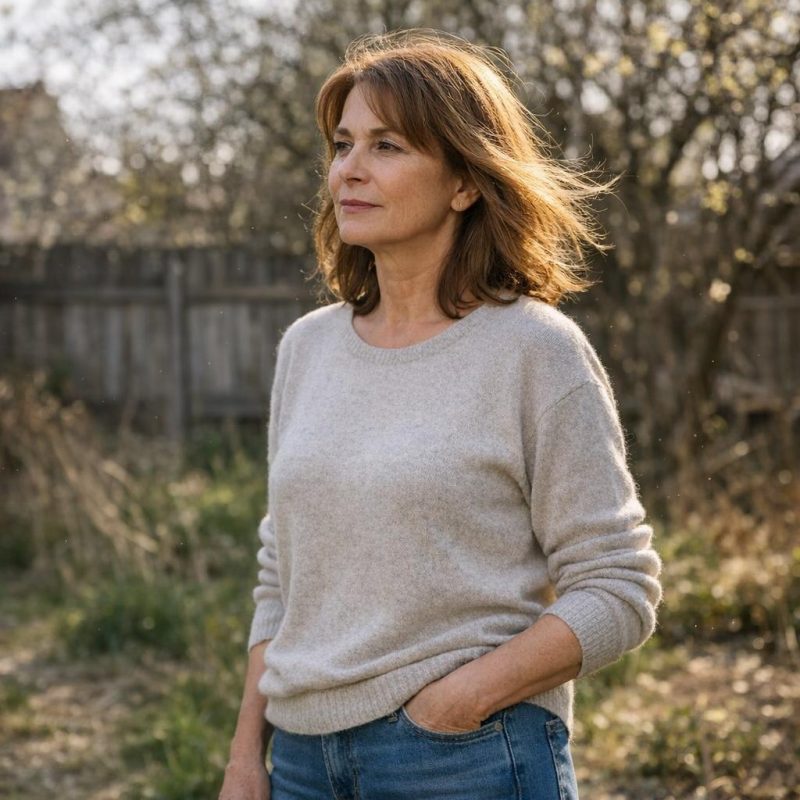 Image by RM AI
KEEP ON READING

The story of Ching Shih, the Woman Who Became the…
Unknown author on WikimediaFew figures in history are as feared…
By Emilie Richardson-Dupuis Dec 29, 2025
Einstein's Violin Just Sold At An Auction—And It Earned More…
A Visionary's Violin. Wanda von Debschitz-Kunowski on WikimediaWhen you hear…
By Ashley Bast Nov 3, 2025
This Infamous Ancient Greek Burned Down An Ancient Wonder Just…
History remembers kings and conquerors, but sometimes, it also remembers…
By David Davidovic Nov 12, 2025
The Mysterious "Sea People" Who Collapsed Civilization
3,200 years ago, Bronze Age civilization in the Mediterranean suddenly…
By Robbie Woods Mar 18, 2025
20 Unluckiest People in History
Some people have bad days and then there are people…
By Noone Mar 17, 2026
20 Soldiers Who Defied Expectations
Changing the Rules of the Battlefield. You’ve probably heard plenty…
By Annie Byrd Feb 10, 2026