Why Tang Taizong Is Considered One Of China's Greatest Emperors In History
Why Tang Taizong Is Considered One Of China's Greatest Emperors In History
Beyond the Throne
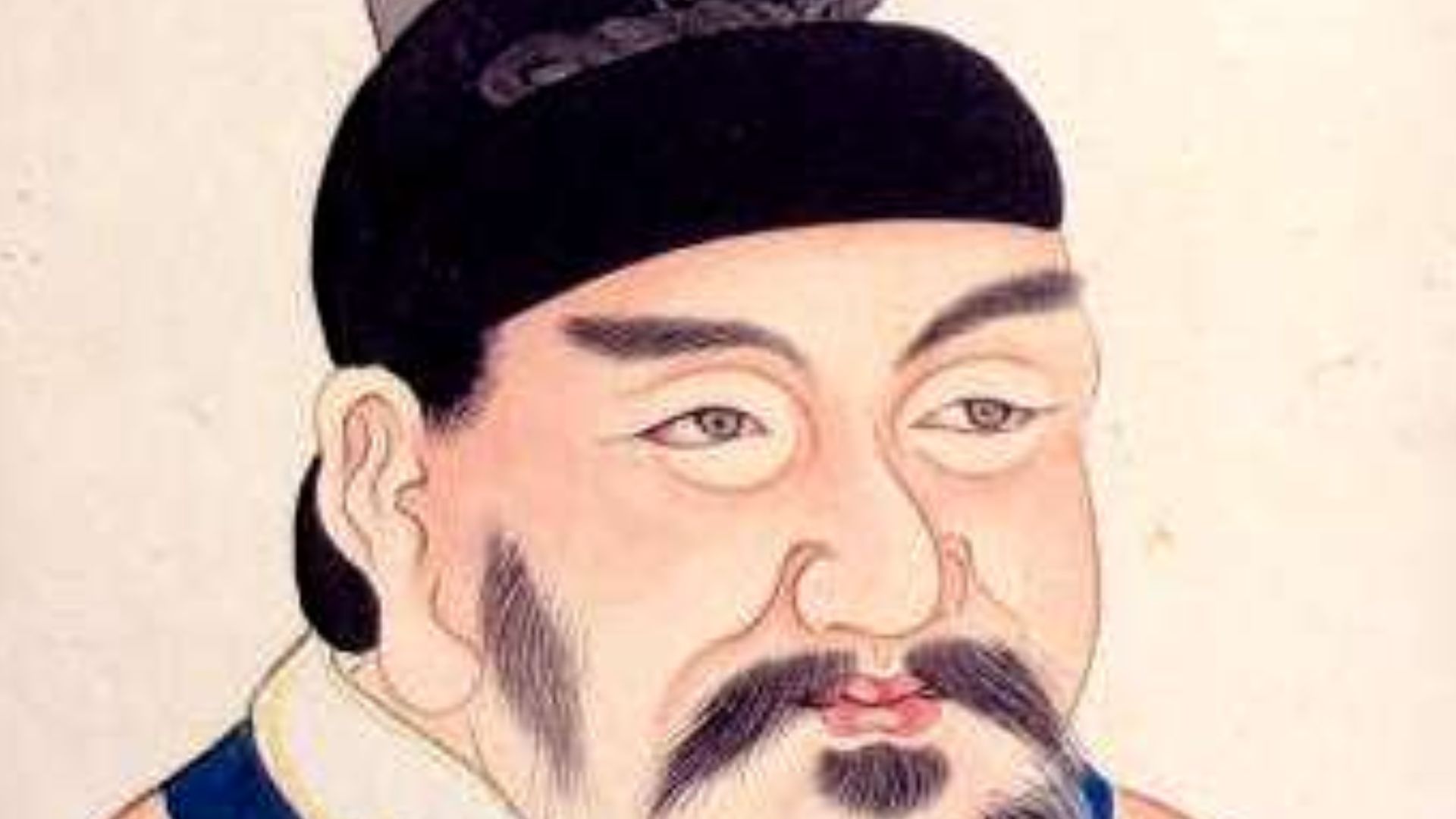
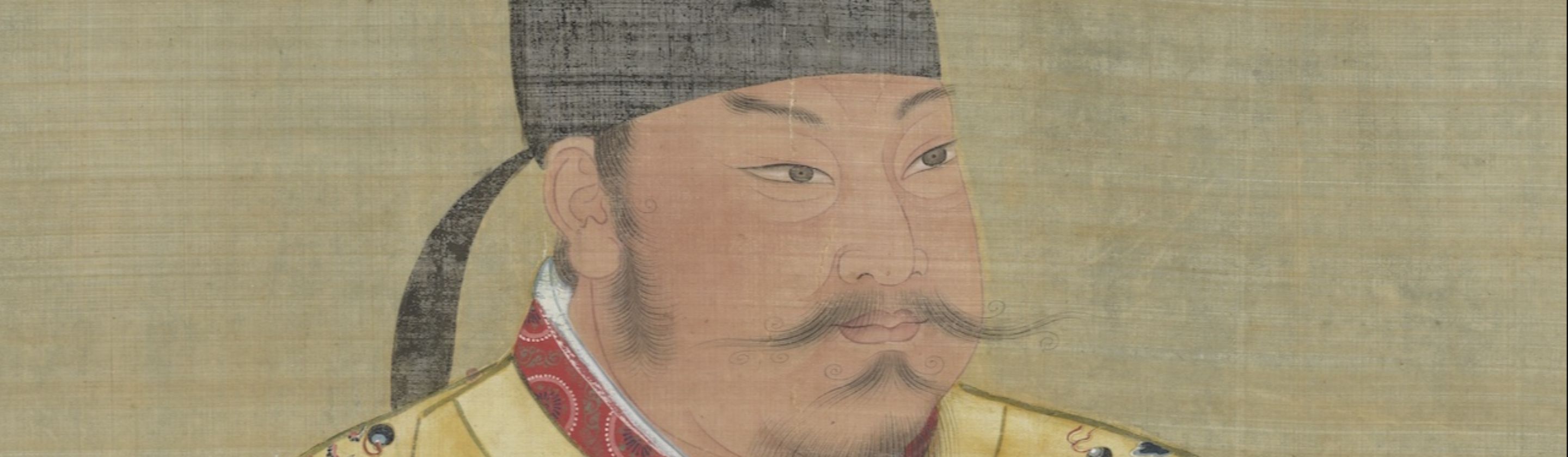
Becoming emperor by assassinating your brothers usually doesn't lead to "greatest ruler ever" status. Tang Taizong proved that exceptions exist. He turned China into an economic powerhouse while simultaneously expanding its borders further than anyone before him. His era became so legendary that the last decent Tang emperor got nicknamed "Little Taizong" for trying to recreate that same magic four centuries later. Come with us as we explore the legacy.
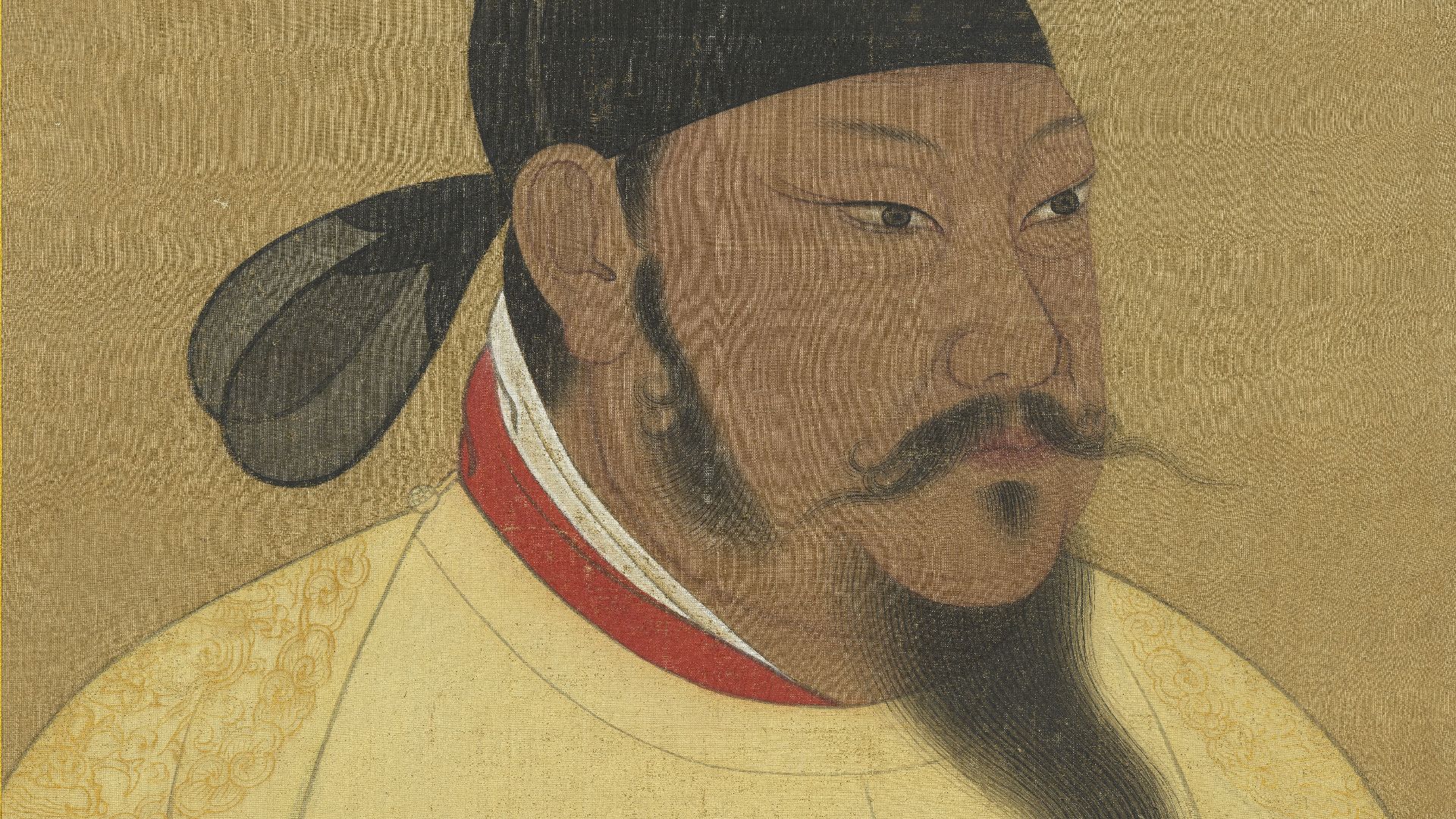 Unknown artistUnknown artist on Wikimedia
1. Military Genius
In 617, at age 18, Taizong joined his father Li Yuan’s rebellion against the Sui. His battlefield brilliance became legendary through victories against warlords like Xue Rengao and Liu Wuzhou, where he avoided direct confrontation until enemies exhausted their supplies.
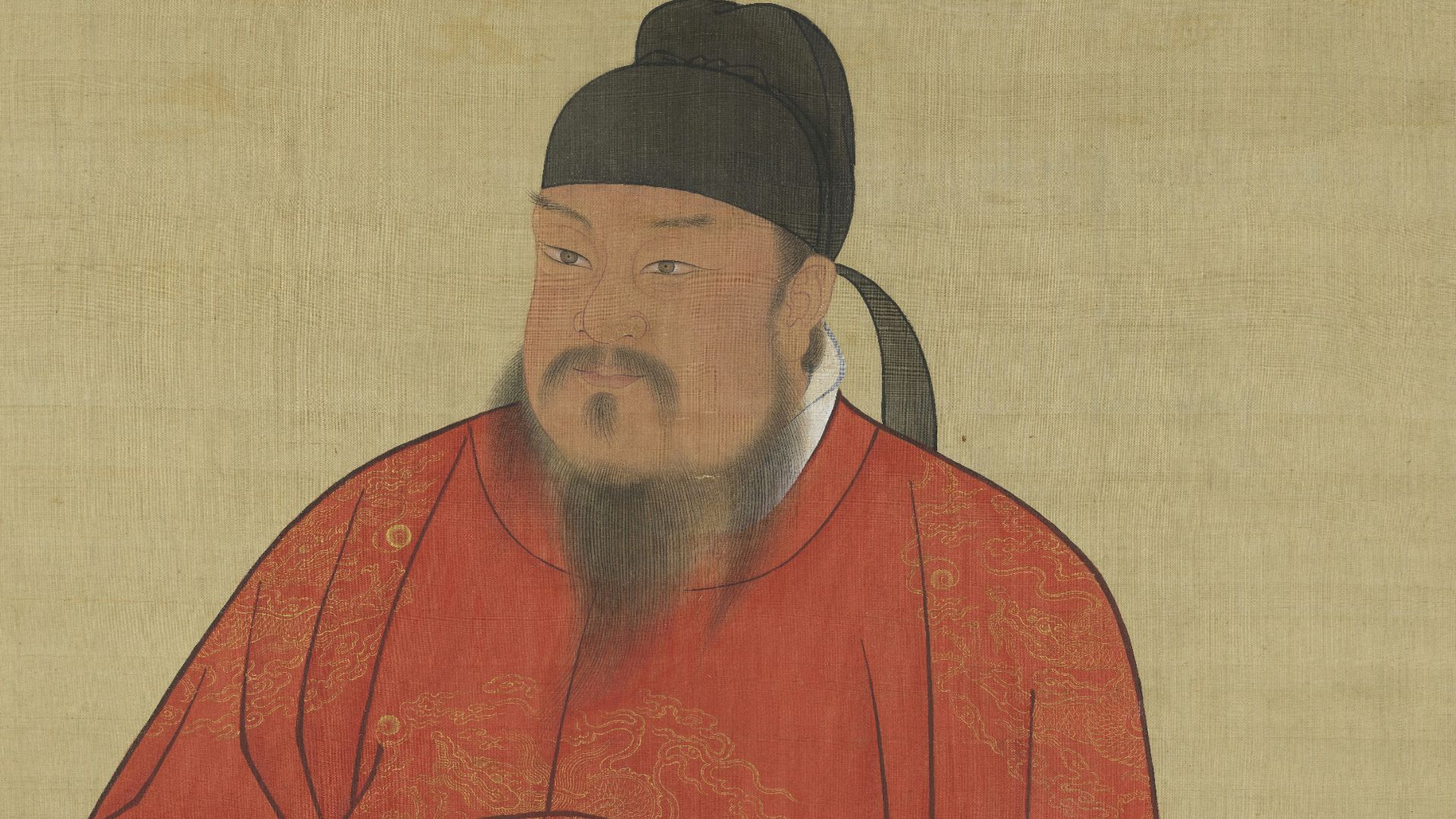 Unknown authorUnknown author on Wikimedia
2. Zhenguan Era
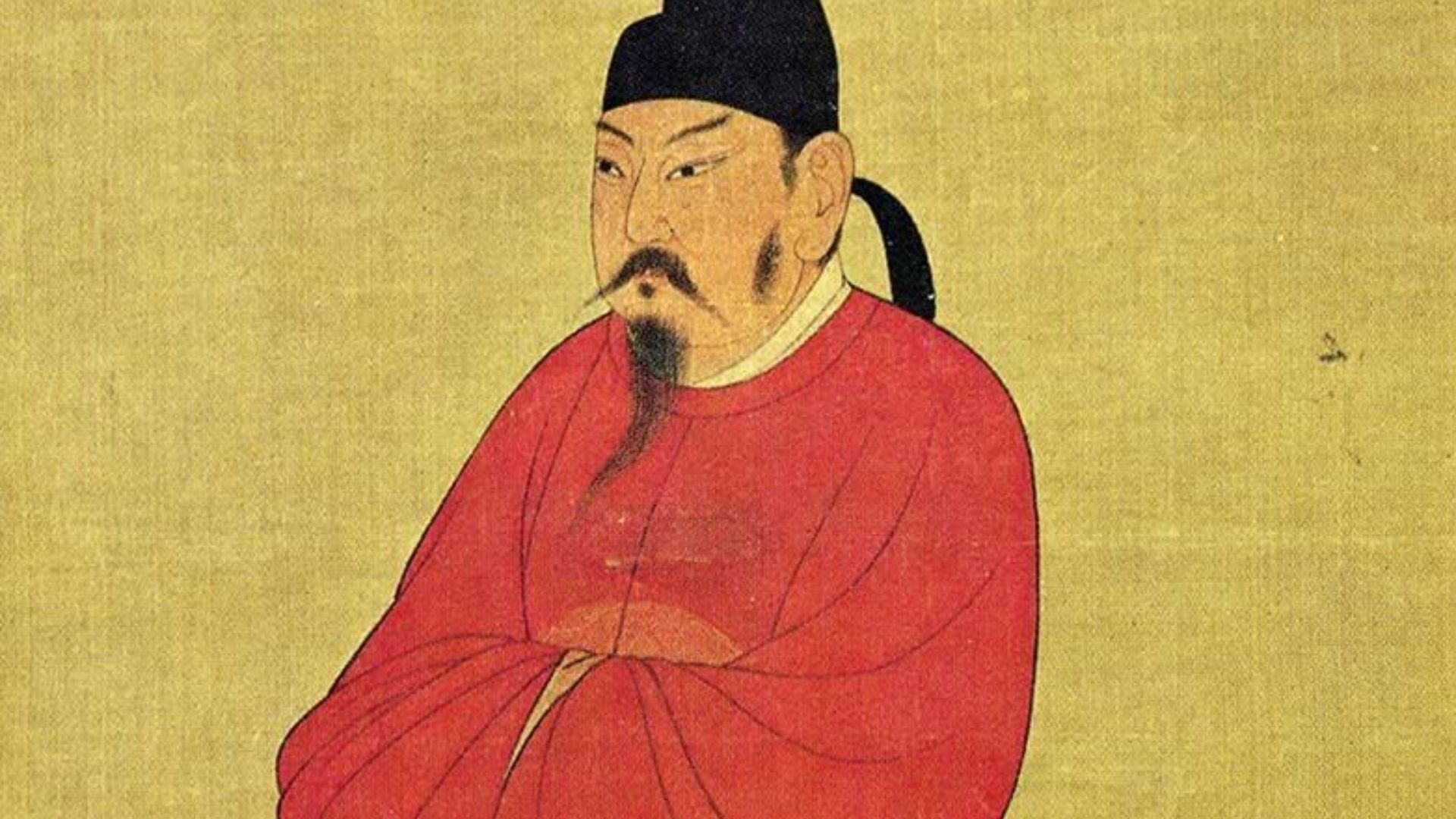
The period historians call "Zhenguan Zhì Zhì" became mandatory study material for every future Chinese crown prince for over a millennium. This 23-year reign from 626 to 649 established governance standards that Japanese, Korean, and northern rulers studied religiously.
3. Meritocratic System
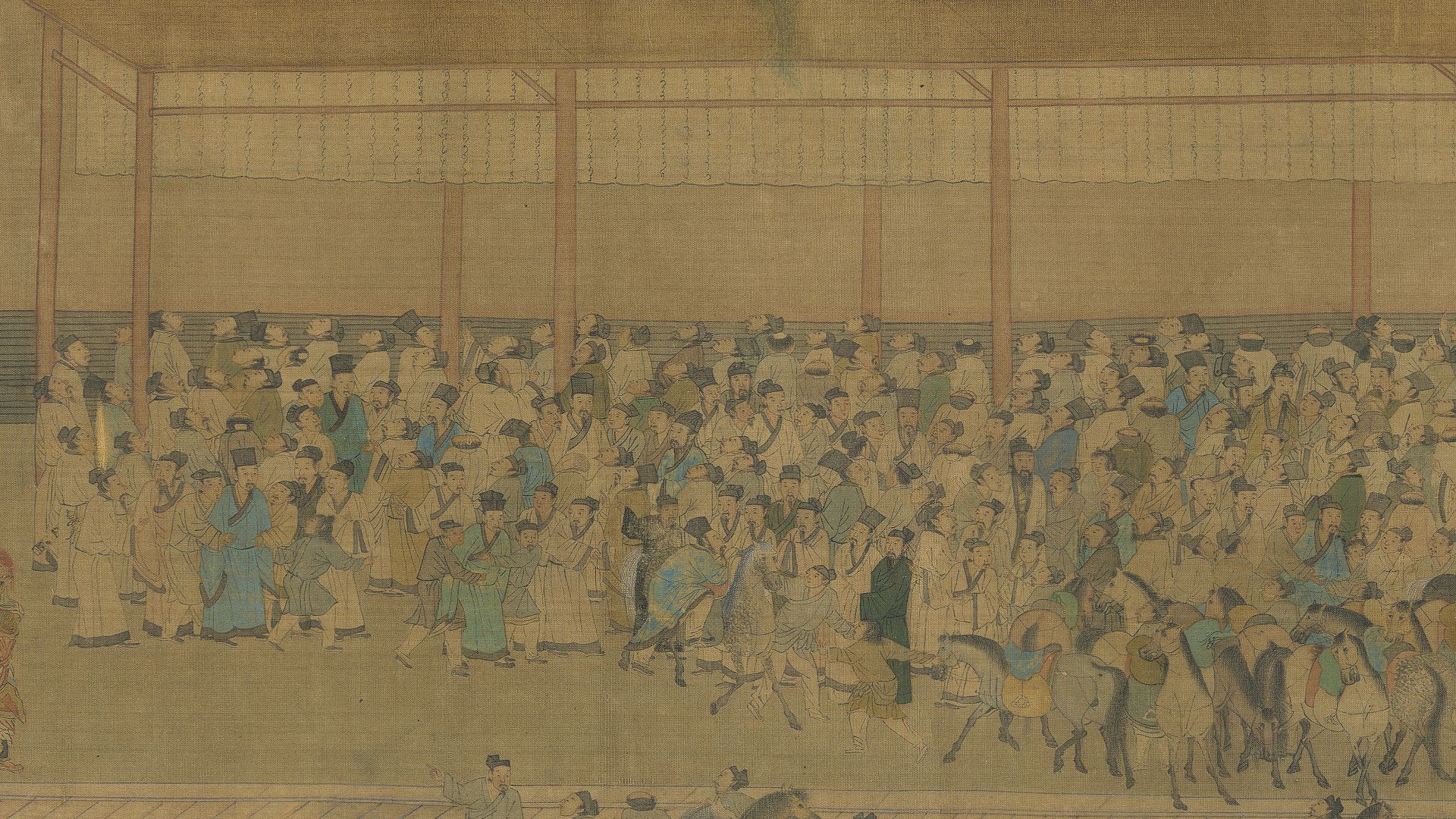
Government positions had traditionally gone to well-connected aristocrats regardless of actual ability or competence. Taizong revolutionized this by requiring civil servants to pass examinations that tested Confucian knowledge, literature, philosophy, and governance principles. He personally advised officials to seek talented people living in obscurity.
4. Silk Road
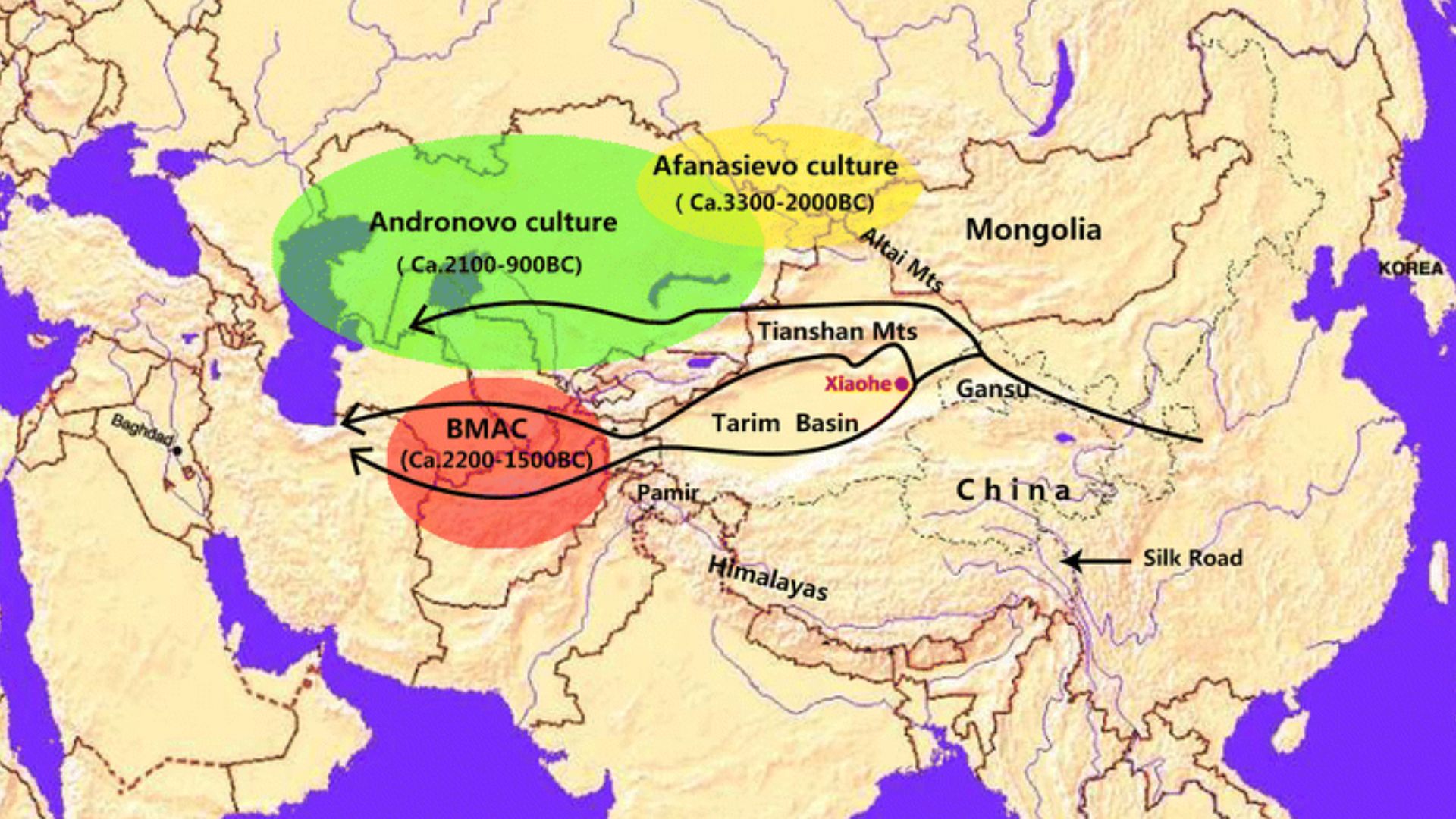
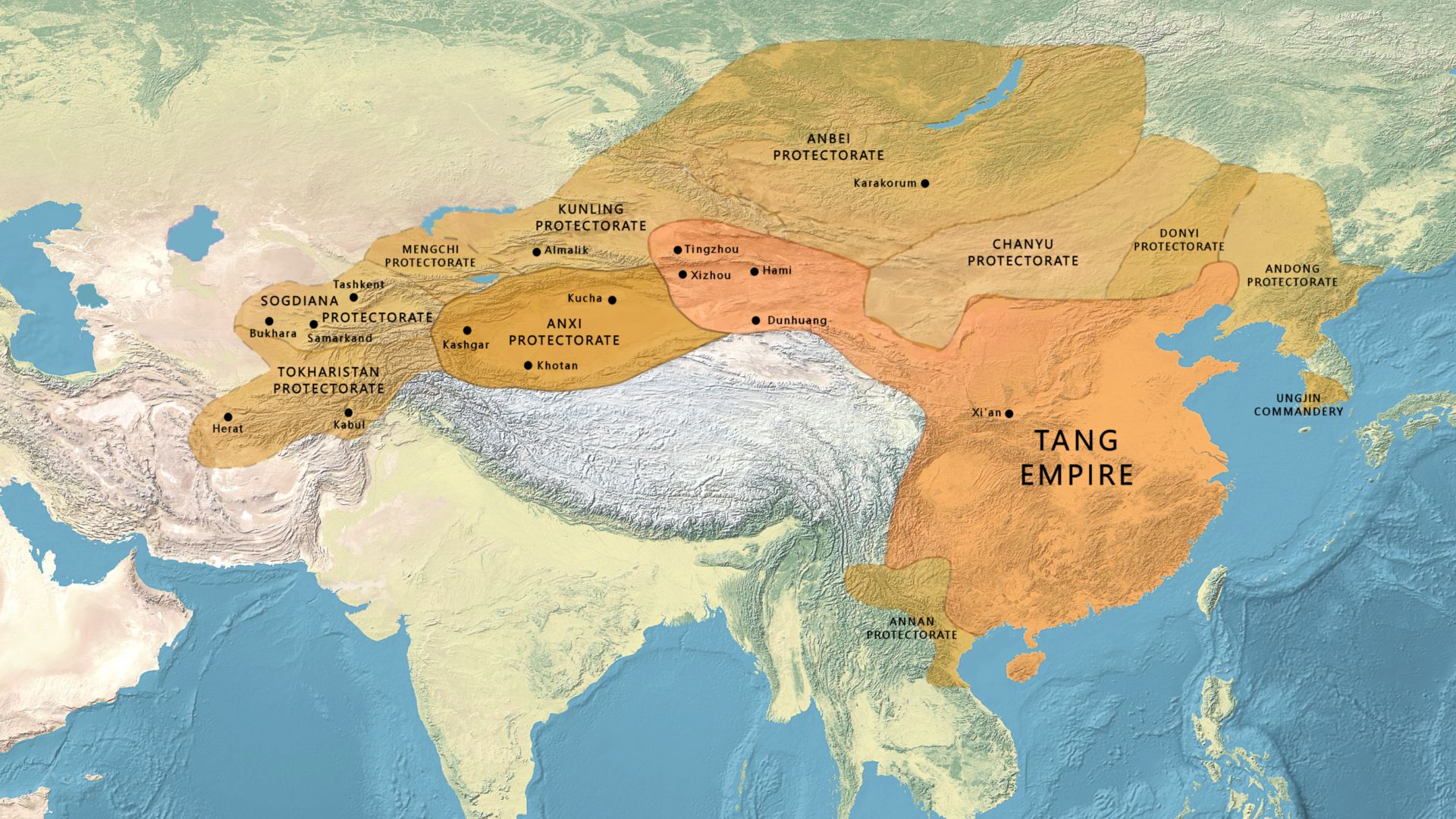
Taizong launched systematic military campaigns against oasis states in the Tarim Basin, annexing Karakhoja in 640, Karasahr in 644, and Kucha in 648. These victories secured the lucrative Silk Road trade route connecting China with Central Asia and beyond.
5. Territorial Expansion
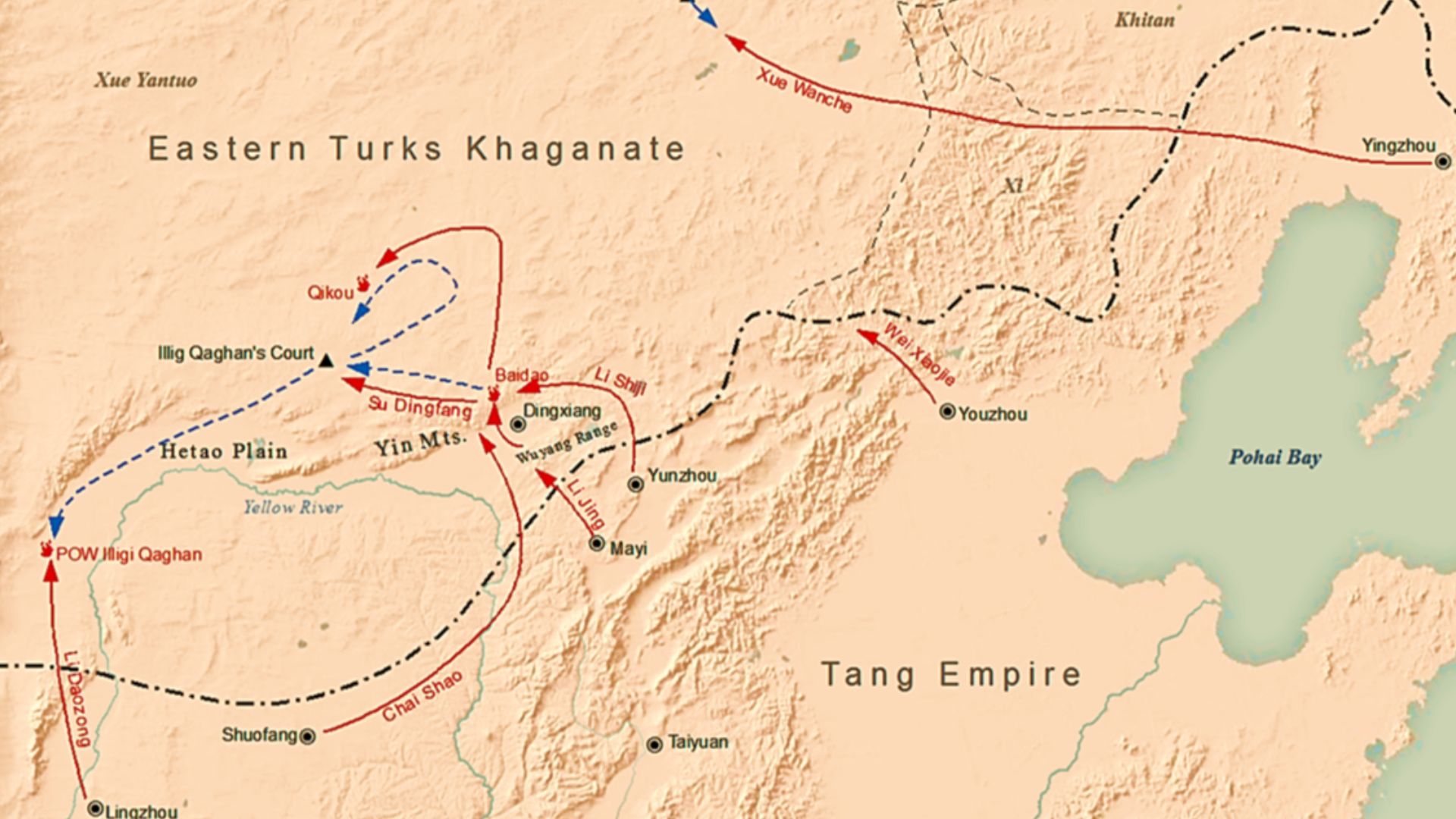
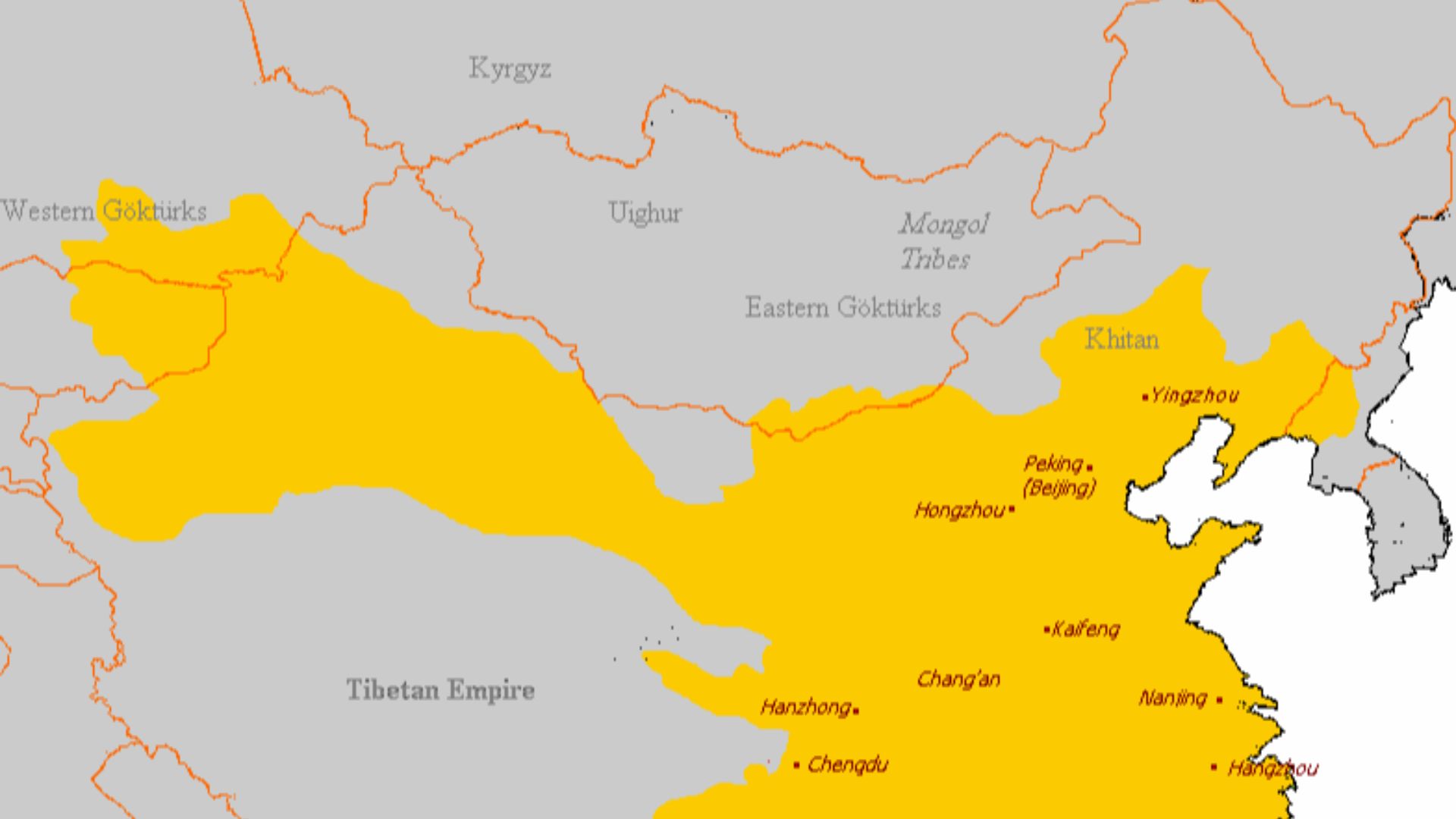
The Tang Empire under Taizong’s rule became one of the largest and most powerful nations in the world. In 630, General Li Jing defeated the Eastern Turks and captured their leader, Ashina Duobi, completely destroying their khaganate.
6. Anti-Corruption Policies
This man took corruption seriously. He believed that honest governance was essential to a stable empire. Taizong emphasized moral integrity among officials, often reminding them that abuse of power would ultimately weaken the state. He encouraged open criticism at court.
7. Land Redistribution
The "equal distribution of land" regulation gave each family enough land to make a decent living independently. This wasn't charity; it was a strategic economic policy addressing massive inequality that had fueled rebellions. Years of civil war had concentrated land in the hands of the aristocracy.
8. Tax Reform
Previous taxation systems were chaotic, unfair, and allowed wealthy families to exploit loopholes while crushing poor farmers. Taizong created a new system based on the number of adult men in each family rather than arbitrary assessments. He deliberately kept taxes fair.
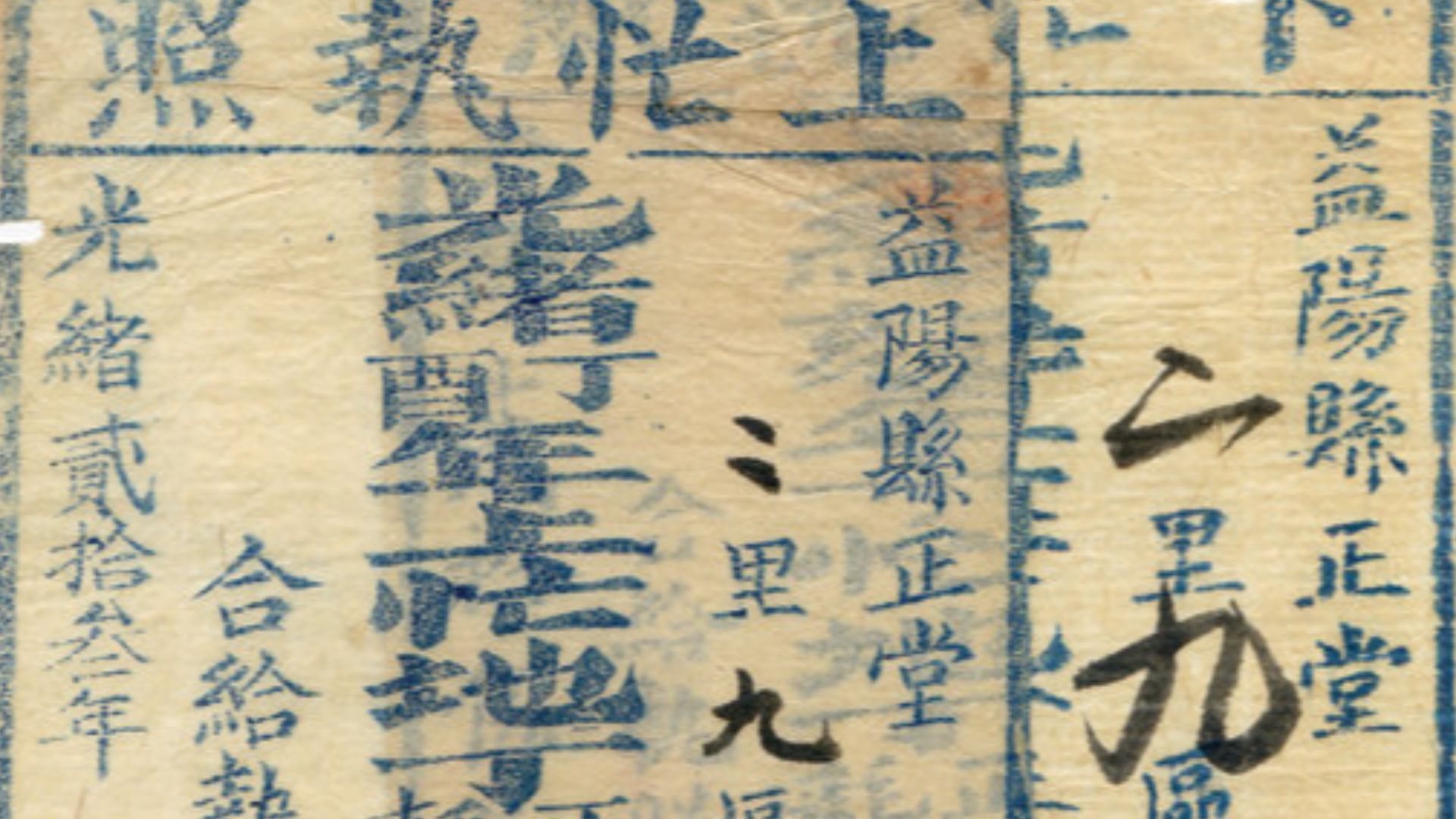 The imperial government of the Manchu Qing Dynasty. on Wikimedia
9. Education Expansion
Education expanded as a cornerstone of good governance. The emperor promoted Confucian learning as the moral and intellectual foundation for officials, strengthening state-supported schools and academies. The imperial examination system was refined and encouraged.
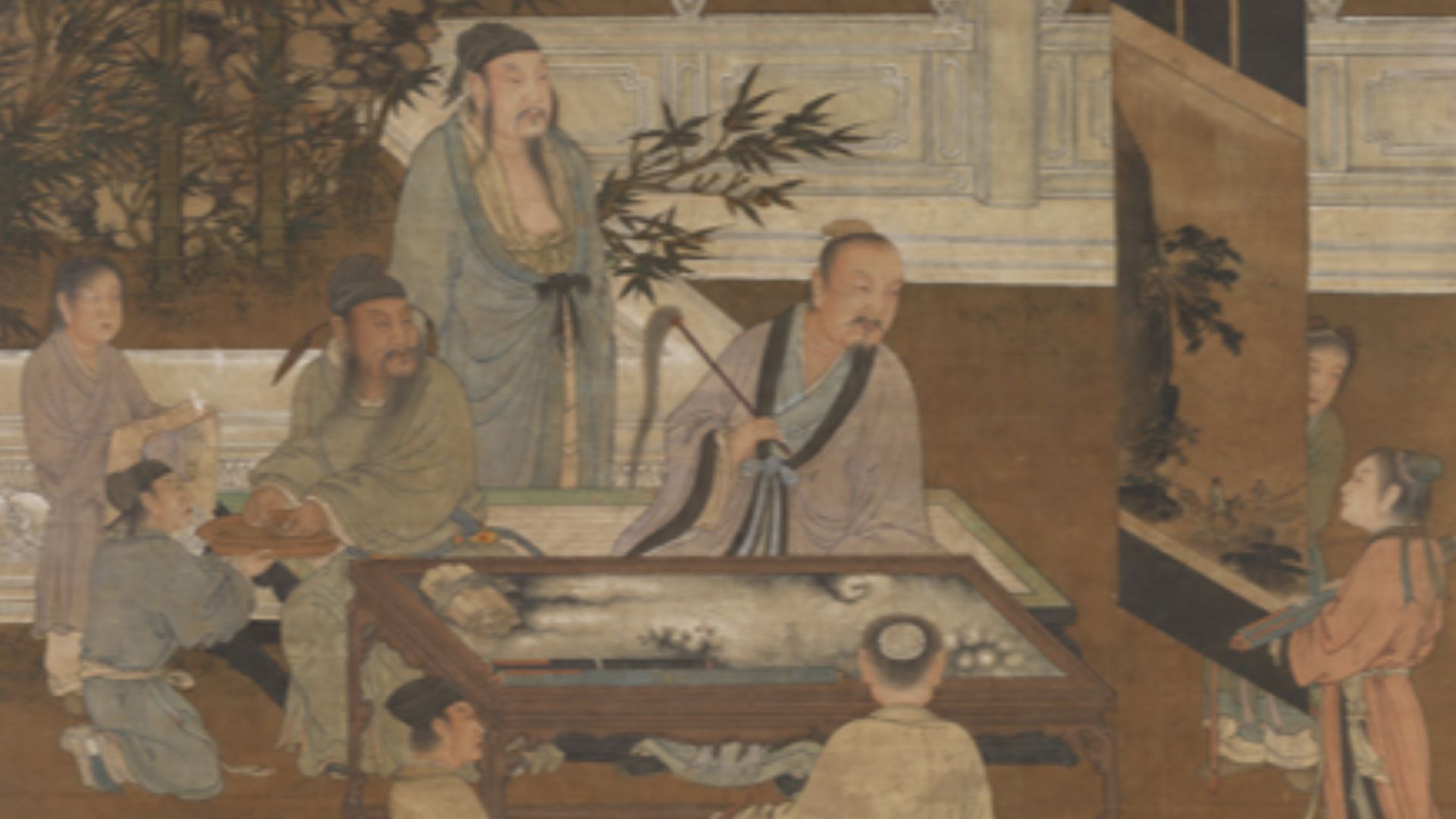 AnonymousUnknown author on Wikimedia
10. Imperial Examinations
Under Emperor Taizong, the Tang examination system emphasized degrees such as míngjīng and jìnshì, with the latter being the most prestigious. Passing the examinations, especially the jìnshì, opened the path to high-ranking government positions and reinforced merit-based rule.
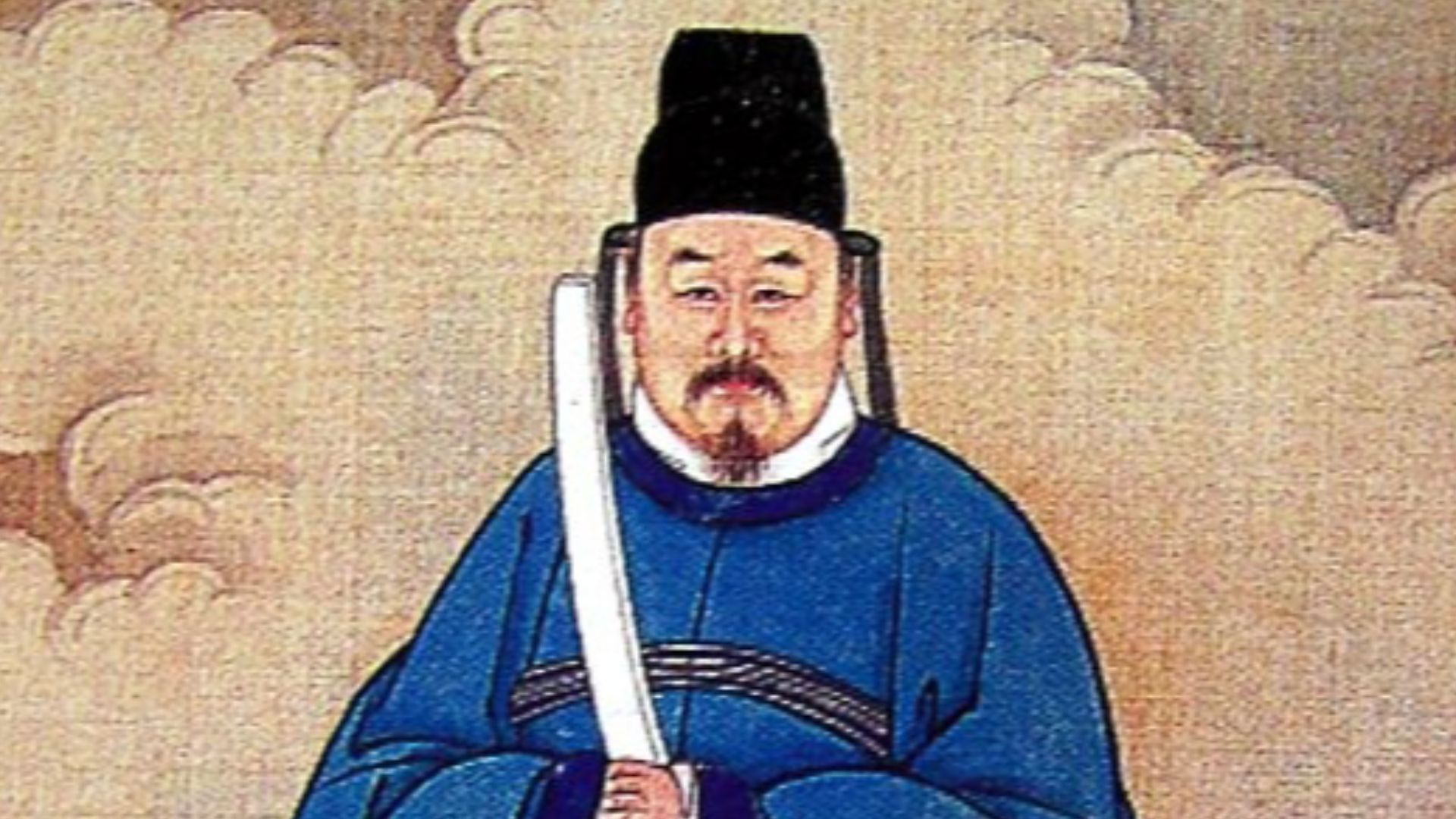 Unknown authorUnknown author on Wikimedia
11. Accepting Criticism
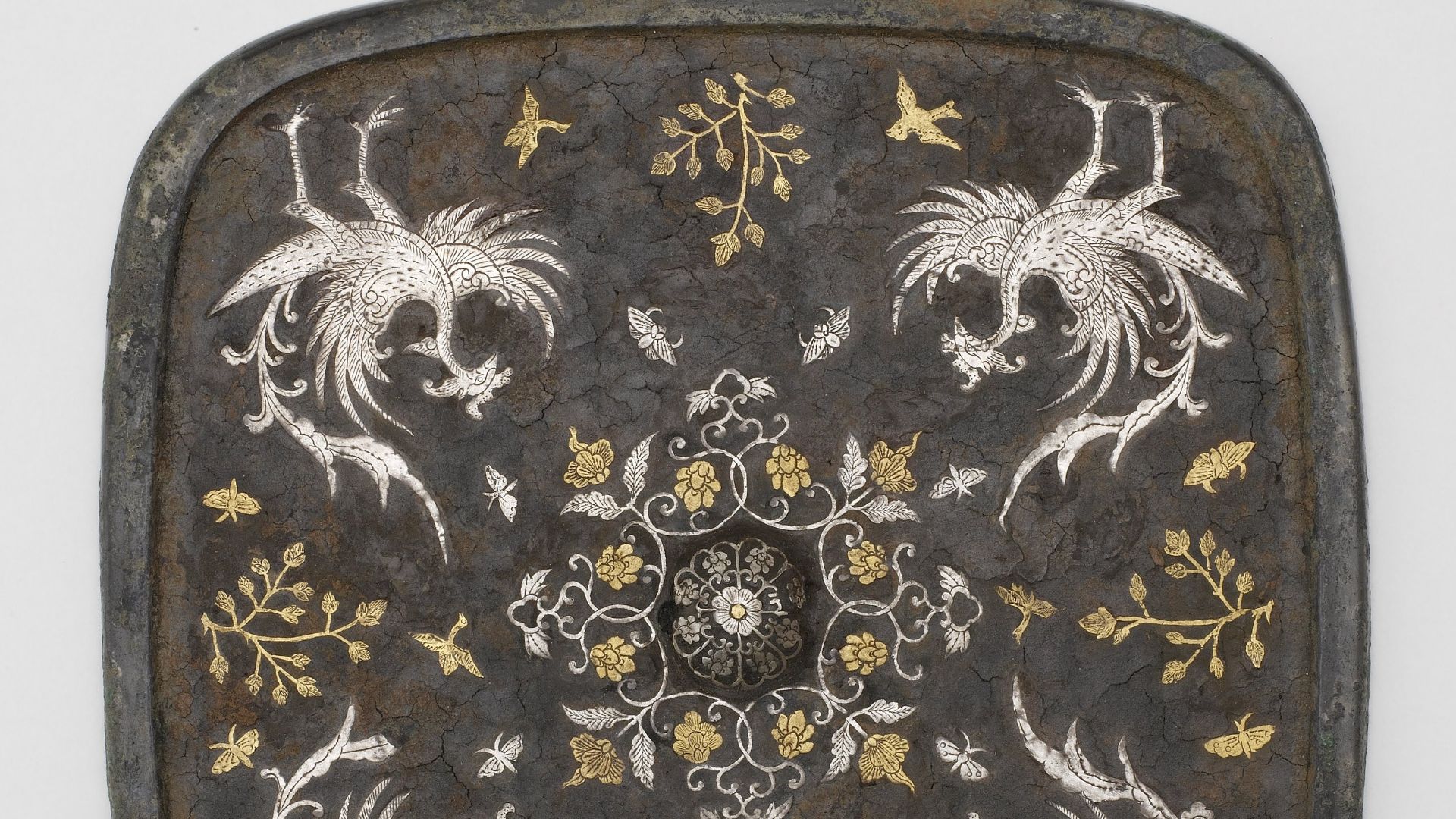
Taizong famously said he kept "three mirrors"—bronze for adjusting his appearance, the past for learning dynastic rises and falls, and people for discerning his mistakes. Wei Zheng, who'd conspired against him and recommended his assassination, became his most valued advisor.
12. Defeating Turks
Severe weather and natural disasters in 627–628 killed massive amounts of Gokturk livestock. The Uighur tribes simultaneously rebelled against Gokturk rule, further fracturing their unity. In 630, General Li Jing launched a multi-pronged attack coordinated with five prominent generals.
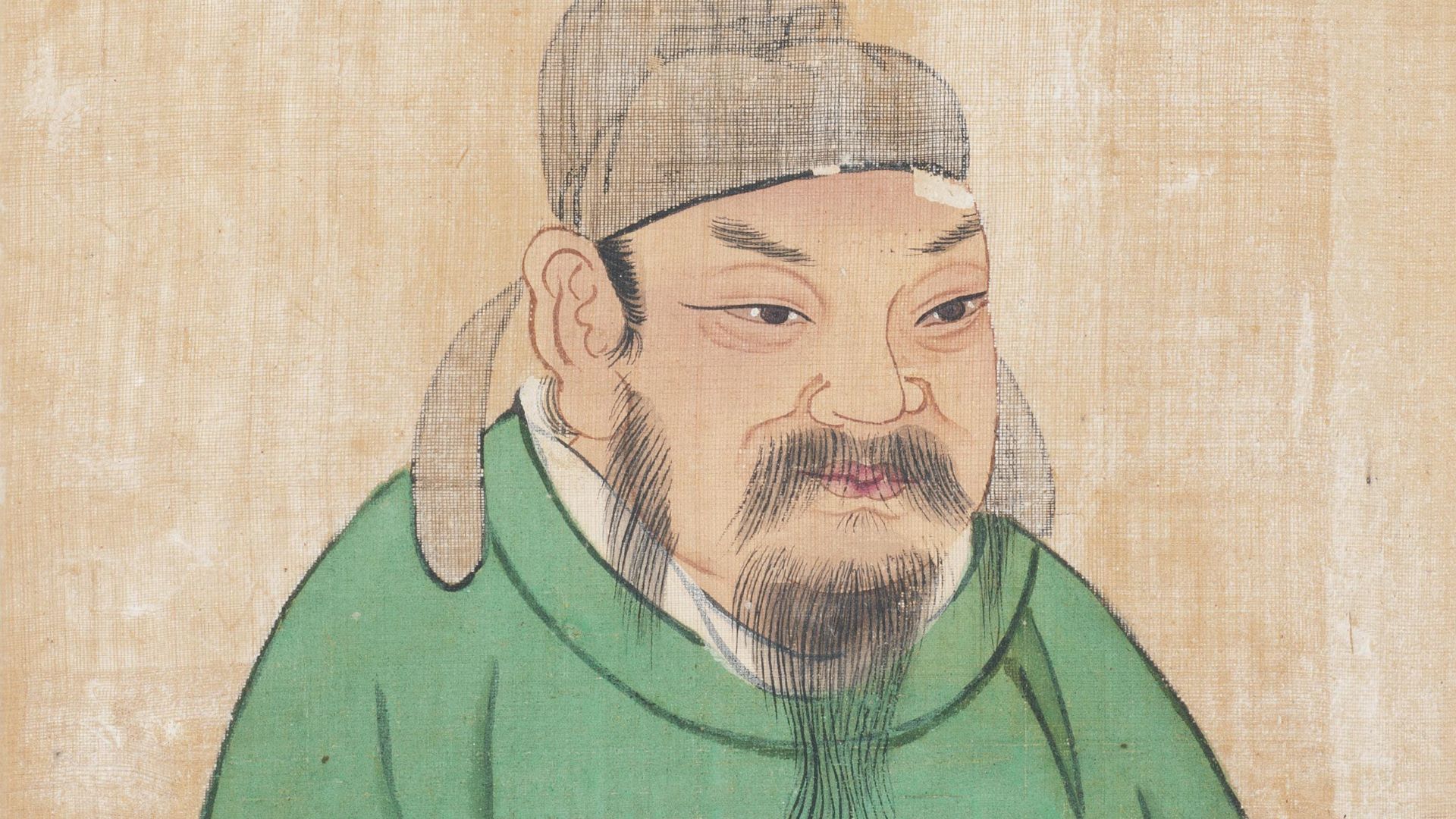 Unknown Chinese artist on Wikimedia
13. Wei Zheng
In July 626, Li Shimin met with Wei Zheng, his rival brother's closest advisor and strategist. Wei Zheng openly admitted he'd recommended Li Shimin's assassination rather than apologizing for conspiring against him. Instead of ordering execution, Taizong asked for Wei Zheng's allegiance.
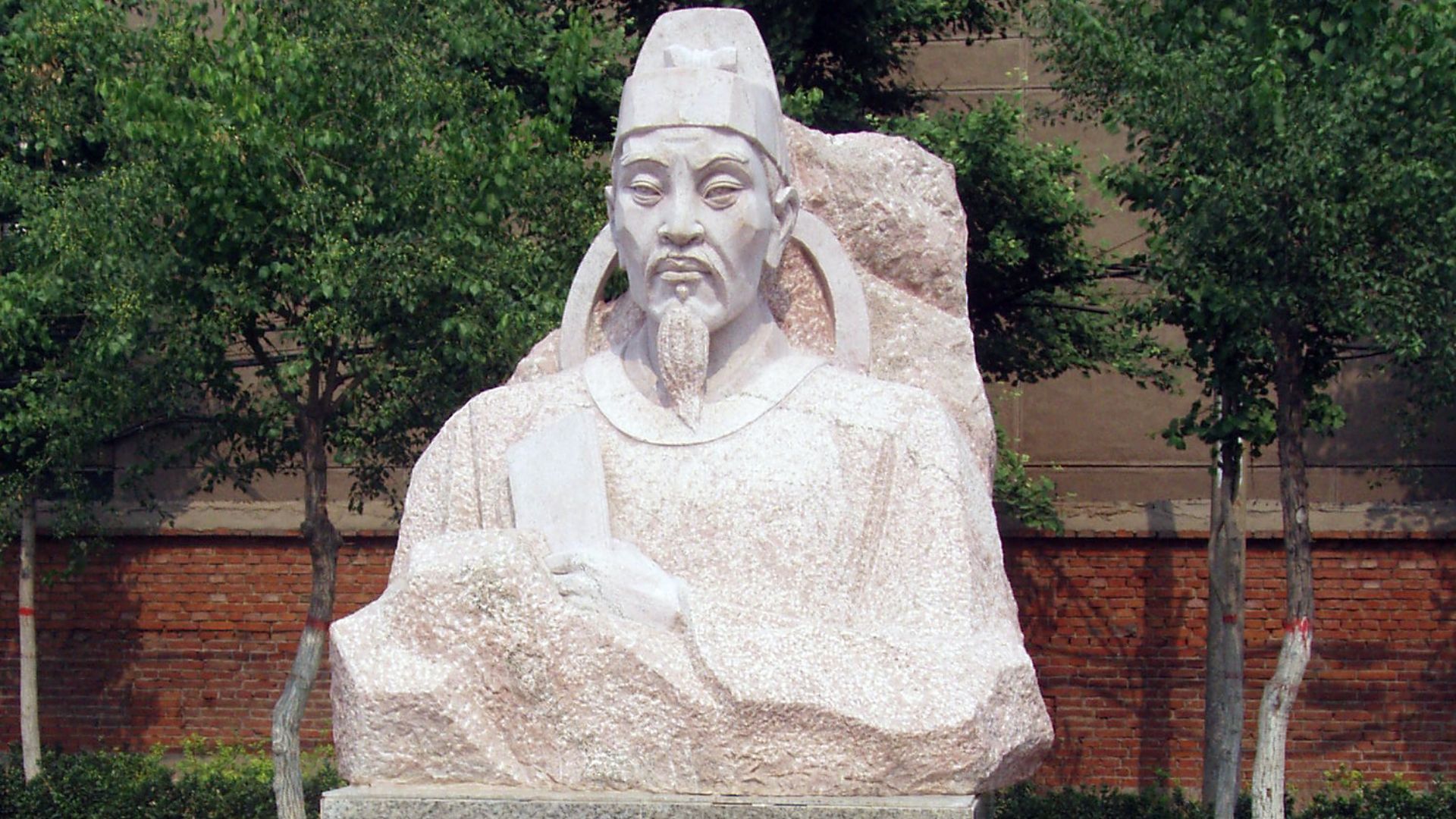 Taken by Fanghong on Wikimedia
14. Cultural Prosperity
Chinese arts and culture flourished under Taizong's stable governance. The emperor himself was a frank rationalist and scholar of logic and scientific reason, openly scorning superstitions and supernatural claims. He modified key religious rites to ease the burden of agricultural labor.
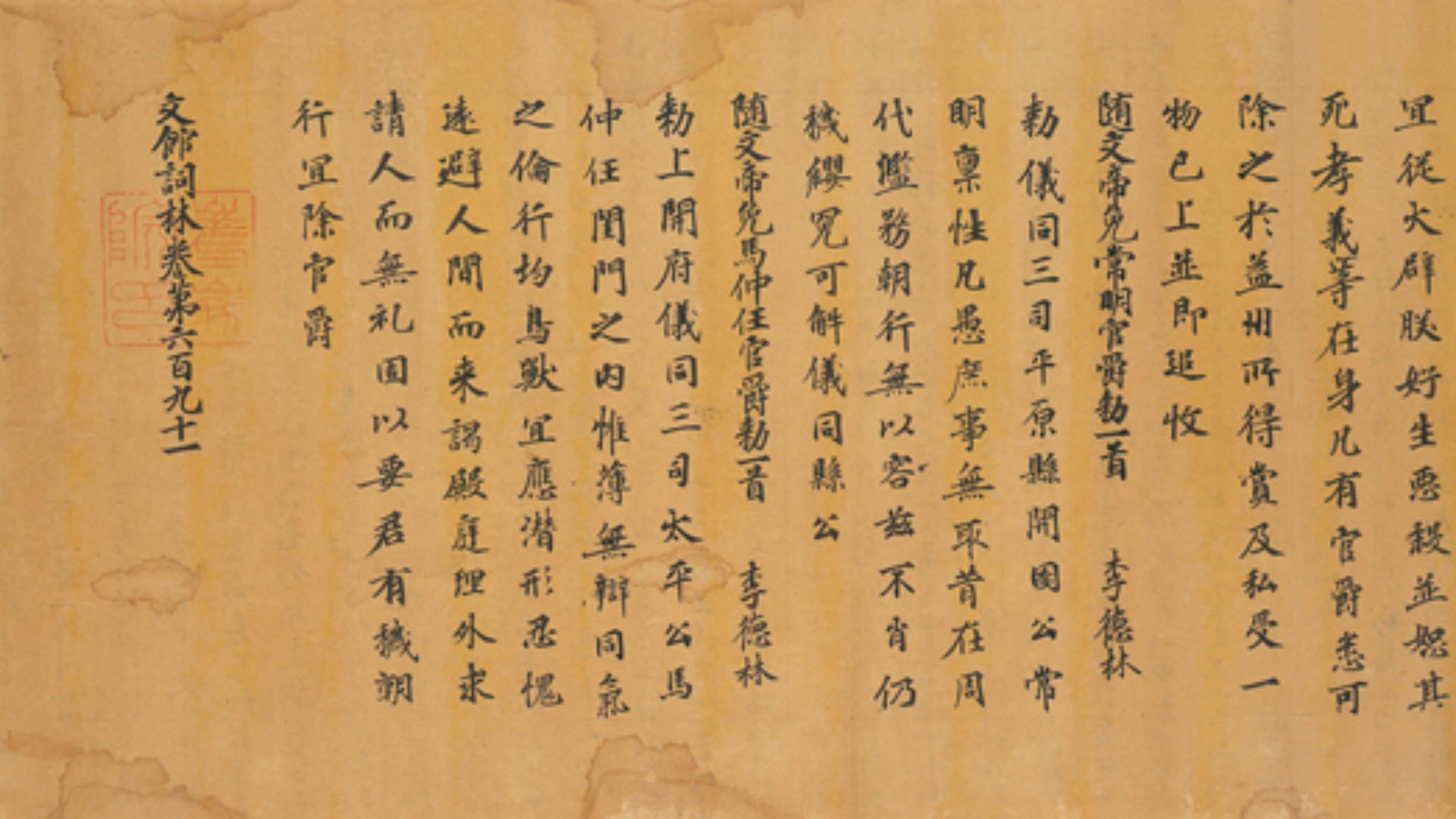 Unknown authorUnknown author on Wikimedia
15. Religious Tolerance
Unlike many rulers who persecuted unfamiliar faiths, Taizong welcomed diverse religious traditions throughout his empire. A tributary embassy from the Christian Patriarch arrived at his court in 635, showing the Tang Dynasty's openness to foreign beliefs.
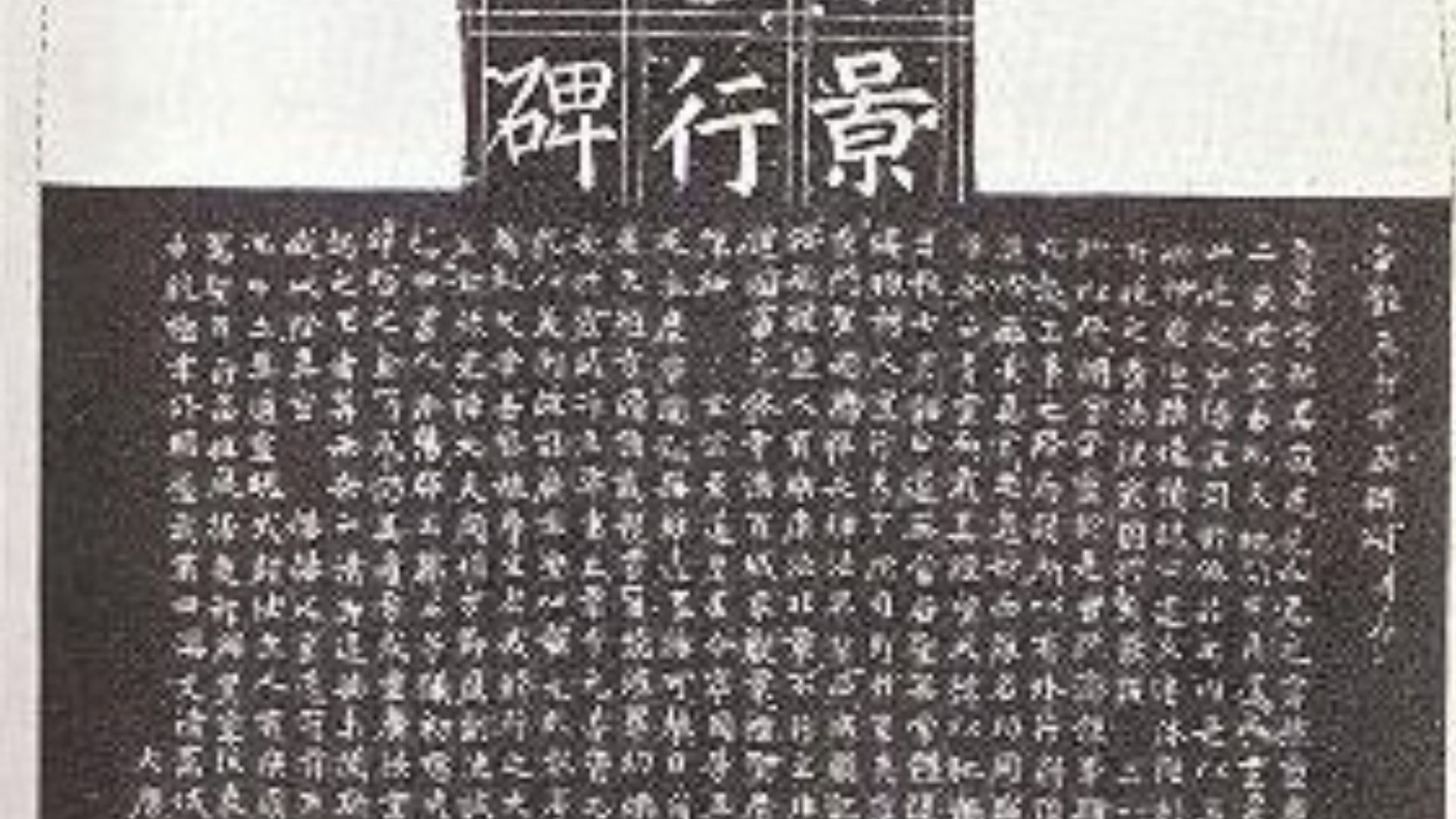
16. Legal Code
The Tang Code became a comprehensive legal framework blending Confucian ideals with pragmatic governance principles throughout the empire. This systematic codification provided clear laws that governed everything from administrative procedures to criminal justice consistently. The code's influence extended far beyond China.
17. Economic Recovery
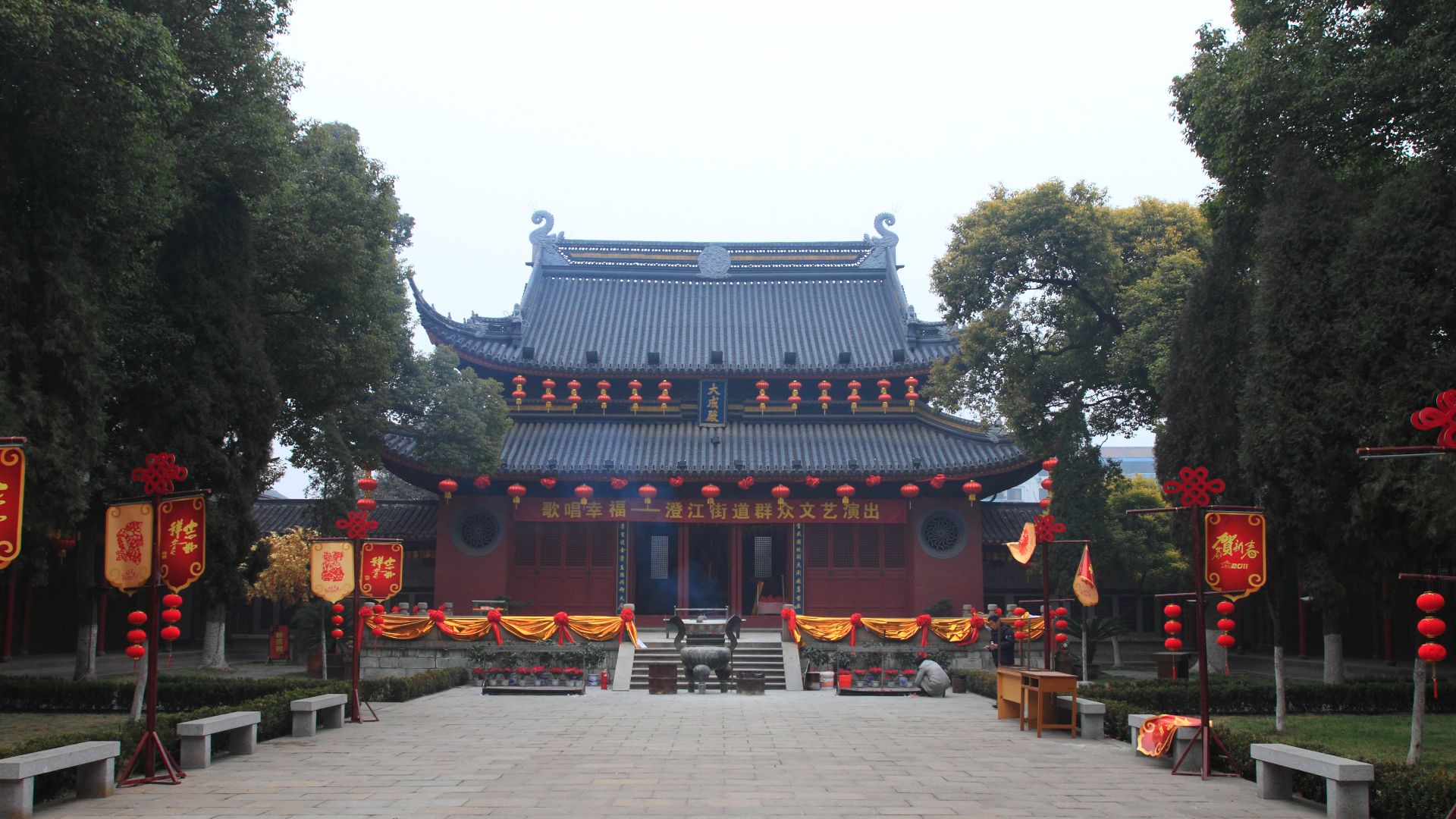
When Taizong took power, China was devastated from years of rebellion and civil war that had shattered infrastructure and displaced millions. His land redistribution and tax reforms created conditions where agricultural productivity could actually recover and expand.
18. Central Asia
The individual established over 600 provincial militias, led by loyal aristocrats and trusted citizens, to maintain order without deploying foreign troops. This decentralized military structure meant regional security didn't require expensive standing armies quartered in local communities.
 naturalearthdata.com, offered to the Public Domain per Terms of Use on Wikimedia
19. Provincial Governance
Before Taizong, provincial government postings were avoided by ambitious officials who preferred capital positions near the emperor and court. He personally oversaw provincial promotions, increasing these positions' prestige and attracting talented administrators. The empire was divided into provinces and prefectures.
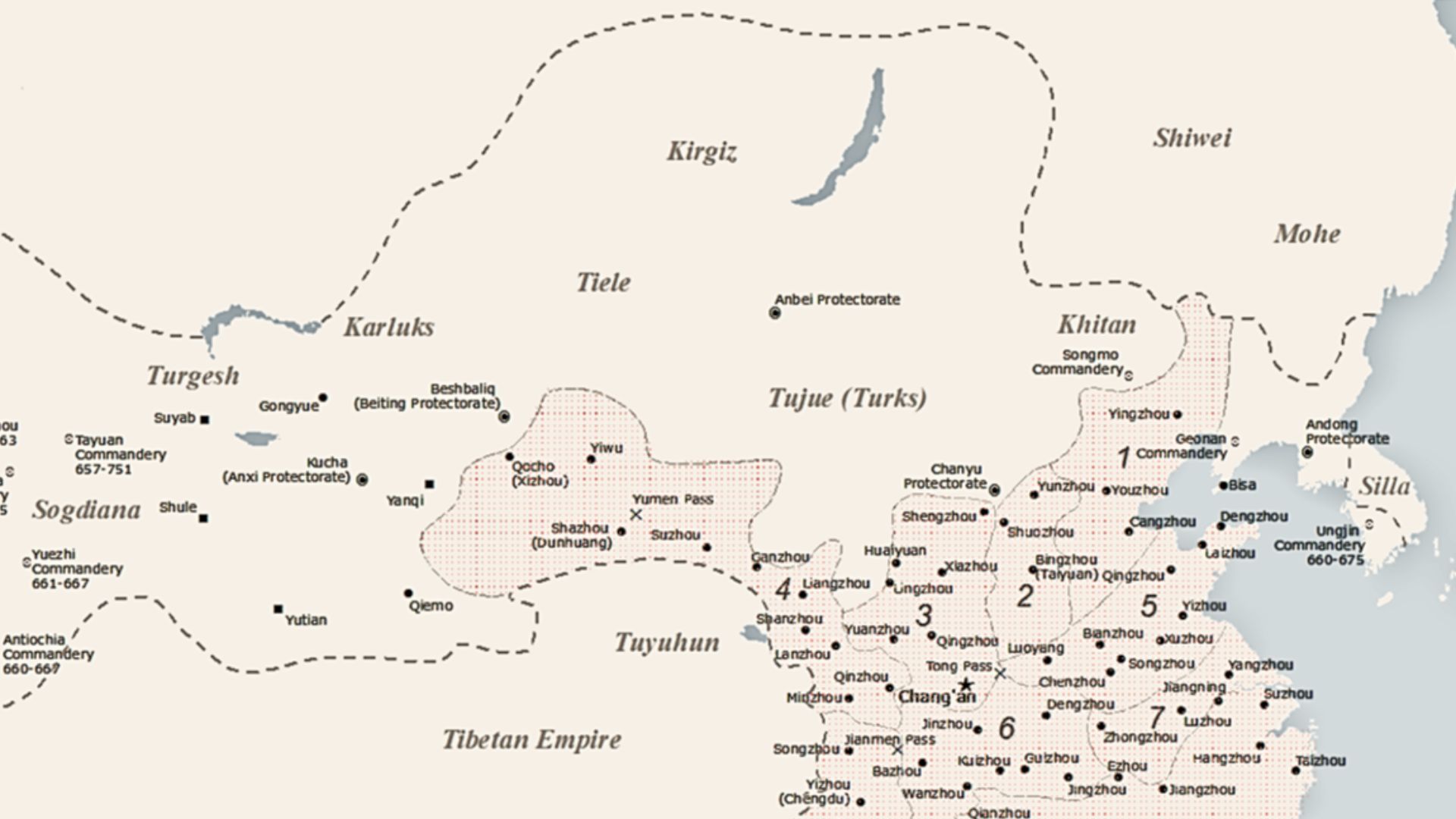
20. Lasting Legacy
Emperor Taizong died in 649 at fifty-one years old, succeeded by his ninth son Li Zhi as Emperor Gaozong. His reign became the measuring standard by which every subsequent Chinese emperor was judged for over a thousand years.