

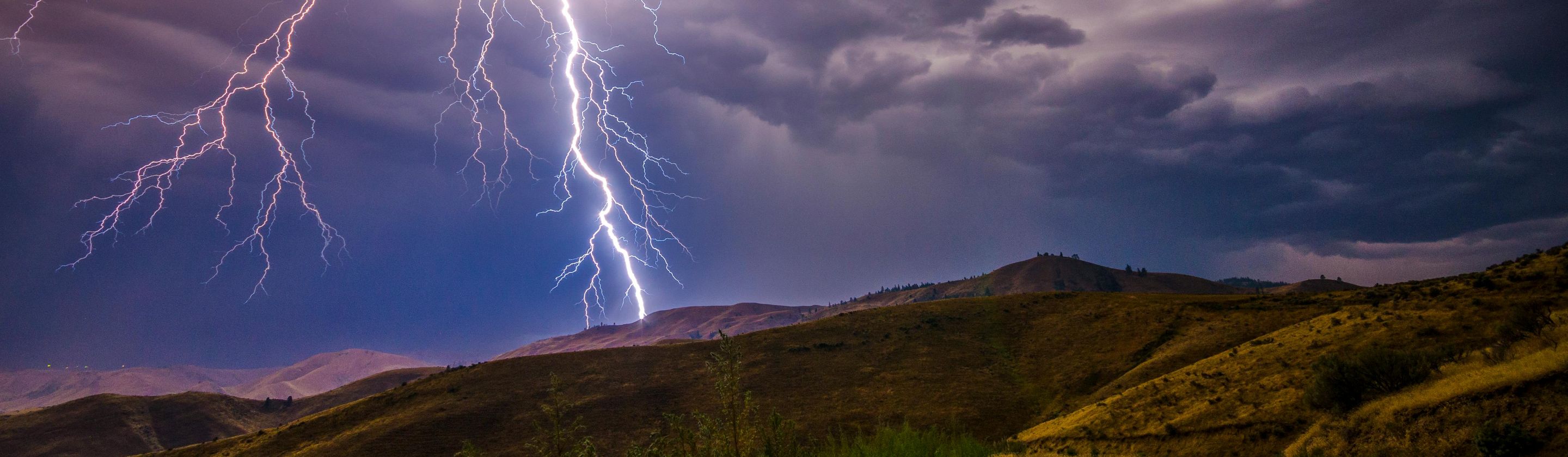
The Human Lightning Rod: The Man Who Was Struck Seven Times
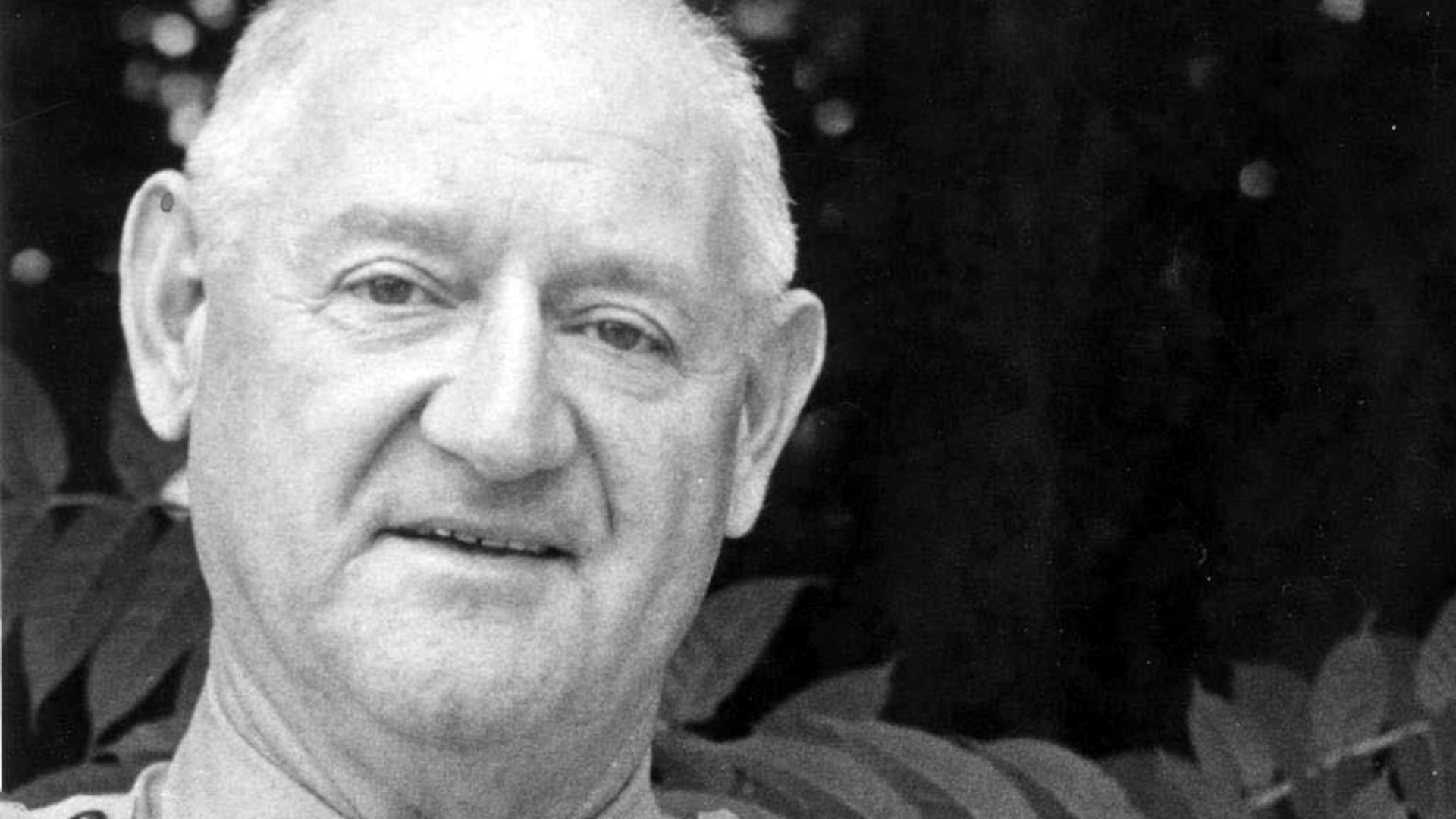
Some stories sound exaggerated until you discover every detail is documented. Roy Cleveland Sullivan lived one of those lives. Born in rural Virginia in 1912, he grew up near the mountains he would later patrol as a ranger. He spent decades working outdoors in Shenandoah National Park, a job that placed him under open skies day after day.
Those long hours turned him into an unlikely figure in American folklore because he survived something few people encounter more than once. Lightning struck him seven separate times across 35 years, and every strike was recorded by park officials. Settle in and see how one man became the most famous lightning survivor on record.
A Life Marked By Seven Bolts
The first strike happened in 1942 while Sullivan was inside a fire lookout tower during a storm. The tower lacked a lightning rod, and when a bolt hit repeatedly, a fire forced him to run out the door. He was struck moments later.
He went decades without another incident, until 1969 when lightning hit his truck while he drove along a mountain road. The blast knocked him unconscious and sent his truck rolling until it stopped at the edge of a slope.
Just one year later, a third strike followed him home. He stood in his yard when a nearby transformer was hit. The charge leaped onto his shoulder before he even understood what had happened. The fourth strike came in 1972 inside a ranger station, where lightning set his hair on fire again.
By 1973, storms made him uneasy. He started carrying water in case his hair caught fire again. That year, a fifth strike hit him moments after stepping from his vehicle. The sixth came in 1976 while he walked a park trail, and the seventh arrived in 1977 as he fished. Each time, he survived with burns and lingering nerve damage.
The Person Behind The Headlines
Although his lightning encounters made him famous, people who knew him remembered a patient ranger who guided visitors and taught them how quickly storms form in the Blue Ridge Mountains.
His relationship with the weather did change over time. He grew more cautious during storms, sometimes pulling over during long drives and waiting for clouds to pass. Fellow rangers grew nervous about riding with him when dark skies gathered, partly joking and partly serious. Yet he continued working outdoors until his retirement in 1976.
A Legacy Charged With Curiosity

All seven incidents were documented through ranger logs and medical records, adding credibility to a story that might otherwise feel mythical. Sullivan never retreated into caution, and he never changed careers. Even after his retirement, he remained connected to the mountains and the park community.
Sullivan passed away in 1983 at the age of 71. His ranger hats, including one marked by lightning burns, became part of an exhibit created to preserve his unusual place in natural history.
KEEP ON READING

20 Major Inventions People Credit to the Wrong Person
The Credit Doesn’t Always Land Where It Should. History often…
By Emilie Richardson-Dupuis May 5, 2026
20 Women Who Had To Pretend To Be Men To…
Hidden In Plain Sight. History has a way of making…
By Cameron Dick May 4, 2026
20 Legendary Love Stories From History That Might Not Actually…
Love Stories Are Sometimes Better at Traveling Than Facts. History…
By Emilie Richardson-Dupuis May 4, 2026
20 Legendary Cases Involving The Pinkerton Detective Agency
The Original Detective Agency. Long before the FBI existed, the…
By Sara Springsteen May 4, 2026
20 Mischievous Maidens Who Pulled The Strings Through Their Men
The Real Power Behind the Throne. History books often spend…
By Sara Springsteen May 4, 2026
The 20 “Ugliest” Historical Figures
Beauty, Power, and the Brutal Standards of the Past. History…
By Annie Byrd May 4, 2026