There are few scientific advances that have had such a dramatic impact on the course of human history as the theory that disease is caused by microorganisms. The germ theory, as it is now universally known, transformed the practice of medicine from ancient concepts to one in which the prevention, diagnosis, and treatment of disease are based on evidence-based scientific research. The germ theory of disease can be defined as a hypothesis or theory that germs (specifically, microorganisms), also known as pathogens, cause infection in other animals, plants, and microorganisms.
This would include bacterial infections, but also viral, fungal, protist, prion, and viroid infections as well. Pathogens are a type of microorganism that invade a host and cause disease. By multiplying and spreading within their hosts, pathogens cause a variety of infectious diseases. Although the severity of these diseases can be affected by a number of environmental or genetic factors, the identification of the germs that cause diseases has been one of the most important milestones in science, medicine, and public health, saving millions of lives and profoundly altering the world.
Germ Theory
Theories about the causation of diseases by unseen, animated agents have a long history, even before the invention of the microscope. In 1546, Girolamo Fracastoro published the book De contagione et contagiosis morbis et eorum curation, and proposed that contagion might be the result of tiny, invisible particles or seeds. In 1762, the Bohemian botanist and physiologist Marcus von Plenciz expanded on Fracastoro's idea by postulating that disease was spread by invisible living organisms. The miasma theory of disease, championed by Galen, dominated European medical thought for centuries, in which disease was thought to be caused by the corruption of the air.
Golden Era of Bacteriology
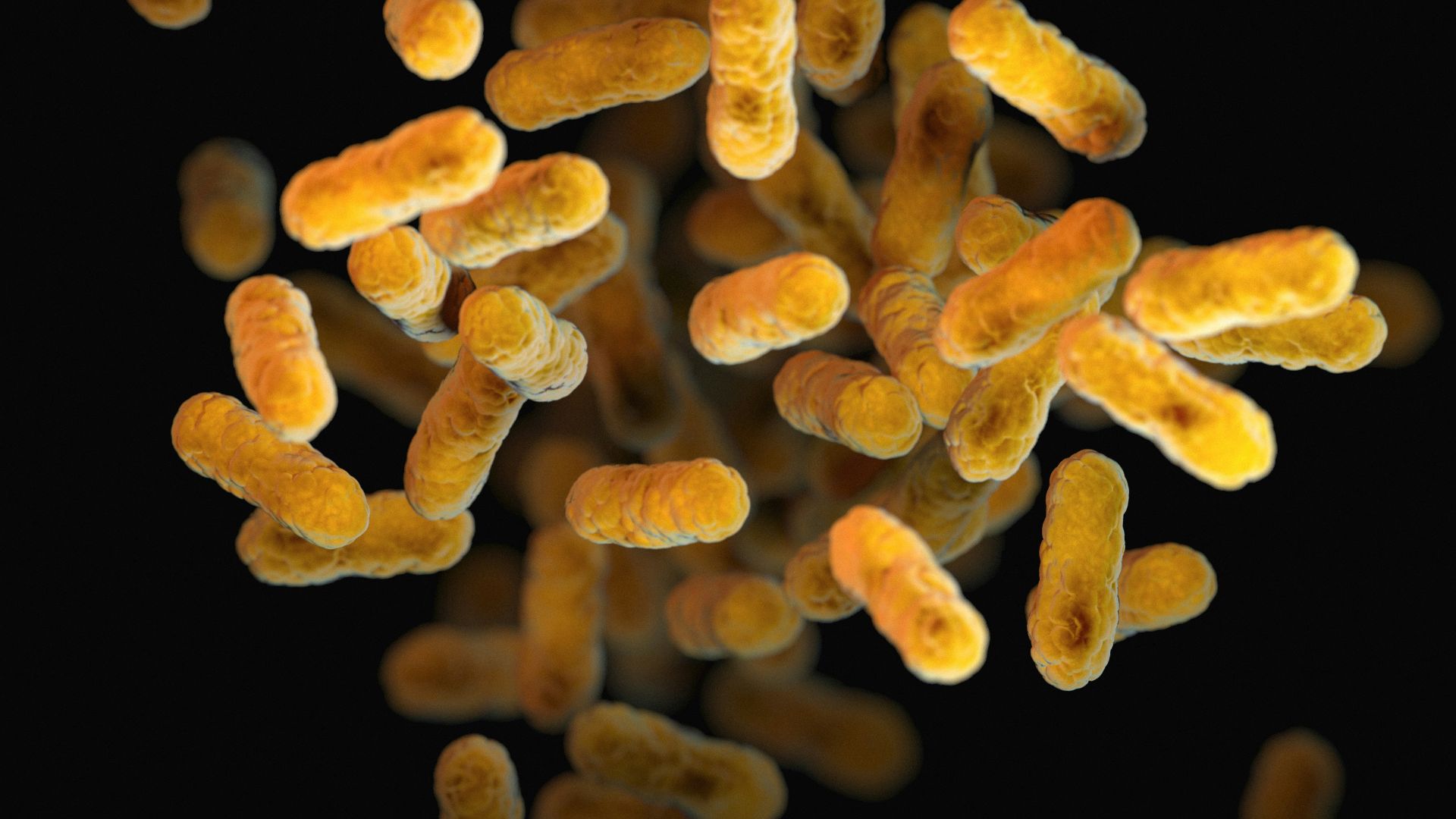
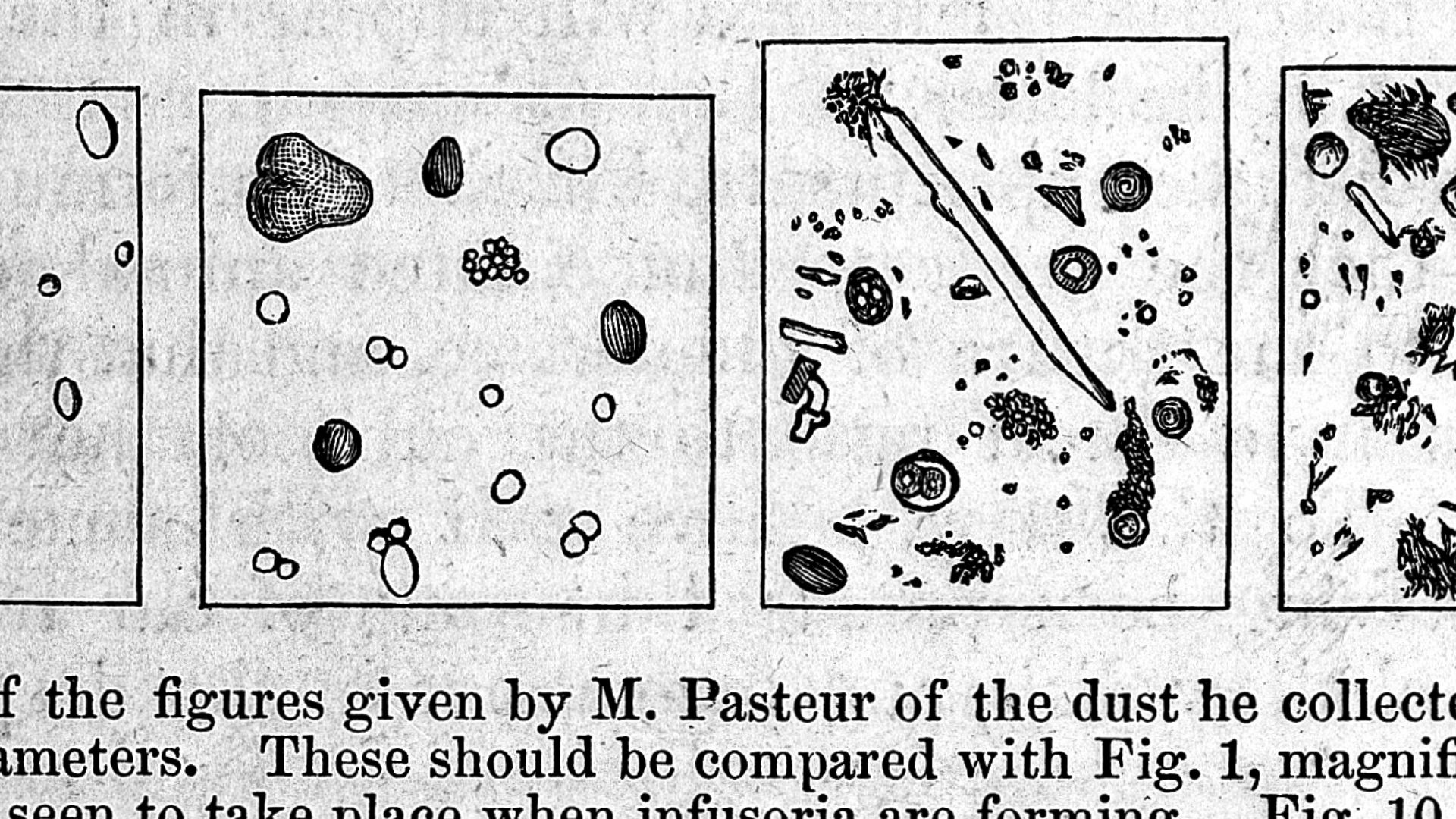
The germ theory was first proposed in a practical way in the mid-19th century by Louis Pasteur. Pasteur performed experiments on the causes of fermentation and spoilage of food and beverages, proving that they were caused by microorganisms. Pasteur provided convincing evidence that invisible living things could affect larger living things, which set the stage for understanding the process by which pathogens cause disease. Pasteur's research and results provided the evidence for what became known as the germ theory. Germ theory has since led to the widespread use of hygienic measures, sterilization, and pasteurization of food, all of which greatly reduced infections.
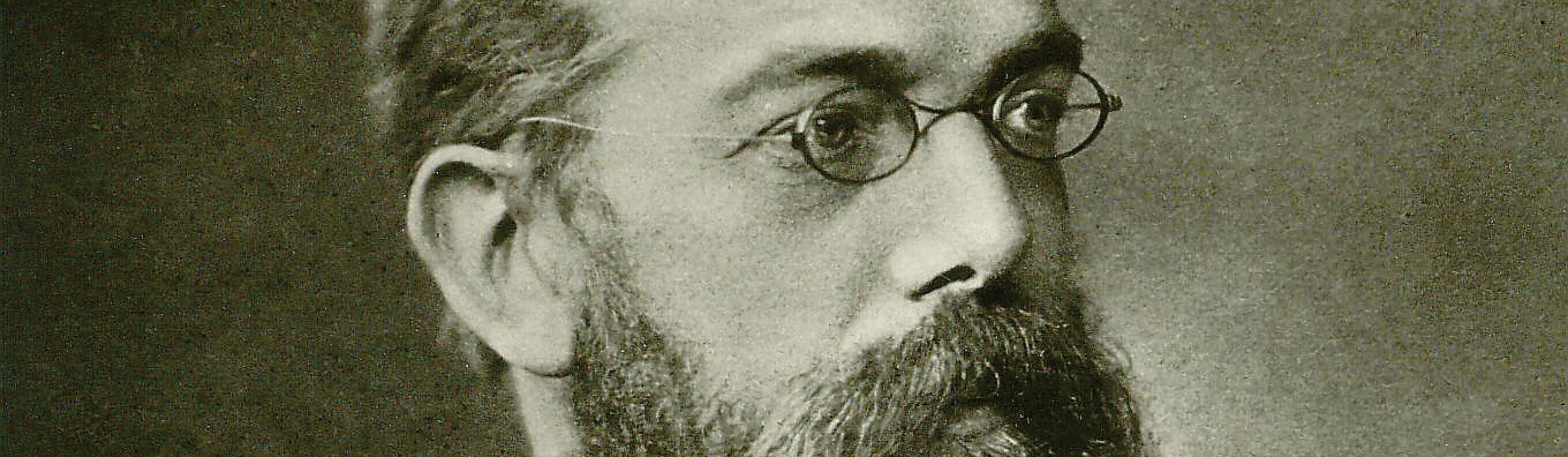
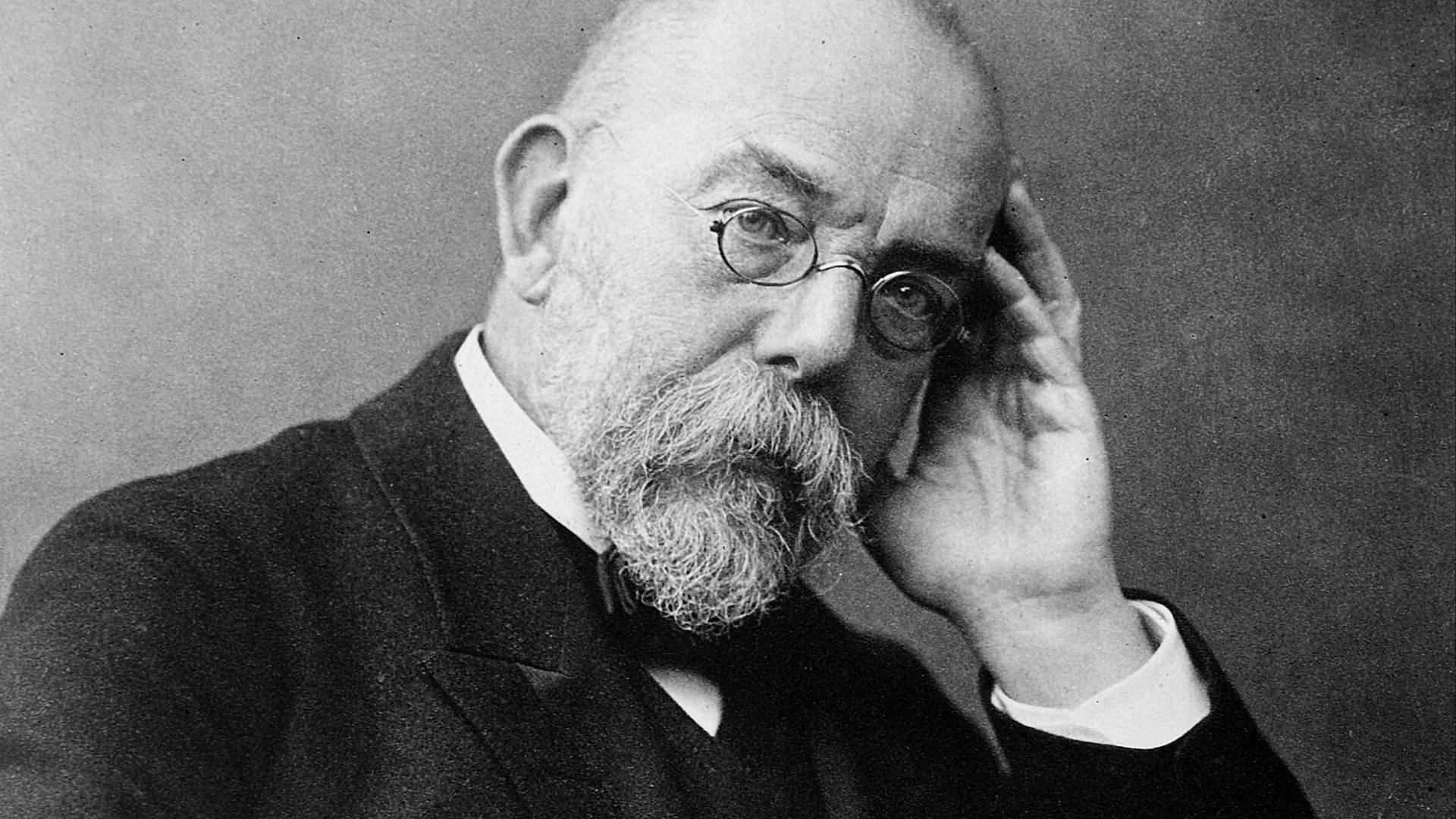
In the 1880s, Robert Koch went on to identify the specific bacteria that cause diseases such as anthrax, tuberculosis, and cholera. Koch's postulates became the accepted methodology to link specific pathogens to specific diseases, and provided medicine with an objective means for determining the cause of a disease. By the late 1880s, miasma theory was abandoned and replaced with a scientific understanding of how disease spreads.
In the 1890s, a new class of infectious disease agents that were smaller than bacteria, viruses, were discovered. The germ theory was thus expanded to include these smaller pathogens. By the end of the 19th century, the germ theory had become generally accepted and provided a platform for the rapid identification of the causative organism of many diseases. The development of vaccines, antiseptics, and antibiotics soon followed. The discoveries and ideas provided by germ theory revolutionized hospital practices, public health policies, and hygiene.
KEEP ON READING