

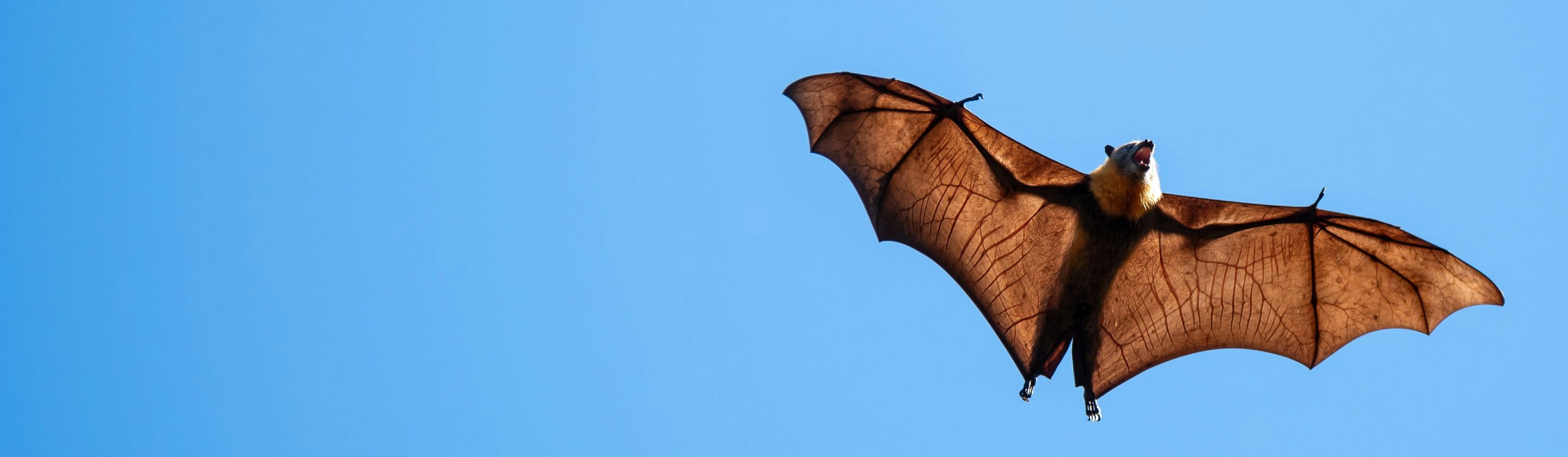
From Stoker To Stephanie: A Brief History Of "The Vampyr"
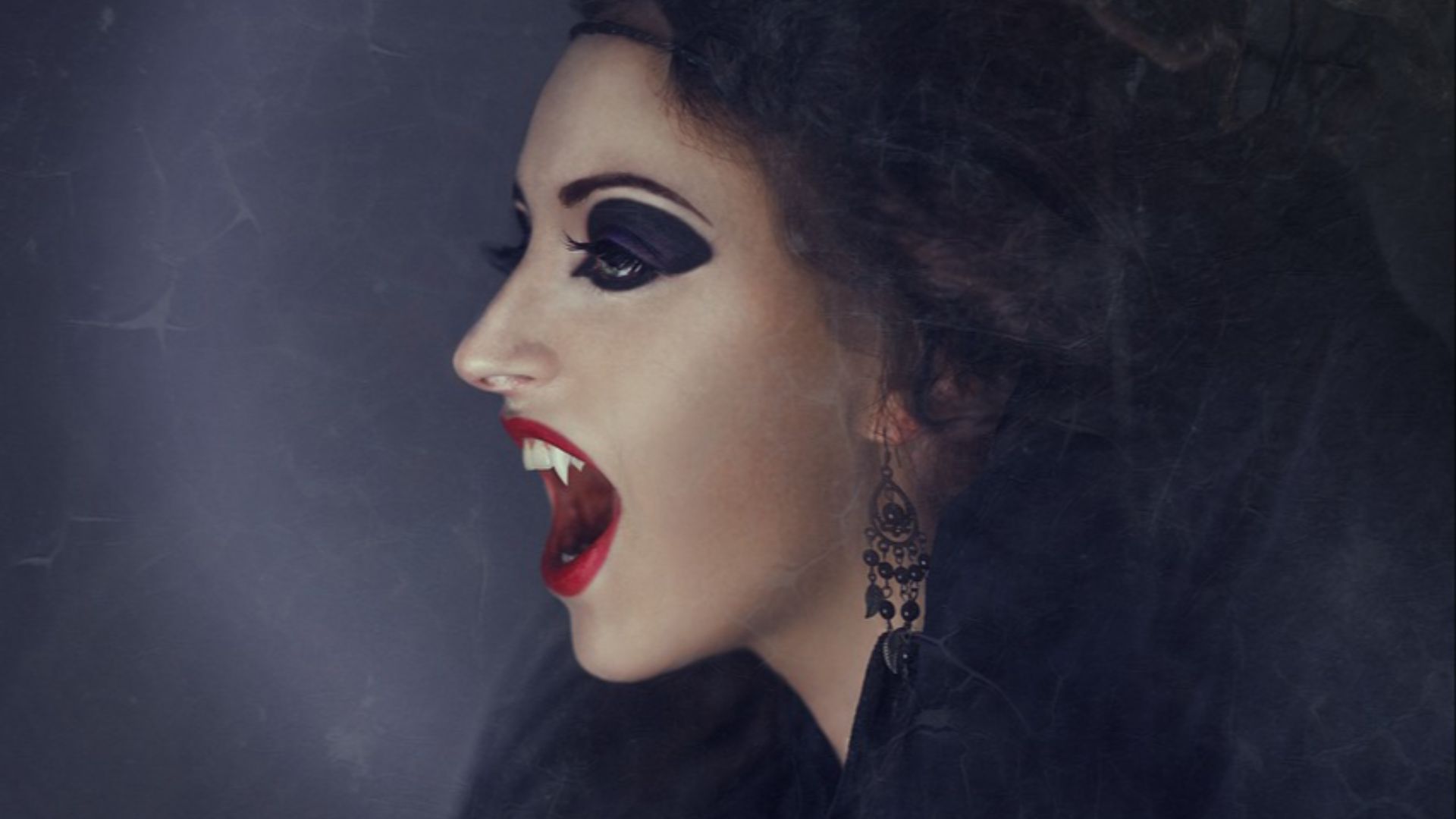
Thunder cracks. A castle, cascaded in shadow, looms in the distance. Making your way to the hauntingly beautiful structure, you are warned by townsfolk that the man who lives there—lives alone—isn’t “quite right.” Some may even go as far as to call him the Devil.
Upon entering the castle, you come face-to-face with a pale man who has a charming and confident disposition. He offers you food, drink, but it looks too old to actually be edible. Cobwebs fill every corner, the windows are boarded up, a chill hangs in the air….
We don’t have to go into the gory details of what happens next, but it wouldn’t take an expert to understand where the situation was leading. Yes, the vampyr, or vampire, is a well-loved mythical figure that humans have shared stories of for hundreds of years. Often described as immortal beings with pale skin, fangs, and supernatural strength, these nightwalkers are often used as representations of repressed desires, fear of death, social deviance, corruption, and even abuse.
But where did the origins of the vampire come from? How has it changed through history? How did this once terrifying creature become a lovable fixture within pop culture?
The Vampire’s History
The idea of these sun-phobic creatures has existed for much longer than Dracula himself. Ancient Mesopotamians, Hebrews, Greeks, Manipuri, and Romans are all said to have vampire-like creatures within their religion or mythology, but the vampires we know and love today come from the folklore of 18th-century southeastern Europe.
At the beginning of verbal traditions being recorded, the mythology of the vampire was spread across Europe, causing mass hysteria and public executions throughout the 1900s.
Originally, it is said that vampires were bloated and were purple or red in color, especially after drinking blood. However, fangs were not yet a common feature.
Many traditions had different views on how vampires were created. Europeans believed that vampires were the result of malevolent spirits, suicide victims, or witches, while Slavic and Chinese traditions believed that if a dog or cat jumped over a corpse, they would run the risk of becoming undead.
Of course, vampirism became entwined with the Catholic Church, with leaders saying that vampires were minions of Satan. This is, of course, where we get the idea that crosses can ward off vampires.
The actual history and etymology of the vampire is robust and definitely worth taking the time to learn more about. But for now, let’s talk about Bram.
Dracula
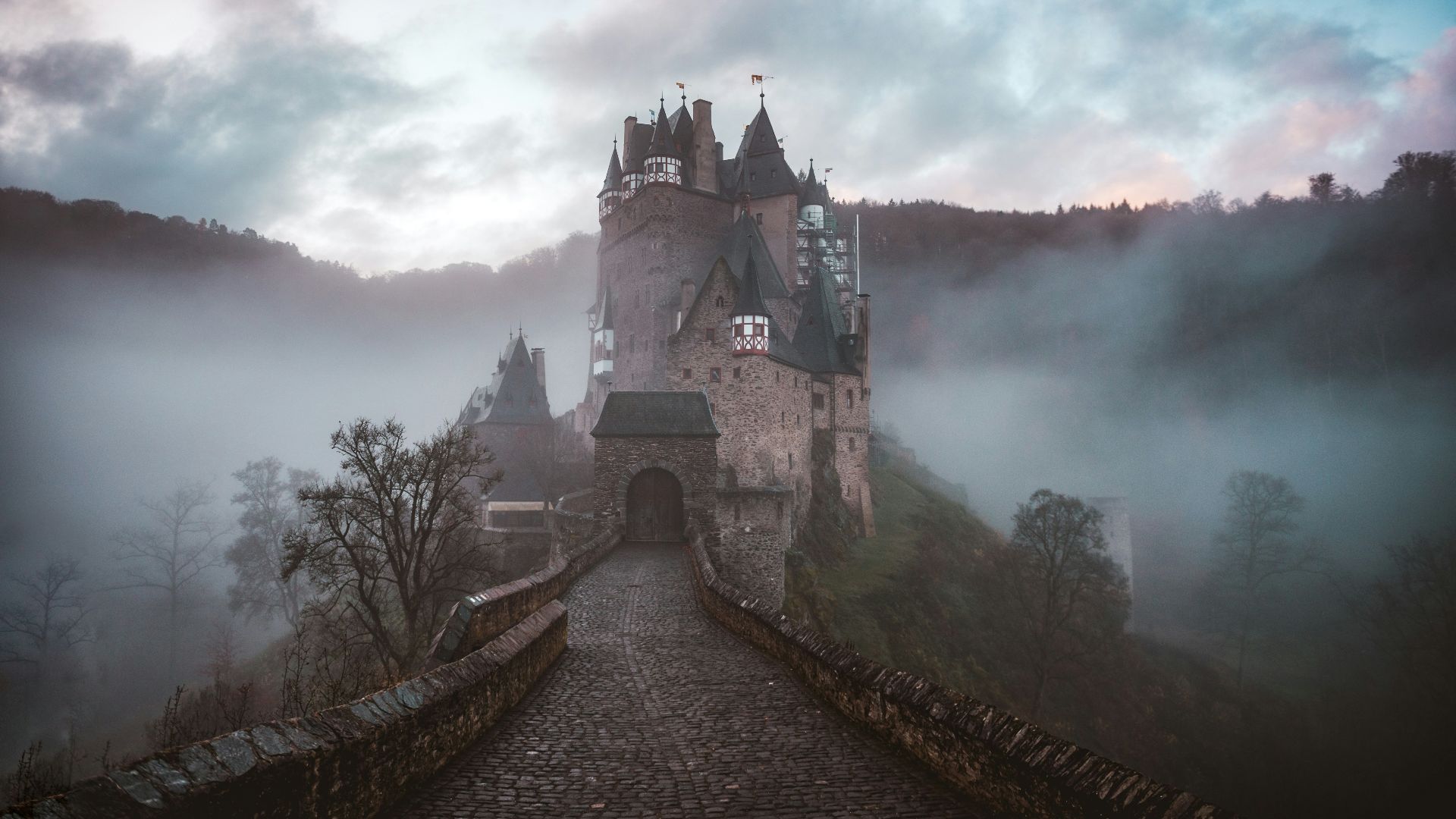 Cederic Vandenberghe on Unsplash
This 1897 horror novel is the vampire novel, and Bram Stoker drew heavily on vampire folklore and history to create the titular character. It’s often called the centrepiece of vampire fiction, and Dracula even won a Guinness World Record for being the most portrayed literary character.
Since Dracula’s appearance, we’ve seen countless pieces of TV, film, and literature that make use of the tropes that were established in this story, although not all choose to do so. Stephanie Meyer’s Twilight saga, for instance, establishes that a vampire's skin is almost like porcelain, and that they sparkle in the sunlight instead of burning.
The actual portrayal of vampires has changed, too. From shows like Buffy the Vampire Slayer, True Blood, What We Do in the Shadows, and The Strain, vampires are often portrayed as humorous characters or feature creation myths that divert from the long-established folklore.
Regardless, vampires are one of our favorite mythological creatures to focus on, and they have been for centuries. It’s no surprise that from their humble origins, we’ve been able to mold these creatures to fit the media we prefer to consume, with their appearance being able to represent a variety of tough topics that humans struggle with every single day.
KEEP ON READING
Remembering Pope Stephen VI, The Guy Who Made A Cadaver…
A Godly Man With A Grudge. Jean-Paul Laurens on WikimediaYou…
By Ashley Bast Oct 31, 2025
From School Plays To Starting A Cult: 20 Of The…
The Books That Made Us. Many people will tell you…
By Farva Ivkovic Jan 31, 2025
20 Facts About Jane Grey, The Forgotten Queen Of England
A Quick, Messy, and Tragic Reign. Lady Jane Grey never…
By Maria Cruz Jan 31, 2025
20 Most Significant Cars In American History
Driving Into the Past. The car has defined America as…
By Farva Ivkovic Dec 31, 2025
10 Times The Lakers Made History & 10 Moments That…
Let’s Talk About the Lakers. Few teams have brought highs…
By Farva Ivkovic Dec 31, 2025
10 Historical Royals Known For Their Intelligence & 10 For…
The Weirdest Kings. Intelligent royals brought us innovative and progressive…
By Farva Ivkovic Dec 31, 2025