20 Times Historical Figures Accurately Predicted The Future
Stranger Than Fiction
It’s no secret that some of the most fascinating figures in history were men and women with the ability to see into the future. Scientific, literary, and artistic breakthroughs were just some of the phenomena predicted by those whose minds worked on a level so advanced it defied their era. With that in mind, here are 20 stunning examples of historical figures predicting the modern world.
 In-house publicity still on Wikimedia
1. Wi-Fi, Mobile Phones & the Internet
Tesla gave an interview to the New York Times in 1909. In that interview, he talked about personal wireless devices that could send and receive messages easily all over the world. In 1929, Tesla said: "The day will come when ... there will be a gradual development of a worldwide brain for which wireless will be the instrument," which today resembles the World Wide Web. His words also seem to predict the smartphone and the internet.
2. The Moon Landing
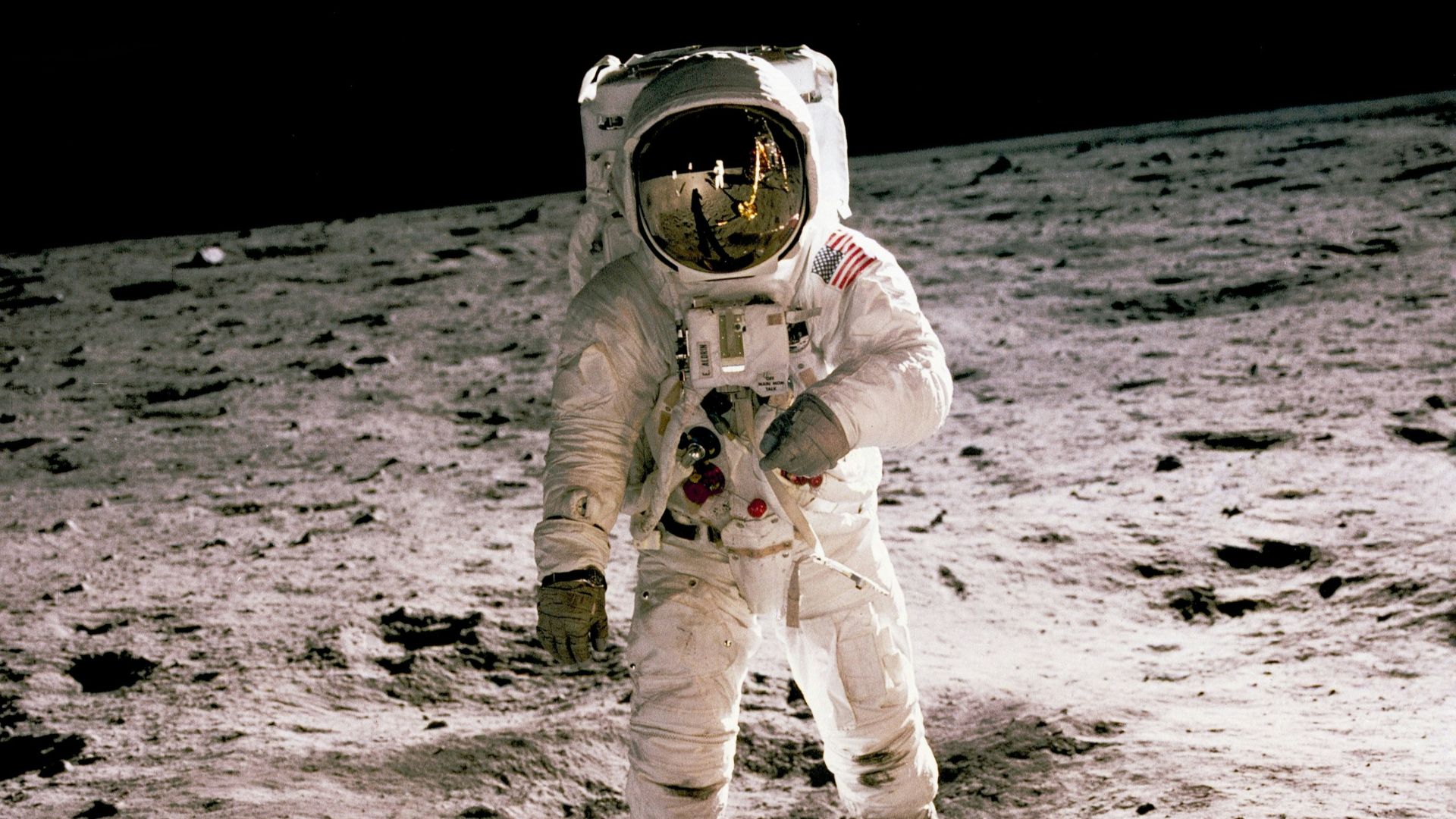
Written over a century before Apollo 11, Jules Verne's From the Earth to the Moon is remarkable for its precise predictions of real space travel. The novel describes a manned mission to the moon, launched from Florida (the future site of Kennedy Space Center) in a capsule fired from a giant gun. Verne's trajectory, capsule design, and launch physics were nearly identical to those NASA engineers eventually used. His fantasy thrilled readers while foretelling one of humanity’s greatest technological achievements.
3. Organ Transplants
In the 1660s, English natural philosopher Robert Boyle wrote a list of scientific “desiderata”, things he hoped that “sagacious Inquirers, in Ages following the present” would one day discover. Among notes about flying and “methodical Chymistry,” he mentioned the desire to cure disease through “transplantation.” This was centuries ahead of its time. The first successful organ transplant wouldn’t occur for almost 300 years.
 Hush Naidoo Jade Photography on Unsplash
4. Mobile Phones
Civil engineer John Elfreth Watkins envisioned people using wireless telephones to communicate over oceans. He predicted that spouses on different continents would one day converse as easily as people then spoke across a city. Wireless communication was still in its infancy, yet his forecast combined cell phones and international telecommunications with uncanny accuracy.

5. The Cold War
When Alexis de Tocqueville traveled in the United States in the 1830s, he saw more than its political system. In Democracy in America, he foresaw the U.S. and Russia emerging as the world's two great rivals, despite neither then viewing the other as a threat. He recognized that their opposing political philosophies and interests, coupled with inexorable expansion, would set them on a collision course. A century later, the Cold War bore out his prediction.
6. Reagan’s Presidency
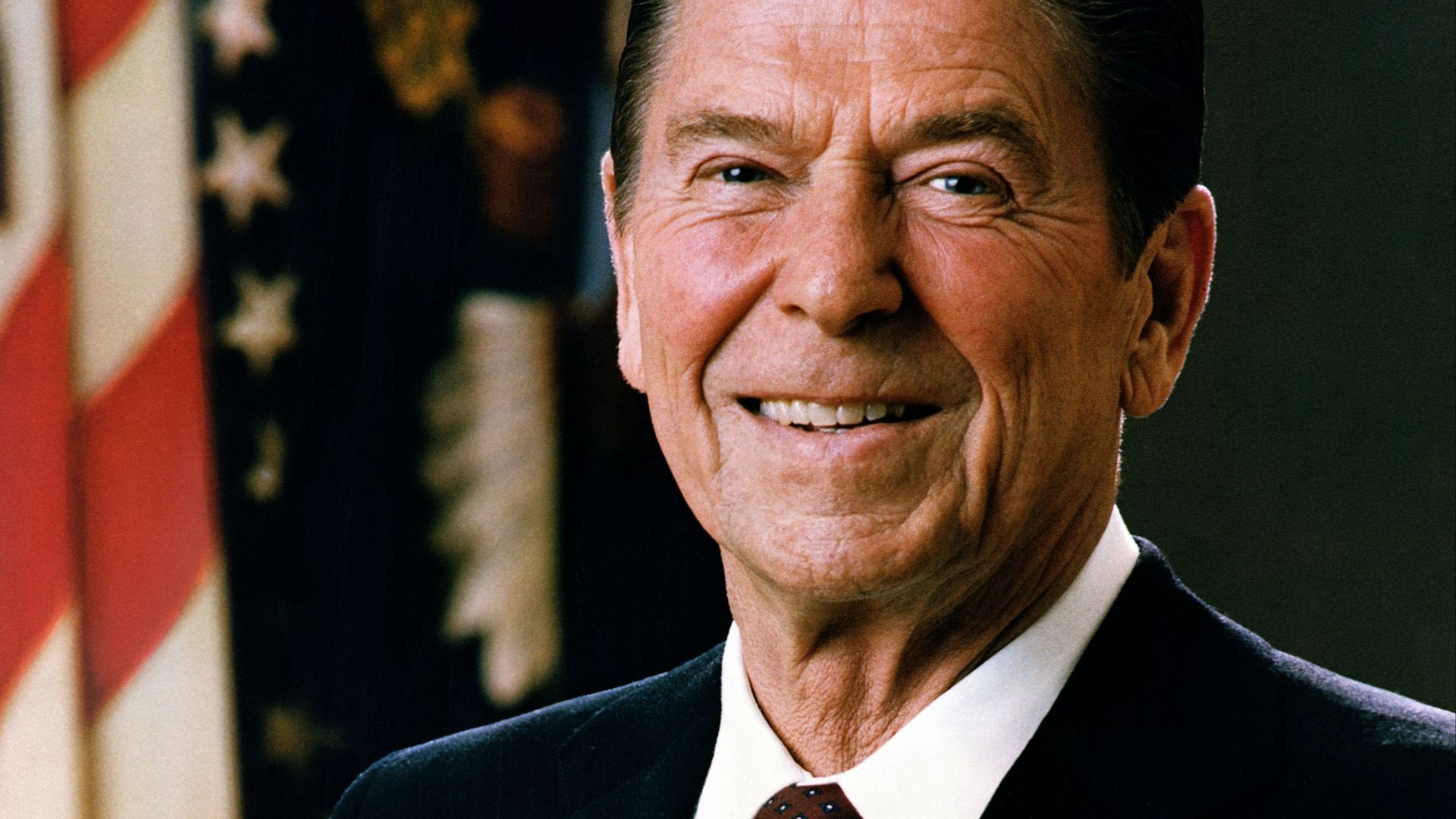
In a skit on Laugh-In, Dan Rowan facetiously said that Ronald Reagan would be president when the Berlin Wall came down twenty years later. At the time, Reagan was only California’s governor, making the claim seem implausible. Twenty years later, Reagan was president when the Wall fell.
7. World War II
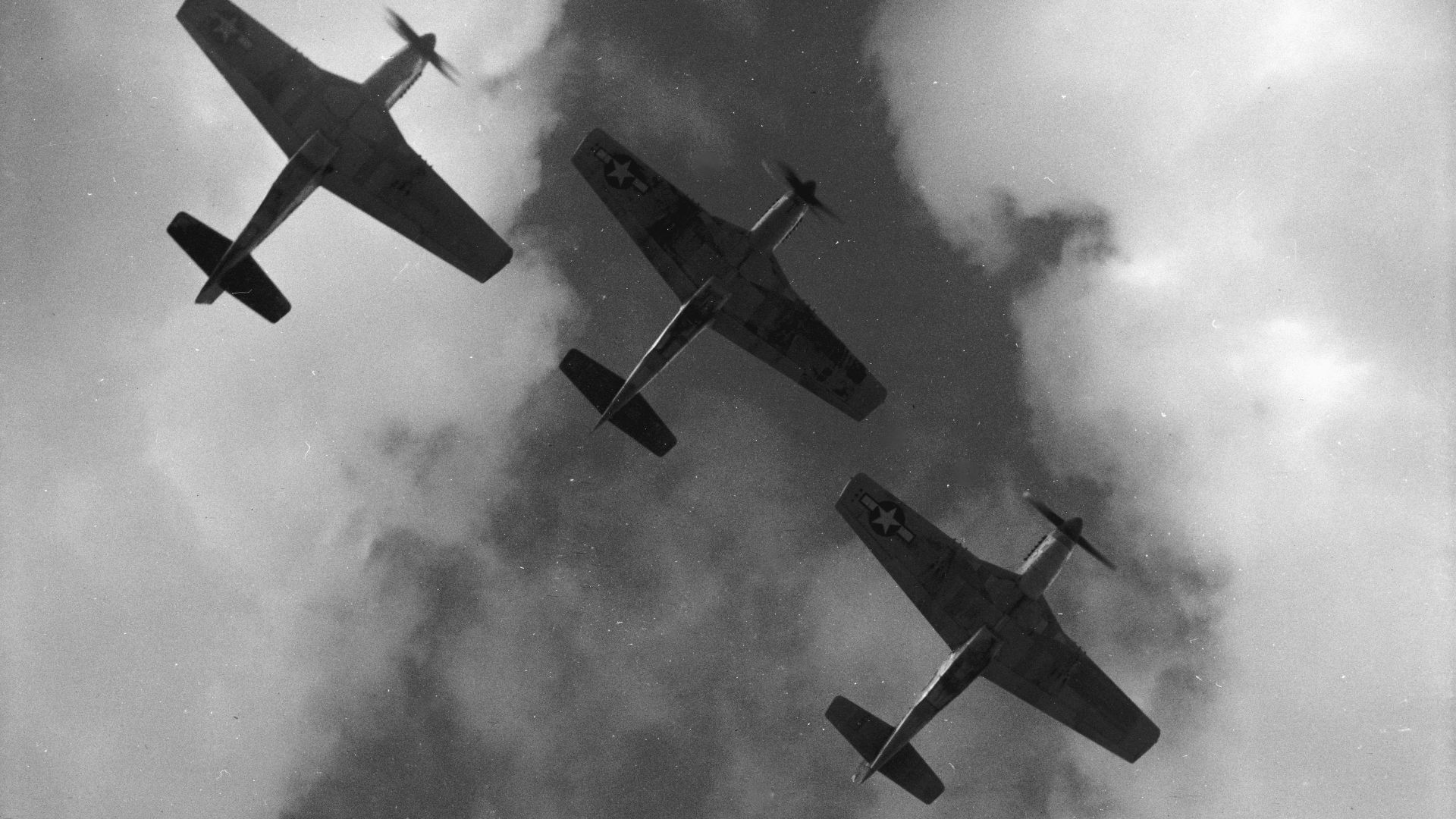
Supreme Allied Commander in World War I, Ferdinand Foch understood German military ambition. He called the Treaty of Versailles a “finished dish,” fatally weak due to “too many compromises.” He described it not as a peace treaty but “an armistice for twenty years,” predicting another war. Twenty years later, Germany invaded Poland, confirming his foresight.
 Library of Congress on Unsplash
8. The Great Depression
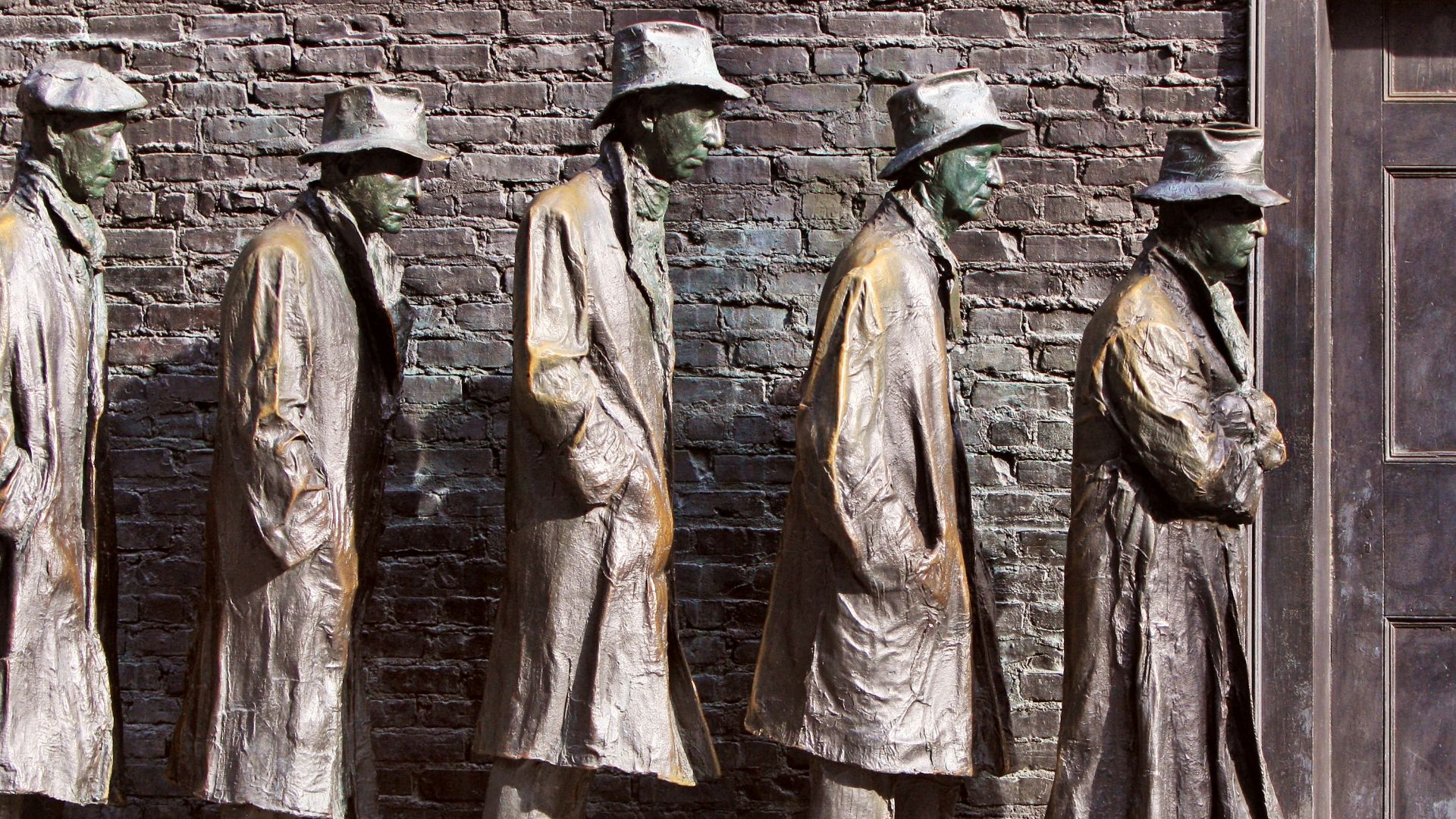
Edgar Cayce, the "Sleeping Prophet," claimed to see the future in a trance. In 1924, he predicted the U.S. stock market would crash within five years, causing economic disaster. Most ignored his warnings. In 1929, the market collapsed, and Cayce gained a “disturbing measure of credibility.”
9. Mark Twain’s Passing
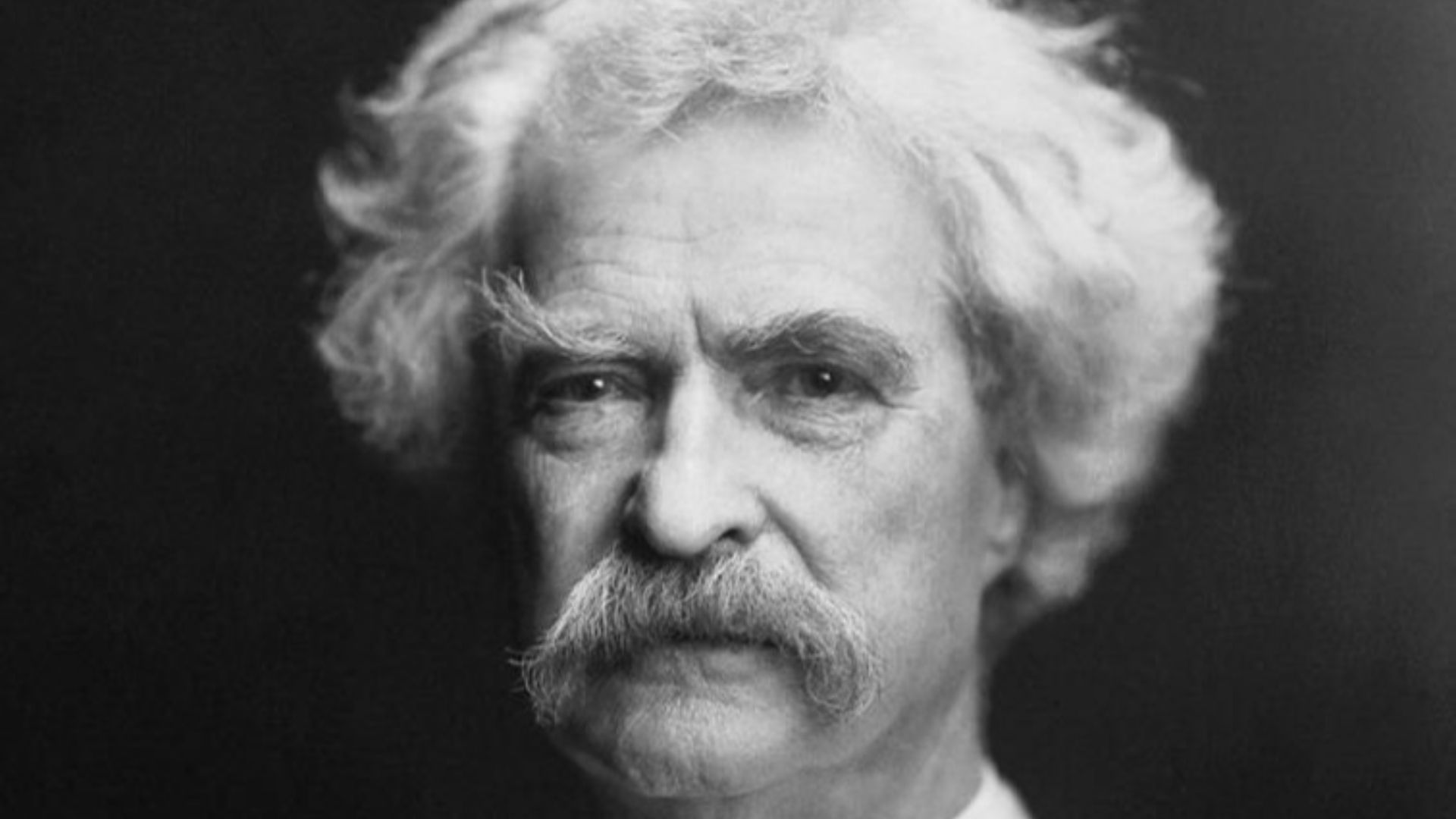
Born shortly after Halley’s Comet in 1835, Twain joked that it would influence his destiny. In 1909, he said, “I will go out with it,” referring to the comet’s return in 1910. Twain passed in April 1910, one day after the comet’s return, cementing his odd prediction in lore.
 A.F. Bradley, New York on Wikimedia
10. Modern Photographic Technology
In 1900, John Elfreth Watkins predicted life in 2000, envisioning photographs sent over long distances in natural color. Color photography was experimental, and transmitting images seemed impossible. Yet he described a world resembling today’s digital cameras and instant global media.

11. The Atomic Bomb
H. G. Wells’ 1914 novel The World Set Free described uranium-fueled aerial bombs capable of leveling cities, years before nuclear physics made them feasible. He detailed the potential of nuclear warfare decades before Hiroshima and Nagasaki, anticipating the atomic bomb.
12. The Titanic
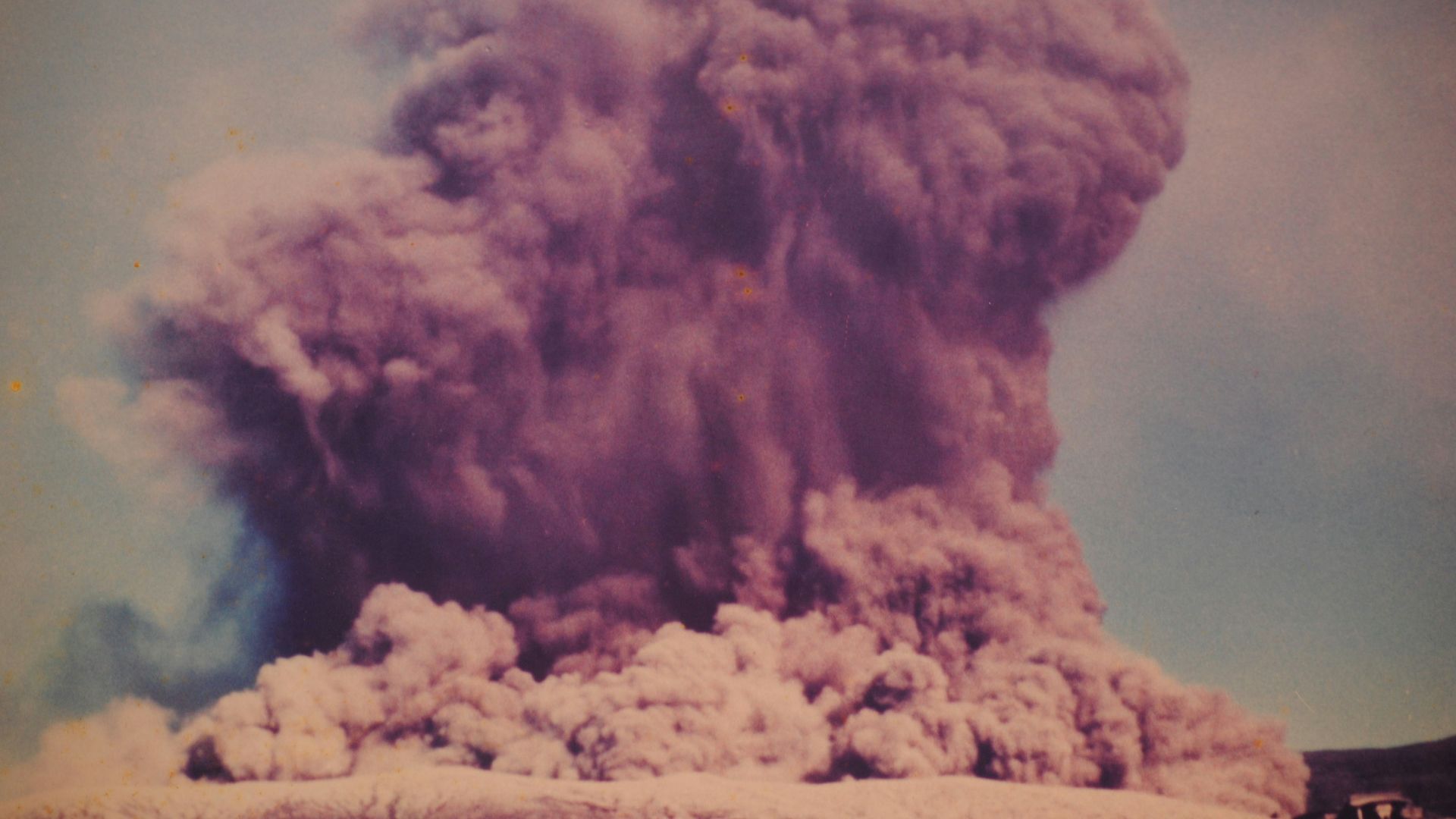
In Futility, Morgan Robertson wrote of a colossal, “unsinkable” liner called the Titan, which sank on its maiden voyage, fourteen years before the Titanic disaster. The similarities are eerie: nearly identical size, insufficient lifeboats, and an iceberg collision in the North Atlantic.
13. Obama’s Presidency
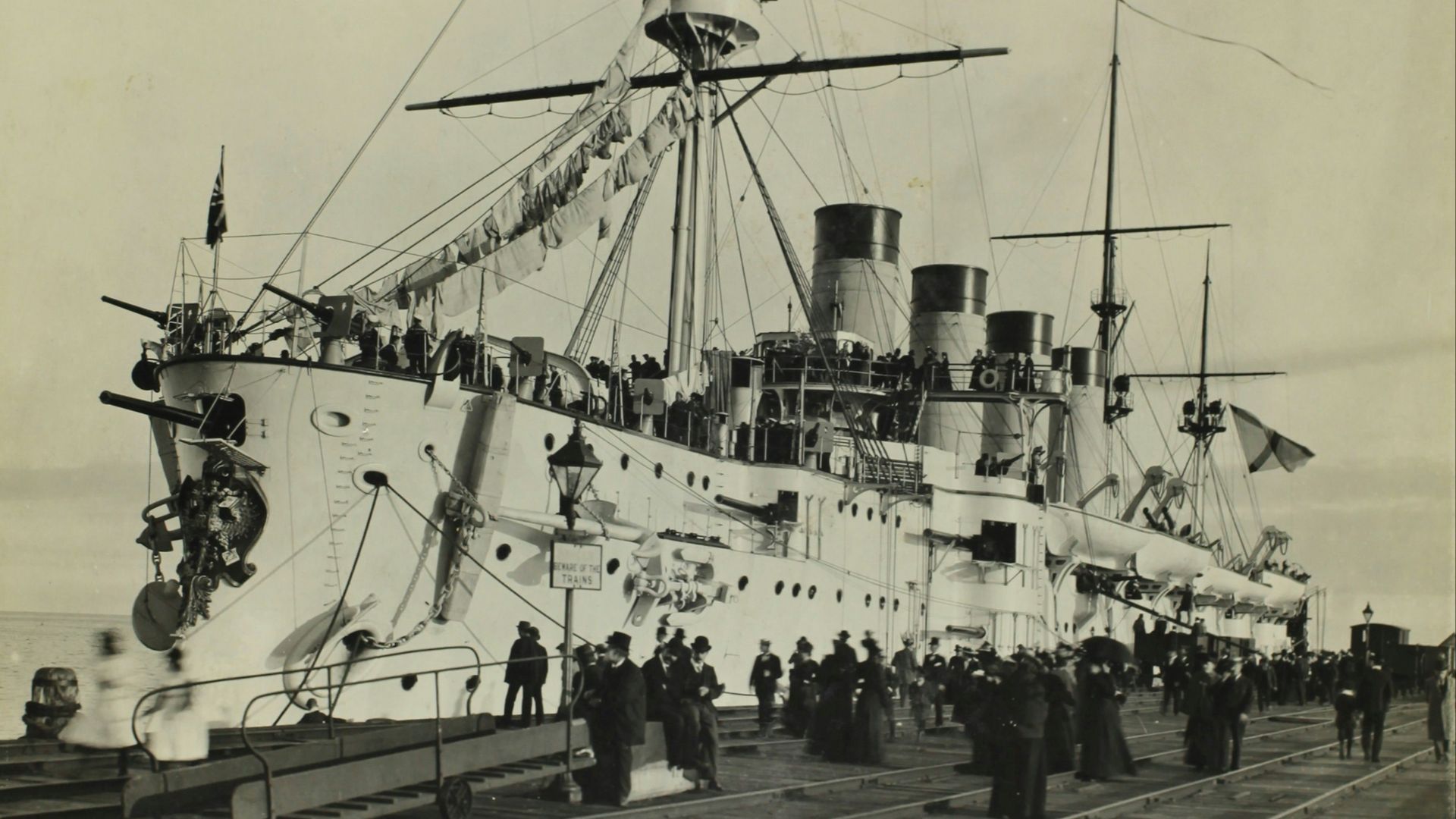
John Brunner’s sci-fi novel Stand on Zanzibar imagined a 2010 U.S. president named “Obomi.” The coincidence with Barack Obama, in office in 2010, is striking. Brunner also foresaw socio-political tensions, political violence, and cultural shifts eerily similar to the modern world.
14. Found-Footage Boom
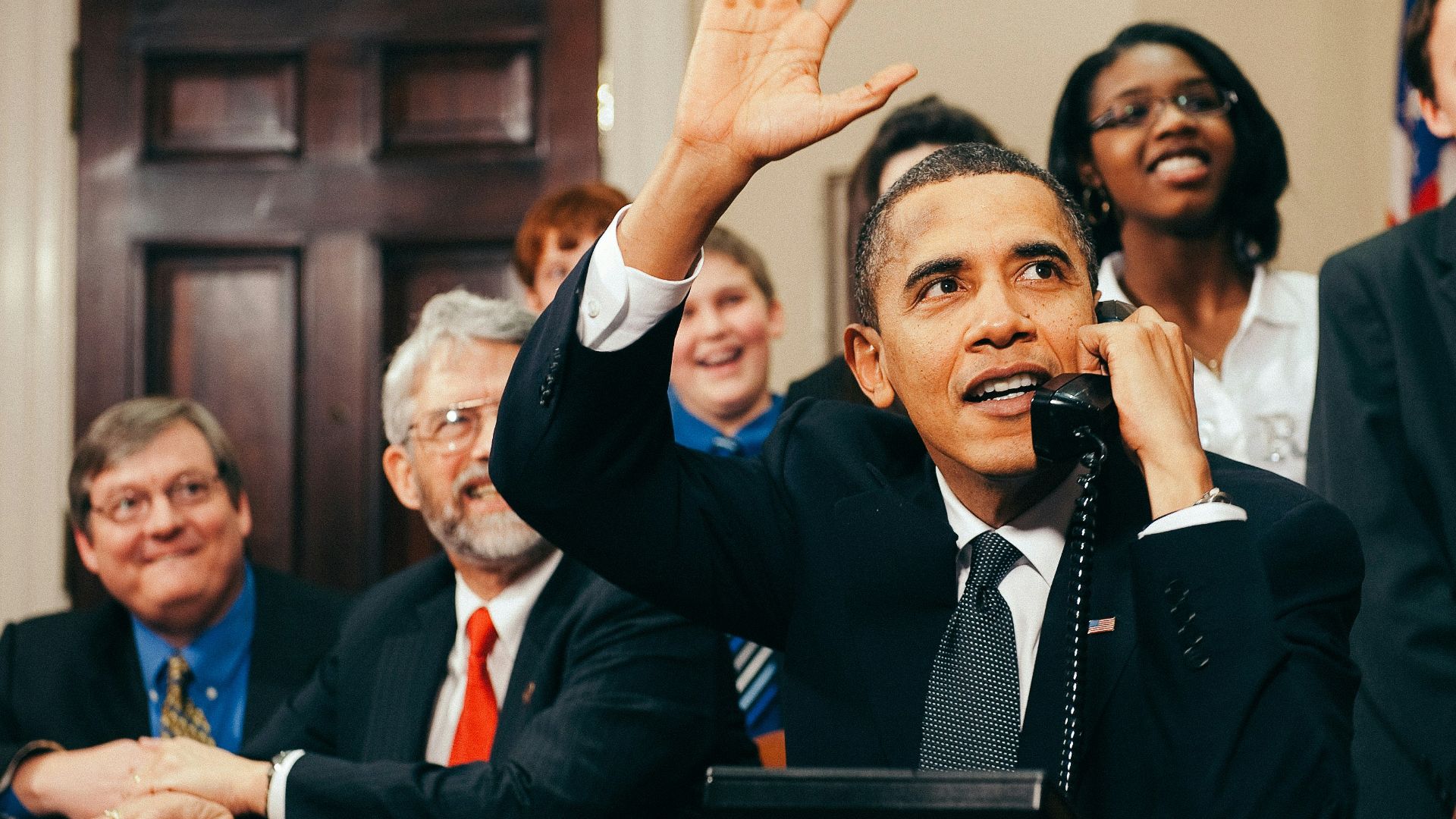
The found-footage style went mainstream after The Blair Witch Project (1999). Behind the scenes on Pulp Fiction (1993), Bruce Willis predicted that a group of young filmmakers would achieve major success using inexpensive handheld cameras, a forecast that came true.

15. The Internet
In a 1964 BBC documentary, Arthur C. Clarke envisioned a globally connected network providing instant communication, services, and information, an early description of the internet. He even anticipated remote collaboration, making physical distance irrelevant.
 Glenn Carstens-Peters on Unsplash
16. James Dean’s Passing
Alec Guinness allegedly warned Dean: “Do not get in that car,” insinuating that he would be gone in a week. A week later, Dean passed in a car wreck, eerily confirming Guinness’s prediction.
 Trailer screenshot on Wikimedia
17. The Great Fire of London
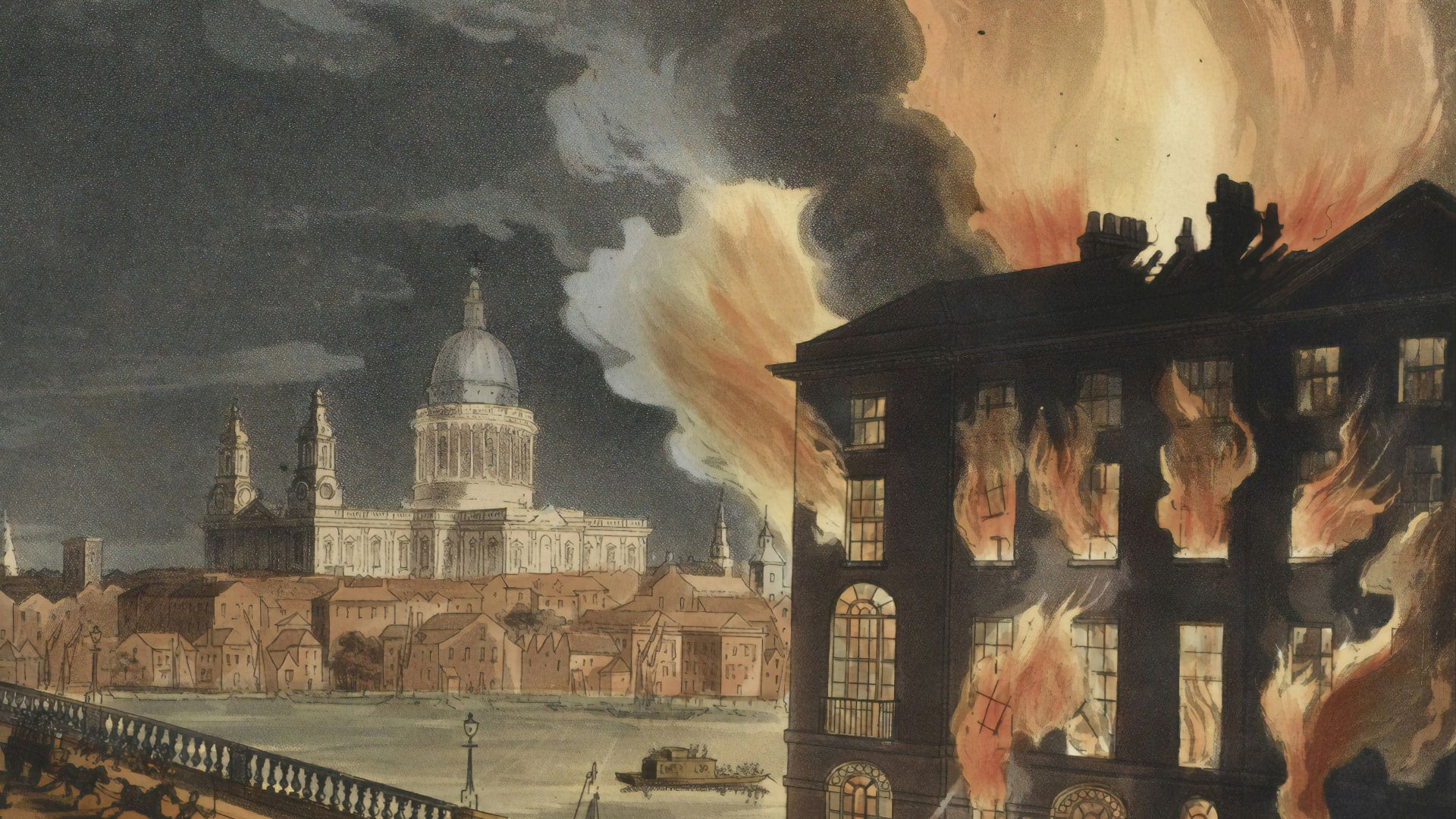
Nostradamus’ 1555 quatrains specified the year “66,” foretelling the 1666 Great Fire of London. The precision of this prophecy makes it hard to dismiss as mere coincidence. Moreover, Nostradamus has been known to make interesting predictions, turning him into quite an iconic prophet.
18. The Greenhouse Effect
Alexander Graham Bell, famous for the telephone, warned in 1917 that burning fossil fuels would trap heat in the atmosphere, turning Earth into a “hothouse.” He criticized reliance on oil and coal and advocated for alternative energy sources like solar and alcohol-based fuels.
 Rafael Rex Felisilda on Unsplash
19. The Credit Card
Edward Bellamy’s utopian novel Looking Backward imagined “credit cards” used to make purchases without cash. His vision included spending accounts and shared access to the economy, remarkably similar to today’s system.

20. Tablets and Apps
In 2001: A Space Odyssey, characters use a handheld "Newspad" to browse, zoom, and open stories. These 'tablets' are complete with small rectangular icons, an eerily accurate prediction of modern tablets and apps, decades before the iPad.

KEEP ON READING