

From Hated to Celebrated
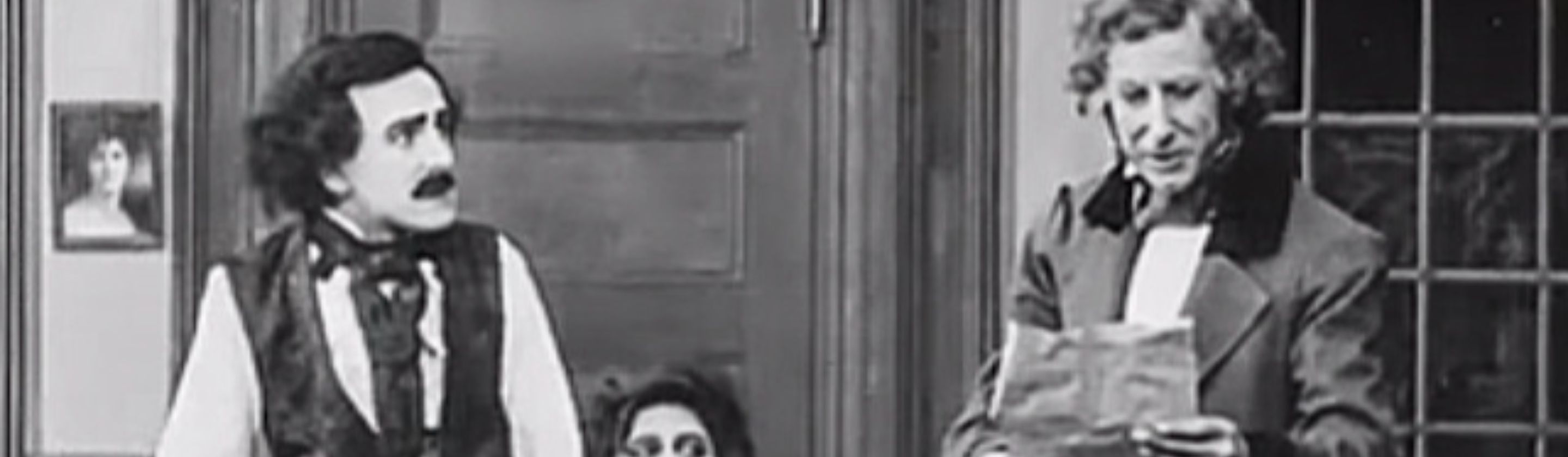
There are numerous examples of highly esteemed artists who were the subject of mockery, rejection, or apathy during their lifetimes. Painters, poets, novelists, and filmmakers have all created masterpieces that were derided by those around them. With that in mind, here are 20 artists that weren’t appreciated in their time.
1. Vincent Van Gogh
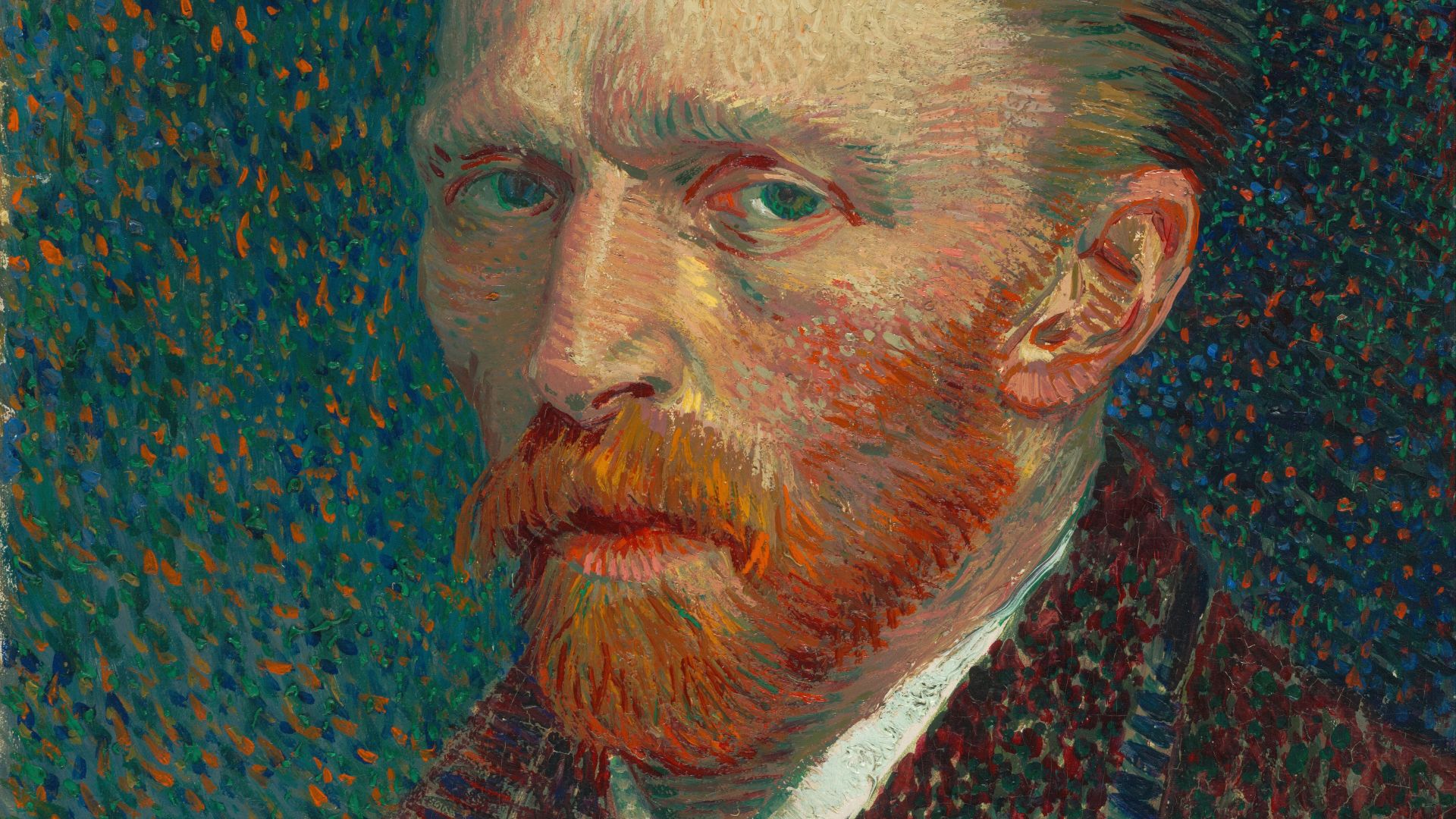
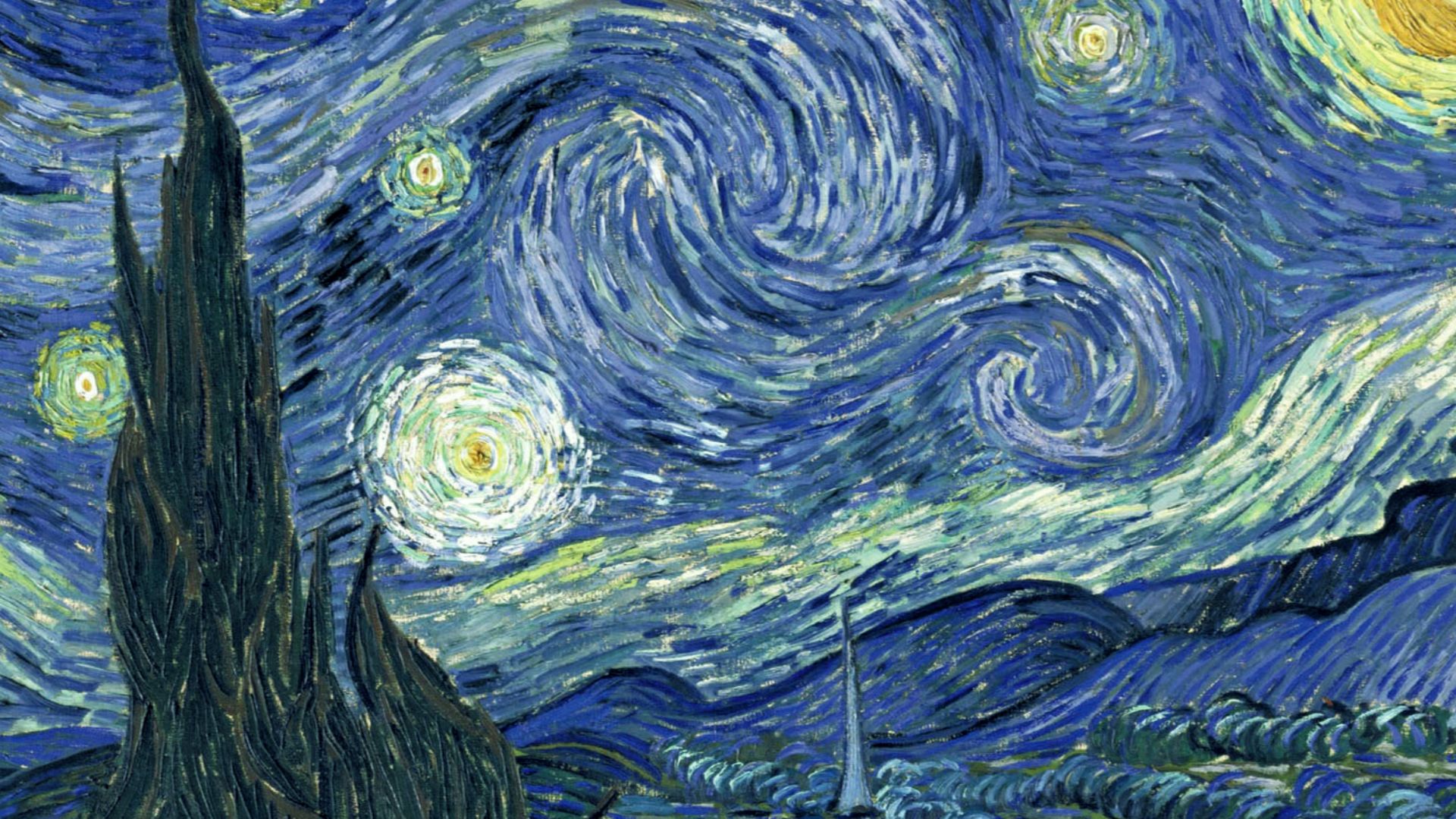
Vincent Van Gogh is the poster boy of the tortured artist. His angst-ridden work drips with a tortured longing for acceptance. When he painted in the St. Remy asylum, he bared his soul with works that exposed his inner demons. Van Gogh's art is a naked cry of doubt, pain, and the need to be noticed.
2. Emily Dickinson
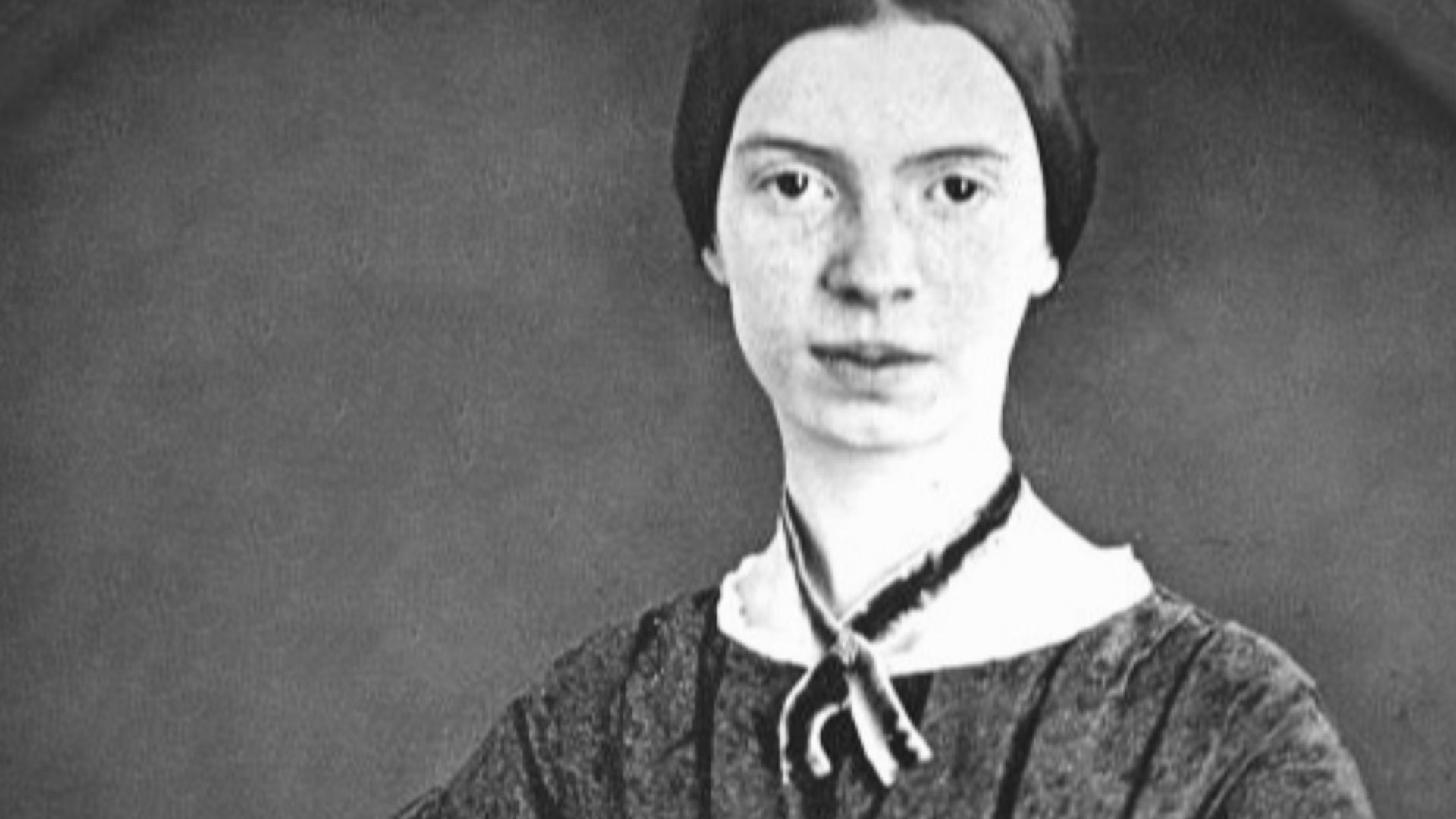
Emily Dickinson's life was one of seclusion; she published fewer than a dozen heavily edited and often misinterpreted poems during her lifetime. Ill-received by critics and considered eccentric, aloof, and out-of-touch, her poetry was all but ignored during her life. When she passed, thousands of poems were discovered, and for the first time, the work of a poet truly ahead of her time was recognized. She is now considered one of America's most important and powerful voices, her legacy influencing countless writers.
 Original image: unknown derivative work: deerstop. on Wikimedia
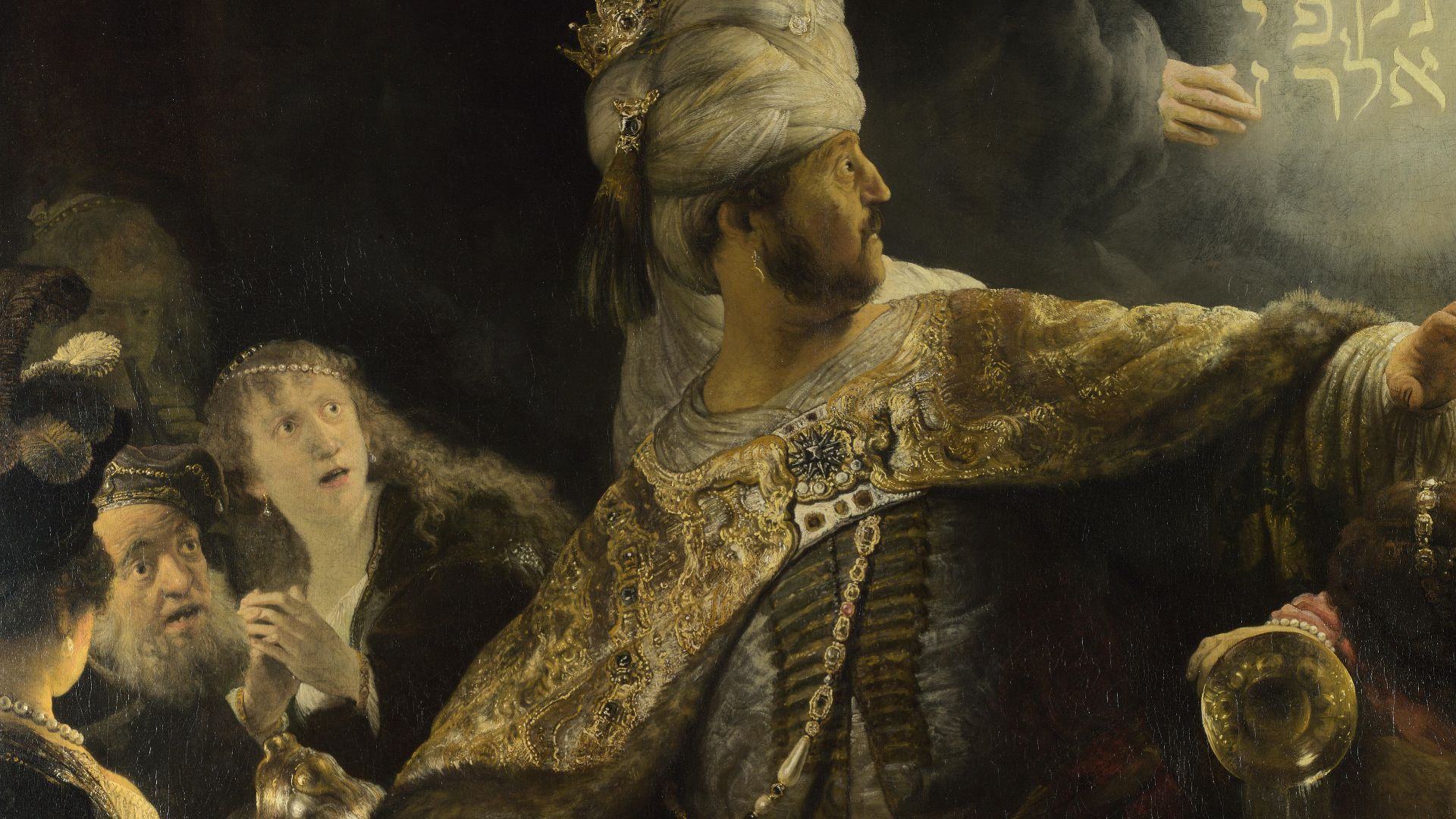
3. Rembrandt van Rijn
Rembrandt's self-portraits were usually just that. But some works are so much more. Painted in the months following his bankruptcy, the eyes are weary, the brow furrowed in worry, and the face exposed. Even Rembrandt could be afraid of failing.
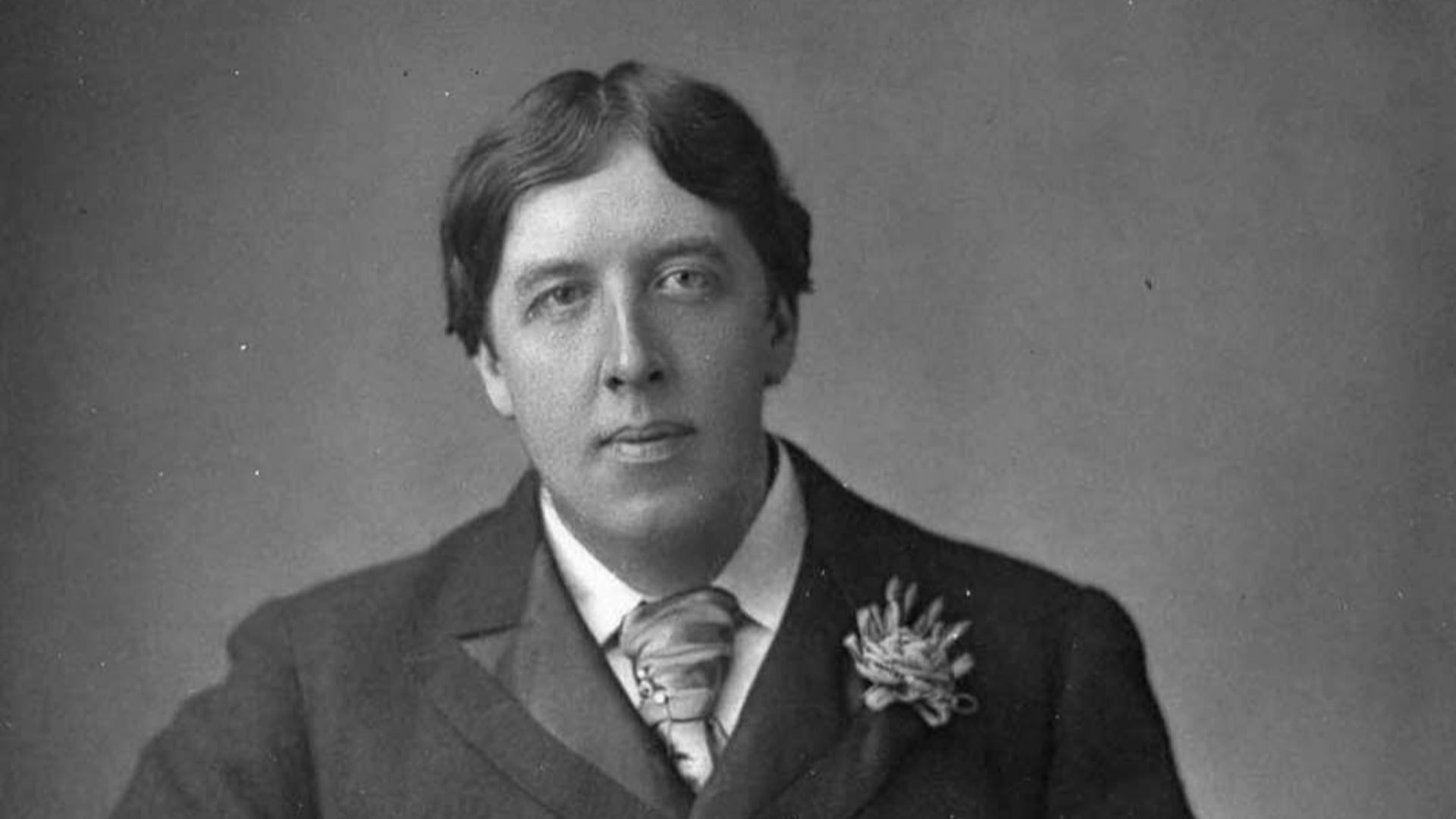
4. Oscar Wilde
The celebrity of Oscar Wilde was based on his wit and flamboyance, but the notoriety of his private life eclipsed all else. Wilde was convicted of homosexuality in 1895, imprisoned, and passed in exile, penniless. He is now celebrated as a literary genius and LGBTQ+ icon, and his plays, essays, and epigrams remain sparklingly relevant.
5. Raphael Santi
Raphael's art defined High Renaissance perfection, but hid deep personal tragedy. Orphaned at a young age and surviving in the ruthless environment of the Vatican, he lived in a constant state of stress and competition. Artistic genius became his way of transmuting life's ugliness into beauty.
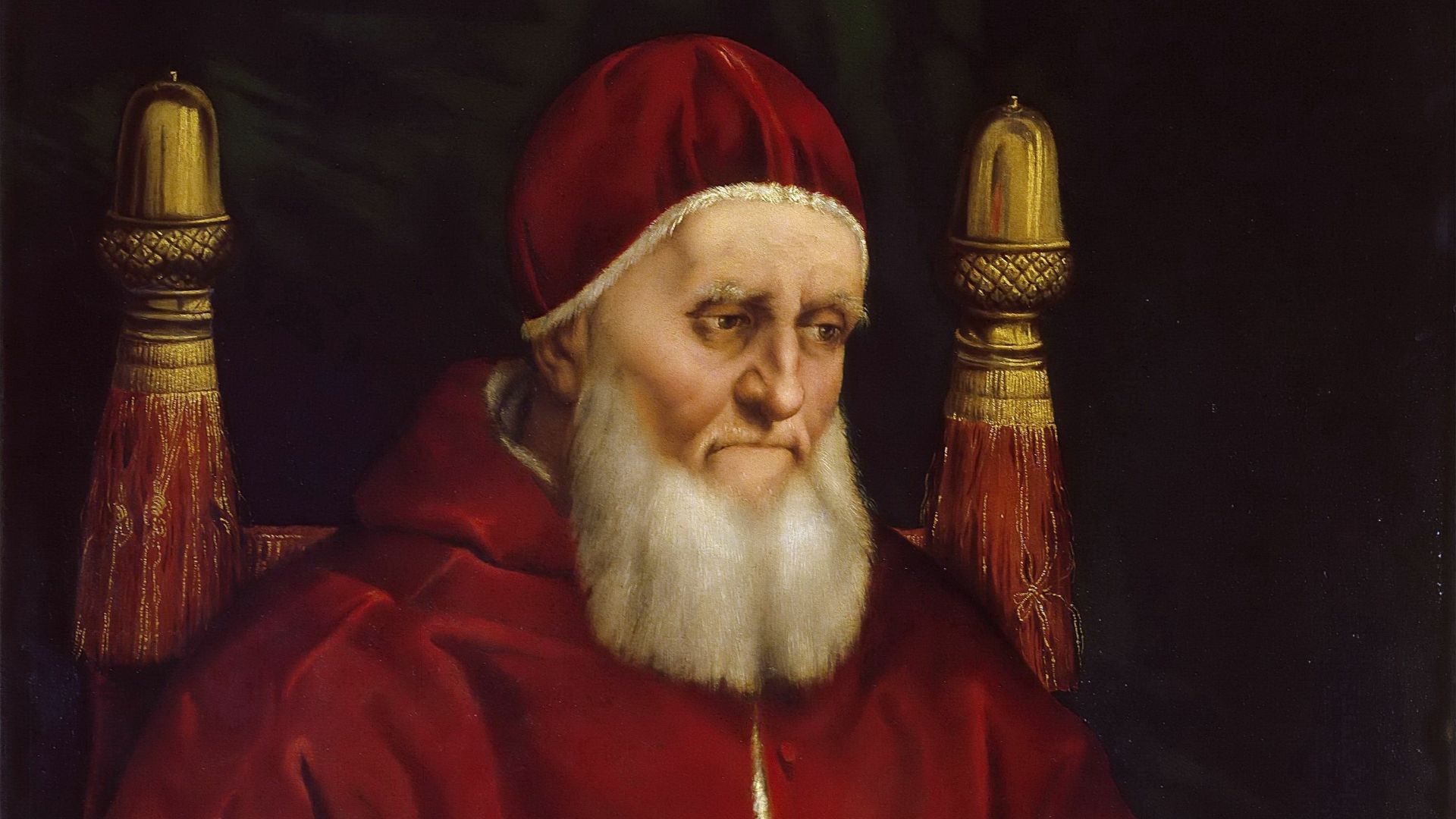 Raphael and workshop on Wikimedia
6. Herman Melville
Published in 1851, Moby-Dick was a critical and commercial flop. Melville fell into obscurity, taking a job as a customs officer to support himself. He vanished from the literary world until his death, when Moby-Dick was hailed as an American classic.
 unknown, but must be dead for more than 70 years, subject died 1891 on Wikimedia
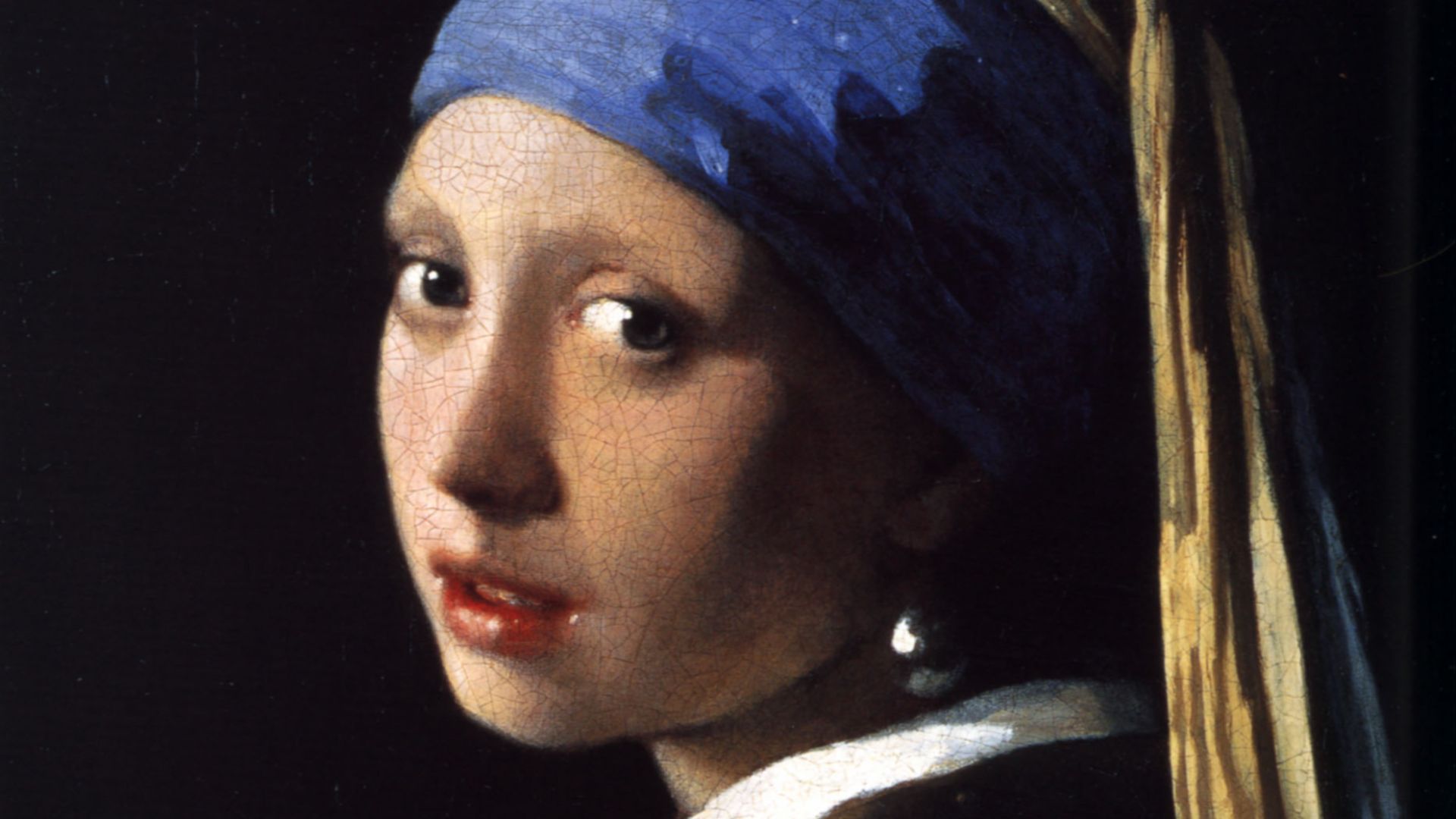
7. Johannes Vermeer
Vermeer's paintings are full of balance and tranquility, yet the artist lived in debt and was forgotten. He made just 34 paintings and never knew his later fame. The demure expressions of his subjects reflect the insecurity and subdued suspense Vermeer may have felt.
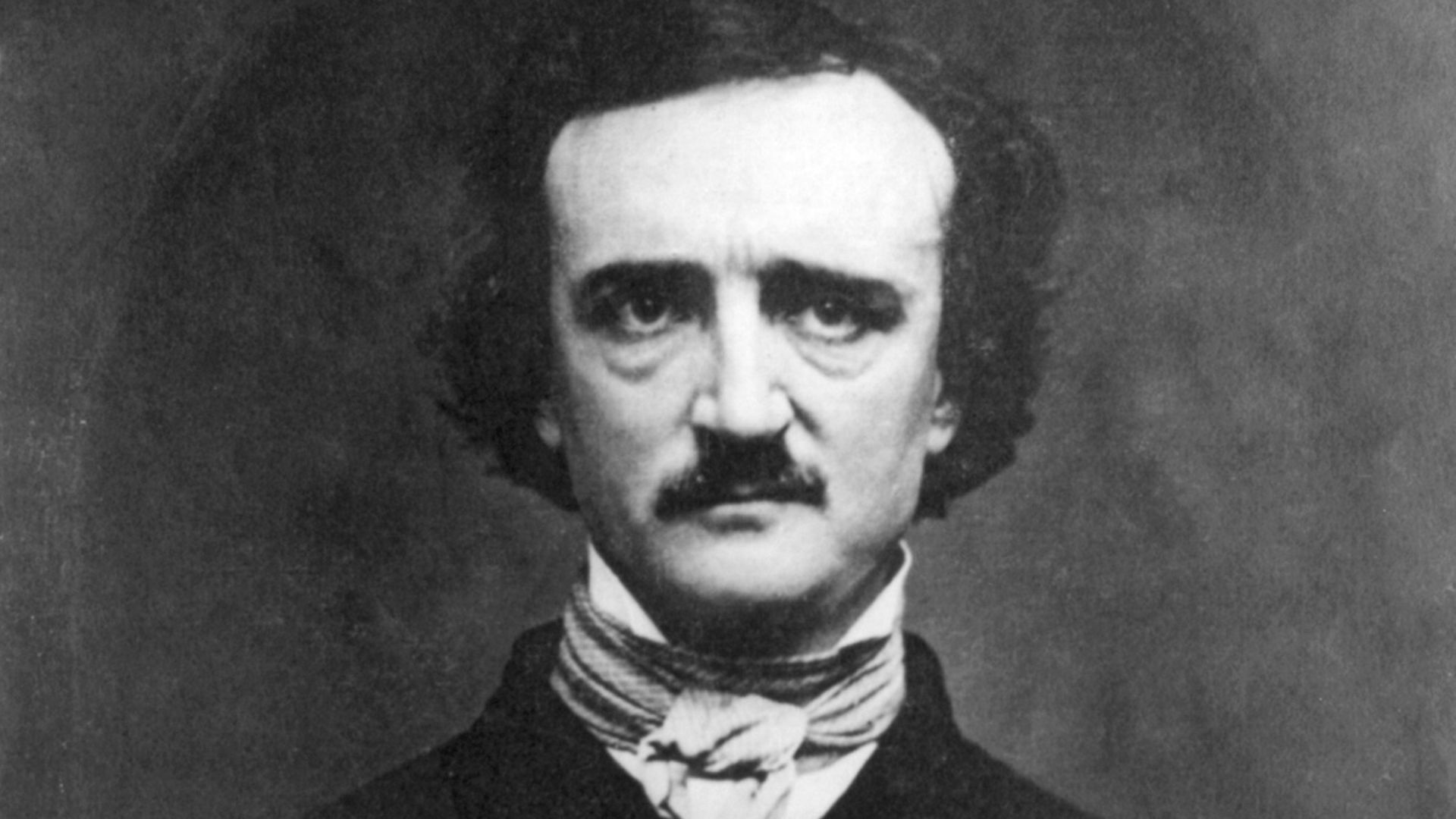
8. Edgar Allan Poe
In his lifetime, Poe was disparaged as a drunk and a hack, unable to make a decent living writing. His works were frequently ignored, and he passed poor and alone. Now, Poe’s tales of mystery, horror, and the psyche are classics, inspiring countless writers and artists.
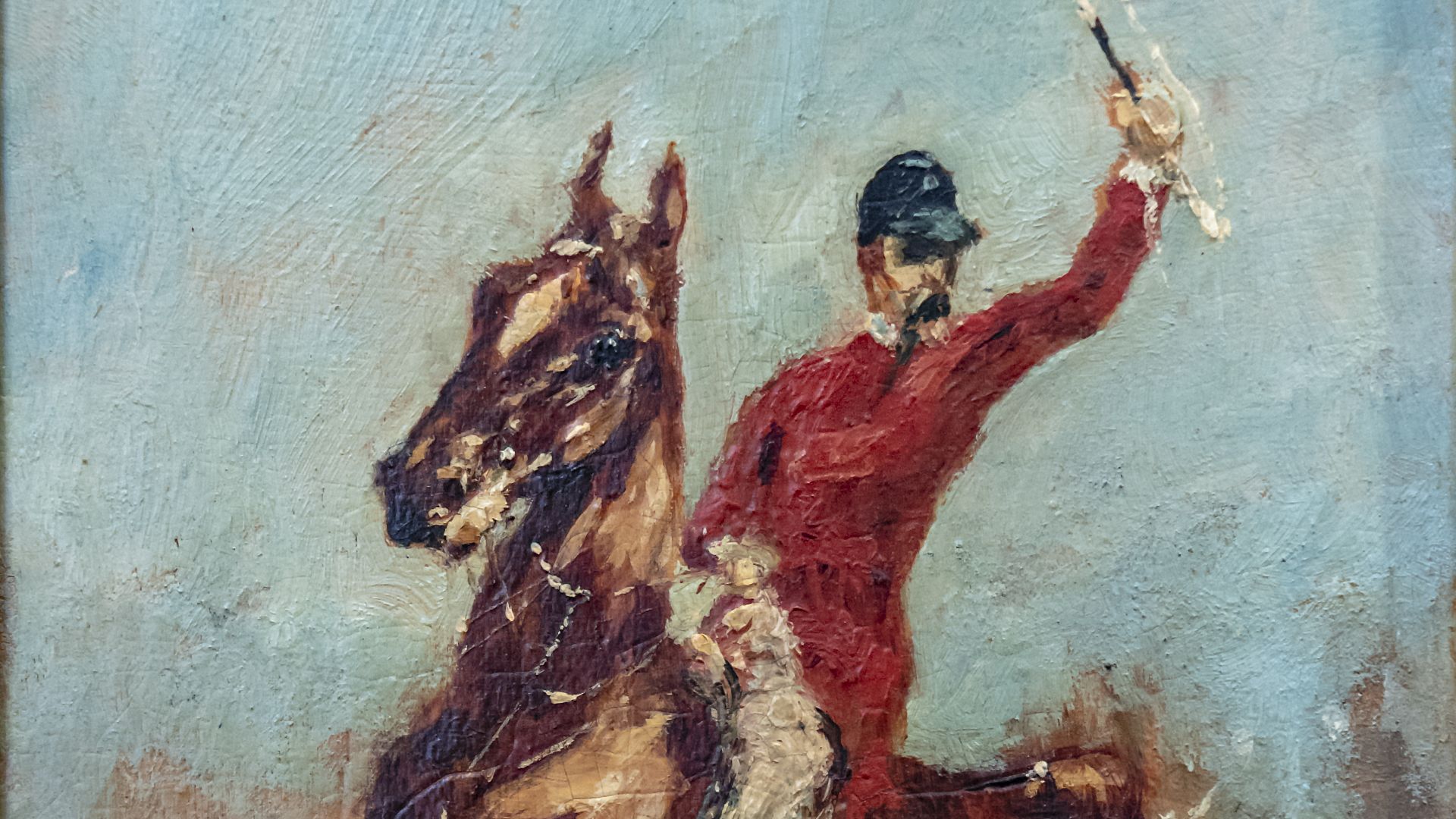
9. Henri de Toulouse-Lautrec
Toulouse-Lautrec was often drawn to the performers he painted, sometimes with unrequited love behind the portraits. Marcelle Lender had a "sheer air of flirtation" about her, but his admiration was not always reciprocated. His portraits convey a sense of rejection and doubt. Toulouse-Lautrec's drawings and posters of dancers and women have spontaneity and energy, expressing both a desire to be watched and a sense of exposure.
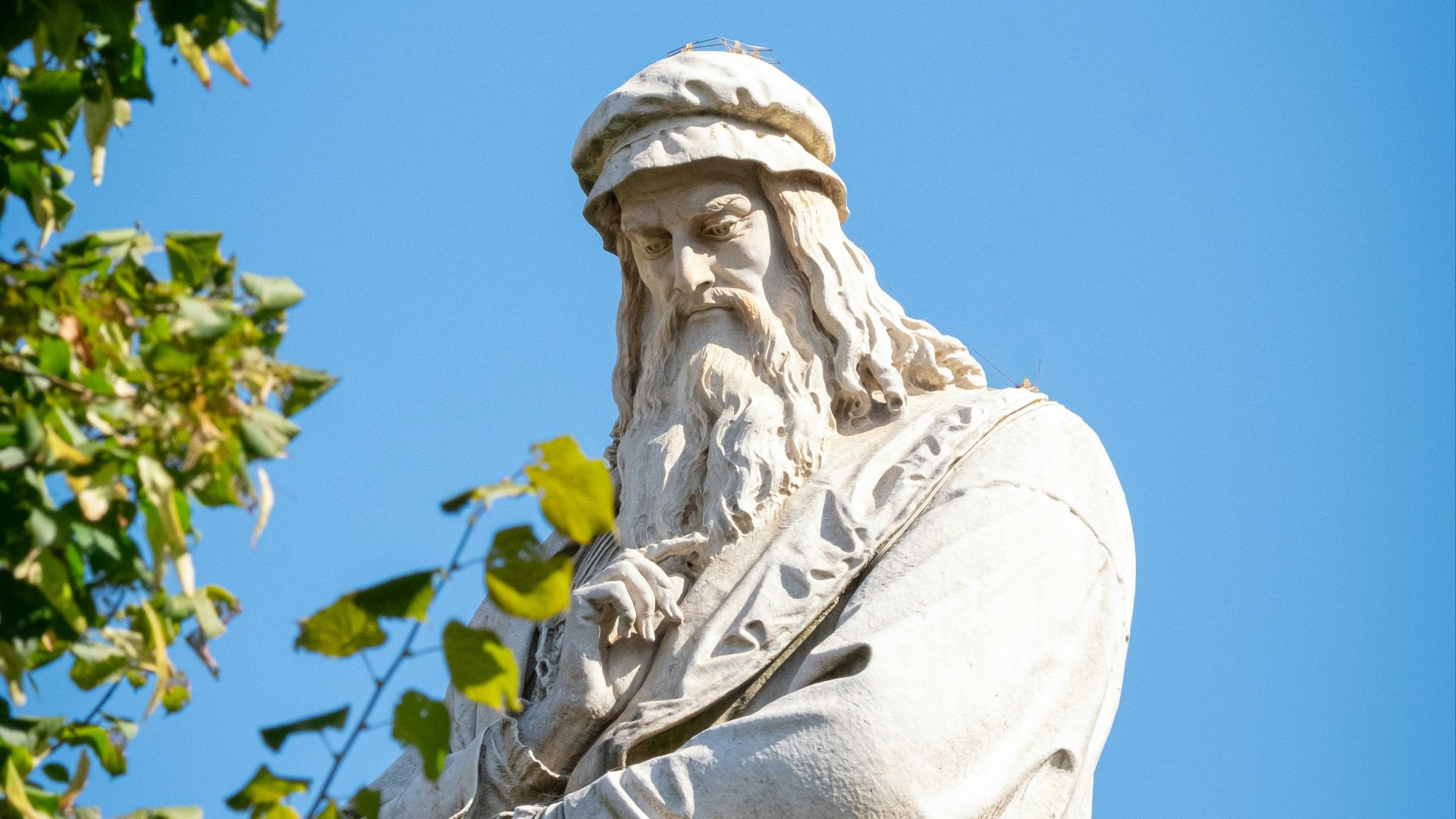
10. Leonardo da Vinci
Even in his twenties, Leonardo's portraits show a man of doubt and ambition. Ginevra de' Benci has the eyes of an insecure man peering back at you. He was young and wanted to be great, but he knew the chasm between that and who he was.
11. Franz Kafka
Kafka published very little during his life, and what he did publish went largely ignored. Kafka asked his friend Max Brod to burn all his manuscripts, but Brod preserved them and gave The Trial and The Metamorphosis to the world. Today, Kafka is a literary giant, his name almost synonymous with the absurd and dehumanizing face of modernity.
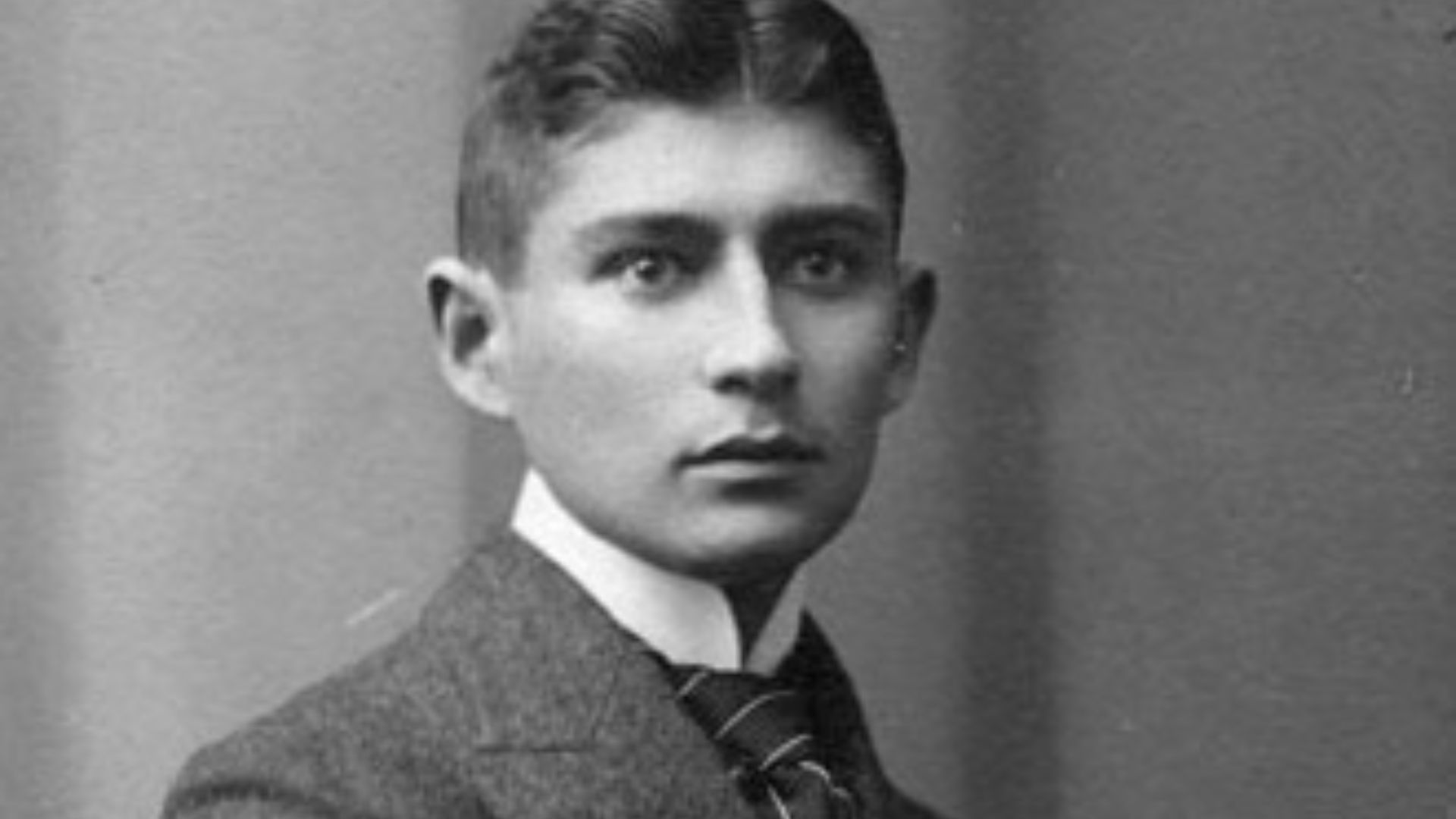 Atelier Jacobi: Sigismund Jacobi (1860–1935) on Wikimedia
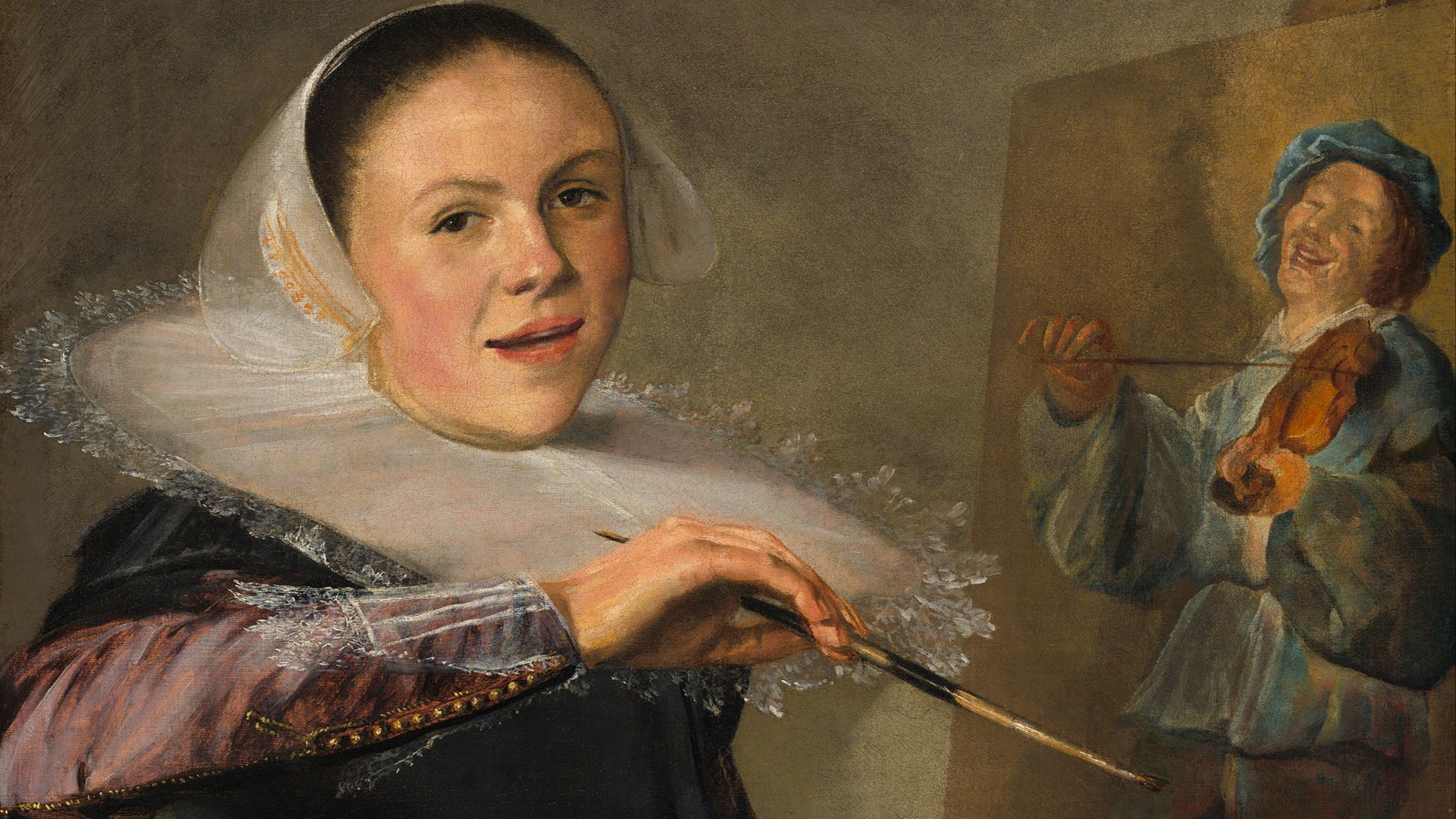
12. Judith Leyster
Judith Leyster was an outlier, a woman in a male world. She had to be confident to take her place among male peers, but she must have had doubts too. Her paintings speak of talent and presence, but look closely and you might see evidence of her wondering if she would ever be welcome. Ambition and insecurity coexisted in this rare woman of her time.
13. Emily Brontë
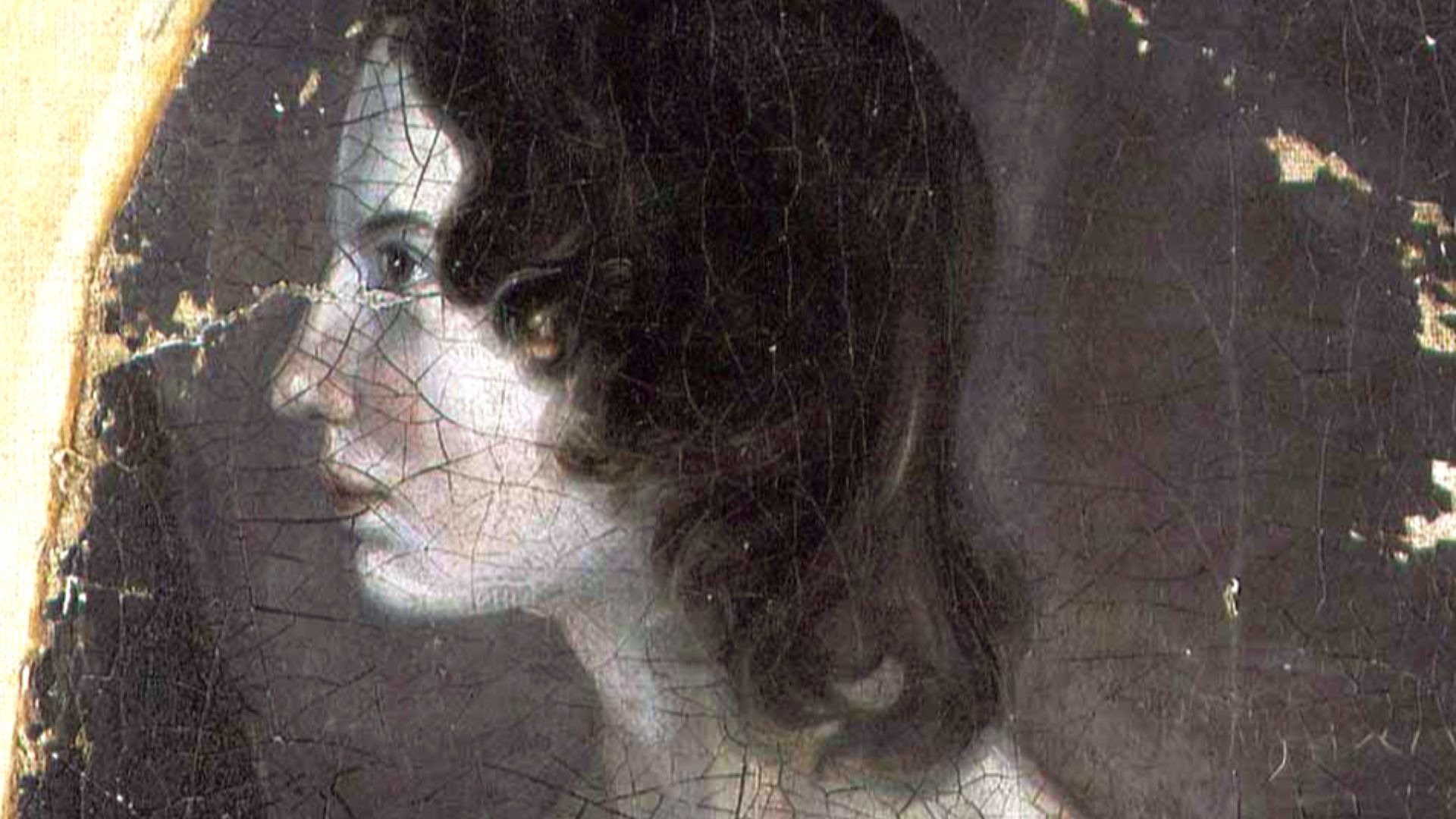
At the time of its publication, Wuthering Heights was criticized for being coarse, dark, and a shocking violation of Victorian decorum. Brontë passed young, with little understanding of the classic status her only novel would ultimately achieve. Today, it is considered a literary classic, noted for its passion, intricate characters, and enduring impact on the novel form.
14. James McNeill Whistler
Whistler was a histrionic self-promoter, but his work was rejected and scandalous, case in point: the Salon of the Rejects. Personal issues muddied his art, adding tension and insecurity. The discarded works reveal the vulnerable depths behind the bluster.
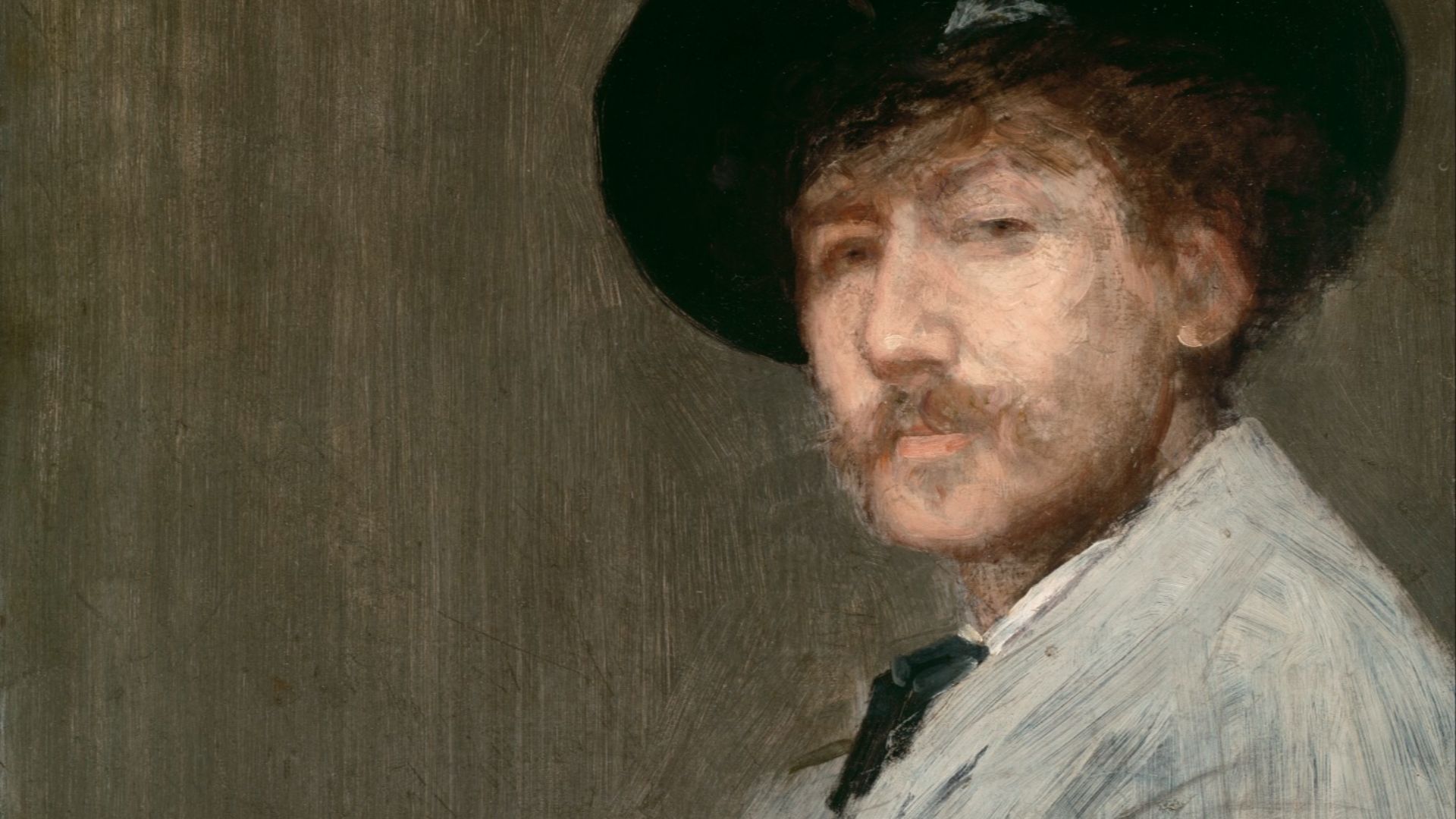 James McNeill Whistler on Wikimedia
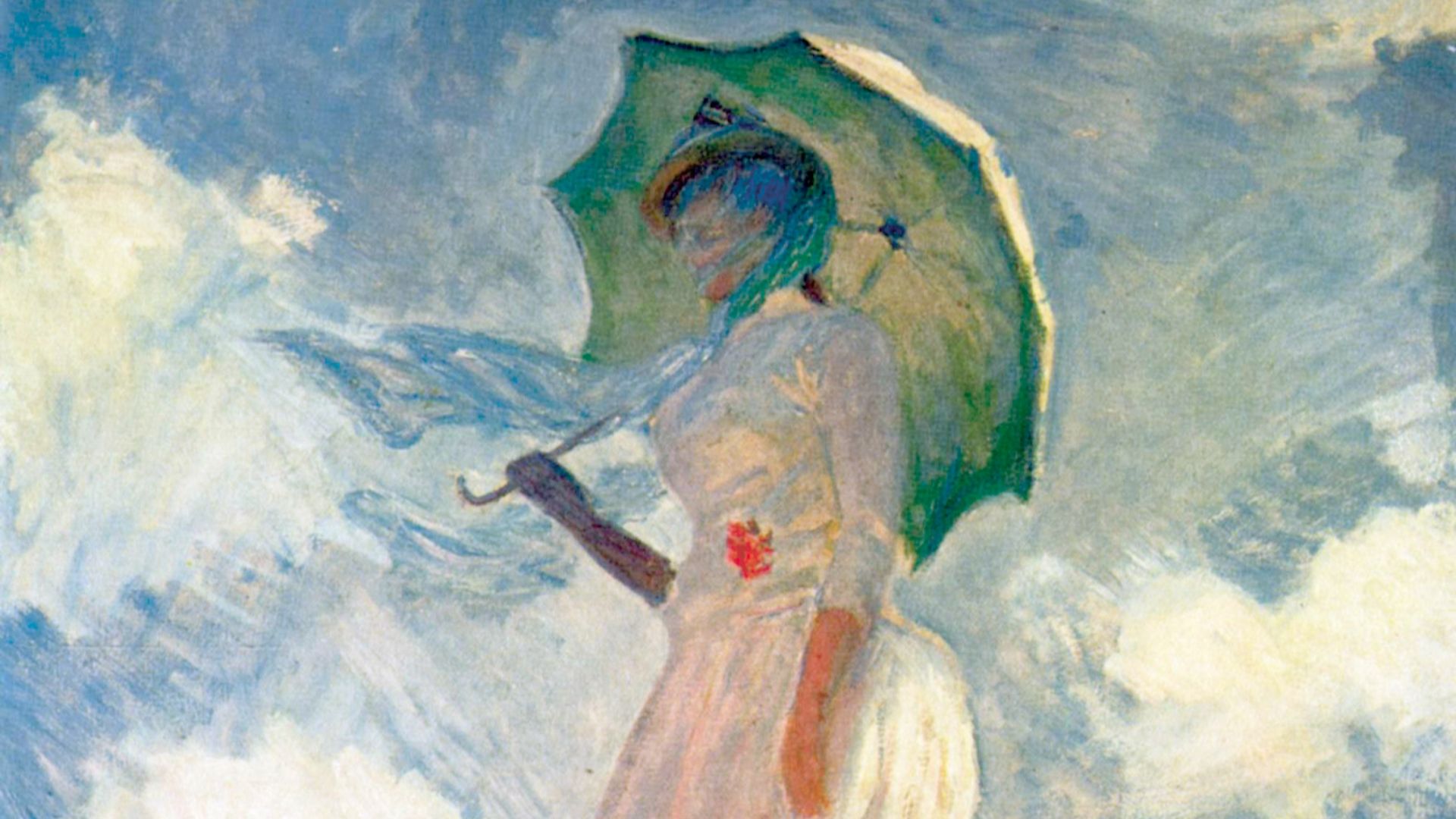
15. Claude Monet
Monet and the Impressionists were ridiculed for their loose, sketchy style. Critics derisively named “Impressionism” their shimmering experiments in light and color. Eventually, Monet’s work became a symbol of painting's power to challenge and inspire.
16. Jackson Pollock
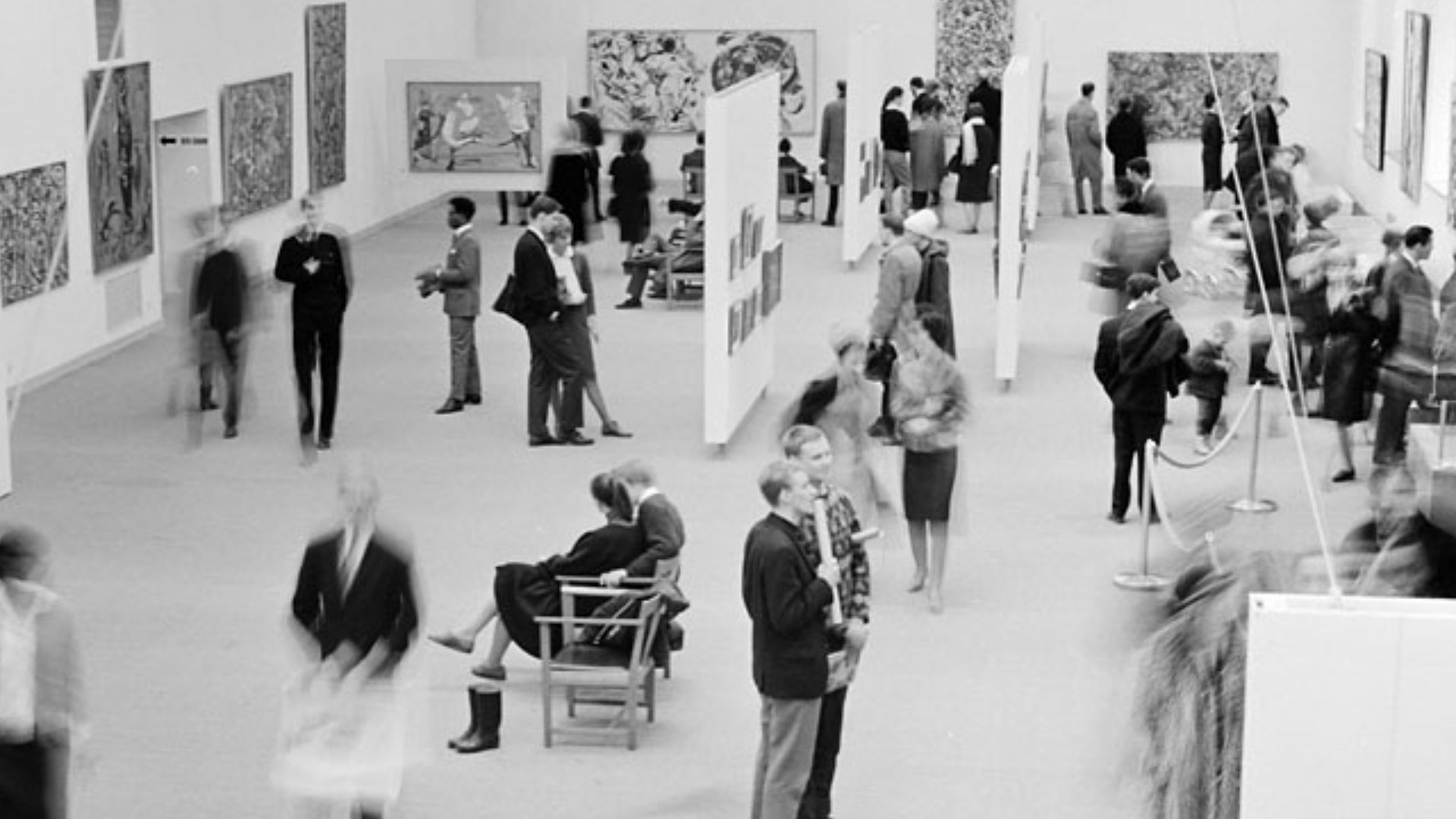
Jackson Pollock's life was a study in chaos and self-doubt. His action paintings depict both the manic energy of creation and the terror of failure and vulnerability. They are works of desperation and obsessive will.
 Lindgren, Herbert (1919–1987), Stockholms stadsmuseum on Wikimedia
17. Alfred Hitchcock
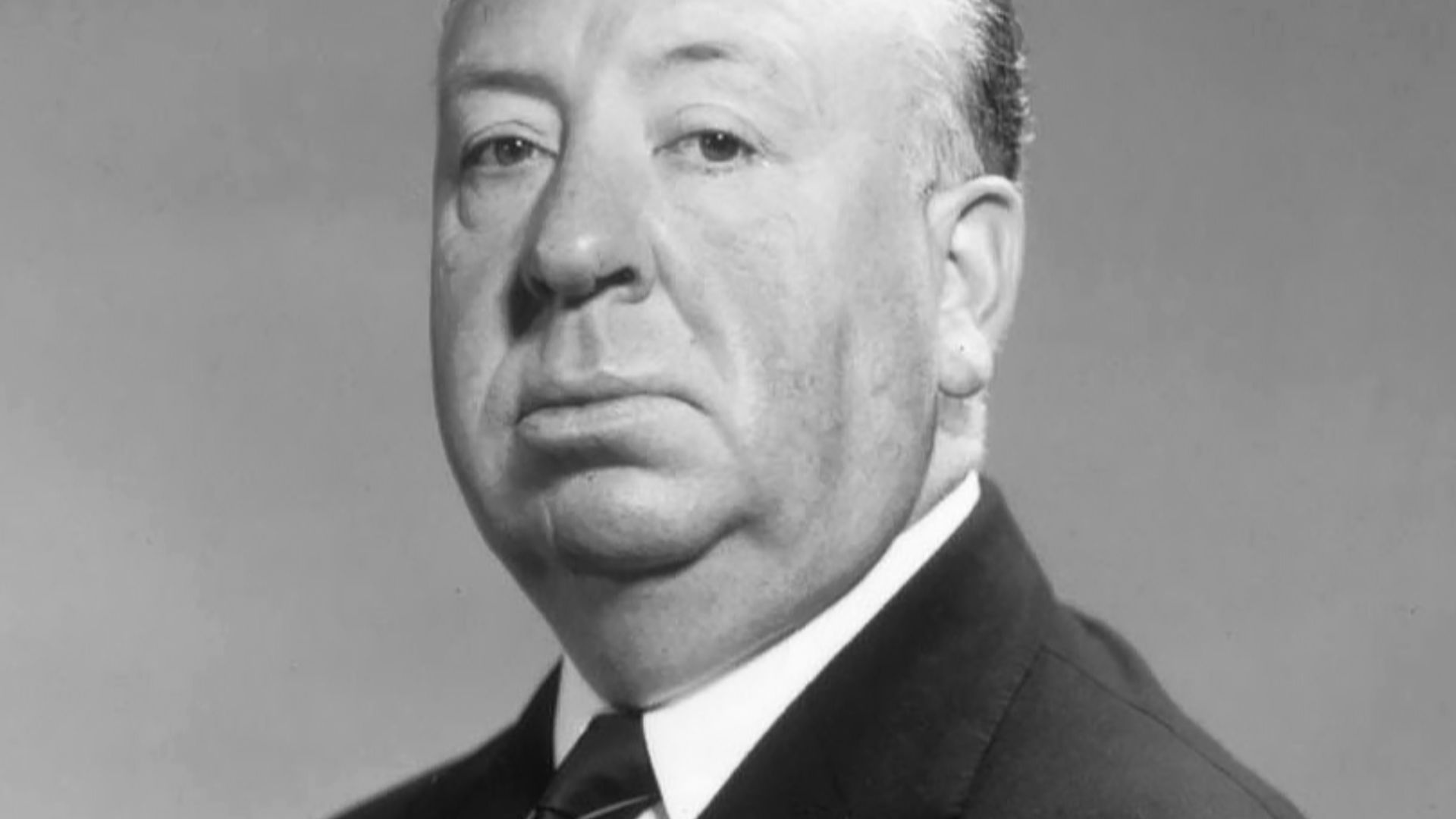
Early in his career, Hitchcock was considered an entertainer whose thrillers were disposable. His technical brilliance, inventive storytelling, and suspenseful vision were overlooked. Today, he is one of the most highly regarded directors, with classics like Psycho and Vertigo solidifying his legacy.
18. Paul Cézanne
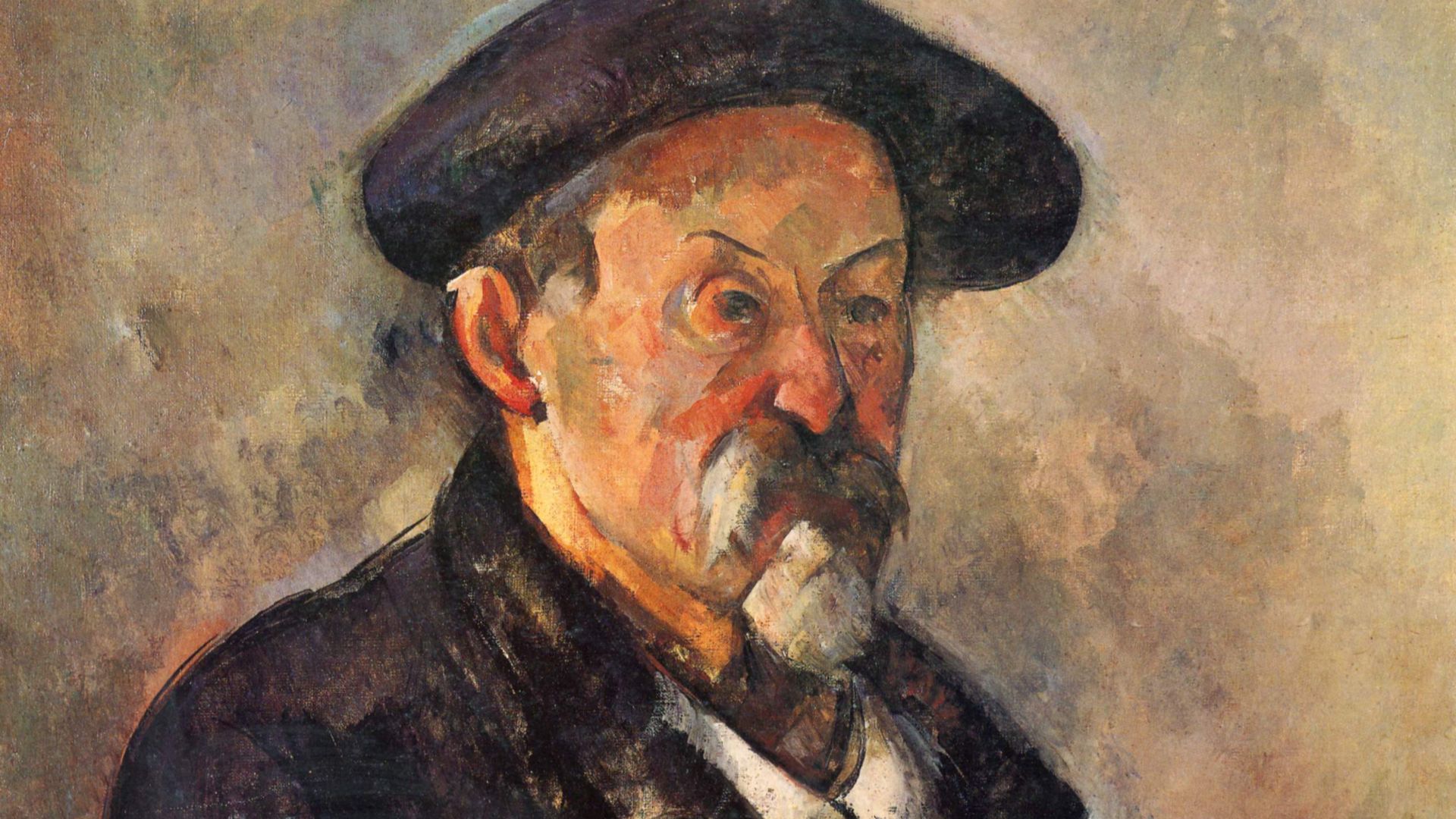
Cézanne was rejected by the public and the art world, but he painted with devotion, without an audience in mind. His brushstrokes convey solitude, brooding, and single-minded focus on painting his way, come what may.
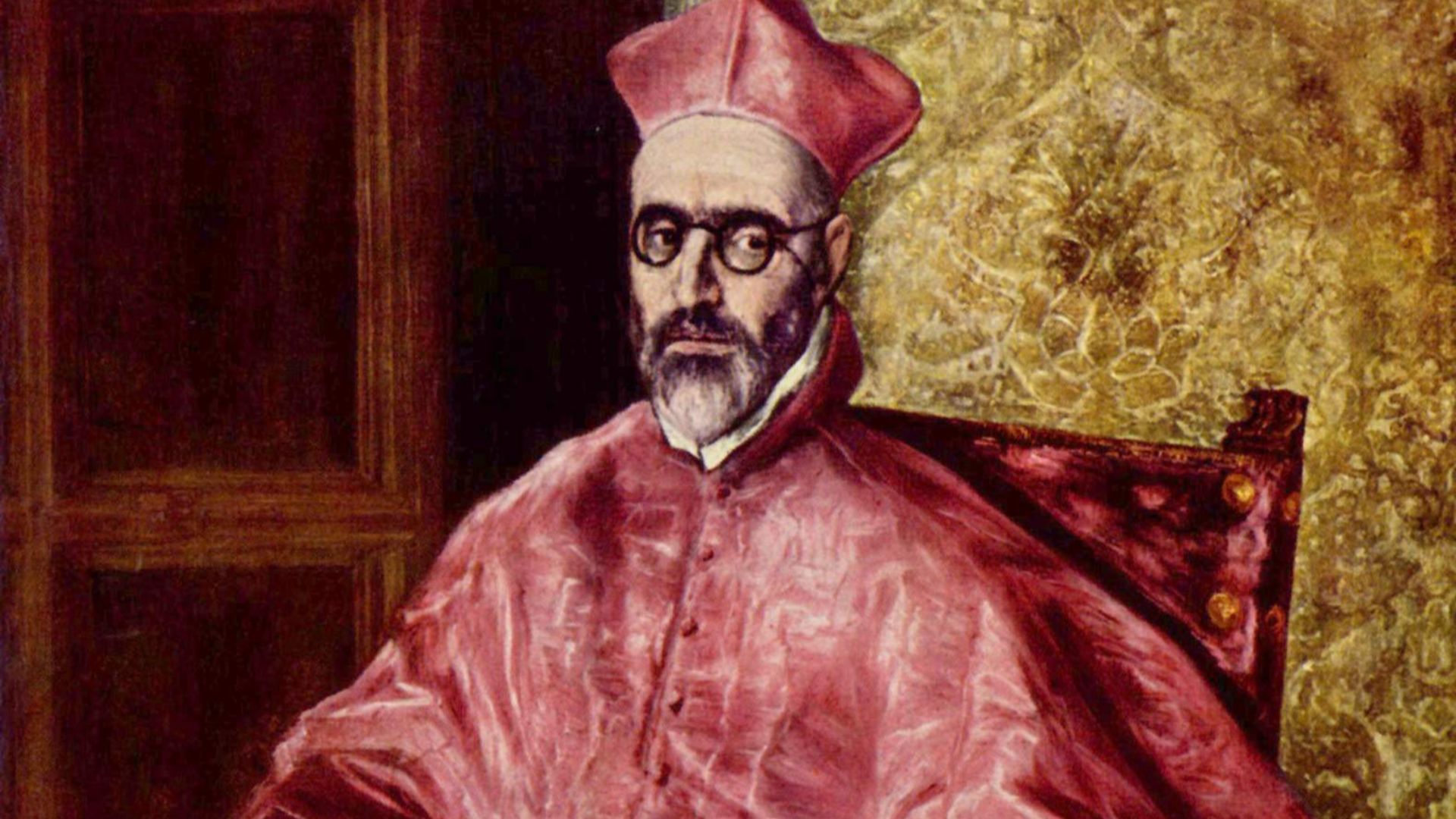
19. El Greco
El Greco, Doménikos Theotokópoulos, was contentious in Rome for his idiosyncratic style and disregard for classical norms. Often misunderstood, his expressively elongated figures and bold colors later influenced Expressionism and Cubism.
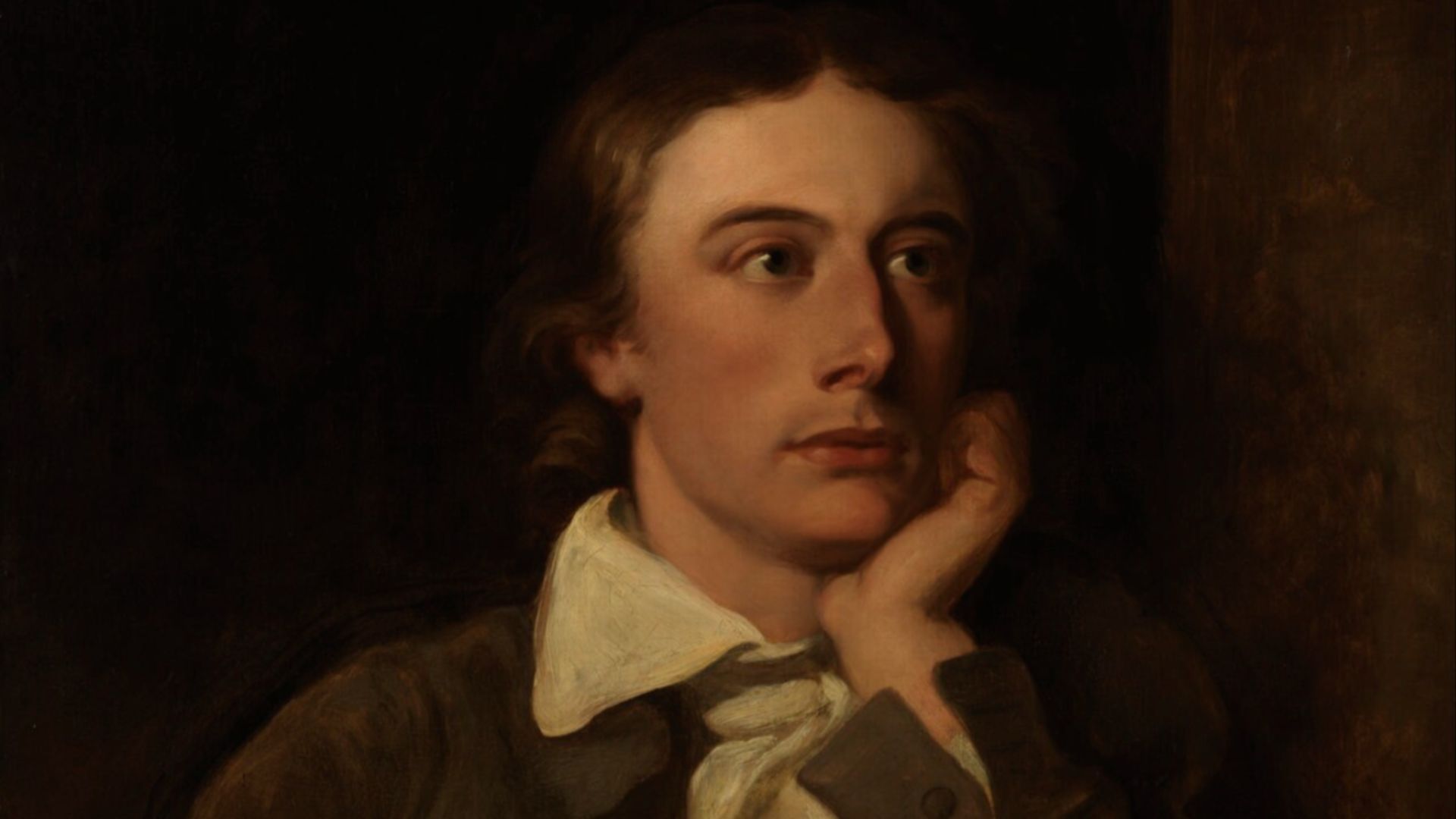
20. John Keats
During his short life, Keats was attacked by critics who thought his verse "stuffed with gummed sweetmeats." He passed at 25, believing himself a failure. His poetry, however, lived on, and Keats is now acknowledged as a key figure of Romanticism, valued for its beauty, sensuality, emotional range, and lyrical brilliance.
KEEP ON READING
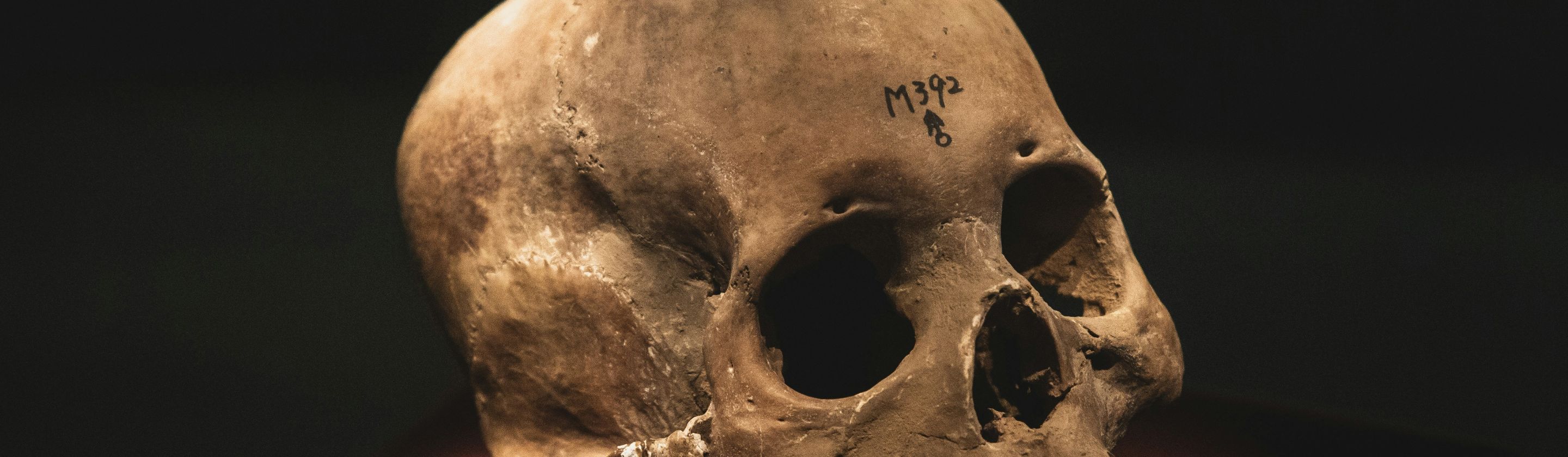
20 Weirdest Historical Objects in Museums
Check Out the Pickled Heart of a Saint. Museums carry…
By Rob Shapiro Oct 1, 2025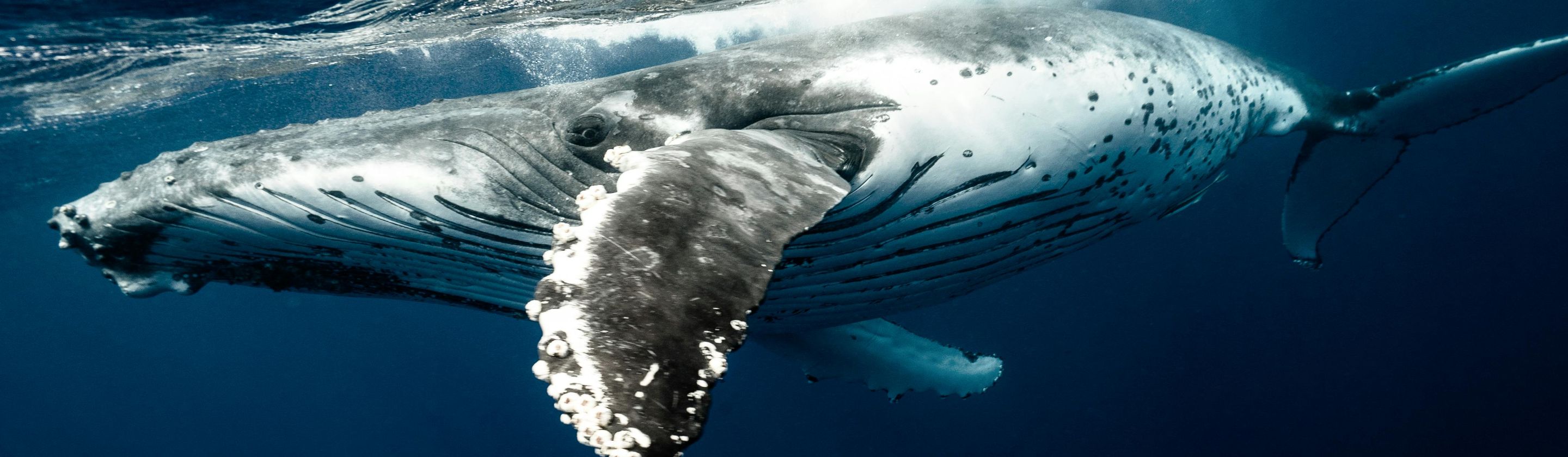
20 Ocean Mysteries We Still Haven’t Solved
Unanswered Questions Of The Ocean. The ocean covers most of…
By David Davidovic Sep 1, 2025
10 Phenomenal Mythical Creatures & 10 That Are Just Plain…
Legends Both Majestic And Peculiar. Do you ever wonder why…
By Chase Wexler Oct 1, 2025
20 Historical Predictions That Turned Out To Be True
Crystal Ball Moments In History. Do you wonder what it's…
By Chase Wexler Sep 1, 2025
10 Presidents Who Never Served In The Military & 10…
Commanders And Civilians In Office. Power can rise from very…
By David Davidovic Sep 1, 2025
20 Wars That Could Have Ended Much Sooner Than They…
Wars That Lasted Far Too Long. Wars are often remembered…
By David Davidovic Sep 1, 2025