


10 Myths About Pirates That Aren't True & 10 Historical Truths
History Meets Fantasy
Pirates have been Hollywood's favorite villains for decades, but most of what you think you know is completely wrong. The skull-and-crossbones flag, the buried treasure, the wooden legs—it's all fiction. Real pirates were far more interesting than their movie counterparts, so it's time we explored the truth (and the lies) behind the ship.
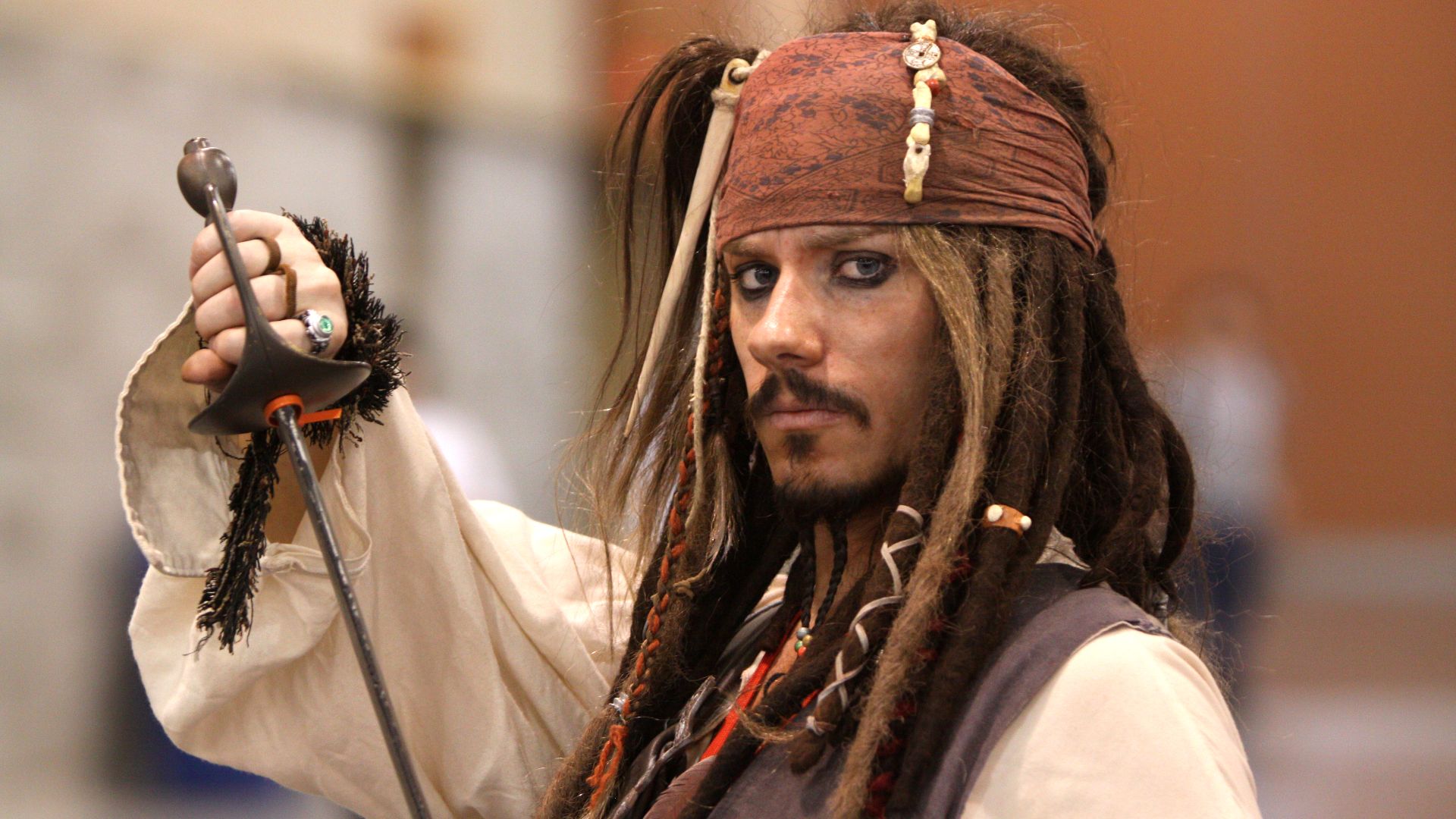 Gage Skidmore from Peoria, AZ, United States of America on Wikimedia
1. Buried Treasure Maps
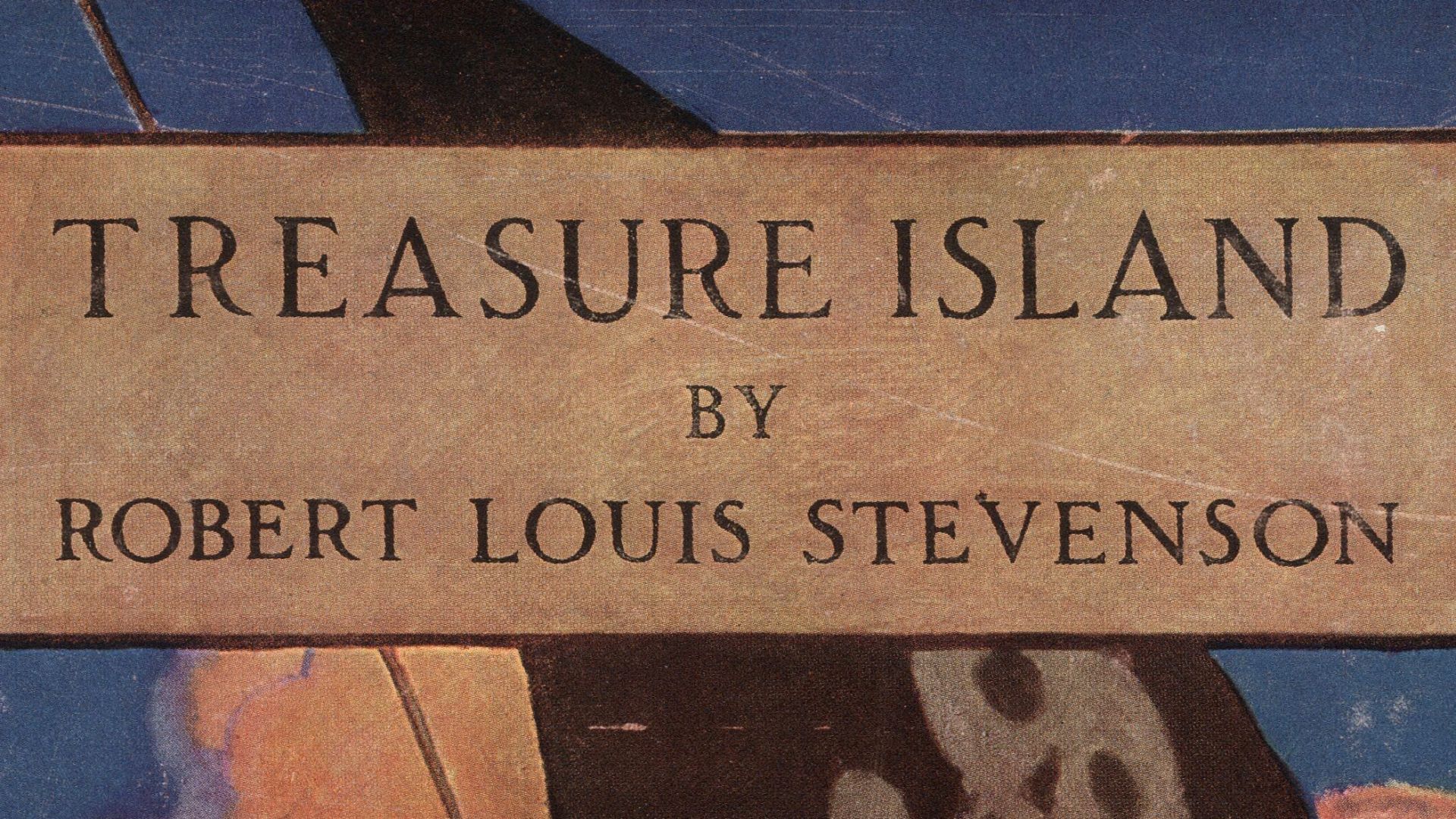
Robert Louis Stevenson's 1883 novel Treasure Island gave us the iconic image of treasure maps marked with an "X," but this is pure fiction. In reality, most Golden Age pirates divided their plunder immediately among the crew and spent it quickly in port towns.
2. The Jolly Roger
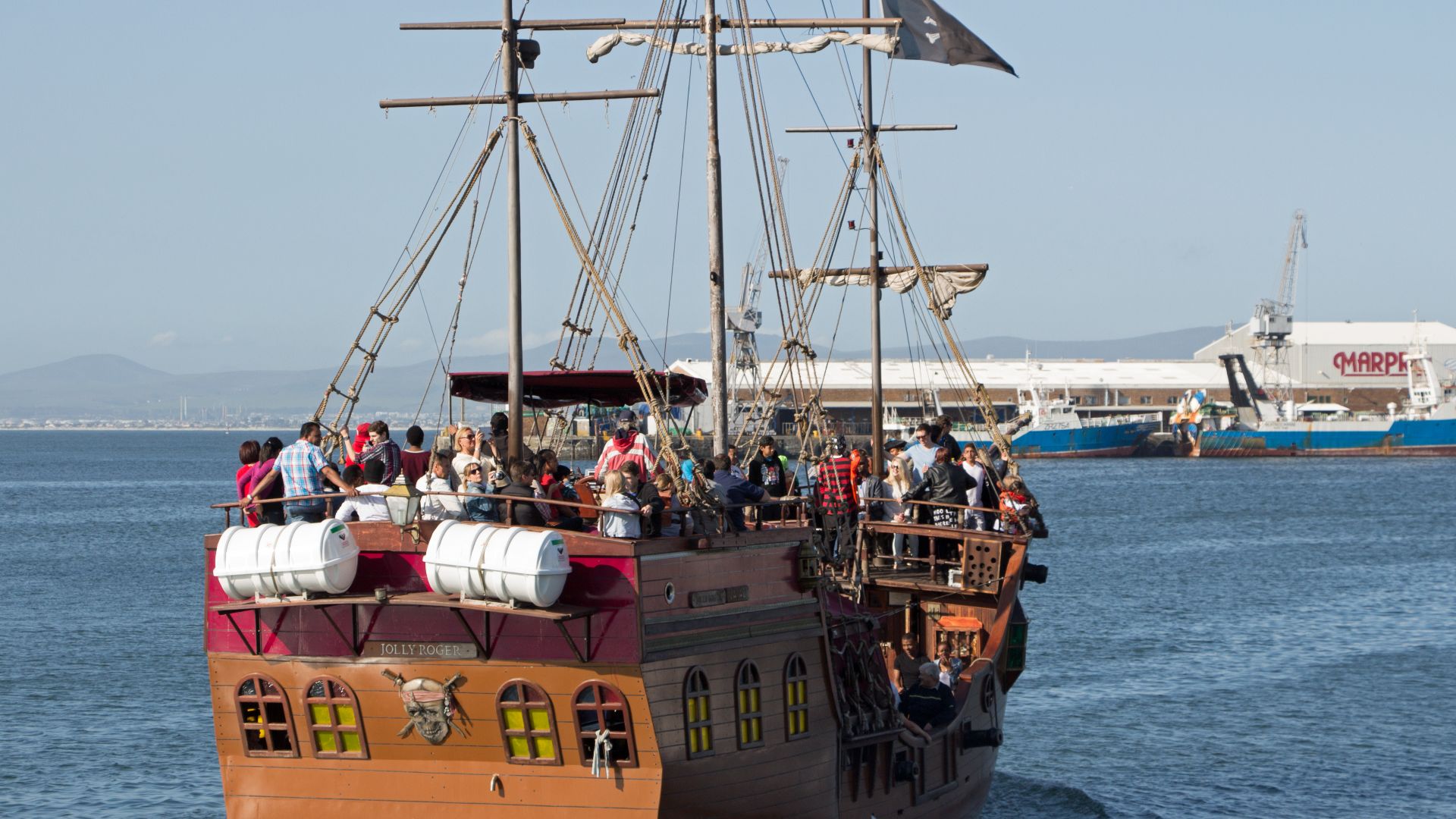
Here’s another truth. The skull-and-crossbones Jolly Roger wasn't a universal requirement among pirates. In fact, many crews used plain black flags, red "no quarter" flags, or no flag at all to deceive their targets.
3. Walking the Plank
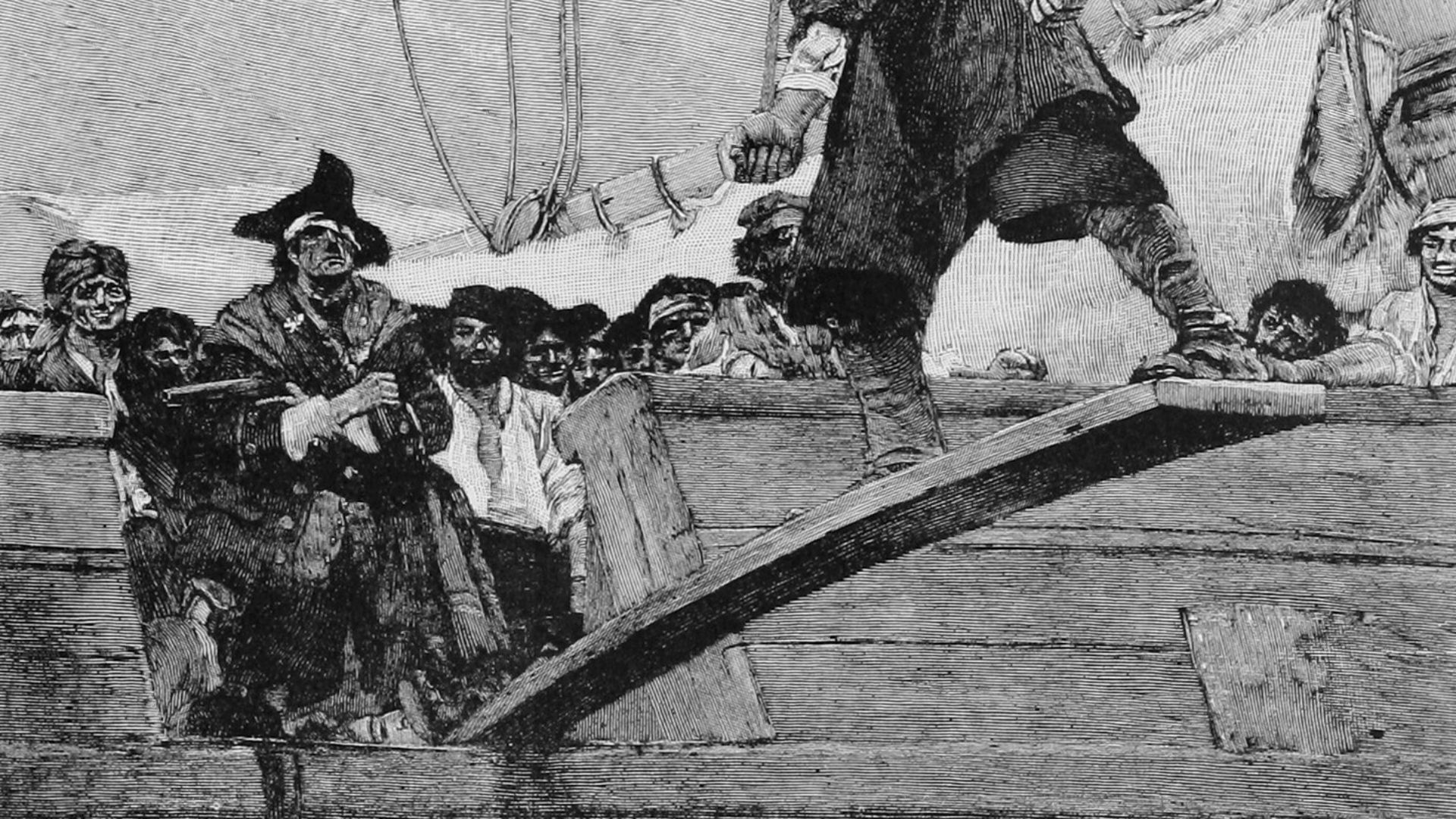
The famous plank-walking myth first appeared in 19th-century literature, long after the Golden Age ended. Today, it's become a beloved trope at pirate-themed birthday parties and in video games, despite having zero historical basis.
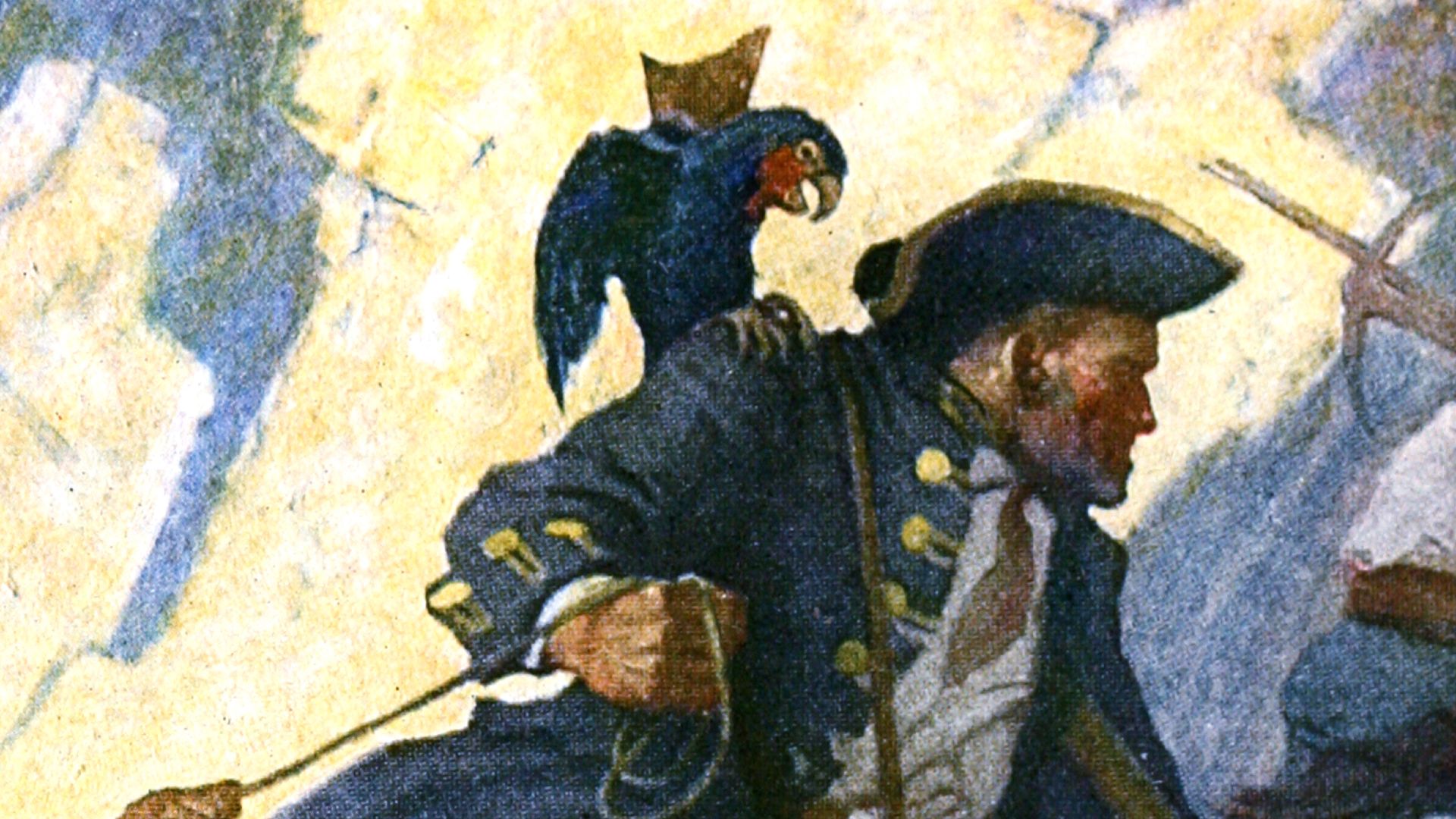
4. Shoulder Parrots
Evidence from ship logs and trial records shows no widespread practice of pirates keeping parrots perched on their shoulders. While parrots were occasionally captured as trade goods from ships, they were rarely kept as personal pets on board.
5. Peg Legs and Eye Patches
Victorian illustrations and 20th-century films created the stereotype of pirates sporting peg legs, hooks for hands, and eye patches. Survival rates for major wounds were extremely low due to limited medical care aboard ships, making prosthetics rare and crude when they did exist.
 Jef Poskanzer from Berkeley, CA, USA on Wikimedia
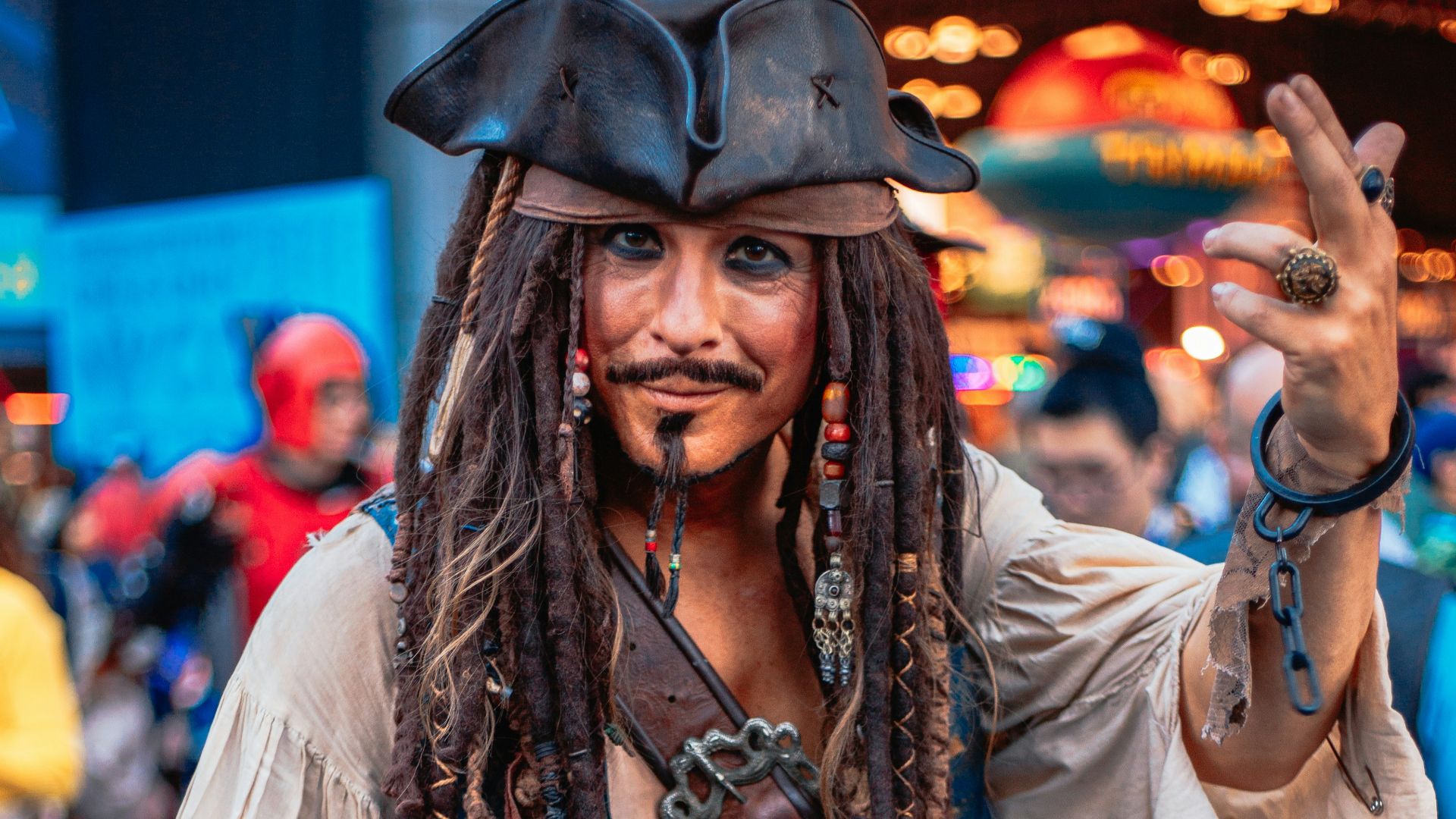
6. Pirate Talk
The famous pirate phrase "Arrr!", "Ahoy matey!" and "Shiver me timbers" have absolutely no basis in 17th- and 18th-century records or trial transcripts. Pirates spoke in the dialects of their origins, often with sailor slang mixed in.
7. Grizzled Old Pirates
Trial records and crew lists from the Golden Age reveal that the average pirate was in his early to mid-20s. Many were young sailors who had recently turned to piracy after serving in the navy or on merchant ships, seeking adventure and better food.
 Funk Dooby from Kent, UK on Wikimedia
8. They Constantly Fought Each Other
Despite their violent reputation, pirates rarely fought each other. Crew unity was essential for survival, profit, and safety at sea. Most pirate ships operated under agreed-upon rules, shared loot fairly, and settled disputes through votes or compensation.
 James Silk Buckingham on Wikimedia
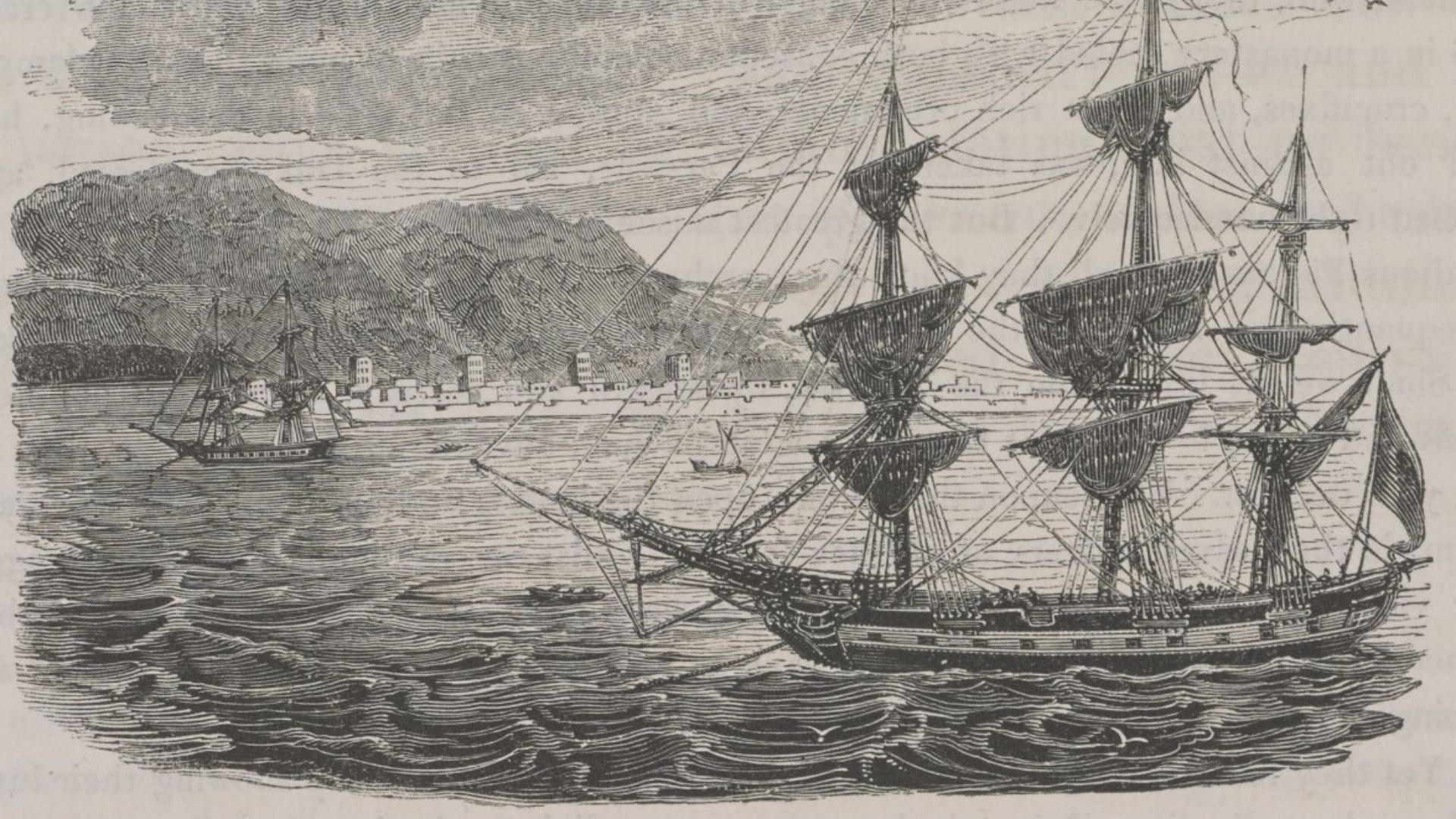
9. Indiscriminate Attacks
Pirates were far more strategic than their bloodthirsty reputation suggests. They carefully targeted vulnerable merchant vessels and relied on intimidation to force quick surrenders. Additionally, they avoided heavily armed naval warships because the risk was too high.
10. All-White Crews
Golden Age pirate crews were remarkably diverse and multinational, including sailors from Africa, the Caribbean, and numerous other regions beyond Europe. Historians like Marcus Rediker estimate that 25–33% of pirates were Black, with many formerly enslaved individuals gaining equal shares.
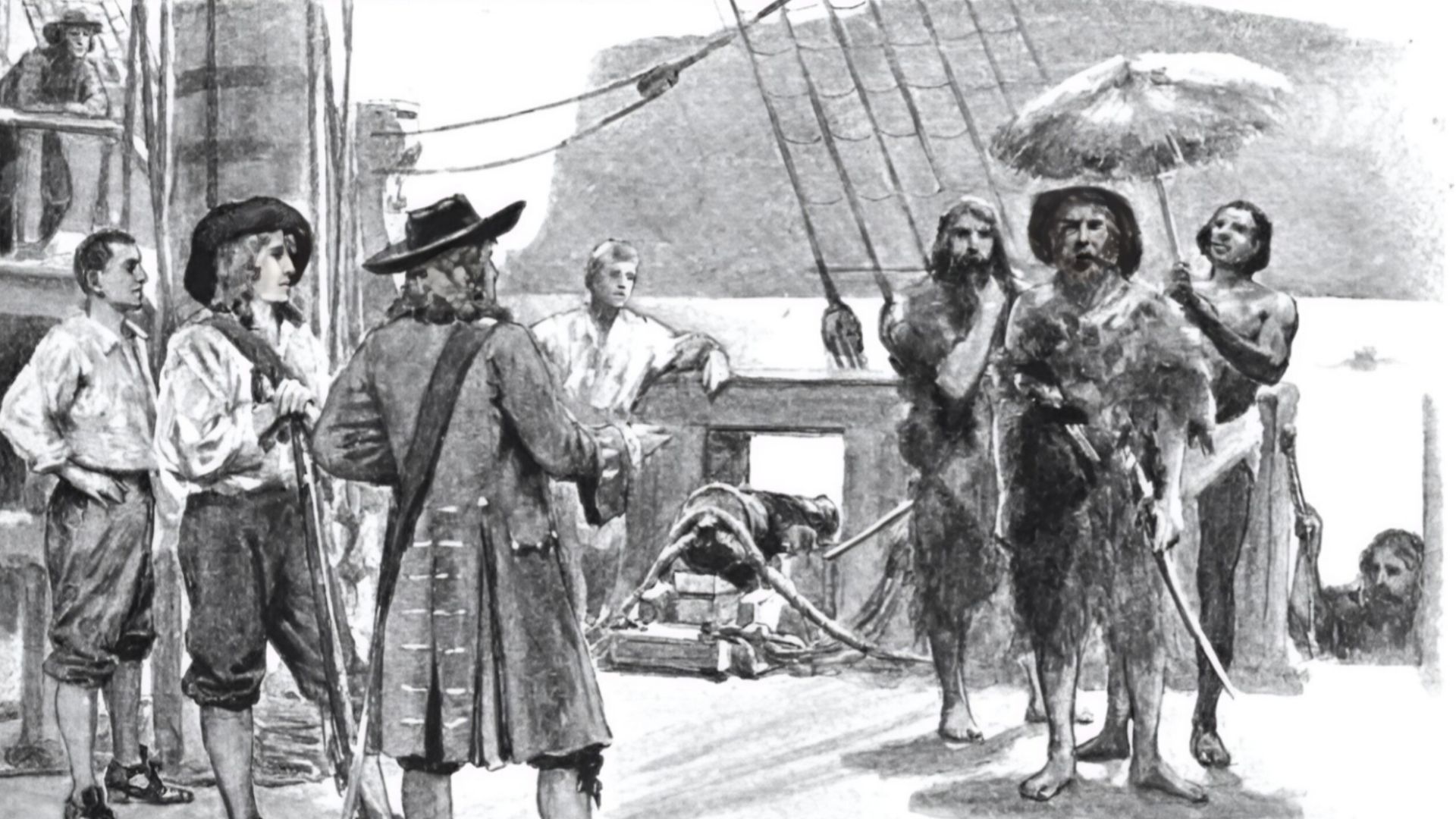
With some common myths out of the way, here's what actually happened on those ships sailing the Caribbean.
1. Democratic Leadership
Most crews followed elected captains who could be deposed at any time by majority vote, creating a stark contrast to the harsh hierarchy of naval and merchant ships. Quartermasters acted as powerful checks on the captain's authority, representing crew interests.
2. Pirate Codes
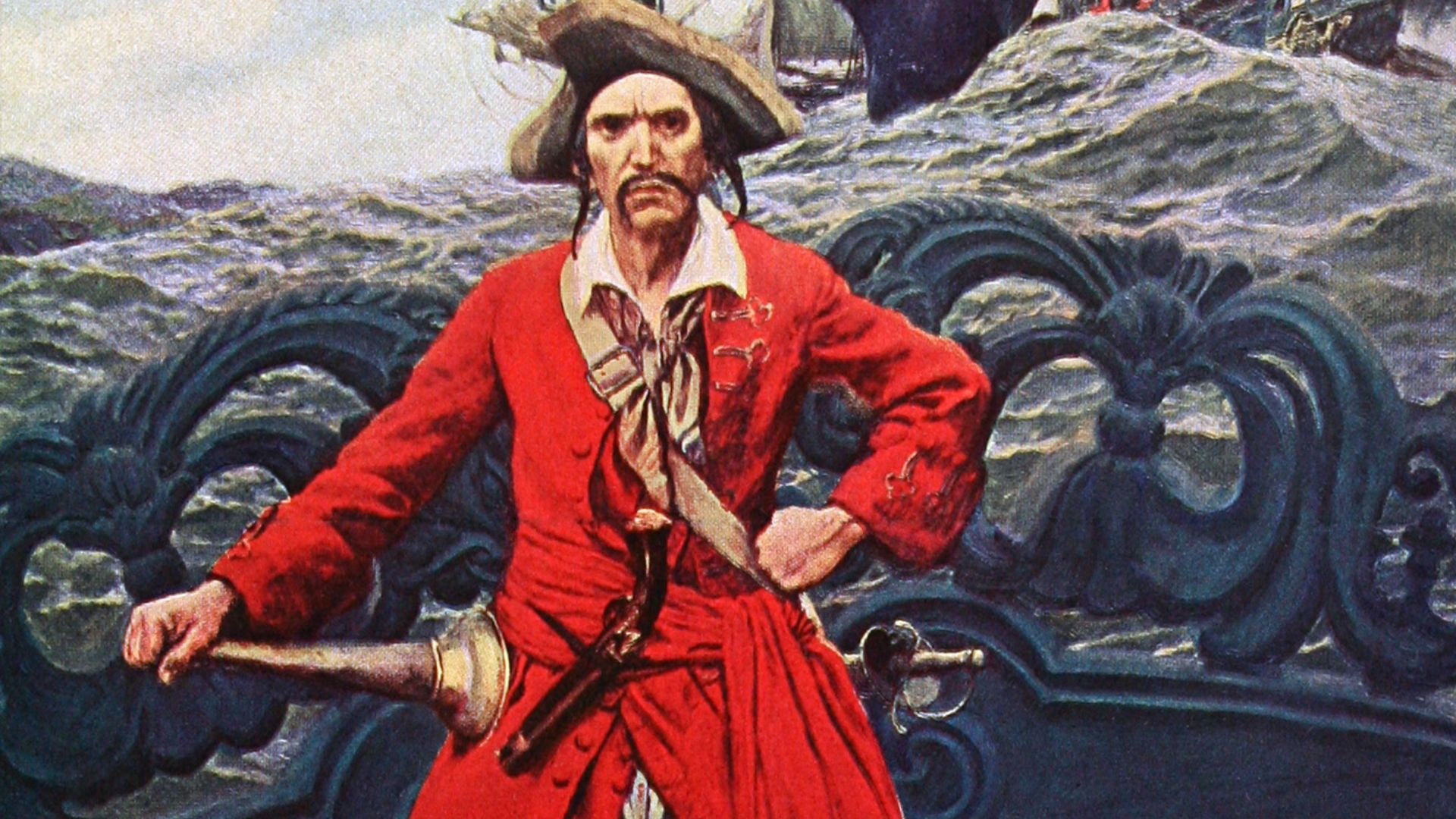
Before any voyage began, every crew member signed or swore to their own Articles of Agreement. These codes specified exact compensation for injuries—800 pieces of eight for losing a leg, for example—ensuring wounded pirates received fair payment for their sacrifice.
 Cards were manufactured by Pac-Kups Inc for the Dixie Cup Company of Easton, PA on Wikimedia
3. Strategic Targeting
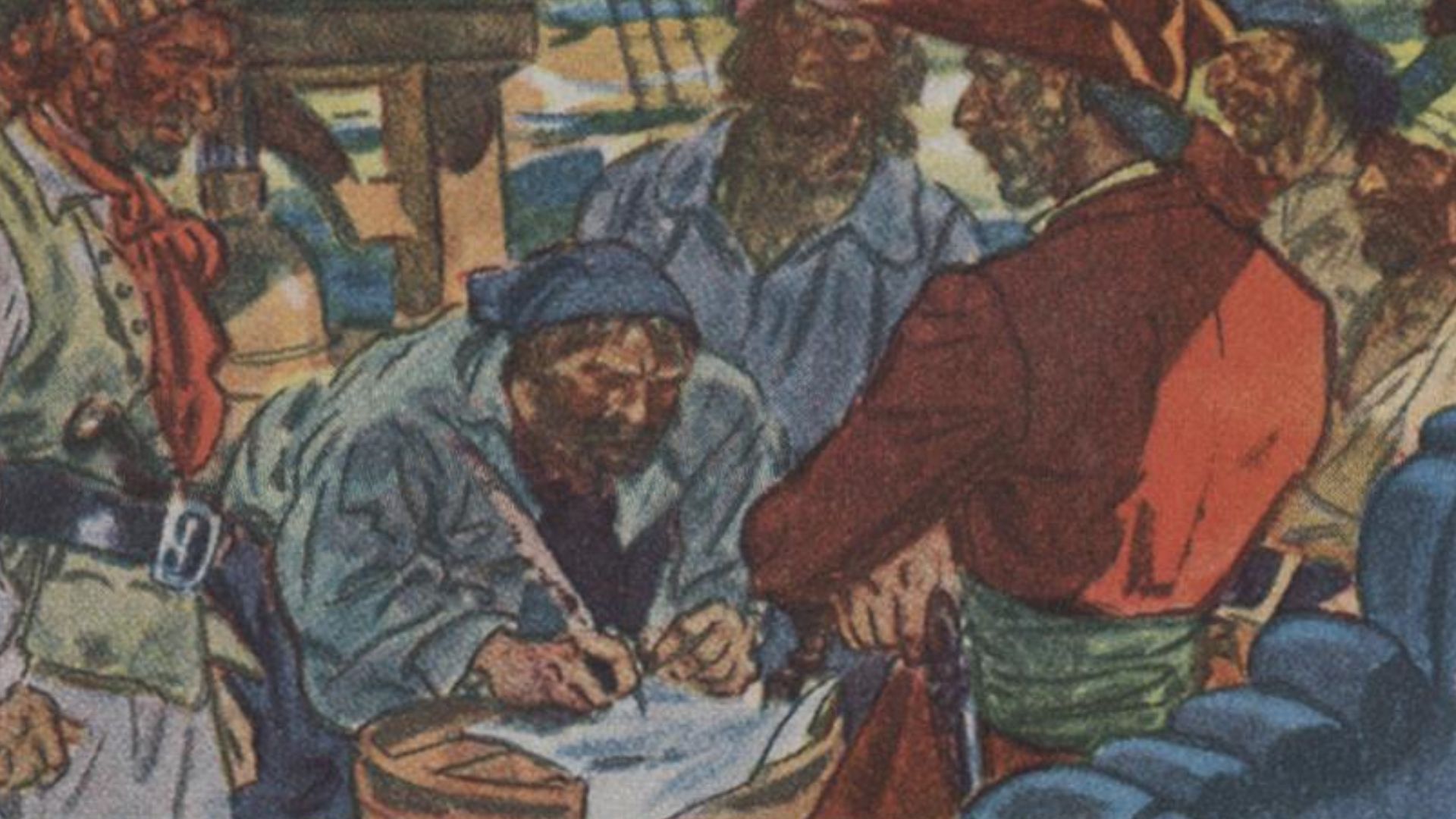
Merchant ships offered high-value cargo with minimal defenses. This made them the obvious choice for profit-minded pirates who weren't interested in certain missions. Naval warships, by contrast, were faster, better armed, and posed existential threats that could end a pirate career.
4. Women Pirates
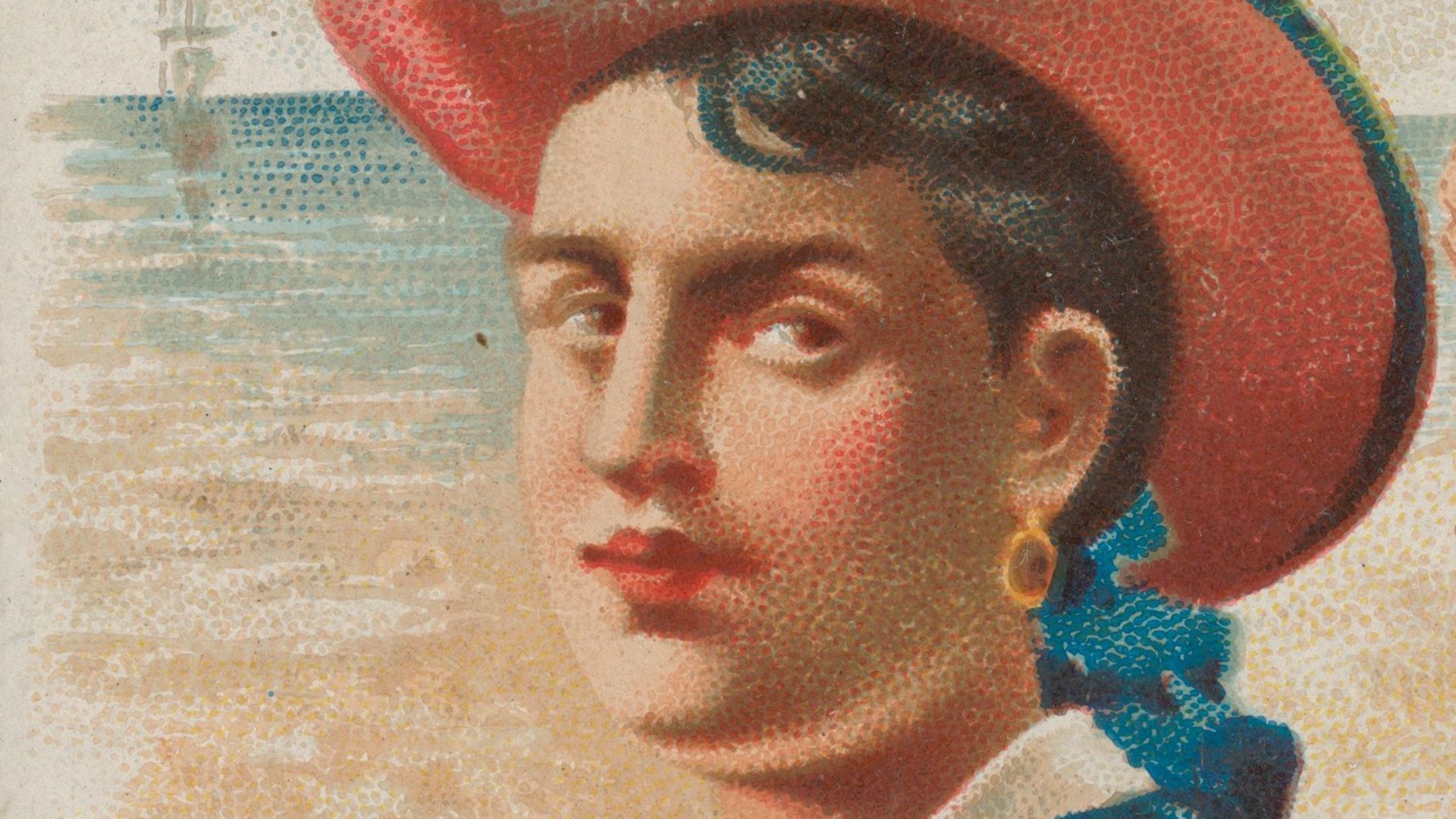
Anne Bonny and Mary Read fought in battles disguised as men until their dramatic capture in 1720 while sailing with Calico Jack Rackham's crew. During their trial in Jamaica, both women reportedly revealed their gender in court to avoid immediate execution.
 Geo. S. Harris and Sons / Allen & Ginter on Wikimedia
5. Disease and Hardship
Scurvy from vitamin C deficiency was rampant on pirate ships without access to fresh fruit, causing teeth to fall out and wounds to reopen horrifically. Overcrowded vessels also spread dysentery and tropical fevers with terrifying speed.
6. Career Origins
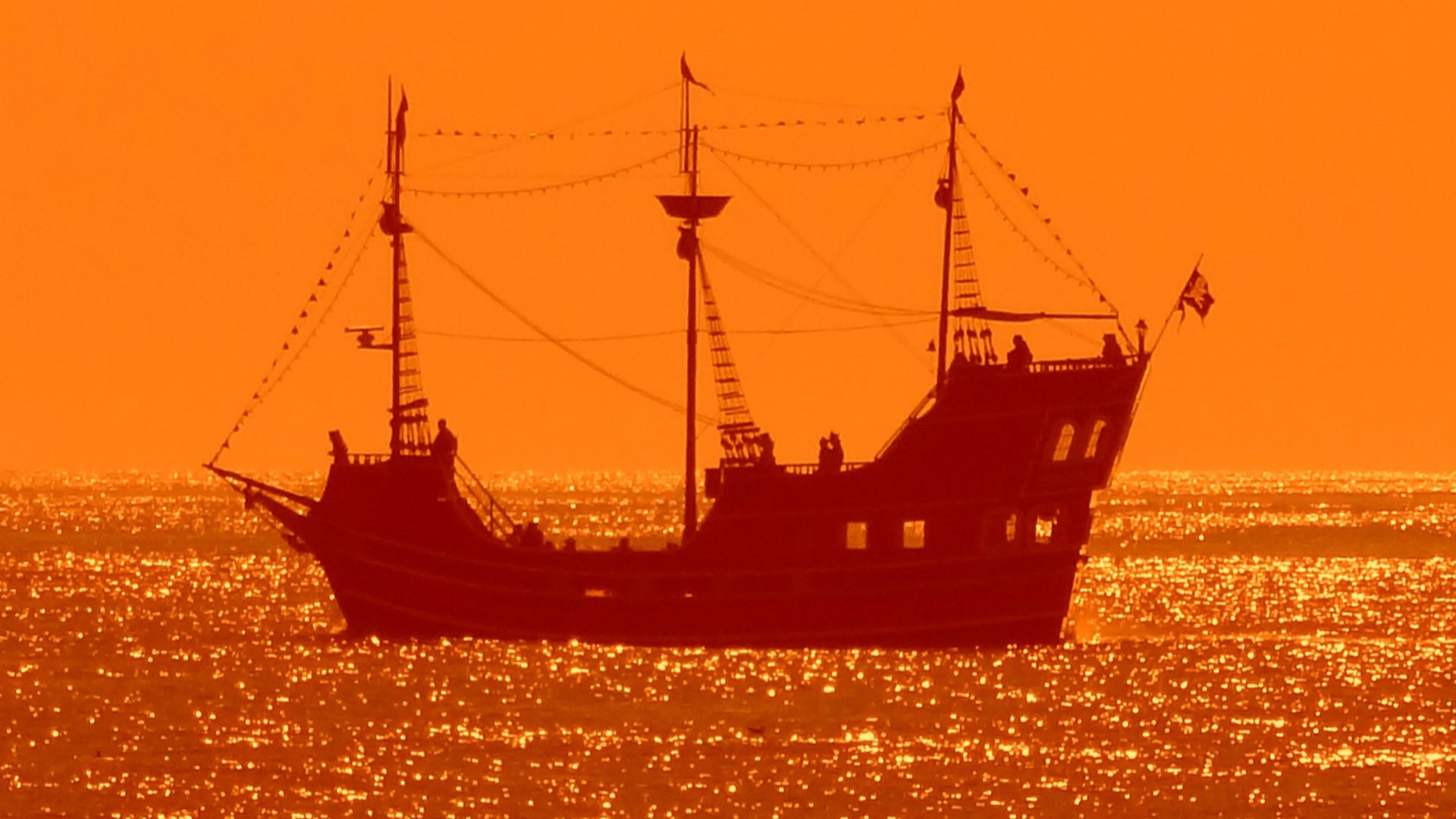
The 1713 Treaty of Utrecht ended major European conflicts and left thousands of privateers suddenly unemployed, prompting many experienced sailors to turn to piracy. Merchant and naval conditions were brutal—poor food, low pay, and savage punishments made legitimate sailing a miserable existence.
7. Pirate Havens
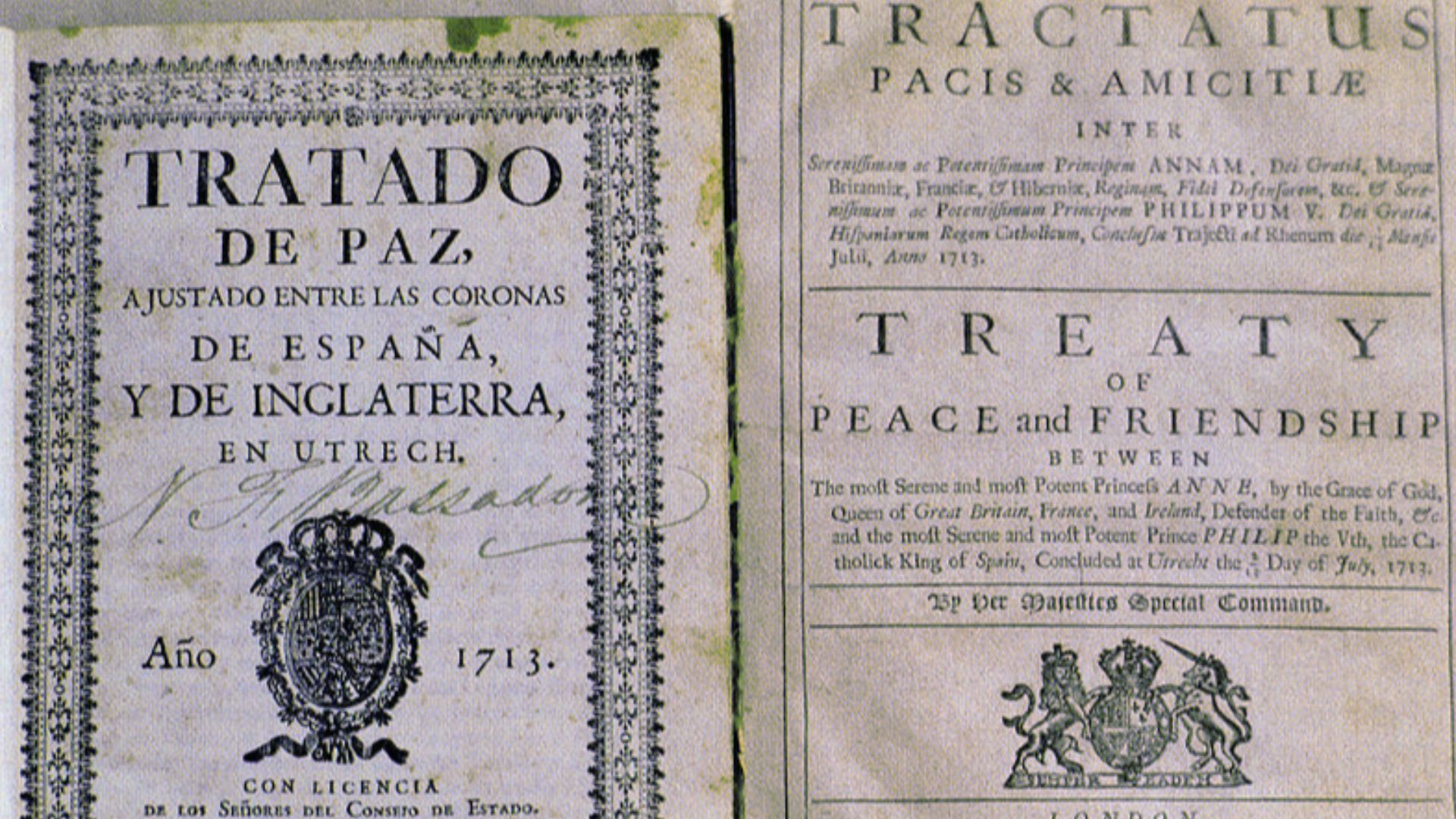
Nassau served as a pirate republic from approximately 1715 to 1718, functioning under figures like Benjamin Hornigold as a semi-autonomous outlaw settlement. Tortuga had been an earlier buccaneer haven in the mid-1600s, establishing the template for these lawless ports.
8. Psychological Warfare
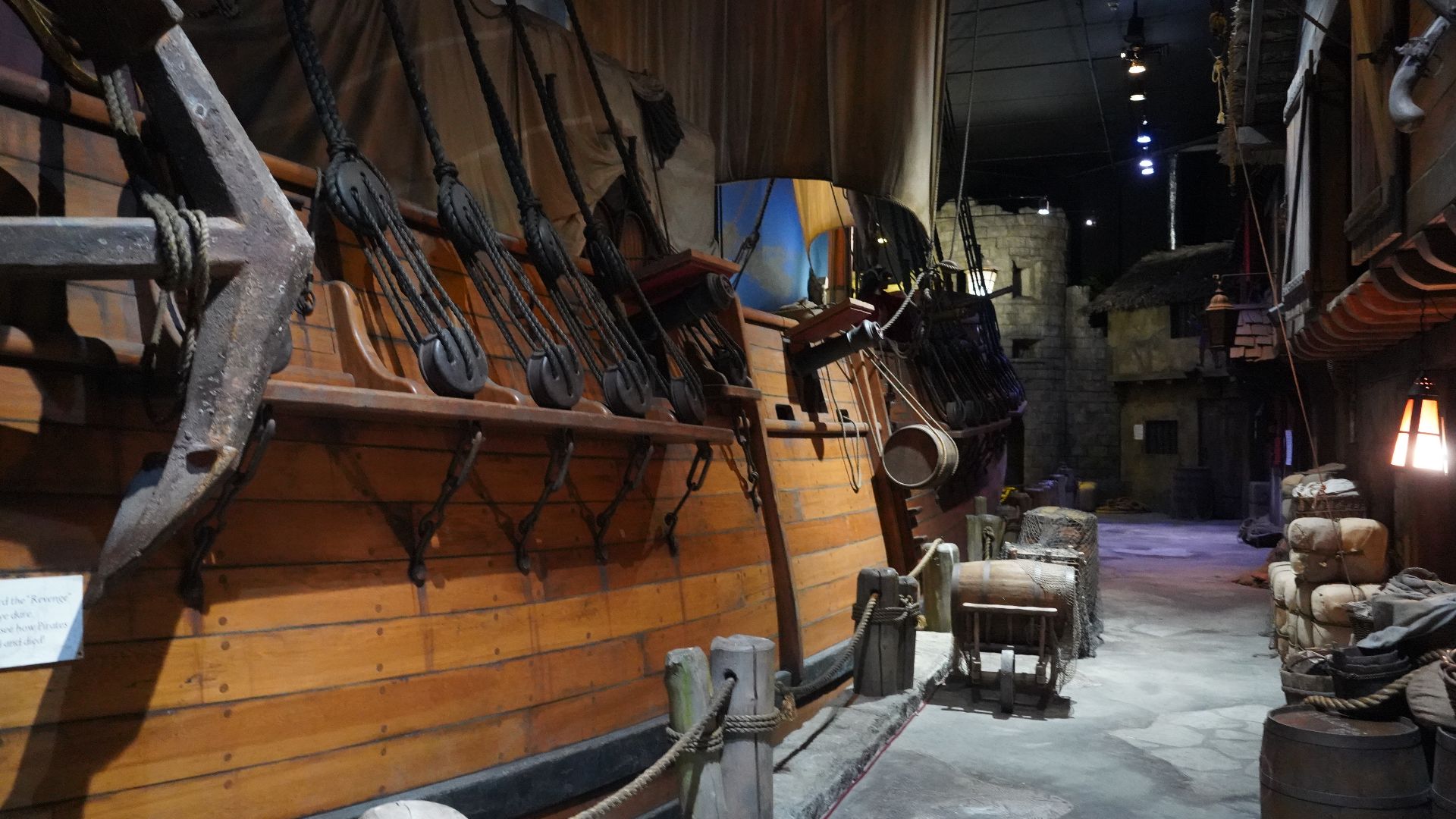
A single warning shot was often all it took to prompt merchant crews to yield without resistance. Black flags signaled the attackers' willingness to give quarter if the target surrendered immediately, while red flags meant no mercy would be shown.
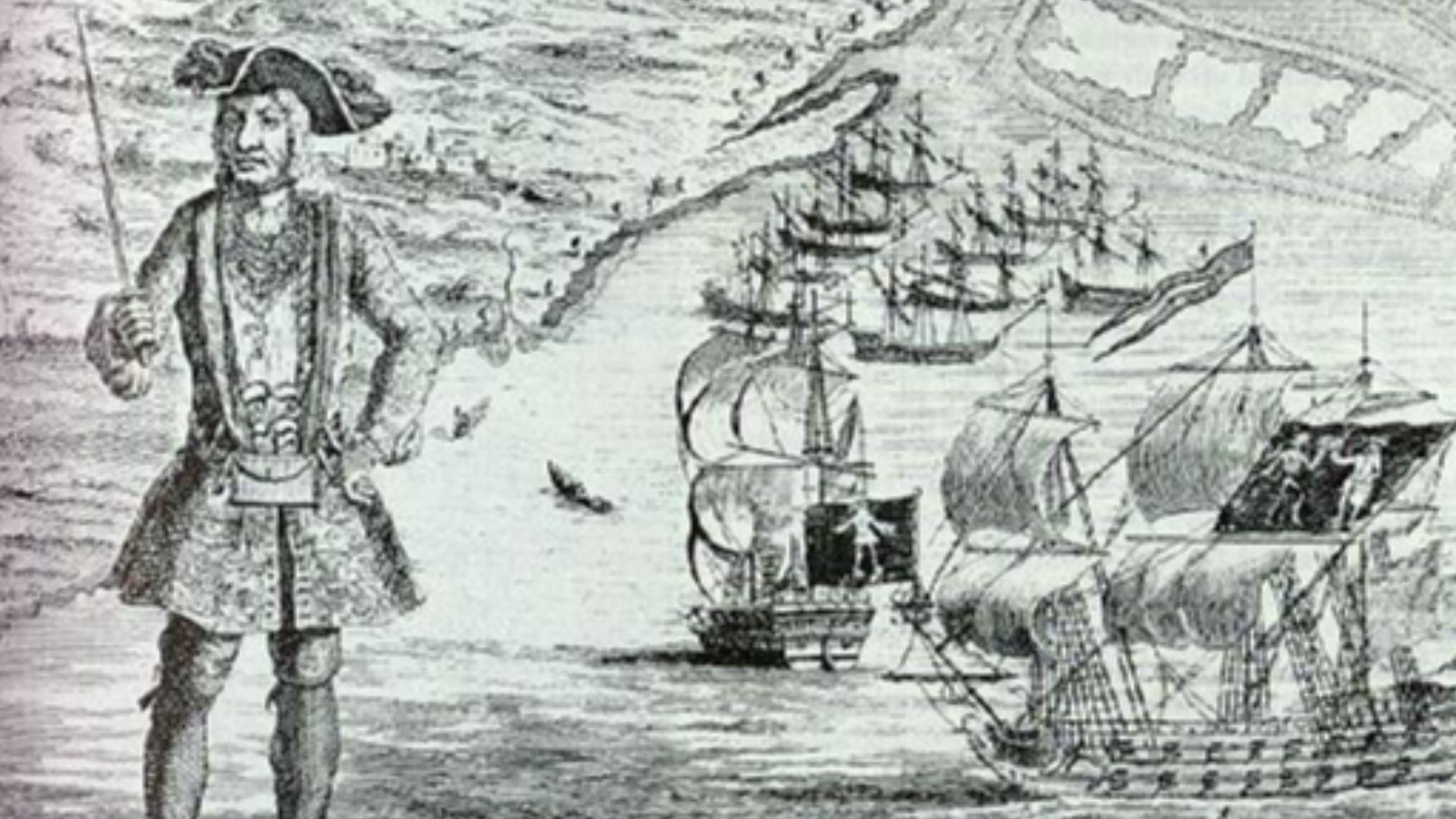 Engraved by Benjamin Cole (1695–1766) on Wikimedia
9. Fair Division
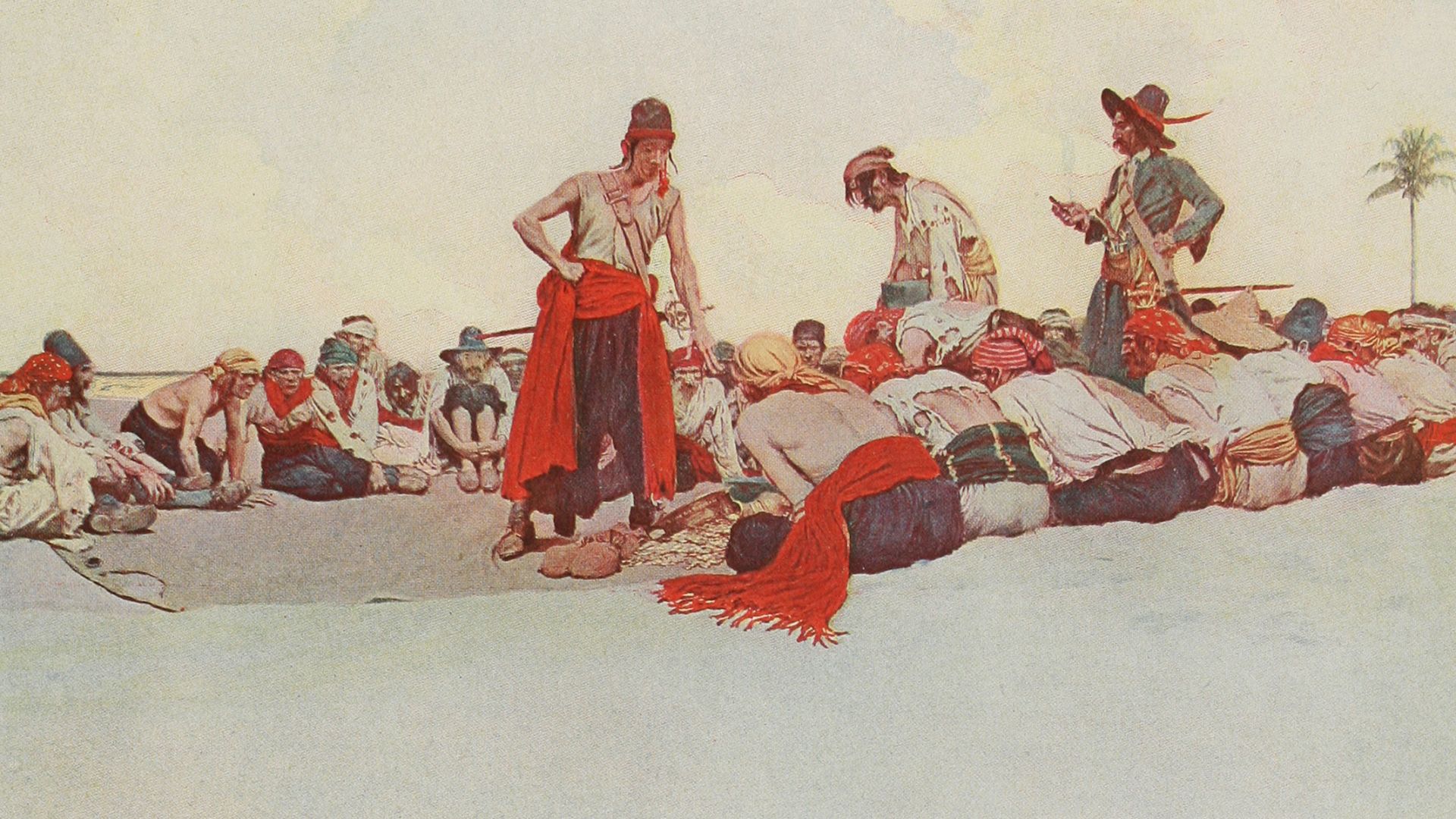
Exact share divisions were made before any raid, with standard portions being 1.5–2 shares for the captain, 1.5 for the quartermaster, 1.25 for the surgeon, and one share for ordinary crew members. This equitable system boosted crew morale and loyalty.
10. The Golden Age Timeline
Peak years from 1715 to 1725 saw hundreds of active pirates terrorizing Caribbean and Atlantic trade routes following the end of the War of Spanish Succession. Over 5,000 pirates operated at the height of this era.
KEEP ON READING
The 20 Most Recognized Historical Figures Of All Time
The Biggest Names In History. Although the Earth has been…
By Cathy Liu Oct 4, 2024
10 of the Shortest Wars in History & 10 of…
Wars: Longest and Shortest. Throughout history, wars have varied dramatically…
By Emilie Richardson-Dupuis Oct 7, 2024
10 Fascinating Facts About Ancient Greece You Can Appreciate &…
Once Upon A Time Lived Some Ancient Weirdos.... Greece is…
By Megan Wickens Oct 7, 2024
20 Lesser-Known Facts About Christopher Columbus You Don't Learn In…
In 1492, He Sailed The Ocean Blue. Christopher Columbus is…
By Emilie Richardson-Dupuis Oct 9, 2024
20 Historical Landmarks That Have The Craziest Conspiracy Theories
Unsolved Mysteries Of Ancient Places . When there's not enough evidence…
By Megan Wickens Oct 9, 2024
The 20 Craziest Inventions & Discoveries Made During Ancient Times
Crazy Ancient Inventions . While we're busy making big advancements in…
By Cathy Liu Oct 9, 2024