

10 Artists Ahead of Their Time & 10 Who Perfectly Captured Theirs
Some Artists Predicted the Future While Others Defined the Present
Art history is filled with painters, sculptors, and creative figures who either challenged the expectations of their era or captured the spirit of their time so perfectly that their work became inseparable from the culture around them. Some artists introduced styles and techniques that confused audiences at first but later influenced entire movements for generations afterward. Others succeeded because they reflected the politics, fashion, beliefs, and emotions of their own historical moment so accurately that their work became a lasting symbol of that period. Here are 10 artists ahead of their time and 10 who perfectly captured theirs.
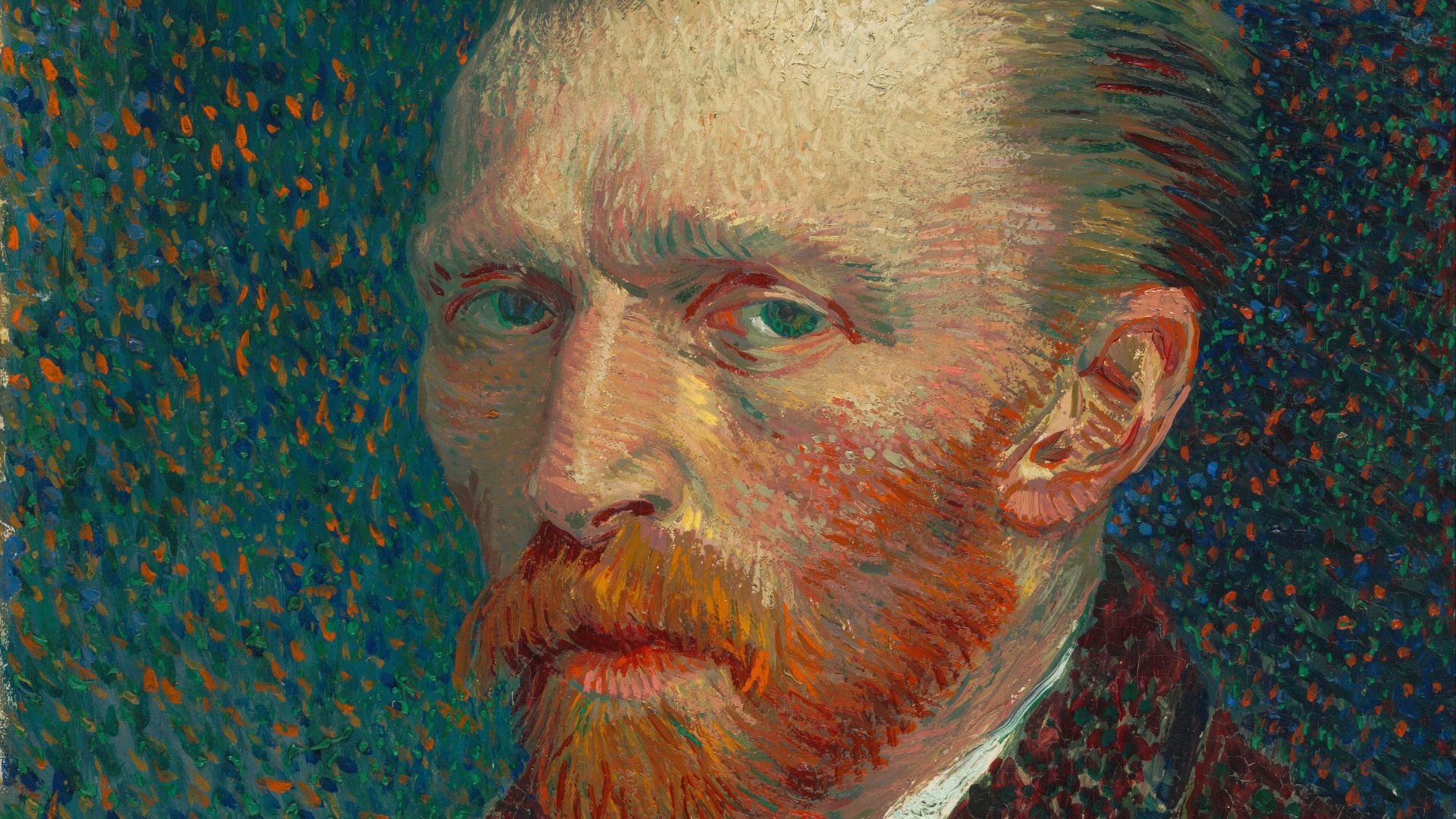
1. Vincent van Gogh
Van Gogh’s bold colors, emotional intensity, and expressive brushwork looked radically different from the academic art standards of the late nineteenth century. During his lifetime, his paintings received little recognition and sold very poorly.
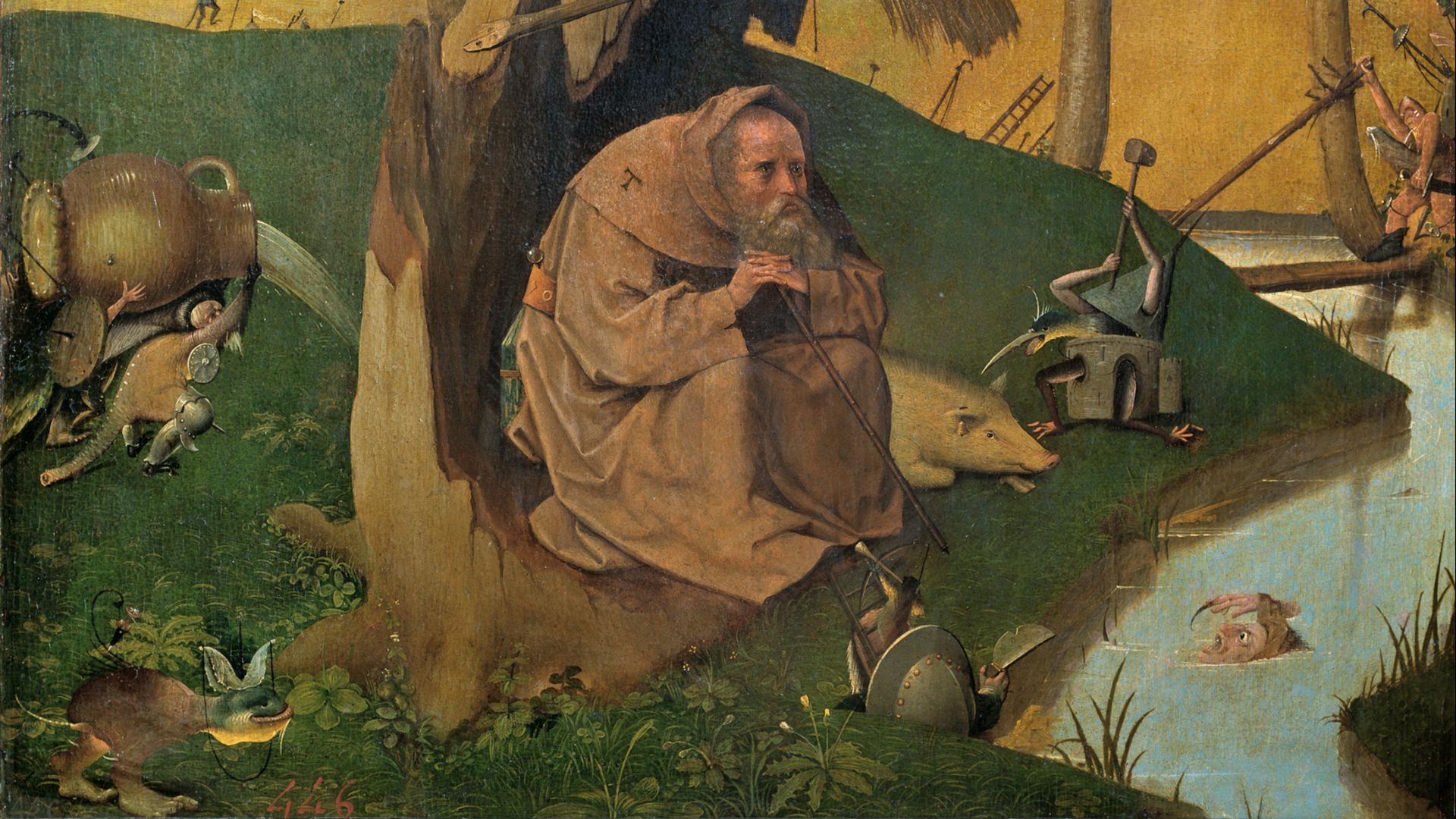
2. Hieronymus Bosch
Bosch painted surreal and disturbing scenes during the late fifteenth and early sixteenth centuries that still feel unusual today. His strange creatures, symbolic imagery, and dreamlike compositions resembled ideas later explored by surrealist artists centuries afterward. Audiences during his lifetime had little artistic context for work that imaginative and psychologically unsettling.
 Follower of Hieronymus Bosch on Wikimedia
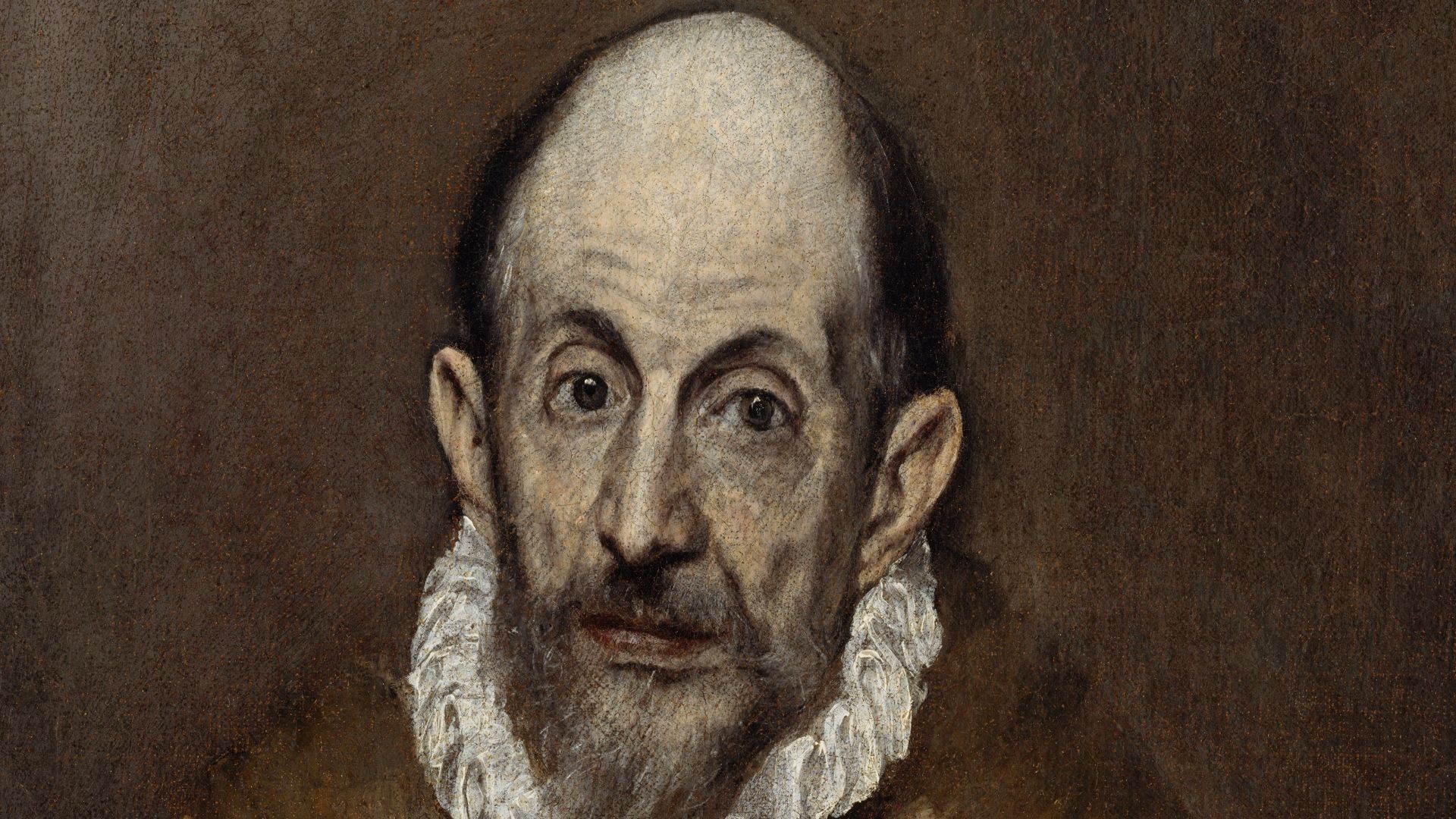
3. El Grecowas
El Greco’s elongated figures and dramatic use of color looked highly unconventional compared to the Renaissance realism surrounding him. Many critics at the time viewed his style as strange or exaggerated rather than innovative.
4. Artemisia Gentileschi
Gentileschi created powerful paintings centered on female strength and violence during a period when women rarely received serious artistic recognition. Her emotionally intense portrayals challenged expectations surrounding gender roles in seventeenth-century Europe.
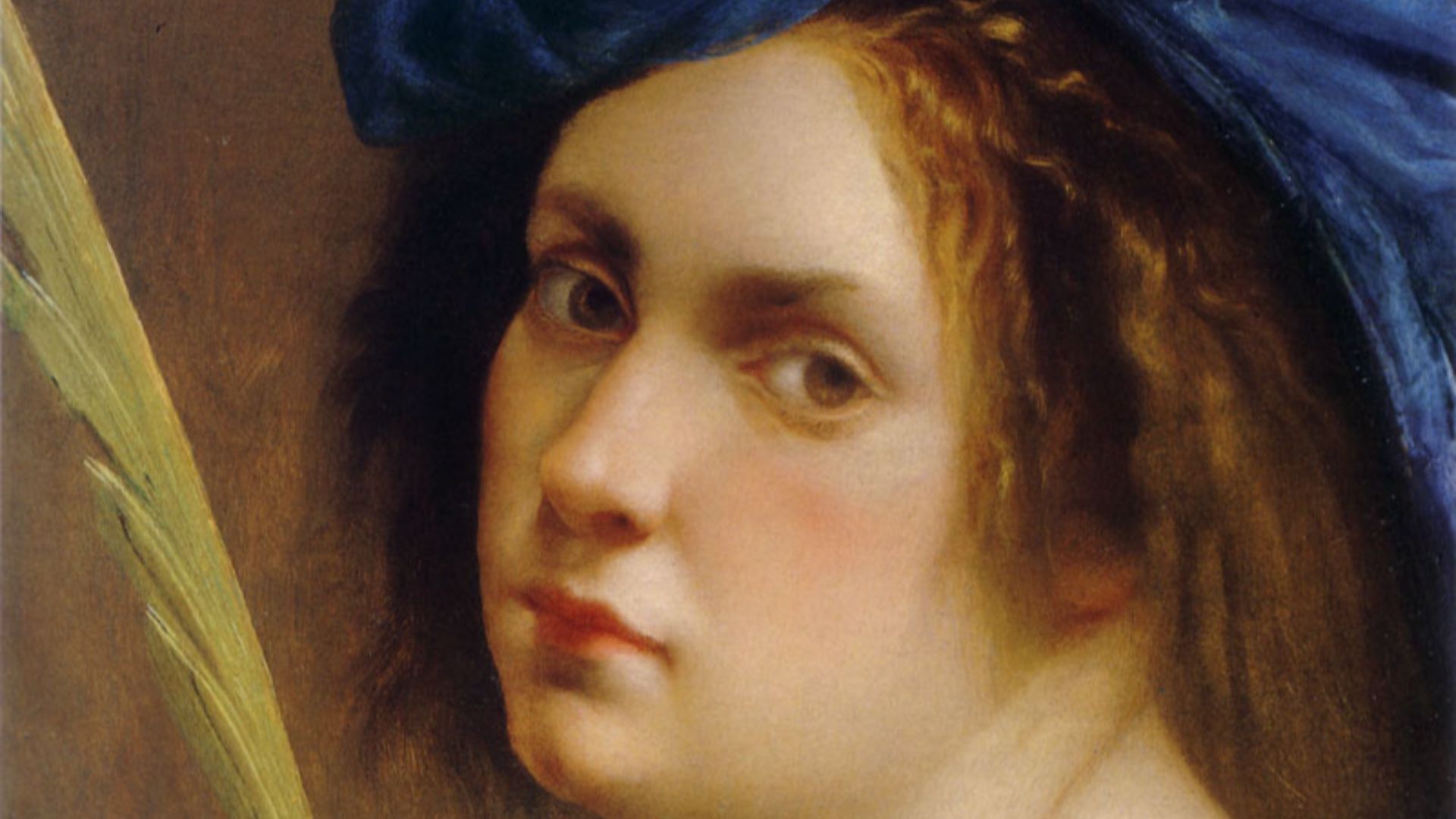 Artemisia Gentileschi on Wikimedia
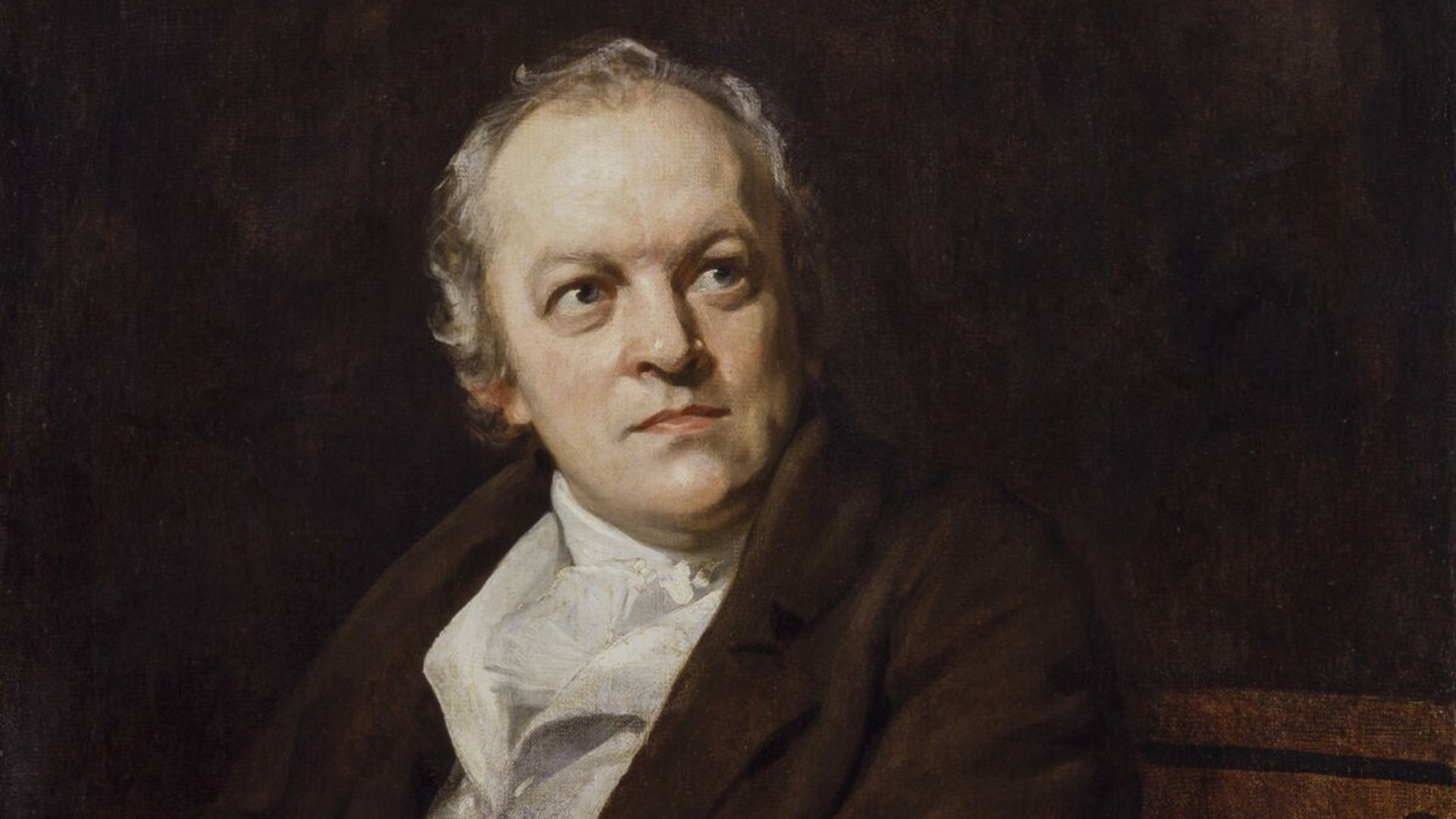
5. William Blake
Blake combined poetry and visual art in highly personal and symbolic ways during the late eighteenth century. His work explored imagination, spirituality, politics, and mythology with unusual creative freedom. Many contemporaries considered him eccentric, but later generations praised his originality and artistic independence.
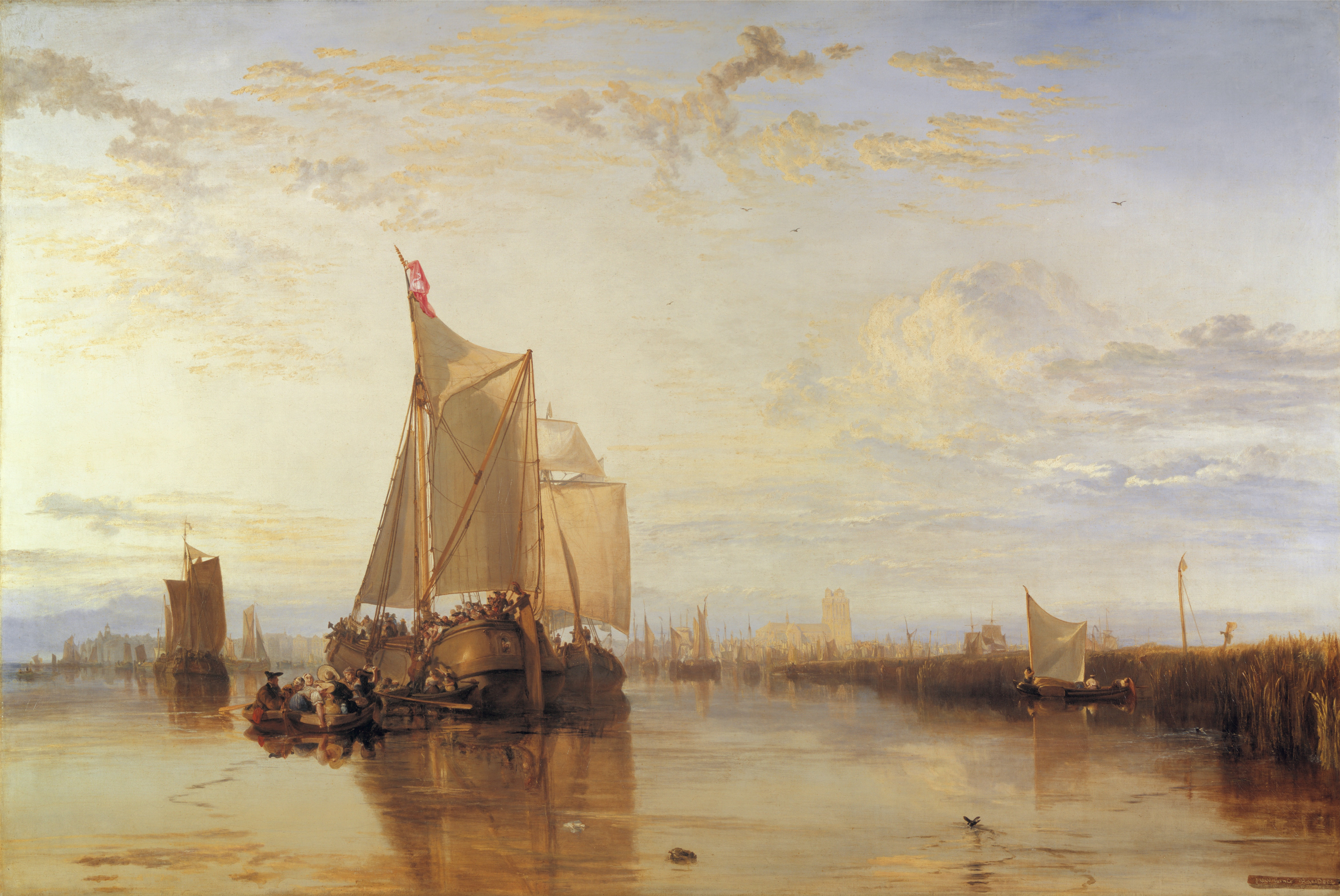
6. J.M.W. Turner
Turner’s later paintings featured loose brushwork, dramatic light, and atmospheric effects that looked shockingly abstract for the early nineteenth century. Some critics struggled to understand his increasingly experimental style.
7. Edmonia Lewis
Lewis became one of the first internationally recognized Black and Native American sculptors during the nineteenth century. Her neoclassical sculptures explored race, freedom, religion, and identity at a time when those perspectives were largely excluded from mainstream art institutions.
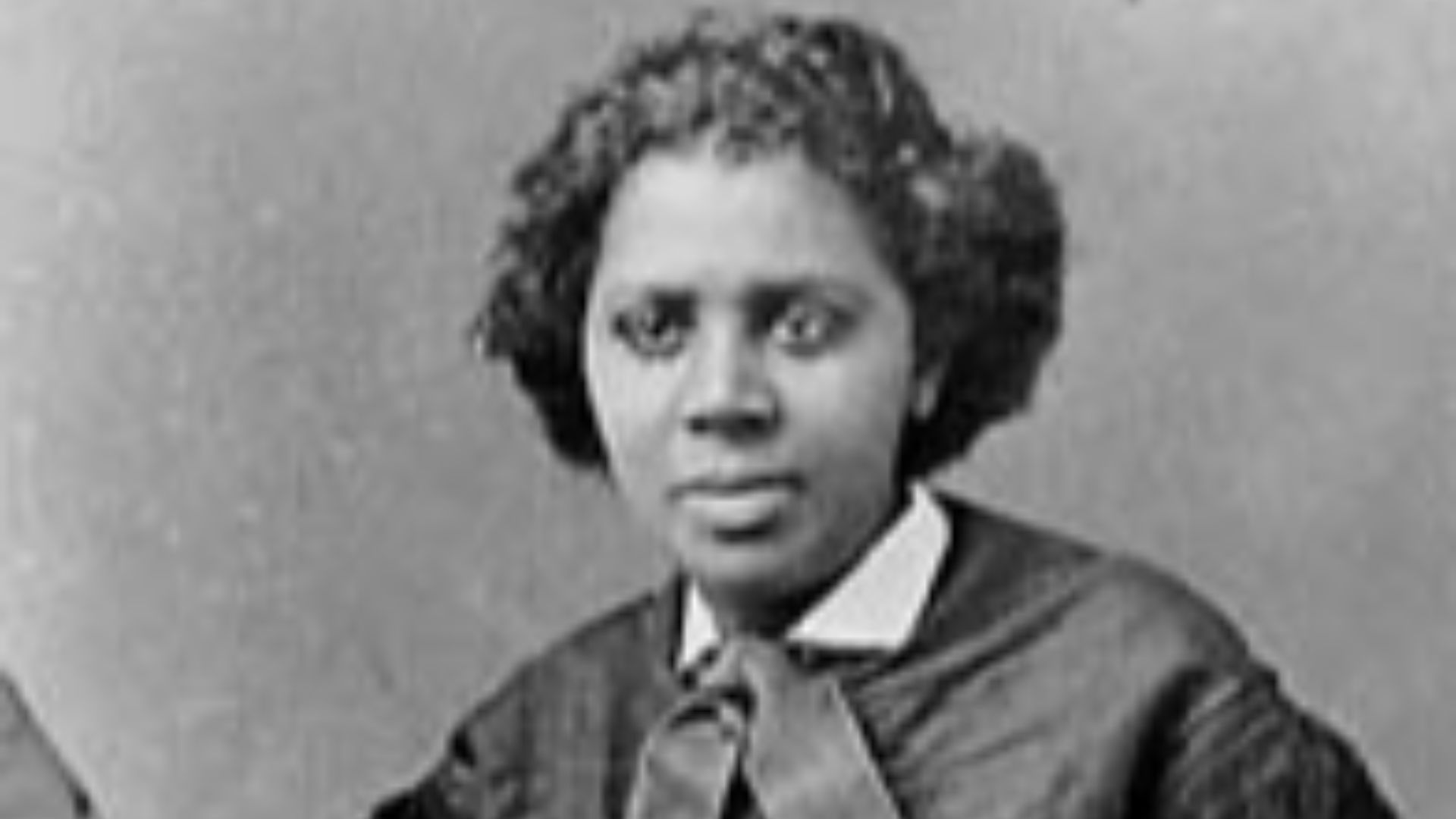 File Upload Bot (Magnus Manske) on Wikimedia
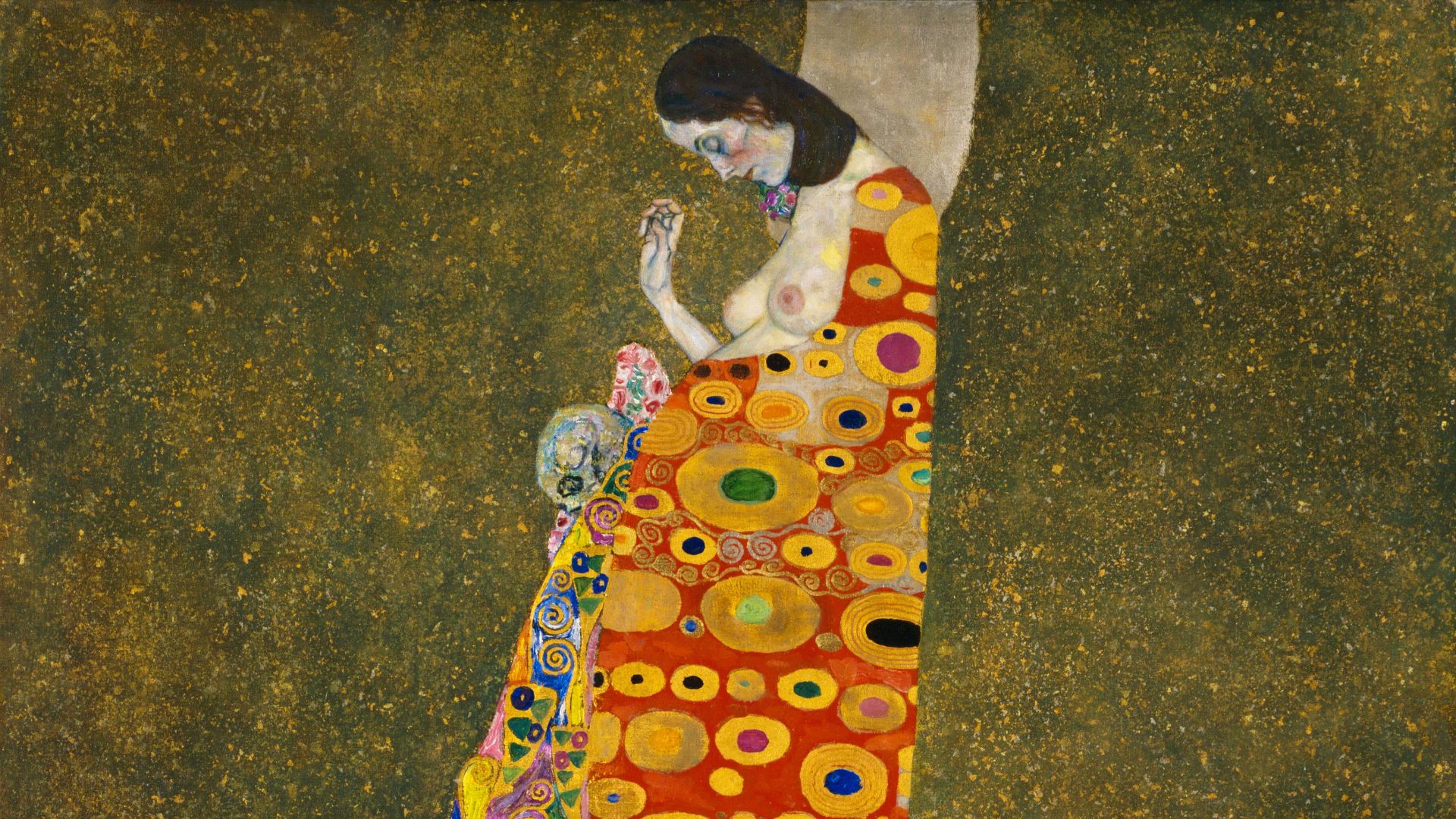
8. Gustav Klimt
Klimt combined symbolism, decorative design, and sensual imagery in ways that challenged conservative artistic expectations in Vienna around the turn of the twentieth century. His paintings often blended traditional portraiture with highly stylized gold patterns and unconventional compositions. Later modernist movements embraced many ideas that audiences initially criticized in his work.
9. Hilma af Klint
Hilma af Klint created abstract paintings years before artists like Kandinsky gained recognition for abstraction.
Her spiritually inspired geometric works remained largely hidden from the public during her lifetime because she believed audiences were not ready for them yet.
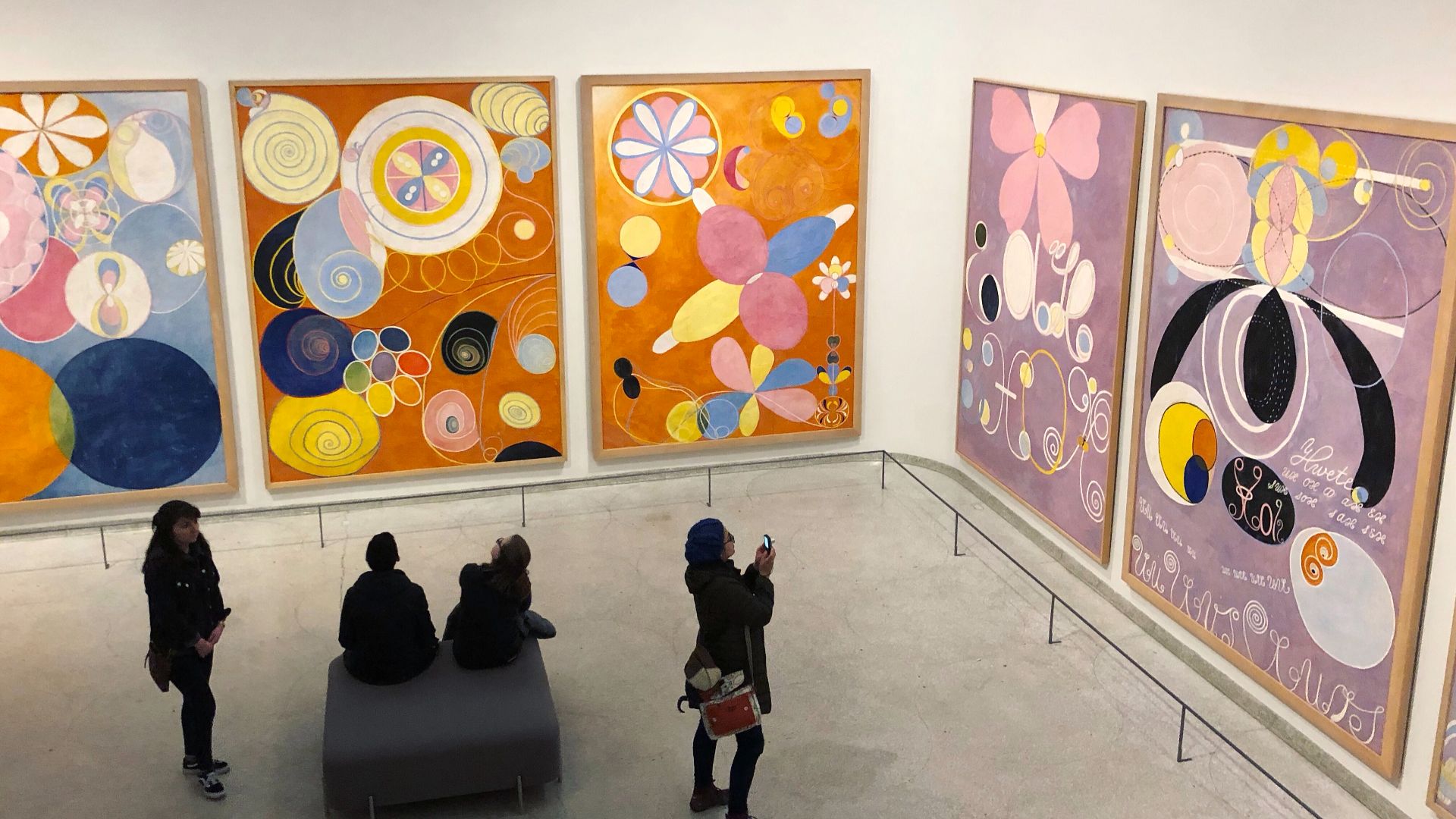 Ryan Dickey from Evanston, IL / Chicago, United States on Wikimedia
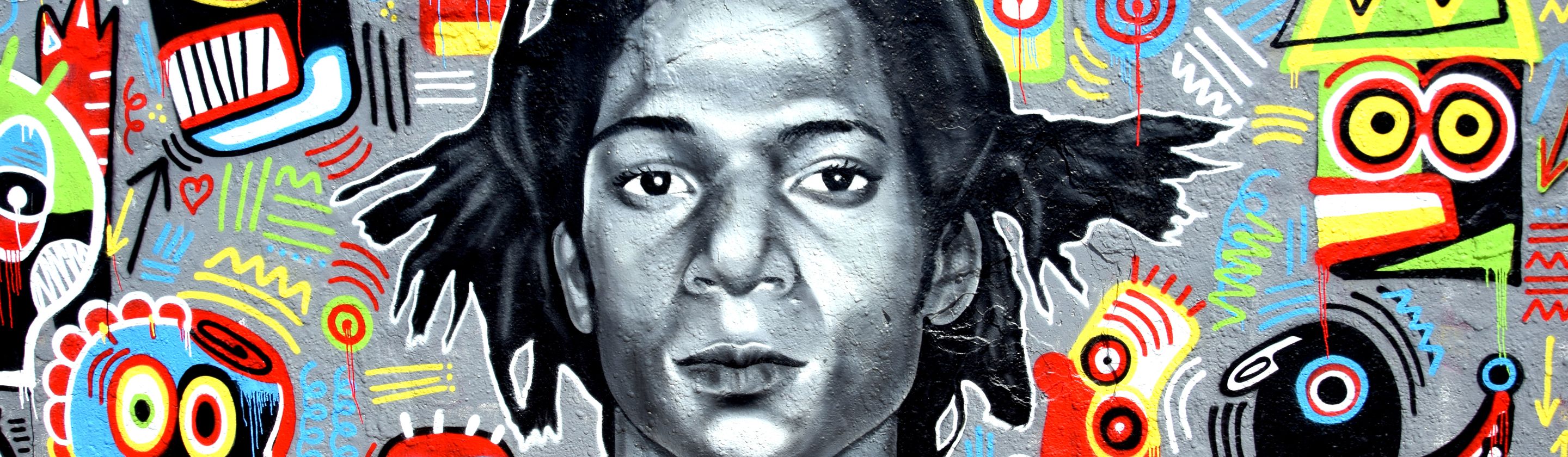
10. Jean-Michel Basquiat
Basquiat blended graffiti influences, social commentary, and raw expression into fine art during the late twentieth century. His work addressed race, inequality, identity, and power in ways that later became central themes in contemporary art discussions. He helped reshape ideas about who could succeed within elite art spaces.
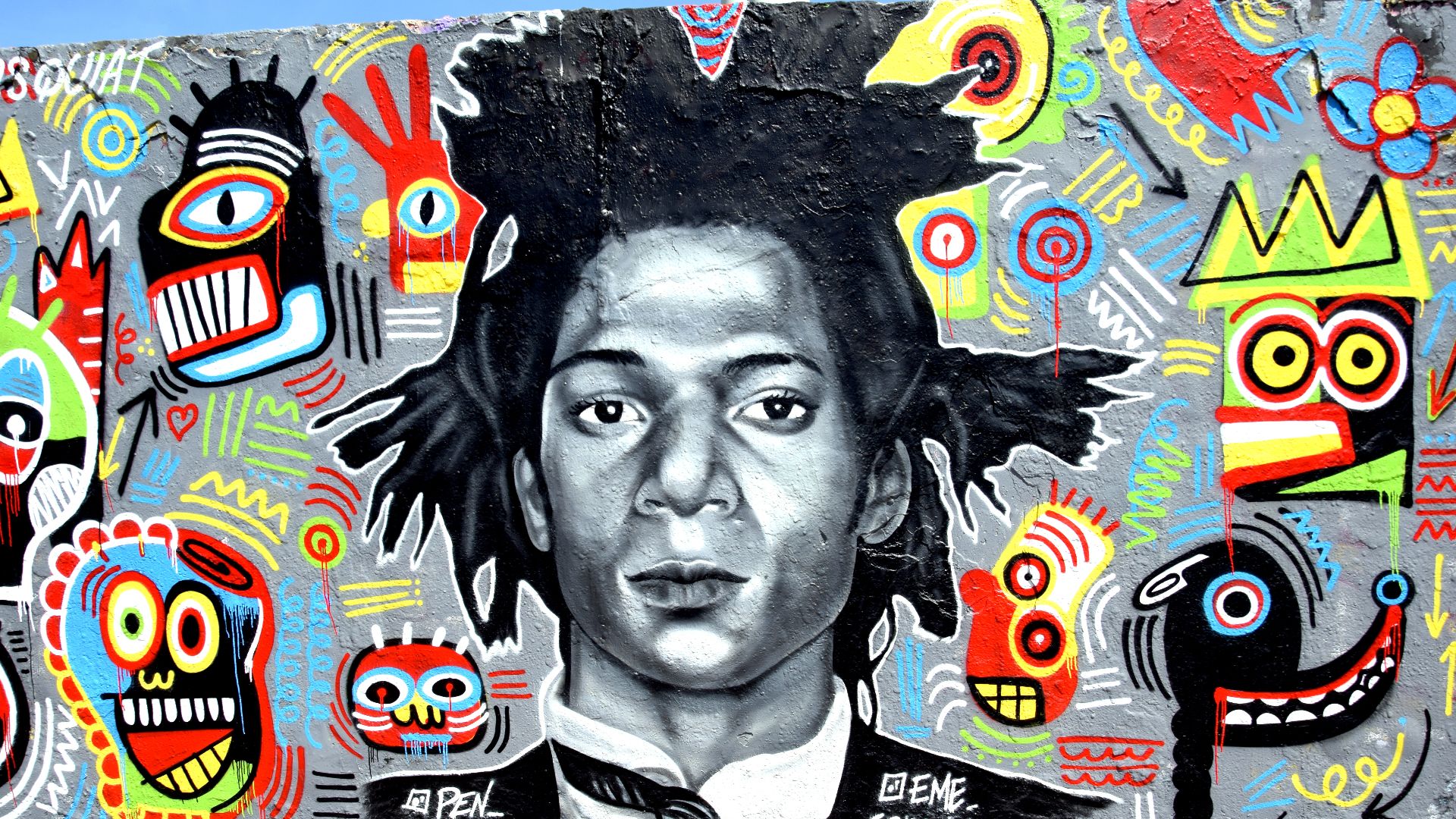 Singlespeedfahrer on Wikimedia
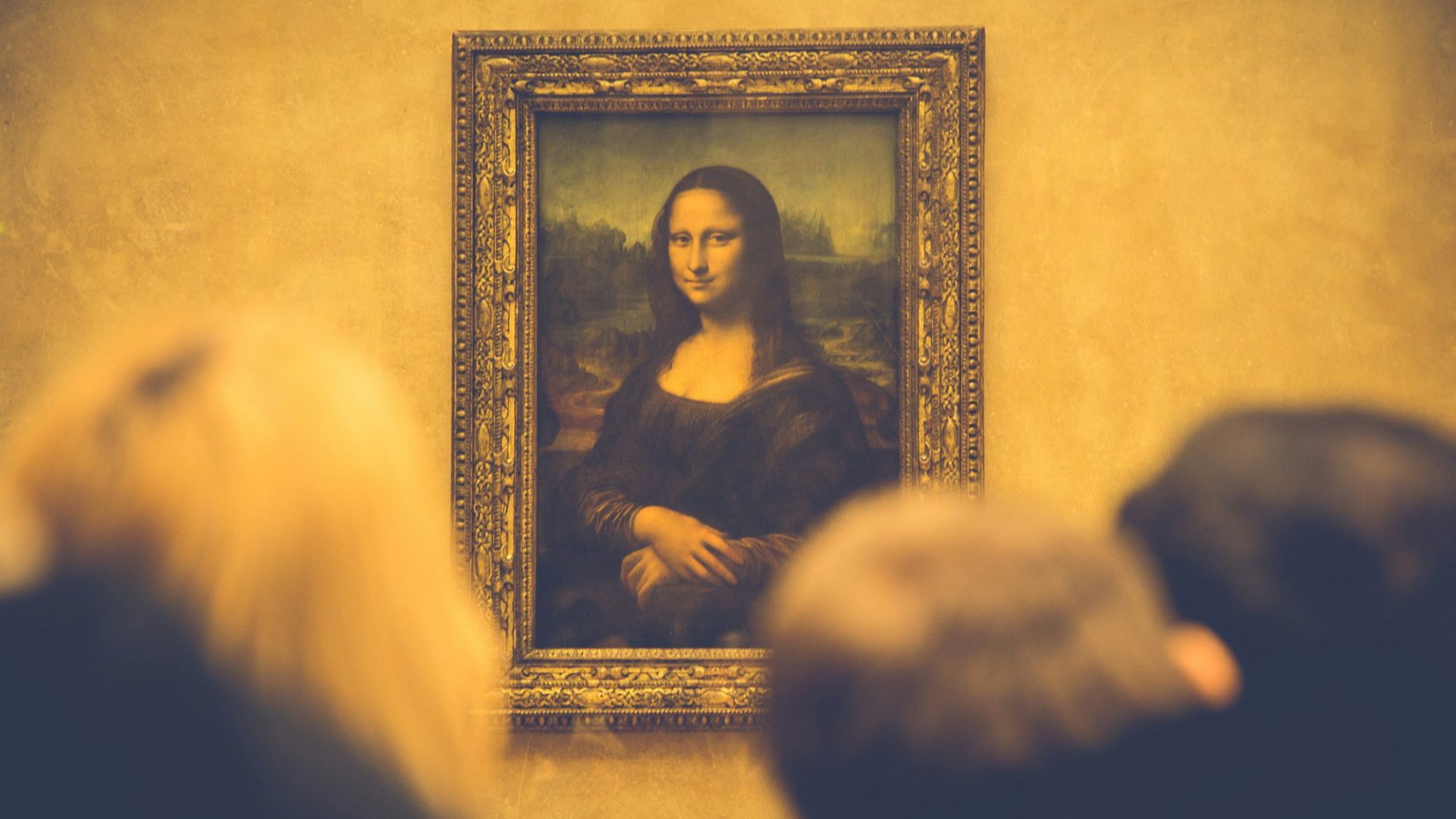
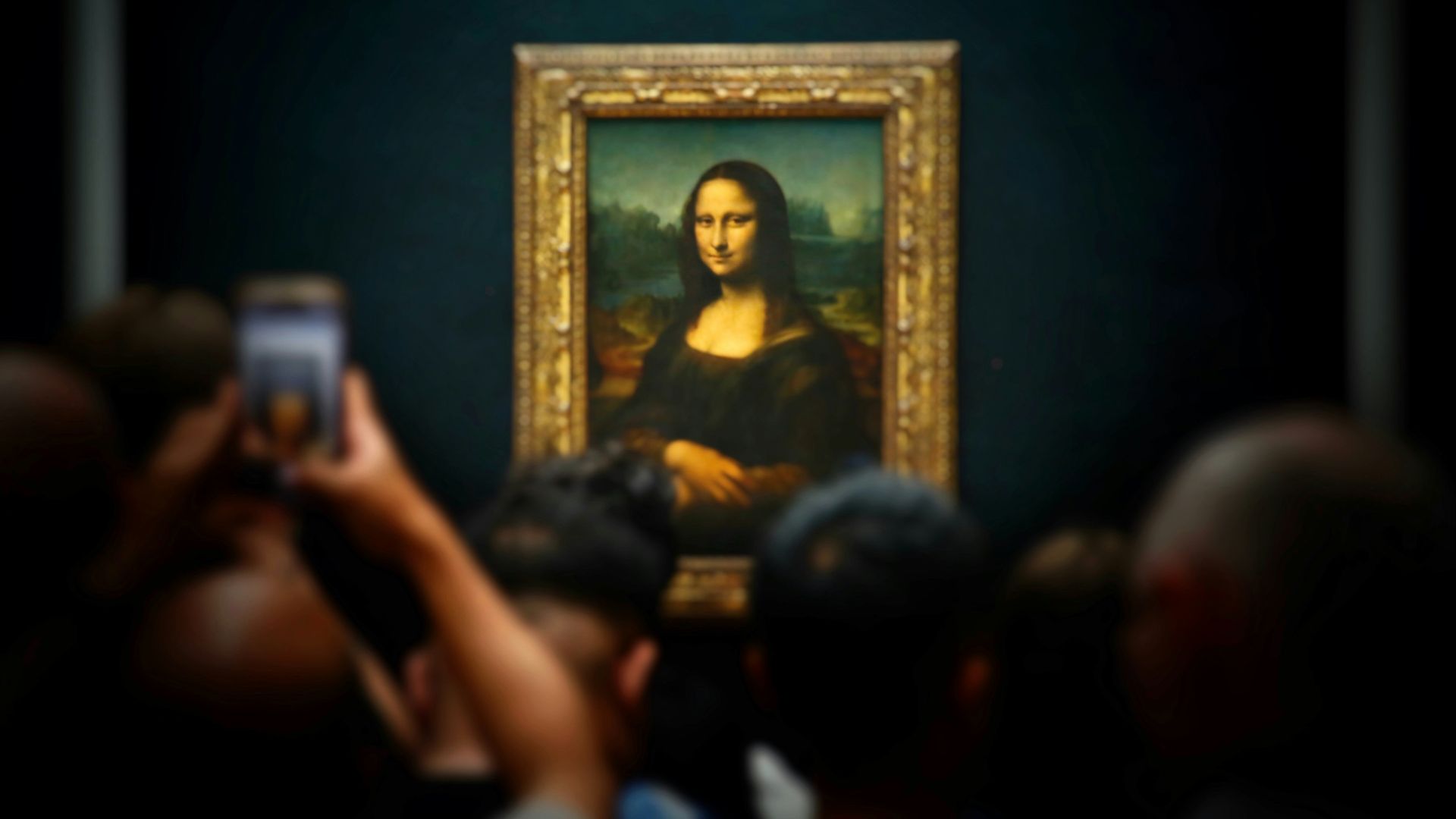
1. Leonardo da Vinci
Leonardo perfectly reflected the ideals of the Renaissance through his interest in science, anatomy, engineering, and humanism. His paintings balanced realism, technical mastery, and intellectual curiosity in ways that matched the cultural ambitions of fifteenth-century Italy. Few artists embodied the Renaissance worldview more completely.
2. Jacques-Louis David
David’s paintings became deeply tied to the political atmosphere of the French Revolution and the rise of Napoleon. His neoclassical style emphasized discipline, patriotism, sacrifice, and heroic leadership. The emotional seriousness of his work reflected the dramatic political changes happening across France.
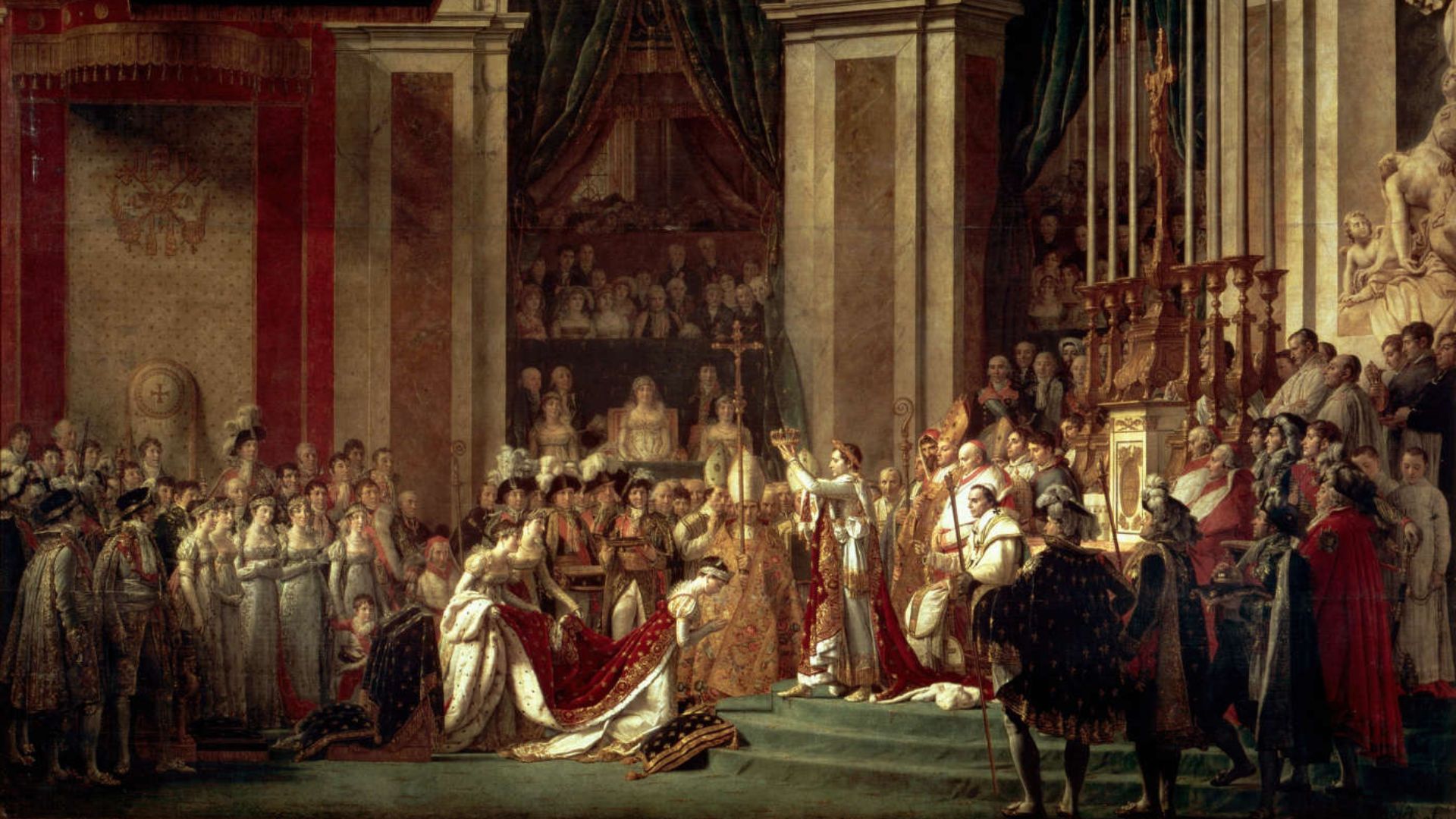 Jacques-Louis David / Georges Rouget on Wikimedia
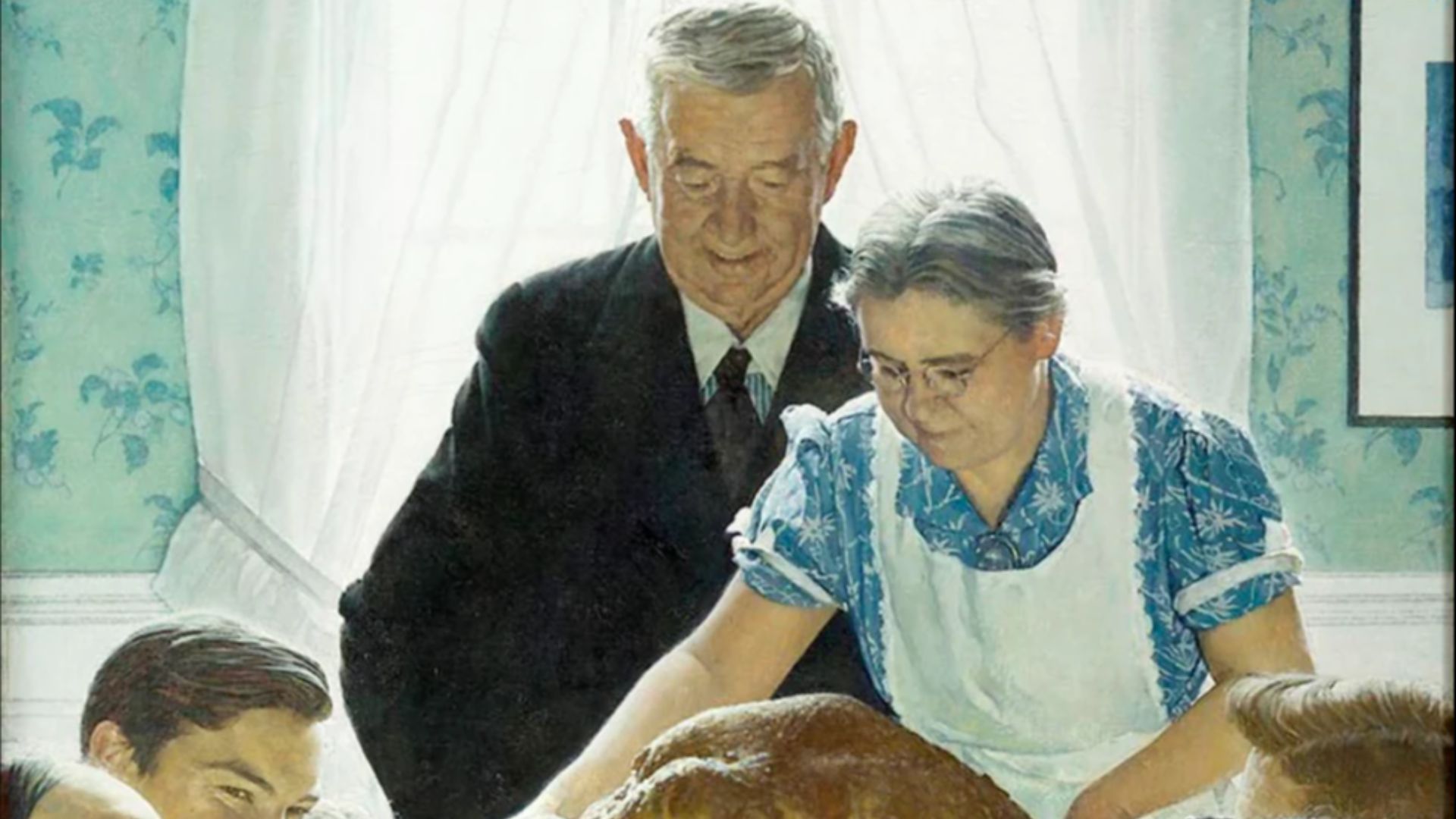
3. Norman Rockwell
Rockwell captured idealized scenes of twentieth-century American life through magazine covers, advertisements, and illustrations. His paintings reflected family traditions, small-town culture, and postwar optimism in ways audiences instantly recognized.
4. Diego Rivera
Rivera’s large-scale murals reflected the revolutionary politics and social struggles shaping Mexico during the early twentieth century. His art celebrated workers, Indigenous culture, and industrial labor in highly public spaces.
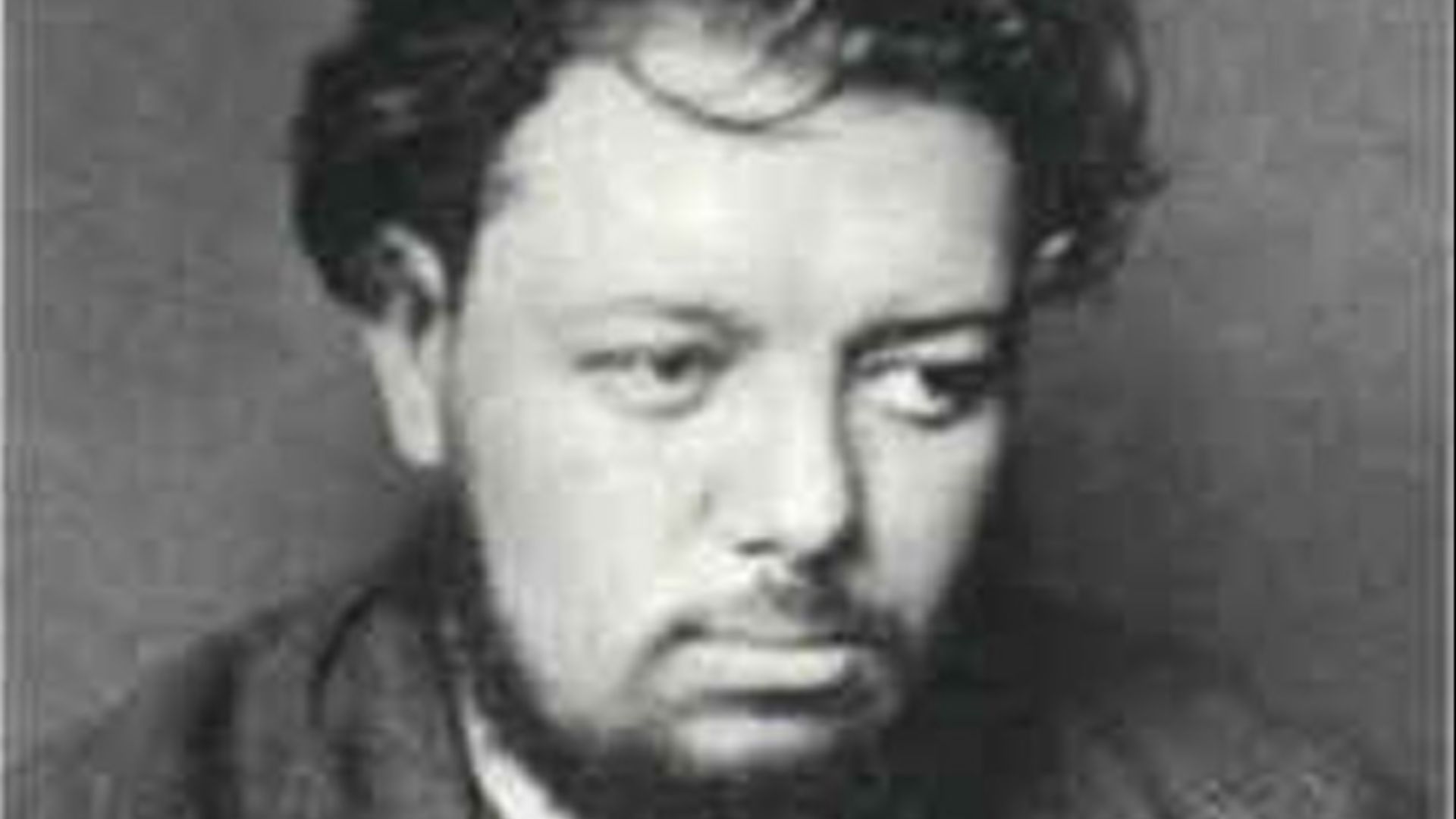 AnonymousUnknown author on Wikimedia
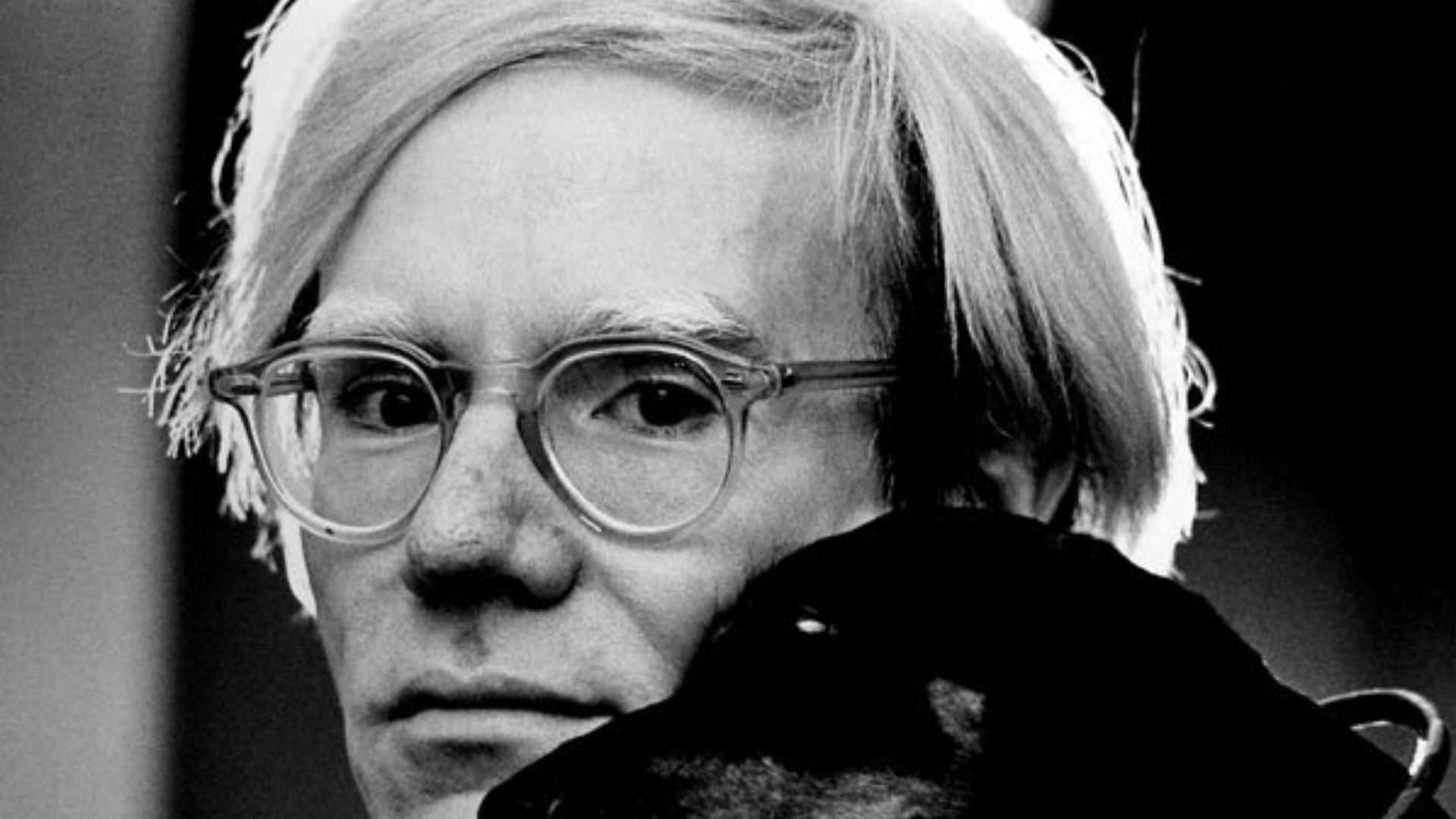
5. Andy Warhol
Warhol’s fascination with celebrity culture, advertising, and mass production reflected the consumer-driven atmosphere of the 1960s. His pop art transformed ordinary commercial imagery into fine art in ways that mirrored modern media culture.
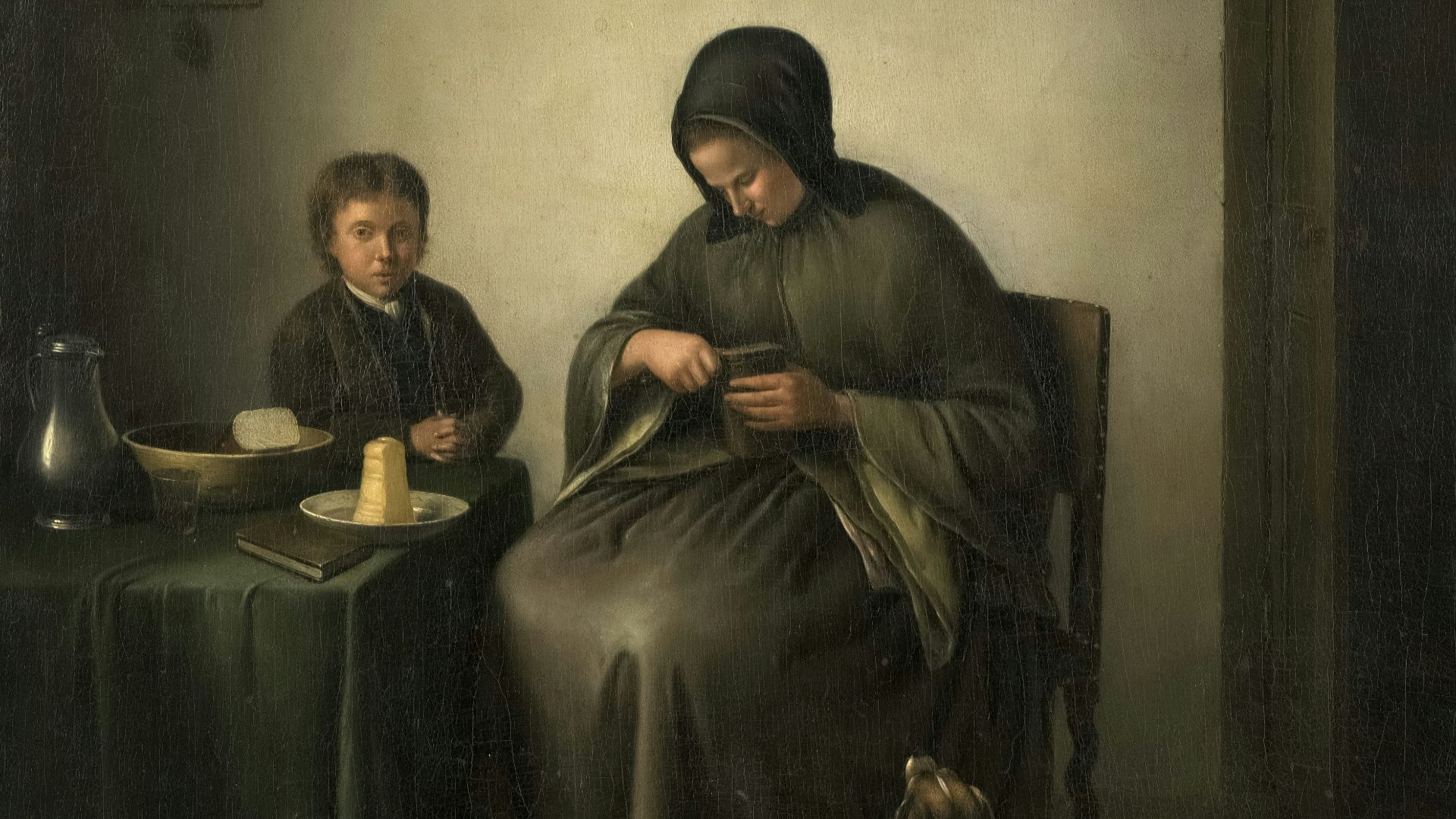
6. Johannes Vermeer
Vermeer’s quiet domestic scenes reflected the growing middle-class prosperity of the Dutch Golden Age during the seventeenth century. His paintings emphasized everyday interiors, careful detail, and calm realism instead of dramatic religious scenes.
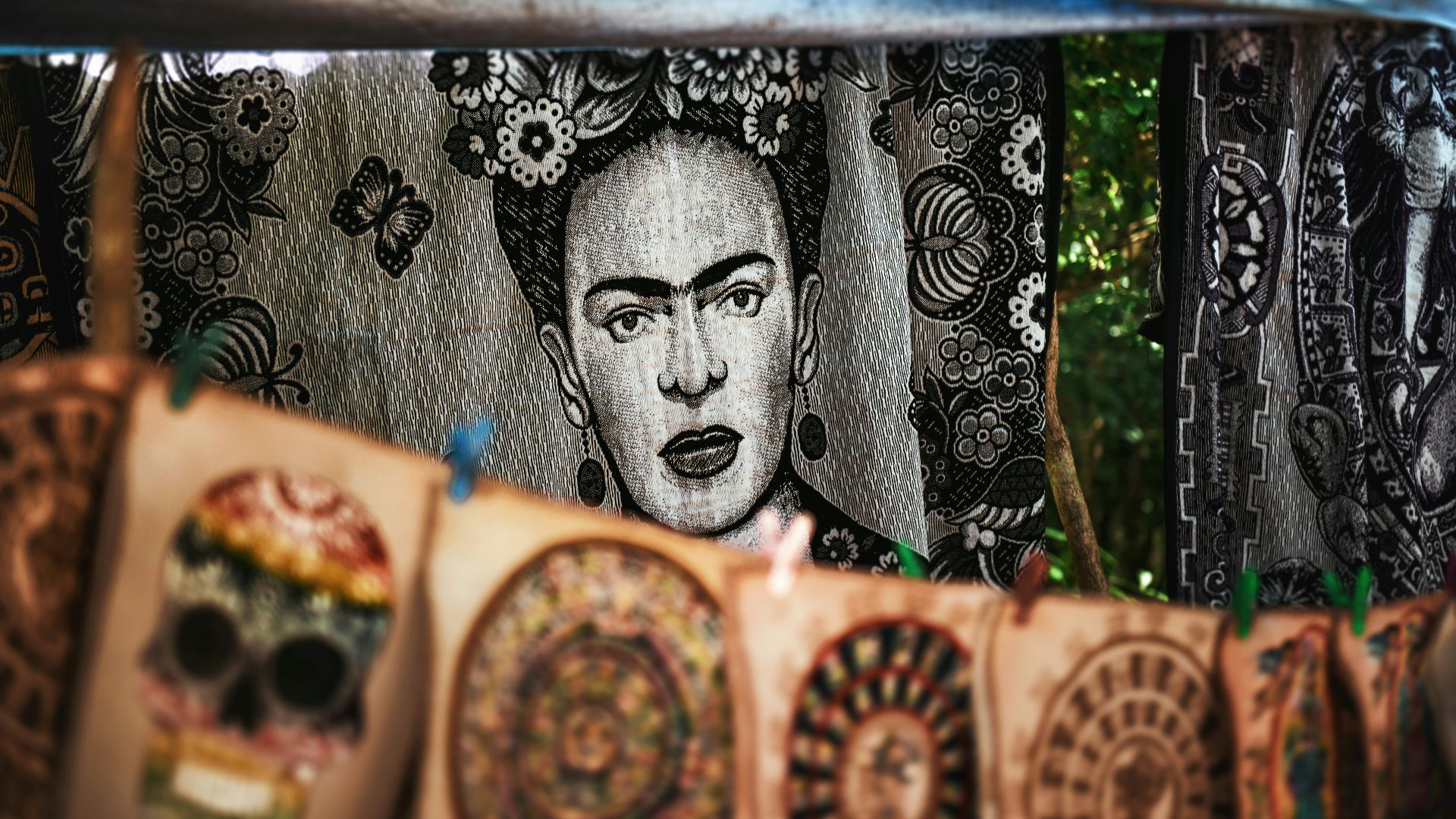
7. Frida Kahlo
Kahlo’s work reflected the cultural nationalism and political identity emerging in post-revolutionary Mexico. Her paintings blended personal experiences with Mexican folk traditions, symbolism, and political themes.
8. Édouard Manet
Manet captured the changing atmosphere of nineteenth-century Paris through paintings that focused on modern urban life. Cafés, crowded streets, and ordinary social interactions became central subjects in his work.
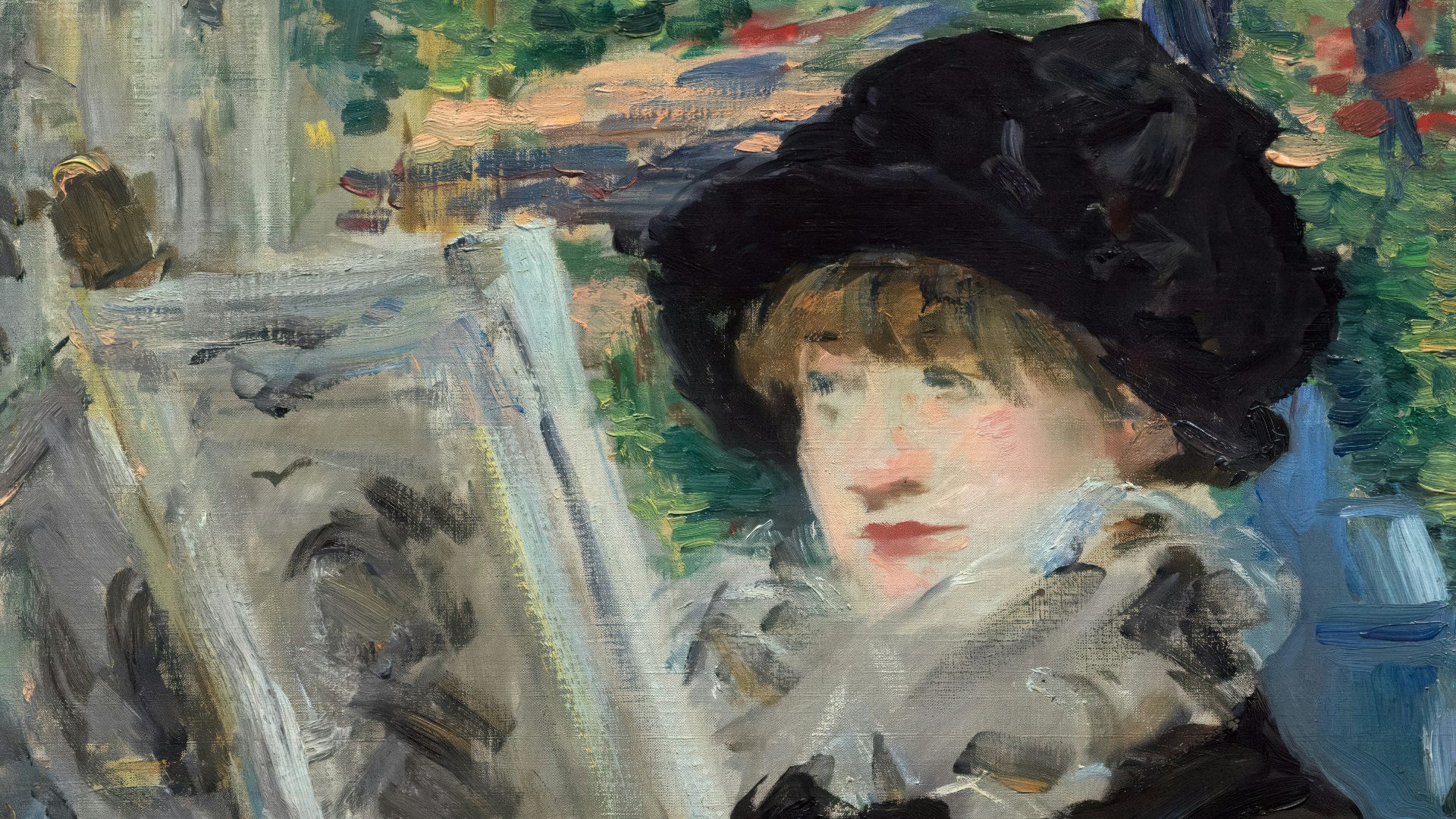 Art Institute of Chicago on Unsplash
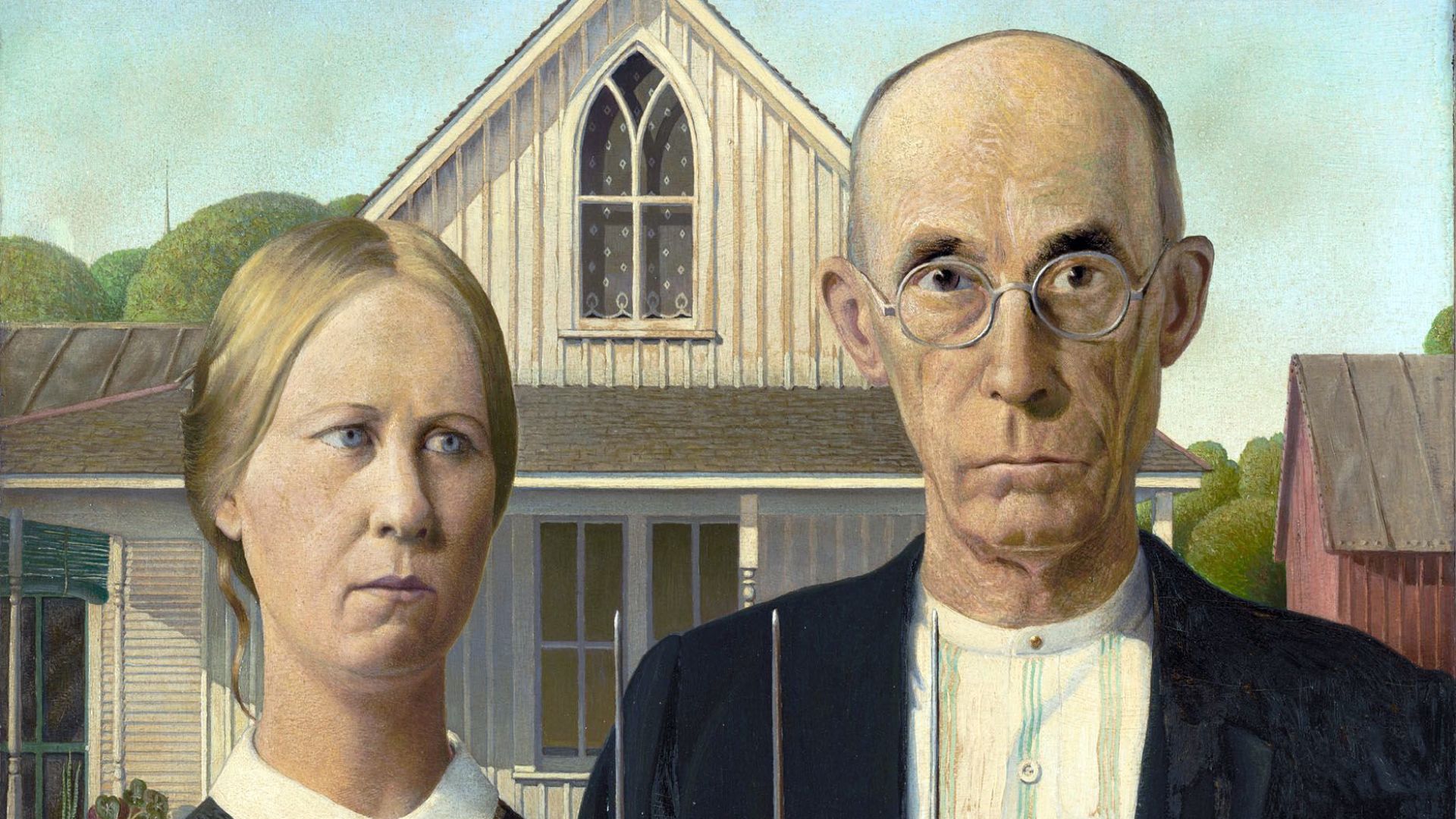
9. Grant Wood
Wood’s paintings reflected rural American life during the Great Depression with highly recognizable imagery and realism. His work emphasized regional identity and agricultural communities during a period of economic uncertainty.
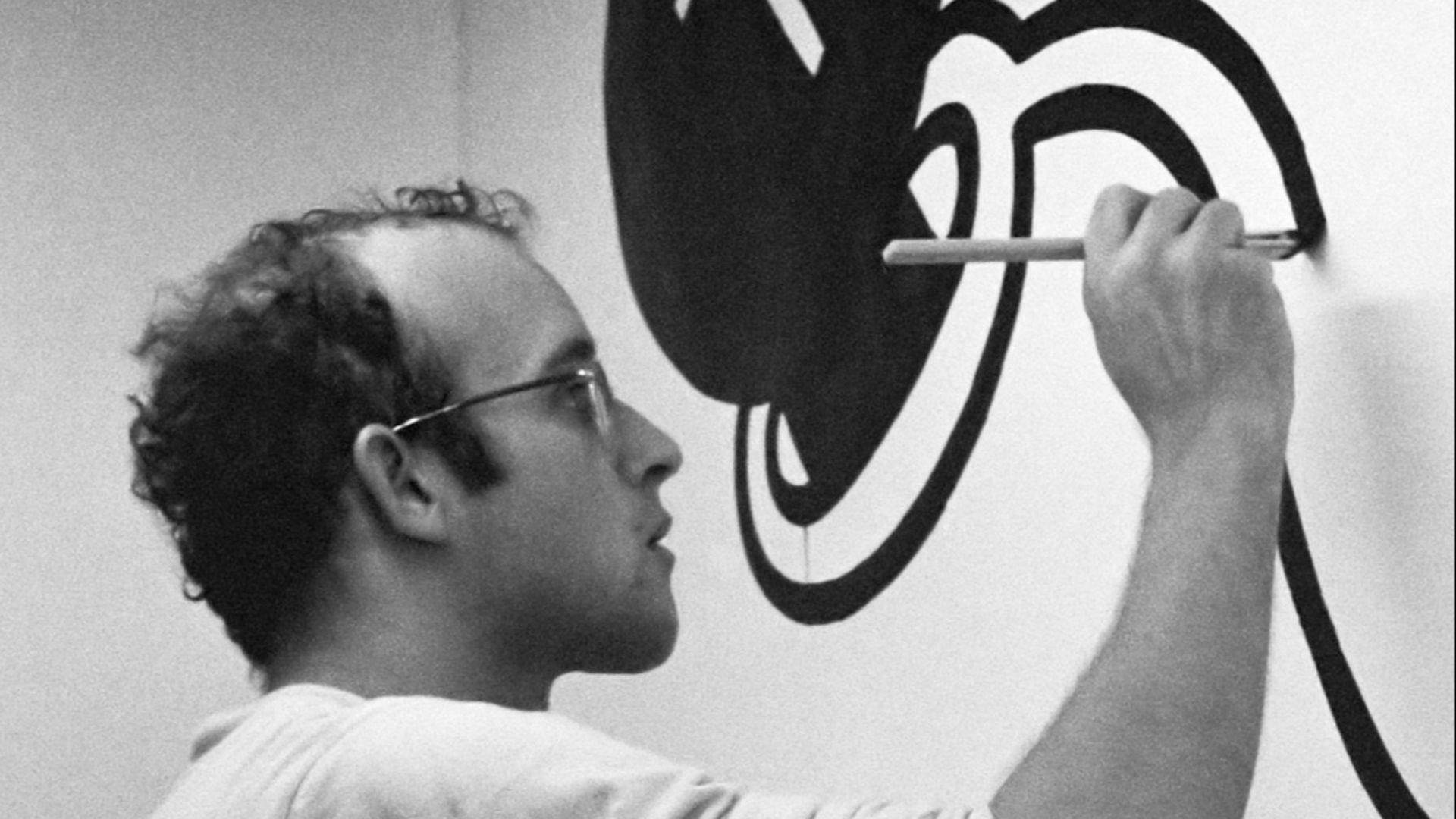
10. Keith Haring
Haring’s energetic figures and bold public murals reflected the street culture and activism of 1980s New York City. His work addressed issues like AIDS awareness, inequality, and social justice while remaining visually accessible to large audiences.
KEEP ON READING

From Heroes To Zeroes 20 Historical Figures Whose Heroism Was…
History is full of legends, but not every hero lived…
By Noone Feb 25, 2026
The Clueless Crush: How I Accidentally Invited a Hacker Into…
Fluorescent Lights and First Impressions. My name is Tessa, I'm…
By Ali Hassan Nov 4, 2025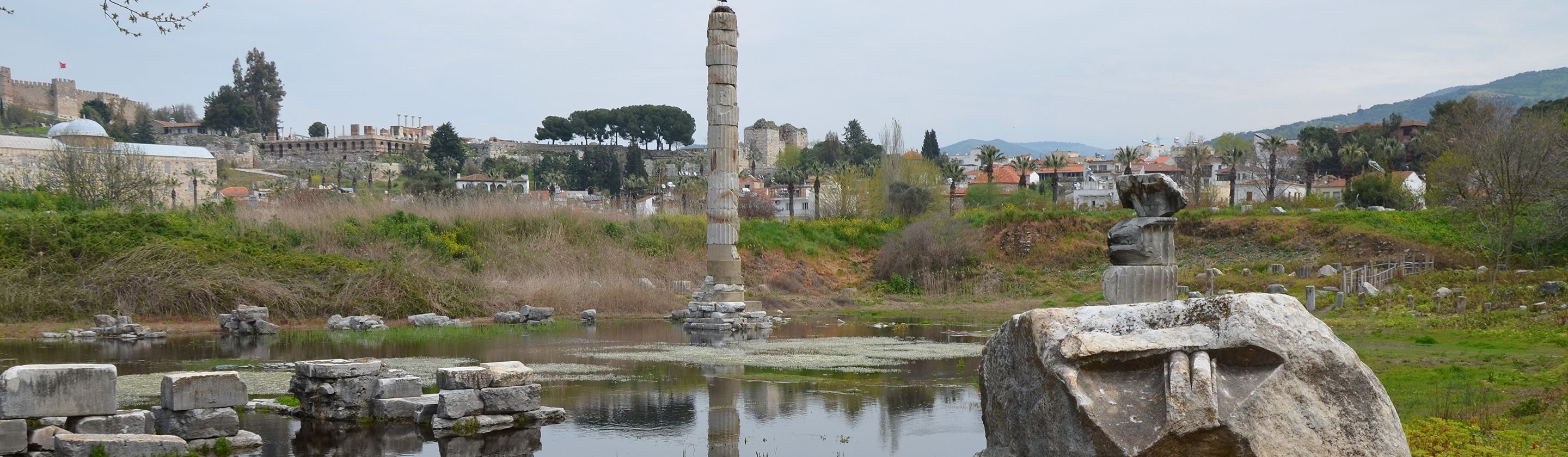
This Infamous Ancient Greek Burned Down An Ancient Wonder Just…
History remembers kings and conquerors, but sometimes, it also remembers…
By David Davidovic Nov 12, 2025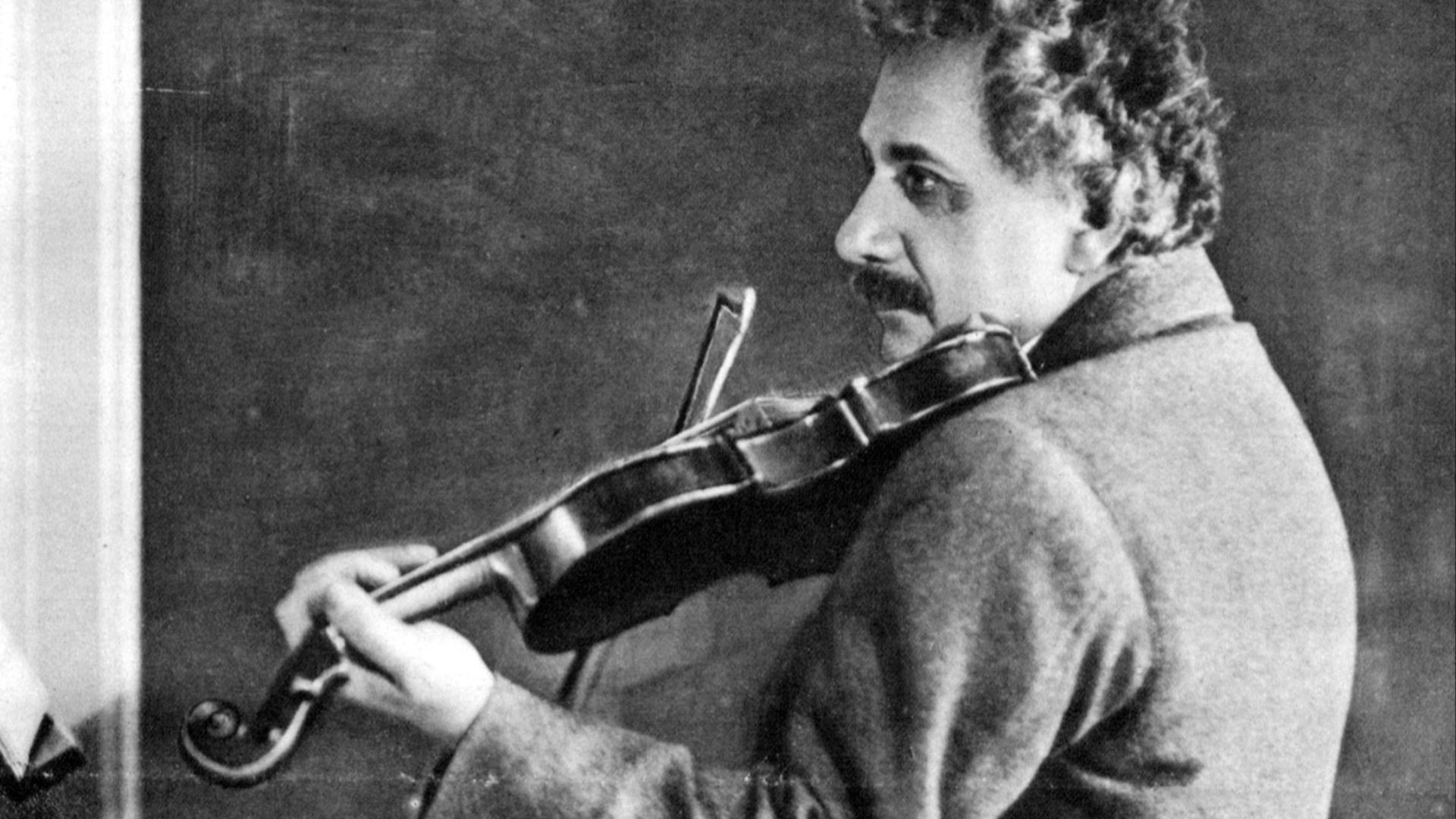
Einstein's Violin Just Sold At An Auction—And It Earned More…
A Visionary's Violin. Wanda von Debschitz-Kunowski on WikimediaWhen you hear…
By Ashley Bast Nov 3, 2025
The Mysterious "Sea People" Who Collapsed Civilization
3,200 years ago, Bronze Age civilization in the Mediterranean suddenly…
By Robbie Woods Mar 18, 2025
20 Historical Monuments That Cost Absurd Amounts Of Money
Price Tags With A Pulse. Monuments have a funny way…
By Cameron Dick May 14, 2026