
There have been many curious medical techniques introduced by our ancestors, but one that tickles scientists' brains (and other experts alike) the most is trepanation. This method, which involves drilling a hole into the cranium, is one of the oldest and well-known surgical practices that we know of, but why did our ancestors do it?
As you'll see, trepanation isn't as absurd as it seems on the surface, and it was practiced for many reasons all throughout the world. In fact, it's still performed today on patients by neurosurgeons, even though the technique is now under a different name. Read on to learn more about this peculiar ancient medical practice.
What Is Trepanation?
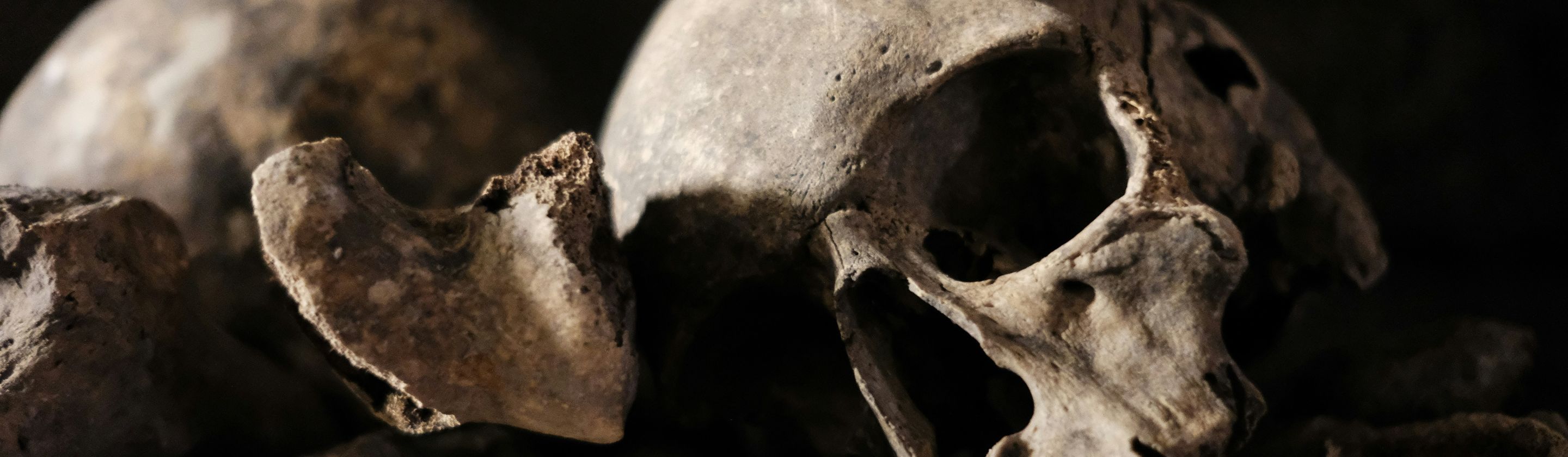
Trepanation, also known as trephination and trepanning, is one of the oldest surgical practices known to mankind, and involves drilling a hole into the skull with a sharp instrument. It has been used since prehistoric times—more than 5,000 years ago—to treat an array of head injuries, such as head trauma, headaches, epilepsy, and even mental illnesses.
In a study published in 2015, more than 1,500 trepanned skulls were found across the globe, including throughout Europe, Scandinavia, and North America, and in Russia, China, and several countries in South America, particularly Peru. It was a popular form of treatment, and one that was largely administered until the 16th century. In China, it's believed to have been widely practiced for spiritual and therapeutic reasons.
Why Was It Practiced?

Drilling a hole into the skull might seem absurd, but trepanation wasn't a well-known and widely practiced procedure for nothing. In ancient times, many believed that the technique would help relieve pain and intracranial pressure, and resolve conditions like epilepsy and mental disorders. Experts also claim that our ancestors may have first administered the method on animals, as some skulls of boars and cows bear distinct trepanation marks.
As mentioned, trepanation wasn't only performed for medical reasons. In some cultures, it was used for spiritual, magical, or religious reasons, where trepanning was thought to be able to free people from the evils that were torturing them. In some groups, such as Hungarian populations, it seemed to have even been done for ritual reasons after death.
This Procedure Isn't Yet Extinct
Despite the strangeness of this ancient procedure, trepanation has still been performed in modern times. However, there's a different name for it: craniotomy. Similar to trepanning, craniotomy involves removing a part of the patient's skull to access the brain. The only difference? The bone piece that's removed is placed back. Surgeons also only perform this type of procedure to relieve certain conditions, such as a brain tumor, lesion, or aneurysm.
This goes to show that our ancestors might have been on the right track, even if they hadn't yet mastered the technique to ensure the success of every surgery. One thing to keep in mind, though, is that this technique isn't meant to be taken lightly, nor should it ever be practiced on oneself.
KEEP ON READING