


The Origin Of Santa Claus And How He Became Our Christmas Icon
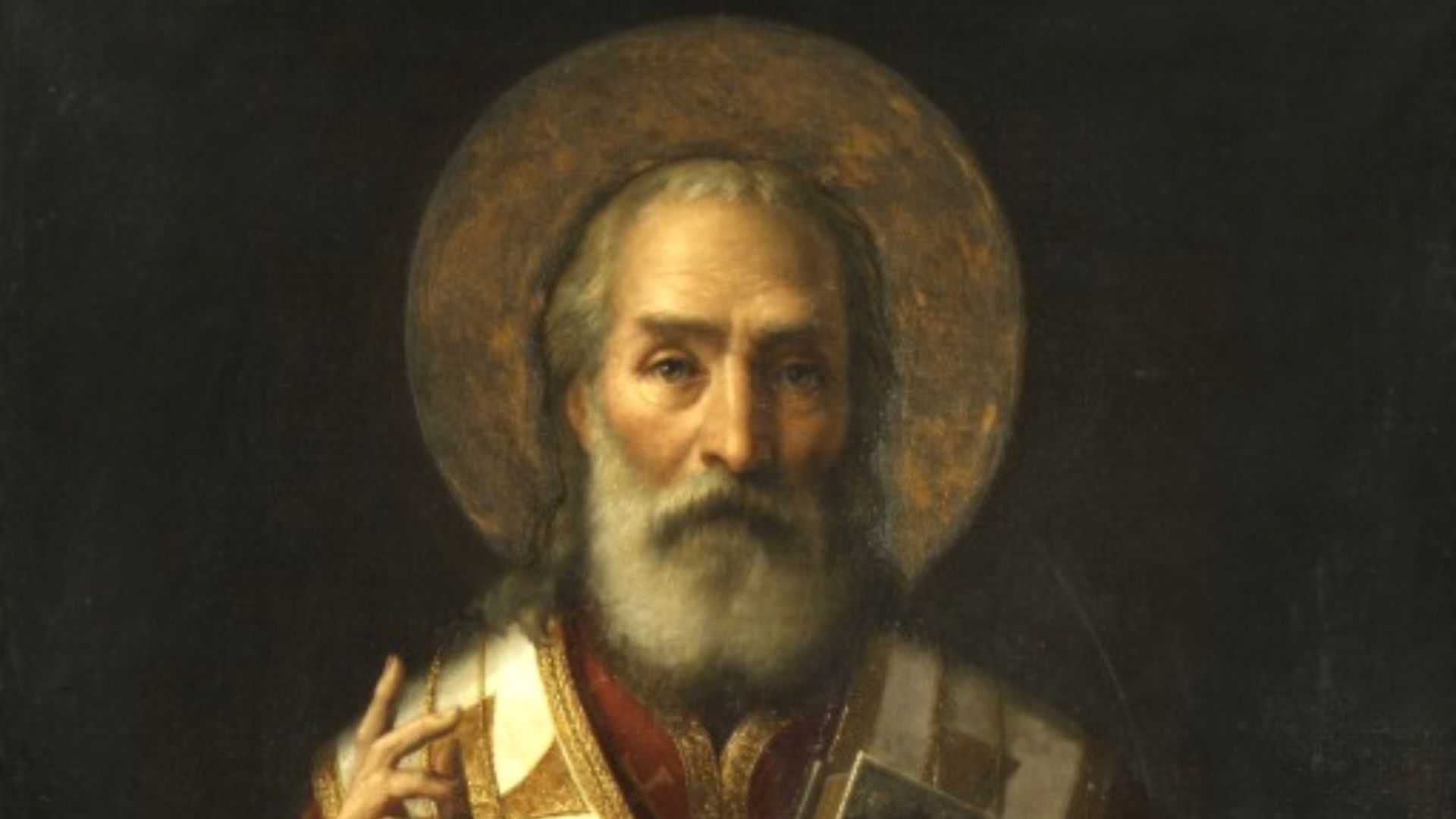
Every December, a red-suited figure with a white beard slides down chimneys worldwide, leaving gifts and embodying holiday magic. But Santa Claus didn't always look like this, and he certainly didn't start in the North Pole. The story of how a Turkish bishop from the 3rd century turned into our modern Christmas icon is a wild journey spanning continents, centuries, and even corporate marketing campaigns.
Let's unwrap the true history behind the man who defines Christmas.
Turkish Bishop To Legendary Gift-Giver
Long before Santa Claus became the jolly man in red we know today, there lived a real person named Nicholas in the ancient city of Myra, located in what's now Turkey. Born around 280 AD to wealthy parents, Nicholas became known for his extraordinary generosity and deep Christian faith. When his parents died during an epidemic, he inherited their fortune and dedicated his life to helping those in need.
The most famous story tells of Nicholas secretly tossing bags of gold through the window of a poor man's house, saving his three daughters from being sold into servitude. This gold allegedly landed in stockings hanging by the fireplace to dry—sound familiar? Nicholas became a bishop and was later canonized as Saint Nicholas, with his feast day celebrated on December 6th.
Throughout medieval Europe, Saint Nicholas became one of the most beloved saints, particularly in the Netherlands, where he was called "Sinterklaas." Dutch settlers brought these traditions to America in the 1600s, planting the seeds for Santa's eventual transformation into something entirely new.
Making Of A Modern Icon
Santa Claus as we recognize him today emerged through a fascinating blend of literature, art, and commerce during the 19th century. In 1823, Clement Clarke Moore's poem A Visit from St. Nicholas—better known as Twas the Night Before Christmas—revolutionized the saint's image completely. Moore introduced the sleigh, the eight reindeer with names, and those famous chimney visits.
He described a "right jolly old elf" with a round belly who traveled on Christmas Eve rather than December 6th, shifting the entire celebration. Political cartoonist Thomas Nast took this further in the 1860s and 1870s, illustrating Santa for Harper's Weekly magazine. Nast gave us the North Pole workshop, elves as helpers, the naughty-and-nice list, and Santa's iconic red suit trimmed with white fur.
Before Nast's work, Santa appeared in various colors, including blue, green, and brown. The rotund, grandfatherly figure with rosy cheeks and a white beard became standardized through Nast's influential drawings, which appeared annually and captured America's imagination during the post-Civil War era.
Coca-Cola And Global Domination

While Coca-Cola didn't invent the red-suited Santa, their massive advertising campaigns starting in 1931 cemented his image worldwide.
Artist Haddon Sundblom created warm, realistic paintings of Santa for Coca-Cola that appeared in magazines, billboards, and store displays for over three decades. These advertisements reached millions globally, making Santa's appearance remarkably consistent across cultures.
KEEP ON READING
The 20 Most Recognized Historical Figures Of All Time
The Biggest Names In History. Although the Earth has been…
By Cathy Liu Oct 4, 2024
10 of the Shortest Wars in History & 10 of…
Wars: Longest and Shortest. Throughout history, wars have varied dramatically…
By Emilie Richardson-Dupuis Oct 7, 2024
10 Fascinating Facts About Ancient Greece You Can Appreciate &…
Once Upon A Time Lived Some Ancient Weirdos.... Greece is…
By Megan Wickens Oct 7, 2024
20 Lesser-Known Facts About Christopher Columbus You Don't Learn In…
In 1492, He Sailed The Ocean Blue. Christopher Columbus is…
By Emilie Richardson-Dupuis Oct 9, 2024
20 Historical Landmarks That Have The Craziest Conspiracy Theories
Unsolved Mysteries Of Ancient Places . When there's not enough evidence…
By Megan Wickens Oct 9, 2024
The 20 Craziest Inventions & Discoveries Made During Ancient Times
Crazy Ancient Inventions . While we're busy making big advancements in…
By Cathy Liu Oct 9, 2024