


John Montagu, The Earl Of Sandwich Who Popularized Our Favorite Lunch Food
John Montagu, The Earl Of Sandwich Who Popularized Our Favorite Lunch Food
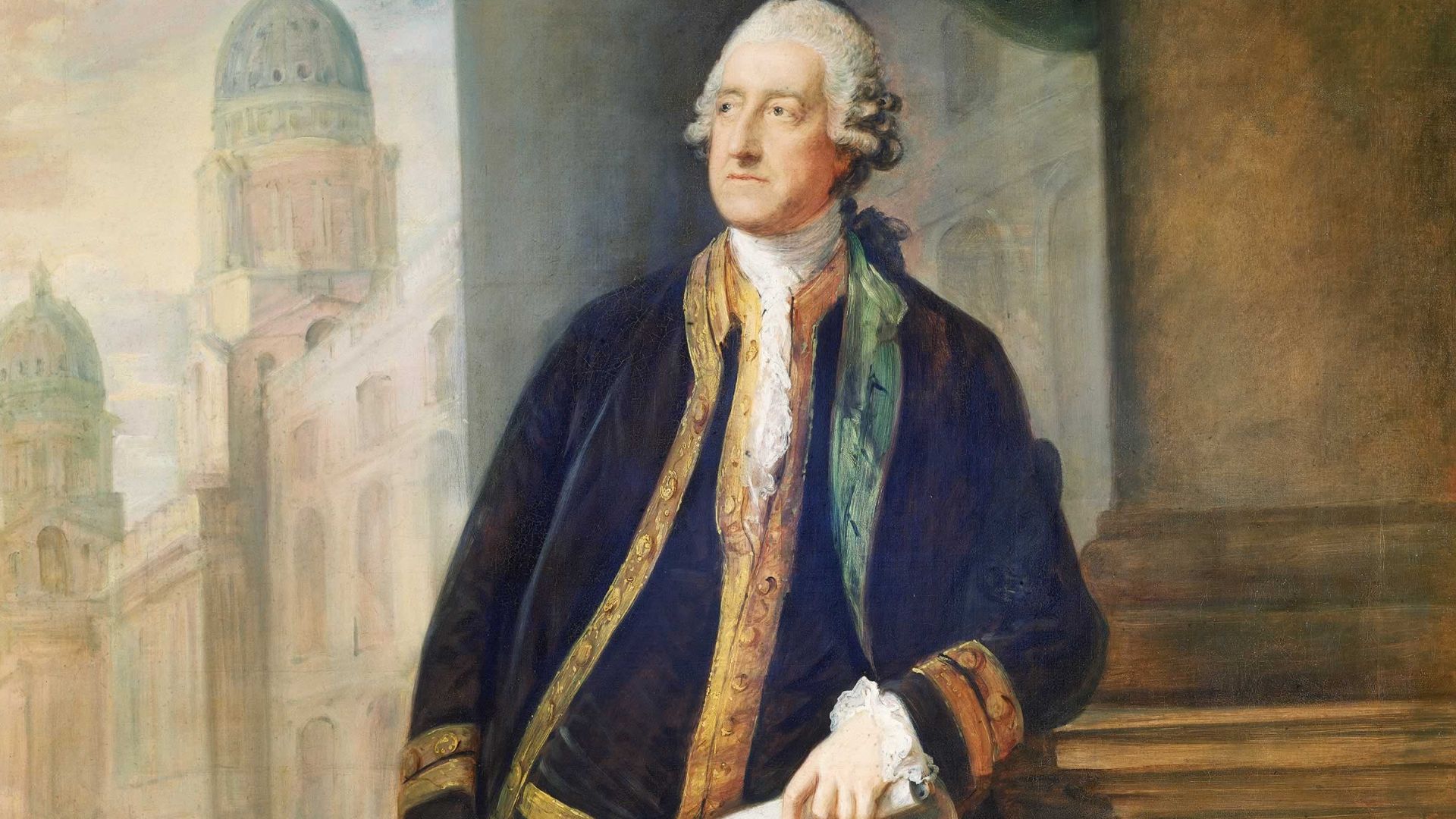 Thomas Gainsborough on Wikimedia
People reach for sandwiches without thinking about the long path that led to that quick bite. The story involves eighteenth-century England, late-night card games, and a nobleman whose eating habits surprised his peers.
Once you see how his routine turned into a global staple, the next lunch you make will feel a little more historic. Settle in, because the real story behind the sandwich is far more interesting than its simple name suggests.
A Nobleman With Unusual Eating Habits
John Montagu, the Fourth Earl of Sandwich, lived in a time when formal meals ruled English high society. He didn’t always follow those routines. His political roles kept him busy, and he often preferred something quick instead of sitting down for a long meal.
People later told a story about Montagu asking for meat between pieces of bread so he could keep working or socializing without stopping to eat. He liked food he could pick up easily and eat without much fuss.
Montagu had also spent time traveling around the Mediterranean, where simple combinations of bread and fillings were already part of everyday life. When he returned to London and ordered bread with meat inside, he may have been asking for something familiar. Whatever inspired it, his preference for a hand-held meal quickly became well known among those around him.
How Montagu’s Snack Became Everyone’s Sandwich
Montagu’s habit didn’t stay private for long. In the gentlemen’s clubs where he spent time, other members began ordering “the same as Sandwich.” Staff started referring to the request as a “sandwich,” and the name stuck.
By the 1760s, the word appeared in print, and people outside those clubs began using it too. The idea fit neatly into a moment when cities were growing fast, and daily life was speeding up. Once the concept spread, people quickly made it their own. Cooks added cheese, vegetables, spreads, and anything else they had on hand. The sandwich shifted from one man’s preference to a flexible meal that worked in homes and street stalls.
The Sandwich Crosses The Atlantic

Americans embraced the sandwich not long after. Immigrants brought their bread styles and family recipes, and the sandwich blended easily with those traditions. Different regions soon created their own versions. New York delis stacked meats high. New Orleans built the muffuletta. The South found a place for pimento cheese sandwiches at gatherings. Each one added a local spin to an idea that had started as a small request in London.
As grocery stores grew and sliced bread became common, the sandwich became part of everyday American life. The sandwich turned into a dependable meal people could build from whatever they had at home. John Montagu never planned to influence how future generations ate. He simply favored a meal that made busy days a little easier. Yet his name ended up attached to one of the most familiar foods in the world.
KEEP ON READING

20 Weirdest Historical Objects in Museums
Check Out the Pickled Heart of a Saint. Museums carry…
By Rob Shapiro Oct 1, 2025
20 Scariest Missing Persons Cases in History
Eerie Disappearances. There's something uniquely unsettling about a person who…
By Christy Chan May 1, 2026
20 Greatest Ancient Athletes In History
Ancient Olympics. Long before modern stadiums and multimillion-dollar endorsements, athletes…
By Sara Springsteen May 1, 2026
10 Phenomenal Mythical Creatures & 10 That Are Just Plain…
Legends Both Majestic And Peculiar. Do you ever wonder why…
By Chase Wexler Oct 1, 2025
10 Presidents Who Never Served In The Military & 10…
Commanders And Civilians In Office. Power can rise from very…
By David Davidovic Sep 1, 2025
20 Wars That Could Have Ended Much Sooner Than They…
Wars That Lasted Far Too Long. Wars are often remembered…
By David Davidovic Sep 1, 2025