


Failure Often Comes Before Success
Innovation rarely follows a perfect path, and many groundbreaking ideas start with a rough beginning. Products that eventually changed industries often struggled during their first release because the timing was wrong, the technology needed improvement, or consumers simply weren't ready. In many cases, inventors learned from early setbacks and refined their ideas until they finally worked. These 20 stories show that failure doesn't always mean the end of an invention. Sometimes it's just the first step toward something far more successful.

1. Light Bulbs
Early electric light bulbs didn't work very well and burned out quickly. Thomas Edison and other inventors experimented with thousands of filament materials before finding one that lasted long enough to be practical. Early versions were expensive and unreliable, which limited their adoption.

2. Vacuum Cleaners
Early vacuum cleaners in the late nineteenth century were bulky, expensive machines often operated by teams of workers. Some versions even required horse-drawn carts to power the equipment outside buildings.

3. Telephones
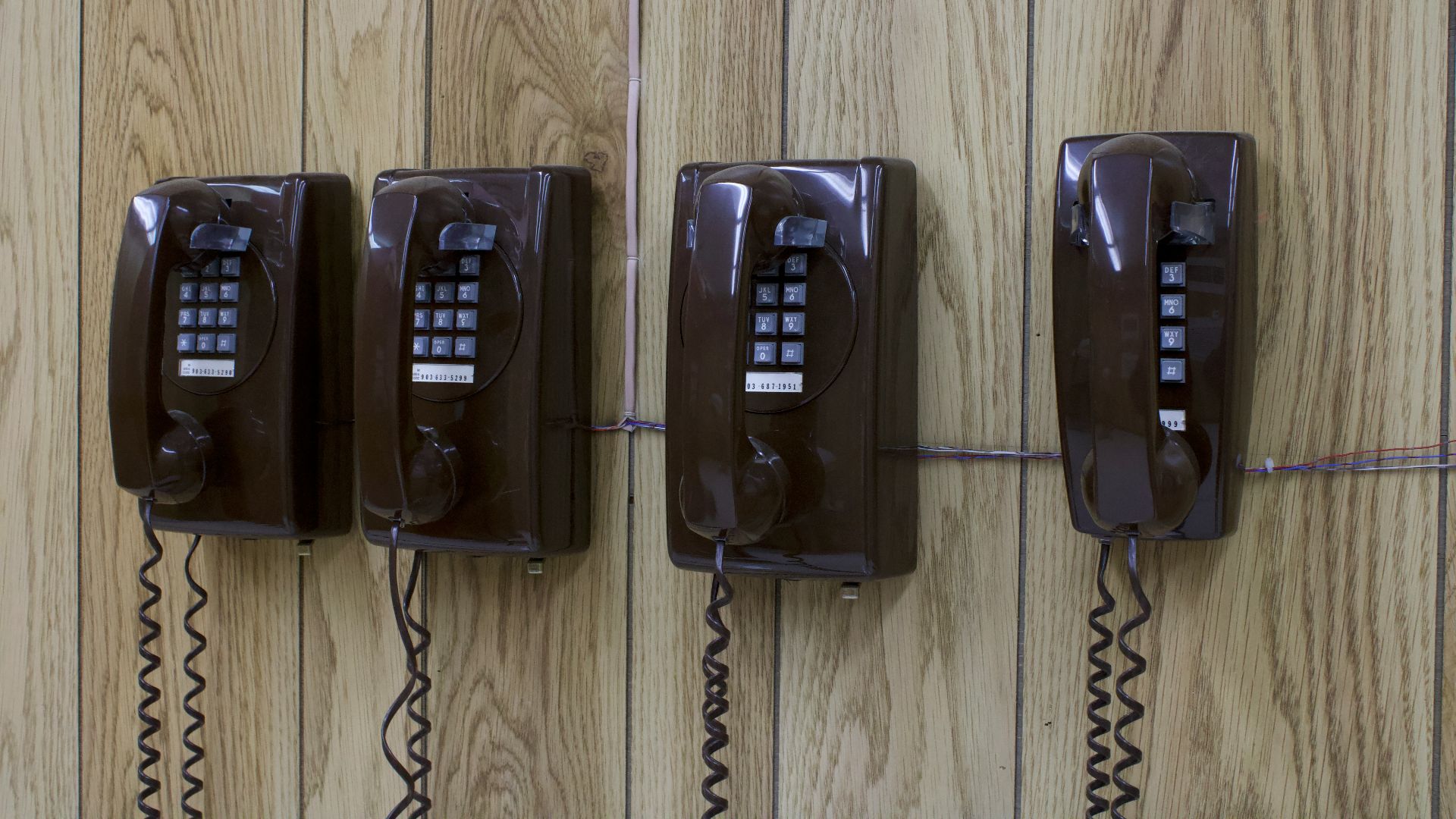
When Alexander Graham Bell introduced the telephone in 1876, many people didn't see its usefulness. Businesses relied heavily on telegraphs, which were already widely established. Early phones also had limited sound quality and short transmission ranges.
4. Airplanes
Early aircraft experiments frequently failed, and many early prototypes couldn't stay airborne for long.
Before the Wright brothers achieved controlled powered flight in 1903, numerous inventors built gliders and engines that simply didn't perform reliably.

5. Television
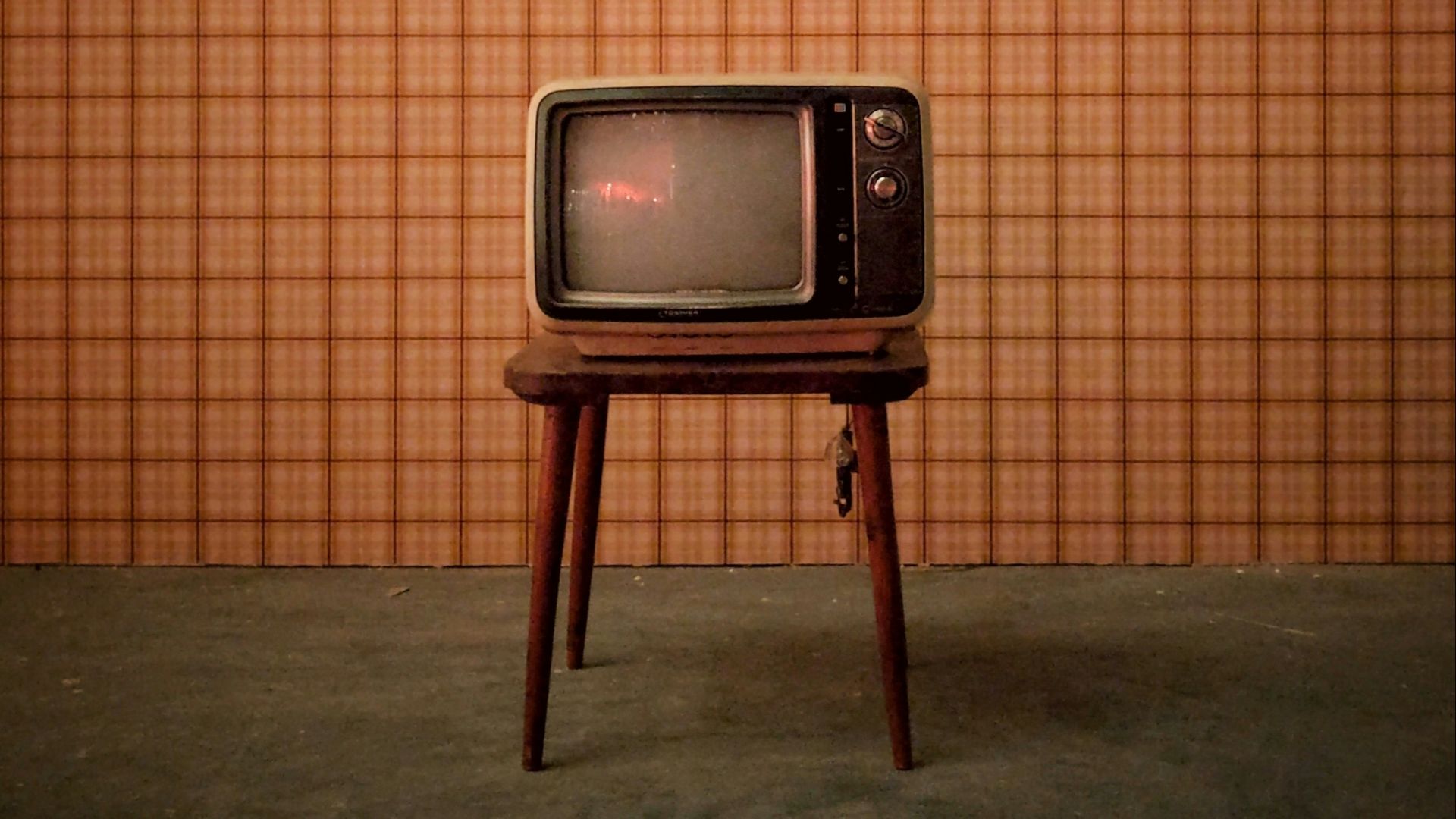
Early television systems in the 1920s produced small, blurry images that were difficult to watch. Mechanical scanning systems also struggled with consistency and reliability. Because broadcasts were limited and equipment was expensive, televisions initially attracted little consumer interest.
6. Personal Computers
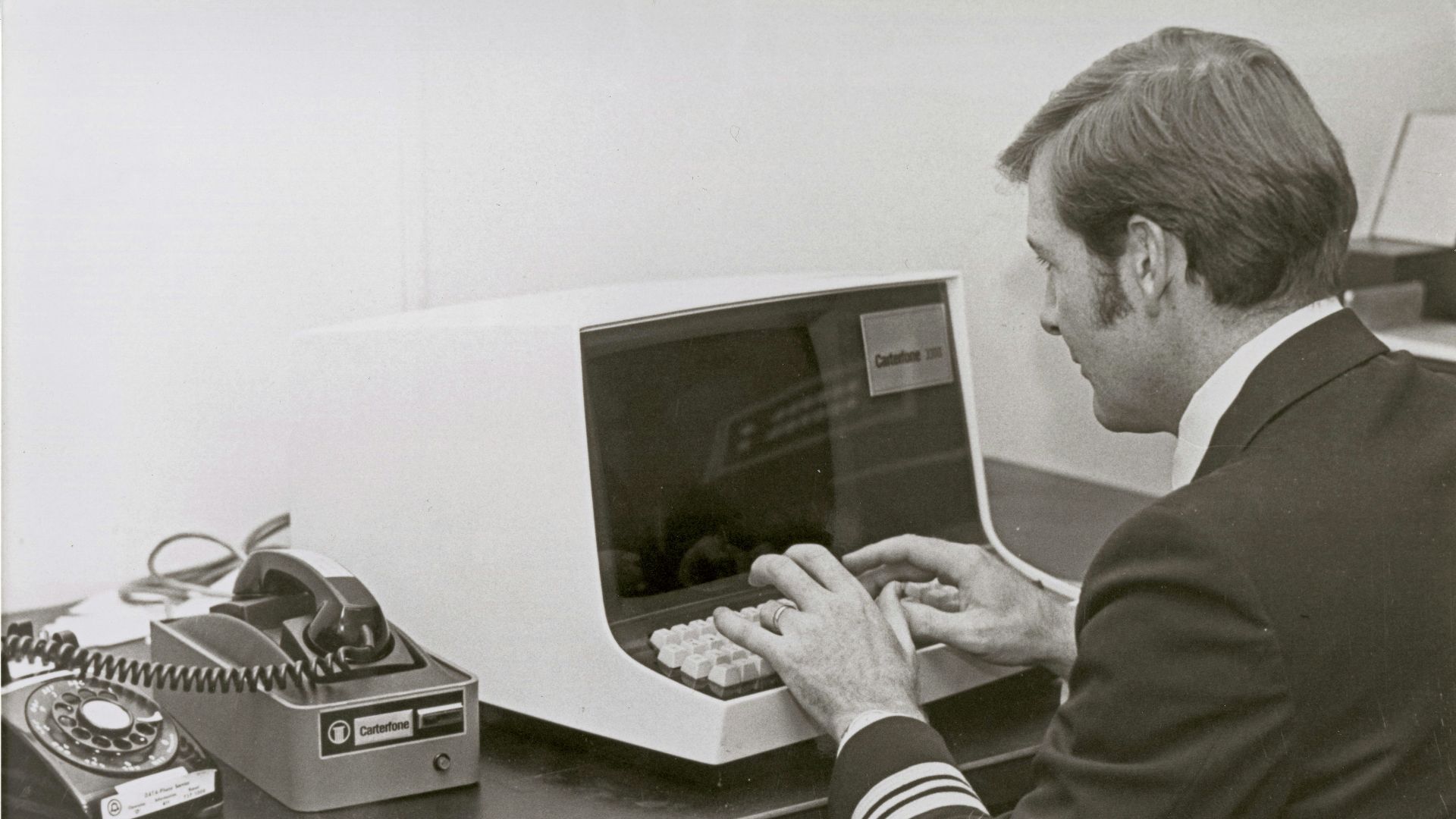
Early personal computers in the 1970s were often sold as kits that required users to assemble and program them themselves. Many people didn't have the technical knowledge needed to operate these machines. As a result, early models appealed mainly to hobbyists rather than the general public. Later designs like the Apple II and IBM PC made computers far easier to use and brought them into homes and offices.
7. Smartphones
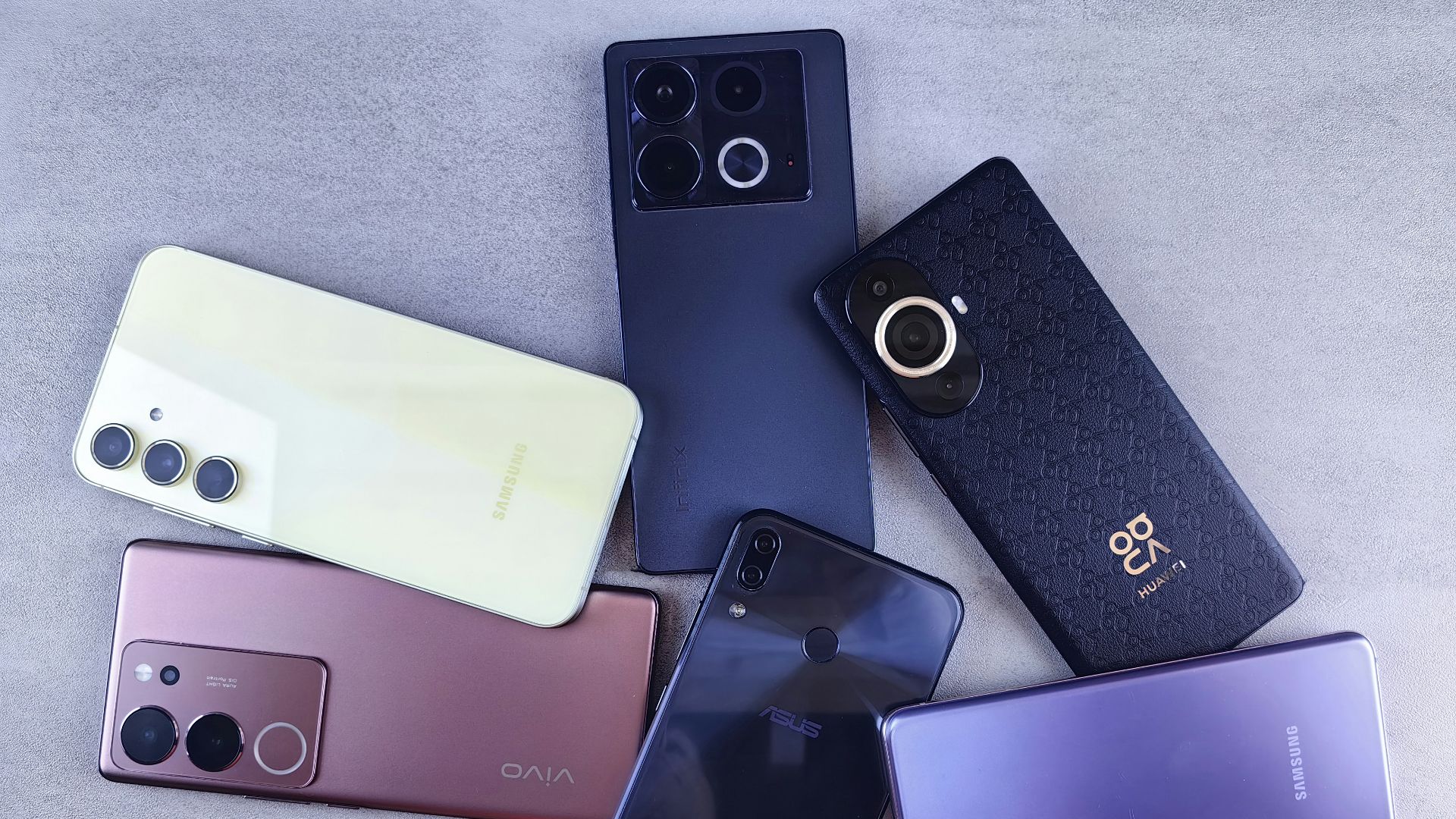
Early smartphone devices in the 1990s tried to combine phones with personal digital assistants, but they were often bulky and difficult to use. Limited battery life and slow wireless networks also created challenges.
8. Electric Cars
Electric cars were actually common in the early 1900s, but struggled to compete with gasoline-powered vehicles. Limited battery range and slow charging made them less practical for long-distance travel. As gasoline infrastructure expanded, electric models largely disappeared from the market.
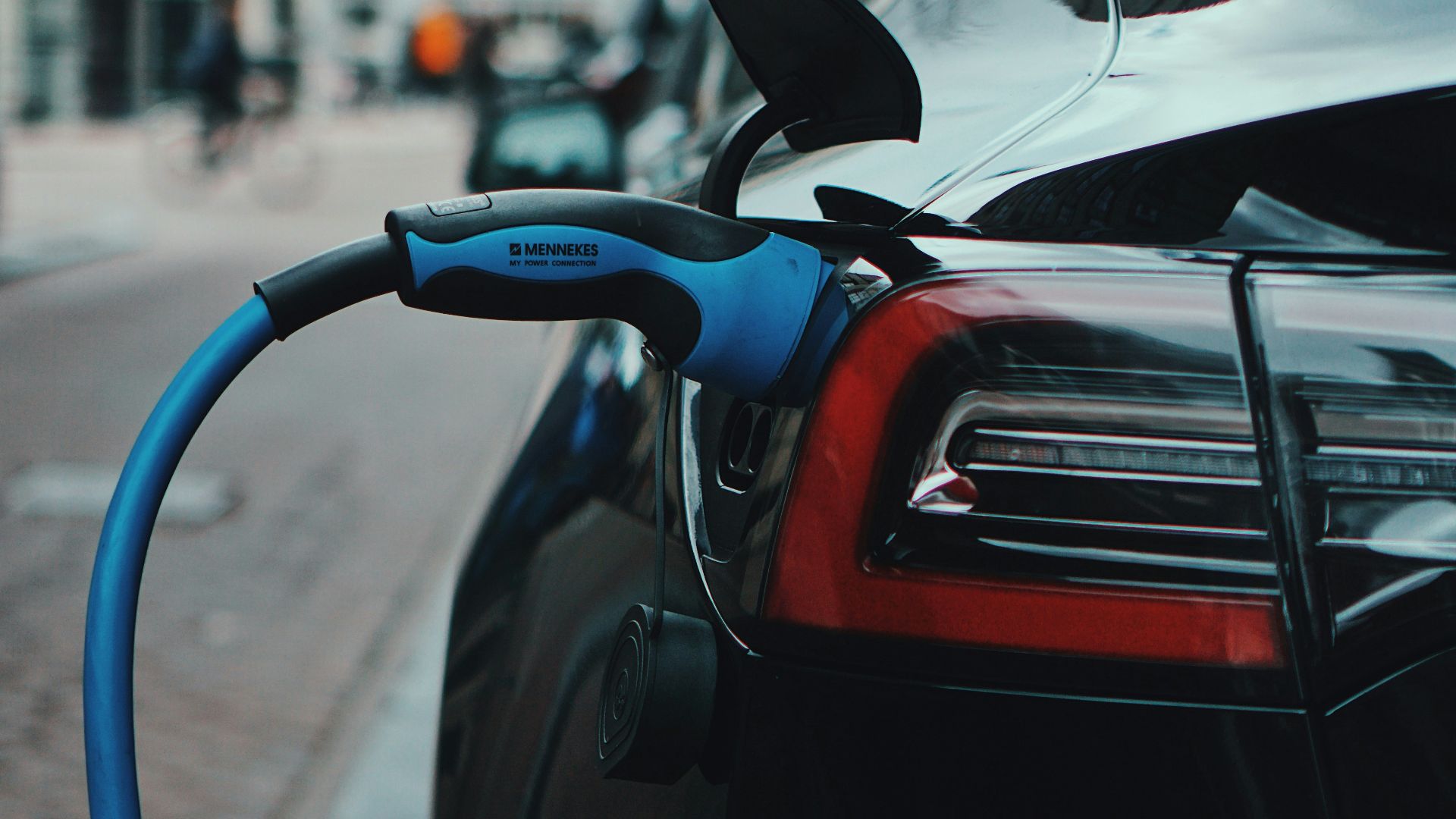 Precious Madubuike on Unsplash
9. Video Game Consoles
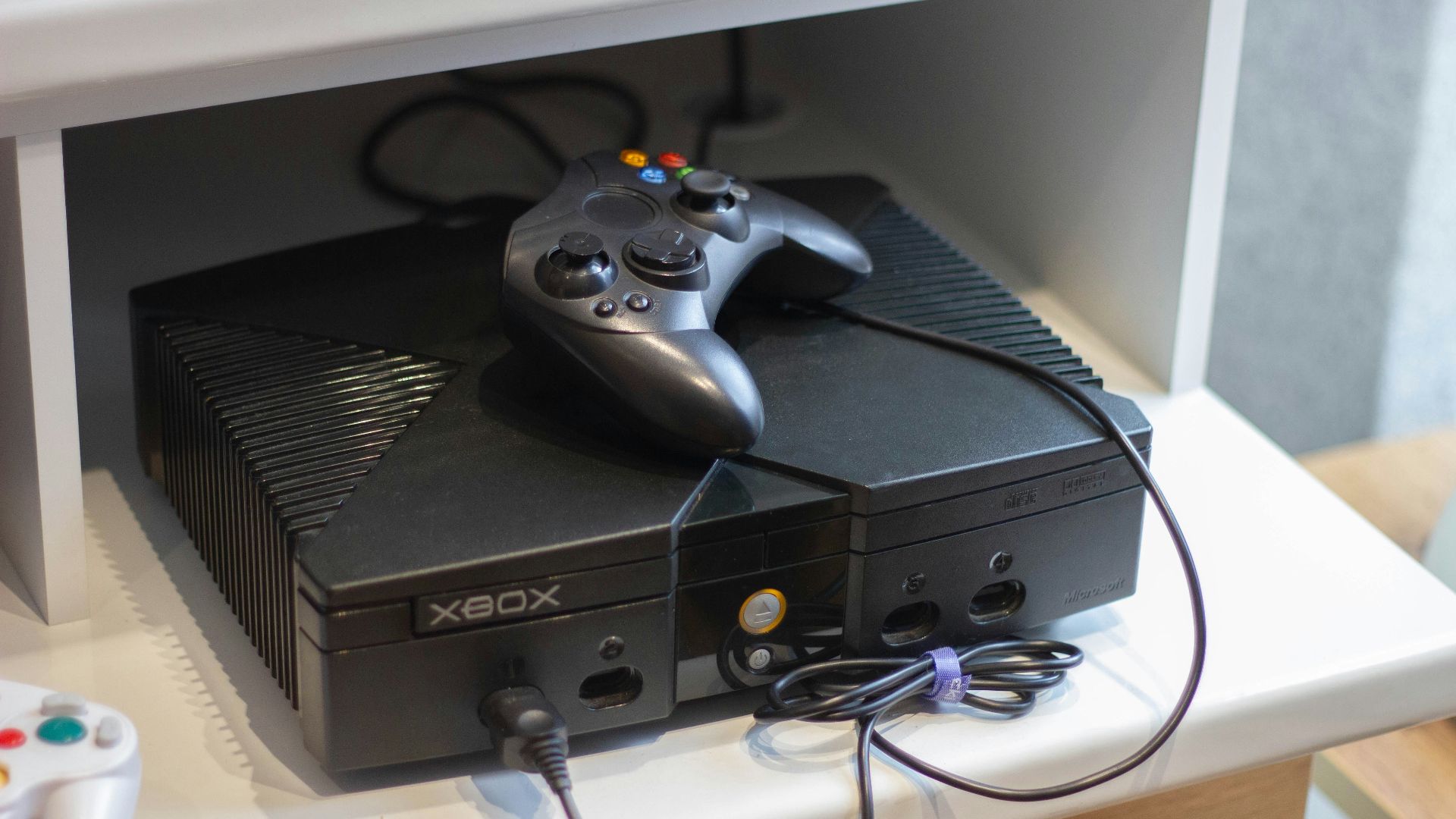
The first home video game consoles appeared in the 1970s, but early systems offered very simple graphics and limited game options.
Some companies released poorly designed consoles that failed commercially. The video game industry even experienced a major crash in 1983 due to oversaturation and low-quality titles.
10. Tablets
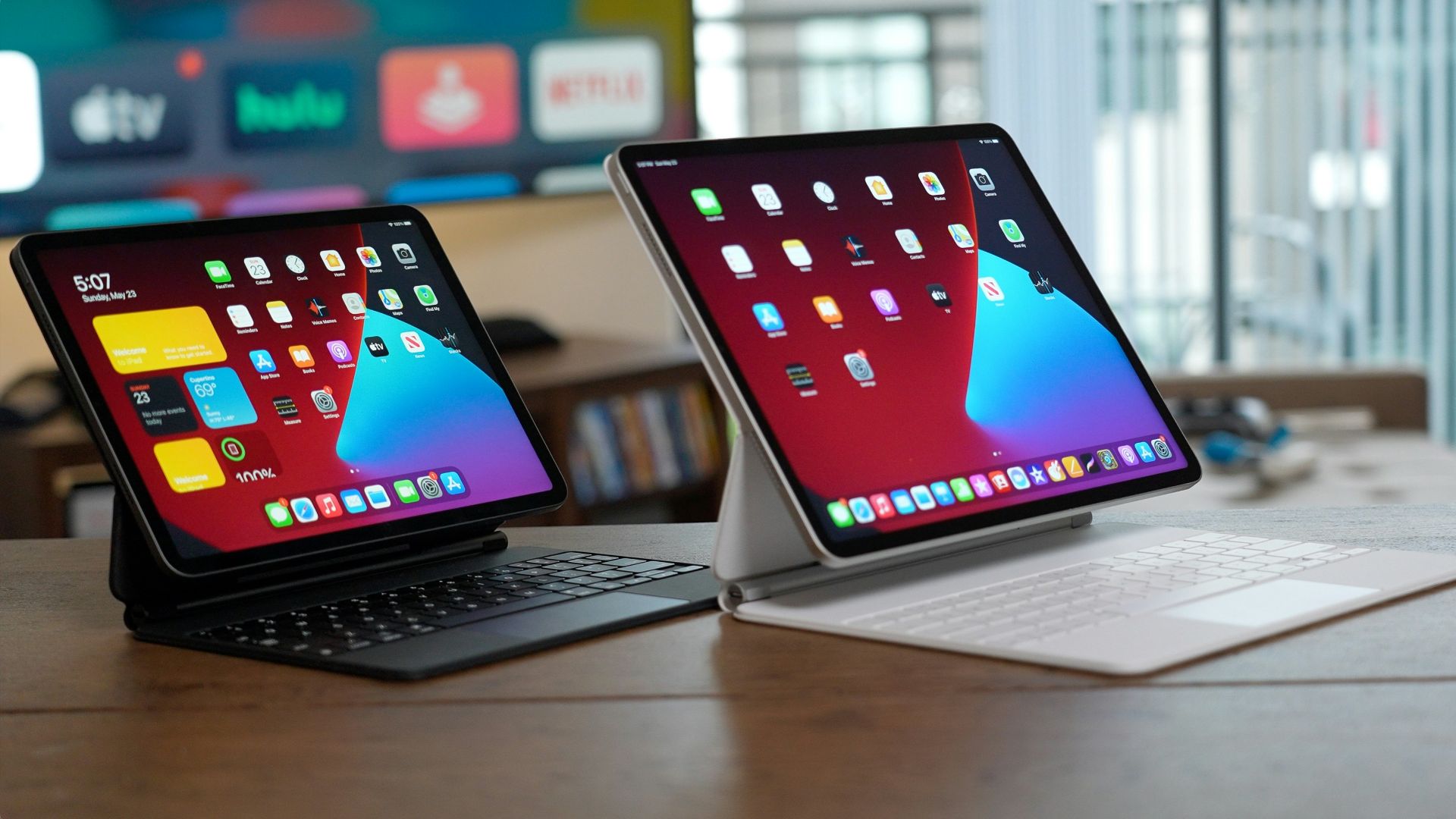
Tablet computers were attempted decades before they became popular. Early devices in the 1990s and early 2000s were heavy, expensive, and lacked useful software. Battery limitations and slow processors also reduced their practicality.
11. Digital Cameras
Early digital cameras in the 1980s and early 1990s produced low-resolution images and stored very few photos. Many photographers preferred traditional film because it offered better quality and reliability. Early models were also expensive and slow to process images. Improvements in sensors and storage eventually made digital photography the dominant format.

12. 3D Movies
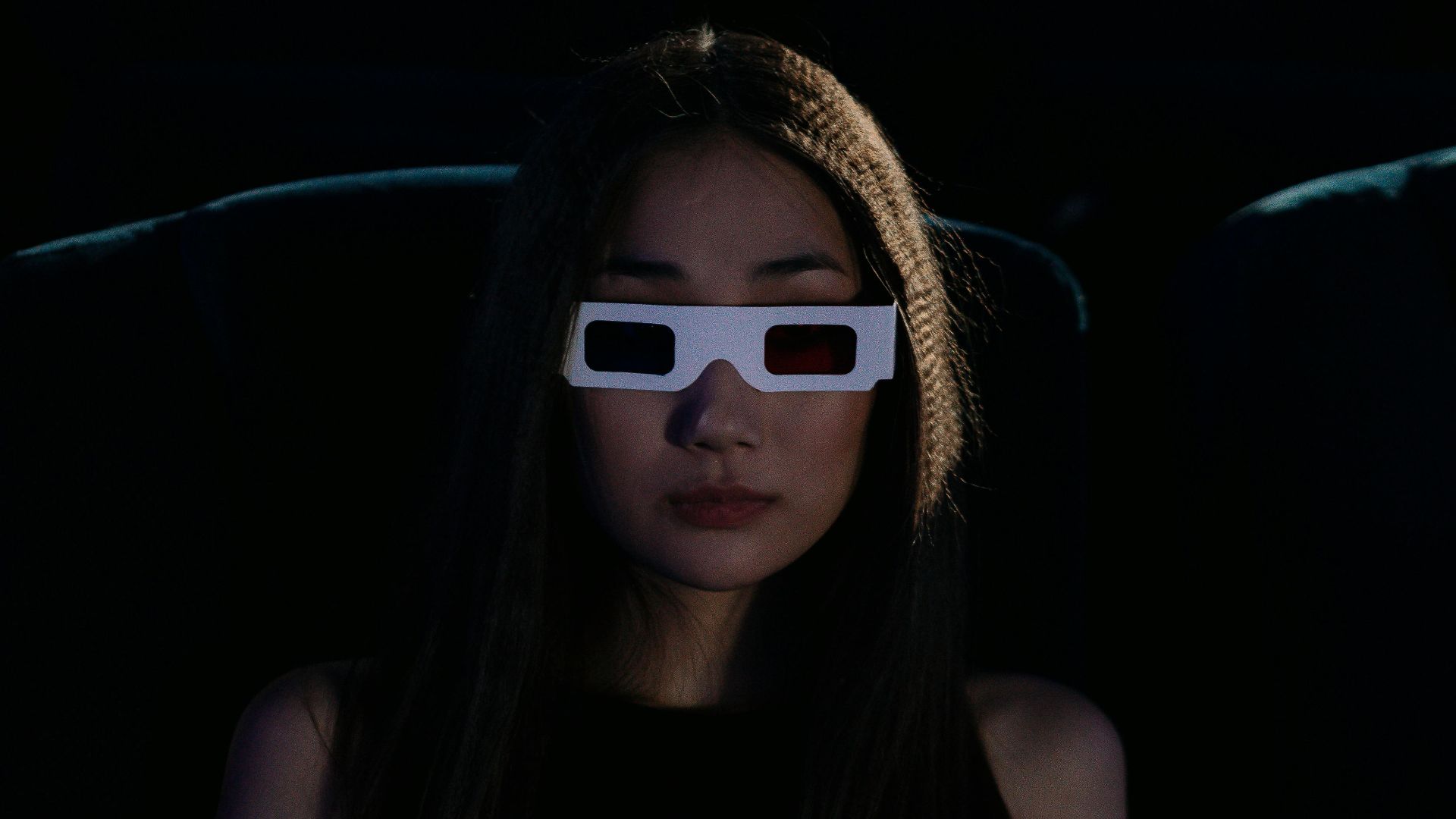
Three-dimensional movies first appeared in the 1950s, but early attempts required uncomfortable glasses and often caused eye strain. The technology also suffered from projection problems that reduced image quality. Because of these issues, the format quickly lost popularity. Modern digital projection and improved glasses revived interest in 3D films decades later.
13. E-Readers
Electronic reading devices appeared long before they became widely accepted. Early versions in the 1990s had short battery life and difficult-to-read displays. Without large digital book libraries, they didn't offer much value to readers. The introduction of e-ink displays and online bookstores helped modern e-readers succeed.

14. Streaming Video
Early streaming technology in the late 1990s struggled with slow internet speeds and buffering issues. Video quality was often low, which discouraged widespread use. Many viewers still relied on DVDs and broadcast television. As broadband internet improved, streaming services eventually became the dominant entertainment platform.

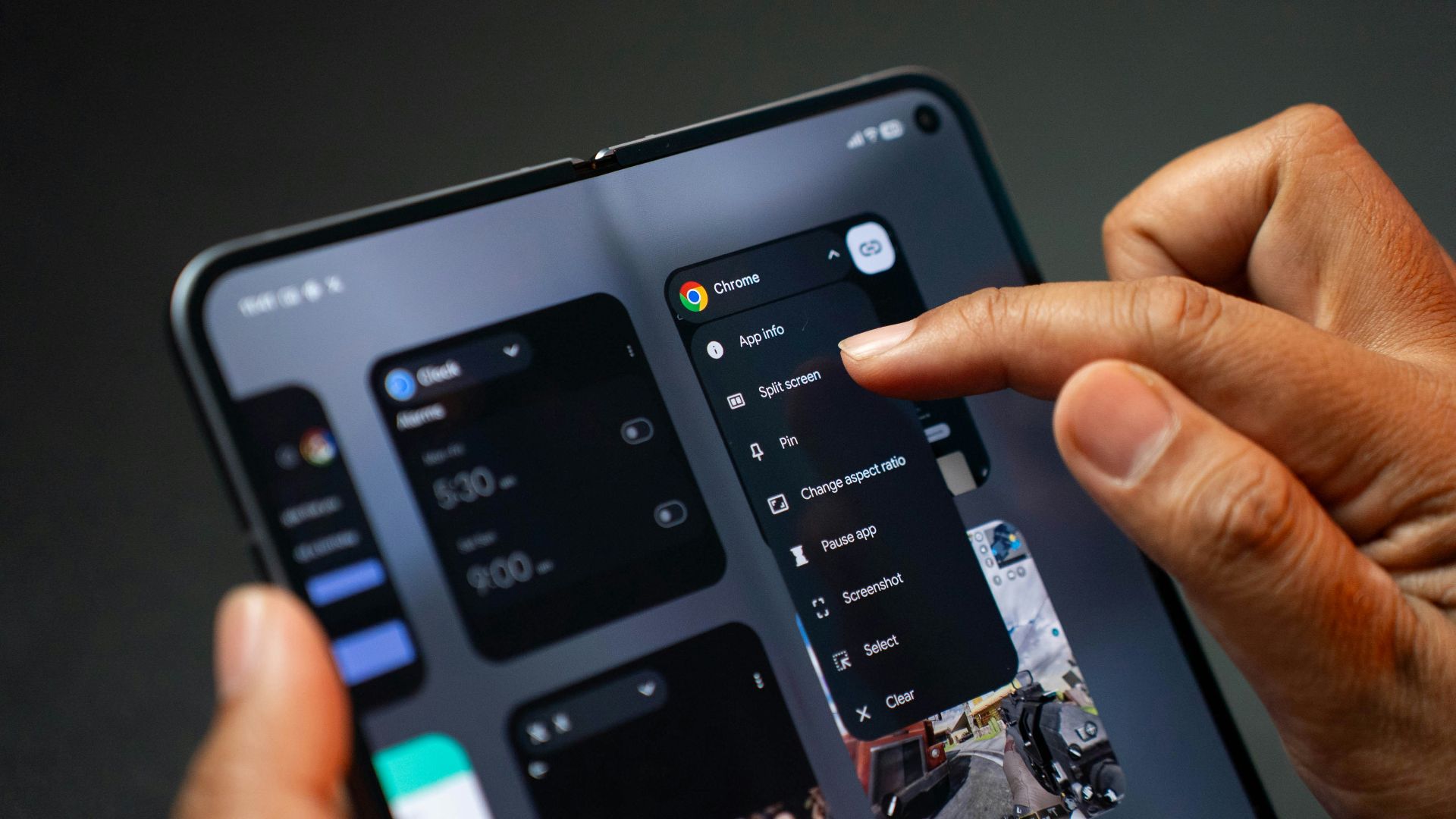
15. Touchscreen Technology
Touchscreen interfaces existed decades before they became common in consumer devices. Early versions were expensive and often lacked the precision needed for smooth interaction.
16. GPS Navigation
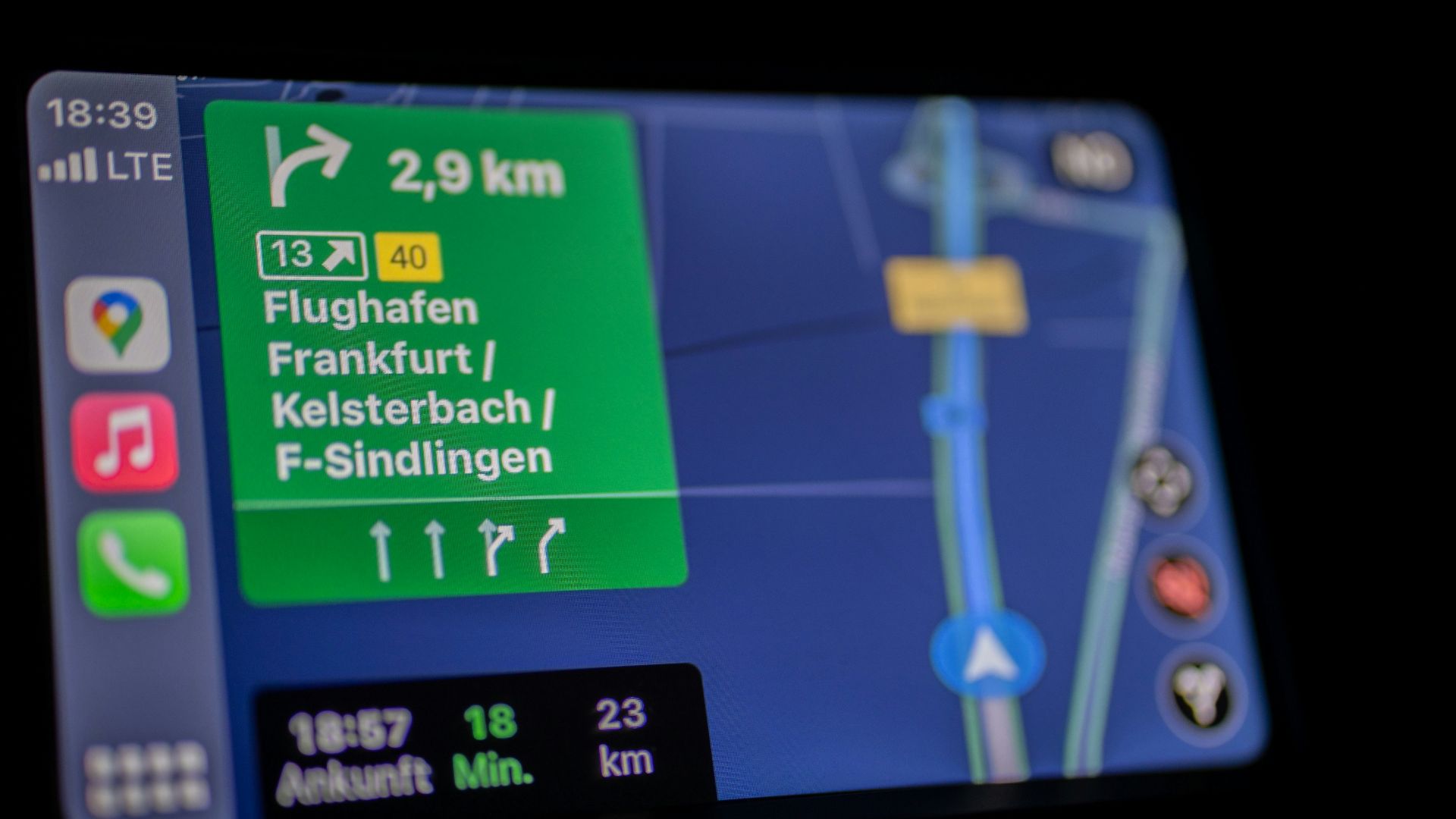
Global Positioning System technology was originally developed for military use and wasn't widely available to civilians. Early GPS devices were large, expensive, and sometimes inaccurate. Satellite access and mapping software also needed improvement before the technology became practical for everyday travel. Eventually, GPS became a standard feature in smartphones and vehicles.
 Dimitri Karastelev on Unsplash
17. Online Shopping
Online shopping began in the early days of the internet, but consumers initially worried about security and payment safety. Also, websites were often slow and difficult to navigate.

18. Voice Assistants
Early voice recognition software in the 1990s struggled to understand natural speech. Systems required slow, clearly spoken commands and still produced frequent errors. Because of these frustrations, many people stopped using them.

19. Virtual Reality
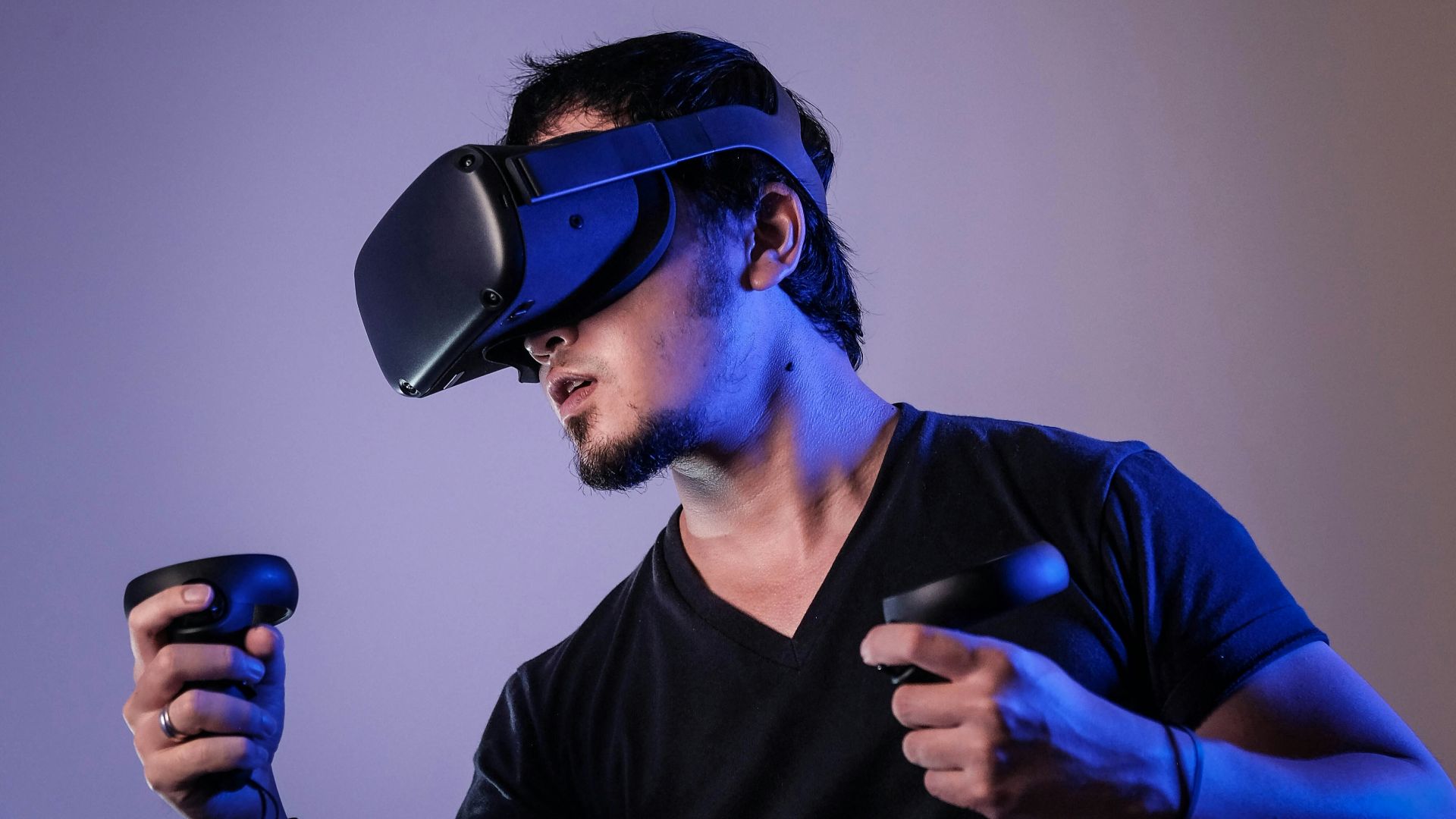
Virtual reality systems appeared in the 1990s but failed to gain traction due to high costs and limited performance. The graphics were basic, and the equipment was often uncomfortable to use for long periods.
20. Reusable Rockets
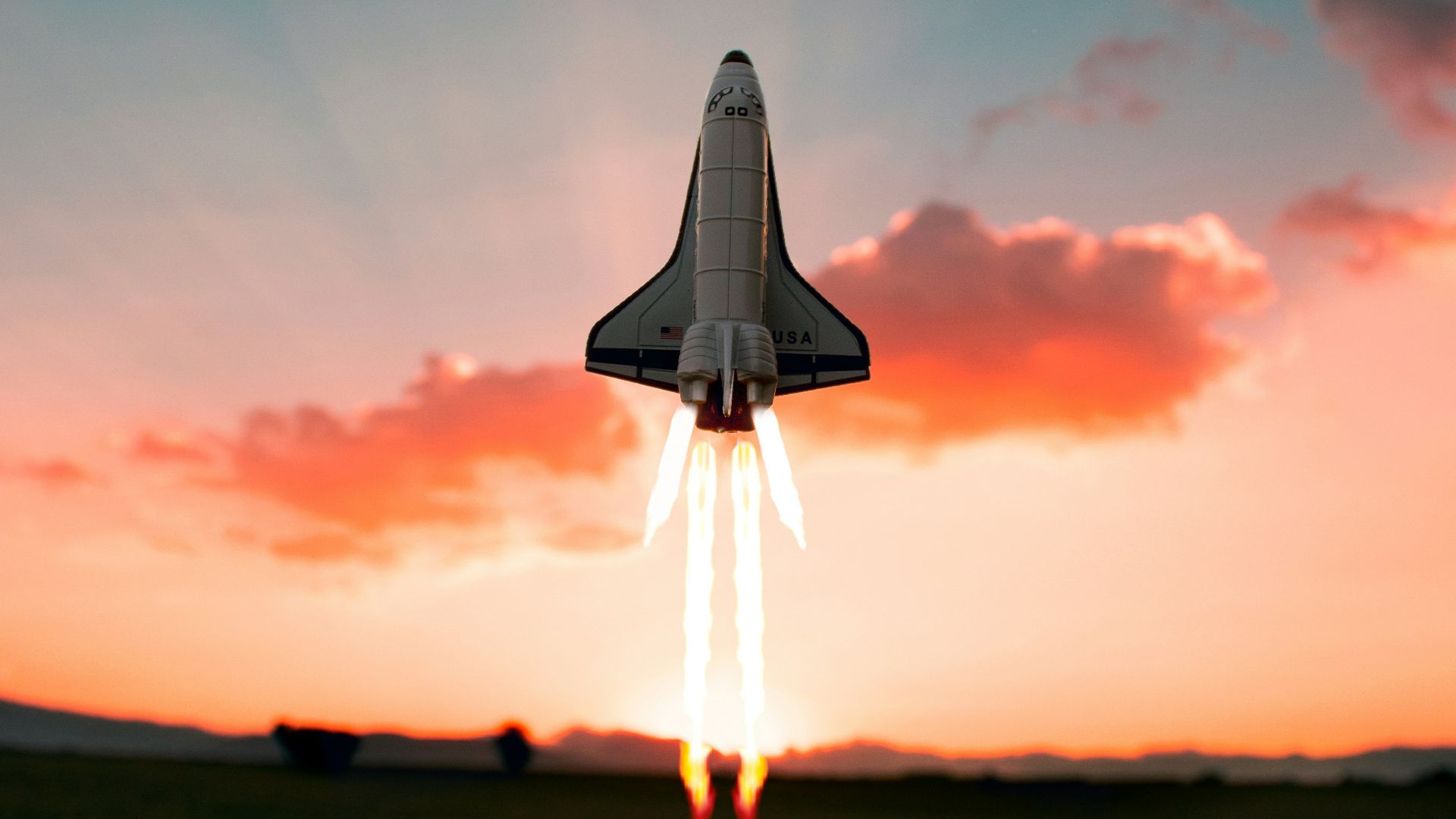
Early attempts to reuse rockets in space programs faced enormous engineering challenges. Most rockets were designed for single launches, making space travel extremely expensive.
KEEP ON READING

The Spy Networks That Won The Cold War
KGB USSR on WikimediaThe Cold War wasn’t fought through direct…
By Rob Shapiro Apr 16, 2026
20 Myths from History That Turned Out to Be True
When Legends Turn Into Facts. History is full of stories…
By Rob Shapiro Apr 16, 2026
The Panic That Made France Think Poison Was Everywhere
Yves Marevéry on WikimediaParis in the late 1670s had a…
By Cameron Dick Apr 16, 2026
10 Famous First Contacts That Went Peaceful & 10 That…
When First Encounters Change Everything. History likes to tidy things…
By Cameron Dick Apr 16, 2026
20 Hollywood Stage Names Inspired By Real History
Building Fame, One Name At A Time. The names that…
By Breanna Schnurr Apr 15, 2026
What Fossil Hunters Got Wrong Before Paleontology
David Clode on UnsplashToday, fossils feel almost self-explanatory. You see…
By Breanna Schnurr Apr 15, 2026