Tech That Jumped Ahead
History is full of clever ideas, but every so often, something turns up that feels out of place. We’re talking about inventions that just don’t match their timestamps. They show up, do something incredible, and then vanish centuries before the world knows what to do with them. That’s the weird charm of science. So, let’s go back in time and have a look at 20 inventions that quietly broke the mold before anyone realized they had one.
1. Antikythera Mechanism
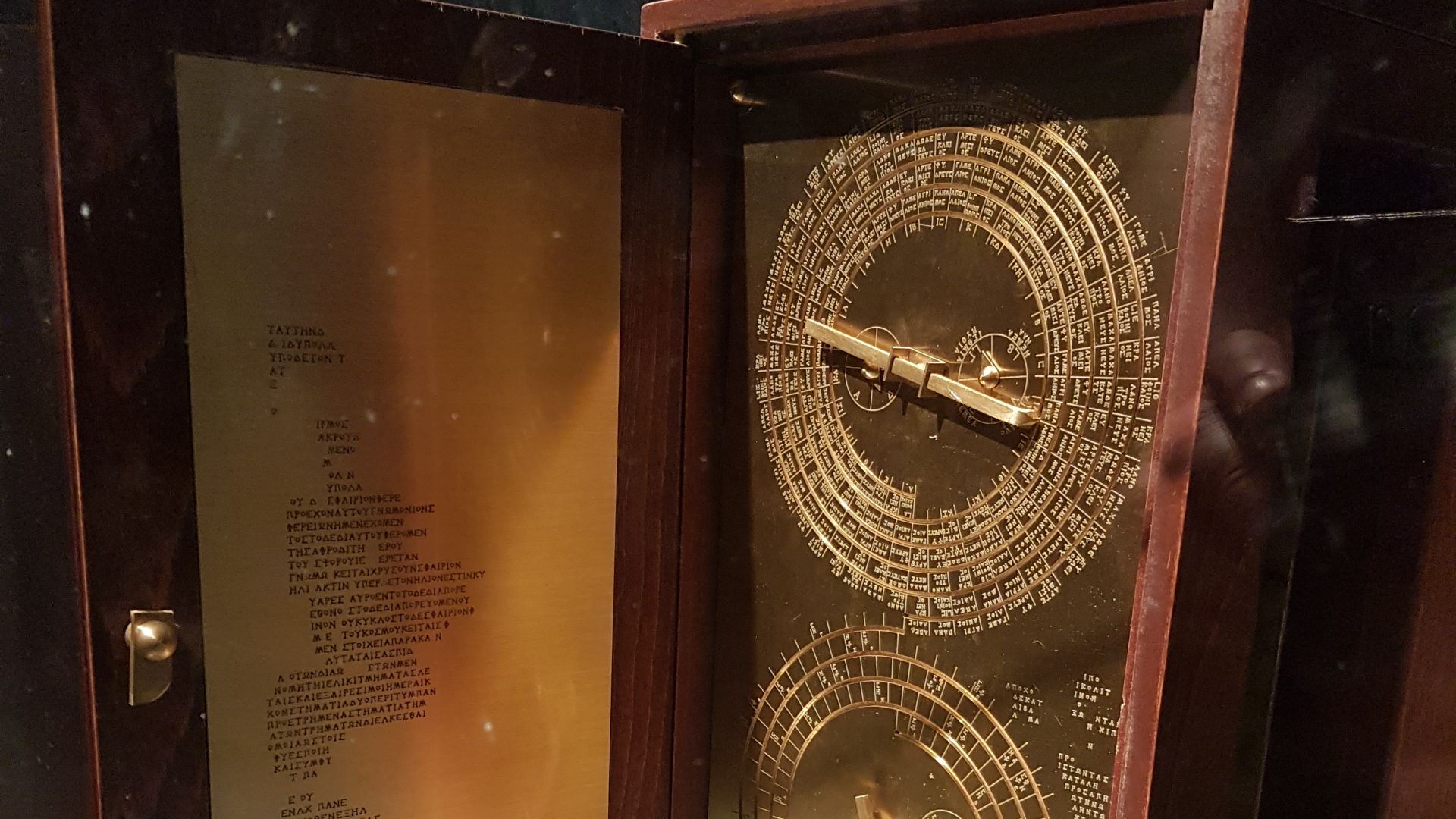
In 1901, divers found a strange bronze device inside a Roman shipwreck near Antikythera, Greece. Dated between 205 and 100 BCE, it shocked scholars with its complexity and precision. The device accurately tracked celestial cycles and predicted eclipses, long before mechanical clocks were even imagined.
2. Roman Concrete
When examining ancient durability, one material repeatedly commands attention. Roman concrete (formulated around 200 BCE) binds volcanic ash with lime to form a self-strengthening structure. Many Roman buildings still stand due to this mix. Unlike modern concrete, which deteriorates over time, Roman concrete keeps getting stronger with age.
 Jean-Christophe BENOIST on Wikimedia
3. Baghdad Battery
Unearthed near Baghdad and dated to 250 BCE–250 CE, this object consists of a clay jar with a copper cylinder and an iron rod. Experiments show that it generates voltage with an acidic liquid. So, was it a vessel for rituals or a source of electricity? Its true function is still debated among experts.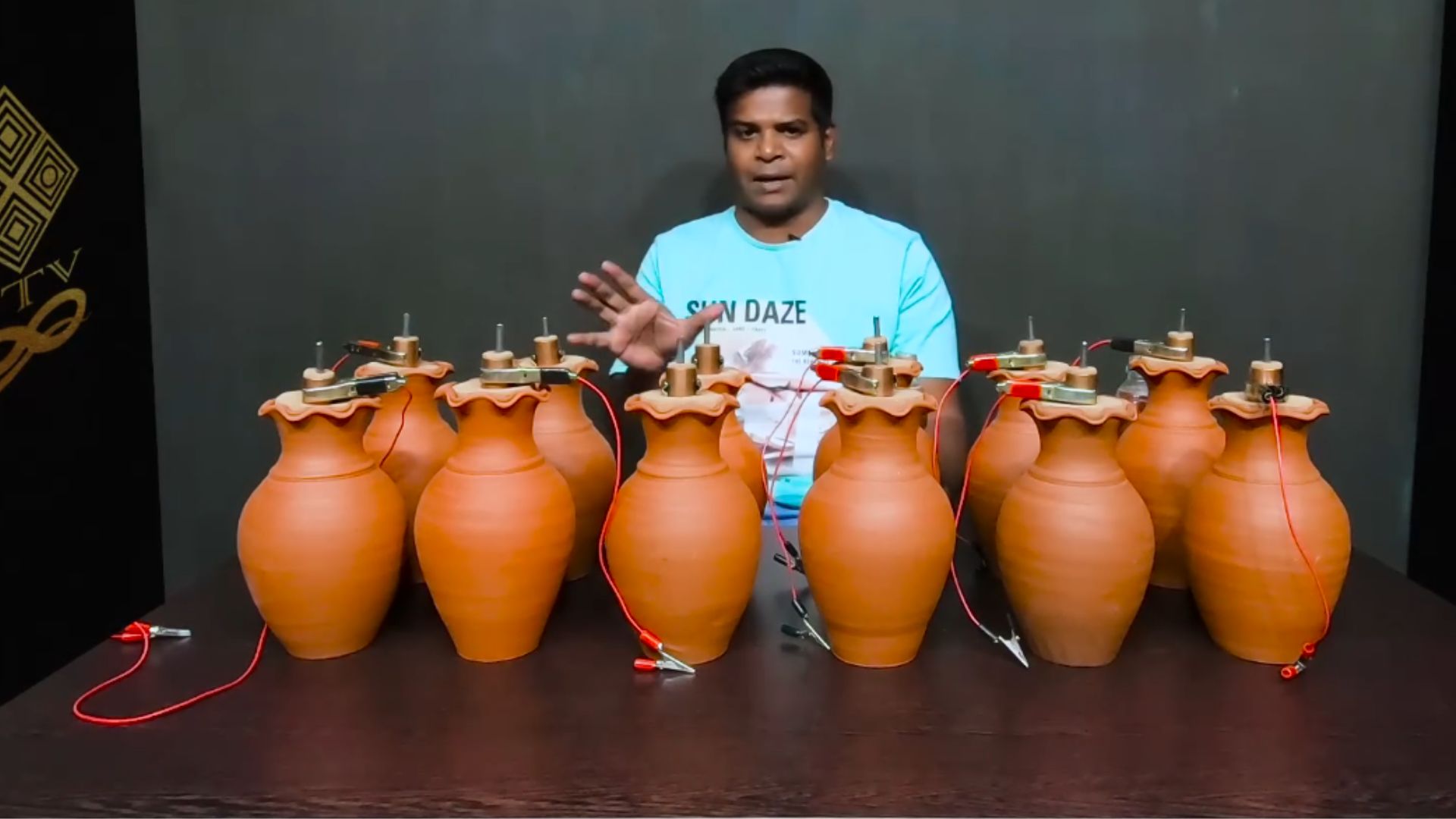 2000 Year Old Baghdad Battery – Will it Produce Electricity? By PraveenMohan
4. Greek Fire
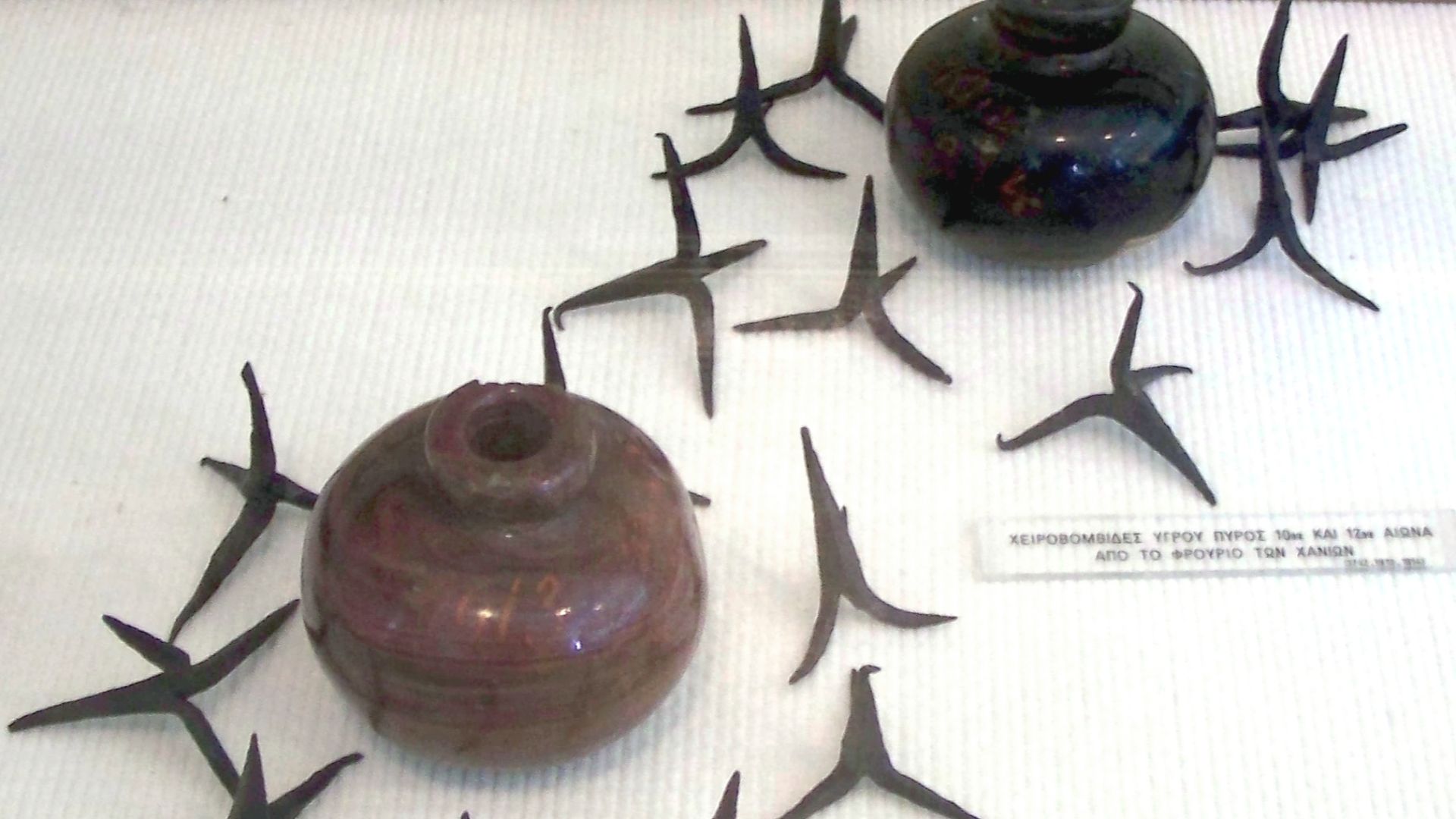
In naval warfare, few weapons caused as much terror as Greek Fire. It clung to water and ignited on contact. The Byzantine Empire started using this weapon from the 7th century onward. Delivered through siphons on warships, it could devastate enemy fleets.
5. The South Pointing Chariot
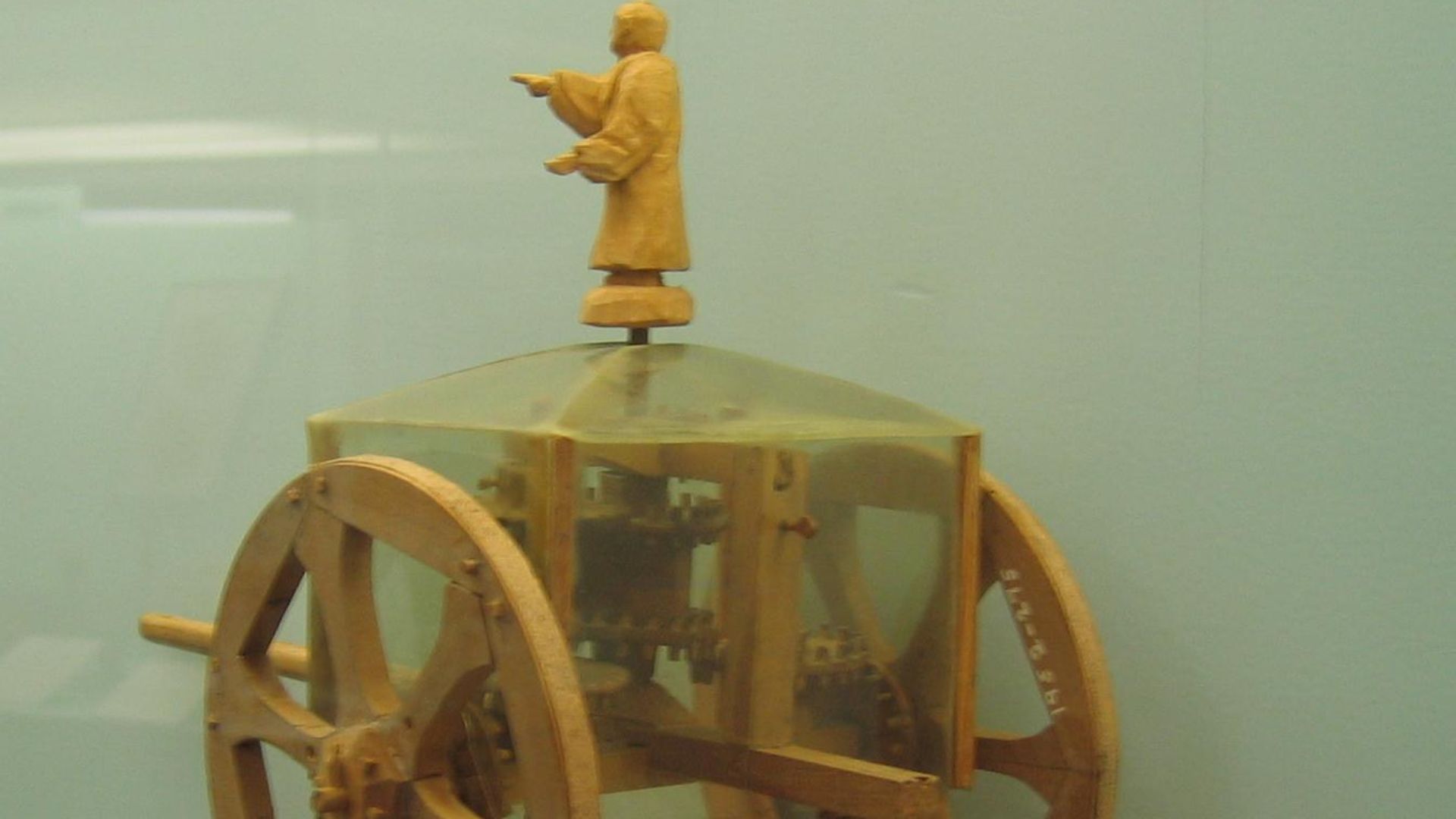
Navigation in early China wasn't limited to magnetic compasses. In the 3rd century CE, engineers developed a chariot with gears that kept a pointer directed south regardless of turns. Though its exact internal design is reconstructed today through historical texts, its utility reflects early knowledge of differential gearing.
6. Leonardo Da Vinci’s Flying Machine
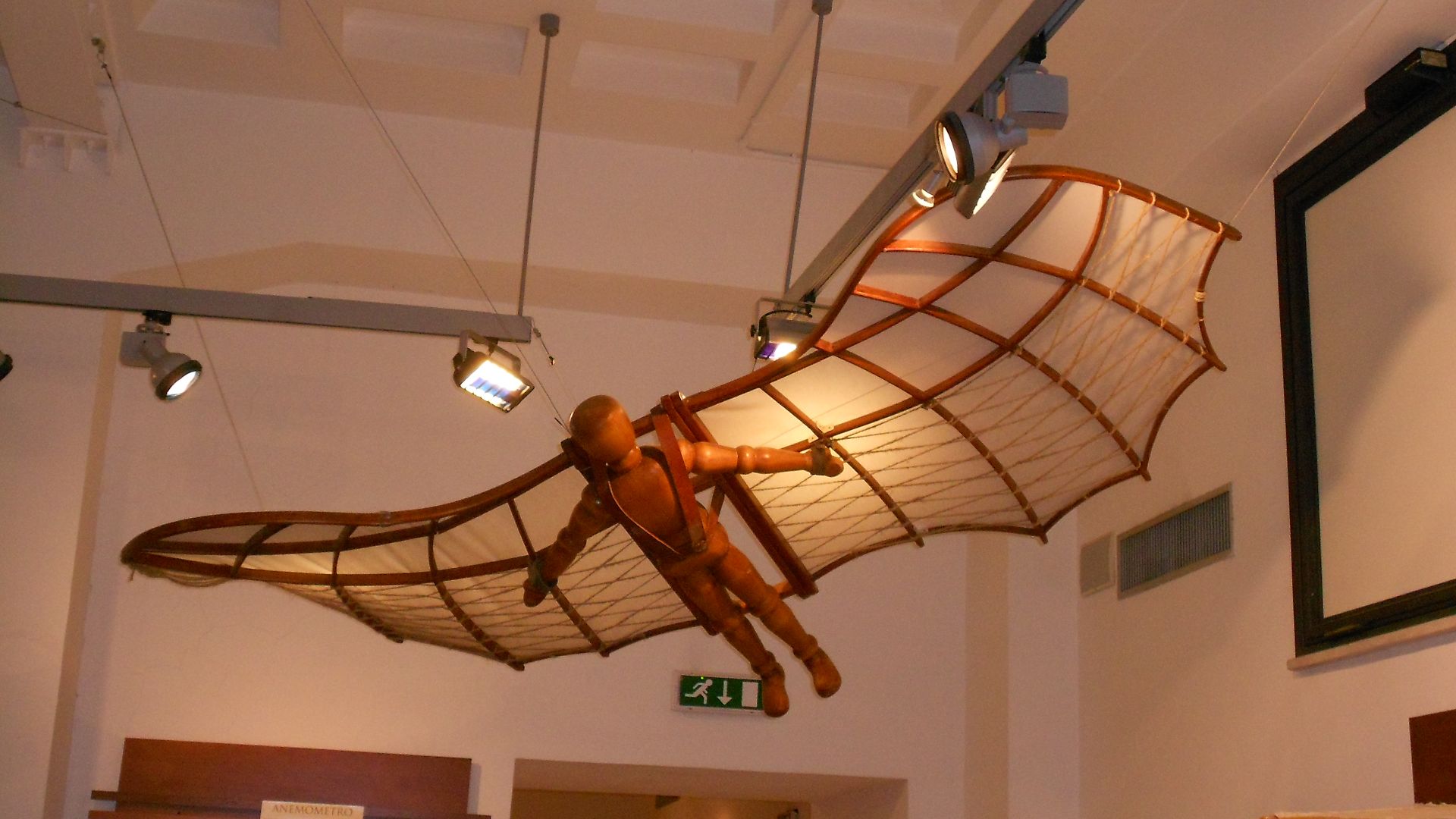
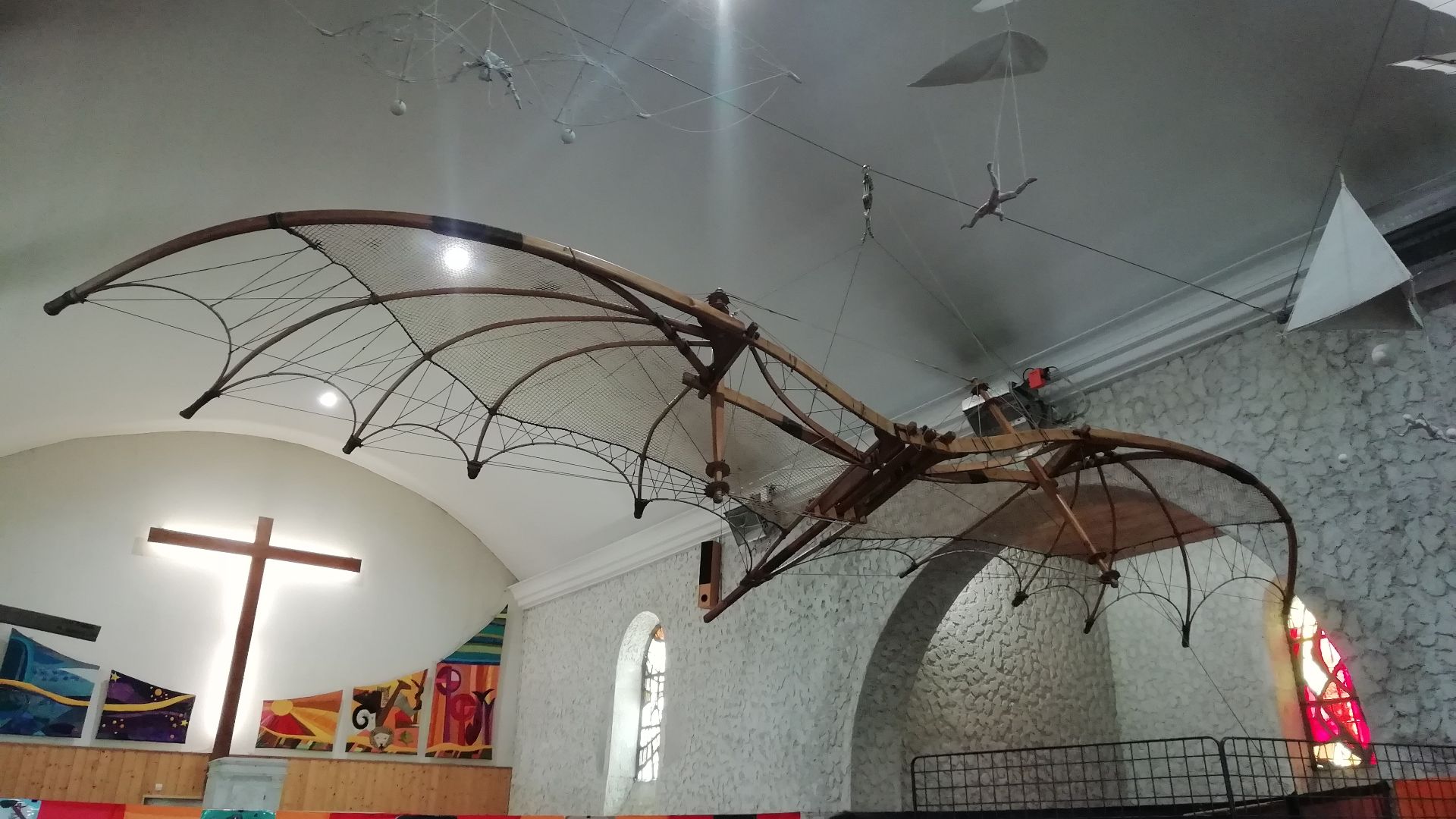
Da Vinci conceptualized a flying machine based on the anatomy of birds. Its rotor-driven mechanism anticipated helicopter principles 400 years early. The design included an advanced stability system and detailed control surfaces, demonstrating very advanced aerodynamic understanding. However, it was never built.
7. Damascus Steel
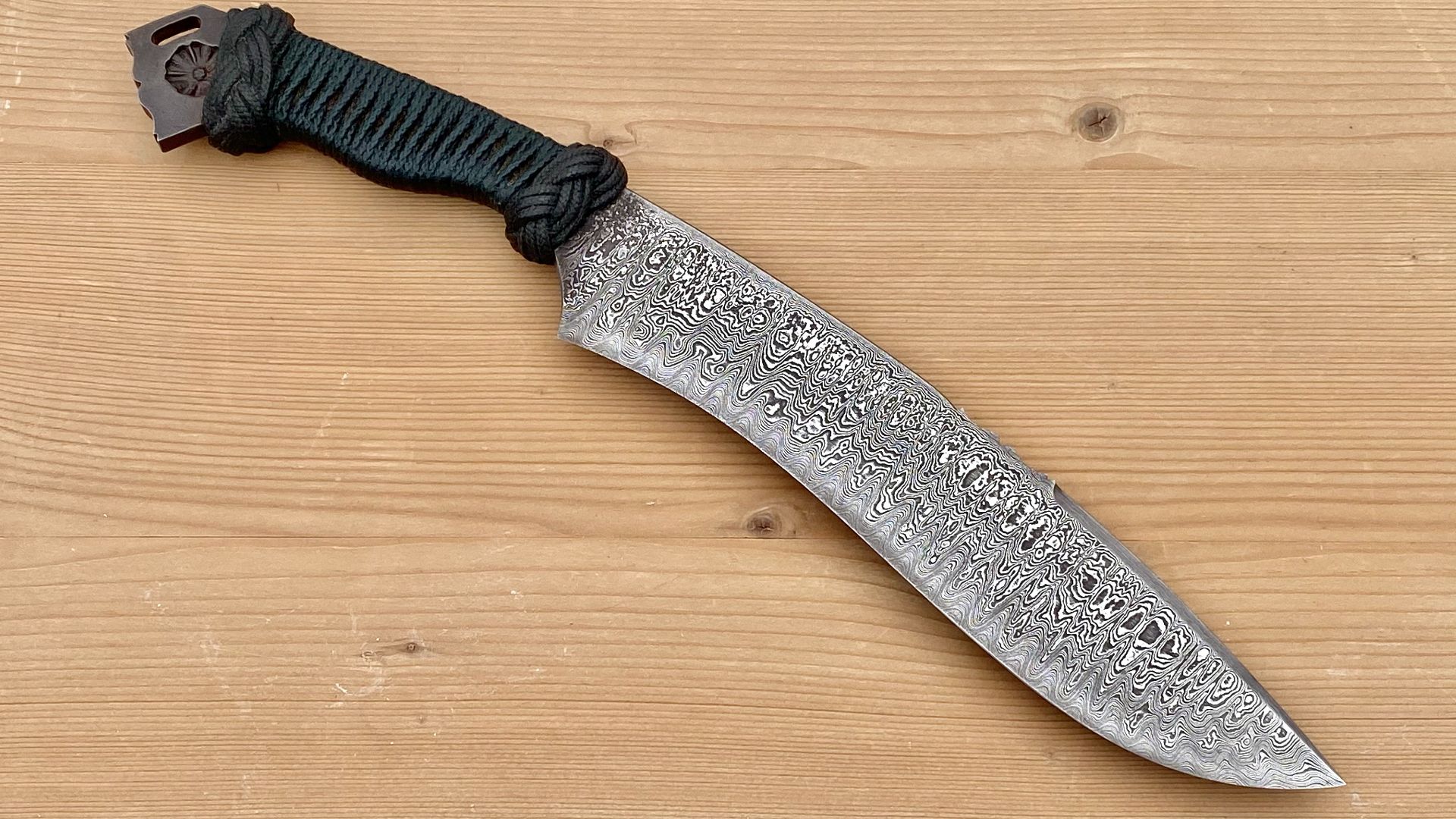
The patterned blades of Damascus steel earned legendary status for their remarkable aesthetics and performance during combat. Originating around 300 BCE, these swords had such structural craftsmanship and metallurgical knowledge that was highly sophisticated and unmatched by many cultures for centuries.
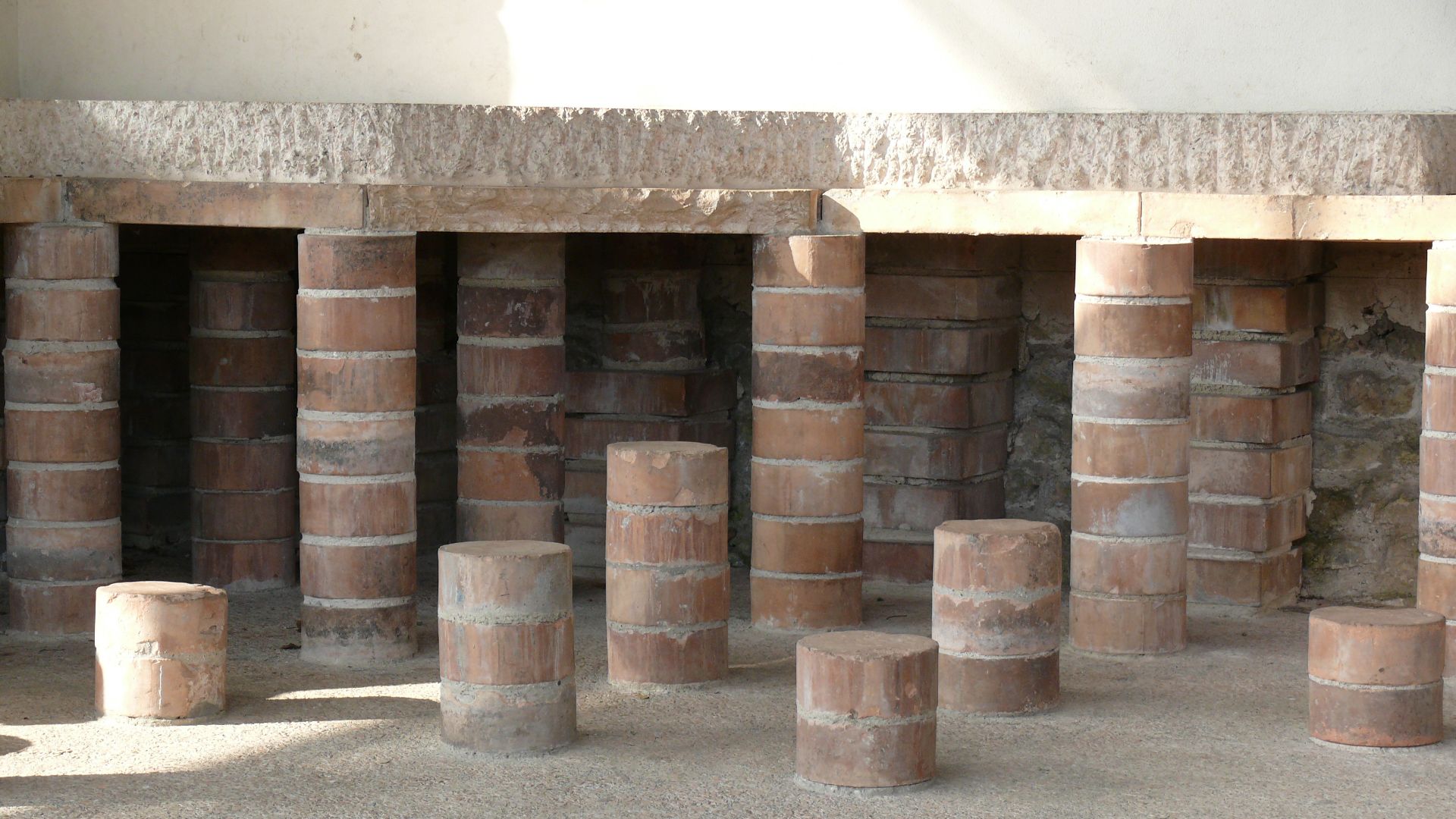
8. The Hypocaust Heating System
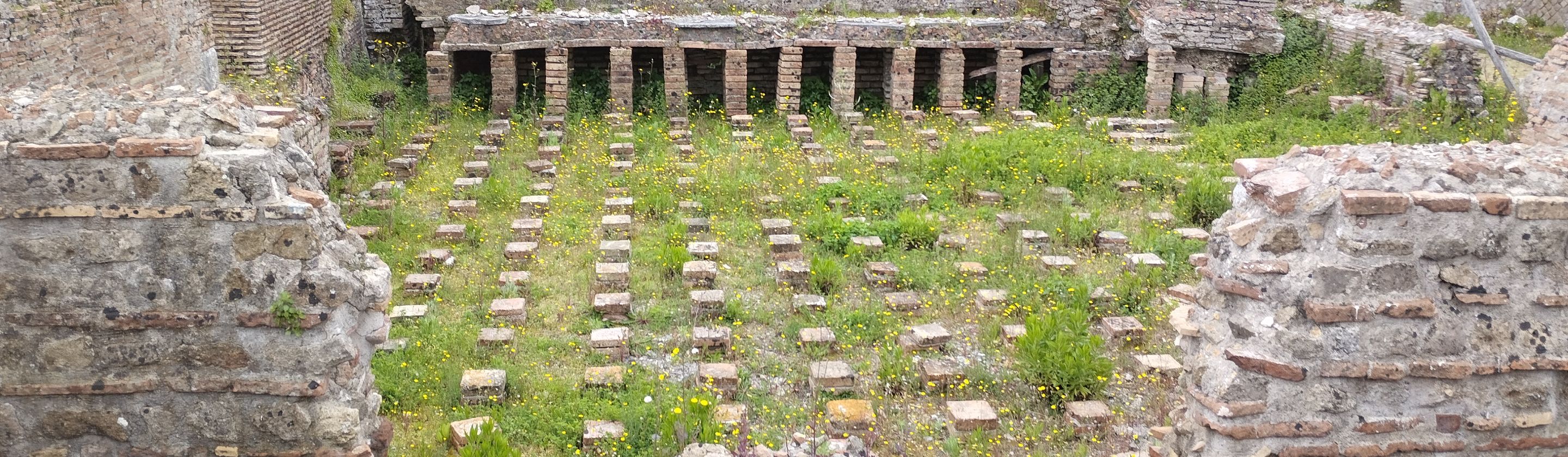
Romans developed the hypocaust somewhere around the 1st century BCE. It was a central heating system used to warm public baths and wealthy homes. It circulated hot air beneath floors and through hollow walls, pioneering underfloor heating and ventilation centuries before similar technologies emerged in medieval and modern Europe.
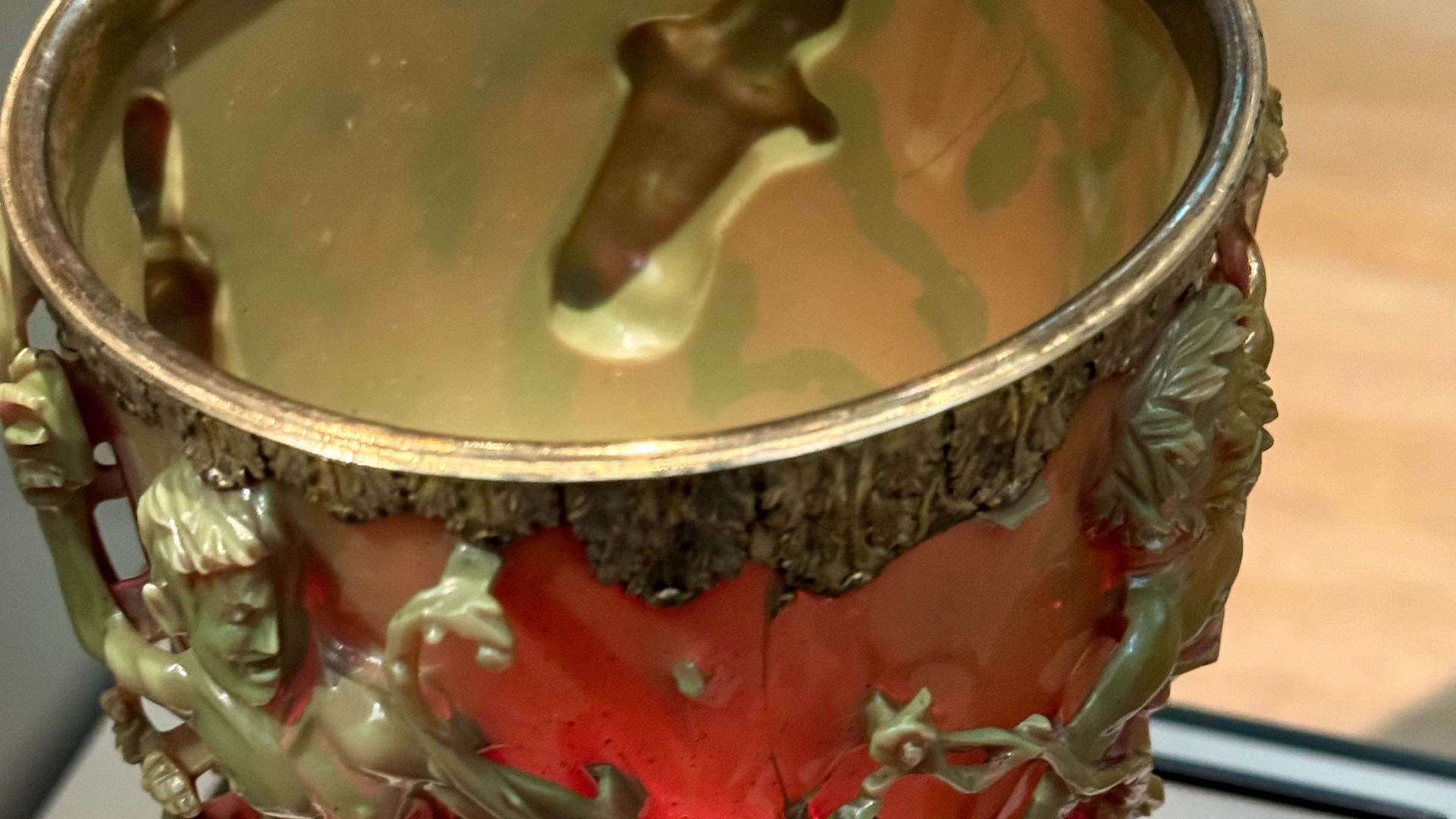
9. The Lycurgus Cup
The 4th-century Lycurgus Cup turns green in reflected light and red in transmitted light due to gold and silver nanoparticles embedded in its surface. This effect suggests a sophisticated, if accidental, control over material science. The artifact exemplifies the unexpected depths of artisanship in Roman decorative arts.
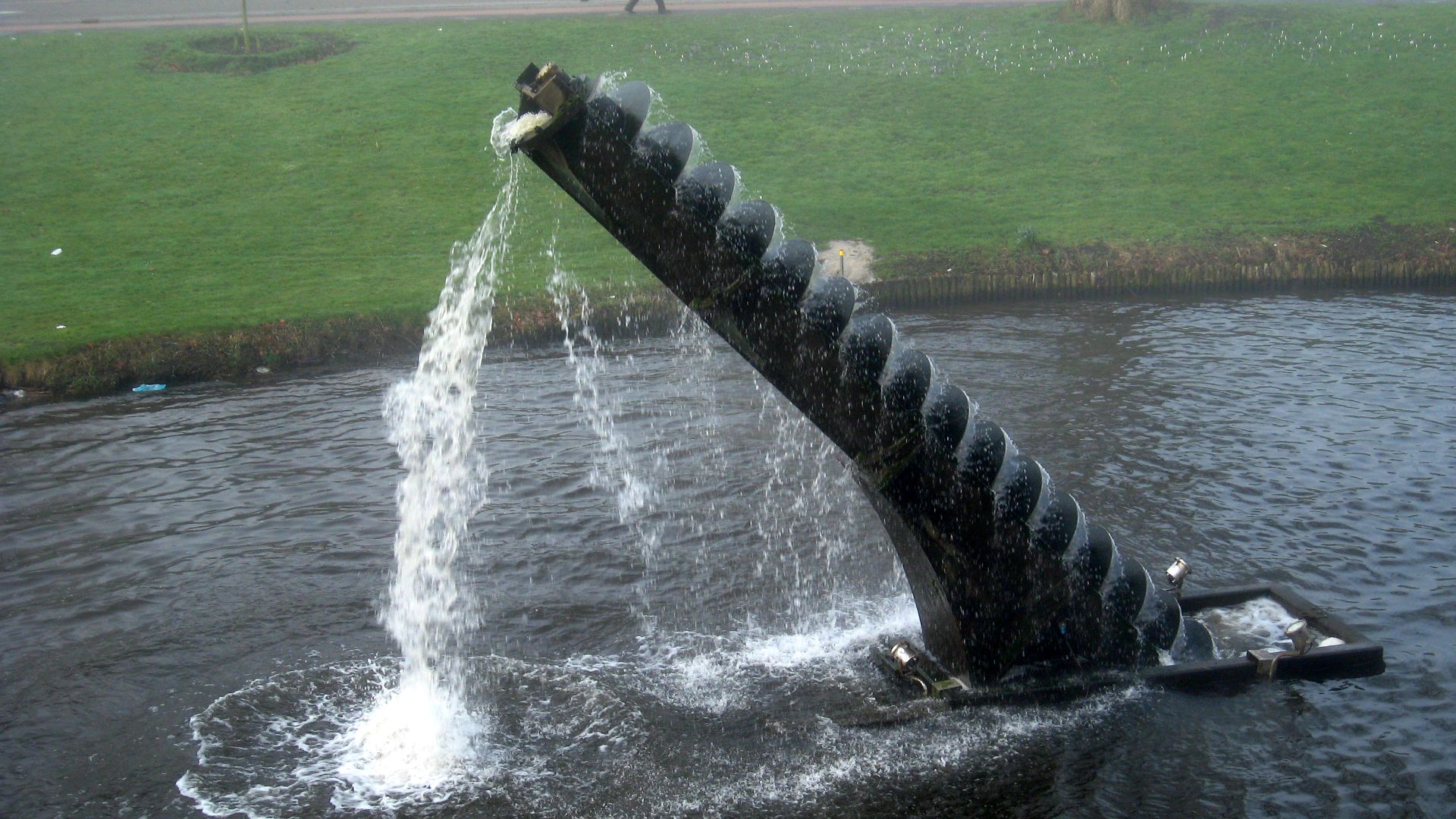
10. The Archimedes Screw
An invention as practical as it is timeless, the prototype of the Archimedes Screw goes back roughly to 250 BCE (or earlier). By rotating a spiral blade inside a pipe, it transports water upward. Today, it’s used in agriculture and even grain elevating, and continues to serve modern needs with ancient wisdom.
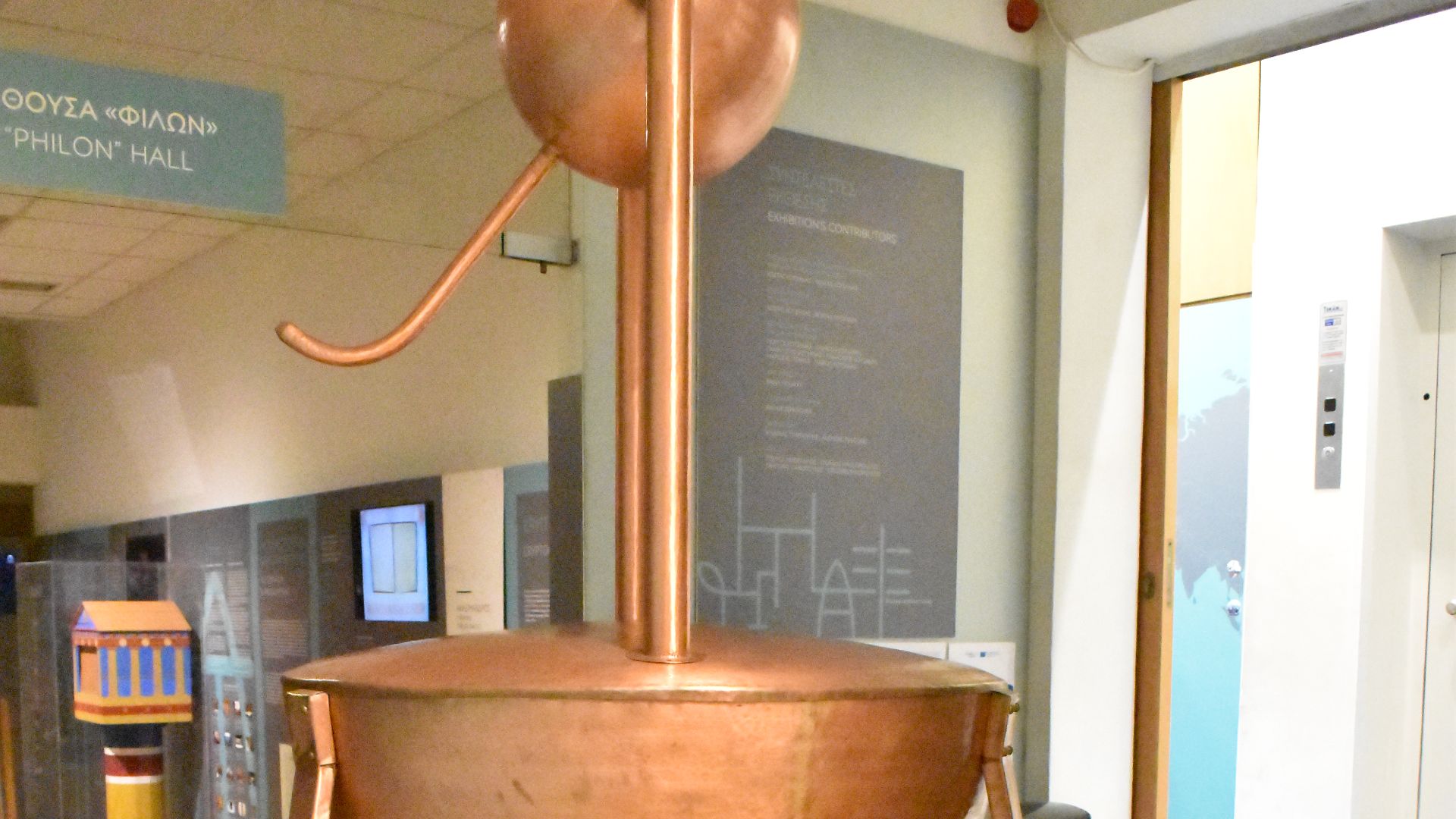
10. Heron’s Steam Engine (Aeolipile)
Heron of Alexandria built a steam-powered sphere in the 1st century CE. It rotated as steam escaped through side-mounted nozzles. Though it never drove machines, the engine demonstrated the basic principle of jet propulsion. Interestingly, he also invented automatic doors and one of the earliest coin-operated devices.
11. Piri Reis Map
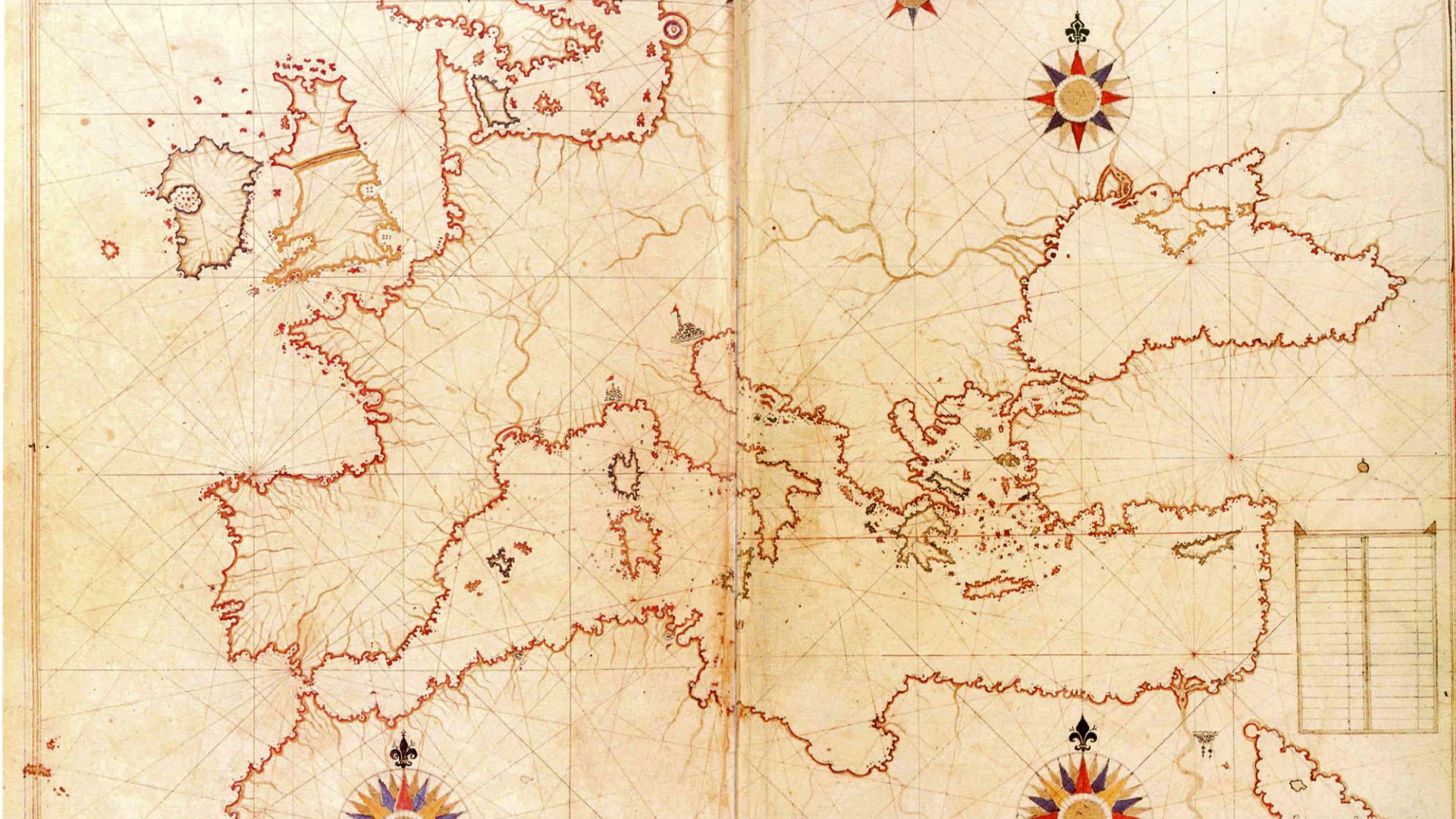
Piri Reis assembled his 1513 world map using fragmented sources, some of which were possibly centuries old. The South American coastline is impressively detailed in that map. A controversial stretch has even been linked to early portrayals of Antarctica, with some suggesting roots in classical-era cartography.
12. Sanskrit Automata (Yantras)
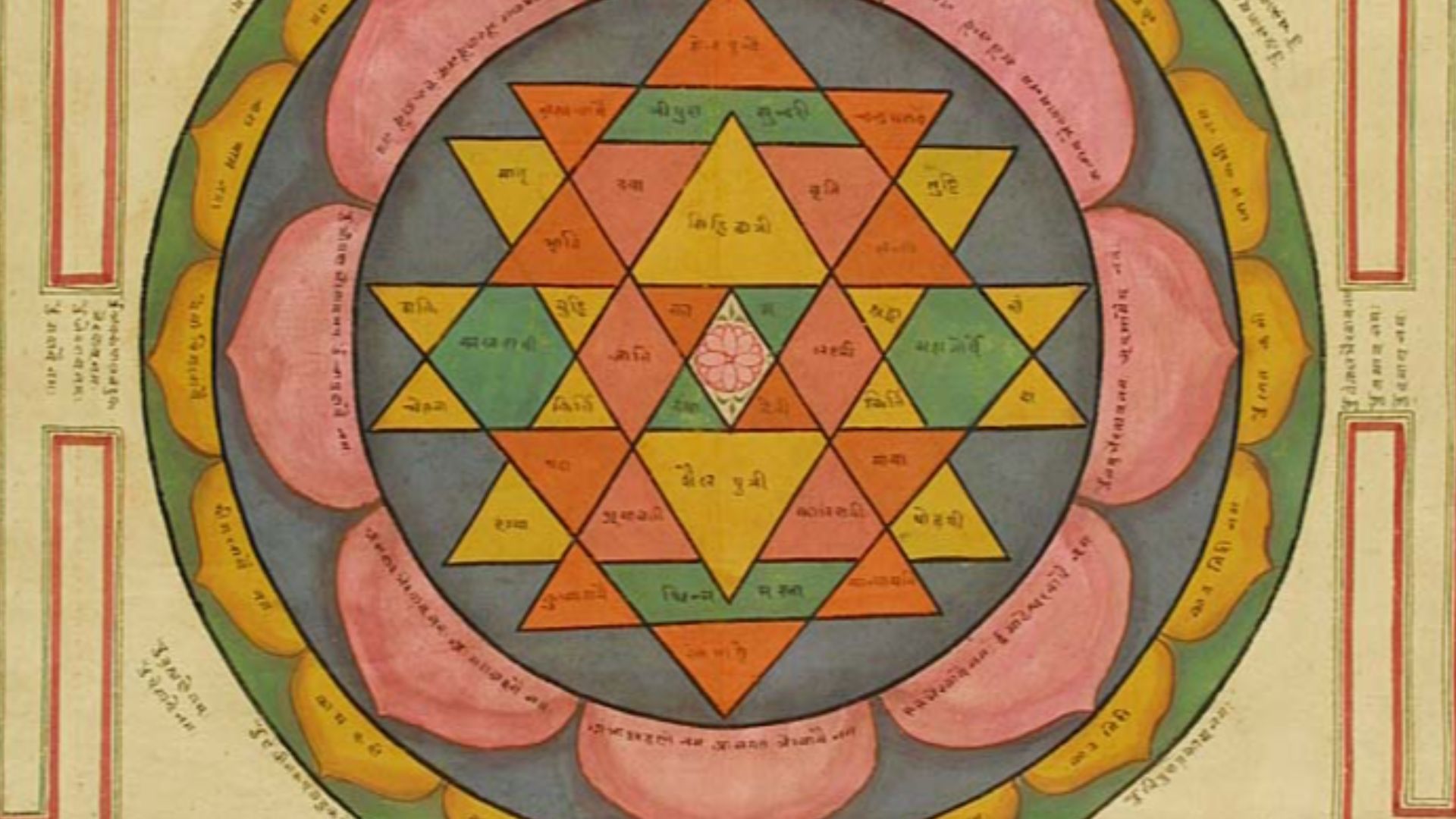
Centuries before European automata, ancient Indian texts referenced self-operating figures. Dating as far back as 300 BCE, these yantras included water-powered birds and humanoid figures moved by levers and hydraulics. Detailed in the treatise Samarangana Sutradhara, they demonstrated advanced knowledge of motion mechanics.
 Unknown authorUnknown author on Wikimedia
14. Nimrud Lens
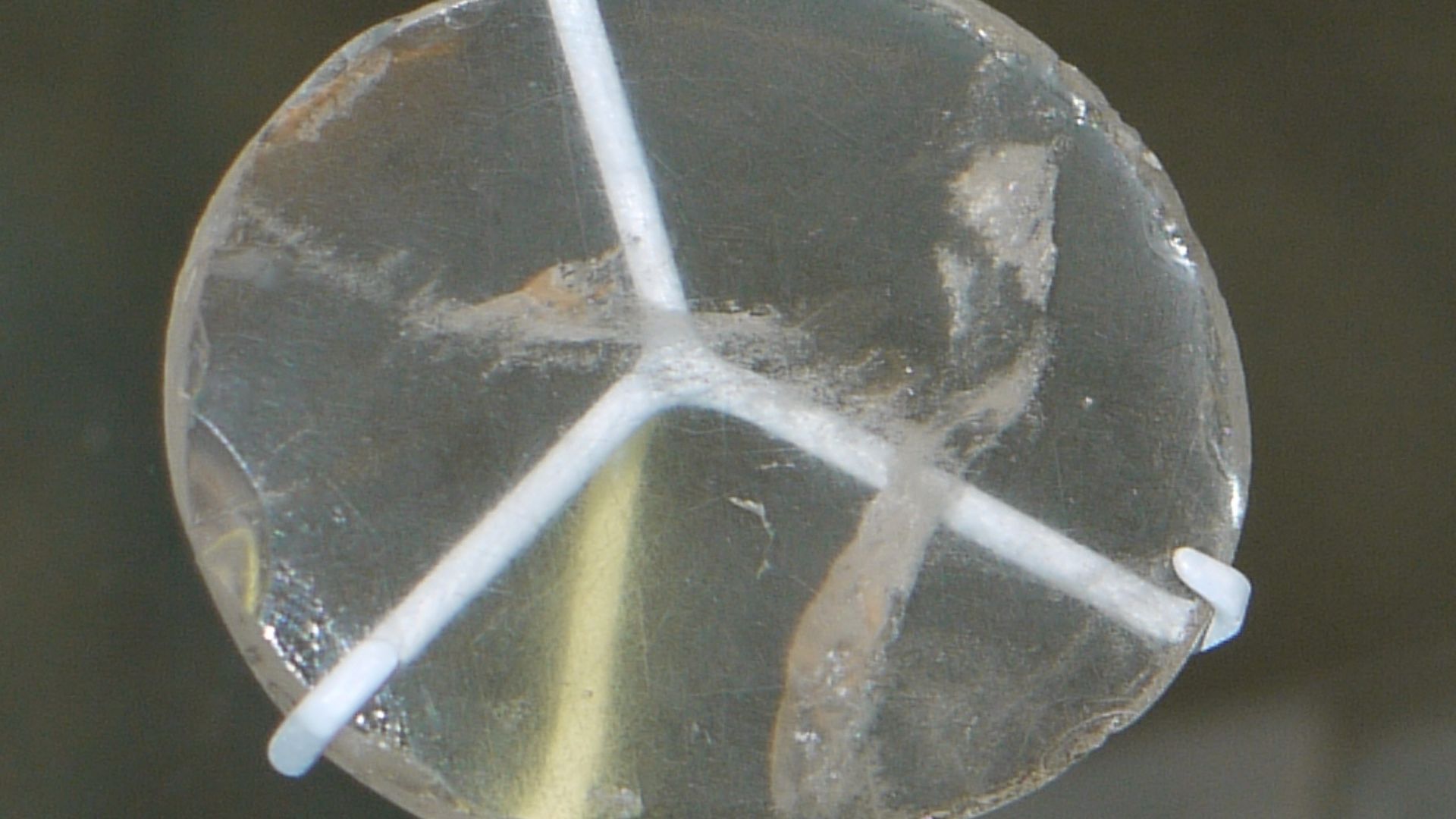
Unearthed in the 1850s at the 8th-century BCE Assyrian palace of Nimrud (modern Iraq), this roughly oval rock crystal has a 12 cm focal length. It may have been a magnifying or burning glass—one of humanity’s earliest lens experiments, way before optical glass became common.
15. Zhang Heng’s Seismoscope
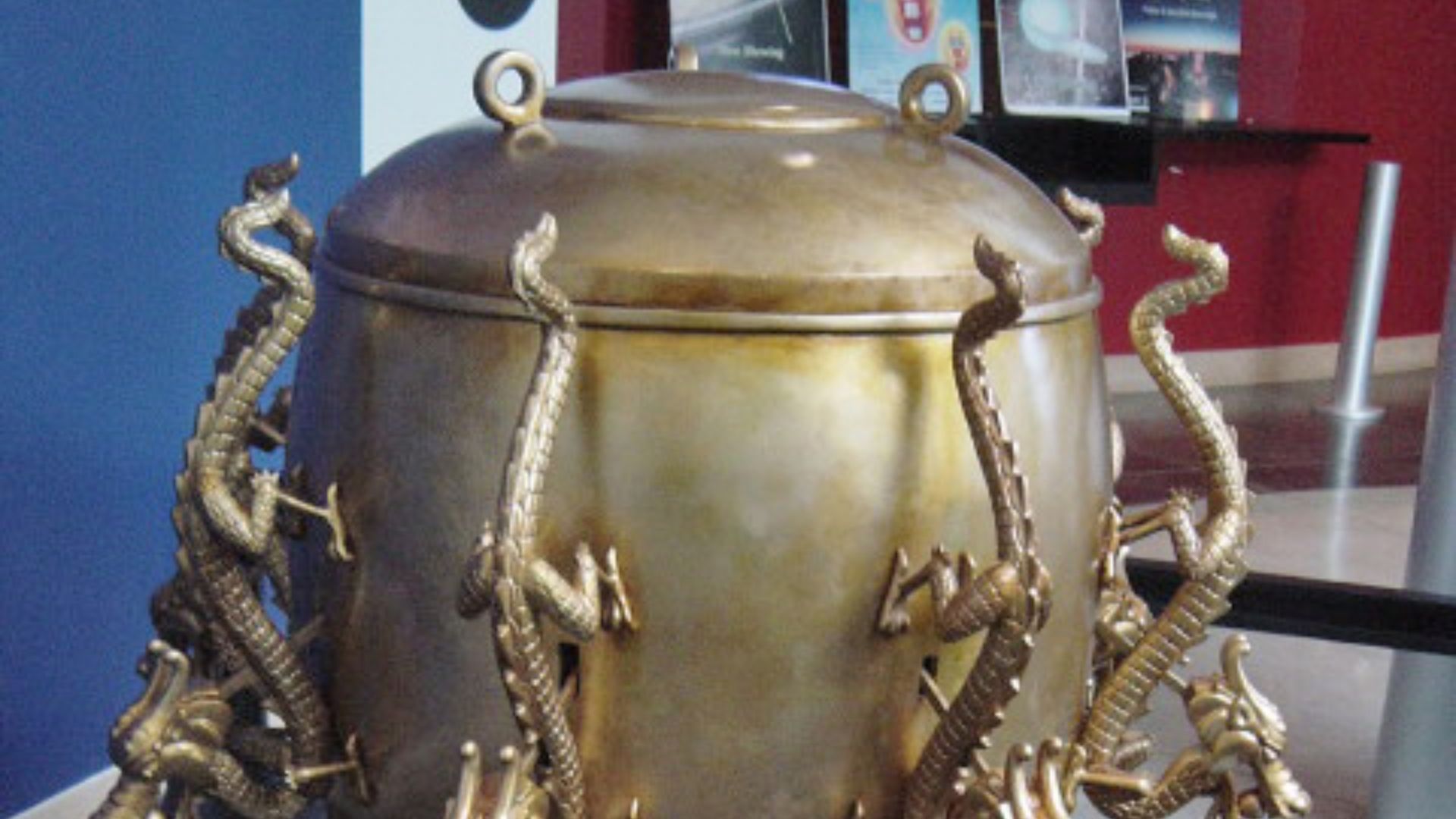
In 132 CE, Chinese polymath Zhang Heng devised a groundbreaking method to sense distant earthquakes. His bronze device featured dragon heads that dropped balls into toads’ mouths. Remarkably, it could detect quakes hundreds of kilometers away!
 en:user: Kowloonese on Wikimedia
16. Ctesibius's Water Clock
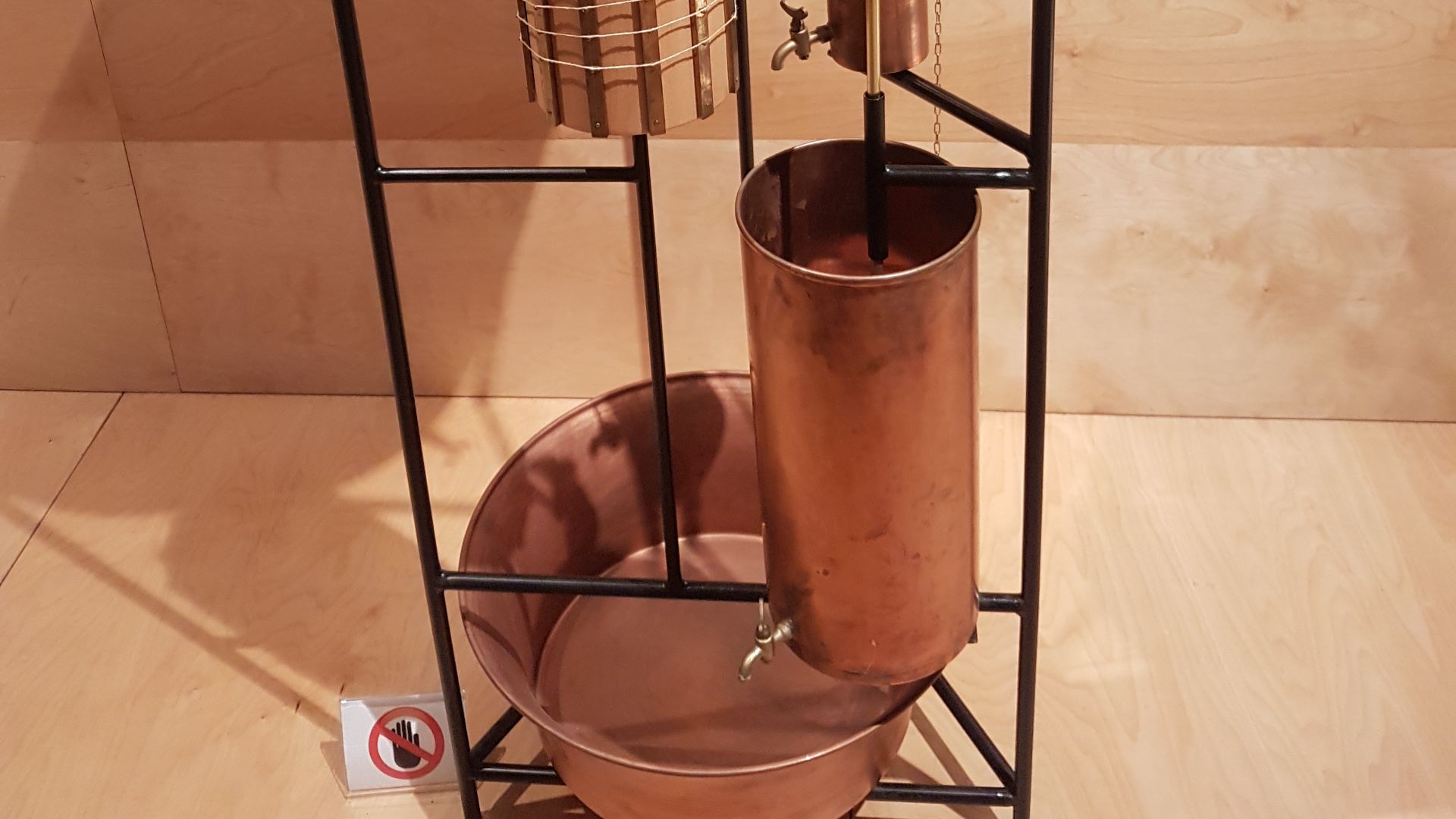
Ctesibius of Alexandria engineered a water clock in the 3rd century BCE that surpassed mere timekeeping. Using regulated water flow, it employed floats, gears, and alarms for precise hourly measurement. This invention laid the groundwork for mechanical timepieces in many Islamic and European countries.
17. Minoan Plumbing System
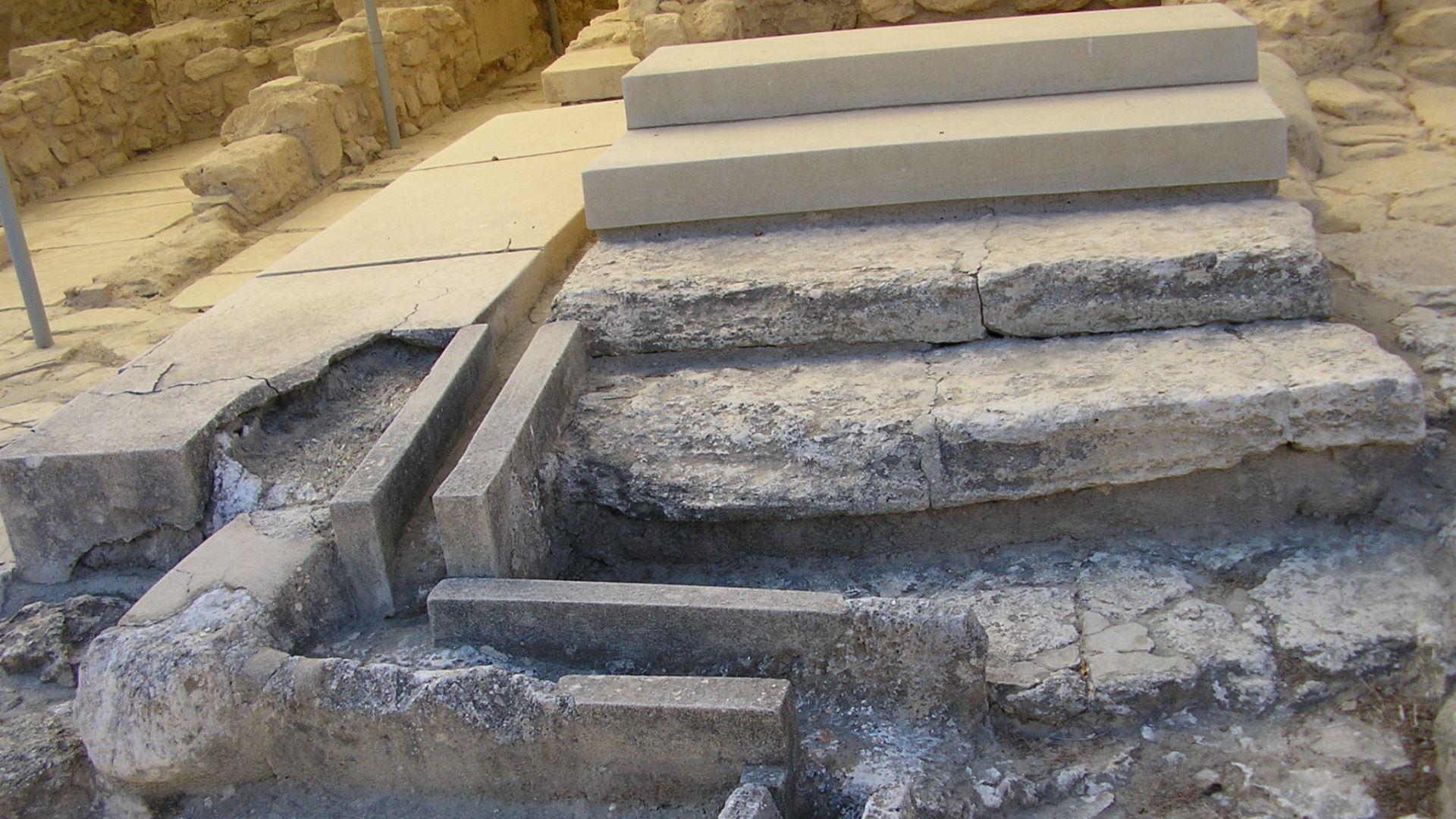
In the palatial complexes of ancient Crete, water management was nothing short of sophisticated. By 2000 BCE, the Minoans had developed underground clay piping that serviced multi-level buildings. Some structures featured flush toilets and even hot and cold water systems.
18. Chinese South-Pointing Spoon
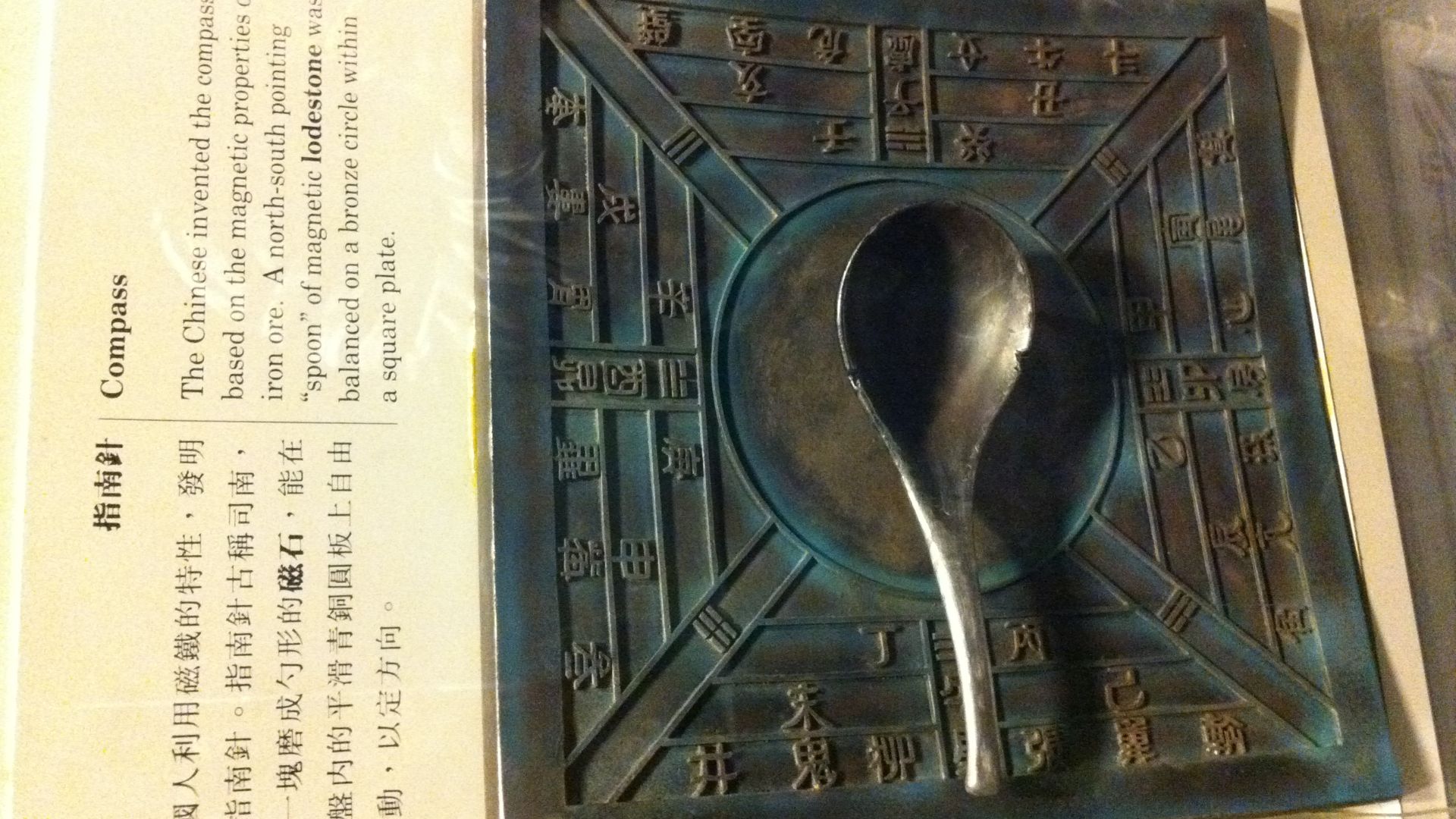
This geomantic instrument, used as early as the 4th century BCE, aligns naturally with Earth’s magnetic field. Crafted from lodestone, the spoon rests on a flat bronze plate and always points south. It predated the European compass by centuries, serving ancient feng shui and spiritual practices.
19. Byzantine Secret Codex And Ink
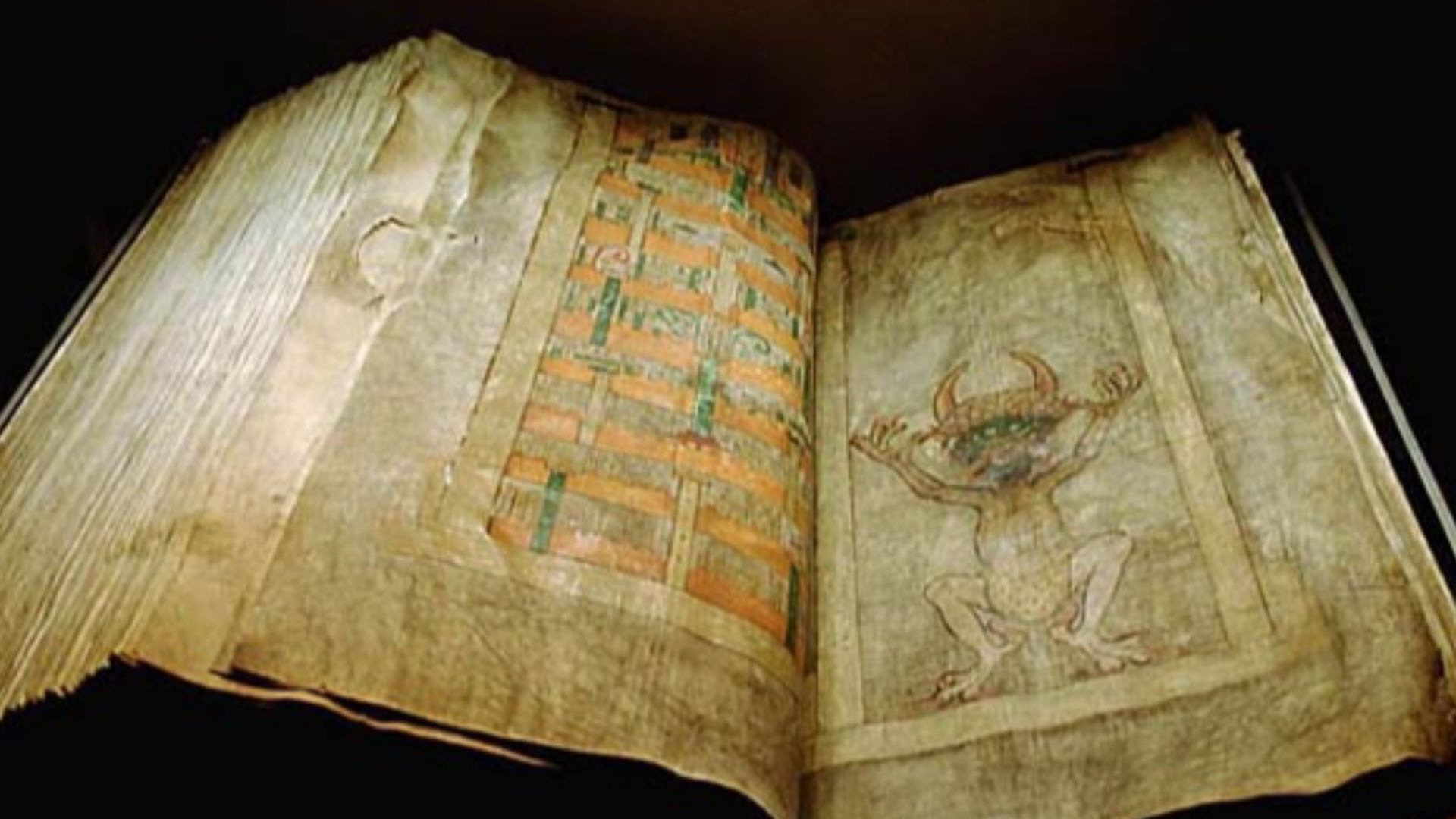
Steganography was no stranger to the Byzantine Empire. Scribes used thermochromic inks that disappeared and reappeared with heat. Lemon juice and palimpsests also enabled the creation of rewritable parchment. These methods found use in political and religious communications. Today, a few surviving examples reveal multiple layers of overwritten texts.
 Kungl. biblioteket on Wikimedia
20. Indian Cataract Surgery Tools
Long before modern ophthalmology, ancient Indian surgeons practiced eye care with remarkable precision. Around 600 BCE, the Sushruta Samhita described cataract removal techniques using specialized tools. Some of these instruments closely resemble the designs used in certain modern surgical devices.
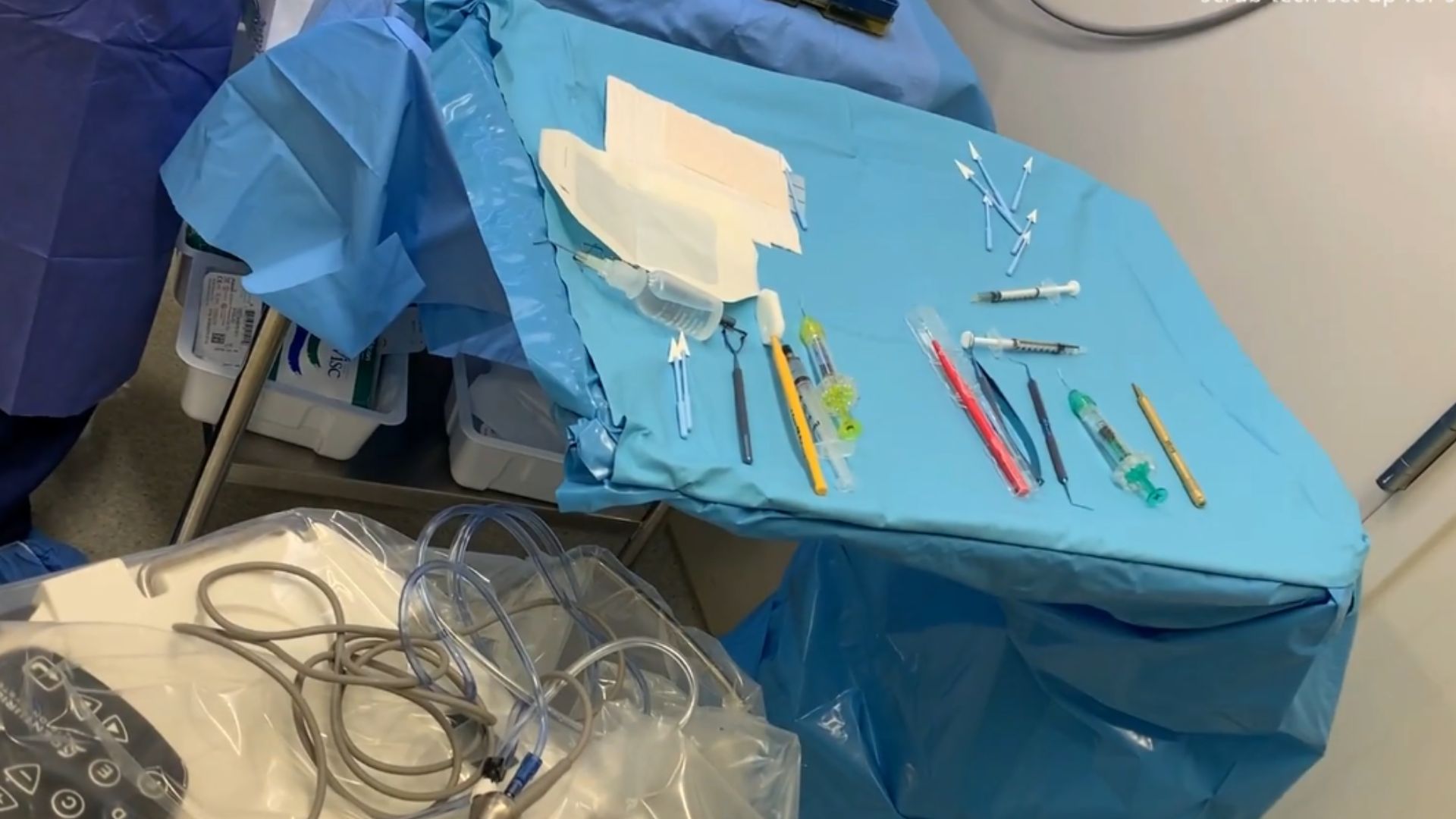 Scrub Tech setting up for Cataract Surgery by Uday Devgan
KEEP ON READING