

Eating Through the Ages
The Middle Ages were a fascinating time when it came to food, and what ended up on your plate depended almost entirely on who you were and where you lived. Peasants and nobility occupied two very different culinary worlds, with the former making do with coarse grains and simple stews while the latter indulged in lavishly spiced dishes designed to display wealth as much as to satisfy hunger. From pottage to spiced wine, here are 20 foods that made up the medieval diet.
1. Pottage
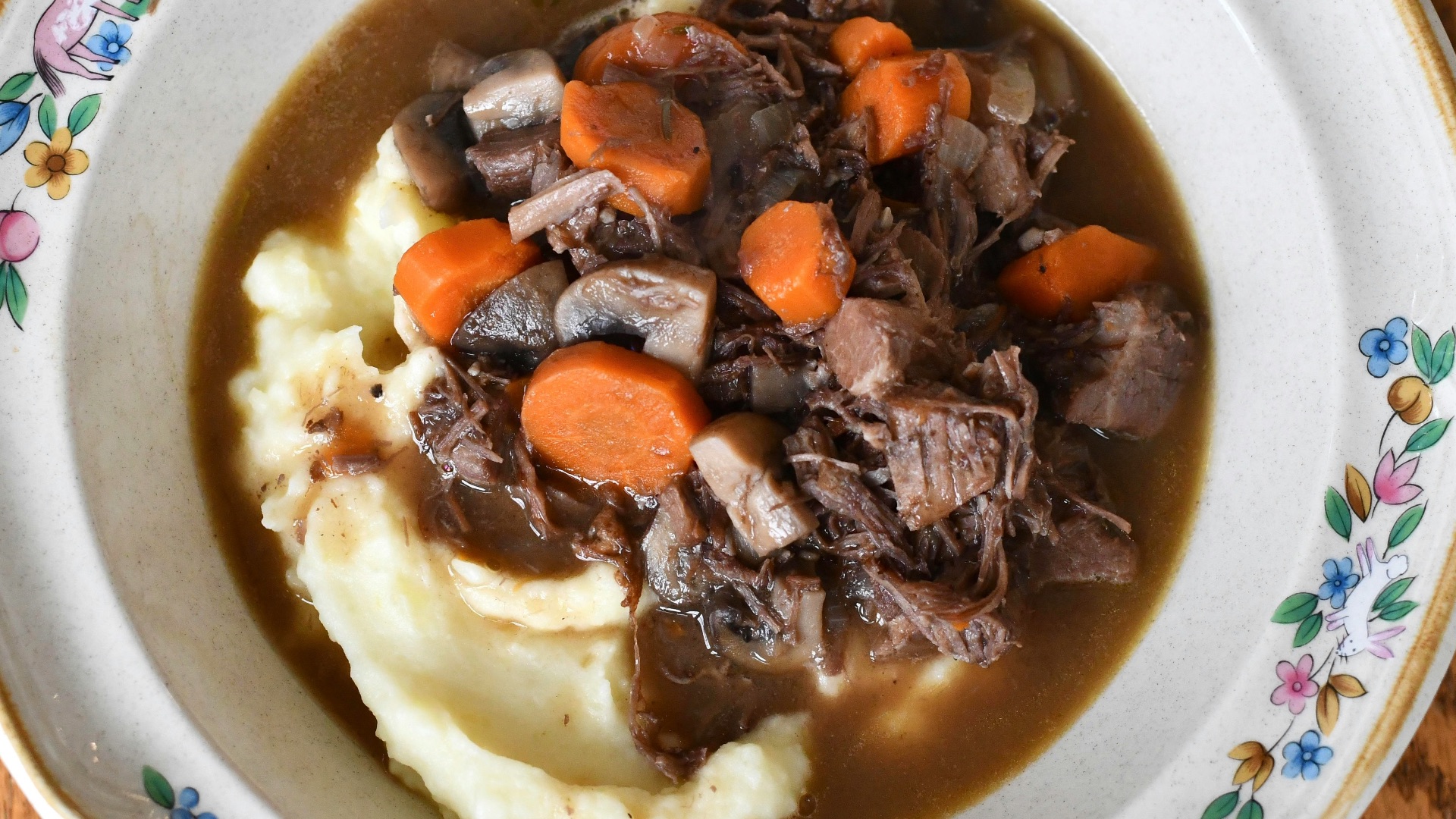
Pottage, resembling a thick stew, was a staple of the medieval English diet, usually made with grains, legumes, vegetables, and occasionally meats. It could be kept over the fire for a period of days, during which time some of it could be eaten and more ingredients added, resulting in a dish that was constantly changing. Whether you were a peasant throwing in whatever vegetables happened to be on hand or a wealthy lord enriching yours with saffron and exotic meats, pottage was the one dish that was enjoyed by all.
2. Bread
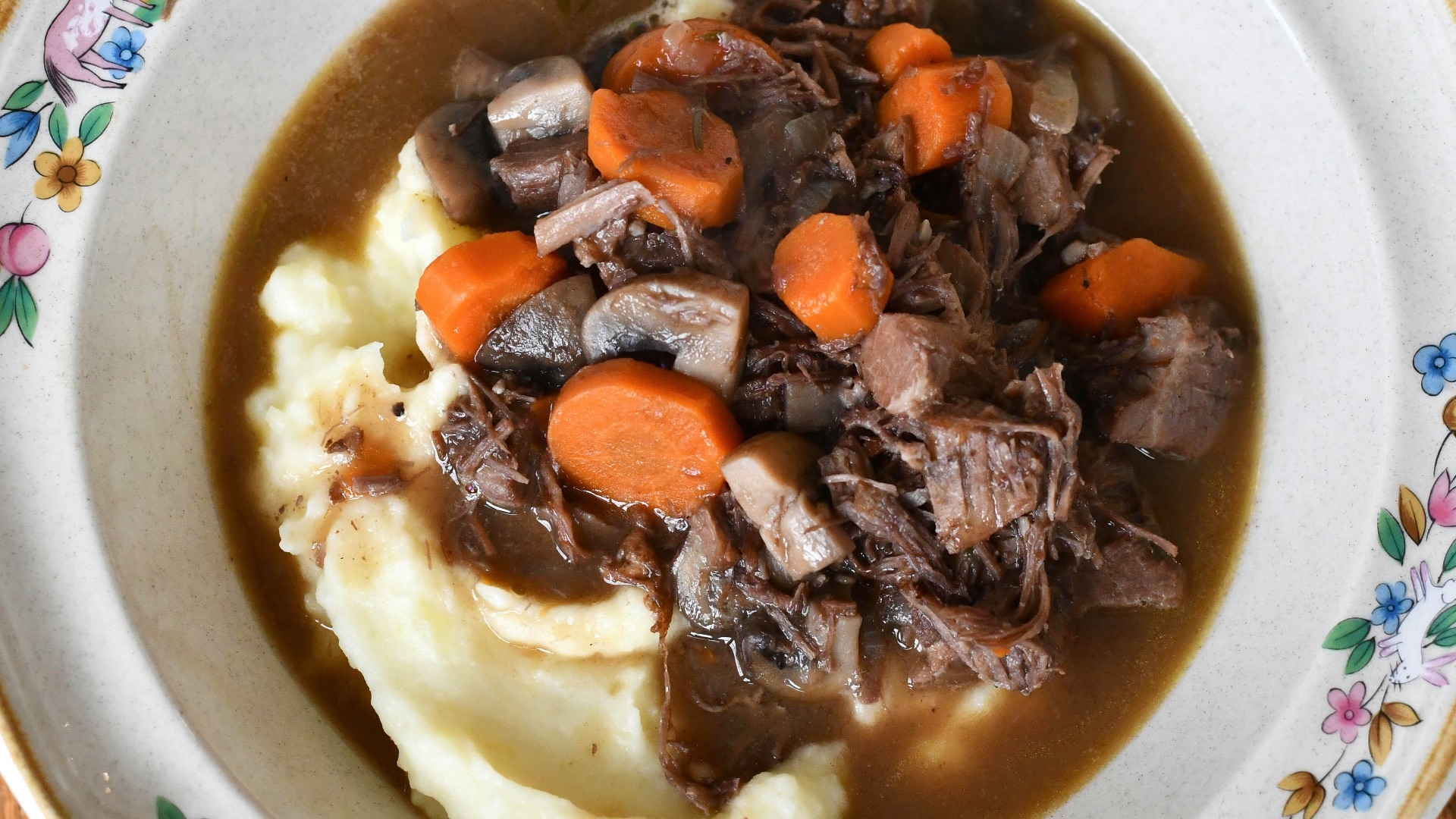
Staples of the medieval diet also included bread and cereals such as barley, oats, and rye, with wheat (a more expensive grain reserved for the affluent) used in bread, porridge, gruel, and early forms of pasta.
The type of bread you ate said a lot about your standing in society, since the whiter and finer the loaf, the wealthier you were presumed to be. Bread was so central to daily life that authorities in some places ensured that even the poor could afford to buy it.
3. Salted and Preserved Fish
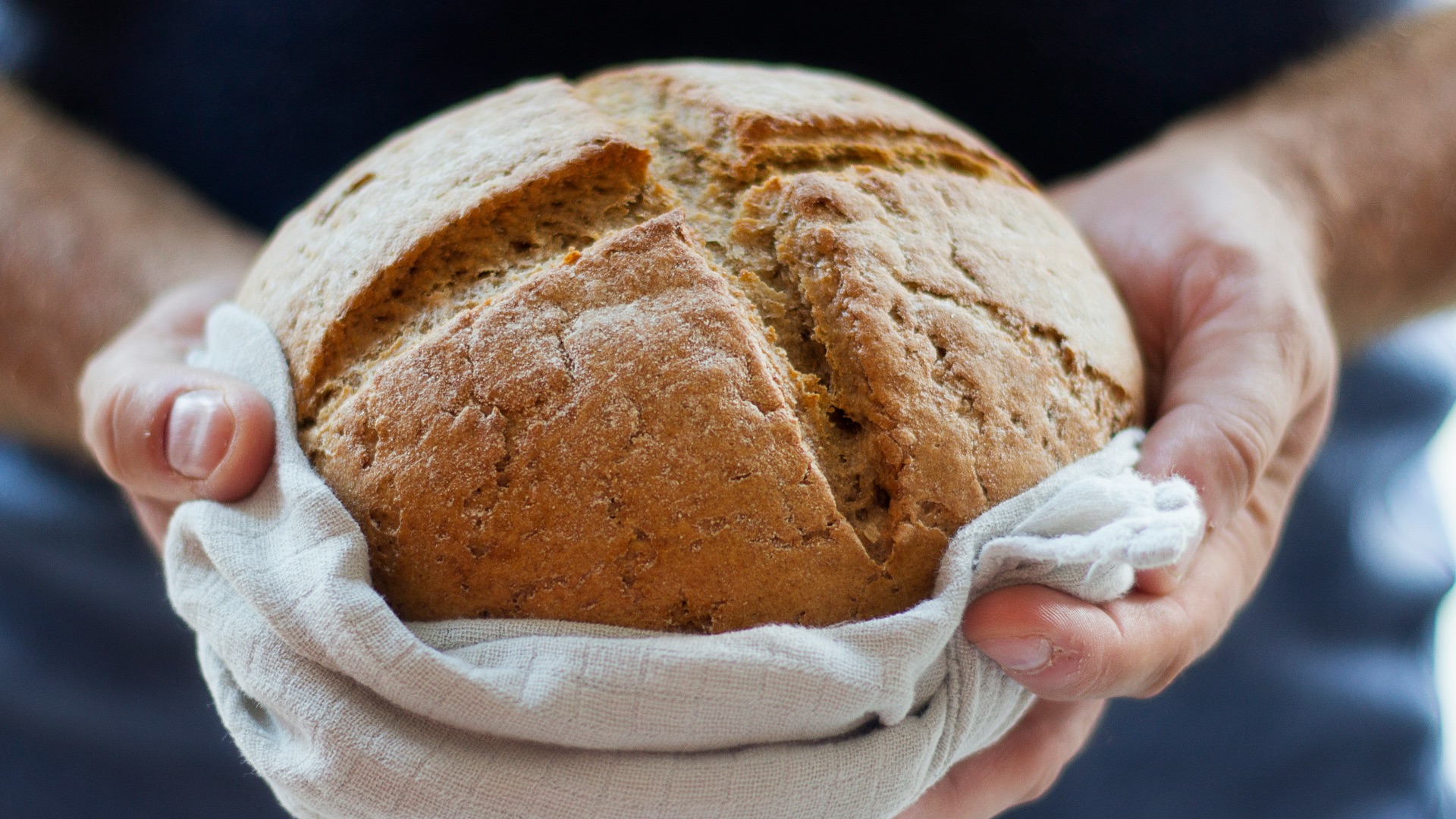
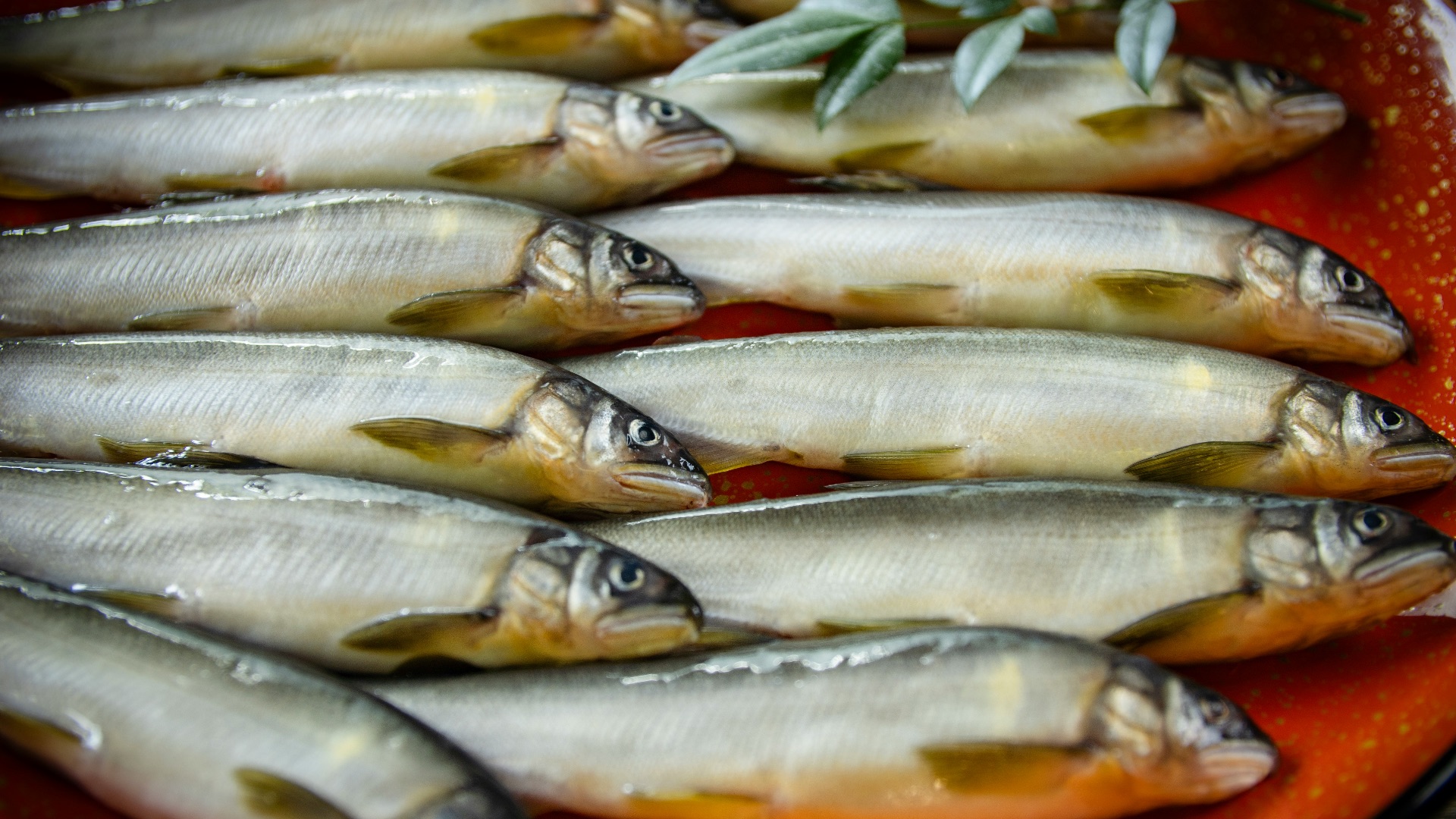
Pickled herrings were a staple in Northern Europe since medieval times, serving as a way to store and transport fish that was especially necessary during meatless periods like Lent. From the 9th century, the steady advance of Christianity in Europe produced a new and increasing market for preserved fish, as eating habits changed in accordance with fasting regulations that required the laity to abstain from meat for as many as 150 days in the year. Herring proved particularly valuable because it was abundant, cheap, and could be salted, smoked, or pickled to last for months at a time.
4. Ale and Beer
While the nobles would drink wine and beer, with wine being more favorable, the latter would only tend to be served during important celebratory occasions, while the majority of Europeans making up lower social classes would consume drinks such as ale, fruit juice, cider, and mead. It's a popular myth that people only drank ale because water was unsafe, but the reality is more nuanced.
The ales brewed at the time often had a lower alcoholic content than modern-day beers, with an average ABV as low as 1%, and farmers and laborers frequently drank several glasses of ale after a long shift not only to quench their thirst but also to provide them with caloric fuel.

5. Pork
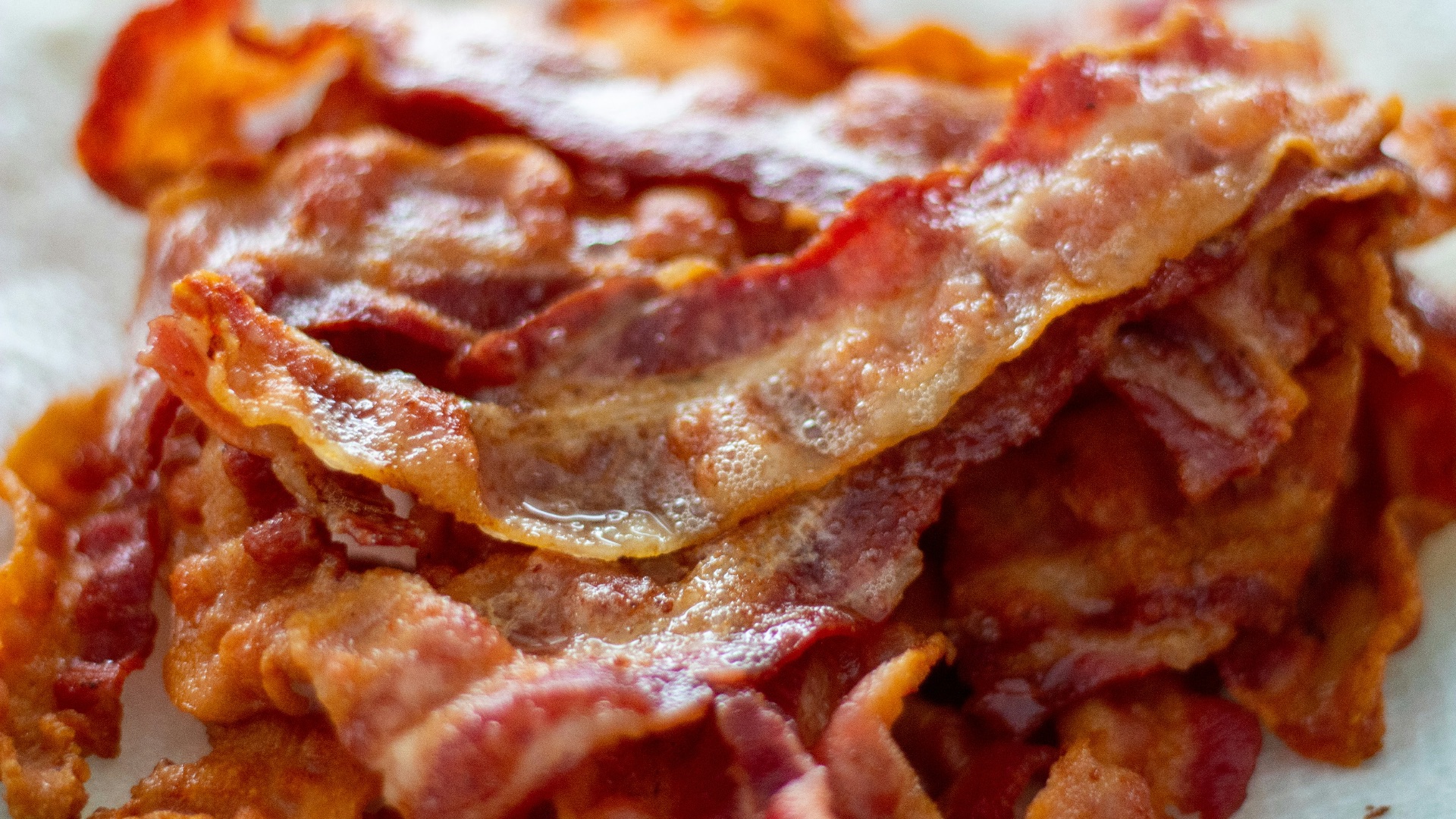
From beef to mutton, pork to poultry, various types of meat were consumed throughout the Middle Ages, though the nobility often indulged in more expensive and exotic options. Pork was one of the more "democratic" meats of the era, as pigs were relatively cheap to raise since they could forage for scraps, and virtually every part of the animal was used, from the fat rendered for cooking to the trotters thrown into a stew. Cured and salted pork products like bacon were especially common in peasant households, since they could be preserved and stretched out over many meals.
6. Legumes
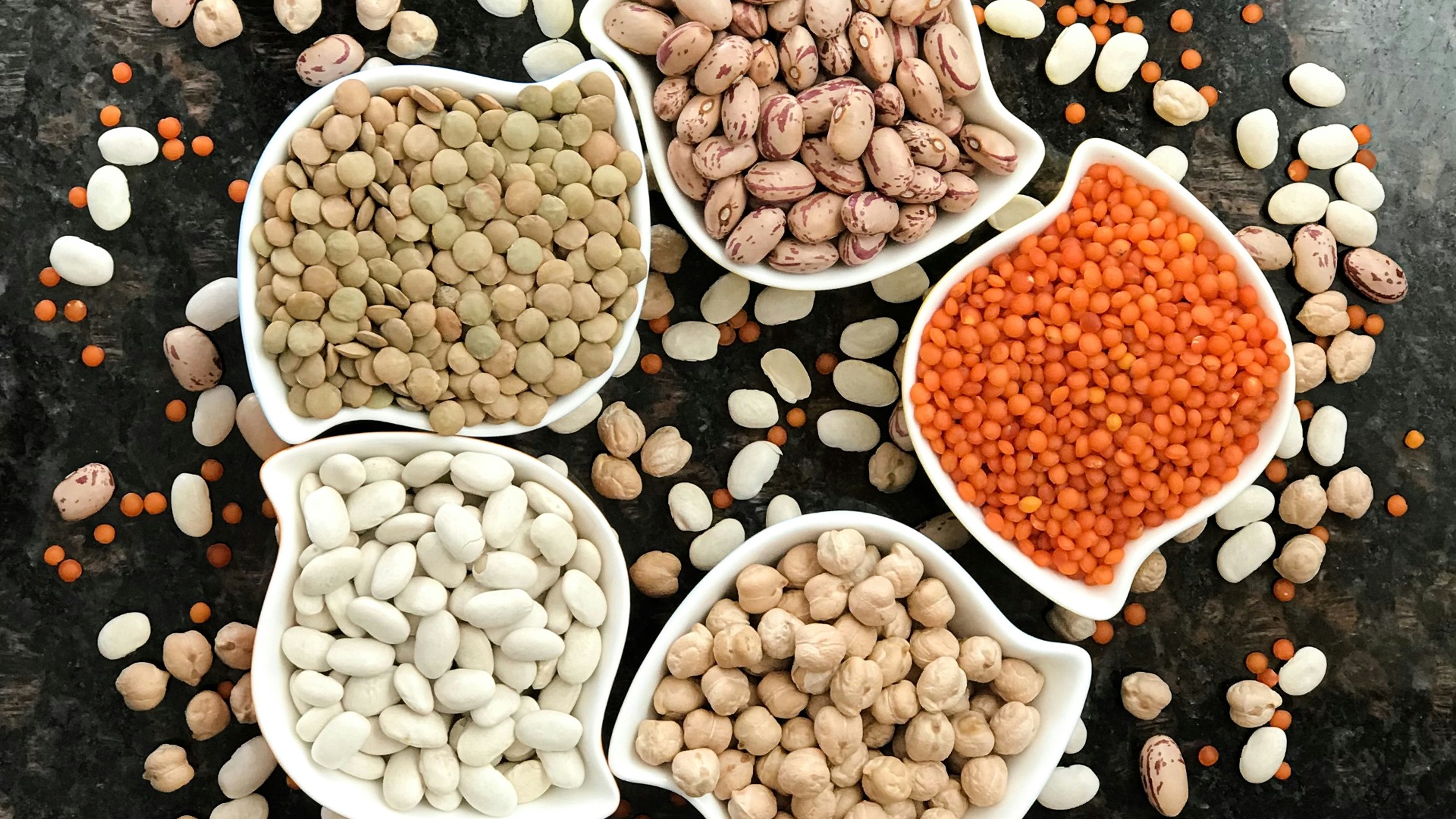
During fasting periods, protein would come more from cheese, eggs, and legumes than from meats, making them a critical part of the medieval diet for much of the year. Peas, beans, and lentils were among the most reliable sources of nutrition for the lower classes, and they turned up regularly in pottage and other simple dishes throughout the colder months.
They were also easy to dry and store, which made them incredibly practical in an era when access to fresh food was almost entirely dictated by the season.
7. Cabbage and Root Vegetables
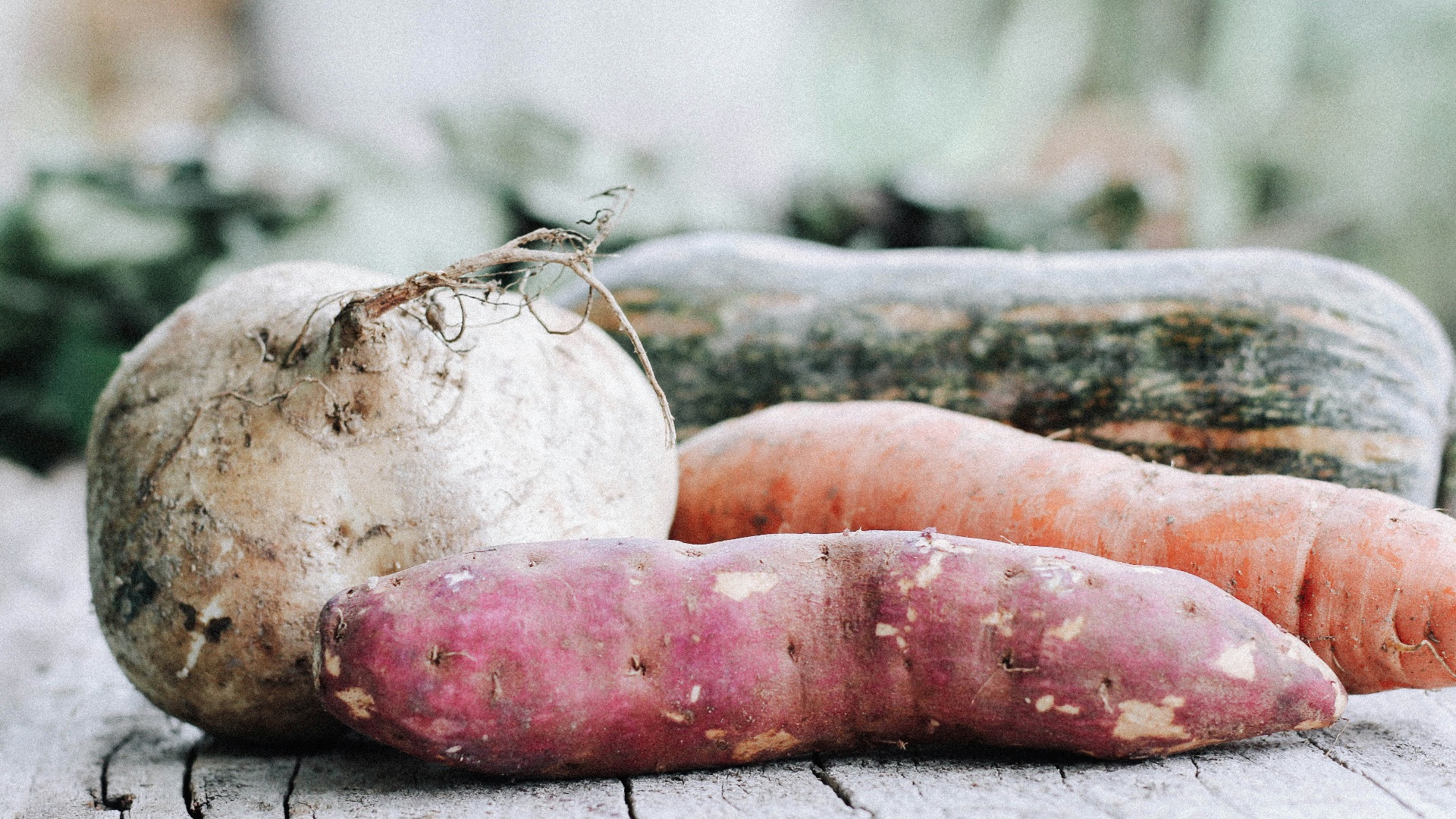
Research has shown that stews of meat and vegetables, such as cabbage and leek, were the mainstay of the medieval peasant diet, with dairy products also playing an important role. Turnips, parsnips, carrots, and onions were equally common, and they showed up in nearly every peasant meal in some form or another since they were hardy, grew reliably in northern European climates, and kept well in root cellars through winter. You'd have been hard-pressed to find a medieval peasant kitchen without at least some of these vegetables hanging around.
 Nguyen Dang Hoang Nhu on Unsplash
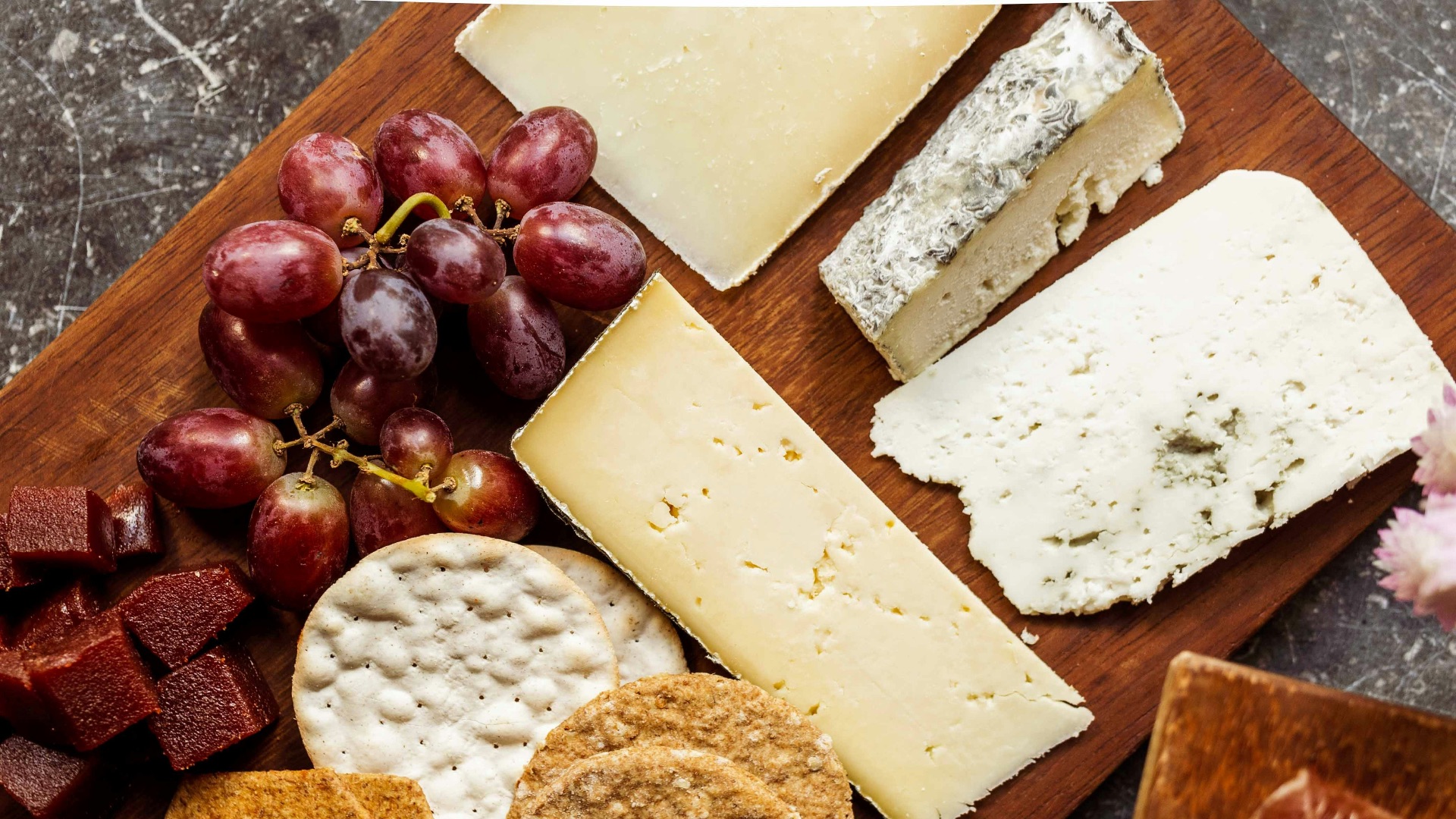
8. Cheese
Cheese was far more important as a foodstuff, especially for common people, and it's been suggested that it was, during many periods, the chief supplier of animal protein among the lower classes. Many varieties of cheese eaten today, like Dutch Edam, northern French Brie, and Italian Parmesan, were available and well known in late medieval times. There were also whey cheeses like ricotta, made from the by-products of the production of harder cheeses, and cheese was regularly used in cooking for pies and soups.
9. Exotic Spices
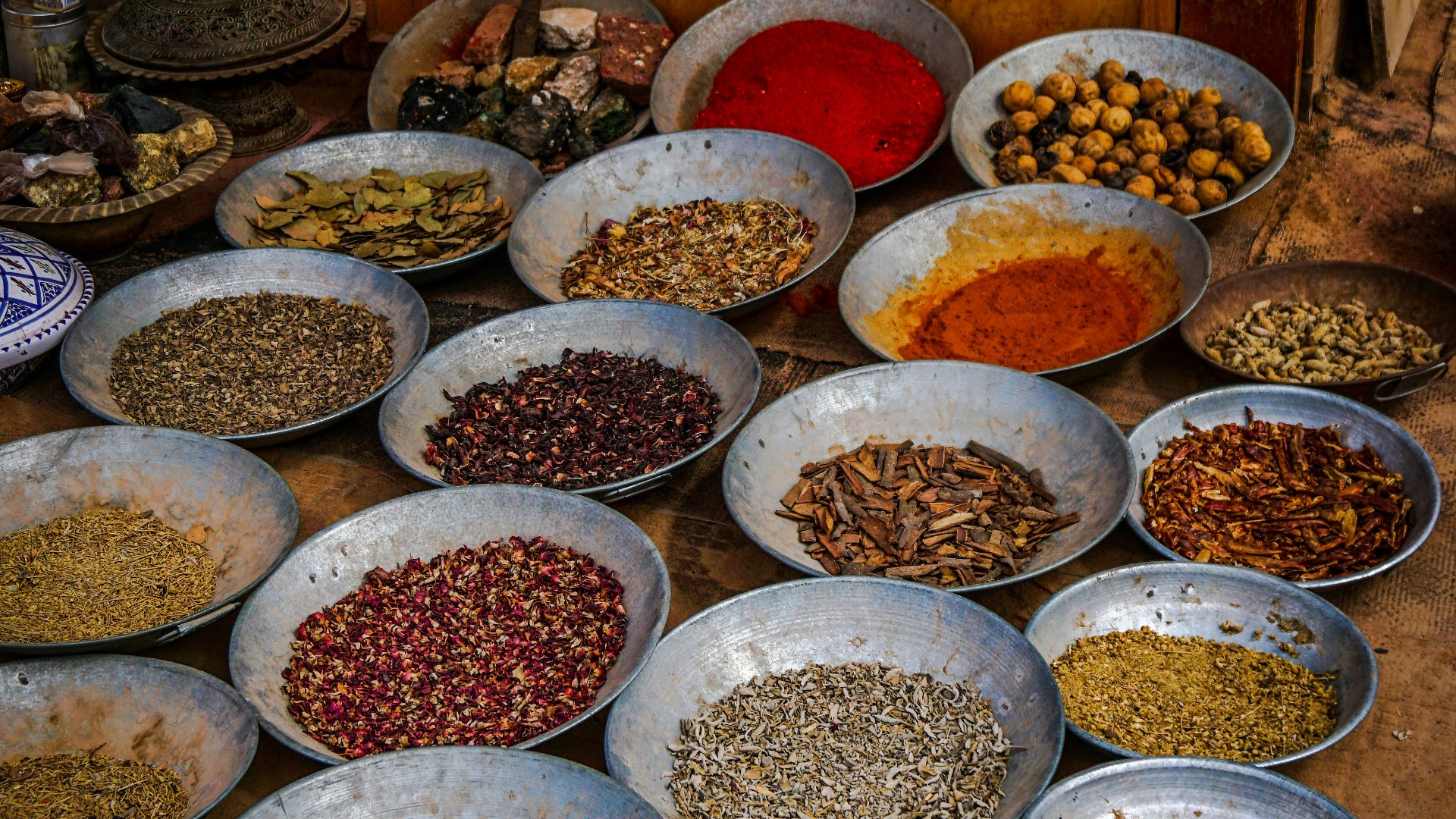
Spices were among the most demanded and expensive products available in Europe in the Middle Ages, with the most common being black pepper, cinnamon, cumin, nutmeg, ginger, and cloves.
The cost of these goods was staggering by today's standards: a pound of saffron cost the same as a horse, a pound of ginger as much as a sheep, and a Germanic price table from 1393 lists a pound of nutmeg as worth seven fat oxen. More than 75% of the recipes in 13th to 15th-century cookbooks include spices, and showing off the range and quantity of spices at your table was often more important to the host than the flavor they imparted.
 Agnieszka Stankiewicz on Unsplash
10. Frumenty
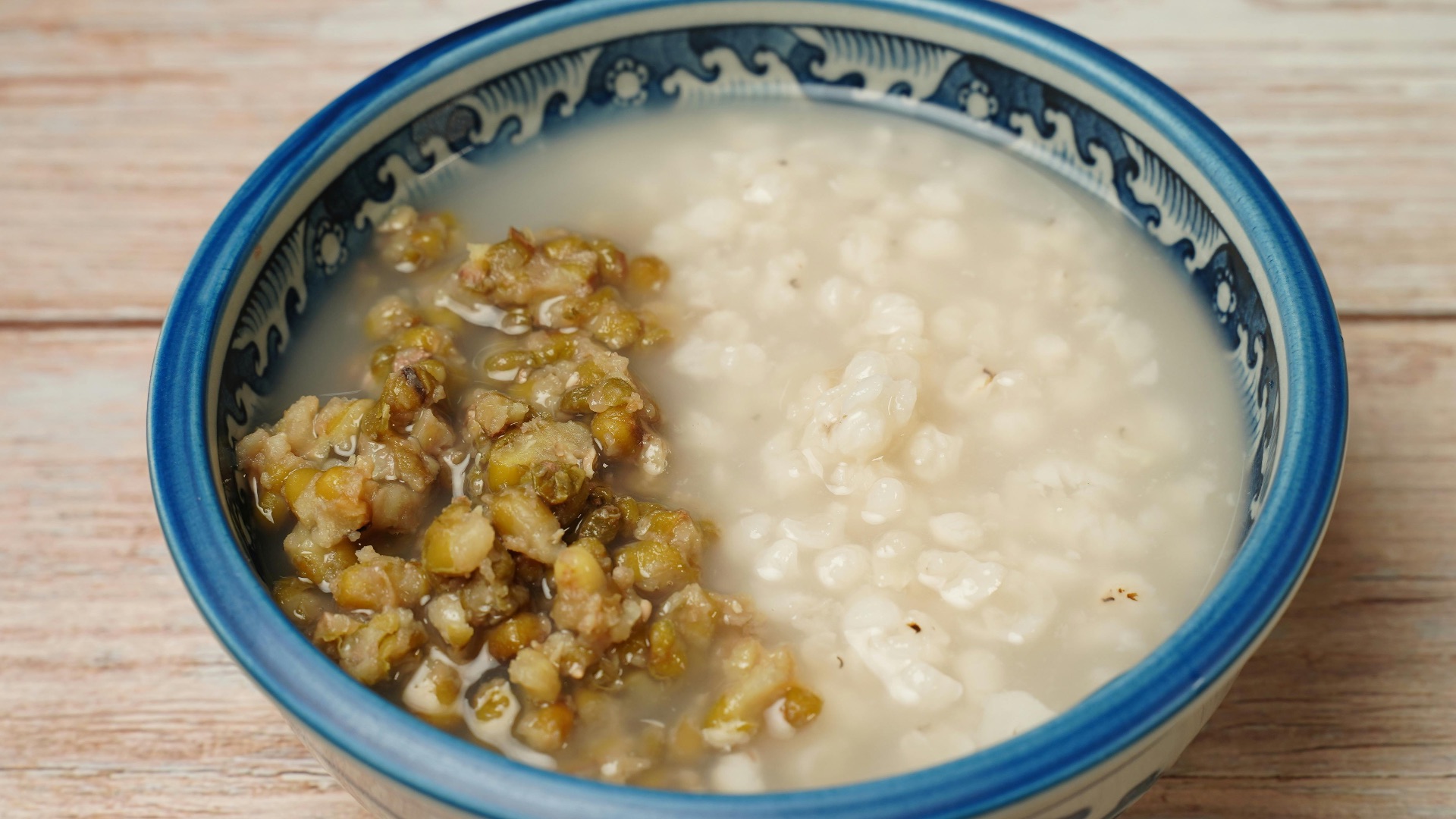
Another common sight at the medieval dinner table was frumenty, a thick wheat porridge often boiled in a meat broth and seasoned with spices. It was considered a higher-status version of standard pottage, typically eaten by wealthier households, and frumenty was made by boiling freshly cleaned wheat grain until it burst, allowing it to cool, and then boiling it again with broth and either cow's milk or almond milk, thickened with egg yolk and flavored with sugar and spices. While a peasant's pottage was thin and relatively plain, frumenty was thick, rich, and unmistakably a dish for those who could afford to make it.
11. Game Meat
Nobles enjoyed fresh game seasoned with exotic spices imported from distant lands, showcasing their wealth and political power, while in stark contrast, common laborers had to contend with coarse barley bread and beans.
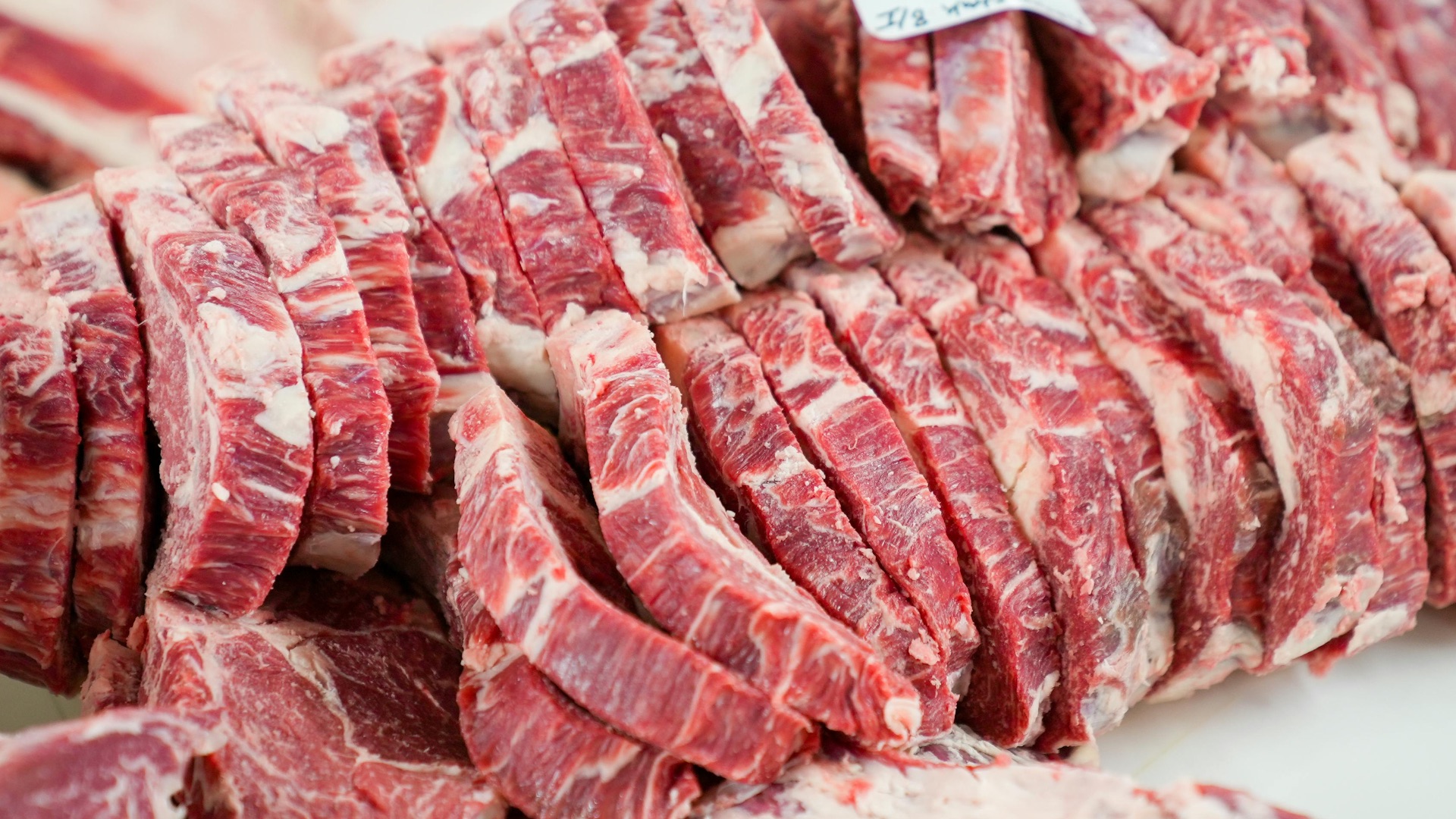
Hunting was a privilege of the nobility, and deer, boar, pheasant, and rabbit from controlled estate grounds were all considered prestigious foods that rarely reached the tables of ordinary people. In fact, poaching from the lord's land was a serious offense, which meant that for most peasants, game meat remained an occasional and often illicit treat rather than a regular part of their diet.
12. Trencher Bread
A trencher was originally a flat round of stale bread used as a plate, upon which food could be placed to eat, and at the end of the meal the sauce-soaked trencher could be eaten or given as alms to the poor. By the 14th century, trenchers had also evolved into square or circular wooden plates, typically with a small cavity for salt in the rim. It might seem like an unusual concept today, but the bread trencher was a practical and nearly waste-free solution in an era when ceramic plates were expensive and food was never taken for granted.
13. Almond Milk
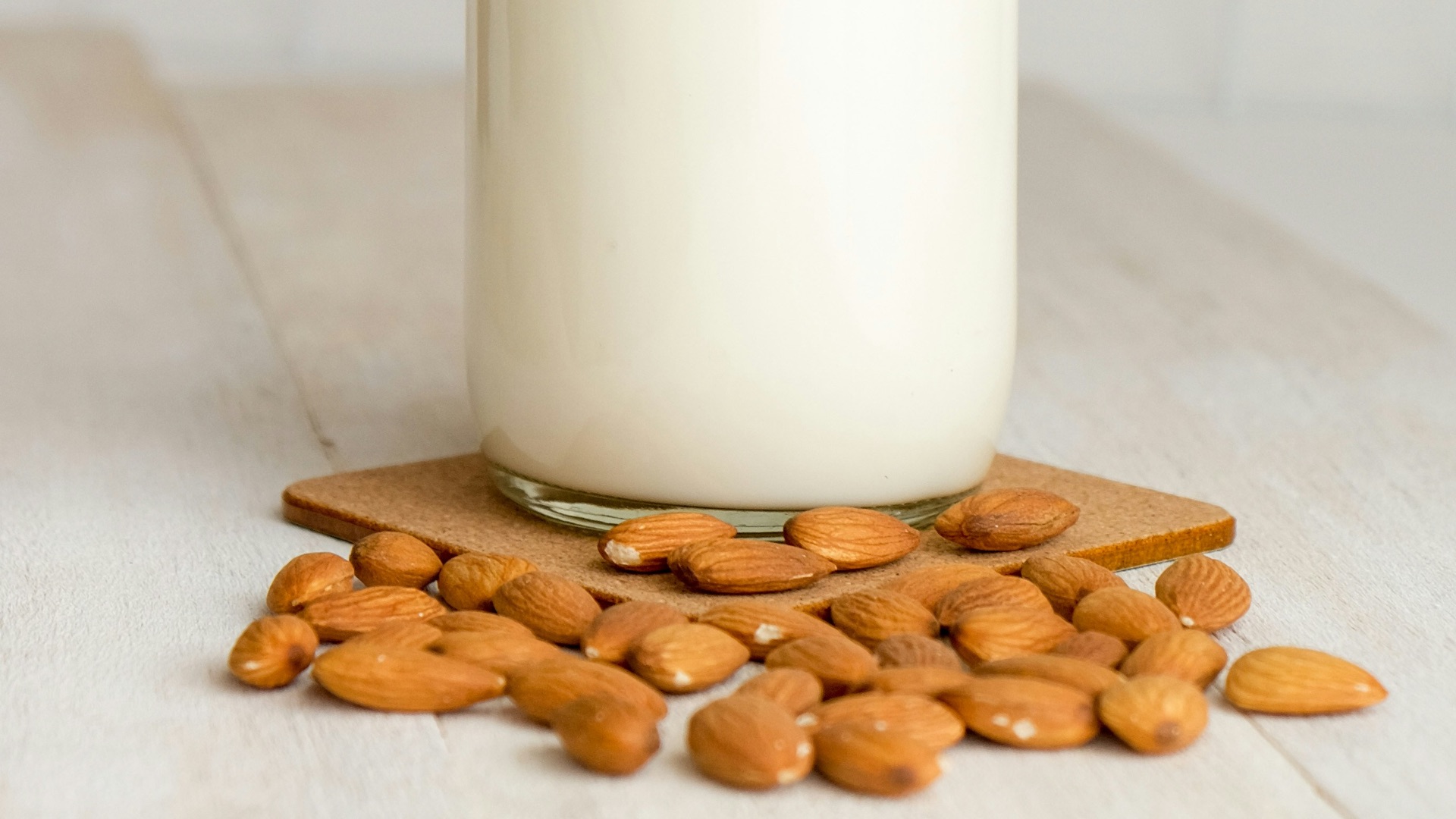
Almonds were very popular as a thickener in soups, stews, and sauces throughout the Middle Ages, particularly in the form of almond milk. Almond milk was especially useful during fasting periods when dairy was restricted, and it allowed cooks in wealthy households to replicate the richness of cream or cow's milk without technically breaking the Church's rules.
It was considered a refined and somewhat prestigious ingredient, and you're much more likely to have encountered it in a nobleman's kitchen than in a peasant's pot.
14. Eggs
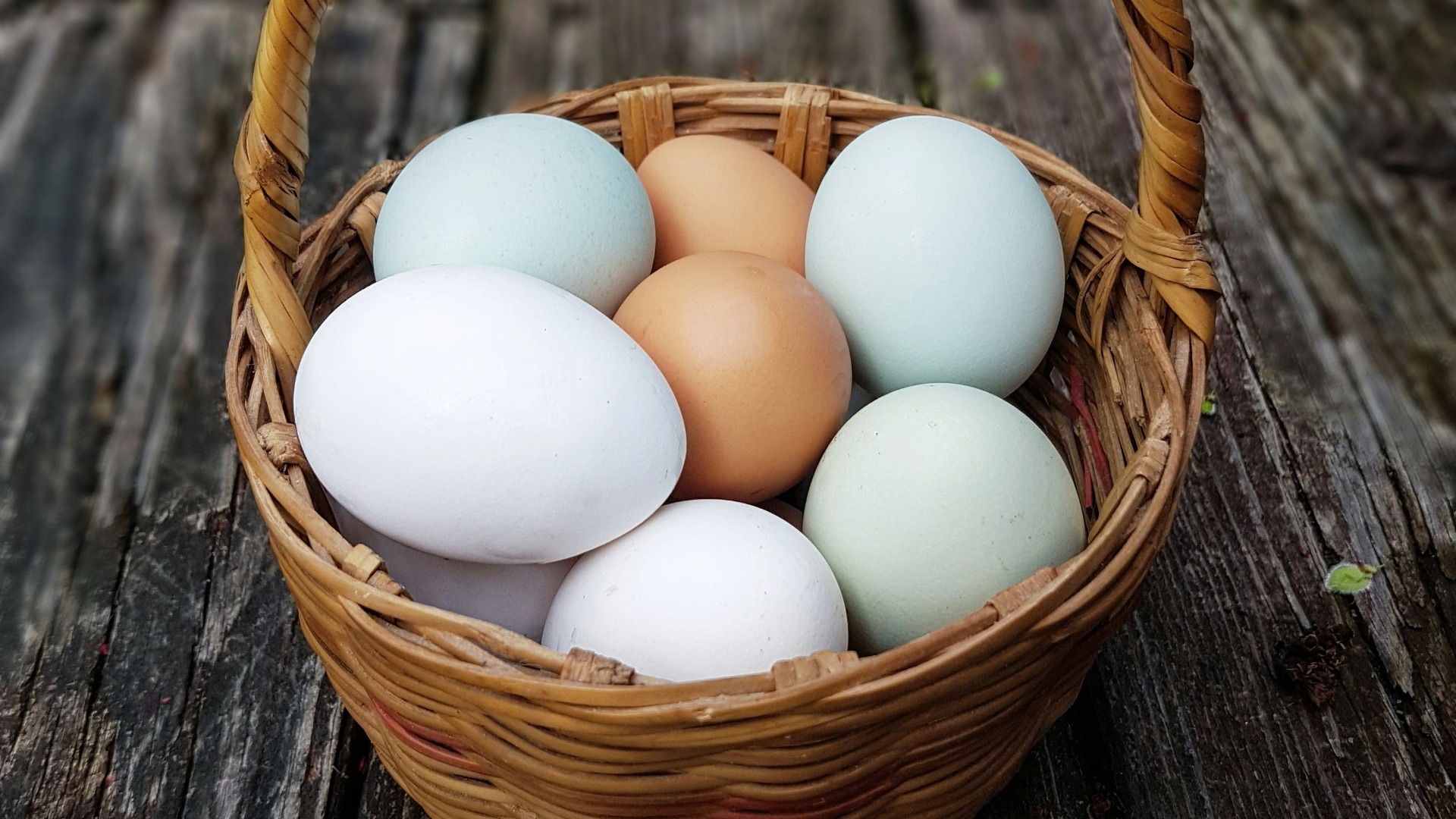
Eggs were one of the most accessible and versatile foods available to people of all social classes during the Middle Ages, and they turned up in everything from thick pottages to baked pies and stuffed dishes. During fasting periods when meat was restricted, protein came more reliably from eggs, cheese, and legumes, which made eggs a surprisingly important dietary staple for much of the year. Even a poor peasant household was likely to keep a few chickens, which meant that eggs were one of the few animal-based foods that didn't require either significant wealth or a good hunting day to put on the table.
15. Wine
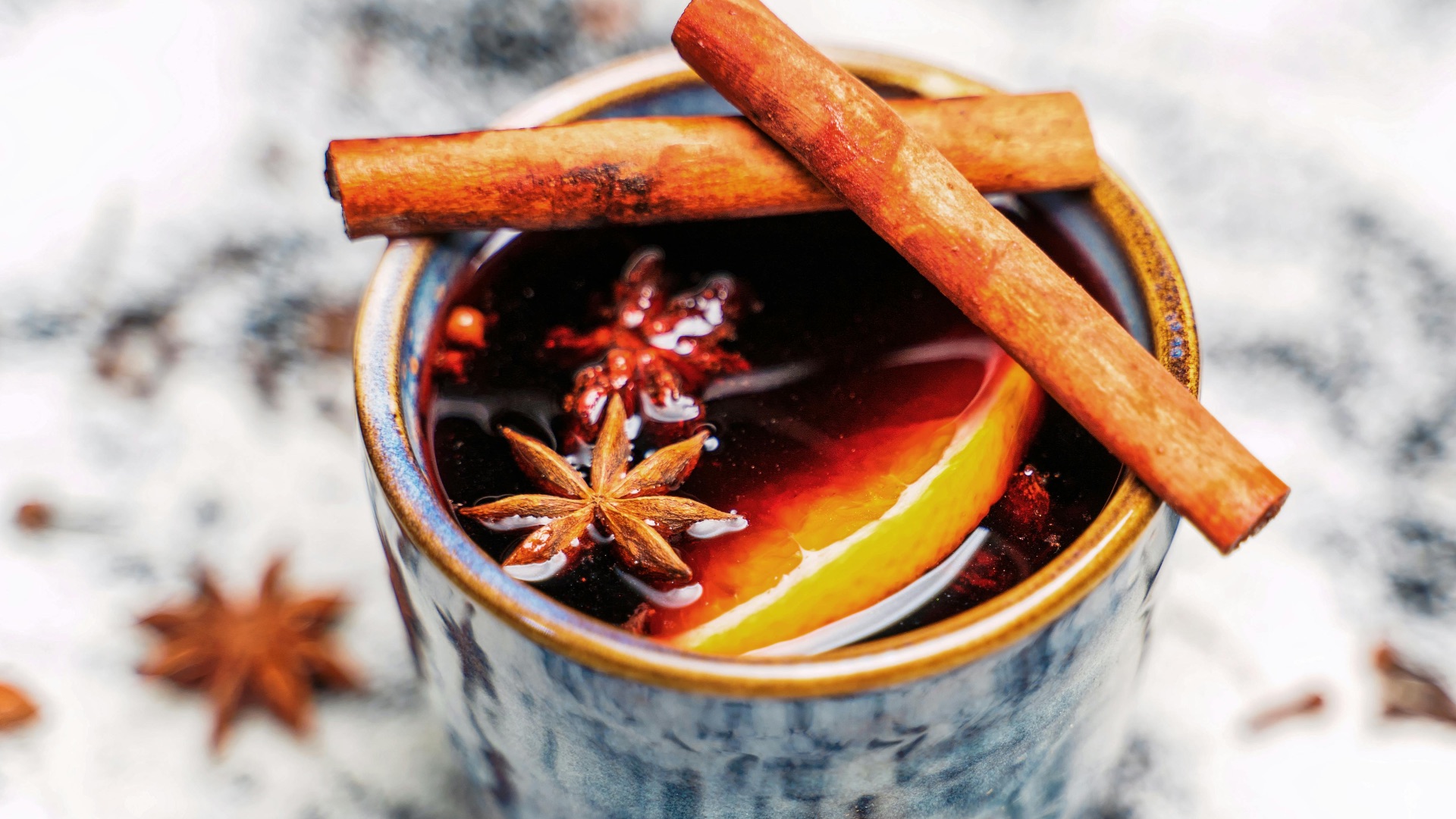
Wine was the drink of choice for the medieval nobility and clergy, and its quality and origin were considered a direct reflection of the host's wealth and social standing. Spiced or mulled wine was not only popular among the affluent but was also considered especially healthy by physicians, who believed that wine acted as a conduit that carried the nutrients from other foods to every part of the body. Spiced wines were usually made by mixing an ordinary red wine with an assortment of additions such as ginger, cardamom, pepper, grains of paradise, nutmeg, cloves, and sugar.
16. Honey
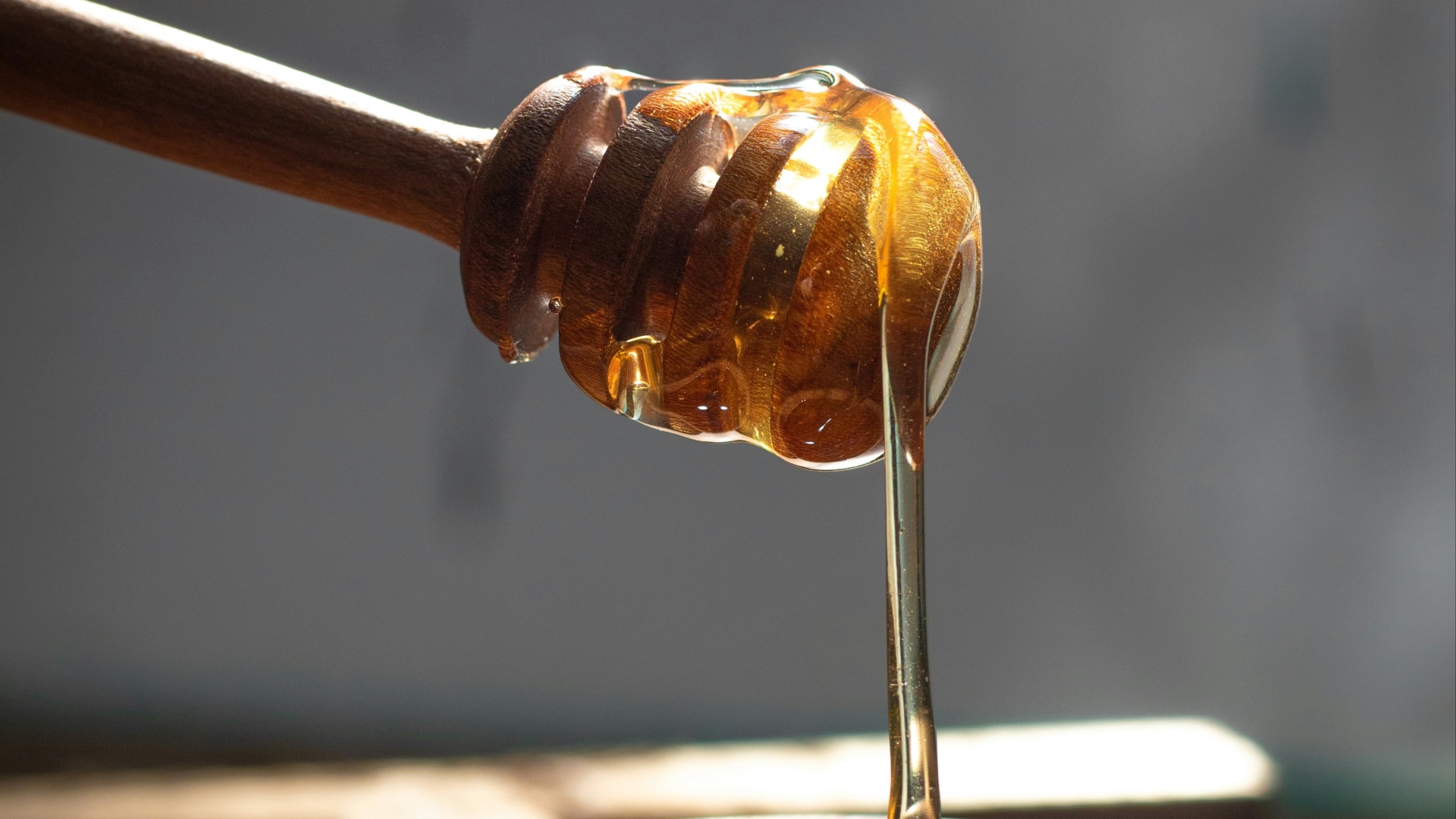
Before sugar became more widely available, honey was the primary sweetener in medieval cooking, used to sweeten everything from drinks and desserts to savory sauces and medicinal preparations. It also had significant preservation properties and was used to ferment mead, one of the most widely consumed alcoholic drinks of the early medieval period. Honey's value extended well beyond the kitchen, as it played an important role in medicine and was considered one of the few genuinely sweet luxuries that even moderately comfortable households could access without the enormous cost of imported cane sugar.
17. Dried Fruits and Nuts
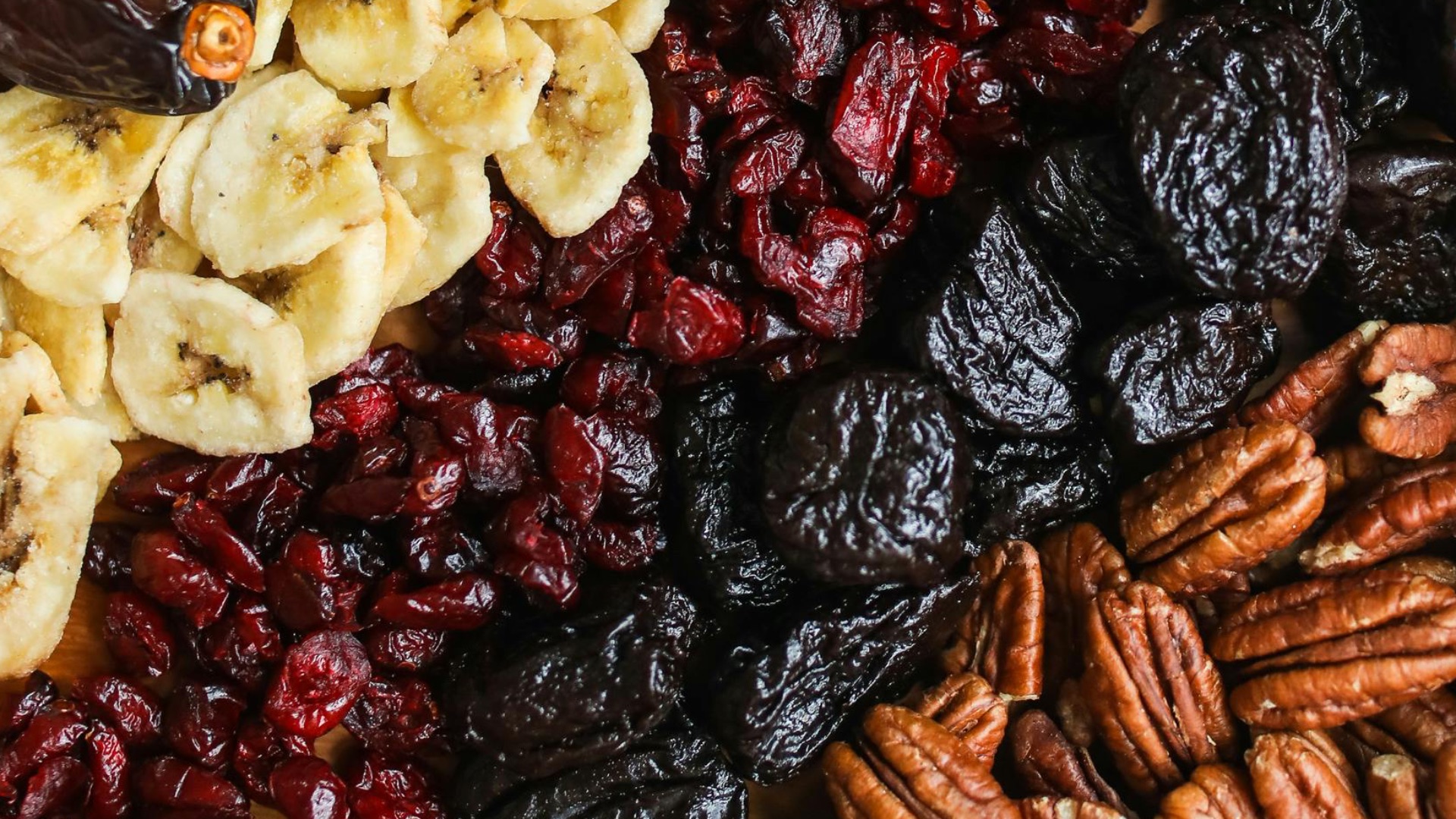
Medieval kitchens of the rich can be characterized by a spicy flavor palette combined with sweet-sour and sweet-savory combinations, and sauces were often thickened by using breadcrumbs and combined with a sweet flavor like sugar and dried fruits such as currants and raisins. Almonds, walnuts, and chestnuts also featured prominently in medieval cooking, with almonds in particular being an expensive but widely used ingredient in the kitchens of wealthy households. Dried fruits like dates, figs, and prunes made it to European tables via trade routes and were prized both for their sweetness and their ability to survive long journeys without spoiling.
18. Fresh Fruit
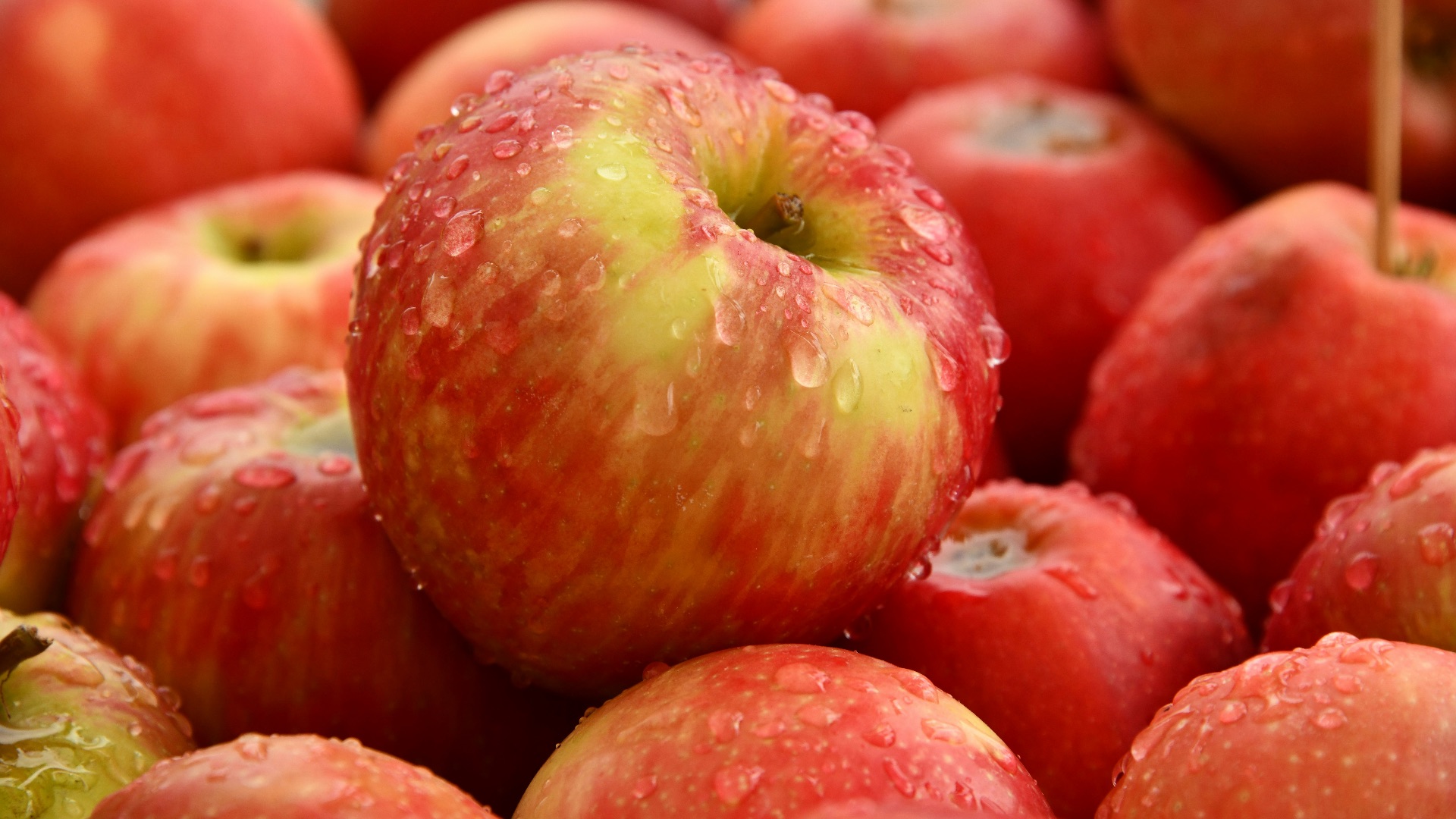
Seasonal fruits such as apples and pears were regularly available, but medieval people lacked the luxury of refrigeration, which meant that foods that spoiled quickly had to be eaten immediately or else they'd be wasted.
A well-organized medieval meal would ideally begin with easily digestible fruits such as apples, as it was believed that opening the stomach with lighter foods made the digestion of heavier dishes more effective. Berries, cherries, plums, and quinces were also widely eaten in season, and many were preserved through drying or cooking down into thick fruit pastes that could be stored and eaten through the winter months.
19. Butter and Lard
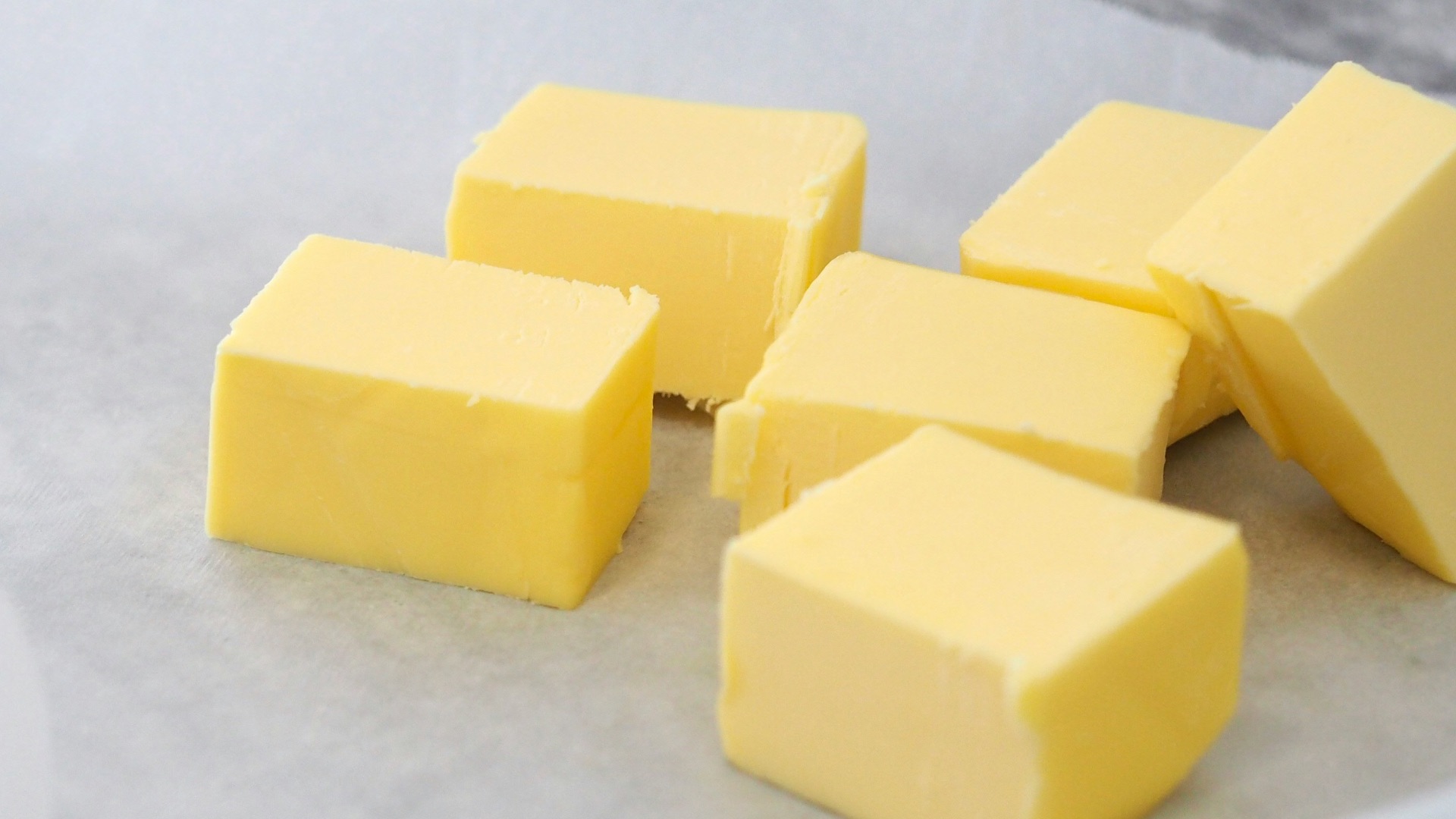
Butter was a dominant cooking medium in the regions of Northern Europe that specialized in cattle production in the latter half of the Middle Ages, particularly in the Low Countries and southern Scandinavia, while most other regions used oil or lard as cooking fats. Lard, rendered from pork fat, was especially common in peasant cooking since it was cheap, flavorful, and a natural by-product of the pig slaughter that most households participated in each autumn. These cooking fats weren't just culinary ingredients; they were also calorie-dense energy sources in a world where access to enough food to sustain hard physical labor was never guaranteed.
20. Medieval Pies
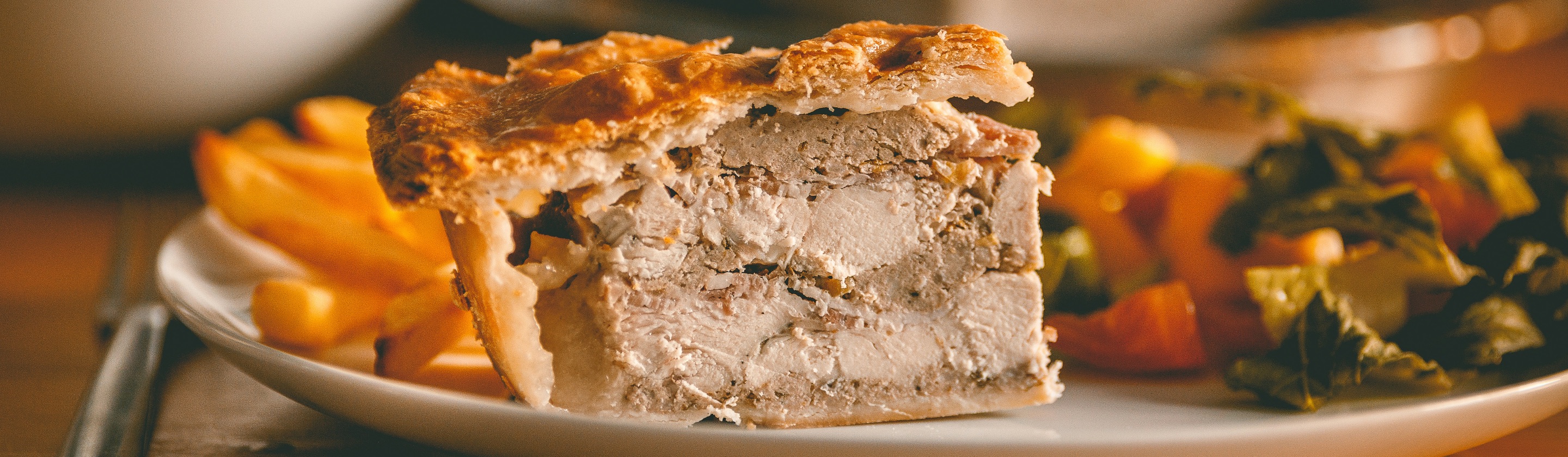
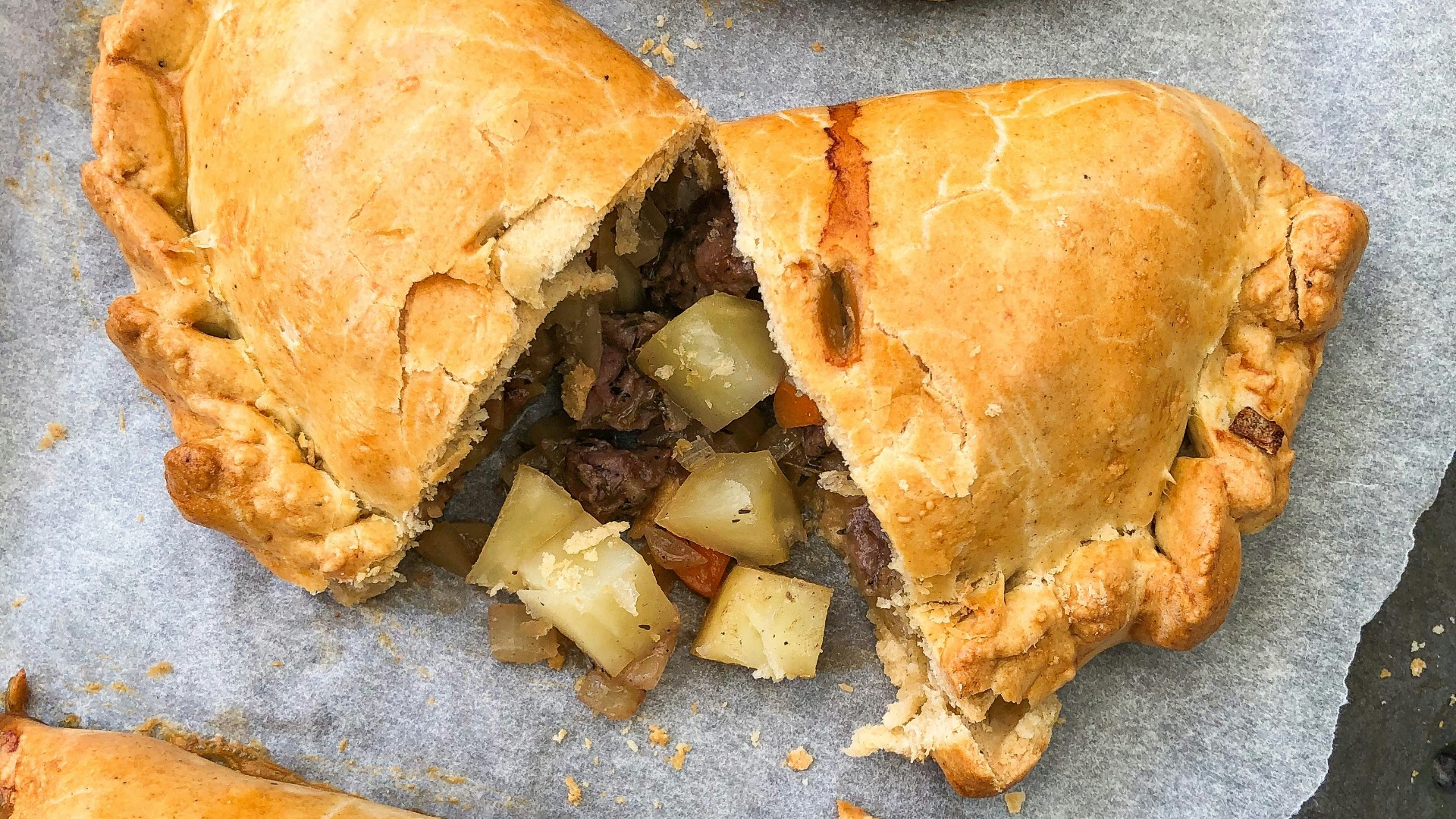
Pies filled with meats, eggs, vegetables, or fruit were common throughout Europe, as were turnovers, fritters, doughnuts, and many similar pastries, and by the Late Middle Ages, biscuits and especially wafers eaten for dessert had become high-prestige foods that came in many varieties.
The thick pastry crusts used in medieval pies, often called coffins, were designed less for eating and more as cooking vessels and serving containers, though the filling inside was very much the main attraction. Dishes served at noble meals would often be heavily spiced to exhibit wealth to guests, and a pie served at a great hall feast would have undoubtedly included an impressive array of imported spices worked into the filling.
KEEP ON READING

20 Weirdest Historical Objects in Museums
Check Out the Pickled Heart of a Saint. Museums carry…
By Rob Shapiro Oct 1, 2025
20 Ocean Mysteries We Still Haven’t Solved
Unanswered Questions Of The Ocean. The ocean covers most of…
By David Davidovic Sep 1, 2025
10 Phenomenal Mythical Creatures & 10 That Are Just Plain…
Legends Both Majestic And Peculiar. Do you ever wonder why…
By Chase Wexler Oct 1, 2025
20 Historical Predictions That Turned Out To Be True
Crystal Ball Moments In History. Do you wonder what it's…
By Chase Wexler Sep 1, 2025
10 Presidents Who Never Served In The Military & 10…
Commanders And Civilians In Office. Power can rise from very…
By David Davidovic Sep 1, 2025
20 Wars That Could Have Ended Much Sooner Than They…
Wars That Lasted Far Too Long. Wars are often remembered…
By David Davidovic Sep 1, 2025