The British Abolished The Monarchy Before—So Why Did They Bring It Back?
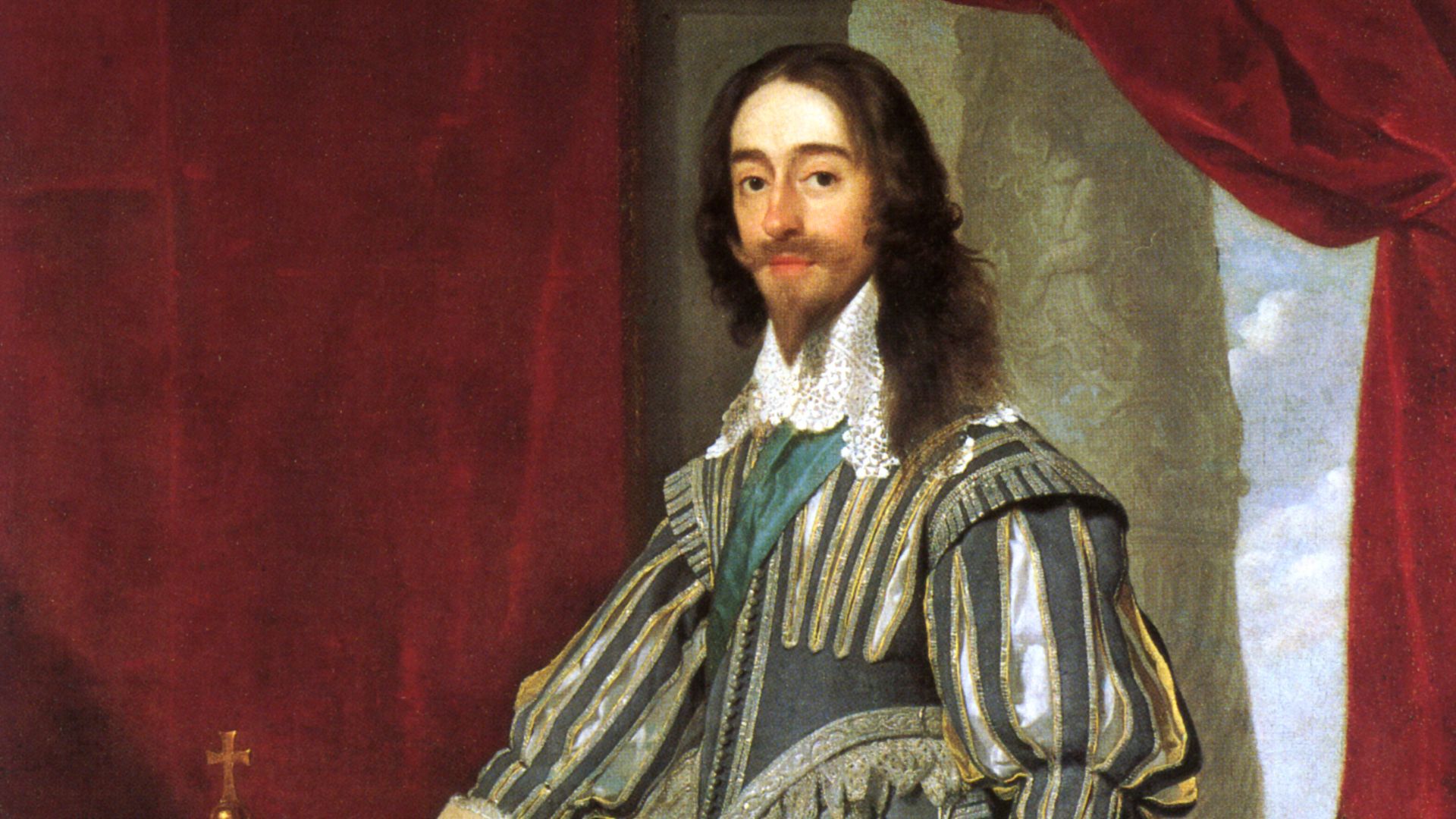
In 1649, the British monarchy ceased when Charles I was executed, and the office of king was abolished by Parliament under the English Interregnum. A republic followed, and yet just over a decade later, in 1660, the crown was restored under Charles II. The question then becomes clear: if Britain once abolished the monarchy, what brought it back?
The Fall Of The Crown
The story begins in the turbulent 1640s, a time when Britain was divided by war, faith, and the meaning of power. Charles I ruled with an iron belief in divine right—the idea that his authority came directly from God. Parliament, emboldened by new political thinking and economic power, resisted. The English Civil War tore through the nation, pitting royalists against parliamentarians, brother against brother, church against chapel.
When the fighting ended, Parliament had won, and the once-mighty king found himself on trial for treason against his own people. His execution on a cold January morning shocked Europe. In its aftermath, Parliament abolished the monarchy and the House of Lords, declaring England a Commonwealth.
The new republic, initially led by the Rump Parliament and later by Oliver Cromwell (1653) and his disciplined New Model Army, promised an end to tyranny. Yet, the reality was far more complicated. Cromwell ruled as “Lord Protector,” a title that sounded republican but functioned much like a kingship. England’s government became a hybrid—part military dictatorship, part puritan experiment, and the promise of liberty gave way to heavy censorship.
Still, many hoped the new system would hold, and for a while, it did. But his death in 1658 left a gaping void.
The Return Of The King
By 1660, the revolutionary experiment had run its course. England was tired, and the army, once the pillar of the Commonwealth, fractured under competing loyalties. General George Monck, sensing the country’s weariness, marched his troops to London and opened Parliament’s doors once more. There, the old question resurfaced: what now?
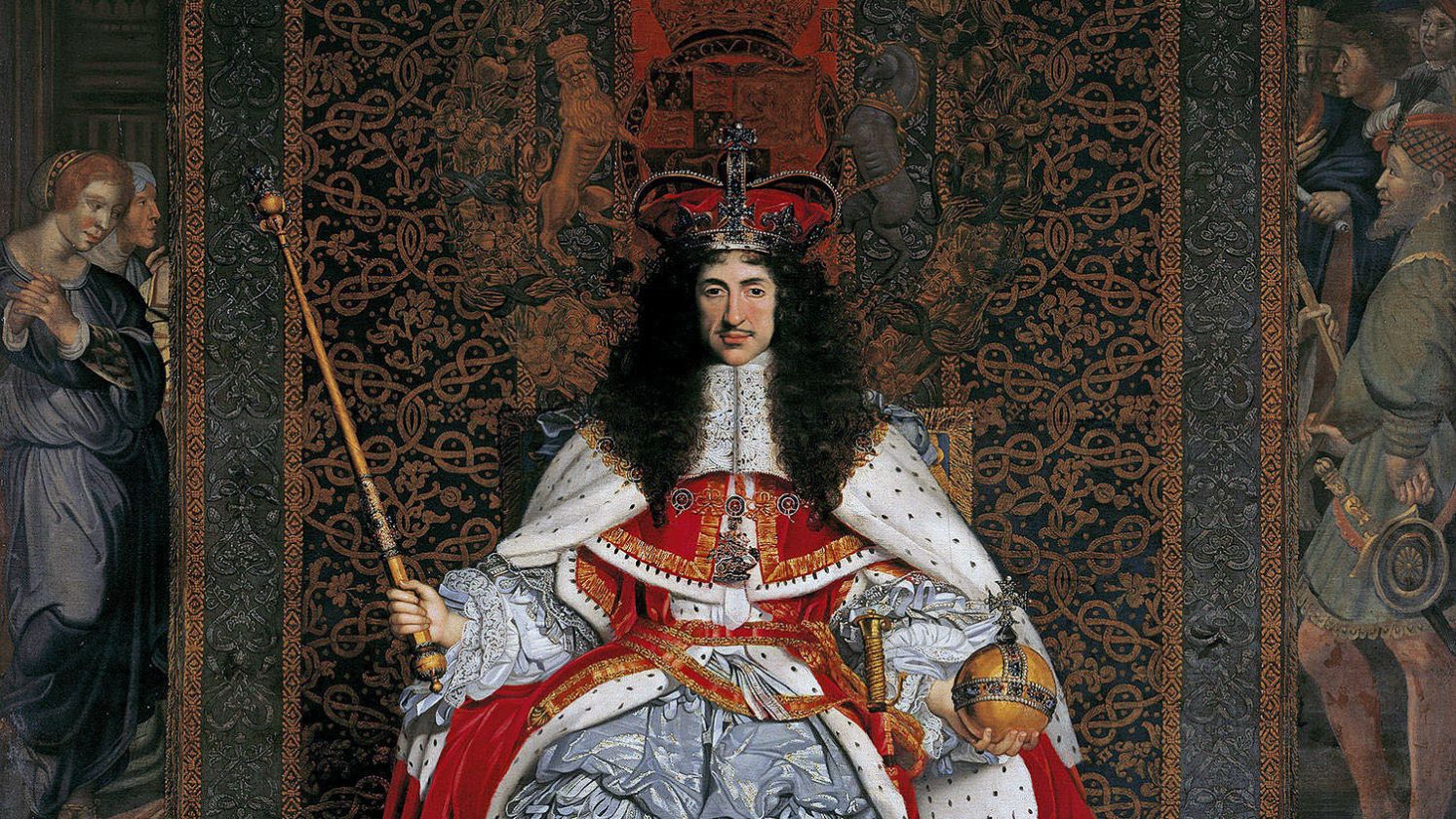
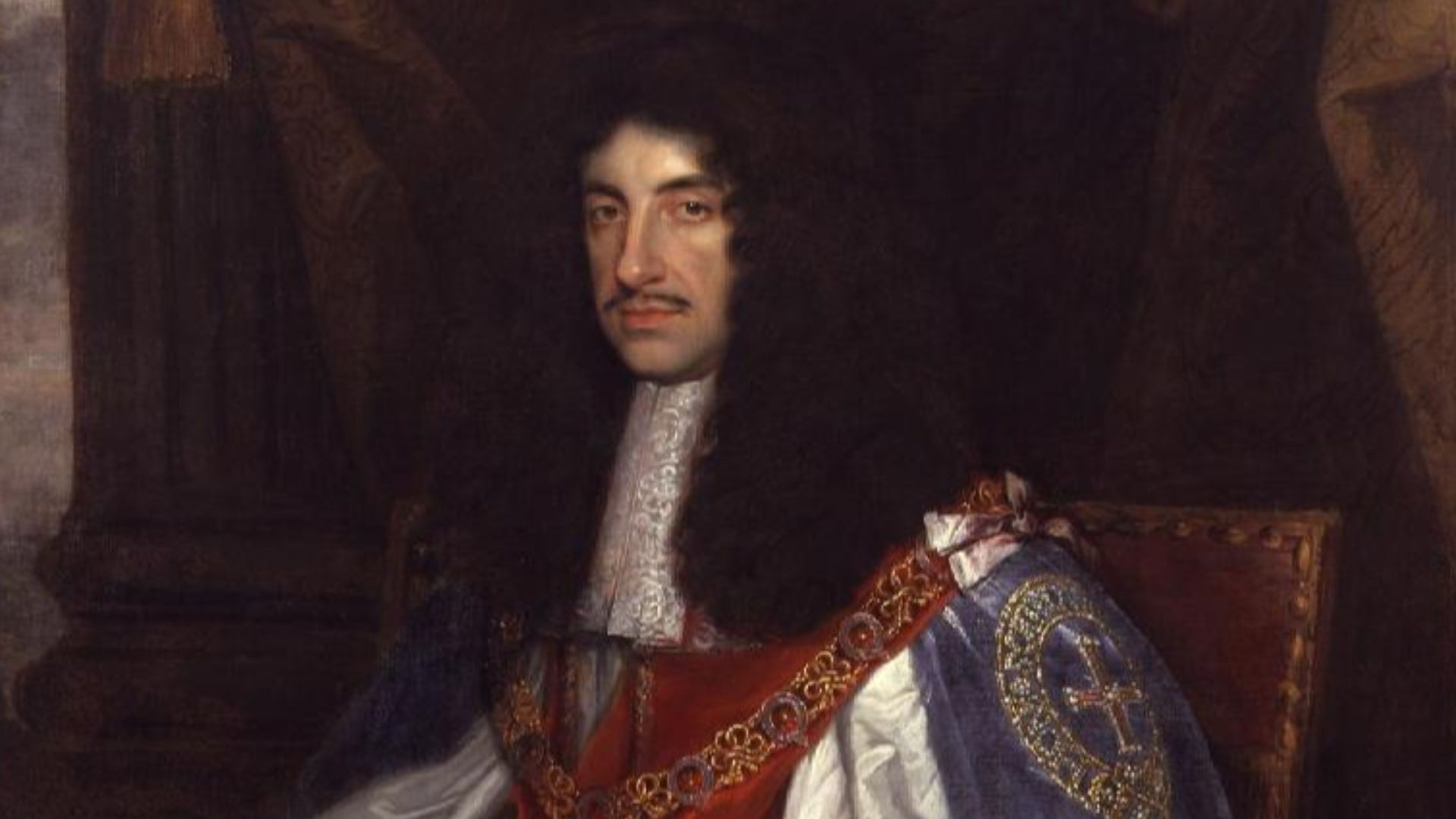
The answer came in the form of a letter from Charles II, son of the executed king. From his exile in the Netherlands, he promised forgiveness, stability, and respect for Parliament’s authority. His words struck a chord. In May 1660, Parliament declared him the lawful king. The monarchy was restored, and London erupted in celebration.
It wasn’t a simple return to old ways, though. The monarchy that Charles II inherited was fundamentally changed. Parliament’s supremacy was now acknowledged, and the divine right of kings had been fatally undermined. Charles knew the throne could survive only by compromise. So, his reign ushered in a delicate balance: royal ceremony revived, but constitutional reality redefined.
Conclusion
The brief abolition of the monarchy remains one of the most fascinating chapters in British history—a moment when an ancient institution fell, only to rise again stronger and wiser. The experiment of the Commonwealth taught the British people how fragile political order can be, and how deeply symbols matter in holding a nation together.
KEEP ON READING