

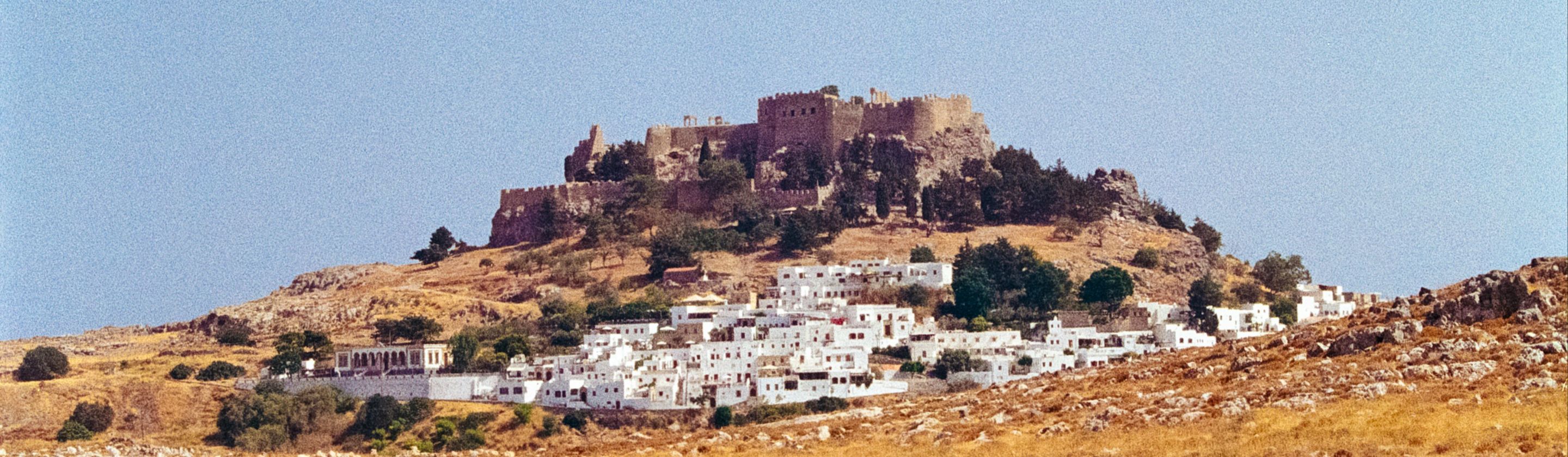
Egypt’s Ministry of Tourism and Antiquities recently revealed a massive discovery at the Tell el-Kharouba archeological site.
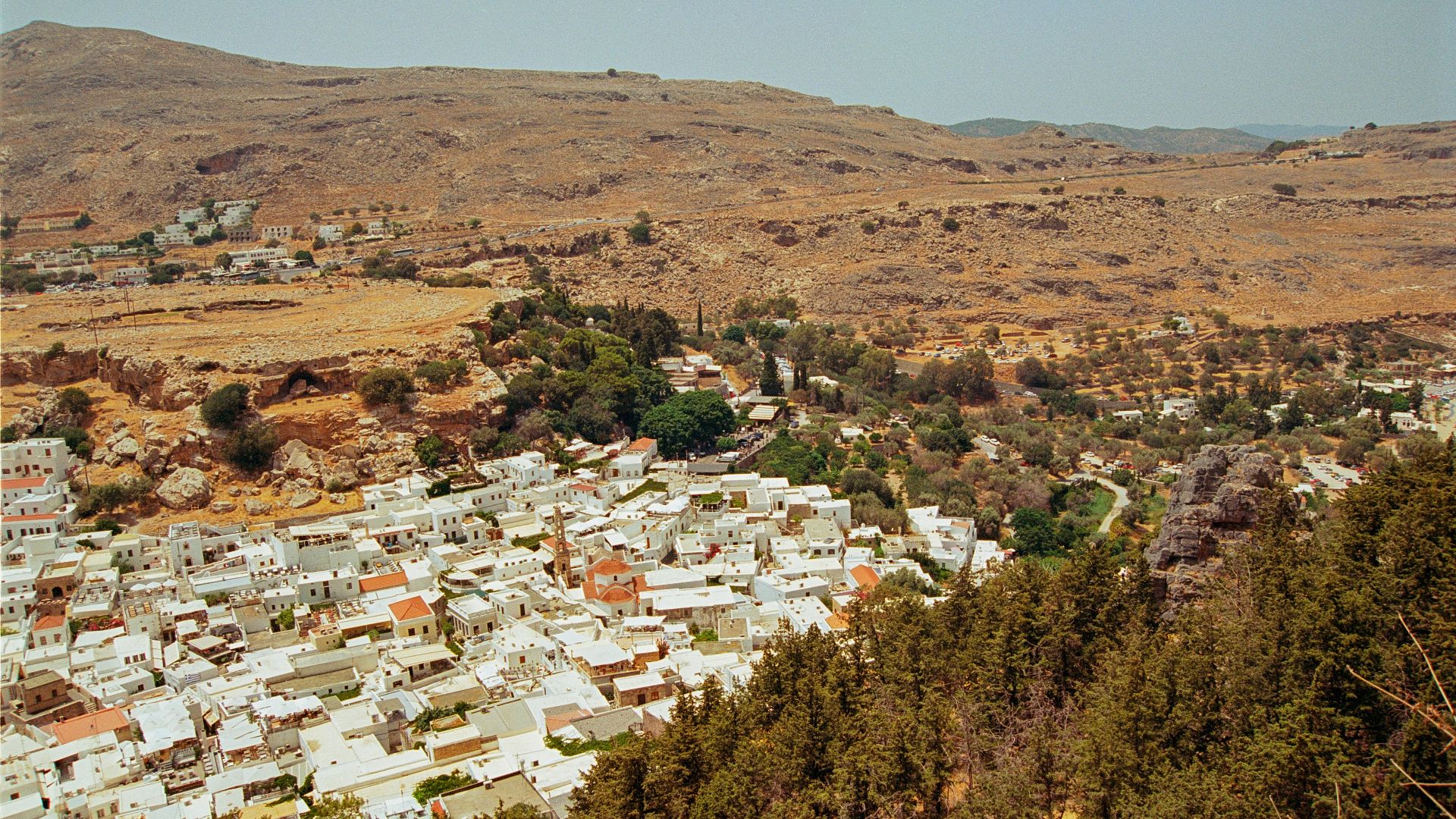
Said to be a military fortress from the New Kingdom era (1550-1070 BCE), this enlightening find has confirmed the intricate military planning of New Kingdom kings. This structure, considered one of the largest found on the Horus Military Road, is one of many defensive structures that linked Egypt with ancient Palestine and Syria.
Thus far, archaeologists have discovered the fortress’s southern wall, approximately 105 meters long and 2.5 meters wide. In addition to the wall, 11 defensive towers have also been discovered. It’s believed that the fortress covers an area of approximately 8,000 square meters, 3 times larger than Tell el-Borg, a neighboring fortress that was discovered in the 1980s.
Alongside the larger structures, small ovens, unbaked bread dough, storerooms, courtyards, and other facilities were discovered. It’s believed that this particular fortress housed a garrison of 500 soldiers. Several of the structures also had pottery stamped with King Thutmose I, likely meaning that construction of this fortress began during his reign, between 1506 to 1493 BCE.
Dr. Mohamed Ismail Khaled, Secretary-General of the Supreme Council of Antiquities, said that this discovery is an "important step" in painting a larger picture of Egypt's fortification network. "Every fortress we discover as a new brick to our understanding of the military and defensive organization of Pharaonic Egypt," as explained in the EMTA's statement. "And confirms that Egyptian civilization was not limited to temples and tombs only, but was a state of strong institutions capable of protecting its land and borders."
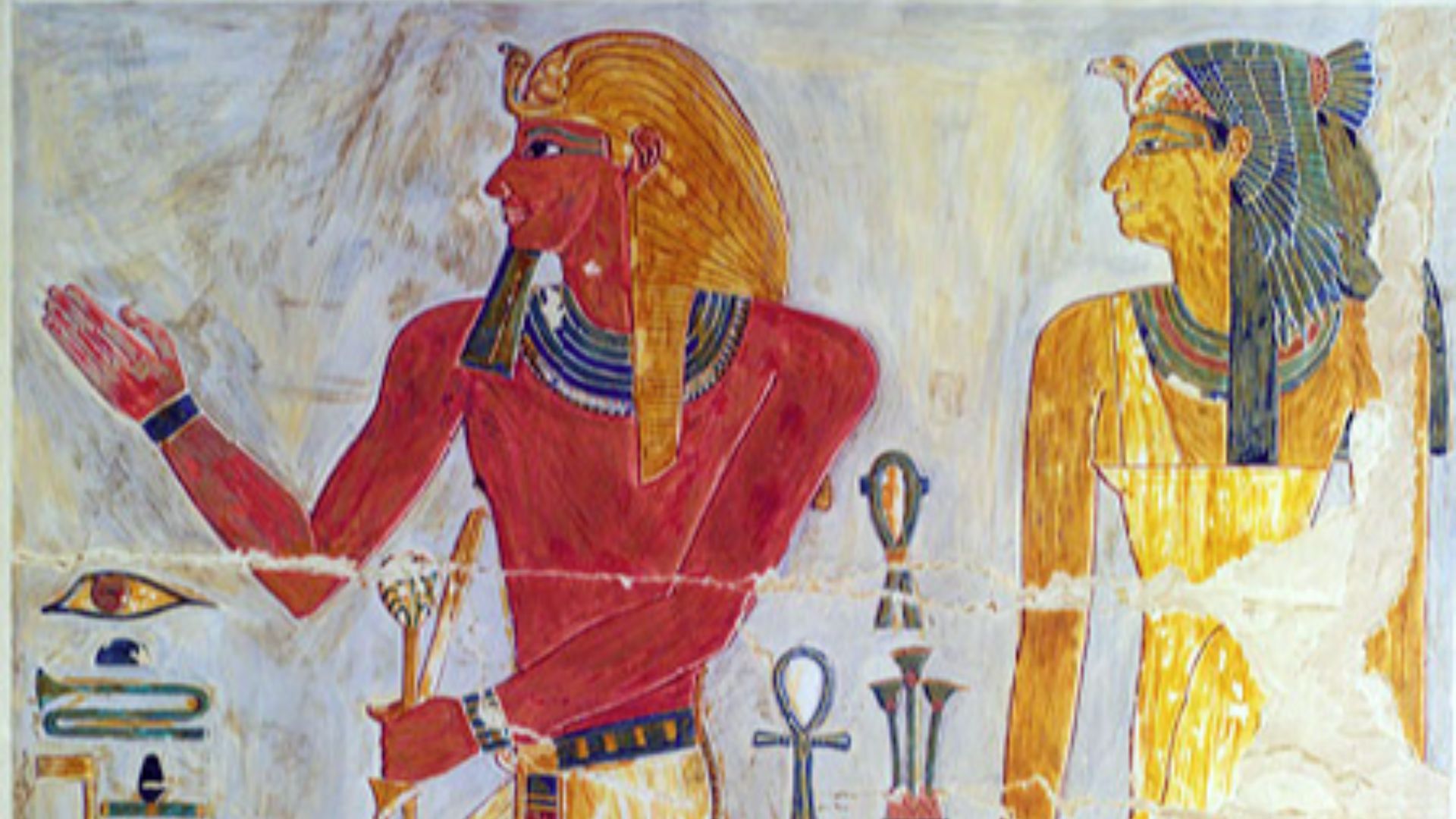 Paul James Cowie (Pjamescowie) on Wikimedia
As archeologists continue to excavate this find, they hope to discover the remaining walls and main structures, as well as a military port that served the fortress closer to the coastline.
This fortress is one of several that have been discovered on the Horus Military Road, although an inscription from Seti I states that there were 12 erected overall. The other two notable discoveries along this road include Tell Habwa, discovered 3 km away from the Suez Canal in modern Ismailia, and Tell el-Abyad, a heavily fortified frontier settlement located in Syria's Balikh River valley.
The Horus Military Road, or the Via Maris, was a part of an intricate network of trade routes that stretched from Africa to Europe, or from Africa to Asia. The road itself was created in the early Bronze Age, and was known as "Way of Horus" before the Latin term was popularized. ("Via maris" means "by the way of the sea.")
This route, along with the King's Highway, became a primary road for trading and travel. It ran from modern-day Qantara to the border city of Rafah, linking major cities along the fertile crescent. While the road is not currently an active transportation route, it remains a hotbed of activity for archaeologists, historians, and those interested in Egypt's long and storied history.
To read more about this incredible find, as well as other discoveries, you can visit the EMTA's website.
KEEP ON READING

10 Discoveries Made by Nobodies & 10 Stolen by Famous…
Who Gets Remembered. Science history likes a clean story. A…
By Cameron Dick Mar 31, 2026
The Ghost Blimp of 1942 Invaded San Francisco Without a…
The National Library of Norway on UnsplashIn the summer of…
By Sara Springsteen Mar 31, 2026
20 Priceless Historical Art Pieces Rescued By The Monuments Men
Protecting Human History. While the soldiers on the front lines…
By Sara Springsteen Mar 31, 2026
Almost Every Ancient Statue Has a Missing Nose, And It's…
Gary Todd from Xinzheng, China on WikimediaWalk through the classical…
By Elizabeth Graham Mar 31, 2026
The Brutal Realities Of Gladiator Life Beyond the Arena
David Cruz asenjo on PexelsWhen most people think of gladiators,…
By Rob Shapiro Mar 31, 2026
The Volcano Winter That Nearly Toppled Europe
Collin Ross on UnsplashMost people, if asked to name a…
By Cameron Dick Mar 31, 2026