

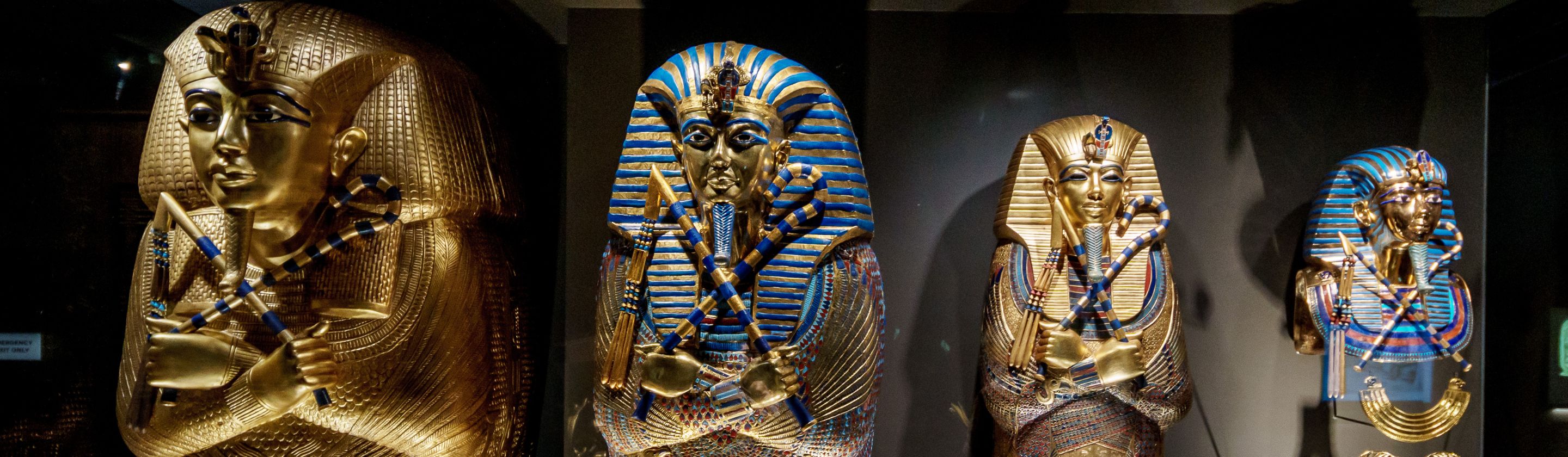
"Tutmania": The Story Behind The Discovery Of Tutankhamun's Tomb
"Yes, wonderful things!" Those three words changed everything. Howard Carter's persistence paid off spectacularly after years of searching Egypt's dusty Valley of the Kings. His grand discovery brought to was also responsible for an entire phenomenon: “Tutmania”.
The Persistent Archaeologist
In the early 1900s, many experts believed the Valley of the Kings had already yielded all its secrets. British archaeologist Howard Carter thought differently. After years of working in Egypt, Carter became convinced that an undiscovered pharaoh's tomb remained hidden beneath the desert sands.
Lord Carnarvon, a wealthy British aristocrat with a passion for Egyptology, funded Carter's search. For five long years, the pair searched fruitlessly until Carnarvon grew impatient and prepared to withdraw his financial backing.
Carter pleaded for one final season, and in a remarkable stroke of fortune, just three days after beginning this last-chance excavation in November 1922, his team uncovered a stone step buried in the sand. More steps followed, leading to a sealed doorway stamped with the name "Tutankhamun."
Moment Of Discovery
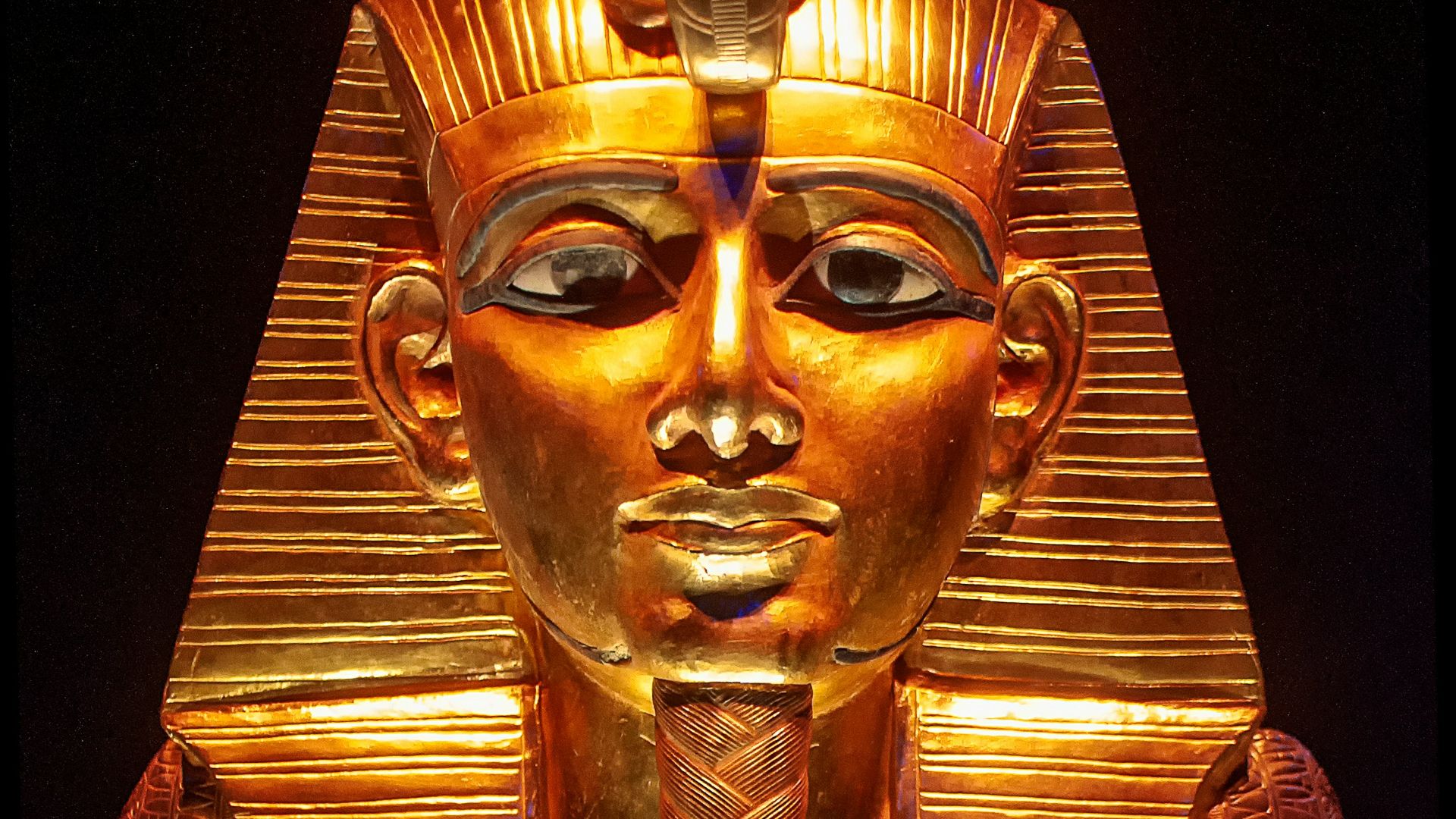
On November 26, 1922, Carter made a small hole in the sealed doorway of the chamber. When Lord Carnarvon asked, "Can you see anything?" Carter uttered the now-famous words: "Yes, wonderful things!" What they had found was unprecedented —the nearly intact tomb of a pharaoh.
The sealed tomb contained four chambers filled with extraordinary treasures: golden shrines, elaborately carved furniture, jewelry, chariots, and the spectacular gold funerary mask that would become one of history's most recognizable artifacts. The mummy of the young king lay protected within a series of nested coffins and shrines.
The Birth Of "Tutmania"
News of the finding spread rapidly across the globe, creating a media sensation comparable to the moon landing decades later. Newspaper editors immediately recognized the story's magnitude, and the world became enthralled by each new revelation from the tomb.
By Christmas 1922, just weeks after the discovery, entrepreneurs were already producing Egyptian-style merchandise to capitalize on public interest. This fascination, dubbed "Tutmania," turned the relatively minor pharaoh into one of history's most famous rulers.
Cultural Impact And Enduring Legacy
Tutmania profoundly influenced 1920s culture. Fashion embraced Egyptian motifs, with flapper dresses featuring hieroglyphic patterns and jewelry inspired by Tutankhamun's treasures. Architecture adopted Egyptian elements, particularly in movie theaters, with approximately 100 Egyptian-themed cinemas built across America.
Popular music celebrated the pharaoh, most notably in the 1923 hit song Old King Tut. The phenomenon wasn't merely a passing trend. When Tutankhamun's treasures toured museums in the 1970s, a second wave of Tutmania swept the world. Eight million visitors viewed the U.S. exhibition alone.
Even today, a century after Carter's discovery, King Tut remains a cultural icon whose influence extends far beyond the realm of archaeology.
KEEP ON READING
The story of Ching Shih, the Woman Who Became the…
Unknown author on WikimediaFew figures in history are as feared…
By Emilie Richardson-Dupuis Dec 29, 2025
Einstein's Violin Just Sold At An Auction—And It Earned More…
A Visionary's Violin. Wanda von Debschitz-Kunowski on WikimediaWhen you hear…
By Ashley Bast Nov 3, 2025
This Infamous Ancient Greek Burned Down An Ancient Wonder Just…
History remembers kings and conquerors, but sometimes, it also remembers…
By David Davidovic Nov 12, 2025
The Mysterious "Sea People" Who Collapsed Civilization
3,200 years ago, Bronze Age civilization in the Mediterranean suddenly…
By Robbie Woods Mar 18, 2025
The Love Story Behind the Taj Mahal Was Also a…
Koushik Chowdavarapu on UnsplashThe Taj Mahal is often introduced as…
By Emilie Richardson-Dupuis Apr 2, 2026
20 Soldiers Who Defied Expectations
Changing the Rules of the Battlefield. You’ve probably heard plenty…
By Annie Byrd Feb 10, 2026