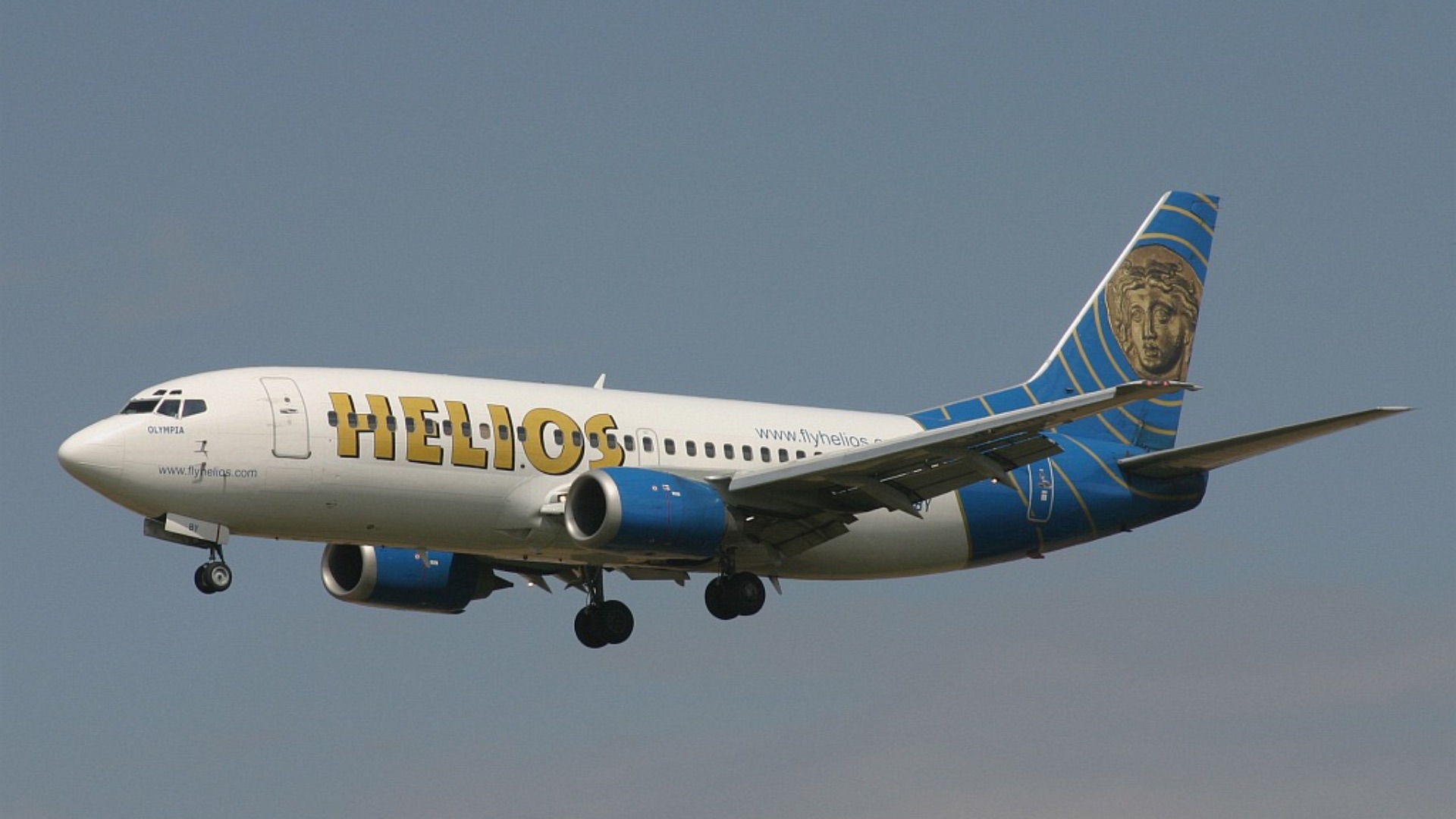
On the surface, Helios Airways flight 522 seems ominous, as if it had been done on purpose. Why else would oxygen masks have been deployed with no move to descend to a breathable altitude? Why else would the jet continue to fly until it slammed into hilly terrain roughly 20 miles (33 kilometers) short of Athens International Airport, where it was bound for a stopover?
Once you look deeper, however, you'll understand that this flight didn't go silent by choice, but by pure mistake and a tragic chain of human error. Here's what happened aboard the ghostly plane that stopped all communication just minutes after takeoff.
Background
On August 14, 2005, Helios Airways flight 522 departed from Larnaca, Cyprus, in the morning, bound for Prague, Czech Republic. It was scheduled to make a stopover at Athens, Greece, which was less than two hours away from Larnaca.
At first, everything seemed routine. After a successful takeoff, the crew was cleared to climb to 34,000 feet and follow their planned flight route. However, as the plane climbed through 16,000 feet, the captain reported to the company's operations center that he was experiencing warnings: a takeoff configuration warning and an equipment cooling system problem. There was back-and-forth communication between them for about eight minutes, trying to diagnose the issue, but as the jet climbed through 28,900 feet, it went quiet. No communication could be established thereafter, and there was no response from the aircraft to radio calls. It was later found that oxygen masks were deployed to passengers when the plane was flying through 18,200 feet. The plane, despite its silence, continued towards Athens via autopilot.
How Did Things Go So Wrong?
What happened? Why did the oxygen masks deploy? Why didn't the captain or the first officer respond to radio calls? At first, the Greek military believed this to be a terrorist act and that the flight had been hijacked. After all, the plane had crossed over from Cyprus to Athens without making any contact with air traffic control, and subsequent attempts to connect with pilots aboard yielded only eerie silence. While the jet continued circling in a holding pattern over Athens, several fighter jets scrambled to intercept the plane. What they found was puzzling.
In the cabin, oxygen masks were dangling above the seats; the few passengers who had them on were unconscious. In the cockpit, the captain's seat was empty, and the person in the first officer's seat was slumped over the controls, motionless. There was no fire on board, and there had been no damage to the aircraft. Twenty minutes later, one fighter jet pilot reported seeing a person, sans oxygen mask, make his way into the cockpit. The person, later identified as flight attendant Andreas Prodromou, waved briefly back at the fighter jet pilot before the plane's engines flamed out due to fuel exhaustion, and the jet descended rapidly into a rural terrain.
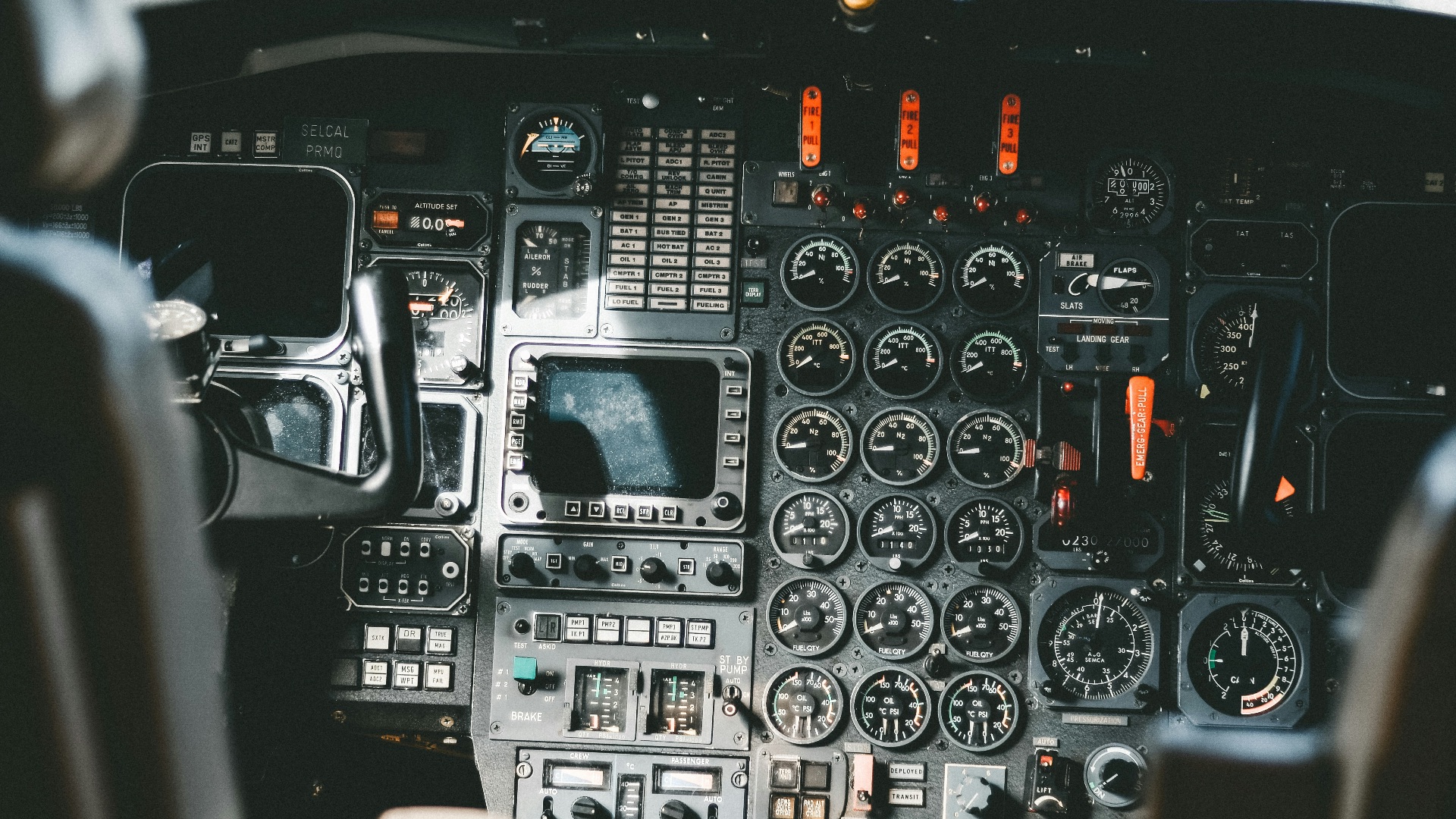
After thorough investigation, it was found that a ground engineer who had been doing maintenance checks on the jet had switched the pressurization system from "automatic" to "manual." When the aircraft went back into service, the flight deck failed to notice this change and switch the mode back to "automatic." This meant that as the plane climbed higher on the morning of August 14, 2005, the pressure inside the cabin dropped, and oxygen levels thinned, making everyone onboard incapacitated due to hypoxia.
Flight attendant Prodromou had remained conscious due to a portable oxygen supply. While he held a commercial pilot license, he was not qualified to fly the Helios jet, a Boeing 737. By the time he reached the cockpit, the plane was nearly out of fuel, and he could do little else.
Could Something Like This Happen Again?
The mode was initially switched because of a ground engineer, but it was due to pilot error and poor situational awareness that led to the fatal accident of Helios Airways flight 522. While changes have been made to ensure warning alarms are clearer and pilot training is more rigorous, it's impossible to say that something similar can't happen again. However, even if it were to happen, it's unlikely that it would pan out in the same way.
It's an uncomfortable truth, but systems can fail, and technology can, too. Pilots may forget items on their checklists, however rare. But instead of letting that possibility haunt you, it's important to note that the chances are very slim. Accidents like Helios Airways flight 522 are painful and tragic, but they allow investigators and experts alike to introduce changes that make aviation safer for future passengers.
KEEP ON READING