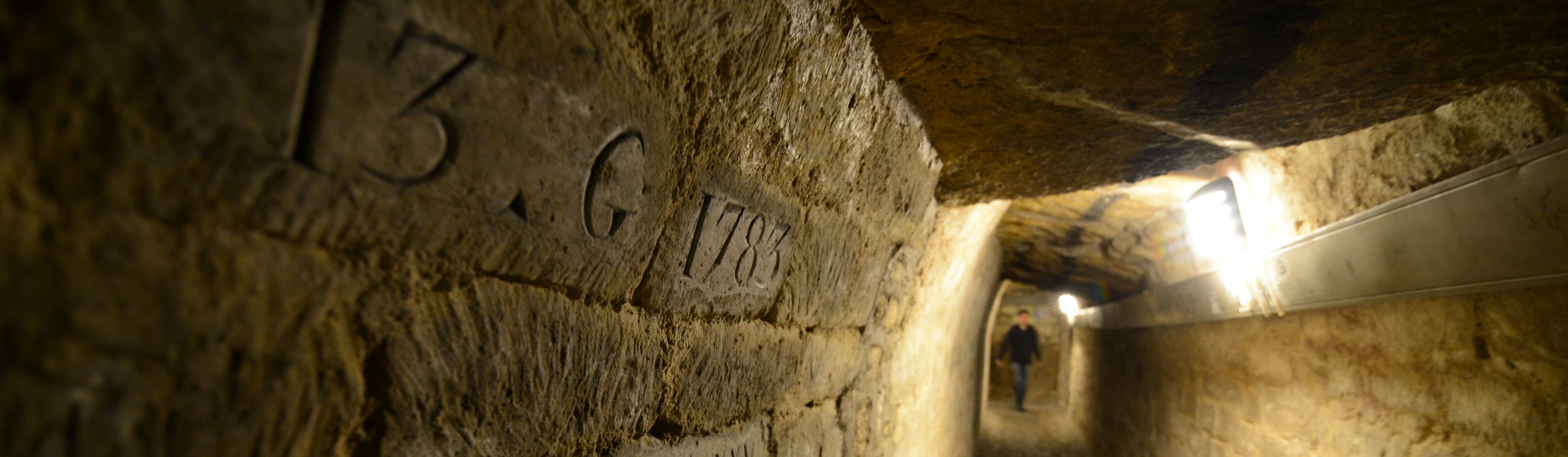
Beneath the romantic streets of Paris lies a world that feels anything but charming. The Catacombs of Paris stretch for miles under the city, twisting through tunnels stacked with skulls and femurs arranged in unsettling precision. What started as a solution to a public health crisis became one of the most haunting tourist attractions in the world.
If you’re brave enough to journey below the City of Light, keep reading. The history waiting down there is darker than you think.
A City Buried Beneath Itself
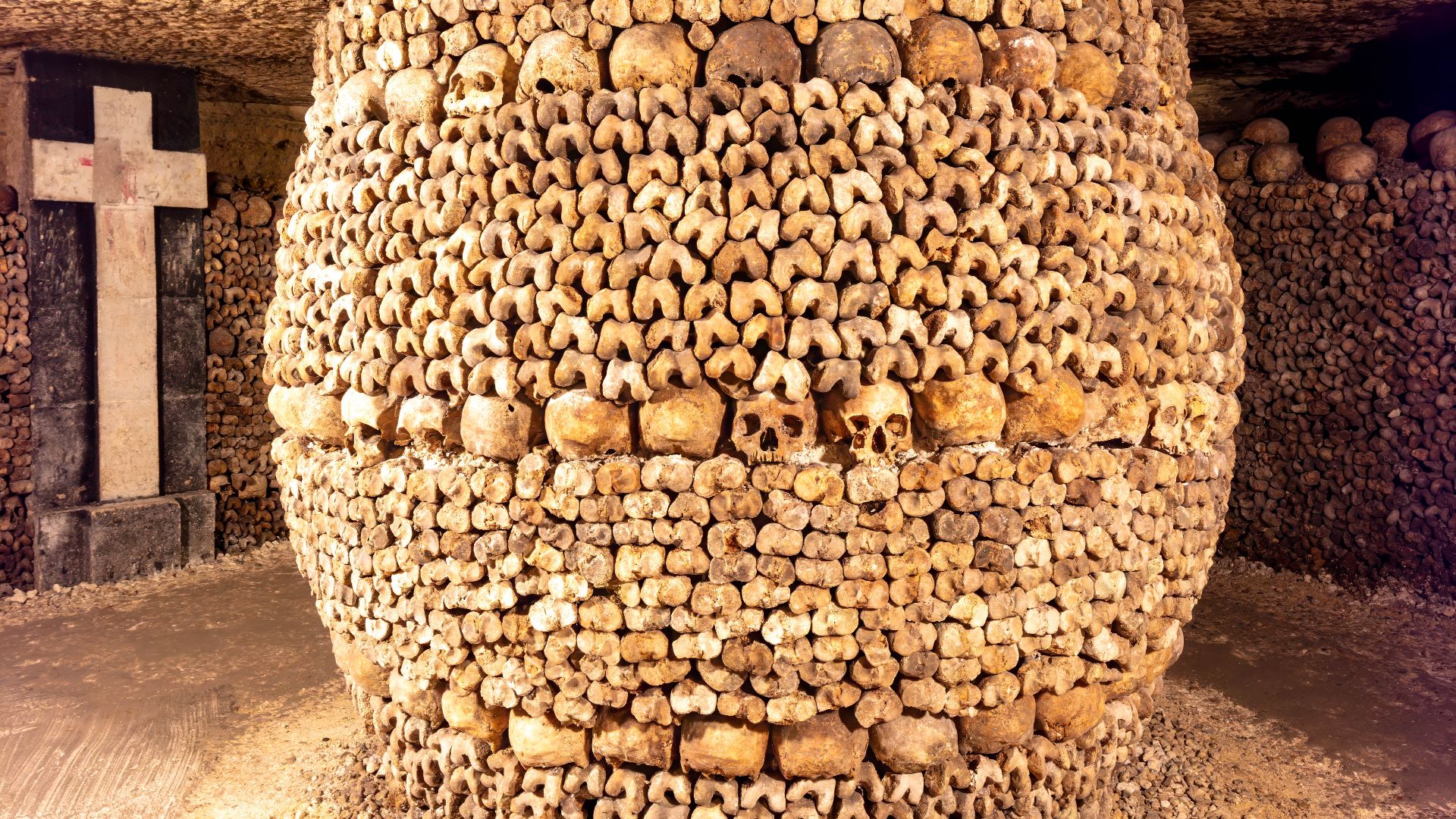
In the 18th century, Paris had a problem: too many dead bodies and not enough room. The city’s cemeteries were overflowing, and the stench of decay hung heavy in the air. City officials knew they had to act. Their solution was to move the dead underground. Beneath Paris lay a maze of abandoned limestone quarries. Beginning in the 1770s, workers started transferring remains from the city’s cemeteries into these tunnels.
By 1786, the ossuary officially opened. What was once a chaotic pile of bones soon took on a strangely organized form, thanks to Inspector Héricart de Thury, who oversaw the catacombs’ design. He arranged the bones artistically: skulls forming patterns and walls, femurs stacked like bricks.
From Bone Dump To Morbid Museum
By the early 19th century, whispers about the catacombs spread beyond the city. At first, access was restricted to officials and scientists studying geology or public health. But soon, guided visits were offered by candlelight. Writers like Victor Hugo and poets like Charles Baudelaire were attracted by the catacombs’ eerie poetry.
During political unrest, revolutionaries used them as secret meeting places. During World War II, the French Resistance hid there to avoid Nazi patrols. Even today, remnants of their graffiti can be found carved into the damp walls. As the years passed, the catacombs became officially managed by the city. In 1809, they opened to the general public.
Secrets And Strange Discoveries
The network of tunnels beneath Paris spans more than 200 miles, but only a small portion is legally accessible. The rest is a labyrinth of pitch-black passages and collapsed corridors.
In 2004, police stumbled upon an underground movie theater complete with a bar, seating, and film equipment deep within the restricted tunnels. The power lines had been illegally tapped, and a sign was found at the entrance that read, “Do not try to find us.”
A Chilling Legacy Beneath The City Of Light
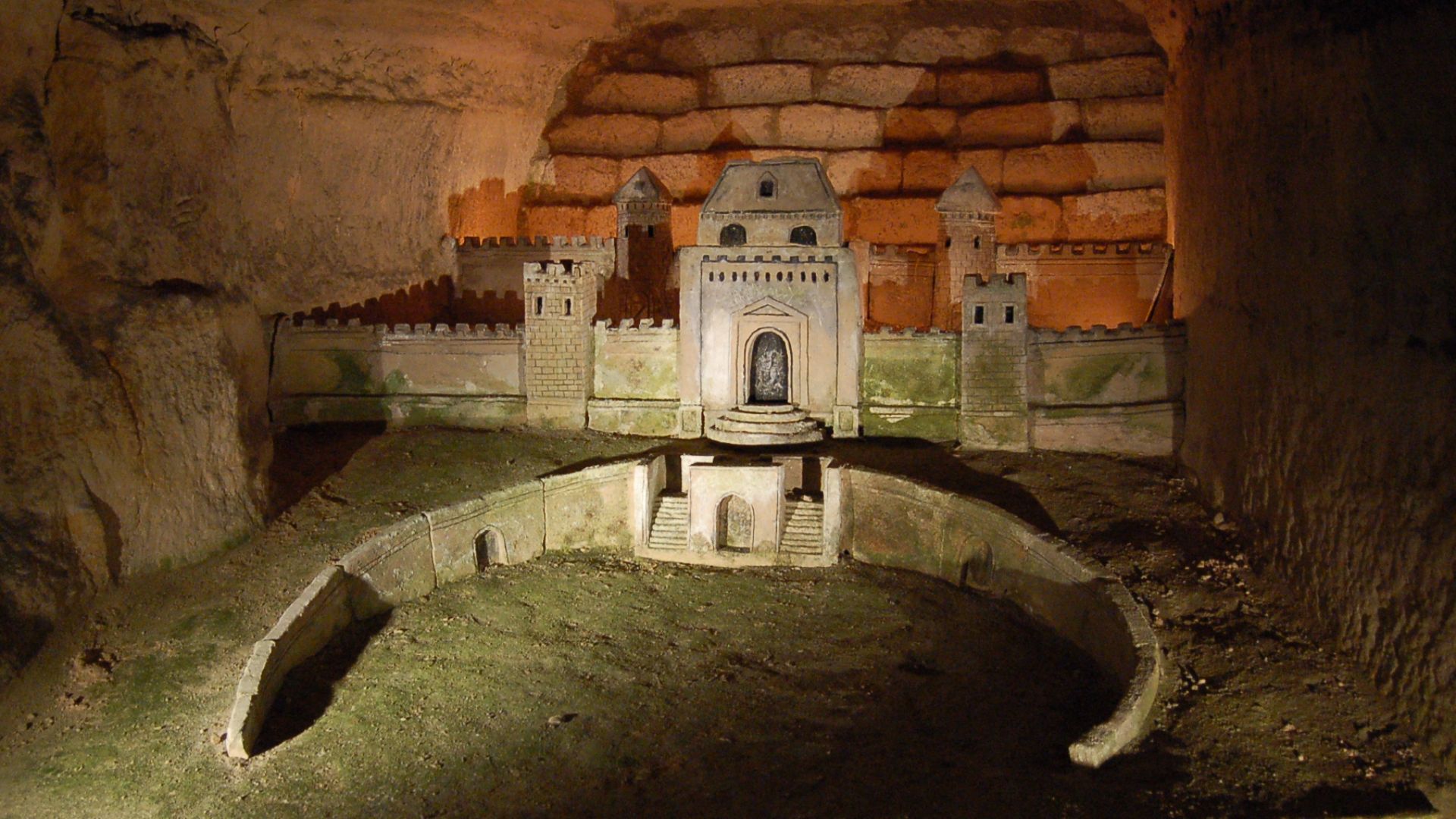
Today, the Paris Catacombs are carefully preserved as both a museum and a memorial. Millions of tourists walk through the narrow tunnels each year, followed by dim lighting and plaques that quote Latin phrases about death and eternity. “Stop, this is the empire of the dead,” one sign warns at the entrance.
So the next time you admire the sparkling skyline of Paris, remember the world that lies just below. The catacombs are a silent archive of humanity, waiting to whisper their secrets to anyone bold enough to listen.
KEEP ON READING