

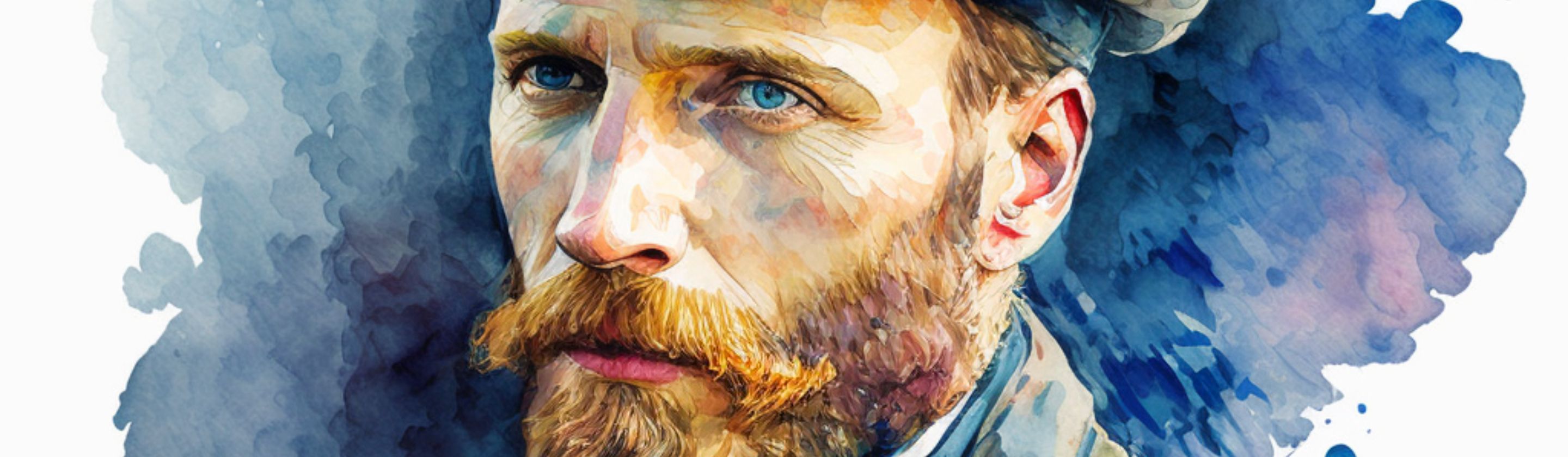
The Real Reason Why Vincent Van Gogh Cut Off His Own Ear
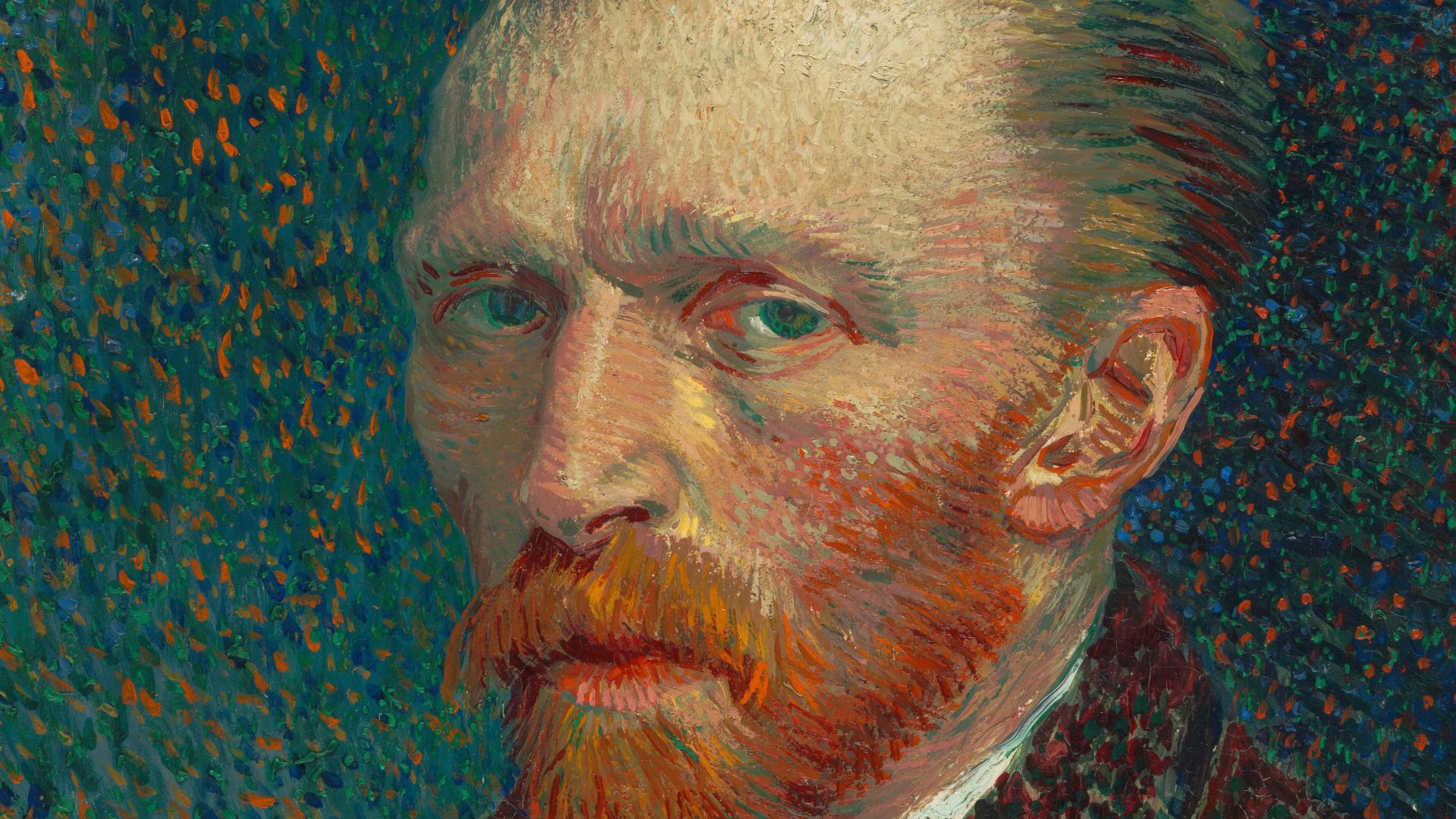
Vincent van Gogh’s story often feels like a myth painted in bold colors—an artist so consumed by passion that it spilled over into madness. The image of him bandaged and staring back from his self-portraits has become an emblem of tortured genius. But behind that familiar picture lies a deeper, far more human truth.
The moment he took a razor to his ear was not a single act of madness, but the culmination of profound loneliness and desperate longing for connection. Let’s find out what really happened that night.
A Fragile Mind In A Fractured World
In the fall of 1888, Van Gogh was living in the small southern French town of Arles, dreaming of building an artists’ community where creativity could flourish. He invited Paul Gauguin, his friend and fellow painter, to join him. For a brief time, the two shared ideas, argued about technique, and painted side by side. But their relationship was volatile. Van Gogh was needy and idealistic, while Gauguin was independent and aloof. Their differences soon ignited furious disputes that shook the fragile balance of Van Gogh’s mind.
The tension reached its breaking point. One night, after a fight that spiraled out of control, Gauguin stormed out. Hours later, consumed by anguish and fear of abandonment, Van Gogh turned a razor on himself and severed a piece of his left ear.
The Weight Of Isolation
The act stunned Arles and scandalized the art world. But beneath its shock value was something heartbreakingly simple: Van Gogh was alone. His letters to his brother reveal a man desperate to be understood, pleading for companionship in the face of rejection. His illness deepened this isolation and magnified every emotion until pain became unbearable.
At the time, mental illness was poorly understood. Van Gogh’s erratic behavior frightened neighbors, and soon he was confined to an asylum. Yet, even there, amid institutional walls and silence, he painted with renewed intensity—fields of swirling wheat, skies alive with motion, and cypress trees reaching upward like prayers.
Beyond The Myth
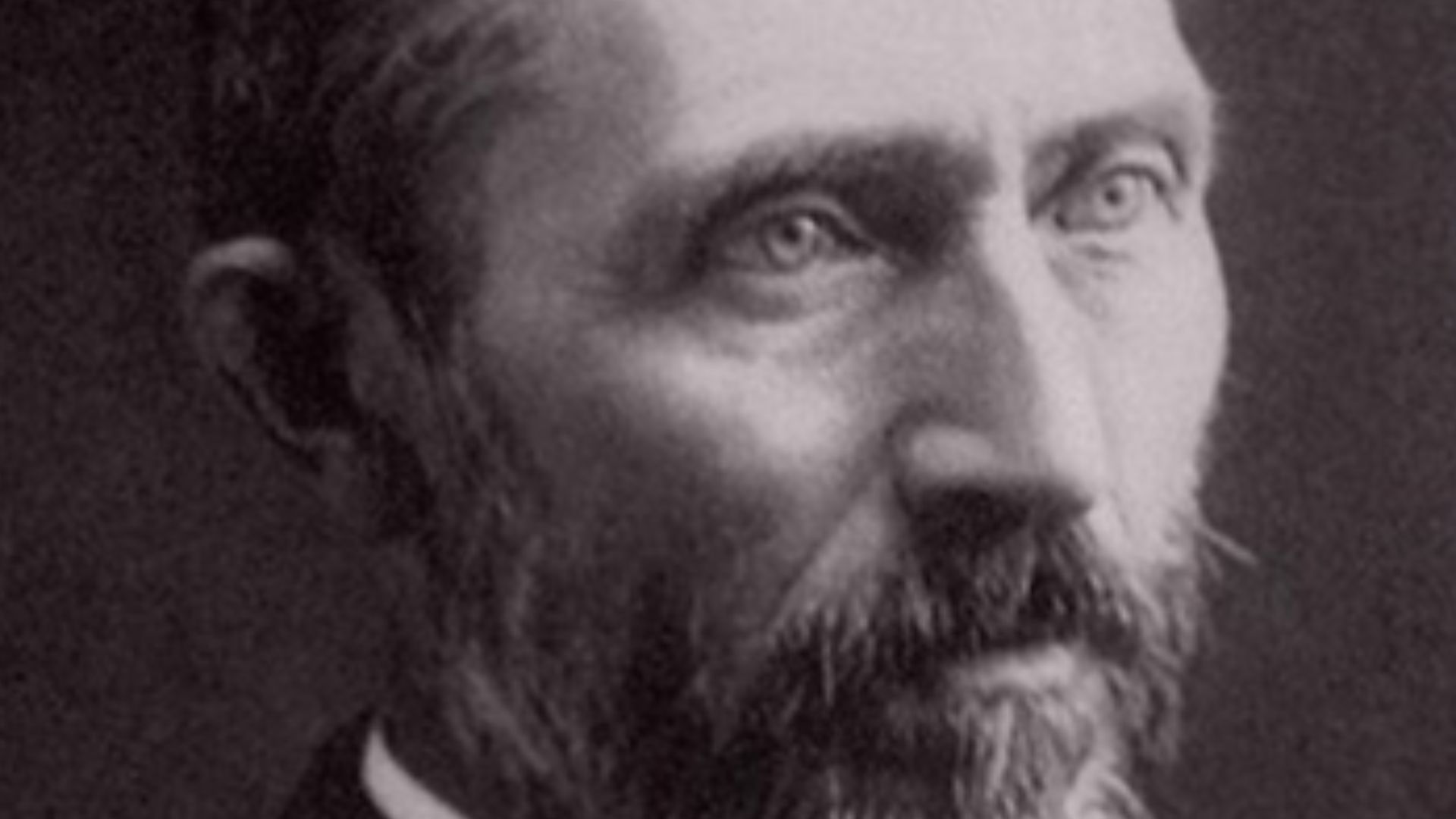 Victor Morin Artiste-Photo on Wikimedia
Over the years, psychologists and biographers have proposed many explanations, such as epilepsy and chemical exposure from paints. But perhaps the real reason lies not in a diagnosis, but in his heart. Van Gogh’s act was an expression of inner torment—the visible scar of invisible suffering.
What remains most remarkable, though, is what followed. From that darkness emerged the luminous energy of “Starry Night” and the tenderness of his later works. The man who once felt broken found meaning again through the very thing that had always sustained him—his art.
Vincent’s story reminds us that pain and beauty often coexist, each shaping the other in ways we may never fully understand. And perhaps that’s why his self-portraits still look back at us—not with madness, but with the quiet dignity of someone who felt deeply, created fiercely, and paid dearly for both.
KEEP ON READING
20 Powerful Ancient Egyptian Gods That Were Worshipped
Unique Religious Figures in Ancient Egypt. While most people are…
By Cathy Liu Nov 27, 2024
The 10 Scariest Dinosaurs From The Mesozoic Era & The…
The Largest Creatures To Roam The Earth. It can be…
By Cathy Liu Nov 28, 2024
The 20 Most Stunning Ancient Greek Landmarks
Ancient Greek Sites To Witness With Your Own Eyes. For…
By Cathy Liu Dec 2, 2024
10 Historical Villains Who Weren't THAT Bad
Sometimes people end up getting a worse reputation than they…
By Robbie Woods Dec 3, 2024
One Tiny Mistake Exposed A $3 Billion Heist
While still in college, Jimmy Zhong discovered a loophole that…
By Robbie Woods Dec 3, 2024
30 Lost Treasures That Vanished From History
Buried treasure, missing artefacts, legends of ancient gold in them…
By Robbie Woods Dec 3, 2024