

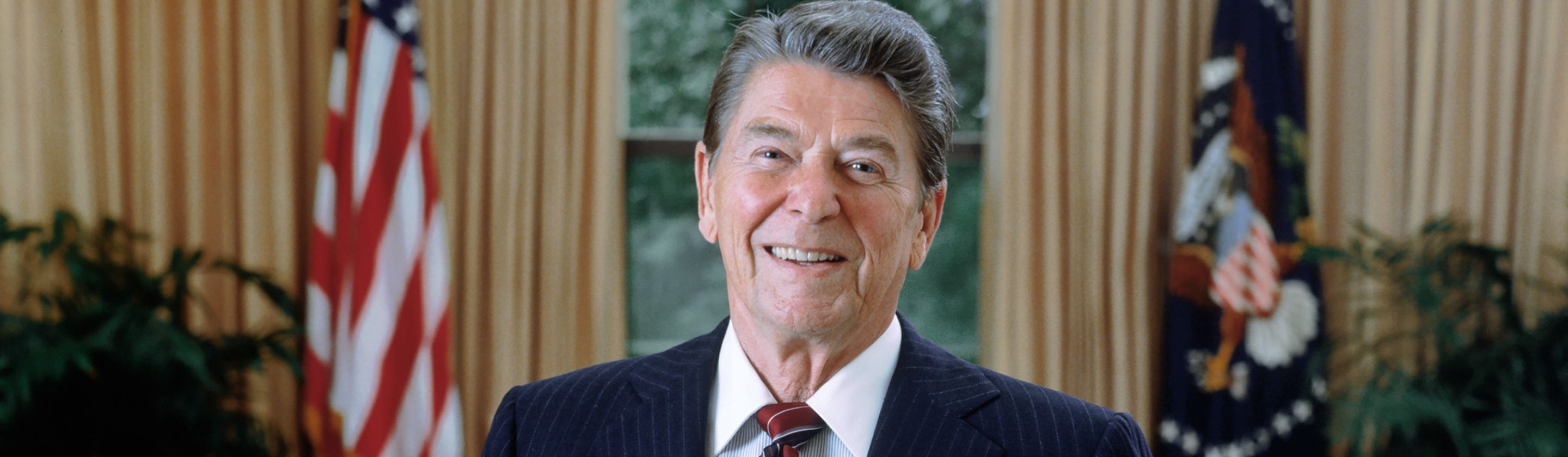
Before Ronald Reagan became the 40th President of the United States, he was chasing a completely different kind of spotlight.
It all began in 1937, when a young sportscaster from Des Moines, Iowa, traveled to Southern California to cover the Chicago Cubs' spring training—the rest was history (literally). If you're curious about how exactly Ronald Reagan managed to catapult his show business career to the highest office in the country. Then join us as we take a closer look.
Radio Booth To Silver Screen
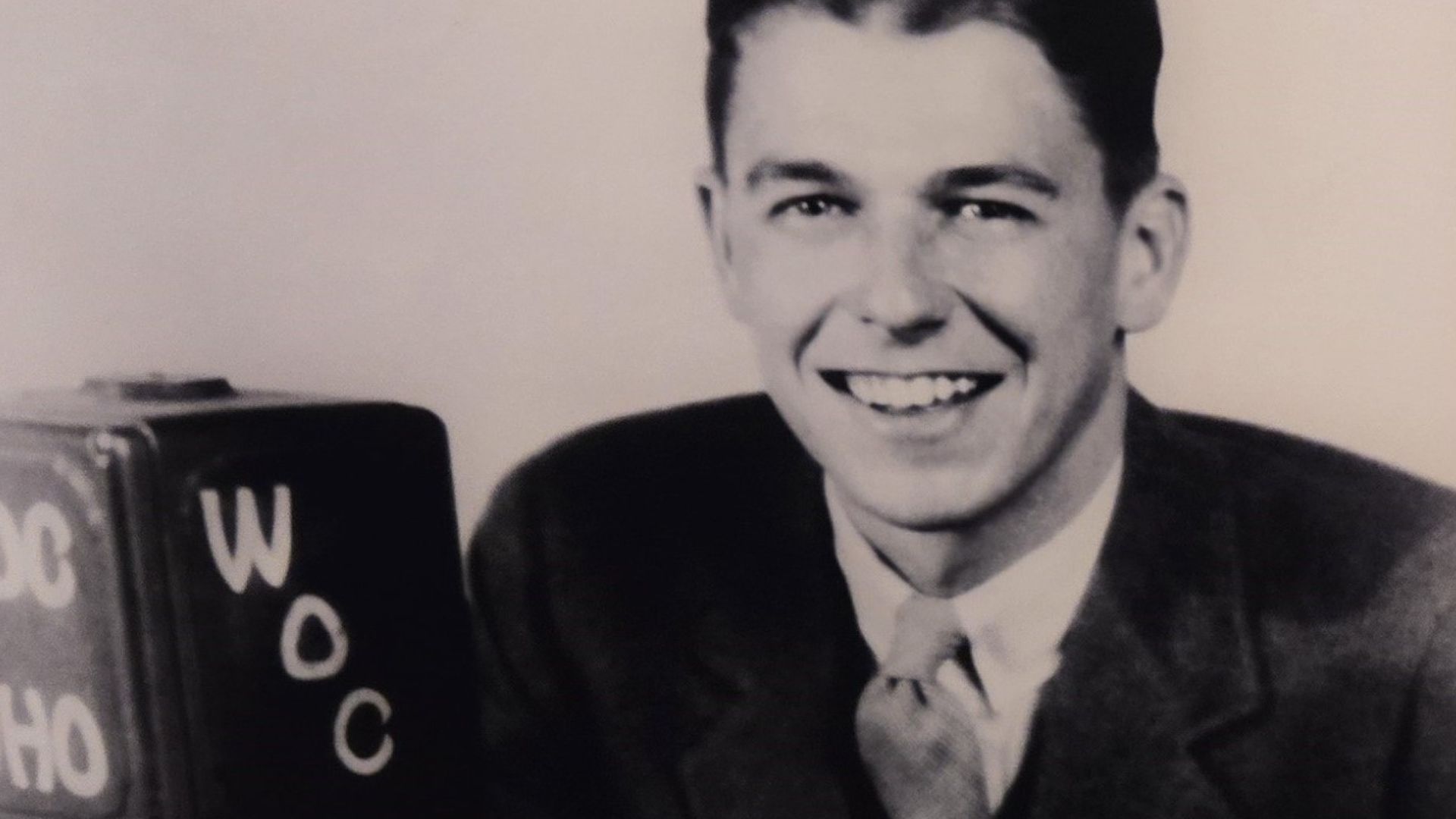
Reagan had been doing play-by-play radio broadcasts for baseball games, but Hollywood was calling. During that trip, he took a screen test at Warner Brothers, and the studio saw something special in the handsome, six-foot-one broadcaster with wavy brown hair and blue eyes.
They offered him a contract for $200 a week—a fortune compared to his radio salary. Just like that, Reagan packed his bags and brought his parents to California to start a new life. His first film, Love Is on the Air, came out that same year, with Reagan playing—fittingly enough—a radio announcer. By the end of 1939, he'd already appeared in 19 films.
Reagan worked steadily through the late 1930s and early 1940s, appearing in everything from B-movies to major studio productions. His breakthrough came in 1940 when he landed the role of George Gipp, the Notre Dame football player, in Knute Rockne, All-American.
That performance earned him the nickname "The Gipper," which would follow him throughout his political career. But his finest work came in 1942's Kings Row, where he played Drake McHugh, a character who loses his legs. Many film critics consider this his best performance, and Reagan himself called it the film that made him a star.
War, Chimpanzees, And Career Challenges
WWII interrupted Reagan's rising career. Called to active duty in 1942, his nearsightedness kept him stateside. He spent the war years with the Army Air Forces First Motion Picture Unit, creating training films and producing around 400 military documentaries. After the battle, Reagan returned to Hollywood but found the landscape had changed. His career never quite recaptured its pre-war momentum.
The late 1940s and 1950s brought a mix of roles, including some that would later haunt him politically. In 1951, he starred in Bedtime for Bonzo, a comedy about a psychology professor trying to teach morals to a chimpanzee named Bonzo, played by a chimp named Peggy.
The film was actually a modest hit and quite entertaining, but political opponents would mercilessly mock Reagan for it decades later. Interestingly, Reagan himself never even watched the film until 1984, when he was already president.
Transition To Television And Politics
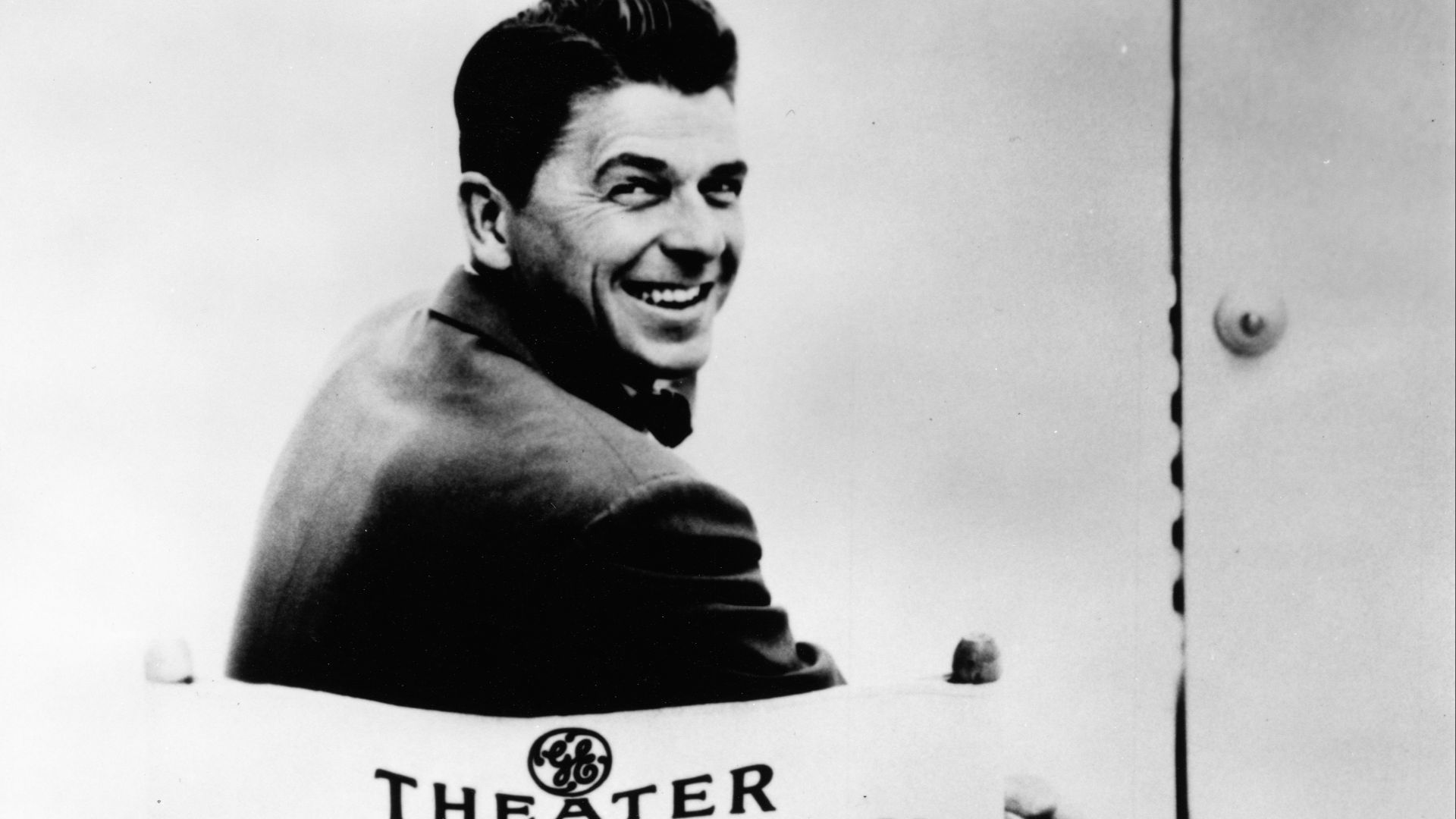
By the mid-1950s, Reagan's film career was fading, and he made a strategic pivot to television. From 1954 to 1962, he hosted General Electric Theater, a popular weekly drama series. As GE's spokesperson, Reagan traveled across America giving speeches to employees and civic groups, refining his communication skills and developing his political philosophy.
His final acting role came in 1964's The Killers, where he played a villain, a dramatic departure from his usual heroic characters. Over his three-decade Hollywood career, Reagan appeared in 53 feature films.
KEEP ON READING
20 Historical Figures Who Were the Ultimate Cheapskates
When Wealth Didn't Mean Spending. History is packed with powerful…
By Sara Springsteen Jun 8, 2026
20 Deaths That Changed Who Got The Throne
One Funeral Could Rewrite a Dynasty. Royal succession can look…
By Emilie Richardson-Dupuis Jun 8, 2026
20 Historical Figures Who Did Terrible Things To Their Children
Family Drama . History often remembers famous figures for their victories,…
By Annie Byrd Jun 8, 2026
20 Times Nature Altered the Course of History
When the Natural World Changed Human Events. Human history is…
By Rob Shapiro Jun 8, 2026
20 Environmental Mistakes That Took Decades To Clean Up
The Damage Was Fast. The Recovery Was Not.. Environmental disasters…
By Cameron Dick Jun 5, 2026
20 Weirdest People In History
Eccentrics, Oddballs, and Legends of the Past. History isn't just…
By Sara Springsteen Jun 5, 2026