


20 Historical Figures Who Were Too Brilliant For Their Own Good
When Genius Came With a Price
History is full of people who were miles ahead of everyone around them, and while that sounds impressive on paper, it didn't always lead to an easy life. In a lot of cases, being exceptionally smart meant attracting suspicion, making dangerous enemies, or pushing so far beyond the norm that the world pushed back. Some of these figures were misunderstood, some were reckless, and some simply couldn't stop testing limits that maybe should've been left alone. Here are 20 people from history who were just too brilliant for their own good.
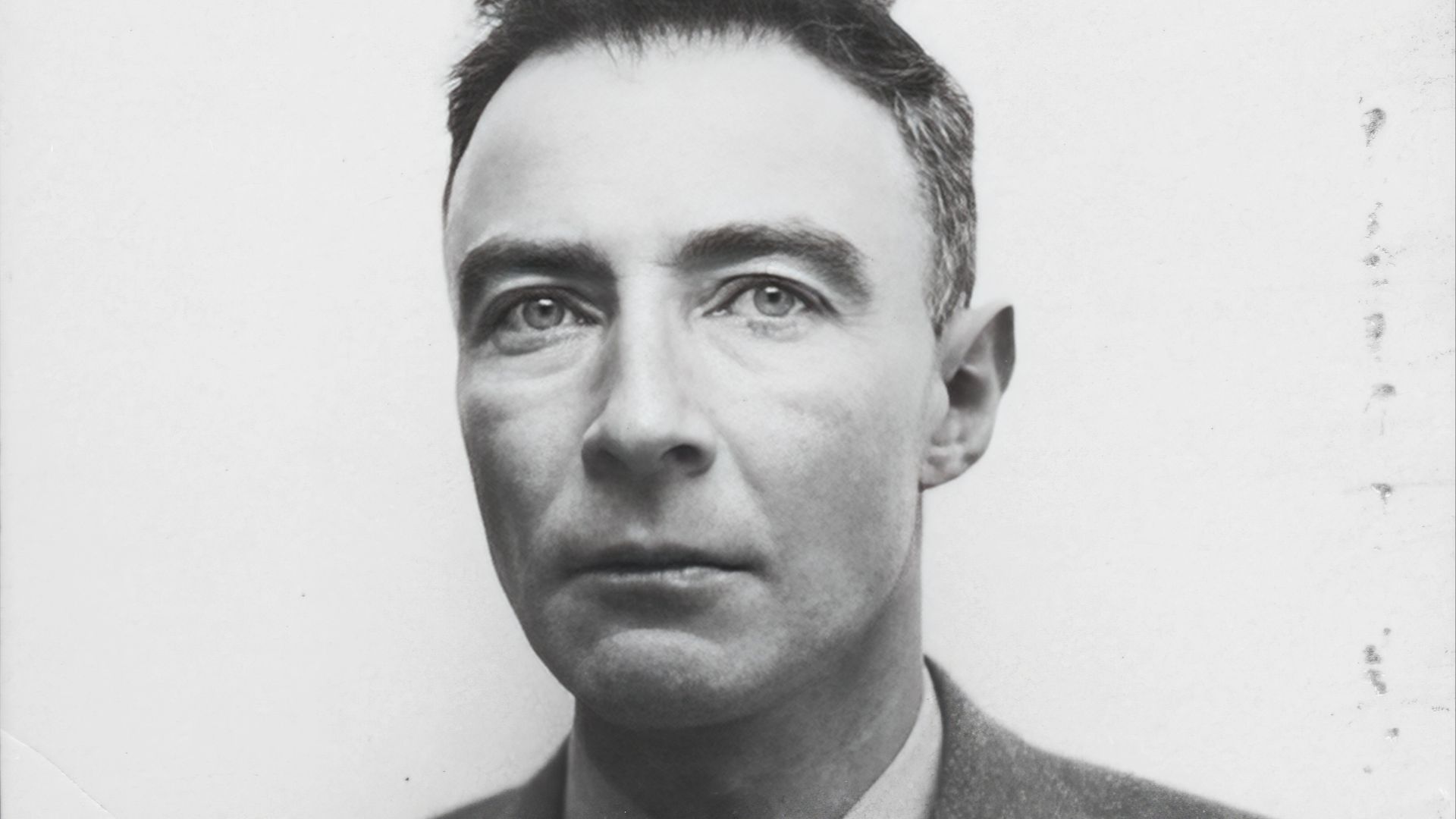 Los Alamos National Laboratory on Wikimedia
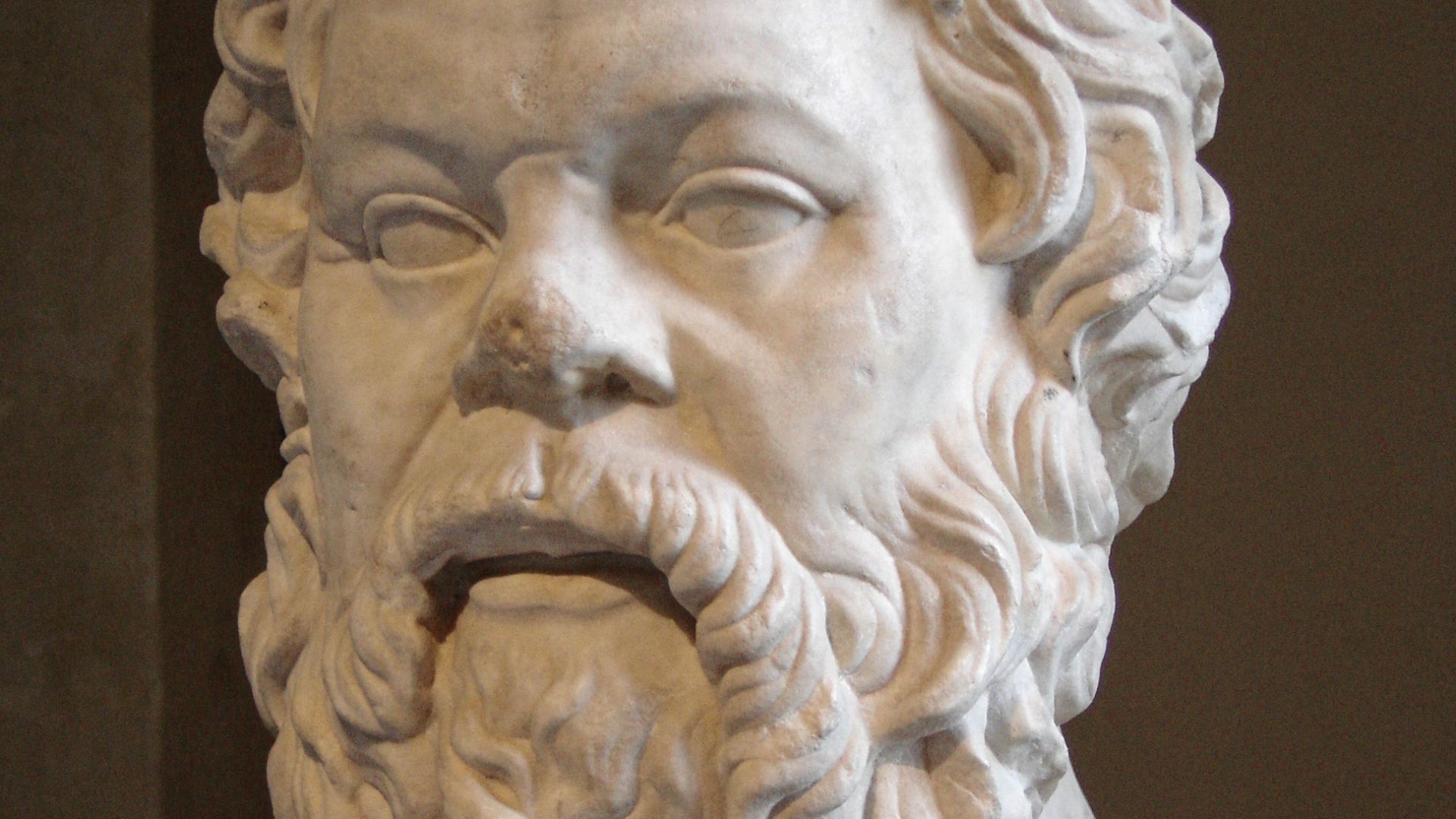
1. Socrates
Socrates was so committed to questioning everything that he basically turned public irritation into a lifestyle. He challenged powerful people, exposed weak arguments, and made plenty of Athenians uncomfortable by refusing to play along with easy answers. That level of intellectual honesty made him legendary, but it also helped get him sentenced to death. In his case, brilliance wasn't just provocative, it was fatal.
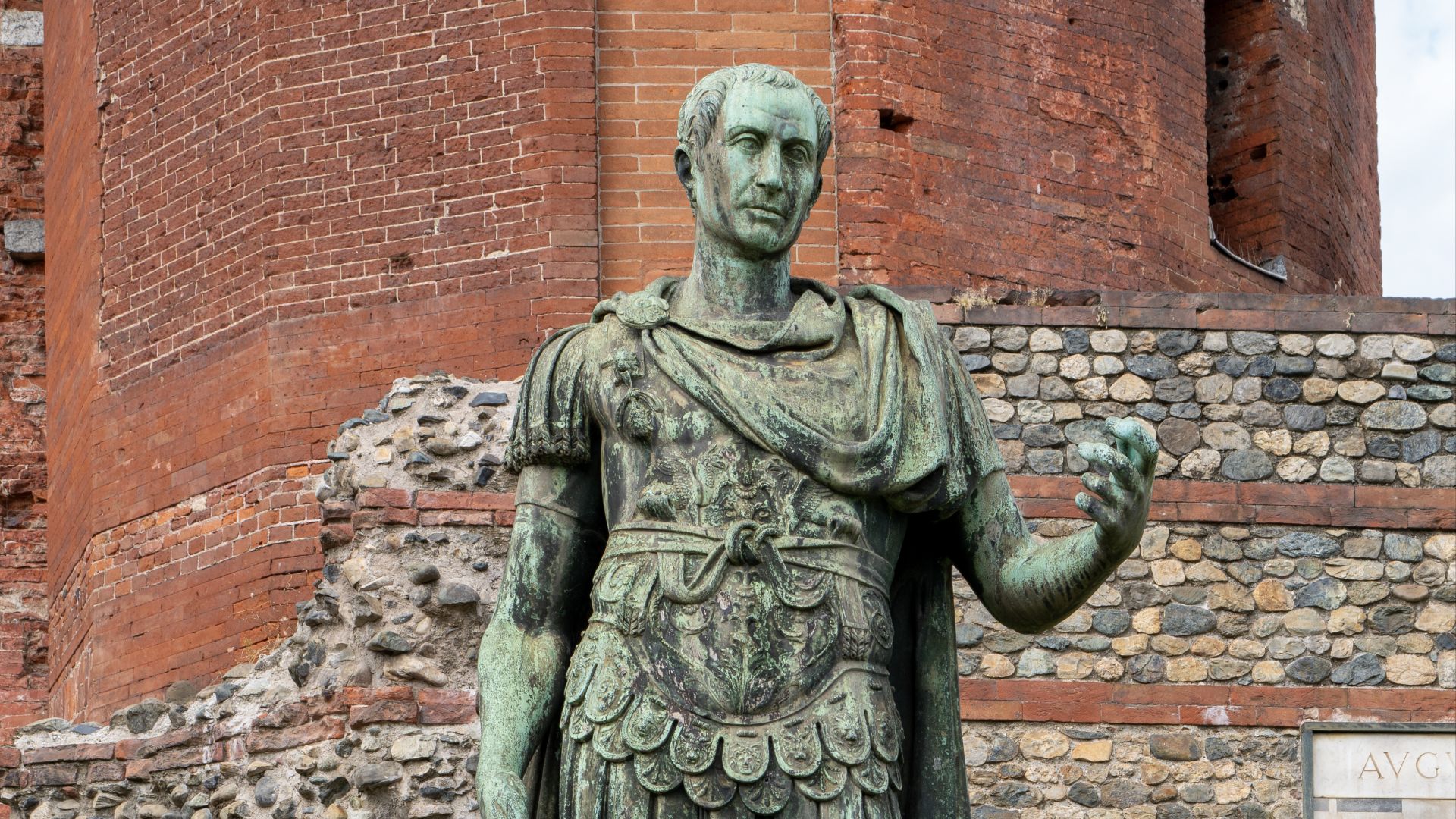
 Copy of Lysippos (?) on Wikimedia
2. Julius Caesar
Caesar had the kind of political and military mind that made everyone around him look a little less impressive. He could read a room, command an army, and reshape a republic with terrifying efficiency. The problem was that when one man starts looking too capable, everyone else starts getting nervous. His talent made him powerful enough to rise fast and threatening enough to get stabbed for it.
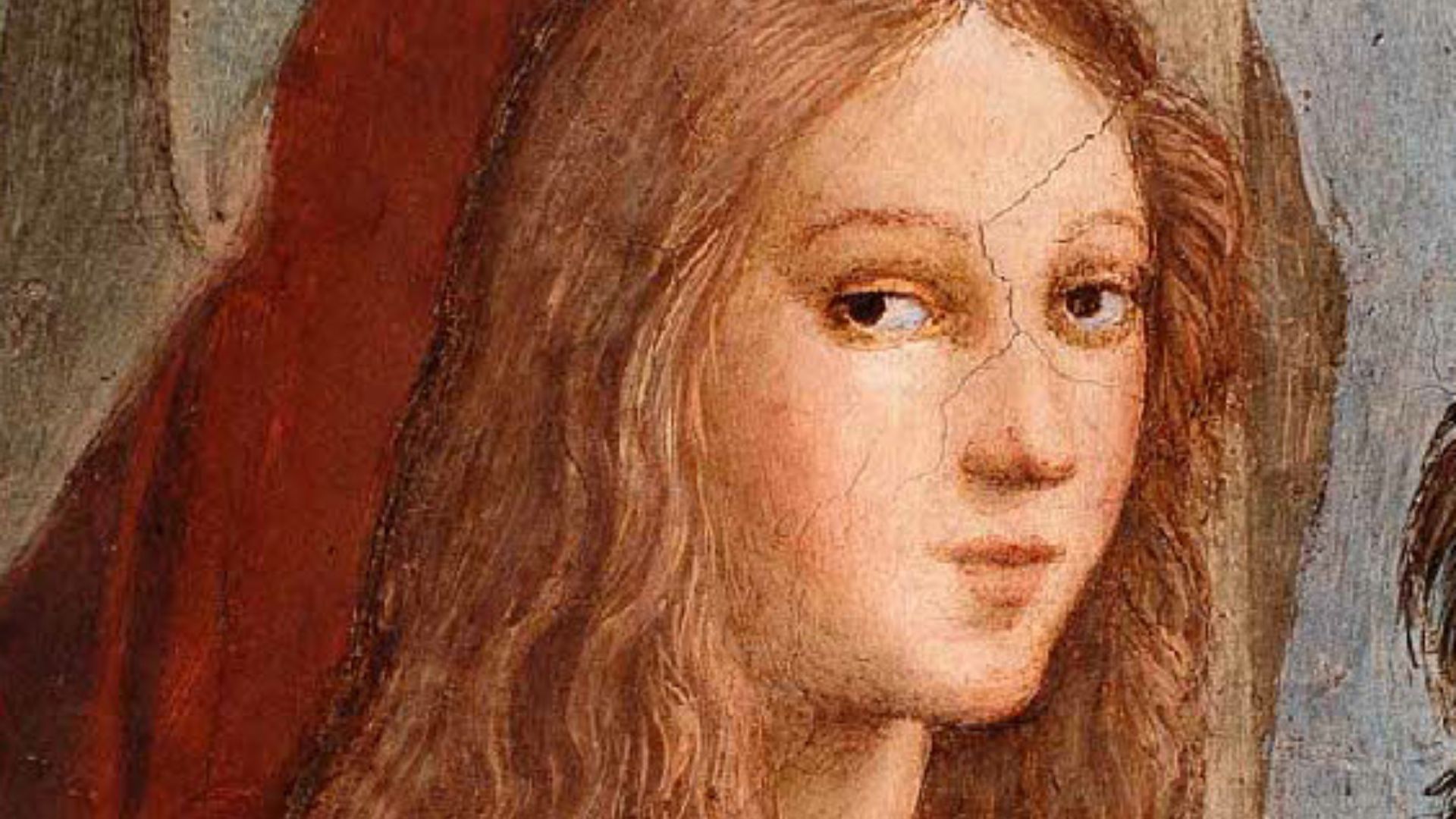
3. Hypatia
Hypatia stood out as a mathematician, philosopher, and teacher in a world that wasn't exactly eager to celebrate women for being smarter than the men around them. She earned respect for her intellect, but she also became a symbol in a city full of religious and political tension. Once public conflict intensified, her brilliance made her visible in the worst possible way, and she was killed by a violent mob of Christians.
4. Archimedes
Archimedes was so busy thinking through geometry and engineering that he reportedly kept working even when war had arrived at his doorstep. His ideas were far ahead of his time, and his inventions made him both useful and famous. Yet there was also something almost tragically detached about how absorbed he could become in thought. He ended up dying during the Roman capture of Syracuse, reportedly killed by a Roman soldier when he refused to leave his geometric diagrams in the sand.
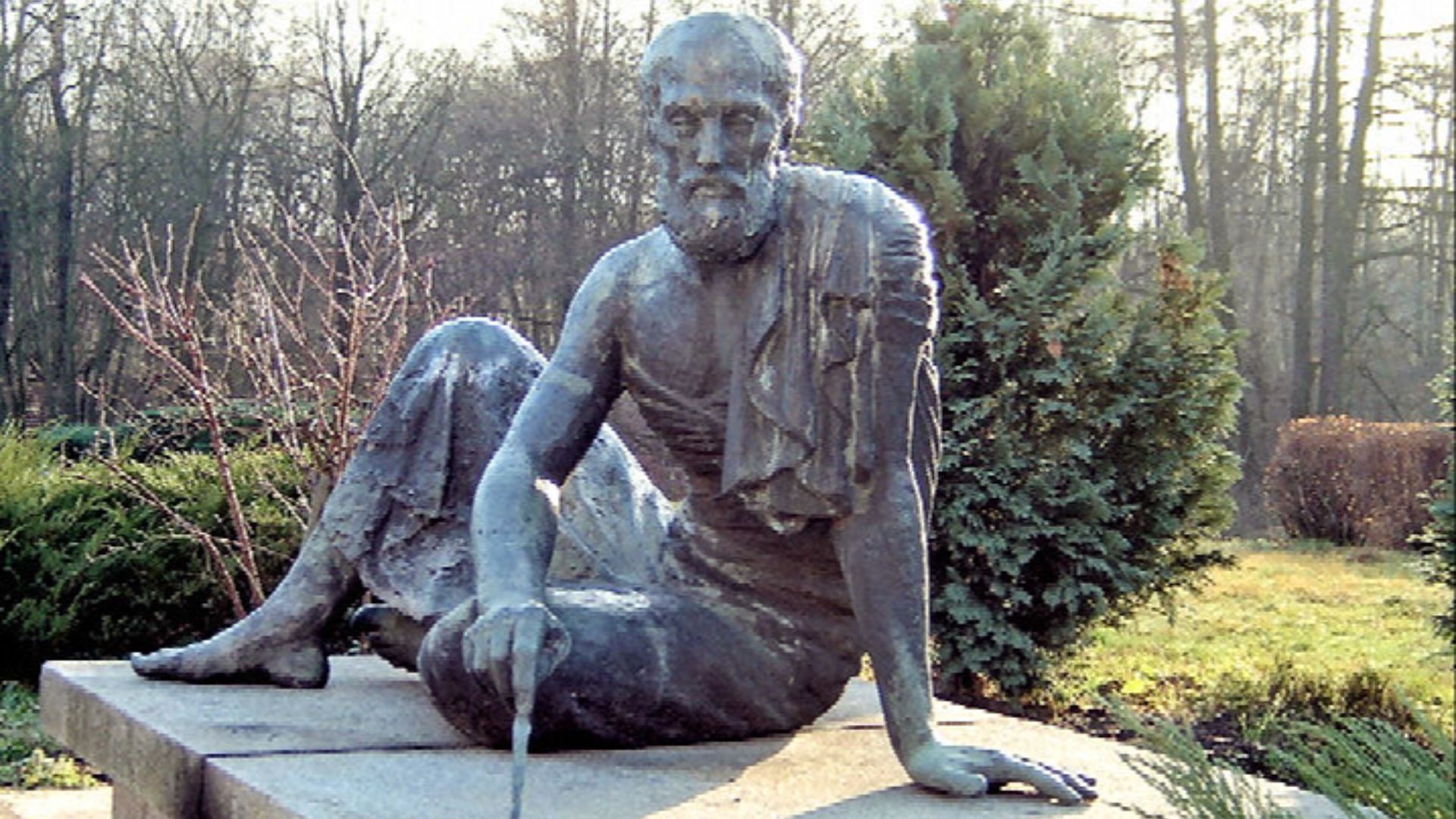
5. Galileo Galilei
Galileo looked at the heavens, followed the evidence, and ended up annoying the kind of people you really don't want to be annoyed. He wasn't content to quietly suspect that accepted beliefs were wrong, because he insisted on arguing it publicly and persuasively. That combination of brains and boldness changed science forever, but it also landed him under house arrest.
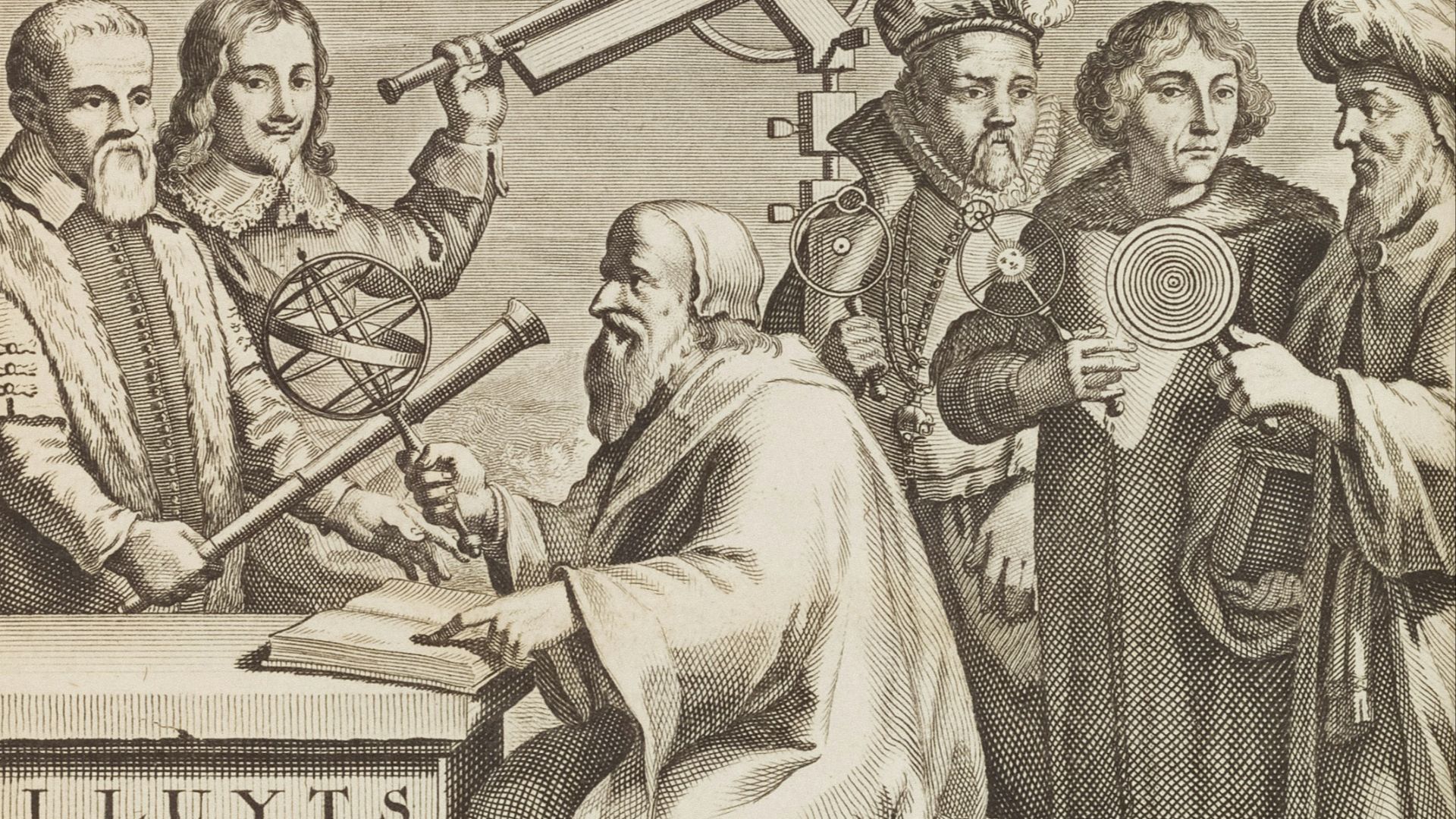 The New York Public Library on Unsplash
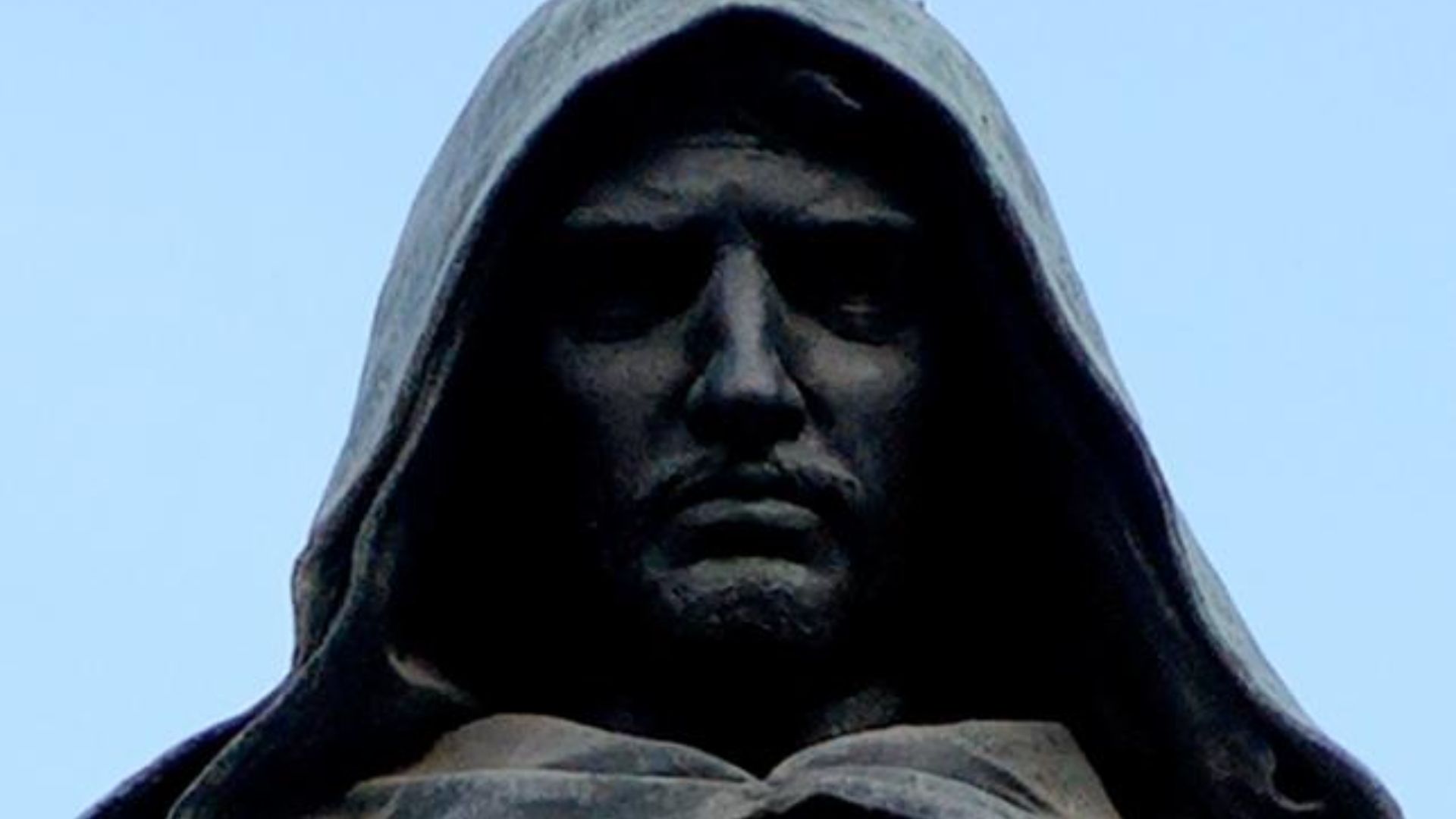
6. Giordano Bruno
Bruno had a mind that refused to stay inside the approved boundaries of philosophy, religion, or cosmology. He pushed ideas about the universe that were wildly expansive for his time, and he didn't seem especially interested in softening them for public comfort. As you can imagine, that didn't go over well with the authorities, who burned him at the stake for heresy.
7. Francis Bacon
Francis Bacon helped shape modern scientific thinking, but his brilliance didn't exactly come wrapped in moral purity. He had an extraordinary ability to rethink how knowledge should be pursued and organized, which made him hugely influential. At the same time, his political career got tangled up in corruption scandals that damaged his reputation badly. He had the mind to change how people think, but not quite the judgment to stay clear of his own mess.
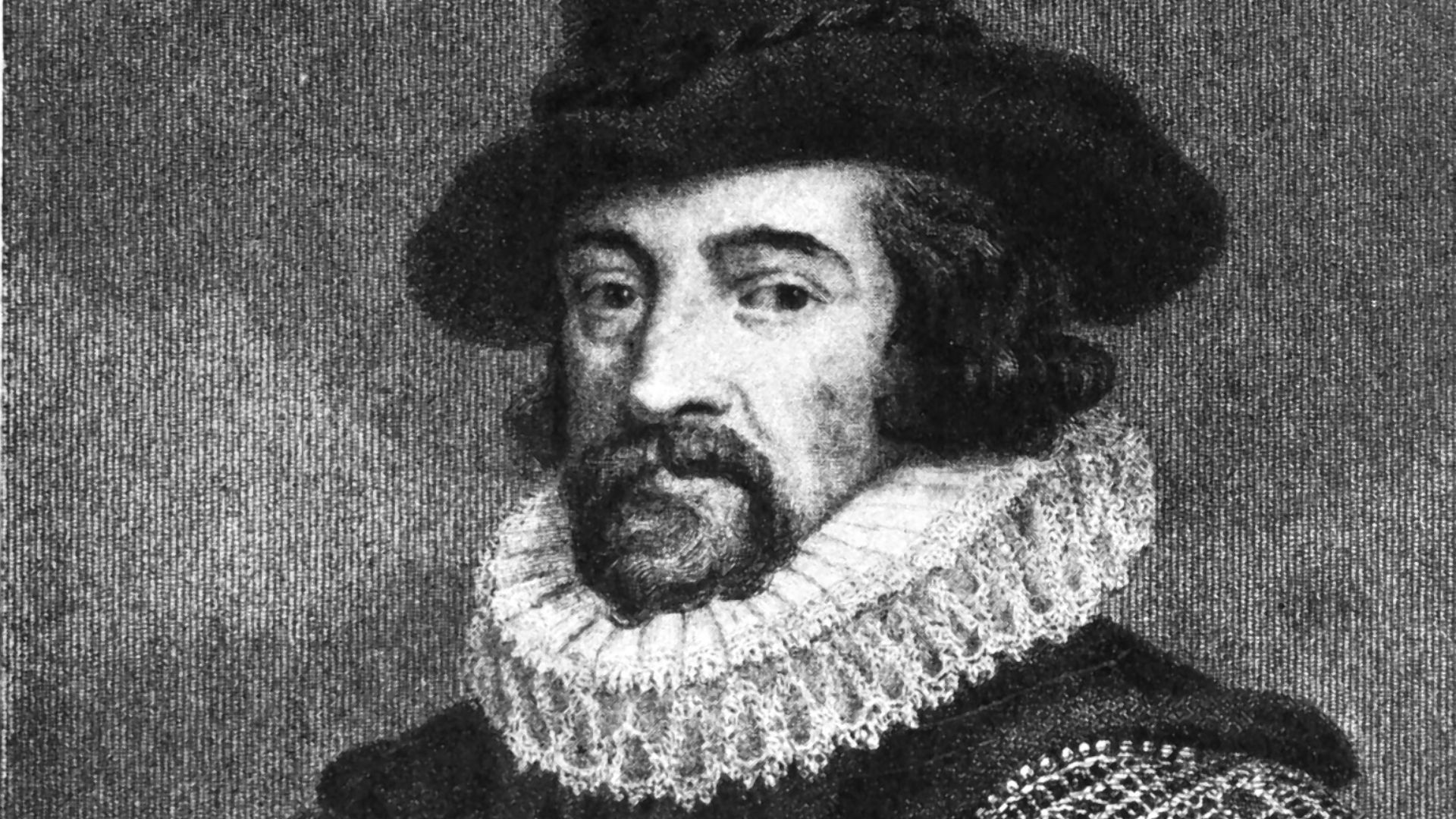 in The Story of Philosophy by Will Durant on Wikimedia
8. Christopher Marlowe
Marlowe was one of those people who seemed too sharp, too talented, and too suspiciously well-connected to have a calm life. He was a brilliant playwright with a taste for bold ideas, and he also appears to have drifted through a world of espionage, danger, and controversy. That combination gave him a kind of electric reputation that still fascinates people now. It also ended with him dead in his twenties under suspicious circumstances after being arrested for heresy and atheism.
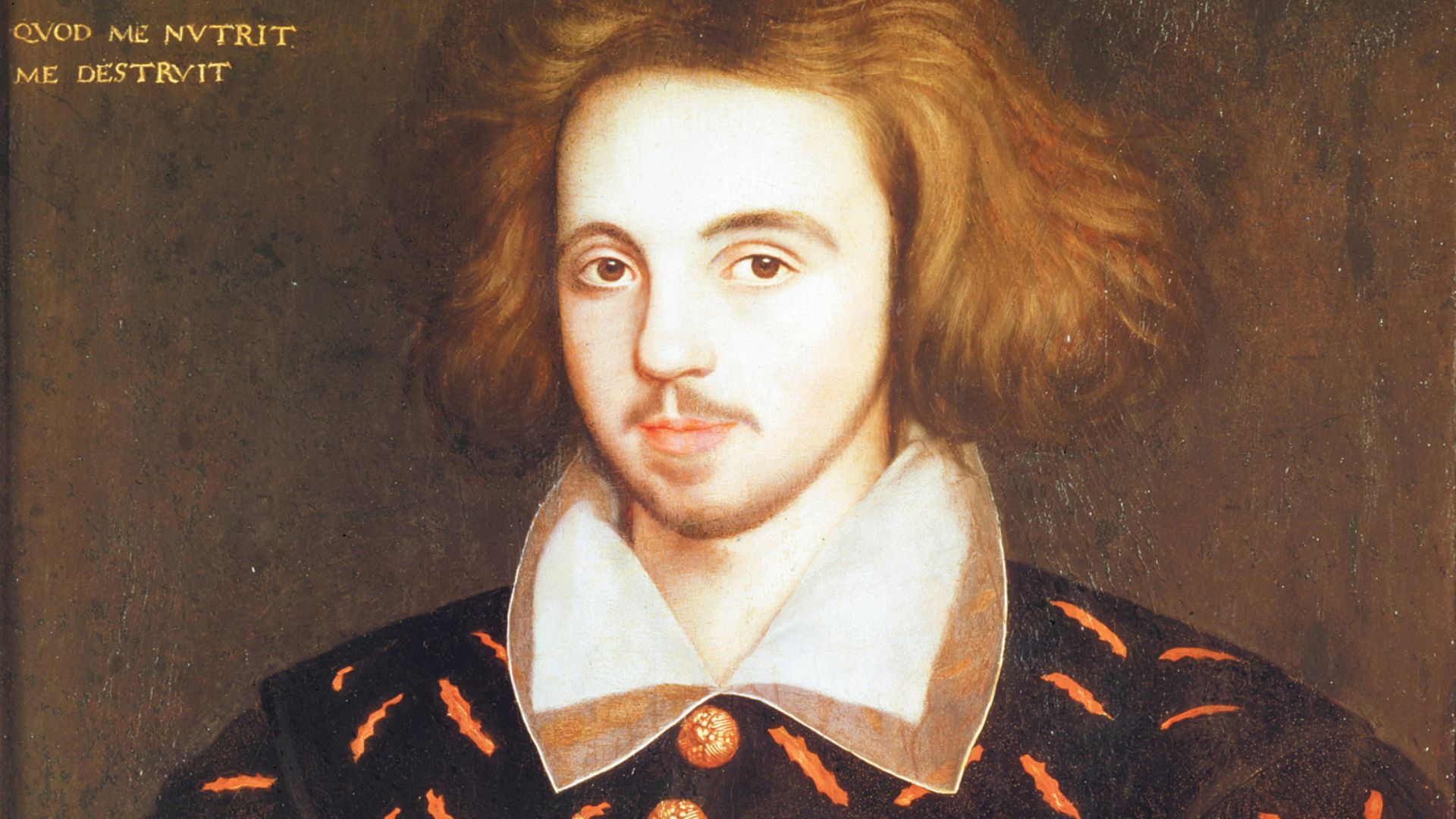
9. René Descartes
Descartes was so determined to think clearly that he practically rebuilt philosophy from the ground up. His relentless questioning gave the world ideas that still shape how people talk about reason, selfhood, and certainty. Still, a person this committed to intellectual reinvention was never going to lead a simple life. He spent years navigating suspicion and exile, and his brilliance often put him at odds with the climate around him.
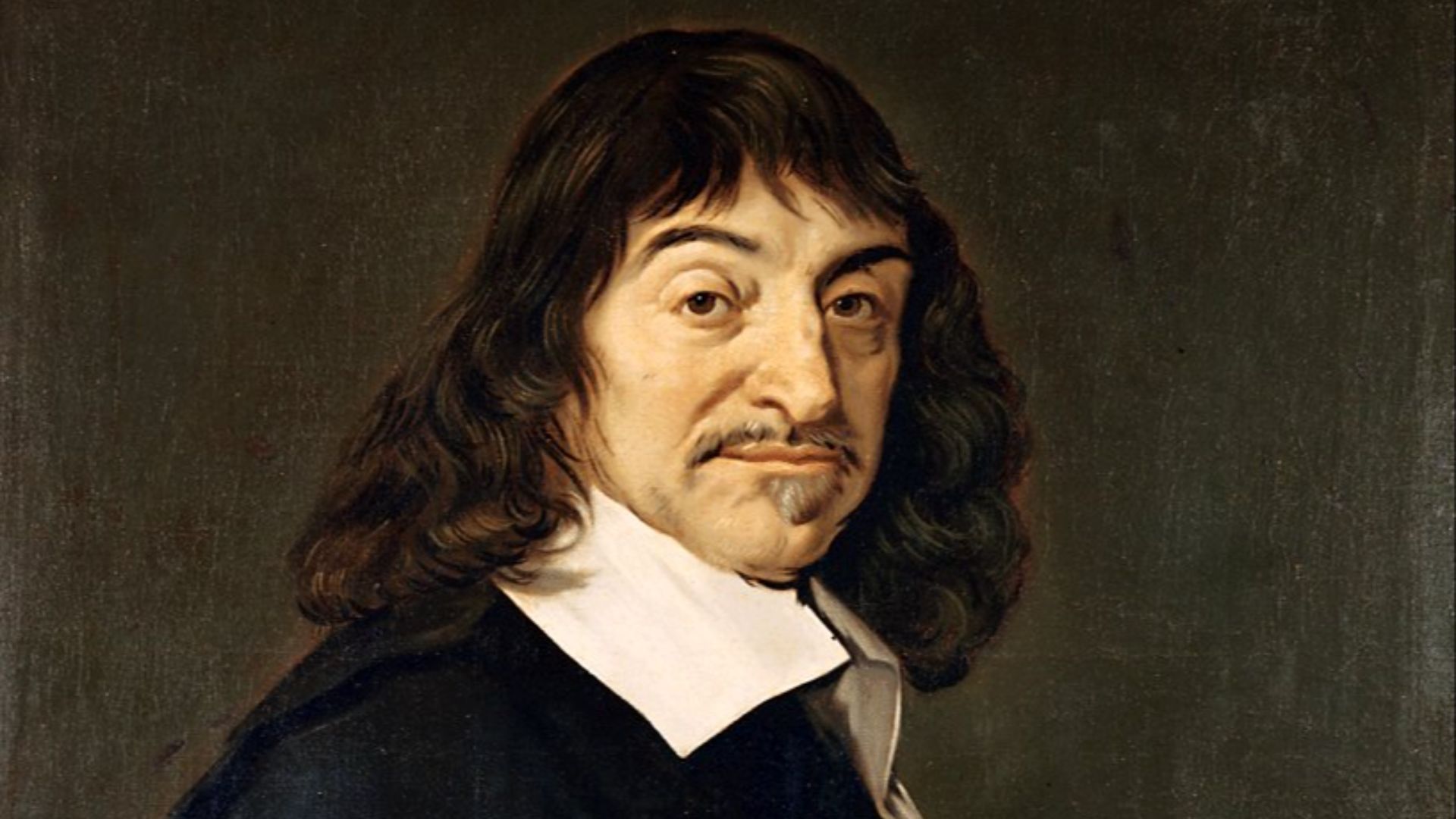
10. Isaac Newton
Newton was almost absurdly brilliant. He transformed math and physics while also feuding with rivals, obsessing over private studies, and making life harder for anyone who crossed him. You can admire the genius and still notice the man was not exactly built for peaceful collaboration. His mind produced breakthroughs at a level that seemed to come bundled with isolation and intensity.
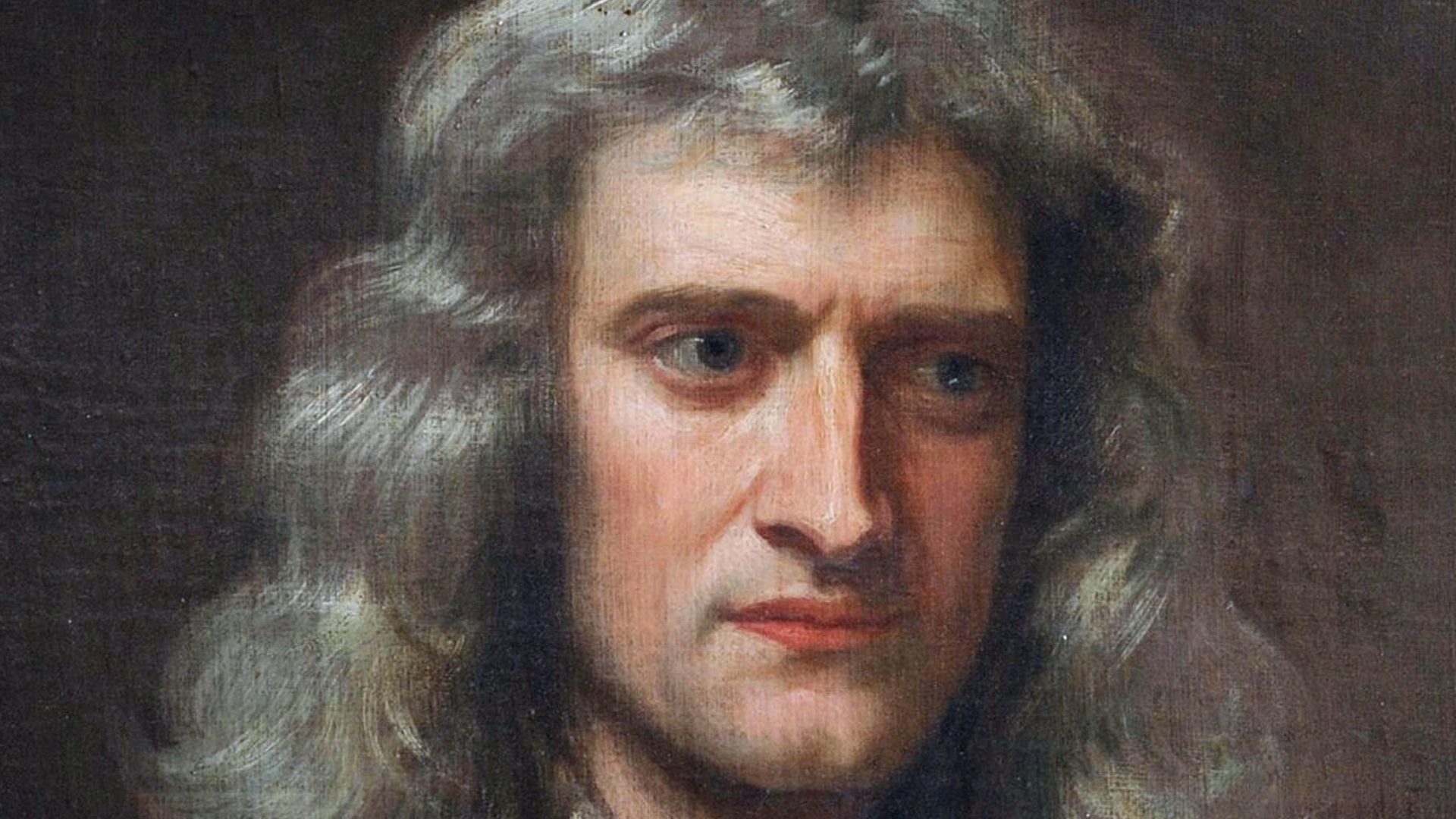 James Thronill after Sir Godfrey Kneller on Wikimedia
11. Blaise Pascal
Pascal was the kind of prodigy who made major contributions to mathematics, physics, and philosophy before most people today would even settle on a major. His intellect was dazzling, but it also seemed tied to a restless, high-pressure inner life. He swung toward deep religious seriousness after years of scientific achievement, and that shift gives his story a complicated edge. It feels like his own mind was always pushing him somewhere more demanding than comfort.
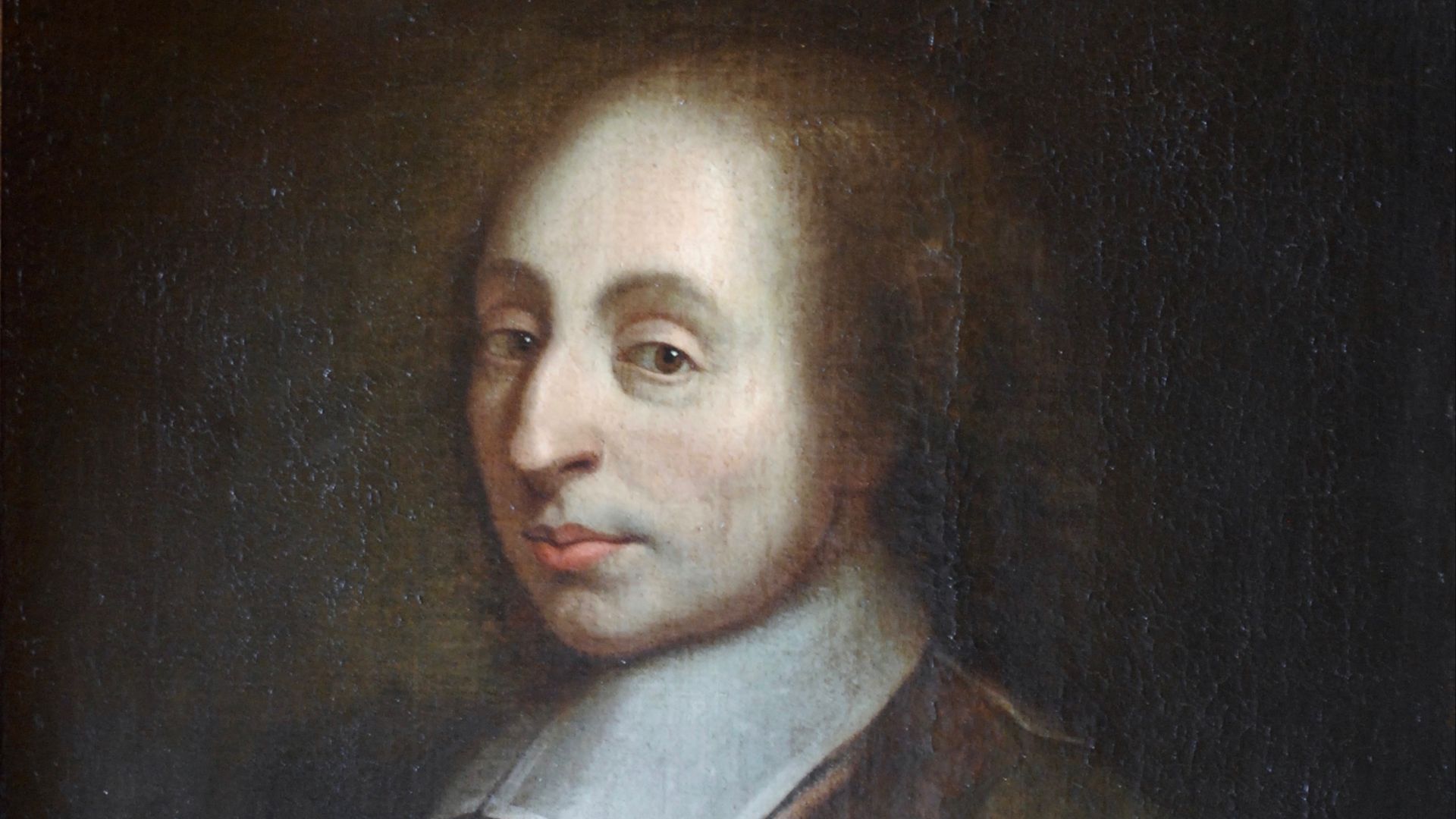
12. Antoine Lavoisier
Lavoisier helped transform chemistry into something far more modern and precise, which should've guaranteed him a glowing legacy without much drama. Instead, he lived during the French Revolution, which was not a great time to be brilliant, wealthy, and associated with the old system. His scientific accomplishments didn't save him once politics took over the room, and he was executed by guillotine.
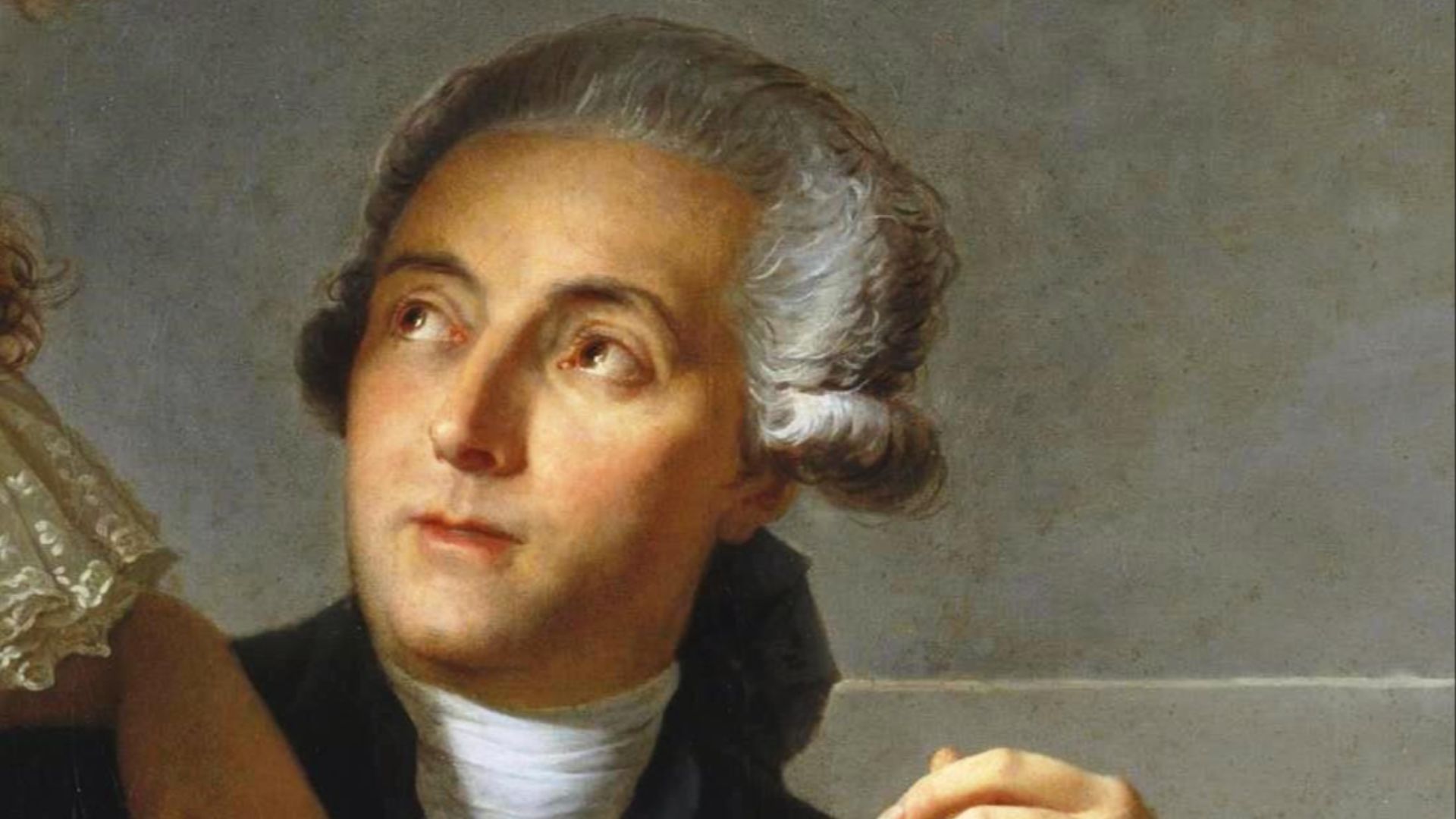 Jacques-Louis David on Wikimedia
13. Ada Lovelace
Ada Lovelace saw possibilities in early computing that most of her contemporaries simply didn't. Her ability to imagine how machines could process more than numbers makes her feel startlingly modern even now. Yet her insight arrived in a period that offered very little space for a woman to develop such ideas fully. She was brilliant enough to glimpse the future and unlucky enough to live far too early to really step into it.
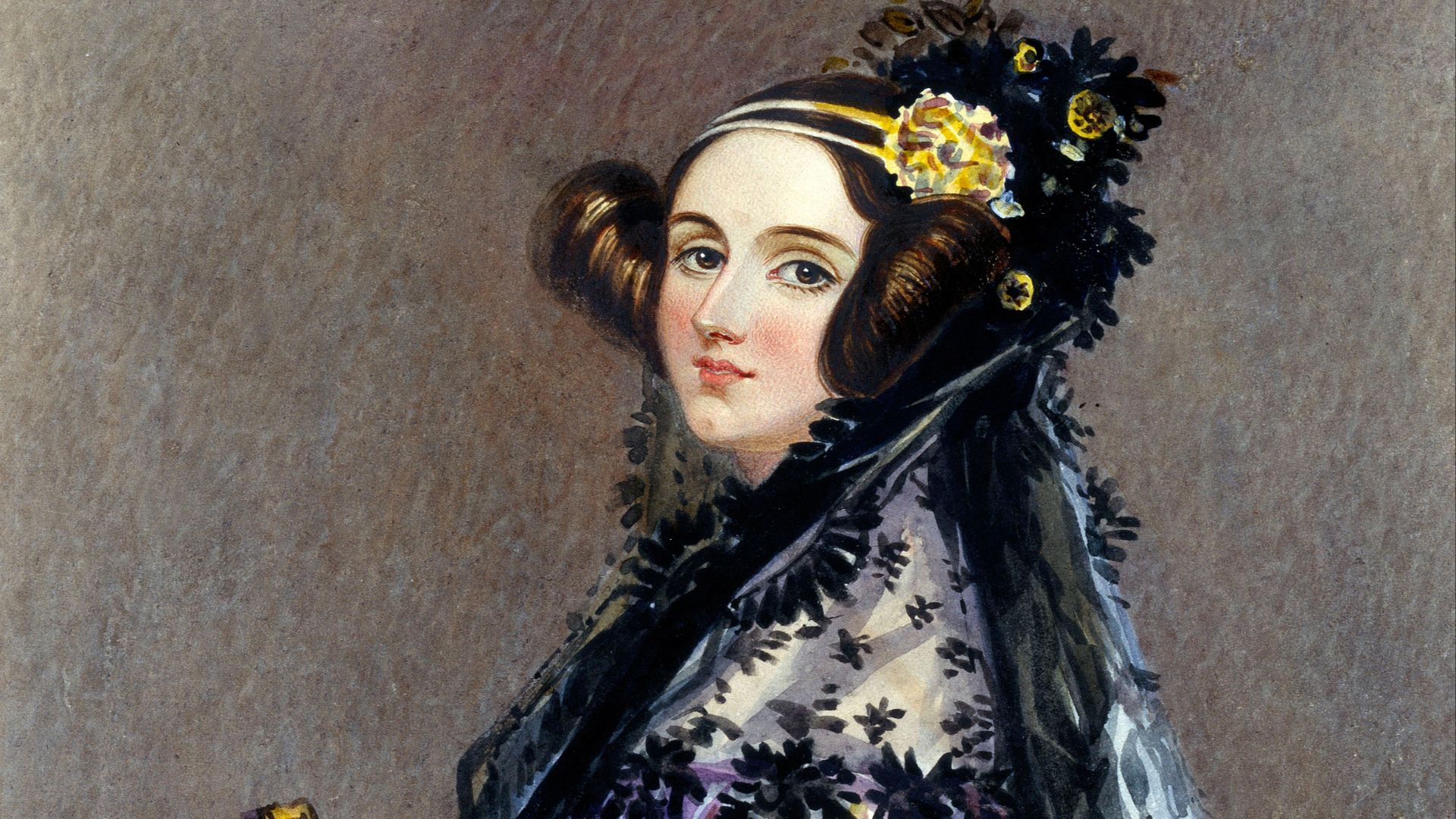 Alfred Edward Chalon on Wikimedia
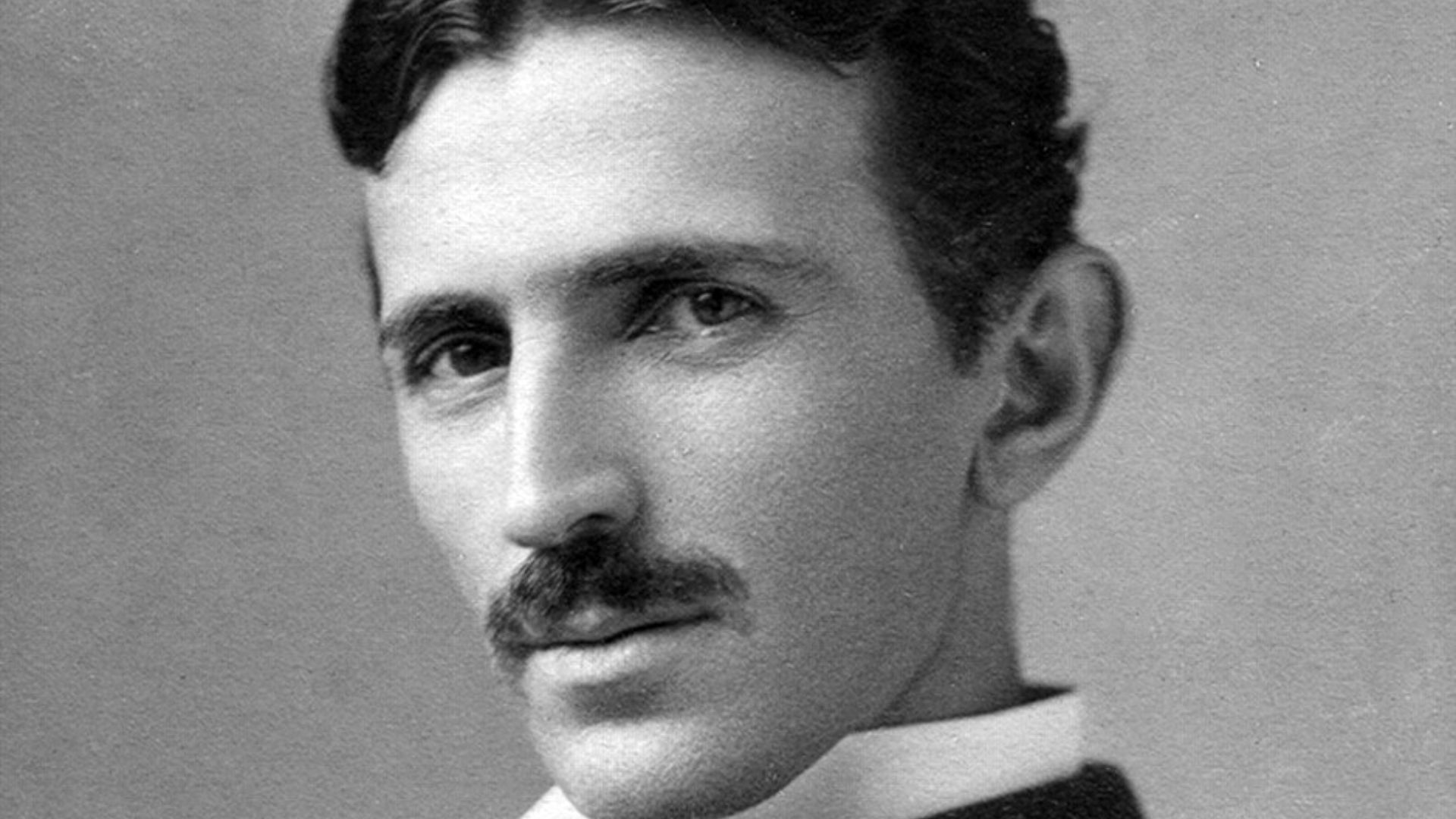
14. Nikola Tesla
Tesla had one of those minds that seemed permanently switched several levels above the ordinary setting. He could imagine systems, solve engineering problems, and chase ideas with breathtaking originality, but he wasn't especially gifted at turning genius into stability. Financial trouble, erratic habits, and endless disputes kept getting in the way of the life his talent might've deserved.
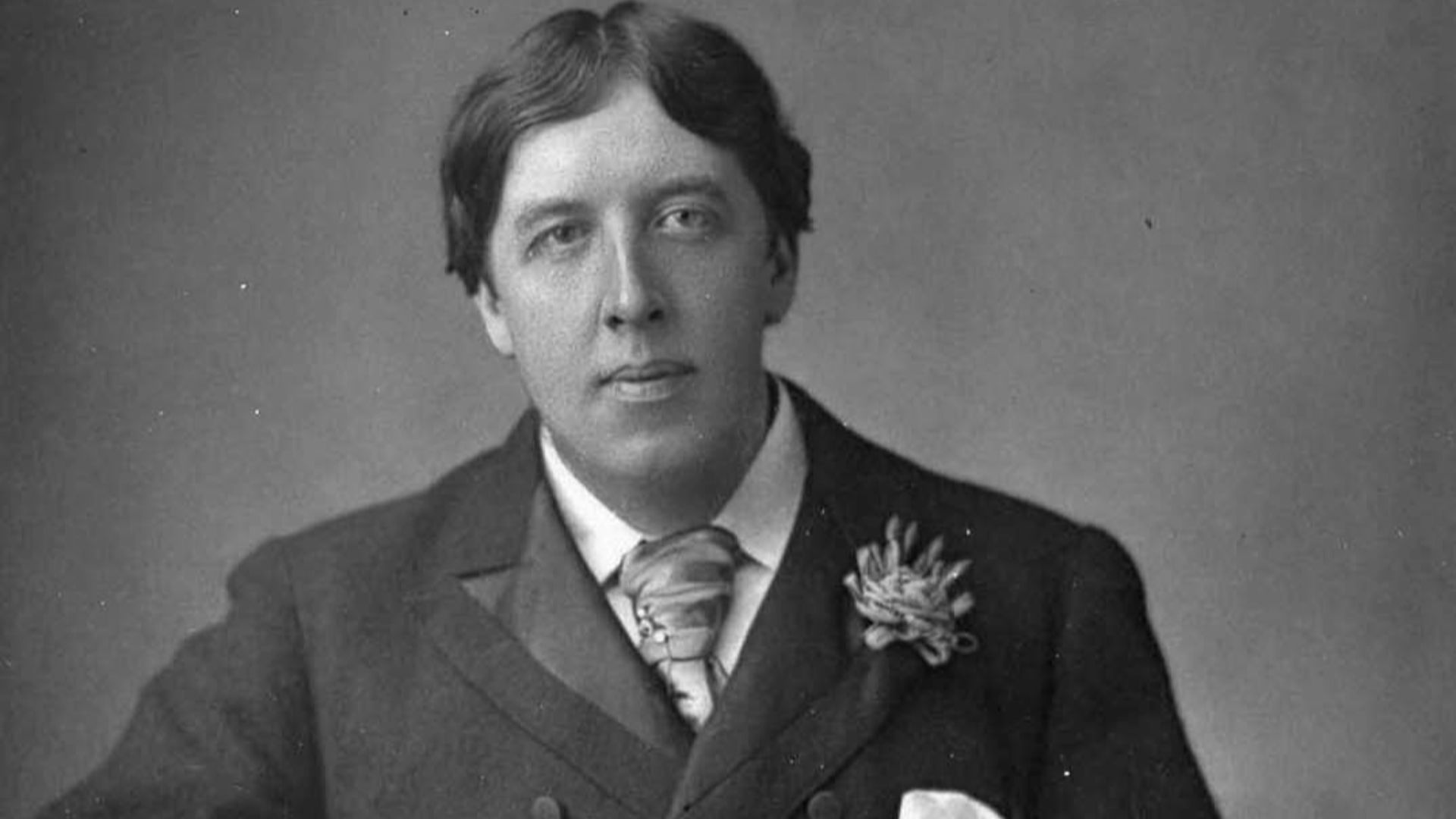
15. Oscar Wilde
Wilde was so quick, stylish, and verbally gifted that even his insults came out polished. He had the intelligence to charm society, mock it, and expose its hypocrisy, which was thrilling right up until it became dangerous. Once scandal and prosecution entered the picture, his brilliance couldn't shield him from ruin. He dazzled in public, but the same sharpness that made him unforgettable also made him vulnerable.
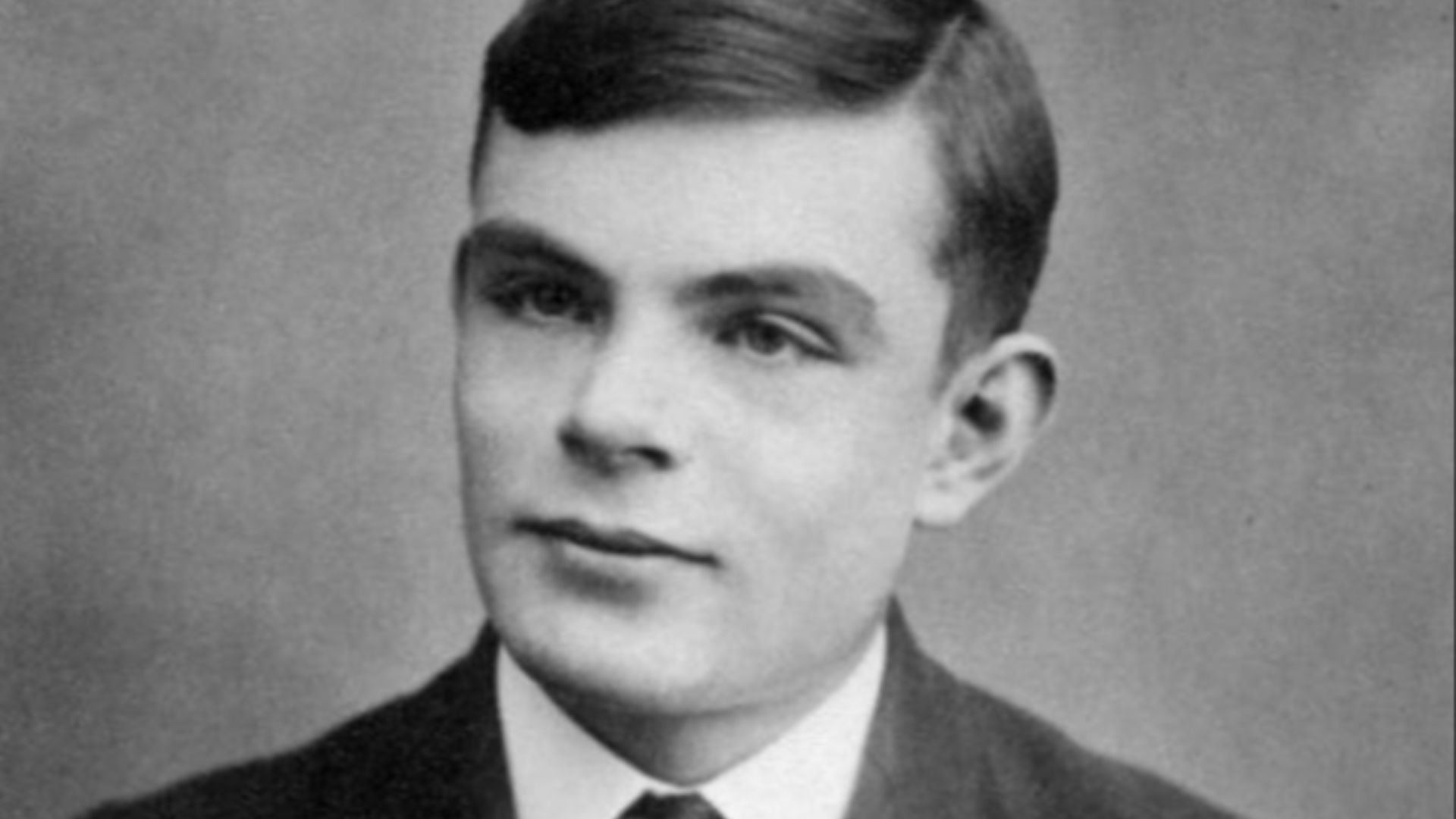
16. Alan Turing
Turing helped crack codes, shape computer science, and alter the course of World War II, which would already be enough for one lifetime. Instead of being rewarded in any humane sense, he was persecuted by the country he helped save because of his sexual orientation. His brilliance solved problems at a historic scale, but it couldn't protect him from the cruelty of his time.
 Possibly Arthur Reginald Chaffin on Wikimedia
17. Robert Oppenheimer
Oppenheimer had the kind of intellect that made him central to one of the most consequential scientific projects in history. He could absorb vast amounts of knowledge, lead brilliant people, and operate under immense pressure, but that same role left him haunted and politically exposed. After helping build the atomic bomb, he spent years wrestling with the consequences and losing influence in public battles. His mind took him to the top of the scientific world and then left him staring at what that achievement had cost.

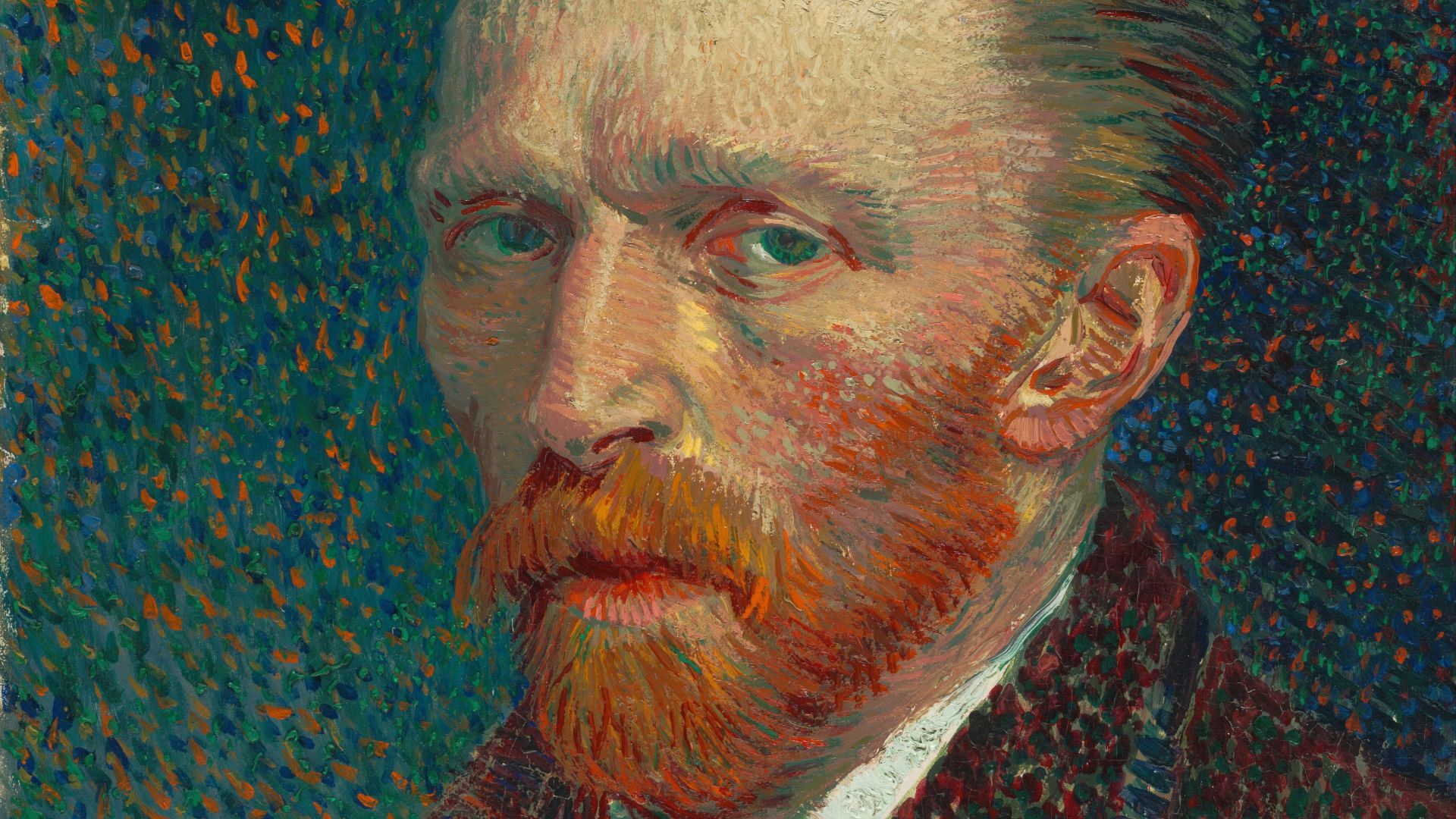
18. Vincent van Gogh
Van Gogh had the kind of artistic vision that people now recognize instantly, but during his lifetime, that brilliance brought him very little peace. He created work with extraordinary emotional force and originality, yet he lived with severe personal struggles and almost no real success while he was alive. The cruel part is that the world caught up to his genius far too late for him to benefit from it.
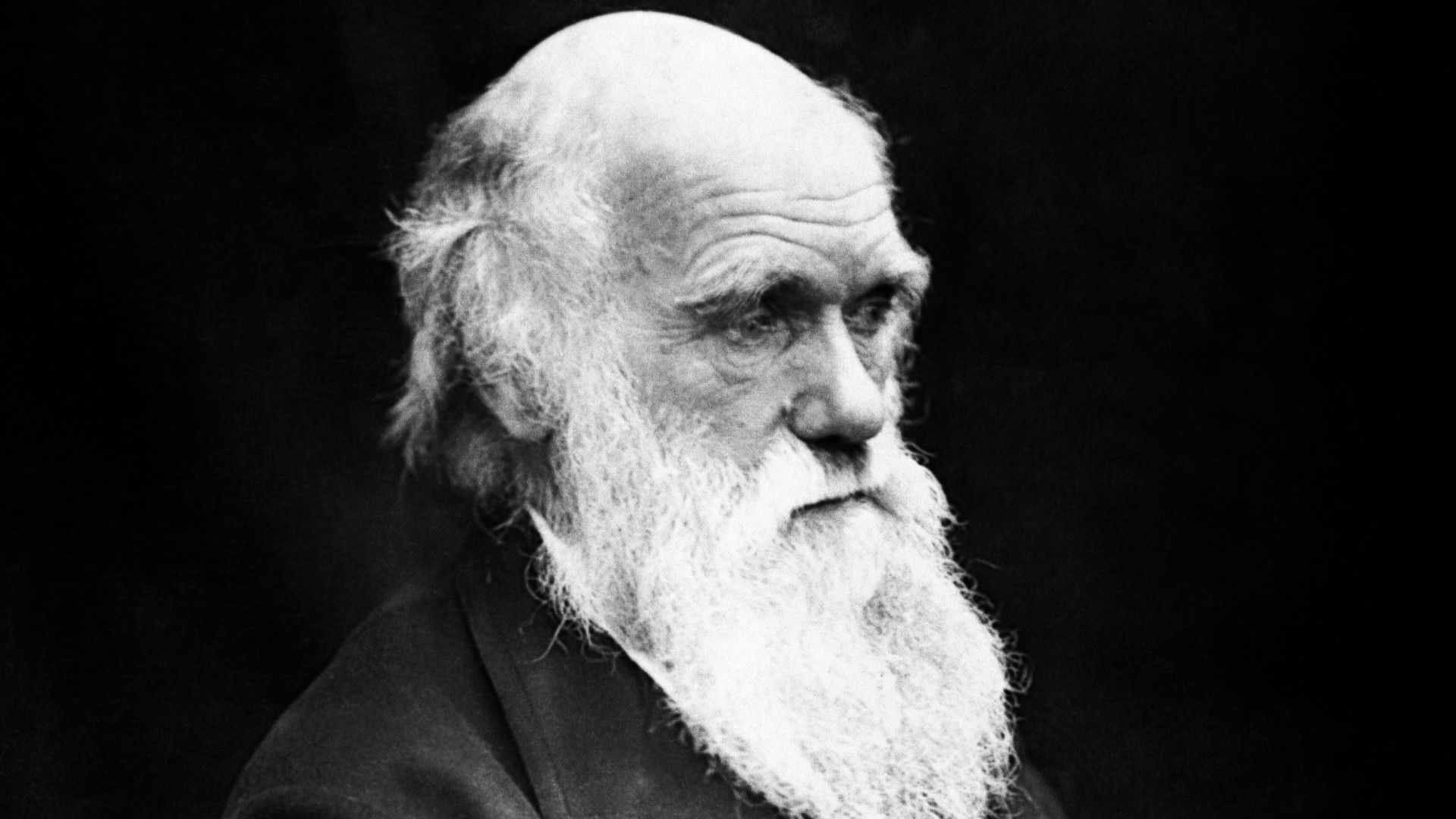
19. Charles Darwin
Darwin had the patience, discipline, and intellectual nerve to build a theory that changed biology forever. He spent years gathering evidence and thinking through every possible objection before publishing his work, but even with that caution, his ideas sparked outrage, public debate, and lasting controversy that put him under enormous pressure.
 Julia Margaret Cameron on Wikimedia
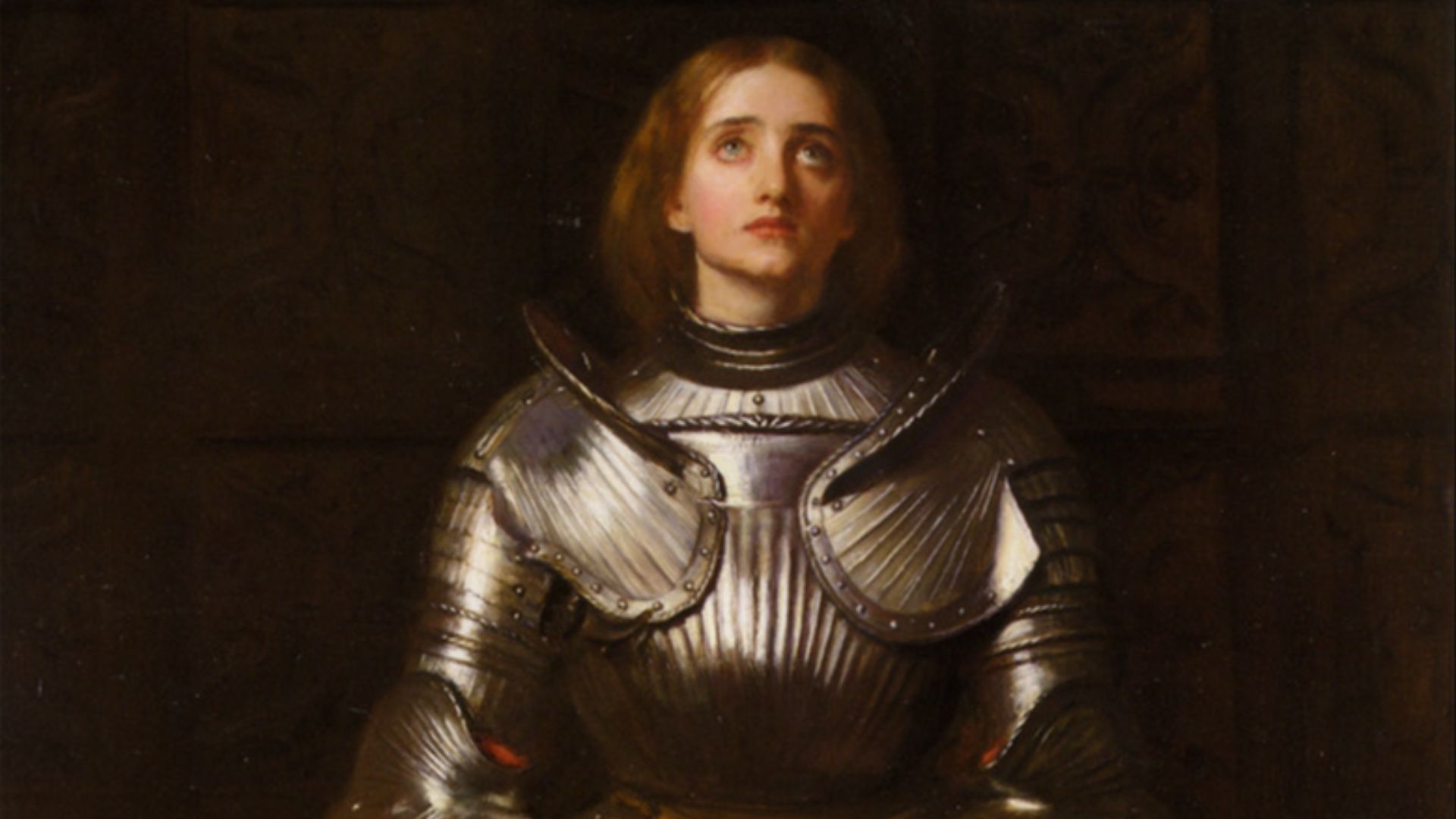
20. Joan of Arc
Joan of Arc wasn't a scholar in the usual sense, but she possessed a kind of strategic, persuasive brilliance that let her alter history while still a teenager. She inspired armies, changed morale, and stepped into political and military spaces that should've been impossible for someone in her position. That extraordinary force of mind made her powerful, though it also made her terrifying to the people who wanted her gone. She rose fast, changed everything, and paid for it with her life.
KEEP ON READING

The 10 Youngest Monarchs In History & The 10 Oldest
Age Is Just A Number. Imagine being crowned king or…
By Chase Wexler Mar 11, 2025
You Think You Have Problems? These Royal Families Were Cursed
Boasson and Eggler St. Petersburg Nevsky 24. on WikimediaHeavy is…
By Ashley Bast Dec 5, 2025
You Can Thank This Greek-Canadian For Creating Pineapple On Pizza…
Love it or hate it, pineapple on pizza sparks debate…
By David Davidovic Dec 1, 2025
Yes, Female Gladiators Existed, And Here's Everything You Need To…
History of Women in Combat. Most people picture gladiators as…
By David Davidovic Jan 17, 2026
Yes, Australians Once Lost A Battle Against Flightless Birds
David Clode on UnsplashIn 1932, the Australian military went to…
By David Davidovic Nov 24, 2025
The Y2K Bug: Why Did Everyone Think Year 2000 Was…
Alan W on UnsplashOn December 31, 1999, people all over…
By Christy Chan Dec 22, 2025