

10 Revolutions That Freed People & 10 That Just Swapped the Bosses
When Unjust Rule Just Changes Uniforms
Revolutions get sold as clean stories with a clear villain and a clear sunrise. But in real life, they’re messier, louder, and full of people who want the same word to mean different things, like freedom, order, justice, and dignity. Sometimes a revolution actually expands rights in a way that sticks, making daily life less cramped for a lot of people, not just the new leadership class. Other times, the old ruler falls and a new one moves into the same palace, using the same tools, with a fresh slogan painted over the door. Here are ten revolutions that genuinely opened things up for more people, followed by ten that mostly replaced one set of bosses with another.
 Revista Argentina Lea on Wikimedia
1. Haiti’s Revolution
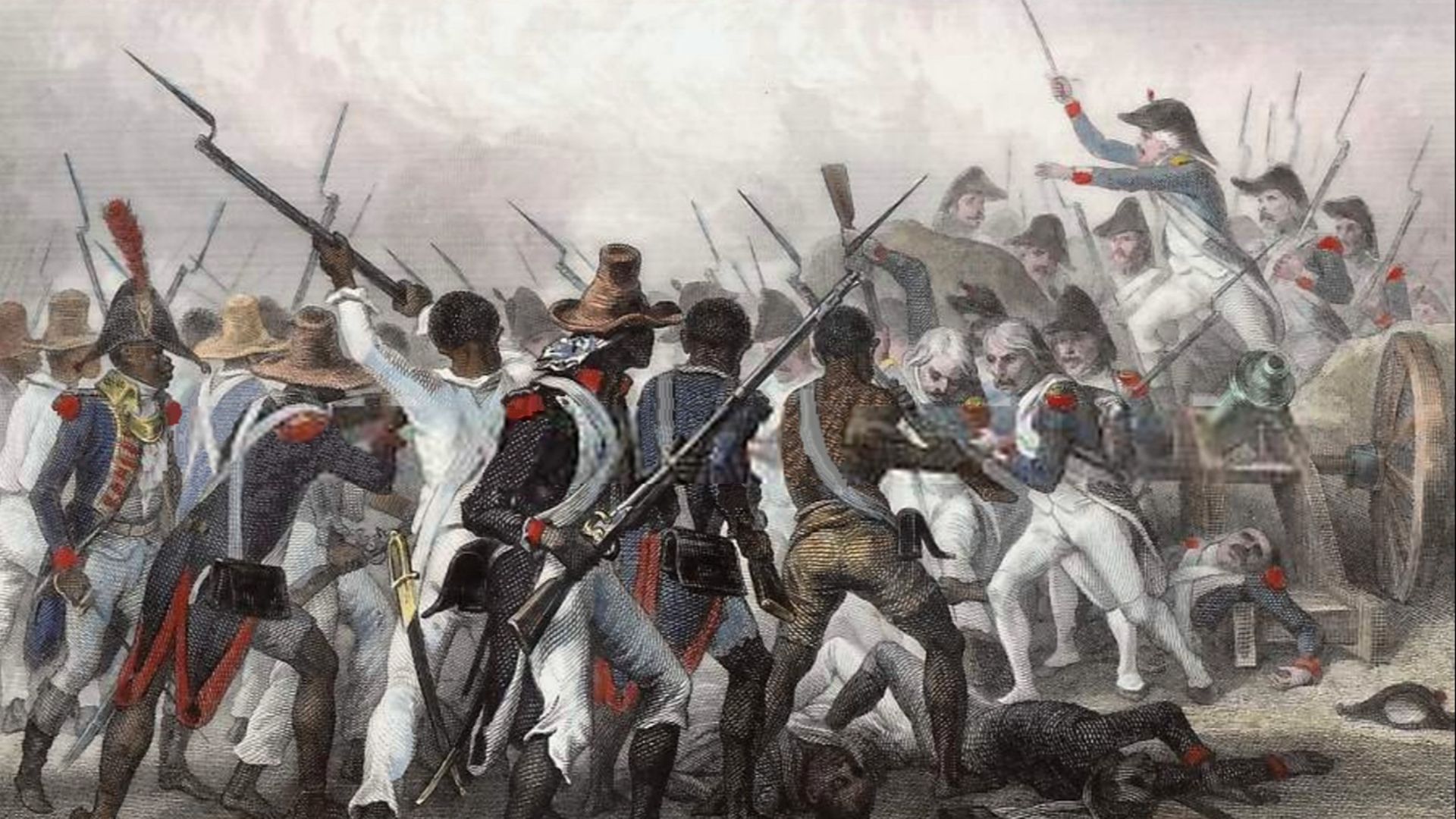
Haiti’s revolution didn’t just change a government, it destroyed a slave system and created the first Black republic in the modern world. The cost was staggering and the retaliation from powerful countries was relentless, but the core outcome mattered: enslaved people made themselves free, permanently. It rewrote what was thinkable in the Atlantic world, even for people who pretended it didn’t.
 Auguste Raffet / Ernest Hébert on Wikimedia
2. Mexico’s Revolution
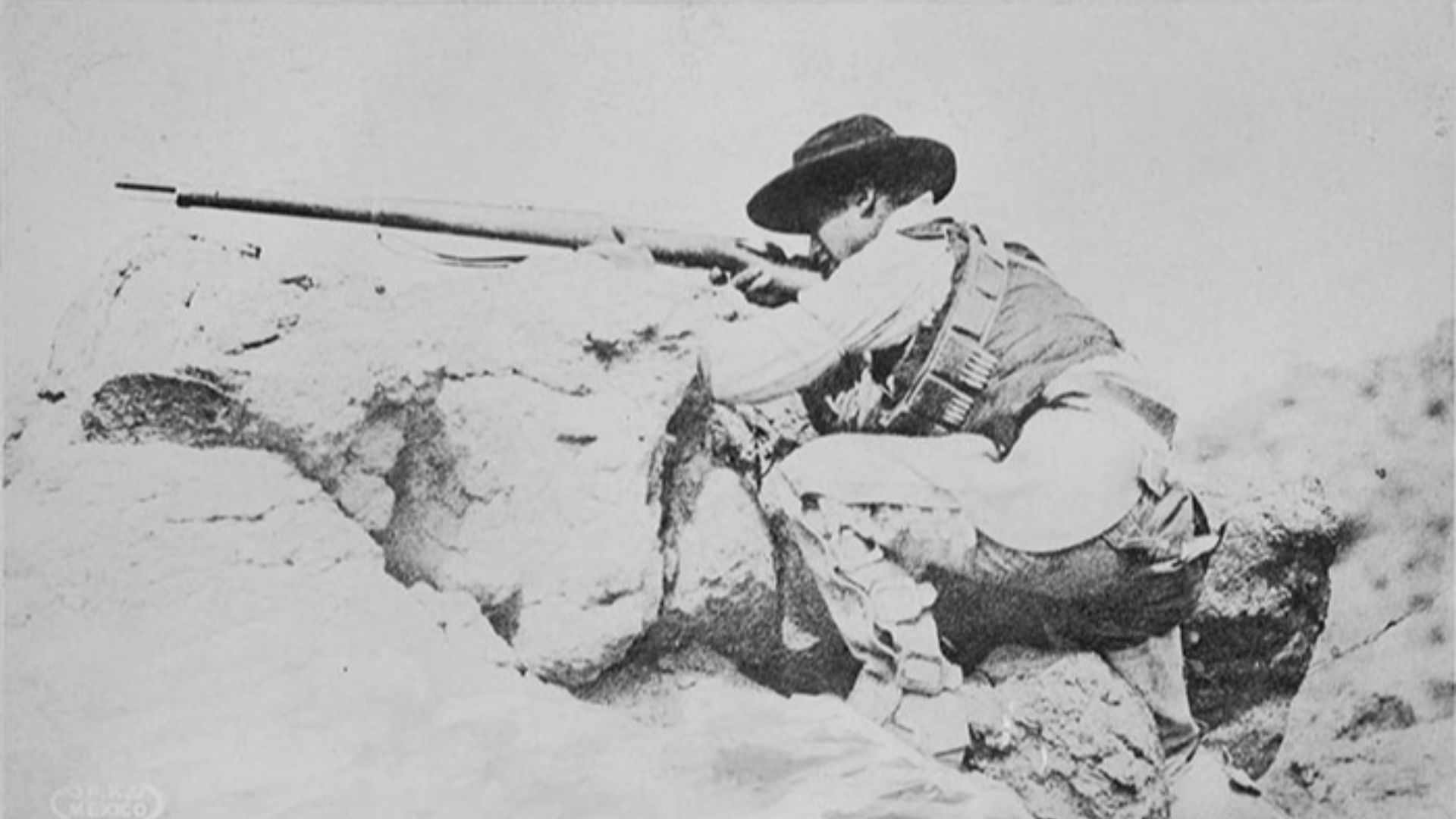
Mexico’s revolution was chaotic, brutal, and internally divided, but it ultimately cracked open a rigid system that kept land and power concentrated at the top. The post-revolution settlement pushed land reform, labor rights, and a new political order that at least had to speak in the language of the many.
It did not solve everything, but it made it harder for the old hierarchy to operate as openly as before.
3. Portugal’s Carnation Revolution
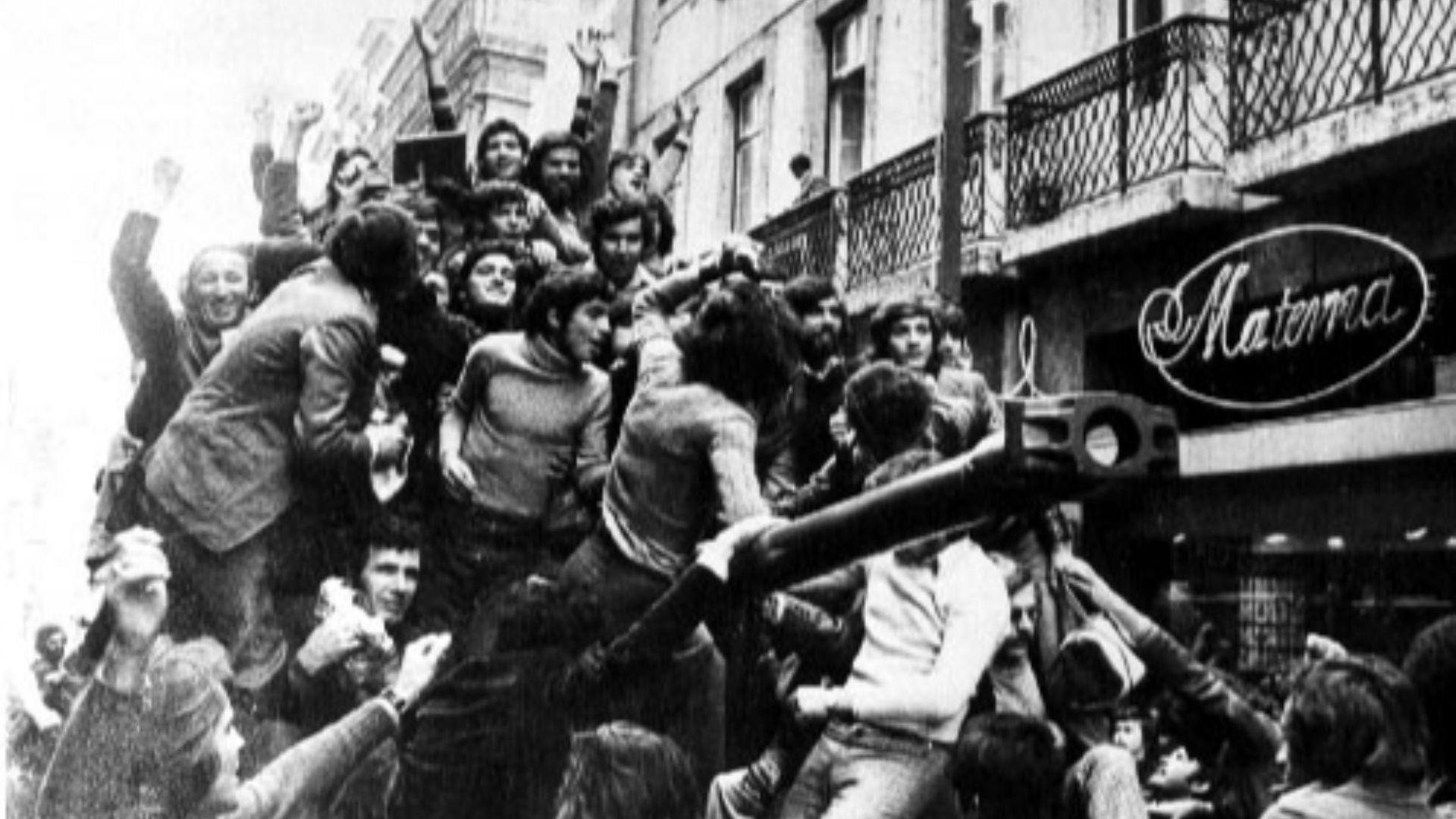
Portugal’s 1974 revolution is one of the rare cases where the military helped end an authoritarian regime and then stepped back enough for democracy to take root. It also sped up decolonization, which meant millions of people were no longer being held under a costly imperial project. When a revolution lowers fear in everyday life, you can feel it in the way people talk, gather, publish, and vote.
 Unknown authorUnknown author on Wikimedia
4. The American Revolution
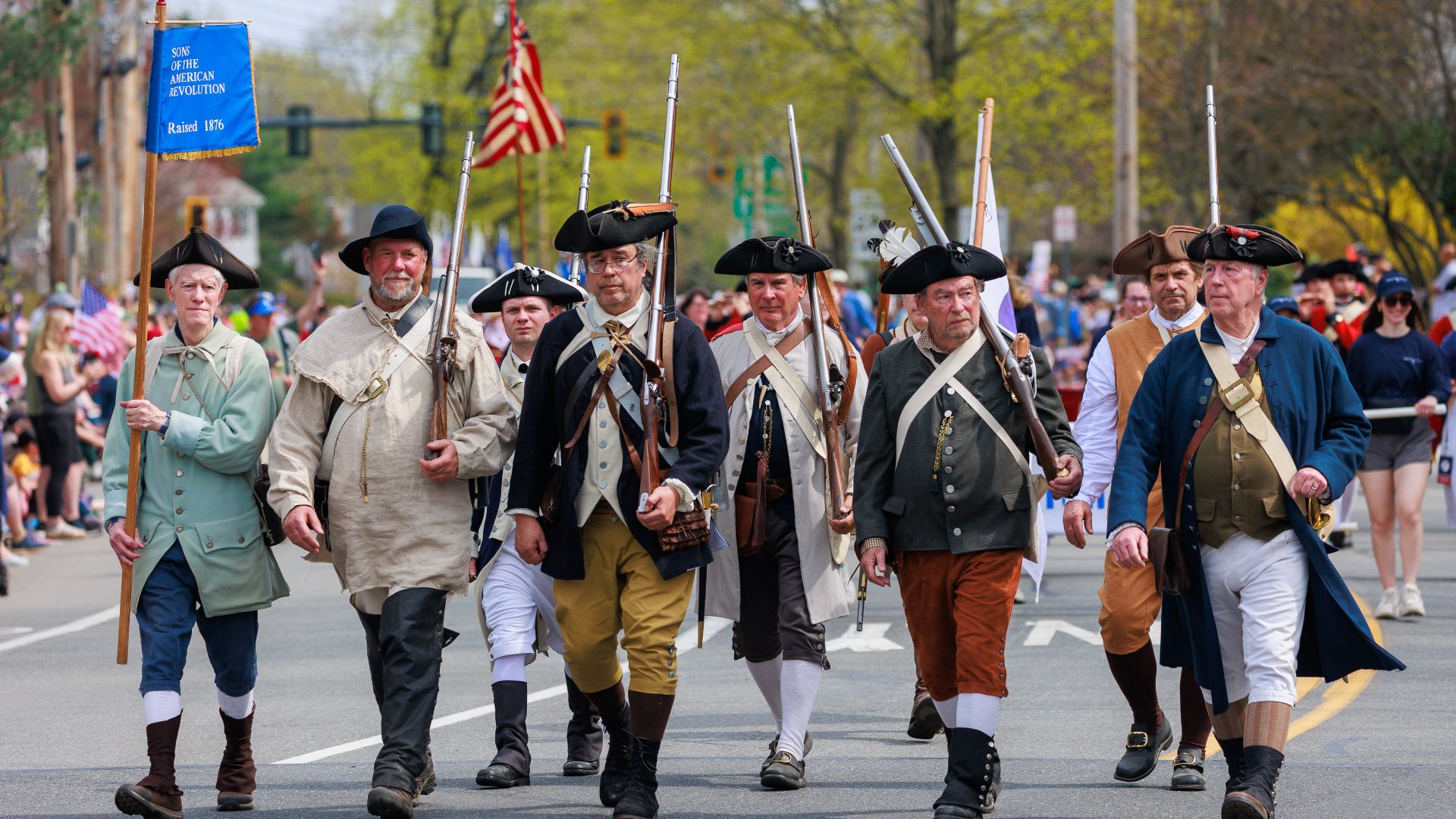
The American Revolution did not free everyone, and pretending it did is a classic way history gets sanitized. But it did create a framework that later expanded political participation and rights through amendments, movements, and constant argument, which is its own kind of long revolution. The important part is that it built a system where power could be challenged without needing a king’s permission.
 Kenneth C. Zirkel on Wikimedia
5. The French Revolution
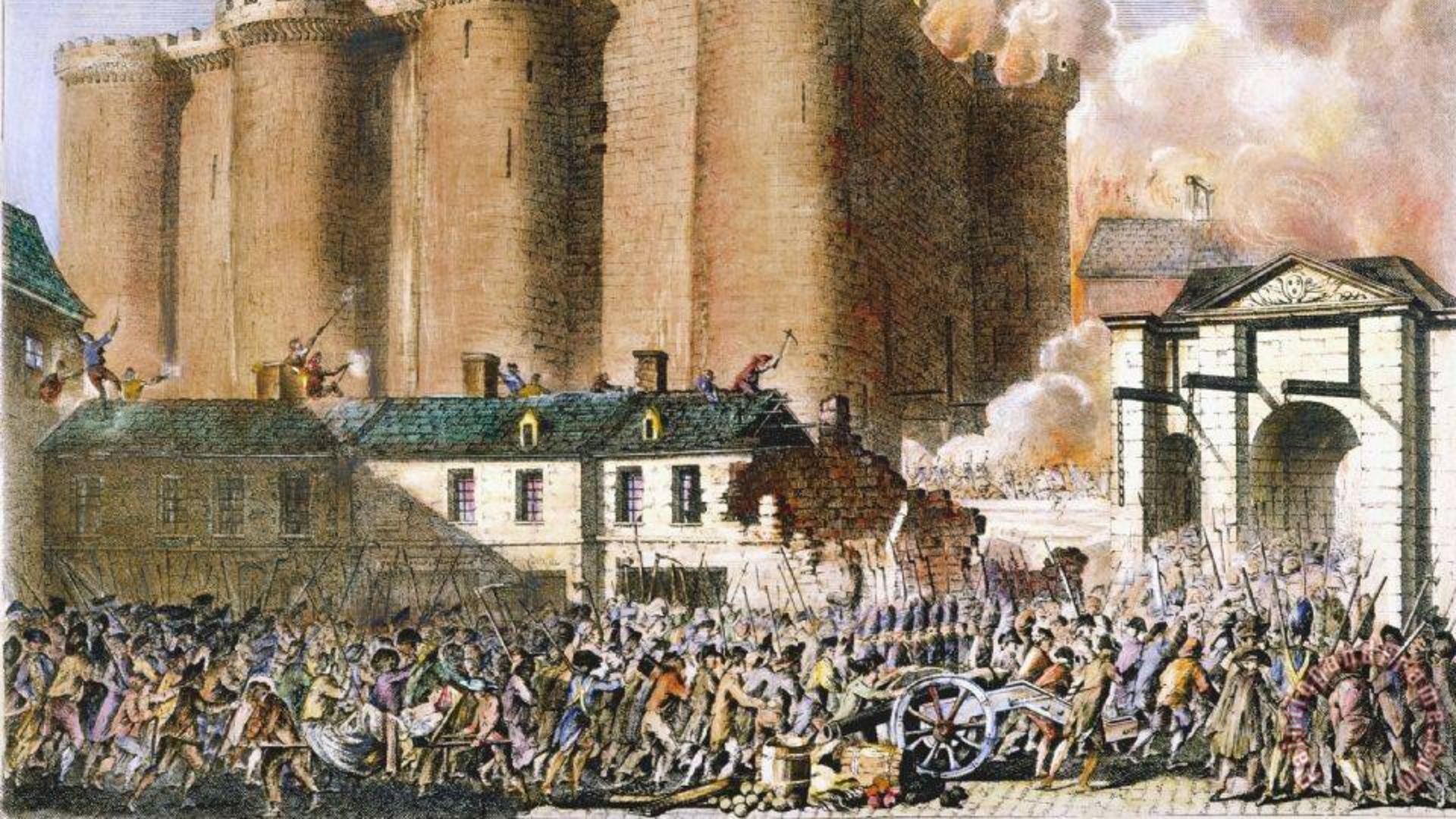
France’s revolution was violent and unstable, and it swung from idealism to terror faster than most people can process. Still, it helped shatter old legal privileges tied to birth and pushed the idea of citizenship into the center of public life. Even when the politics collapsed into new forms, the social logic of divine hierarchy never fully recovered.
 Unknown authorUnknown author on Wikimedia
6. The Velvet Revolution
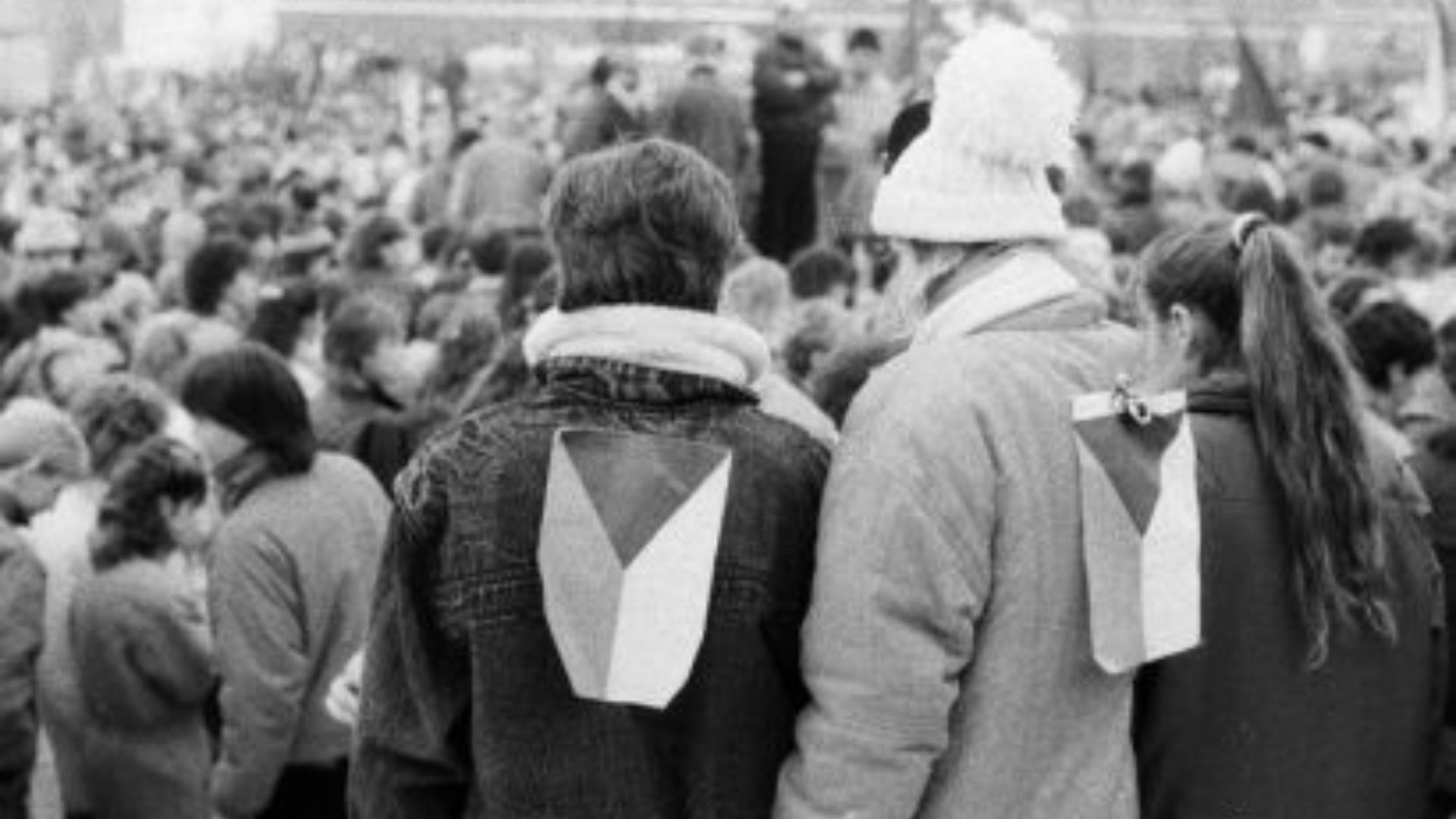
Czechoslovakia’s 1989 Velvet Revolution is memorable because it ended Communist rule with relatively little bloodshed and opened the door to democratic institutions and civil liberties. People suddenly had more space to speak, organize, travel, and build lives without constant political policing. It was not perfect, but it widened ordinary life in a way that mattered.
7. South Africa’s Democratic Transition
South Africa’s end of apartheid was not a single day of fireworks, but it was a revolution in the sense that a racial dictatorship gave way to universal suffrage and legal equality. The transition involved negotiation and compromise, but the shift in political rights was real and measurable. When millions of people go from ruled to represented, that is not cosmetic.
 US Army Africa from Vicenza, Italy on Wikimedia
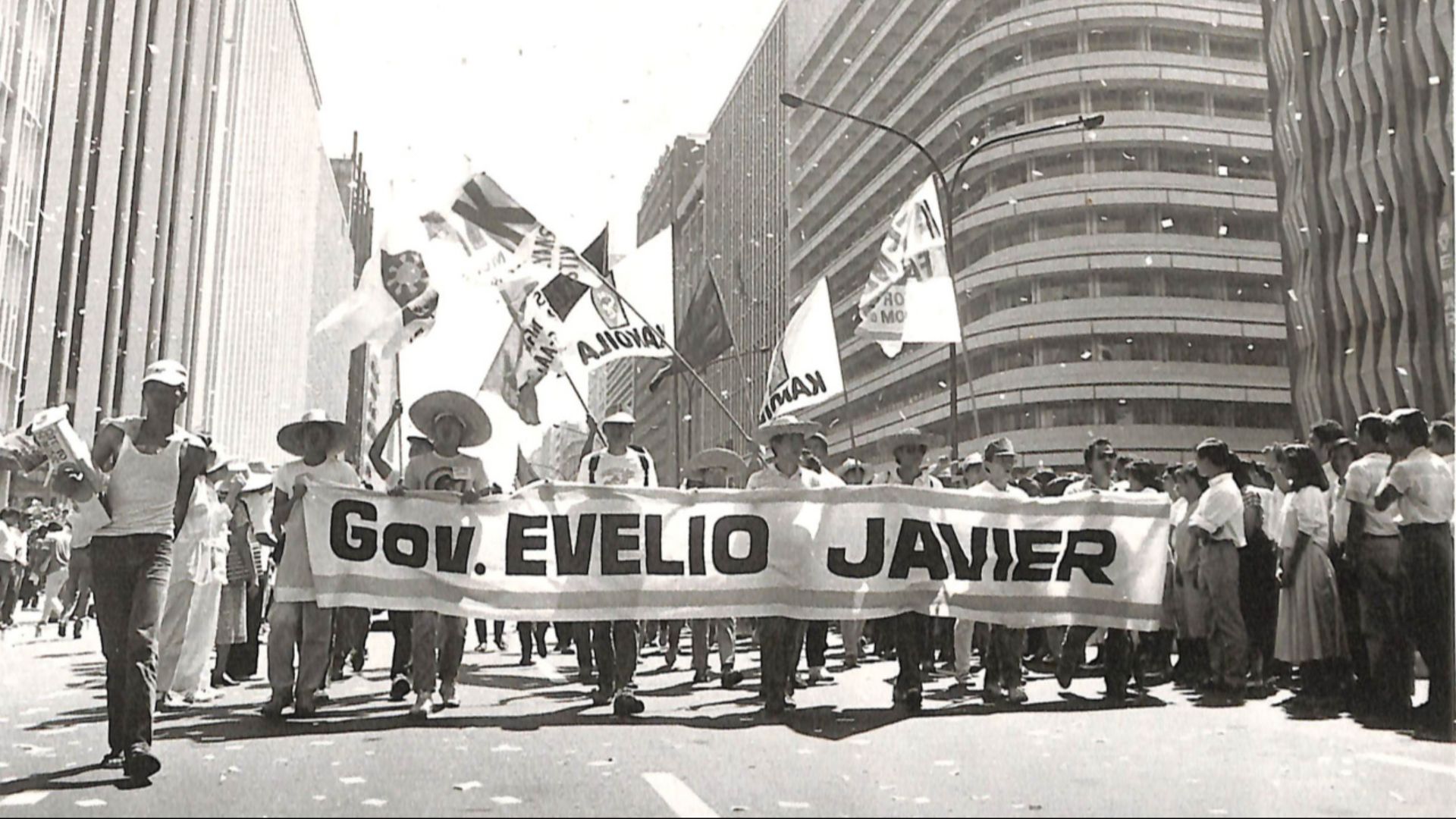
8. The People Power Revolution
In the Philippines, the 1986 People Power movement pushed Ferdinand Marcos out and restored democratic institutions that had been hollowed out by authoritarian rule. It did not solve corruption or inequality, but it reopened civic life and made open dictatorship harder to defend. Sometimes freedom looks like the return of basic political oxygen.
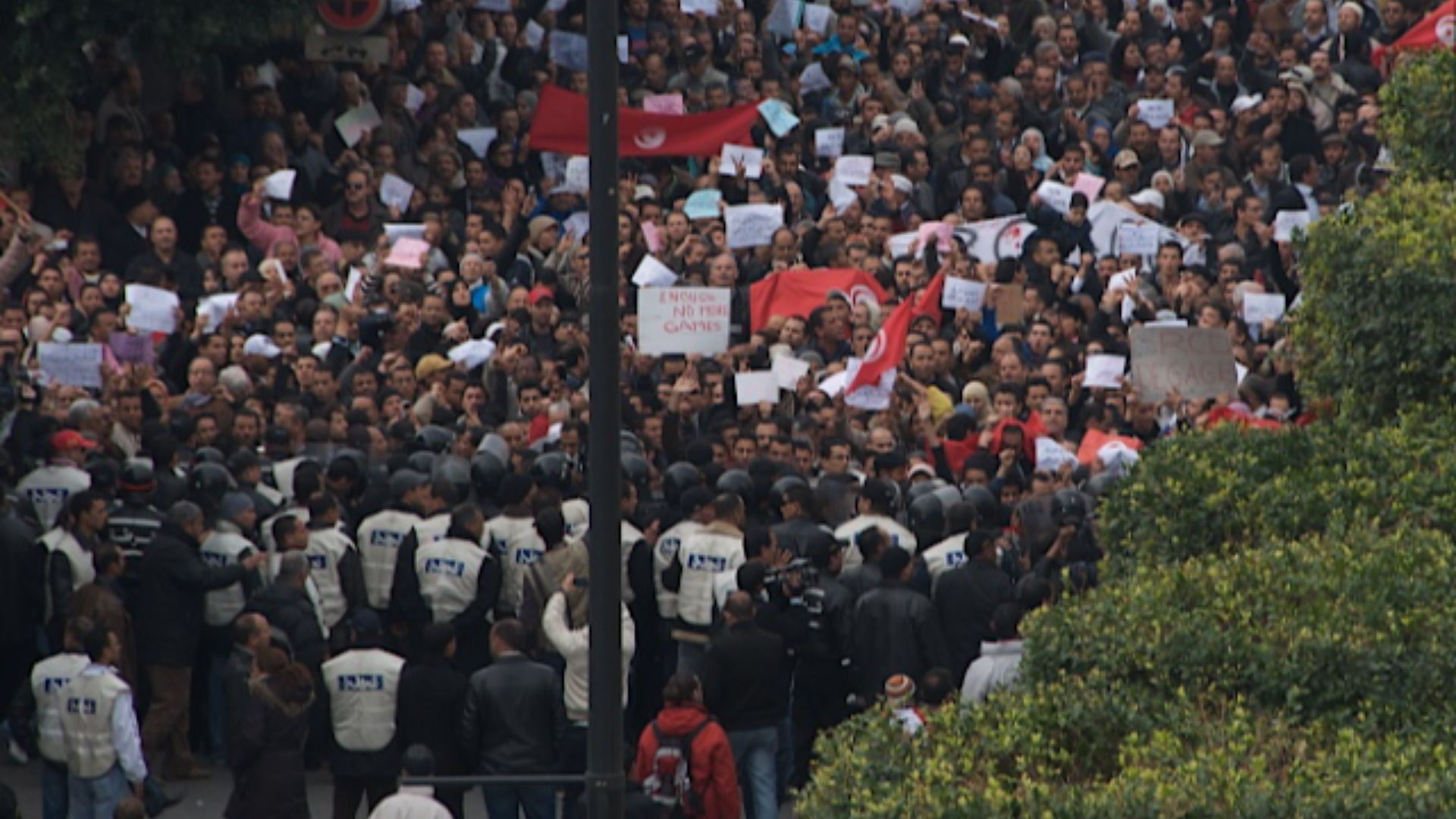
9. Tunisia’s Revolution
Tunisia’s 2011 uprising helped topple a police-state leader and briefly made it the standout democratic opening of the Arab Spring. The country has faced serious reversals and political turbulence since, but for a time it showed what happens when fear breaks and people demand rights in public.
Even imperfect openings can change what citizens expect from power.
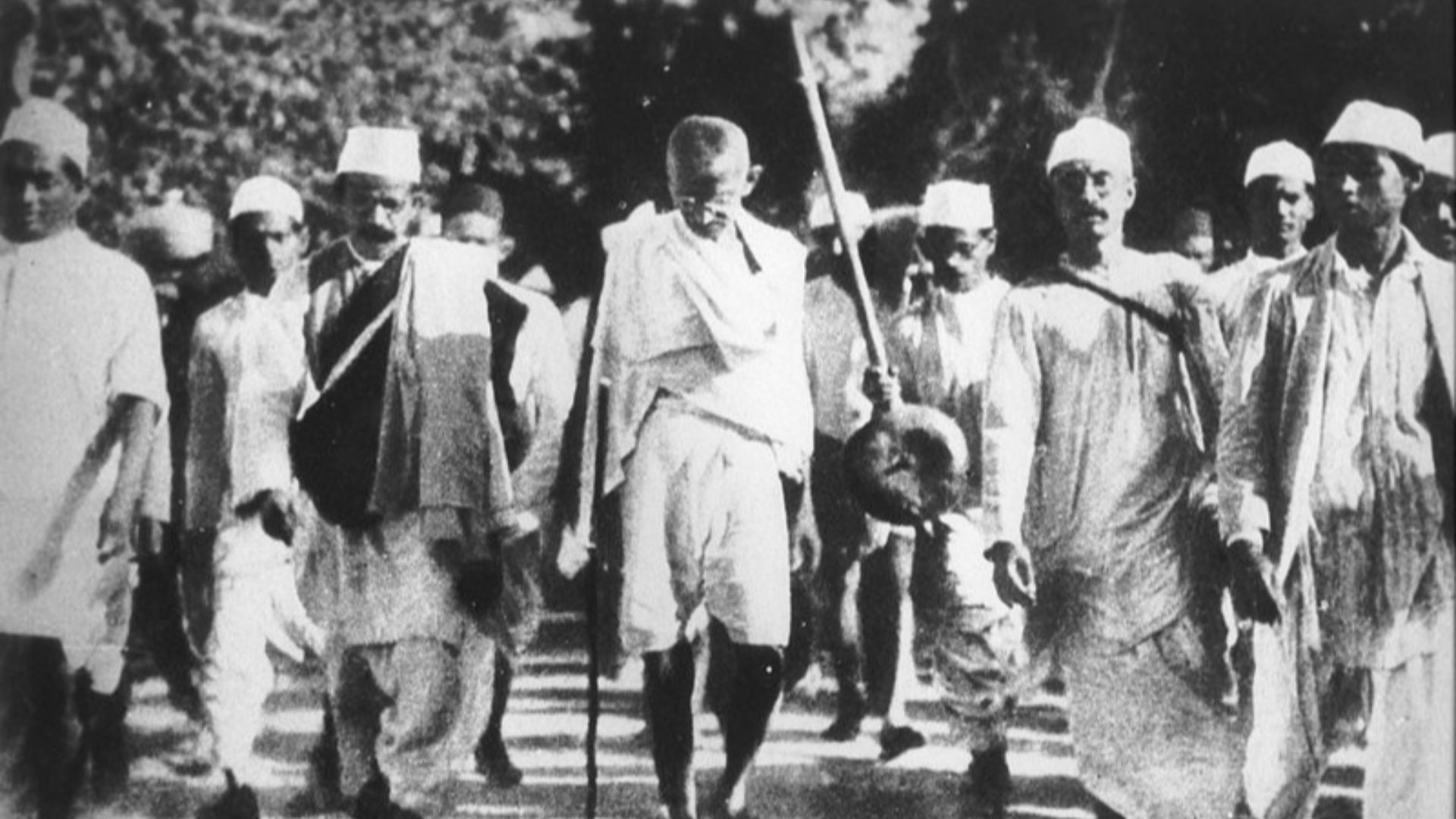
10. India’s Independence Movement
India’s independence was not a tidy victory lap, and Partition brought horrific violence and displacement. Still, ending colonial rule and building a democratic republic with elections and constitutional rights shifted power in a fundamental way. When a population stops being governed as a possession, even the flawed aftermath is a different world than what came before.
A revolution can topple a ruler and still leave the same old machinery of control humming in the background. And now, here are ten revolutions that merely swapped bosses.
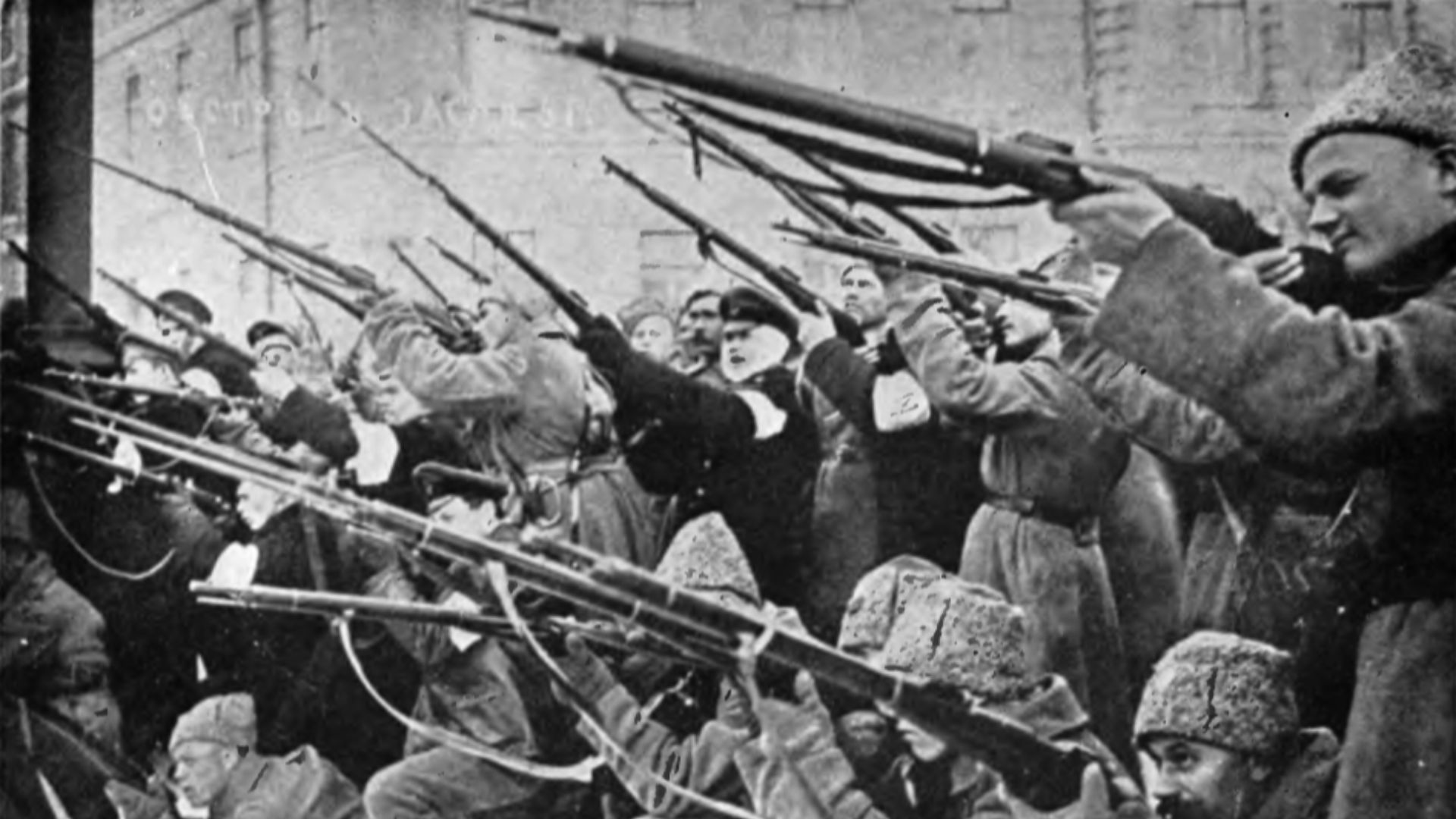
1. Russia’s Revolution And The Soviet Turn
The 1917 revolutions broke the old monarchy, which was a real rupture, but the resulting state soon built a new system of coercion, surveillance, and centralized control. For many people, daily life traded one kind of fear for another, with different uniforms and different slogans. When the state becomes the boss of everything, freedom gets very theoretical, very fast.
 Unknown authorUnknown author on Wikimedia
2. China’s Communist Revolution
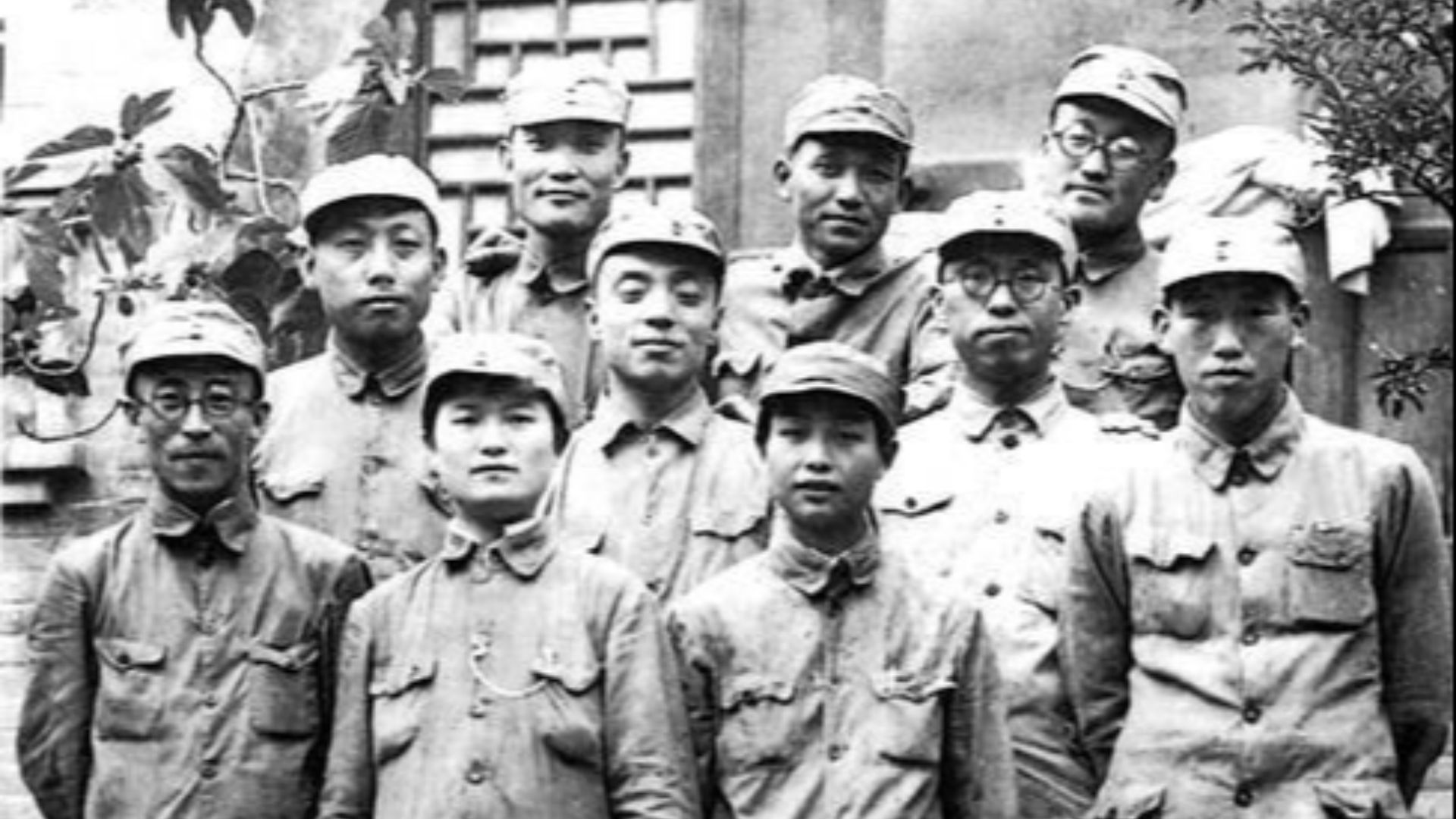
China’s revolution ended a fractured era and pushed out old power structures, but it also produced a one-party state that demanded political obedience and used extensive campaigns of control. For some, it brought stability and redistribution; for many others, it meant new forms of repression and limited personal autonomy.
A revolution can deliver order and still treat citizens like subjects.
 Unknown authorUnknown author on Wikimedia
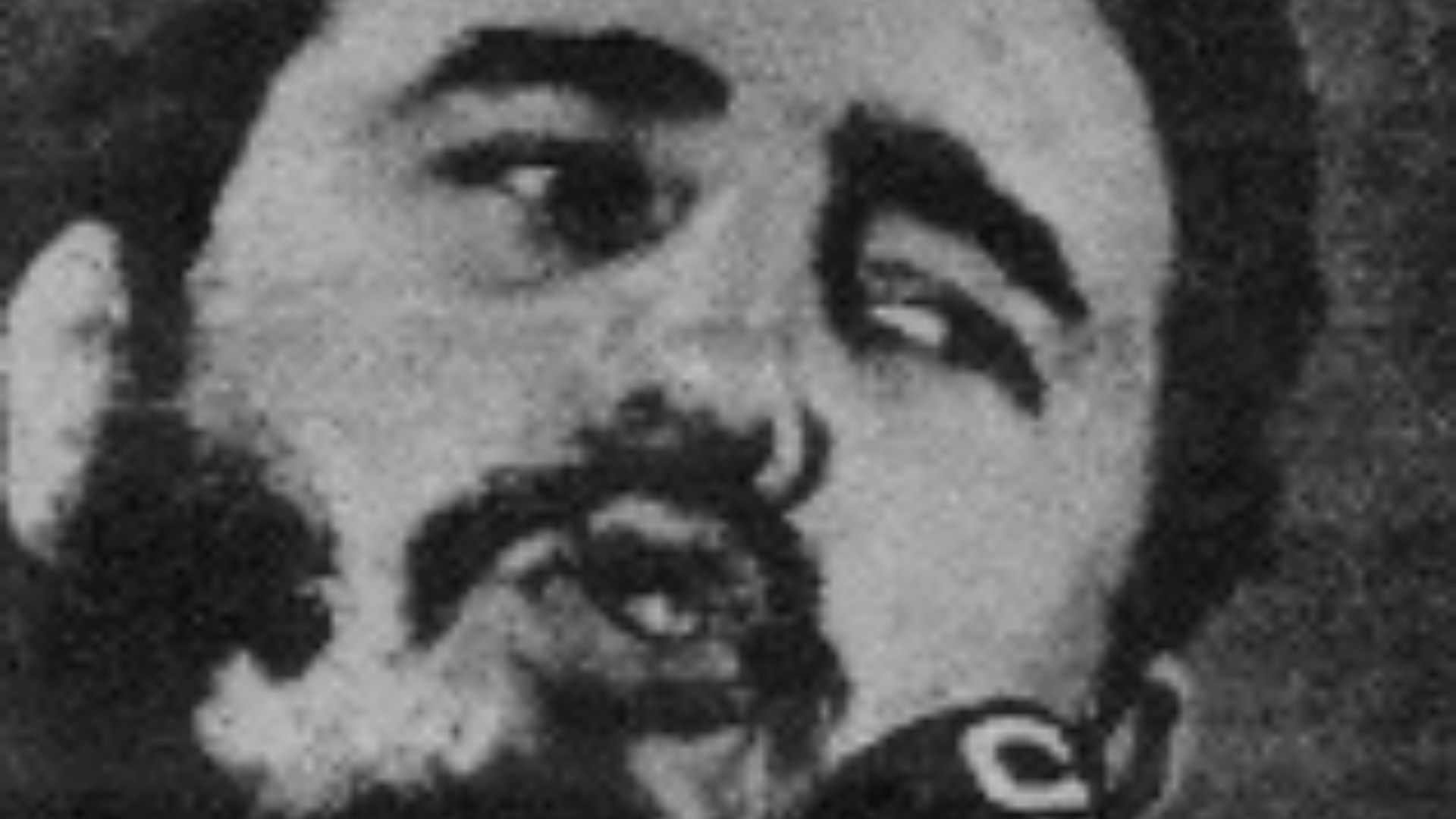
3. Cuba’s Revolution
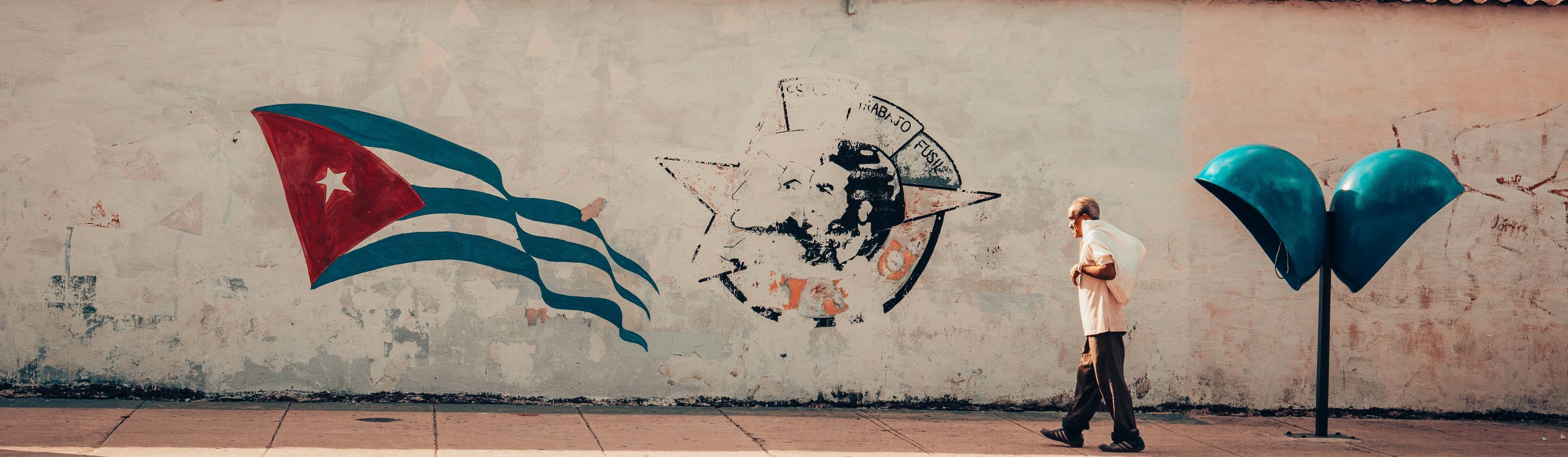
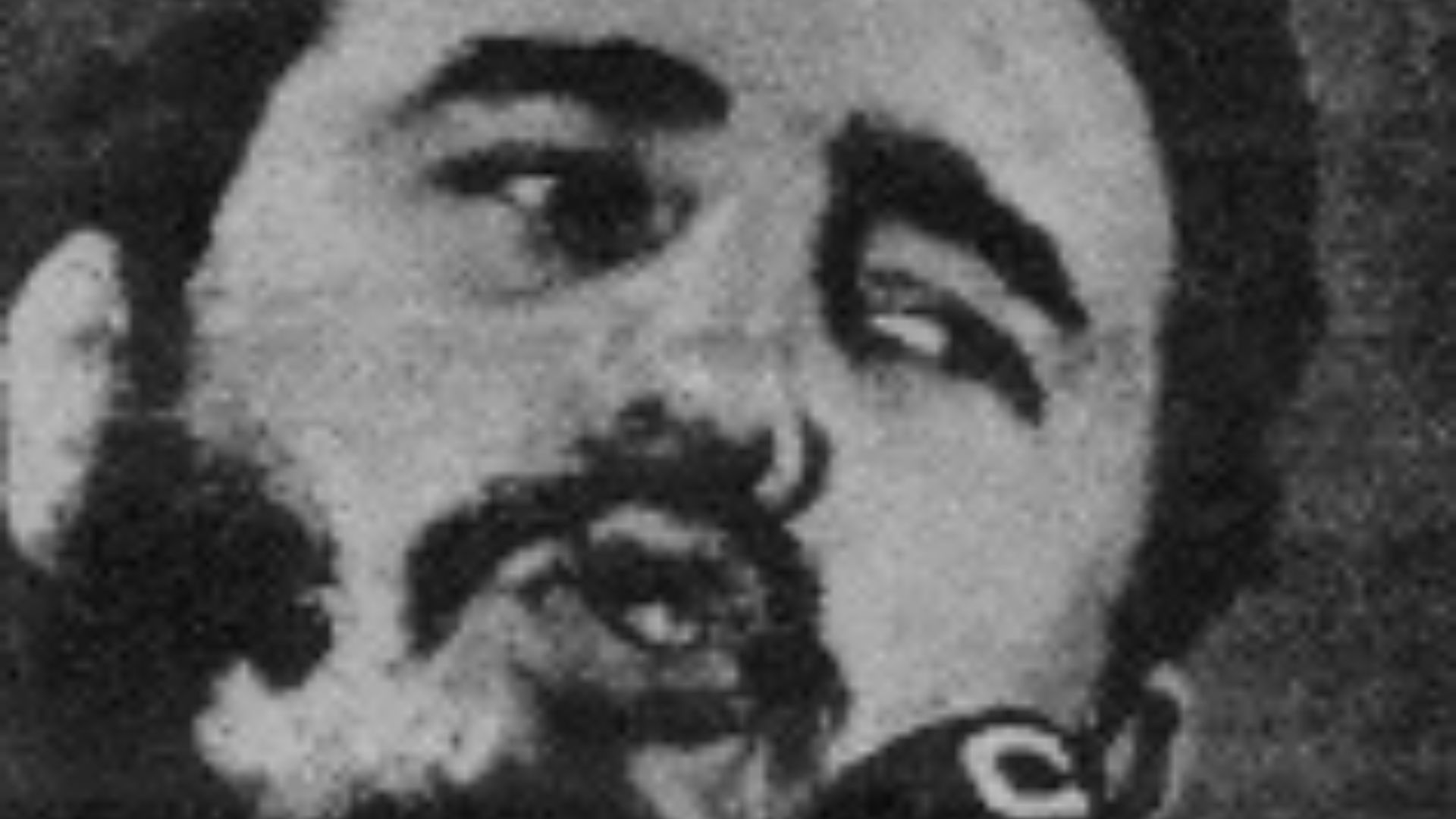
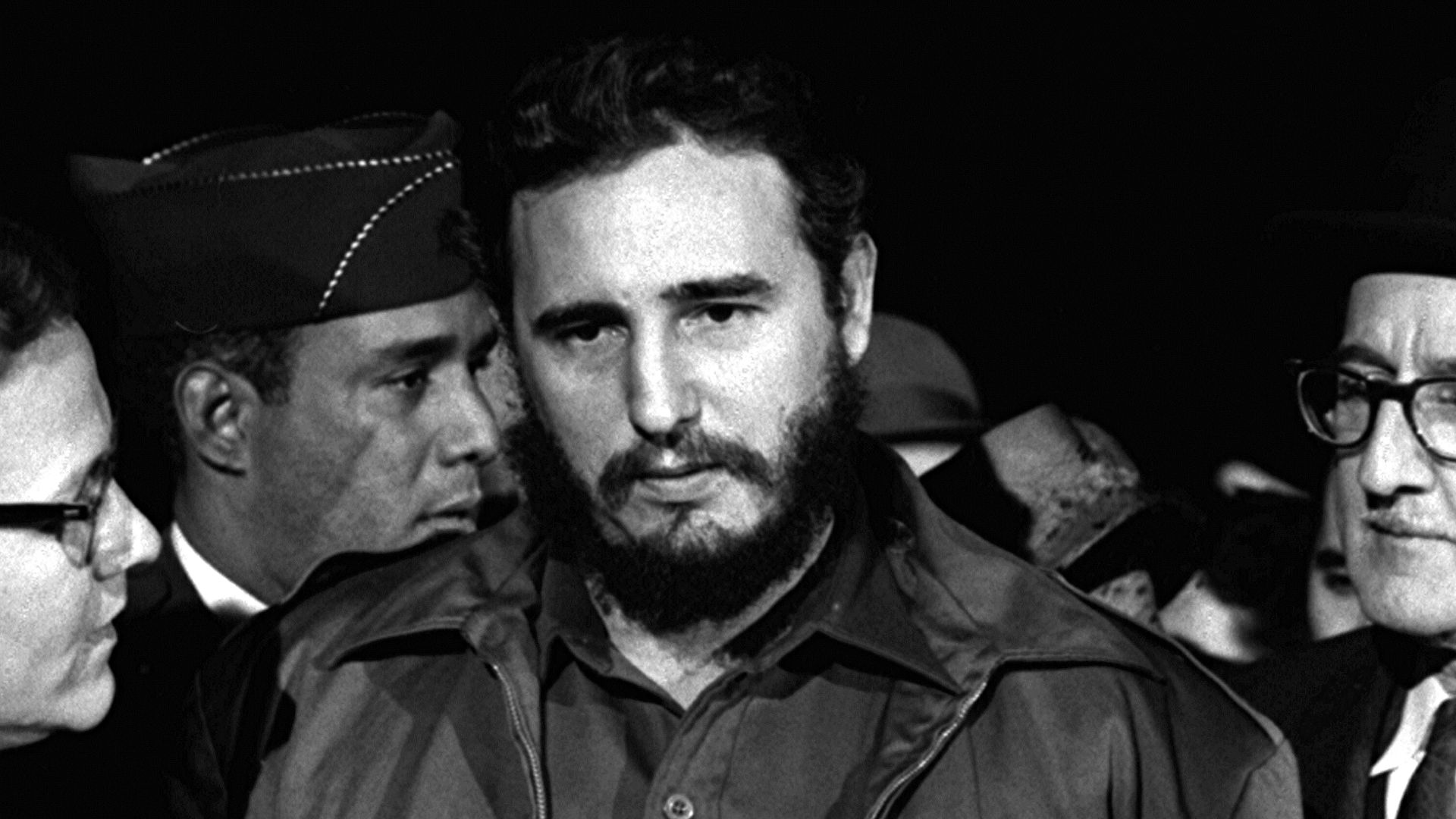
Cuba’s revolution overthrew a dictatorship and promised dignity and sovereignty, and it did expand access to education and healthcare for many. But it also became a tightly controlled one-party system where dissent carried real consequences. When changing the leader does not change the citizen’s ability to challenge power, the boss has simply changed shape.
4. Iran’s Revolution
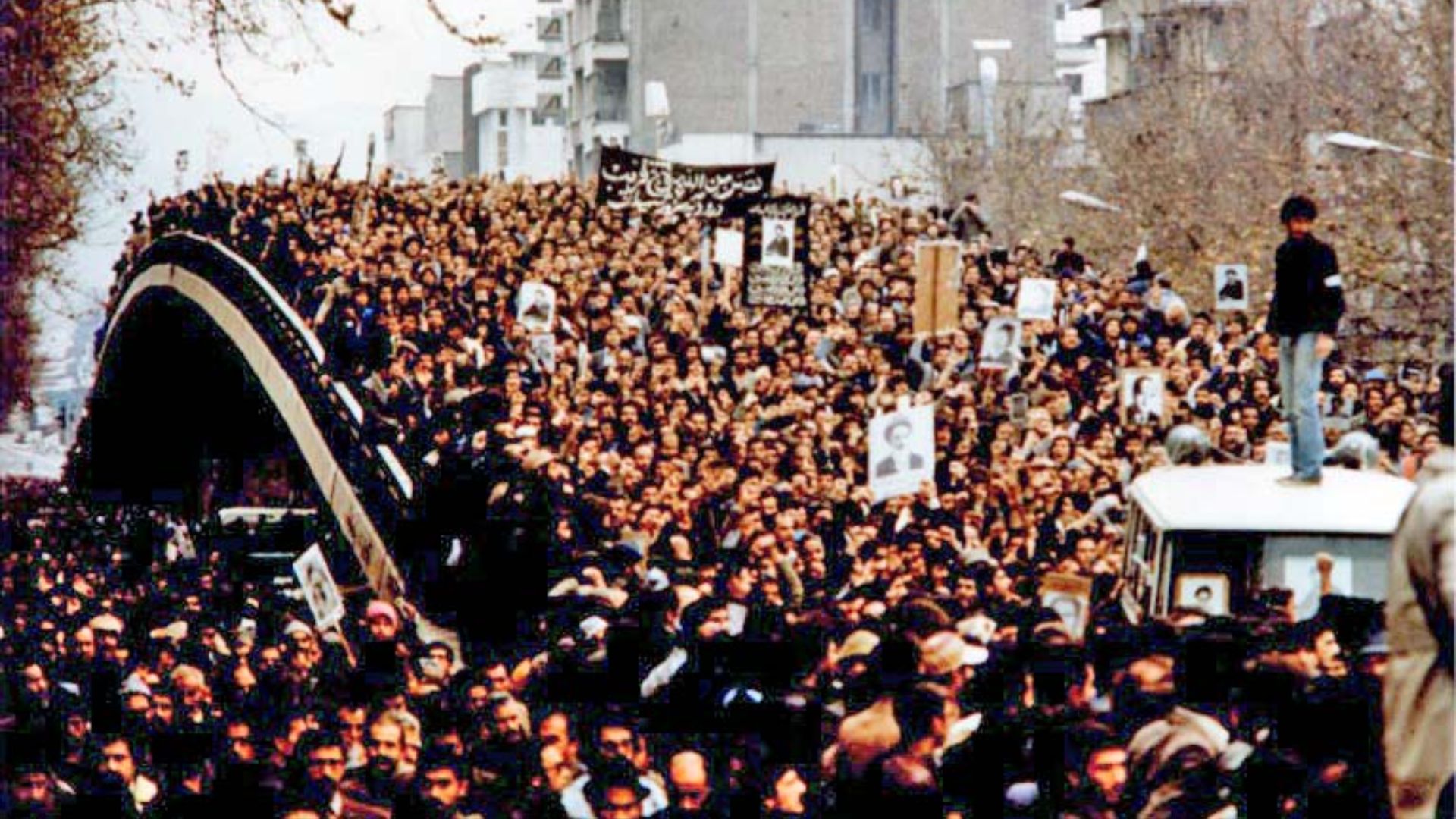
The 1979 Iranian Revolution removed the Shah and ended a widely resented monarchy tied to repression and inequality. The new order, however, built its own strong apparatus of ideological control and enforced social rules that narrowed personal freedoms in different ways. It replaced one authoritarian model with another, just powered by a different source of legitimacy.
 Unknown authorUnknown author on Wikimedia
5. Egypt’s 1952 Free Officers Movement
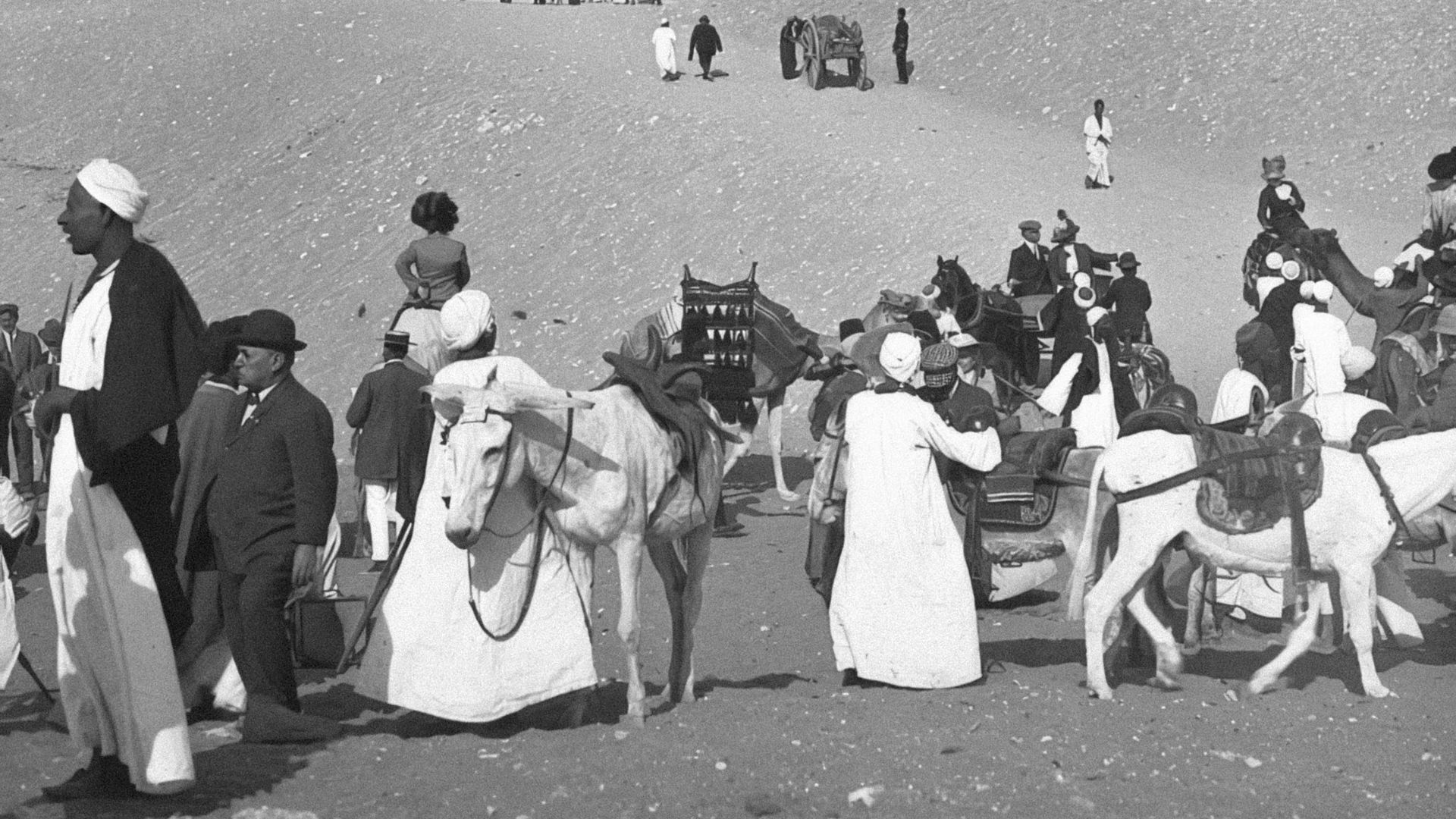
Egypt’s 1952 revolution ended a monarchy and promised national renewal, and it delivered major state-building projects and anti-colonial confidence. But it also entrenched military influence and a political culture where dissent could be treated as disloyalty. The ruling class changed, yet the distance between rulers and ruled often stayed familiar.
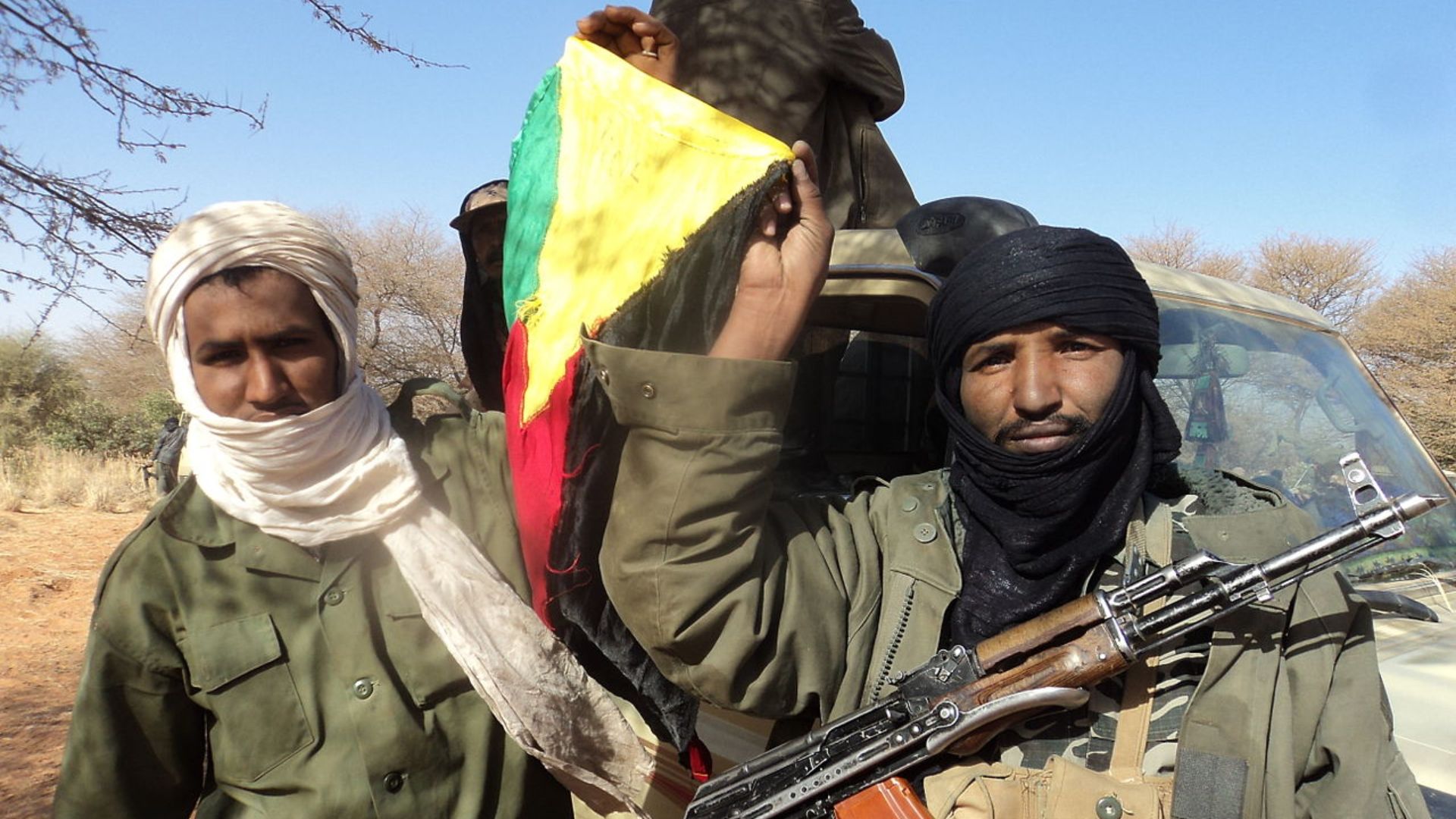
6. Algeria’s Post-Independence Revolution
Algeria’s war for independence was an immense collective struggle that ended French colonial rule, which was a genuine liberation. Afterward, power consolidated into a dominant party and security state that limited political competition and controlled public life.
The country became independent, but many citizens found the new state just as hard to argue with.
 commons.wikimedia.org on Google
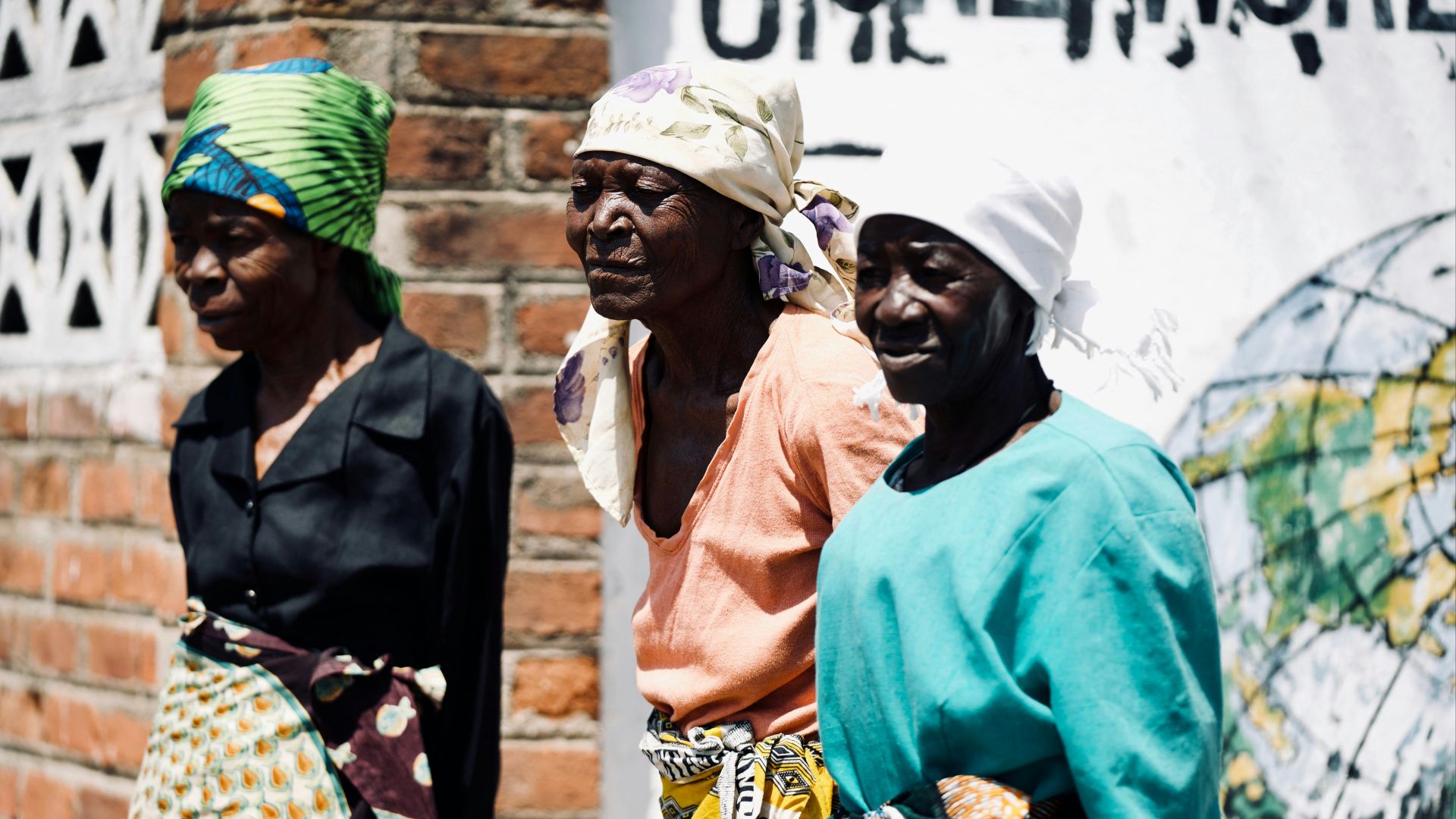
7. Zimbabwe’s Liberation Struggle Outcome
Zimbabwe’s independence ended white minority rule, a massive and necessary transformation. Yet the post-independence political system hardened around a new elite, with repression, patronage, and economic collapse harming ordinary people. The revolution removed one unjust order and then built another hierarchy that protected itself first.
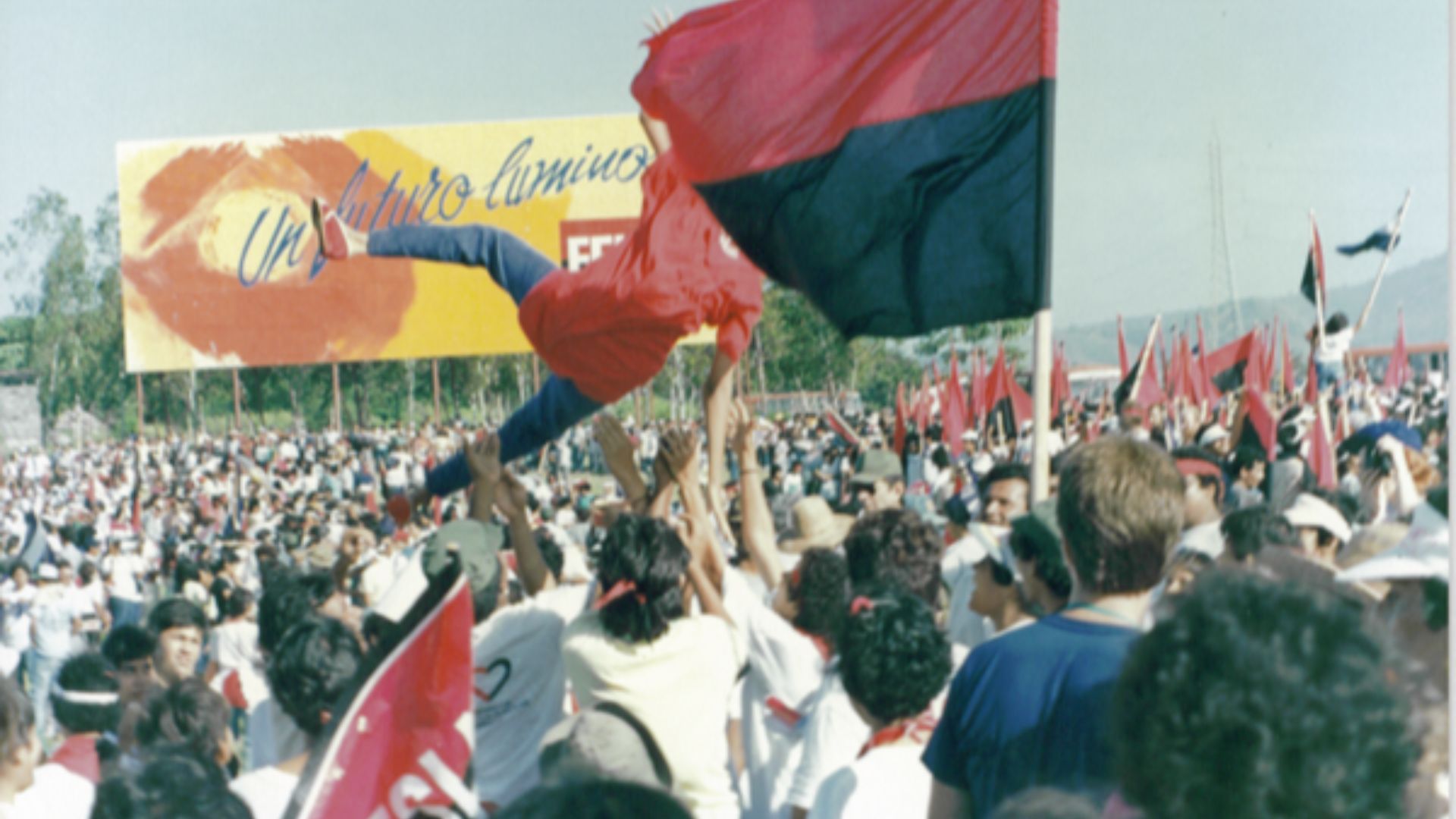
8. Nicaragua’s Sandinista Revolution Aftermath
The Sandinista revolution toppled a brutal dictatorship and inspired genuine hope about social change. Over time, power struggles and later consolidation produced a political environment where one leader and circle dominated institutions again. When revolution becomes a brand owned by the people in charge, it stops being a tool for the people outside the palace.
 tiarescott from Managua on Wikimedia
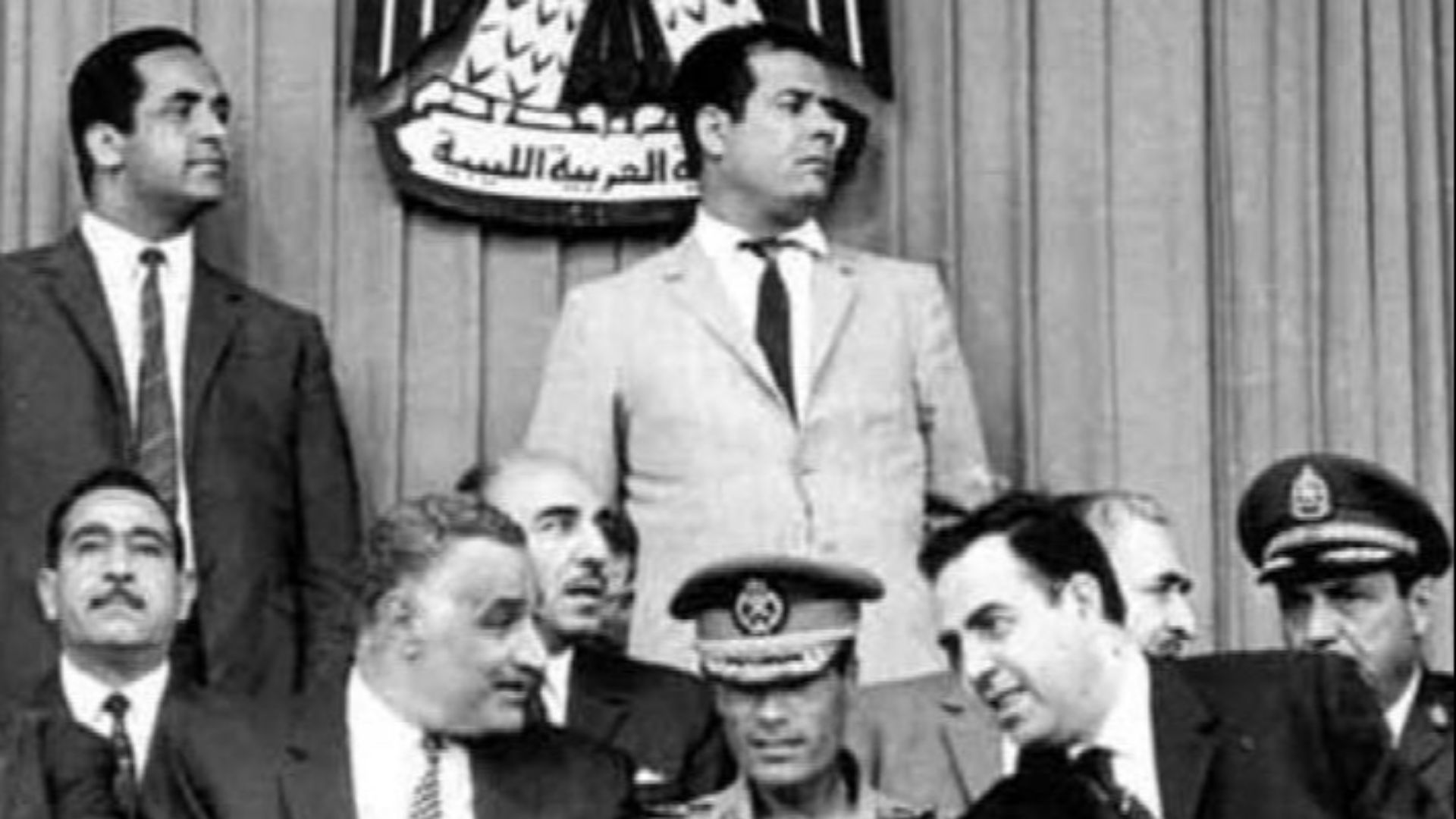
9. Libya’s 1969 Coup Revolution
Gaddafi’s takeover called itself a revolution and overthrew a monarchy, but it quickly concentrated authority in one man’s hands. Political life became less about citizens shaping the state and more about surviving the state’s moods. When the revolution’s main outcome is a new personality cult, the bosses did not leave, they just rebranded.
 Unknown authorUnknown author on Wikimedia
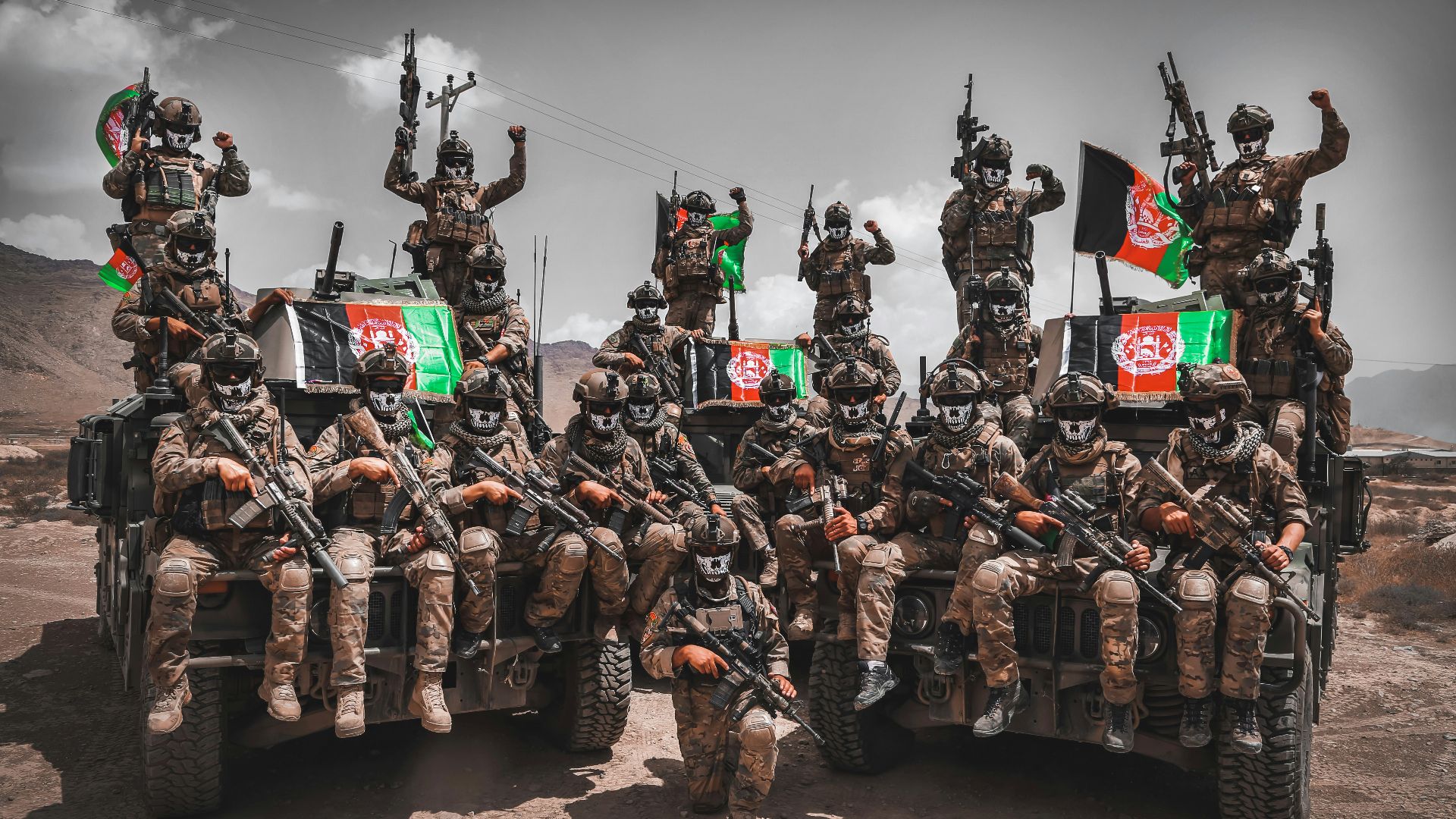
10. Afghanistan’s Saur Revolution
The 1978 Saur Revolution in Afghanistan replaced an existing government with a new ideological regime that pushed rapid change through coercion. The backlash, violence, and external intervention that followed helped plunge the country into decades of war.
When a revolution treats people like materials to be reshaped, it often creates resistance strong enough to burn everything down.
.jpg)
KEEP ON READING
20 Weirdest Historical Objects in Museums
Check Out the Pickled Heart of a Saint. Museums carry…
By Rob Shapiro Oct 1, 2025
20 Ocean Mysteries We Still Haven’t Solved
Unanswered Questions Of The Ocean. The ocean covers most of…
By David Davidovic Sep 1, 2025
10 Phenomenal Mythical Creatures & 10 That Are Just Plain…
Legends Both Majestic And Peculiar. Do you ever wonder why…
By Chase Wexler Oct 1, 2025
20 Historical Predictions That Turned Out To Be True
Crystal Ball Moments In History. Do you wonder what it's…
By Chase Wexler Sep 1, 2025
10 Presidents Who Never Served In The Military & 10…
Commanders And Civilians In Office. Power can rise from very…
By David Davidovic Sep 1, 2025
20 Wars That Could Have Ended Much Sooner Than They…
Wars That Lasted Far Too Long. Wars are often remembered…
By David Davidovic Sep 1, 2025