

Prisons Built To Last Forever
Long before modern correctional facilities existed, ancient civilizations built strongholds to confine people. Over the centuries, these prisons have witnessed historic events and dramatic escapes. Every corridor holds stories, and each cell reflects a piece of the past. Today, these prisons remain as reminders of an earlier time by offering a clear view of humanity's complex relationship with crime and punishment. What follows is a fascinating look at the 20 oldest prisons in the world.
1. Byzantine Praetorium Prison: Constantinople, c. 330 AD
Constantine the Great's imperial prison specialized in holding criminals, political prisoners, and religious heretics during Byzantine rule. Prisoners were often chained in dark, vaulted chambers underground. Within these vaulted rooms, early Christian records describe horrific interrogation methods.
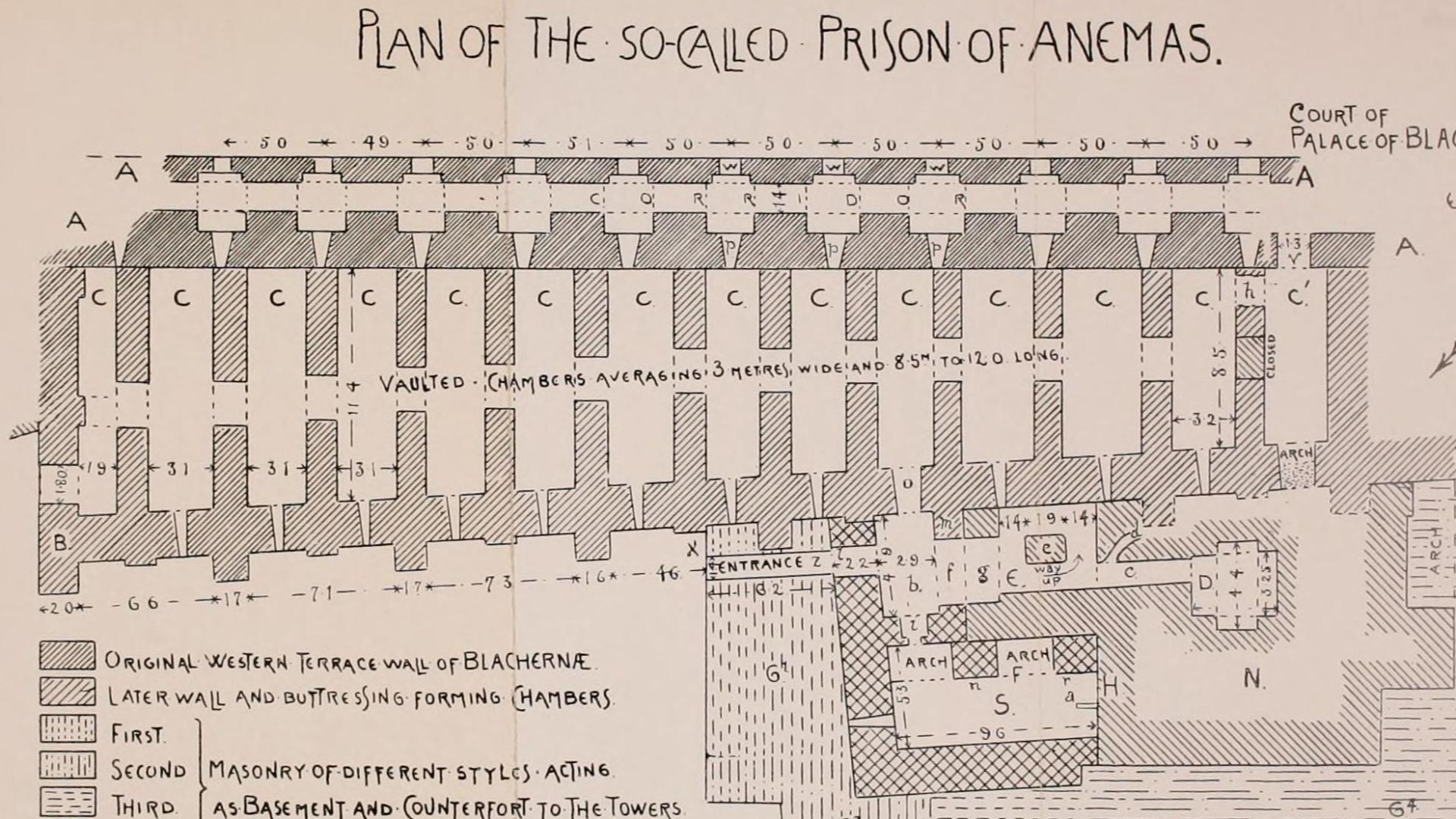 Alexander van Millingen (1840–1915) on Wikimedia
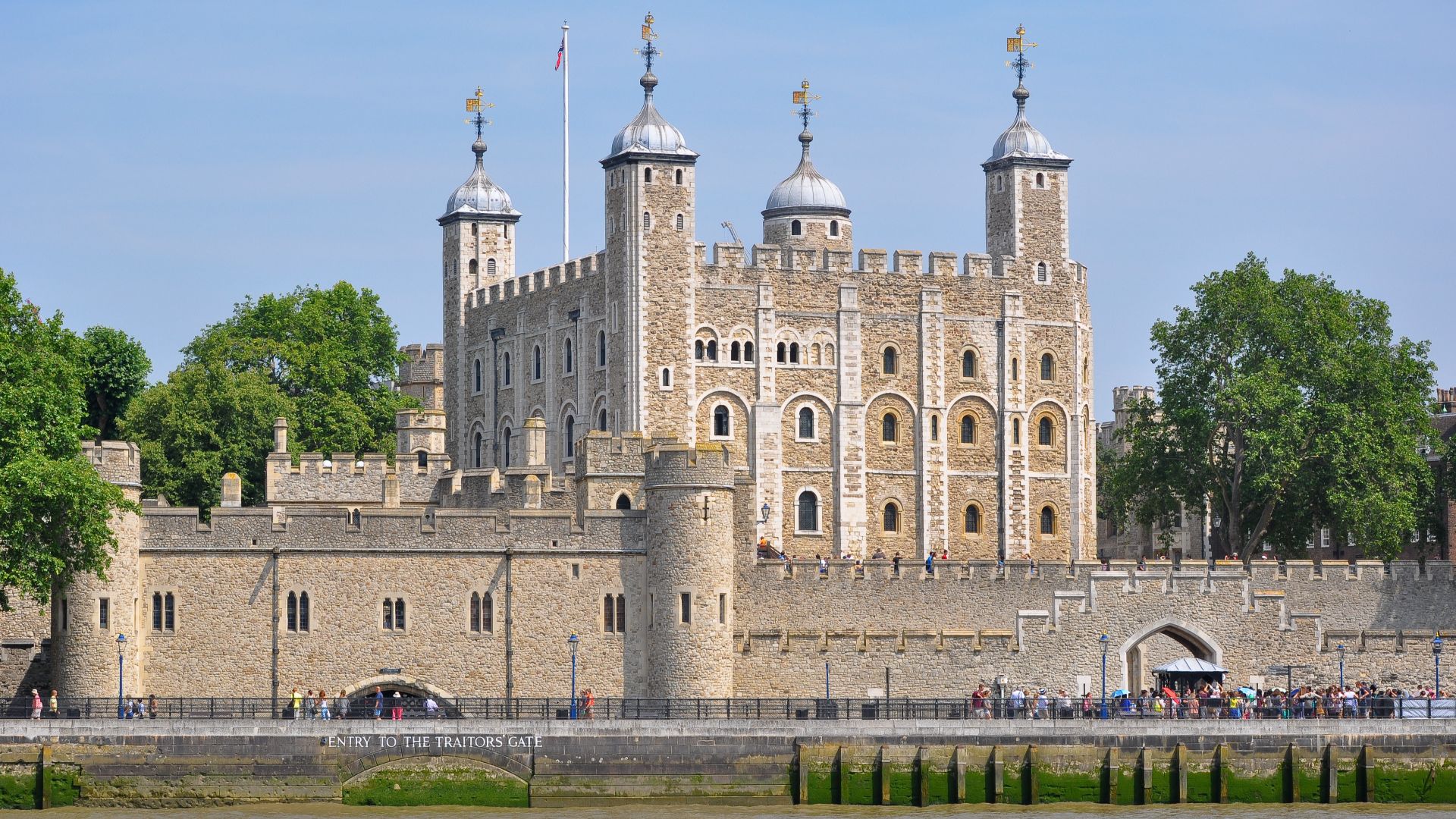
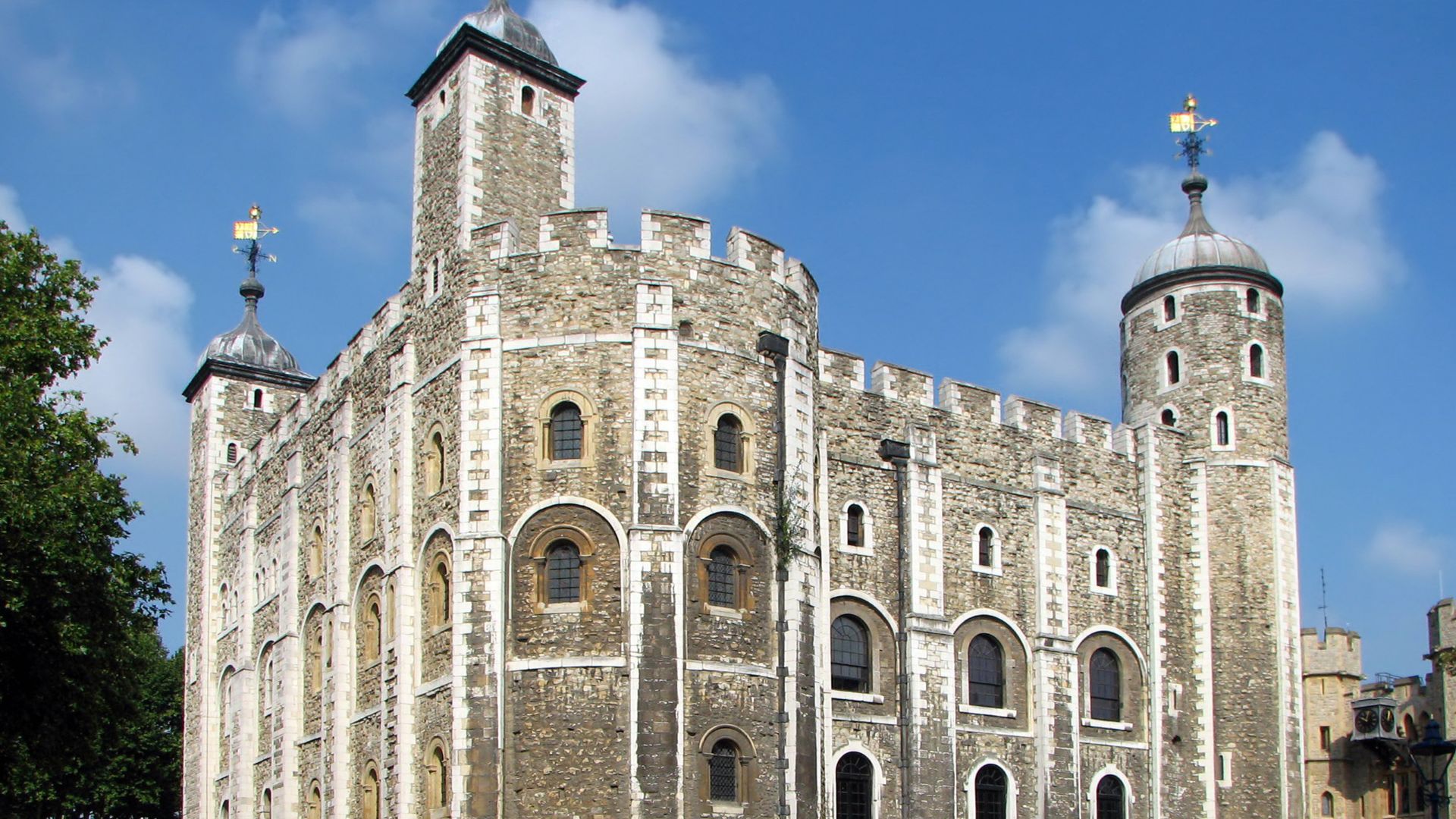
2. Tower Of London: England, 1100 AD
The Tower of London is a royal scandal magnet. It held high-profile prisoners like Anne Boleyn and Arbella Stuart, who sadly starved after marrying without royal permission. The site is steeped in history, with more royal executions and ghostly tales adding to the drama.
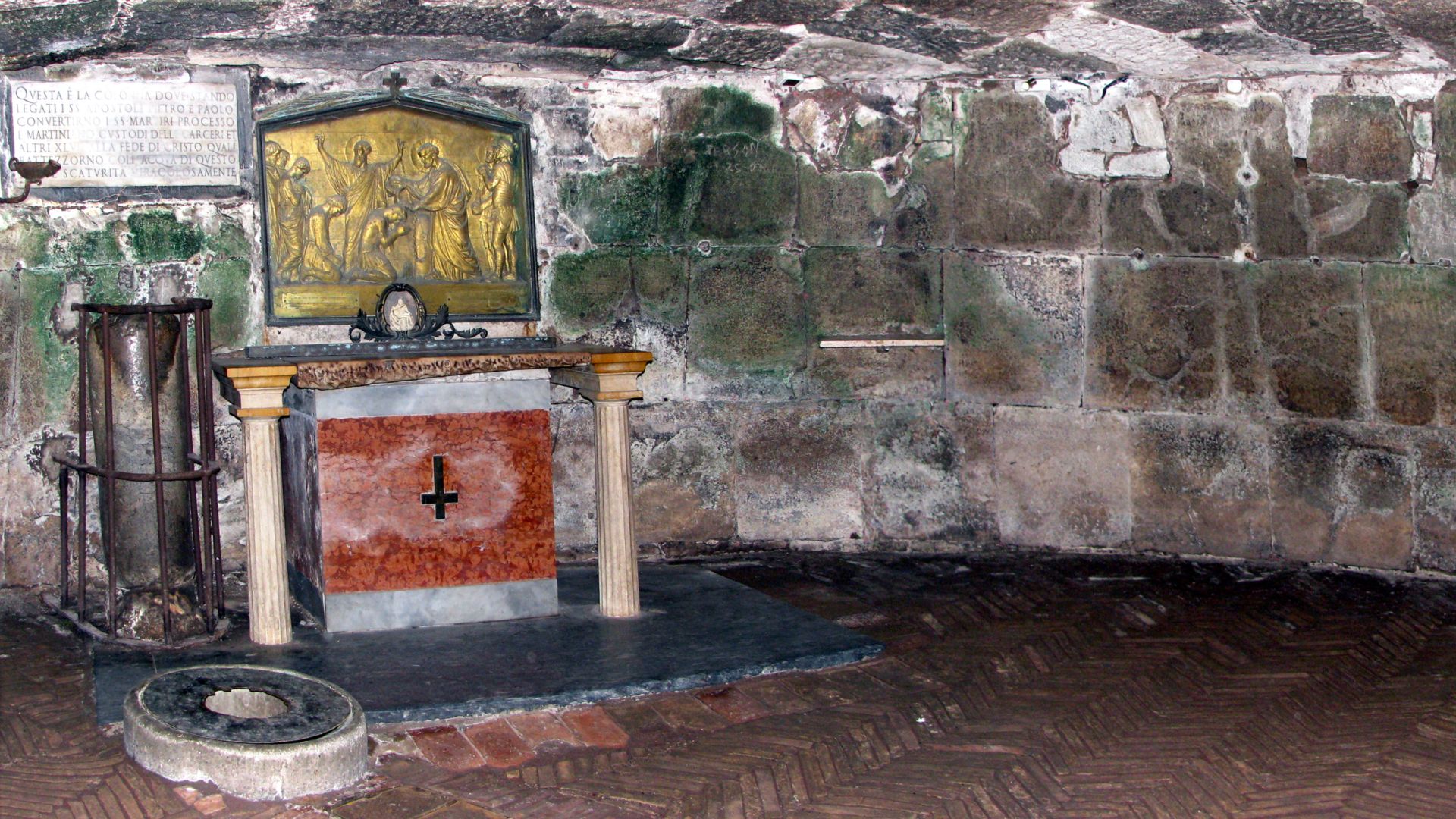
3. Mamertine Prison: Rome, c. 640 BC
Carved from rock beneath Rome's bustling streets, this underground dungeon held enemies of the state for centuries. Legend claims Saints Peter and Paul were also jailed here before being executed for their threatening Christian views. In fact, what started as a cistern became Rome's most feared prison.
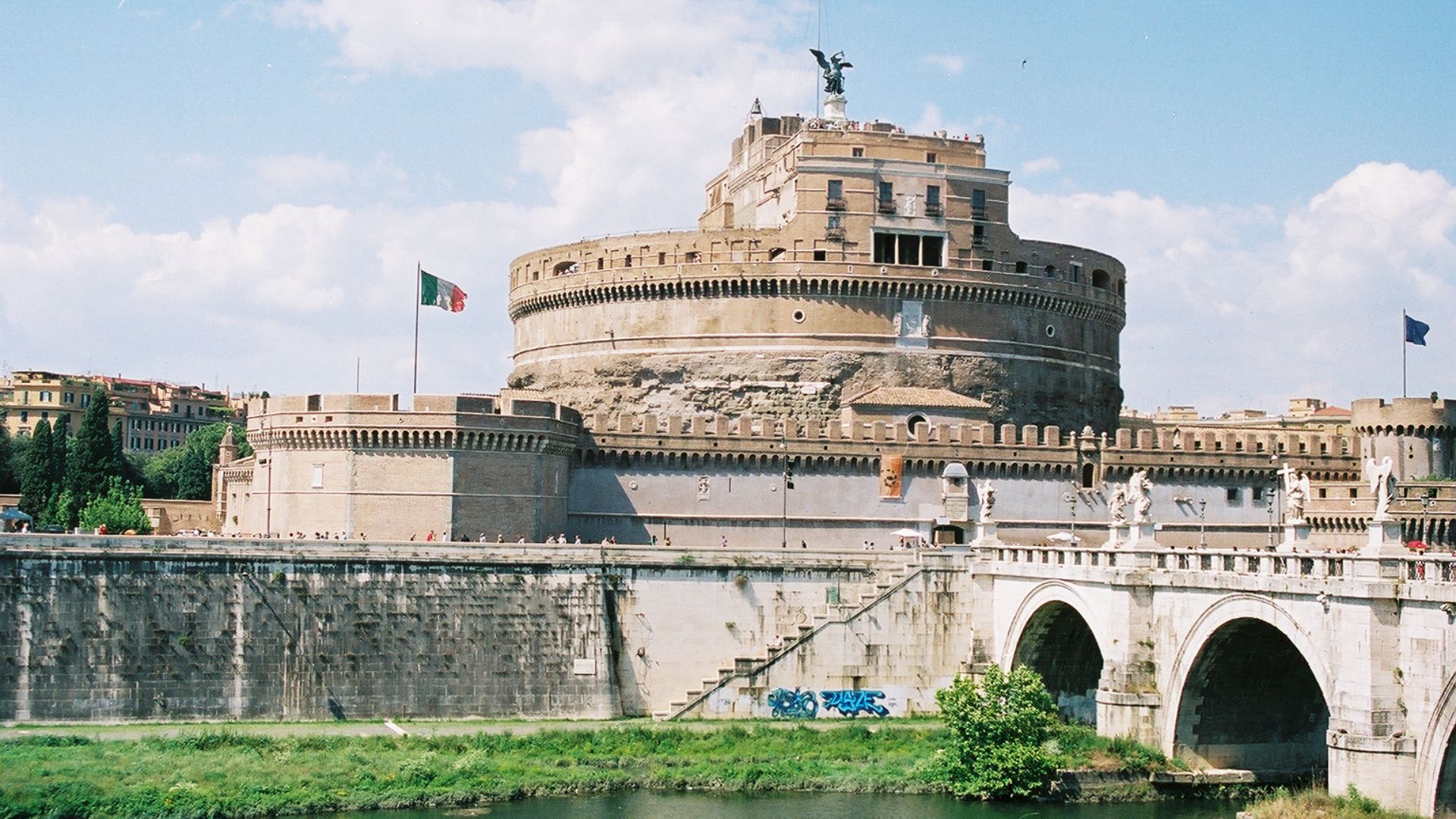
4. Castel Sant'Angelo Prison: Rome, 1277 AD
Castel Sant’Angelo didn’t start as a prison. Once Hadrian’s mausoleum, it was remade in 1277 by Pope Nicholas III to hold papal enemies. Bishops and nobles languished within, Giordano Bruno being one of them. There was also a secret Vatican passage that ensured the pope’s reach remained close at hand.
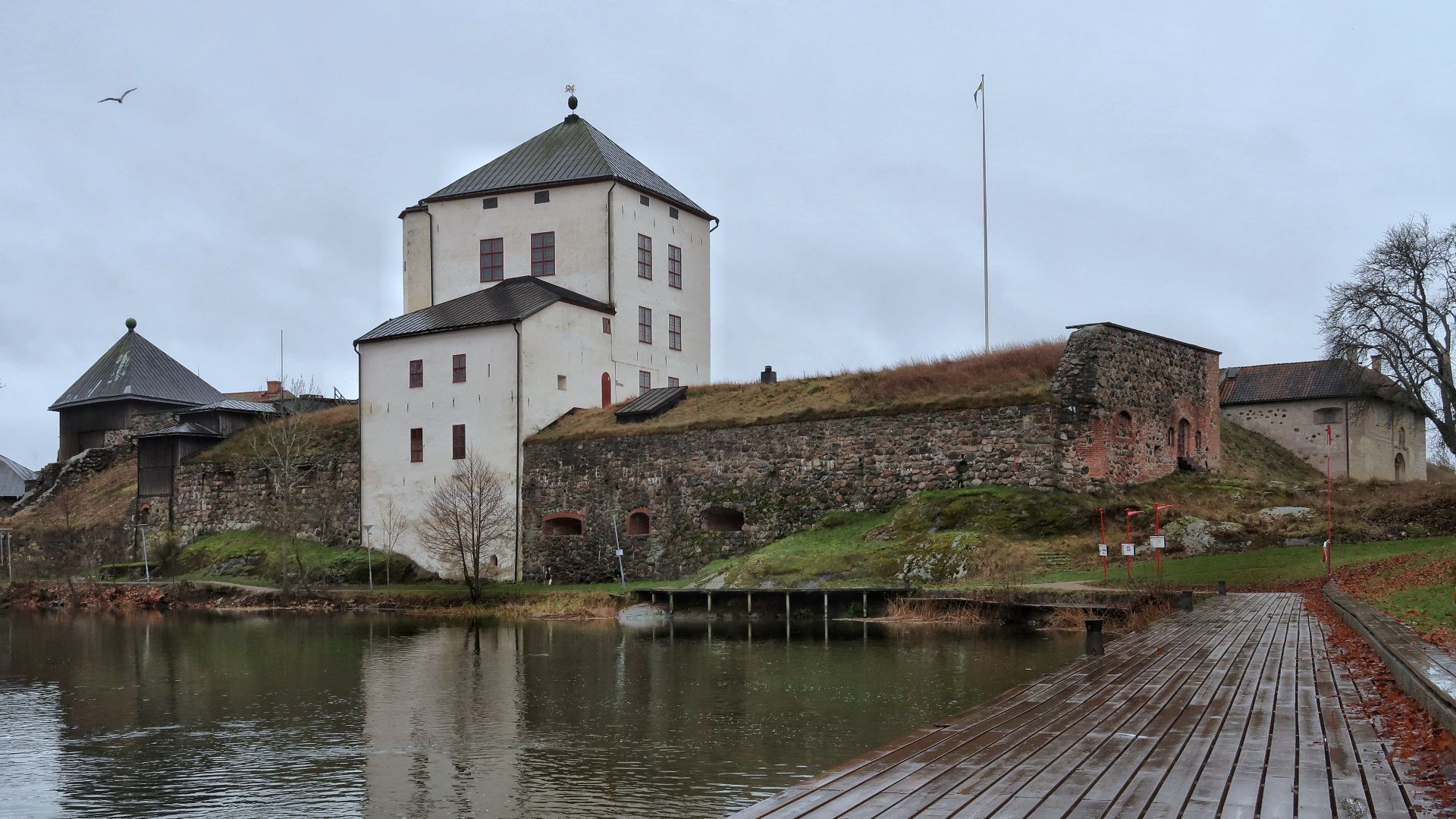
5. Nykøbing Castle Prison: Denmark, 1332 AD
In 1332, King Christopher II passed away in custody here, which marked the site's earliest documented detention. Danish monarchs later confined nobles within these walls. Demolished in 1767, only the western tower, Fars Hat, endures today. It preserves the castle's age-old political legacy.
6. Bastille Prison: Paris, France, 1417 AD
Converted into a state prison under Charles VI in 1417, the Bastille housed political activists and enemies of the French crown. Some noble prisoners even brought their own furniture and servants into their cells. Interestingly, the storming of the Bastille in 1789 marked the beginning of the French Revolution.
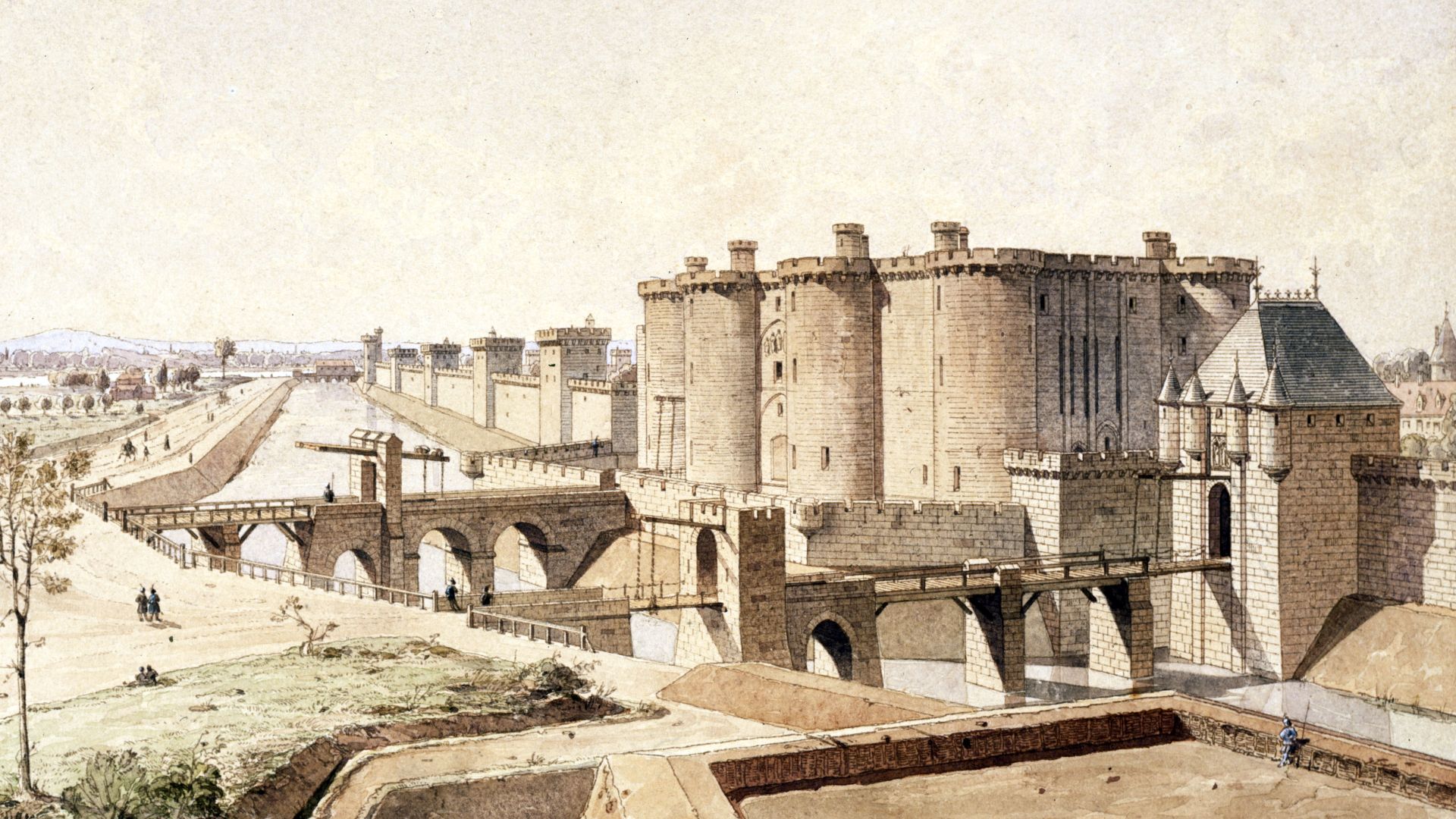 Theodor Josef Hubert Hoffbauer on Wikimedia
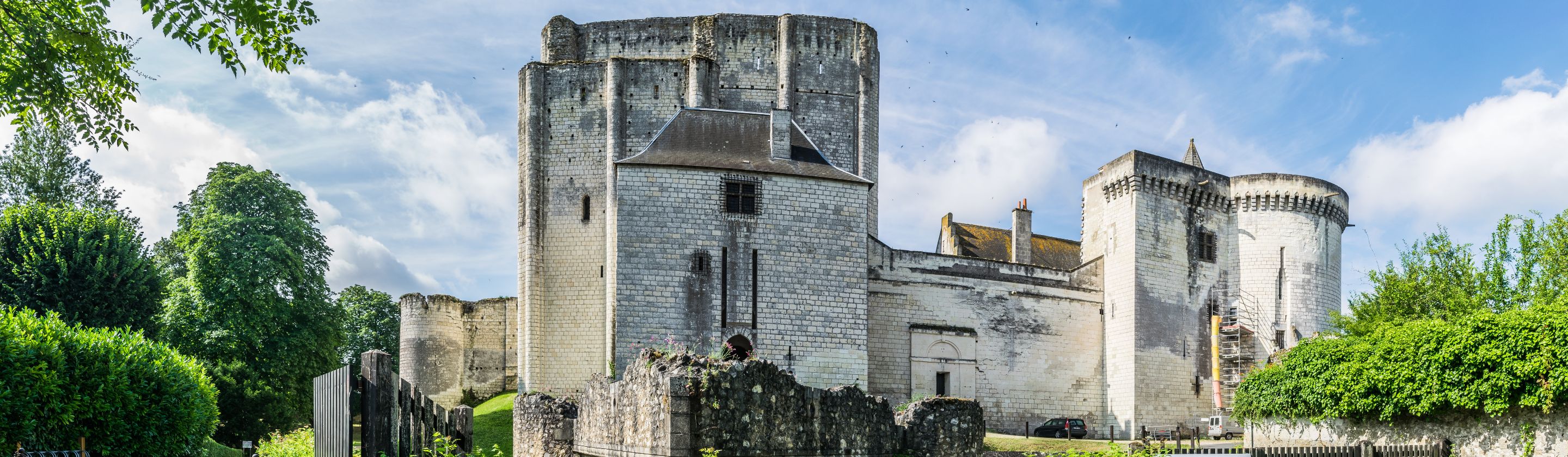
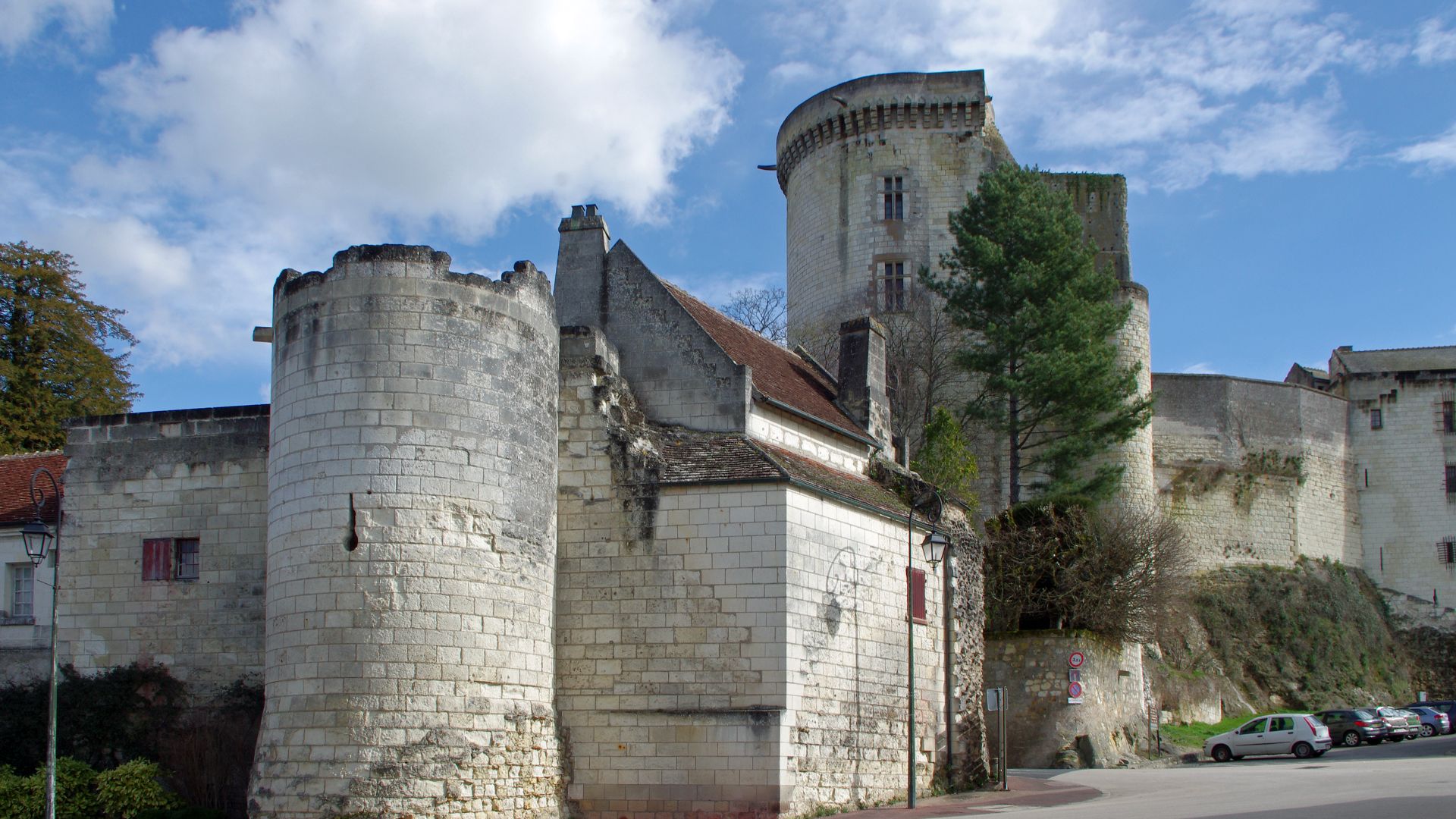
7. Château De Loches Prison: France, c. 1460 AD
Louis XI opened this state prison back in 1460, and it was known for its severely harsh treatment. Among the prison's inmates was Jean II d'Alençon, a companion of Joan of Arc. Visitors can still see the graffiti etched into the tower walls, linking the château's courtly origins to its later carceral history.
8. Château D’If Prison: France, 1524 AD
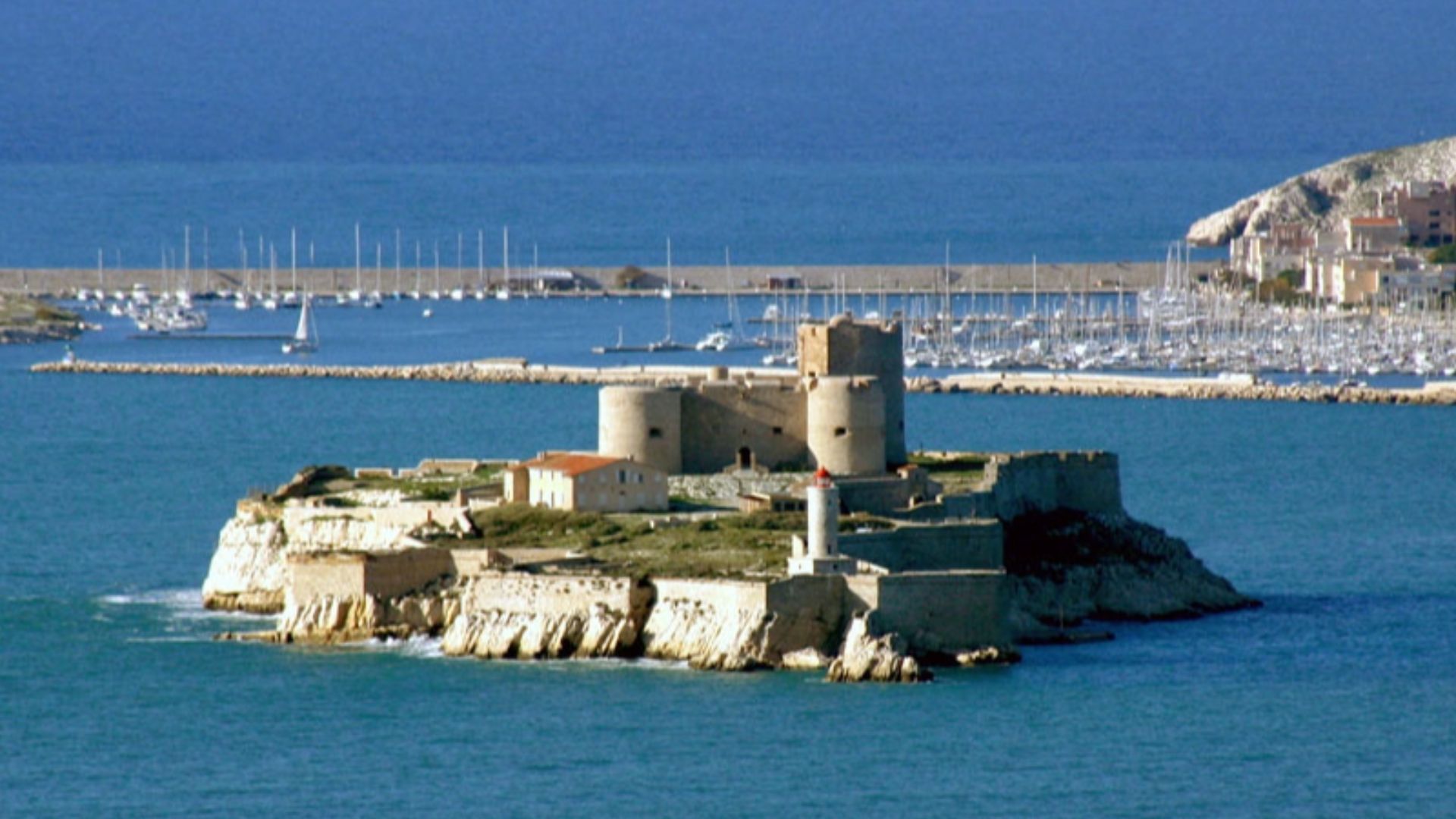
Popularized by The Count of Monte Cristo, this prison records no official escapes in its 400 years of history. It was constructed under Francis I and used as a state prison from 1524. The island fortress mostly held religious dissenters and political prisoners.
 Jean-Marc Rosier http://www.cjrosier.com on Wikimedia
9. Palazzo Ducale Prisons: Venice, 1591 AD
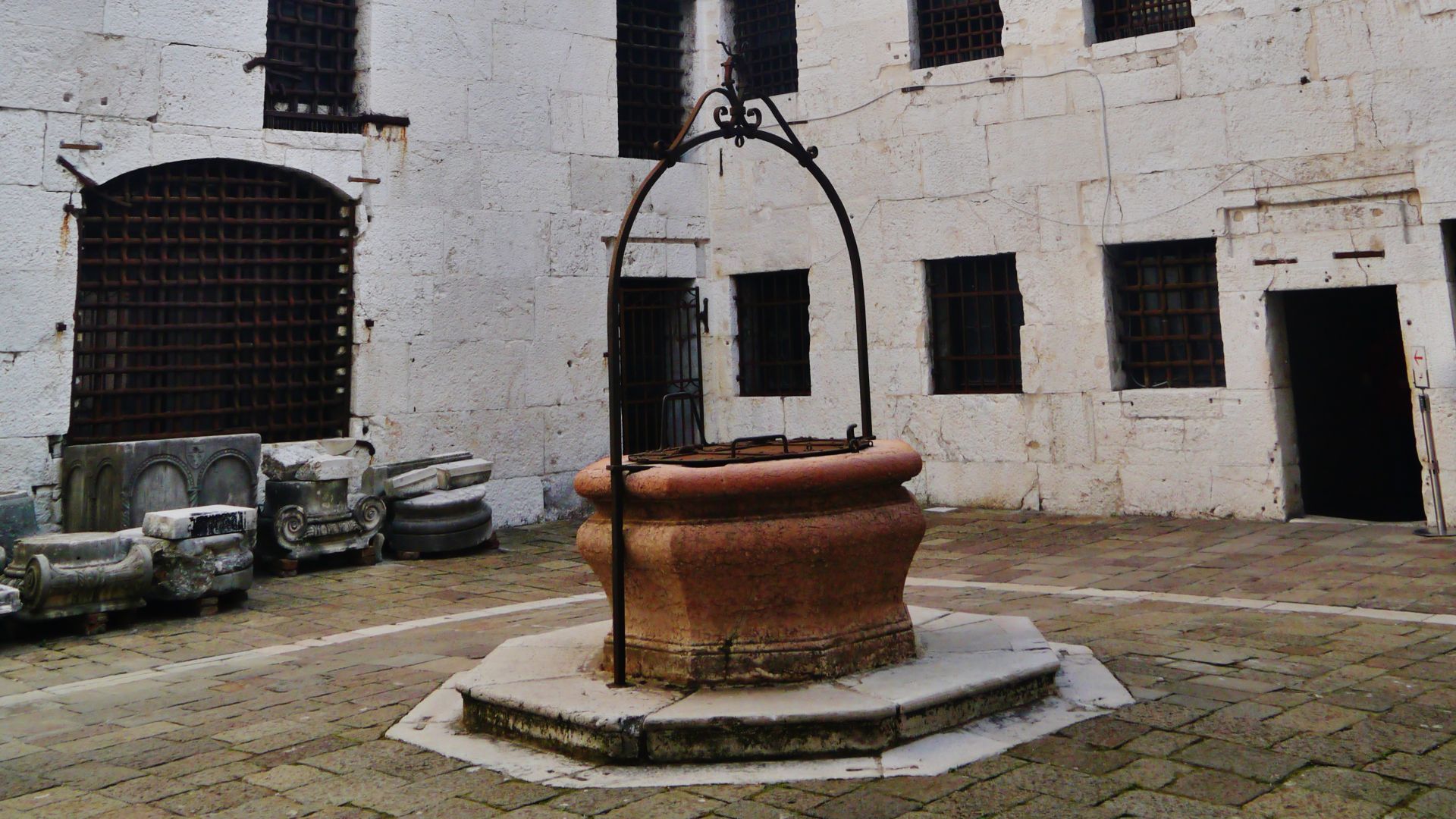
Venice's Doge Palace prisons opened in 1591 with two equally unpleasant options: sweltering lead-roofed Piombi cells or soggy Pozzi chambers below. Most prisoners bore their fate quietly, but Giacomo Casanova's famous rooftop escape made these Venetian cells legendary across Europe.
10. Castel Sant'Elmo Prison: Naples, 1604 AD
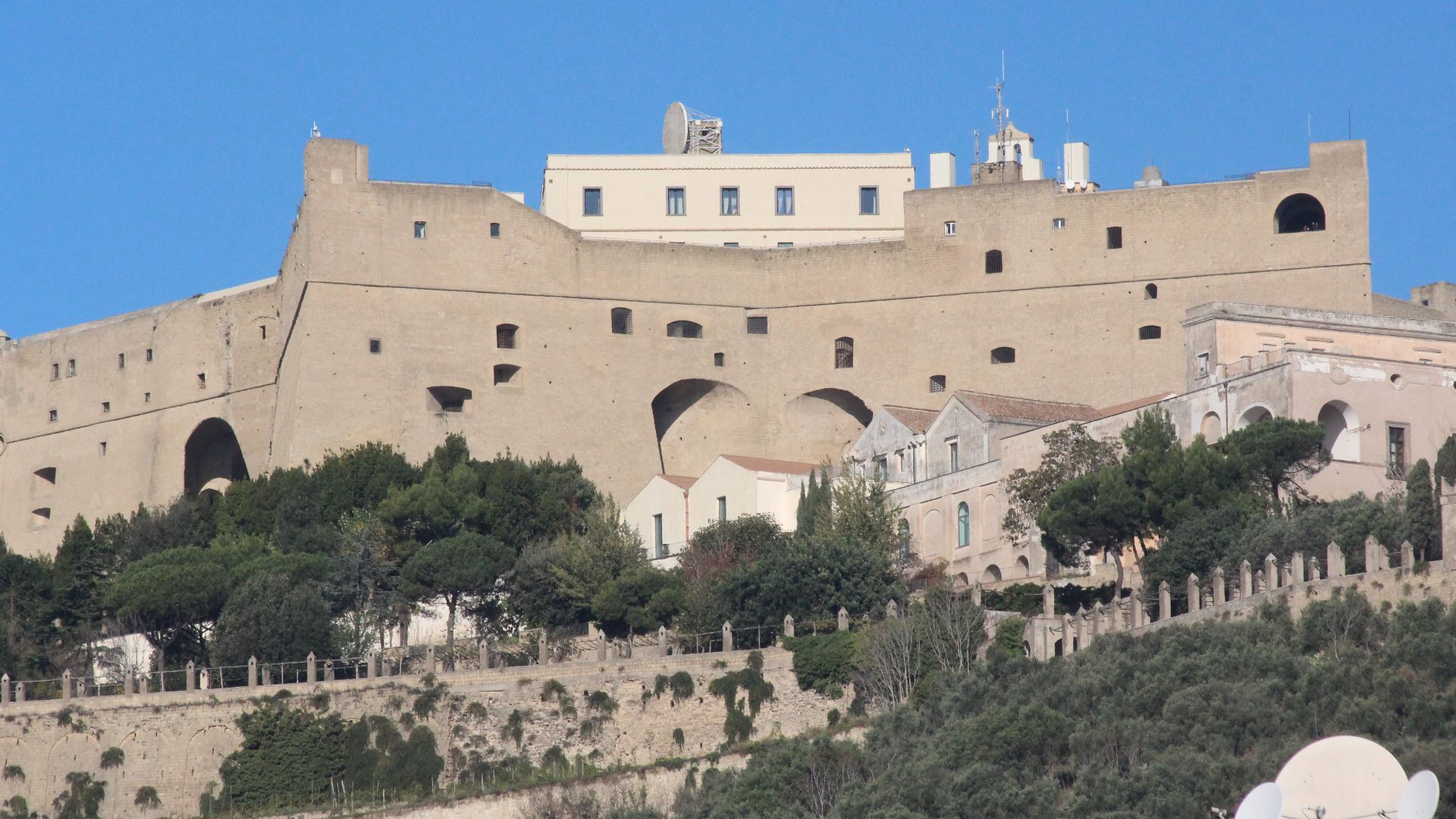
Started in 1604, this star-shaped fortress served the Spanish, and later, the Bourbon authorities. Political rebels and serious offenders were confined here within austere defenses. Its architecture deterred uprisings through sheer military effectiveness, while folklore hints at secret tunnels and ghostly encounters.
11. Limoeiro Prison: Lisbon, 17th century
This municipal prison housed thieves, rebels, and sailors under increasingly deteriorating conditions throughout the century. Health concerns forced temporary prisoner relocation in 1642, yet operations continued despite severe structural damage from the devastating 1755 earthquake.
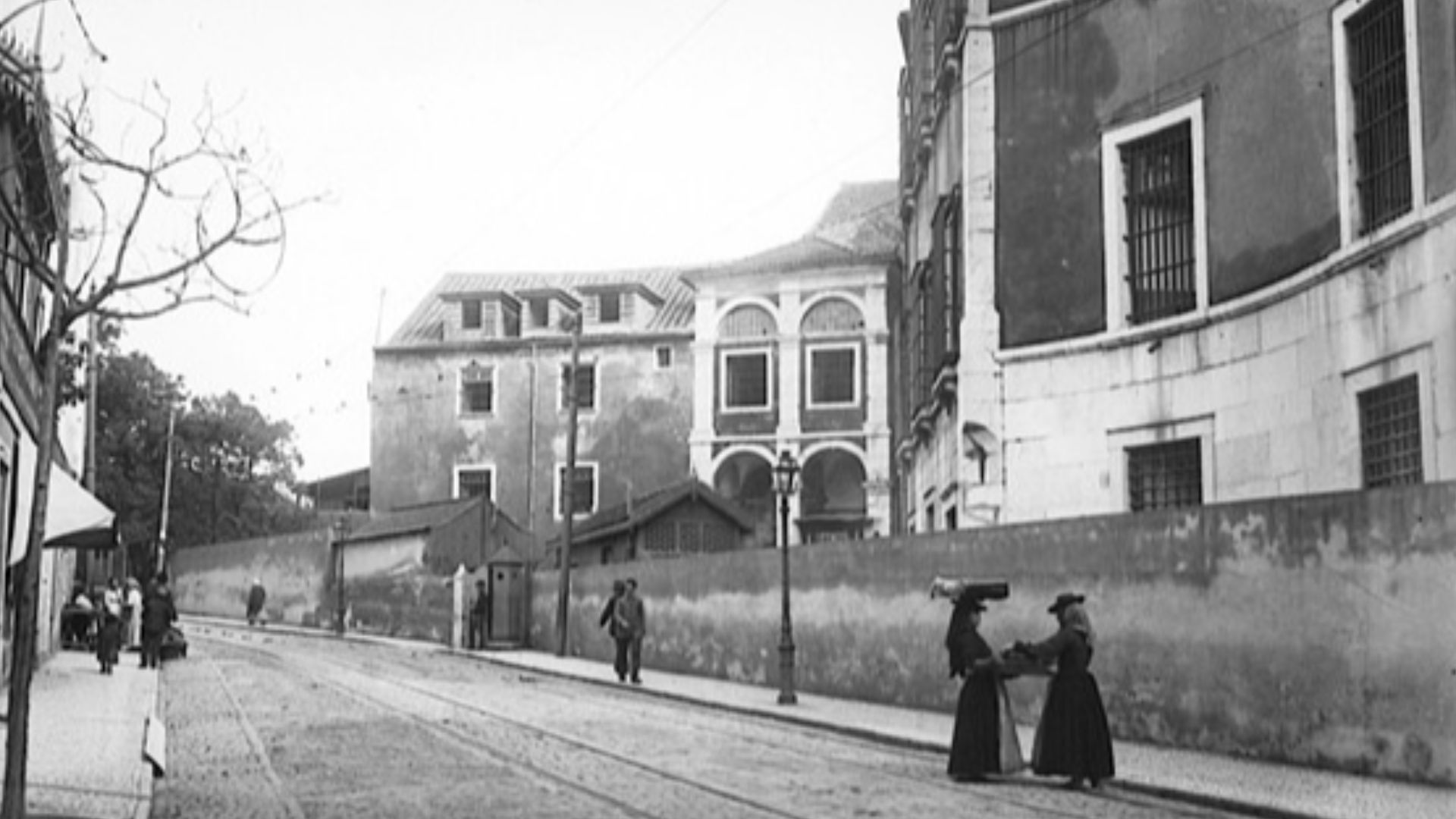 Charles Chusseau-Flaviens on Wikimedia
12. Chitradurga Fort Prison: India, 17th-18th Century
During the 17th and 18th centuries, the Nayakas converted Chitradurga Fort's subterranean chambers into prison spaces. Prisoners here descended through narrow passages and stone steps to reach these underground cells. Today, local folklore claims that escape tunnels were guarded by snakes.
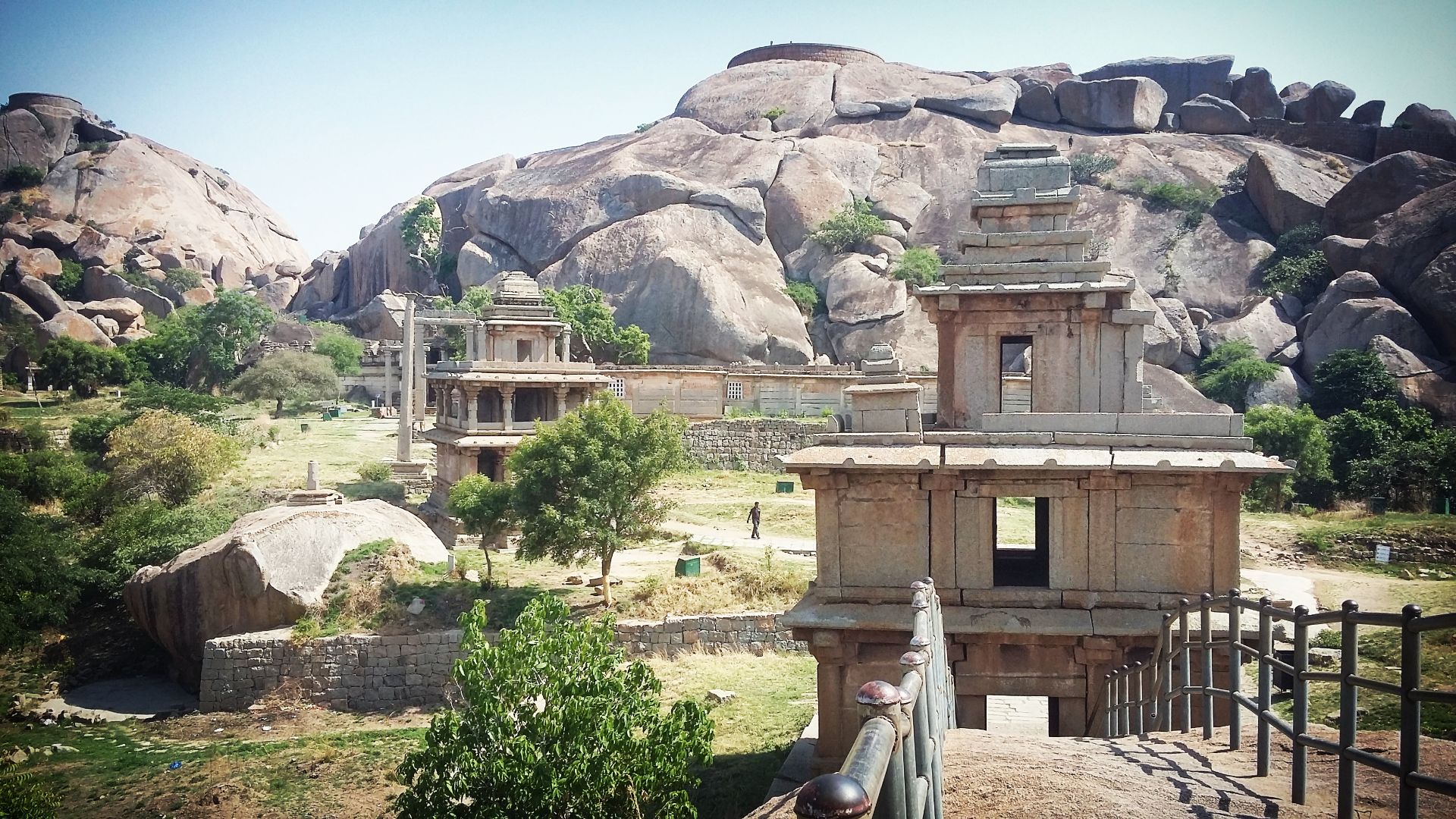 Shivashankar S Bannikoppa on Wikimedia
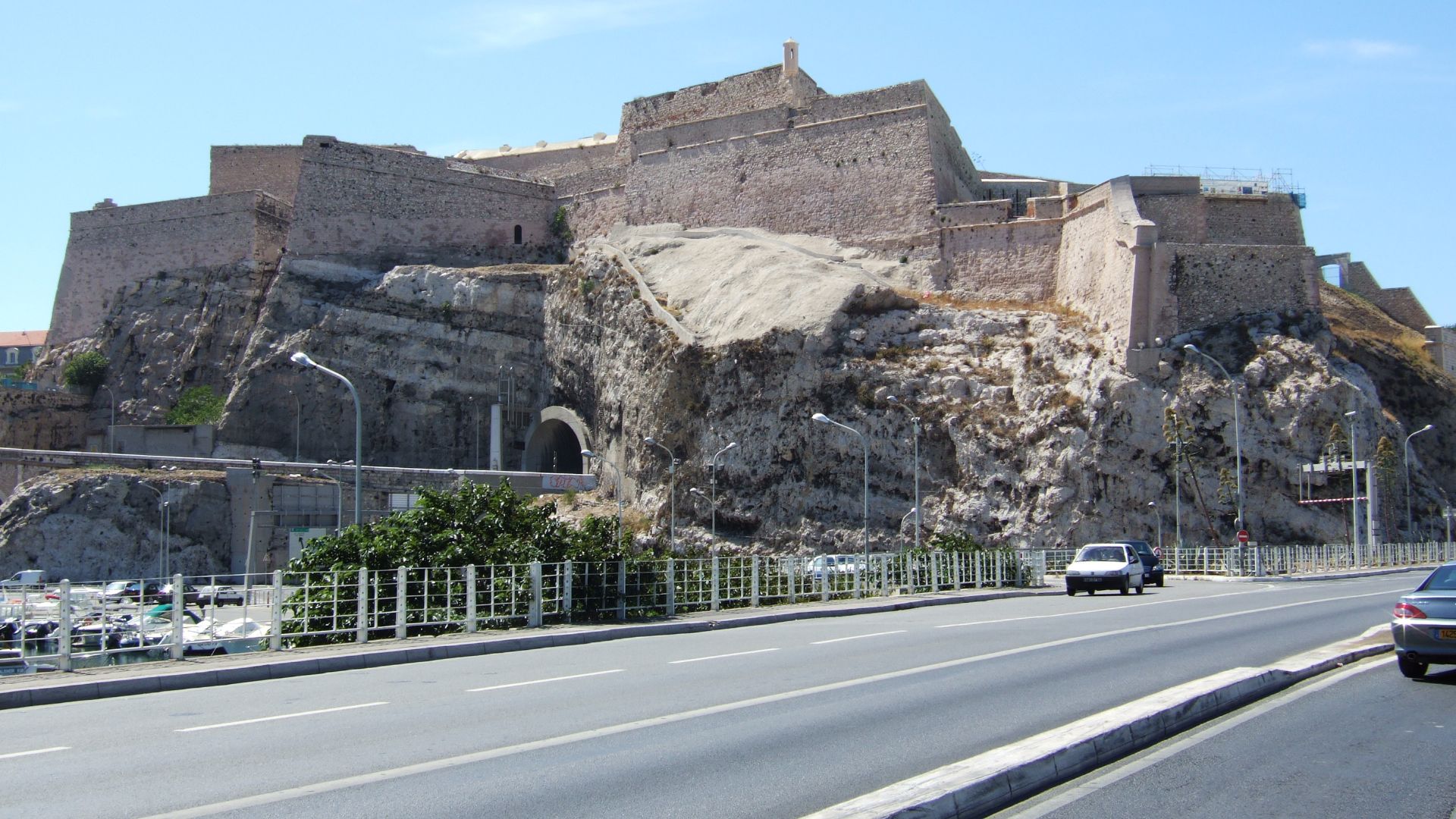
13. Fort Saint Nicholas Prison: Marseille, 1660 AD
Louis XIV constructed this fortress to keep the city of Marseille under royal control. Its cannons were aimed inward at the city, and it held rebels and political agitators. The prison's isolation—on a rocky outcrop overlooking the sea—made escape nearly impossible.
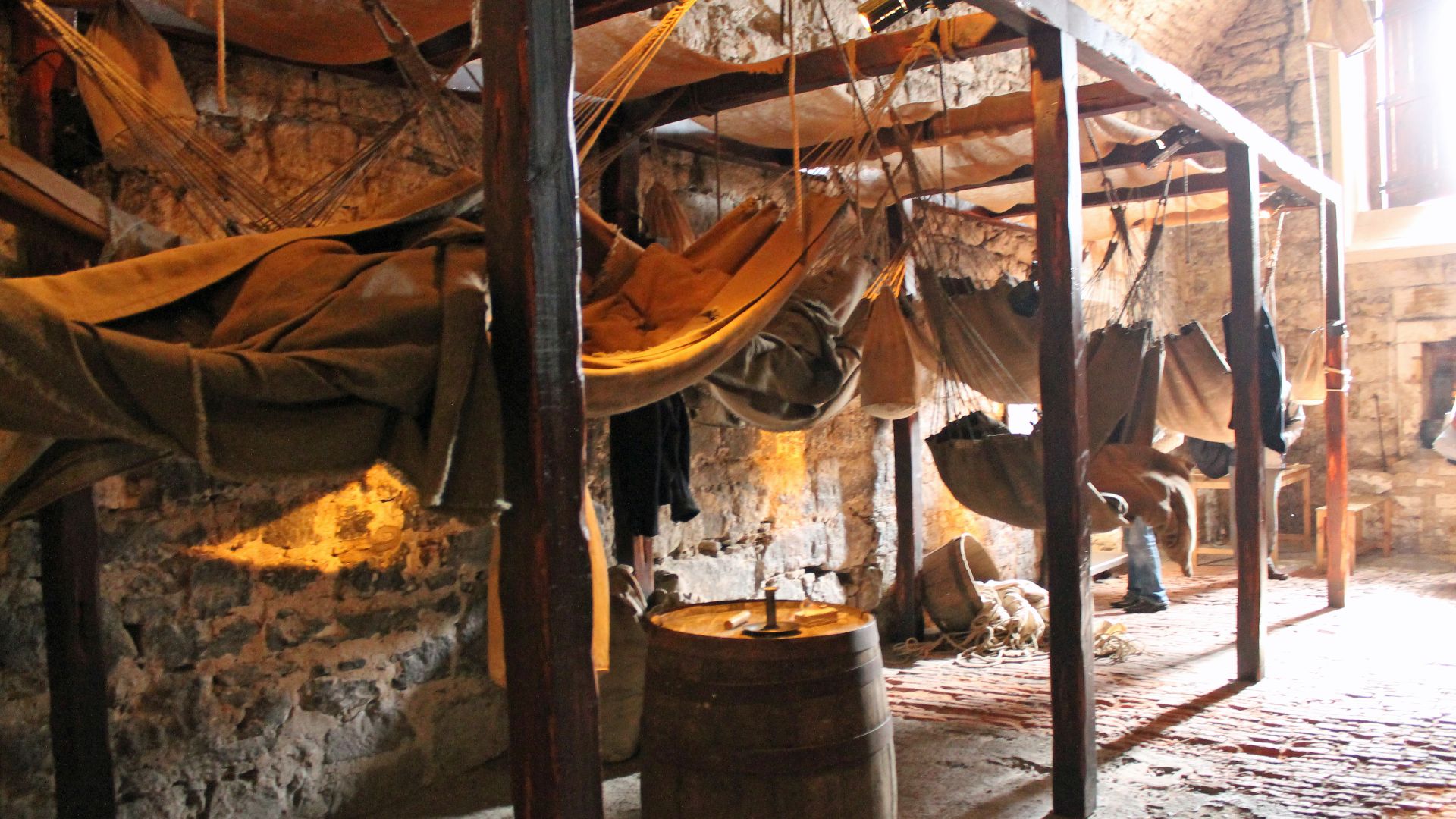
14. Edinburgh Castle Prison: Scotland, 1757 AD
The Seven Years' War transformed Edinburgh's ancient vaults into cramped military prisons, confining foreign sailors and American Revolutionary prisoners within their stone depths. Centuries of captives followed, each leaving desperate graffiti carved into doors and walls that still bear witness to their suffering.
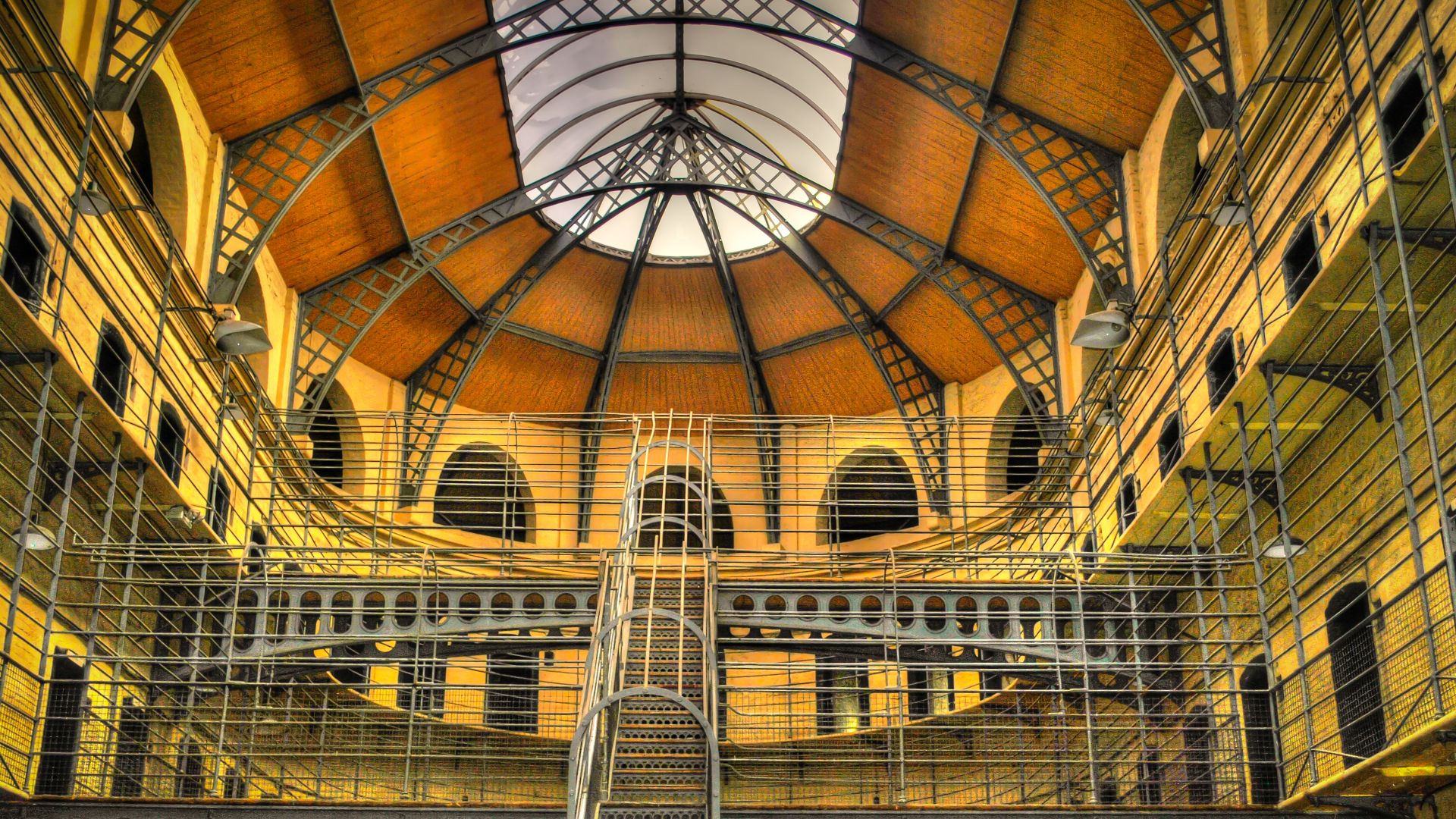
15. Kilmainham Gaol: Dublin, Ireland, 1796 AD
When Kilmainham Gaol opened in 1796, it housed men, women, and children in freezing stone cells without any heating. Prisoners withstood brutal winters while public hangings outside the front gates served as grim spectacles for onlookers until the prison's closure in 1924.
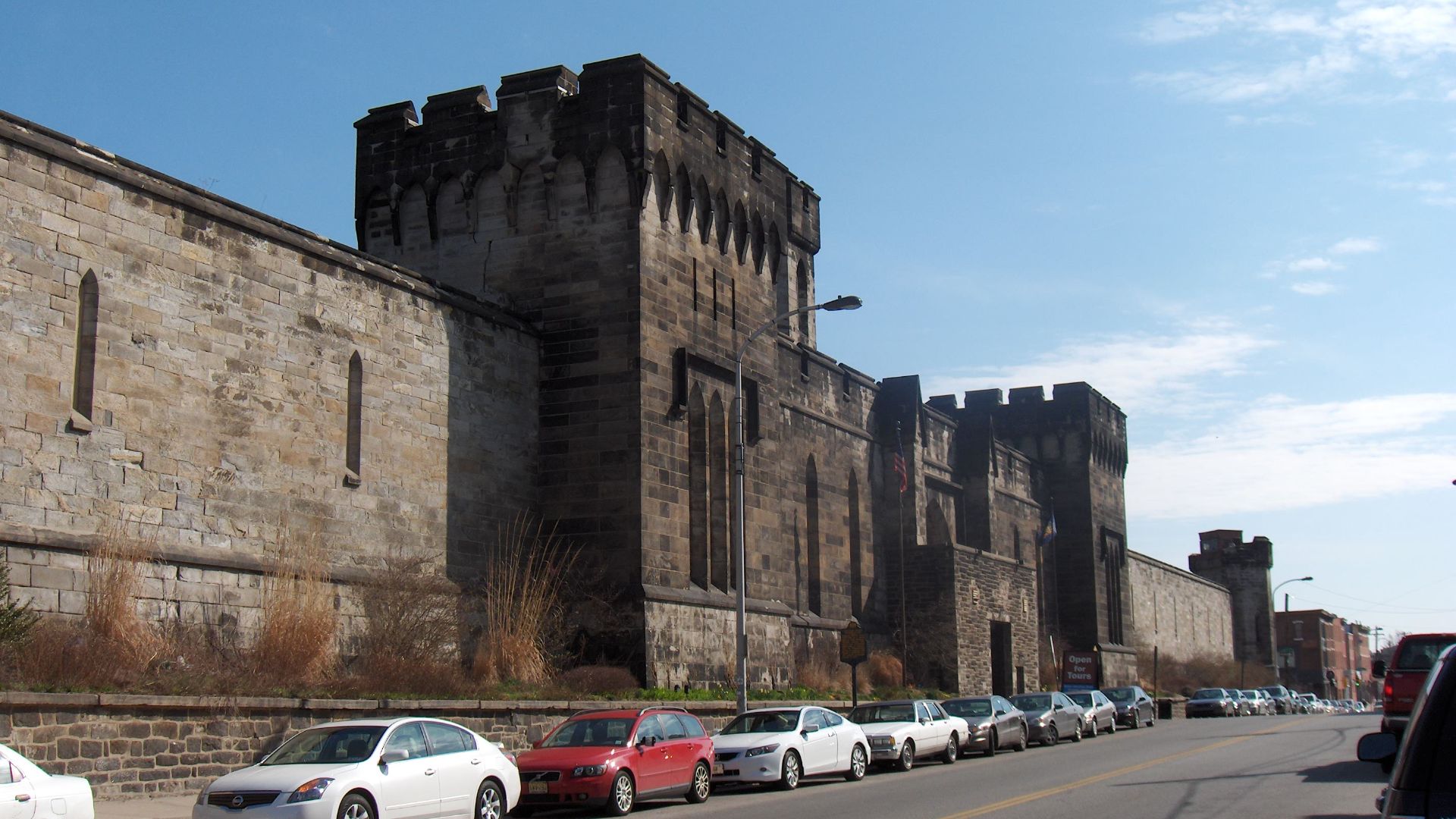
16. Eastern State Penitentiary: Philadelphia, USA, 1829 AD
Eastern State Penitentiary revolutionized prison design when it opened in 1829. It was America's first true solitary confinement system. The innovative wagon wheel layout inspired over 300 prisons worldwide and once held notorious criminals like Al Capone within its corridors.
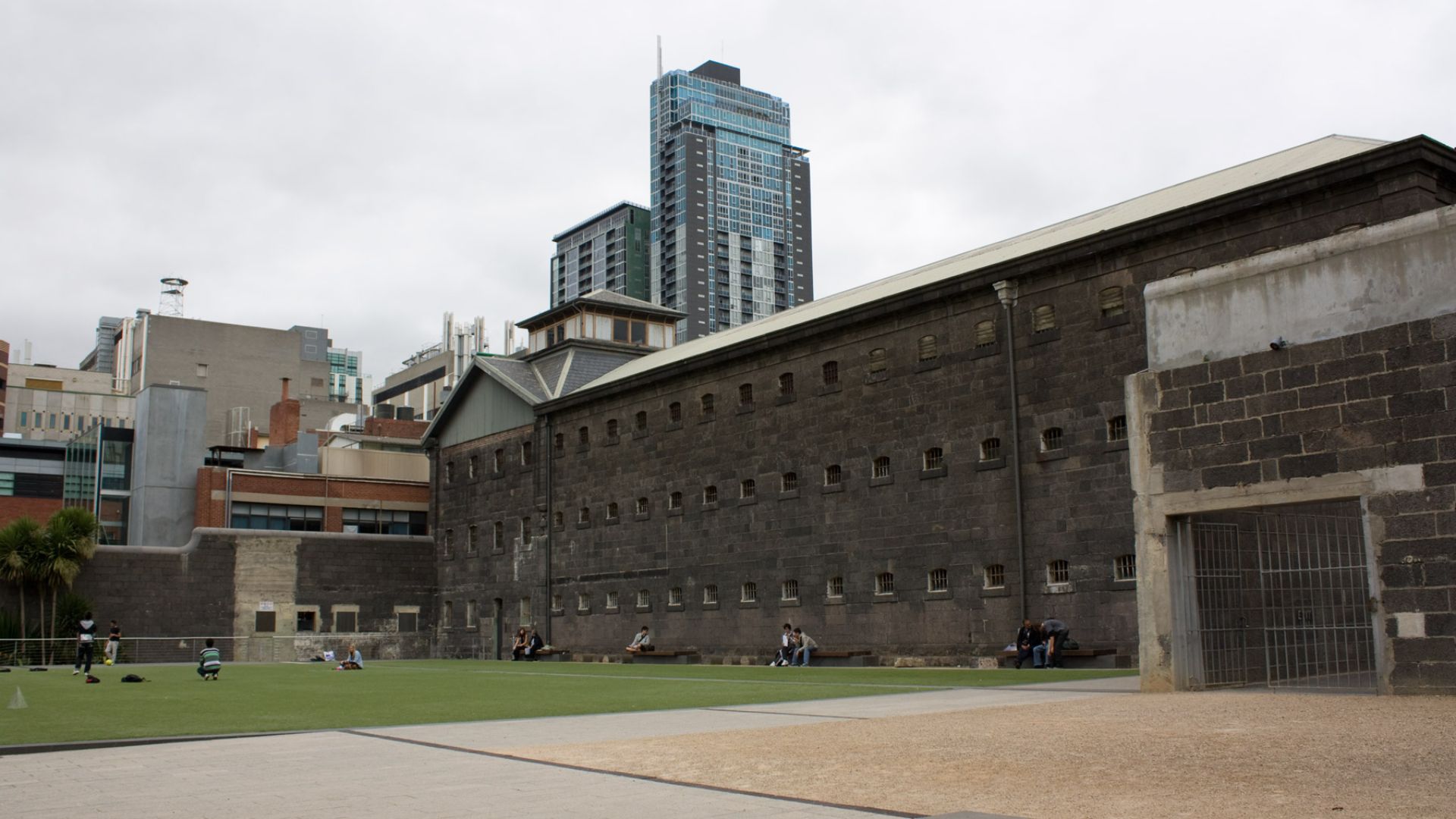
17. Old Melbourne Gaol: Melbourne, Australia, 1845 AD
Australia's first official colonial prison opened in 1845 and gained notoriety by executing bushranger Ned Kelly among 132 other prisoners. Moreover, Victorian authorities used these executions to create death masks (a plaster cast of the dead’s faces) for their controversial phrenology studies.
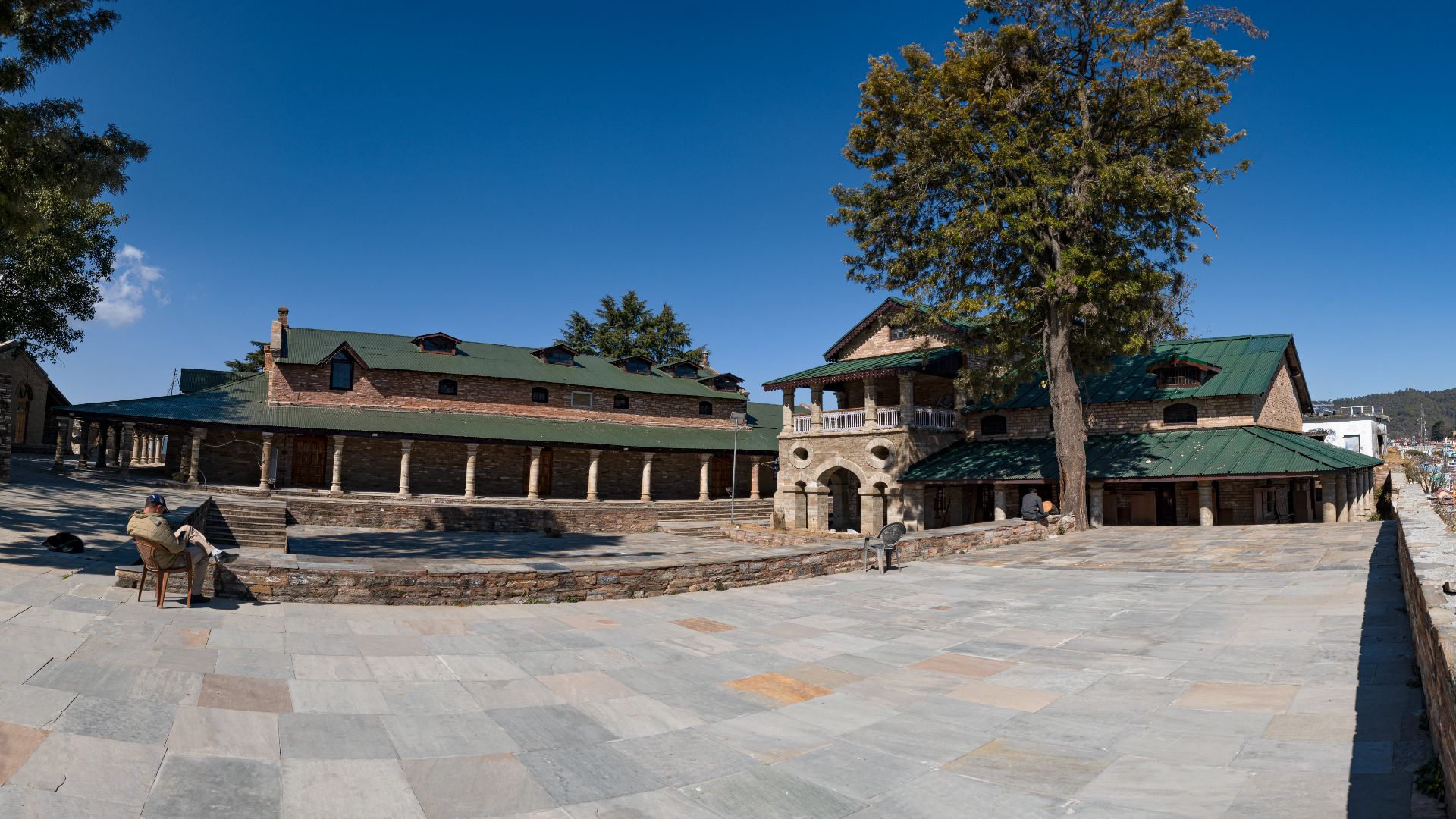
18. Almora Fort Prison: India, 1872 AD
Built by the British in 1872, this Himalayan stronghold doubled as a colonial prison and a symbol of imperial control. Freedom fighters of India's independence movement were confined within its walls. The prison sits so high that mist often cloaks it throughout the day.
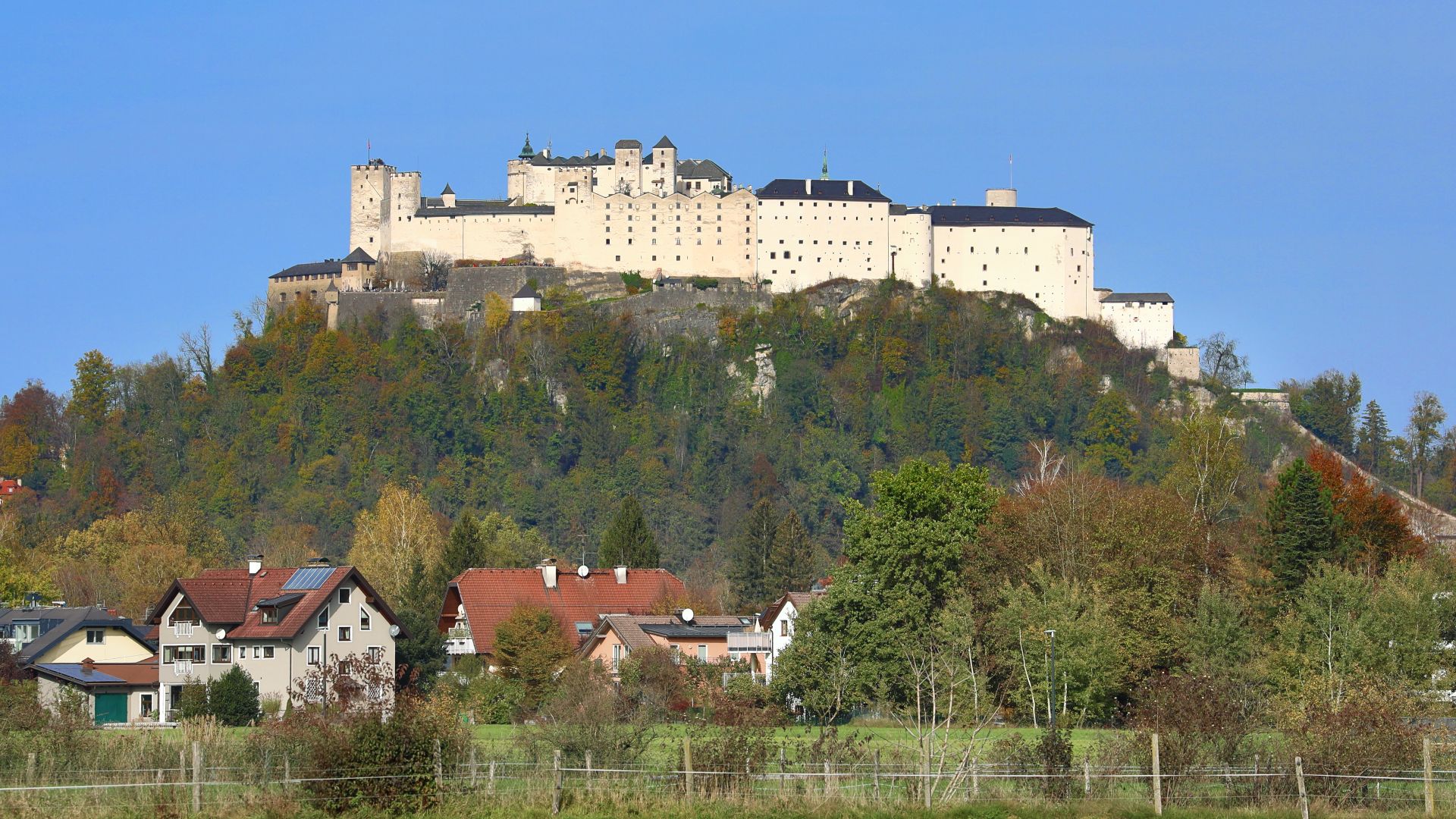
19. Hohensalzburg Fortress Prison: Austria, 19th century
Before the 19th century, this fortress operated as both a stronghold and a prison, perched high above Salzburg with commanding views. Its strategic position contributed to an unbroken defensive record, as this imposing structure never fell to enemy forces throughout its long history.
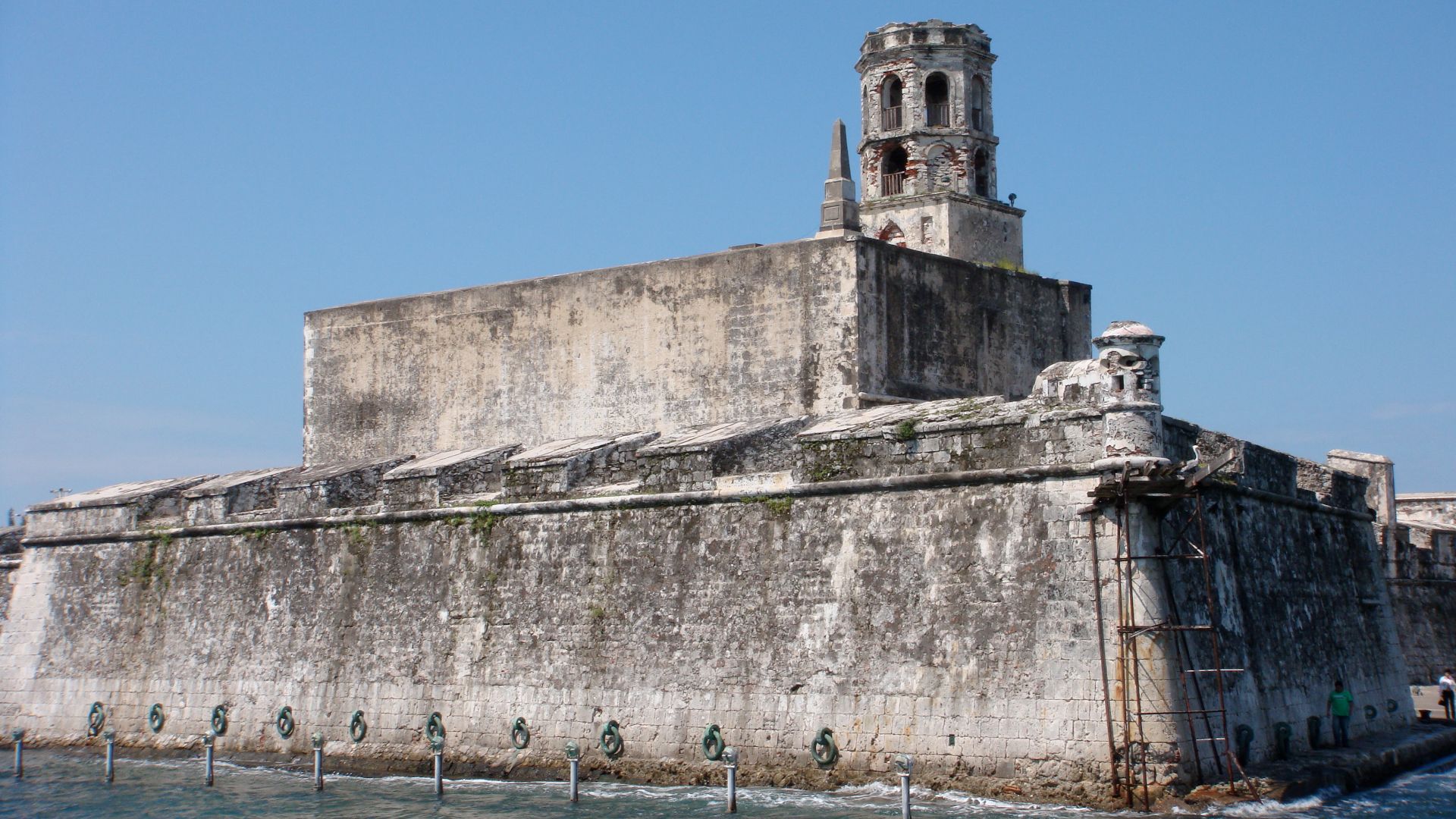
20. San Juan de Ulúa Prison: Mexico, 19th century
San Juan de Ulúa confined revolutionaries and political prisoners during Mexico's turbulent wars of independence. When storms struck, seawater flooded the cells and forced desperate inmates to sleep standing upright in chains, while sharks circled the island's coral moat below.
KEEP ON READING
The 20 Most Recognized Historical Figures Of All Time
The Biggest Names In History. Although the Earth has been…
By Cathy Liu Oct 4, 2024
10 of the Shortest Wars in History & 10 of…
Wars: Longest and Shortest. Throughout history, wars have varied dramatically…
By Emilie Richardson-Dupuis Oct 7, 2024
10 Fascinating Facts About Ancient Greece You Can Appreciate &…
Once Upon A Time Lived Some Ancient Weirdos.... Greece is…
By Megan Wickens Oct 7, 2024
20 Lesser-Known Facts About Christopher Columbus You Don't Learn In…
In 1492, He Sailed The Ocean Blue. Christopher Columbus is…
By Emilie Richardson-Dupuis Oct 9, 2024
20 Historical Landmarks That Have The Craziest Conspiracy Theories
Unsolved Mysteries Of Ancient Places . When there's not enough evidence…
By Megan Wickens Oct 9, 2024
The 20 Craziest Inventions & Discoveries Made During Ancient Times
Crazy Ancient Inventions . While we're busy making big advancements in…
By Cathy Liu Oct 9, 2024