

Lighthouse keepers have watched over the coast for centuries. Alone in their towers, they tended their beacons and performed heroic service, protecting ships against the elements, night and day. As we look back over the ages, there are many stories about keepers who were driven mad, disappeared, or even passed away mysteriously. Could the isolation of their unique work have contributed to their demise? Fact, or fiction?
Isolation and Mental Fatigue
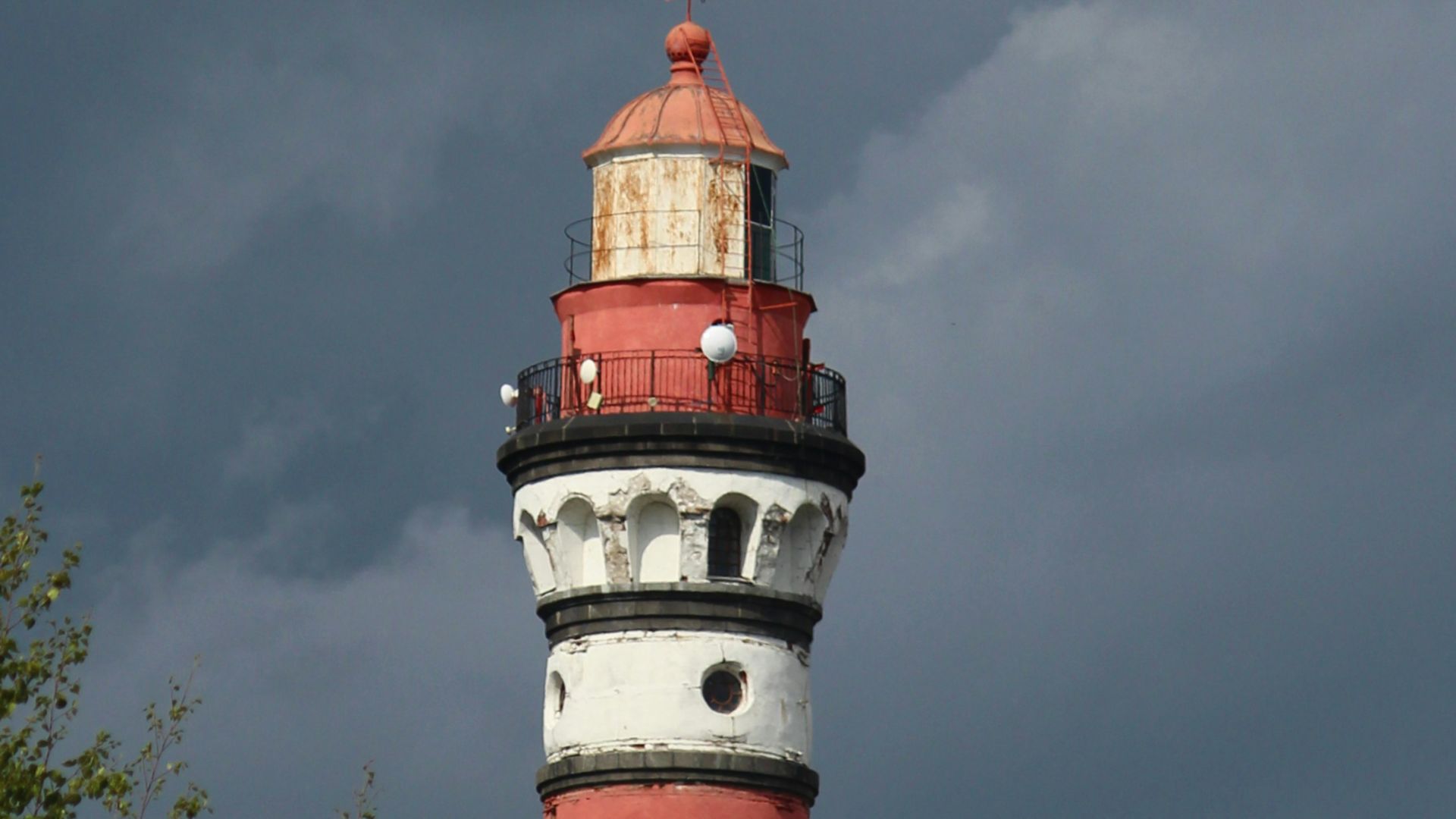 Anastassia Anufrieva on Unsplash
To get away from light and distractions, lighthouses were often purposefully placed in very inhospitable locations. Cliffs, small islands, and rocky outcroppings a few feet wide in the middle of the ocean became sites for these majestic beacons. Perfect for their job of directing traffic, it did, however, make for a hellish life for those maintaining them. The keepers could go weeks or even months with little to no interaction with other human beings. Constant crashing waves and roaring winds assaulted them at all times. No wonder so many lighthouse keepers went mad.
Not only did they not have a chance to rest and sleep for days on end, but it got very lonely very quickly. Feelings of paranoia were a common symptom, with lighthouse keepers reporting imaginary voices or feeling as though they were being watched. Lack of sleep from dealing with storms, breakdowns, or just needing to tend to the flame became commonplace as well.
There were no shortcuts to the job of a lighthouse keeper. You simply had to do it or fail. As such, insanity from paranoia, hallucinations, and other symptoms was a very real occupational hazard.
Wild Weather and Vanishing Keepers

Few tales of lighthouse service ring more chilling and tragic than the fate of three keepers at a remote Scottish isle, Eilean Mor, in 1900.
After waiting for days in punishing weather for a replacement keeper to arrive, the three were left at the lighthouse, abandoned. A clock stopped at a certain time, an overturned chair, and a missing overcoat told the tale: when the three left, the storm was so bad, it simply drove them mad with terror. In the logbook, the men had written that they "wept and prayed" for rescue. But an examination of the weather records indicated that, while it might have been bad a few days before, there had been no storm at the time of their supposed writings.
The truth, of course, is a mystery, though an inquest declared that it is likely the men were knocked off their feet by a huge wave while trying to fix some delicate machinery. The force of the waves was so strong that they damaged buildings 33 meters above sea level. But the many unknowns left the door open to ghost stories, and for many years, the tale just added to the lore of the power of lighthouses to cause panic, terror, and desperate action.
The Hidden Danger of Mercury

Isolation was not the only hazard. The mechanism that turned many 19th- and early-20th-century lighthouse lenses often used a mercury bath to lubricate the rotation of the enormous glass disks. Keepers were regularly exposed to toxic mercury vapors when cleaning the mechanism, skimming impurities from the surface, or filtering the liquid metal through a block of chamois leather.
In the 1980s, one Canadian lighthouse was found to have airborne mercury concentrations between 4.4 and 26.3 μg/m³, exceeding current safety thresholds. Traces of mercury were also found on all surfaces throughout the building, indicating chronic exposure. Internal mercury concentrations in the keepers studied were low, but presumably much higher for past generations. Chronic exposure to mercury vapors is known to cause irritability, tremors, memory loss, and personality change, symptoms that parallel some anecdotal descriptions of “mad” keepers.
KEEP ON READING