

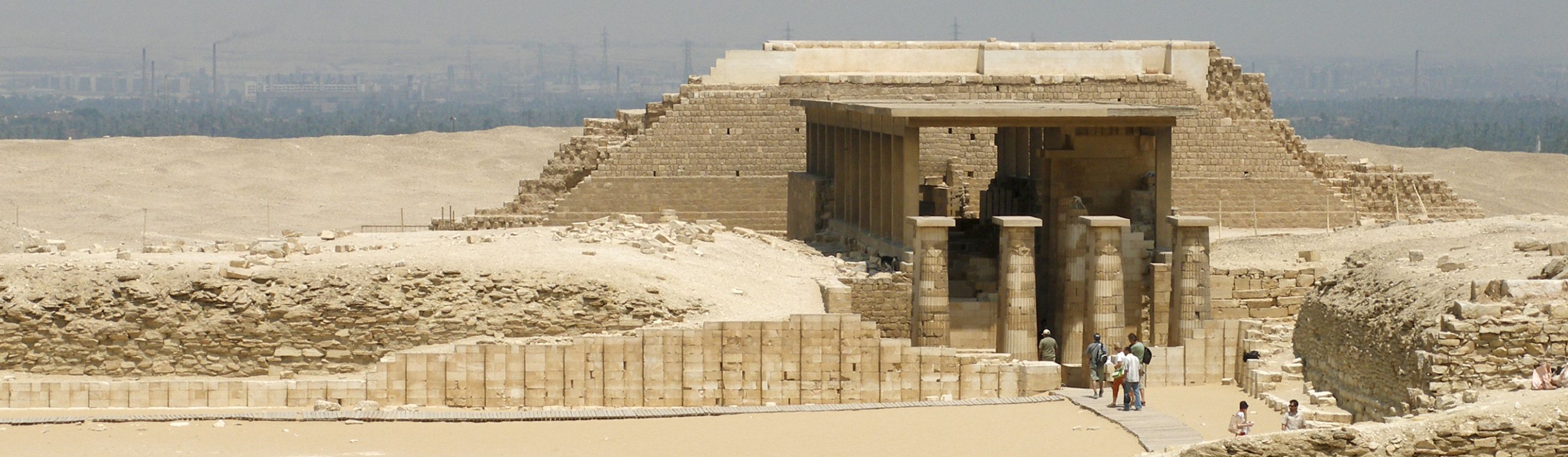
The morning light spread across the Saqqara plateau as archaeologists brushed away layers of sand, revealing a tomb that had slept for over four millennia. What they found was more than a burial chamber; it was the story of a man who straddled the line between science and sorcery. His name was Tetinebefou—a royal physician, priest, and healer who lived during Egypt’s Old Kingdom. Every carving, every title etched into his limestone walls, revealed a mind that combined medicine with mysticism.
So, let’s find out how this extraordinary figure became known as Egypt’s wizard doctor.
The Healer Who Served The Pharaohs
Tetinebefou lived during the reign of Pharaoh Pepi II, around 2246 to 2152 BCE, a time when Egypt’s power and artistry were at their height. Within the royal court, he held multiple prestigious titles: “chief dentist,” “director of medicinal plants,” and “conjurer of Serket,” the goddess of healing and scorpions.
To the Egyptians, illness was never just physical—it carried moral and spiritual weight, demanding both remedy and ritual. Tetinebefou displayed that unity. His work blended temple ceremony with practical medicine, showing how seamlessly faith and healing intertwined.
The discovery of Tetinebefou’s tomb turns abstract history into a tangible story. Through him, we glimpse the humanity behind the hieroglyphs—the physician who soothed pain, cured bites, and invoked divine favor for his king. But what exactly did archaeologists find inside that could illuminate his life’s work?
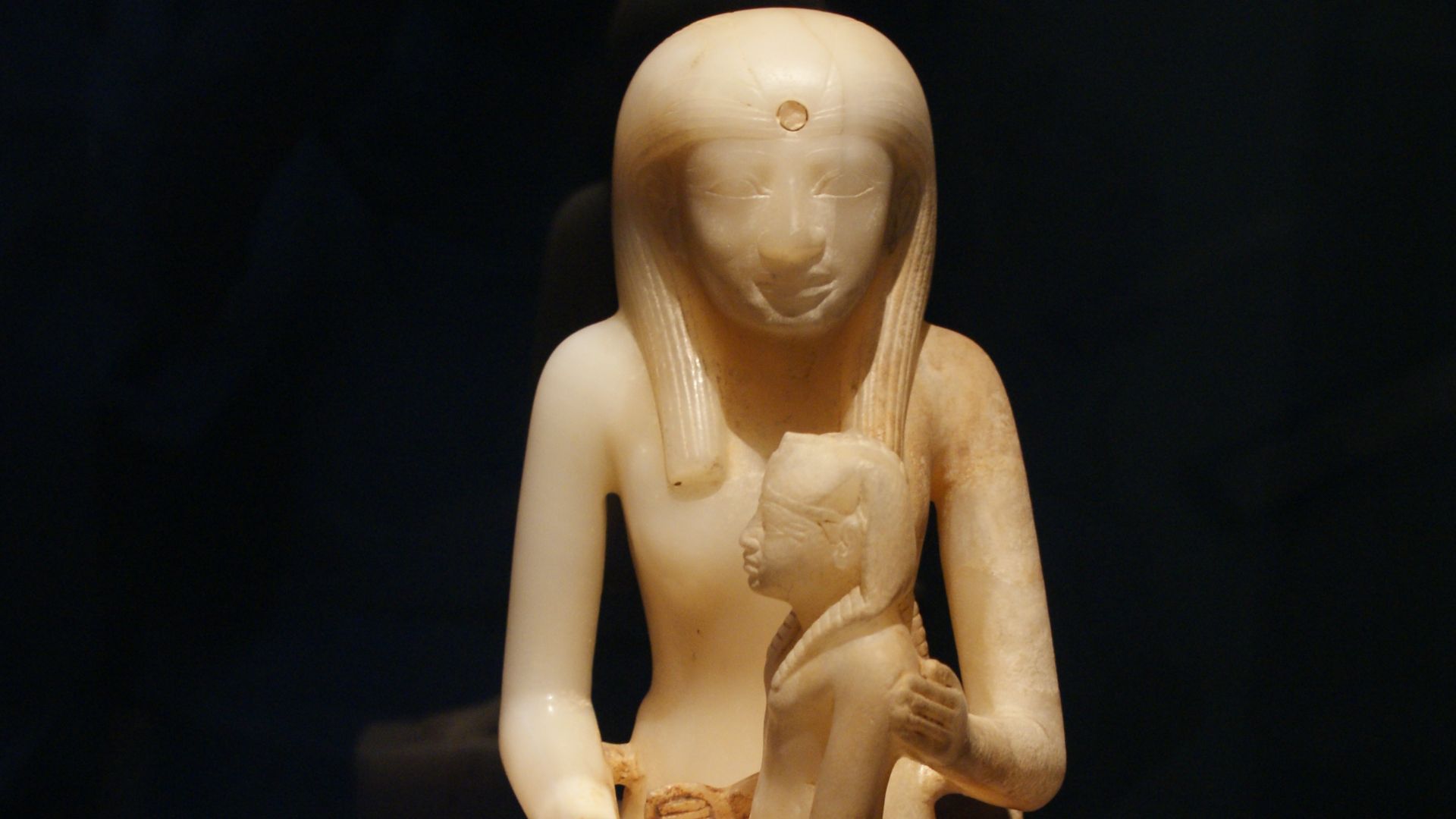 File Upload Bot (Kaldari) on Wikimedia
Inside The Tomb Of Knowledge And Power
The tomb of Tetinebefou lies in the necropolis of Saqqara, an ancient cemetery south of Cairo that once served as the royal burial ground for Memphis. Built as a mastaba—a rectangular, flat-roofed structure of stone and mudbrick—it reflects the design reserved for Egypt’s elite. Although grave robbers looted parts of it centuries ago, the chamber remains remarkably intact.
At the heart of the chamber stands a carved “false door,” a sacred feature in Old Kingdom tombs that symbolized the threshold between life and the afterlife. Through this symbolic portal, offerings of food, oil, and medicine could pass, nourishing Tetinebefou’s spirit.
This discovery is invaluable because it visually connects to texts like the Ebers Papyrus and Edwin Smith Papyrus—two of the oldest medical manuscripts known.
Why Tetinebefou Still Matters Today
Today, every archaeological discovery tells two stories: one about the past and one about us. The tomb of Tetinebefou does both. It reminds us that ancient medicine was not as primitive as once believed. Instead, it was a sophisticated system rooted in observation, herbal study, and spiritual responsibility.
For modern archaeologists and historians, the find also expands Saqqara’s significance as an archive of Egypt’s professional life. While many tombs commemorate generals or high priests, Tetinebefou’s celebrates intellect and expertise. It stands as evidence that Egypt’s healers were not only respected but also immortalized.
And in that belief, Tetinebefou, Egypt’s wizard doctor, continues to live—forever healing the bridge between knowledge and wonder.
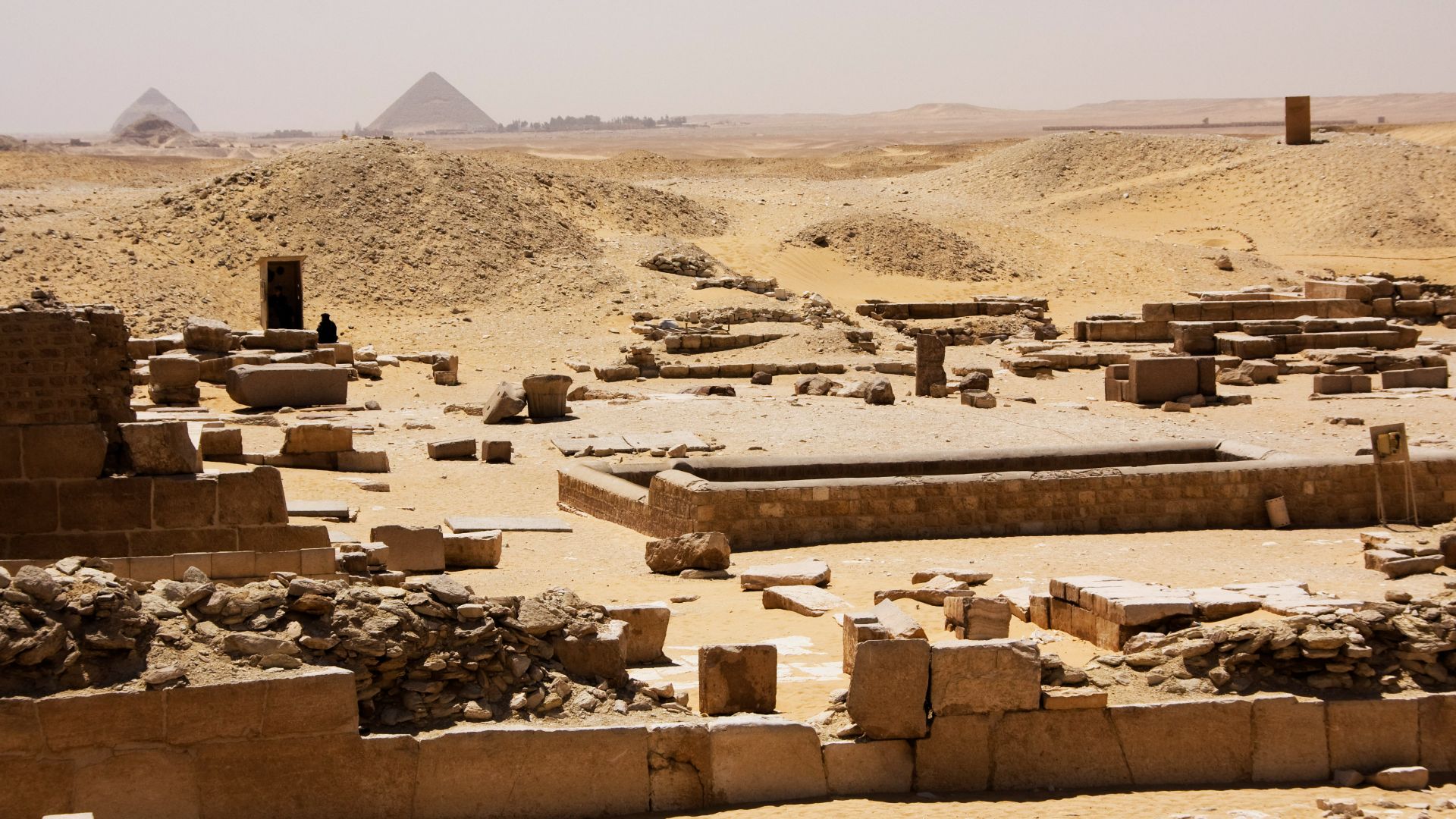 Ian Sherlock from Puriton, UK on Wikimedia
KEEP ON READING
20 Weirdest Historical Objects in Museums
Check Out the Pickled Heart of a Saint. Museums carry…
By Rob Shapiro Oct 1, 2025
20 Ocean Mysteries We Still Haven’t Solved
Unanswered Questions Of The Ocean. The ocean covers most of…
By David Davidovic Sep 1, 2025
10 Phenomenal Mythical Creatures & 10 That Are Just Plain…
Legends Both Majestic And Peculiar. Do you ever wonder why…
By Chase Wexler Oct 1, 2025
20 Historical Predictions That Turned Out To Be True
Crystal Ball Moments In History. Do you wonder what it's…
By Chase Wexler Sep 1, 2025
10 Presidents Who Never Served In The Military & 10…
Commanders And Civilians In Office. Power can rise from very…
By David Davidovic Sep 1, 2025
20 Wars That Could Have Ended Much Sooner Than They…
Wars That Lasted Far Too Long. Wars are often remembered…
By David Davidovic Sep 1, 2025